Today's Global Economy Pulse
Crude futures plunge as US‑Iran peace deal lifts Hormuz hopes
Oil futures fell 4‑5% after the United States announced a peace framework with Iran, prompting expectations that the Strait of Hormuz will reopen. August ICE Brent slid to $83.24 a barrel and July NYMEX WTI to $80.17, marking declines of roughly 5% and 5.5% respectively.
U.S. Treasury Yields Edge Higher as Markets Rebound Amid Iran Peace Proposal and Trump Tariff Threat
U.S. Treasury yields rose modestly and the yield curve flattened on Friday as equities recovered, driven by Iran's fresh peace proposal and President Trump's threat of 25% tariffs on EU autos. The move reflects investors balancing geopolitical risk with a tentative rebound in risk assets.
US War on Iran Costs $25B, Seeks $200B
My take @FortuneMagazine on the cost of the US-Israeli war on Iran: "Operation Epic Fury has burned through $25 billion so far. That's just the tip of the iceberg. The White House has requested a supplemental budget of $200 billion for its...

UAE Exits OPEC: What Forced the West Asian Nation to Junk the Oil Cartel Amid the US-Iran War? Explained
The United Arab Emirates announced on May 1, 2026 that it will leave OPEC, ending its participation in the cartel’s production‑quota system. Analysts say the move is a pre‑planned shift driven by a mismatch between the UAE’s 4.8 million‑barrel‑per‑day capacity and the 3.2 million‑bpd...
US LNG Exports to Asia Surged in April as Middle East Conflict Curtailed Supply
U.S. liquefied natural gas (LNG) exports to Asia surged in April, with shipments climbing to 2.71 million tonnes—up 175% from February—after Middle‑East supply was disrupted by the Iran conflict. Asian spot LNG prices stayed high, averaging $17.92 per MMBtu, roughly 17%...
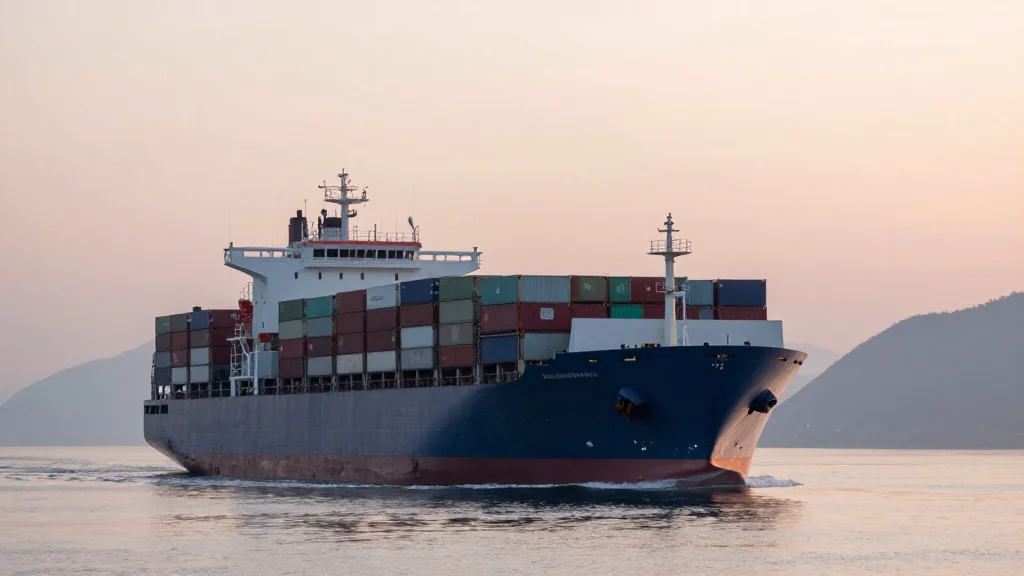
Strait Closure Threatens Escalating Pain for EMDEs
I wrote about this here. https://t.co/6nvDEd9BSJ The pain is felt most acutely now in EMDEs. But make no mistake, much more pain is headed our way if strait remains closed.
Oil Falls on Hopes for US-Iran Negotiations, Hormuz Progress
Oil slipped to around $102 per barrel on Friday as US‑Iran peace talks remain tenuous, even though West Texas Intermediate posted an 8% weekly gain. Traders trimmed risk amid thin volumes and global market holidays, while the ongoing de‑facto closure...
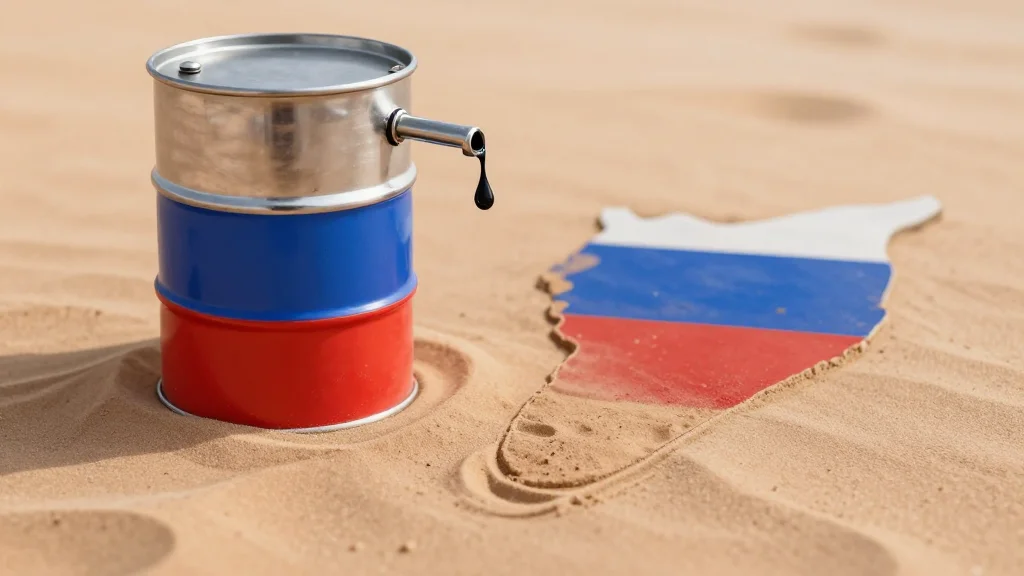
Russia Now Main Supplier Of Oil To Post-Assad Syria, Despite Pivot To West
Russia has surged to become Syria’s leading oil supplier after the fall of Bashar al‑Assad, with shipments climbing 75% to about 60,000 barrels per day. The increase reflects Damascus’ acute energy shortfall and a pragmatic turn toward Moscow despite a...
India's Sensex Slides 0.75% as Oil Spike and Geopolitical Tensions Drag Markets
The BSE Sensex fell 582.86 points (0.75%) to 76,913.50 and the NSE Nifty 50 slipped 180.10 points (0.74%) to 23,997.55 on Thursday. A surge in Brent crude above $120 per barrel and heightened geopolitical risk around the Strait of Hormuz...

Canton Fair Highlights Livestream Shopping Guides Linking China and Middle East
The Canton Fair debuted livestream shopping guides that directly connect Chinese merchants with buyers in the Middle East. The move reflects a broader surge in cross‑border ecommerce, as Visa reports double‑digit growth in online spend and Tradeweb notes a 56%...
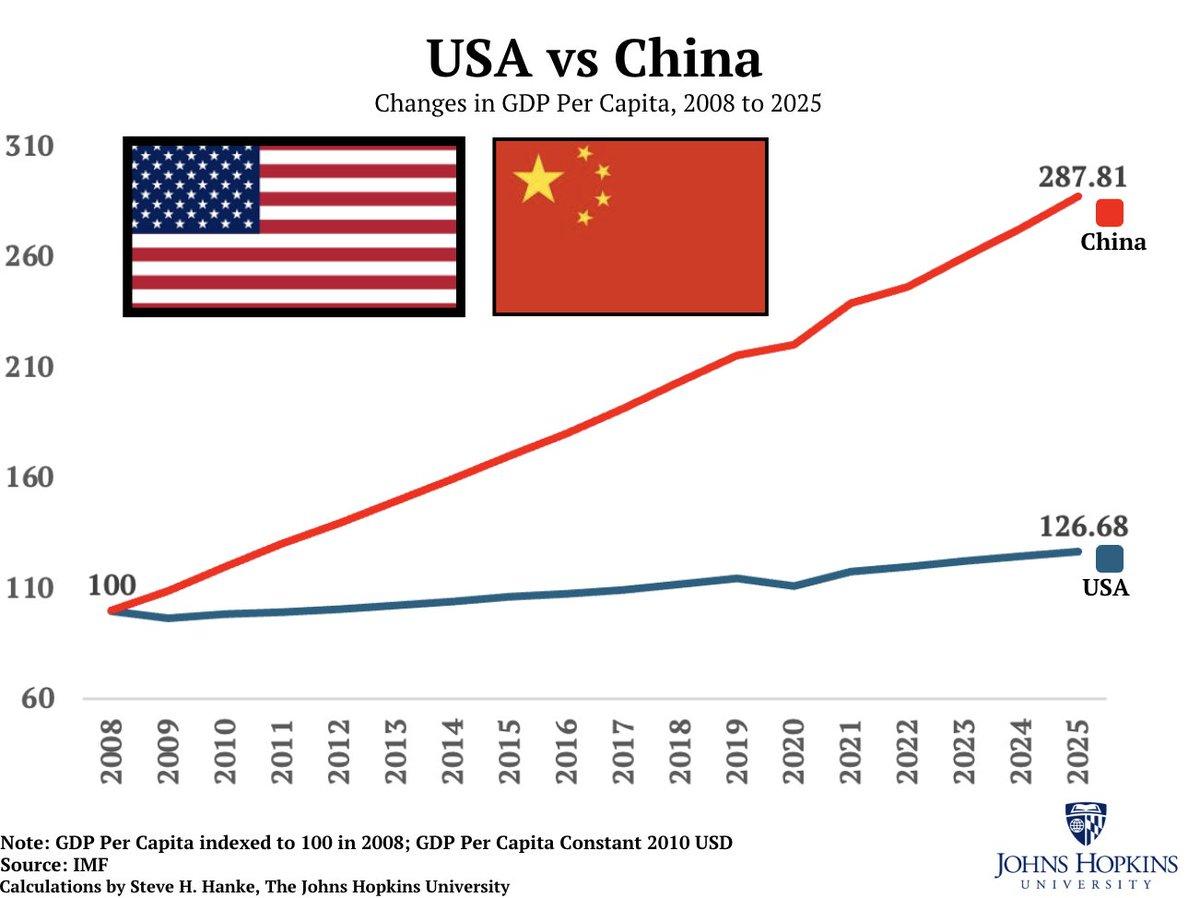
China’s Post‑2008 Growth Beats U.S., Redefining Exceptionalism
Forget America’s exceptionalism. Since 2008, all the action has been in China. I wonder if Xi will show Trump the accompanying chart when they meet on May 14 & 15? CHINA = GROWTH EXCEPTIONALISM. https://t.co/Ijn7BPdUxb
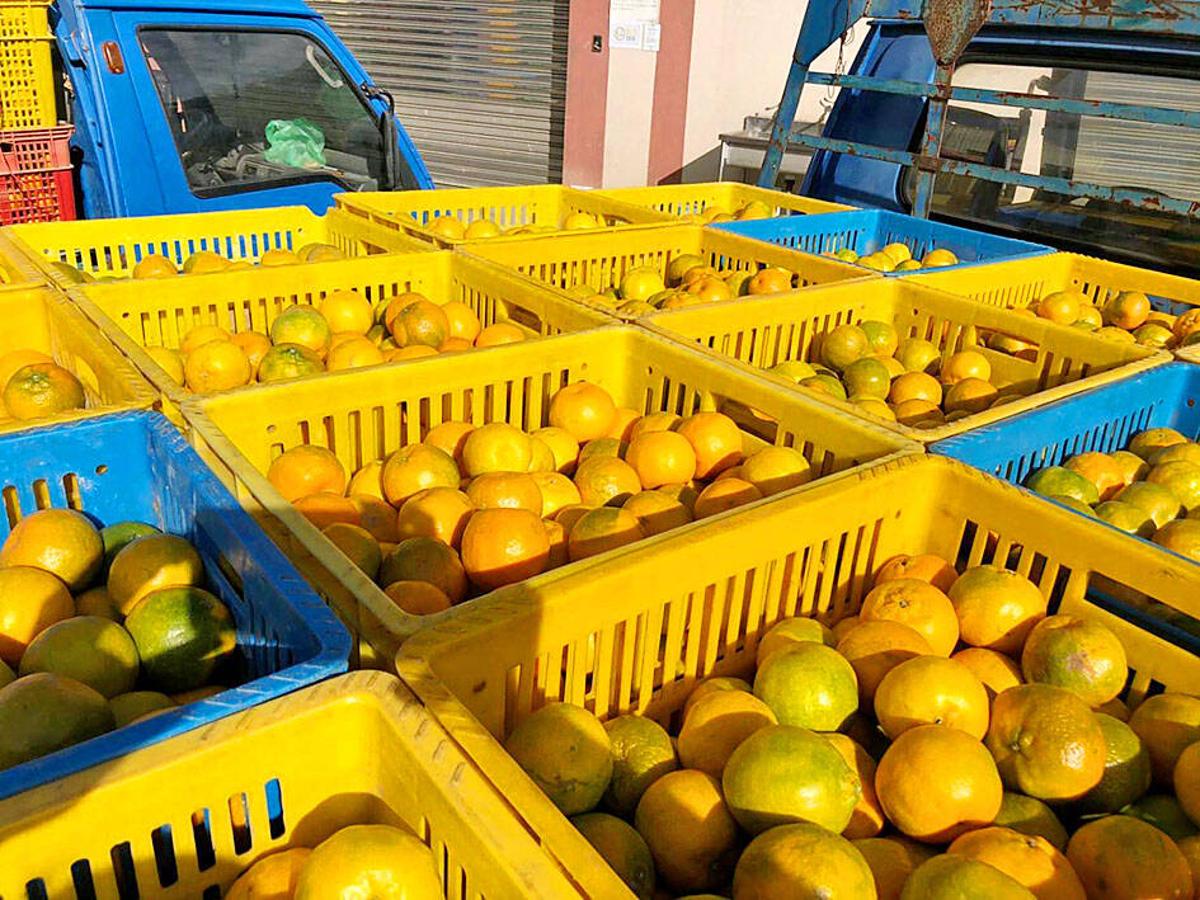
US Citrus Imports Would Not Affect Domestic Supply
Taiwan's agriculture ministry says U.S. tangerine imports, averaging 1,115 tonnes a year, represent only about 1% of domestic consumption and will not disrupt the local citrus market. Imports arrive from March to May, a period that does not coincide with Taiwan's...

MOFA Speaks Out About Threats in China-US Call
Taiwan’s Ministry of Foreign Affairs (MOFA) voiced concern after Chinese Foreign Minister Wang Yi warned the United States during a call with Secretary of State Marco Rubio. The remarks came ahead of a high‑profile US‑China summit scheduled for May 14‑15 between President Donald Trump...
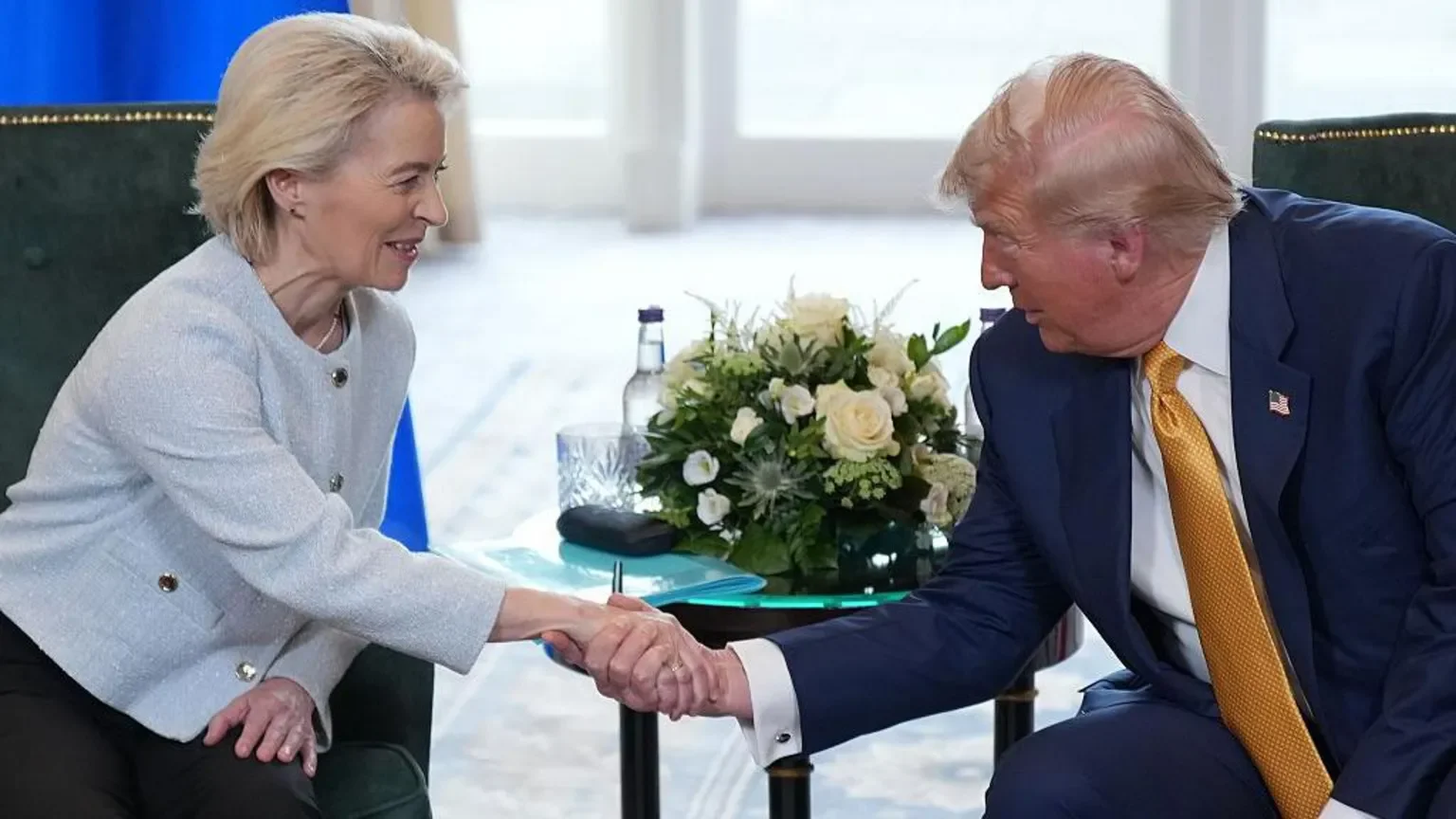
Trump Threatens 25% Tariffs on EU Cars over Trade Dispute
Trump says he will hike tariffs on EU cars to 25% 🚨 The US president accused the EU of "not complying with our fully agreed to trade deal" in a post on Truth Social, but did not explain how? @champ_trader
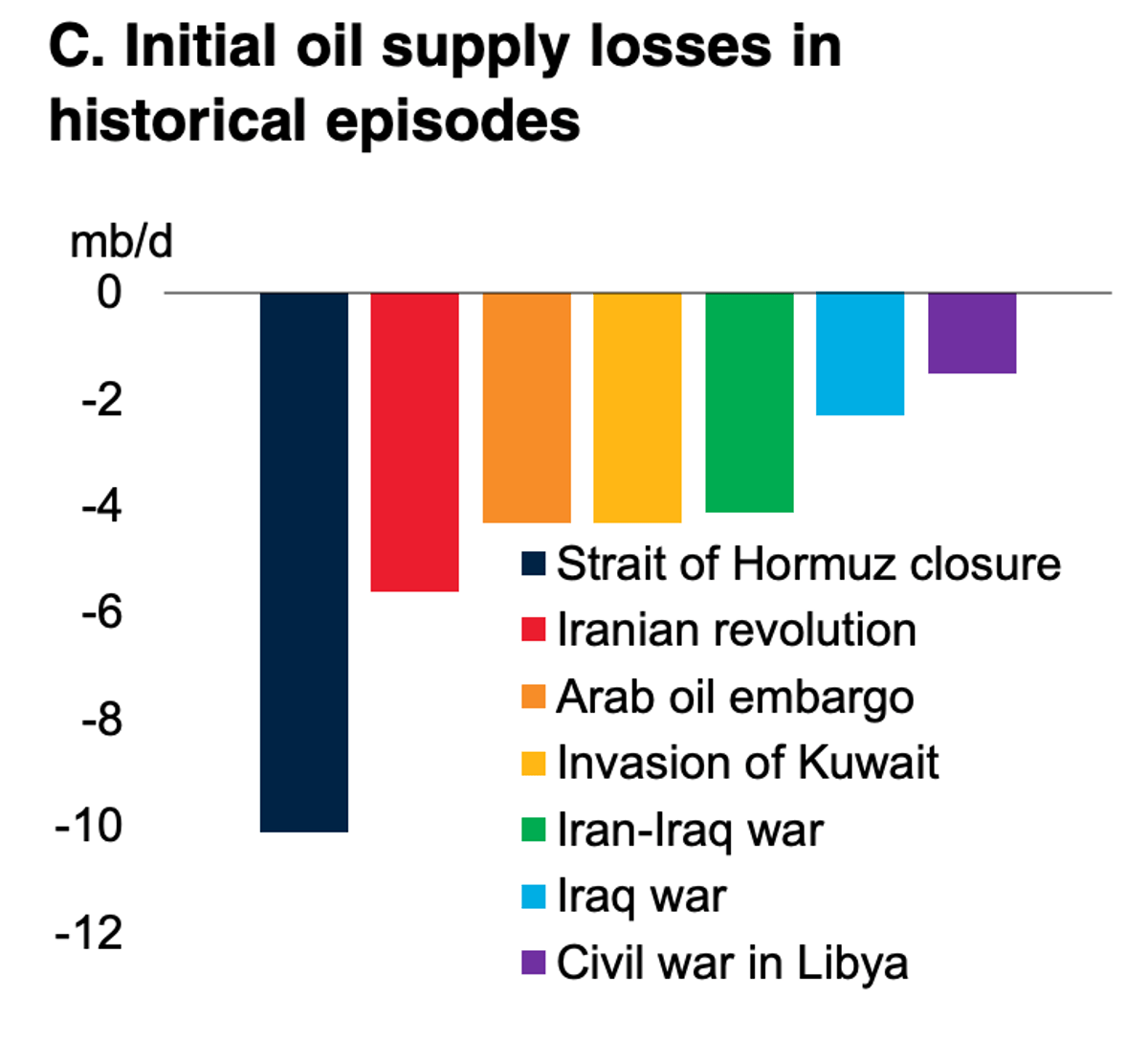
Strait of Hormuz Closure Cuts 10M Barrels Daily
According to the World Bank’s NEW Commodity Markets Outlook report, the closure of the Strait of Hormuz wiped out around ~10 MILLION BARRELS/DAY of global oil supply. This is the LARGEST DISRUPTION ON RECORD https://t.co/ERT2BN8SaZ
The Macroeconomic Consequences of Undermining Central Bank Independence: Evidence From Governor Transitions
Recent research covering 132 central‑bank governor transitions across 28 economies finds that 38% of changes are politically motivated, especially in emerging markets. Politically driven appointments, particularly those with unorthodox monetary views, lead to lower short‑term interest rates, a short‑run GDP...
Foregone Gulf Oil Costs Exceed $60 Billion
Cost of foregone Gulf oil production alone—not counting LNG, fertilizer, helium supply chain consequences—is currently valued at $60+ billion.
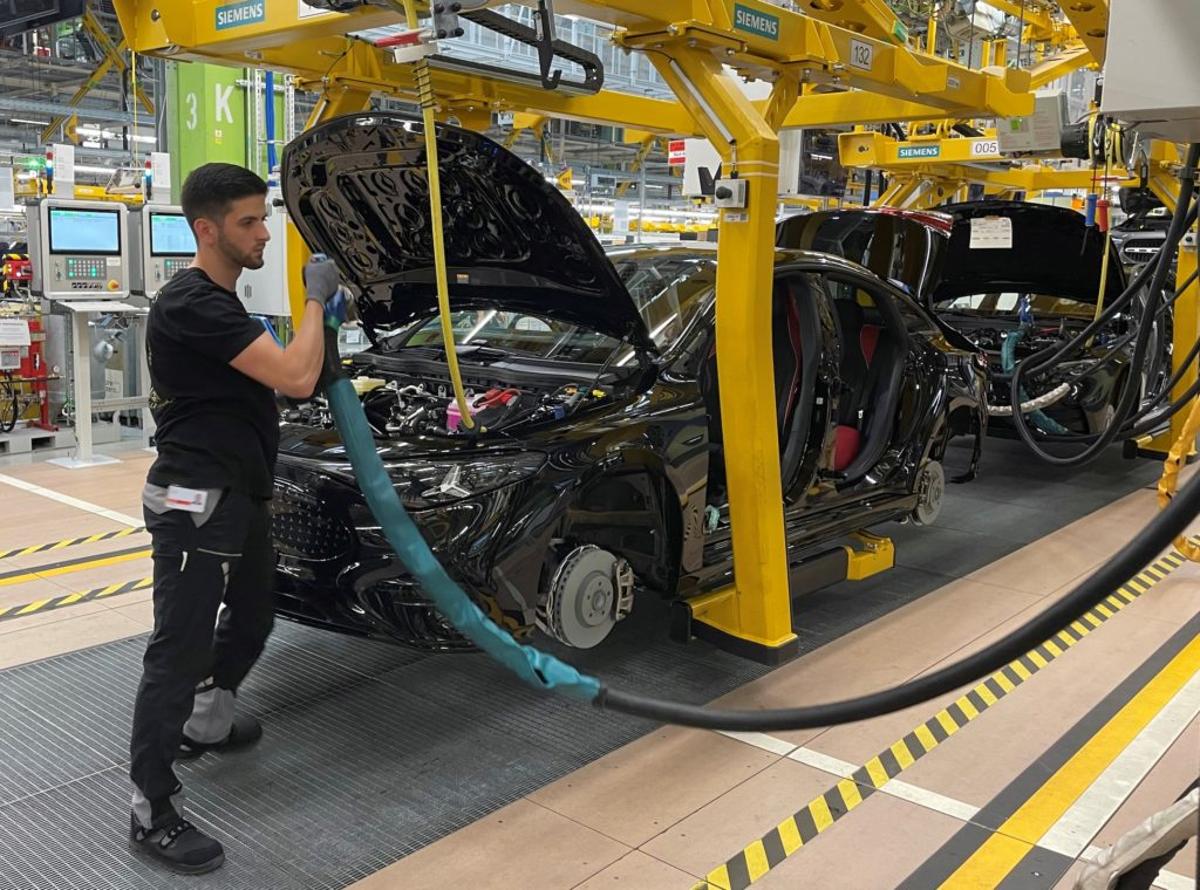
News Wrap: Trump Announces 25% Tariffs on Cars and Trucks From the EU
President Donald Trump announced a 25% tariff on cars and trucks imported from the European Union, accusing the bloc of violating a trade agreement reached last summer. The move escalates a dispute that began after the EU’s 15% levy on...

‘A Lot of Money to Be Made:’ How Canada's Food and Beverage Companies Can Grow Outside the U.S.
Canadian food and beverage exporters are rethinking their heavy reliance on the United States as the CUSMA trade pact heads for renegotiation. A panel at SIAL Canada highlighted the need to explore new markets, with Export Development Canada (EDC) focusing...

Trump Announces 25% Tariffs on Cars From the EU
The episode examines President Donald Trump's announcement of a 25% tariff on European cars and trucks, arguing the move stems from perceived EU non‑compliance with a recent trade deal, especially over steel and aluminium disputes. BBC correspondents and EU officials...
Saudi's Spending Cut Signals Shift in Regional Power
What the End of Saudi Arabia’s Big-Spending Era Means for the Kingdom and Beyond https://t.co/9iRmQ5paso

Canadian Business Closures Surge, 1 In 20 Shutter In A Month
Statistics Canada reports that 46,900 businesses closed in January 2026, a 4.5% year‑over‑year increase, pushing the monthly closure rate to 5%—roughly one in twenty firms. Business openings held steady at 4.9%, leaving the net active‑business count at 936,200, the lowest...
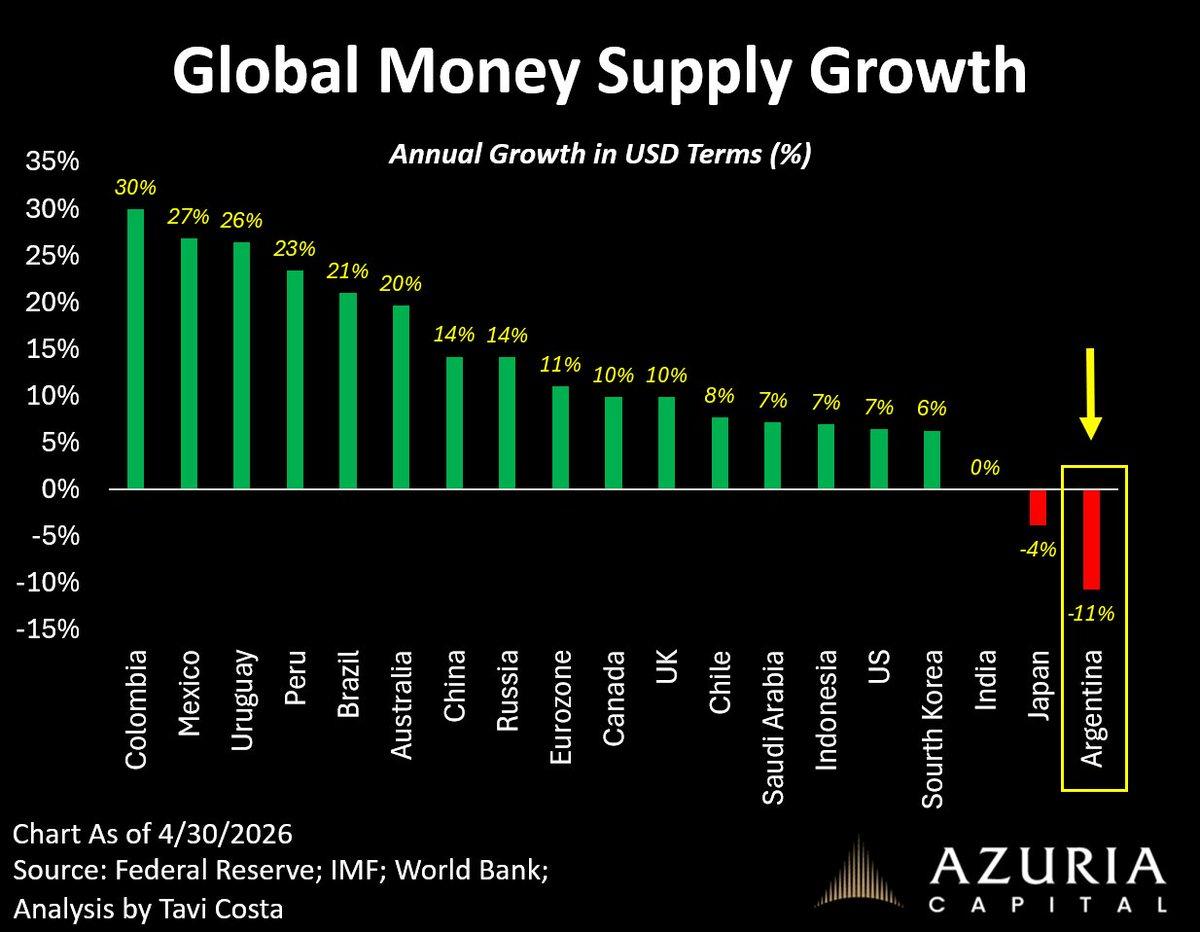
Argentina's Money Supply Shrinks as Global Credit Bloats
Argentina is the only country where money supply is contracting at a double-digit rate. Meanwhile, the rest of the world continues to expand credit with little to no monetary discipline. None of us own enough hard assets. https://t.co/7n3N1S2a1W https://t.co/mVU3eZcLRN
Investors Eye Venezuela Amid Legal and Political Uncertainty
Summary of my 24 hours on the ground in #Venezuela. Investors/potential investors are visiting, but the country's legal/regulatory framework and political/democratic future (Delcy Rodriguez ducked a question on the timeline for elections) continue as large areas of concern... 👇🏼
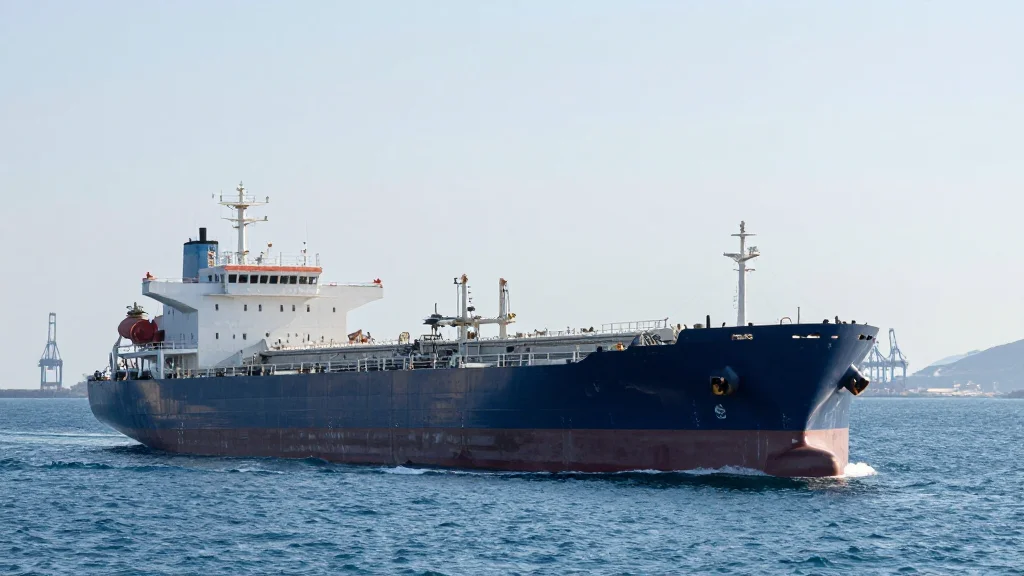
Crude Tankers Decline Despite Yanbu Demand
Crude shipments from Saudi Arabia's Yanbu port surged to roughly 4‑4.2 million barrels per day in April, compensating for a steep drop in Middle‑East Gulf loadings that fell to 1.8‑1.9 million b/d after the US‑Israel‑Iran conflict halted Hormuz traffic. Despite the Yanbu...
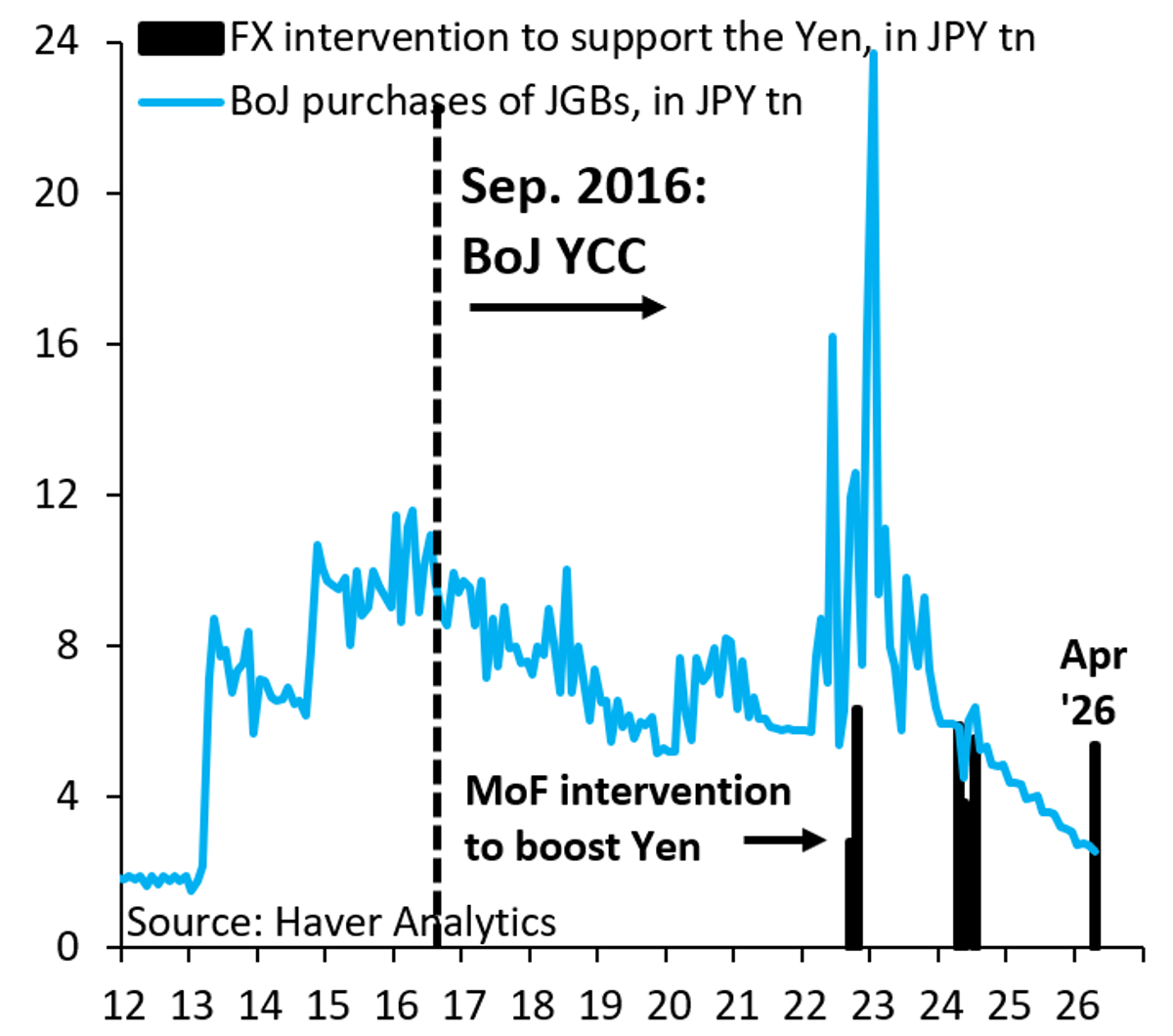
Live: Japan's FX Intervention Misread, US Leads Standoff
I'm doing a livestream tomorrow morning at 9 am to discuss Japan's latest FX intervention, which is as "lost in translation" as always. I'll also give an update on the US blockade and where we now stand. The US is...
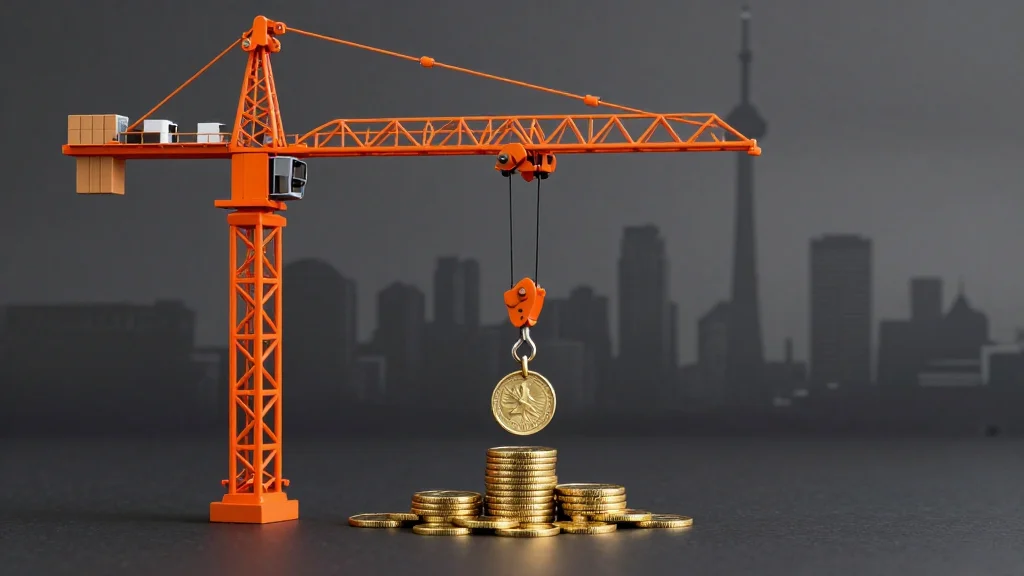
Strong Private Sector Essential for Funding Social Programs
Hot take: You cannot fund great social programs without a thriving private sector. In Canada: Over 60% of taxes are paid by the top 20% of earners. If we want better schools, health care, and innovation, we need more builders creating taxable value. https://t.co/qwr8lXrBsr
Iran War Shakes Global Economy as Energy Costs Surge and Recession Fears Grow
In just over nine weeks, the Iran war has sent shockwaves through the global economy, driving up oil and gas prices and igniting inflationary pressures worldwide. Countries that rely on Gulf imports—such as Sri Lanka, Mexico, the United Kingdom and...
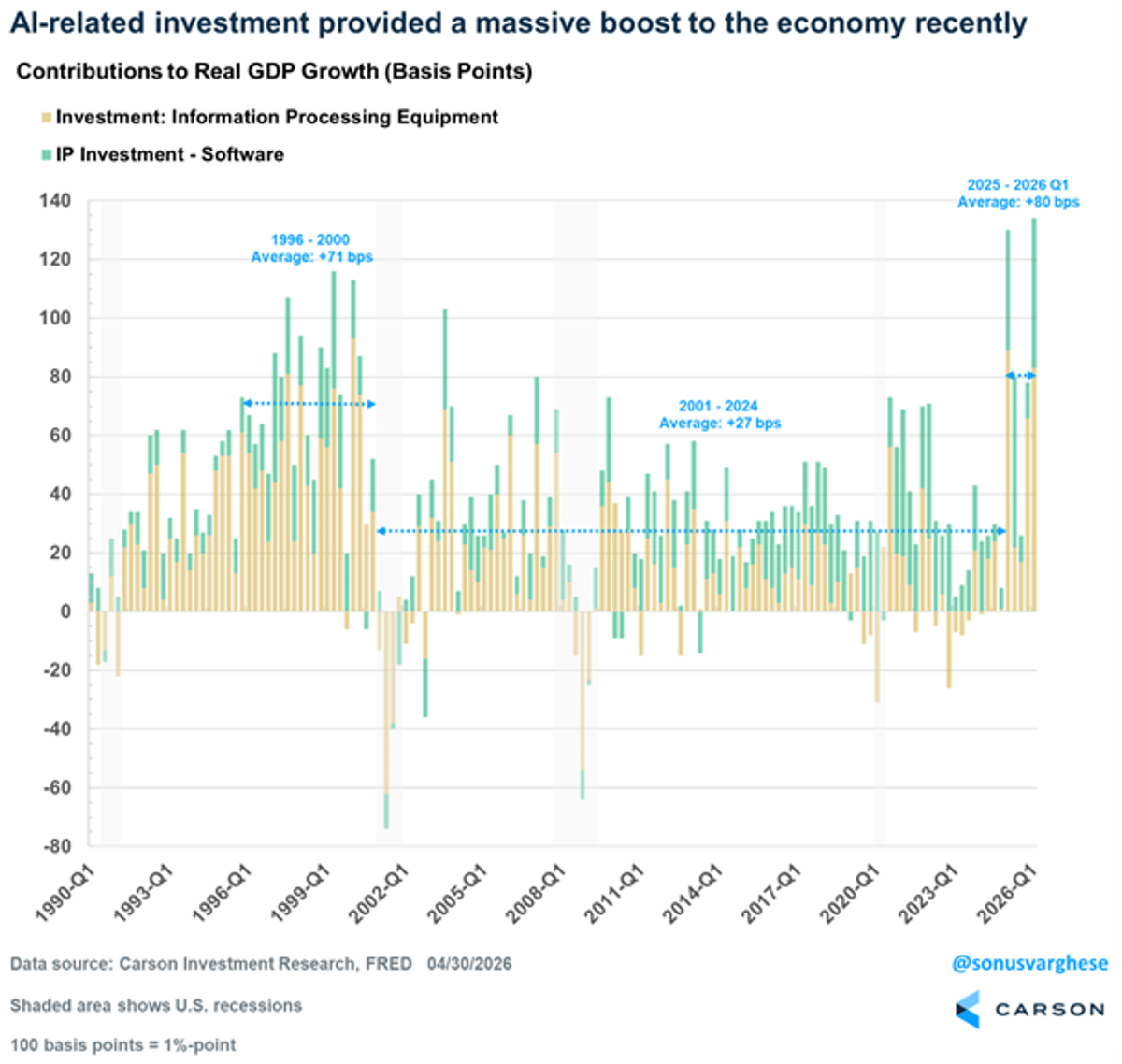
AI Drives Nearly Half of Recent GDP Growth
Per @sonusvarghese, over the past 5 quarters GDP has averaged 2.0%. 0.90% of that (so 45%) has come from AI hardware/software spending. Wow. https://t.co/aiia8rSNZ2

US‑Iran Talks Stall, Oil Stocks Dip Another 100 M Barrels
Every weekend half my feed expects a sudden breakthrough in US-Iran negotiations and the other half expects a sharp resumption of bombings. Of course, the most likely outcome is that absolutely nothing changes and we do this again next week, down...

It Now Costs $160 to Fill up America’s Top-Selling Vehicle as the Iran War Nears Its 10th Week
Gasoline prices have surged to four‑year highs since the Iran war began, reaching $4.42 per gallon nationally. At that price, filling a new Ford F‑150, America’s best‑selling vehicle, costs about $160. The price jump represents a nearly 50% increase in nine...
High LNG Prices Curb China's Imports, Freeing Supply Globally
Zero signal about China here China is a discretionary LNG importer. It can generate with dirtier domestic coal if needed. High prices generally mean lower imports. Helps globally -- China is freeing up LNG for folks...
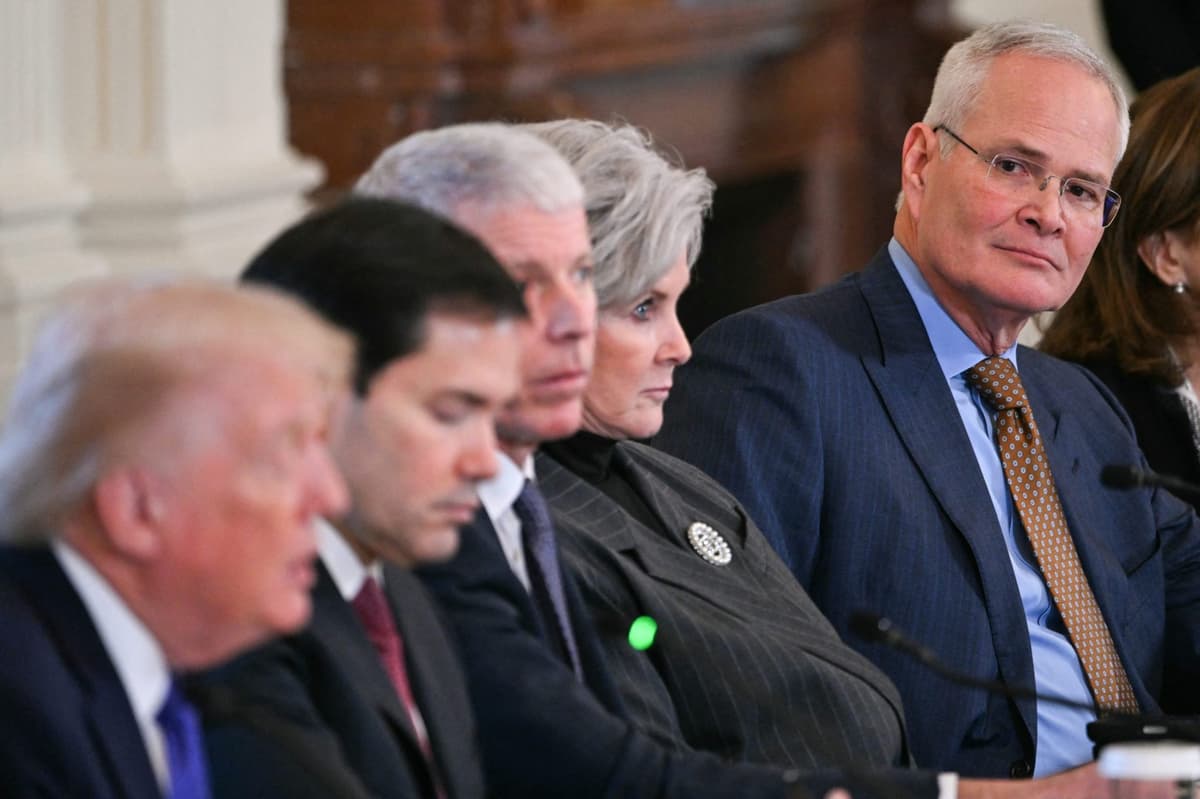
Exxon Mobil CEO Sees ‘More to Come’ on Price Spikes From Iran War as Exxon, Chevron Beat on Earnings Despite...
Exxon Mobil and Chevron posted first‑quarter earnings that beat analysts’ forecasts, yet both saw net income plunge year‑over‑year as early‑year price weakness and Middle‑East disruptions hit results. CEOs Darren Woods and Mike Wirth warned that if the Strait of Hormuz...

Philippine Banks Keep Lending Rules Unchanged Despite War Impact
A quarterly survey of senior loan officers shows that most Philippine banks will keep lending standards unchanged in Q2 2026 for both business and household loans. About 61.5% of banks see business loan criteria staying the same, while 65.7% expect no...
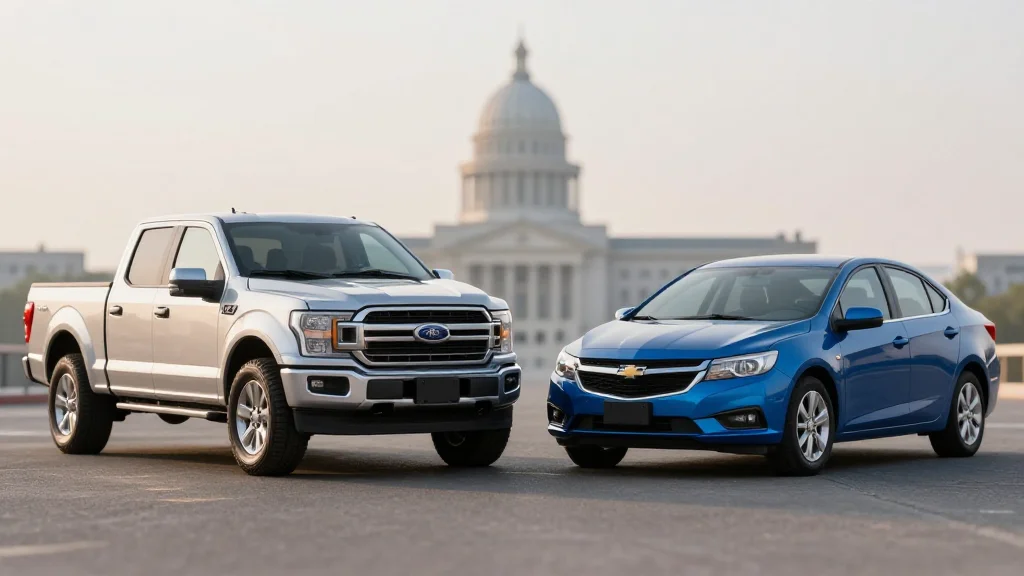
CFOs Flag Tariff Refunds, Led by Ford’s $1.3B Claim
Ford and General Motors have disclosed sizable potential tariff refunds in their Q1 earnings calls, with Ford reporting a $1.3 billion benefit and GM anticipating $500 million. The refunds stem from tariffs struck down by the U.S. Supreme Court, and U.S. Customs...
US Stocks Beat Gold as Inflation Hedge
“The best hedge against inflation has historically been US equities:” GS’s Mossavar-Rahmani. Gold isn’t a good hedge for inflation or deflation “so the idea that gold is something you need to have in your portfolio is something we totally disagree...

Will the Next Fed Chairman Be More Compliant With Trump?
Kevin Warsh, a former Fed governor and Trump ally, is poised to become Federal Reserve chair. His background as a market‑fixer during the 2008 crisis and ties to Republican circles contrast with his hawkish stance on inflation. Warsh has pledged...

U.S. Targets Iran–China Oil Pipeline in Dual Sanctions Move on Shipping and Finance
The United States announced a dual‑pronged sanctions package that hits a China‑based oil terminal, Qingdao Haiye Oil Terminal Co., for handling tens of millions of barrels of Iranian crude since early 2025, and three Iranian currency‑exchange houses that convert oil...
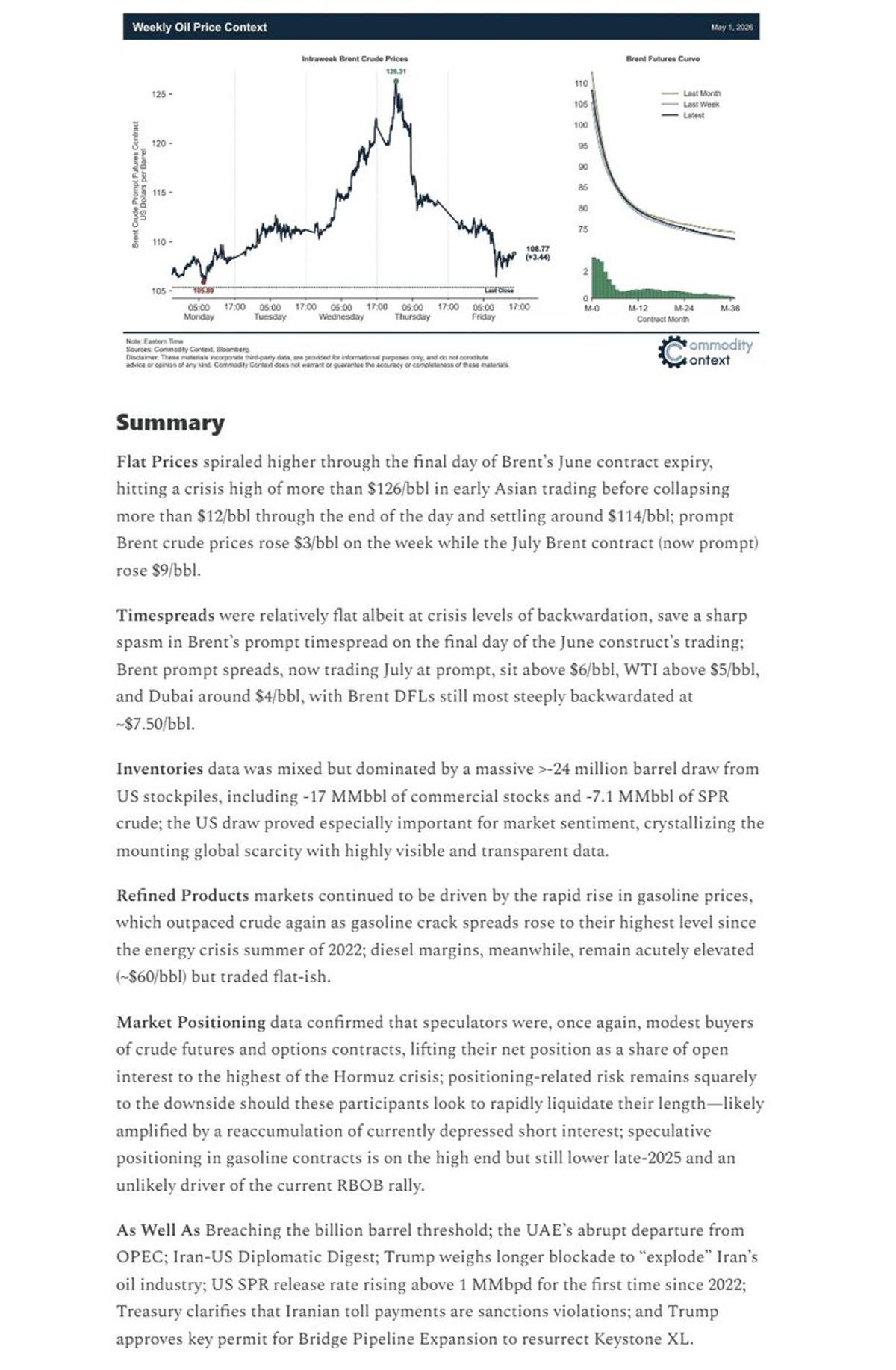
Crude Prices Surge as Iran War Persists, UAE Exits OPEC
🛢️ OIL & IRAN WAR CONTEXT WEEKLY 🛢️ Crude prices climb amidst ongoing deadlocked diplomacy, the third month of the Iran War, breaching the billion lost barrel threshold, and the UAE announcing an abrupt departure from OPEC. Summary below, link to full...
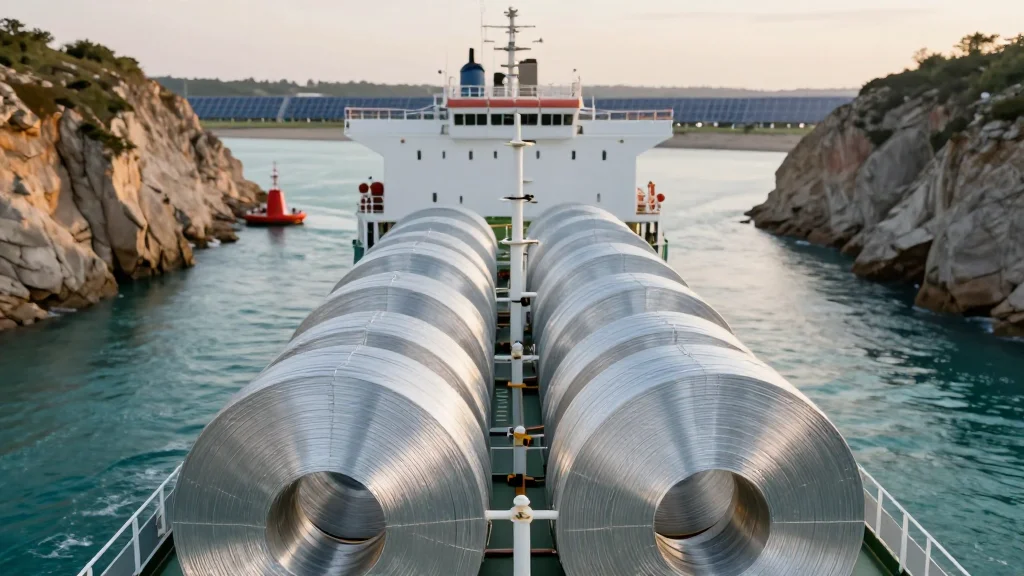
Hormuz Closure Threatens Solar Aluminium Supply Chain
How the closure of the Strait of Hormuz affects solar aluminium sourcing #energysky -- via pv-tech: https://t.co/NvUU88jGsi

Consumer Vibes Two Months Into the War
Consumer confidence has deteriorated sharply two months into the war, with Gallup's poll falling to its lowest level since early 2020. The University of Michigan and Conference Board indices also dropped sharply before stabilizing, mirroring the NBER‑defined recession troughs shown...
Premium Users: May 1 Macro Week Review & Preview
Premium Users - Macro Week in Review/Preview May 1, 2026, on the blog and here https://t.co/iqBACHDibD
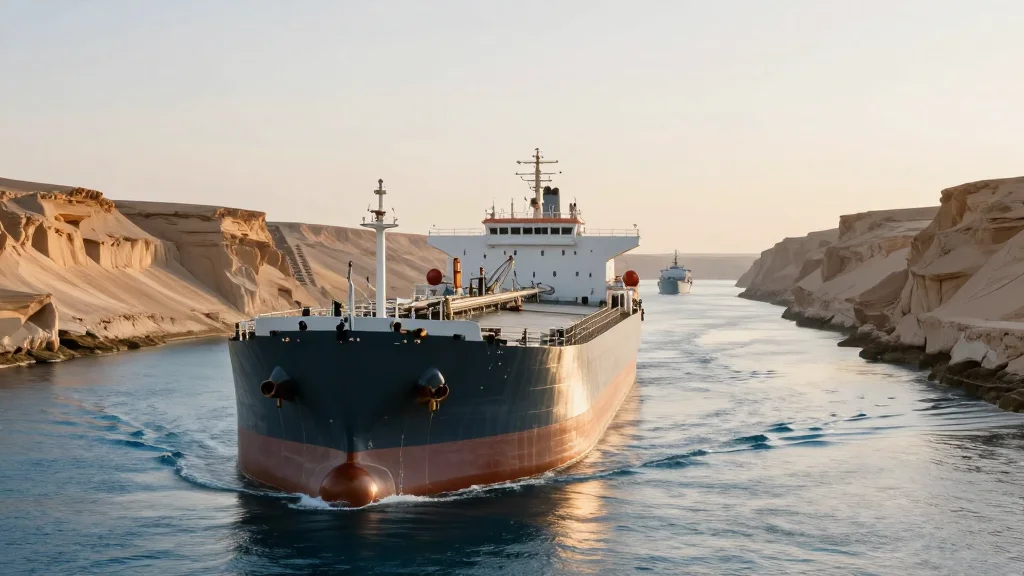
UN Warns Hormuz Blockade Could Trigger Global Recession as US‑Iran Tensions Flare
U.N. Secretary‑General Antonio Guterres urged the immediate reopening of the Strait of Hormuz, warning that a prolonged choke‑point could spark a global recession with inflation soaring past 6%. The warning comes as U.S. naval forces confront Iranian vessels and Brent...
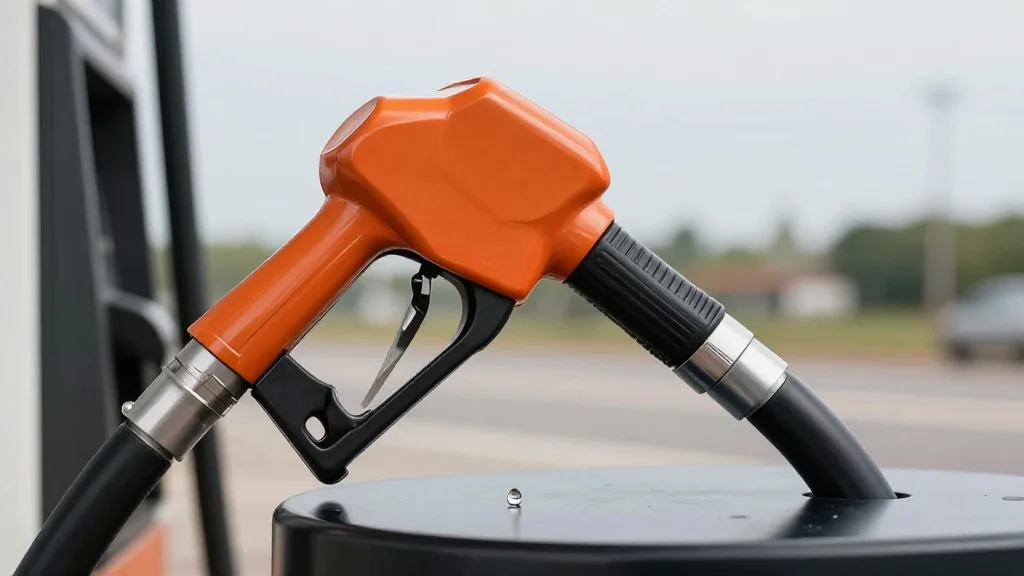
US Inflation Jumps 0.7% in March, Annual Rate Hits 3.5% Amid Iran War Gasoline Surge
U.S. personal consumption expenditures (PCE) inflation rose 0.7% in March, pushing the annual rate to 3.5%, the fastest increase since May 2023. The surge was driven by a 24.1% jump in gasoline prices after the Iran war disrupted oil supplies,...
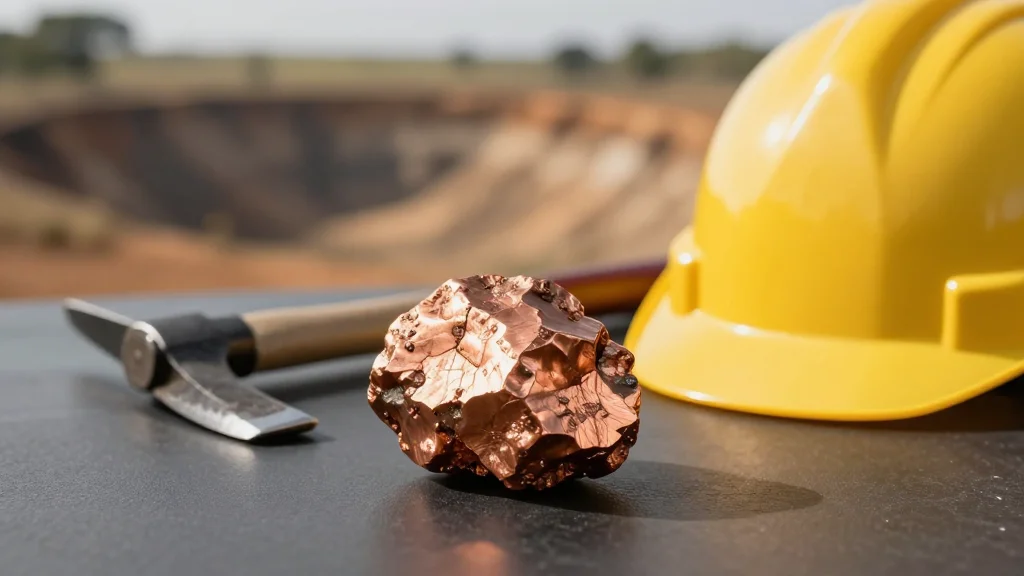
U.S. and China Vie for Zambia’s $10 Billion Battery‑Metal Market
U.S.-backed KoBold Metals began construction on the $2.3 billion Mingomba copper mine while Chinese Cinfeng Investment Limited Group proposed a $40 million restart of the Munali nickel mine, highlighting a $10 billion scramble for Zambia’s battery‑metal assets.
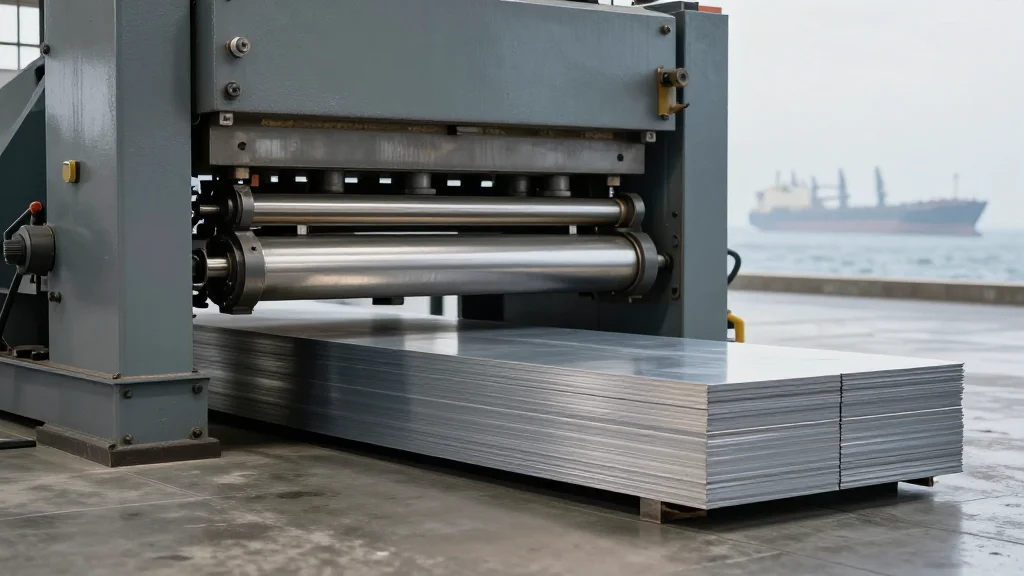
California Small Manufacturers Squeezed by Tariffs and Iran War Costs
California small manufacturers are feeling the pinch from renewed U.S. tariffs and the fallout of the Iran conflict. Owner Nichole MacDonald reports sales down 50% and raw‑material costs up 25%, while port officials warn surcharges are now being passed to...

Dollar Set for Sharp Weekly Loss versus Yen After Japan Steps In
The dollar is on track for its steepest weekly decline against the yen since February, slipping about 1.7% as Japan reportedly intervened to buy yen when the pair hit 160.7 per dollar. Authorities may have spent up to ¥5.48 trillion (roughly...
Iran's Kleptocratic Elite Fuels Hyperinflation as Sanctions Tighten
Iran's new supreme leader, Mojtaba Khamenei, is at the center of a sprawling offshore wealth network worth hundreds of millions of dollars. Coupled with renewed U.S. sanctions on the IRGC‑linked bonyads, the country is spiralling into hyperinflation, threatening its fragile...
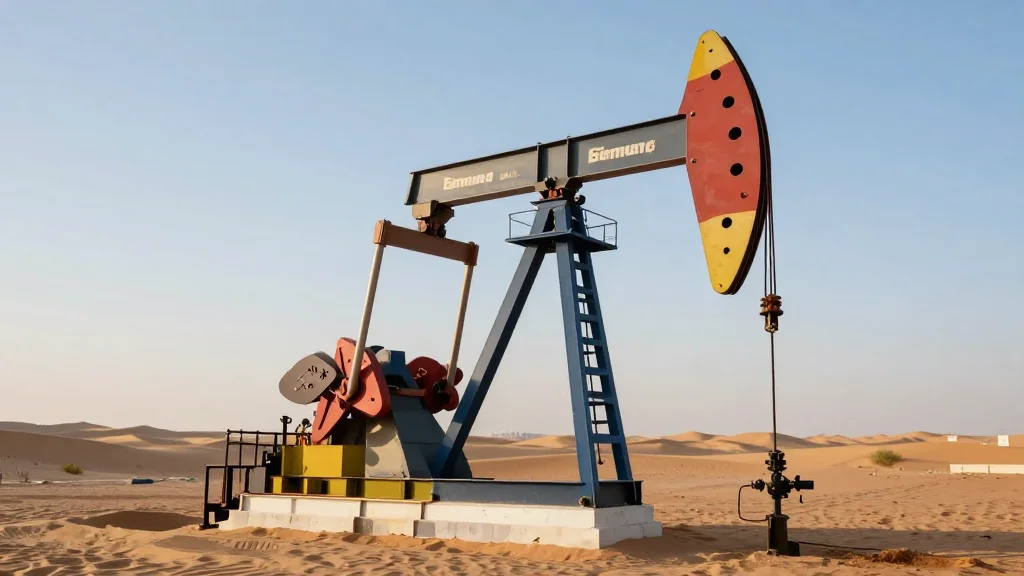
UAE Leaves OPEC Effective May 1, 2026, Redefining Global Oil Coordination
The United Arab Emirates announced its withdrawal from OPEC and the OPEC+ alliance effective May 1, 2026, ending nearly 60 years of participation. The move follows long‑standing disputes with Saudi Arabia over quota allocations and aims to let Abu Dhabi fully monetize its expanding...

Iran’s Internet Shutdown Costs $30‑40 M Daily, Halts Digital Marketing and E‑Commerce
Iran’s nationwide internet blackout, now in its fourth month, is wiping out $30‑40 million in daily economic output and halting digital advertising, e‑commerce and freelance work for an estimated 10 million people. The shutdown is forcing businesses to shut down Instagram shops,...

Art Trade Adjusting After US Supreme Court Struck Down Trump's Extreme Tariffs
The U.S. Supreme Court declared President Trump’s sweeping emergency tariffs unconstitutional, reaffirming that only Congress can set import duties. Hours later Trump re‑imposed 10‑15% tariffs under a different emergency statute, prompting lawsuits from 22 states and industry groups. A federal...