Today's Global Economy Pulse
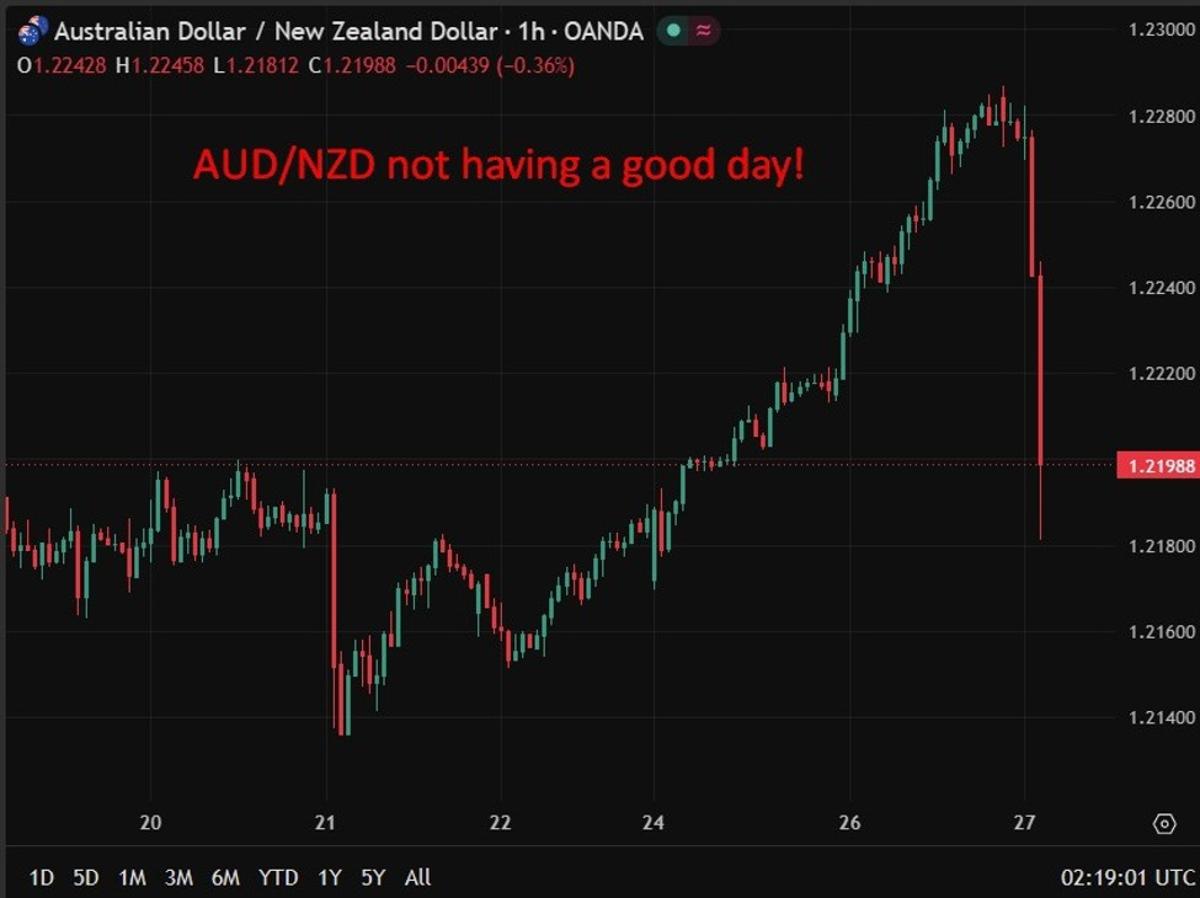
Australia's April CPI eases to 4.2% as core inflation hits 2024 high
Australia’s consumer price index slipped to a 4.2% annual rise in April, missing the 4.4% consensus as a temporary fuel excise cut trimmed transport costs. At the same time, the trimmed‑mean core inflation gauge rose to 3.4% year‑over‑year, the highest level since late‑2024, keeping pressure on the Reserve Bank of Australia’s inflation target.
U.S. Trade Deficit Widens as Imports Increase
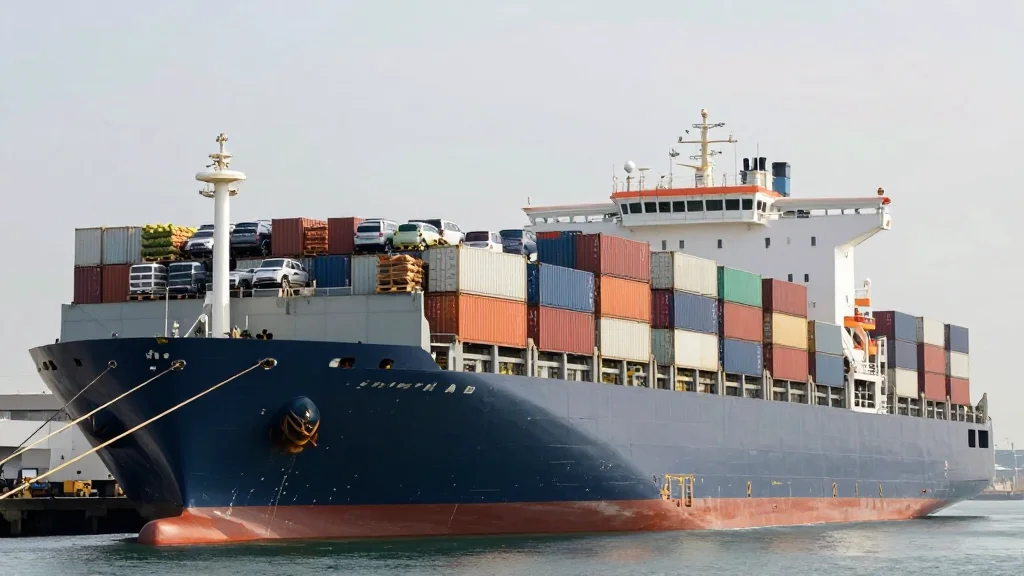
U.S. goods trade deficit widened in March, reaching $87.9 billion, a 5.3% increase from February. Imports jumped $9.6 billion to $299.3 billion, led by an 11% surge in motor vehicles and gains in food, consumer and capital goods. Exports rose $5.2 billion to $211.5 billion, boosted by food, vehicles and industrial supplies, though consumer‑goods shipments fell 7.5%. Wholesale inventories rose 1.4% while retailer stocks increased 0.7%.

The Bangladesh-US Trade Deal Is a Litmus Test for Dhaka’s Strategic Autonomy
The U.S.–Bangladesh Agreement on Reciprocal Trade (ART), signed days before Bangladesh’s February elections, expands market access to the United States but embeds clauses that restrict dealings with “non‑market economies” and bind Dhaka to U.S. export‑control, energy and defense rules. Those...

Senator to File Bill Ending Morocco Duties: Correction
U.S. Senator Roger Marshall (R‑Kansas) will introduce the Lowering of Input Costs for American Farmers Act, which would eliminate countervailing duties on phosphate imports from Morocco. The move aims to cut phosphate fertilizer prices by more than 20%, roughly $150...
Tanker Experts Digest Impact of UAE Exit From Opec
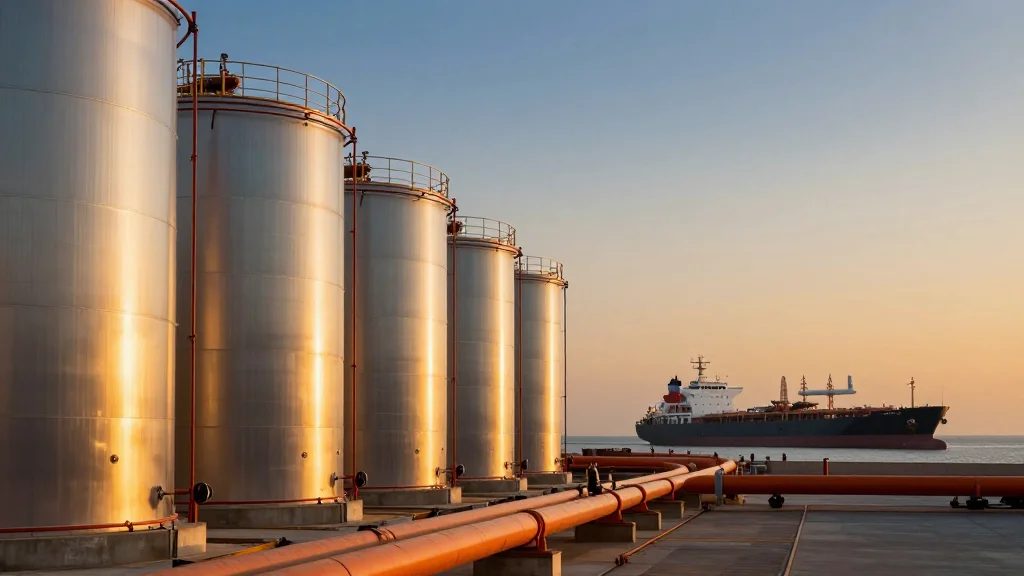
The United Arab Emirates announced its departure from OPEC, but experts say any impact on the global tanker market will be delayed. Even if the UAE ramps up oil exports immediately, the ongoing war in Iran limits short‑term market shifts....

Taiwan to Resume Pork Exports to Philippines After Regaining ASF-Free Status: Premier
Taiwan will restart pork shipments to the Philippines on May 14, 2026 after the World Organisation for Animal Health confirmed the island’s African swine fever‑free status. The Philippines halted imports in December 2025 following Taiwan’s first ASF outbreak in October...
EU, ASEAN Need to Be 'Doubling Down' On Multilateralism as Free Trade Fractures: Vivian Balakrishnan
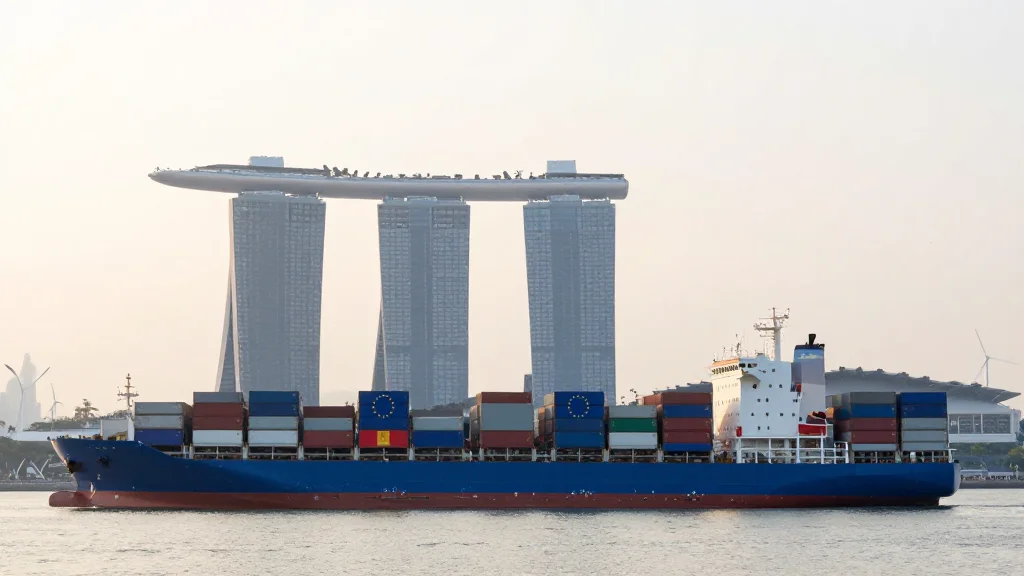
Singapore’s foreign minister Vivian Balakrishnan warned that globalisation and free‑trade are under siege, urging the EU and ASEAN to double down on multilateral cooperation. He called for an accelerated EU‑ASEAN free‑trade agreement and a broader dialogue that could link the bloc...

Is War Quietly Boosting Logistics Companies’ Profits?
The ongoing U.S.–Israeli conflict with Iran is quietly reshaping the logistics sector by reallocating value rather than merely disrupting supply chains. Higher freight rates, tighter capacity and increased insurance costs are boosting margins for carriers and freight forwarders that can...

Ultra‑Wealthy Shift Assets Abroad as California Billionaire Tax Looms
A proposed one‑time 5% wealth tax on California residents with over $1.1 billion in assets, expected to raise $100 billion, is accelerating a trend where ultra‑high‑net‑worth individuals diversify holdings and residency outside the United States. The shift threatens the U.S.’s status as...

This War Changes Everything: Are We Ready for Energy Shockwaves From the Strait of Hormuz?
The podcast examines the unprecedented oil supply shock caused by the Strait of Hormuz closure, which has removed roughly 5 million barrels per day from global markets—the largest daily loss ever recorded. Analysts explain how the disruption is driving price spikes,...

Six Governments Accuse China of Weaponizing Maritime Trade
Six governments, led by the United States, issued a coordinated diplomatic statement accusing China of weaponizing maritime trade after a series of Panama‑flagged vessels were detained. The statement marks a shift from a commercial arbitration over canal‑port disputes to an...
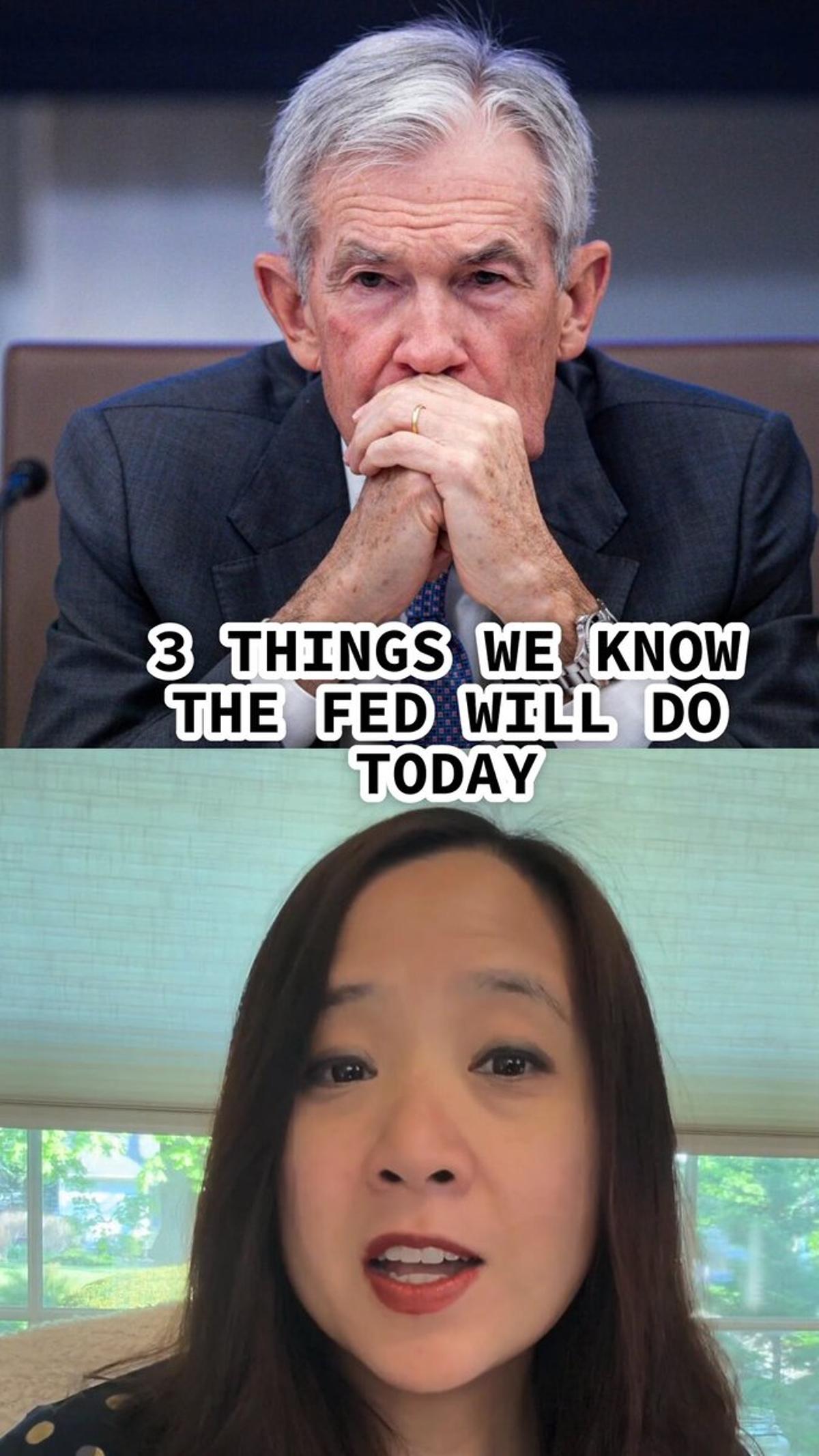
Fed Holds Rates Hawkishly, Blames Iran War
🚨 FED DAY PLAYBOOK 🚨 3 things we KNOW happen today: ✅ No rate cut ✅ Hawkish hold ✅ Powell blames Iran war for global uncertainty The wild cards 👇 ❓ Does he stay on as a Fed governor? ❓ Inflation worry vs. growth...

UAE Exit From OPEC Signals New Era for Aviation and Tourism
The United Arab Emirates announced its departure from OPEC, signaling a strategic pivot from oil to aviation and tourism as primary growth engines. By exiting the cartel, the UAE hopes to gain flexibility in energy policy that could lower jet‑fuel...

UK Interest Rates: Will the Bank of England Increase the Base Rate?
The UK’s July energy price cap is set to rise to £1,836 a year (≈ $2,300), a 12% jump linked to the Strait of Hormuz blockage. Inflation remains above the Bank of England’s 2% target and is forecast to hit 4%...

European Trade Bodies Urge Coordinated Action to Avoid “Inflation Crisis”
European agri‑food trade bodies are urging the EU to act swiftly as the Strait of Hormuz remains blocked, driving up fertilizer, energy, and freight costs. The disruption has already made input prices volatile, threatening food production and affordability across Europe....

Ghana Cedi Volatility Linked to Extractive Sector Leakages as Gold Board Posts $455 M Surplus
Joe Jackson, CEO of Dalex Finance, warned that Ghana’s cedi volatility is driven by foreign‑exchange leakages in mining and oil rather than weak exports. The Ghana Gold Board’s 2025 surplus of GH₵5.46 bn (≈$455 m) underscores the sector’s growing fiscal weight, while...

UN's ECLAC Cuts Latin America 2026 Growth Outlook to 2.2% Amid Middle East Conflict
The UN Economic Commission for Latin America and the Caribbean (ECLAC) reduced its 2026 regional growth projection to 2.2%, down from 2.3% in December, blaming the Middle East war and soaring oil prices. The downgrade highlights how geopolitical shocks are...
Iran-Israel Conflict Sends Brent to $111, EU Faces $600 M Daily Energy Aid Loss
The Iran‑Israel war has pushed Brent crude up 2.8% to $111.26 a barrel, while the European Union now incurs roughly $600 million in daily energy‑aid losses. EU leaders warn the surge could echo past crises and demand tighter targeting of aid.

UAE Leaves OPEC, Boosts Oil Prices and Sparks Rally in Asian Stocks
The United Arab Emirates announced it will quit OPEC on May 1, freeing it to pump up to 5 million barrels per day. The move lifted Brent crude past $110 a barrel and sent Asian equity indices higher as regional oil exporters...
Why China May Benefit From the UAE’s Opec Withdrawal Amid Iran War Oil Crisis
The United Arab Emirates will leave Opec on May 1, ending its role as the bloc’s third‑largest producer, which accounts for roughly 12% of total output. Analysts expect the move to give China greater flexibility to source more Emirati crude, potentially...
WEEKLY WEBCAST: The Oil Shock & Inflation
The webcast examines why Brent crude hasn’t surged despite the Strait of Hormuz closure, noting limited response from U.S. producers. It links the energy supply crunch to broader inflation, especially through fertilizer shortages that could lift food prices. Analysts argue...

America’s Bond-Market Privilege Is Disappearing as US Debt Soars
U.S. Treasury bonds are losing their historic convenience‑yield premium as the federal debt swells past $31 trillion, now over 100% of GDP and projected to hit 120% within a decade. Research from Harvard’s Wenxin Du shows the premium has shrunk by...

China’s Sanctions Hit Europe’s Emerging Drone Doctrine
On April 24, China’s Ministry of Commerce placed seven European defence firms on an export‑control list, banning dual‑use items over alleged arms links to Taiwan. The sanctions target Germany’s Hensoldt, Belgium’s FN Herstal and FN Browning, and four Czech companies, cutting off...
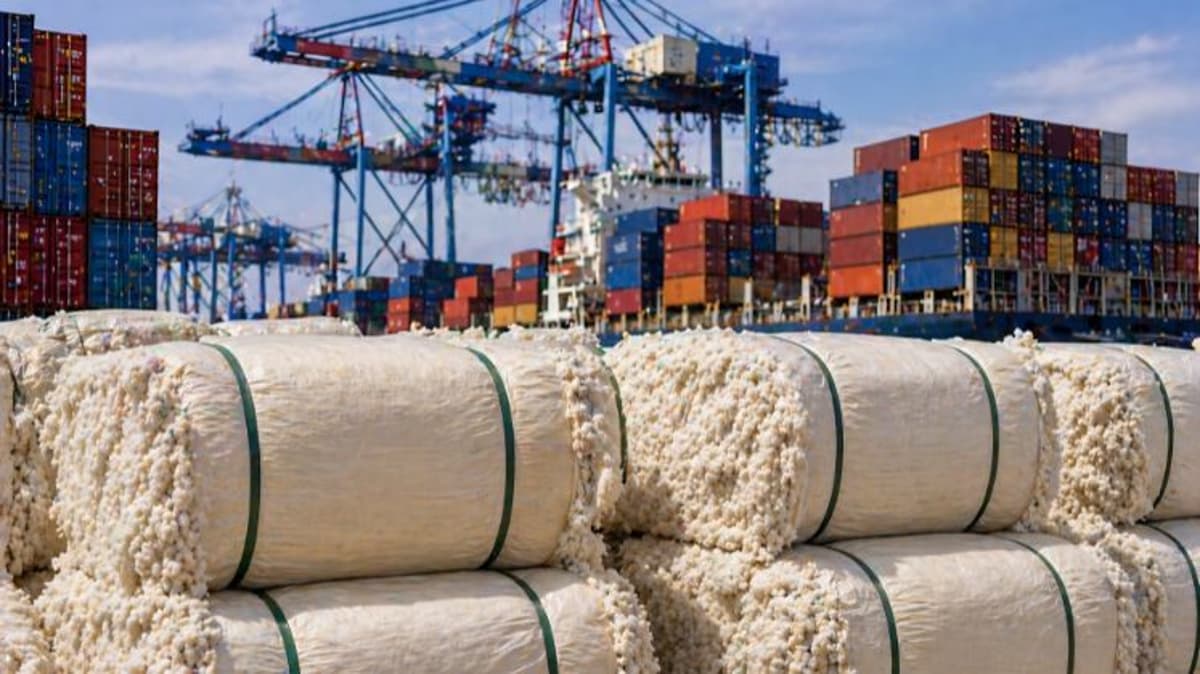
Policy Divide Widens Over Cotton Import Duty Amid Cost Pressures and MSP Concerns
India’s cotton value chain is split over the 11% import duty reinstated in January 2026. Textile manufacturers argue the duty inflates raw material costs and hurts export competitiveness, while farmer groups warn that lowering the duty could flood the market with...

Fuel Surcharges and Slow-Steaming Making Waves for Shippers
The closure of the Strait of Hormuz has forced carriers to adjust fuel surcharge practices, with Hapag‑Lloyd moving to monthly emergency fuel surcharges and reporting an extra $50 million in weekly fuel costs. Japanese carrier ONE lifted its EFS to $160...

Congress Seeks to Prevent China From Building Cars in the US. Good Idea?
Congress is drafting legislation to prohibit Chinese automakers from building vehicles in the United States and from selling cars that enter via Mexico or Canada. Chinese brands such as Geely, BYD and Great Wall already have a foothold in border...
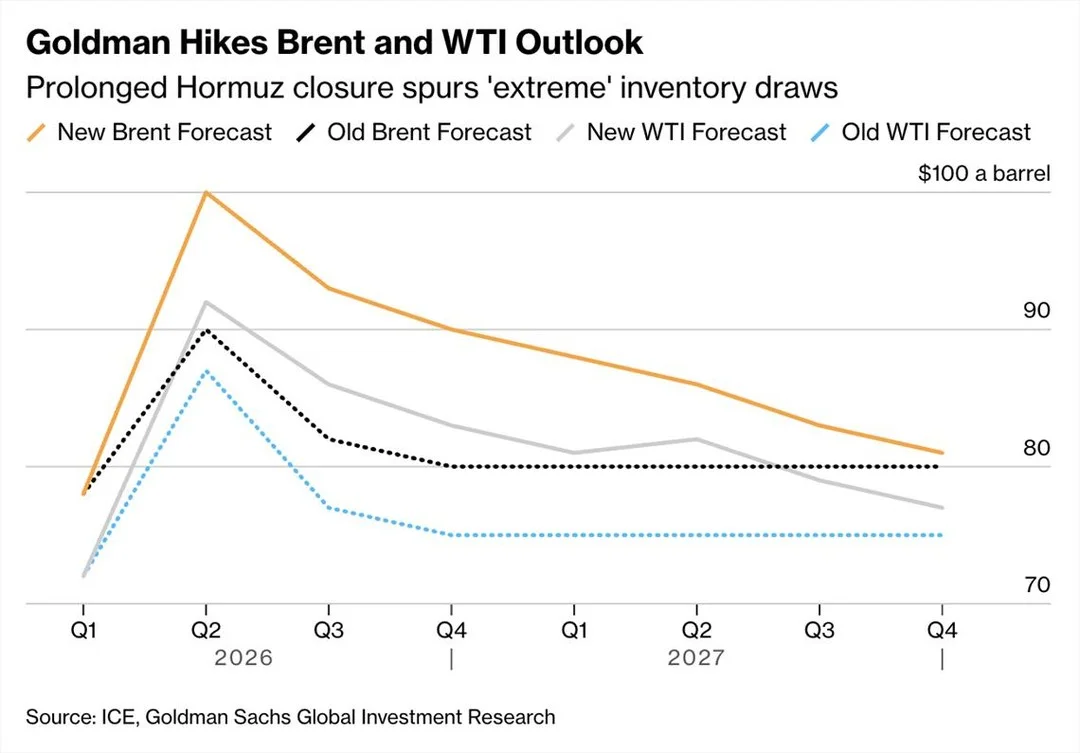
Goldman Sachs Hikes Oil Forecasts Amid Hormuz Shutdown
"Goldman Sachs Group Inc. lifted oil-price forecasts as the prolonged closure of the Strait of Hormuz spurs 'extreme' inventory draws." -BBG

US Fed Meeting 2026 LIVE: US Fed Meet Outcome at 11.30 Pm Today — All Eyes on Powell's Last Speech...
The Federal Reserve concluded its two‑day April meeting on 29 April, with Chair Jerome Powell expected to announce that the federal‑funds rate will remain in the 3.5‑3.75% target range for a third consecutive session. Powell’s remarks are likely to be his...

Enhanced Monetary Policy Committee Transparency Changes Announced
The Reserve Bank of New Zealand (RBNZ) is amending its Monetary Policy Committee (MPC) Charter to attribute individual members' votes and publicly record material differences of view, effective with the May 2026 policy statement. The changes encourage members to express their economic...

Andalucía Exports Grow as Fruit and Vegetable Shipments Increase
Andalucía’s exports rose 11.4% in February to €3.83 billion (US$4.13 billion), outpacing a 0.8% decline across the rest of Spain. Over the first two months of 2026 the region posted €7.03 billion in exports, a 2.8% year‑on‑year gain, while imports fell 13%, creating...

White Smoke for an EU-US Mineral Deal
After years of talks, the EU and the United States signed a Memorandum of Understanding and a Joint Action Plan on critical minerals, introducing a border‑adjusted price floor and rapid‑response mechanisms aimed at curbing China’s market dominance. The agreement also...

Charai for The Jerusalem Strategic Tribune: The Crown’s Moral Voice: King Charles in Washington and the Test of Western Clarity
King Charles III’s recent visit to Washington was framed as a moral appeal for Western unity, especially amid rising authoritarian pressure and NATO’s strategic recalibration. In speeches to U.S. leaders and think‑tank audiences, the monarch highlighted climate action, democratic values,...
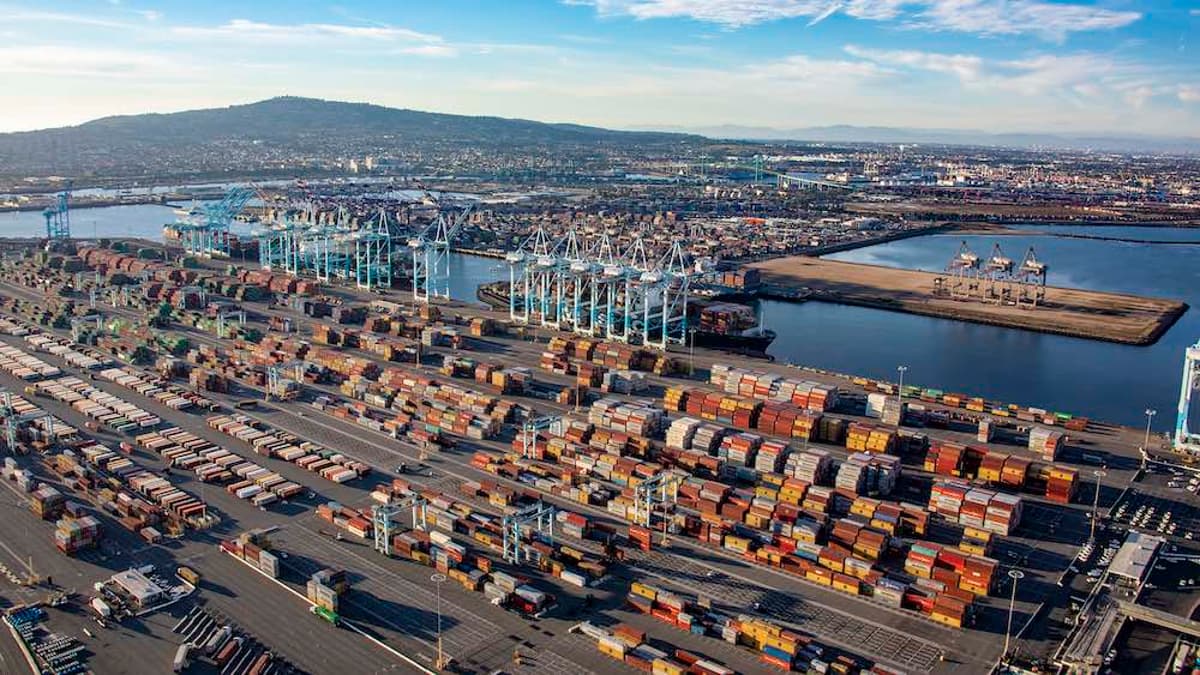
US Commits $774m to Upgrade Port Infrastructure Nationwide
The U.S. Department of Transportation’s Maritime Administration announced a $774 million investment to modernize port infrastructure across the nation. Funding will support 37 projects spanning coastal, Great Lakes, and inland river ports, focusing on rail tunnel expansions, advanced screening technology, two‑tier...
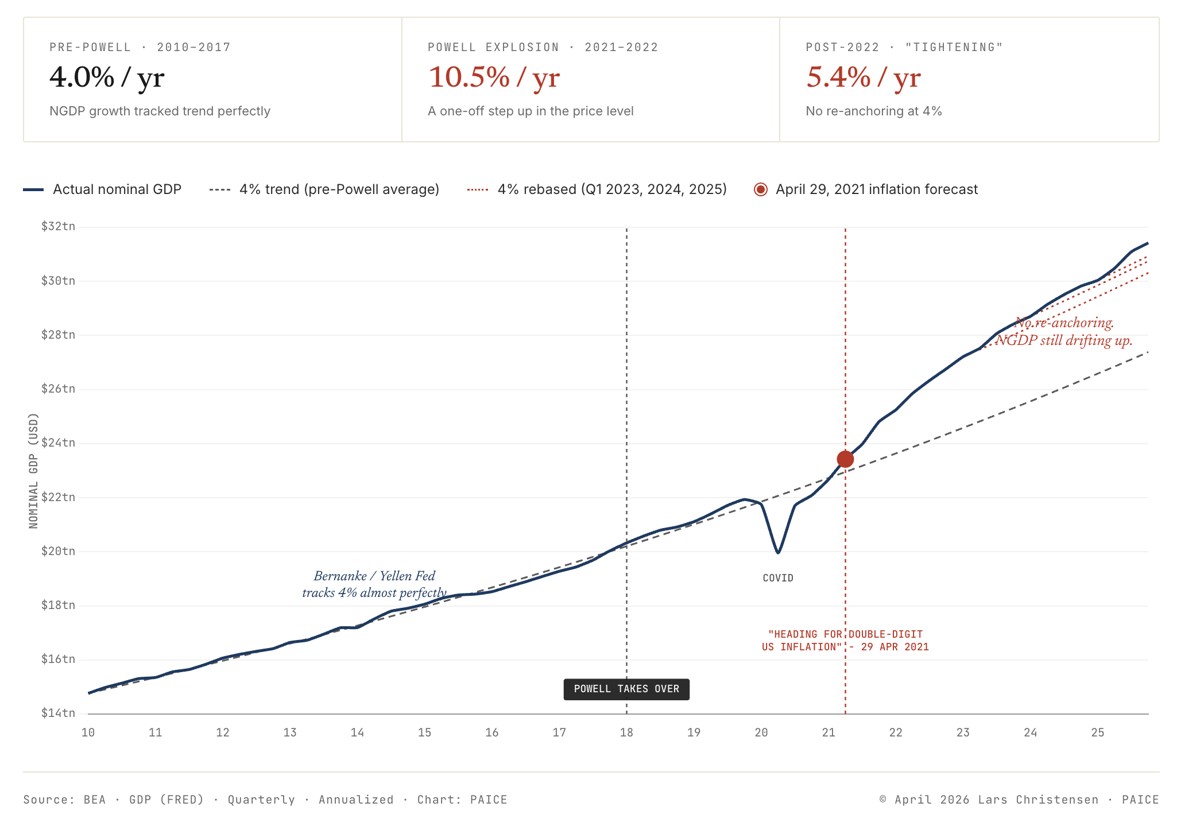
Powell’s Last Meeting
Jerome Powell is set to leave the Federal Reserve after his term ends May 15, with the FOMC likely holding rates at 3.50‑3.75%. The article argues that despite political criticism of “tight” policy, the Fed under Powell pursued the easiest monetary...
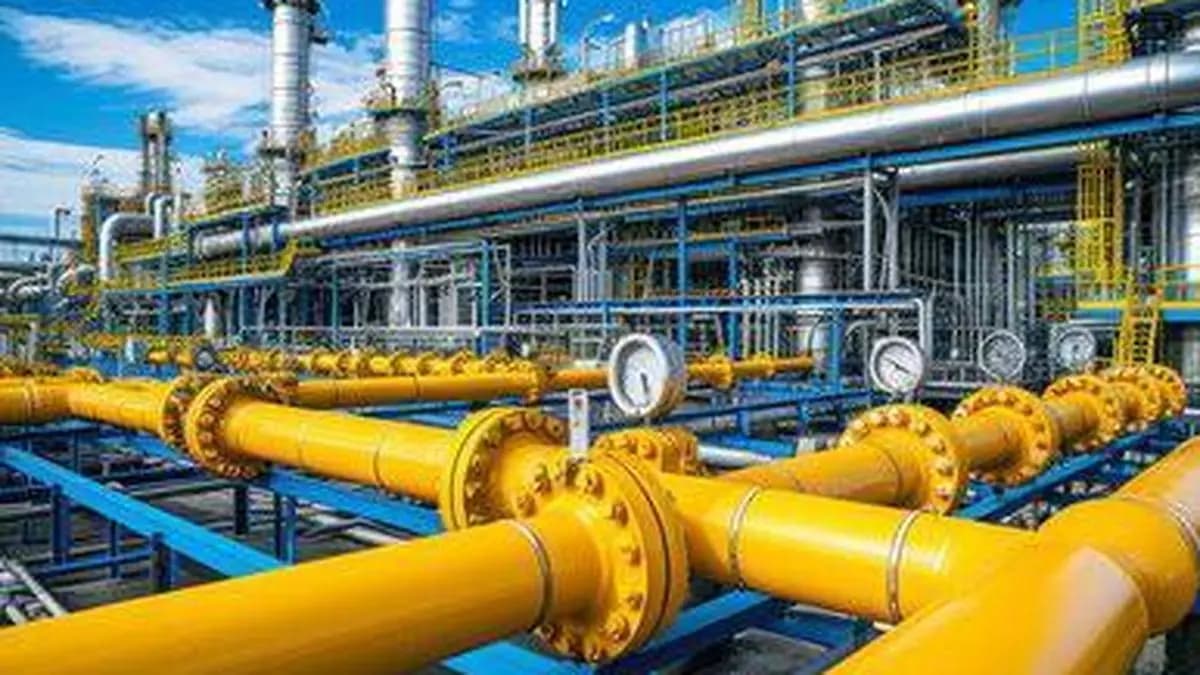
US Natural Gas Glut Shields Economy From Iran War Energy Crisis
The Iran war has driven natural‑gas prices sky‑high in Europe and Asia, but a massive supply glut in the U.S. Permian Basin has pushed domestic gas futures below $3 per MMBtu and even into negative territory, with prices hitting –$9.60...

Middle East Turmoil Fuels Inflation Fears, Testing Fed’s Patience
The Federal Reserve is poised to leave its policy rate unchanged as it confronts a volatile inflation outlook sparked by renewed Middle East conflict. Escalating tensions have pushed crude oil prices up roughly 8%, feeding higher headline and core consumer‑price...

South Korea Offers Shippers a Helping Hand with Freight Rate Discounts
South Korea’s Ministry of Trade, Industry and Energy and the Korea International Trade Association (KITA) have launched a three‑pronged support scheme that offers 10‑20% discounts on full‑container‑load sea freight, LCL discounts on more than 20 routes via Samsung SDS, and...
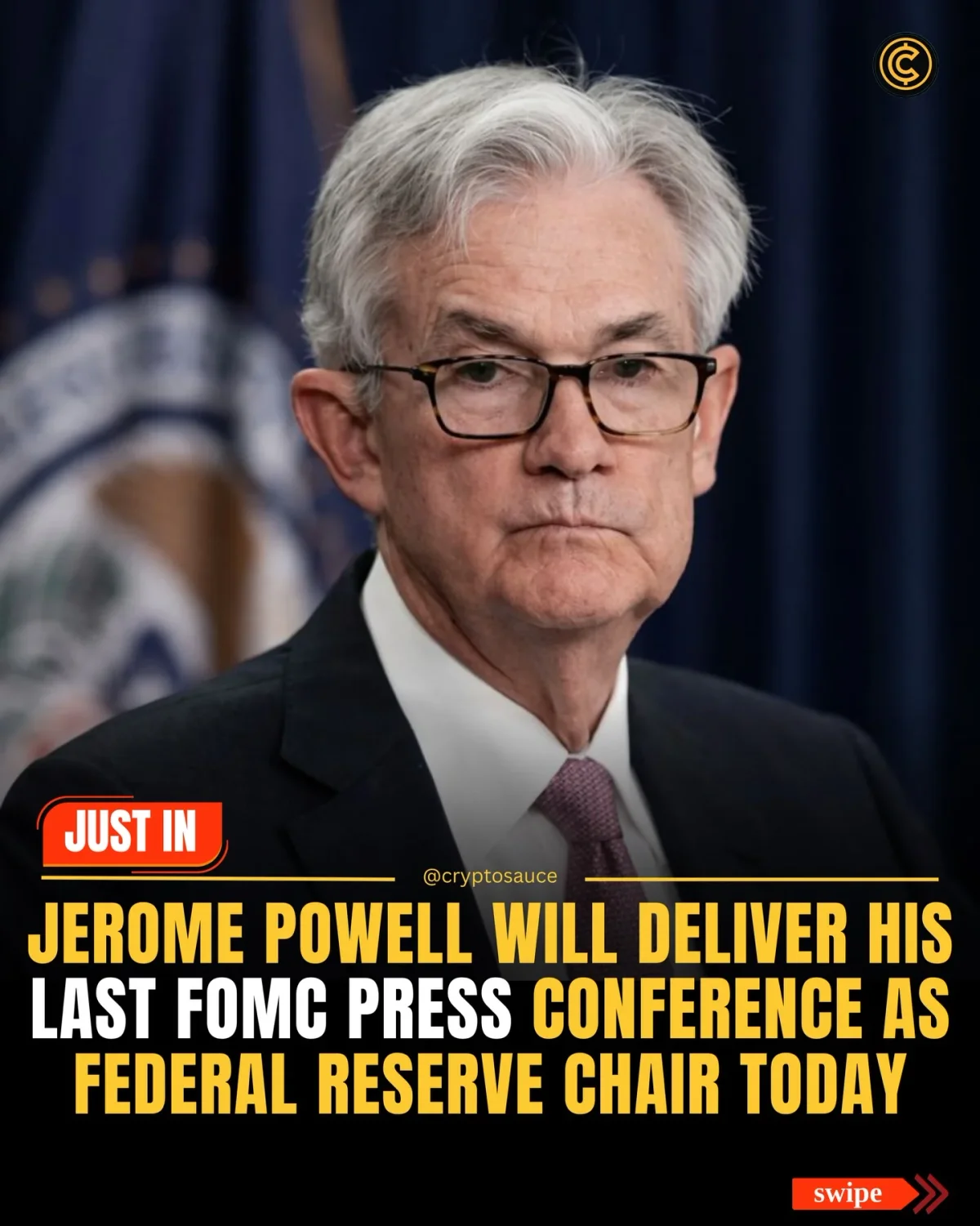
Powell's Final Press Conference Could Signal Fed Pivot
Jerome Powell is set to deliver his final FOMC press conference as Fed Chair today, alongside a key interest rate decision at 2PM ET. Markets are on edge as investors look for signals on inflation, rate cuts, and the future path...

Higher Rates, Energy Costs Spell Trouble for Import‑dependent Currencies
Rising rates and high energy costs are going to be bad for any currency whose country is a net importer of energy Going long JPY (or EM FX for that matter) right now is effectively calling the top on global bond...

Bonds and Yen Remain Market’s Critical Focus
Just released this week's Scouting the Tape that follows up on last week's bond and Yen discussion. Continue to believe this is the most important area of the market. There is a lot going on here.
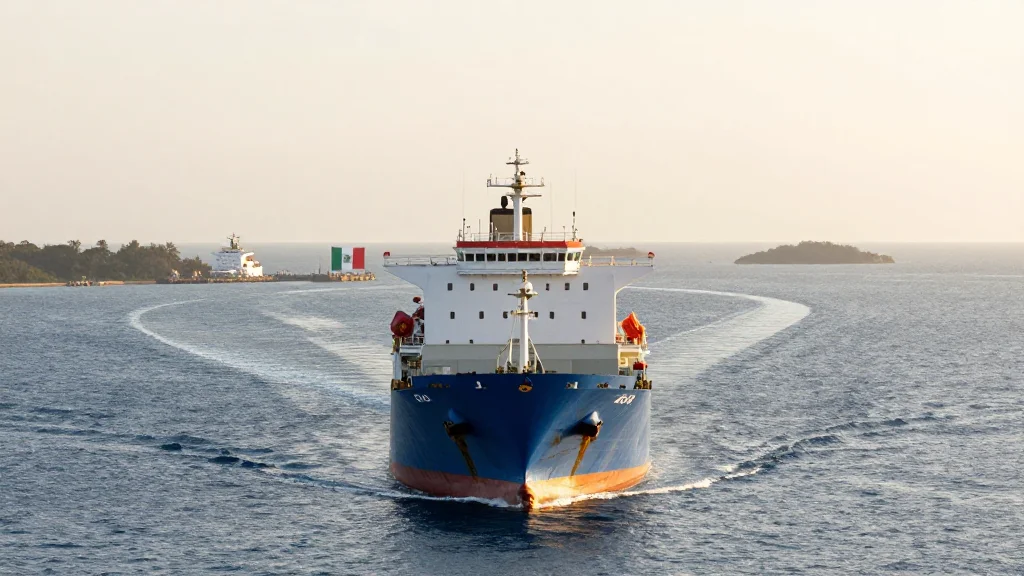
Chinese Goods Rerouted Through Asia Dodge $40B US Tariffs
"Increased trade volumes from China to Mexico via intermediary Asian nations last year demonstrated a new path for US-bound goods that were able to avoid steep tariffs — an estimated $40 billion — on imports from China" More tariffs =...

Hormuz Blockade Drives Fertilizer Surge, Threatens Planting
Strait of Hormuz. Fertilizer prices. Hitting countries at what should be planting times. Pending food supply shortages and high prices. Hormuz—a global supply chain disaster.
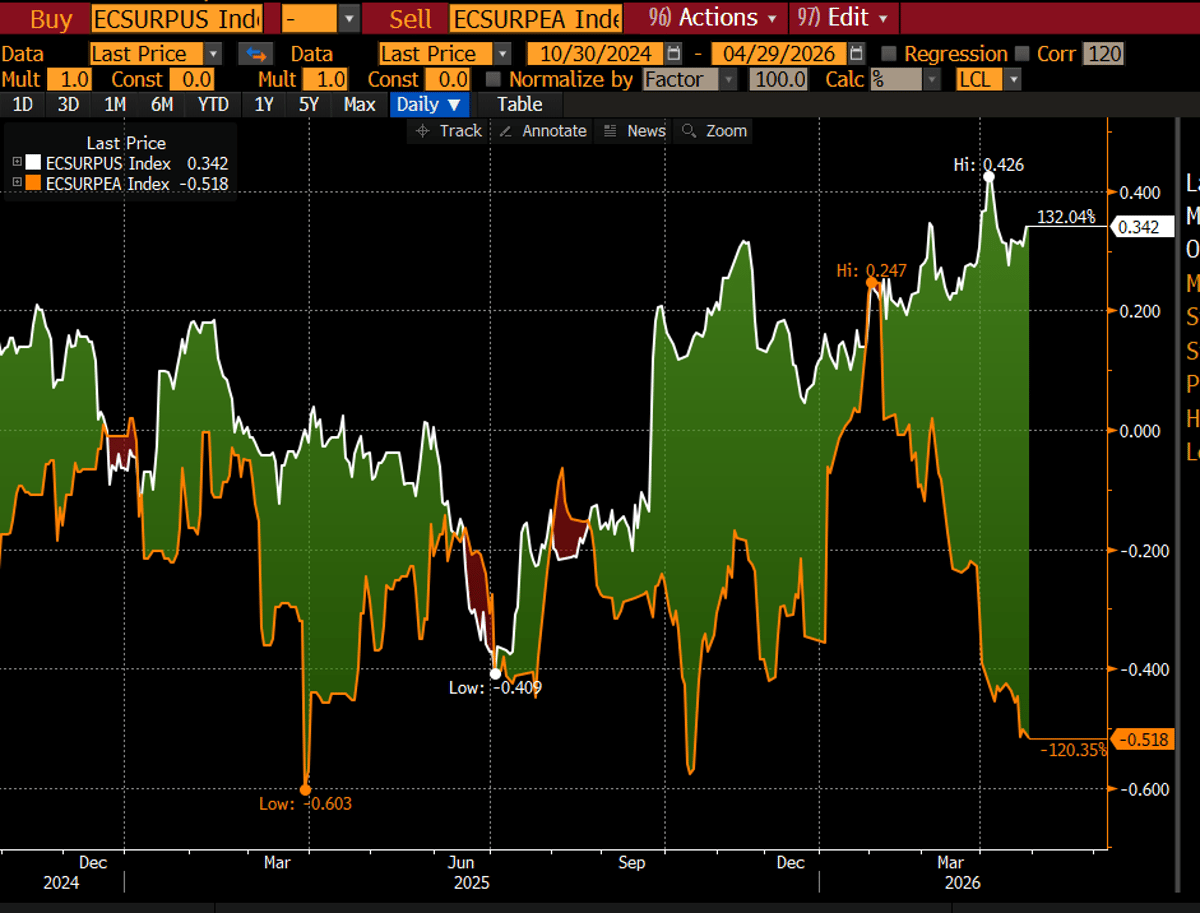
US Outperforms, Europe Underperforms: Surprise Gap Widens
US economic data keeps surprising to the upside, while European data keeps surprising to the downside. That gap just keeps growing, according to Bloomberg economic surprise indexes. https://t.co/aOsuCmkgUh
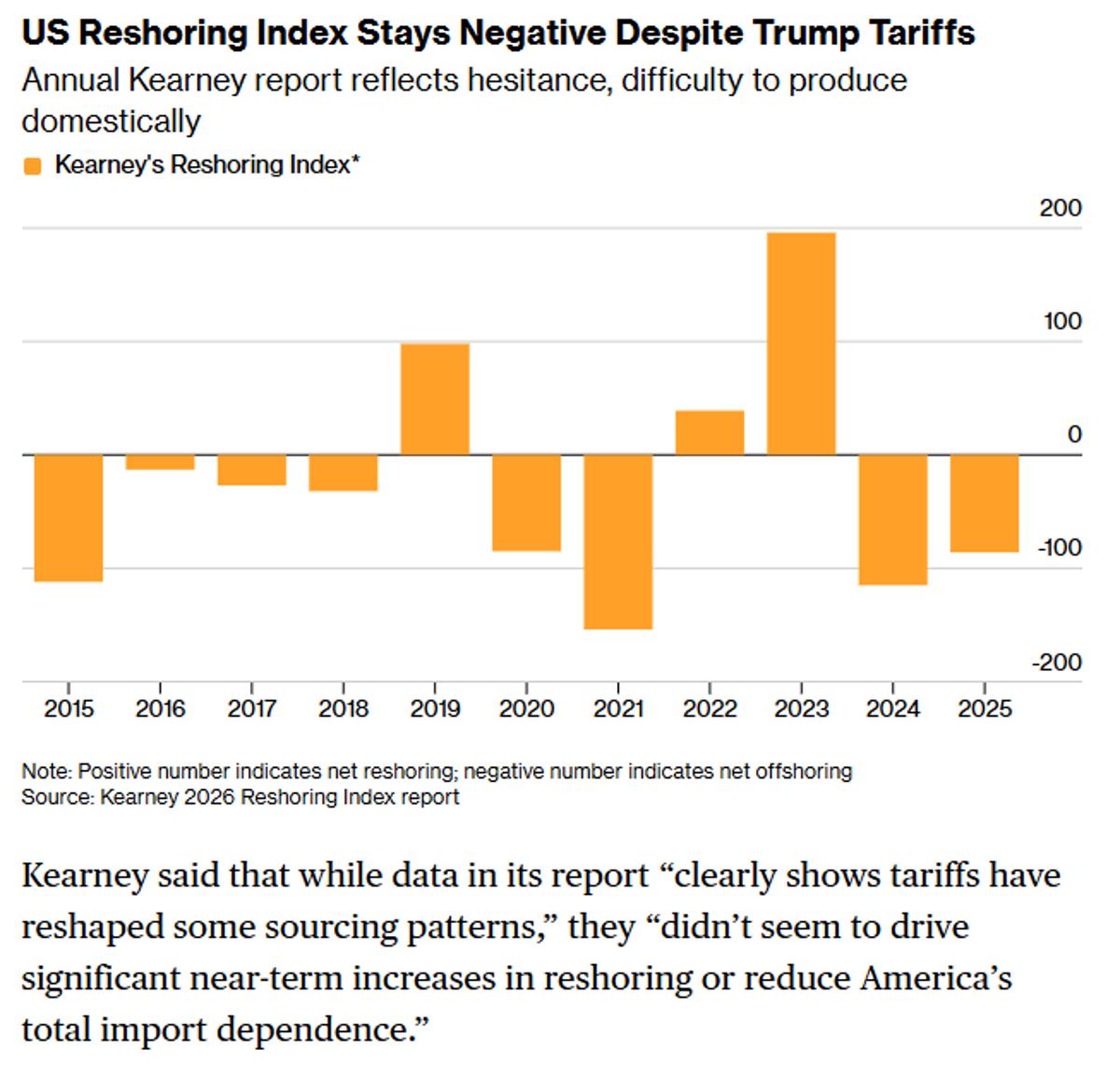
Reshoring Index Stays Negative Despite Trump Tariff Surge
Kearney's annual Reshoring Index, which measures imports from 14 Asian countries as a share of US manufacturing output, "remained in negative territory in 2025 despite a surge of Trump administration tariffs aimed at reviving American assembly lines" https://t.co/AJkVit3Iwx https://t.co/r9GzEb8Wji
Markets Price Oil, Ignore Systemic Supply Chain Risks
Markets are pricing oil, not the system, writes @annerquaye Chips, chemicals, logistics… all exposed. Markets are calm because nothing’s broken yet. That’s not the same as safe. #Markets #SupplyChains #Semiconductors #Oil #Geopolitics https://t.co/ENxhdTgdv5
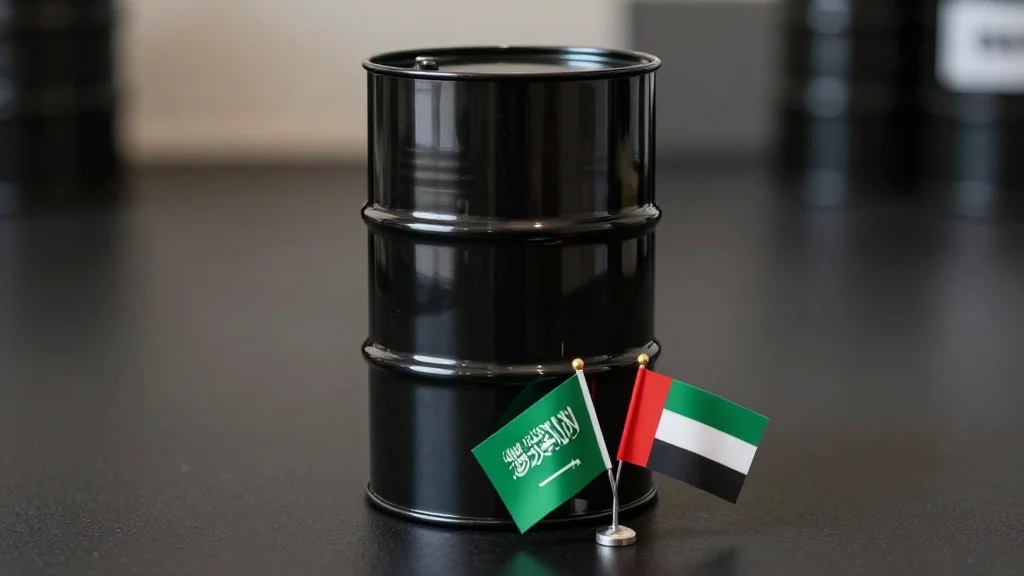
UAE's OPEC Exit Driven by Saudi Rift
Good read on some of the political context, particularly its growing rift with Saudi Arabia, behind the UAE’s exit from OPEC https://t.co/yn0CJC4TLg

Powell Holds Rates Steady Amid Mixed Economic Data
Fed Chair Jerome Powell will keep interest rates steady on Wednesday as he struggles to parse a bewildering mix of data: rising energy prices, an uncertain labor market and questions over shifting tariff rates. Soon, it will all be Kevin Warsh’s...
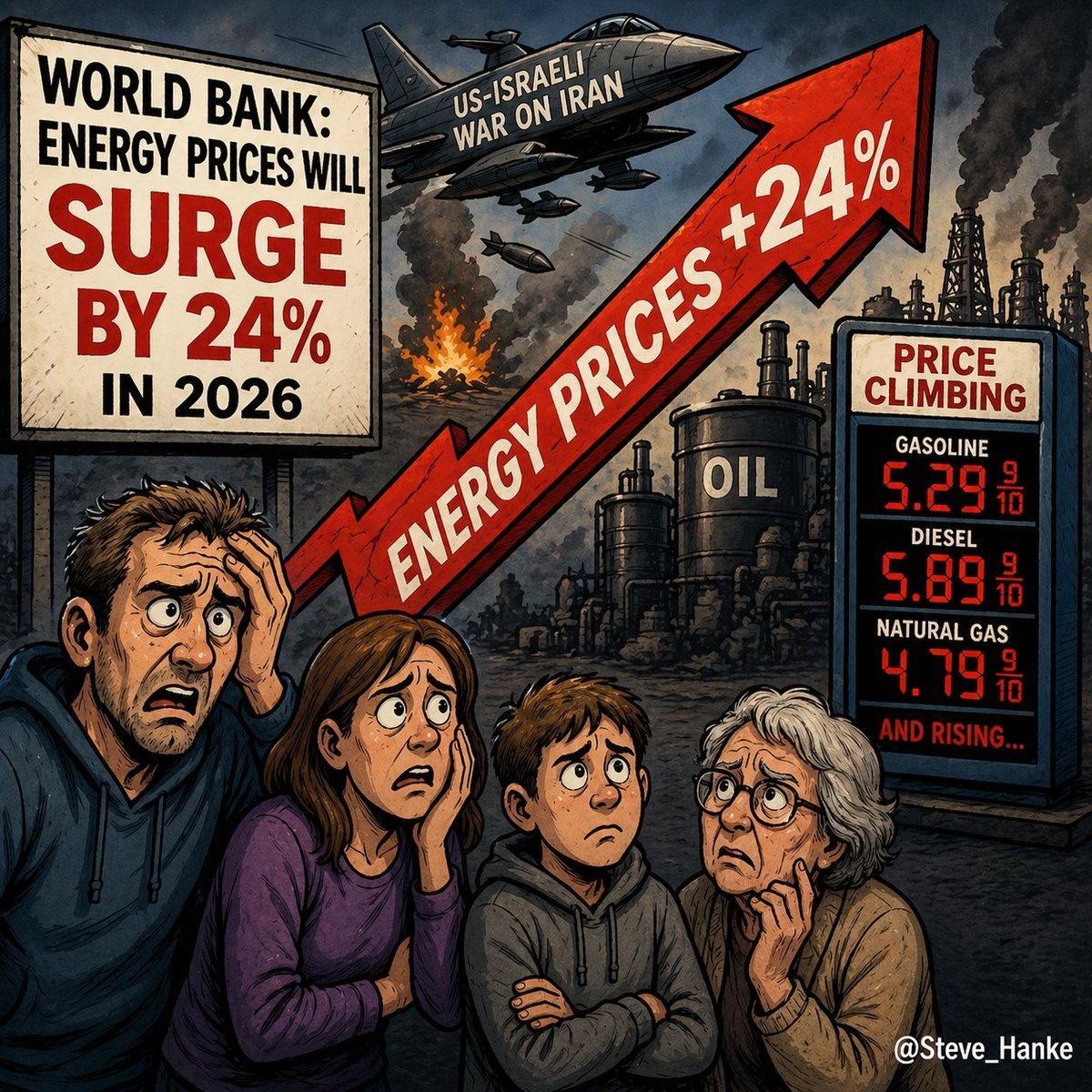
World Bank Predicts 24% Energy Price Surge by 2026
Thanks to the US-Israeli war on Iran, the World Bank estimates that energy prices will SURGE by 24% in 2026. WARS = MASSIVE COLLATERAL DAMAGE. https://t.co/s4wF67lMDm
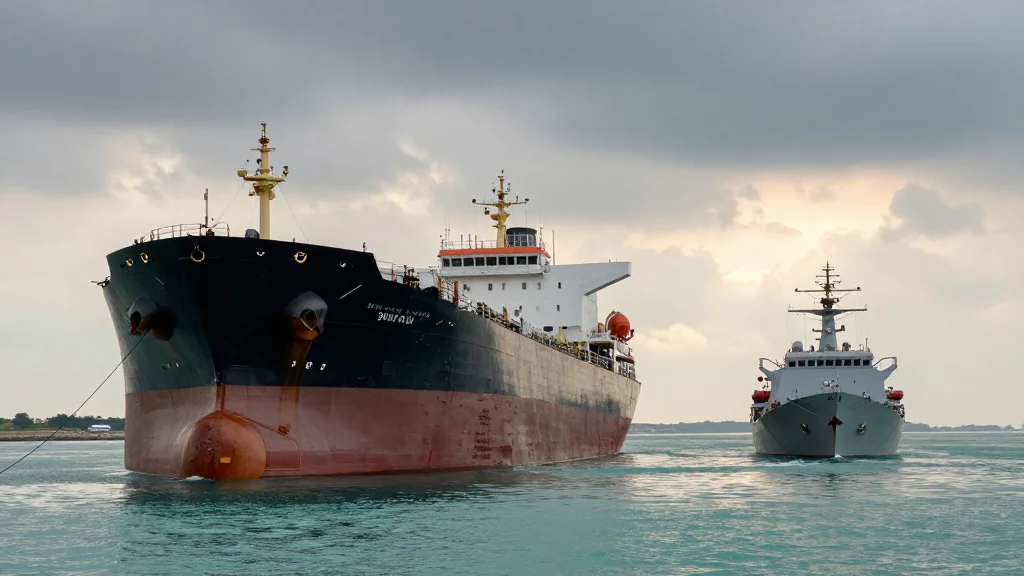
Trump's Hormuz Blockade Threatens Global Supply Chains
Trump. Extend Hormuz blockade. With no care of what it means. What will global supply chains do? And the global economy?
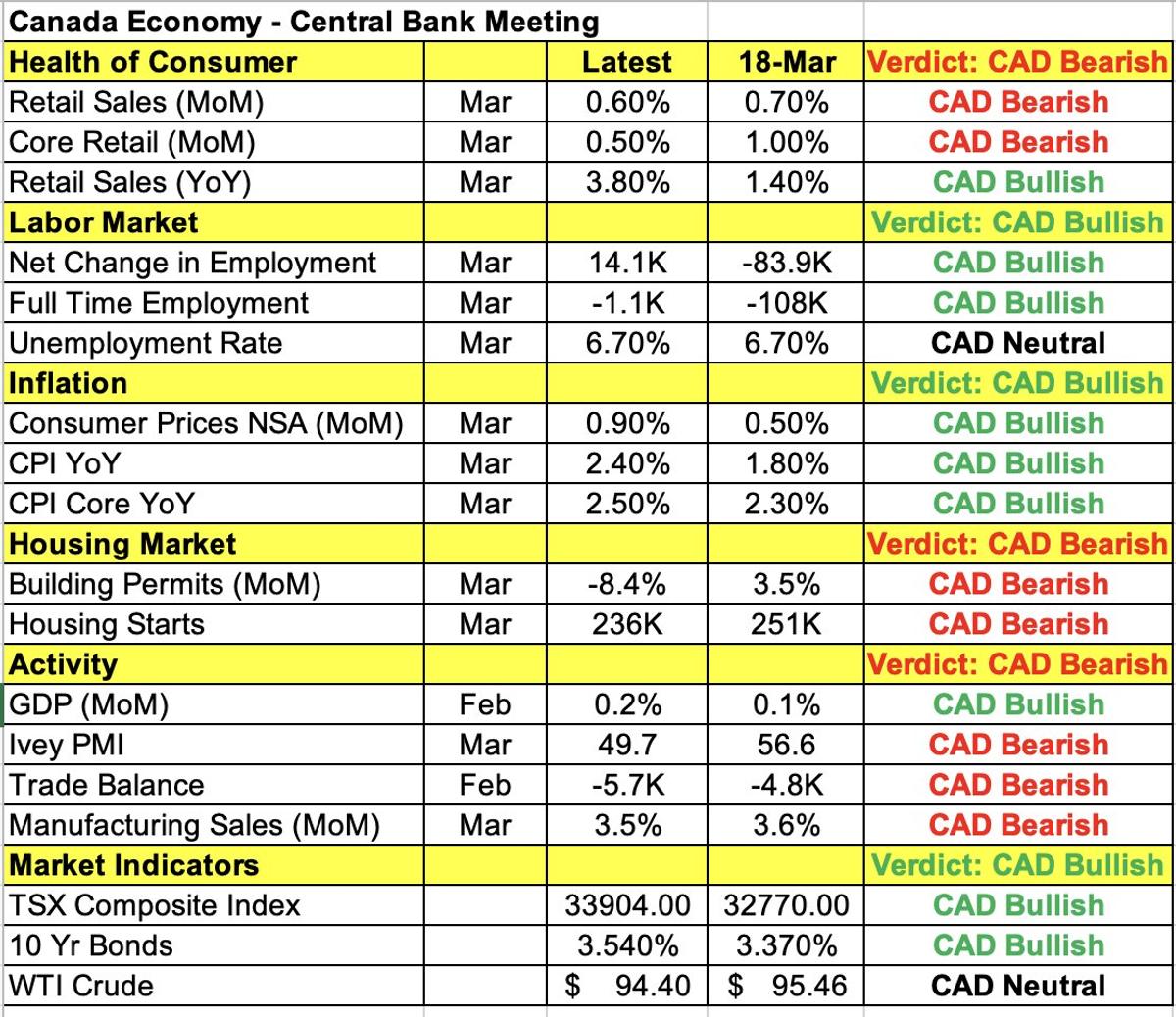
BoC Likely Holds Rates Amid Slowing Economy, Rising Inflation
Bank of Canada meets before the Fed this morning. ZERO chance they hike rates 🔻Spending DOWN 🔻Full time employment DOWN ⬆️Inflation UP https://t.co/HPRy9yMpD7
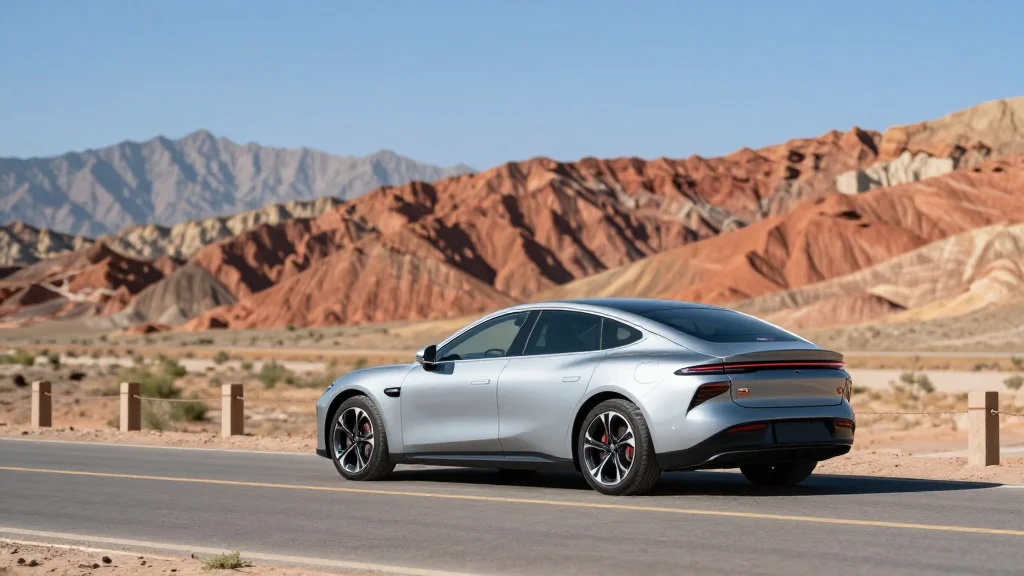
Chinese EVs Already Rolling in El Paso Amid Ban Push
I covet a Chinese EV. The U.S. wants to ban China’s high-tech, low-cost cars. They’re already here in El Paso. https://t.co/rMpBgCaqPG