Today's Global Economy Pulse
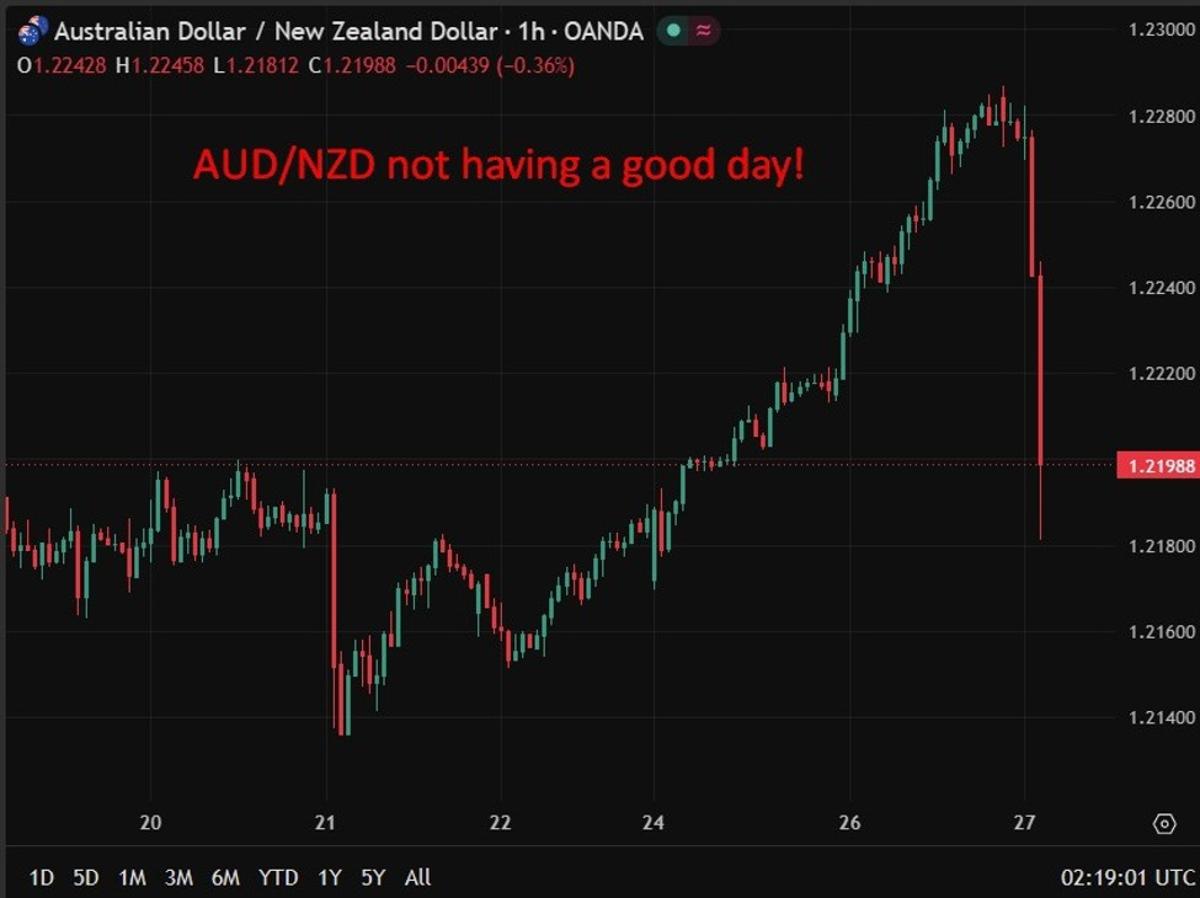
Australia's April CPI eases to 4.2% as core inflation hits 2024 high
Australia’s consumer price index slipped to a 4.2% annual rise in April, missing the 4.4% consensus as a temporary fuel excise cut trimmed transport costs. At the same time, the trimmed‑mean core inflation gauge rose to 3.4% year‑over‑year, the highest level since late‑2024, keeping pressure on the Reserve Bank of Australia’s inflation target.

When Will Gasoline Prices Go Down?
Gasoline prices remain elevated as oil futures react to heightened geopolitical risk and a tightening global supply outlook. Uncertainty surrounding potential Iran‑U.S. peace talks and a recent halt in shipping traffic through the Strait of Hormuz have added volatility to crude markets. Analysts warn that without a clear resolution to these supply constraints, pump prices are likely to stay high through the third quarter of 2026. Seasonal demand spikes and scheduled refinery maintenance could further amplify price pressure.
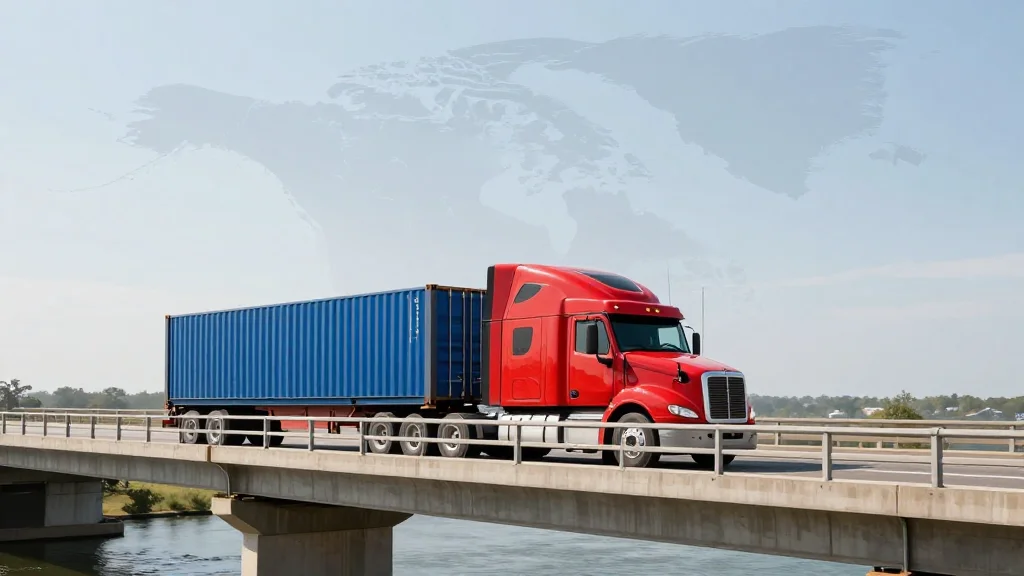
Chinese Automakers Turn to Buffer‑Route Supply Chains as Beijing Cracks Down on Offshoring
Chinese automakers are rerouting vehicle shipments through Canada and Mexico to sidestep U.S. trade barriers, a shift dubbed the “buffer‑route” strategy. At the same time, Beijing is expanding punitive measures against companies that relocate supply chains, intensifying the geopolitical tug‑of‑war...

Oil Market Update: Oil Prices Holding Near Recent Highs
Crude oil is hovering above $110 as the Strait of Hormuz remains a bottleneck, shifting market focus from headline risk to physical flow constraints. Washington has signaled a willingness to extend a blockade, while Tehran prioritises reopening the strait, leaving...
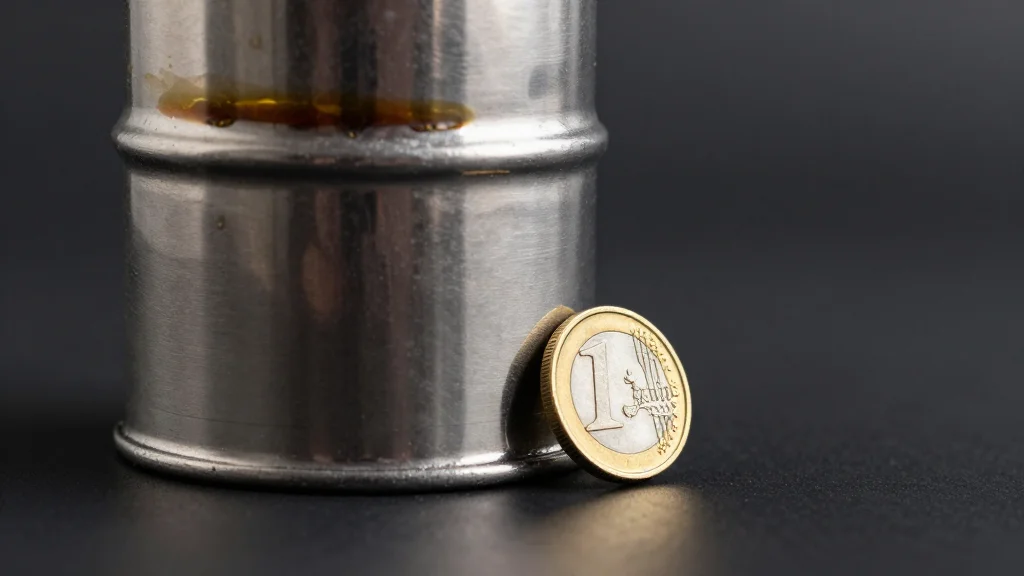
UAE Exits OPEC, Iran Peace Talks Spark Mixed Moves in European Stocks
The United Arab Emirates announced its exit from OPEC on April 28, 2026, just as U.S. President Donald Trump weighed an Iranian peace proposal. The twin geopolitical shocks sent the pan‑European Stoxx 600 down 0.3% in one report, while another...

China Projects 4.5% Growth in 2026, Vows Stronger Energy Security Amid Iran Talks
China's leadership announced a 2026 GDP growth target of 4.5% and a new push for energy security while Iran peace talks stall. The dual strategy aims to shield the world’s second‑largest economy from external shocks and sustain global commodity demand.
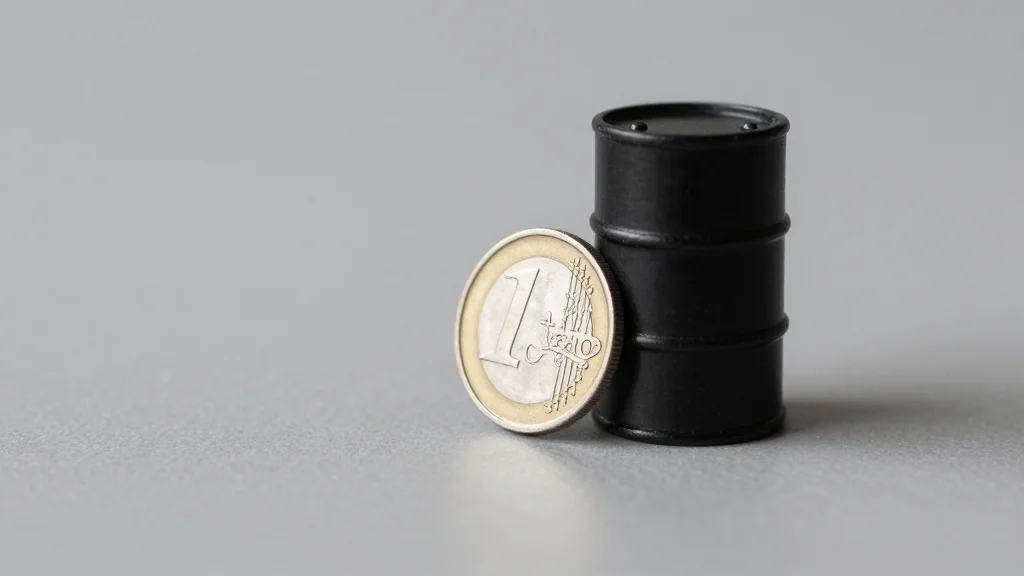
ECB Signals Hawkish Shift as Oil‑Driven Inflation Risks Rise
The European Central Bank left policy rates unchanged in March but delivered a more hawkish outlook, citing rising oil prices and heightened inflation risks. Inflation jumped to 2.6% year‑on‑year in March, and the probability of a 25‑basis‑point hike in June...
World Bank Predicts 24% Jump in 2026 Energy Prices, Biggest Commodity Shock Since 2022
The World Bank’s latest commodity outlook projects global energy prices to rise 24% in 2026, the sharpest increase since the 2022 Ukraine conflict. Brent crude is expected to average $86 a barrel, up from $69 in 2025, while fertilizer costs...
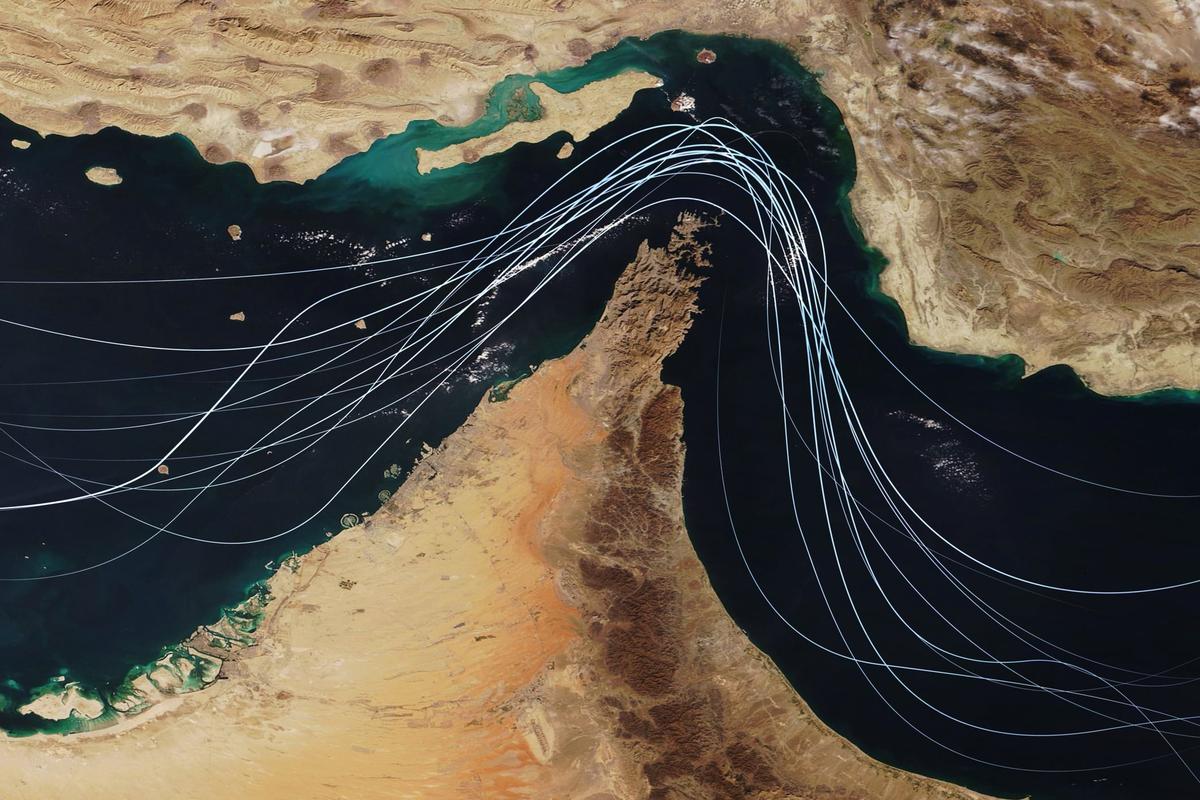
High Costs, Weak Markets: Middle East Conflict Will Have Long-Term Impact on Asia’s Food Supply
Shipping disruptions in the Middle East have sharply curtailed energy and fertiliser flows through the Strait of Hormuz, pushing Asian input costs up 50‑80% while export prices stay flat. Gulf nations have slashed imports of Asian rice, meat and dairy,...

Tether Freezes $344 Million in USDT Tied to Iran, OFAC Expands Sanctions
Tether, in coordination with the U.S. Treasury’s Office of Foreign Assets Control, froze more than $344 million in USDT linked to Iran’s Central Bank. Blockchain analytics firm Chainalysis mapped the complex network of brokers, intermediary wallets and DeFi bridges used to...

EU's 20th Sanctions Package Bans Russian Crypto Exchanges, Stablecoins and Digital Ruble
The European Union unveiled its 20th sanctions package, imposing a total sectoral ban on Russian crypto exchanges, prohibiting ruble‑pegged stablecoins and the nascent digital ruble. The measures hit 20 Russian banks, four third‑country entities and a Kyrgyz exchange linked to...

Aussie Inflation Undershoots Expectations
Australia’s March 2026 consumer price index rose 4.6% year‑over‑year, falling short of economists’ 4.8% forecast. The monthly CPI increased 0.9% from February, driven largely by a 33% jump in fuel prices linked to the Middle East war. Transport inflation surged...
The European Market Brief 23: The Case for a Global Portfolio
In this episode of the European Market Brief, Eurex executive Rachna Mathur and MSCI experts Anshul Kamra and Vass Kassoulis discuss the importance of global diversification beyond the U.S. market. They explain how MSCI’s multi‑currency, multi‑country index family serves as...

Valuations Aren't Everything; Bubbles Can Crash without Euphoria
A lot of people have observed some ominous parallels between today's market and the dot com bubble. The biggest difference being valuation. But I'd point out that valuations were not especially high in 2007 in spite of having bubble-like conditions in the...
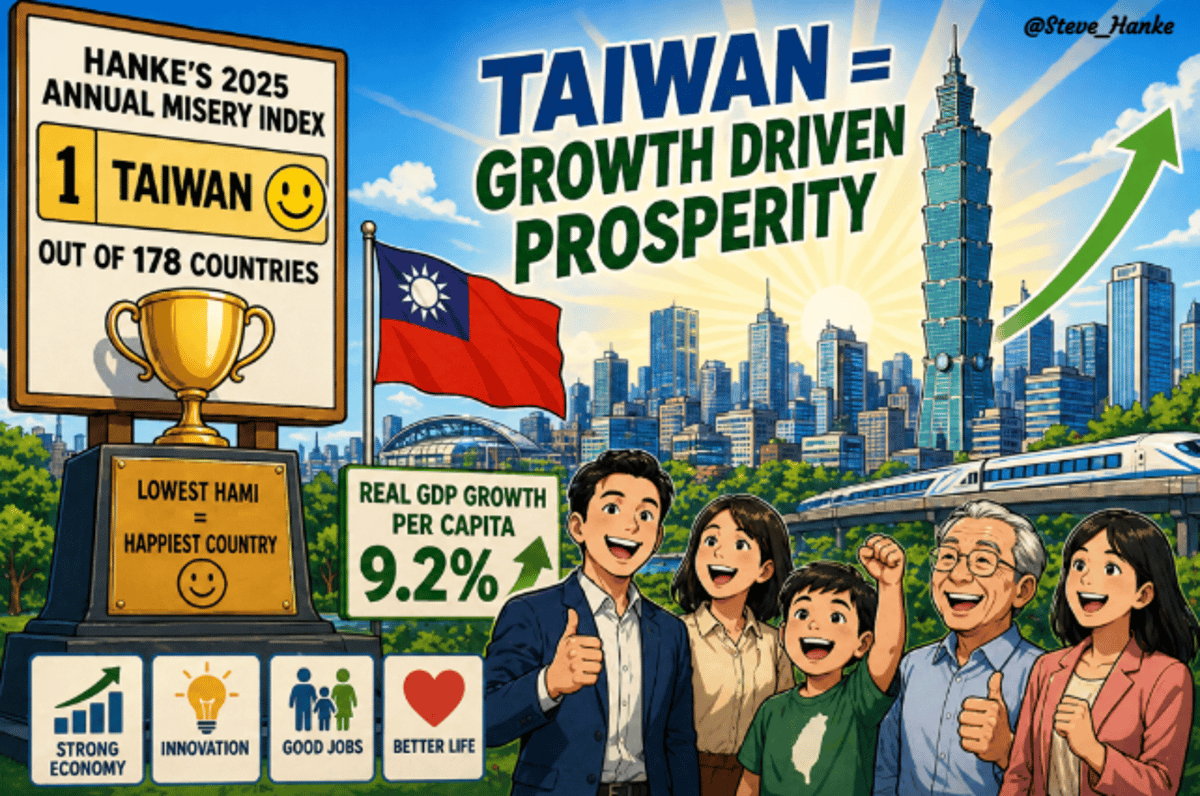
Taiwan Tops Happiness Rankings with 9.2% Growth
In Hanke’s 2025 Annual Misery Index, Taiwan ranks as the HAPPIEST COUNTRY IN THE WORLD. This is thanks to their incredibly strong real GDP growth per capita of 9.2%. TAIWAN = GROWTH DRIVEN PROSPERITY. https://t.co/HJcjzI6ur3
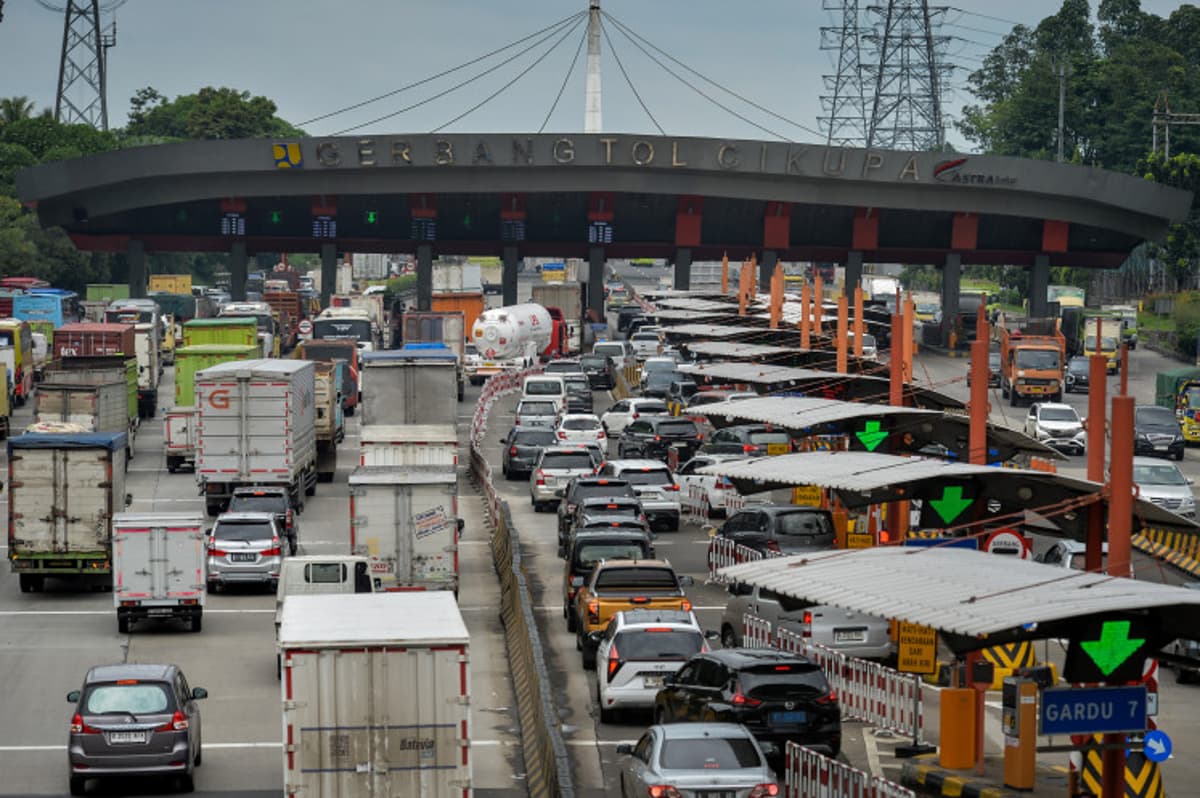
The Toll of Taxation: Why the VAT Plan Is a Risky Gamble
Indonesia’s finance ministry is weighing an 11% value‑added tax on toll‑road services, slated for implementation in 2028. The levy would generate roughly Rp 4.4‑4.7 trillion (about US$300 million) a year, a modest slice of the Rp 2.36 quadrillion (≈US$157 billion) national tax target. Critics warn that...
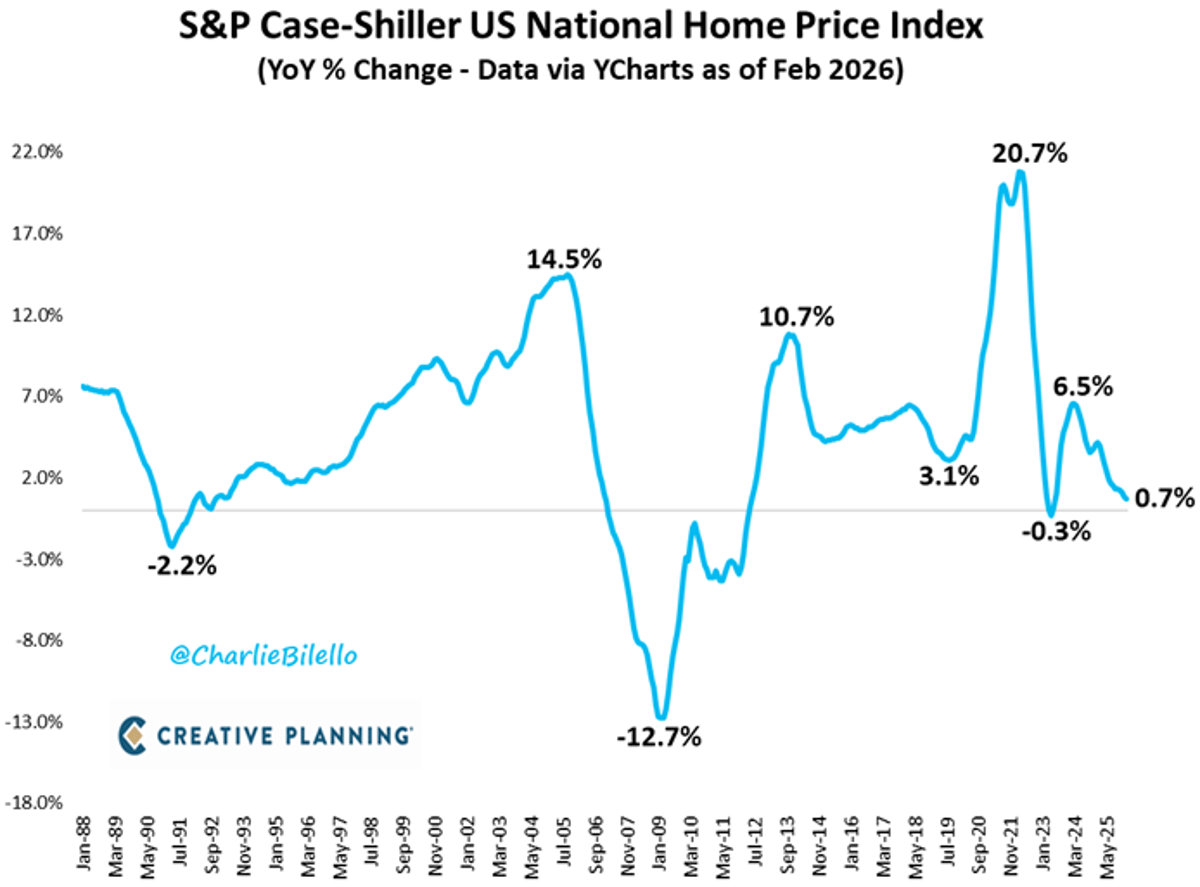
Record Seller Surplus Signals Falling US Home Prices
US home prices increased 0.7% over the last year, the slowest growth rate since June 2023. There are currently a record 46% more sellers than buyers nationally. Absent manipulation from the Federal Government/Reserve, prices will come down and homes will...

China Plans Reforms and Technology Investment to Expand Service Sector by 2030
China announced a plan to expand its service sector to 100 trillion yuan—about $14.6 trillion—by 2030. The strategy combines regulatory reforms, digital‑technology investment, and greater openness to foreign cooperation. Key focus areas include producer services that back high‑end manufacturing, AI‑driven software upgrades,...

Scoring the Jensen-Dwarkesh Debate
In a recent podcast, Nvidia CEO Jensen Huang sparred with interviewer Dwarkesh Patel over U.S. export controls on AI chips to China. Patel argued that maintaining a technological edge is vital for national security, while Huang suggested China could achieve...
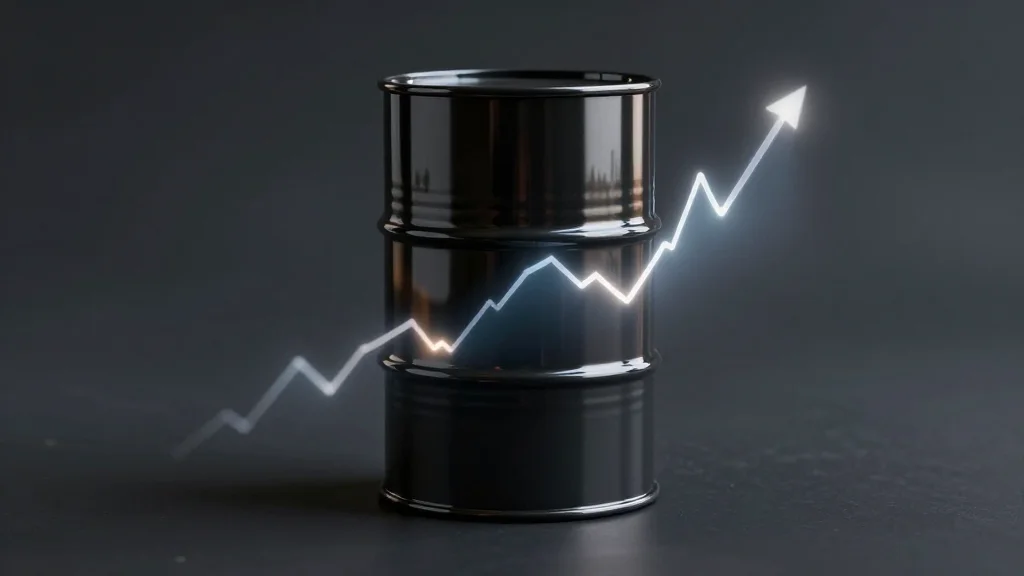
Stocks Re-Enter the Oil Shock Zone
Equity markets have slipped back into the "oil shock" zone as oil prices continue their upward trajectory, eroding the clean‑look rally that had dominated recent weeks. The semiconductor sector, which had been the primary driver of gains, is now showing...

U.S. Q4 2025 GDP Trimmed to 0.5% as Federal Spending Plunges 17% Annualized
The Bureau of Economic Analysis lowered the fourth‑quarter 2025 GDP growth rate to a 0.5% annualized increase, citing a sharp 17% annualized contraction in federal government spending. The revision highlights a slowdown in consumer spending, mixed investment trends, and a...

Iranian Strike on SABIC Halts PPE Resin, Driving 40% PCB Price Spike
Iranian forces struck SABIC's Jubail petrochemical complex in early April, halting production of high‑purity polyphenylene ether (PPE) resin that underpins printed circuit board (PCB) laminates. Goldman Sachs analysts reported a 40% price surge in April and lead times stretching from...
India's 6.7% Growth Forecast Hides Deepening Informal Sector Slump, Poll Finds
A Reuters poll of 54 economists projects India's fiscal‑year GDP to rise 6.7%, unchanged from March forecasts. Yet the same poll warns that the country's vast informal sector, which contributes almost half of official GDP, is under acute pressure from...
Only $161 B Left to Refund Illegal Tariffs
Only $161B* in illegal tariffs left to refund**! *plus interest **assuming the government doesn't appeal before June 6

Iran War Triggers Historic Oil Blockade, BP Q1 Profit More Than Doubles to $3.2 Bn
BP reported an underlying replacement‑cost profit of $3.2 bn for Q1, more than double the prior year, after the Iran‑U.S. war shut the Strait of Hormuz and sent crude prices soaring. The blockade, described by the IEA as the largest energy‑security...

Kyrgyzstan Establishes New Trade Route to Pakistan, via China
Kyrgyzstan successfully completed a pilot truck run from Bishkek to Karachi, establishing a 3,300‑kilometer land corridor that runs through China via the Karakoram Highway. The route bypasses Afghanistan, offering a secure alternative for the landlocked nation to reach a seaport....
Turkmen Gas Is Back on Turkey’s Agenda
Turkey has lost its Iranian gas imports, which supplied about 15% of its demand, and is reviving interest in a trans‑Caspian pipeline to bring Turkmen gas to Turkey and Europe. Energy Minister Alparslan Bayraktar urged international talks on the never‑built...

In Rare 6-3 Vote, BOJ Delays Interest Rate Hike Again
The Bank of Japan’s policy board voted 6‑3 to postpone a rate hike to 1%, marking a rare split decision. BOJ now projects 2024 GDP growth at just 0.5%, half of its January outlook, as the Iran‑Ukraine conflict drags on....

Gold Outlook Stalls Amid War Inflation
Gold prices slipped to $4,628.88 per ounce, a three‑week low, as war‑driven inflation dampens expectations of U.S. rate cuts. Analysts now project the Fed will keep the federal funds rate at 3.50‑3.75% through 2026, limiting gold's upside. The near‑term support...
A Fresh Financial Crisis May Be Coming - It Won't Play Out Like the Last One
A new wave of financial fragility is emerging as private‑credit funds, now worth about $2.5 trillion, face massive withdrawal pressures and layered leverage. Rising oil prices above $100 a barrel and $2 trillion poured into AI have added commodity and market‑valuation shocks....
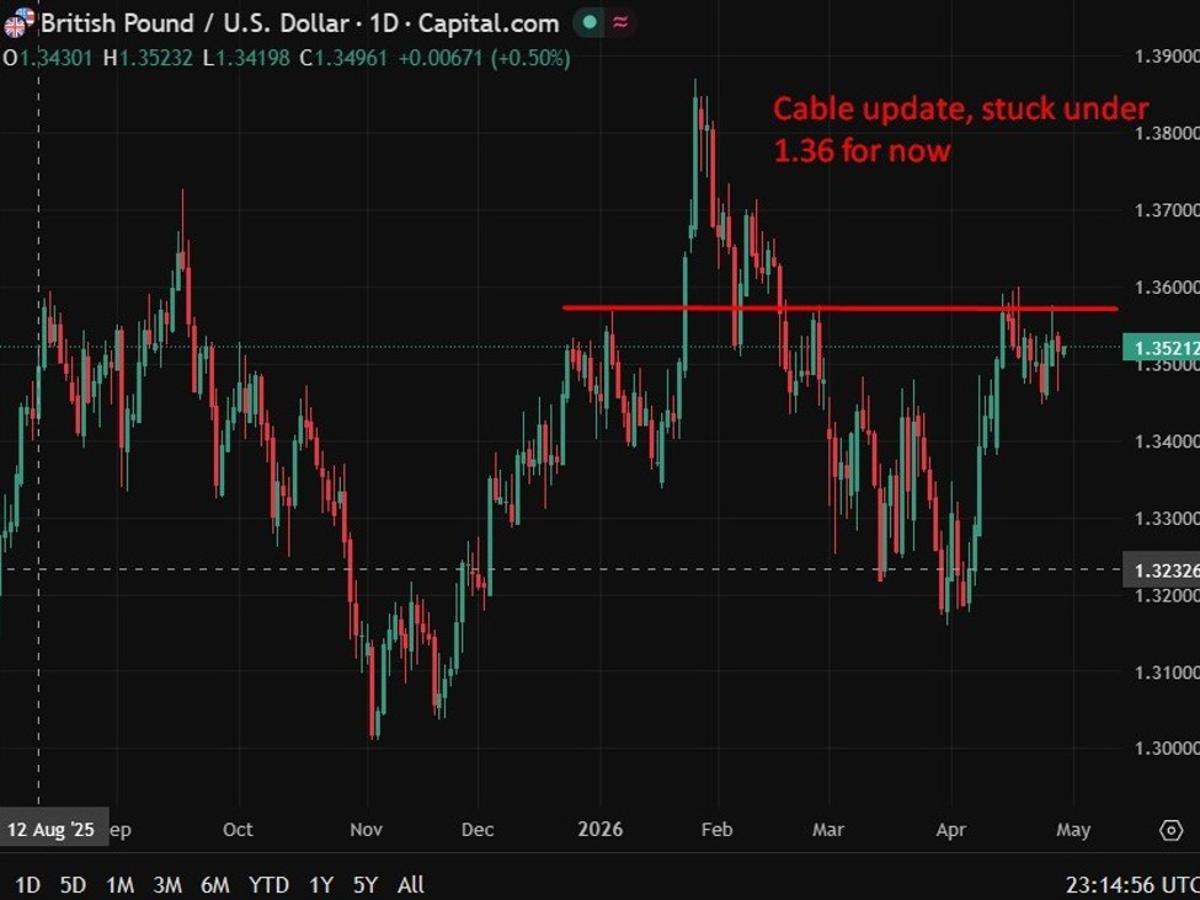
NIESR Cuts UK Growth Forecast, Warns Iran War Will Keep Inflation Above Target Until 2028
The National Institute of Economic and Social Research slashed its UK GDP outlook, forecasting 0.9% growth in 2026 and 1.0% in 2027, down from 1.4% and 1.3% respectively. Inflation is expected to climb to 4.1% at the start of 2027,...

Boom! United Arab Emirates Exits OPEC
In this episode, Patrick Wood explains how the United Arab Emirates' withdrawal from OPEC on May 1, 2026 signals the collapse of the petrodollar system and the rise of a new technocratic trade architecture centered on asset tokenization and the...

London’s Eurodollar Rise Stemmed From Belgian, French Rejection
🏴☠️1/ If what I think is happening is really happening, then I can make some predictions. Especially about incoming European problems. But first an important side story, which also relates to the “special relationship”. What a lot of people don’t know is...
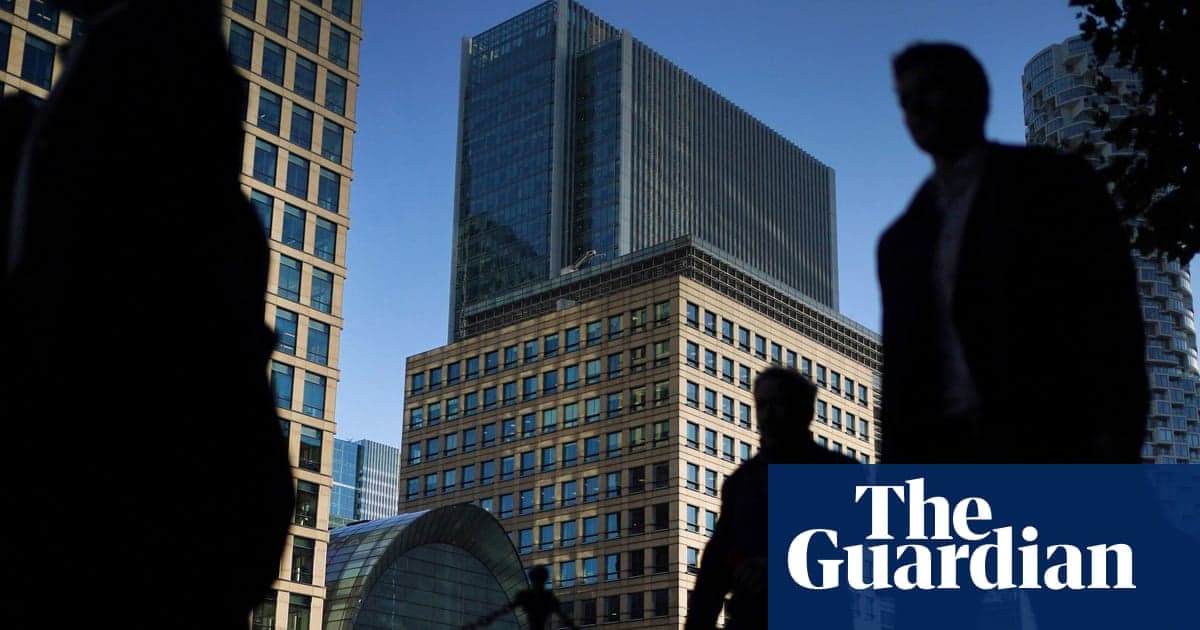
UK Faces £35bn Hit and Risk of Recession This Year over Impact of Iran War, Thinktank Warns
The National Institute of Economic and Social Research warns that the Iran war will cost the UK about £35 bn (≈$45 bn) and could trigger a recession in 2026. It trimmed its growth outlook to 0.9% for this year and 1% for...

Gulf Sealed Tight
The United Arab Emirates announced its exit from OPEC, citing the need to boost output to fund post‑crisis reconstruction. With the UAE’s departure, Saudi Arabia becomes the sole OPEC member prepared to implement substantial production cuts under normal market conditions....

Beyond Disruption: The Hidden Economics of Houthi Attacks
Since late 2023 Houthi attacks in the Bab al‑Mandeb have not halted global shipping but have dramatically increased costs. More than 60% of container vessels were rerouted around the Cape of Good Hope, forcing insurers to raise war‑risk premiums from...

China's Export‑driven Model Collapses Under Security Costs
China built its entire economic model based on the principle that exports were universal. That model is crumbling as countries realized they hollowed out their manufacturing base and eroded their own national security in the process. China was the biggest...

Fed's Inflation Focus Risks Stock Market Amid Iran War
Will the Fed break the stock market as Chair Powell and the FOMC dial up their focus on inflation amid the US-Iran war? #Fed #FOMC #Powell #IranWar #StockMarket #Dollar #Oil #Gold #Macro #Trading https://t.co/ER2QbNR0qa

Chile Holds Rates but Iran War Oil Risk Echoes Across Global Central Banks
Chile's central bank left its benchmark rate unchanged at 4.50% for a third straight meeting, a decision that was broadly expected. More notable was the bank’s explicit warning that the Iran‑Israel conflict is worsening beyond its March baseline, raising the...

China Bans Meta-Manus Deal, Highlighting US‑China Business Strain
China’s Ban on Meta-Manus Deal Shows Strains in U.S.-China Business Ties—National-security concerns are increasingly weighing on commercial ties @hannahmiao_ https://t.co/8u5gYXWhtZ https://t.co/8u5gYXWhtZ

Why Australia Could Be a Winner in a More Volatile World
Amid rising geopolitical turmoil, Australia’s stable democratic institutions and transparent regulatory framework are emerging as a premium asset for global investors. The article argues that capital will gravitate toward jurisdictions where rules are predictable and policy shifts are incremental. Australia’s...

PETER’S ASIAN BUSINESS & FINANCE BRIEFING – Wednesday 29 April 2026, 06:00 Hong Kong
The Bank of Japan left its short‑term rate at 0.75% but signaled a possible hike in June, while upgrading its inflation outlook. Brent crude surged to a three‑week high of $111 per barrel, with some analysts forecasting prices could reach...
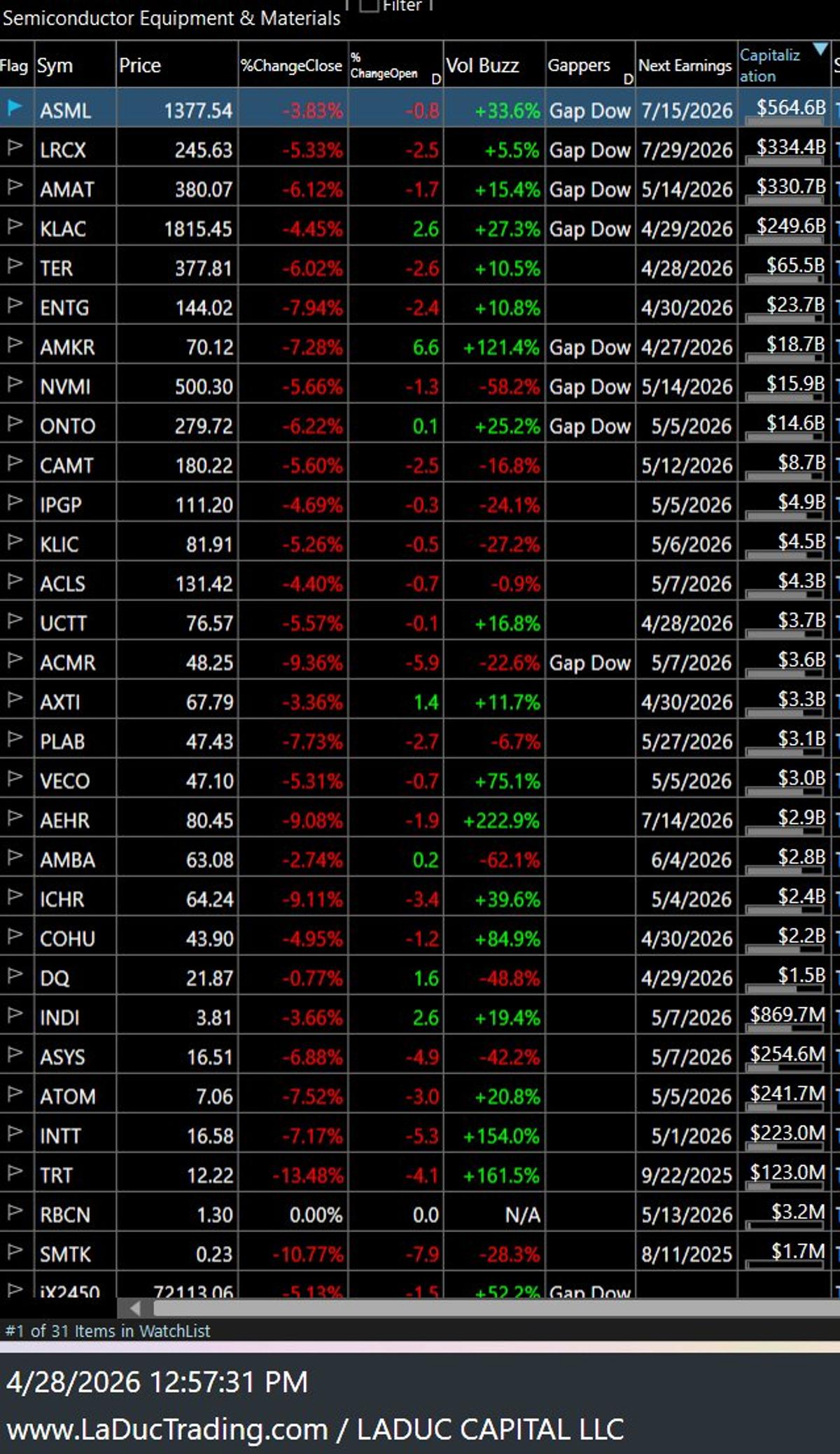
US Bans Chip Tool Shipments to Huahong's Facilities
The U.S. ordered numerous chip equipment companies to halt tool shipments to two facilities of Huahong, China’s second-largest chipmaker, according to sources. https://t.co/9lzUXgpLQr
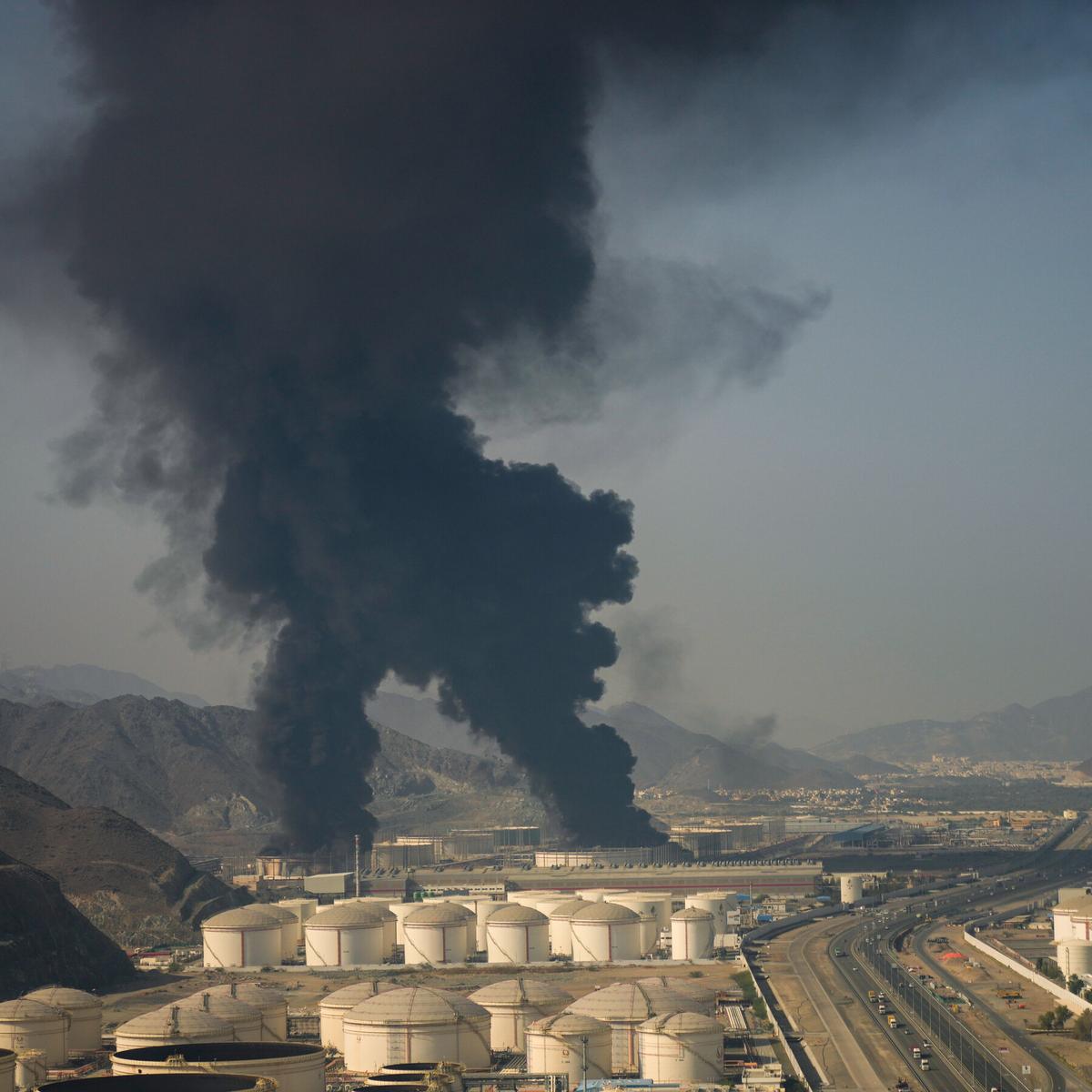
Amid Iran War and Tensions with Neighbors, U.A.E. Goes Its Own Way
The United Arab Emirates announced it is leaving OPEC as Saudi Arabia hosted a Gulf summit, positioning itself to increase oil output independently. Abu Dhabi cited long‑term market needs and frustration with Saudi‑driven production quotas. The move underscores a widening...
Stocks and Bonds Fall as Fed Split Amid War Risks: Markets Wrap
Wall Street pushed stocks and bonds lower on April 28 after the Federal Reserve kept policy rates unchanged and warned that the ongoing war in Iran is clouding the outlook for the United States economy. Money‑market participants abandoned bets on...

Commentary: Beijing Intensifies Diplomatic Isolation of Taiwan’s President
Taiwan President Lai Ching‑te cancelled a planned visit to Eswatini after Madagascar, Mauritius and Seychelles denied his plane airspace at Beijing's request, marking the first time China successfully blocked a Taiwanese diplomatic trip. The move isolates Taiwan's last African ally...
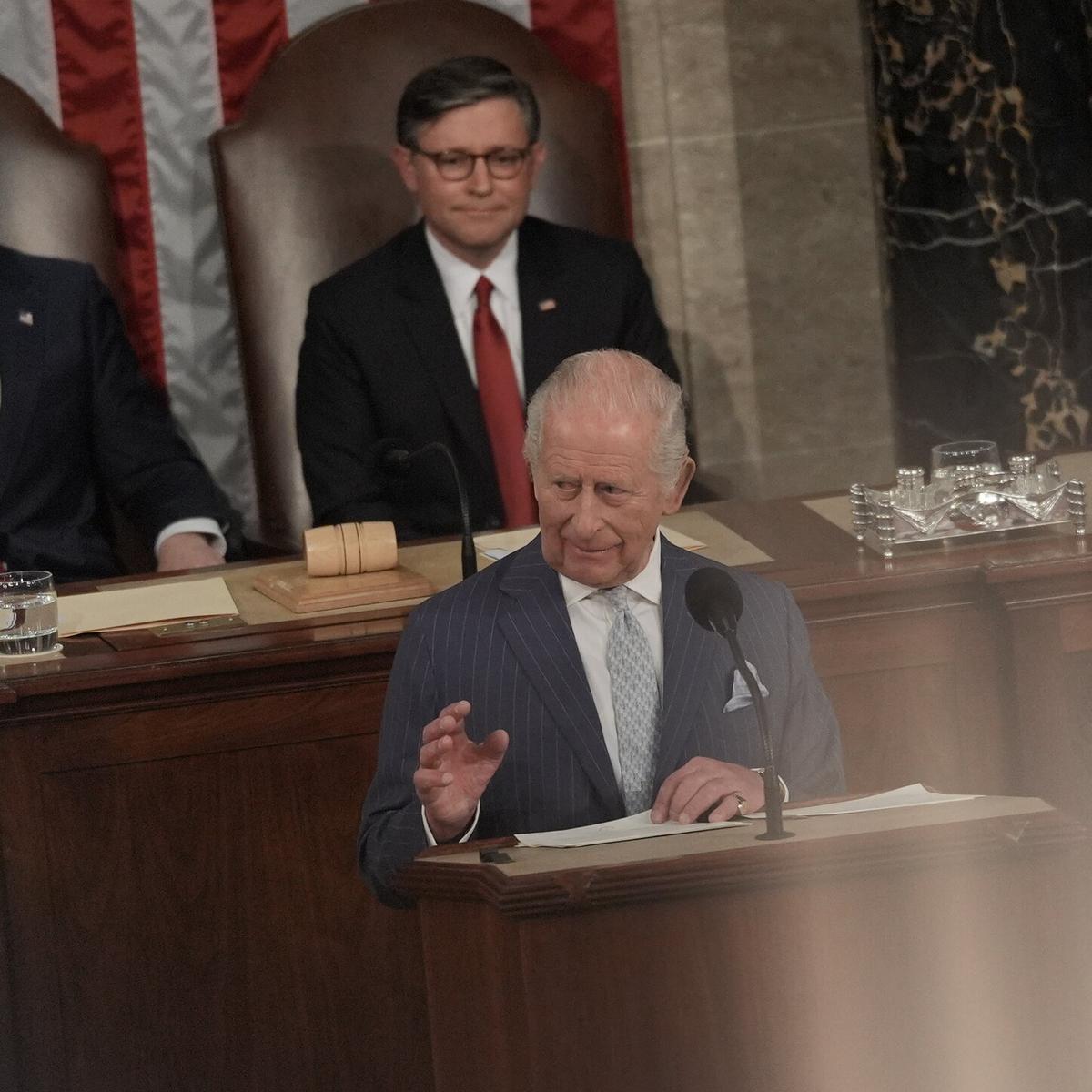
King Charles Stresses Significance of U.S.-U.K. Ties
King Charles III delivered a speech to a standing‑ovation‑filled U.S. Congress, emphasizing the deep‑rooted partnership between Britain and America. The address, part of his first U.S. visit as monarch, highlighted reconciliation, renewal and a shared commitment to NATO and Ukraine’s...

Fossil-Fuel Talk Participants Call for Framework
Around 60 nations—accounting for roughly one‑fifth of global oil output, a third of consumption and a third of world GDP—gathered in Santa Marta, Colombia, for the first Conference on Transitioning Away from Fossil Fuels. Delegates expressed frustration with existing consensus‑driven multilateral...

Gas Prices Set to Dominate Economic Conversation
Yesterday, I got a haircut. After basic pleasantries, the barber (who knows I'm a lawyer but doesn't know much else) asked me how high I thought gas prices will go and whether it would hurt the economy. Friends,...
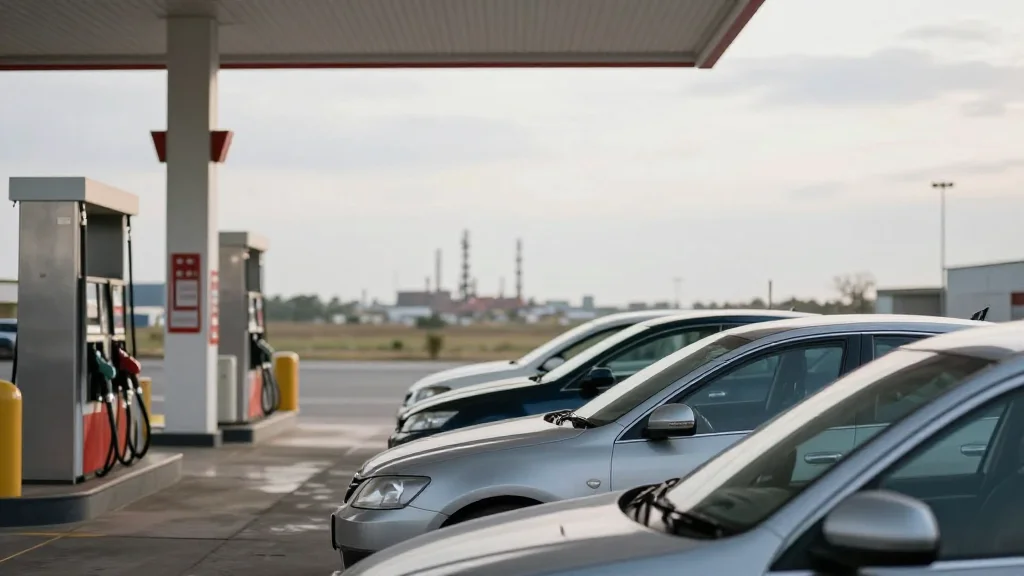
Global Economy Inching Toward a Massive Oil Shock
Haven’t seen lines like this since airlines in March 2020 It really does seem to me that the whole world is sleepwalking into a massive oil shock. Would be delighted to be wrong. What am I missing?

2020‑Peak US Bonds Lose 30‑50% Real Value
If you bought 10 year US bonds near the peak in 2020, on an after inflation basis, you're still down 30% six years later. If you bought 30 year US bonds instead, you're down over 50%.