Today's Global Economy Pulse

China's producer price index rose 3.9% year‑on‑year in May, the strongest increase since July 2022, driven by a 10% jump in fuel and power costs and a 22% surge in non‑ferrous metal prices. Consumer inflation eased to 1.2% YoY, below expectations, highlighting a split between rising wholesale prices and subdued retail inflation.

Container Rates Slip for Third Week as Oversupply Weighs on Market
Spot container rates fell for a third consecutive week, with Drewry's World Container Index dropping 1% to $2,216 per 40‑foot container on April 30. The decline reflects excess vessel capacity and weak demand outweighing geopolitical risk premiums from the Strait of Hormuz. Rates on the Asia‑Europe corridor slipped further, prompting seven blank sailings and an expected 3% capacity cut in May, while trans‑Pacific pricing showed mixed signals amid rising fuel and peak‑season surcharges. Carriers anticipate a near‑term rate uptick as surcharges take effect.
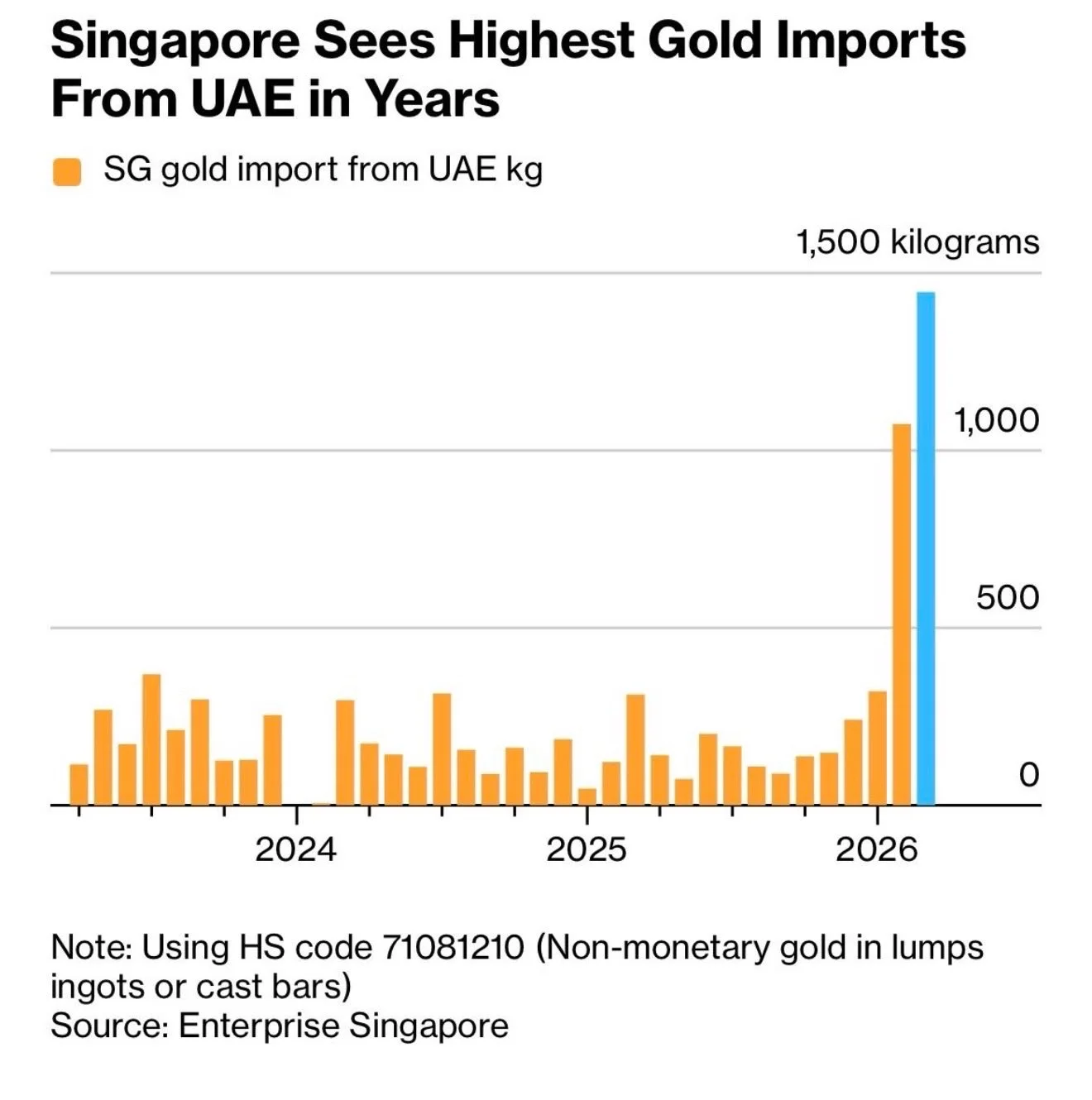
Singapore's Gold Imports From Dubai Hit Record Amid War
singapore is pulling in dubai gold as middle east war drags on. Imports of gold into Singapore from Dubai hit a record last month
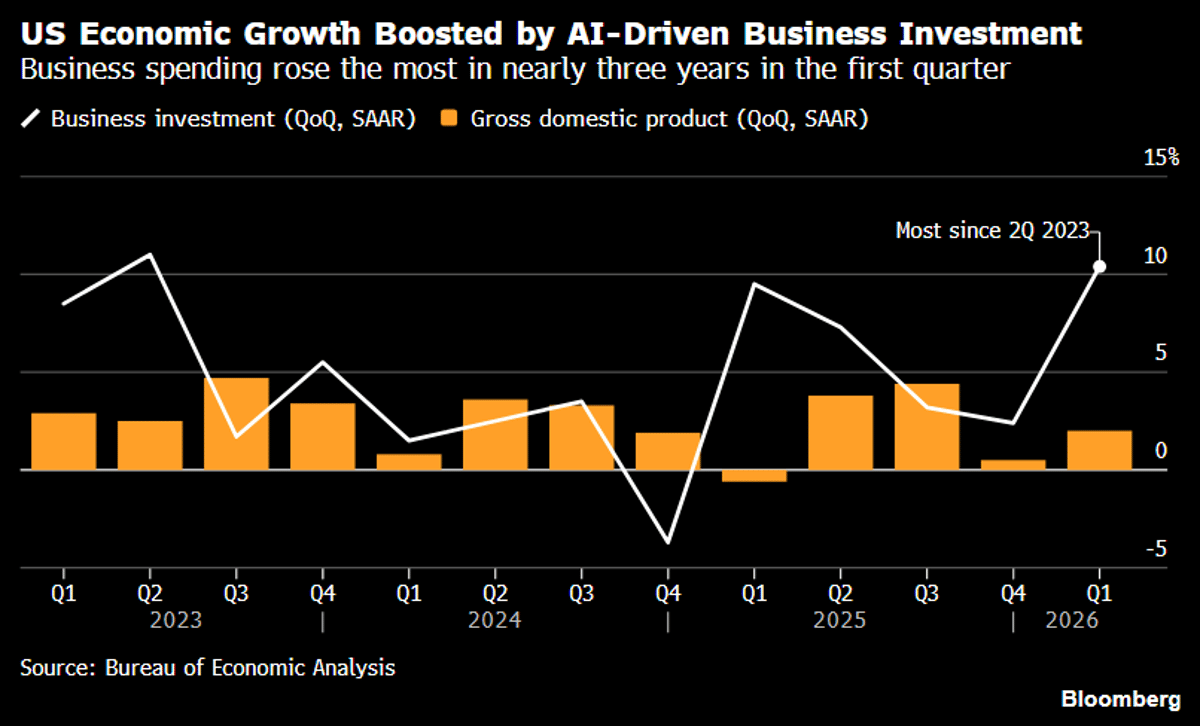
US Q1 Growth Defies Shutdown, AI‑Driven Investment Surges
The US Economy grew by 2% in Q1 despite shutdown as business investment grew by most in 3yrs on AI and consumer spending grew by a better than expected 1.6%. I can literally hear some ppls' teeth gnashing (thoughts and...

US Economy Grows by 2pc in First Quarter
The Bureau of Economic Analysis reported that U.S. gross domestic product grew at a 2% annualized rate in the first quarter, driven primarily by a rebound in government spending and a sharp rise in artificial‑intelligence‑related investment. Private investment jumped 8.7%,...
Indonesian Exports to China Rise, Cushioning the Blow of Disrupted Middle East Shipments
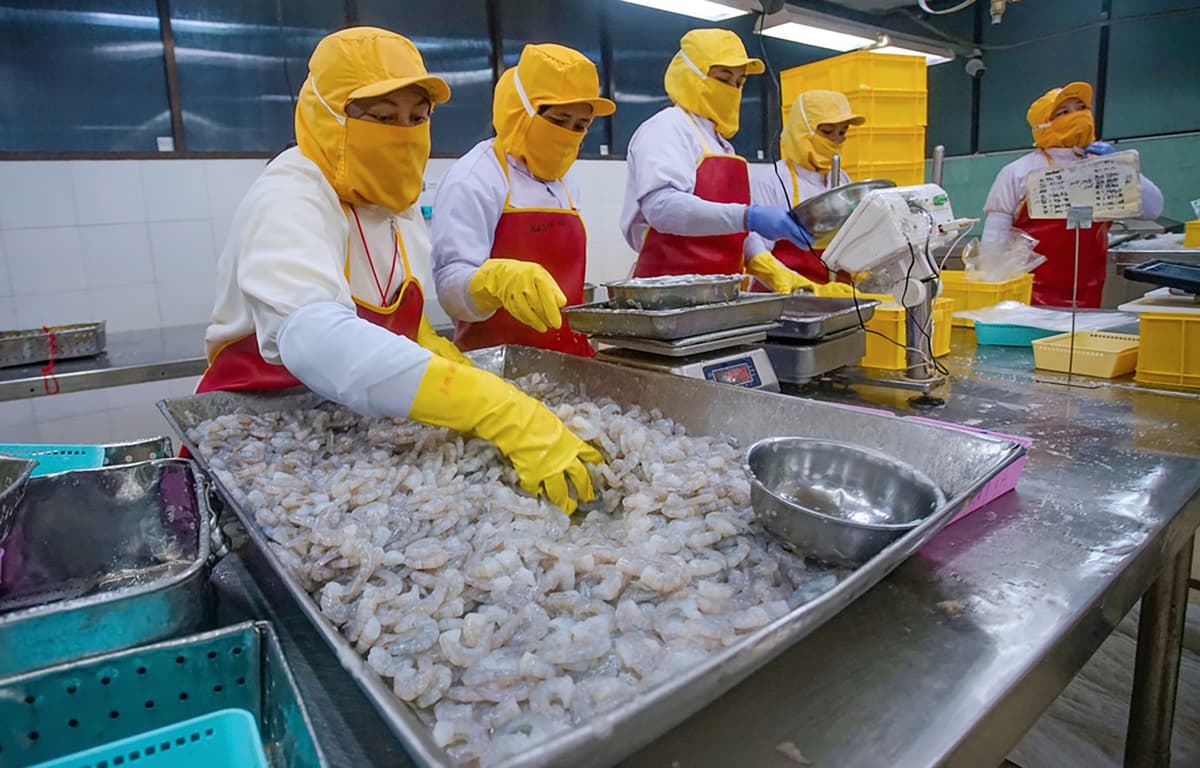
Indonesian seafood exporters are turning to China as shipments to the Middle East stall amid the Iran‑Israel conflict. Chinese demand for high‑value species such as grouper, snapper and shrimp remains strong, keeping export volumes robust. Indonesia’s seafood trade to China...

Energy Surge Signals Crisis, Yet Offers 10x Gains
I'm personally afraid of the coming 3-5 years for the economy and our society. The economy has become fragile amid global uncertainties. A sudden rise in gold isn't a signal of a strong economy; it's the exact opposite. Additionally, the rise in energy...

When the World Order Turns Upside Down – Where Does the Nordics Stand?
The article argues that the post‑Cold‑War world order anchored by the United States and the dollar is unraveling, giving way to a multipolar system led by China, Russia and an expanding BRICS bloc. In this new landscape, the Nordics—traditionally beneficiaries...
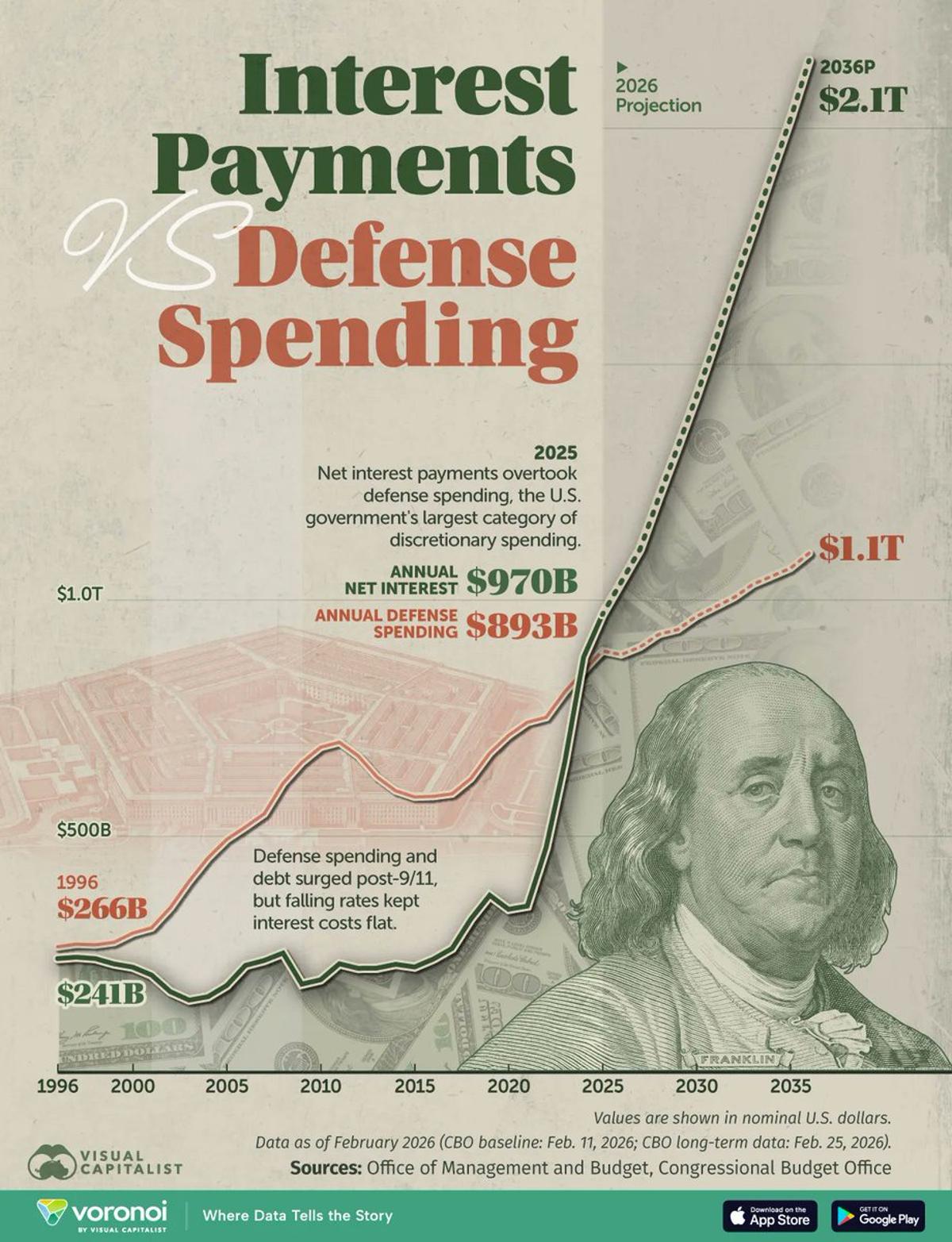
Interest Payments Overtake Defense Spending, Debt Soars
For the first time since the late 1920s, the U.S. is spending more on interest payments than on national defense. This isn't new—it's been true for two years. However, worth a reminder given the Trump administration's proposed $1.5 trillion defense...
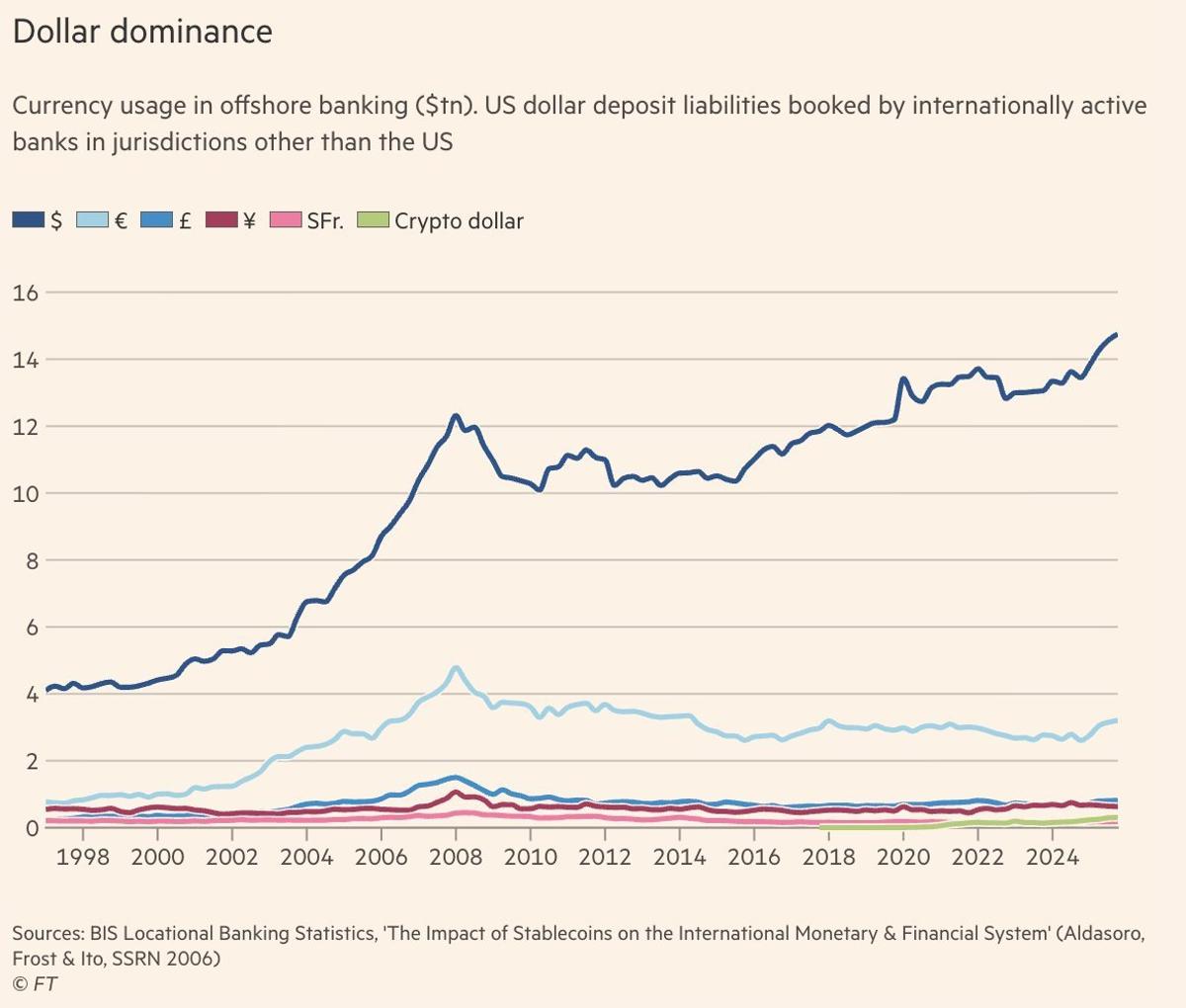
Massive USD Deposits Make Swap Lines Unnecessary, Says Munger
"Invert...always invert." -Charlie Munger For example, w/ $14T in USD deposits offshore, why would the UAE (or any nation) ever need a USD swap line? If a guy w/a $14B bank deposit needed a home equity line just to pay his bills,...
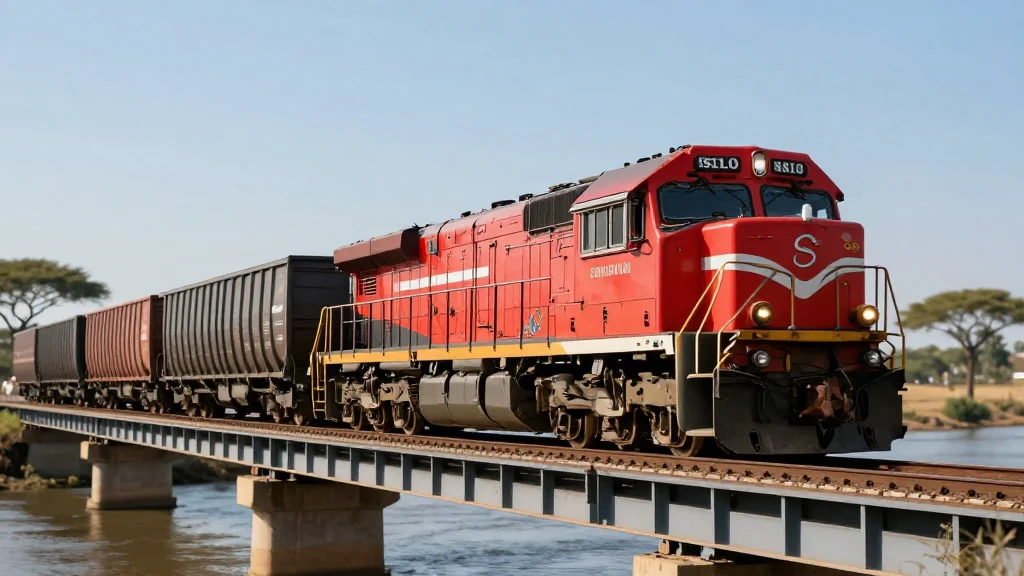
China’s African Mineral Strategy Threatens Kansas City’s Rail Hub, Endangering 30,000 Jobs
China’s long‑term investment in African mineral logistics, including a $1.4 billion upgrade of the Tanzania‑Zambia railway, could divert cobalt and copper away from Kansas City’s classification yards. A U.S. $753 million loan for Angola’s Lobito Corridor aims to counter the shift, but...

Rates Paused, Borrowing Costs May Rise Soon
Interest rates on hold….but for how long? Here’s the lowdown on what could be a ahead for borrowing costs… #finance #money #costofliving #inflation #moneytok
Fed Holds Rates as Powell Stays, Raising Stakes for Stock Traders
The Federal Reserve kept its benchmark rate unchanged in a divided vote and announced that Chair Jerome Powell will remain on the Board as a governor after his term ends. Powell's unprecedented move and the record four dissenters signal a...

USGS Finds $64 Billion Lithium Deposit in Appalachians, Could Cut Imports by 328 Years
The U.S. Geological Survey disclosed a 2.5‑million‑ton lithium reserve in the Appalachian Mountains valued at roughly $64.4 billion. The find could replace 328 years of U.S. lithium imports, bolstering mineral security and challenging China’s dominance in the battery supply chain.

Fed Holds Rates Steady, Mortgage Rates Likely to Remain Stable Amid Political Tension
The Federal Reserve left its benchmark interest rate unchanged for the third consecutive meeting, a decision that keeps mortgage rates anchored despite a sharply divided FOMC vote. The move comes as Chairman Jerome Powell announced he will remain on the...

Japan’s March Industrial Output Slips 0.5% as Middle East Conflict Spikes Oil Prices
Japan’s Ministry of Economy, Trade and Industry reported that industrial output fell 0.5% in March, the first monthly decline after a 2% drop in February. The slide reflects higher crude oil prices and supply‑chain disruptions linked to the Middle East...
Oil Futures Surge as Fed’s Hawkish Tone Pushes Treasury Yields Higher
Crude oil futures jumped after the Federal Reserve issued a hawkish post‑meeting statement, citing elevated energy prices, while Treasury yields rose on the sell‑off in bonds. The dual shock sparked heightened activity in oil and Treasury options as traders priced...

Oil Prices Spike as US‑Iran Conflict Deepens, Raising Stakes for Emerging Markets
Brent crude surged to $126.41 a barrel and U.S. WTI to $108 as the United States escalated its blockade of Iran, prompting a $25 bn Pentagon cost estimate for the war. The price shock is straining emerging‑market importers and reshaping global...
Powell to Remain Fed Governor, Blocking Trump’s Board Appointment
Jerome Powell announced he will remain a Federal Reserve governor after his chairmanship ends on May 15, denying President Donald Trump a chance to install a new appointee on the board. The decision comes as the Fed kept its benchmark...
Pentagon Cites $25 Bn Price Tag as US Escalates Iran Blockade, Lawmakers Demand Answers
Pentagon Comptroller Jules Hurst told the House Armed Services Committee the United States has already spent about $25 bn on the Iran war, mainly on munitions. The figure fuels a heated hearing where Defense Secretary Pete Hegseth defended the blockade while...

Asian Tech Stocks Rise as Oil Hits $125 Barrel, Bonds Slip
Asian technology equities rallied on strong earnings as Brent crude surged past $125 a barrel, sending bond yields tumbling. The mixed market reaction highlighted a risk‑on tilt despite central banks’ hawkish signals.
Powell to Remain Fed Governor, Blocking Trump’s Board Pick
Jerome Powell announced he will remain a Federal Reserve governor after his chairmanship ends on May 15, effectively denying President Donald Trump a seventh‑member seat. The move comes amid legal attacks on the Fed and a sharply divided FOMC vote,...

Carmakers Bank on $2.3B in Future Tariff Refunds
Automakers are booking anticipated tariff refunds after a February Supreme Court decision invalidated portions of the Trump administration’s import duties. Ford, GM, Mercedes‑Benz and Stellantis collectively recorded about $2.3 billion in expected reimbursements, lifting first‑quarter earnings but not yet cash flow....

Mortgages, Bills and Jobs: Five Takeaways From the Bank of England
The Bank of England warned that the Middle‑East conflict could push interest rates higher, with a worst‑case scenario taking the base rate to 5.5% if oil stays above $120 a barrel. Energy bills are expected to rise to about $2,400...

Rates Spark: A Cacophony of Mad Stuff
Volatility eased as the CBOE VIX slipped to 17, well under its 19‑year average, while the S&P 500 surged to a fresh all‑time high. Brent crude fell from $125 to $115 per barrel, prompting a dovish move in U.S. Treasury yields...

Faisal Islam: The Wide Field of Uncertainties Facing the UK
The Bank of England signalled that rate cuts are off the table and a hike above 5% is likely if oil prices stay near the recent $125‑per‑barrel peak. Governor Andrew Bailey warned that volatile energy costs are pushing inflation higher...

Bloomberg Surveillance TV: April 30th, 2026 (Podcast)
Bloomberg Surveillance TV aired its April 30, 2026 episode featuring Sharmin Mossavar‑Rahmani, chief investment officer for wealth management at Goldman Sachs, National Economic Council Director Kevin Hassett, and Heritage Foundation vice‑president Victoria Coates. The trio dissected current macroeconomic data, monetary‑policy...

California Gas Prices Hit $6 per Gallon as Fuel Costs Jump Nearly 30 Cents in a Week Across the U.S.
California gasoline prices surged to $6.01 per gallon, the highest level since October 2023 and a 30% jump since the U.S. and Israel entered the war against Iran in late February. Nationwide, the average pump price rose to $4.30 per gallon,...

China Lets Hormuz Stay Open, Exploiting Western Turmoil
That's a fair way to think about it @Stormontenergy But maybe China just lets Hormuz ride for now. It's benefiting from more relative economic destruction to the West It has ample reserves including a few months of Iranian crude already on...
ECB Stuck Between a Rock (Inflation) and a Hard Place (Low Growth)
The European Central Bank’s April 30 decision to keep policy rates unchanged highlights the dilemma between lingering inflation and weak growth. Headline CPI rose to 3 percent in April, up from 1.9 percent in February, driven largely by a 10.9 percent jump in energy...

Bloomberg Talks: Andrew Bailey (Podcast)
Bank of England Governor Andrew Bailey appeared on Bloomberg Talks to explain the central bank’s post‑rate‑decision stance. He confirmed that the BoE kept its policy rate at 5.25% while assessing inflation trends and labour market data. Bailey hinted that a...

How to Navigate Geopolitical Stress with MAC3
Bloomberg’s MAC3 Macro Scenario Analysis upgrades stress testing by tying portfolio outcomes to core macro drivers such as GDP growth, inflation, and policy rates. Using a Vector Auto‑Regression model, the framework converts geopolitical events—exemplified by the current Middle East conflict—into...

Geopolitical Environment Could Make India’s Growth Targets Harder to Achieve: CEA Nageswaran
India’s Chief Economic Advisor V. Anantha Nageswaran warned that the country’s $7‑8 trillion GDP goal for 2032 and $30 trillion target for 2047 will be far tougher to hit amid a hostile geopolitical climate. He emphasized that growth must be technology‑led, citing India’s sub‑1%...

Rate Cut in Brazil
Brazil's central bank cut the Selic benchmark rate by 25 basis points on April 30, lowering it to 14.5%. This follows a similar 25‑bps reduction in March, ending a year‑long hold at 15% that began in June 2025. Inflation remains at 4.14%,...

Oil Prices on a Rollercoaster Ride
The episode examines the sudden volatility in oil prices, which spiked to a four‑year high of $126 per barrel before falling $10 within hours, driven by escalating US‑Iran tensions and concerns over Iran’s dwindling storage capacity. Investment strategist Emma Wall...
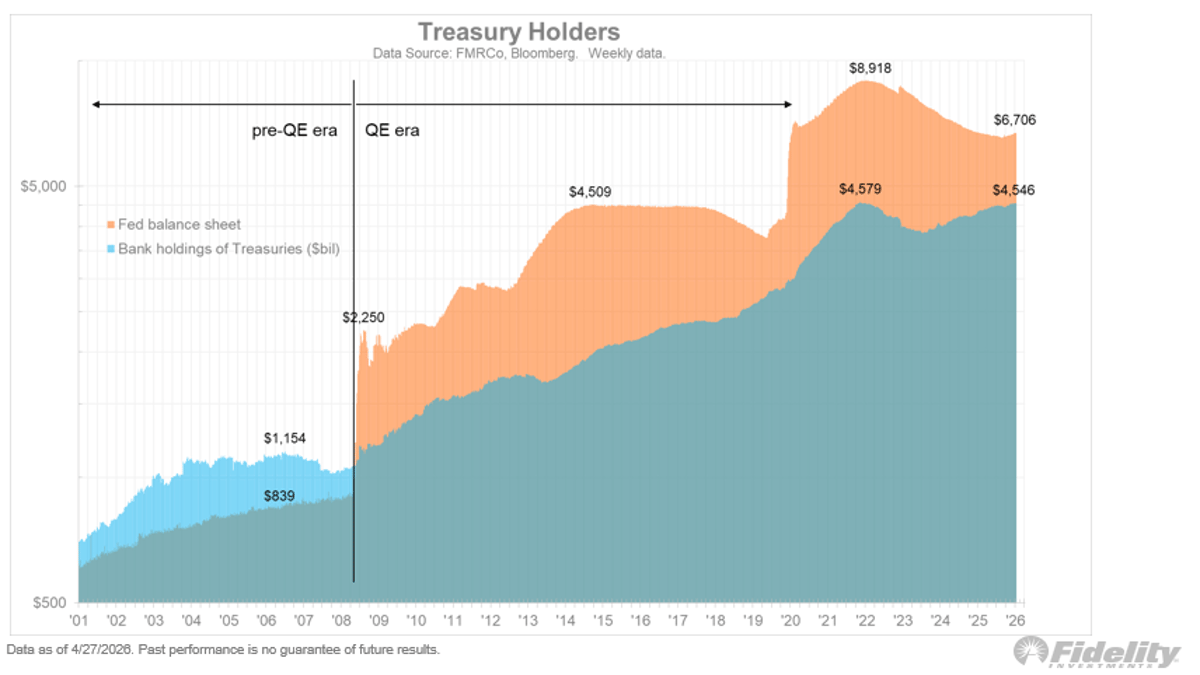
Warsh Takes Fed Helm, Signals Lower Short Rates
Bonds have remained eerily quiet and continue to sit near the apex of a long triangle. With Kevin Warsh now about to take the helm of the Fed, we are about to enter what we might call the Warsh-Bessent Treasury-Fed...
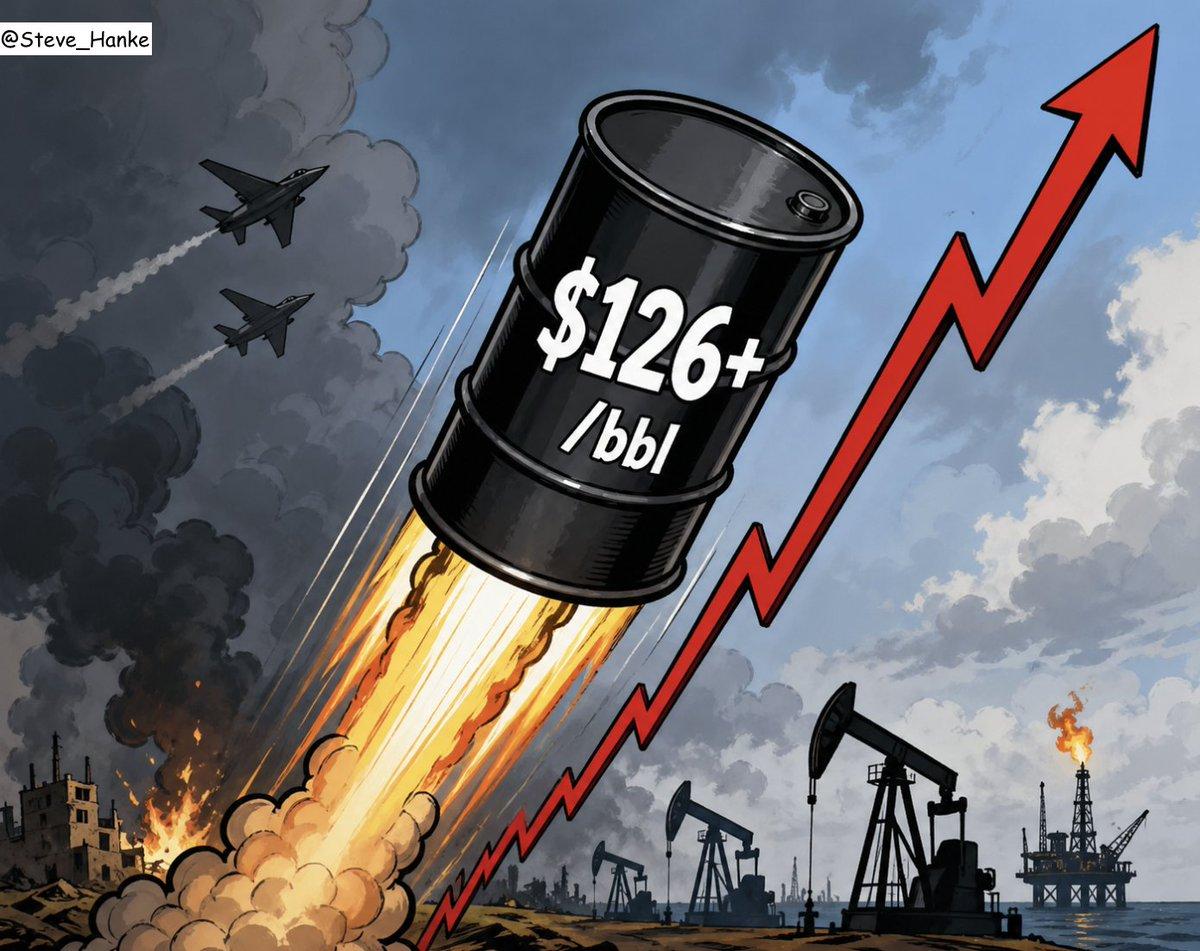
Brent Hits Four-Year High, Just as Predicted
Brent crude prices just HIT A FOUR-YEAR HIGH. I'M NOT SURPRISED. As I predicted on @davidlin_TV on March 29th, crude oil prices would SPIKE by the end of APRIL. IT’S APRIL 30th, and PRICES HAVE SPIKED. https://t.co/7Tvnl0ojr1

Global Trade Imbalances: Actual Problems, Unlikely Solutions
The IMF reports that global current‑account imbalances have risen from about 2‑3 % of world GDP in the 1970s‑90s to over 4 % after 2000, driven largely by China’s WTO accession and a widening U.S. trade deficit. The United States finances AI‑related...
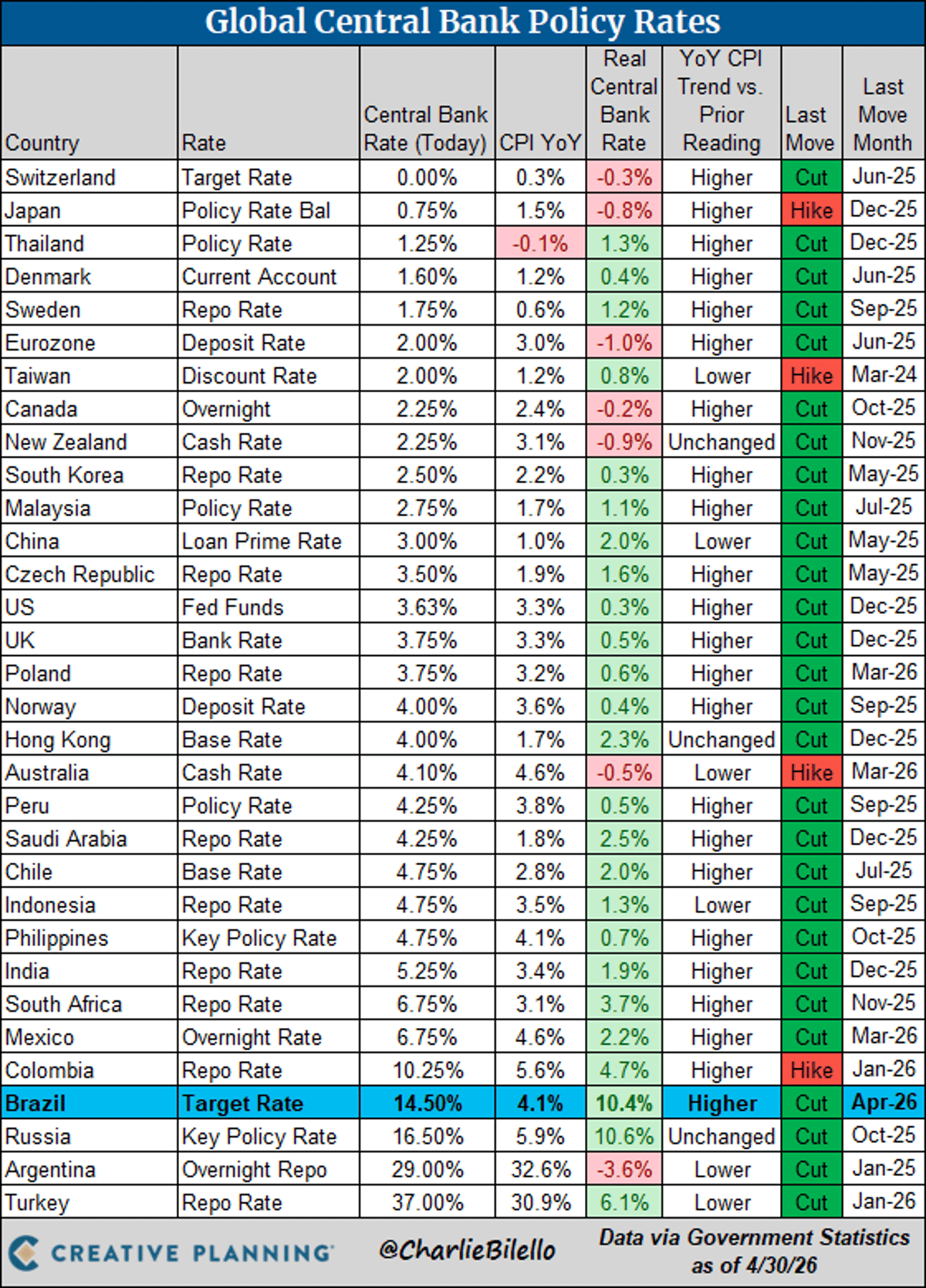
Brazil Slashes Rates Again, Down to 14.5%
Global Central Bank Update: -Brazil cut rates for the second month in a row, 25 bps move down to 14.50%. https://t.co/a53O5fczcP
Supply‑side Pressures Threaten US Productivity and Wages
Check out @PrestonMui's latest: The Supply-side May Spoil Warsh's Productivity Story The US economy is facing multiple pressures: tariffs, AI bottlenecks, war...Now healthcare costs are eating into wages Productivity was poor in Q4. Will be in Q1 too https://t.co/RBInolTCWS https://t.co/OAVJH4tUc4

Air Cargo Carriers Add Fuel Surcharges Driven by Iran War
Air cargo carriers are rolling out new fuel surcharges as the Iran‑related conflict drives jet‑fuel prices to near‑double historic levels. Spot U.S. Gulf Coast kerosene hit $4.03 per gallon on April 27, prompting carriers such as United, Air Canada, Cathay, ANA...
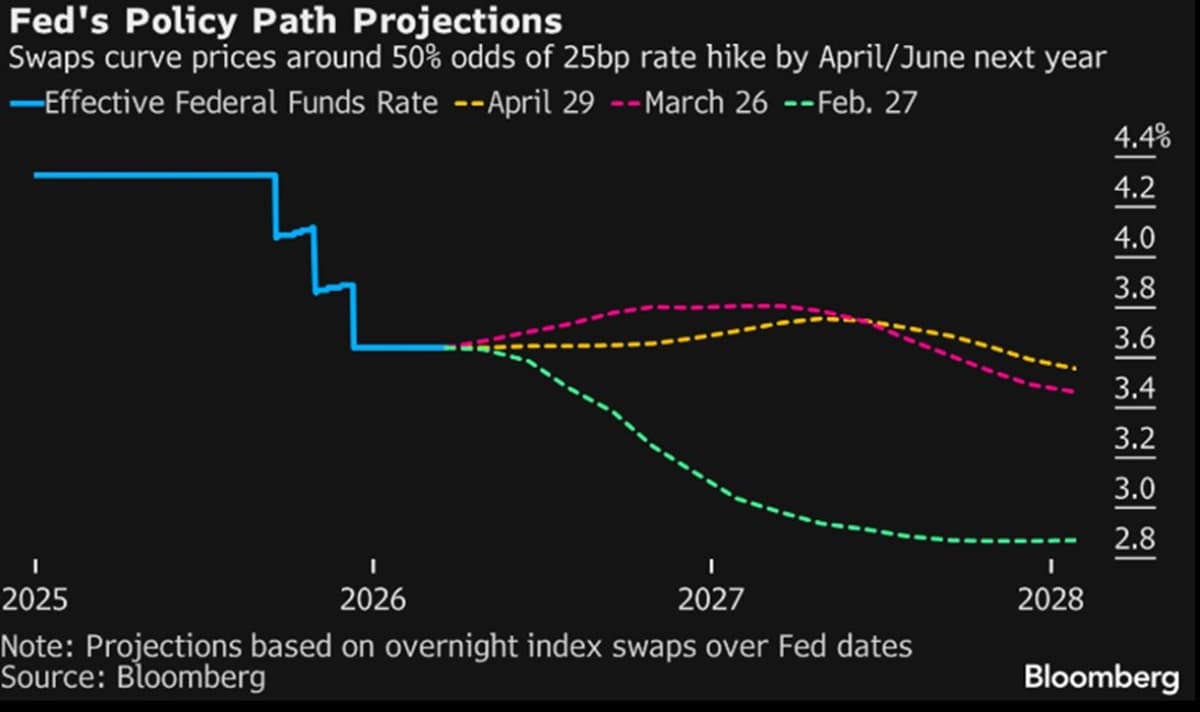
Rate Cuts Done, Fed May Hike by 2027
The interest rate cutting cycle is officially over. With previously forecast rate cuts off the table, the market is now pricing in 50% odds the Fed will hike rates by April 2027. Position accordingly. https://t.co/LBGUwo4wXJ
Tariffs Drive Policy; Deny It, Adopt Hawkish Stance
If you don't think this is driven by tariffs, then you probably should be a lot more hawkish in your monetary policy views (all else equal)
Germany’s Green Rush and Russophobia Sink Economy
The combination of Germany’s GREEN MADNESS and RUSSOPHOBIA has PUT IT IN THE TANK. https://t.co/Hdi4vi7Rfu
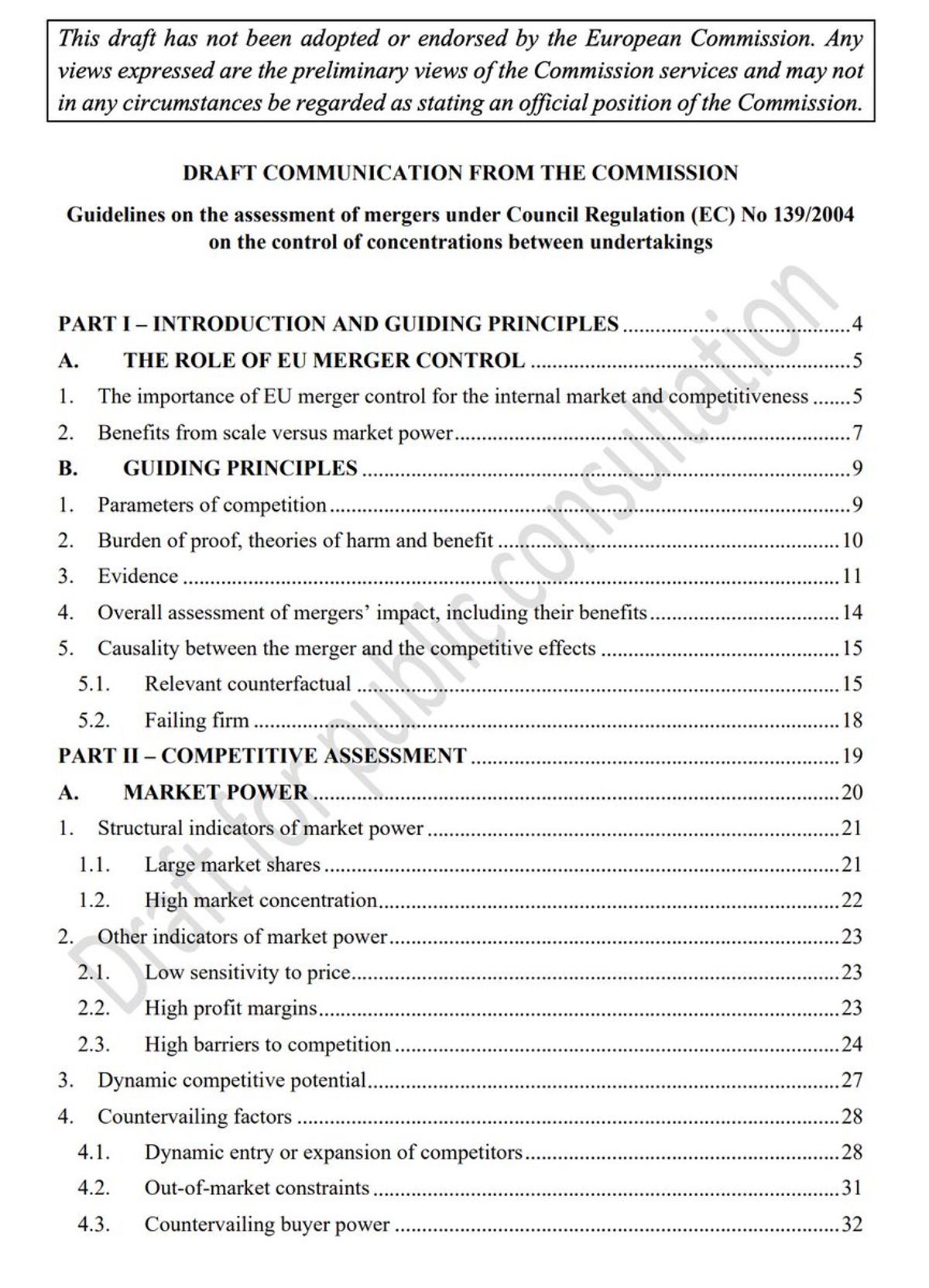
EU Draft Shows Diverging Economic Directions in Two New Provisions
So we have new draft EU guidelines. There is lots to dig into. 90 pages. Most of it is housekeeping. But I think there are two provisions that are genuinely new economics, and they point in opposite directions. https://t.co/cpLrLFuCI0
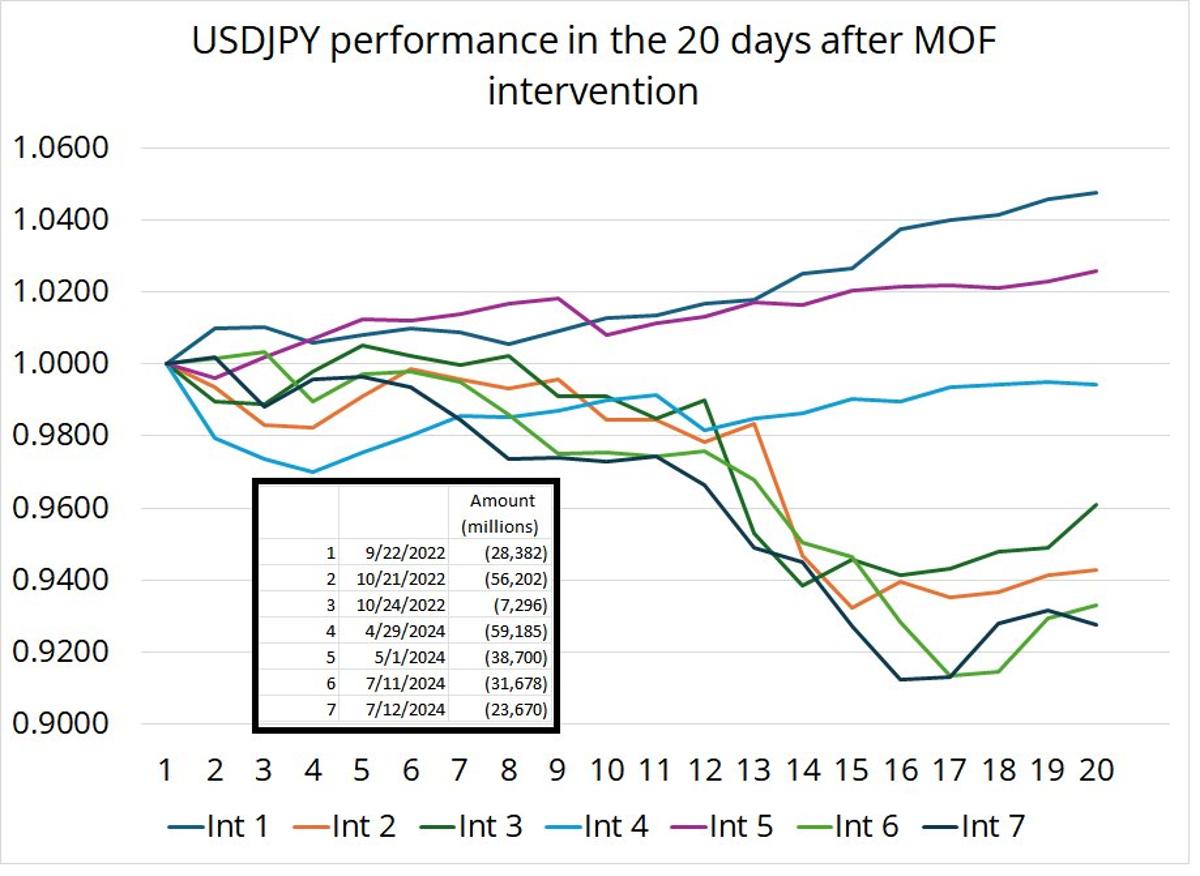
USDJPY Likely to Surge After Intervention Skew
Room for USDJPY to keep going. Here is some data. After an intervention, it tends to go up a bit or down a lot. Often, there is a second round of intervention and that's why the skew is this way....

U.S. Can Blockade, Yet Fails to Restore Trade Confidence
I have no doubt the U.S. military can execute an effective blockade. What it has not shown is an ability to restore commercial confidence once a major waterway is disrupted, which we have seen in the Red Sea and is...
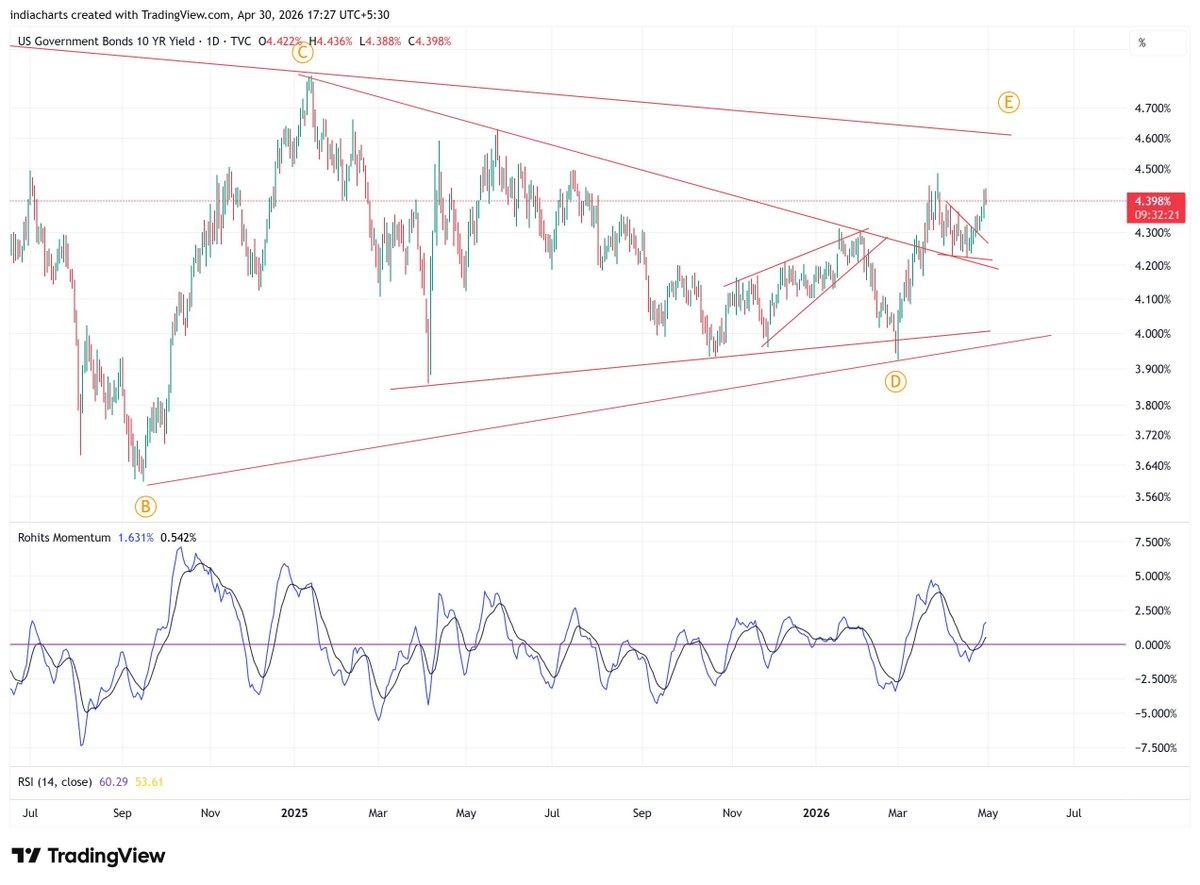
10-Year Yield Near Breakout, Markets Brace for Volatility
US 10-Year Yields are approaching a crucial breakout zone—are we heading toward the final leg higher? This could trigger volatility across equities and signal a major macro shift. 👉 Read the full analysis: https://t.co/O1bdBUqOoi https://t.co/tP9WV8oG6w
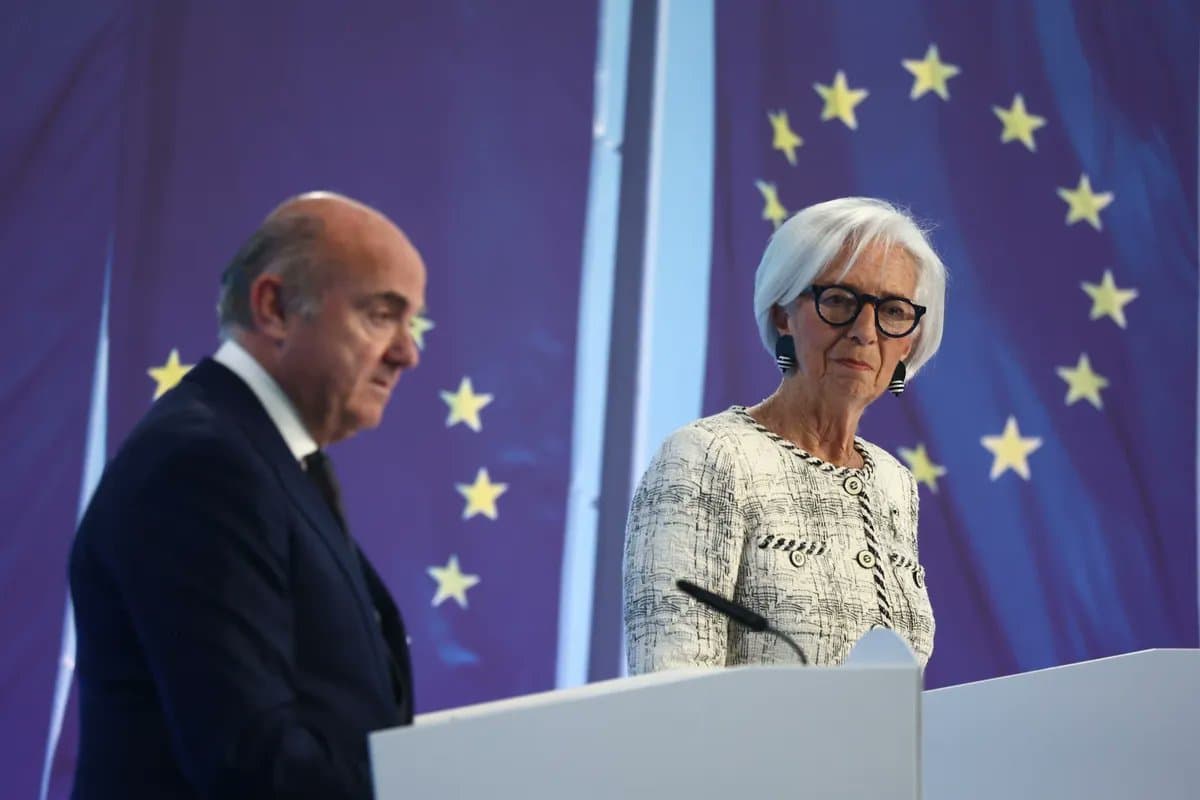
ECB May Raise Rates in June If Energy Prices Hold
ECB officials see June hike if energy prices don’t ease first https://t.co/oOFKXlly37 via @Alemrome https://t.co/chZl06ltaV

Lagarde
I mean, Lagarde all but confirmed this when she said a) inflation is moving away from the baseline and b) the baseline is conditional on two hikes.
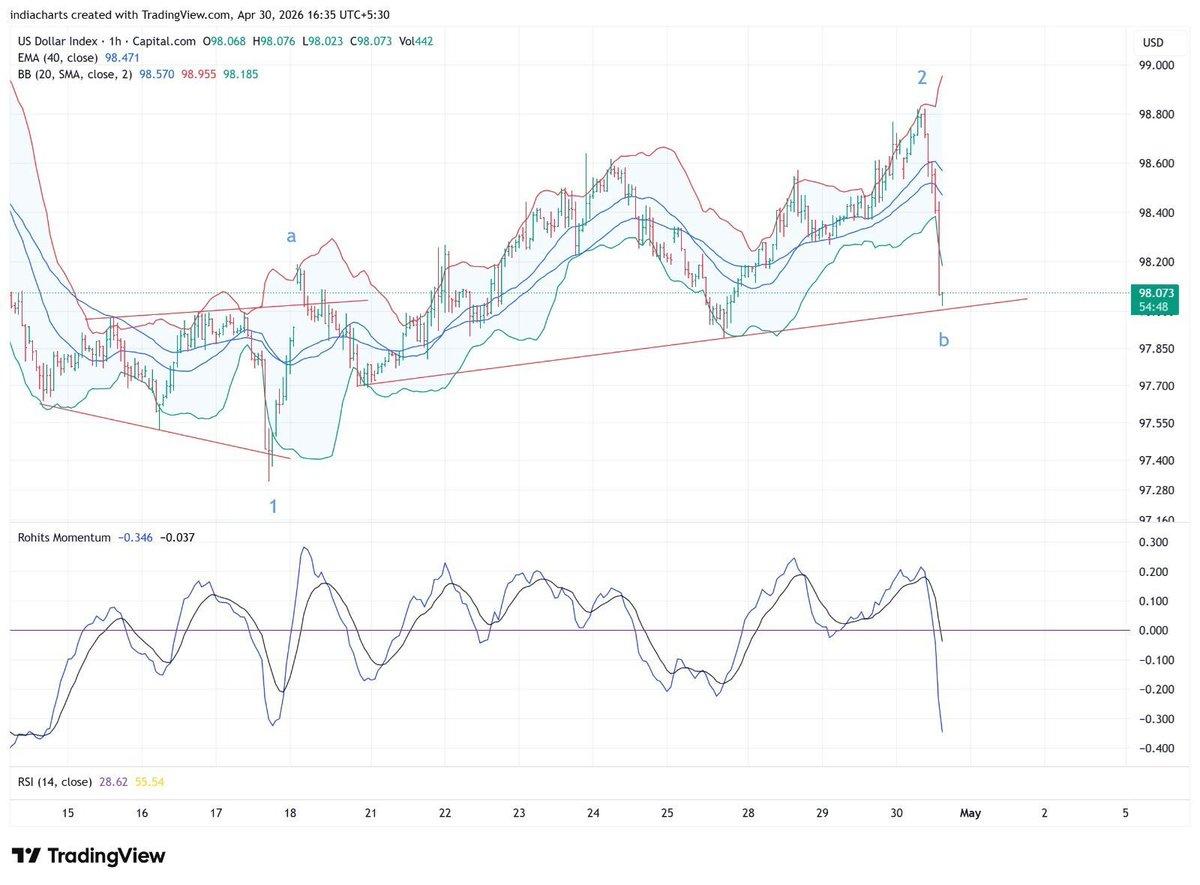
Dollar Index Slides as BOJ Warns Yen Short‑Sellers
Big dip in the dollar index [DXY] today but this is news based. BOJ threatened speculators on betting against the Yen. This may end up being a one off and we need to observe the pattern after that. 98 is...