
Trump Says 'I'll Remember' Companies that Don’t Seek Tariff Refunds
President Donald Trump told CNBC he will "remember" U.S. companies that do not seek refunds for the tariffs he imposed under the International Emergency Economic Powers Act, which the Supreme Court ruled illegal in a 6‑3 decision. A day later, U.S. Customs and Border Protection opened an online portal allowing importers to claim more than $160 billion in potential refunds. Major firms such as Apple and Amazon have not filed requests, while retailers like Levi Strauss anticipate an $80 million refund and Gap is still evaluating its exposure. The remarks highlight the political pressure surrounding the refund process and could influence corporate filing behavior.
Policy Paper: World Bank Group and International Monetary Fund 2026 Spring Meetings, Development Committee: UK Governors' Statement
At the 113th Development Committee meeting in Washington, UK Development Minister Baroness Chapman and Chancellor Rachel Reeves presented the UK Governors’ statement for the World Bank and IMF Spring 2026 gatherings. The statement reaffirmed Britain’s commitment of £1.2 billion (≈ $1.5 billion) to...
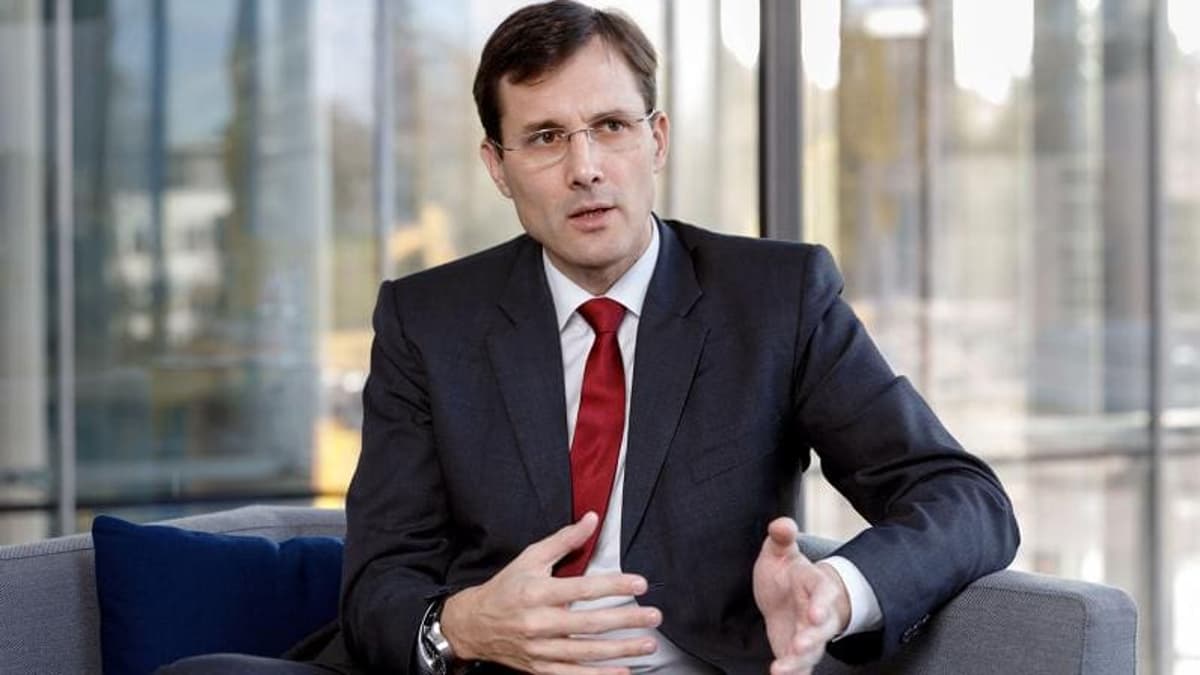
DHL CEO Warns Gulf Energy Shock Could Push Global Economy Toward a Tipping Point
DHL Group CEO Tobias Meyer warned on Bloomberg TV that a sustained disruption in Gulf crude flows, especially through the Strait of Hormuz, could tighten freight markets and lift transport costs. He noted that the impact is already visible in...

DRC’s Economic Rise Gains Momentum as Mining Boom and Currency Reforms Reshape Growth
The International Monetary Fund projects the Democratic Republic of Congo’s GDP to reach roughly $123 billion in 2026, positioning it as the fifth‑largest economy in Sub‑Saharan Africa. Growth is driven by a mining boom that now contributes about 25% of GDP...

How Is the Middle East Conflict Impacting London’s Luxury Sector?
The ongoing Middle East conflict is curbing the flow of high‑spending tourists to London, a key driver for the city’s luxury market. Drapers reports that visitor numbers from the region have plummeted, translating into a noticeable dip in in‑store sales...
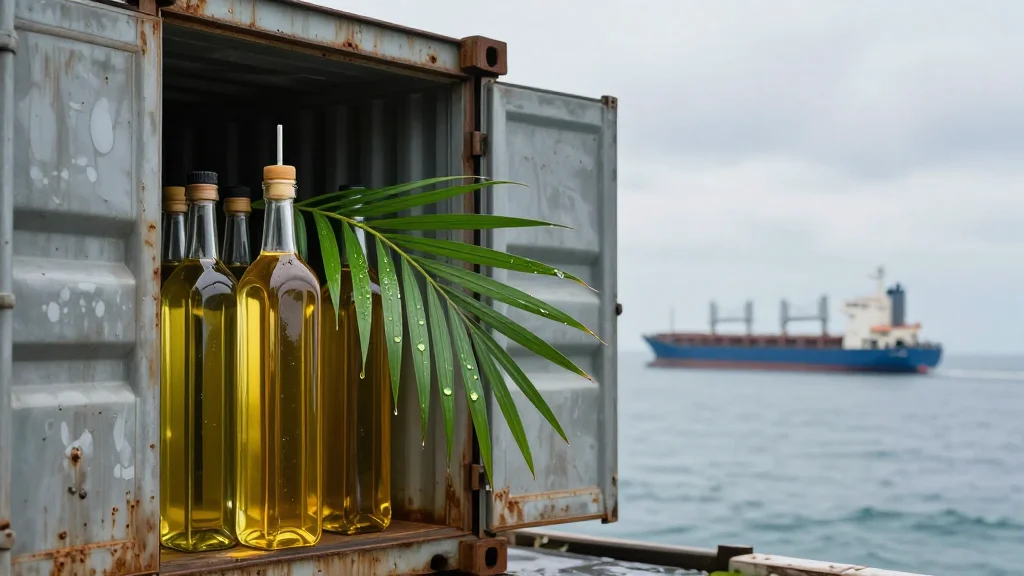
SEA Cautions on Longer-Term Impact of Geopolitical Volatility in Edible Oil Sector
The Solvent Extractors’ Association of India warned that ongoing geopolitical volatility in the Gulf, especially the US‑Iran conflict, could have lasting effects on the country’s edible‑oil sector. Disruptions to shipping routes have lifted freight rates and, together with a 50‑60%...
Oil Traders Warn Worst of Demand Hit Is Yet to Come
Top oil traders warned that the demand destruction caused by the Iran‑Israel war could double to about 5 million barrels per day, roughly 5 % of global supply, if the Strait of Hormuz stays closed for three months. Gunvor and Vitol estimate...
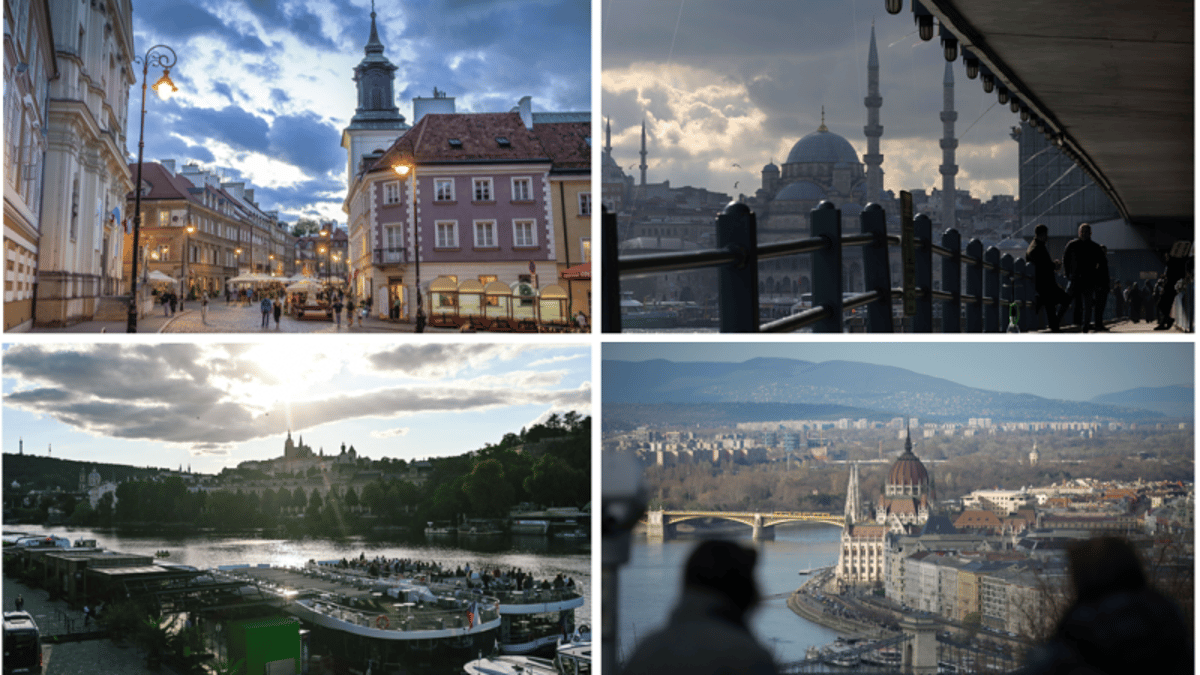
Energy Shock 2.0 – Who Breaks, Who Bends in Central and Eastern Europe
The 2026 energy shock, triggered by a major supply disruption in the Strait of Hormuz, has struck the Czech Republic, Poland, Hungary and Turkey at a fragile moment for growth, inflation and fiscal space. Unlike the 2022 shock, the current...

EXEC: Apparel, Footwear and Accessories M&A Retracted DD in 2025 Due to Tariff Impact
M&A activity in the Apparel, Footwear & Accessories sector fell 13.6% in 2025, dropping to 152 deals – the first year‑over‑year decline since 2022. The slowdown was driven by lingering tariff uncertainty, especially on China and Southeast Asia, which caused...
US Opens US $166 Billion Tariff Refund Window; Indian Firms to Negotiate Share
The United States has opened a $166 billion tariff‑refund window after the Supreme Court struck down Trump‑era reciprocal tariffs. Customs and Border Protection’s new CAPE platform now processes electronic claims for roughly $127 billion in eligible duties. Over 330,000 U.S. importers, representing...
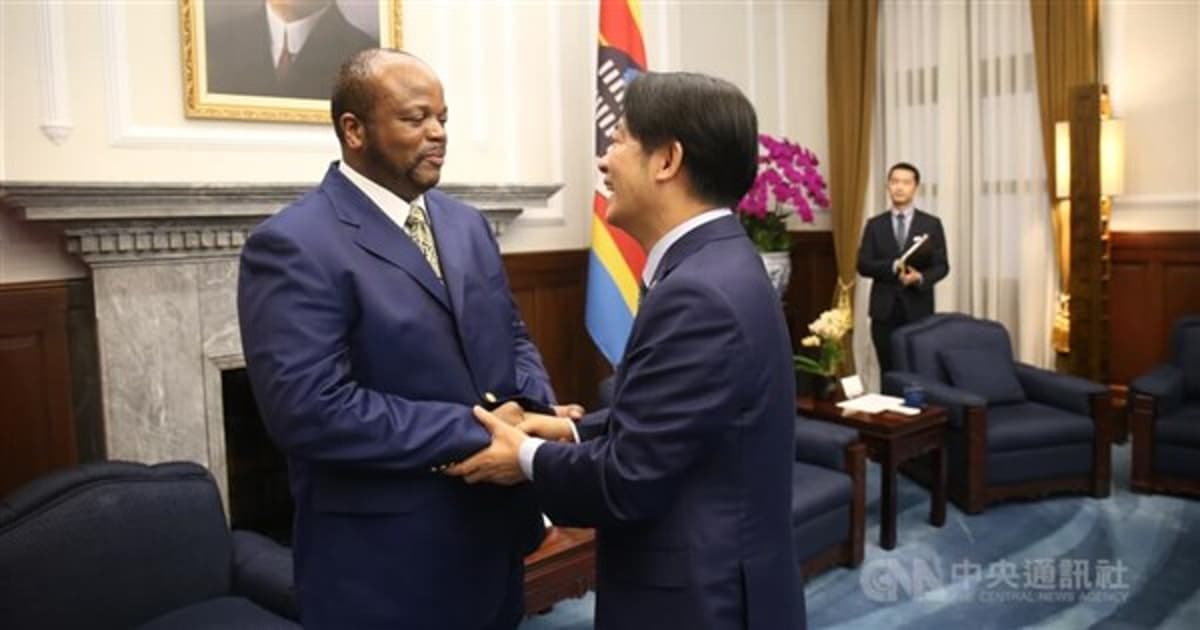
President Says Taiwan's Wishes to Swazi King 'Unaffected' By Travel Plan Change
Taiwan President Lai Ching‑te cancelled a planned state visit to Eswatini after Seychelles, Mauritius and Madagascar withdrew over‑flight permits, a move Lai attributed to Chinese pressure. The suspension threatens Taiwan’s only African diplomatic ally but the president pledged to send...
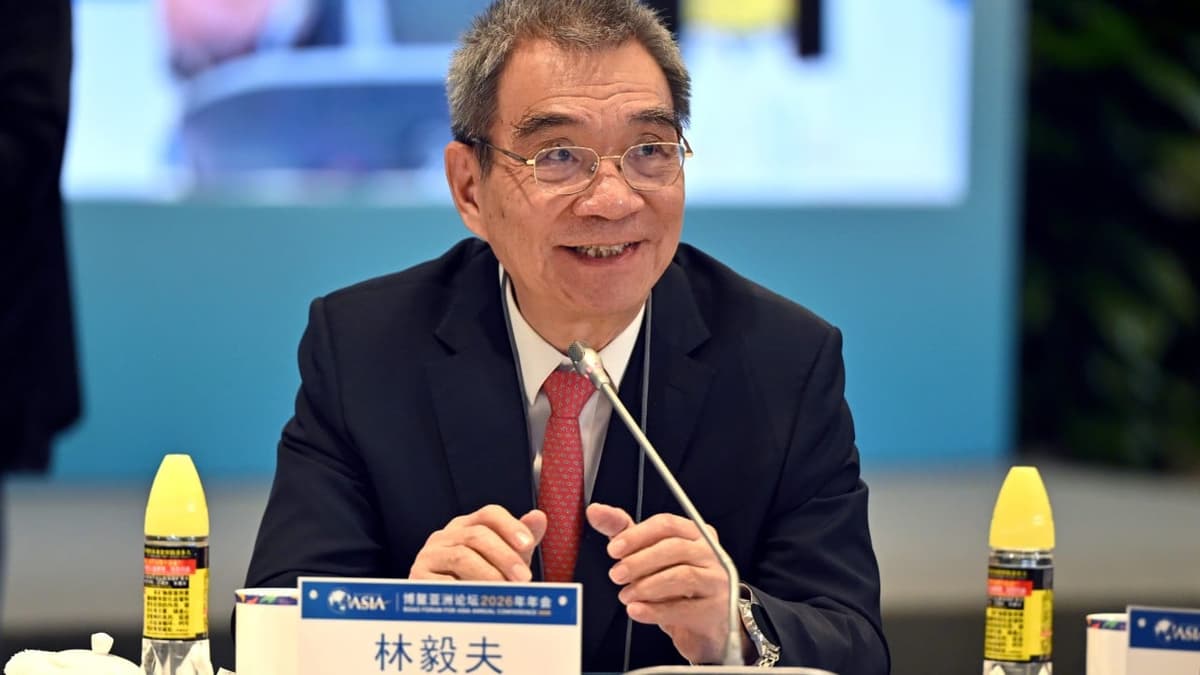
Economist Justin Lin Urges West to Adopt ‘Eastern Wisdom’ as China Moves up Value Chain
Former World Bank chief economist Justin Lin challenged the Western claim that China’s auto‑export boom signals overcapacity, noting China ships about 7 million cars—20 percent of its output—versus Germany’s 4 million, which represent 80 percent of production. By comparing export‑to‑production ratios, he argues China...
Transparency Data: Trade Specialised Committee on Goods
The UK’s Trade Specialised Committee on Goods, a joint forum under the UK‑EU Trade and Cooperation Agreement (TCA), has published minutes and agendas for its five meetings spanning 2021‑2025. The committee meets at least annually to address Chapter 1 goods‑market‑access issues...

Europe’s Electricity Prices Remain Tied to Gas Amid Geopolitical Risks
Europe’s power markets remain tightly coupled to natural‑gas prices, a linkage amplified by recent geopolitical tensions such as the 2026 Iran war. Gas price spikes quickly translate into higher electricity costs, especially in Italy and Germany where gas sets the...
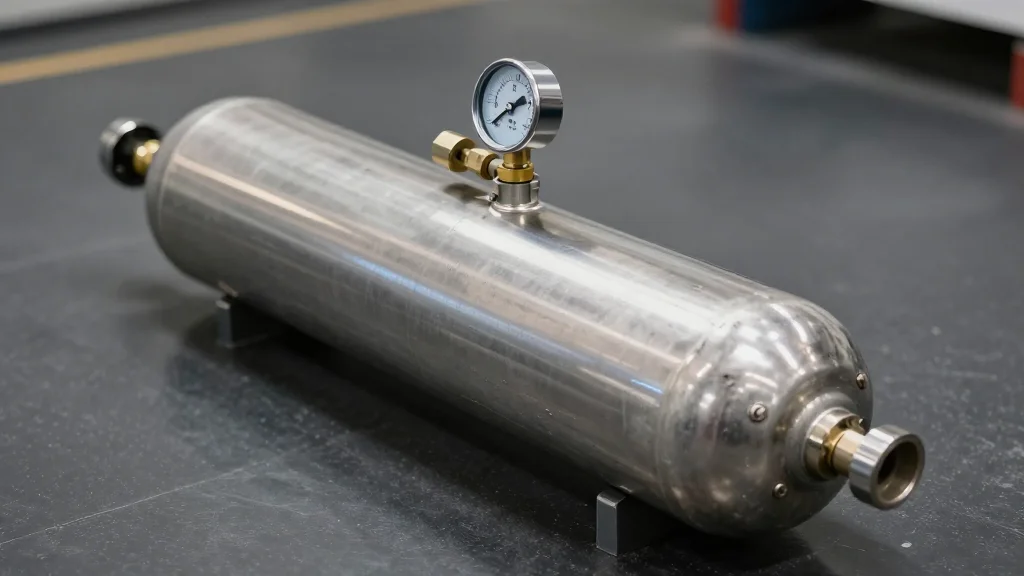
Bring Back the Helium Reserve—Before the Next Shock Hits
Iran-linked attacks on Qatar’s Ras Laffan complex in March shut down a facility that supplies roughly one‑third of the world’s helium, sending prices soaring and tightening supplies for high‑tech sectors. Helium’s unique physical properties make long‑term stockpiling difficult, and the United...
Chancellor Statement to Parliament
At the IMF spring meetings, the UK Chancellor outlined a coordinated economic response to the Middle‑East conflict, highlighting fiscal discipline and energy‑security measures. He cited inflation at 3%, a £20 bn (≈$25 bn) deficit‑reduction target, and a growing buffer of £23.7 bn (≈$29.6 bn)....
Hyun Song Shin: Inaugural Address
Hyun Song Shin, newly appointed Governor of the Bank of Korea, outlined four strategic priorities for the next four years. He emphasized monetary‑policy prudence, heightened financial‑stability vigilance, the internationalisation of the won and digital‑currency innovation, and tackling structural reforms such...

Treasury and Payments Through 2026: Four Pressures Redefining Strategy, Risk, and Liquidity
Treasury and payments leaders face four converging pressures that will shape strategy through 2026: escalating AI‑driven payments fraud, tighter liquidity discipline amid inflation and higher borrowing costs, increasingly interdependent geopolitical and market risks, and the transformation of payments into a...

Mekong Delta Ports to See Major Box Terminal Capacity Expansion
Vietnam’s Greater Mekong Delta is set for a major container‑terminal boost as CMA CGM’s Gemalink Phase 2 will nearly double capacity from 1.7 m to about 3 m TEU by Q4 2027. The Vietnamese government also approved a $5 bn Can Gio International Transhipment and Gateway Port,...

Why Conflict Makes Interest Rates More Volatile, and How Advisors Can Manage
Franklin Templeton Fixed Income portfolio manager Naveed Sunderji says recent Middle‑East conflict has reignited interest‑rate volatility in Canada, pushing market expectations for Bank of Canada hikes higher. The shift follows a March peak where investors priced three 25‑basis‑point hikes in...

Former BoC Governor Puts One in Three Recession Odds on Canada
Former Bank of Canada governor Stephen Poloz warned that the war‑driven oil shock gives Canada roughly a 30 percent chance of slipping into recession. He noted that annual GDP growth is hovering around 1 percent and that the economy is still absorbing...

Call to Reject Changes to EU-Morocco Agreement
The Joint Congress‑Senate Committee for the EU, backed by Grupo Popular, approved a non‑legislative proposal urging the European Union to reject recent amendments to its Association Agreement with Morocco. The motion passed with 18 votes in favour, two abstentions and...
Christopher J Waller: One Transitory Shock After Another
Federal Reserve Governor Christopher J. Waller warned that the U.S. economy faces a cascade of transitory shocks, starting with the Iran‑Israel conflict that has driven Brent crude to $95 a barrel and lifted headline inflation. He highlighted a historic slowdown...

Brazil Opens New Markets for Fruits Such as Avocados, Apples, and Citrus in the Middle East and Central America.
Brazil’s Ministry of Agriculture finalized a new round of sanitary and phytosanitary agreements, opening fresh‑fruit markets across the Middle East and Central America. Saudi Arabia granted entry to nine Brazilian fruits, positioning the kingdom as a key regional destination for...

Travel & Tourism Achieves Record Global GDP in 2025
The World Travel & Tourism Council and Chase Travel reported that travel and tourism generated a record $11.6 trillion in global GDP in 2025, representing 9.8% of the world economy and outpacing overall growth. The sector added 366 million jobs, accounting for...
There and Back Again
Geopolitical tension from the Iran war continues to shape market dynamics, even as US equities have recovered to sit about 3% above pre‑conflict levels. Energy risk premiums remain elevated, with WTI crude roughly 30% higher than before the war after...
Anna Breman: Global Shockwaves to Kiwi Shores - the Impact of the Iran Conflict on New Zealand
Reserve Bank Governor Anna Breman warned that the ongoing Iran‑Israel conflict could spill over into New Zealand’s economy, raising near‑term headline inflation and dampening growth momentum. She noted that the OCR is held at 2.25 percent after recent cuts, with core inflation...

India’s GDP Growth to Slow to 6.4% in FY27 Amid Geopolitical Headwinds: UN Report
The UN Economic and Social Commission for Asia and the Pacific projects India’s GDP growth will decelerate to 6.4% in FY27, down from 7.4% in FY26, before modestly rising to 6.6% in FY28. Inflation is expected to climb to 4.4%...
Fabio Panetta: Statement - Meeting of the Development Committee
Amid rising geopolitical tensions that are driving up food and energy prices, the World Bank Group faces heightened pressure to support vulnerable economies. In a statement to the Development Committee, Fabio Panetta urged the Bank to sharpen its focus on...

EU Mulls Fuel-Sharing as Airlines Juggle Costs and Capacity
EU transport ministers are debating a bloc‑wide jet‑fuel‑sharing scheme as Middle East tensions threaten both fuel prices and availability. Airlines such as Lufthansa CityLine have already suspended routes, while KLM plans to cut about 80 European return flights to protect...
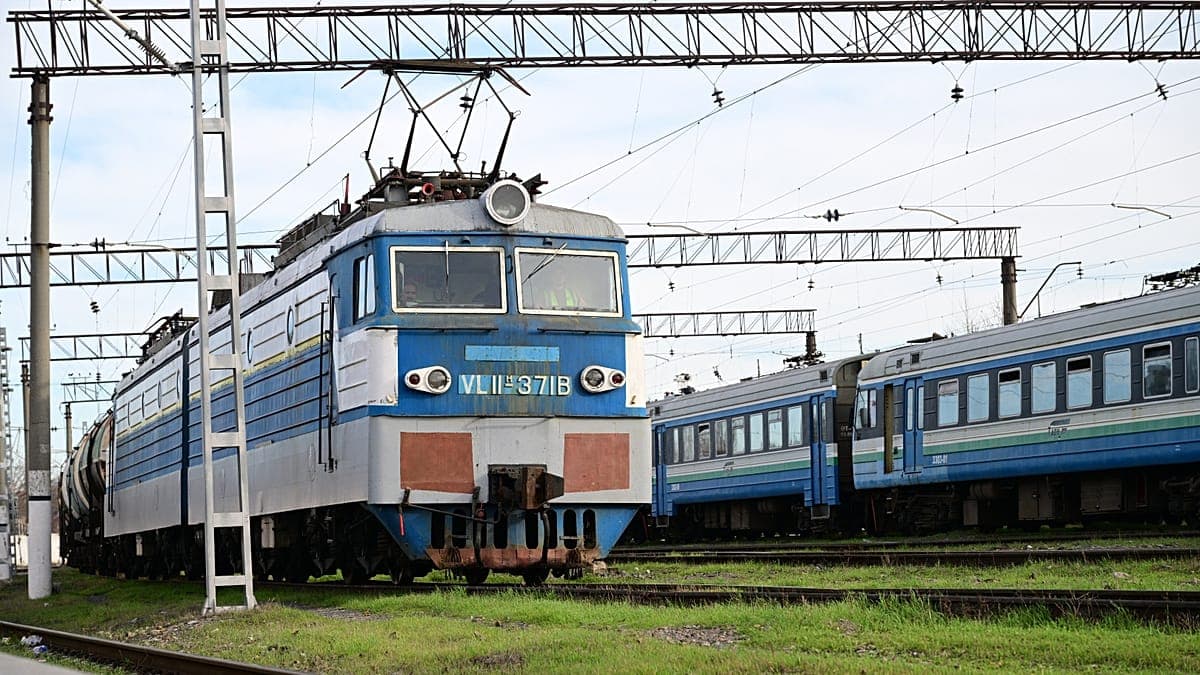
Armenia and Azerbaijan Open up to Trade After Years of Strained Ties
Armenia and Azerbaijan have recorded their first documented cross‑border trade in years, with Azerbaijan exporting roughly $5.75 million (about €5.1 million) to Armenia in the first quarter of 2026. Armenian customs have not yet released corresponding data, so the picture remains one‑sided....

Europe-LatAm Volume Growth Stalls, but Shippers Remain Hopeful
Container Trade Statistics data shows Europe‑to‑Latin America ocean volumes slipping 10.6% year‑on‑year to 127,100 TEU in January 2026 and a further 6.1% dip in February, while the reverse LatAm‑to‑Europe lane rebounded 9.7% to 191,700 TEU in January and held a...

Geopolitics Reshapes Asia-Pacific Property Flows in 2026
Asia‑Pacific commercial real estate investment is holding steady into 2026, but the recent Middle East conflict has injected caution into capital flows. Domestic liquidity in core markets such as South Korea, Australia and Hong Kong keeps transaction volumes above long‑term...

The Current Oil Shock Most Resembles the First Gulf War, Says UBS. What that Means for Prices.
UBS analysts say the present oil supply shock, triggered by the U.S. and Israel’s strikes on Iran, most closely mirrors the 1990‑91 Gulf War disruption. In the first two to three months, crude prices have surged nearly 100%, outpacing the...
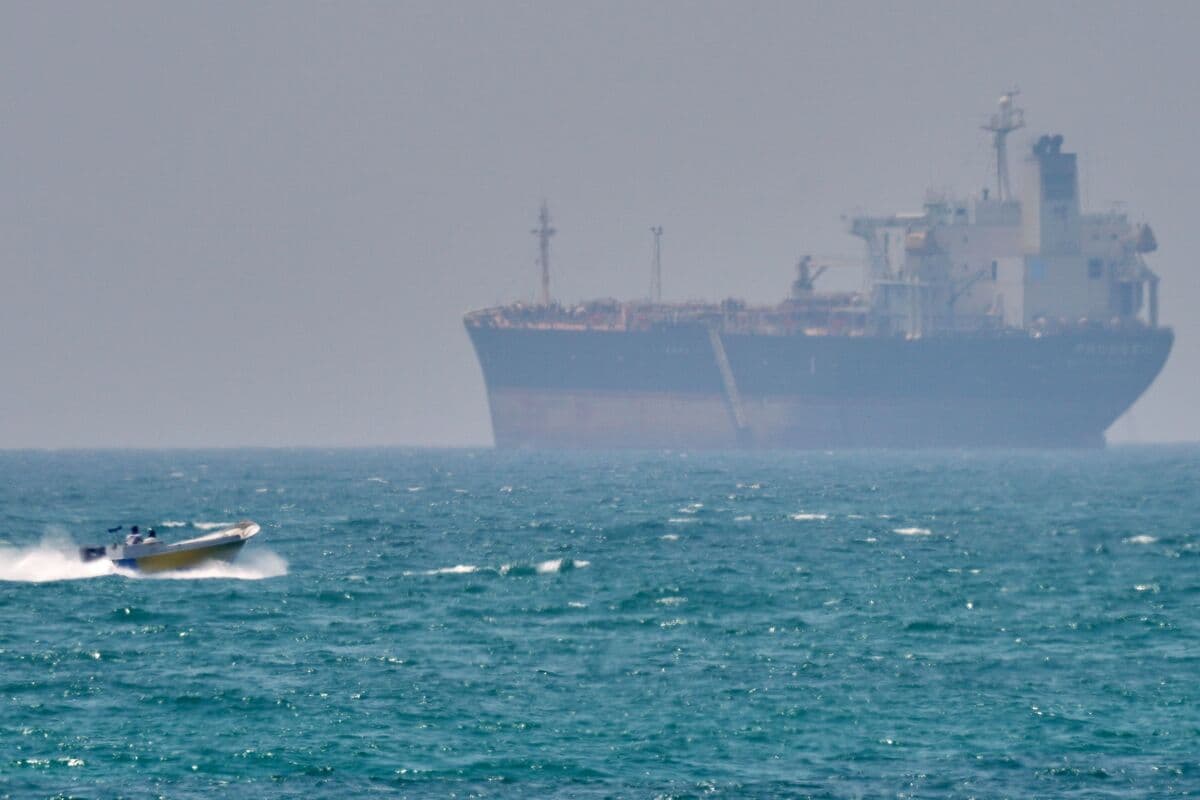
Trump Keeps Up Pressure on Iran as Word Awaited on Talks
President Donald Trump signaled he will not extend the two‑week Iran cease‑fire that expires tomorrow, keeping pressure on Tehran as negotiations remain uncertain. Oil futures slipped after three vessels passed the Strait of Hormuz amid ongoing blockades. The airline sector...

India Loses Up to 20% of Inbound Tourism as Iran War Cuts Key Air Routes
India's inbound tourism is projected to contract by up to 20% in 2025, driven by the Iran war's disruption of key Middle‑East air corridors that serve long‑haul travelers from Europe and North America. The decline follows a year‑on‑year drop to...

Taking Bank of Korea Helm, Crisis-Era Veteran Pursues Ambitious Won Overhaul
Shin Hyun Song, a veteran economist who warned of the 2008 crisis, has taken over as governor of the Bank of Korea. He unveiled an ambitious plan to internationalize the won, including round‑the‑clock FX trading and an offshore settlement system,...

Reevaluating ASEAN’s Economic Outlook Amid the Iran Conflict
Templeton Research analyst Marcus Tantau warns that the ongoing Hormuz oil crisis and the Israel‑U.S. war’s spill‑over are dragging down ASEAN growth prospects. The World Bank has trimmed regional GDP forecasts by roughly one percentage point, and a prolonged Strait...
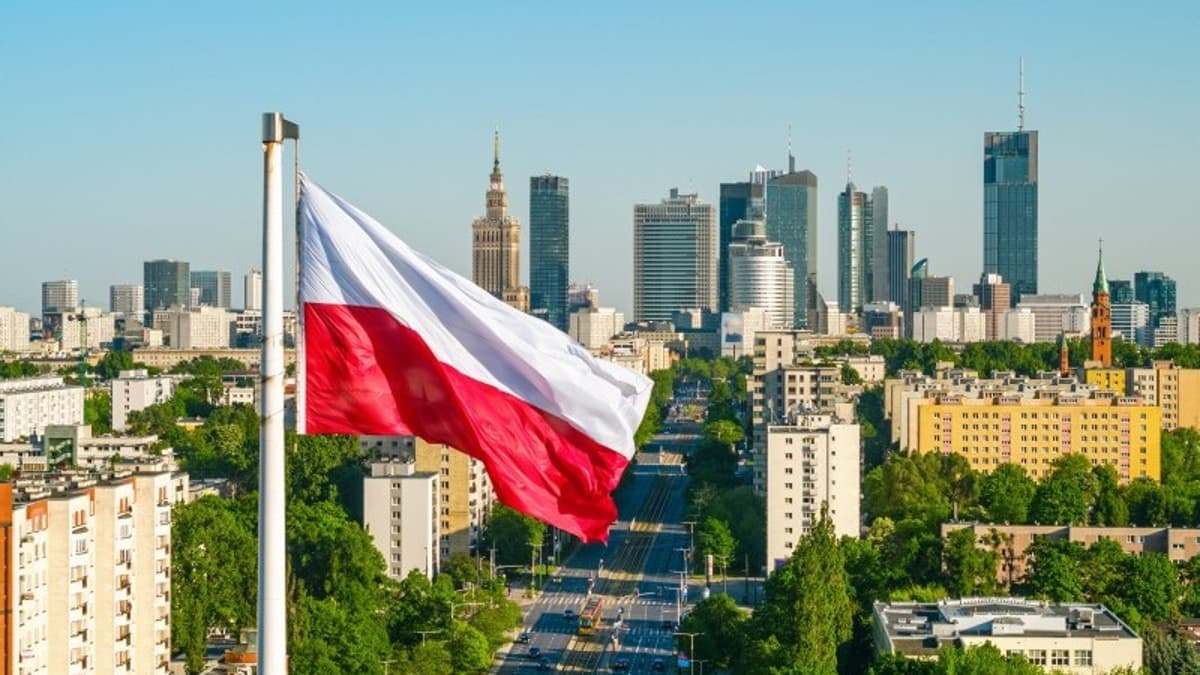
Poland’s Growth Outlook: So Far so Good
Poland’s economy rebounded in March after a harsh winter that crippled construction and industry. Construction output posted a modest 0.4% year‑on‑year gain, jumping 37% from February, while industrial production surged 9.4% YoY. The first‑quarter GDP is now estimated at 3.5%...
EM Lens: Identifying Alpha Opportunities in EM Fixed Income
Creditors are re‑entering emerging‑market (EM) fixed income as technical supply‑demand dynamics, positive rating momentum, and wide real‑yield differentials create a supportive backdrop. Ninety‑One portfolio manager Thys Louw and Bloomberg Intelligence strategist Damian Sassower discuss how these factors generate alpha in...
Peter Kažimír: Transformation, Integration and the New Frontier of Monetary Policy
Peter Kažimír outlined Slovakia’s three‑decade journey from a post‑communist economy to a stable euro‑zone member. He emphasized that macro‑economic stability, openness, and a credible central bank were prerequisites for growth, and that banking reforms were critical to transmit policy. The...
Iran’s Parliament Speaker Rejects Talks Amid US Threats
Iranian parliament speaker Mohammad Bagher Ghalibaf dismissed prospects for a second US‑Iran round of talks in Islamabad, insisting Tehran will not negotiate under threat. The two‑week cease‑fire, brokered on 7 April, expires on 22 April without a deal after a 21‑hour first...
The West Is Still Getting Russia Wrong
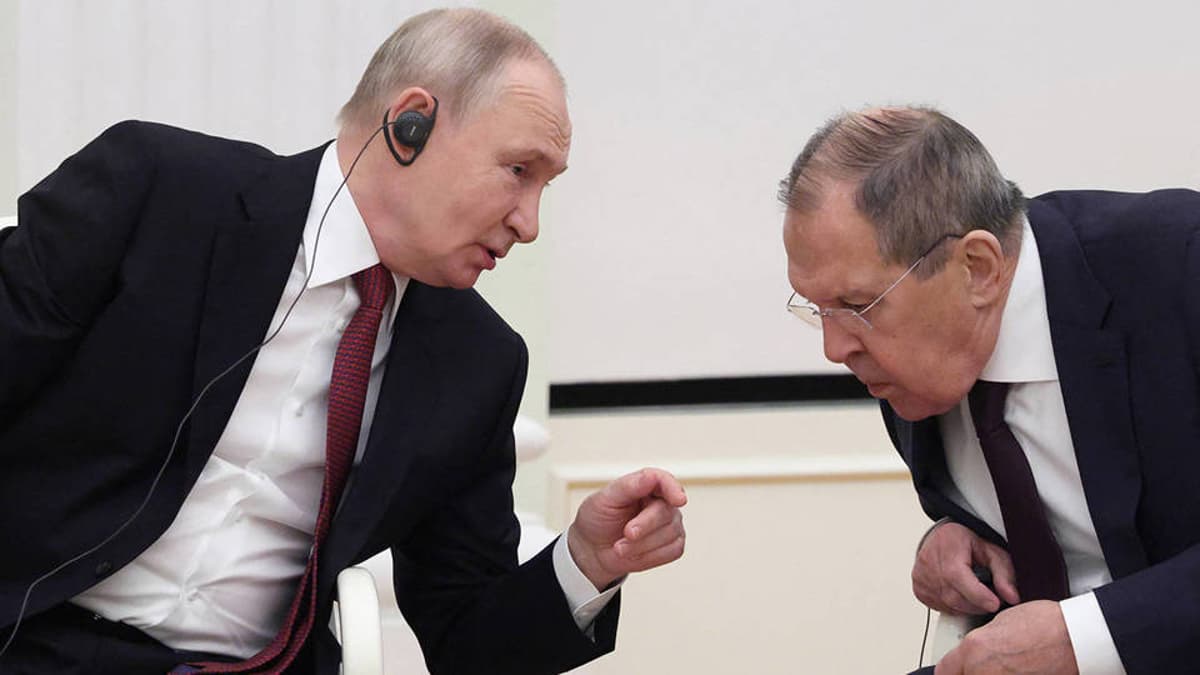
Four years after Russia’s full‑scale invasion of Ukraine, Western analysts still misinterpret the Kremlin’s strategic intent. While President Vladimir Putin portrays Russia as a great‑power counterweight to Western liberalism, the article argues he lacks a coherent plan to reshape the...

Oil Prices Edge Lower As US-Iran Ceasefire Deadline Looms
Oil prices edged lower on Tuesday as hopes rose for fresh U.S.-Iran talks in Pakistan, with Brent crude slipping to $95.05 a barrel and WTI to $86.91. The decline was modest, capped by the International Energy Agency’s warning that the...

Mideast Gulf War 'Locks In' Higher Fossil Fuel Cost: UN
The UN climate chief warned that the Middle‑East war has locked in higher fossil‑fuel prices for months, adding roughly $23.5 bn to Europe’s import bill. He described the surge as a "gut punch" that fuels stagflation, raising inflation while choking growth...
Not an April’s Fool Joke – Why Canada Could Join the EU
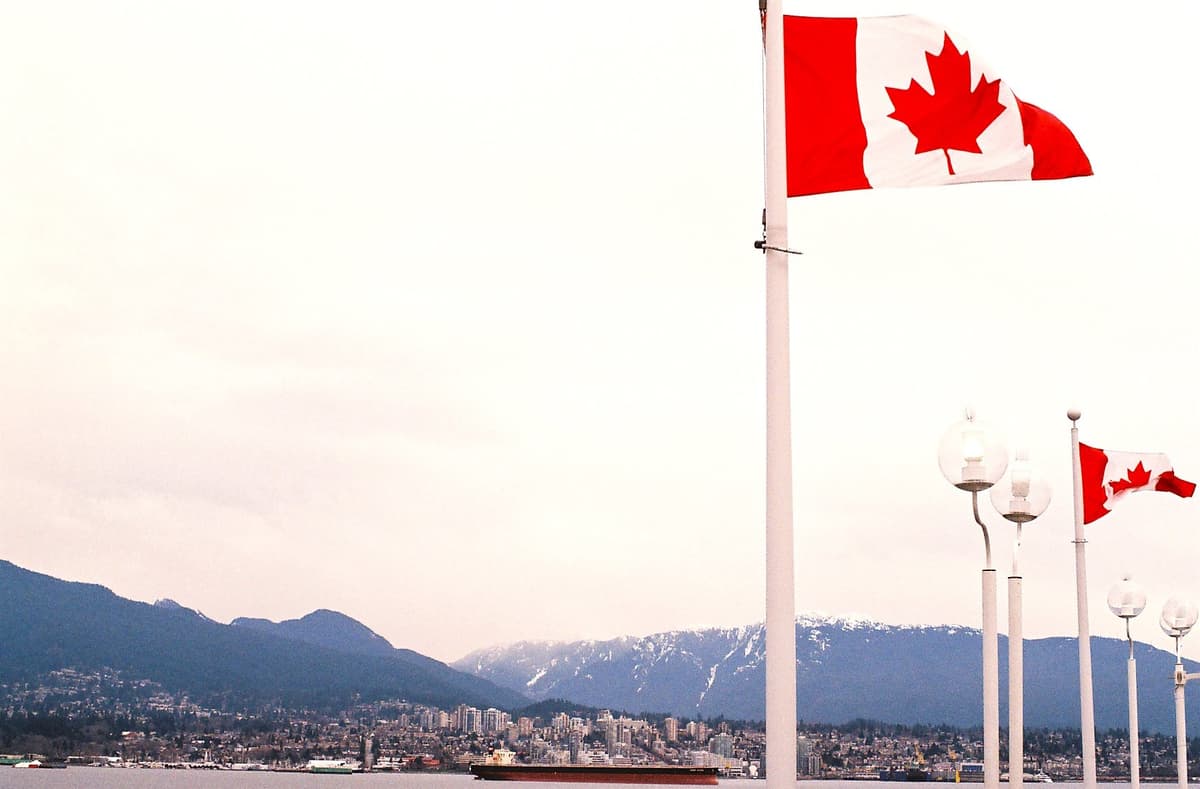
Finnish President Alexander Stubb publicly floated the idea that Canada could one day become a member of the European Union, turning a long‑standing joke into a serious policy discussion. The suggestion comes amid heightened U.S.‑Canada tensions under President Donald Trump...

India, South Korea Aim to Deepen Ties Amid Geopolitical Uncertainty. Here Is What's Holding Them Back.
Indian Prime Minister Narendra Modi and South Korean President Lee Jae Myung met in New Delhi to reaffirm a goal of lifting bilateral trade to $50 billion by 2030, up from $26.89 billion in FY 2025. Trade between the two economies has risen...

Here Are 3 Takeaways as Trump's Pick to Lead the Fed Faces a Confirmation Fight
President Trump’s nominee Kevin Warsh appeared before a Senate banking committee, but his confirmation faces a hurdle from Sen. Thom Tillis, who is demanding the Justice Department end its probe into the Fed and Chairman Jerome Powell. Warsh, a former...
Middle East Conflict Weighs on Thai Banks as Profits Slip
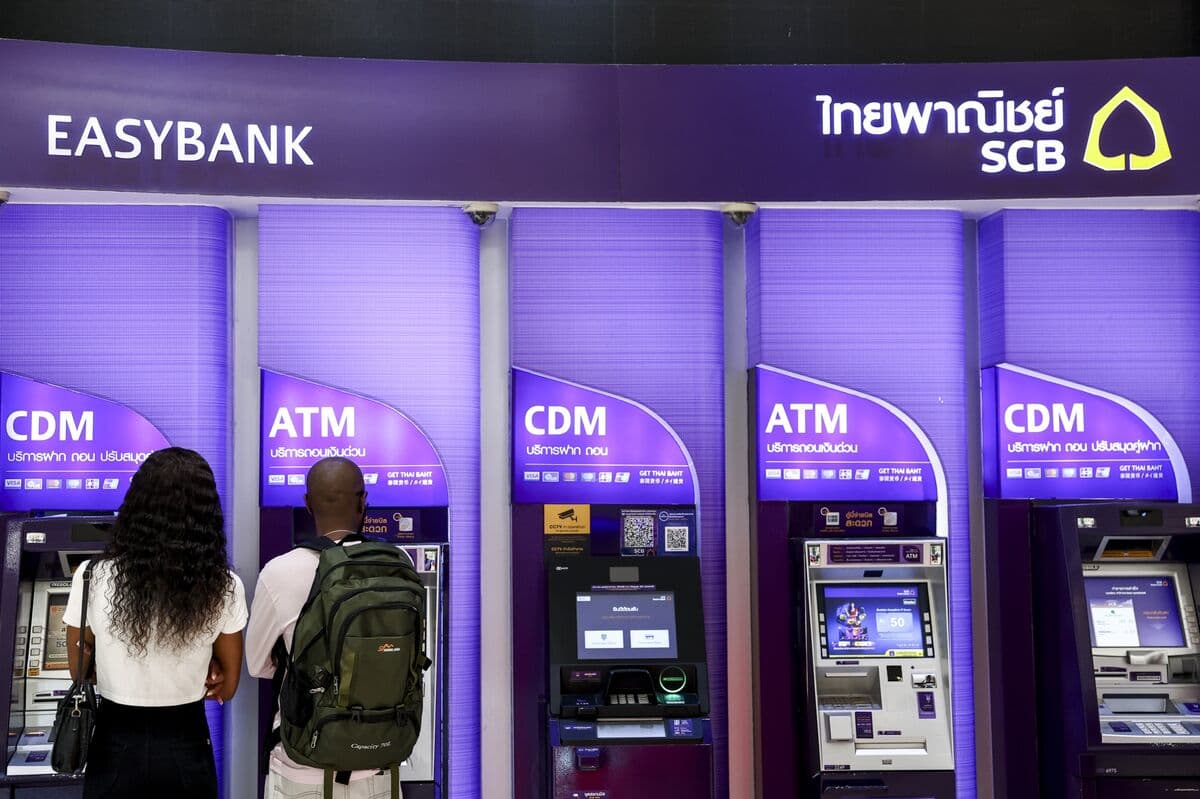
Thai banks entered 2026 with a cautious outlook after Q1 earnings fell sharply amid heightened Middle East tensions and a global energy shock. SCB X posted an 18% net‑income decline to 10.2 bn baht (≈$317 m), missing forecasts. Kasikornbank’s profit slipped 3% once...

ASEAN’s Rules of Origin Need a Rethink
ASEAN’s Rules of Origin (ROO) under ATIGA permit goods with predominantly foreign components to qualify for preferential treatment, undermining incentives for intra‑regional sourcing. Since the ROO shift to a Change‑in‑Tariff‑Classification (CTC) model, intra‑ASEAN trade has slipped to just 20‑30% of...