
Middle East Escalation Pushes Aluminium Into a Structural Deficit
Escalating tensions in the Middle East have forced key Gulf aluminium smelters to curtail output, turning a logistics shock into a structural supply deficit. Emirates Global Aluminium halted its Al Taweelah plant, while Alba operates at roughly 30% of capacity and Qatalum at about 60%, pushing the regional shortfall to around 3 Mt. If the disruptions persist through year‑end, the global market could face a deficit close to 2.9 Mt, though demand destruction and Chinese supply may trim the gap to roughly 2 Mt. Prices are already elevated and could climb above $4,000 per tonne under a prolonged crisis.
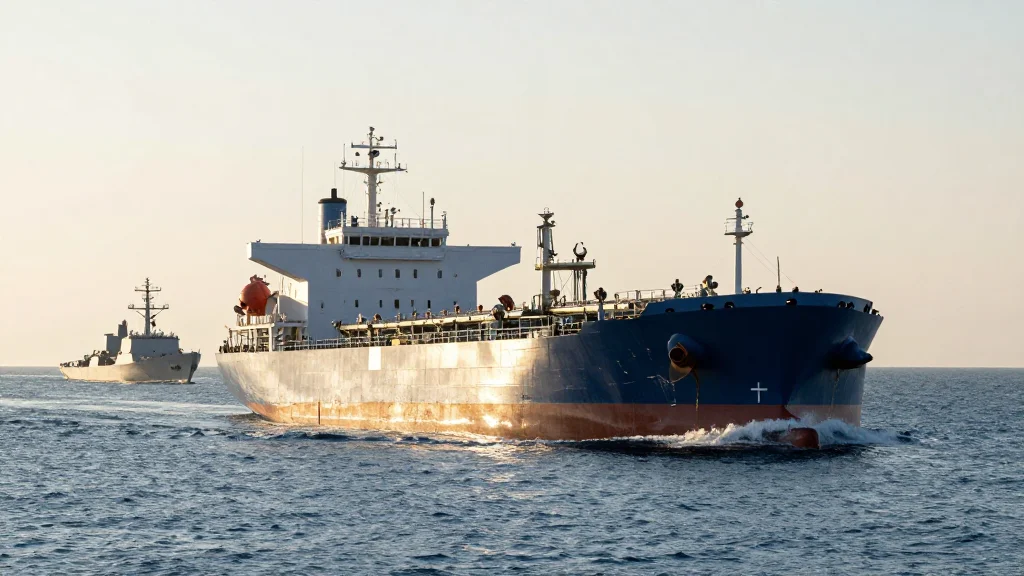
China Asks Iran to Ensure Freedom of Navigation Through Strait of Hormuz
China’s foreign minister Wang Yi urged Iran to guarantee free and safe navigation through the Strait of Hormuz during a call with Iranian counterpart Abbas Araghchi. The request coincides with a Pakistan‑led mediation team arriving in Tehran to revive U.S.–Iran peace talks....

ECB Minutes Suggest Governing Council May Need More Evidence Before Raising Rates
The European Central Bank’s latest meeting minutes reveal that the governing council is reluctant to raise interest rates without clearer evidence that inflation pressures are persisting. Officials highlighted mixed data on price growth, especially in services, and stressed the need...

Chef José Andrés Warns War-Driven Inflation Will Cause a Larger World Hunger Problem
Chef José Andrés warned that inflation driven by the U.S.-Iran conflict will worsen global hunger. He highlighted a 30% surge in nitrogen fertilizer prices and U.S. gas and diesel spikes of 40% and 50%, respectively, which are inflating food costs....
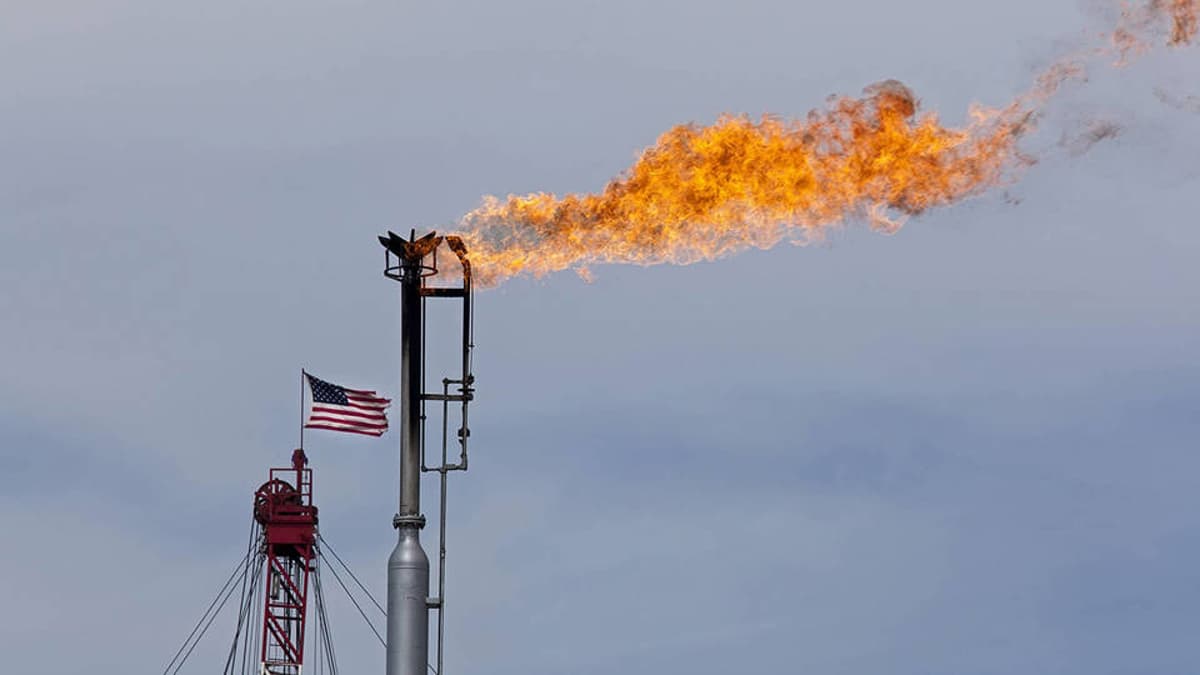
Is the US Falling Victim to the Resource Curse?
The article questions whether the United States is succumbing to the classic resource curse, a theory that abundant natural‑resource wealth crowds out manufacturing and renewable development. It notes that the premise assumes a zero‑sum relationship between oil‑gas production and other...
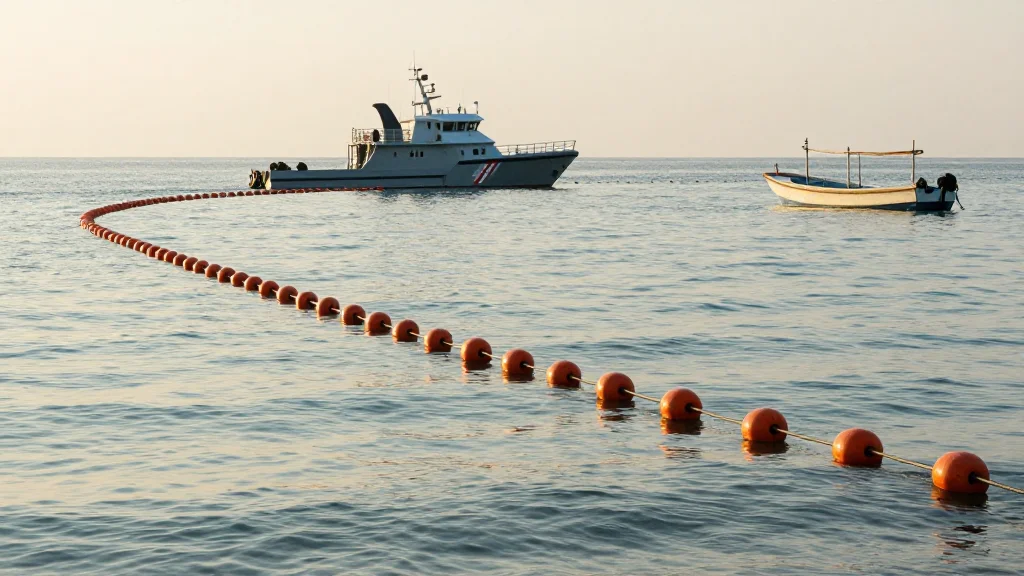
China Moves to Block Entrance to Disputed South China Sea Shoal, Images Show
China has deployed a floating barrier and multiple vessels to block the entrance of Scarborough Shoal, a contested feature in the South China Sea. Satellite images from April 10‑11 show a 352‑meter barrier, four Chinese fishing boats, and a coast‑guard...

Europe's Successes and the Path Forward
Isabel Schnabel, ECB Executive Board member, highlighted that the euro area has restored macro stability, with inflation back at target and steady real GDP growth since 2017, while financial markets have become more integrated and banks have improved capital ratios...

UK Prepares for Food Shortages in Worst Case Scenario as Iran War Continues
UK officials are drafting worst‑case contingency plans for food shortages if the Iran‑Israel conflict keeps the Strait of Hormuz closed and carbon‑dioxide supplies falter. The government has already re‑started the Ensus bioethanol plant to safeguard CO₂, a key input for...

What Machines Taking over Pricing Means for Central Banks
Algorithmic and AI‑driven pricing is rapidly reducing the cost of price changes, halving the average lifespan of US retail prices and accelerating the frequency of online adjustments. Empirical studies show faster pass‑through of exchange‑rate and commodity shocks, while margin effects...

New York Fed President Williams Worries War Will Slow Growth, Aggravate Inflation
New York Fed President John Williams warned that the ongoing Iran war is already nudging U.S. prices higher while dampening economic growth. He highlighted rising energy costs and broader supply‑chain pressures that could trigger a stagflation‑like environment. Williams reaffirmed the Fed’s...
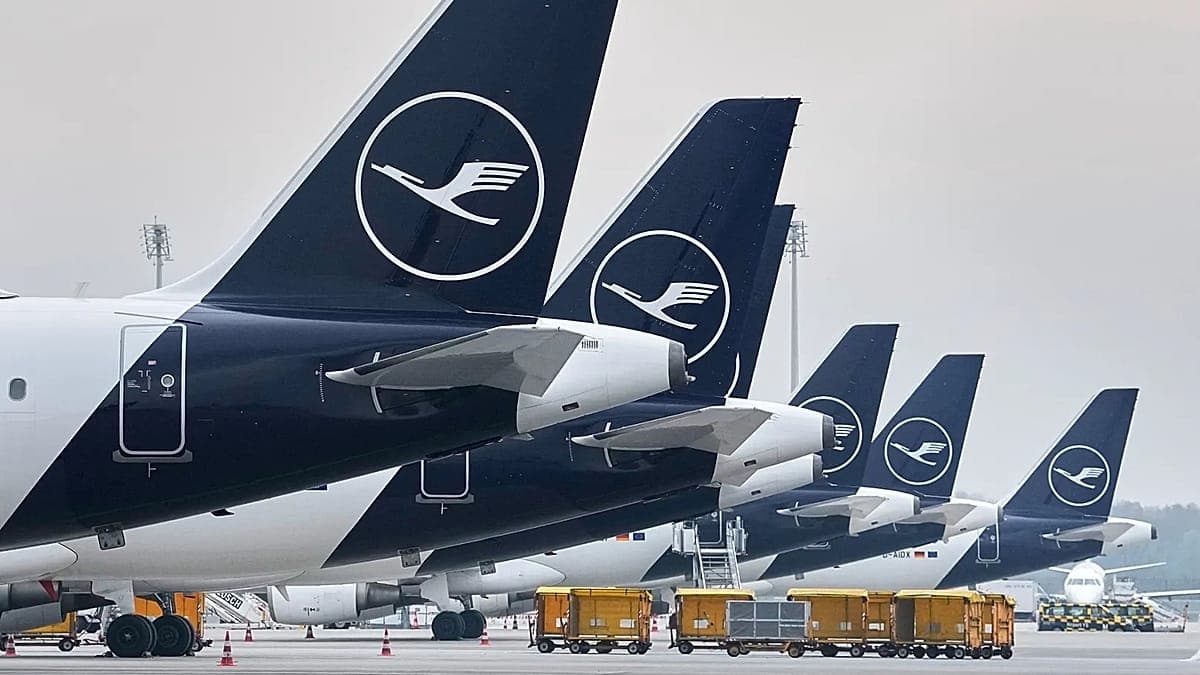
Europe Has Six Weeks of Jet Fuel Left Caused by 'Dire Strait' Crisis, IEA Chief Warns
The International Energy Agency warned that Europe has roughly six weeks of jet fuel left as the Strait of Hormuz remains blocked by the Iran war. Airports Council International Europe says shortages could begin in early May if tankers cannot...
Morning Reads
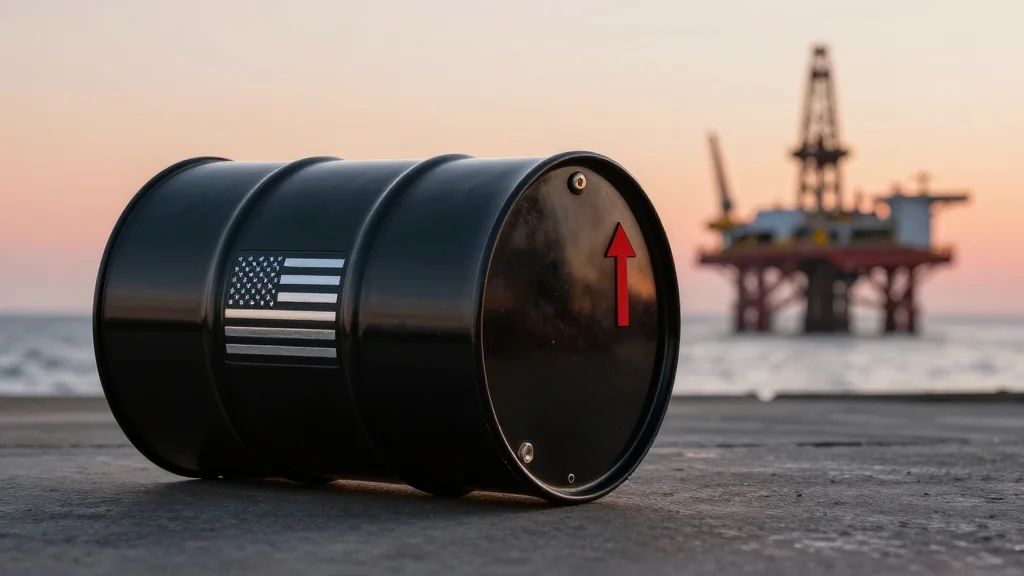
The Iran war has driven U.S. gasoline to $4.09 per gallon and WTI crude to $93 a barrel, a 37% jump since Feb 28. U.S. crude exports rose to 5.2 million barrels per day, narrowing the import‑export gap to just 66,000 bpd and...
India Could Limit Sulphur Exports as Supplies Tighten, Sources Say
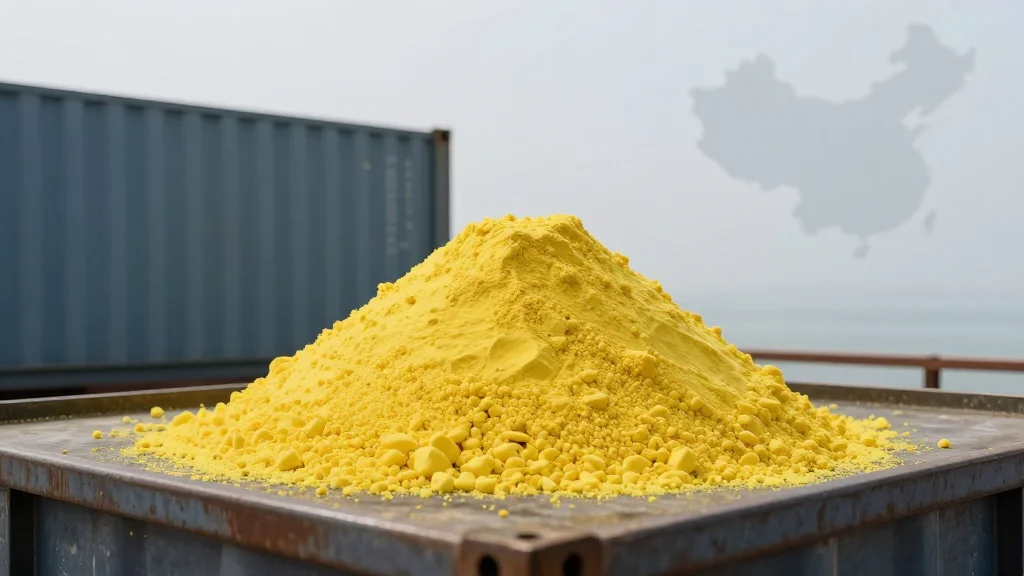
India is weighing limits on sulphur exports as domestic supplies tighten amid falling Middle East imports and disruptions in the Strait of Hormuz. The country imports about 2 million metric tons a year, roughly half from the Middle East, while shipping...
Xi Alludes to Trump’s Policies to Make a Case for Closer Ties to Vietnam
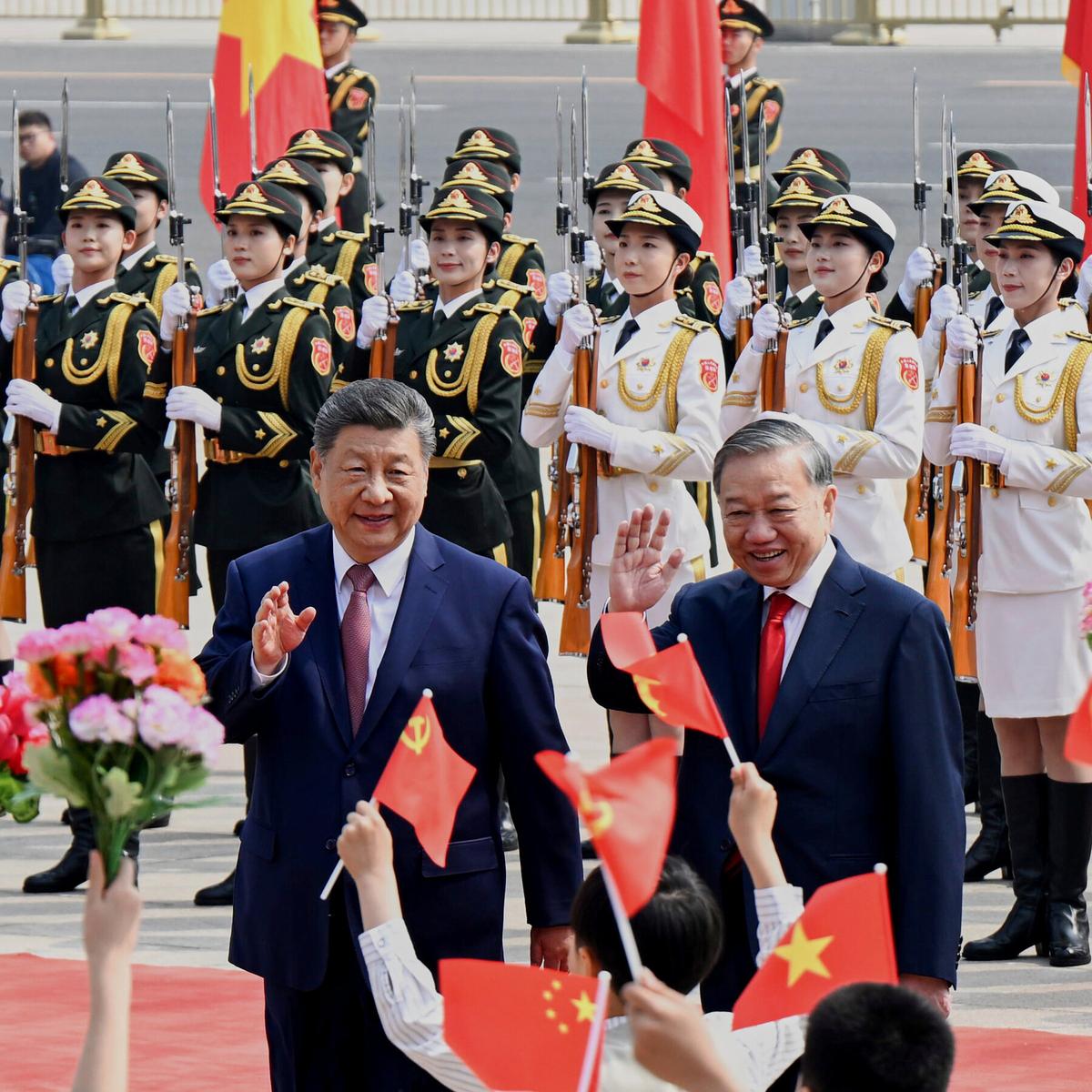
Chinese President Xi Jinping hosted Vietnam’s President and Party General Secretary To Lam in Beijing, emphasizing shared communist ideology and mutual security interests. Xi invoked former President Trump’s tariffs and the Strait of Hormuz blockage to argue for protected trade routes...
India Imports LNG From US, Oman, and Nigeria in March as Qatar, UAE Supplies Dry Up
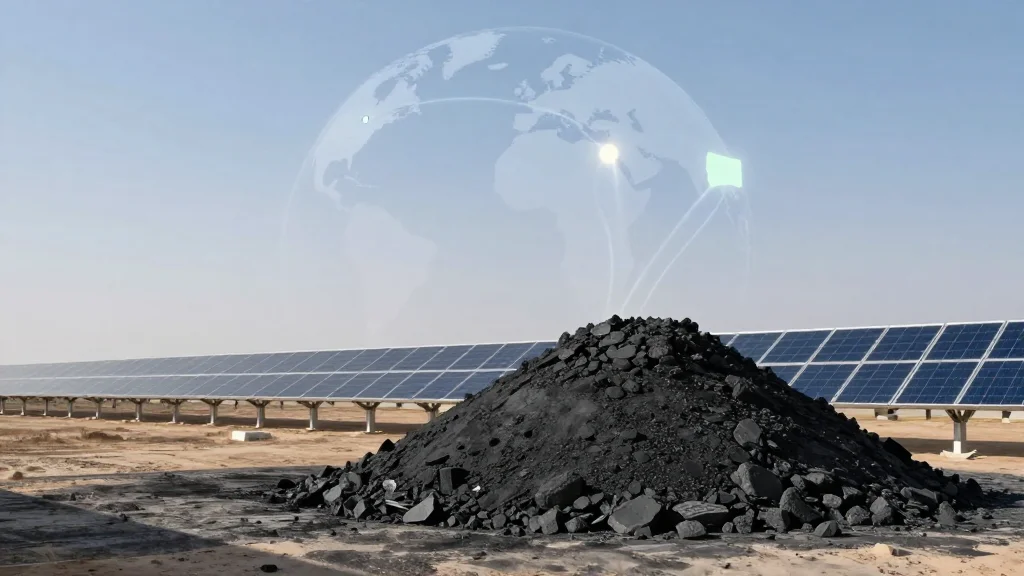
India’s LNG imports fell 20% year‑on‑year to 1.2 million tonnes in March 2026 after Qatar and UAE cargoes stopped amid escalating Middle‑East tensions. The shortfall, equivalent to about 47.4 MSCMD of gas, was partially offset by higher shipments from the United States, Oman and...

How Does Cheap Access to Foreign Technology Impact the Informal Sector?
Reducing import tariffs on intermediate inputs in Mexico between 1993 and 2001 sharply lowered the cost of foreign technology for formal firms. The tariff cuts, averaging a 12‑percentage‑point drop, coincided with a sevenfold rise in U.S. input imports and a...

Q2 Strategic Income Outlook: Everything Everywhere All at Once
The first quarter of 2026 was marked by a cascade of geopolitical shocks—from Venezuela’s president’s arrest to a U.S.-Israel strike on Iran—while AI breakthroughs drove hyperscaler capital expenditures to an estimated $720 billion. Private‑credit markets showed stress, with default risk projected...
On My Mind: The $ Is Dead, Long Live the $
The article challenges the growing narrative that the U.S. dollar is in rapid decline, arguing that its dominance remains underpinned by deep capital markets, institutional credibility, and the sheer scale of the U.S. economy. Recent Deutsche Bank research linking Middle‑East conflict...

Bunker Fuel Prices Begin to Stabilise – but Not at All Ports
Bunker fuel prices are beginning to stabilise at Singapore, the world’s largest bunkering hub, after an early surge that saw very‑low‑sulphur fuel oil (VLSFO) breach $1,000 per tonne. The stabilisation reflects ample local stocks and fierce competition that keeps margins...

Meeting of 18-19 March 2026
The ECB Governing Council met on 18‑19 March 2026 and flagged a sharp uptick in inflation risk after the Middle‑East war drove Brent crude above $100 a barrel and pushed European gas prices up 52%. Market participants now price roughly...

Circle CEO Sees ‘Tremendous Opportunity’ for Yuan Stablecoin Despite China Curbs
Circle CEO Jeremy Allaire told Reuters that a yuan‑backed stablecoin could be issued within three to five years, presenting a “tremendous opportunity” for China to export its currency. He contrasted this prospect with Beijing’s recent crackdown that declares offshore issuance...

Dutch Economy Sees Recent Momentum Beginning to Fade
At the start of 2026 the Dutch economy, which posted a strong 1.8% growth in 2025, is now expected to slow to about 1.3% in the first quarter. Recent data show declines in industrial production, exports, retail sales and car...
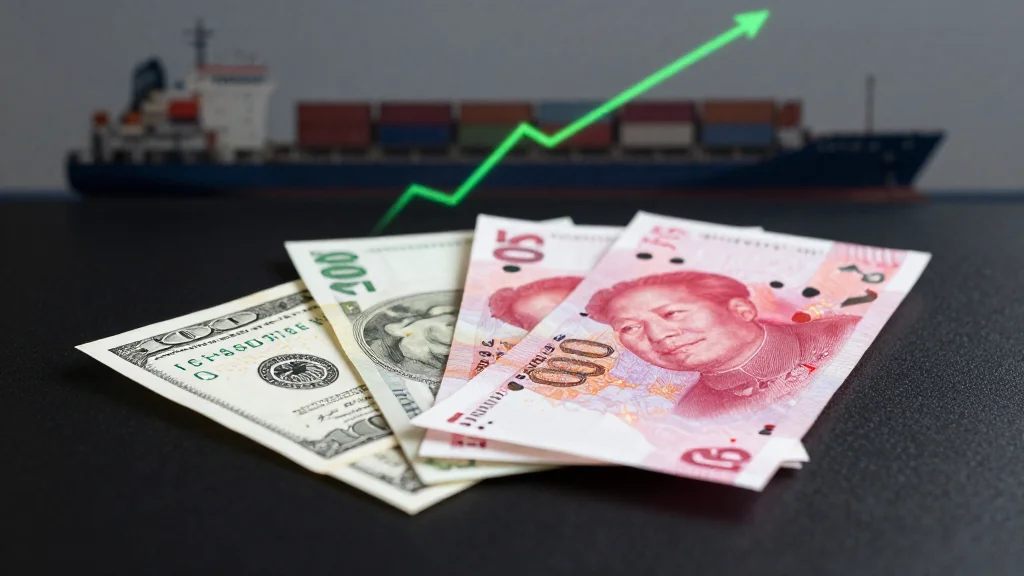
Dollar Dominance Is Surviving the Iran War – Just About
The Iran‑Israel war has not eroded the U.S. dollar’s global dominance, as the greenback rose about 2% against a basket of currencies and U.S. asset markets performed relatively well. The 10‑year Treasury yield climbed 35 basis points to 4.3%, a...

DRC Boosts US Copper Sales Fivefold to 500,000 Tonnes
The Democratic Republic of Congo has expanded its planned copper sales to the United States to 500,000 tonnes, a fivefold increase from the January commitment. The sales will be marketed through a joint venture between state miner Gécamines, Mercuria Energy...

ECB Minutes From March Meeting Confirm Hawkish Pivot
The European Central Bank’s March minutes confirm a hawkish pivot, yet the Governing Council signals no rush to tighten policy further. Officials highlighted downside risks to growth from the Middle East conflict and upside risks to inflation, especially via stronger...

UK Economy Grew Faster than Expected in February Ahead of Iran War
The UK’s economy expanded by 0.5% in February, the strongest monthly gain in over two years and well above the 0.1% forecast. The Office for National Statistics also revised January’s growth to 0.1%, indicating a modest rebound before the Iran‑related...
18 Ways to Break Through Global Supply Chain Complexity
The article outlines 18 actionable strategies for global supply‑chain leaders to navigate mounting tariff volatility, export controls and geopolitical risk. A recent Supreme Court decision replaced broad IEEPA tariffs with a 10% temporary duty under the Trade Act of 1974,...
ING Monthly: The World Waits for a Climbdown
The six‑week war in the Middle East is adding a fresh stagflationary drag to the global economy, according to ING's macro chief Carsten Brzeski. Conflict‑driven supply‑chain bottlenecks are pushing energy and commodity prices higher, while growth forecasts are being trimmed....
World "Must Brace for Tough Times" Says IMF Chief Georgieva
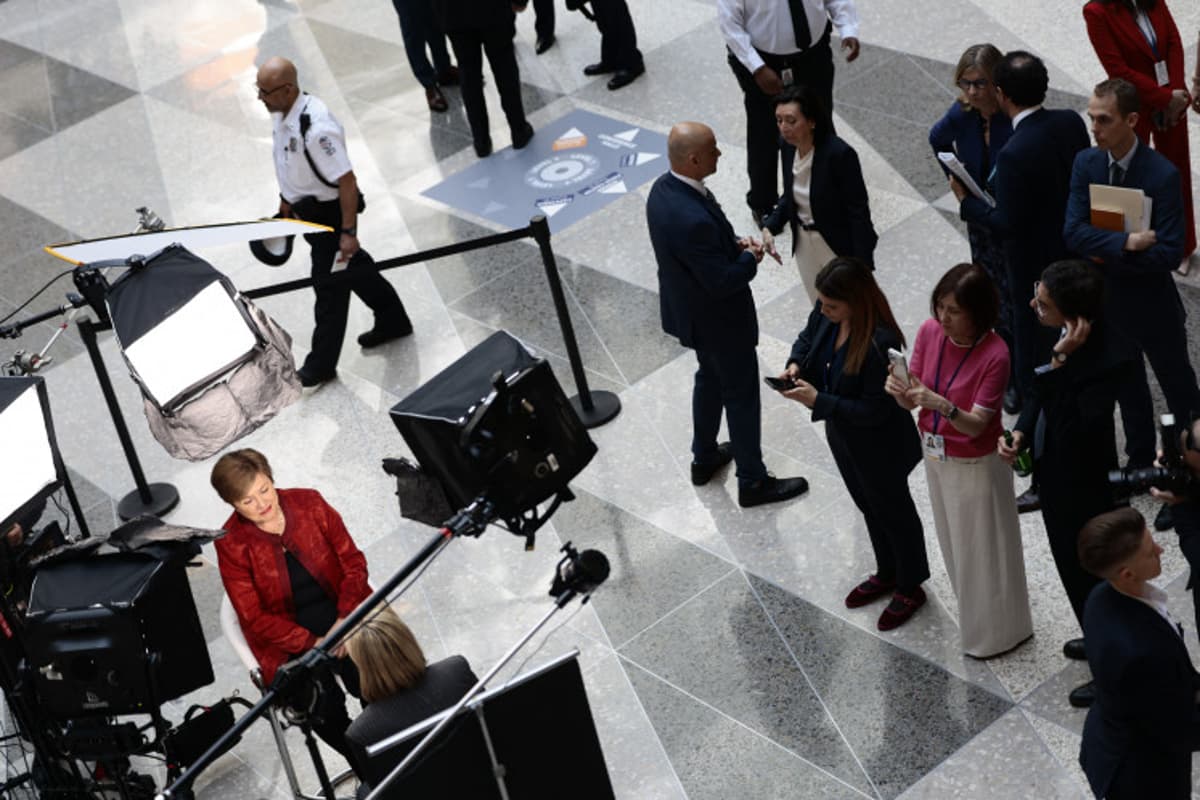
International Monetary Fund Managing Director Kristalina Georgieva warned that the Middle‑East conflict is already dampening global growth, revising the IMF’s outlook from 3.4% last year to 3.1% by 2026 and flagging a worst‑case drop to 2%. She highlighted soaring energy and...

Global Imbalances Are Back. Who’s to Blame?
Global imbalances are resurfacing, echoing the pre‑2008 “saving‑glut” era when Asian economies amassed massive dollar reserves while the United States ran a large current‑account deficit. Economists now observe that Asia’s trade surpluses remain in the multi‑trillion‑dollar range, keeping the dollar...

Pakistan’s Deft Diplomacy Is an Economic Blessing. And a Curse
Pakistan’s diplomatic tightrope between Washington and Tehran is delivering short‑term economic relief, as Gulf‑linked aid and lower oil costs ease inflation pressures. The country’s ability to act as a regional intermediary has attracted foreign assistance and trade concessions. However, this...
The World Waits for a Climbdown
ING’s Carsten Brzeski outlines a base‑case scenario where Iran‑U.S. talks extend 2‑4 weeks, leading to a limited blockade of the Strait of Hormuz before traffic resumes. Oil prices are projected to dip below $90 per barrel by year‑end, easing some pressure...

Three Scenarios for Energy, Central Banks, Rates and FX Markets
ING outlines three energy‑price scenarios tied to the Middle East cease‑fire outlook. In a base case, Brent crude steadies at $90‑100 per barrel and the euro trades around 1.18‑1.20 by year‑end. A moderate disruption pushes Brent above $100 and lifts...

Our Latest Views on the Major Central Banks
ING’s latest outlook assesses the Fed, ECB, BoE and BoJ as they navigate a fresh oil price shock and lingering inflation pressures. The Fed sees inflation testing 4% but expects sub‑2% by 2027 if energy costs fall, opening space for...
The High North Is Not ‘Elsewhere’: Europe’s Arctic Blind Spot
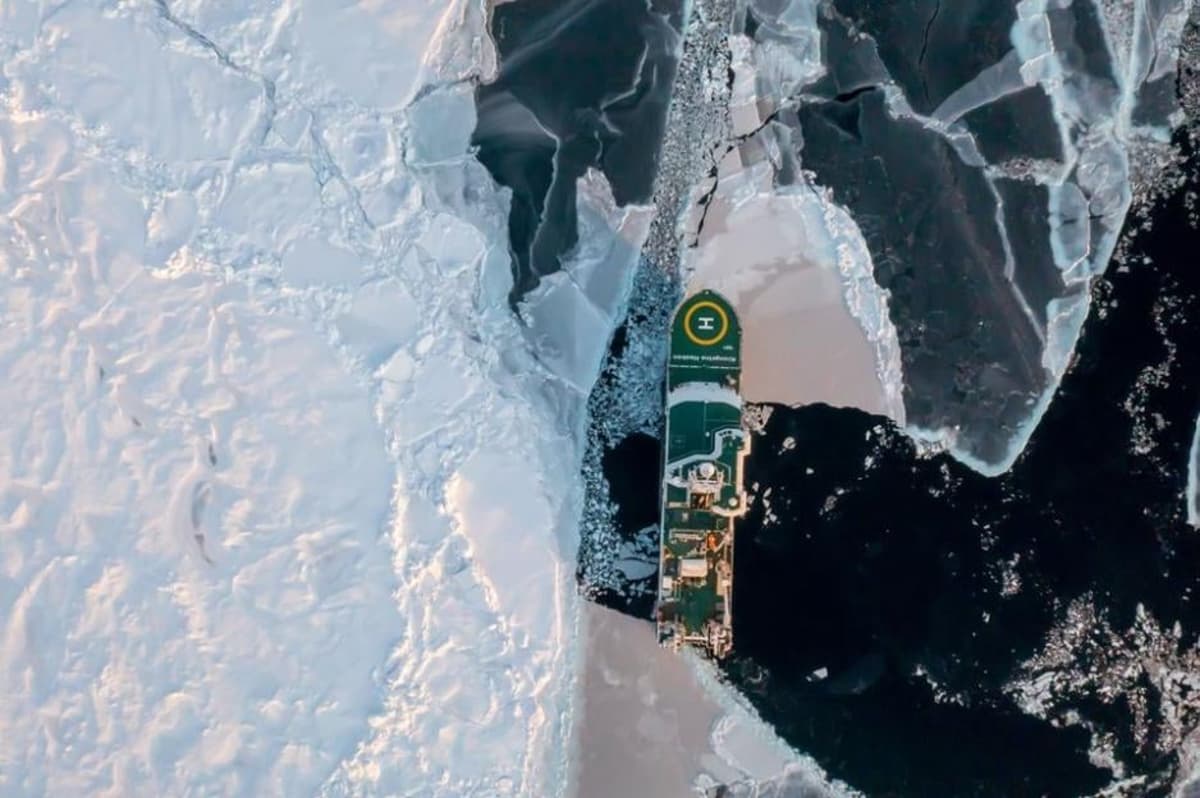
The article argues that Europe’s Arctic is a strategic core, not a peripheral frontier, yet EU policy has lagged behind the region’s contribution to food security, energy, and critical minerals. Recent events—Russia’s war in Ukraine, the full‑scale Yamal LNG shipments...

US Automakers Fear EU Safety, Emissions Rules Endanger Tariff Deal
The American Automotive Policy Council warned that draft changes to the EU’s Individual Vehicle Approval (IVA) rules could block U.S. pickup trucks such as the Chevrolet Silverado, Ford F‑150 and Ram 1500 from entering Europe, threatening the 2025 U.S.–EU tariff...

Wall Street Scales to Record Highs as Investors Bet the End of the Iran War Is in Sight
Wall Street surged to fresh record highs on Wednesday as investors grew optimistic that the US‑Iran war may soon end. The S&P 500 breached the 7,000‑point barrier for the first time, closing at 7,022.9, while the Nasdaq jumped 1.6% to...
Bullish Narrative Around India’s Economy at Odds with Struggling Rupee
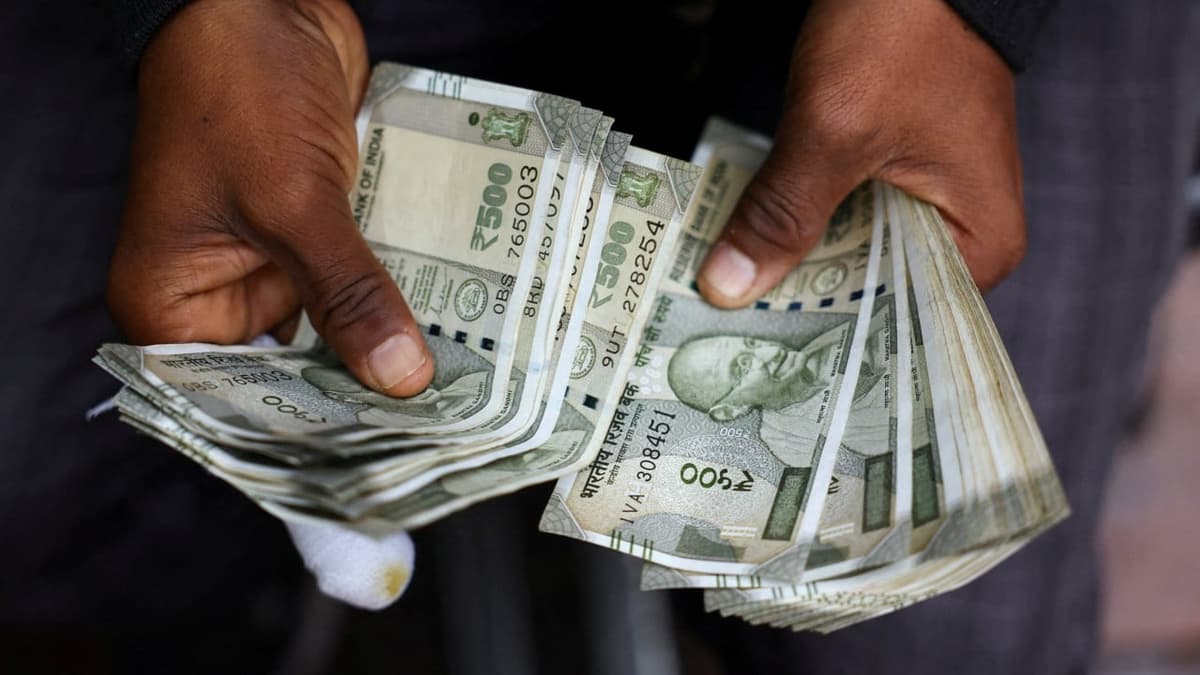
The Indian rupee has risen about 1.5% since March 27, making it Asia’s top performer, but the rebound masks deeper strains from an Iran‑war‑driven energy shock that is widening the current‑account deficit and stoking inflation. The Reserve Bank of India responded...

Iran War: Six Weeks in, How Have Food Prices Changed?
Food prices have risen since the Iran war began, but seasonal planting has limited the immediate impact. Vegetable oils, especially soybean oil, surged to two‑year highs as they act as crude oil substitutes in biofuel production. Grains and oilseeds have...

UK Economy on ‘Stronger Footing’ than Expected Before Energy Shock After February Growth Surge – Business Live
UK February GDP surged 0.5% month‑on‑month, far outpacing the 0.1% consensus, driven by a broad‑based services rebound and a 1.0% jump in construction output. Deutsche Bank’s Sanjay Raja says the economy entered the Iran‑related energy shock on a stronger footing,...

UK Could Face Gaps on Supermarket Shelves by Summer if Iran War Continues
UK ministers are preparing for a ‘reasonable worst‑case scenario’ as the Iran‑Israel conflict threatens to keep the Strait of Hormuz closed, potentially disrupting carbon‑dioxide supplies essential for food processing. The government’s Exercise Turnstone, run by the Cobra emergency committee, includes...
IMF, Global Investors See Indonesia as Bright Spot, BI Says
The International Monetary Fund and global investors have singled out Indonesia as a bright spot in the world economy, citing its resilient macro‑economic fundamentals. Bank Indonesia highlighted that the country has kept its fiscal deficit below 3% of GDP through...

The Morning Briefing: Schroders Hit by Outflows as Turmoil Bites; UK GDP Rises but Iran War Darkens Outlook
Schroders recorded net outflows of £2.2 billion (≈ $2.8 billion) in Q1 2026 as market volatility prompted investors to pull money from equity and multi‑asset funds. The United Kingdom’s economy showed a modest GDP rise of about 0.3 percent year‑on‑year, offering a brief respite from...

UK GDP Grows 0.5% but Iran War Darkens Outlook
The UK economy expanded 0.5% in the three months to February 2026, accelerating from a 0.3% rise in the prior quarter and ending a period of flat growth. Gains were broad‑based, with services up 0.5% and production output climbing 1.2%,...

Middle East Conflict to Redesign Container Trade Flows
Container lines are rapidly reconfiguring routes to bypass Gulf chokepoints after the Middle East conflict escalated, according to Drewry analysis. Higher war‑risk insurance costs and volatile fuel prices are prompting carriers to seek alternatives to the Strait of Hormuz, Bab...

The End of the Hormuz Bargain
The Strait of Hormuz, through which roughly a quarter of the world’s seaborne oil and large volumes of LNG, fertilizer and key feedstocks travel, is no longer a neutral corridor. Escalating Middle‑East tensions and unilateral toll demands have prompted many...
Dimitar Radev: Economic Prospects in an Uncertain Global Environment
Bulgarian National Bank Governor Dimitar Radev warned that the war‑driven energy shock is shifting Bulgaria’s outlook from modest growth and low inflation to a baseline of about 3 % GDP growth and 3.7 % inflation in 2026. While 2025 saw 3.2 % growth...

China's Economy Grows Faster than Expected Despite Iran War
China’s first‑quarter GDP rose 5% year‑on‑year, outpacing the 4.8% consensus and meeting the upper bound of its newly‑set 4.5‑5% growth target. The rebound was anchored by a manufacturing surge, while property investment stayed depressed. Export growth decelerated sharply to 2.5%...
China Trims US Treasury Holdings Amid Rising Debt Supply as Global Ownership Hits Record
China’s central bank modestly reduced its U.S. Treasury holdings in February, continuing a multi‑year trend of diversifying its foreign‑exchange reserves. The cut came even as total foreign ownership of U.S. sovereign debt reached an all‑time high, buoyed by private investors...

Aussie Leads as Risk Optimism Builds, Strong Jobs Push AUD/USD Toward 0.72 Break
The Australian dollar surged toward the 0.72 resistance as global risk appetite improved, buoyed by easing US‑Iran tensions and strong domestic employment data. AUD/USD hit its highest level since late 2022, reflecting both dollar weakness and heightened confidence in the commodity‑linked...