
How Iran, Suffering Under Sanctions, Diversified Its Economy
Iran has continued to trade with more than 170 countries since 2019 despite decades of heavy sanctions targeting its nuclear program, terrorism links, and human‑rights record. While overall trade volumes have contracted, the nation has pivoted to import essential goods such as food, electronics, and auto parts while still exporting oil, gas, construction materials, and specialty foods. Sanctions have forced Iran to develop more complex, indirect trade networks and alternative payment methods. Ongoing conflict in the Strait of Hormuz and regional missile strikes threaten these diversification gains.
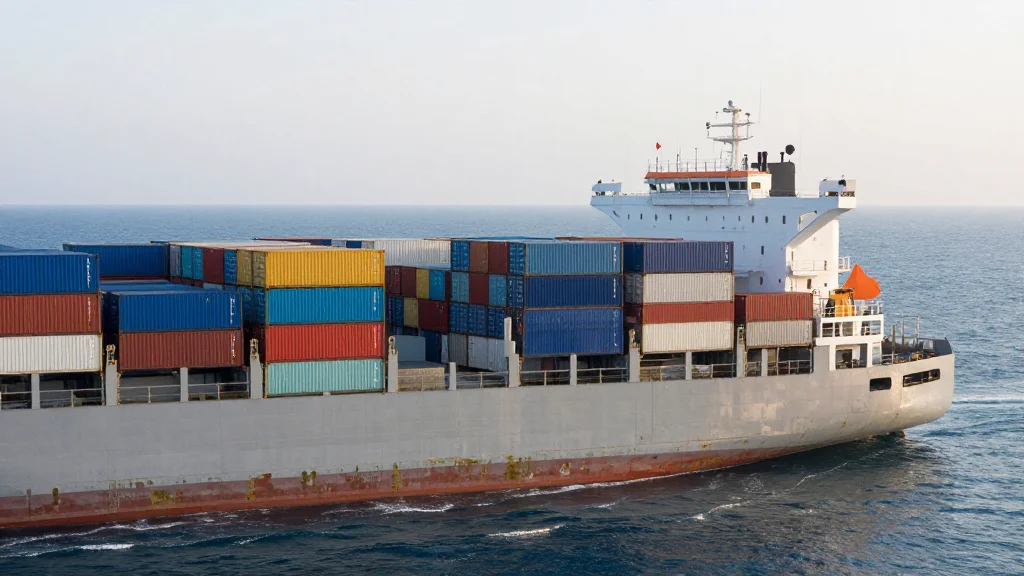
Red Flags as Busiest Asia-US Trade Lane Hits OOCL Results
Orient Overseas Container Line’s parent OOIL reported a 7.6% drop in Q1 2026 liner revenue to $2.14 bn, even as liftings rose 1.7% to 1.997 m TEU. Capacity grew 4.3% year‑on‑year, pushing average revenue per TEU down 9.1%. The trans‑Pacific lane was...

Don’t Bet on a 1970s Replay: Why Today’s Oil Volatility Looks Different for the S&P 500
Morgan Stanley’s chief equity strategist, Mike Wilson, argues that today’s oil price shock will not mirror the 1970s or 1990s episodes because corporate earnings are strengthening rather than weakening. Historically, oil volatility compounded already‑slipping profits and helped tip the economy...
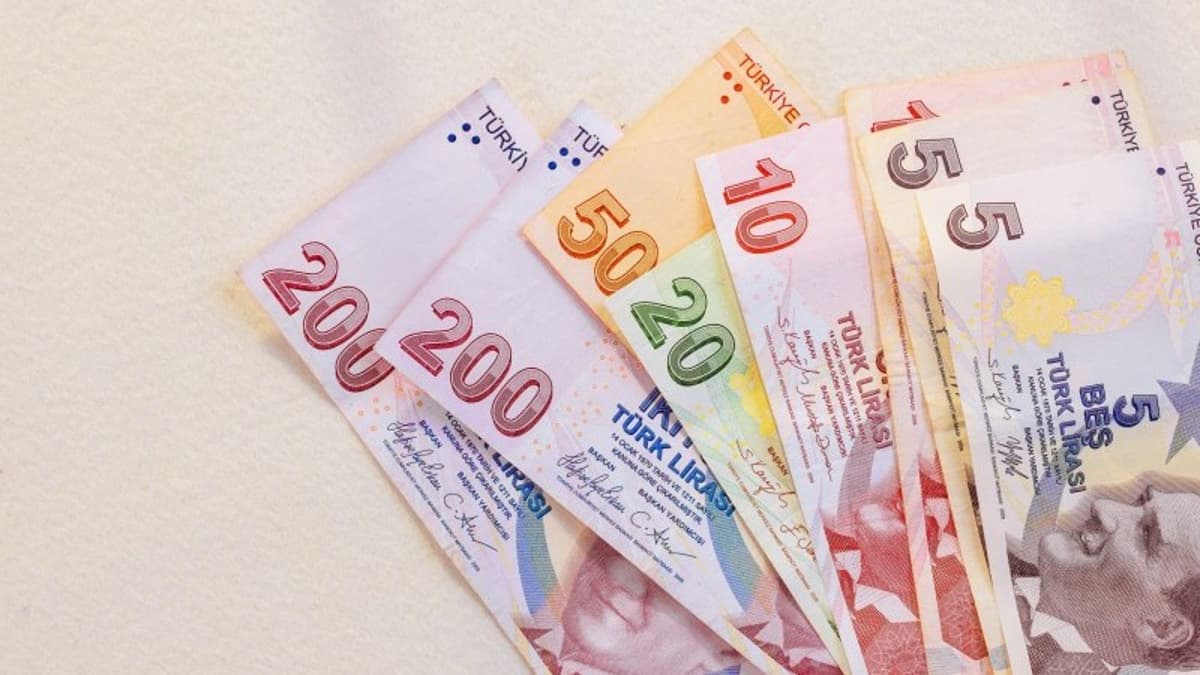
Turkey’s Current Account Deficit Widens Further
Turkey’s current account deficit widened to $7.5 billion in February, surpassing forecasts and pushing the 12‑month deficit to $35.4 billion, or about 2.4 % of GDP. The trade gap turned negative, expanding to $‑7.5 billion, driven by higher gold imports despite lower energy costs....
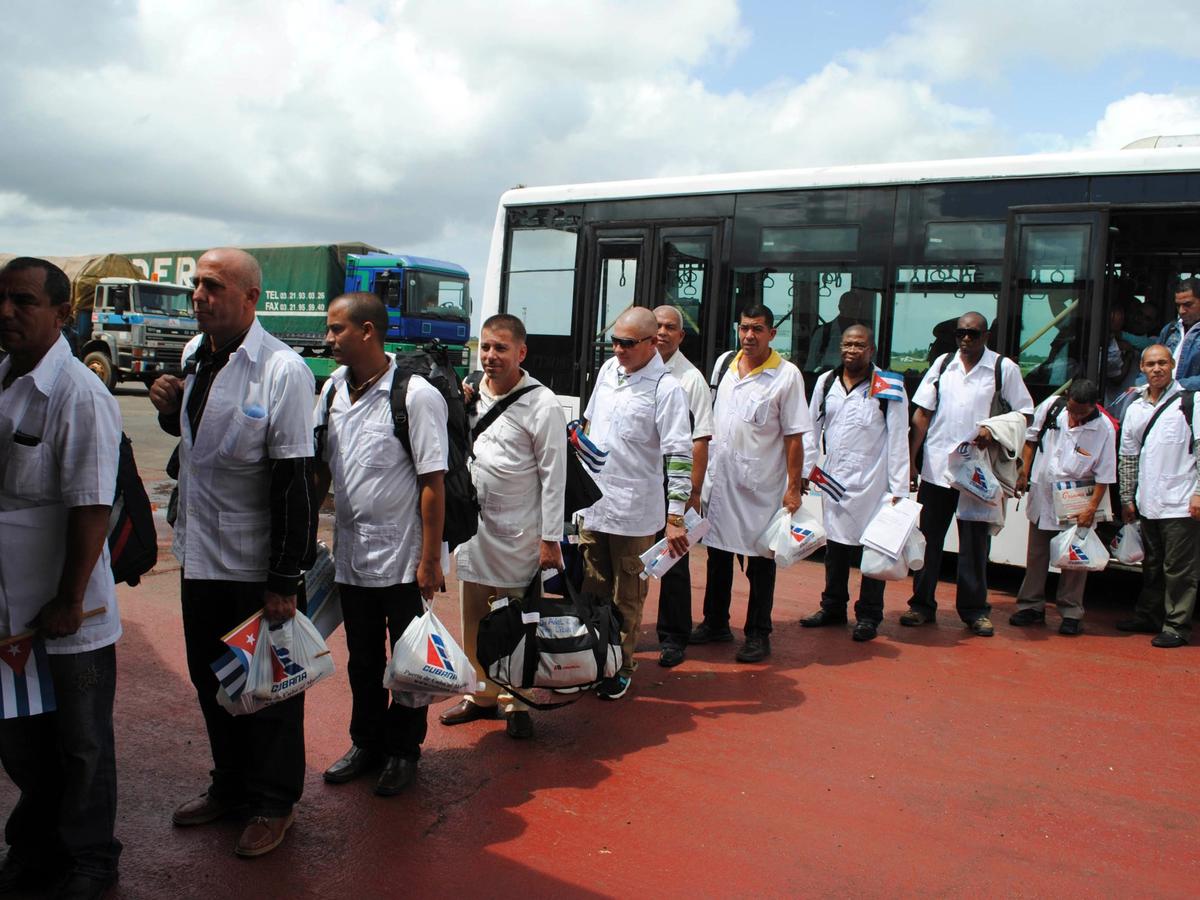
Cuba Sent Doctors. Washington Sent a Destroyer.
The article reports that a sanctioned Russian tanker, Anatoly Kolodkin, arrived in Matanzas delivering 730,000 barrels of crude—enough for about ten days—while a U.S. destroyer continues to enforce the decades‑old embargo in the Caribbean. It highlights Cuba’s historic global medical diplomacy,...
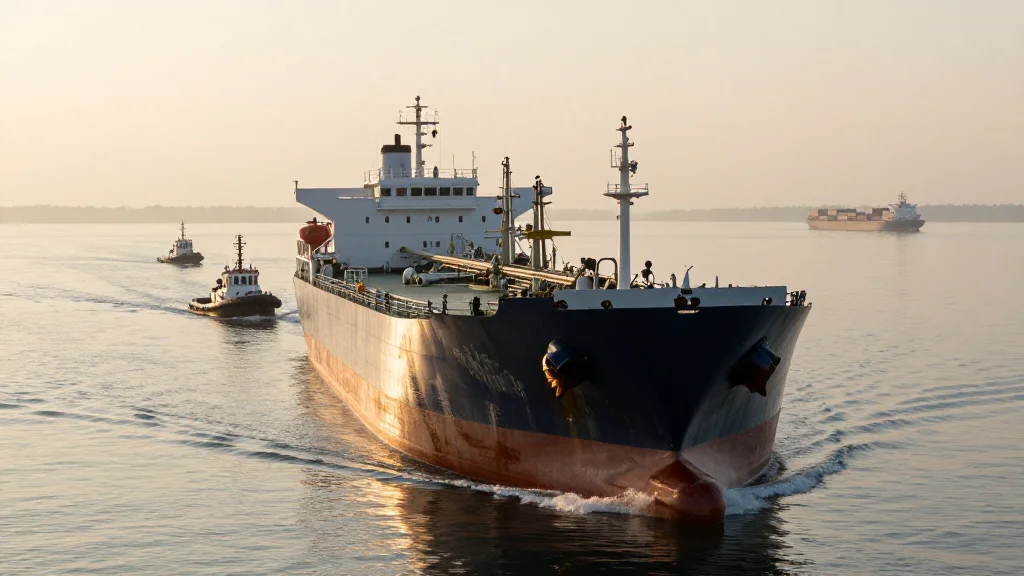
UK Will Not Back Blockade of Strait of Hormuz, PM Starmer Says
British Prime Minister Keir Starmer said the UK will not support any blockade of the Strait of Hormuz, despite U.S. plans to restrict Iranian maritime traffic. He emphasized that Britain’s focus is on keeping the waterway fully open and has...

Hormuz Crisis Signals New Era of Risk for Gulf Energy
The six‑week Iran‑Israel‑U.S. war culminated in Iran’s unprecedented closure of the Strait of Hormuz, halting roughly one‑fifth of the world’s oil supply. The shutdown and missile strikes knocked out about 11 million barrels per day of regional production, including Saudi Arabia’s...

The Federal Reserve's April Inflation Forecast Is In -- and It Just Keeps Getting Worse for Wall Street
The Cleveland Federal Reserve’s nowcast pushed its April inflation projection to 3.56% YoY, up from 2.40% in February, as the Iran‑Israel conflict choked the Strait of Hormuz and spiked oil prices. Gas prices surged roughly 40% to $4.16 a gallon,...

China, the Iran War and the Chemical Suddenly Stoking Global Supply Fears
China announced an abrupt halt to sulphuric acid exports, a key input for fertilizer and mining industries worldwide. The decision coincides with renewed tensions in the Iran‑U.S. conflict, where failed peace talks have heightened geopolitical risk. Analysts warn that reduced...

Odd Lots: Daoud on How Iran War Will Reshape the Gulf (Podcast)
Ziad Daoud, Bloomberg Economics chief emerging‑markets economist, warned that the ongoing war with Iran will leave a lasting imprint on the Gulf region. Nations may need to rebuild damaged pipelines or construct new routes that bypass the vulnerable Strait of...

Inflation Could Hit 4.2% This Year: 3 Stocks to Buy Now to Protect Your Portfolio
The OECD’s April 2026 outlook projects U.S. inflation at 4.2%, well above the Federal Reserve’s 2.7% forecast, driven by geopolitical tensions and tariff policies. Higher inflation threatens consumer spending, prompting investors to seek assets that can preserve purchasing power. Analysts highlight...

US Targets Iran’s Maritime Trade with Port Blockade
U.S. Central Command announced an immediate blockade of all vessels traveling to or from Iranian ports, escalating tensions that have already left the Strait of Hormuz effectively shut. The move follows President Biden’s earlier threat of a blanket maritime blockade...

World Bank Chief Sounds Alarm About Looming Jobs Crisis Even After War Ends
World Bank President Ajay Banga warned that 1.2 billion people in developing nations will enter the labor force over the next decade‑plus, yet current trends will create only about 400 million jobs, leaving an 800 million shortfall. He urged the spring Washington meetings...
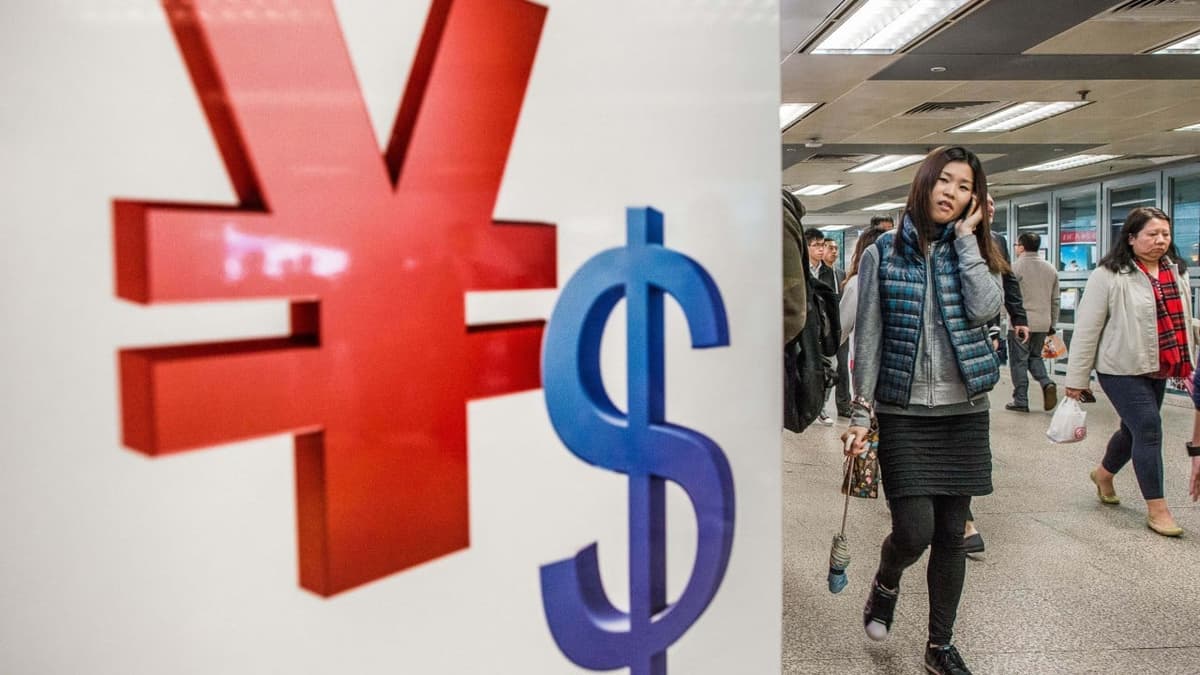
Yuan’s ‘Golden Window’ Is Open, Former PBOC Governor Says as US Dollar Credibility Teeters
Former PBOC governor Zhou Xiaochuan warned that U.S. policy choices—tariffs, sanctions and geopolitical tensions—are weakening dollar credibility, creating a "golden window" for the yuan. He noted rising capital inflows are putting upward pressure on the renminbi and highlighted China’s 2009...
India's March Palm Oil Imports Fall 19% to Three-Month Low
India’s palm oil imports slumped 19% in March, falling to 689,462 metric tons—the lowest level since December 2025. The decline was driven by a rally in global tropical oil prices that prompted domestic refiners to delay purchases. Overall edible‑oil imports...

Asia Markets Trade Lower as Oil Surges After U.S. Moves to Blockade Iran Ports
Asian equity markets slipped on Monday as the United States moved toward a naval blockade of Iranian ports, reigniting fears of a protracted U.S.–Iran conflict. Crude prices surged, with West Texas Intermediate up 8.5% to $104.82 a barrel and Brent...

BOJ Governor Ueda: Underlying Inflation Gradually Accelerating Towards Target
Bank of Japan Governor Kazuo Ueda said underlying inflation is gradually moving toward the 2% target, but highlighted the mixed impact of the U.S.-Iran conflict. Rising oil prices are adding cost‑push pressure while wage growth remains strong, with the latest...

Trump’s Strait of Hormuz Blockade Risks New Costs for the Global Economy
President Donald Trump announced via Truth Social that the U.S. Navy will begin a blockade of all vessels entering or leaving the Strait of Hormuz, a waterway that carries roughly one‑fifth of global oil and gas. Iran has effectively shut...

How to Invest in Asian Markets – No Longer Just ‘Emerging’
Asian equities are no longer just “emerging” markets; China, South Korea and Taiwan now dominate the MSCI Asia ex‑Japan index, accounting for over 75% of its weight and more than 60% of the broader MSCI Emerging Markets basket. The region’s...

Things Worth Reading: 13th April 2026
The Bank of England warned of a potential 2008‑style financial crash as the Iran‑UK conflict threatens the British economy, while analysts question the resilience of major banks. In Europe, the ECB backed a unified crypto‑supervision framework under the Markets in...
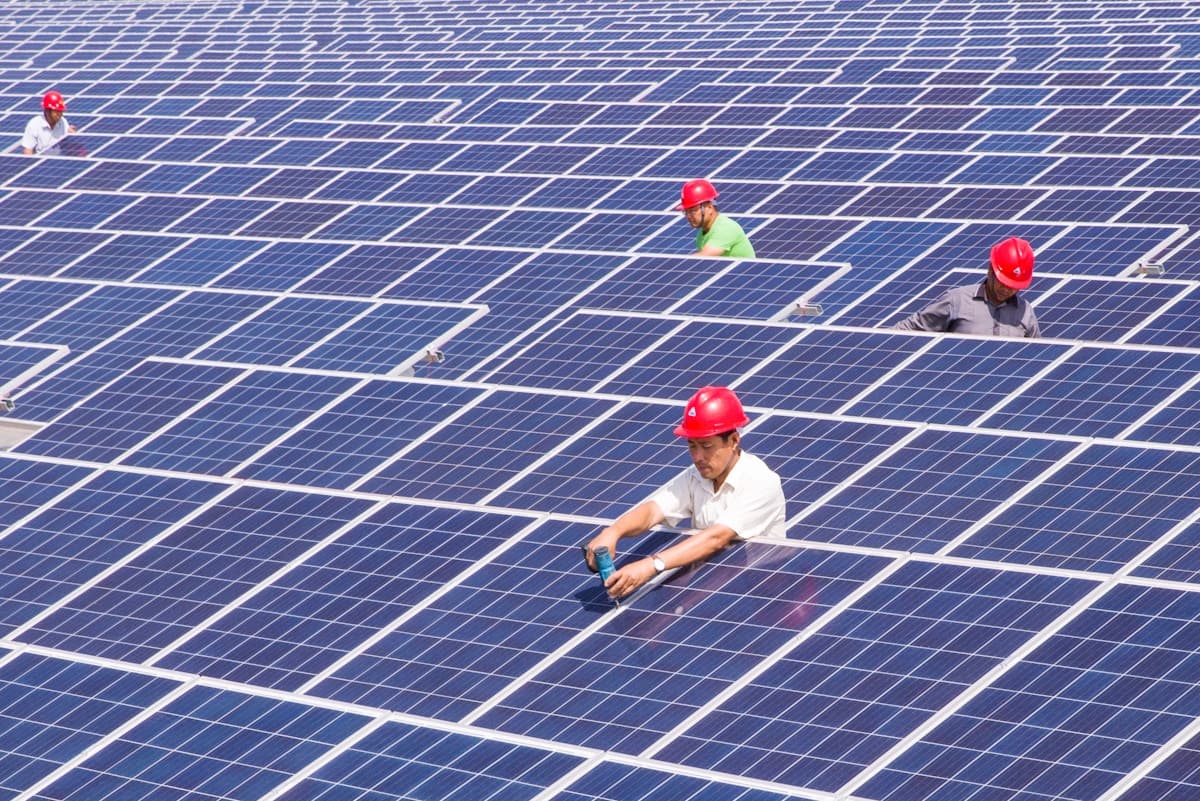
China Remains Resilient in the Face of Middle East Conflict, Says ADB Economist
China’s vast oil reserves and booming clean‑energy exports are cushioning its economy from the fallout of the Middle East conflict, according to Asian Development Bank senior economist Yothin Jinjarak. The country holds 1.2‑1.5 billion barrels of strategic oil stockpiles, enough for...

As Artemis II Is Celebrated, the World Faces Hard Questions About US Leadership in Space
Artemis II completed the first crewed lunar fly‑by in over five decades, carrying the first woman and the first person of colour to orbit the Moon. The mission is a milestone in NASA’s broader goal of establishing a permanent lunar base...
Why Trump’s Latest Threat Could Turn a Crisis Into an Emergency
President Donald Trump announced that the U.S. Navy could block vessels from Iranian ports in the Strait of Hormuz, reviving a high‑risk escalation in a six‑week conflict. The threat sent Brent crude futures up roughly 8%, to $102.80 a barrel,...

The Alarming Reason Crypto Now Moves Like Gold but Falls Like Stocks
The cryptocurrency market slipped 1.17% to a $2.42 trillion valuation, moving in lockstep with equities and commodities after the collapse of US‑Iran peace talks and a US naval blockade of the Strait of Hormuz. Correlations surged to 94% with the S&P 500...

Oil Prices Surge Above $100 After Peace Talks Fail and Trump Threatens Blockade
Oil prices surged above $100 per barrel after U.S.-Iran peace talks collapsed and President Trump announced plans to blockade the Strait of Hormuz. The announcement triggered a sell‑off in equities as investors priced in heightened geopolitical risk. Trump’s threat mirrors...

More than 500 Global CEOs, Policymakers and Cabinet Secretaries Gather at Semafor World Economy in Washington
Semafor World Economy launched in Washington, D.C., drawing more than 500 global CEOs, finance ministers and U.S. officials such as Treasury Secretary Scott Bessent and Commerce Secretary Howard Lutnick. The gathering arrives amid heightened geopolitical risk after President Donald Trump’s...

The Coming $100 Trillion
The World Bank and IMF reported global GDP at $120 trillion in 2025, and Gallup projects an average 2.5 % annual growth to $220 trillion by 2050, creating roughly $100 trillion of new economic output. The United States, EU and China together account for...
Why Imports Won’t Fix Canada’s Beef Price Problem
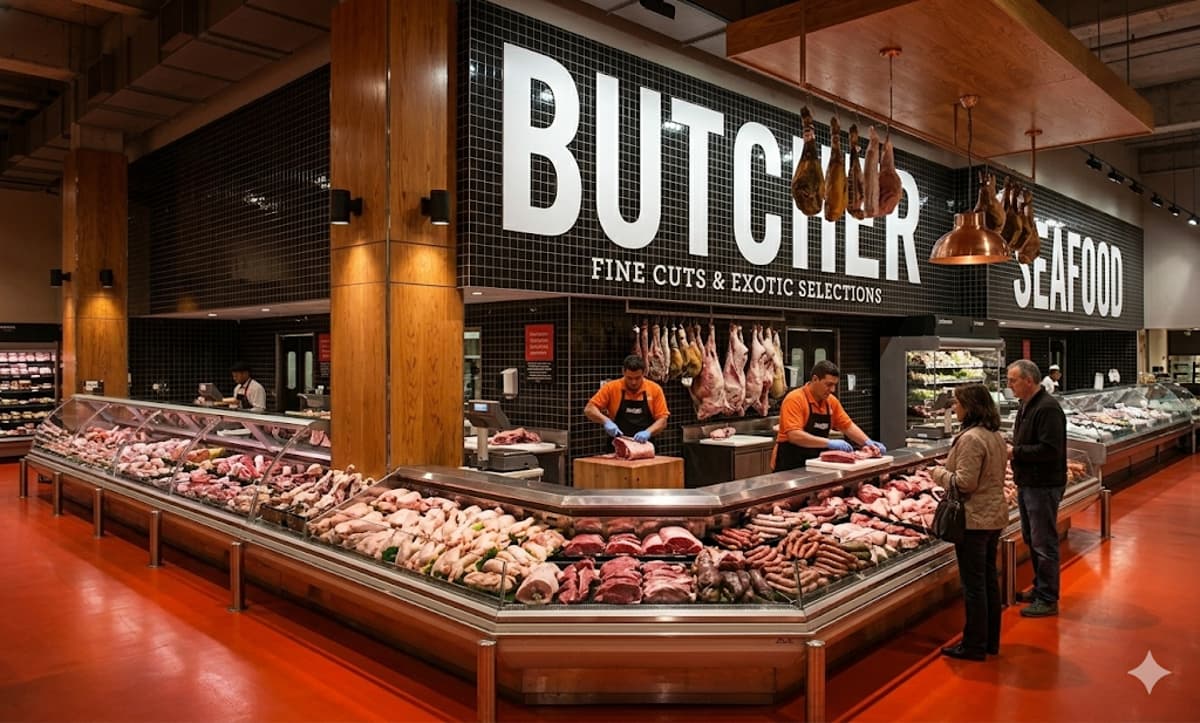
The Canadian Cattle Association has petitioned Ottawa to limit beef imports as Mercosur trade talks advance, warning that cheaper South American beef could flood the market. Canadian beef prices have risen about 13‑14% year‑over‑year and sit roughly 40% above their...

Iran War Could Plunge 32 Million Into Poverty, Says United Nations
The UN Development Programme warns that the Iran‑Israel war could push more than 32 million people into poverty, primarily in developing nations. The conflict has triggered a "triple shock" of soaring energy prices, strained food supplies, and weaker global growth. UNDP...

How to End the Iran Crisis
U.S. and Iranian negotiators abruptly ended peace talks, with the nuclear program proving the decisive sticking point. The recent war crippled Iran’s enrichment facilities but left its scientific expertise and long‑term capability largely intact. Analysts argue that coercive pressure alone...

New UK Steel Tariffs Threaten British Manufacturing, Industry Warns
Britain announced a sweeping steel protection plan that slashes import quotas by 60% and imposes tariffs of up to 50% on steel not made domestically. The measure aims to boost UK steel production to cover half of national demand and...
Asia Stocks Dip After US-Iran Talks Fall Through, Hormuz Disruptions Persist
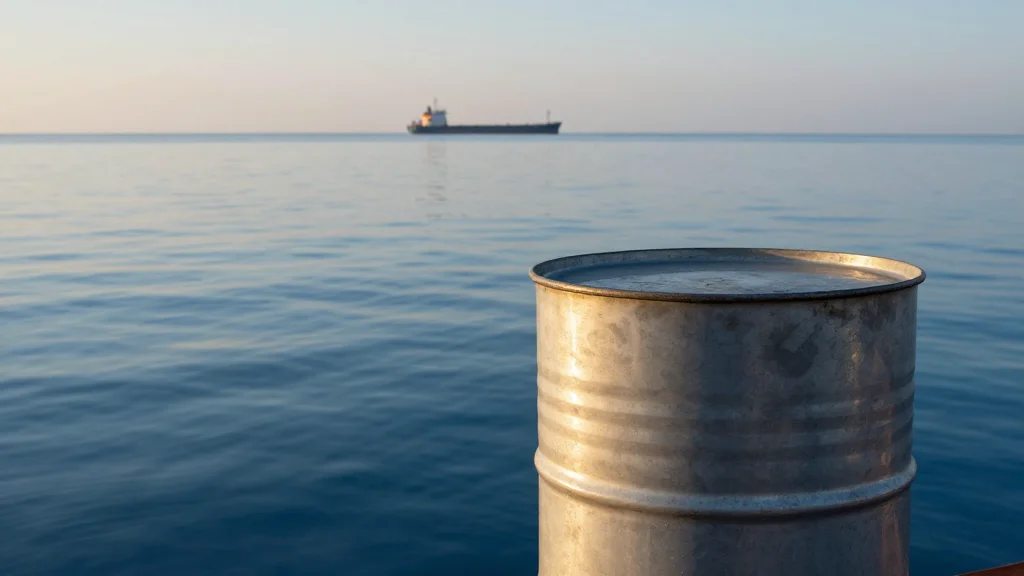
Asian equity markets slipped more than 1% on Monday after U.S. and Iran failed to reach a breakthrough in weekend talks, prompting Washington to consider a blockade of the Strait of Hormuz. The geopolitical flare‑up sent Brent crude up 8%,...
Japan’s Benchmark Bond Yield Jumps to 29-Year High as US-Iran Talks Collapse
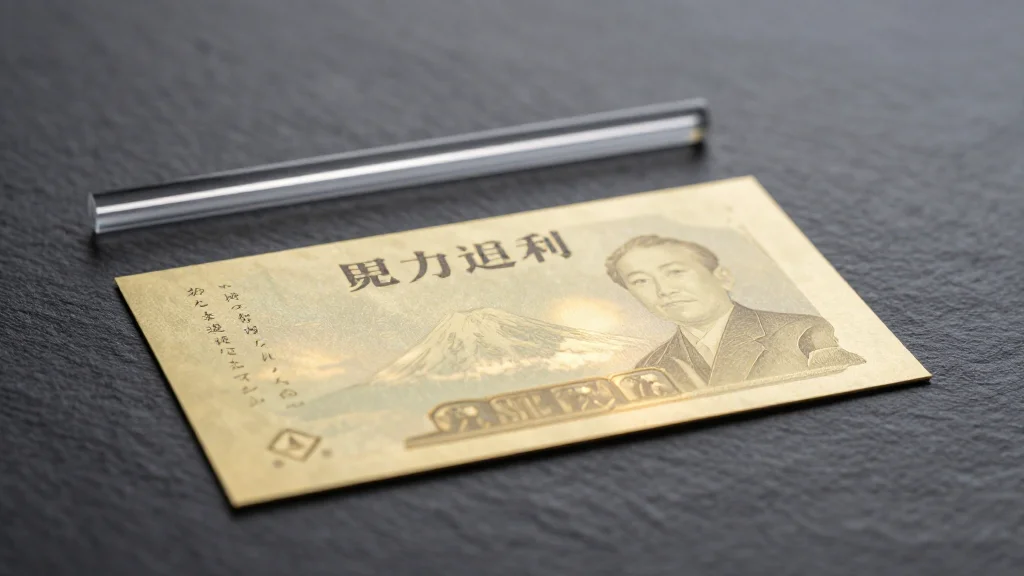
Japan’s benchmark 10‑year government bond yield jumped 5.5 basis points to 2.49%, the highest level since June 1997, as the collapse of U.S.–Iran peace talks sent oil prices soaring. The five‑year yield also hit a record 1.90%, reflecting heightened inflation...

Taiwan President to Visit Eswatini, Last Diplomatic Ally in Africa
Taiwan President Lai Ching‑te will travel to Eswatini from April 22‑26, marking a high‑profile visit to the island's last diplomatic partner in Africa. The trip coincides with the 40th anniversary of King Mswati III’s accession and his 58th birthday, underscoring...

Ouster of Sheikh Hasina: Yunus Publicly Reveals the Masterminds of Meticulously Planned Protests: OPED
An op‑ed alleges that the United States and United Kingdom financed a coordinated campaign that helped depose Bangladesh Prime Minister Sheikh Hasina, with interim chief adviser Muhammad Yunus publicly naming the “brains” behind the protests. The piece cites a record $572 million in...
Taiwan Government Should Lead Engagement with China on New Measures, Senior Official Says
Taiwan’s National Security Bureau chief Tsai Ming‑yen urged the island’s government to take the lead in engaging China after Beijing announced ten new incentive measures, such as relaxed tourism curbs, permissive TV content, and easier food‑product sales. He warned that...

Asian LNG Prices Set to Rise as US Threatens to Block Hormuz
Asian spot liquefied natural gas (LNG) prices are poised to climb after the United States announced a naval blockade of all vessels entering and leaving Iranian ports. The move follows stalled peace talks between Washington and Tehran and targets only...

PLI 2.0 Calls Ring Louder: India Eyes 35% Global Mobile Output, $130 Billion Production
India’s electronics sector is lobbying for a second Production‑Linked Incentive (PLI 2.0) programme running 2026‑2031 to lift its share of global smartphone manufacturing from the current 15% to 30‑35%. The plan envisions annual output of $110‑130 billion and exports of $55‑70 billion, roughly...
Trump’s Hormuz Blockade Risks Piling Pain on Asia Allies, China
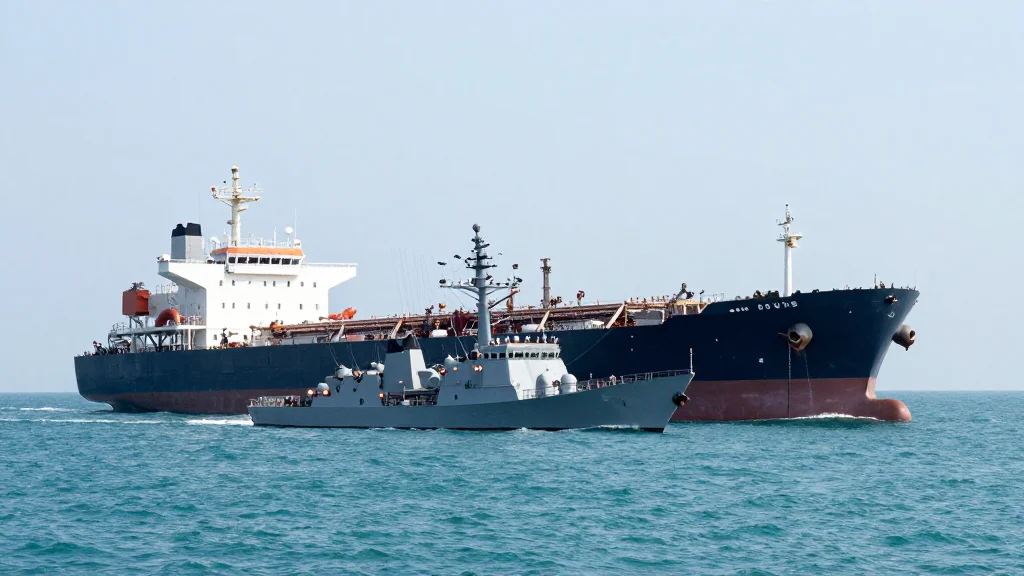
President Donald Trump announced a naval blockade of the Strait of Hormuz, restricting vessels entering or leaving Iranian ports starting 10 am NY time on April 13. The move sent Brent crude up 8.6% to over $103 a barrel and spiked European gas...
Hong Kong Increasingly Seen as a Safe Haven in Troubled World
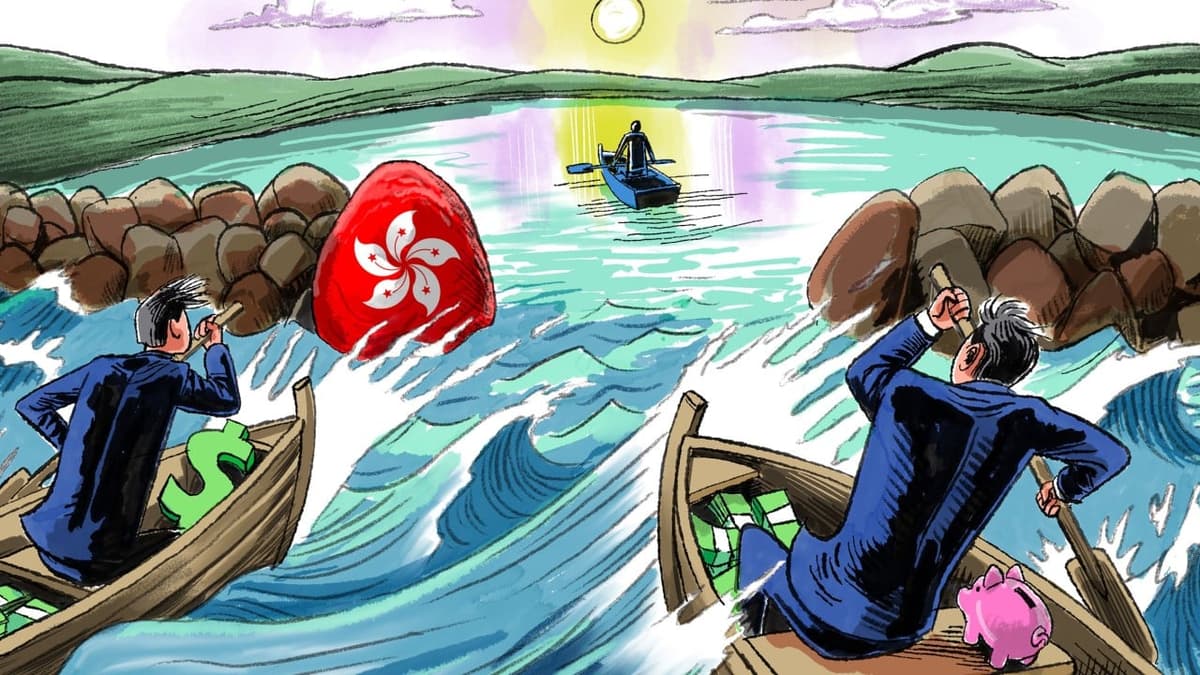
Amid escalating geopolitical tensions and fragmented supply chains, stability has become a premium asset for investors. The article argues that Hong Kong, long viewed through a risk‑laden lens, is now being reassessed as a safe haven because of its institutional continuity...
Southeast Asia’s Rising Investment Appeal: Malaysia Leads the Way Among Developing Economies in 2026
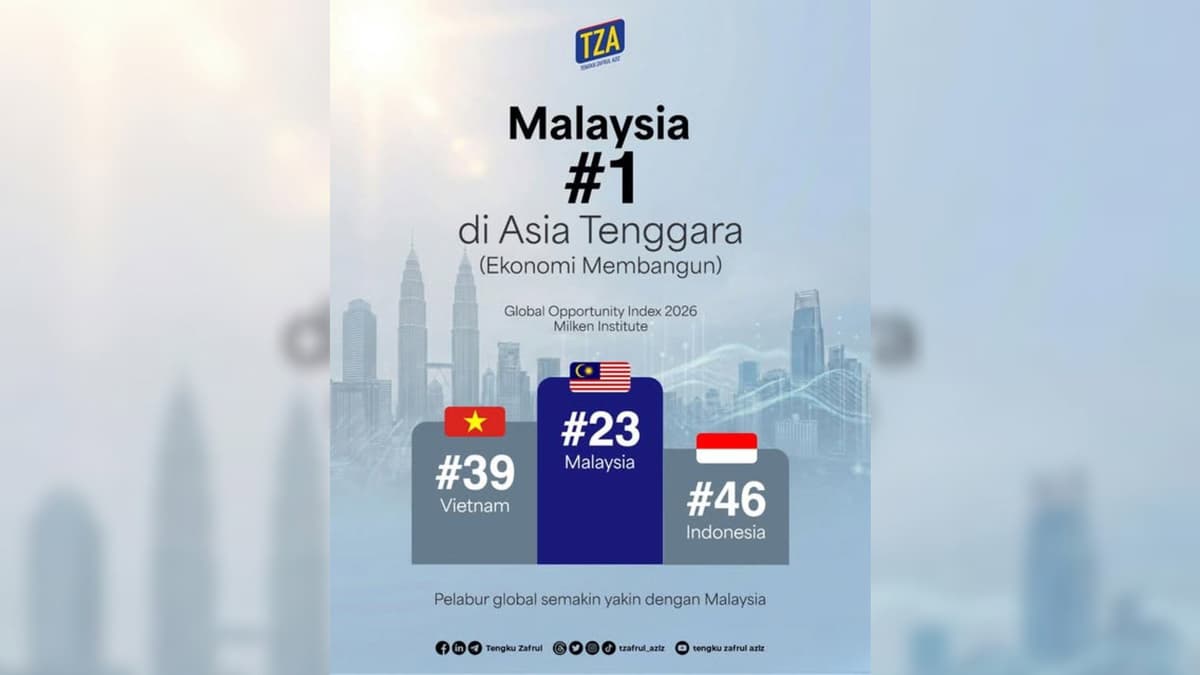
Southeast Asia is emerging as a hot spot for global capital, with six growth markets drawing 8.2% of all emerging‑market inflows between 2021 and 2024. Malaysia leads the region, ranking 23rd worldwide in the Milken Institute’s 2026 Global Opportunity Index,...
A New Ad Campaign Is Pushing Australians to Use Less Petrol. Has This Happened Before?
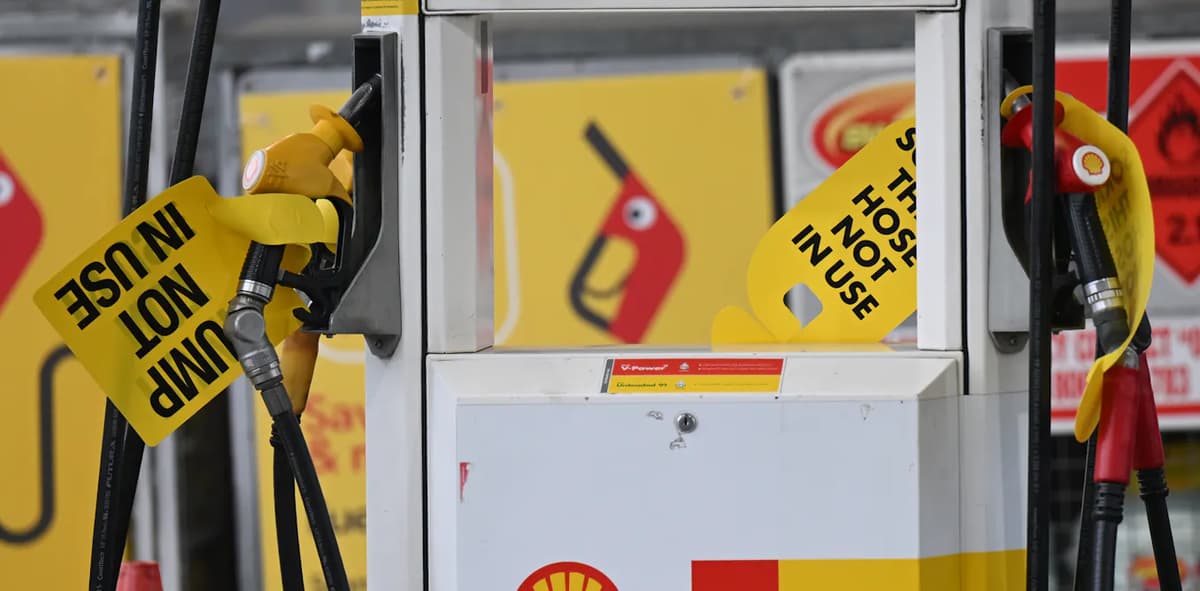
The Australian federal government has launched the "every little bit helps" ad campaign urging drivers to cut fuel consumption amid a global oil crisis and volatile Middle East supply routes. The initiative follows Prime Minister Anthony Albanese’s Singapore trip that...

U.S. LNG Exports Soar to Record Levels
U.S. liquefied natural gas (LNG) exports surged to a record 11.7 million metric tons in March 2026, driven by panic buying after missile and drone attacks on Qatar’s Ras Laffan Industrial City. Louisiana’s export terminals handled 1.8 million more tons than a year...

Grim Recession Prediction if Middle East Conflict Doesn't End Soon
Australian economists warn that a prolonged Middle East war could push the nation into recession in the second half of 2026. The forecast hinges on sustained disruptions to global oil markets, weaker demand for iron ore and coal, and a...
IMF Director Says Shock From US-Iran War Is Already 'Baked' Into the Economy
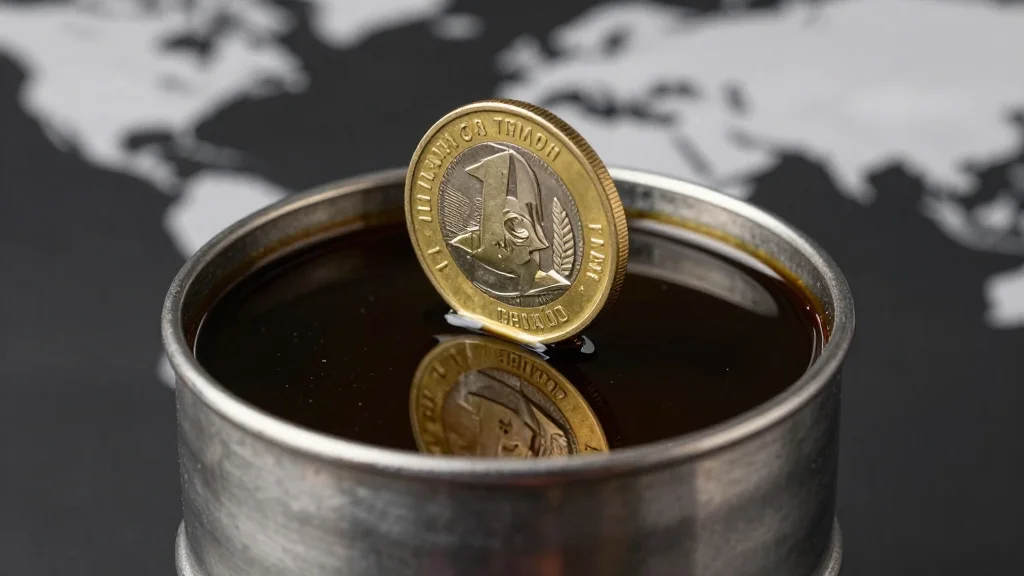
International Monetary Fund Managing Director Kristalina Georgieva told CBS that the economic fallout from the U.S.-Iran war is already "baked" into global markets. She highlighted disruptions to oil tankers, Gulf energy infrastructure and attacks on Qatari gas fields as sources...
Geopolitical Tensions May Bolster Hong Kong Office Demand as Gulf Capital Looks East
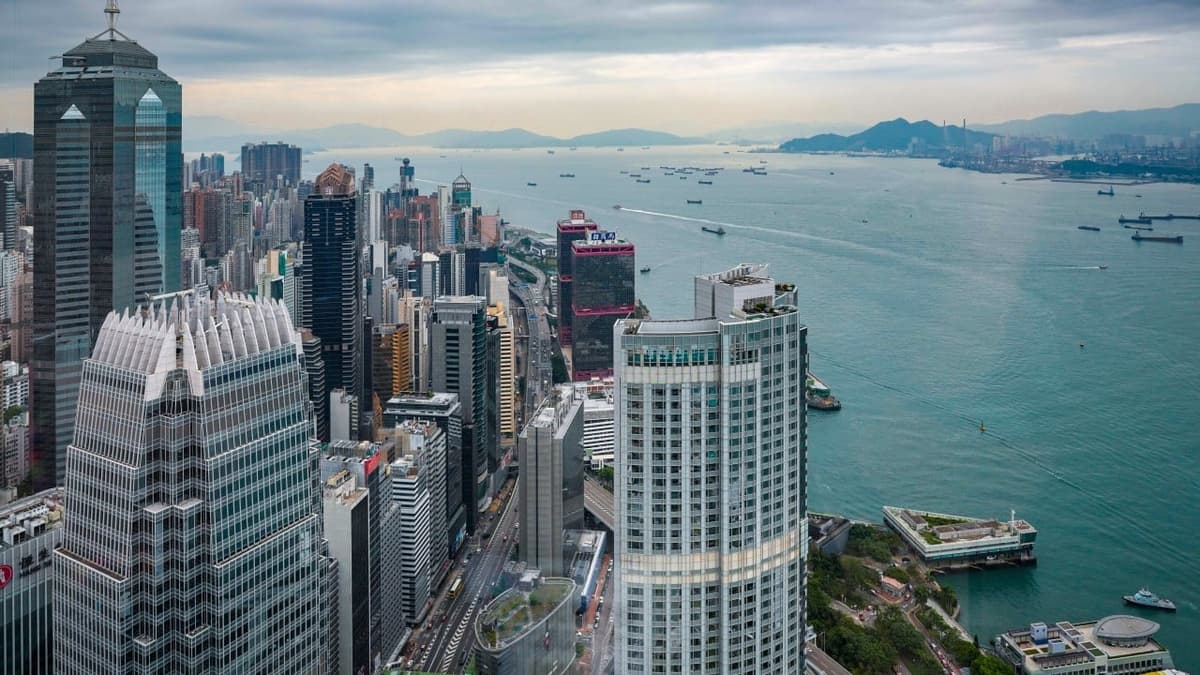
Analysts say the US‑Israel conflict with Iran and rising oil prices are prompting Gulf investors to seek stable financial hubs, bolstering demand for premium office space in Hong Kong. Leasing activity slowed in March, with 42 transactions versus 76 in...

Australia Acts To Secure Urea Amid Supply Risk From Iran War
Australia has created a government‑industry working group to protect urea supplies threatened by disruptions in the Strait of Hormuz amid the Iran war. About 60% of the nation’s urea imports travel through the strait, and while current reserves are adequate,...
Foreign Capital Reprices The India Premium
Foreign investors have largely exited Indian equities, with FIIs selling about $5.8 bn in April and $21.6 bn year‑to‑date, pushing foreign ownership to a 14‑year low. Over the past 18 months FPIs withdrew roughly $28 bn, and the MSCI Emerging Markets weighting fell...
From Toilet Paper to Travel: Why Inflation Could Soon Hit Hongkongers Hard
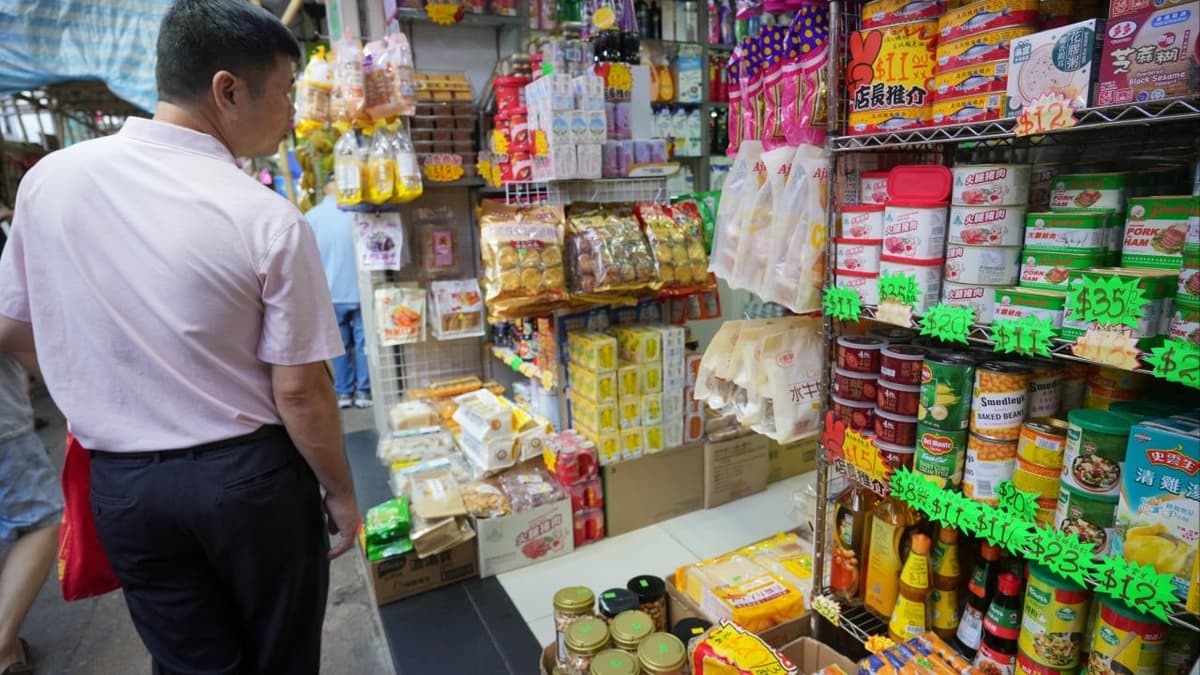
Hong Kong is feeling the fallout from the Middle East oil crisis, as record‑high petrol and diesel prices push up the cost of everyday goods from toilet paper to asphalt. Citigroup’s Greater China economist raised the 2026 consumer price index...
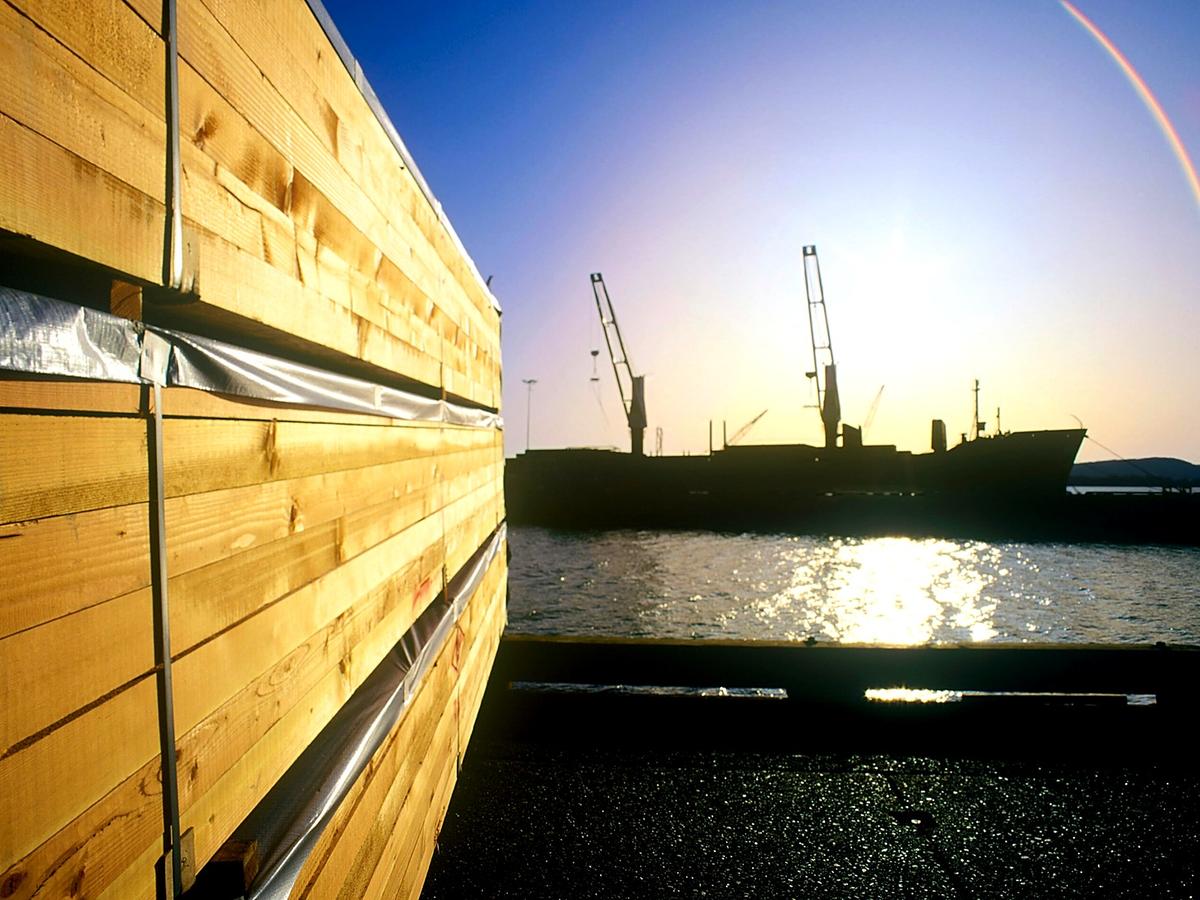
U.S. to Cut Canadian Lumber Duties by 10% — Rate Stays at 35%
The U.S. Department of Commerce issued a preliminary revision that lowers the combined antidumping and countervailing duty on most Canadian softwood lumber to 24.83%, but a 10% Section 232 tariff remains, keeping the effective burden at roughly 34.8%. Antidumping duties...