
War Has Sanctioned Russian LNG Booming
Russia’s Novatek has begun offering cargoes from its Arctic LNG 2 project to buyers in South Asia, despite the facility being subject to U.S., EU and UK sanctions. The shipments are priced at discounts of up to 40 % versus current spot‑market rates, which have recently spiked. The price gap reflects heightened demand after the United States and Israel launched a war against Iran, tightening global LNG supplies. Analysts see the move as a way for Russia to monetize its Arctic output while sanctions limit other revenue streams.

Jim Cramer Says This Is the Real Reason Why Stocks Are Shrugging Off Iran War Fears
Jim Cramer told viewers that the stock market’s bounce toward all‑time highs is driven primarily by low interest rates, not by the escalating Iran‑Israel conflict. He noted that Treasury yields have stabilized after a brief spike, allowing equity valuations to...

Oil Prices Have Higher to Go, IEA Warns
The International Energy Agency warned that current oil prices do not yet reflect the depth of the supply shock caused by the Iran‑Israel war, which has taken roughly 13 million barrels per day offline and damaged over 80 facilities. Brent and...

Global Shocks Are Back: Emerging Markets Holding Up
The latest U.S. Federal Reserve tightening in 2022‑23, despite raising rates over five percentage points, did not trigger the financial crises that historically followed such moves in emerging markets. Researchers attribute this resilience to two structural improvements: higher monetary‑policy credibility,...

US Blockade of Strait of Hormuz Begins As New Talks Weighed
The United States has initiated a naval blockade of the Strait of Hormuz, aiming to halt tanker traffic as a pressure tactic against Iran. Washington and Tehran are scrambling to negotiate a new cease‑fire before the current one lapses next...
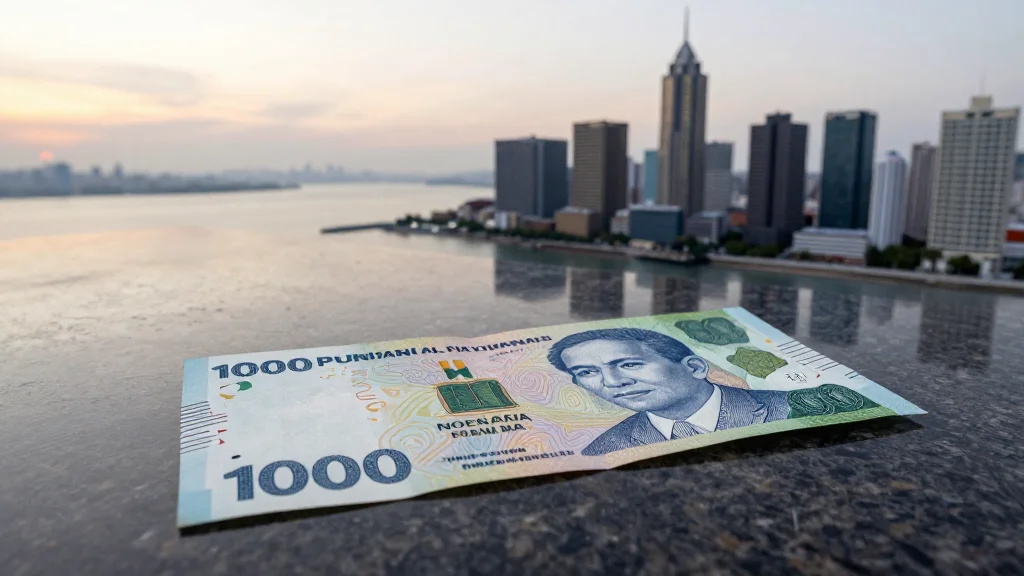
Amro: Philippines’ Debt Burden to Ease in 2026
Amro projects the Philippines’ debt‑to‑GDP ratio to fall to 62.8% in 2026, down from 63.2% in 2025, but it will stay above the 60% benchmark. Outstanding debt reached a record P18.16 trillion (about $325 billion) in February, highlighting the fiscal strain. Revenue...

Nomura Sees 60% Chance of BSP Rate Hikes
Nomura estimates a 60% chance that the Bangko Sentral ng Pilipinas will raise its benchmark rate this year, potentially adding 0.5 percentage points. The first quarter‑point hike could be announced at the April 23 Monetary Board meeting, with a second increase...

IEA Chief Warns of Tougher Month for Energy Markets
IEA Executive Director Fatih Birol warned that April will be tougher for global energy markets as the Middle East war continues to choke supply. No oil cargoes have been loaded from the region this month, and more than 80 energy facilities...

US Hormuz Blockade, Tariffs Jolt China
China called on the United States and Iran to resume negotiations after Washington launched a naval operation to close the Strait of Hormuz and threatened a 50% tariff on China for allegedly supplying air‑defence systems to Tehran. The U.S. also...

Wall Street Is the Biggest Winner of the Iran War—And the S&P 500 Just Turned Positive for the Year
Wall Street rallied on Monday as the S&P 500 jumped 1.02% to 6,886, wiping out every loss incurred since the Iran war began on Feb. 28. A brief X post by a New York Post reporter about tentative nuclear‑deal talks...
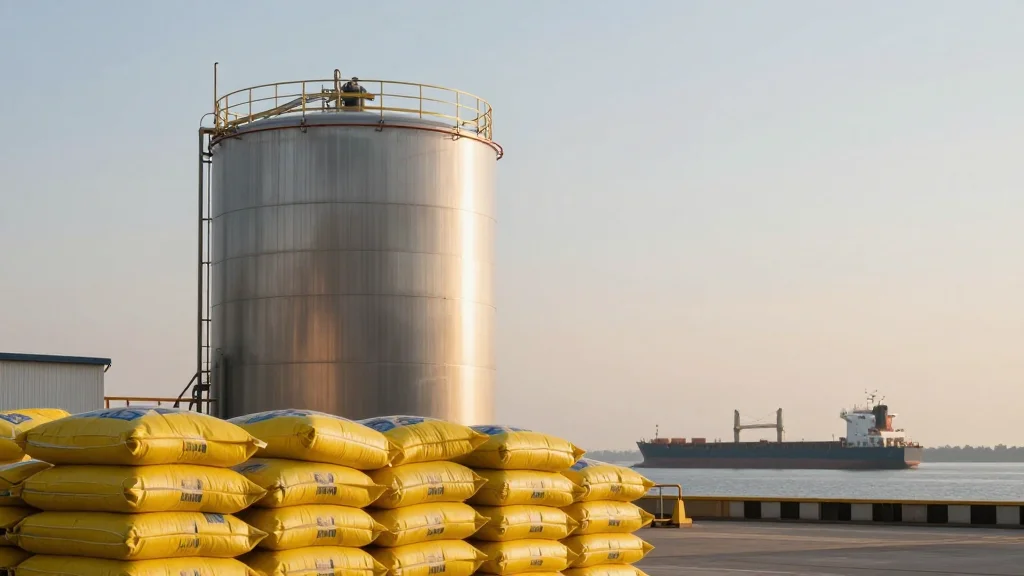
US Fertilizer Market Faces Increasing Scrutiny
U.S. phosphate exports surged in Q1 2024, tightening domestic supplies as global fertilizer trade is disrupted by the closure of the Strait of Hormuz. Prices have climbed to the highest levels since 2022, prompting criticism from President Donald Trump and...

Oil Drops as US and Iran Weigh More Talks With Blockade in Place
Oil prices slipped on Tuesday as Brent hovered around $97 a barrel and WTI near $95, after Washington announced a naval blockade of the Strait of Hormuz. The move follows a China‑linked tanker that briefly entered the strait, tested the...

Port of Los Angeles Posts Strong March as Trade and Energy Risks Build
The Port of Los Angeles handled 752,520 TEUs in March, with imports slipping 1% year‑over‑year while exports rose 7%. First‑quarter volume reached 2.39 million TEUs, about 5% below last year but matching the five‑year average. Empty container counts dropped 11%, and...

S&P Warns of Rising Corporate Credit Stress
S&P Global warns that Thailand could become one of the hardest‑hit economies if the Iran conflict drags on, as higher input costs and supply disruptions tighten corporate finances. Highly leveraged firms carry roughly 6 trillion baht (about $162 billion) in debt, representing 17%...

Trump Needs A-10s to Go After Iranian Speedboats and Patrol Ships
The Trump administration has imposed a naval blockade of Iran’s ports, allowing only non‑Iranian vessels to transit the Strait of Hormuz. To counter Iran’s 3,000‑4,000 missile‑armed speedboats and 133 patrol ships, officials argue the A‑10 Thunderbolt II is the most suitable...
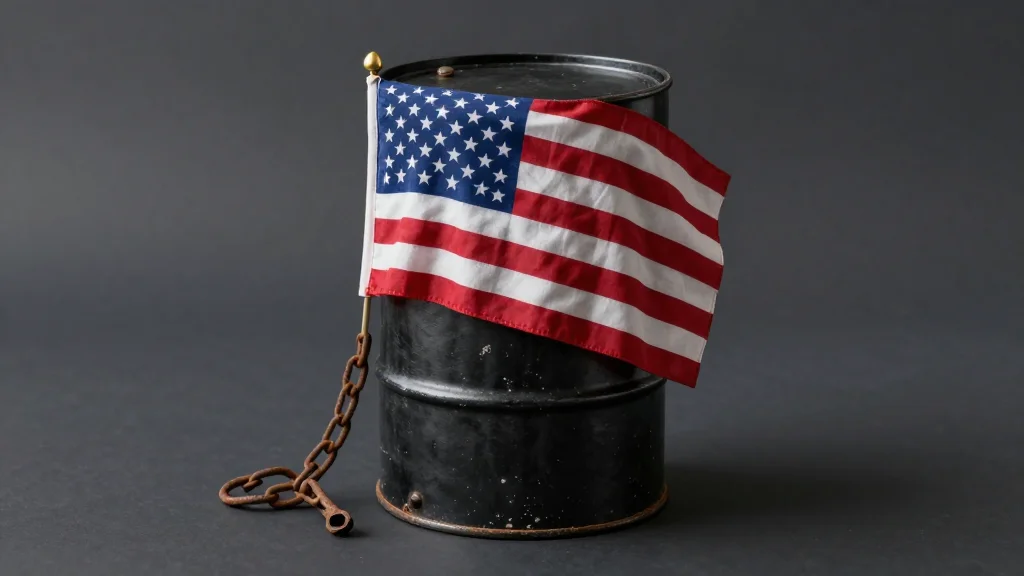
The Return of Russia Oil Sanctions
The U.S. Treasury let its general‑license waiver on Russian oil expire this weekend, re‑imposing the October sanctions on Rosneft and Lukoil. Senate Democrats claim the waiver let Russia earn more than $4 billion, while Treasury officials argue the impact is modest...

Fatih Birol: The IEA Is ‘Ready to Act’ with Additional Releases of Reserves if Needed
Dr. Fatih Birol told an Atlantic Council audience that the International Energy Agency has already released a historic 400 million barrels from its emergency reserves and stands ready to deploy additional stock if the Middle‑East crisis deepens. He warned that the current...

Economy Likely Faces Just Temporary Setback From Iran War: Survey
A Wolters Kluwer survey of corporate economists finds 59% expect the inflation surge from the Iran war to be short‑lived, projecting 2.2% U.S. GDP growth this year. Yet the conflict has nudged recession odds to 35% for the next 12 months...

The Fed Treads on XRP’s Core Payments Use Case with New FedNow Banking System Upgrade
On April 8 the Federal Reserve proposed letting U.S. banks and credit unions route the domestic leg of international transfers through the FedNow Service, effectively authorising intermediaries for cross‑border payments. The change directly targets the speed and cost advantages that Ripple...

IEA Prepared for Follow-Up Oil Release: Birol
The International Energy Agency (IEA) says it stands ready to coordinate another strategic oil release if market conditions demand, following a record emergency release that grew to 426 million barrels after the Israel‑Iran conflict began. IEA members hold about 1.25 billion barrels...

Wars, Price Shocks, and Inventories
Confluence Investment Management warns that the US‑Israeli war against Iran will prompt firms to rebuild inventory buffers, reversing the just‑in‑time model that has dominated since the early 1980s. Historical data show inventory ratios surge after major supply shocks, and the...
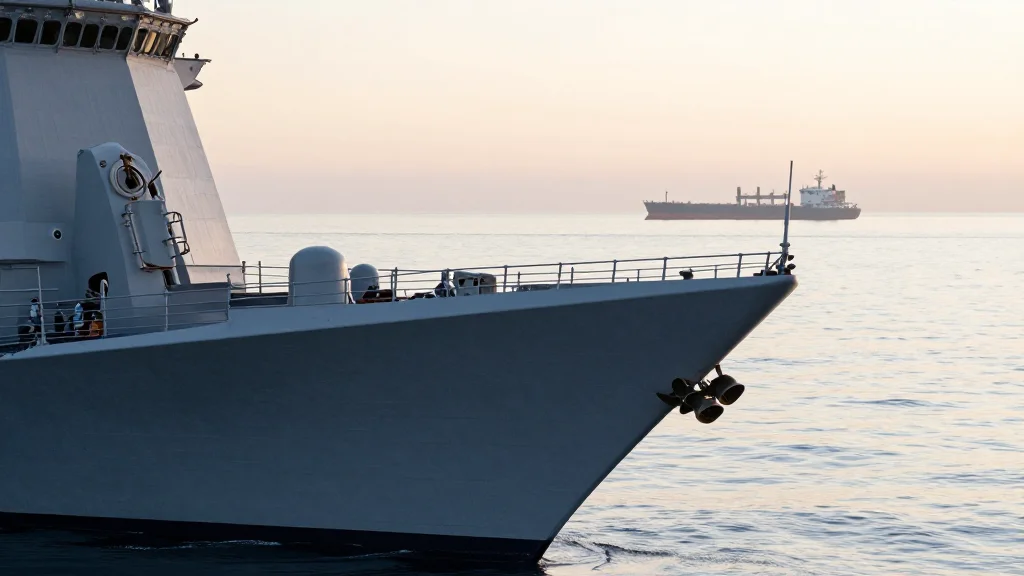
Trump Says Iran Wants to Make a Deal, Confirms Naval Blockade of Strait of Hormuz
President Donald Trump announced a U.S. naval blockade of ships departing Iranian ports as Iran signals willingness to negotiate, but insists it will not acquire a nuclear weapon. The move comes amid Iran’s shutdown of the Strait of Hormuz, a...

Redfin Economists’ Weekly Take: Mortgage Rates Hold Steady, but Iran Ceasefire Talks Keep Risk of Sudden Swings on the Table
Mortgage rates have held steady over the past few weeks, but markets remain vulnerable to sudden moves as negotiations over an Iran ceasefire progress. Bond‑market volatility has receded to levels seen in late February, yet any breakthrough—or setback—in the Strait...

Taiwan’s Helium Imports Shift to the U.S. as Geopolitical Risk Reshapes Semiconductor Supply Chains
Taiwan is rapidly shifting its helium imports from Qatar to the United States, a move evident in 2026 trade data. Helium, a critical gas for semiconductor fabrication, cannot be easily substituted, making supply security paramount. Imports from Qatar have plunged...
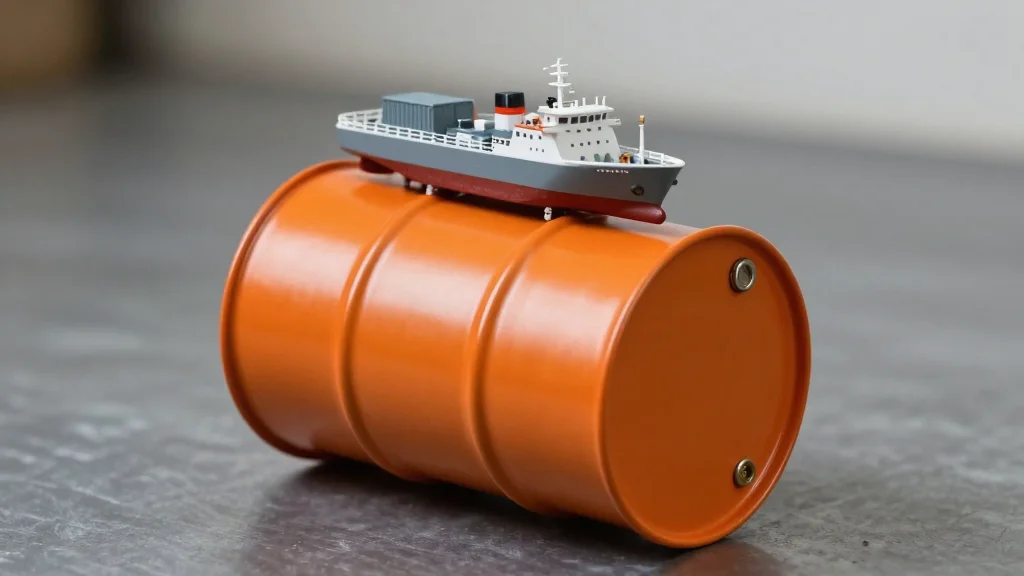
War-Driven Fuel Costs Add New Twist to Trans-Pacific Service Contract Talks
The war in Iran has caused bunker fuel prices to double across key global hubs, prompting container lines to shift refueling operations to Europe as Singapore’s supply tightens. This surge in fuel costs is being passed to shippers through higher...

Why Did Wang Yi Go to North Korea? China’s 3 Strategic Calculations
China’s foreign minister Wang Yi made an unannounced two‑day trip to Pyongyang on April 9‑10, meeting both Kim Jong Un and North Korean Foreign Minister Choe Son Hui. The visit was timed to temper Pyongyang’s recent missile tests and to smooth the diplomatic environment ahead of...

FSB Chair’s Letter to G20 Finance Ministers and Central Bank Governors: April 2026
In a letter to G20 finance leaders, FSB Chair Andrew Bailey warned that the Middle‑East conflict has delivered a sharp shock to the global economy, driving up energy prices and government bond yields. He said the turmoil adds to existing...
FSB Chair Warns of Rising Financial Risks Stemming From Middle East Conflict
Financial Stability Board Chair Andrew Bailey warned G20 ministers that the Middle East conflict is amplifying existing financial vulnerabilities. He highlighted the risk of a "double or triple whammy" as stretched asset valuations, concentrated non‑bank leverage and liquidity mismatches converge...
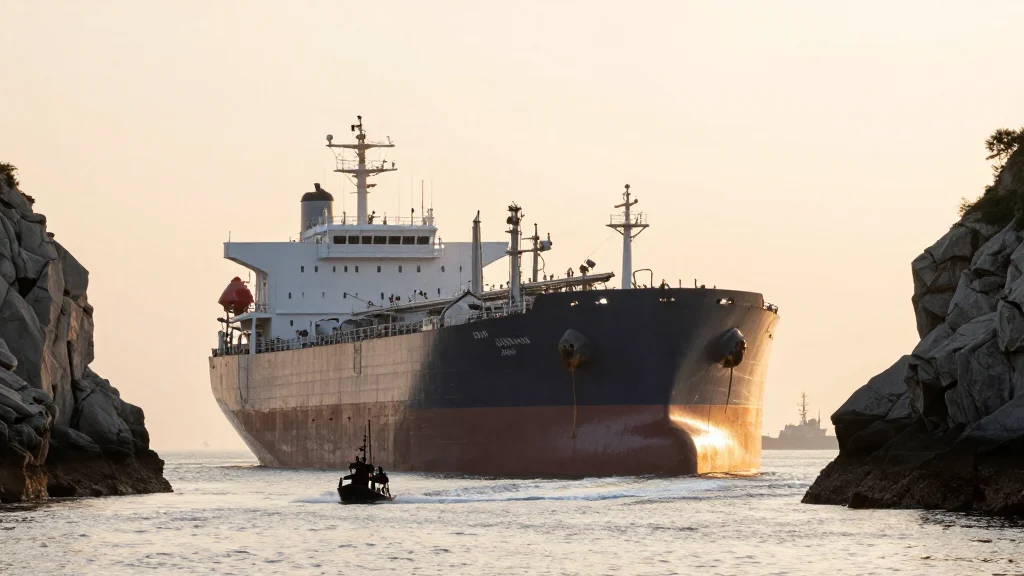
Kroenig Interviewed on NPR on Iran’s State-Sponsored Piracy
On April 11, Atlantic Council vice‑president and Scowcroft Center senior director Matthew Kroenig appeared on NPR to discuss Iran’s state‑sponsored piracy in the Strait of Hormuz. He warned that Tehran finances pirate networks that target commercial vessels, heightening risks for...

US Importers Challenge New Tariffs as Economists Warn Section 122 Is ‘Wrong Tool’
Importers and a coalition of U.S. states have filed a new lawsuit in the Court of International Trade challenging the administration's use of Section 122 emergency tariffs. Economists supporting the case argue the statute, crafted for balance‑of‑payments crises under fixed exchange...

China's Passenger Vehicle Export Overview (Jan.-Feb. 2026): Russia Leads Overall丨Gasgoo Automotive Research Institute
China’s passenger vehicle exports surged in the Jan‑Feb 2026 window, with traditional internal‑combustion models dominated by Russia, the UAE and Brazil, while new‑energy vehicle (NEV) shipments spread across Europe and emerging markets. ICE exports grew on price advantage and expanding...
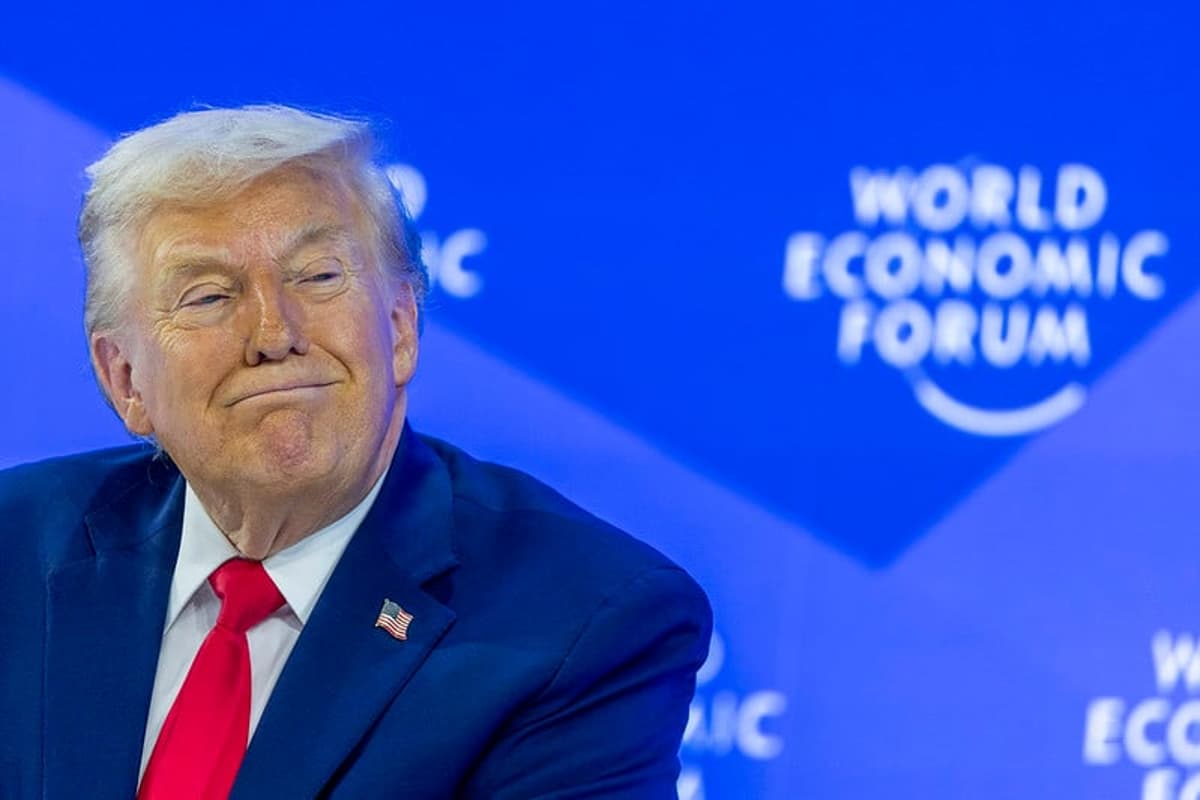
Orbán’s Far-Right Allies Fall Silent, or Reach Out to Magyar
Viktor Orbán’s defeat in Hungary’s April 13 election prompted a mixed response from his international far‑right backers. While figures such as Donald Trump, JD Vance, Benjamin Netanyahu and Javier Milei stayed silent, others like Marine Le Pen, Santiago Abascal and Vladimir Putin’s envoy voiced alarm....
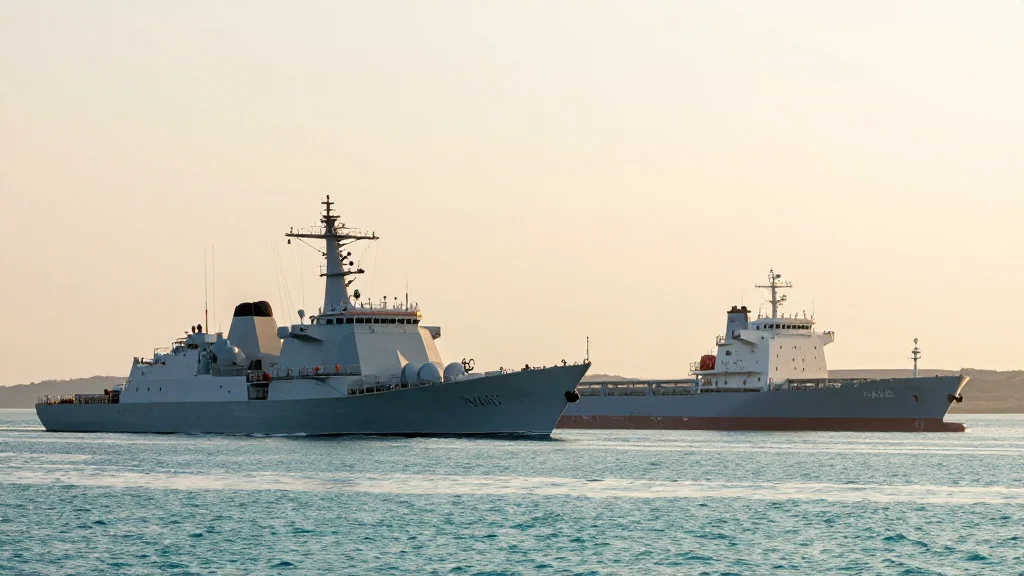
NATO Allies Refuse to Join U.S. Hormuz Blockade, Deepening Rift With Trump
NATO allies publicly declined President Donald Trump's proposal to block maritime traffic in the Strait of Hormuz, insisting they will only act after hostilities with Iran cease. The United States scheduled the blockade for 1400 GMT, targeting vessels bound for Iranian...

Energy Shock Hits Europe: Prometeia
Prometeia’s latest brief warns that a sharp rise in energy prices—sparked by shipping disruptions in the Strait of Hormuz and heightened Iran tensions—has pushed Italy’s 2026 GDP growth forecast down to 0.4% and inflation up to 2.9%. The energy shock...

Will the IMF Ever Learn?
The International Monetary Fund is under intense scrutiny as its Spring Meetings coincide with a decennial Review of program design. Critics argue the IMF continues to impose austerity and regressive tax measures despite internal research showing these policies harm growth...
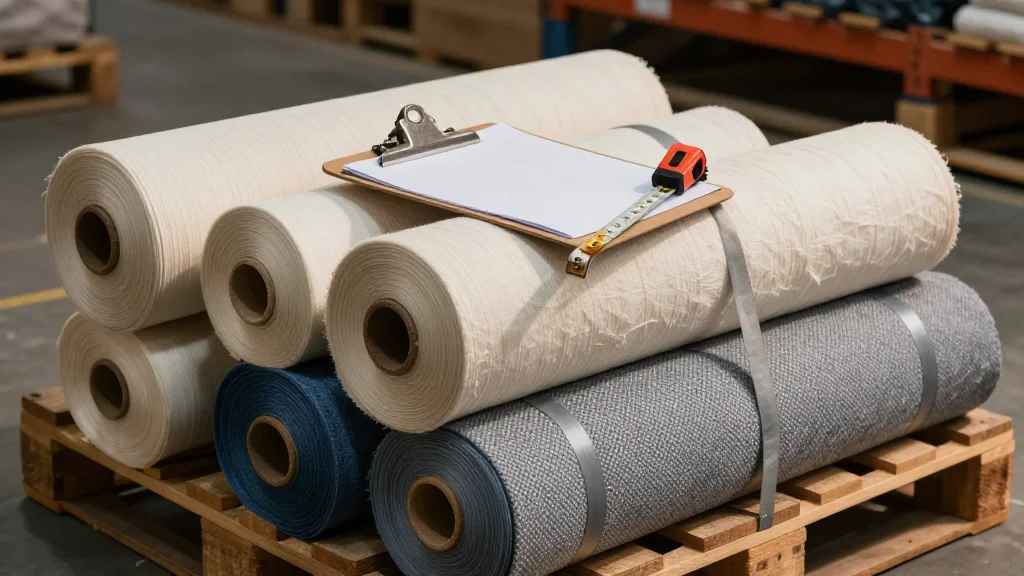
Suppliers Warn of Textile Price Hikes Amid Middle East Conflict
Textile suppliers report 10‑15% price hikes since the US‑Israeli strikes on Iran began on Feb. 28, with polyester—accounting for about 60% of global fibre production—hit hardest. The surge mirrors oil prices, which climbed over 7% to roughly $100 per barrel and...
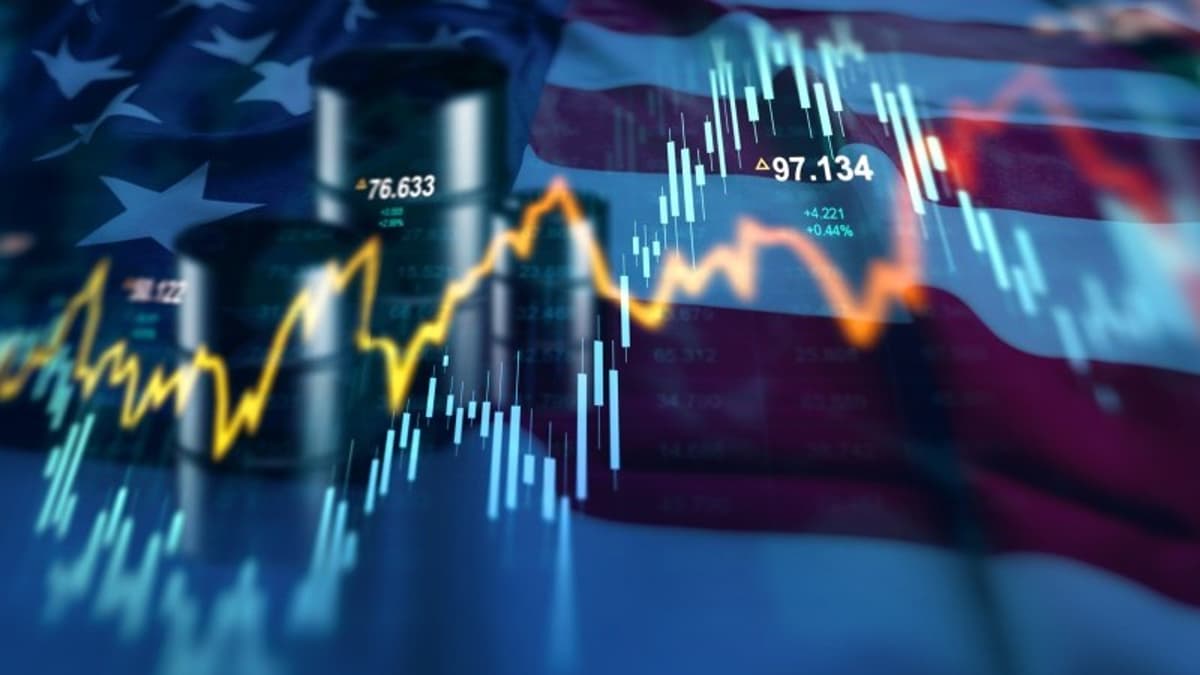
Rates Spark: Equities Are Back, but Bonds Are Not - Why?
Equities have largely rebounded from the February‑28 Middle East turmoil, with the S&P 500 regaining roughly 80% of its losses, while high‑yield spreads have normalized. Bond markets remain under pressure as long‑tenor yields stay elevated, driven by stubborn inflation and higher...

Singapore's Straight Talking on Strait Blockade
Singapore Foreign Affairs Minister Vivian Balakrishnan told parliament that Singapore backs the long‑standing international rule that bordering states may not impede or charge for transit passage through straits. He highlighted that the Strait of Malacca moves more oil and containers...

Global Downgrades Unwind India’s Premium, Cap Market Upside
Global brokerages including Goldman Sachs, Nomura, Citi and Bernstein have downgraded India from overweight to neutral, trimming Nifty targets by 10‑15% as earnings recovery stalls. The revisions reflect heightened energy costs, supply disruptions and a reassessment of India’s risk‑reward profile...

Trump Administration’s Temporary Reprieve on Russian Oil Expires
The Treasury Department’s one‑month sanctions waiver that let Russia sell oil at sea expired on April 13, ending a temporary lifeline that helped keep global crude prices in check. The waiver, introduced amid a Middle‑East conflict that pushed oil above...
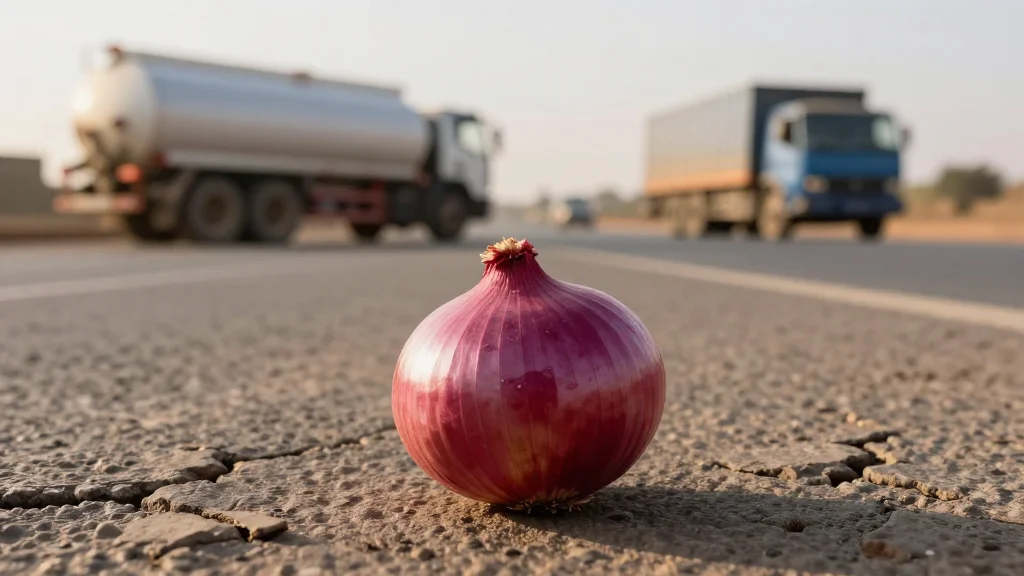
Fuel-Linked Price Rises Hit Ethiopia Ahead of Orthodox Easter
Ethiopia’s grocery market is feeling a sharp price shock as fuel shortages tied to Middle‑East conflict raise transport costs dramatically. Freight charges have surged from 70,000 birr ($450) to over 250,000 birr ($1,600), delaying shipments and spoiling perishable produce. Onion...

How Different Will Magyar Be From Orbán? We Analyse His Views on EU, Russia, Ukraine, and Trump
Péter Magyar, leader of the Tisza party, won a parliamentary majority and pledged to dismantle Viktor Orbán’s political system "brick by brick." While promising domestic reforms and a pro‑European trajectory, he signaled continuity in foreign policy, keeping Russian energy ties...

Iran War Tests BRICS — And Reveals Its Limits
More than two months after the U.S. and Israel launched attacks on Iran, the conflict is edging toward a fragile cease‑fire, but the closure of the Strait of Hormuz has sent global fuel and food prices soaring. BRICS – Brazil,...

American Compass’s “Tariff Tally” Doesn’t Add Up
American Compass’s "Tariff Tally" claims that Trump‑era tariffs modestly raise prices, boost manufacturing demand, spur investment, and lift growth. Independent research shows tariffs largely passed through to import prices (86‑95%), added about 0.76 percentage points to headline inflation, and produced mixed...

UK 'Not Supporting' U.S. Iran Blockade as France's Macron Confirms 'Multinational' Talks on the Strait of Hormuz
The United Kingdom announced it will not support the United States’ planned blockade of Iranian ports, rejecting any involvement in what Prime Minister Keir Starmer called a "war of choice." President Donald Trump has ordered the blockade to begin at...
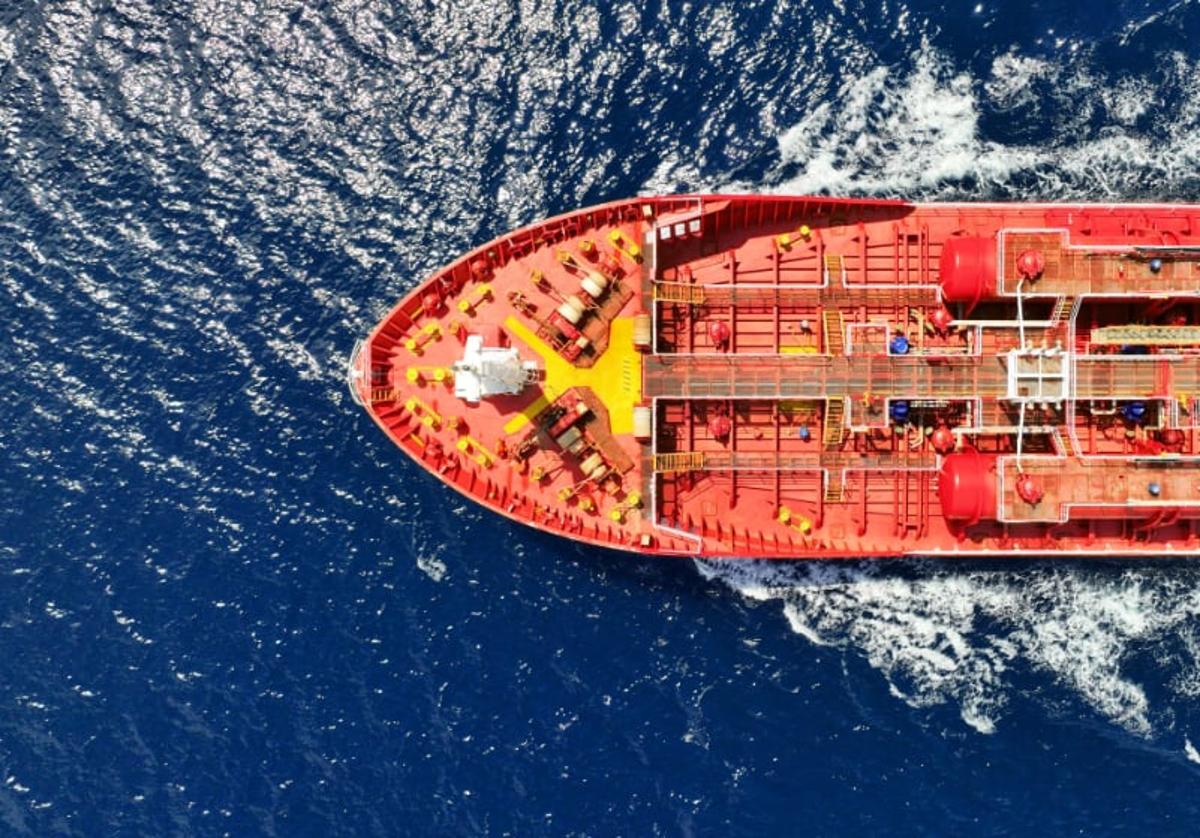
Gulf Blockade Piles Pressure on Textile Chemicals
The ongoing Gulf blockade is tightening the supply chain for textile chemicals, as the Strait of Hormuz—responsible for about 20% of global oil—faces operational disruptions. Senior executives from major suppliers, including Transfar and Tanatex, say the crisis has moved from...
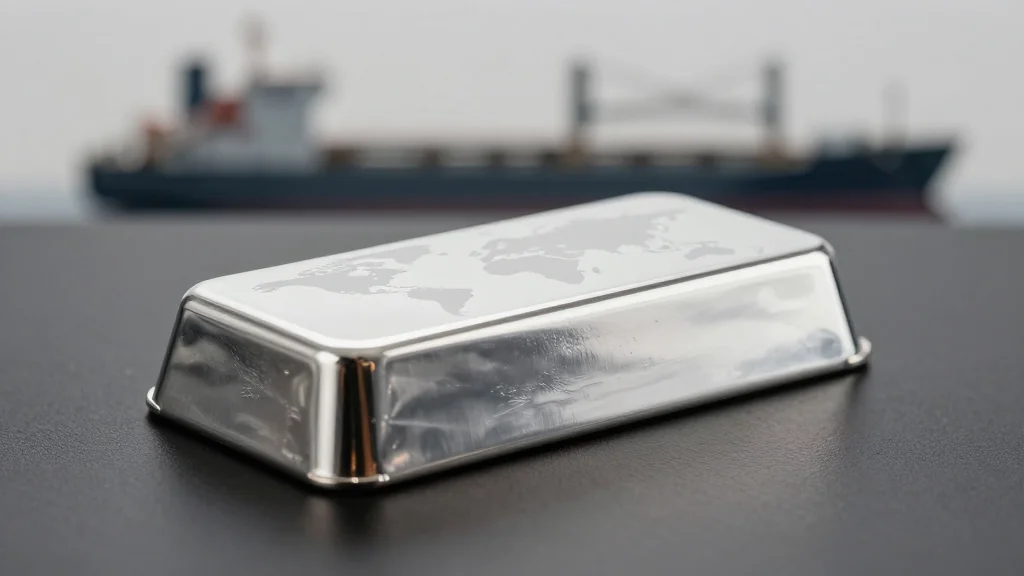
Aluminum Hits 4-Year High on Trump’s Blockade of Hormuz
Aluminum prices surged to a four‑year peak on the London Metal Exchange, reaching $3,570 a ton after President Donald Trump announced a blockade of Iranian ports. The spot‑cash spread widened to $95.50 a ton, the strongest backwardation since 2007, reflecting...

Investors ‘Back to the Drawing Board’ as Iran Deal Stalls. This Is What Advisors Should Know
Investors are re‑evaluating stock valuations as U.S.–Iran negotiations stall, sending Brent crude above $100 a barrel and West Texas Intermediate past $101. The market reacted with the Dow down 0.5% and the S&P 500 flat, underscoring heightened geopolitical risk. Meanwhile, Goldman...

Oil Price Tops $100 a Barrel as US Prepares Strait of Hormuz Blockade; Goldman Sachs Posts Rise in Profits –...
Oil prices surged past $100 a barrel, with Brent trading at $102.31 as the United States prepared a naval blockade in the Gulf of Oman amid the Iran‑Israel conflict. Goldman Sachs reported a 48% jump in investment‑banking fees, posting Q1...
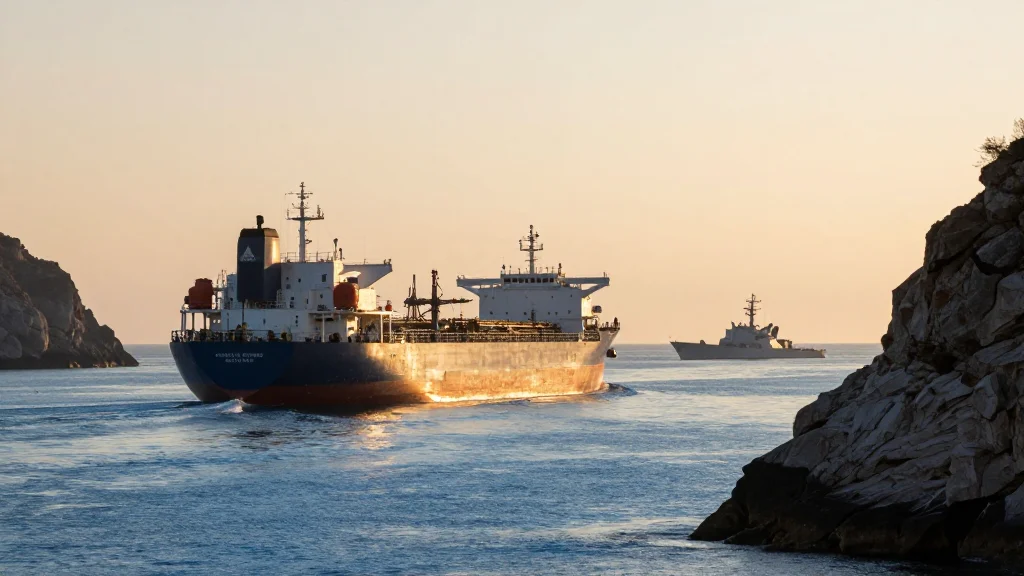
Pre-Markets Down as U.S. Sets Blockade at Hormuz
U.S. forces announced a blockade of the Strait of Hormuz, sending oil prices sharply higher and casting a geopolitical shadow over the opening bell. WTI crude rose to $104 a barrel and Brent to $102, while major equity indexes opened...