Today's Nanotech Pulse

Left‑handed DNA origami tubes double chemotherapy efficacy
Researchers at the Cancer Center at Illinois showed that left‑handed DNA origami tubes loaded with the drug Daunorubicin kill acute myeloid leukemia cells more than twice as effectively as right‑handed tubes. The tubes display CD117‑targeting aptamers and their left‑handed geometry promotes rapid internalization, boosting cell‑killing potency.

Guiding Nano Assembly for Drug Delivery with Machine Learning
Researchers repurposed the FAP inhibitor SP‑13786 as a co‑assembly excipient to create SP co‑assembled nanoparticles (SCAN) that encapsulate hydrophobic drugs. Using molecular dynamics and a random‑forest machine‑learning model, they identified 228 physicochemical descriptors that predict successful nano‑co‑assembly, highlighting aromaticity and rigidity as key factors. In murine models of myocardial fibrosis, SCAN showed superior cardiac accumulation and sustained drug retention compared with free drug, while also demonstrating efficacy in a pancreatic cancer model. The approach offers a data‑driven, scalable route to high‑loading nanocarriers for fibrotic and stromal‑dense diseases.
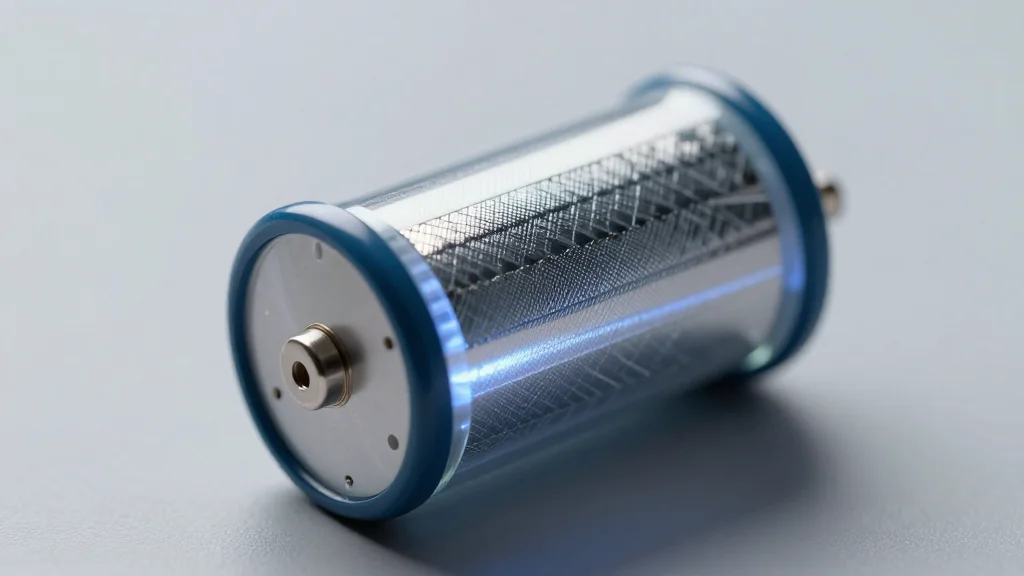
Carbon-Ion Energy Explores Graphene Integration in Its Supercapacitors
Carbon‑Ion Energy announced it is re‑examining graphene integration in its supercapacitors. The effort involves collaboration with graphene producers Levidian and HydroGraph, which supply ultra‑pure graphene of 99.9% and 99.8% purity using combustion‑based processes. The company expects the new graphene structures...

Tracing Extracellular Vesicles' Journey From Cancer Cells to Urine
Researchers at the Institute of Science Tokyo directly traced small extracellular vesicles (sEVs) from tumors to urine in mouse models of brain, lung and pancreatic cancer. Using engineered RNA tracers and luminescent‑fluorescent reporters, they showed tumor‑derived sEVs appear in urine...

Ultrashort Orbital Diffusion Length
Researchers Urazhdin and Lee used terahertz emission spectroscopy on heavy‑metal/ferromagnet heterostructures to directly probe orbital angular momentum transport. Their measurements reveal an orbital diffusion length of only about one nanometer, far shorter than the previously assumed micron‑scale range. The study...

Evidences of Subnanometre Orbital Diffusion Length in Heavy Metals Using Terahertz Emission Spectroscopy
Researchers used terahertz emission spectroscopy to directly probe orbital‑angular‑momentum transport in heavy metals, revealing diffusion lengths below one nanometer. The study combined ultrafast laser excitation with inverse orbital Rashba–Edelstein detection, demonstrating ballistic orbital currents that decay over sub‑nanometre scales. These...

Antibacterial Coatings with Short-Term Effect May Fail over Longer Periods of Time
University of Tartu researchers demonstrated that titanium‑dioxide (TiO₂) antibacterial coatings lose effectiveness after prolonged UV‑A exposure because the photocatalytic reaction degrades the acrylic binder, releasing nanoparticles and diminishing reactive oxygen species. In contrast, zinc‑oxide (ZnO) particles preserve the coating matrix...

Using Individual Atoms to Achieve Fossil-Free Chemistry
ETH Zurich researchers have unveiled a single‑atom indium catalyst anchored on hafnium‑oxide that dramatically improves CO₂‑based methanol synthesis. The catalyst uses isolated indium atoms instead of nanoparticles, achieving higher turnover while consuming far less precious metal. Stability tests show it...

'Nano-Origami' Reshapes Liquid Droplets Into Six-Pointed Stars
Researchers in France and Israel have demonstrated that an emulsified oil‑in‑water droplet can morph from a hexagonal facet into a six‑pointed star when heated. The transformation is driven by a nanometer‑thin crystalline surfactant shell that folds like origami, creating a...

Nanoparticle Vaccine Approach Takes on a New Target: Hepatitis C Virus
Scientists at Scripps Research have engineered a native‑like, stabilized version of the hepatitis C virus E1E2 glycoprotein complex and displayed it on self‑assembling protein nanoparticles (SApNPs). The nanoparticle vaccine candidate elicited strong, virus‑specific antibody responses in animal models. This breakthrough overcomes...

Defect Networks Boost Performance of Next Generation Perovskite Solar Cells
A study by the Institute of Science and Technology Austria reveals that networks of flexoelectric domain walls generate internal electric fields that separate and transport charge carriers in solution‑processed lead halide perovskites. Using a novel silver‑ion electrochemical staining technique, researchers...

Levidian and J.O. Enter MOU for Graphene R&D and Commercial Production
Levidian and J.O. have signed an MOU to jointly develop and commercialise graphene nanoplatelets using Levidian’s catalyst‑free LOOP process that also yields clean hydrogen. J.O. will adapt its carbon‑nanotube mass‑production expertise to scale graphene output and design domestic equipment for...

Vocxi Health and Forj Medical Partner to Miniaturise MyBreathPrint Device
Vocxi Health has teamed with Forj Medical to shrink its MyBreathPrint breath‑analysis system from a tabletop prototype to a handheld device the size of a deck of cards. The platform leverages graphene‑based nano sensors and AI‑driven algorithms to detect disease‑linked...
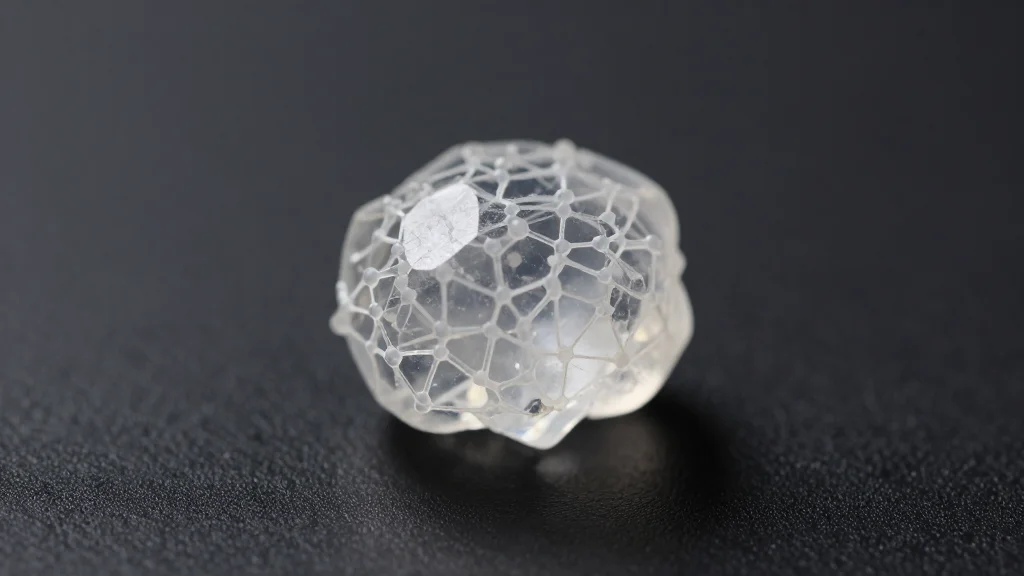
New 4D-STEM Method Isolates Atomic Structures From Clustered Nanocrystals
Scientists at Lawrence Berkeley National Laboratory have introduced a 4D‑STEM workflow that isolates individual nanocrystals from dense clusters using computational "virtual apertures." The approach couples a nanometer‑scale electron probe with a custom 4D Camera that records diffraction patterns at 87,000...
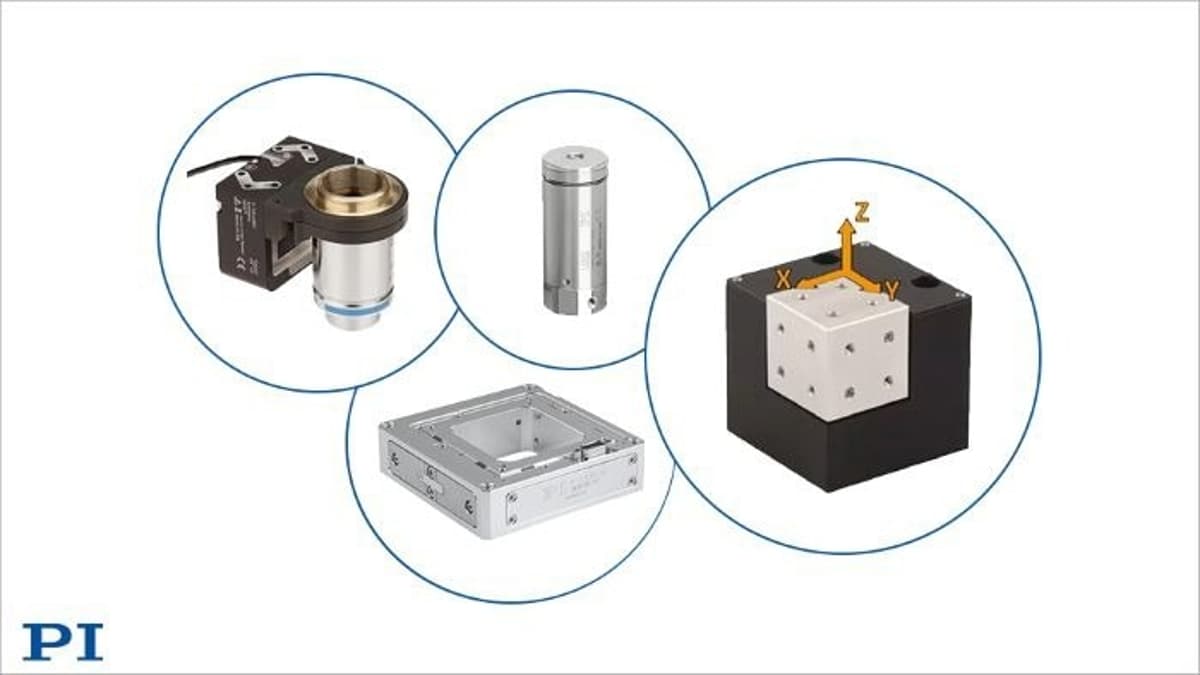
Flexure-Guided Piezo Stages Deliver Frictionless Motion for Nanopositioning, Scanning, and Alignment Applications
Physik Instrumente (PI) unveiled its flexure‑guided piezo stages, which combine friction‑free flexure guidance with high‑force PICMA multilayer piezo actuators to deliver sub‑nanometer resolution, millisecond response times, and virtually wear‑free operation. The monolithic flexure design eliminates backlash and stiction, while the...

Poking a Nanostring: Scientists Uncover Energy Cascades in Tiny Resonators
Scientists at TU Delft have engineered a nanostring that channels vibrational energy from its fundamental mode into higher-order modes, creating an internal cascade that reaches the fifth mode. The effect relies on a soft‑clamping design that lets the string flex...

Intermediate Phases Unlock Faster Nanoparticle Crystallization
Cornell researchers demonstrate that mesophases—intermediate liquid‑crystalline states—serve as stepping stones that dramatically accelerate nanoparticle crystallization. Advanced simulations show these phases lower the free‑energy barrier, enabling crystallization rates up to orders of magnitude faster while reducing defect formation. The study provides...

From Hyperbolic In-Plane Anisotropy to an Optical Chirality: A New Route to Nanoscale Circular Polarizers
Researchers exploited the extreme in‑plane hyperbolic anisotropy of the van der Waals crystal MoOCl₂ to engineer an ultrathin handedness‑preserved circular polarizer. By twisting a bilayer at a 62° angle and fine‑tuning layer thicknesses (48 nm and 58 nm), they broke mirror symmetry and generated...
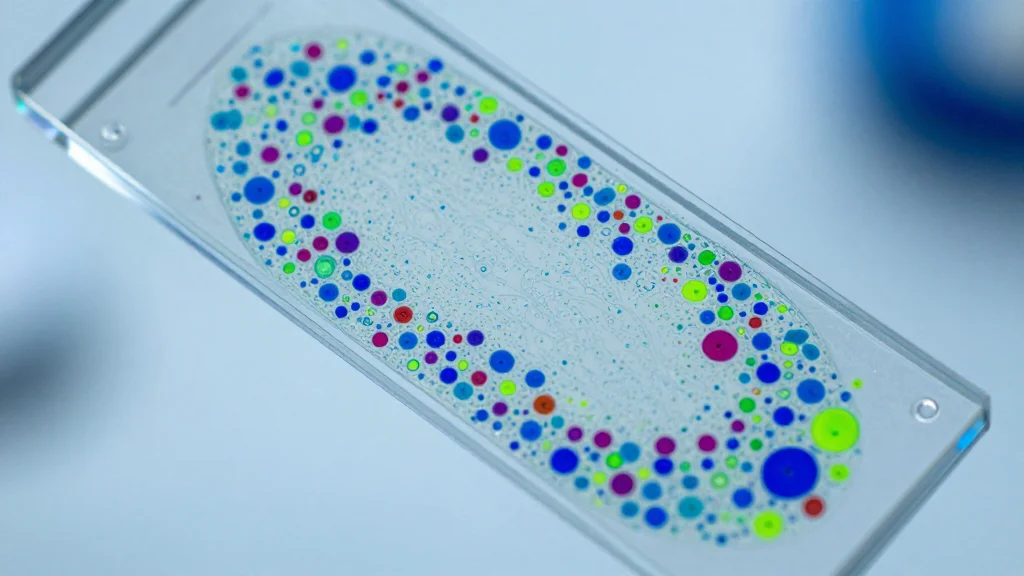
Tiny Flows, Big Insights: Microfluidics System Boosts Super-Resolution Microscopy
An international team led by the University of Göttingen has created a microfluidics platform that streamlines multiplexed super‑resolution microscopy. The system automates precise fluid exchange, replacing manual pipetting, which enhances image quality and reproducibility across long imaging cycles. It was...
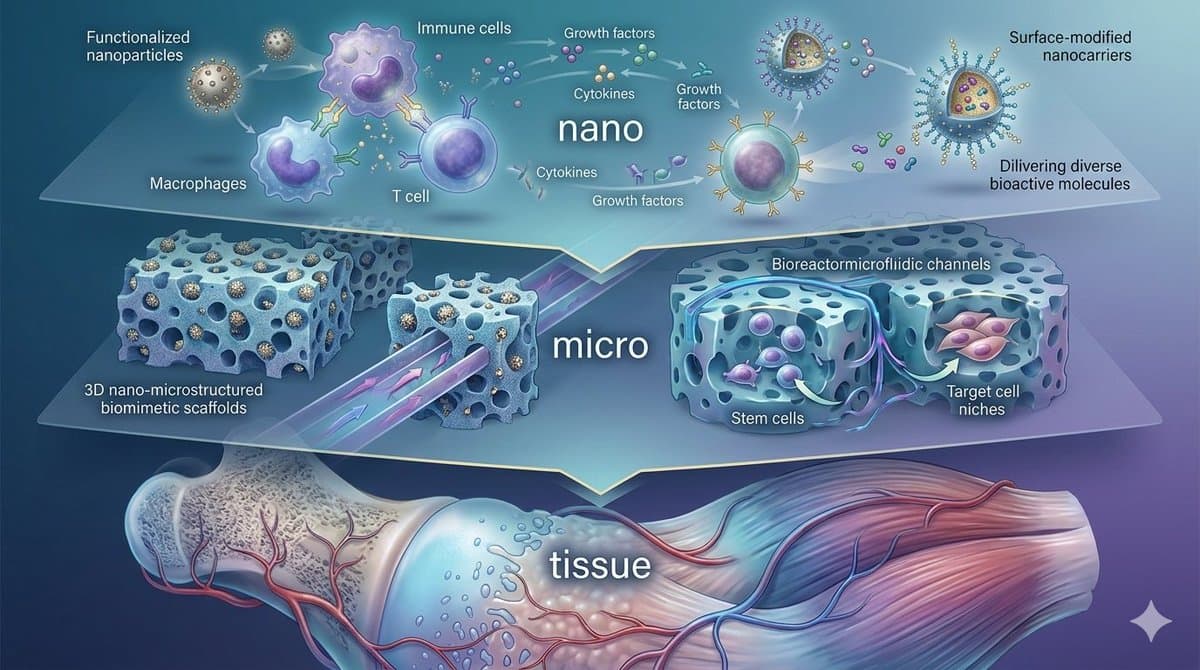
Call for Papers: Nano‑Micro Tech Drives Regenerative Medicine
🚀 Call for Papers | Special Issue in Frontiers in Bioengineering and Biotechnology Nano–Microtechnology Enabled Immuno-Engineering and Multiscale Fabrication for Next-Generation Regenerative Medicine Join us in shaping the future of regenerative medicine at the convergence of nanotechnology, immuno-engineering, advanced biomaterials, and translational...

Nanocomposite Ag Nanoparticles Boost Anticancer Potential
Researchers have engineered a nanocomposite incorporating silver (Ag) nanoparticles that markedly improves anticancer efficacy. The hybrid material boosts reactive oxygen species generation and enhances tumor cell uptake while sparing normal tissue. In vitro studies show synergistic activity with standard chemotherapeutics,...

A Flash of Laser Light Flips a Magnet in Major Light-Control Breakthrough
Researchers at the University of Basel and ETH Zurich used a focused laser pulse to reverse the polarity of a specialized ferromagnet made from twisted bilayer molybdenum ditelluride, achieving the switch without any temperature rise. The experiment, published in Nature,...

Preemptive Thermochromic Smart Coating for Visual Friction Damage Recognition and Corrosion Protection in Offshore Structures
Researchers have developed a sandwich‑structured thermochromic smart coating that visually signals friction‑induced heating on offshore steel cables by fading from blue to colorless. The coating incorporates silica‑encapsulated TC@SiO2 microcapsules between polyurea and epoxy layers, delivering a wear rate of 5.86 × 10⁻⁵ mm³·N⁻¹·m⁻¹...
Valorization of Plastic Waste Into Hydrogen: Ni–Co/Al2O3–ZrO2 Nanocatalyst for Efficient Steam Reforming of Low‐Density Polyethylene (LDPE)
Researchers demonstrated a solvent‑assisted steam reforming process that converts low‑density polyethylene into hydrogen using a 20 wt % Ni–Co/Al₂O₃–ZrO₂ nanocatalyst. By dispersing LDPE in ethylene glycol, the method achieved 95 % feed conversion and a 92.7 % hydrogen yield under optimal conditions (S/C 9, 500 °C,...
Low‐Voltage, High‐Sensitivity NIR Ambipolar Organic Phototransistor Based on a Non‐Fullerene Acceptor
Researchers have created a low‑voltage near‑infrared (NIR) organic phototransistor using the non‑fullerene acceptor Y6 as an ambipolar channel and an Al2O3 gate dielectric modified with an ODPA self‑assembled monolayer. Interface engineering with the ODPA SAM enhances Y6 film crystallinity, reduces...
Diamine Grafting of Pyrazole‐Based MOF‐303 for Diluted‐Source CO2 Capture
Researchers grafted ethylenediamine onto the pyrazole‑based MOF‑303 via pyrazole deprotonation, creating the amine‑functionalized MOF‑303#EDA. The material captures 0.71 mmol g⁻¹ CO₂ at 298 K and 450 ppm, and reaches 2.5 mmol g⁻¹ at 0.15 bar. Breakthrough experiments demonstrate stable cyclic performance, confirming its suitability for point‑source capture....

Selective Lipoprotein Removal Enables High‐Purity EV Isolation From Plasma via Aptamer‐Based Mesh Filtration
Researchers introduced ApoFilter, an aptamer‑functionalized mesh filtration system that selectively removes plasma lipoproteins while allowing extracellular vesicles (EVs) to pass. The platform targets ApoA1 and ApoB100, depleting over 99% of HDL and (V)LDL within a minute using gravity‑driven flow. Integrated...
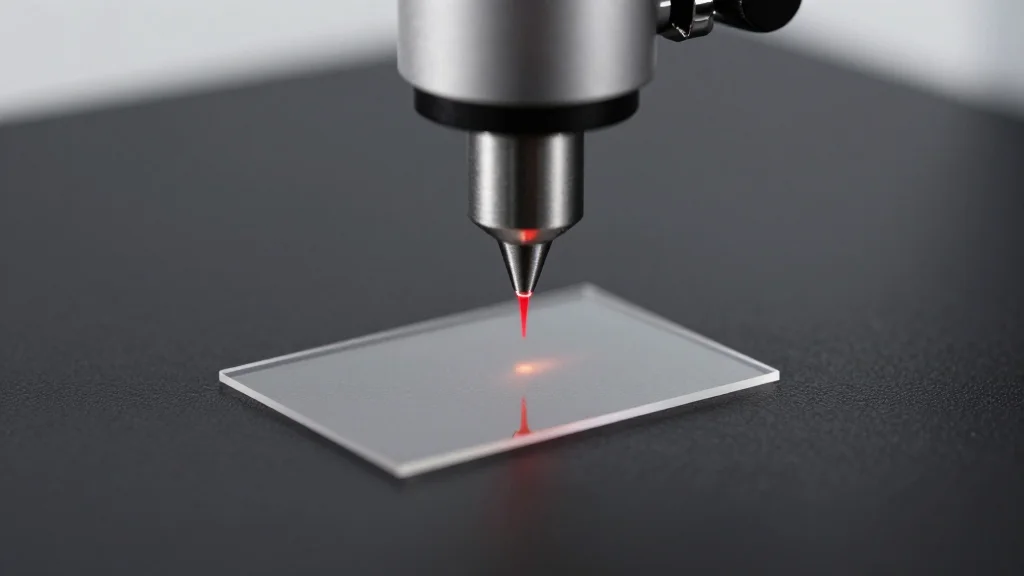
Localized Thermomechanical Measurements of Polymers and Blends with AFM‐IR
Researchers have introduced Photothermal Resonant Infrared Mechanical Analysis (PRIMA), a technique that couples chemistry‑selective infrared heating with atomic force microscopy nanomechanical measurements. The method demonstrates controlled melting of polyethylene glycol films and detection of glass‑transition temperatures in thickness‑confined poly(lactic acid)...
High‐Voltage All‐Solid‐State Lithium Metal Batteries Mediated by the YF3 Strengthened Polycaprolactone Electrolytes
The study introduces a YF3‑reinforced polycaprolactone solid polymer electrolyte that dramatically improves ionic conductivity and oxidative stability for all‑solid‑state lithium metal batteries. Electron donation from PCL carbonyls to YF3 weakens Li‑polymer coordination while the Lewis‑acid YF3 enhances anti‑oxidation, delivering a...

Atomic‐level Geometric Engineering Modulating D‐s Hybridization of Ordered RuGa Intermetallic for Efficient Hydrogen Electrocatalysis
Researchers introduced an atomically ordered RuGa intermetallic that deliberately disrupts ruthenium’s geometric symmetry, weakening its hydrogen binding strength. This geometric engineering yields a catalyst that outperforms conventional Ru/C in both hydrogen oxidation (HOR) and evolution (HER), delivering a 1.02 mA cm⁻² exchange...

Clinically‐Relevant Static Magnetic Field Induces Release of Encapsulated Molecules From Magnetoliposomes
Researchers demonstrated that a clinically‑available 1.5 T static magnetic field can trigger the release of encapsulated molecules from magnetoliposomes (MLs). The study used citric‑acid‑stabilized Fe₃O₄ nanoparticles, with and without a chitosan coating, and monitored structural changes via SAXS and DLS. Fluorescence...

GMG Allocates Capital for Completion of New Graphene Manufacturing Plant
Graphene Manufacturing Group (GMG) has secured an additional AU$1.4 million, raising total capital for its Gen 2.0 graphene plant to AU$2.3 million. The facility, designed to produce up to 10 tons of graphene per year, is slated to be completed and operational by mid‑2026....
MXene‐Based Electromagnetic Interference Shielding Materials: A Leap From Fundamental Research to Intelligent Customization
MXene-based electromagnetic interference (EMI) shielding materials have progressed from laboratory research to intelligent, customizable devices. Recent composites achieve shielding effectiveness above 80 dB while weighing less than 0.1 g cm⁻³, and specific shielding effectiveness (SSE/t) surpasses 30,000 dB·cm²·g⁻¹. Integration of AI‑assisted design platforms and...

From Fundamental Understanding to Modification Strategies of Cobalt Molybdates in Electrocatalytic Oxygen Evolution Reaction
The review examines cobalt molybdate (CoMoO4) as a non‑noble metal catalyst for the oxygen evolution reaction (OER), highlighting its abundant resources, bimetallic synergy, and structural flexibility. It contrasts the adsorbate evolution mechanism with the lattice‑oxygen participation mechanism, showing how Mo⁶⁺...

Immiscible Binary Organic Phase‐Change Composites with Segregated H‐BN Networks for Advanced Thermal Management (Small 13/2026)
Researchers Donghun Lee and Chae Bin Kim have developed immiscible binary organic phase‑change composites that self‑assemble into segregated hexagonal boron nitride (h‑BN) networks via particle‑stabilized emulsification. The melt‑mixed architecture achieves a thermal conductivity of 20 W m⁻¹ K⁻¹ while maintaining shape stability above...
Impact of Additive‐Induced Electric Polarization on Solar Cell Performance: CsPbI3 as a Case Study
Researchers demonstrated that dipolar additives in CsPbI3 perovskite films simultaneously improve film uniformity and induce electric polarization. Using piezoresponse force microscopy and Kelvin probe force microscopy, they quantified the effective piezoelectric coefficient and surface potential shifts linked to additive‑driven dipoles....
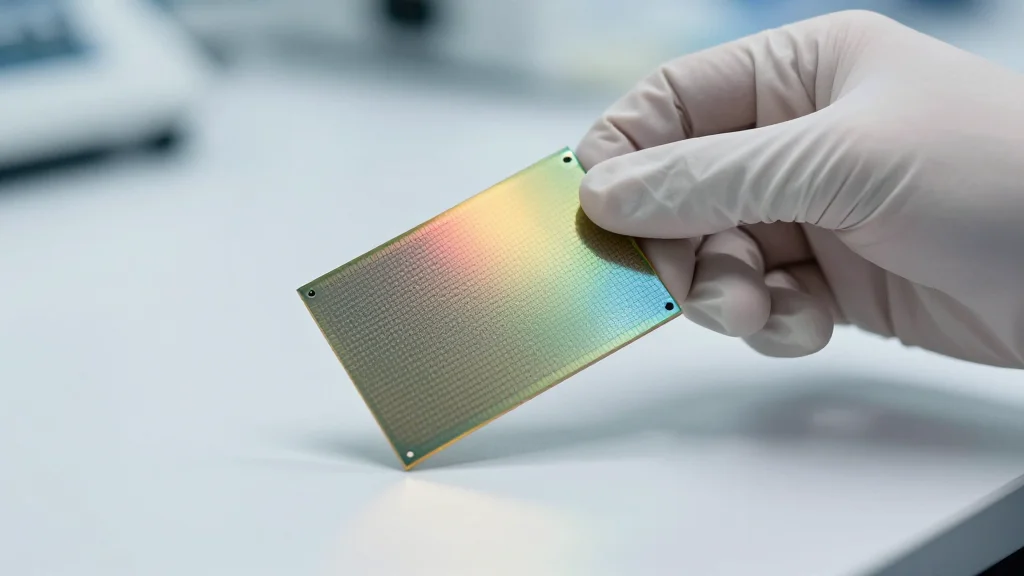
One‐Pot and Closed‐Loop Recycling of Biomass‐Derived Soft Electronics Toward Zero E‐waste (Small 13/2026)
Researchers Jin Kon Kim, Chungryong Choi and colleagues have unveiled a one‑pot, closed‑loop chemical recycling process for soft electronics built from biomass‑derived polymers. The technique fully disassembles devices, recovers all constituent materials, and enables re‑fabrication without any measurable loss of...
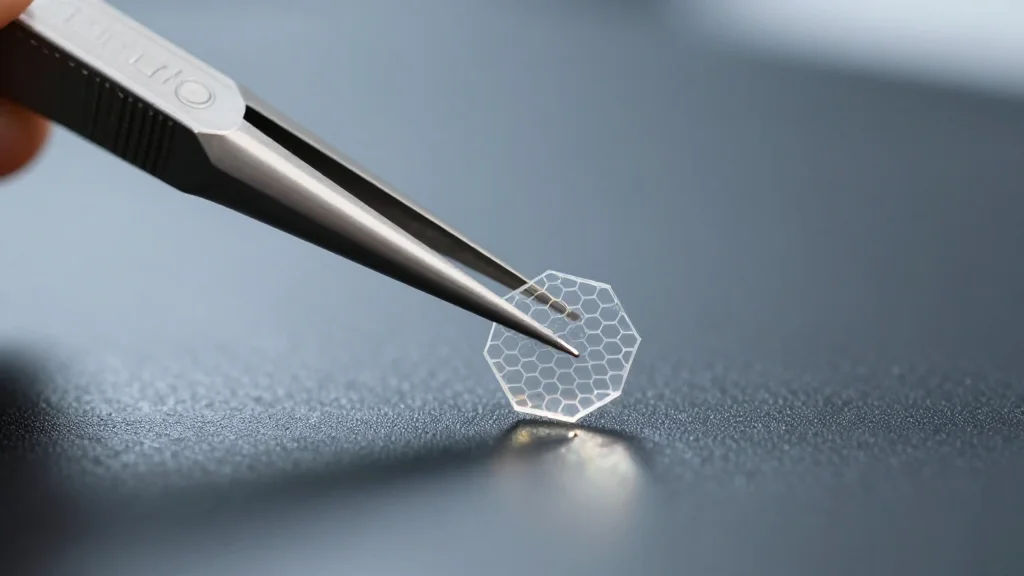
Confined Space in Hollow Micro/Nano Structures: Boosting Supercapacitor Performance to New Heights
The review highlights hollow micro‑ and nanostructured electrodes as “nanoreactors” that boost supercapacitor performance by regulating ion transport and stabilizing the electrode‑electrolyte interface. Confined space effects within these structures enhance specific capacitance, rate capability, and cycling durability. Machine learning is...

Physicists Discover Long-Predicted 'Clock Magnetism' In an Atomically Thin Crystal
Physicists at the University of Texas at Austin have experimentally realized the two‑dimensional six‑state clock model in an atomically thin crystal of nickel phosphorus trisulfide (NiPS₃). By cooling the material to between –150 °C and –130 °C, they observed a Berezinskii–Kosterlitz–Thouless (BKT)...
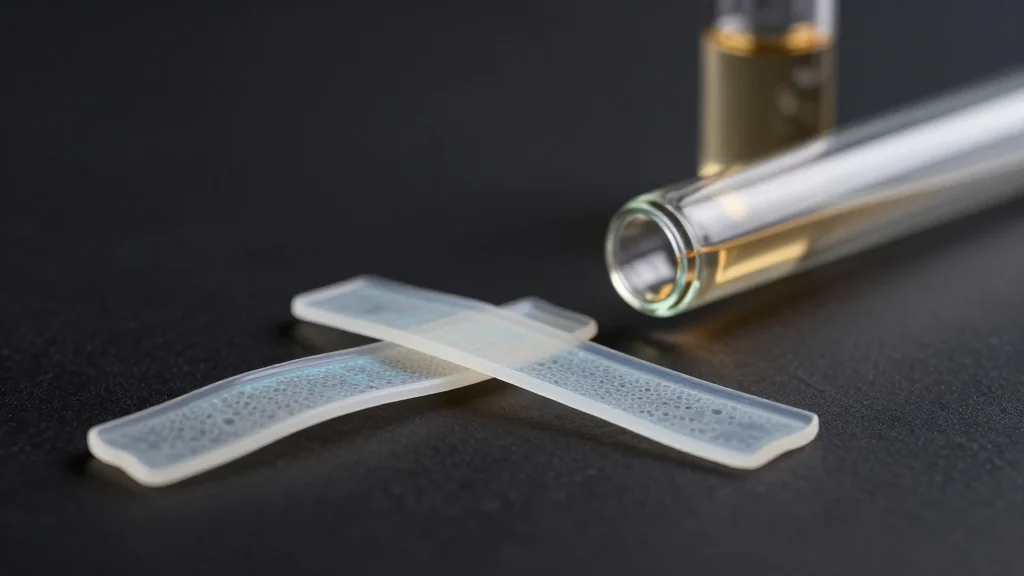
New 2D Membrane Reactor Improves Photocatalytic Synthesis
Chinese researchers have created a two‑dimensional titanium‑oxide membrane reactor that enables photocatalytic imine synthesis with unprecedented speed and selectivity. The flexible membrane, assembled via vacuum‑assisted layering, delivers 99.2 % conversion and 99.3 % selectivity in under seven seconds at room temperature, far...

Ultrasound-Activated 'Nanoagents' Kill Superbugs Hiding in Biofilms
Scientists at the University of Birmingham and Nottingham Trent University have created silica‑based nanoagents that encapsulate the hydrophobic antibiotic rifampicin and release it only when exposed to low‑frequency ultrasound. The ultrasound‑triggered particles penetrate deep into Staphylococcus aureus biofilms, achieving a...

Water Interactions Reveal How Surface Coatings Reshape Nanoparticle Drug Delivery
Arizona State University researchers quantified how water interacts with biomolecule‑coated magnetite nanoparticles, revealing that surface coatings dramatically reshape hydration energetics, immune recognition, and drug‑delivery performance. Using a calorimetry‑gas adsorption system, they measured water adsorption on particles coated with bovine serum...

Nanoparticles and AI Can Help Researchers Detect Pollutants in Water, Soil and Blood
Researchers have merged infrared‑enhancing nanoparticles with machine‑learning spectroscopy to spot trace pollutants in water, soil and blood. The nanomaterial amplifies the light absorbed by contaminant molecules, allowing a handheld spectrophotometer to capture distinct spectral signatures. Custom AI algorithms then deconvolute...

A Quantum Property Is Hiding in One of the Most Common Lab Nanoparticles
Researchers have uncovered a room‑temperature quantum‑spin response in widely used carbon quantum dots, showing that their photoluminescence changes under modest magnetic fields. By heating simple amino‑acid powders, the team produced 19 dot variants, 16 of which displayed measurable magneto‑photoluminescence at...

AI Solves a Key Barrier to Making Hydrogen Cars More Affordable
Korean researchers at KAIST and Seoul National University used artificial intelligence to redesign hydrogen fuel‑cell catalysts, discovering that zinc directs platinum and cobalt atoms into a high‑performance intermetallic structure. The AI‑predicted Zn‑mediated catalyst outperforms commercial platinum catalysts in activity and...

A Crystal that Changes Fluorescence Color and Moves when Heated
Chemists at National Taiwan University reported that a nonporous pentiptycene‑derived crystal can undergo a two‑step solid‑state transformation when gently heated. The first step creates gear‑like molecular rotations that open transient channels, allowing trapped dichloromethane to escape and shifting fluorescence from...
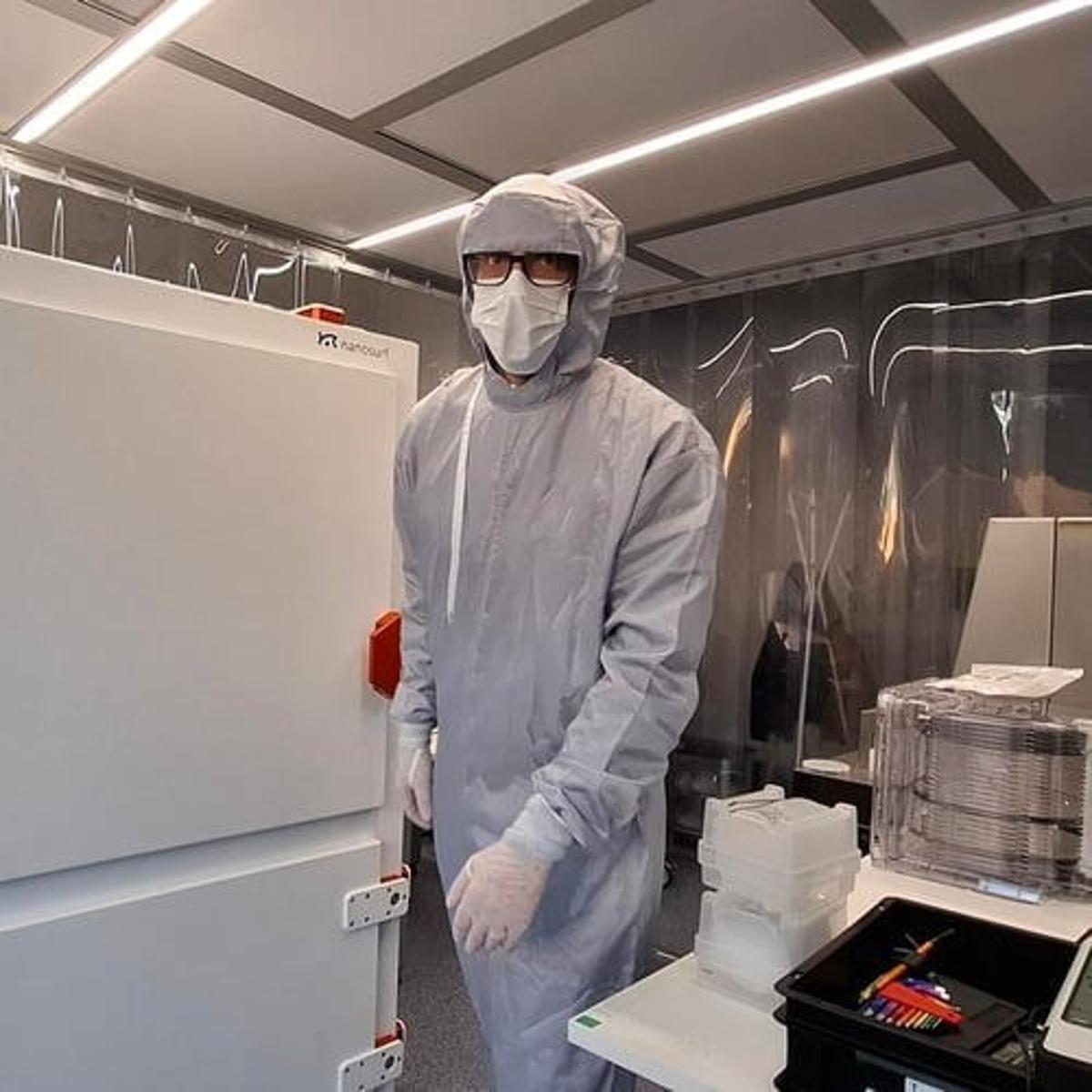
From First Discussion to Final Delivery of a High‑End Industrial AFM
Nanosurf’s industrial‑grade atomic force microscope (AFM) development hinges on a seamless handoff from concept to commissioning, guided by application engineer Dr. Marco Corbetta. He joins customers during initial requirement gathering, defines verifiable specifications, and later conducts Factory Acceptance Tests (FAT)...

Nanophotonics Boost Quantum Emitter Links on a Chip
Researchers at the University of Southern Denmark and collaborators have unveiled an integrated nanophotonic platform that uses surface‑plasmon‑polariton (SPP) interference to mediate long‑range interactions between solid‑state quantum emitters on a chip. The design achieves a peak concurrence of 0.493, approaching...

A Tiny Twist Creates Giant Magnetic Skyrmions in 2D Crystals
Researchers reported that a slight twist between atom‑thin antiferromagnetic layers generates giant Néel‑type skyrmions spanning hundreds of nanometers. The skyrmion size peaks around a 1.1° twist and vanishes above ~2°, contrary to the linear growth of the moiré wavelength. Simulations...

Monolithic 3D Nanoelectrode Arrays on CMOS Circuitry for Scalable, High‐Resolution Neural Recording
Researchers have developed a monolithic 3D nanoelectrode array (HD‑NEA) that integrates 26,400 vertical nanowire electrodes directly onto commercial CMOS chips. The low‑temperature wafer‑scale post‑fabrication process maintains circuit functionality while delivering uniform, high‑yield electrode performance across 4‑inch wafers. In vitro recordings...

Scientists Just Turned Light Into a Remote Control for Crystals
Scientists at NYU have demonstrated a reversible, light‑driven method to direct the self‑assembly of colloidal particles into crystals. By adding photoacid molecules that become acidic under illumination, they can modulate particle charge and trigger either aggregation or dispersion on demand....