Today's Nanotech Pulse
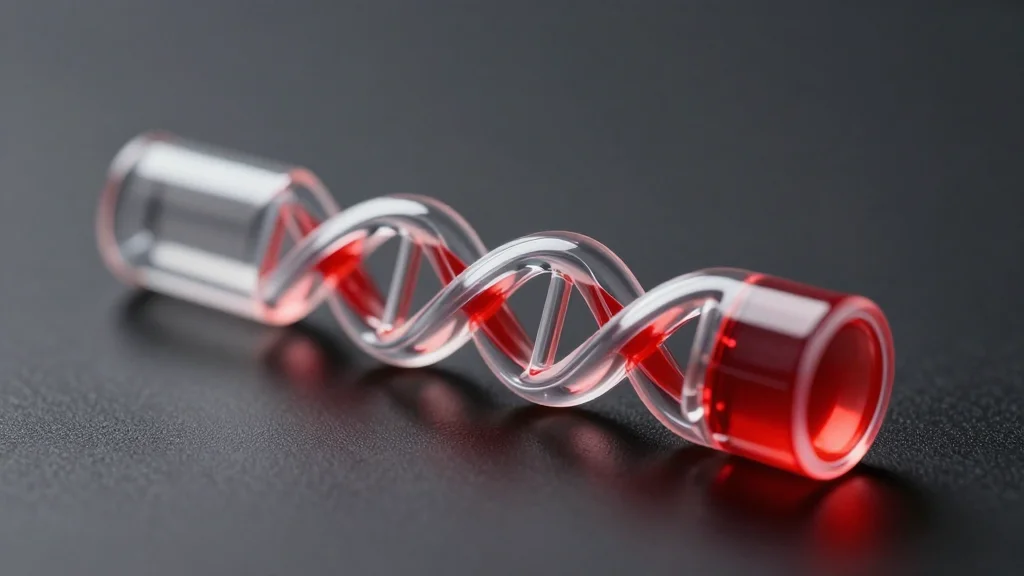
Left‑handed DNA origami tubes double chemotherapy efficacy
Researchers at the Cancer Center at Illinois showed that left‑handed DNA origami tubes loaded with the drug Daunorubicin kill acute myeloid leukemia cells more than twice as effectively as right‑handed tubes. The tubes display CD117‑targeting aptamers and their left‑handed geometry promotes rapid internalization, boosting cell‑killing potency.
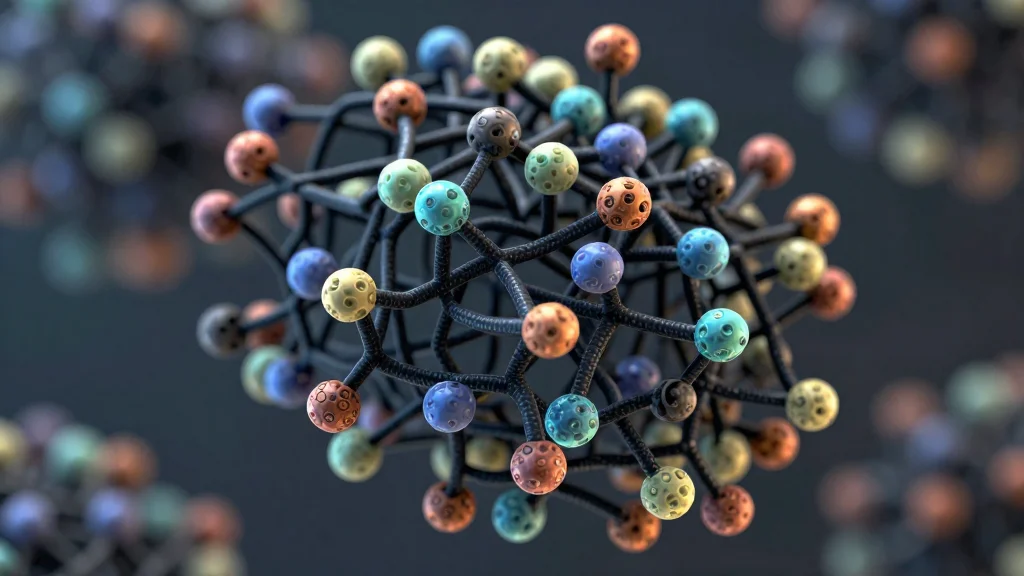
Entropy‐Engineered Layered Double Hydroxide Derived High‐Entropy Alloy Cathodes for Zinc–Air Batteries Under High Depth‐of‐Discharge
Researchers have created a high‑entropy alloy (HEA) catalyst composed of Mn, Fe, Co, Ni, and Cu, derived from a layered double hydroxide precursor. The HEA nanoparticles are uniformly anchored on nitrogen‑doped carbon nanotubes via dicyandiamide‑assisted pyrolysis, yielding a single‑phase fcc structure at 900 °C. Electrochemical tests show bifunctional activity with an OER overpotential of 475 mV at 10 mA cm⁻² and an ORR half‑wave potential of 0.81 V, giving a ΔE of 0.89 V. When integrated into rechargeable zinc‑air batteries, the catalyst delivers a near‑theoretical specific capacity of 801 mAh g⁻¹ Zn, peak power density of 186 mW cm⁻², and maintains performance over 3325 high‑depth‑of‑discharge cycles, including flexible gel‑polymer cells.
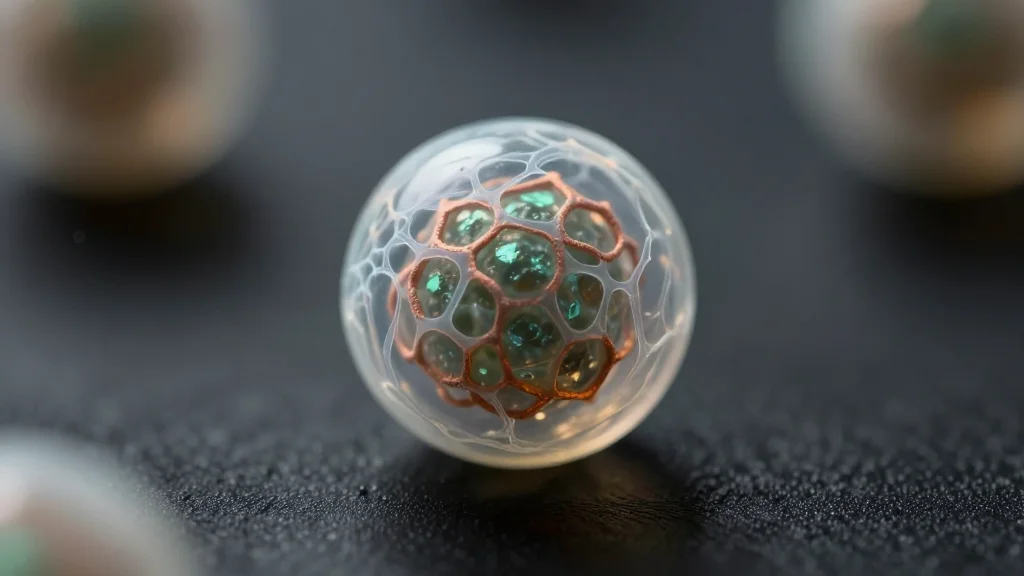
Engineered Nanoplatform with Dual Anti‐Inflammatory and Microbiota‐Modulating Actions for Targeted Therapy in Chronic Inflammatory Bowel Disease
The study introduces BG/SOD@ZIF‑zc, a multifunctional nanoplatform that encapsulates superoxide dismutase within a copper‑doped ZIF framework and coats it with bacterial ghosts for targeted delivery to the colon. The formulation retains SOD activity in the harsh gastrointestinal tract, efficiently scavenges...

Helium Nanodroplets Trapped for Minutes Unlock New Era in Nanoscale Physics
Researchers at the University of Innsbruck, supported by the University of Greifswald, have stored electrically charged helium nanodroplets in an ion trap for up to one minute—four orders of magnitude longer than the previous millisecond‑scale observations. The breakthrough leverages a...
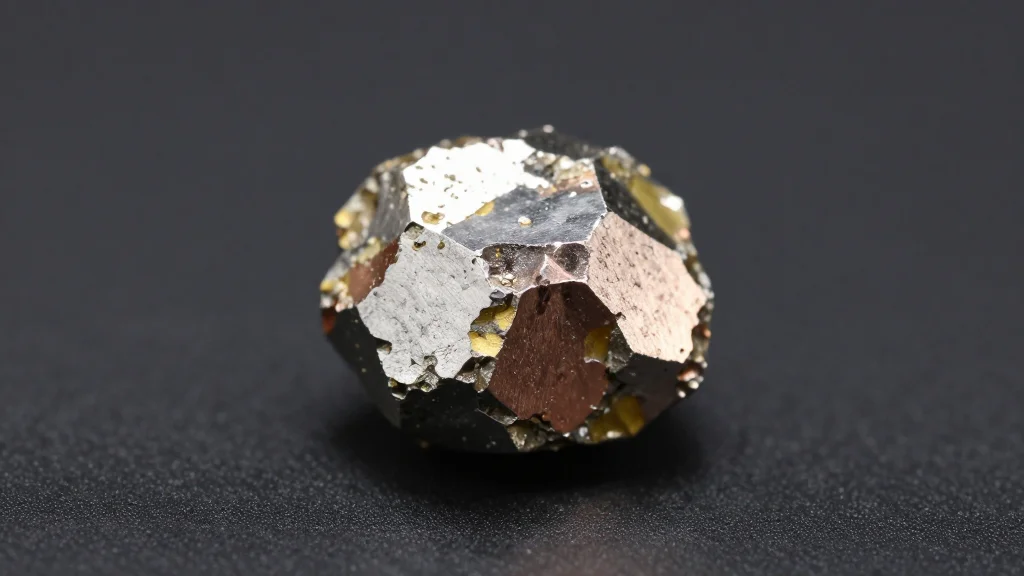
Local Disorder Impacts a Quantum Material's Electronic States
Researchers at UC Davis and the ALS combined spatially resolved ARPES and XPS with AI‑driven analysis to map the surface chemistry of the Weyl semimetal Co₃Sn₂S₂. The study identified not only the expected sulfur‑ and tin‑terminated regions but also intermediate disorder...

Low-Cost Nanocoating Helps Solar Ponds Produce More Fresh Water
A recent Scientific Reports study shows nano‑ferric oxide (Fe₂O₃) coating on the base of a 1 m² solar desalination pond boosts temperature and water output. In outdoor trials across seasons, the coated pond reached 74 °C (≈8 °C higher) and produced 6.5 L m⁻² day⁻¹, a...
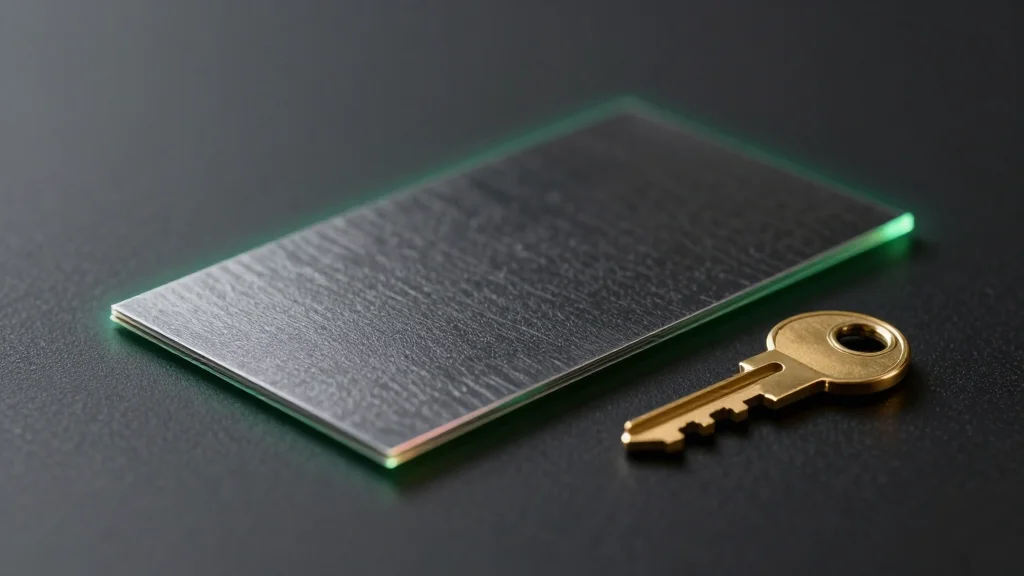
HydroGraph Is Granted US EPA, UK REACH and EU REACH Regulatory Clearances for Commercial Scale Graphene Sales Activities
HydroGraph Clean Power announced it has obtained a US EPA TSCA Section 5(e) order and confirmed UK and EU REACH registrations for its graphene materials. The clearances authorize commercial manufacture, supply, and defined uses of turbostratic graphene—both 3‑9‑layer and ~32‑layer grades—across...

UNSW Turns Peanut Shells Into Sustainable Graphene in Manufacturing Advance
Researchers at UNSW Sydney have devised a method to turn discarded peanut shells into high‑quality graphene using a rapid flash‑joule heating process. The technique heats pre‑treated shell char to roughly 3000 °C for milliseconds, yielding single‑layer graphene at an estimated energy...
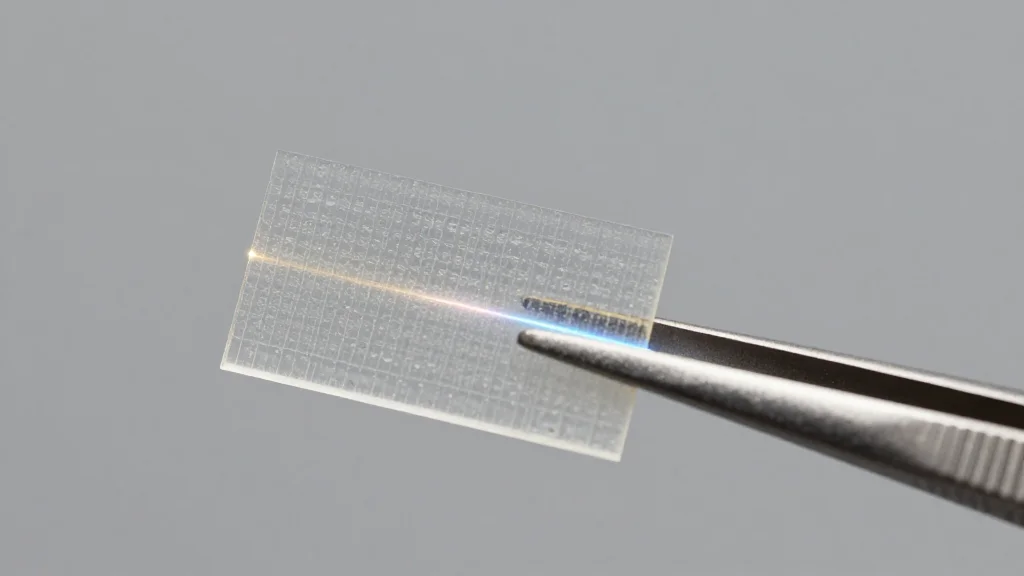
A Wafer-Scale Optoelectronic Device Unlocks Monolithic 3D Integration
Researchers have engineered ordered vacancies in boridene to create pronounced electrical anisotropy, enabling both bipolar and linear photocurrent suitable for optoelectronic computing. The material, (Mo₂/₃Y₁/₃)₂AlB₂, can be deposited at low temperatures and patterned across a full 12‑inch wafer, meeting back‑end‑of‑line...
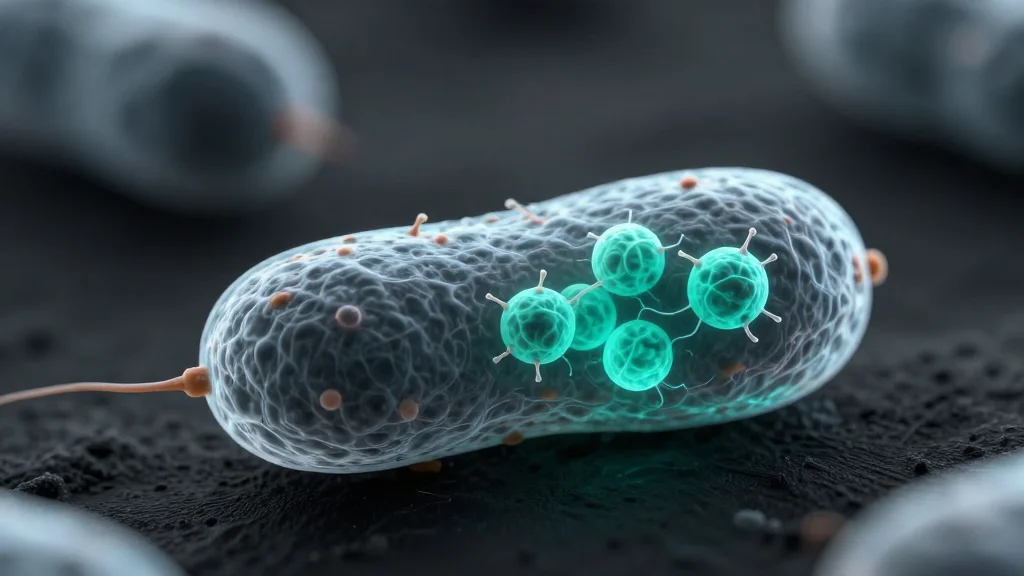
Synthetic RNA 'Nanostars' Create Programmable Compartments in Bacteria
Researchers at Cambridge’s Department of Chemical Engineering and Biotechnology engineered four‑armed RNA nanostars that self‑assemble into membraneless organelles inside Escherichia coli. The condensates form and dissolve reversibly with temperature shifts and can concentrate fluorescent proteins when an arm carries a...

AI-Powered Platform Accelerates Discovery of New mRNA Delivery Materials
University of Toronto researchers unveiled LUMI‑lab, an AI‑driven self‑driving lab that combined a 28‑million‑molecule foundation model with active‑learning robotics to synthesize and test over 1,700 lipid nanoparticles. The system independently identified brominated lipid tails as a potent new class for...
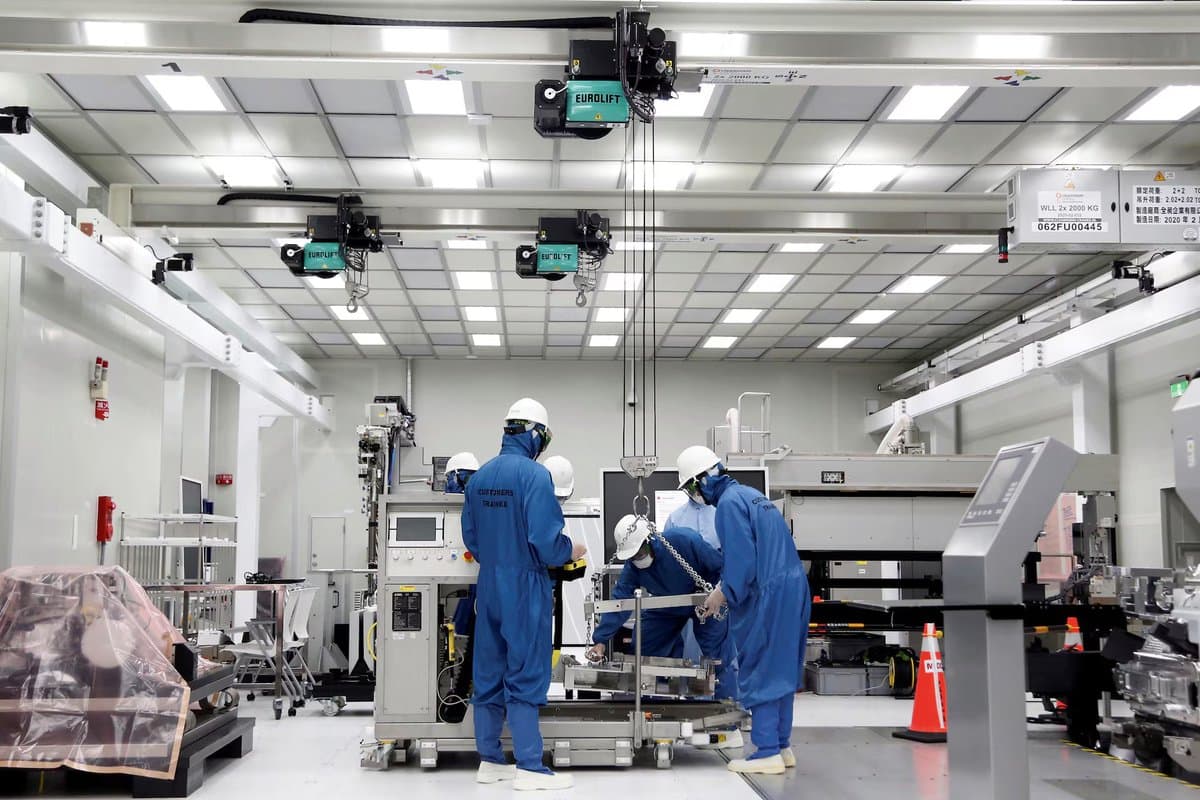
ASML's 1000W EUV Boosts Chip Production by 50%
Not quite exponential but another multiplier of the vertical growth path we're on now ASML just unveiled a 1,000W EUV light source, up from 600W, potentially enabling fabs to pump out ~50% more advanced chips by 2030. The chip arms race...
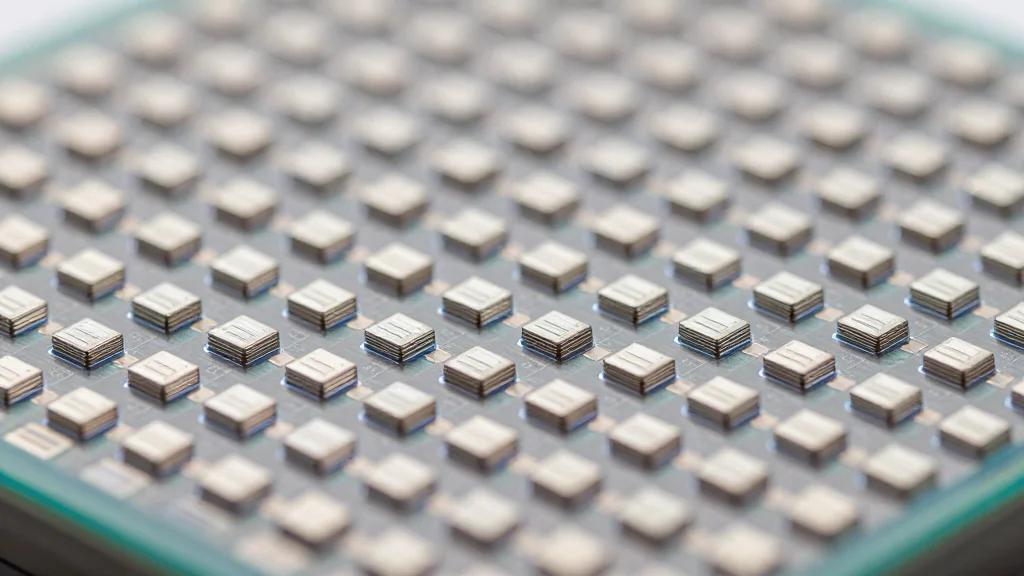
When Smaller Means Better: How Device Scaling Enhances Memory Performance
Researchers at Science Tokyo demonstrated that shrinking ferroelectric tunnel junctions (FTJs) dramatically boosts their memory performance. By fabricating 25 nm Ti/TiOₓ‑Y‑doped HfO₂‑Pt nanocrossbar devices on silicon, they recorded a tunneling electroresistance (TER) ratio of 2,200—over ten times higher than larger counterparts....
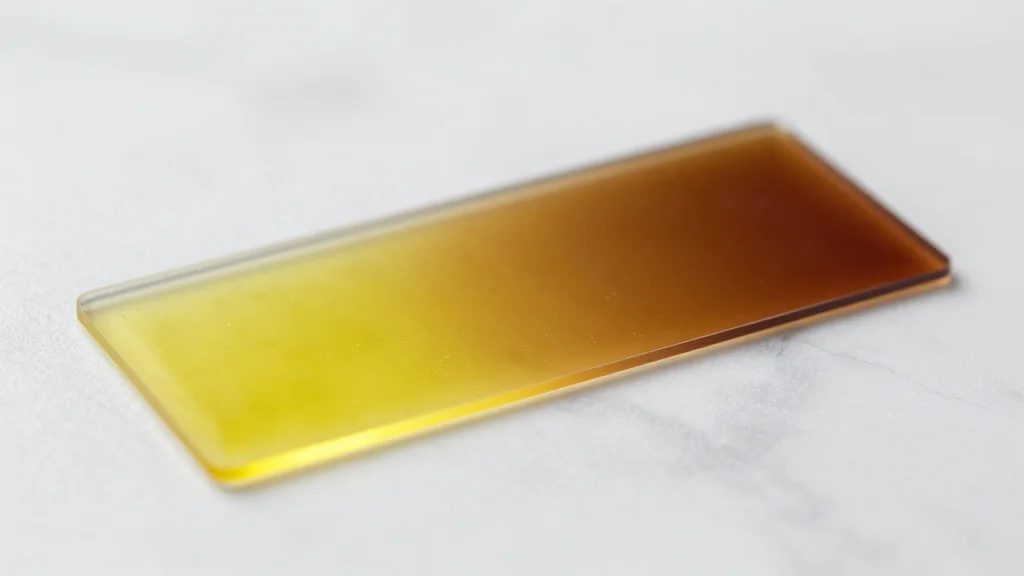
Color-Changing Nanopigment Sensor Tracks pH One to Ten with Stable, Repeatable Readings
South Korean chemists have engineered a nanopigment‑based colorimetric sensor that reliably measures pH across a full range from 1 to 10. By covalently attaching sulfonephthalein dyes to porous silica nanoparticles and embedding them in an agarose/PEO polymer, the sensor eliminates...

MRNA Nanobodies Show Promise in Colorectal Cancer
A preclinical study published in eGastroenterology demonstrates that lipid‑nanoparticle delivery of nucleoside‑modified mRNA encoding anti‑PD‑L1 nanobodies suppresses tumor growth in mouse models of both sporadic and colitis‑associated colorectal cancer. Researchers engineered monomeric and quadruple nanobody formats; the quadruple construct showed...

Diamond Surfaces Are Covered in Thin, Ice-Like Water Layers
Researchers in China used nitrogen‑vacancy (NV) centers in diamond to directly observe a nanoscale, ice‑like water layer on diamond surfaces under ambient conditions. The quantum‑sensor technique distinguished water from co‑adsorbed organic molecules by analyzing isotopic magnetic resonance spectra. Findings reveal...

Physicists Open Door to Future, Hyper-Efficient Orbitronic Devices
Physicists have shown that chiral phonons in non‑magnetic quartz can directly transfer orbital angular momentum to electrons, creating an orbital Seebeck effect without magnets or charge currents. The breakthrough replaces heavy, scarce magnetic metals with inexpensive, abundant crystals, simplifying orbitronic...
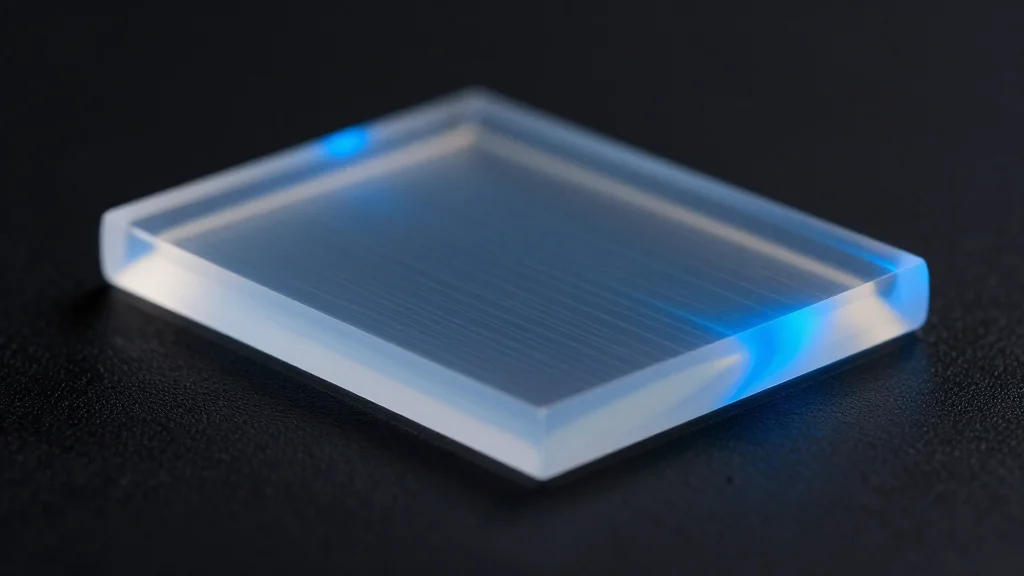
An Ultra‐Tough Fluorescent Elastomer Engineered Using Hierarchical Dynamic Interactions to Integrate Damage Detection and Protection
Researchers have created a poly(urea‑urethane) elastomer that simultaneously delivers ultra‑high toughness, strong mechanical strength, and bright blue fluorescence. By employing a double‑aggregation strategy and embedding La³⁺ ions, the material forms nine‑level hierarchical hydrogen‑bond networks that restrict molecular motion, boosting both...

Single‐Atom Ruthenium Sites on Cobalt‐Titanium Surfaces for Efficient and Selective Chloride Electrolysis
Researchers have created an electrocatalyst featuring ruthenium single‑atom sites anchored on a cobalt‑titanium oxide (Co₂TiO₄/Ti) support using a Ru‑EDTA precursor. The catalyst delivers an ultra‑low Ru loading (<0.1 wt %) yet achieves an overpotential of only 26.2 mV at 10 mA cm⁻² and a Tafel...
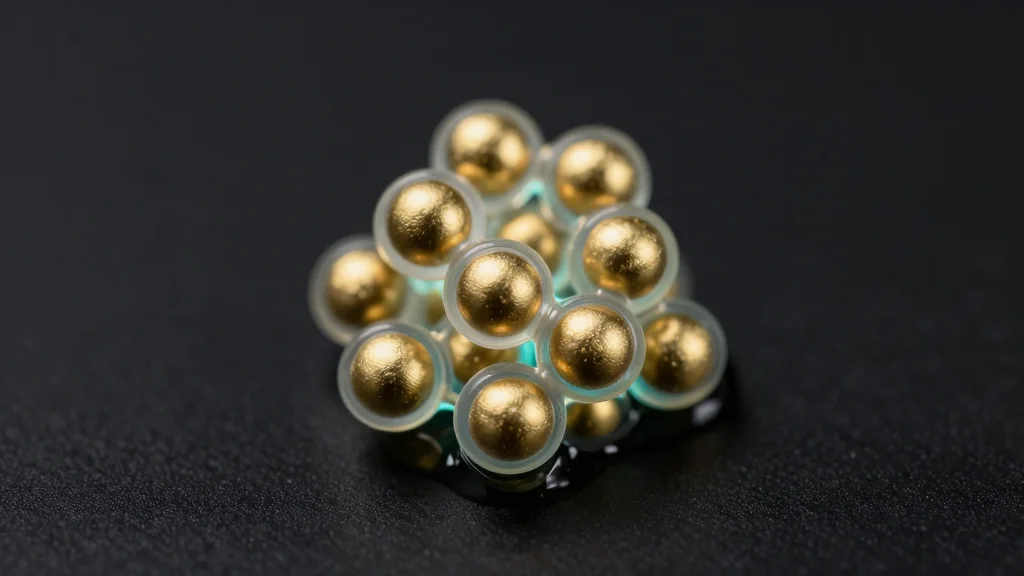
Unraveling Interband Hot‐Electron Transfer in Hydrogenated Au@Cu2O/TiO2 Heterostructure Nanocrystals for Enhanced Hydrogen Evolution
Researchers have engineered a hydrogenated Au@Cu2O/TiO2 nanocrystal featuring a core‑shell architecture and a Z‑scheme heterojunction that enables efficient interband hot‑electron transfer. The plasmonic Au core injects electrons into the Cu2O shell, while the TiO2 partner suppresses recombination, delivering a hydrogen...

Mn‐Doped Nickel Telluride Dirac Semimetals with Engineered Dirac Cones for Accelerated Energy Conversion: Synergistic Electron Transfer and Adsorption Optimization
Researchers synthesized Mn‑doped NiTe2 Dirac semimetals via a one‑step hydrothermal method, discovering that a 5% Mn substitution dramatically reshapes the Dirac cone and boosts Fermi velocity. The doping also raises the density of states near the Fermi level, accelerating interfacial...

Tailorable Curie Temperature in Zinc Ferrite Nanoparticles With Finely Tunable Induction Heating Profiles Between Room Temperature and 250°C
Researchers have developed a spray‑dry synthesis for zinc ferrite nanoparticles whose Curie temperature can be tuned from room temperature up to 250 °C. By adjusting zinc doping levels and post‑synthesis annealing, the induction heating profile is precisely controlled, while aqueous dispersions...

Geometrically Well‐Controlled Wireframe RNA Nanostructures With Bundled‐Helix Edges
Researchers have introduced a single‑stranded RNA origami platform that uses dual duplex bundles as wireframe edges, delivering markedly defined geometries. The approach enables the construction of intricate RNA polygons and grid lattices with high yield and structural fidelity. By bundling...
Mechanochemical Fullerene Nanoencapsulation in Amino‐Functionalized ZIF‐12 for Visible‐Light Disinfection of Waterborne Viruses and Bacteria
Researchers introduced a solvent‑minimized mechanochemical method to embed fullerene C₆₀ within amino‑functionalized ZIF‑12, creating a visible‑light‑driven bifunctional photocatalyst. The C₆₀@ZIF‑12‑NH₂ composite exhibits enhanced charge separation, generating hydroxyl radicals that efficiently inactivate bacteriophage P22 in saline water and eradicate E. coli and...

Covalent Functionalization of NiFe Layered Double Hydroxides Using Tris(Hydroxymethyl)Aminomethane
Researchers have covalently attached tris(hydroxymethyl)aminomethane (TRIS) to nickel‑iron layered double hydroxides (NiFe‑LDH), creating a more ordered crystal structure and enabling high‑temperature hydrothermal synthesis. The TRIS‑functionalized material forms stable, water‑based inks that allow binder‑free electrode fabrication. These electrodes deliver higher oxygen...
Combining Soft and Hard Properties: Synergistic Innovation of Magnetic Hydrogel Microrobots in Precision Medicine
Magnetic hydrogel microrobots (MHMs) are emerging untethered soft robots that combine magnetic actuation with responsive hydrogel matrices. Recent research highlights dual design strategies that integrate material optimization and functional integration, enabling precise, spatiotemporal control. Innovations in bionic structures and multimodal...
Photothermal‐Mediated Carrier Dynamics in Ti3C2Tx MXene Revealed by Time‐Resolved Terahertz Spectroscopy
Researchers used time‑resolved terahertz spectroscopy to uncover a universal photothermal‑mediated carrier relaxation mechanism in Ti3C2Tx MXene films. The slowest relaxation time scales linearly with film thickness, reflecting lattice cooling governed by thermal boundary conductance. By selecting substrates that alter interfacial...

System Isolates Single Extracellular Vesicle Surface Proteins to Map Function
UC Davis engineers unveiled VESSEL, a cell‑free platform that produces extracellular vesicles bearing a single surface protein. By isolating individual proteins, the system enables direct functional mapping, exemplified by the discovery that CADM1 promotes vesicle uptake. The approach is scalable...
Tailorable Multiferroic Tunnel Junctions From All-Van Der Waals Multilayer Stacking
Researchers have demonstrated a new class of multiferroic tunnel junctions (MFTJs) built entirely from van der Waals (vdW) stacked two‑dimensional crystals. By integrating ferromagnetic Fe3GeTe2 (F3GT) with ferroelectric CIPS and In₂Se₃ layers, the devices exhibit both tunnel magnetoresistance and electroresistance...

Accelerating Next Generation Medicine with New Drug Delivery Platform
Scientists at the University of Nottingham have unveiled a modular materials platform that self‑assembles with RNA to form nanoscale delivery particles. The system uses reversible host‑guest linkages, allowing rapid tuning of stability and behavior for diverse therapeutic needs. In pre‑clinical...

Laser Shockwaves Transform Carbon Nanotube Films Into Graphene-Rich Networks without External Heating
Researchers have demonstrated that nanosecond laser‑induced shockwaves can transform single‑walled carbon nanotube (SWCNT) thin films into multilayer graphene‑rich networks in a single, chemical‑free step. The process applies ~2.27 GPa pressure pulses without external heating, causing the nanotubes to unzip and coalesce...

Ultrafast X-Rays Reveal Physical Principles Behind Lipoprotein Motion Within Egg Yolk Plasma
An international team employed megahertz X‑ray photon correlation spectroscopy at the European XFEL to record low‑density lipoprotein (LDL) motion inside egg yolk plasma on microsecond timescales. They found LDLs become temporarily caged by neighboring particles and proteins, slowing diffusion up...

Hair-Width LEDs Could Replace Lasers
Researchers at UC Santa Barbara have demonstrated hair‑thin microLEDs that outperform conventional designs in efficiency, output power, and beam control. By enclosing the InGaN/GaN emitting region with distributed Bragg reflectors, the devices deliver 20% more air‑side light, over 130% more...
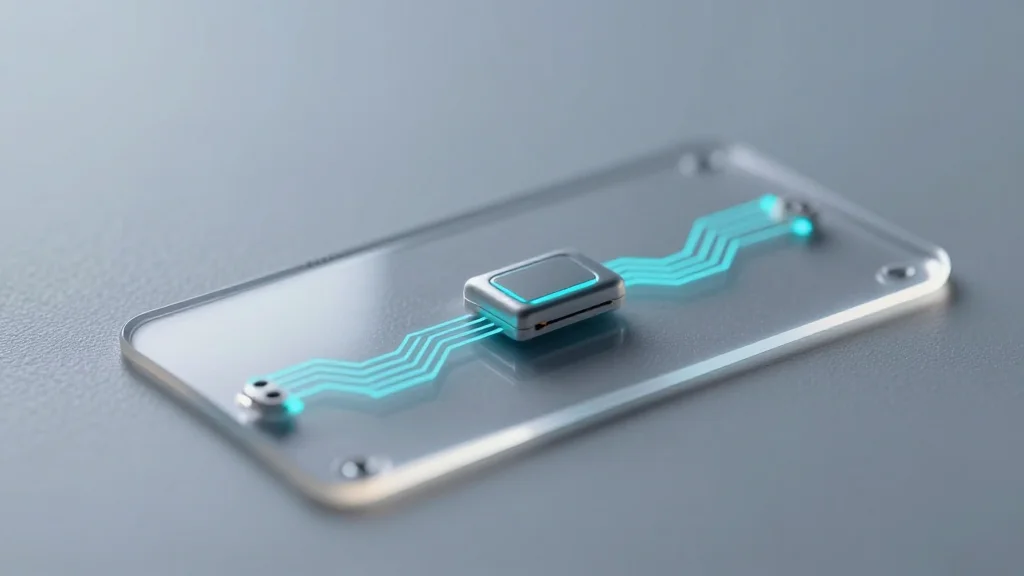
Stretchy Plastics Conduct Electricity via Tiny, Whisker-Like Fibers
Researchers at Penn State used cryogenic electron microscopy to uncover how adding specific salts and water to the conductive polymer PEDOT:PSS creates hair‑like nanofibers that dramatically improve both stretchability and electrical conductivity. The nanostructure, revealed at –180 °C, shows that lithium‑based...
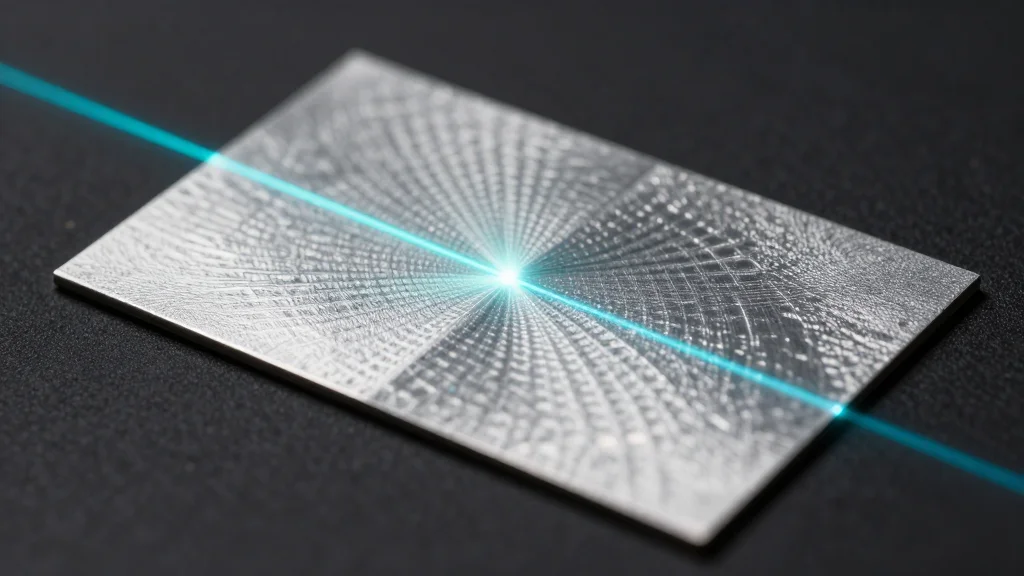
All-Optical Morphological Image Processing at the Speed of Light
Researchers have built a free‑space nanophotonic diffractive network that executes morphological image operations—dilation, erosion, opening, and closing—directly on the optical wavefront. By encoding structuring elements into engineered phase layers, the system transforms incoming light in a single pass, achieving latencies...
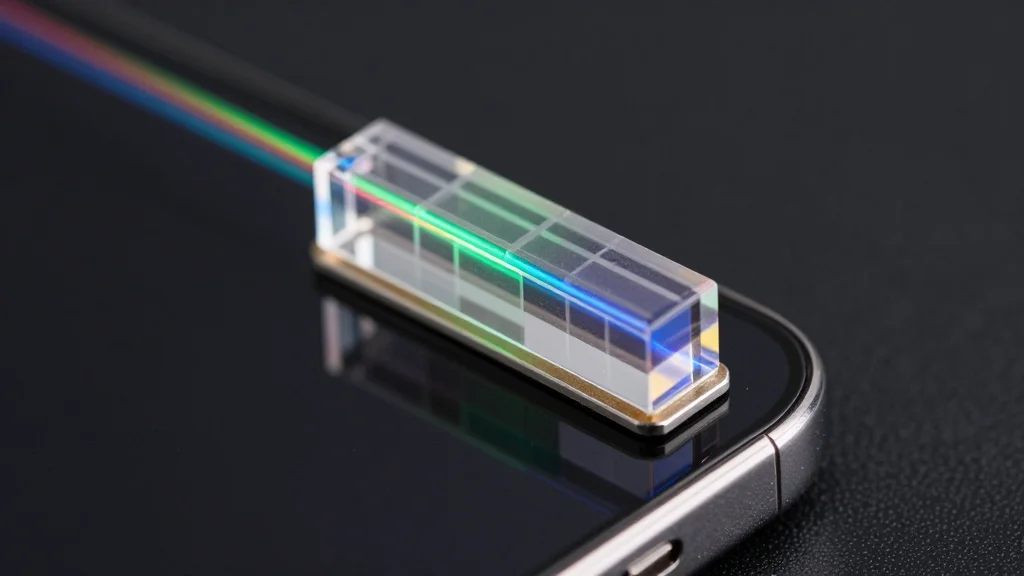
Nanophotonic Color Router Solves Smartphone Camera Angle Problem
Korean researchers at KAIST and Hanyang University have created a metamaterial‑based nanophotonic color router that retains about 78 % optical efficiency across a ±12‑degree angle of incidence. The device separates red, green, and blue light directly on the sensor, addressing the...
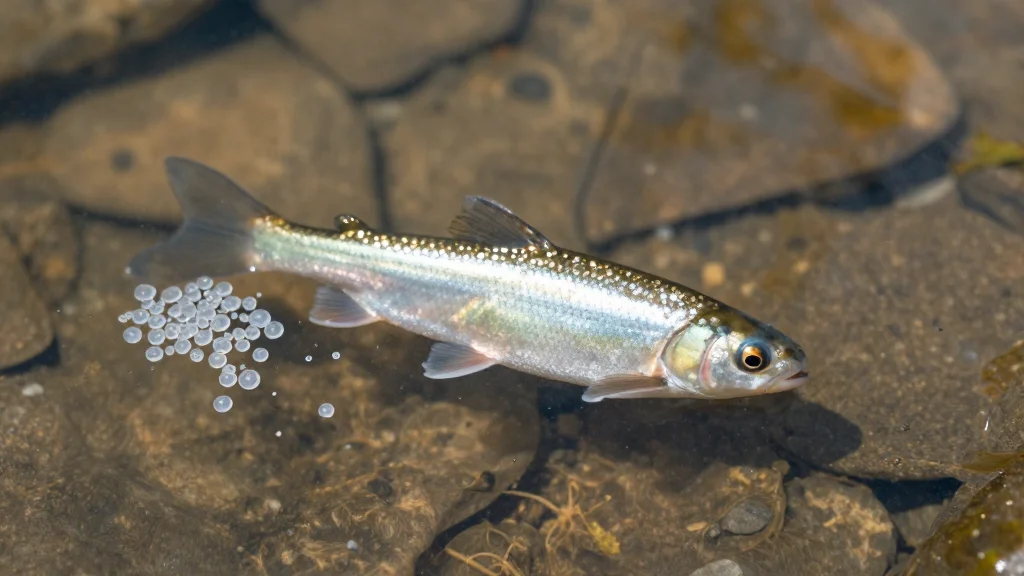
Polystyrene Nanoparticles Can Increase Fish Embryo Early Mortality Especially in a Stressful Environment
A University of Eastern Finland study found that positively charged polystyrene nanoparticles increase early embryo mortality in European whitefish when incubated under stressful, variable‑oxygen conditions. The same particles did not affect sperm motility, and negatively charged nanoparticles showed little toxicity....
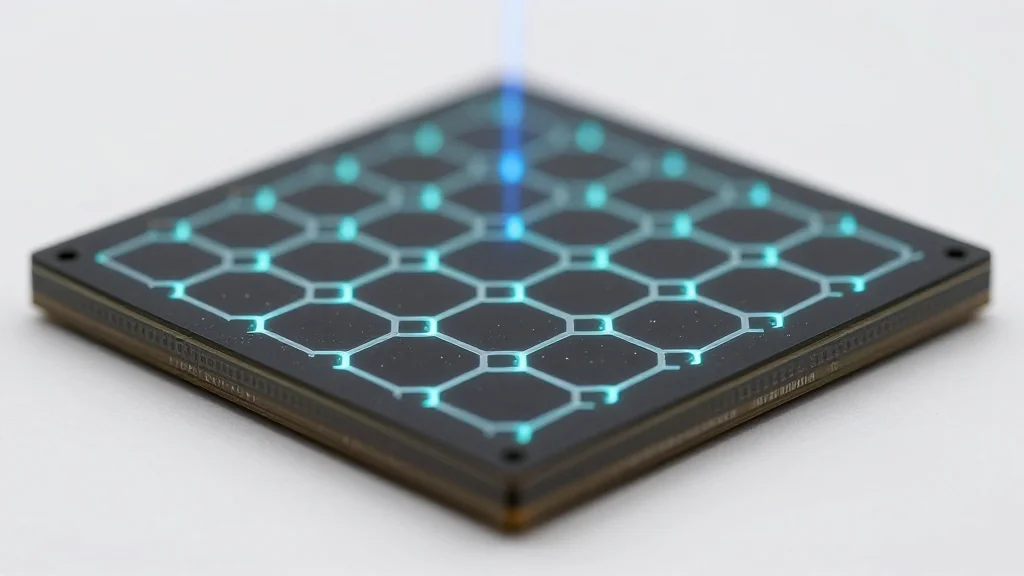
James Tour's Laser‑Induced Graphene Powers New Artwork
📰 🧪 James Tour Group in the News: An article featuring Joseph Cohen’s artwork mentions that was created at Rice using laser-induced graphene, a technique pioneered by James […] https://t.co/QipzjwJuap
Join the Global Graphene Community at Graphene Connect 2026!
Graphene Connect 2026, an online two‑day conference on March 11‑12, is co‑organized by Graphene‑Info and TechBlick. It gathers researchers, startups, investors, and industry leaders to showcase the latest graphene technologies and applications. Live expert talks, startup demos, and networking sessions...
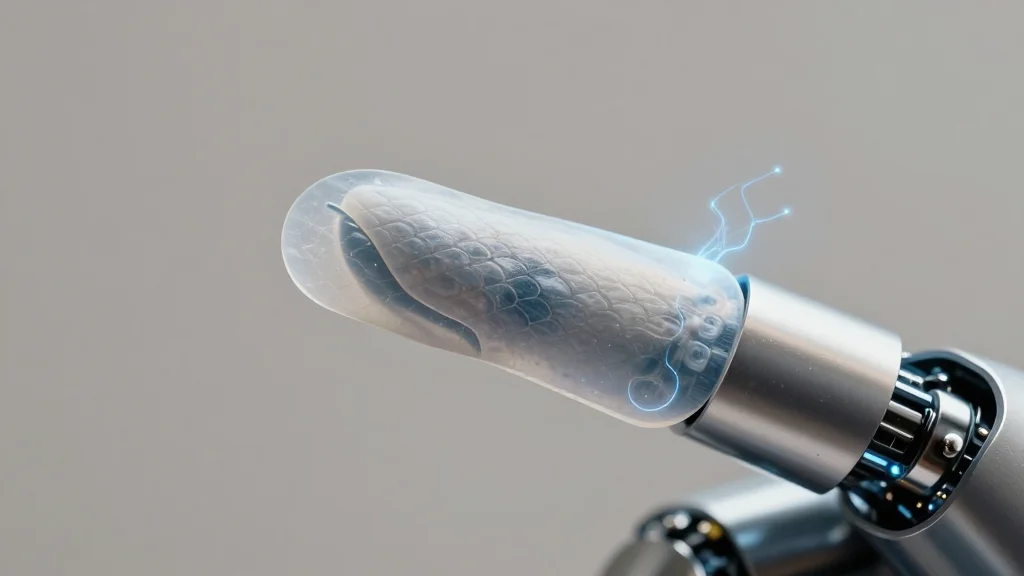
Shark-Inspired Electronic Skin Gives Robotic Hands the Ability to Sense Objects without Touching Them
Researchers at Harbin Institute of Technology have created a shark‑inspired electronic skin that combines electrostatic non‑contact scanning with tactile triboelectric sensing. By embedding a pre‑charged ePTFE electret within a stretchable Ecoflex matrix, the e‑skin amplifies the electric field, achieving detectable...

Neutral Molecule Delivers DNA Into Cells, Promising Safer Gene Therapy Approach
Researchers at Tokyo Metropolitan University have engineered a charge‑free polymer‑DNA complex using a thymine‑modified poly(ethylene glycol) (PEG) that binds plasmid DNA via annealing. In mouse models the formulation boosted cellular DNA uptake and gene expression up to 14‑fold compared with...

Multi‐Walled Carbon Nanotubes Loaded with Nickel‐Manganese Bimetallic as Three‐Dimensional Particle Electrodes for the Removal of 2,2′‐bipyridine From Photovoltaic Copper Electroplating...
Researchers developed a three‑dimensional electrocatalyst composed of nickel‑manganese bimetallic particles supported on multi‑walled carbon nanotubes (Ni‑Mn@MWCNTs) to treat photovoltaic copper electroplating wastewater containing the toxic additive 2,2′‑bipyridine. Under optimal conditions—Ni:Mn ratio 2:1, 4 mA cm⁻² current density, 4 g L⁻¹ catalyst dosage, and 2 cm...
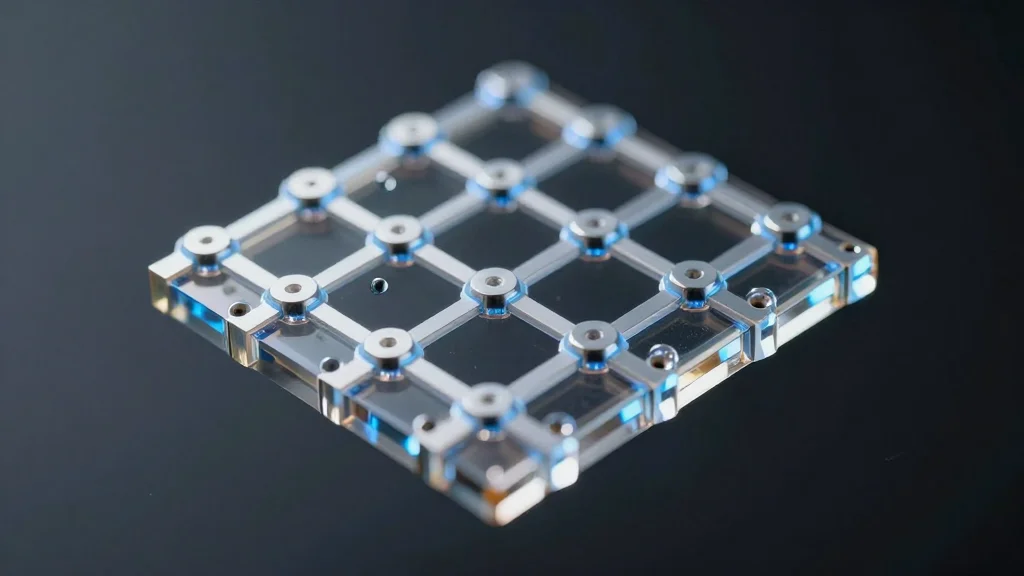
Multifunctional Roles of Vacancy Defects in Advancing Thermoelectric Materials
The review highlights vacancy engineering as a transformative strategy for thermoelectric (TE) materials, detailing how intentional vacancy creation can simultaneously tune electronic band structures, carrier concentrations, and phonon transport. It surveys state‑of‑the‑art characterization tools, computational predictions, and synthesis routes that...
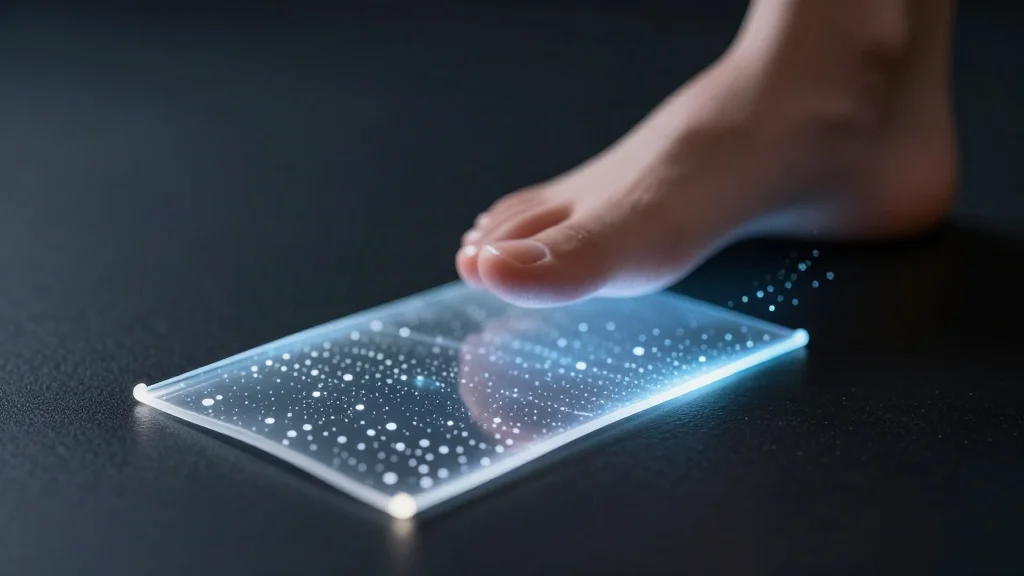
Chitosan‐Loaded Lead‐Free Sodium Bismuth Titanate Composite Flexible Triboelectric Nanogenerator for Energy Harvesting, Biomechanical Sensing, and Smart‐Path Touch‐Lighting for Safe Walking...
Researchers have developed a flexible triboelectric nanogenerator (TENG) using a sodium bismuth titanate (NBT) and chitosan composite film paired with PDMS. The lead‑free ferroelectric NBT particles enhance dielectric properties, delivering a peak voltage of 162.5 V, current of 4.1 µA and power...

Synchronous Polarization Switching at Sub‐Coercive Fields Through Stochastic Resonance in Ferroelectric Thin‐Film Capacitors
Researchers demonstrated that stochastic resonance can trigger synchronous polarization switching in a thin‑film lead zirconate titanate (PZT) capacitor using sub‑coercive voltage pulses. By tuning the noise level to satisfy the Kramers‑time condition, the device switches reliably at half the signal...

Recent Advances in Moisture‐Electric Nanogenerators: From Moisture‐Enabled Electrification to Practical Applications
Moisture‑electric nanogenerators (MEGs) harvest ambient humidity and convert it into electrical energy using specially designed hygroscopic materials. Recent research has introduced advanced moisture‑responsive composites that raise power output by an order of magnitude, bringing MEGs closer to practical deployment. The...

Computational Design of Thermally Stable Nanoprecipitates in Al‐Zn‐Mg Alloys: Insights From High‐Throughput DFT and Machine Learning
Researchers combined high‑throughput density functional theory with machine learning to screen transition‑metal additives for Al‑Zn‑Mg alloys. The study evaluated 21 candidates and identified nickel (Ni) as a superior stabilizer of the metastable η′ precipitate. Ni maintains high equilibrium solubility, enabling...
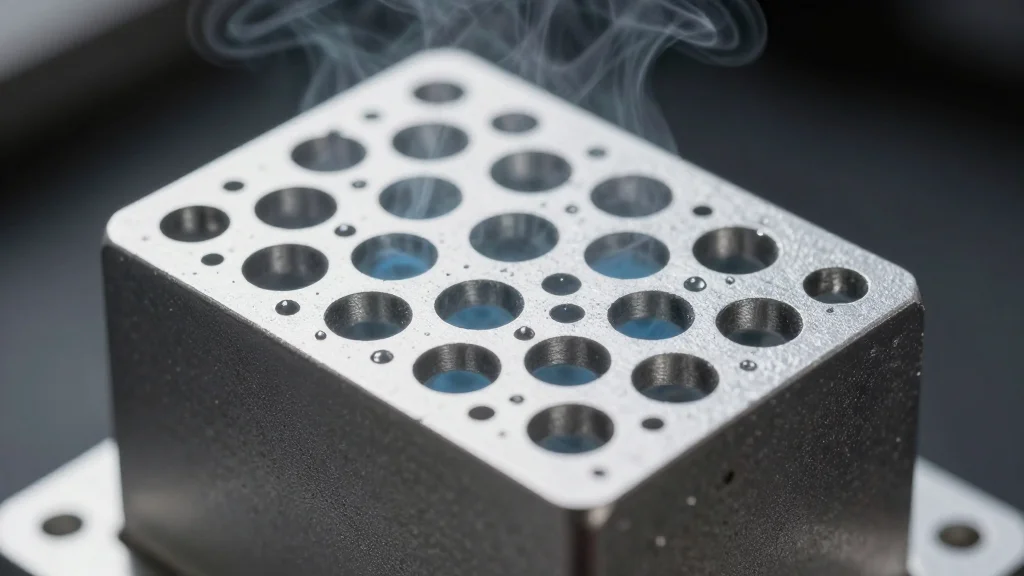
Construction of an Al‐Based MOF with Methyl‐Functionalized Microporous Nano‐Traps for Efficient Separation of SF6/N2
Researchers have engineered an aluminum‑based metal‑organic framework, NU‑62, that features methyl‑functionalized microporous nano‑traps for selective SF6 capture. The material exhibits a high SF6 uptake of 3.99 mmol g⁻¹ and an exceptional SF6/N2 selectivity of 209 at 298 K and 1 bar. Breakthrough experiments confirm...
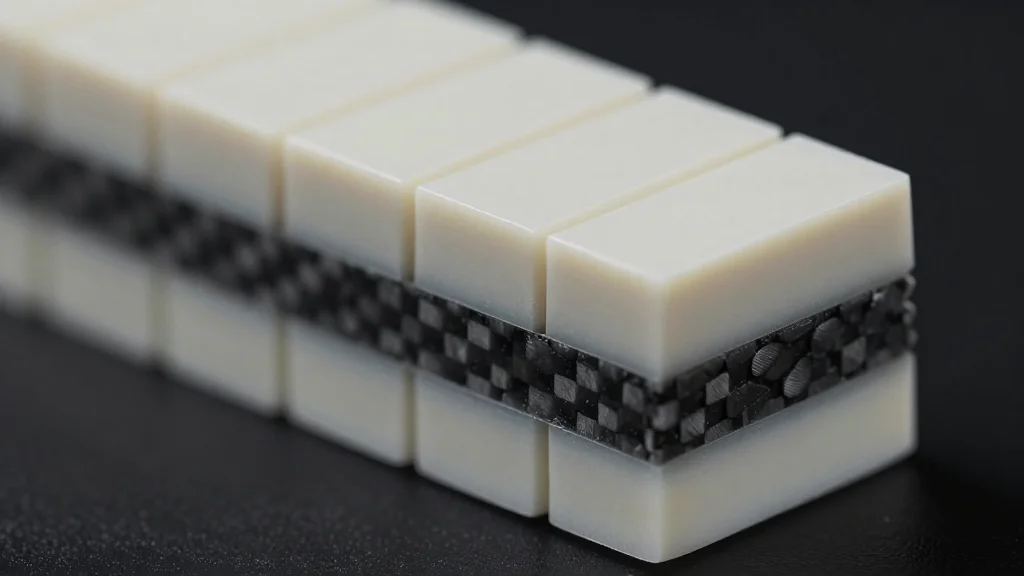
Bioinspired Integration of B4C/CNT: Laminated Composites With Nacre‐Like Mechanics for Lightweight Impact‐Resistant Systems
Researchers have created a bioinspired B4C/CNT laminated composite using in‑situ spark plasma sintering that mimics nacre’s brick‑and‑mud structure. The material achieves a low bulk density of 1.78 g/cm³ and a dynamic compressive strength of 1,098 MPa, delivering superior energy‑absorption performance. During high‑temperature...
AI/ML, Multiscale Modeling, and Emergence
Artificial intelligence and machine learning are rapidly reshaping materials design, with major tech firms and startups pursuing inverse‑design platforms that translate target properties into synthesizable compounds. Recent reviews highlight efforts from Google DeepMind, Microsoft, Meta, Toyota Research Institute, IBM and...

Engineered Nanoparticles Could Deliver Better Targeted Cancer Treatment to Lymph Nodes
Scientists at McGill University and the Goodman Cancer Institute have engineered nanoparticles that deliver an existing immunotherapy directly to metastatic lymph nodes. The nanocomplex senses a molecule abundant in cancer‑laden nodes, activating the drug only at the disease site while...