Today's Nanotech Pulse
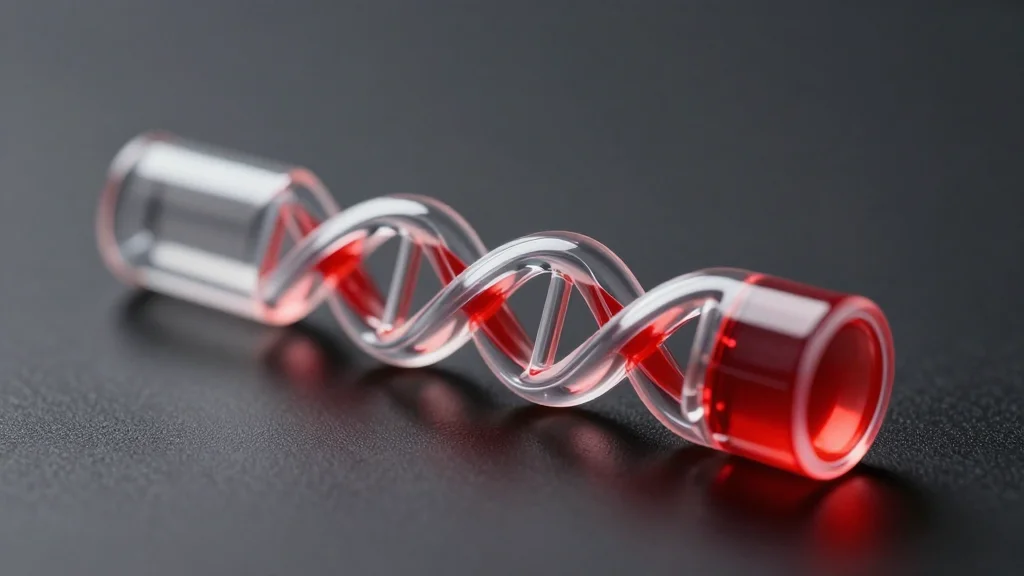
Left‑handed DNA origami tubes double chemotherapy efficacy against AML
Researchers at the Cancer Center at Illinois showed that left‑handed DNA origami tubes loaded with Daunorubicin achieve more than twice the cell‑killing efficacy of right‑handed tubes. The tubes display aptamers that target the CD117 protein on acute myeloid leukemia cells and their left‑handed geometry promotes rapid internalization.
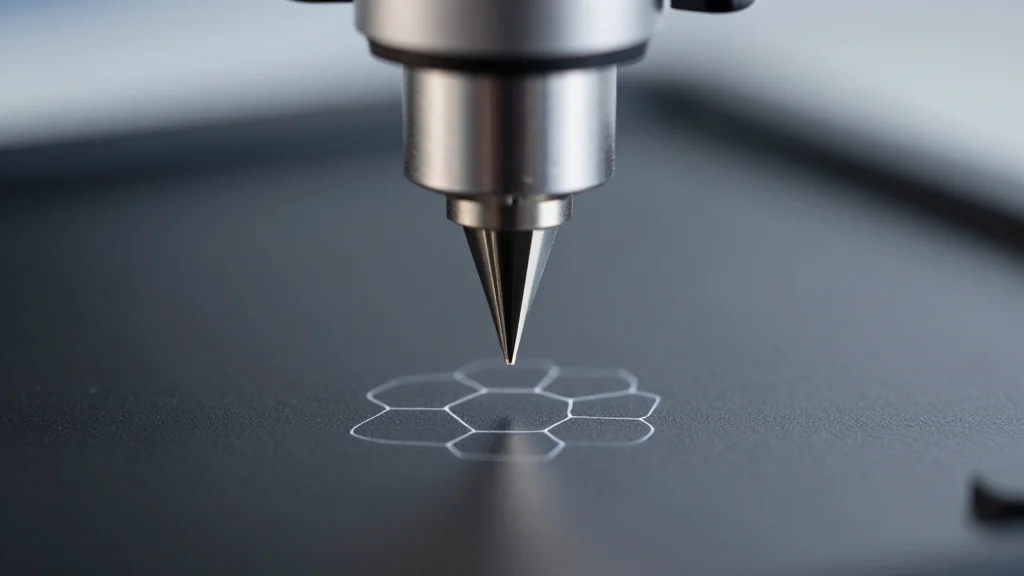
Park Systems Unveils NX1, First Ambient‑Condition Atomic‑Resolution AFM
Park Systems Corp. has released the NX1, a compact atomic force microscope that achieves true atomic‑resolution imaging in ambient conditions. Developed with Prof. Franz J. Giessibl, the instrument lowers the noise floor by roughly ten‑fold, bringing ultra‑high‑vacuum performance to everyday research labs.
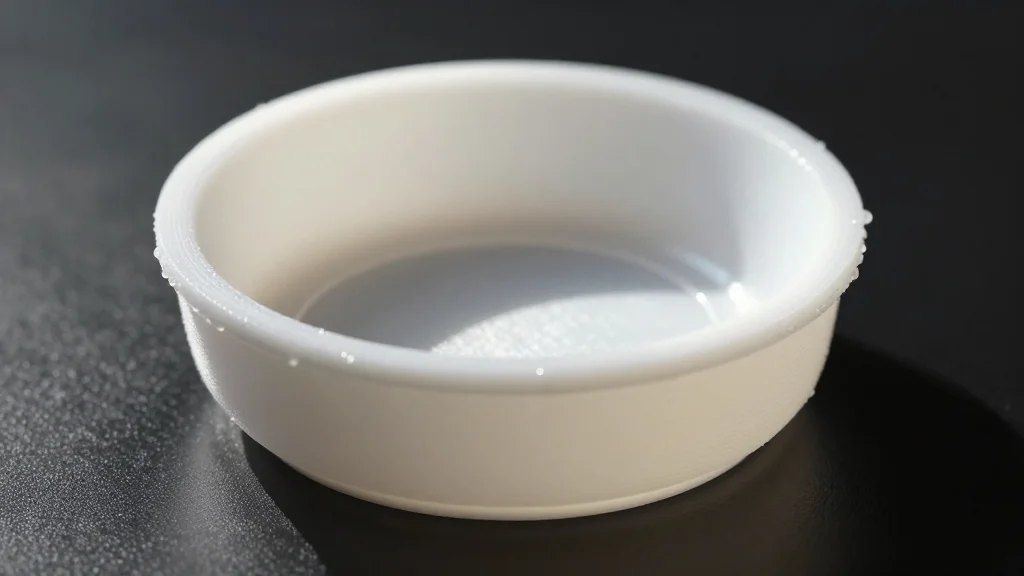
Rational Design of a High Performance Three‐Dimensional Printed Concave Photoreactor for Sunlight‐Drivable Micropollutant Removal From Water
Researchers have 3D‑printed a concave photoreactor that boosts light capture through multiple internal reflections. When paired with a single‑atom Cr‑doped Bi3O4Br/PVDF photocatalytic membrane, the system degrades antibiotics ranging from 100 ng/L to 10 mg/L. In laboratory trials it achieved 99.9% tetracycline removal...

Application of Polyvinylpyrrolidone-Stabilized Silver Nanoclusters as Fluorescent Probes for Trace Iodide in Seaweed
Researchers synthesized polyvinylpyrrolidone‑stabilized silver nanoclusters (AgNCs@PVP) that act as a fluorescent probe for iodide detection in seaweed. The probe exhibits a linear response from 0.29 µM to 280 µM with a detection limit of 56 nM, and fluorescence is selectively quenched by iodide...
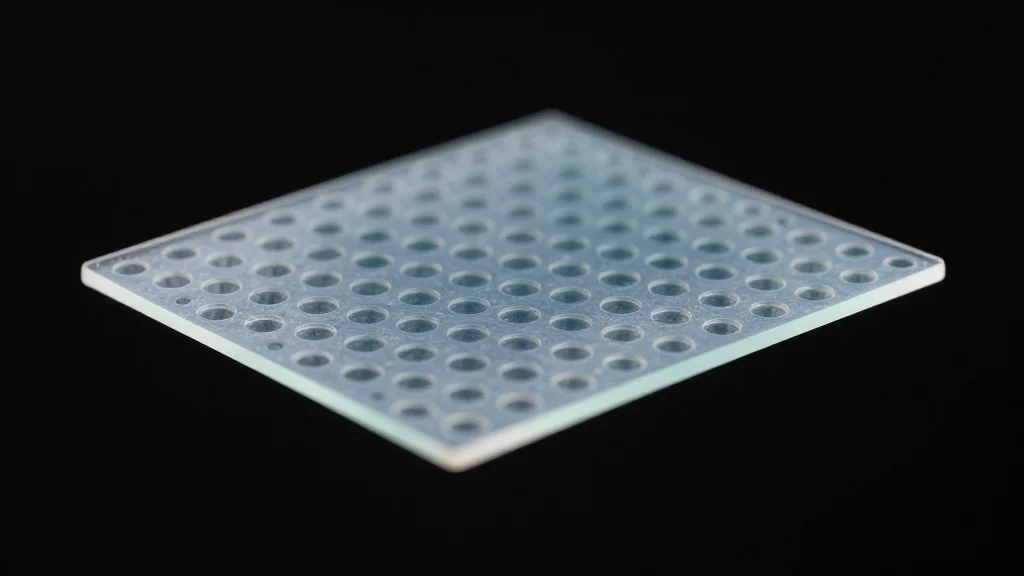
Light‐Responsive Block Copolymer Nanosheets With Well‐Ordered and Switchable Channels
Researchers have developed light‑responsive polystyrene‑b‑poly(4‑vinylpyridine) (PS‑b‑P4VP) nanosheets that switch from a solid, non‑porous state to a hexagonally ordered porous structure when exposed to visible light. The transition is driven by proton release from a spiropyran photoacid (SPPA) and reverses in...
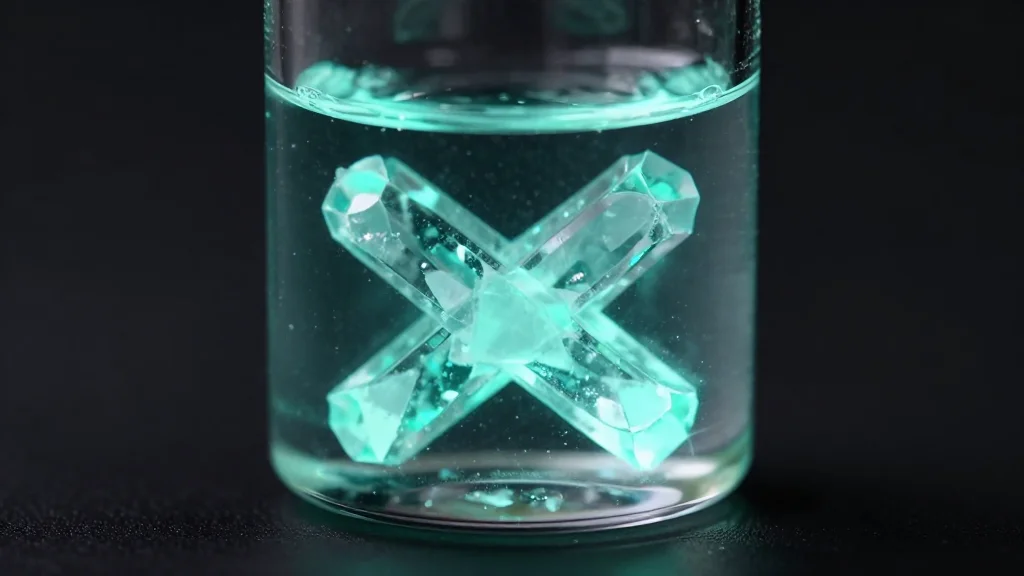
Solvent‐Free Preparation of Pharmaceutically Active Diindolylmethane Derivatives by Stable Triple‐Interpenetrated Heterometallic‐Organic Frameworks With Sc‐Pd/Pt Synergistic Sites
Researchers reported a one‑pot synthesis of triple‑interpenetrated heterometallic‑organic frameworks (HMOFs) containing Sc‑Pd or Sc‑Pt synergistic sites. The resulting ScPd‑INA, ScPt‑INA and ScPt‑MCA catalysts achieved up to 99% conversion in solvent‑free Friedel‑Crafts alkylation of diindolylmethane (DIM) precursors. Single‑crystal X‑ray diffraction confirmed...
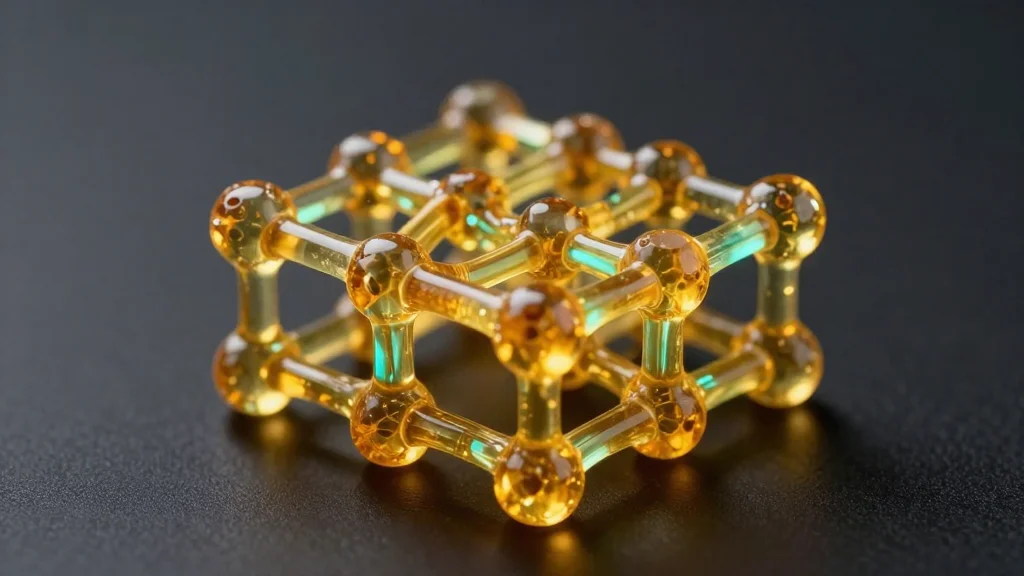
An Intimate Heterojunction Architecture: Linear Conjugated Polymer Confinement Within Covalent Organic Framework Pores for Enhanced Photocatalytic Hydrogen Peroxide Production
Researchers have engineered a covalent organic framework (COF) that encapsulates linear conjugated polymers (LCP) within its pore channels, forming an internal heterojunction. This COF@LCP hybrid dramatically boosts photocatalytic hydrogen peroxide production, delivering a 209% increase over pure COF and a...
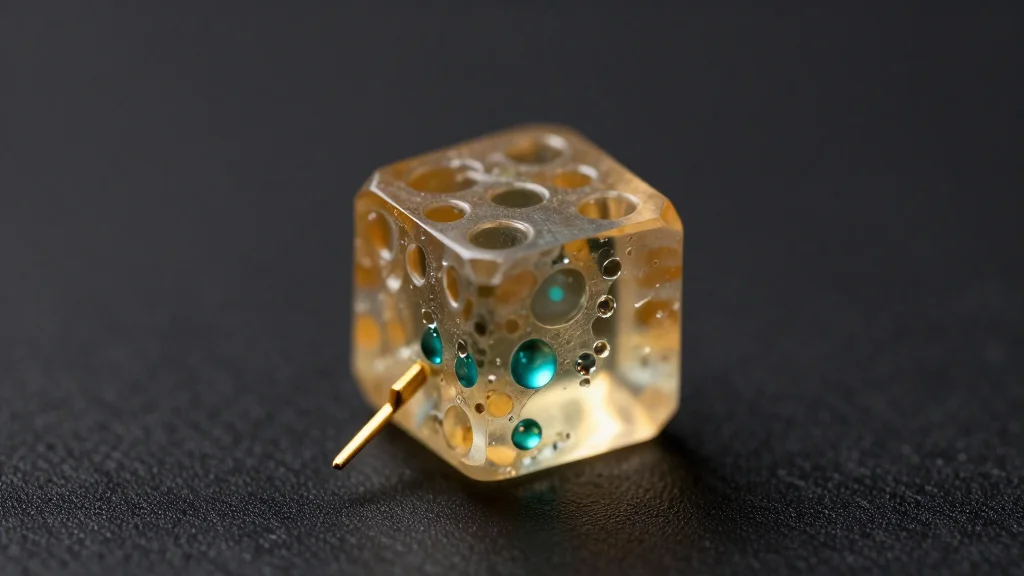
Confinement at Defect Sites Dissociates Ionic‐Liquid Pairs for Brain‐Like Organic Computing
Researchers have integrated a benzoic‑acid‑modified MIL‑125‑NH2 metal‑organic framework (BA‑MOF) with the ionic liquid EMIMTFSI into organic electrochemical transistors (OECTs). The intentional defect sites in the porous MOF bind the ionic liquid, suppressing ion diffusion and promoting ion‑pair dissociation, which raises...
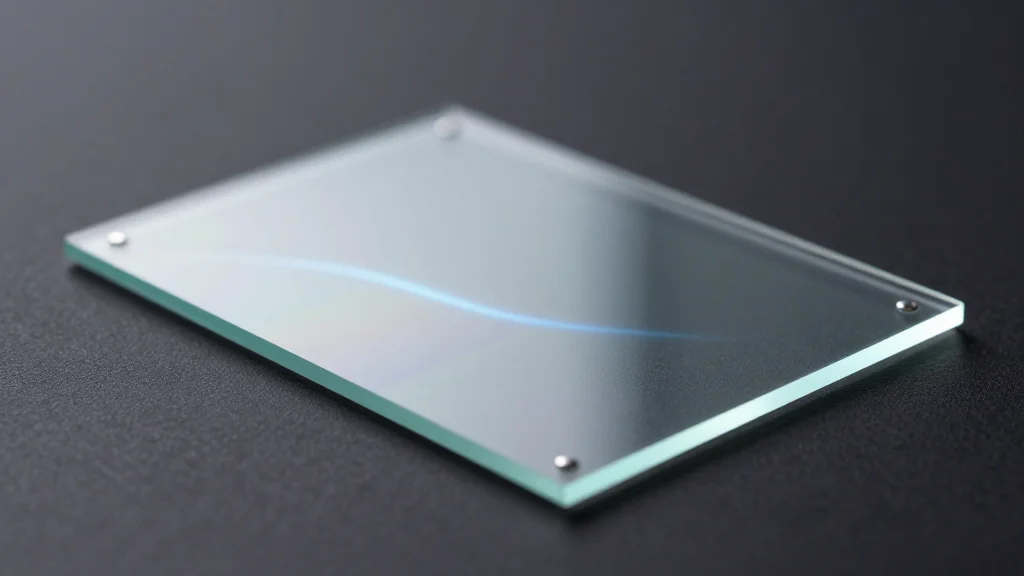
Electric Field–Driven Nanoreactor Strategy for Rapid Fabrication of CRO Photocathodes Toward Efficient Photoelectrochemical Hydrogen Evolution
Researchers have introduced an electric‑field‑driven nanoreactor strategy that rapidly assembles ultrathin conjugated reticular oligomer (CRO) films on conductive substrates. The method uses cetylpyridinium bromide (CPB) as both surfactant and charge carrier, eliminating the need for acid catalysts and enabling deposition...

Metal and Covalent Organic Frameworks for Photocatalytic Conversion of N2‐to‐NH3: Mechanisms, Materials, and Perspectives
The review surveys recent progress in metal‑organic frameworks (MOFs) and covalent organic frameworks (COFs) as photocatalysts for converting nitrogen to ammonia using sunlight. It details how high surface area, tunable porosity and engineered active sites improve N₂ adsorption, charge separation,...
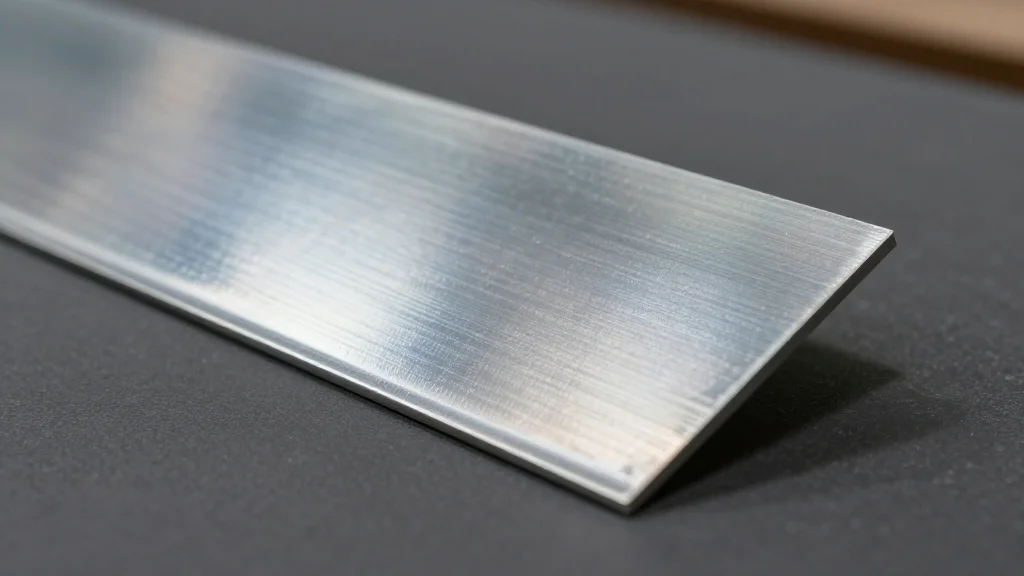
Sparc Technologies Announces AkzoNobel Commercial Launch of Ecosparc Graphene-Enhanced Additive in Australia
Sparc Technologies announced that AkzoNobel will commercialise its graphene‑based ecosparc additive in Australia, embedding it in the heavy‑duty Interzone 954 protective coating starting May 2026. The launch follows more than six years of R&D and 21 months of field trials on steel...

Scientists Build Drug-Carrying DNA Robots to Target Diseases
Scientists have engineered microscopic DNA robots that can carry therapeutic payloads and seek out viruses, acting as nano‑surgeons within the bloodstream. By applying origami‑inspired rigid joints and flexible components, the robots achieve nanometer‑scale precision. Movement is programmed through DNA strand...
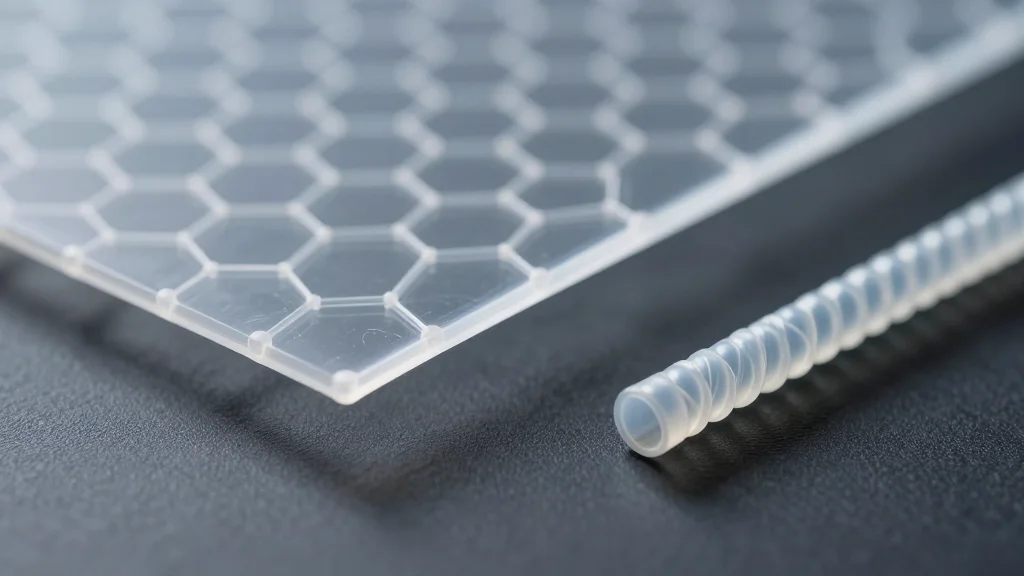
Assessment of Thermal, Mechanical, and Viscoelastic Responses of Carbon Nanomaterials Using Molecular Dynamics Simulations
A new molecular dynamics study quantifies the thermal, mechanical, and viscoelastic performance of graphene and carbon nanotubes (CNTs). The simulations report graphene thermal conductivity near 200 W·m⁻¹·K⁻¹ and CNT conductivity around 50 W·m⁻¹·K⁻¹, both rising with larger dimensions but falling at higher...
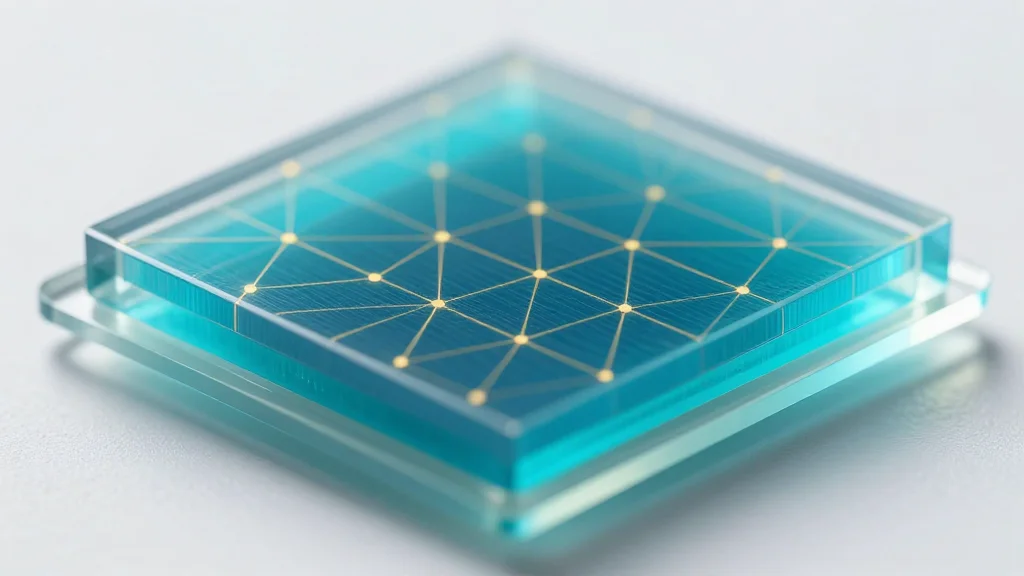
Molecular Interface Tweak Boosts Perovskite Solar Cell Reliability
Researchers announced a molecular‑level interface modification that markedly improves the reliability of perovskite solar cells, overturning the prevailing belief that such tweaks compromise performance. The breakthrough, reported on April 29, 2026, could accelerate commercial rollout of high‑efficiency, low‑cost solar technology.
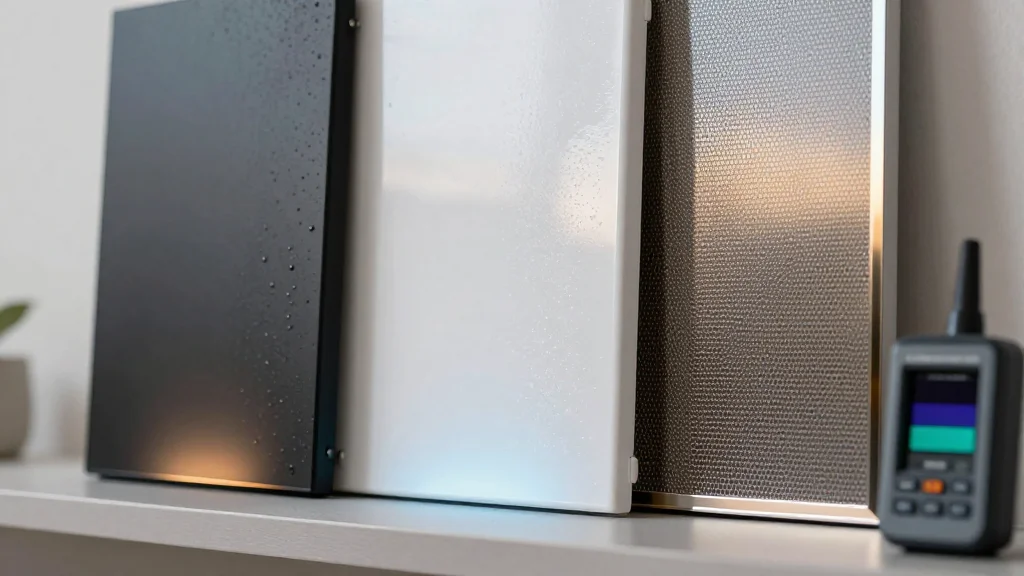
Penguin-Inspired Film Combines Thermal Control and Microwave Shielding
Researchers have created a flexible Janus composite film that alternates between heating, cooling, and microwave shielding without moving parts. One side, coated with vanadium dioxide nanofibers, absorbs sunlight and becomes conductive above ~68 °C, turning the film into a high‑frequency shield....
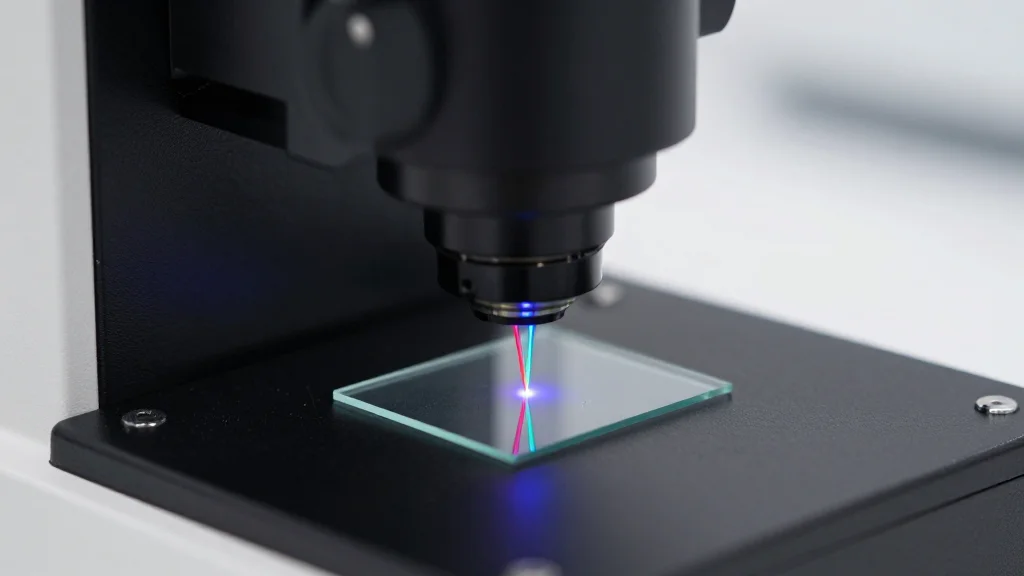
Optical Design Unlocks Direct Raman Detection of Ångström-Scale Ultrathin Molecular Layers at Interfaces
Researchers at Japan’s Institute for Molecular Science and SOKENDAI have unveiled a nonlinear coherent Raman technique that directly detects molecular films only a few atoms thick. By engineering femtosecond pump, Stokes and picosecond probe pulses, the method suppresses substrate background...

RNA-Built Droplets Create Customizable Organelles Inside Living Cells
UCLA researchers have engineered programmable artificial organelles by assembling RNA nanostars into droplet‑like condensates inside living cells. The RNA sequences encode assembly instructions, allowing precise control over condensate size, composition, and subcellular location. Published in Nature Nanotechnology, the study demonstrates...

Researchers Engineer Programmable RNA Condensates Inside Mammalian Cells
A team of biochemists has demonstrated the first programmable artificial RNA condensates in living mammalian cells using single‑stranded RNA nanostars. The condensates can be engineered to remain orthogonal, offering a modular platform for intracellular nanotechnology and synthetic organelle design.
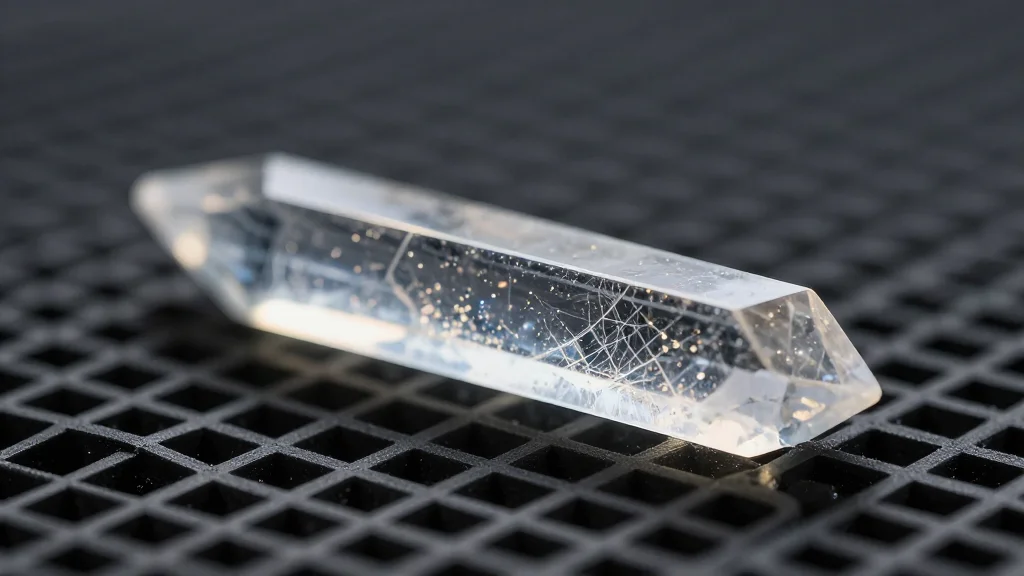
Hidden 3D Atomic Structure of Relaxor Ferroelectrics Revealed for First Time
MIT researchers and collaborators have, for the first time, directly imaged the three‑dimensional atomic structure of a lead‑magnesium‑niobate‑lead‑titanate relaxor ferroelectric using multi‑slice electron ptychography. The technique uncovered a hierarchy of chemical and polar arrangements that are far finer than predicted...

Researchers Teleport Photon Over 270 M, Setting New Quantum Distance Record
A team led by Paderborn University has teleported the polarization state of a single photon across a 270‑meter open‑air link, the longest distance yet for quantum teleportation between independent quantum dots. The result, published in Nature Communications, marks a pivotal...

Heriot‑Watt Researchers Achieve 100,000‑Fold Boost in Light Polarisation Control
Researchers at Heriot‑Watt University have demonstrated an all‑optical method to switch light polarisation 100,000 times stronger than previous techniques, using an aluminium‑zinc‑oxide film. The ultrafast, electronics‑free approach promises faster quantum‑communication hardware and new tools for drug synthesis.

DNA Nano‑Ring Precisely Captures and Orients Membrane Proteins
A new DNA nano-ring platform enables precise capture and orientation of individual membrane proteins, advancing the study of these vital cellular gatekeepers and opening new possibilities in medicine, imaging, and synthetic biology. nanotechnology
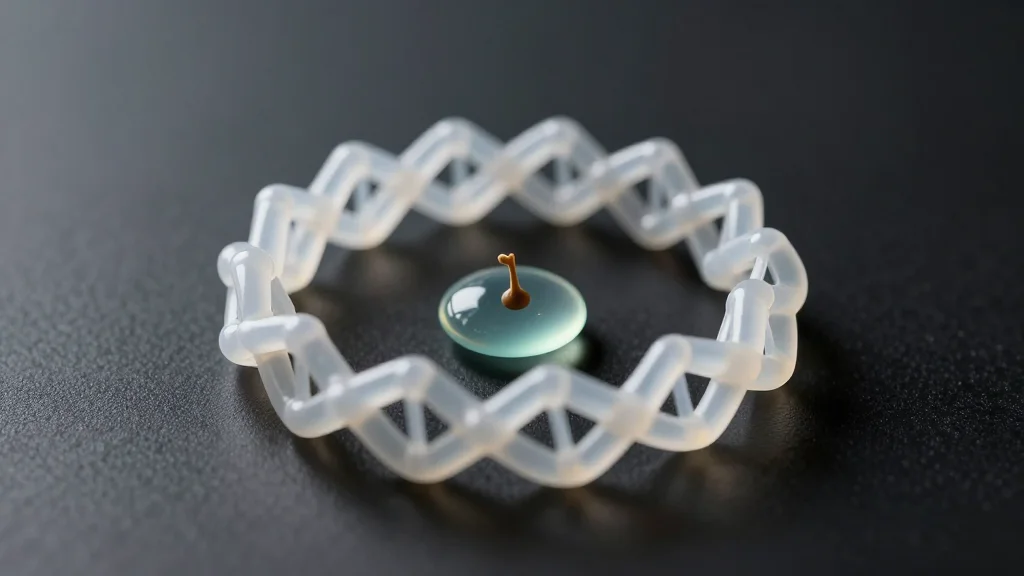
Researchers Create DNA 'Nano-Rings' To Control Viral Cell Proteins
Scientists at Durham University and Jagiellonian University have engineered DNA‑origami nano‑rings that trap individual membrane proteins within nanodisks, creating a highly controllable platform for structural studies. The DNA‑Origami‑Constrained Nanodisks (DOC‑NDs) reliably capture single proteins and can dictate their orientation, a...

Wearable Sweat Patch Detects Six Vitamins in Real Time, Hits 0.33 nM Sensitivity
Researchers have unveiled a flexible skin patch that measures six essential vitamins in sweat, achieving detection limits as low as 0.33 nanomolar for folic acid. Published in Nature Communications, the study demonstrates real‑time, non‑invasive micronutrient monitoring that could reshape personalized nutrition.

Pfizer Unveils Nanoparticle Platform Aimed at Precision Cancer Therapy
Pfizer disclosed a nanotechnology‑based drug‑delivery platform that uses engineered nanoparticles to target tumors with high precision. The initiative, led by Puja Sapra of the Targeted Therapeutics Unit, seeks to reduce collateral damage to healthy cells and could reshape oncology pipelines.
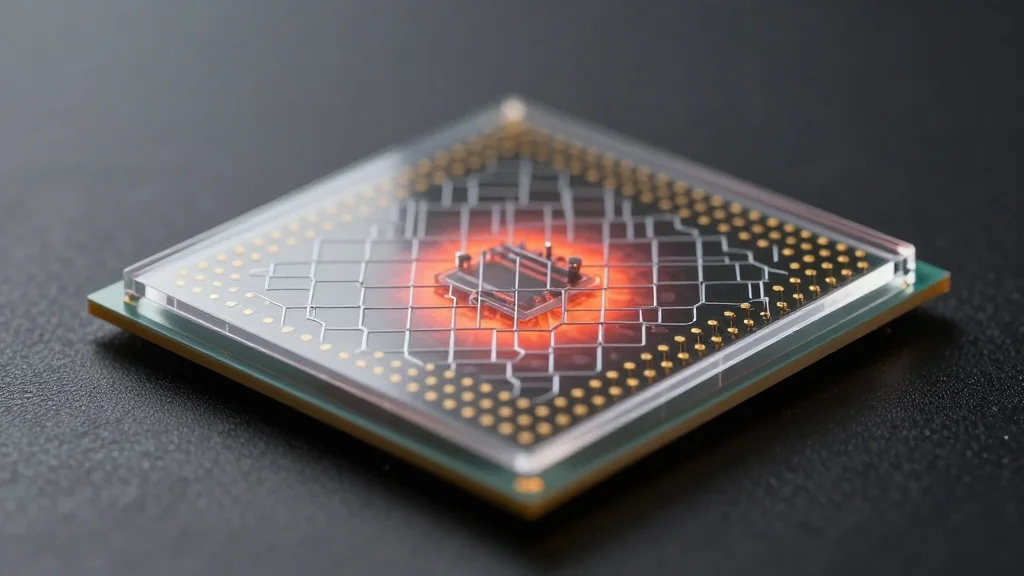
In Vitro Reconstruction of Axonal Heat Sensing with a Photothermal Nerve‐on‐a‐Chip
Researchers unveiled a photothermal nerve‑on‑a‑chip that couples graphene‑based microheaters with microelectrode arrays to deliver millisecond‑scale, localized heat to sensory axons while recording extracellular action potentials. The system captured rapid, reproducible heat‑evoked firing in rat dorsal root ganglion neurons and revealed...

Coordination‐Modulated MOF‐Derived Electrocatalysts for Enhanced C─C Coupling in CO2 to C2H4 and C2H5OH Conversion
The review outlines mechanistic pathways for electrochemical CO₂ reduction to ethylene and ethanol using MOF‑derived electrocatalysts. It integrates studies of *CO intermediates, in‑situ spectroscopy of dynamic active sites, and DFT calculations of energy barriers. Future directions include machine‑learning‑guided MOF screening,...
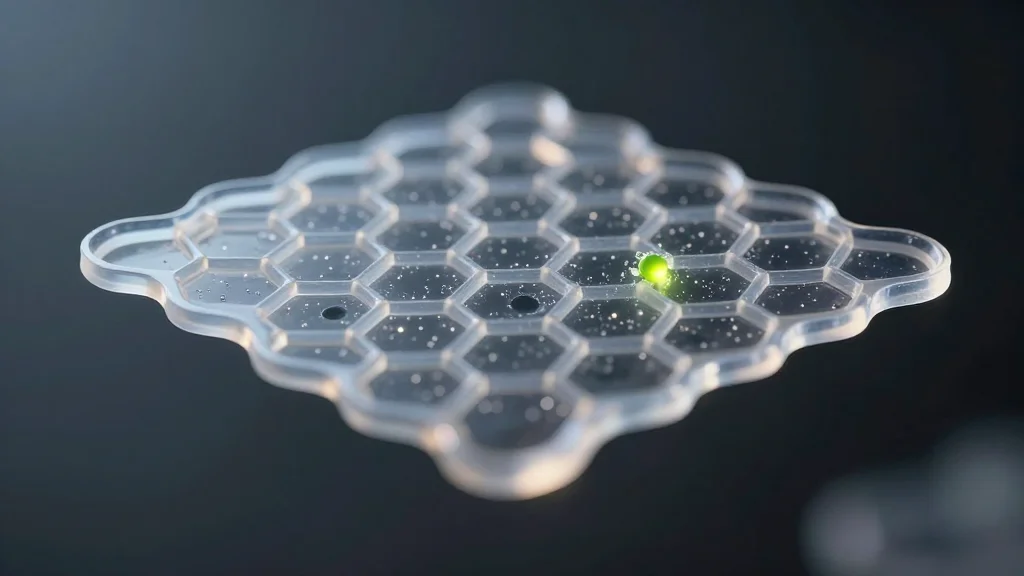
Sulfur‐Vacancy‐Derived Lewis Acid Sites in 3R‐Phase ZnIn2S4 Nanosheets for Efficient Uranium Extraction From Wastewater
Researchers engineered two‑dimensional 3R‑phase ZnIn2S4 nanosheets with abundant sulfur vacancies, creating Lewis‑acid sites that bind uranyl ions and accelerate charge separation. The resulting photocatalyst achieves an unprecedented uranium uptake of 1320 mg per gram of material in high‑concentration wastewater, far surpassing...
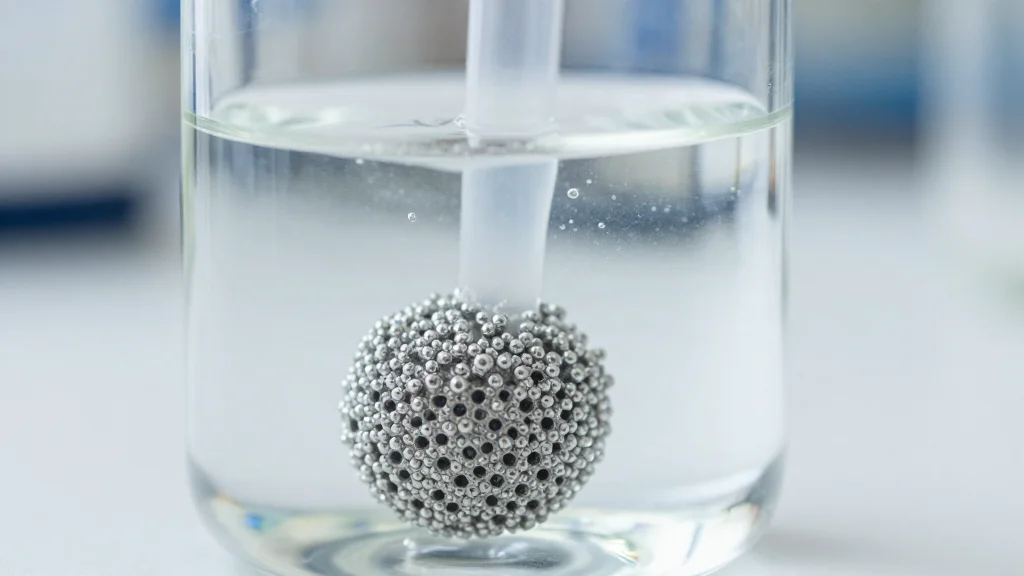
Doping‐Engineered Fe‐Co Tandem Sites Balance Hydrogen and Nitrite Intermediates for Efficient Nitrate to Ammonia Conversion at Low Potential
Researchers have developed an iron‑cobalt tandem electrocatalyst (FeCo/C‑0.5) that converts nitrate to ammonia with 98% selectivity and 89.7% Faradaic efficiency at just –0.33 V vs. RHE. The catalyst balances active hydrogen and nitrite intermediates, suppressing the competing hydrogen evolution reaction while...
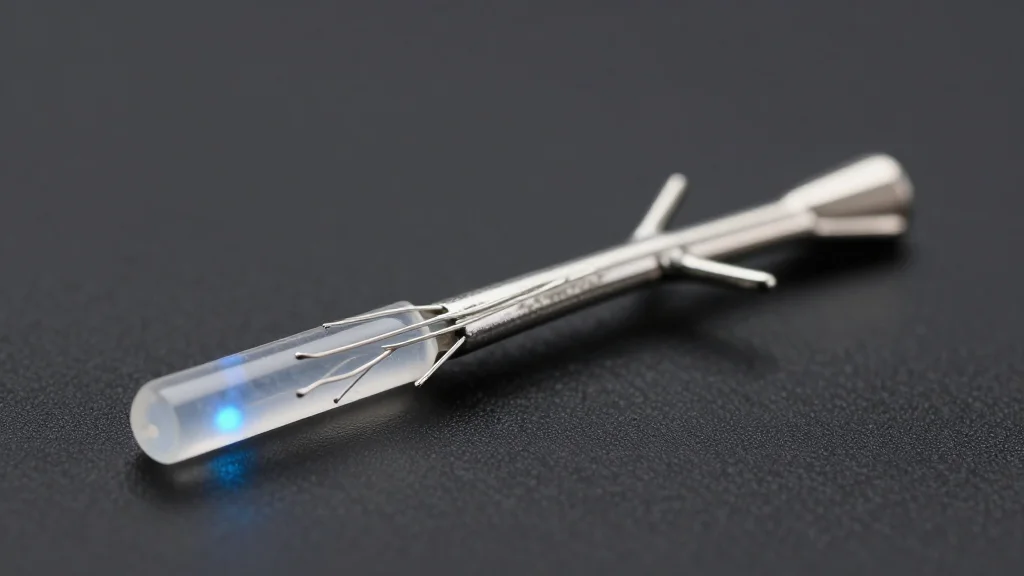
POSTECH's Tree‑Branch Nano‑Electrode Delivers 7× Capacity Boost for Solid‑State Batteries
POSTECH and Pukyong National University scientists announced a tree‑branch‑shaped 3D nano‑electrode that raises all‑solid‑state battery capacity about seven times under fast charge‑discharge cycles. The design creates microscopic gaps that let solid electrolytes fully infiltrate the electrode, promising safer, longer‑lasting energy...
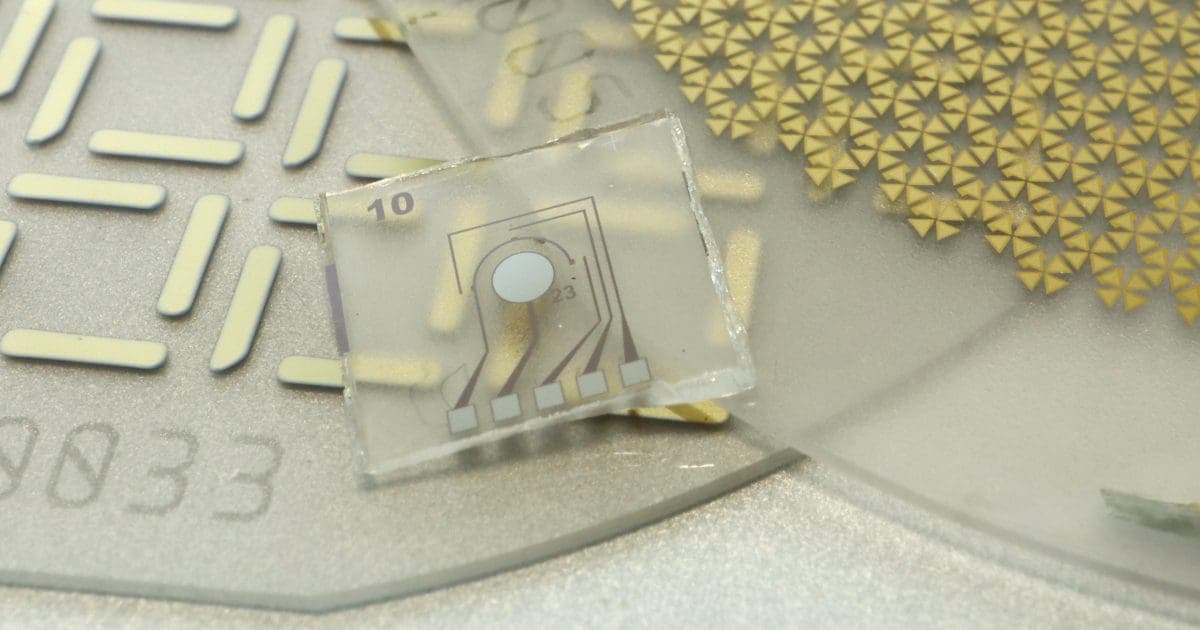
Paragraf & Archer Materials Target Quantum Computing With Graphene
Paragraf, a UK graphene‑electronics specialist, has teamed with Australia’s Archer Materials to create graphene‑based structures for qubit detection. The partnership combines Paragraf’s wafer‑scale graphene deposition process with Archer’s quantum‑device expertise, aiming to move quickly from research to functional prototypes. By...

Exosome-Like System by INdermal
INdermal has launched a biomimetic exosome-like platform that mimics natural exosomes using plant‑derived proteins and RNA. The system delivers 10¹⁴ exosomes per milliliter—about a million times the concentration of native exosomes—and incorporates β‑sitosterol to improve cellular uptake. It powers four...
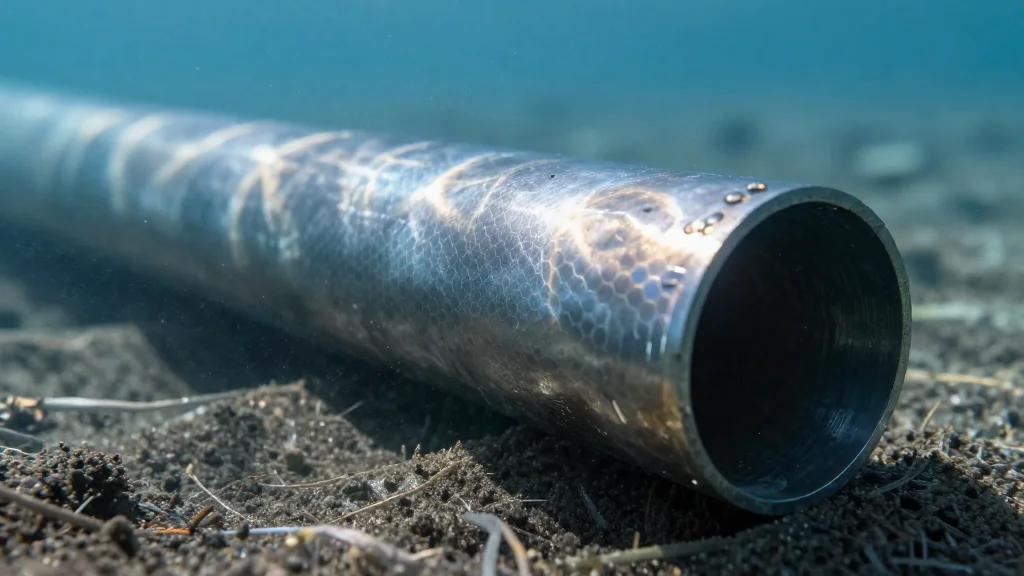
Royalton and PETRONAS Partner to Validate Graphene-Enhanced Underwater Epoxy Coating for Corrosion Protection
Royalton Coating Systems has partnered with PETRONAS Technology Ventures to validate a graphene‑enhanced underwater epoxy coating, ProShield+, for its ROYALPOXY UW 410 system. The additive is designed to block water, oxygen and salts, boosting barrier performance, adhesion and resistance to micro‑cracking. The...
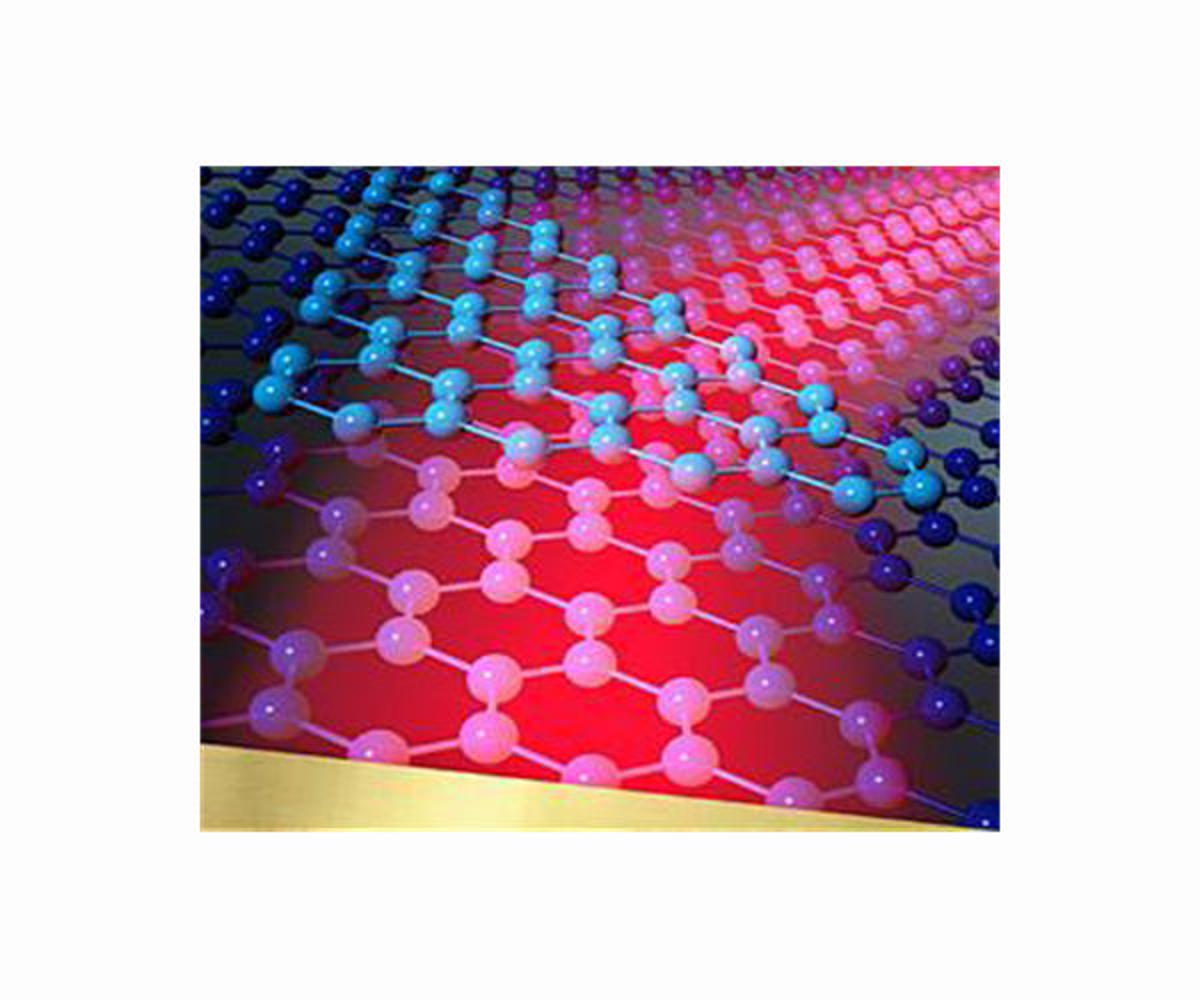
AI-Driven Design Tools Unlock New Capabilities in Flat Optical Devices
Researchers at Korea University have detailed how artificial intelligence is dismantling the design bottlenecks that have limited metasurfaces—ultra‑thin flat optical components—from lab prototypes to commercial products. AI‑driven surrogate models cut simulation time from weeks to milliseconds, while inverse design lets...

Harvard Team Achieves Milliwatt UV Light Generation On a Photonic Chip
Harvard researchers have built a chip‑scale ultraviolet light source on thin‑film lithium niobate that delivers 4.2 mW of on‑chip power at 390 nm, roughly 120 times more than prior demonstrations on the same platform. The device uses a frequency‑up‑conversion process that merges two...

New Copper Nanozyme Shows Powerful Tumor Suppression with High Precision
Researchers at the Chinese Academy of Sciences have created a coordinatively unsaturated copper single‑atom nanozyme (Cu‑N₂‑CDs) that exhibits markedly higher catalytic activity than traditional Cu‑N₄ nanozymes. The unsaturated Cu‑N₂ sites boost H₂O₂ adsorption by 3.49 times and generate hydroxyl radicals 3.62 times...
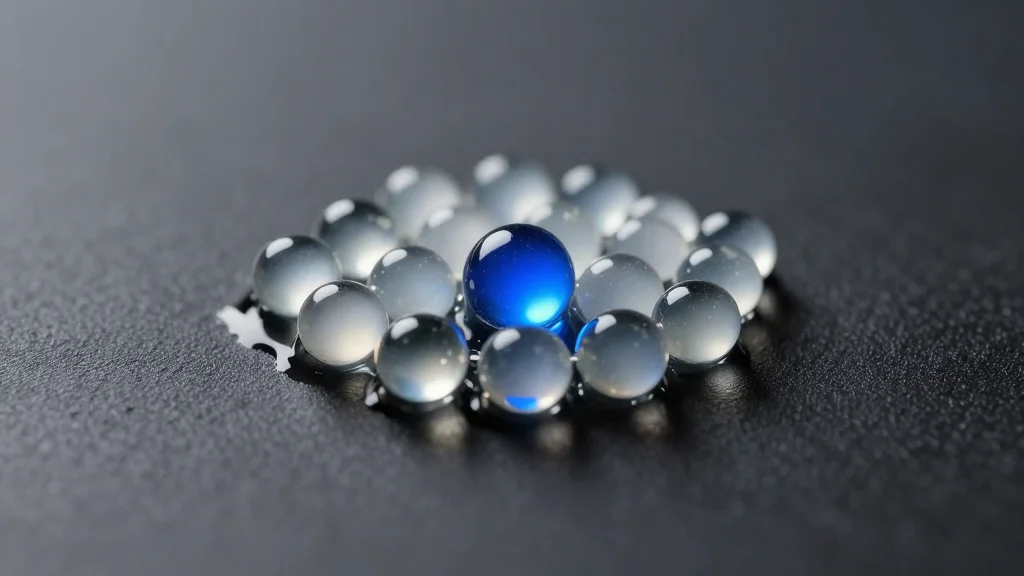
Review Spotlights InP Quantum Dot Advances and Persistent Synthesis Hurdles
A multidisciplinary team led by Yangyang Bian published a March 2026 review dissecting recent breakthroughs and ongoing obstacles in indium phosphide (InP) quantum dot synthesis. The paper highlights precise nucleation control, core/shell engineering, and ligand design as pivotal for high‑performance,...
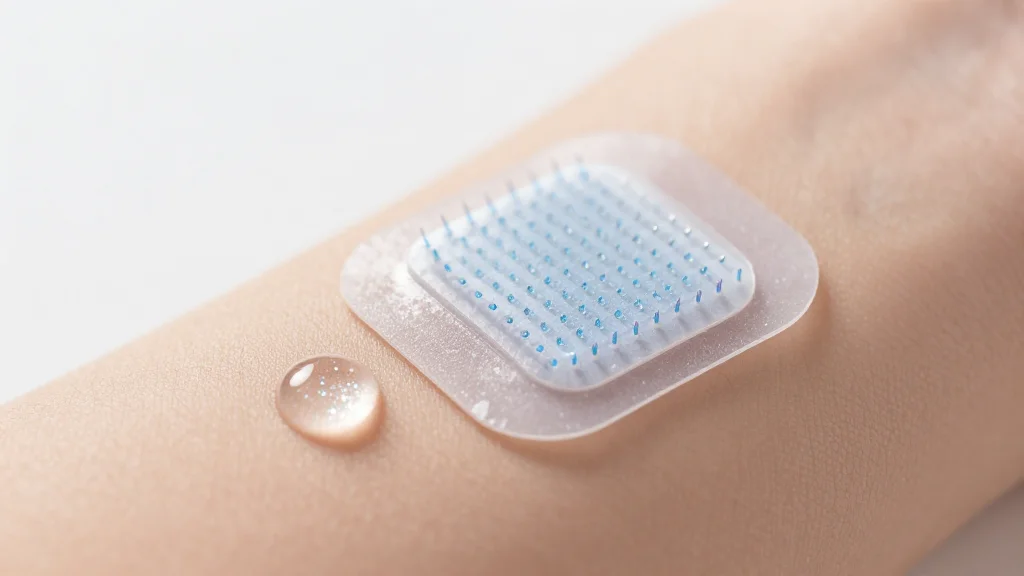
The Nanotechnology Behind Biohacking: What Works, What Is Early, and What Is Hype
Nanowerk’s new guide categorizes nano‑enabled biohacking tools into mature, emerging, and hype‑driven claims. It highlights FDA‑cleared over‑the‑counter glucose monitors and a 2026 microneedle patch that can track multiple biomarkers, while warning that many supplement and peptide claims lack solid human...
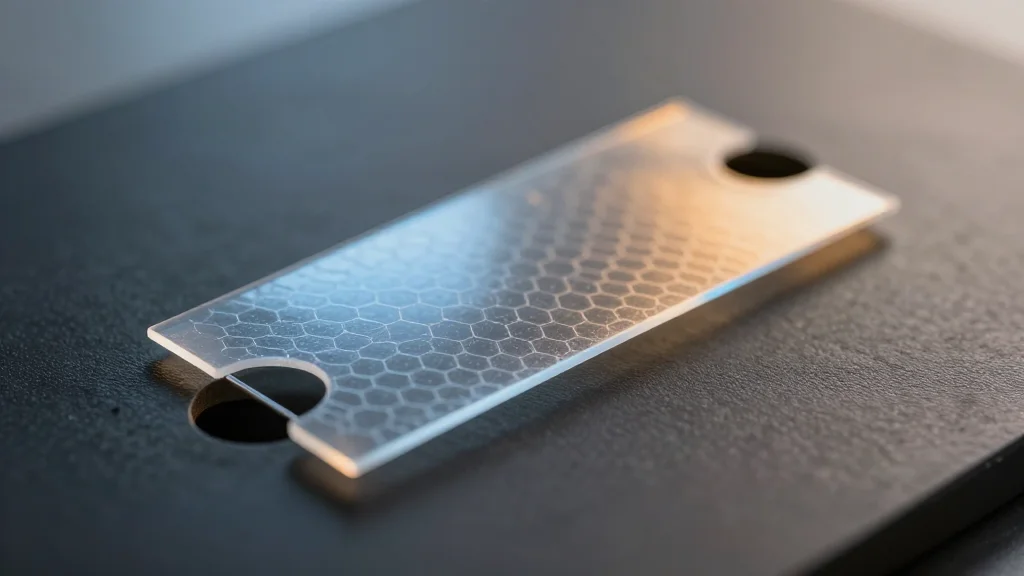
Scientists Tame Unusual Thermal Shrinking in Two-Dimensional Materials, Paving Way for Ultra-Stable Nanoelectronics
A new review in Nano Research details how two‑dimensional materials such as graphene and hexagonal boron nitride shrink when heated, a phenomenon called negative thermal expansion (NTE). The authors explain the underlying phonon, rigid‑unit and spin‑lattice mechanisms and outline ways...
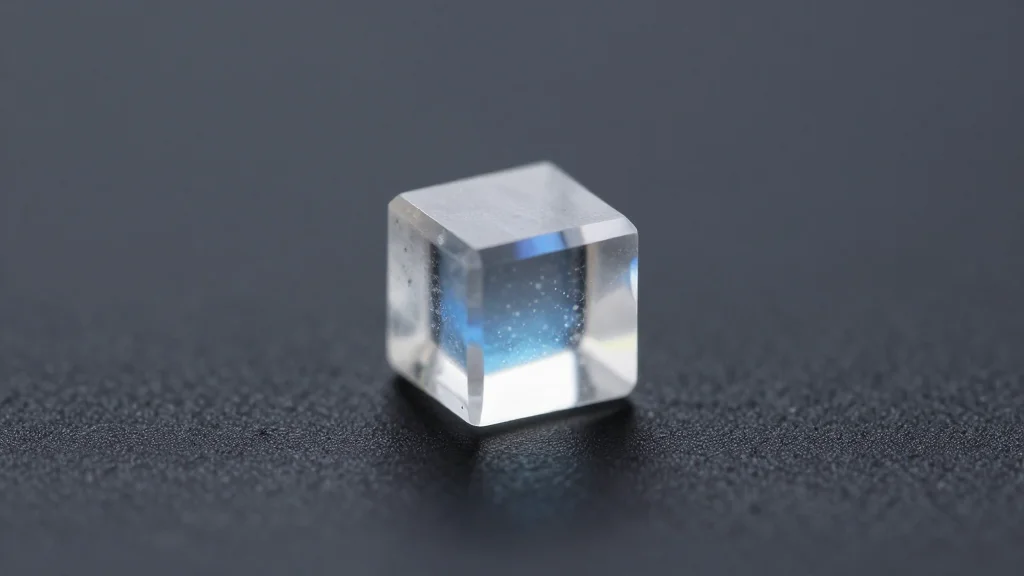
Nanophotonic Platform Pushes Solid-State Nuclear Clock Accuracy Toward 10⁻¹⁹
Sandro Kraemer and an international team demonstrated a nanophotonic platform that embeds thorium‑229 nuclei in high‑Q fluoride resonators, reaching projected clock accuracy of 10⁻¹⁹. The breakthrough addresses long‑standing signal‑strength limits and charts a path to compact, on‑chip nuclear timekeepers.
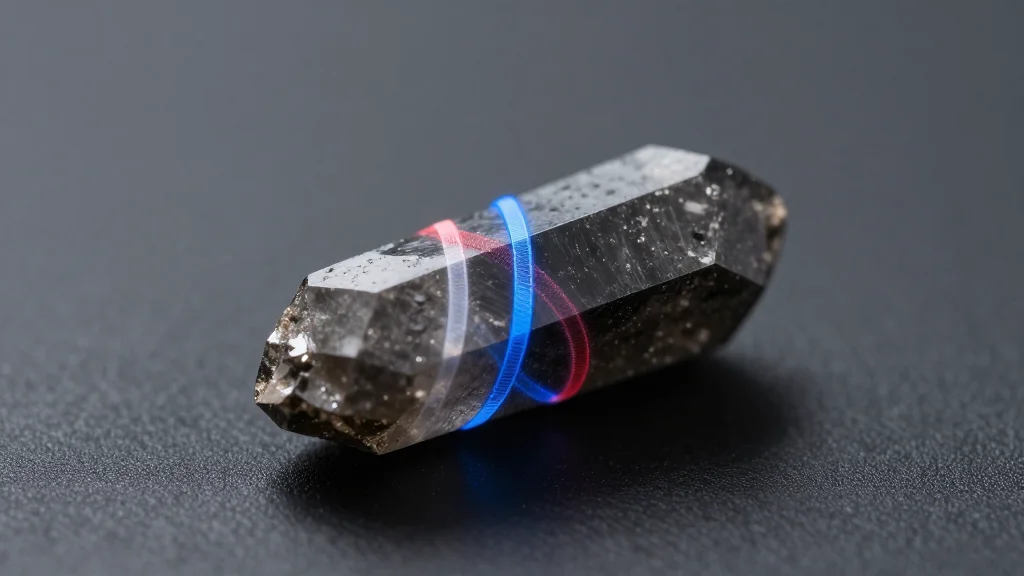
Atomic-Column Imaging Uncovers Hidden Magnetic Structures in Antiferromagnets
A collaborative team has introduced an atomic‑column‑resolved electron magnetic circular dichroism (EMCD) technique that images antiferromagnetic order at the single‑atom level using aberration‑corrected transmission electron microscopy. By detecting chiral‑reversal signals from opposite sides of a magnetic column, the method amplifies...
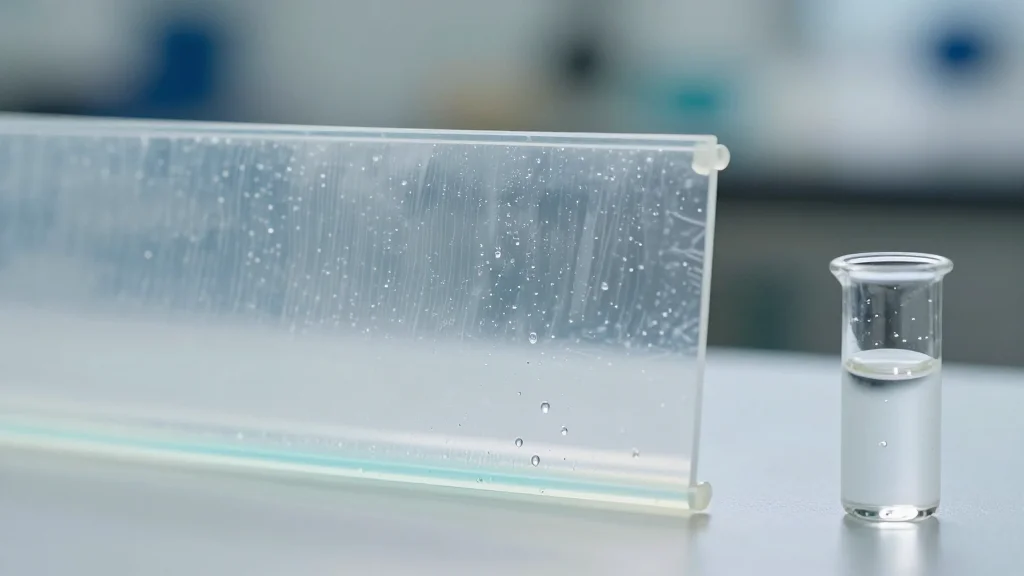
Nanofiltration Removes Glyphosate From Water More Efficiently
Researchers at Germany’s Karlsruhe Institute of Technology discovered that the hydration shell of glyphosate and its metabolite AMPA critically affects their removal by nanofiltration membranes. The study, published in Nature Communications, shows that higher pH enlarges the hydration layer, improving...
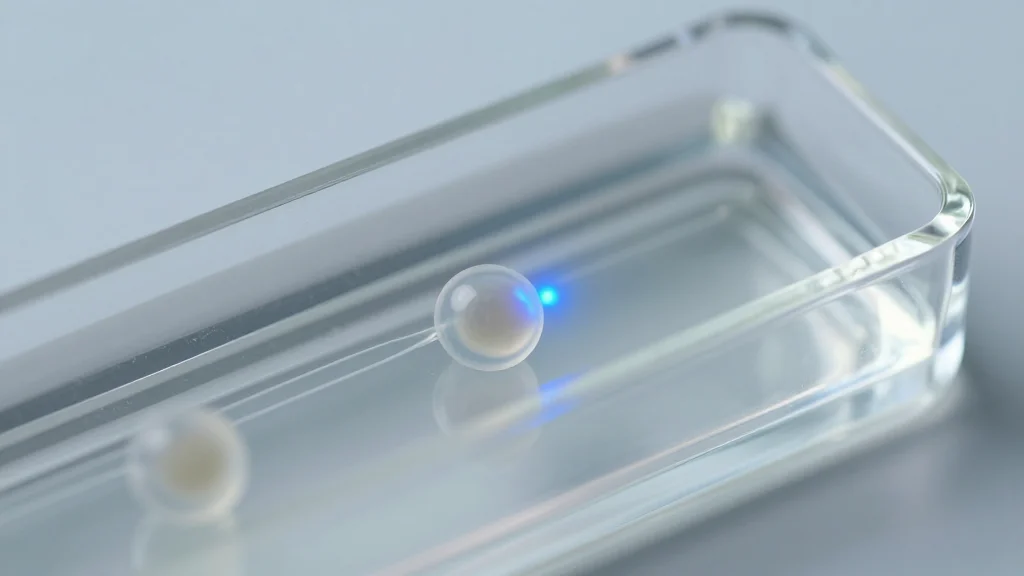
Molecular Quantum Nanosensors Reveal Temperature and Radical Signals Inside Living Cells
Researchers at Japan's National Institutes for Quantum Science and Technology, the University of Tokyo, and Kyushu University have unveiled molecular quantum nanosensors (MoQNs) that operate inside living cells. The sensors, built from pentacene spin qubits in para‑terphenyl nanocrystals and coated...
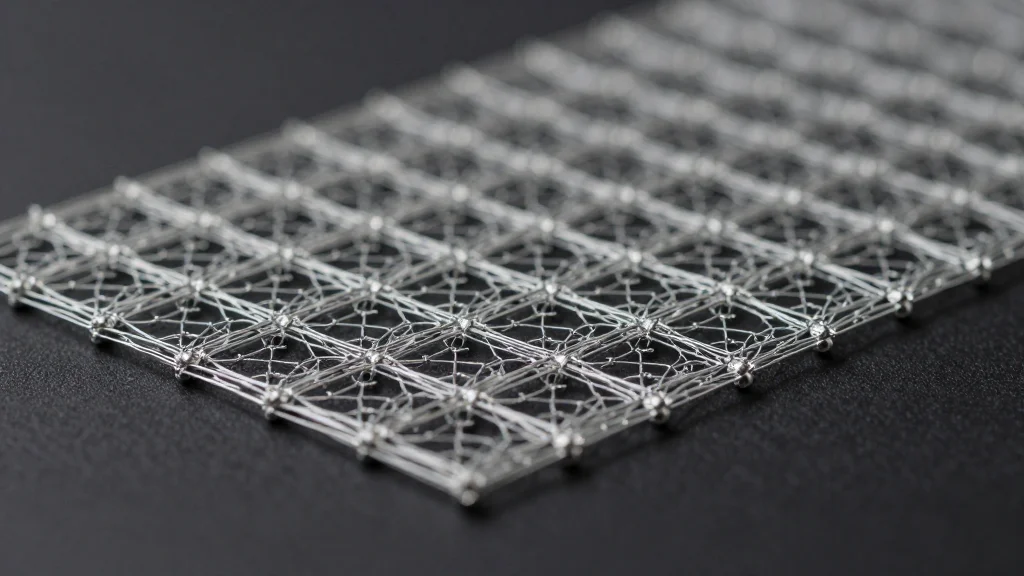
South Korea’s Nanotechnology Master Plan and National Strategic Technology Framework
South Korea’s National Science and Technology Advisory Council approved the sixth nanotechnology master plan (2026‑2035) and an upgrade to its national strategic technology framework. The nanotech plan outlines 13 priority tasks and five first‑of‑its‑kind research areas, aiming to place the...
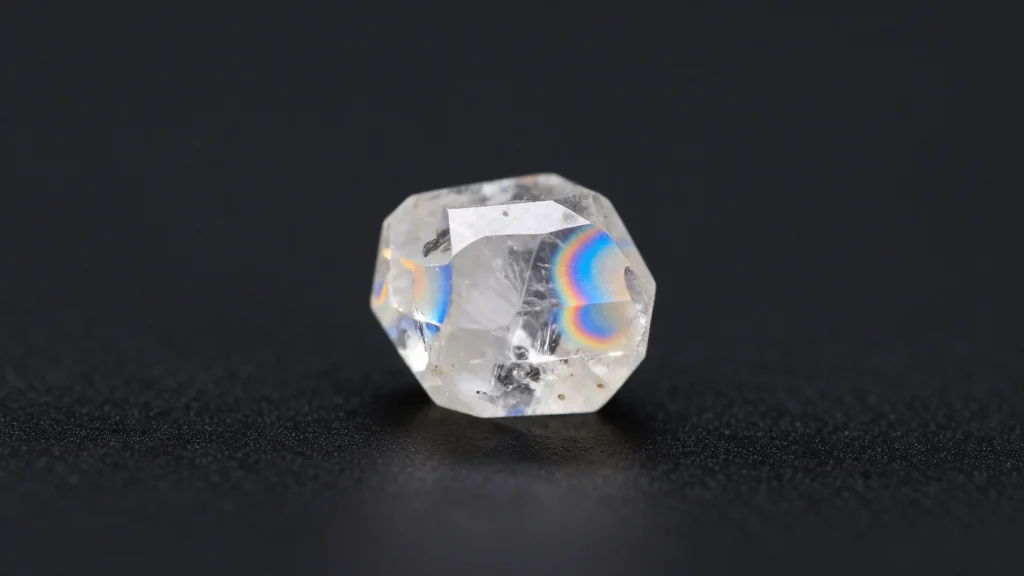
New Nitride Magnets Let Electricity Flip Hidden Spin Patterns
Researchers have identified wurtzite‑type nitride compounds MnSiN₂ and MnGeN₂ as room‑temperature multiferroic altermagnets. First‑principles calculations show that reversing their ferroelectric polarization also reverses the non‑relativistic spin splitting, providing electric control of hidden spin patterns. The intrinsic switching barriers are 0.96 eV...
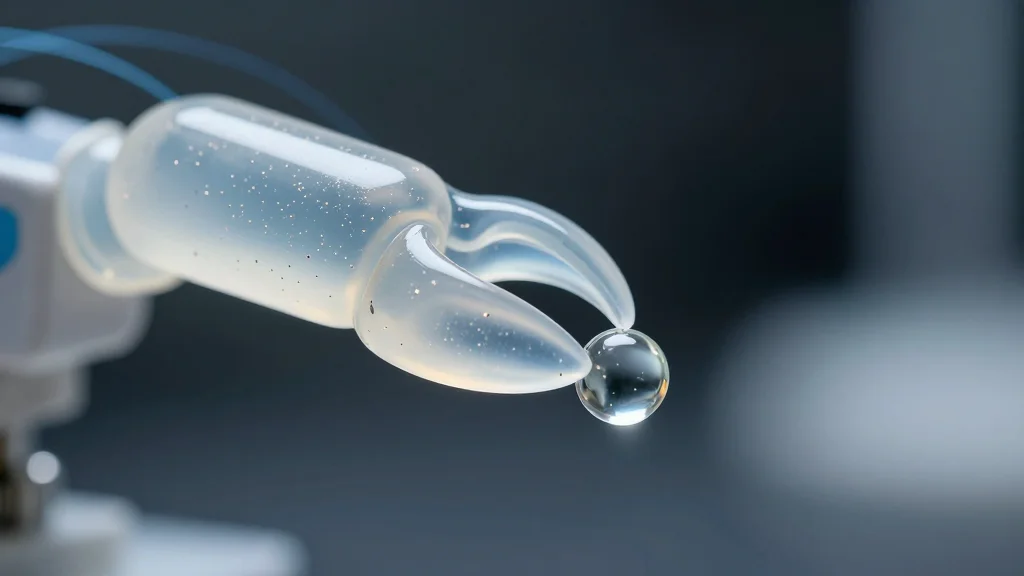
MIT Team Unveils Magnetically‑controlled Soft Hydrogel Microrobots for Medical Use
Researchers from MIT, EPFL and the University of Cincinnati have 3D‑printed soft magnetic hydrogel structures that transform into microrobots controllable by external magnets. The “magno‑bots” can deform and grip at sub‑millimeter scales, opening pathways for biopsy retrieval and targeted drug...
Milk Exosomes Transform Therapeutic Bioprocessing
Milk-derived extracellular vesicles, known as milk exosomes, are emerging as a biocompatible platform for therapeutic delivery. Researchers have loaded the JAK inhibitor tofacitinib into exosomes (mEXOs@TOF) for ulcerative colitis, achieving high drug‑loading efficiency, stability and strong anti‑inflammatory effects without toxicity....
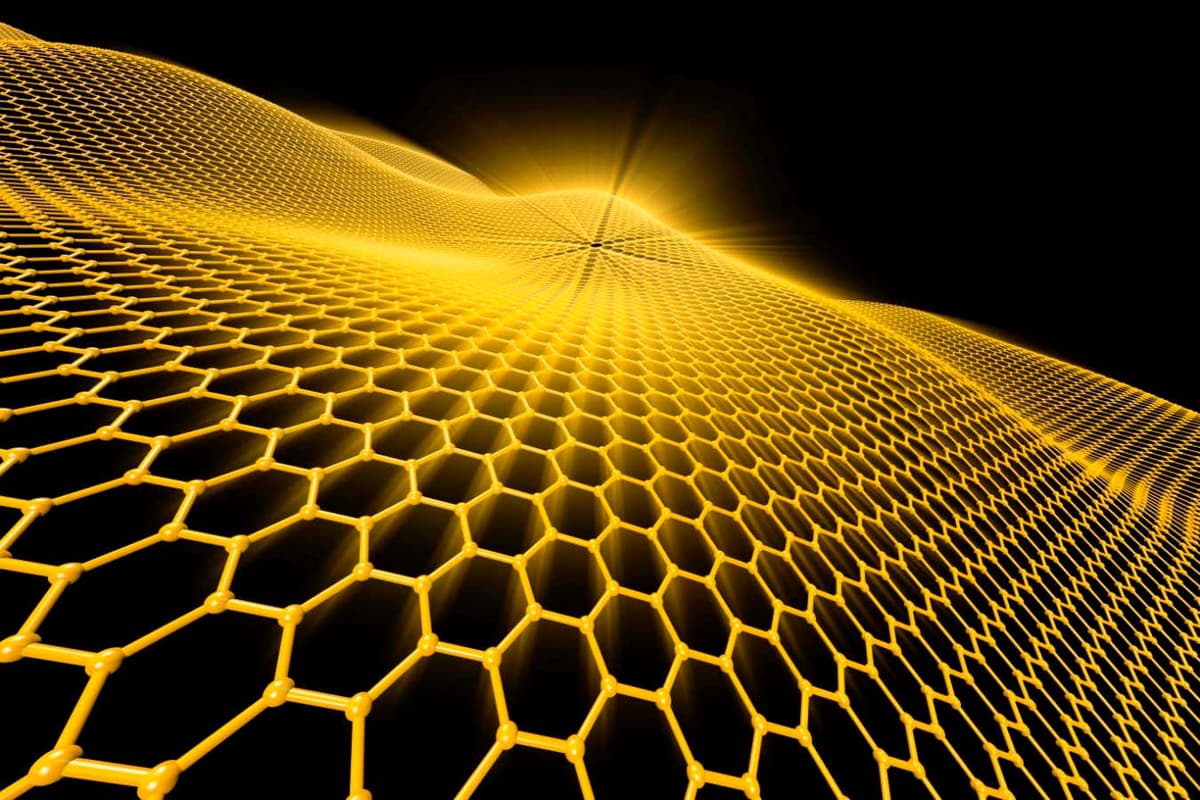
Weird 'Transdimensional' State of Matter Is neither 2D nor 3D
Physicists at Nanjing University have identified a new quantum state of matter they term the transdimensional anomalous Hall effect (TDAHE). In carbon films only 2–5 nm thick, electrons exhibit simultaneous horizontal and vertical looping motions when subjected to two perpendicular magnetic...

Motorless Microscopic Robot Swims and Navigates via Physics
Scientists just built a robot smaller than the width of a human hair (!) It has no motor, no computer and no battery It's a 3D-printed, flexible chain of microscopic segments that, after being hit with an electric field, started swimming through...

Jellyfish-Inspired Gel Captures Nanoplastics
German researchers have engineered a temperature‑responsive gel that mimics jellyfish mucus to capture nanoplastics—plastic particles smaller than 1 µm—from water. The synthetic amphiphilic copolymer self‑assembles into a 3‑D network that adsorbs hydrophobic nanoplastics, achieving 68‑100 % removal within 90 minutes when heated. Cooling...
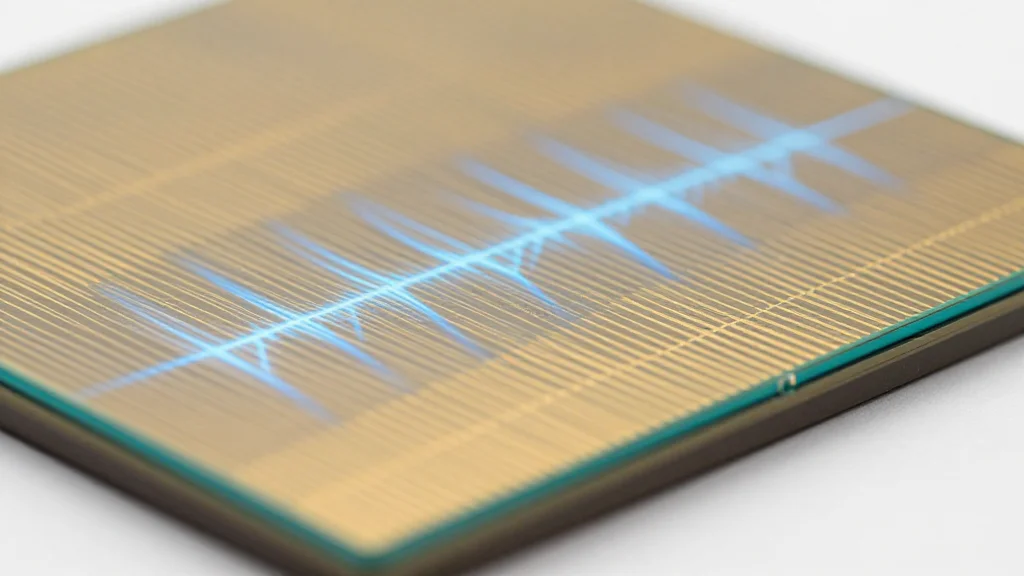
New Roadmap Highlights Surface Acoustic Wave Technologies
A new "Surface Acoustic Waves Roadmap 2026" collates insights from over fifty leading researchers, outlining the decade‑long trajectory of SAW technology. The document highlights the shift from traditional radio‑frequency filters to advanced roles in quantum chips, optomechanics, and biomedical sensing....