Today's Nanotech Pulse

Left‑handed DNA origami tubes double chemotherapy efficacy against AML
Researchers at the Cancer Center at Illinois showed that left‑handed DNA origami tubes loaded with Daunorubicin achieve more than twice the cell‑killing efficacy of right‑handed tubes. The tubes display aptamers that target the CD117 protein on acute myeloid leukemia cells and their left‑handed geometry promotes rapid internalization.

Rotated Lithium Niobate Crystals Unlock Conductive Interfaces in Otherwise Insulating Material
Researchers at Paderborn University and international partners have shown that rotating two lithium niobate crystals creates highly conductive interfaces, even though the bulk material is insulating. By thermally compressing and twisting the crystals at precise angles, they observed emergent conductivity that depends on the twist angle. The work, published in Nature Communications, extends twist‑engineering beyond van der Waals materials to strongly bound ferroelectric crystals. The findings suggest new routes for ultra‑fast, miniaturized chips for AI and quantum computing.

Metalenz Unveils Invisible Face ID Sensor for 2027 Smartphones
Boston‑based optics startup Metalenz announced that its Polar ID facial authentication system, built on metasurface lenses, is ready for mass production and will be deployed in smartphones and laptops in 2027. The under‑display sensor promises mask‑proof security and could remove...

NASA and NOAA Find Organic Nanoparticles Dominate Lower Stratosphere Aerosols
NASA and NOAA announced that ultrafine organic‑rich nanoparticles, some as small as three nanometers, account for roughly 90% of the aerosol surface area in the lower stratosphere. The finding, based on the February 2023 SABRE mission and published in Science,...

Plaid Technologies Provides Update on Graphene Coating Initiative for Drone Systems
Plaid Technologies announced that it has supplied a batch of high‑purity graphene material to Dr. Ian Flint for testing as part of its collaboration with Graphene Nano Works. The partnership is evaluating graphene‑based coatings to improve thermal management, durability, radar...
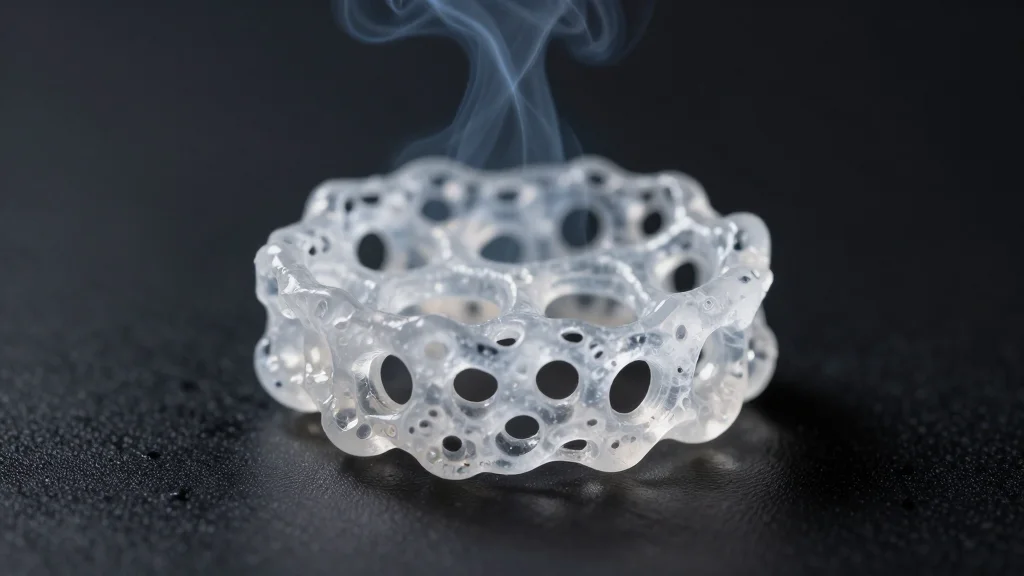
Adaptive Structural Reconfiguration in Ether‐Incorporated Covalent Organic Frameworks Enables Efficient Iodine Capture
Researchers designed two ether‑embedded covalent organic frameworks (F‑TEA and F‑BEA) and compared them with a rigid, ether‑free counterpart (R‑TPA) to assess iodine adsorption. The flexible COFs showed superior vapor capture, with F‑TEA outperforming F‑BEA, which in turn exceeded R‑TPA. However,...

Fluorinated Amphiphilic Dendrimer to Improve PET Imaging of Cancer
Researchers engineered a fluorinated amphiphilic dendrimer nanocarrier radiolabeled with gallium‑68 to serve as a PET imaging agent. Fluorination lowered liver retention, accelerated renal clearance, and refined biodistribution, producing markedly higher tumor uptake in mouse models of glioblastoma and pancreatic adenocarcinoma....
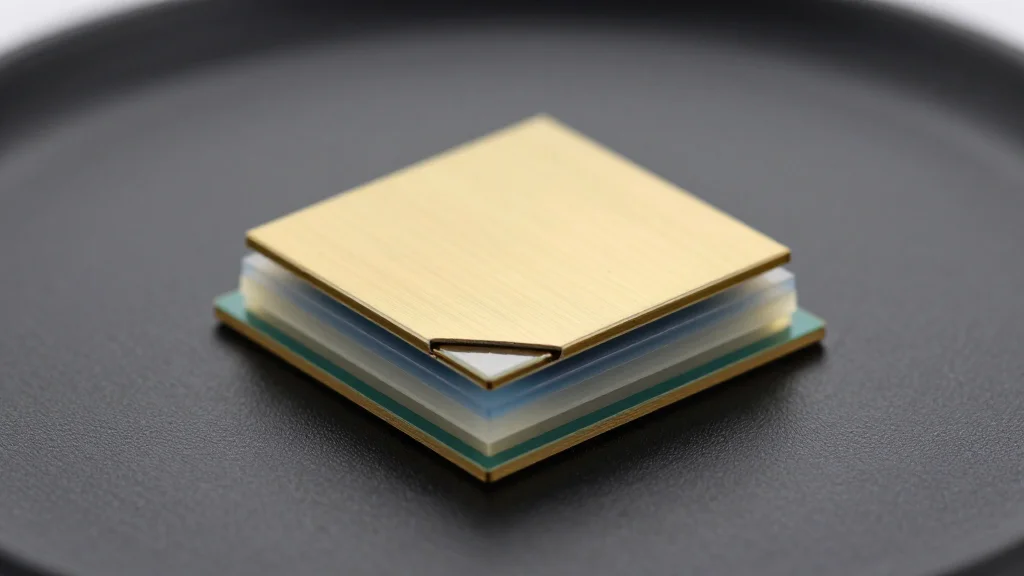
Interface‐Selective Charge Transport Enables Self‐Powered Vertical WSe2/Perovskite Photodetector Arrays
Researchers have demonstrated a vertical Au/WSe2/MAPbBrI2/ZnO/ITO heterojunction that operates as a self‑powered photodetector array at zero bias. By inserting a ZnO electron‑transport layer, the device suppresses dark current, enhances carrier separation, and stabilizes operation. The resulting array shows uniform pixel‑to‑pixel...
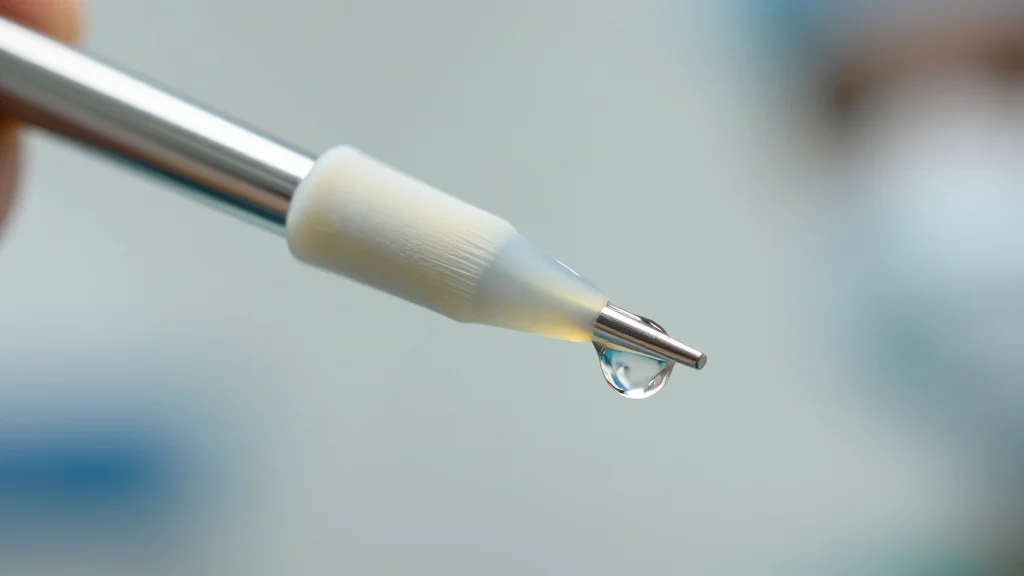
U of T Engineers Create Polymer Bristle Coating that Blocks Proteins and Germs on Medical Surfaces
University of Toronto engineers have developed a silicone‑based polymer bristle coating that prevents protein adhesion, a key step in bacterial colonisation. The non‑toxic surface could replace harsh disinfectants in hospitals, reducing chemical exposure and the risk of resistant strains.
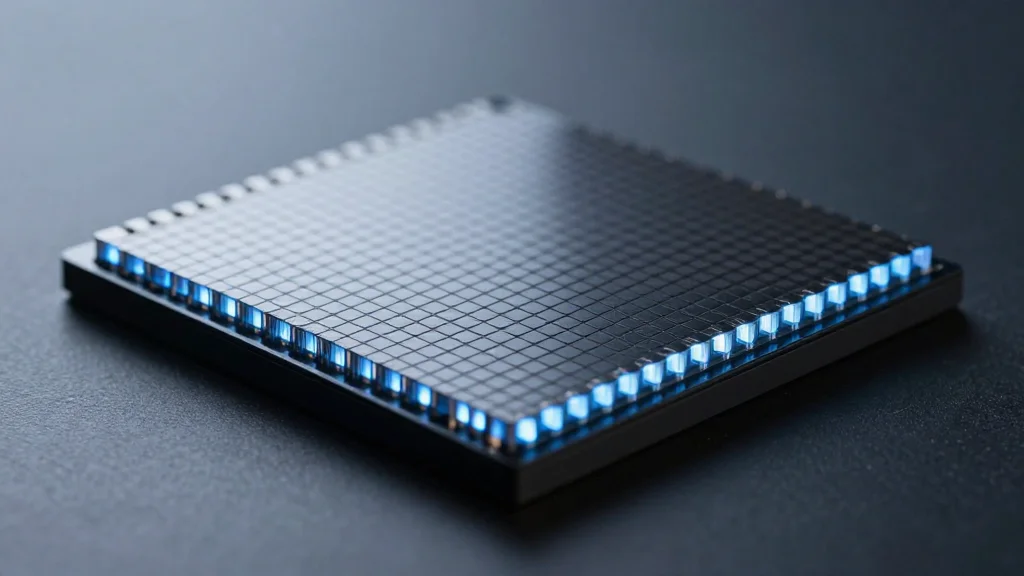
Tokyo Researchers Build 25‑nm Memory Chip That Improves With Size
Professor Yutaka Majima’s team at Science Tokyo has demonstrated a 25‑nanometer ferroelectric memory device that performs better as it gets smaller, overturning a long‑standing scaling rule. The breakthrough could slash energy use and heat in smartphones, wearables and AI hardware,...
Atomera Inc (ATOM) Q1 2026 Earnings Call Transcript
Atomera reported FY 2025 revenue of $65,000, GAAP loss $20.2 million and non‑GAAP loss $16.1 million, with operating expenses rising modestly. The company confirmed definitive silicon data showing its Mears Silicon Technology (MST) can be deposited in gate‑all‑around nanosheet structures and outperforms...

Autonomous Lab Discovers Brighter Lead‑Free Nanoplatelets
An autonomous laboratory rapidly identified brighter, lead-free light-emitting nanoplatelets by autonomously testing and optimizing synthesis recipes, offering a scalable approach to accelerate safer nanomaterial discovery for optoelectronic applications. nanotechnology
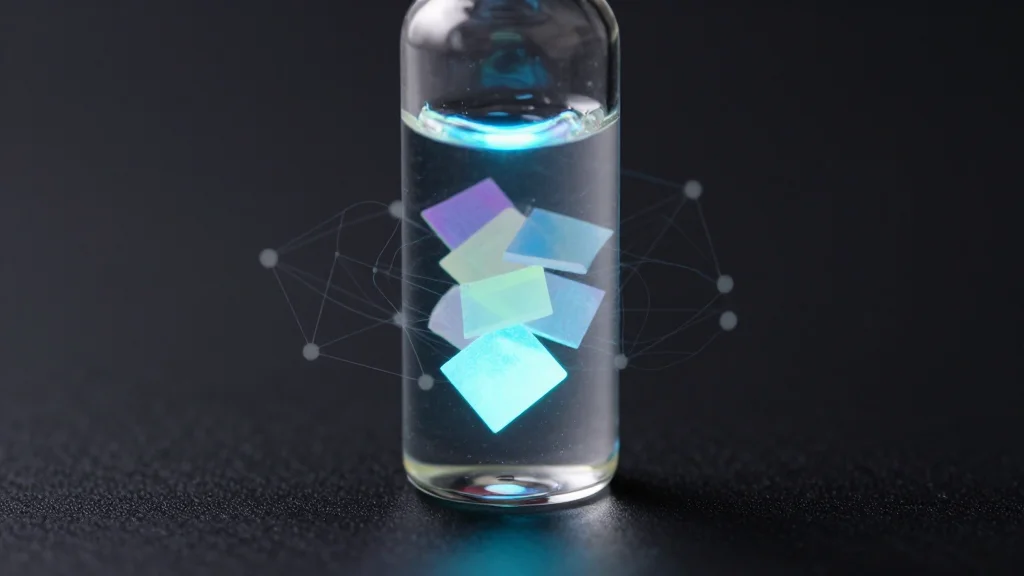
AI-Powered Lab Discovers Brighter Lead-Free Nanomaterials in 12 Hours
Researchers at North Carolina State University unveiled PoLARIS, an AI‑driven autonomous lab that screened billions of synthesis recipes and pinpointed the brightest lead‑free double perovskite nanoplatelets in just 12 hours. The microfluidic platform executed 120 experiments, automatically analyzing photoluminescence and...

Israeli Team to Perform First Nanotech Spinal‑Cord Implant in Human Trial
Professor Tal Dvir of Tel Aviv University will lead the world’s first human implantation of a nanotech‑enhanced spinal‑cord scaffold, slated for surgery in the coming weeks. The Health Ministry has cleared compassionate‑use trials for eight patients, following mouse studies that...
Electric Double Layer Unlocks Molecular Switch Behind Battery and Hydrogen Reactions
Korean researchers have mapped the molecular dynamics of the electric double layer, revealing why capacitance curves shift from a camel‑shaped to a bell‑shaped profile as electrolyte concentration rises. Using atomically precise simulations and real‑time infrared spectroscopy, they identified two distinct...
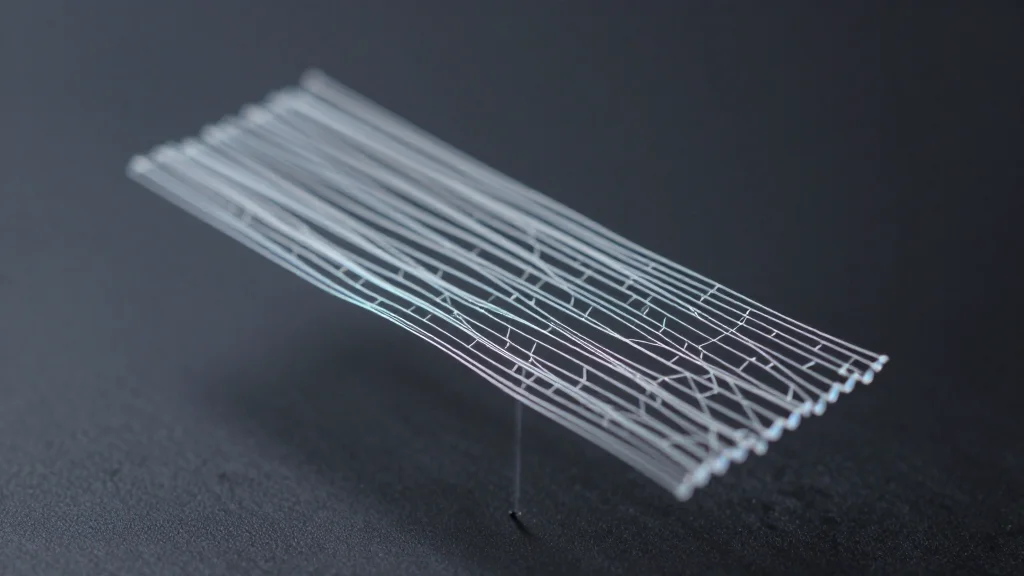
KIST‑SNU Team Cuts Iridium Use Ten‑Fold in Water Electrolysis with Nanotube Mesh Electrodes
Researchers from Korea Institute of Science and Technology (KIST) and Seoul National University have created an iridium‑nanotube mesh electrode that needs only 31.3 µg cm⁻² of iridium—about one‑tenth of conventional designs—while maintaining efficiency and 98.3% performance after 30 days of continuous operation.
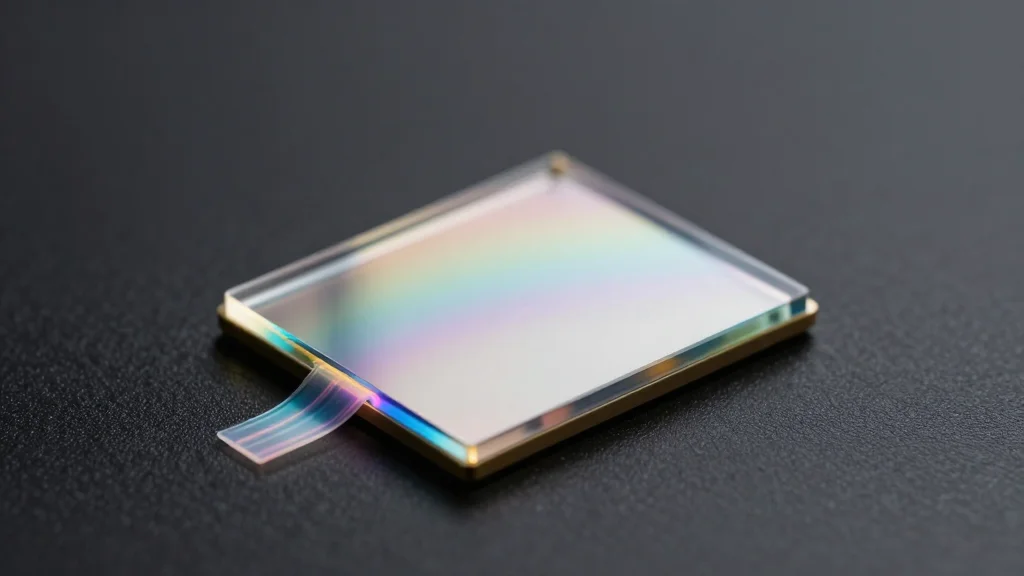
Room-Temperature Photodetector Spans Visible Light All the Way to Terahertz
Researchers have demonstrated a room‑temperature photodetector built from the topological insulator SnBi₂Te₄ that detects light from the visible spectrum through terahertz frequencies. The device merges a conventional photoconductive effect for high‑energy photons with an electromagnetic‑induced well mechanism that captures low‑energy...
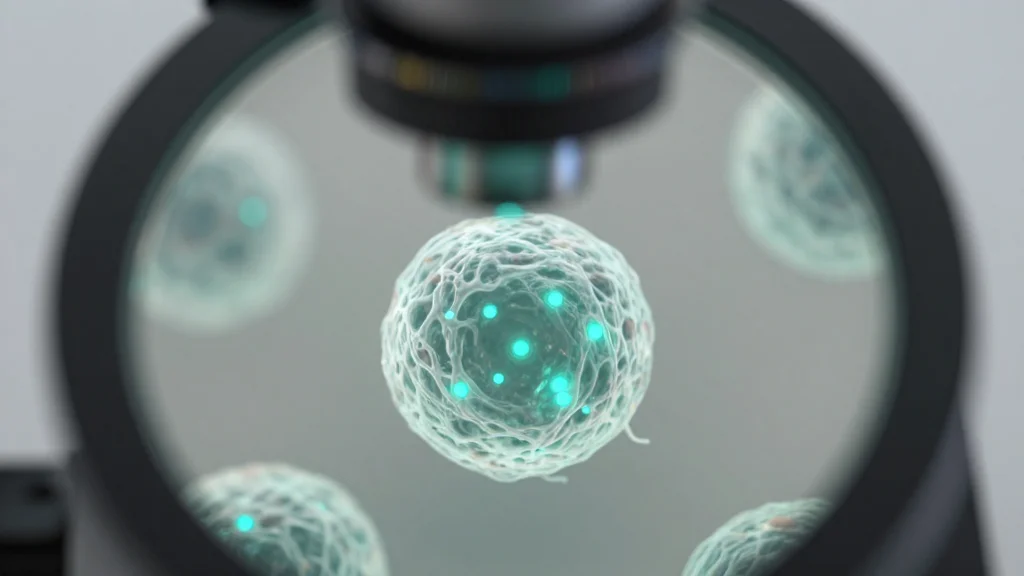
Glowing Nanoparticles Exposed Hidden Cancer-Protein Behavior that Could Reshape Drug Screening
A Broad Institute team led by Sam Peng introduced upconverting nanoparticle probes that remain luminescent for minutes to hours, enabling continuous single‑molecule imaging of cancer‑related receptors in living cells. Using these probes, they captured real‑time dimerization dynamics of EGFR, HER2...
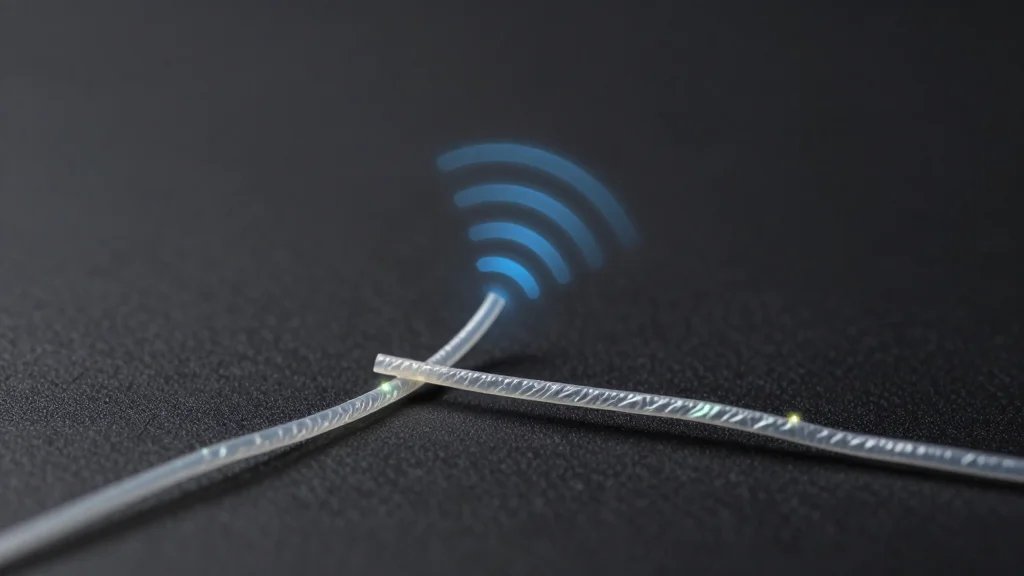
Theranostic Fiber with Micro‑Wrinkles Promises Real‑Time Health Monitoring
Scientists Meng, Zou and Lv introduced a multifunctional theranostic fiber that integrates micro‑wrinkles to sense physiological signals, deliver treatment and wirelessly transmit data. The work, published in npj Flexible Electronics, could reshape personalized healthcare and human‑machine interfaces.
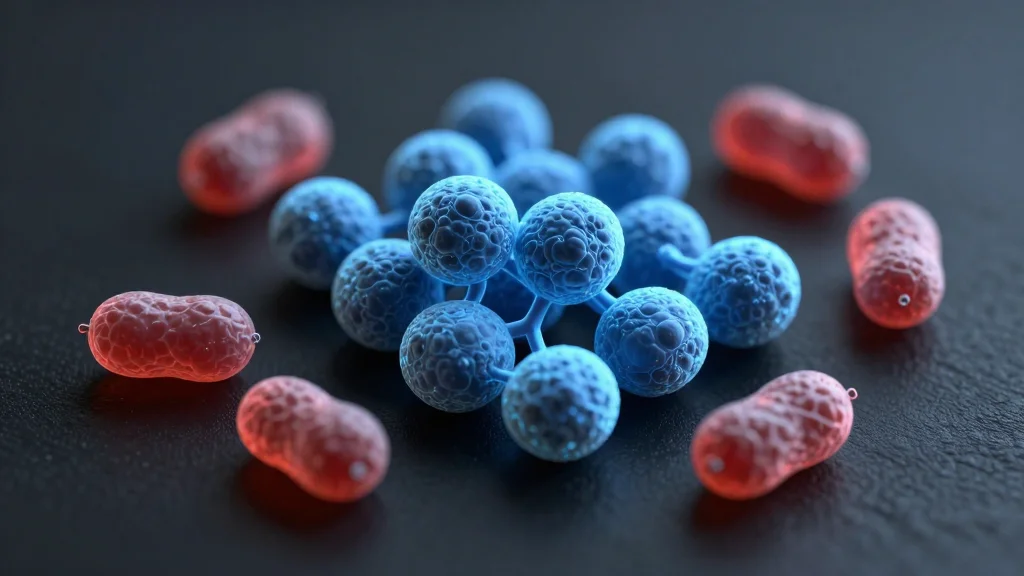
Andalusia Unveils Ruthenium‑Uracil Nanoparticle Coating to Combat Hospital Superbugs
A team from the Instituto de Investigaciones Químicas, backed by the CSIC and the University of Sevilla, has created a ruthenium‑uracil nanoparticle that eliminates Staphylococcus aureus in lab tests. The breakthrough, funded by the Andalusian Ministry of University, Research and...
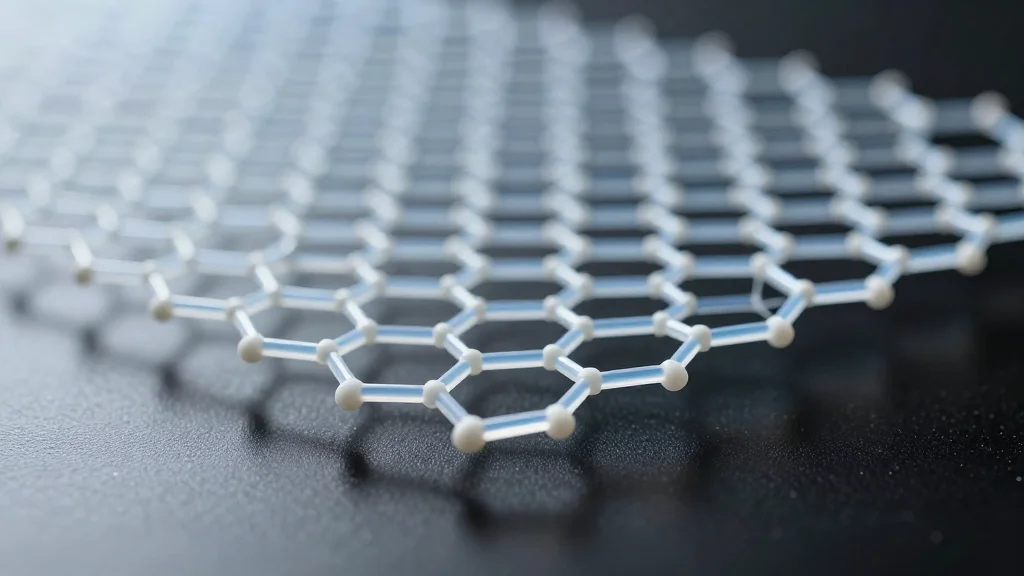
James Tour's Team Showcases Pioneering Graphene Breakthrough
📰 🧪 James Tour Group in the News: An article features pioneering graphene research by James Tour, the T.T. and W.F. Chao Chair in Chemistry and a professor […] https://t.co/KDruompbL9

Enhancing the Chemical Reactivity of Graphene Through Substrate Engineering
A recent review outlines how substrate engineering—through strain and charge doping—can markedly boost graphene’s chemical reactivity. Strain introduced by nanoparticles, oriented metal crystals, or stretchable polymers creates lattice distortions that facilitate covalent functionalization. Charge doping via metal orbital hybridization or...
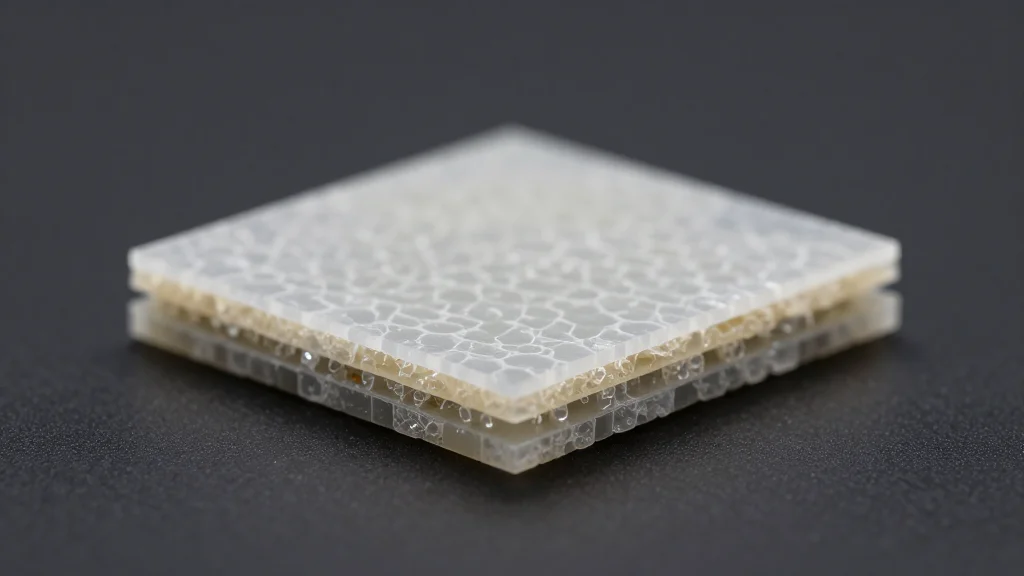
Electronic Devices Based on Heterostructures of 2D Materials and Self‐Assembled Monolayers
A new review details the rapid progress of electronic devices built from heterostructures of two‑dimensional materials (2DMs) and molecular self‑assembled monolayers (SAMs). It categorizes three architectures—vertical tunneling, horizontal conducting, and hybrid superlattice devices—and explains their structures, operating mechanisms, and performance‑regulating...
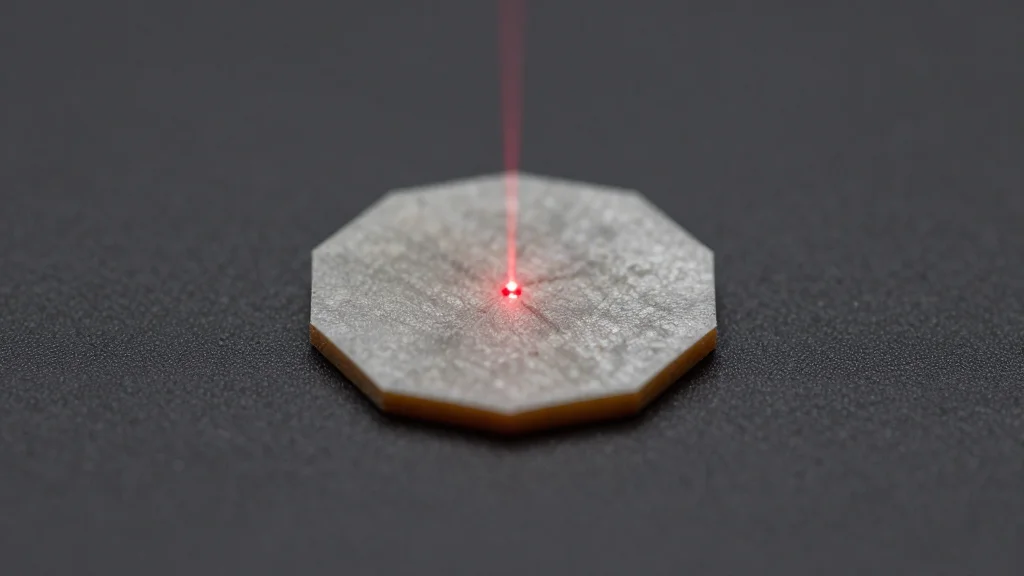
Revealing Intrinsic Functionalization, Structure, and Photo‐Thermal Oxidation in Hexagonal Antimonene (Small 25/2026)
Researchers used colloidal synthesis to produce thiol‑functionalized β‑antimonene hexagons and probed them with a laser. Raman thermometry revealed that heating and surface oxidation depend on flake thickness, while the attached thiols preserve the crystalline core. This controlled oxidation creates well‑defined...

KIT Spin‑off Photreon Launches Direct‑Solar Hydrogen Panel
Photreon, a spin‑off from Germany’s Karlsruhe Institute of Technology, unveiled a modular photoreactor panel that converts sunlight and water directly into hydrogen, eliminating the need for electricity‑driven electrolysis. The one‑square‑meter prototype demonstrates a simplified, potentially lower‑cost route to green hydrogen...
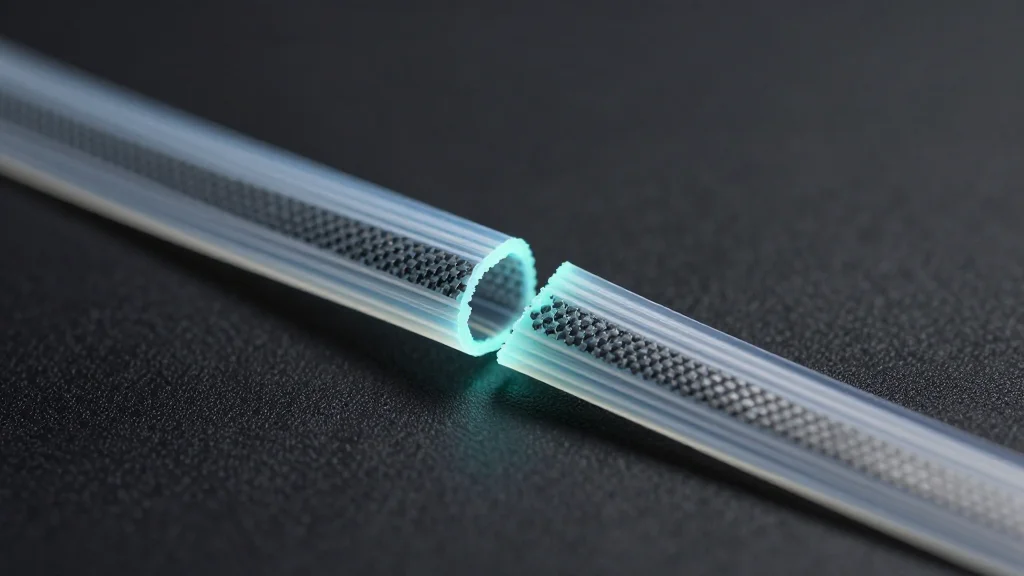
Self-Healing Synaptic Transistor Recovers Memory After Damage
Researchers have created a fully self‑healing, stretchable synaptic transistor that regains most of its function after being cut in half. The device restores about 80% of its operating current and over 90% of its memory within 24 hours without external triggers,...

UCLA Engineers RNA‑Based Programmable Artificial Organelles for Cellular Nanomachinery
A UCLA team has demonstrated a method to build programmable artificial organelles inside living cells using RNA as both material and blueprint. Published in Nature Nanotechnology, the work promises more efficient synthetic‑biology tools and could reshape nanotech‑enabled therapeutics.

Review Flags Neurotoxic Risks of Silver Nanoparticles in Rodent Studies
Researchers from Çanakkale Onsekiz Mart University and University Montpellier published a review on 29 April 2026 that links silver nanoparticle exposure to multiple neurotoxic mechanisms in rodent models. The paper warns that expanding biomedical applications—such as neural implants and drug‑delivery systems—must contend...
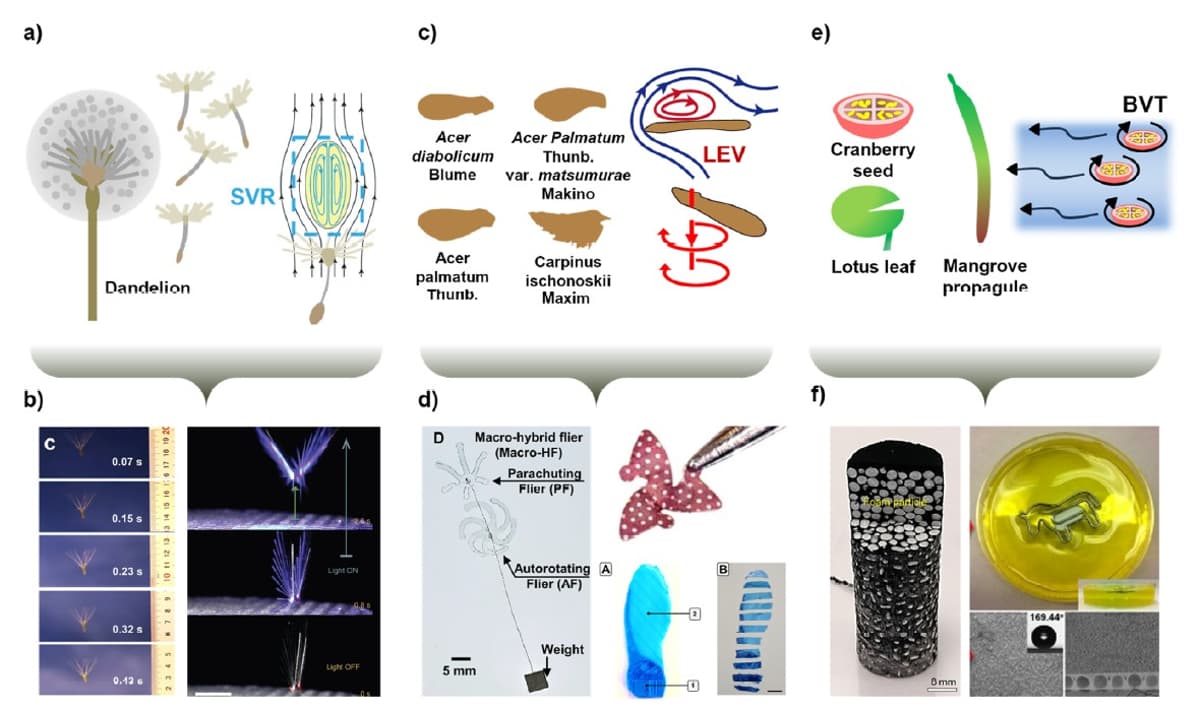
Physics‑Driven Resorbable Sensors Enable Flow‑Following Environmental Monitoring
As a follow-up to our recent Comment article in Nature Communications (https://t.co/iw17gRHNBJ) and our original paper in Nature (https://t.co/CPajKHsld5) on environmental monitoring using tiny, eco-resorbable wind/water dispersed wireless sensors, we just published a Perspective piece in the new journal APL...
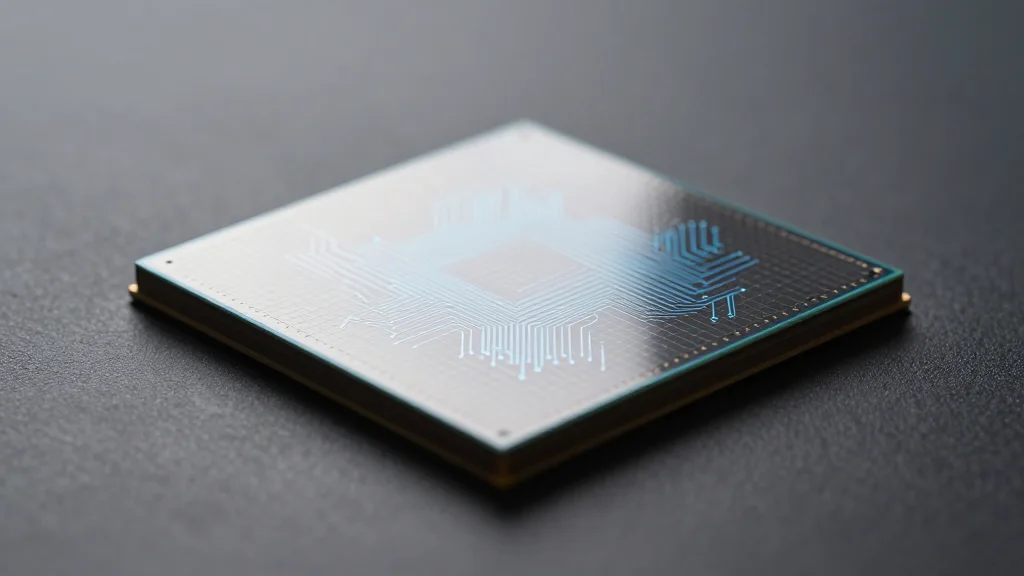
TSMC Unveils 1.6nm A16 Process, Promising 10% Speed Gain and 20% Power Cut for Q4 2026
TSMC said its upcoming A16 1.6nm node will enter mass production in the fourth quarter of 2026, offering an 8‑10% speed improvement or a 15‑20% power reduction over its current 2nm N2P technology. The announcement positions the company at the...

Ultrafast Dual‑Laser Technique Turns Copper Wire Into Star‑Like Plasma in Picoseconds
Researchers at Helmholtz‑Zentrum Dresden‑Rossendorf combined an X‑ray free‑electron laser with a high‑intensity optical laser to vaporize a copper wire and capture the resulting plasma in real time. The experiment, published in Nature Communications, achieved 250 trillion MW/cm² power density and resolved ion...

Tohoku University Shows Slightly Restricted Nanoreactors Beat Conventional Catalysts
Researchers at Tohoku University have proved that hollow nanoreactors with modestly restricted mass transport outperform conventional catalytic materials, establishing a design rule that balances reactant flow and reaction speed. The finding, published in the Chemical Engineering Journal on April 6,...
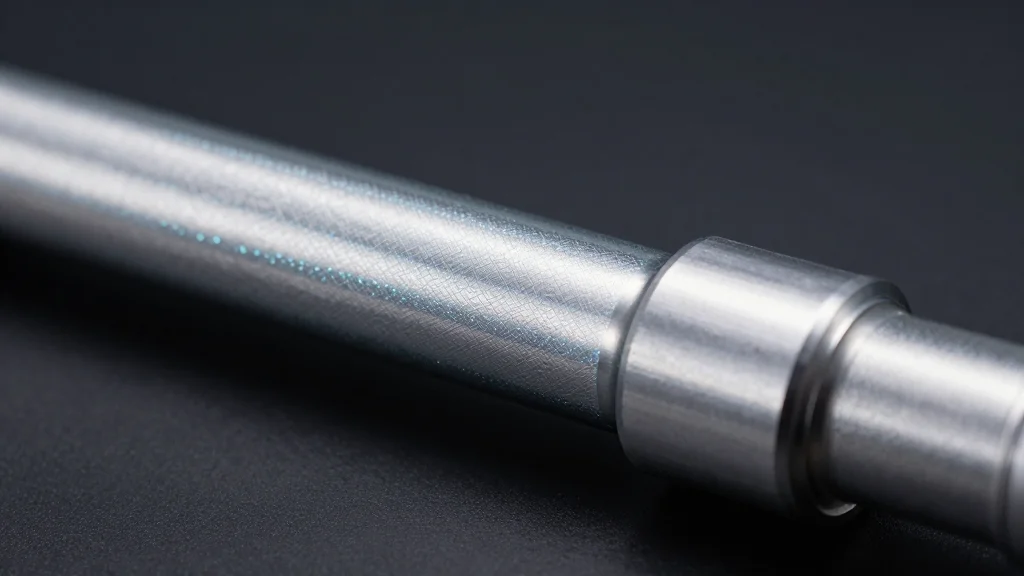
NIT Rourkela Unveils Nanocomposite That Boosts Landing‑Gear Strength by 65%
Scientists at India's National Institute of Technology Rourkela announced a new aluminium‑based hybrid nanocomposite that delivers about a 65% gain in wear resistance and strength for aircraft landing gear. The breakthrough tackles the long‑standing trade‑off between lightweight alloys and durability,...
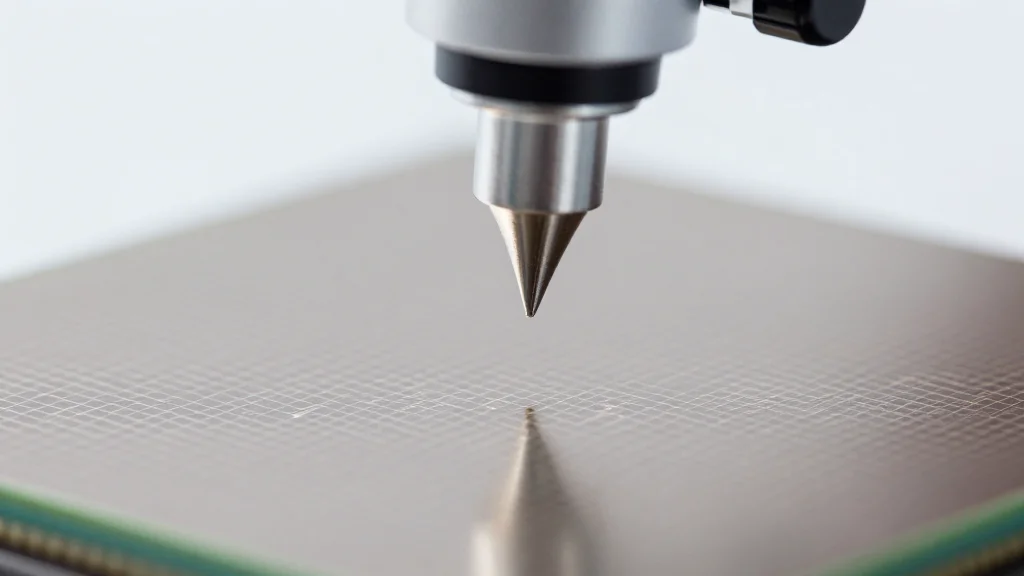
Park Systems Launches NX1 AFM, Enabling Atomic‑Scale Imaging in Ambient Labs
Park Systems Corp. unveiled the NX1 atomic‑force microscope, a compact system that provides atomic‑scale images in ambient conditions. Developed with Prof. Franz J. Giessibl, the instrument cuts noise by an order of magnitude, making sub‑nanometer imaging routine for research and...
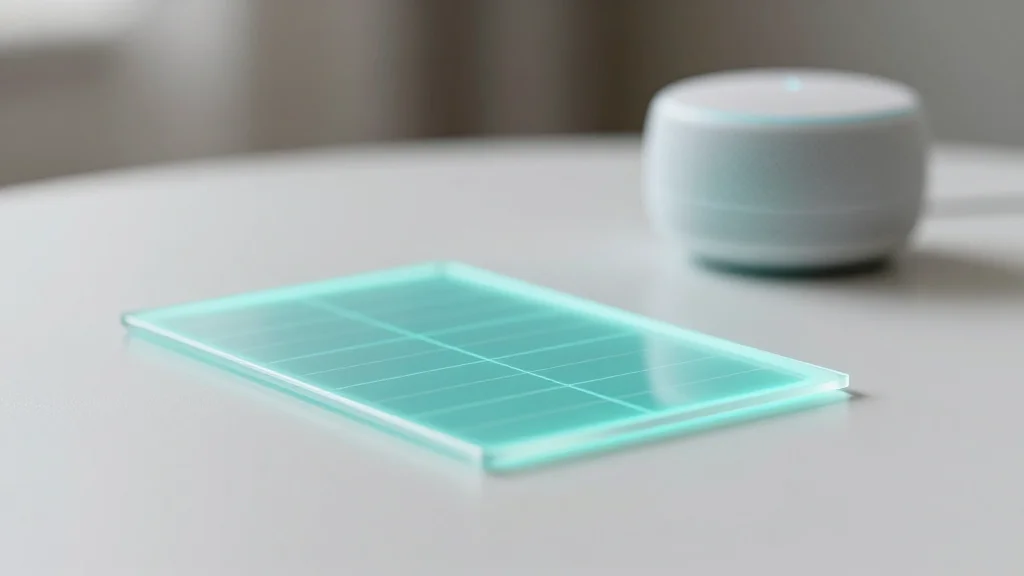
Australian Researchers Achieve 16.36% Efficiency in Lead‑Free Indoor Solar Panels
Scientists at the University of Queensland’s Australian Institute for Bioengineering and Nanotechnology have unveiled a vapor‑based, lead‑free perovskite indoor solar cell that delivers a record 16.36% conversion efficiency. The new process eliminates toxic lead and hazardous solvents, positioning the technology...
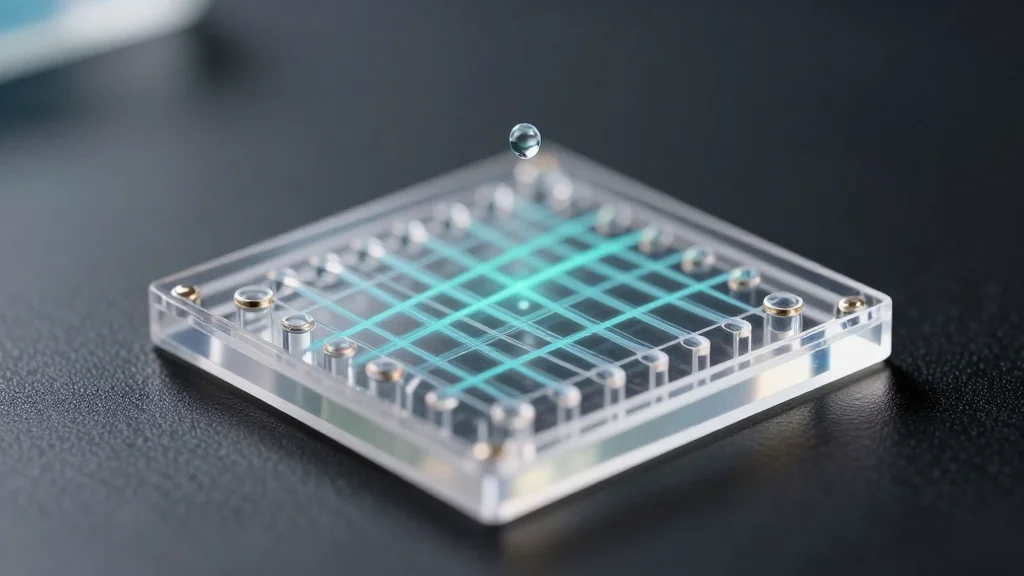
Optoelectronic Tweezers Integrated with Microfluidics Promise Low‑Power Nanoscale Manipulation
Researchers led by Shuailong Zhang published a technical roadmap that couples optoelectronic tweezers (OETs) with microfluidic platforms, dramatically lowering optical power and thermal risk. The paper outlines materials and architectural solutions that could enable high‑throughput, AI‑driven biomedical assays.
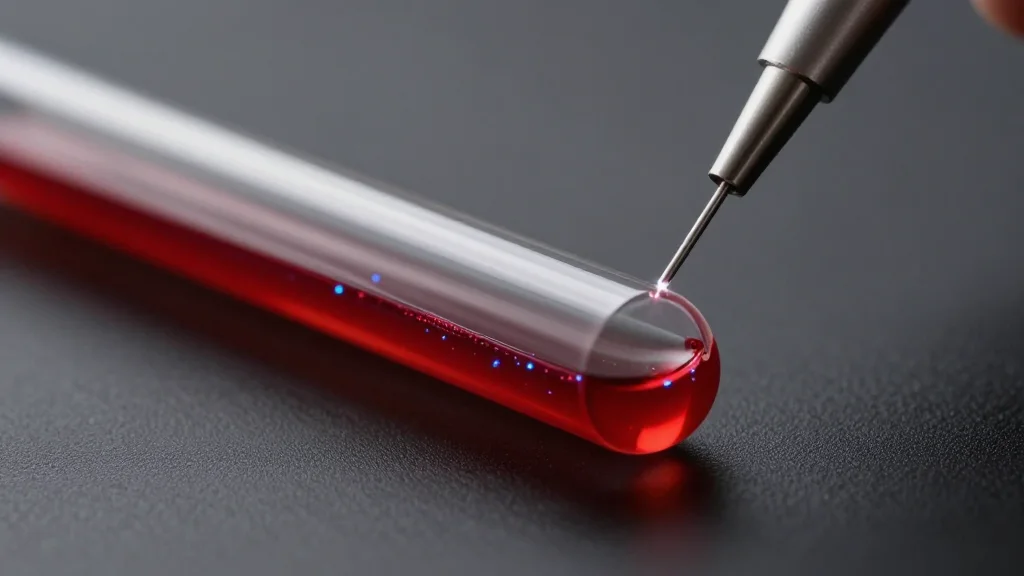
Promising New Technique Uses Nanoparticles to Detect Pancreatic Cancer
Scientists at Oregon Health & Science University have unveiled a blood‑based assay that uses an electronic jolt to harvest tumor‑derived nanoparticles, achieving 97% accuracy in detecting pancreatic cancer. The technique, validated in a blinded study of 36 participants, outperforms the...

Plasmonic Nanocatalyst Splits Hydrogen Activation From Hydrogenation Step
Researchers at Nankai University and partners have created a light‑driven photocatalyst that combines palladium single atoms with plasmonic gold nanoparticles to convert phenylacetylene into styrene at 298 K and atmospheric pressure. Visible‑light excitation of the gold generates nonequilibrium charge carriers that...

Graphene-CNT Phase Change Material Cools Solar PVT Panels
Researchers from India, Chile and Russia created a solar photovoltaic‑thermal (PVT) system that incorporates a graphene‑carbon nanotube (CNT) hybrid nanocomposite into traditional phase‑change materials (PCMs). By dispersing 6 wt % of the hybrid nanoparticles into stearic acid, the PCM’s thermal conductivity increased...
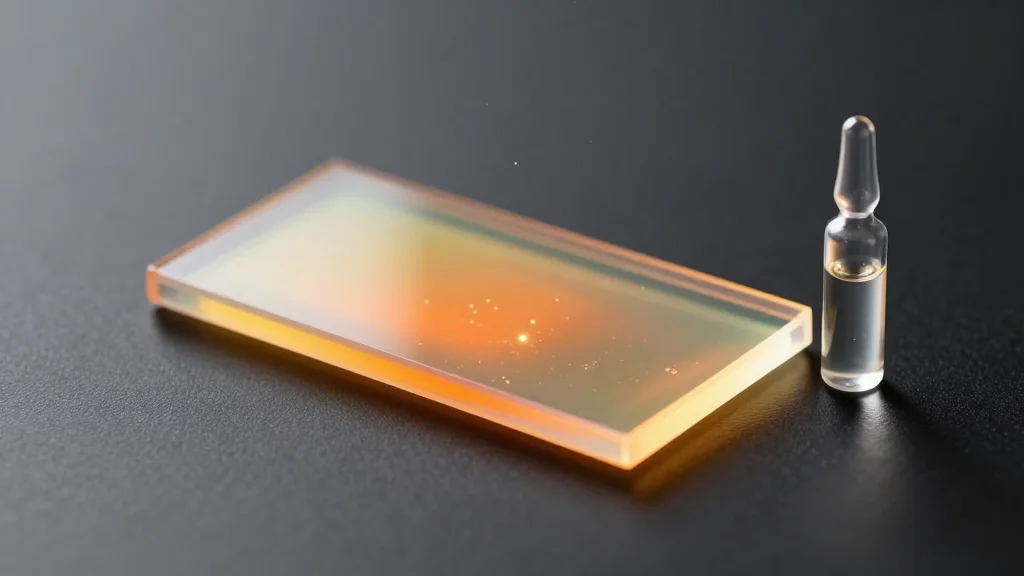
Rice University Achieves 98% Efficiency in Perovskite Solar Cells After 1,200 Hours at 194°F
A Rice University team demonstrated that perovskite solar cells can retain 98% of their initial efficiency after 1,200 hours of continuous exposure to 194°F heat, using a novel additive‑based precursor. The result tackles the long‑standing stability gap between perovskites and silicon,...

Argonne Lab’s Electron‑on‑Neon Qubit Cuts Noise Up to 10,000‑Fold
Researchers at Argonne National Laboratory, together with Notre Dame and six other universities, unveiled a new electron‑on‑neon qubit that reduces noise by up to 10,000 times and reaches 0.1 ms coherence. The breakthrough promises longer‑lived quantum bits and could accelerate the race...

Innovative Nanoparticle Technique Advances Early Detection of Pancreatic Cancer
Researchers have unveiled a novel nanoparticle‑based imaging agent that markedly improves early detection of pancreatic cancer. In pre‑clinical trials the probe identified tumors as small as 2 mm, delivering a 30% sensitivity boost over conventional CT scans. The technology earned FDA...

Durham‑Jagiellonian Team Unveils DNA Nano‑Rings to Capture Viral Membrane Proteins
Scientists from Durham University and Poland's Jagiellonian University have created DNA‑origami nano‑rings that capture and precisely orient viral membrane proteins. The platform, called DNA‑Origami‑Constrained Nanodiscs (DOC‑NDs), promises higher‑resolution imaging and new antiviral strategies.
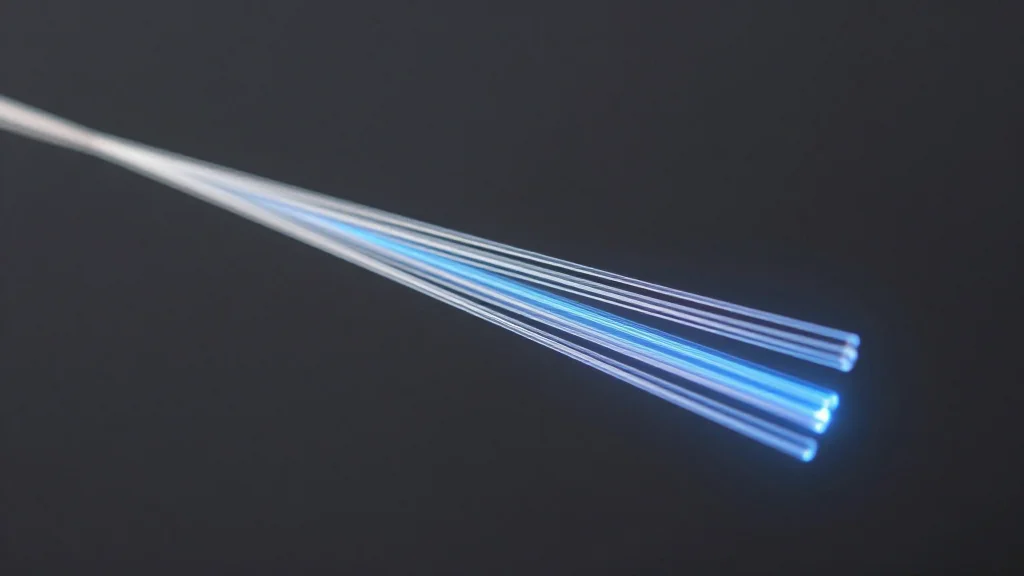
South Korean Researchers Unveil Hair‑Thin Nanotube Composite That Blocks 99.999% of Space Radiation
Scientists at Korea Institute of Science and Technology, led by Dr. Joo Yong‑ho, announced a nanotube‑based composite that is thinner than a human hair, 3D‑printable, and capable of blocking 99.999% of electromagnetic radiation while reducing neutron exposure by roughly 72%....

New Nanoreactor Design Rule Improves Catalysis by Balancing Transport and Kinetics
Researchers at Tohoku University discovered that slightly restricting reactant transport in hollow nanoreactors improves catalytic efficiency. By matching the rate of mass transport through the porous shell with the intrinsic reaction kinetics of the interior nanoparticles, the nanoreactors avoid site...
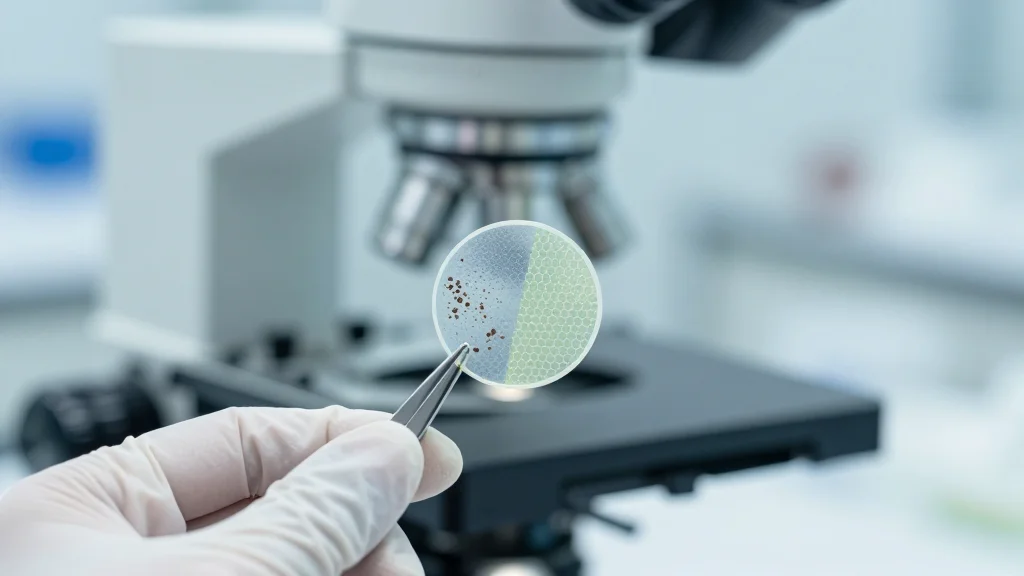
Atomic Imaging Makes Mechanism-Driven Growth of 2D Materials Possible
In‑situ atomic imaging during chemical vapor deposition revealed that molybdenum disulfide (MoS₂) forms through a multistep pathway—amorphous clusters, partially ordered 2D embryos, then stable crystalline nuclei. The real‑time view supplies the mechanistic insight missing from conventional post‑growth analysis. Researchers documented...

Twisted Boron Nitride Boosts Deep-UV Light Emission for LEDs
Researchers at South Korea's POSTECH have created a moiré quantum well by stacking twisted hexagonal boron nitride (hBN) layers, achieving deep‑ultraviolet (200‑230 nm) light emission about 20 times more efficient than conventional aluminum‑gallium nitride (AlGaN) LEDs. The weak interlayer bonding of...

Explosive Evaporation Unlocks New Possibilities in 3D Printing and Chemical Analysis
Researchers at OIST demonstrated that charged water droplets on a silicone‑oil‑lubricated, frictionless surface spontaneously emit microdroplet jets as they evaporate. The study, published in PNAS, identified two distinct charge‑surface‑tension thresholds that trigger droplet elongation followed by Coulomb fission. By adjusting...
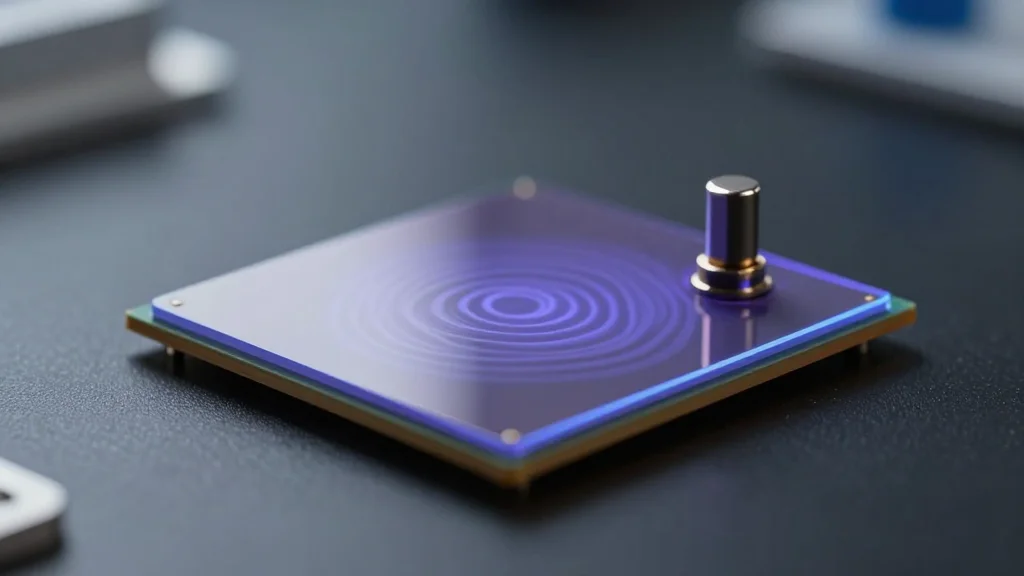
MXene Plasmonic Sensor Reveals Faint Molecular Fingerprints in Ultrathin Films
Researchers have demonstrated an acoustic MXene plasmon (AMP) sensor that uses a 10 nm Ti₃C₂Tₓ film coupled with gold nanodisks to concentrate infrared light inside ultrathin analyte layers. The device delivers broadband surface‑enhanced infrared absorption (SEIRA) spanning roughly 5000 cm⁻¹, reaching into...
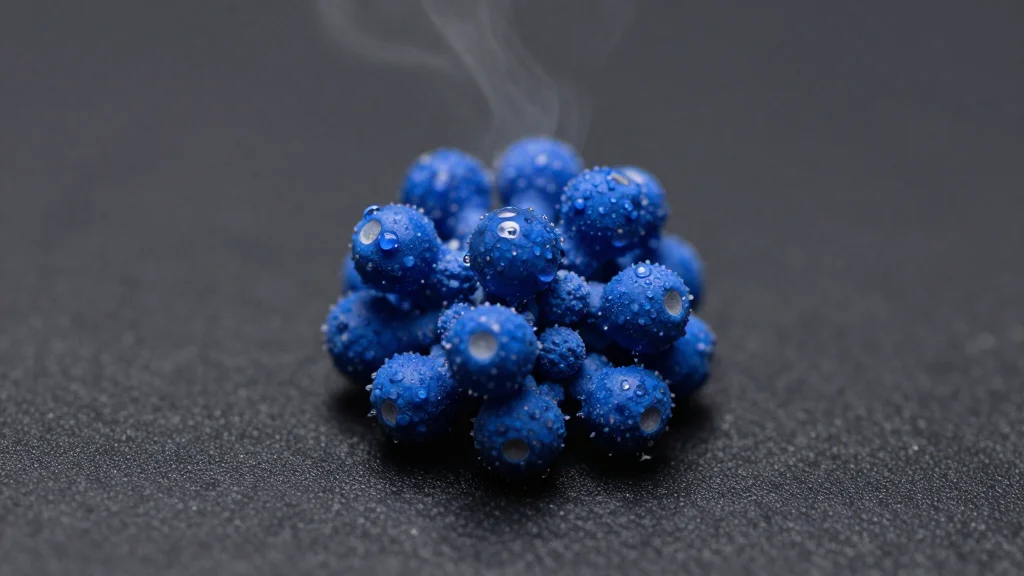
Scientists Reveal Atomic Mechanism Behind Water-Induced Hydroxylation in CoOx Nanostructures
Scientists at the Dalian Institute of Chemical Physics have uncovered how water vapor triggers both oxidative and reductive hydroxylation in cobalt‑oxide nanostructures. Using real‑time atomic‑scale imaging, they showed that water dissociatively adsorbs on CoO, converting it to Co(OH)₂, while in...

Empa and HOCH Health Launch Light‑Activated Nanozyme Therapy for Brain Tumors
Empa and the HOCH Health Ostschweiz network have begun a research partnership to create a light‑activated nanozyme therapy for astrocytoma and other aggressive brain tumors. The project, funded by several Swiss foundations, targets the blood‑brain barrier challenge and plans to...