Today's Nanotech Pulse
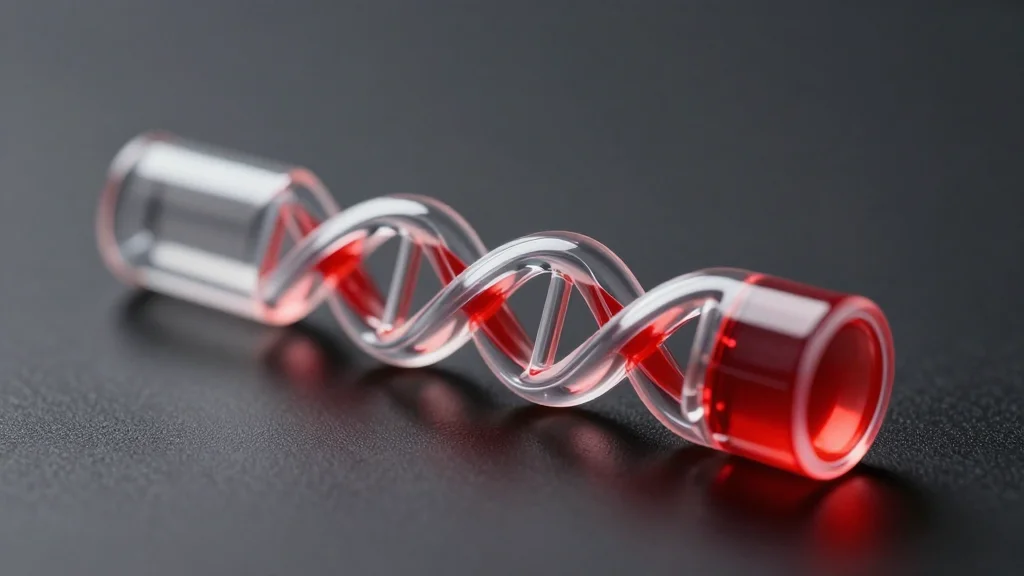
Left‑handed DNA origami tubes double chemotherapy efficacy against AML
Researchers at the Cancer Center at Illinois showed that left‑handed DNA origami tubes loaded with Daunorubicin achieve more than twice the cell‑killing efficacy of right‑handed tubes. The tubes display aptamers that target the CD117 protein on acute myeloid leukemia cells and their left‑handed geometry promotes rapid internalization.

Gold Nanoparticle Coating Cuts Zinc Battery Dendrites 50‑Fold, Extends Life Past 6,000 Hours
Researchers at Concordia University have applied a thin gold nanoparticle coating to zinc battery electrodes, reducing dendrite formation by up to 50 times and extending operational life beyond 6,000 hours. The technique uses less than 10% surface coverage and costs roughly 1% of traditional gold coatings, promising a low‑cost path to safer, longer‑lasting batteries.
Revealing the Impact of Phase Transition on N = 1 2D Perovskite Photodetectors With Intrinsically Tunable Narrowband Detection
Researchers have engineered n=1 2D perovskite (PEA)2PbBrxI4-x photoconductors that deliver tunable narrowband detection from 400 to 520 nm and a record specific detectivity of 2.11×10^11 Jones at 20 V. The study identified two distinct stacking phases and showed that halide mixing induces phase...
Cadmium Arsenide Terahertz Device Switches at 40 GHz, Paving Way for Ultra‑Thin Nanophotonics
A team led by Sobhan Subhra Mishra has fabricated an ultrathin terahertz emitter using the topological Dirac semimetal cadmium arsenide that can be optically switched at 40 GHz on a picosecond timescale. The breakthrough eliminates the need for bulky semiconductor control...
Ultra‐Low‐Power and Reconfigurable Optoelectronic Memtransistor Based on Vertical Nb‐WSe2/Te Van Der Waals Heterostructure
Researchers have demonstrated an ultra‑low‑power optoelectronic memtransistor built from a vertical Nb‑doped WSe₂/Te van der Waals heterostructure. The device emulates short‑ and long‑term synaptic plasticity under light stimulation, consuming less than 1 attojoule per spike—four orders of magnitude below biological synapses. It can...
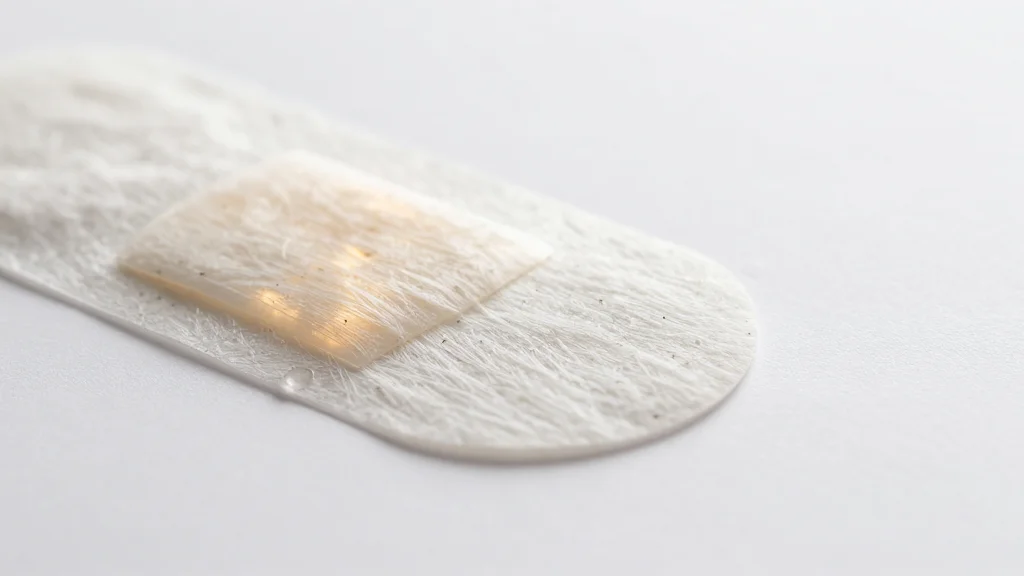
Freeze‐Drying Tumor Tissues Derived Bio‐Patches With Hair Melanin Nanoparticles Integration for Wound Healing
Researchers have created a freeze‑dried bio‑patch from decellularized colon tumor tissue that incorporates hair‑derived melanin nanoparticles. The patch preserves extracellular matrix proteins, growth factors, and collagen while adding antioxidant and photothermal antibacterial functions. In vitro tests show enhanced cell migration,...

Boosting Activity and Stability for the Alkaline Hydrogen Oxidation Reaction via Surface Reconstruction of Cu‐Ni Core–Shell Electrocatalysts Through Oxygen Intercalation
Researchers have developed a surface‑reconstruction method that uses nitric‑acid etching to modify Cu‑Ni core‑shell electrocatalysts for the alkaline hydrogen oxidation reaction (HOR). The process removes a Ni‑rich surface layer, intercalates oxygen into the top ~10 atomic layers, and redistributes Cu,...

Disk‑Shaped Nanocatalyst Cuts CO₂‑to‑Methanol Temperature to 200 °C
A research team has introduced a disk‑shaped PtMo6O24@NU1K nanocatalyst that hydrogenates carbon dioxide to methanol at temperatures ranging from room temperature to 200 °C. The catalyst delivers a higher space‑time yield across the 100‑200 °C window and remains active for 3,600 hours without...
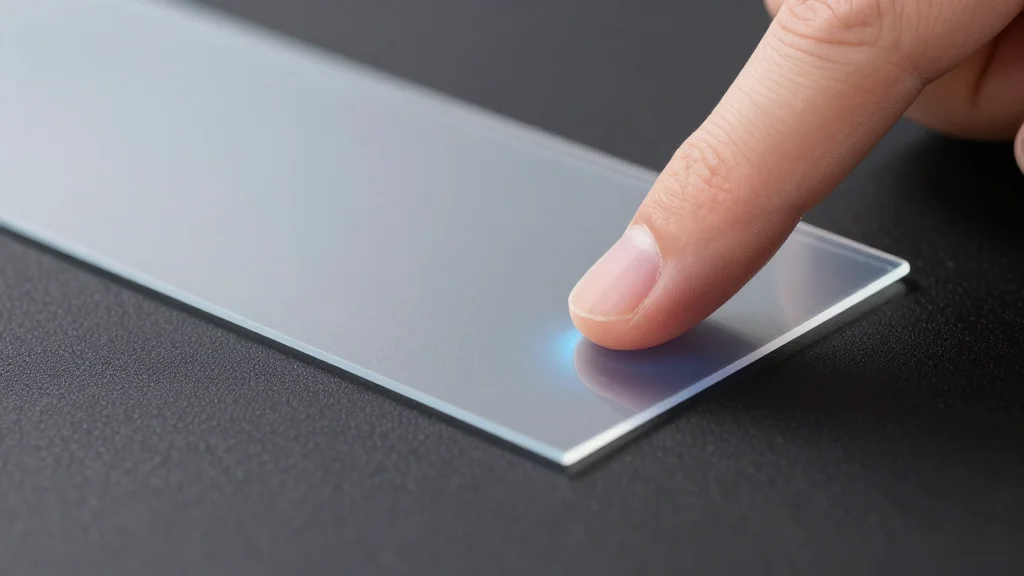
Nanomade Unveils First Transparent Film Merging Touch and Force Sensing
Nanomade announced a breakthrough transparent film that fuses capacitive touch and ultra‑sensitive force sensing, developed with printed‑electronics partner PolyIC. The ultra‑thin, fully clear substrate will be available for industrialisation in Q3 2026, with a first demonstration already underway for a leading...

Pentacene Dimers Boost Quantum Sensing Towards Single-Proton Detection
Researchers at the Institute of Translational Medicine have shown that pentacene dimers, created via singlet fission, provide a 30% larger interaction cross‑section than traditional pentacene monomers for detecting small ensembles of nuclear spins. Computational modeling using a Lindblad master equation...
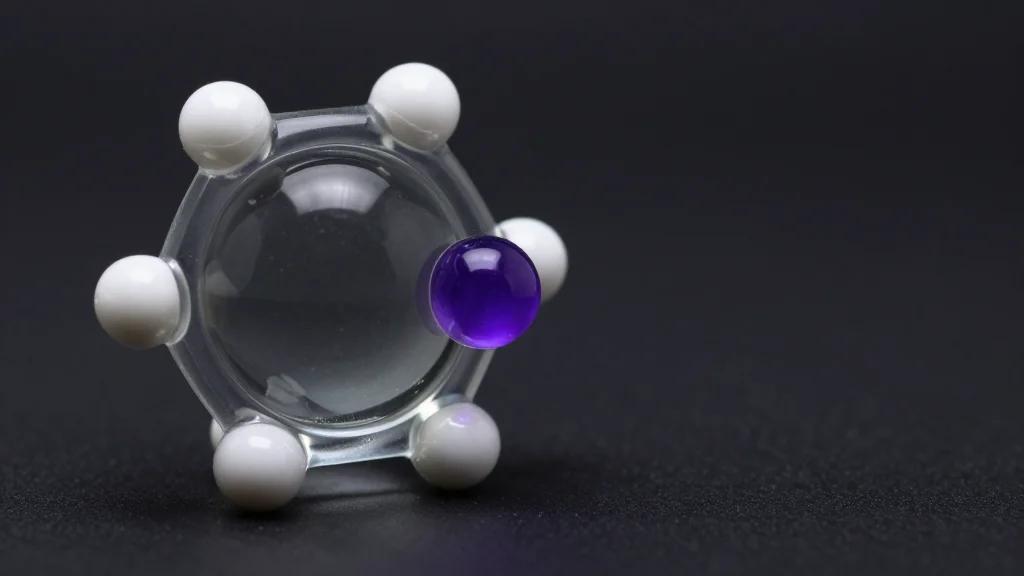
One-Atom Substitution Successfully Tunes Molecular Heat Transport for the First Time
Researchers at the University of Augsburg and the University of Michigan have demonstrated that swapping a single hydrogen atom in a benzene‑diamines molecule with heavier halogens can dramatically alter its thermal conductance. By replacing hydrogen with fluorine, chlorine, bromine or...

University of Eastern Finland Demonstrates 2D-Material Photodetectors on Silicon Nitride Chips
Researchers at the University of Eastern Finland have demonstrated photodetectors built from two‑dimensional semiconductor materials directly on silicon nitride waveguide chips. The work, detailed in a doctoral dissertation, shows that cleanroom nanofabrication can integrate ultrathin 2D absorbers with low‑loss waveguides,...

Watching Sunlight Turn Into Fuel and Oxygen, in Real Time
Yale researchers have unveiled a nanoscale method to watch solar photocatalysis in real time, capturing water‑splitting reactions and charge transport at roughly 10 nm resolution. The approach merges amperometric and potentiometric measurements using a quartz nanotip with a platinum core, allowing...

Plug-and-Play Sensor Listens to the Developing Brain
Researchers at North Carolina State University introduced CAMEO, a low‑cost, plug‑and‑play carbon‑nanotube sensor array for human cerebral organoids. The basket‑shaped device houses 12 flexible electrodes, delivering electrophysiological recordings comparable to high‑end systems while costing a fraction of traditional microelectrode arrays....

Graphene ‘Nano-Aquariums’ Reveal Atoms’ Hidden Life in Liquids
A Manchester research team built graphene‑based nano‑aquariums that seal attolitre‑scale liquid pockets between atom‑thin graphene windows, allowing transmission electron microscopy to image atomic behavior in a variety of organic solvents. Using the ePSIC facility, they filmed gold atoms at solid‑liquid...
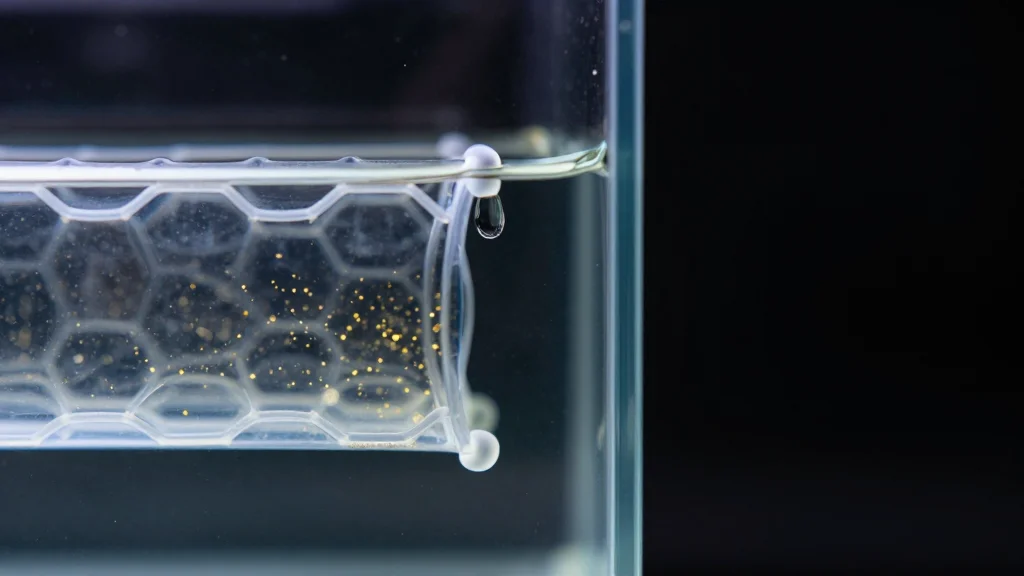
Graphene 'Nano-Aquariums' Capture Atomic-Resolution Videos of Gold Atoms in Solvents
Scientists at the University of Manchester’s National Graphene Institute have built graphene‑sealed “nano‑aquariums” that enable atomic‑resolution video of gold atoms in a variety of organic solvents. Using transmission electron microscopy at the ePSIC facility, they recorded gold atoms hopping, pairing...
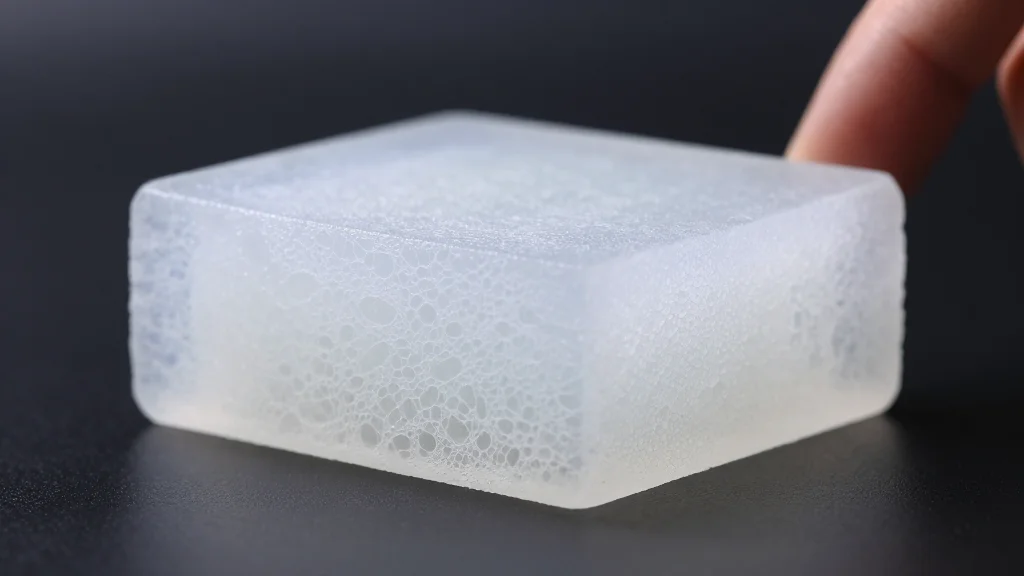
Kyoto University Unveils Moldable Microporous Aerogel Using Van Der Waals Forces
Researchers at Kyoto University have announced a new microporous aerogel that can be molded without chemical cross‑linking, thanks to reversible van der Waals interactions between metal‑organic polyhedra. The breakthrough, published in JACS, promises mechanically robust, shape‑able nanomaterials for insulation, filtration...

NUS Unveils Wearable Sensor that Tracks Fatigue and Stress with Clinical-Grade Accuracy
The National University of Singapore announced a wearable sensor that continuously monitors fatigue and stress, achieving 93% peak‑detection accuracy and ISO‑grade signal quality. The device, built on a metahydrogel platform with AI denoising, could give meditation practitioners a reliable physiological...
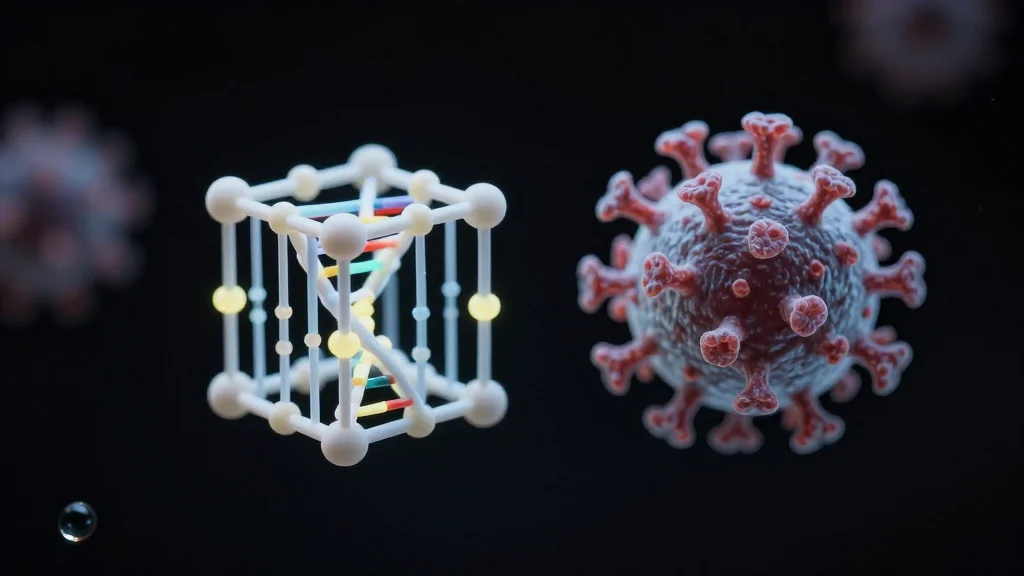
Harbin Institute of Technology Demonstrates DNA Nanorobots that Capture SARS‑CoV‑2
Scientists from the Harbin Institute of Technology have built DNA‑based nanorobots that can locate and bind SARS‑CoV‑2 virus particles in vitro. The machines, only a few dozen nanometers across, use strand‑displacement chemistry to change shape and deliver drugs directly to...
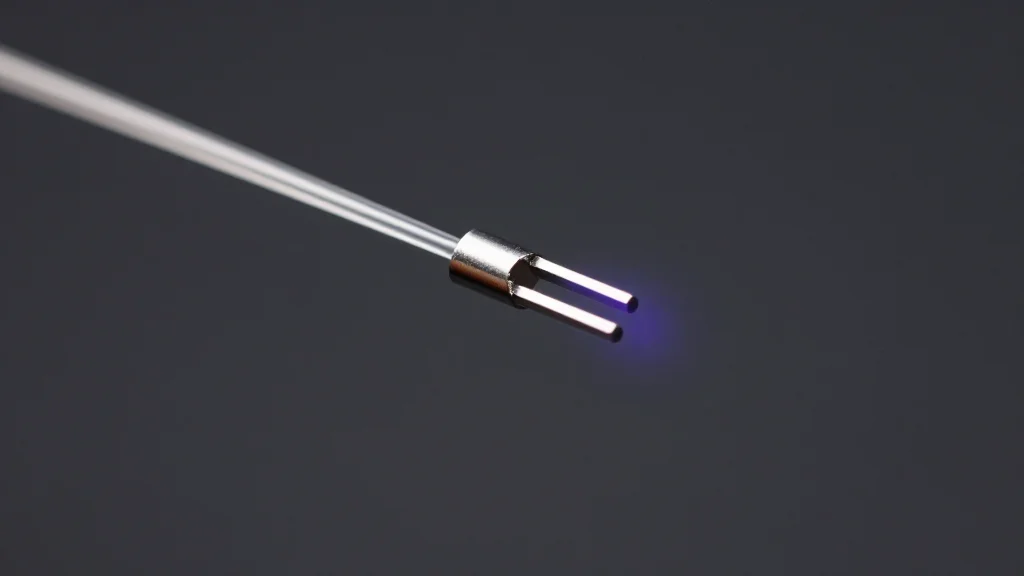
Broadband Nanoprobe Sharpens Optical Imaging Beyond the Diffraction Limit
Researchers at Xi’an Jiaotong University have unveiled a fiber‑based double‑slit plasmonic probe that uses linearly polarized light and Fabry–Pérot energy recycling to achieve broadband nanofocusing. The device delivers a six‑fold electric‑field enhancement and resolves a 28.6 nm slit, essentially matching atomic...

India to Replace 10% Conventional Fertilisers with Nano Products in 3-4 Yrs, Says IFFCO MD Patel
Indian fertilizer giant IFFCO reported an 8% rise in profit before tax for FY 26, with earnings reaching roughly ₹4,106 crore (about $495 million), surpassing its FY 22‑23 record. The cooperative announced a plan to replace 10% of India’s conventional urea and DAP consumption...

Nasal Dantrolene Nanoparticles Curb Inflammation‑induced Depression, Anxiety
Intranasal dantrolene nanoparticles inhibit lipopolysaccharide-induced depression and anxiety behavior in mice [Context: Dantrolene is a skeletal muscle relaxant used for malignant hyperthermia and chronic spasticity from spinal cord injuries, MS, or stroke. It inhibitings calcium release in muscle cells. Common side...
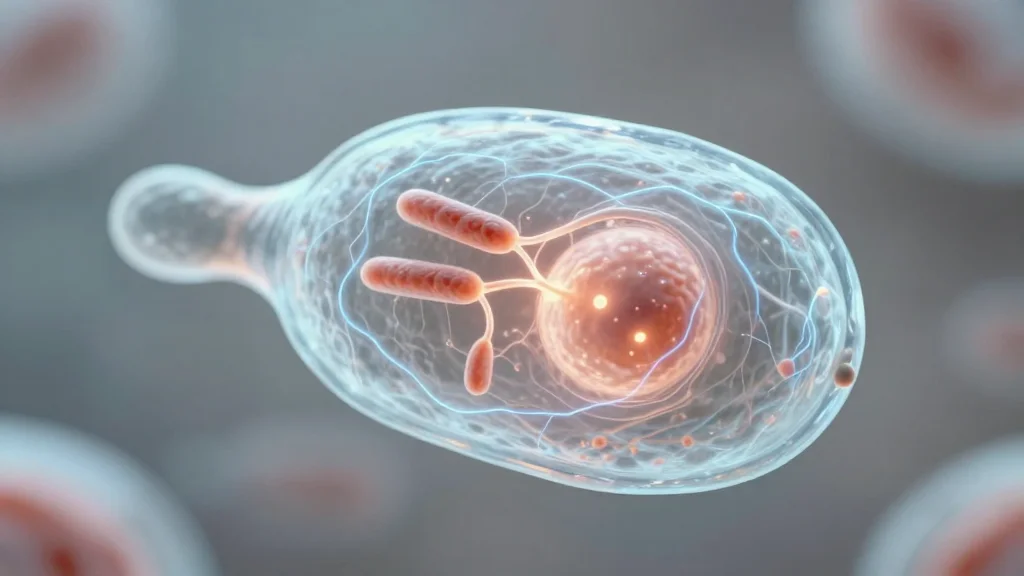
Nanosecond Electric Pulses Rejuvenate Aging Endothelial Cells
Nanosecond pulsed electric field applications rejuvenate aging endothelial cells by rescuing mitochondrial-to-nuclear retrograde communication https://t.co/DT8GXNLlxO

Kimchi Bacteria Bind Up to 87% of Nanoplastics, Study Finds
Researchers have identified a strain of lactic‑acid bacteria common in kimchi that binds up to 87% of nanoplastics in lab tests. In mouse trials, the probiotic doubled the excretion of these particles, suggesting a dietary route to mitigate microplastic accumulation.

NUS Unveils Wearable Sensor that Tracks Fatigue and Stress with 92% Accuracy
Researchers at the National University of Singapore, led by Prof. Ho Ghim Wei, introduced a metahydrogel‑based wearable that continuously monitors fatigue and stress. The device boosts peak‑detection accuracy to 93% and identifies fatigue levels with 92% accuracy, far outpacing commercial...
Polish QNA Technology Inks US Deal to Authenticate Packaging with Quantum‑dot Ink
QNA Technology, a Wrocław‑based nanotech company, has signed a six‑month exclusive agreement with U.S. firm Reborn Materials to develop a UV ink containing quantum‑dot nanomaterials for authenticating disposable food packaging. The partnership aims to complete testing by 2026 and lay...
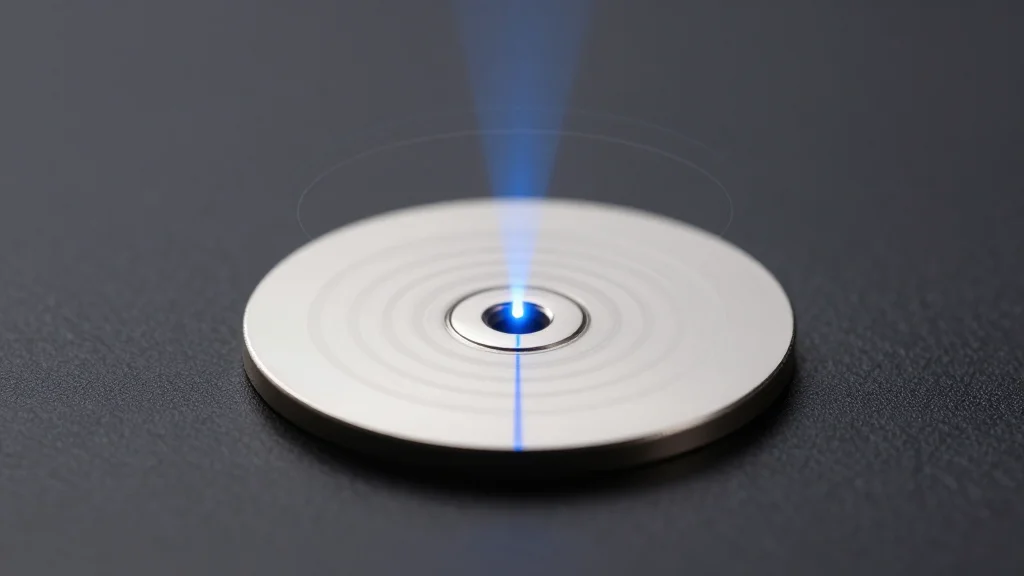
Picosecond-Scale Coherent Toggle Switching of Topological Spin Helicity
Researchers have experimentally achieved coherent toggle switching of magnetic vortex helicity in nanoscale disks within a few hundred picoseconds. The transition is triggered by a single femtosecond laser pulse combined with an out‑of‑plane magnetic field, leveraging photothermal demagnetization and subsequent...
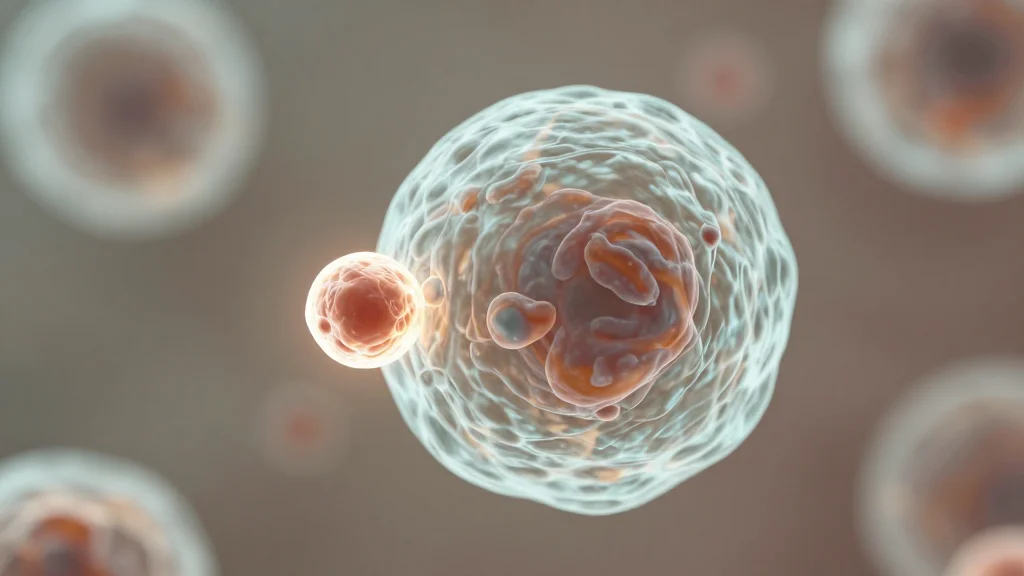
University of Michigan Shows Protein Nanoparticles Can Deliver Gene Therapy Without Viruses
Scientists at the University of Michigan engineered protein‑based nanoparticles that delivered DNA and mRNA into human liver, kidney and immune cells without using viral vectors. The proof‑of‑concept experiment showed successful gene activation and could lower the risk of immune reactions...
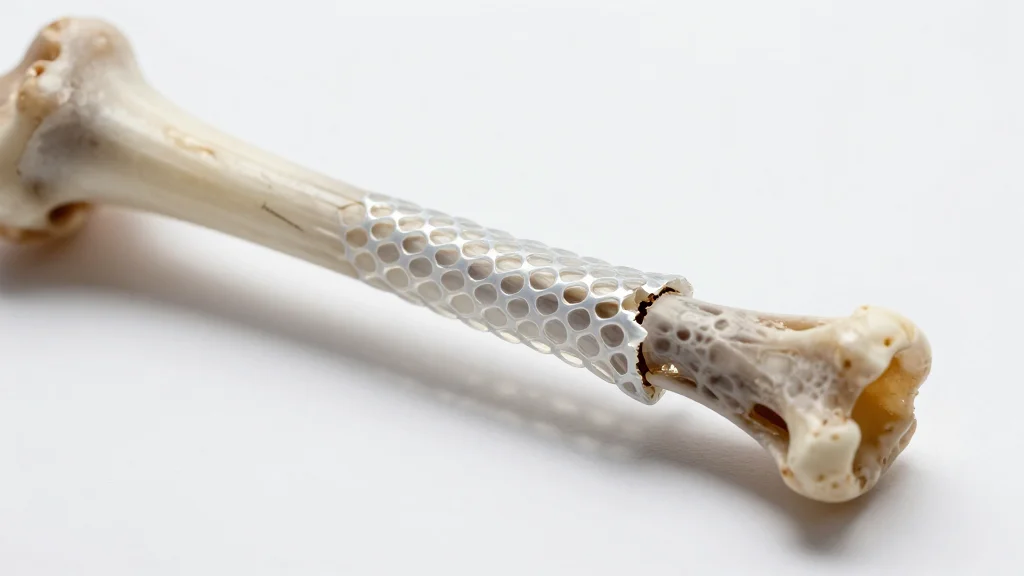
Graphene 'Scaffold' Recruits Bone Cells and Helps the Body Regenerate Fractures
Researchers in Brazil have created a graphene‑based scaffold that repaired nearly 90% of bone fractures in rats within a month, outperforming existing biomaterials. The scaffold combines graphene with chitosan‑xanthan polymers derived from waste black liquor, a pulp‑and‑paper by‑product. Acting as...
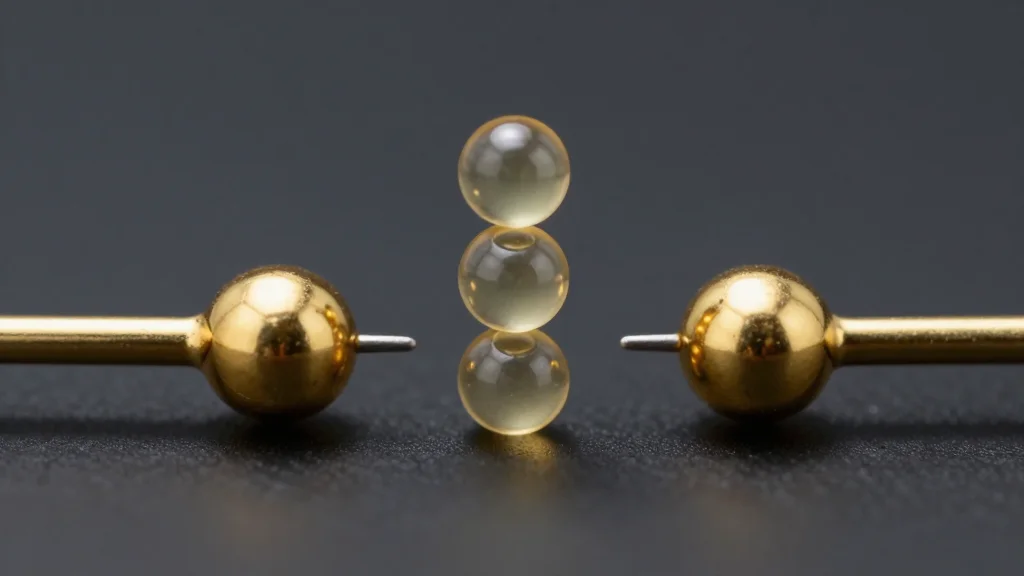
Fullerene's Spherical Symmetry Enables a Reliable Three-State Molecular Switch
Researchers have leveraged the spherical symmetry of C₆₀ fullerene to create a reliable three‑state molecular switch. By mechanically stacking one, two, or three C₆₀ molecules between gold electrodes, they achieved three distinct, fully reversible conductance levels spanning nearly four orders...

Microplastic and Nanoplastic Exposure in the Context of Aging
Recent animal research shows that high-dose nanoplastic accumulation can trigger cellular dysfunction, including oxidative stress and senescence. While these harmful exposure levels exceed current environmental concentrations, older adults may experience greater cumulative burden due to lifelong exposure and age‑related physiological...
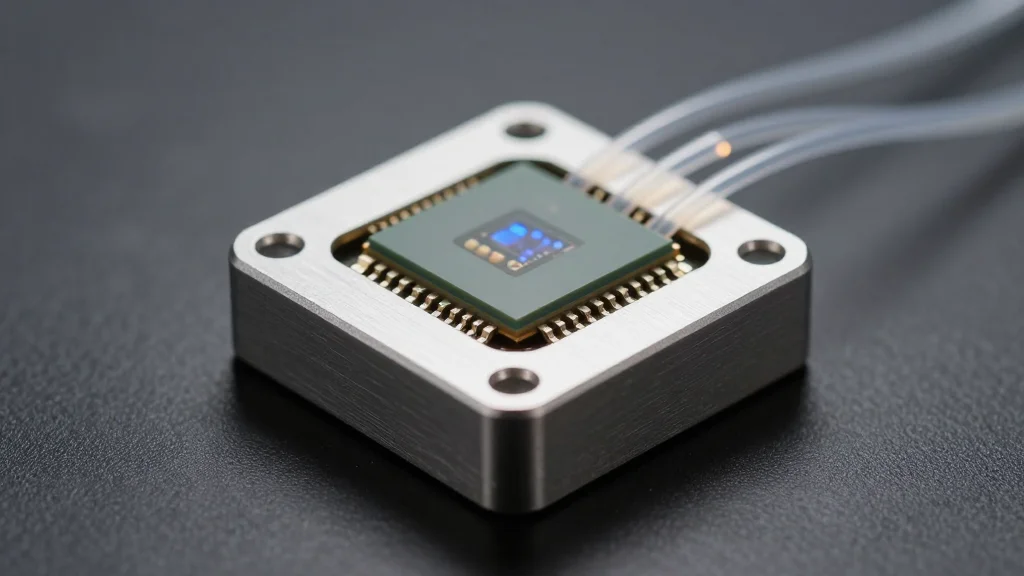
Nanofluidic Chip Holder Integrates Thermal, Electrical, and Optical Control
Researchers at Chalmers University unveiled a compact nanofluidic chip holder that merges heating, cooling, electrical actuation, and real‑time optical spectroscopy into a single platform. The device accommodates 10 mm silicon chips with up to 12 fluidic connections and can maintain temperatures...
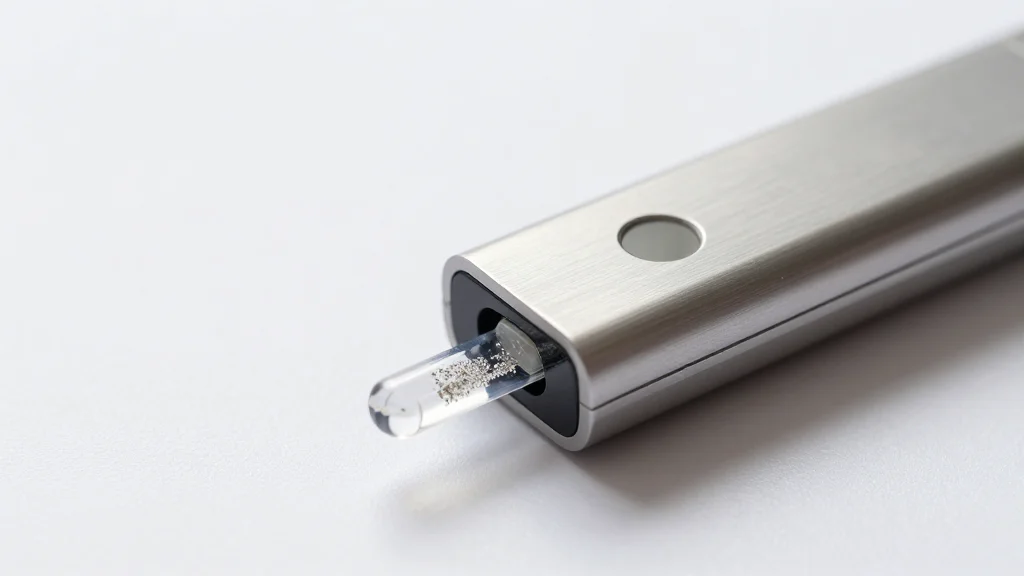
Nanotechnology Sensor Reads Creatinine in Seconds for Rapid Kidney Testing
Researchers at Tohoku University and City College of New York unveiled a nanotechnology‑based creatinine biosensor that reads concentrations from 1 to 300 mg/dL in about 35 seconds. The device uses a platinum‑nanoparticle polymer composite tuned near the percolation threshold, eliminating the...
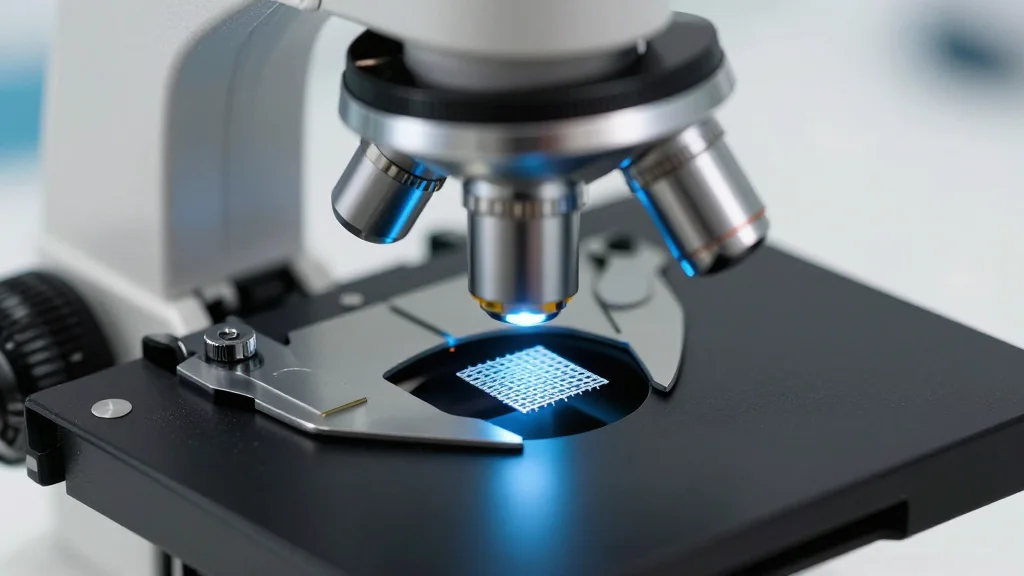
LMU Nano‑Institute Wins €2.45 M EIC Transition Grant for iNSyT‑ONE Platform
LMU’s Nano‑Institute has been awarded a €2.45 million (about $2.7 million) European Innovation Council Transition Grant for its iNSyT‑ONE microscope platform. The three‑year funding will drive technology maturation, industrial validation and market‑entry plans, positioning the university as a potential nanotech spin‑out hub.
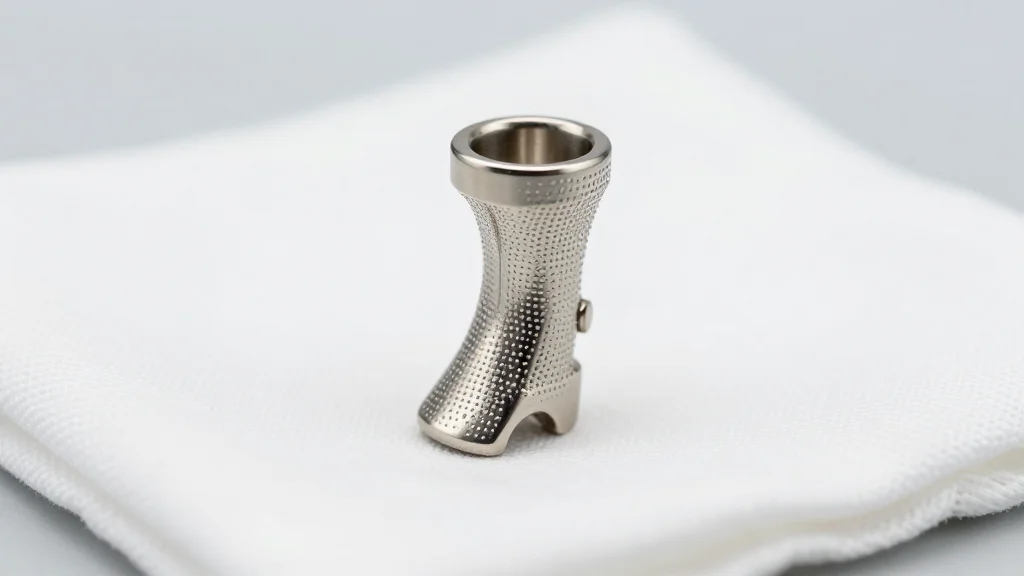
Spectrum Spine's BioBraille Earns FDA Clearance, First Nanotech‑enabled Orthopedic Implant
Spectrum Spine Inc announced that its BioBraille™ surface technology has received FDA clearance, making it the first orthopedic implant to be designated as a nanotechnology device. The clearance covers an anterior cervical cage and paves the way for a broader...
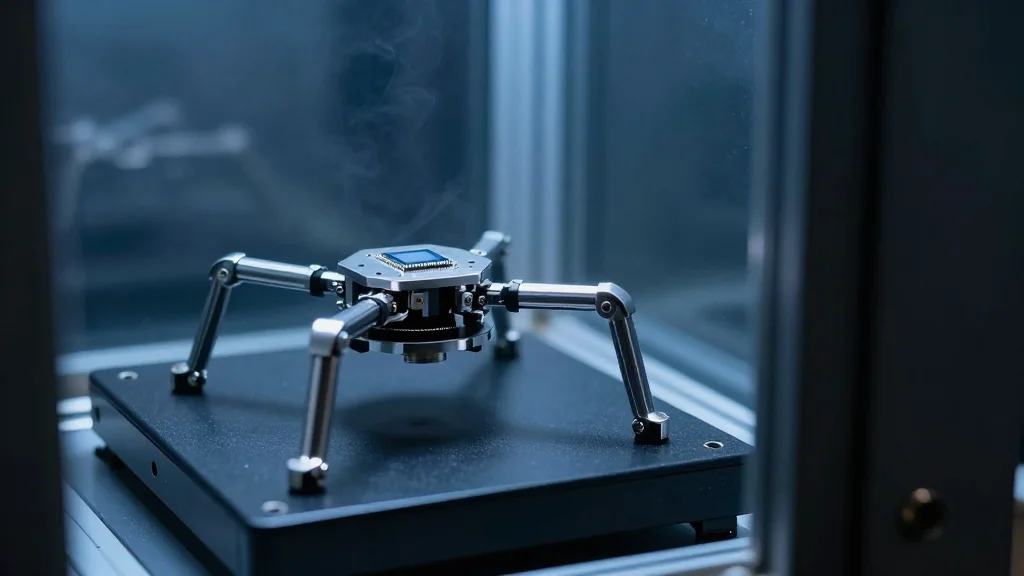
Hexapod Concept for Low-Temperature Quantum Applications
Physik Instrumente (PI) has unveiled a low‑temperature development program featuring a 6‑DOF hexapod nanopositioner designed for cryogenic quantum and photonic applications. The parallel‑kinematics device delivers nanometer‑scale precision, millimeter travel and can move payloads of several hundred grams at temperatures below...

Filling a Gap in Materials Mechanics: Nanoindentation at High Constant Strain Rates up to 105 S−1
Researchers have unveiled a piezoelectric‑based nanoindentation platform that maintains constant indentation strain rates from 10¹ to 10⁵ s⁻¹, a five‑order‑of‑magnitude range previously inaccessible at the micro‑scale. The system captures precise load‑displacement data within ~150 µs, enabling accurate hardness extraction for single‑crystalline molybdenum,...
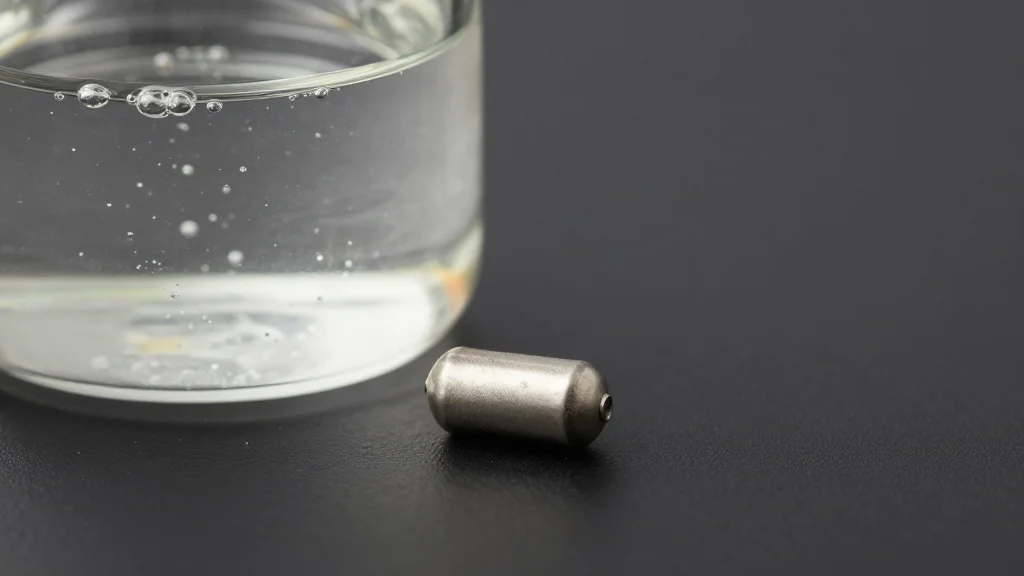
Coupling Hydrogen Spillover at Synergistic PtNi/NiInOx Interfaces with Urea Oxidation for Enhancing Water Splitting
Researchers engineered a Pt‑Ni alloy interfaced with NiIn‑based oxides to create a low‑work‑function junction that promotes hydrogen spillover. The catalyst delivers exceptional hydrogen evolution activity with only 1.6 wt % platinum, achieving a 13 mV overpotential at 10 mA cm⁻² and stable operation for over...

Rhodamine‐Functionalized Nanosensor for Multimodal, Ultrasensitive, and Stable Detection of Toxic Mercury Ions
Researchers have created a self‑assembled amphiphilic dual‑rhodamine B nanoprobe (DR) that forms 248 nm nanospheres for mercury(II) detection. The sensor delivers a rapid 12‑second fluorescence “turn‑on” and visible color change, achieving an ultralow detection limit of 0.19 nM. DR was integrated into...

AI-Generated Sensors Open New Paths for Early Cancer Detection
MIT and Microsoft researchers unveiled CleaveNet, an AI system that designs peptide sensors targeting cancer‑linked proteases. The model rapidly generates highly specific sequences, cutting the design time from months to minutes and slashing experimental costs. Coated nanoparticles release cleaved peptides...
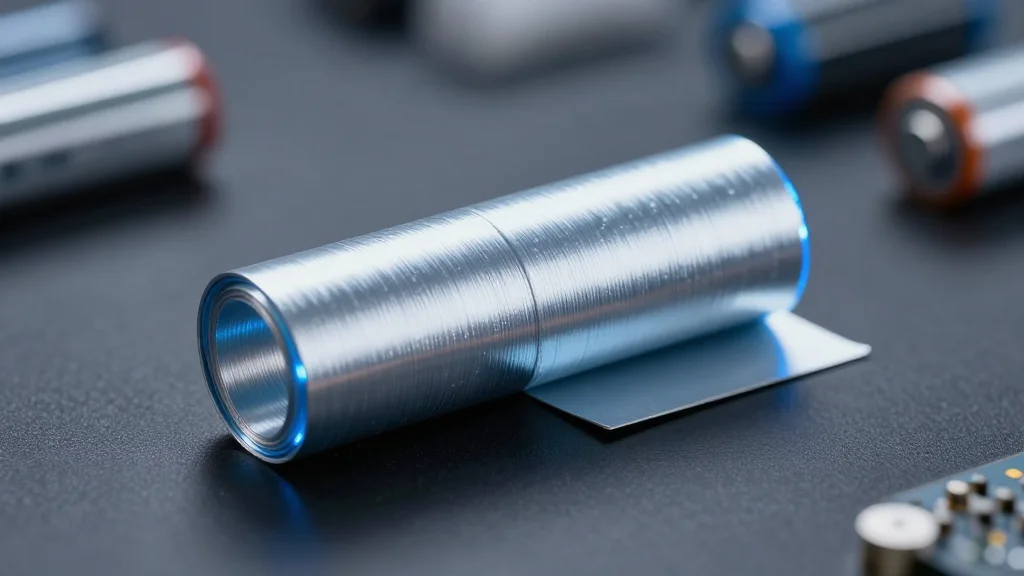
Drexel Researchers Roll MXene Into Nanoscrolls, Boosting Batteries and Wearables
Scientists at Drexel University have unveiled a scalable method to roll two‑dimensional MXene sheets into one‑dimensional nanoscrolls, delivering up to ten‑fold conductivity gains for batteries, sensors and wearable devices. The breakthrough, detailed in Advanced Materials, could reshape energy storage and...
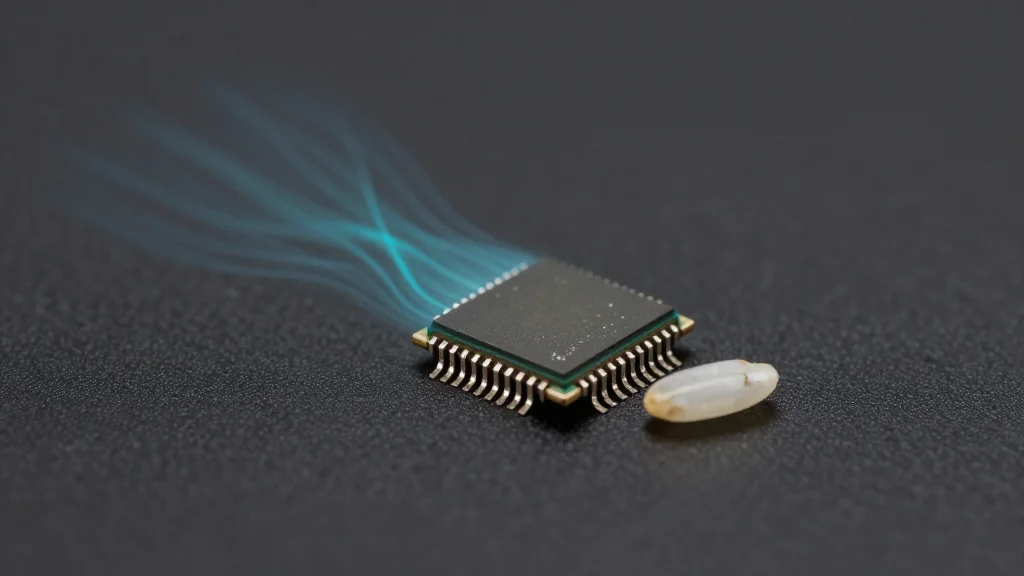
Novel Graphene-Based Sub-Terahertz Receivers Could Enable Ultra-Compact, Zero-Power 6G Links
Researchers from ICFO, ETH Zurich and partners have unveiled the first graphene‑based sub‑terahertz direct receivers that deliver multi‑gigabit‑per‑second data rates over a 3‑metre link at room temperature. The devices occupy a tiny 0.018 mm² footprint, are compatible with standard CMOS back‑end...
Autonomous Atomic-Scale Self-Healing in Two-Dimensional MXenes via Diffusion-Driven Lattice Reconstruction
Researchers used in‑situ scanning transmission electron microscopy to capture the first intrinsic self‑healing events in two‑dimensional MXenes, occurring without external stimuli. Nanopores created in titanium‑carbide (Ti‑C) and medium‑entropy MXenes closed spontaneously at room temperature, and heating to 250 °C and 500 °C...

Design of Polyvinyl Alcohol/Bacterial Cellulose/Sodium Alginate/MXene@Polydopamine Hydrogel Evaporator for Fresh Water Acquisition
Researchers have engineered a physically cross‑linked multi‑network hydrogel combining polyvinyl alcohol, sodium alginate and bacterial cellulose, reinforced with MXene@Polydopamine photothermal particles. The resulting evaporator delivers a high solar‑driven evaporation rate while maintaining cyclic stability and salt tolerance. Laboratory tests show...

Thermocatalysts Through the Lens of Nanoscale Semiconductor Heterojunctions: Plasma‐Deposited CoO/WO3 Nanohybrid Films (Small 19/2026)
Researchers led by Jacek Tyczkowski have demonstrated that plasma‑deposited CoO/WO3 nanohybrid films create nanoscale semiconductor heterojunctions that dramatically reshape catalytic behavior in CO2 hydrogenation. By visualizing charge modulation at the individual nanoparticle level, the team showed that the CoO component...

Scientists Turn MXene Into Tiny Nanoscrolls that Supercharge Batteries and Sensors
Researchers at Drexel University have introduced a scalable process to convert two‑dimensional MXene sheets into one‑dimensional nanoscrolls, producing up to 10 grams of material with controlled chemistry. The tubular nanostructures exhibit higher electrical conductivity and reduced ion‑transport resistance compared with flat...

NIST Unveils Hydroxide Catalysis Bonding for Photonic Chips to Survive Extreme Environments
NIST researchers led by physicist Nikolai Klimov introduced a hydroxide catalysis bonding (HCB) technique that creates glass‑like, inorganic bonds between optical fibers and photonic integrated circuits, allowing the chips to survive temperature swings, radiation and vacuum. The breakthrough could accelerate...

Targeting Tumor Supporting Cells: Lipid Nanoparticles Advance CAR T Success in Pancreatic Cancer
Researchers at Penn Vet used lipid nanoparticles (LNPs) to deliver FAP‑CAR mRNA directly to patients' T cells, enabling in‑vivo engineering of CAR T cells that attack cancer‑associated fibroblasts in pancreatic ductal adenocarcinoma. In a preclinical mouse model, a single dose of...

Anisotropic 2D Crystal with Hyperbolic Localized Plasmon Resonances Unlocks Additional Degree of Freedom
Researchers have demonstrated hyperbolic localized plasmon resonances (H‑LPRs) in the anisotropic 2D crystal MoOCl₂, introducing a new degree of freedom for nanophotonic design. When patterned into nanodisks, the material exhibits resonances only for polarization along its metallic axis, and the...
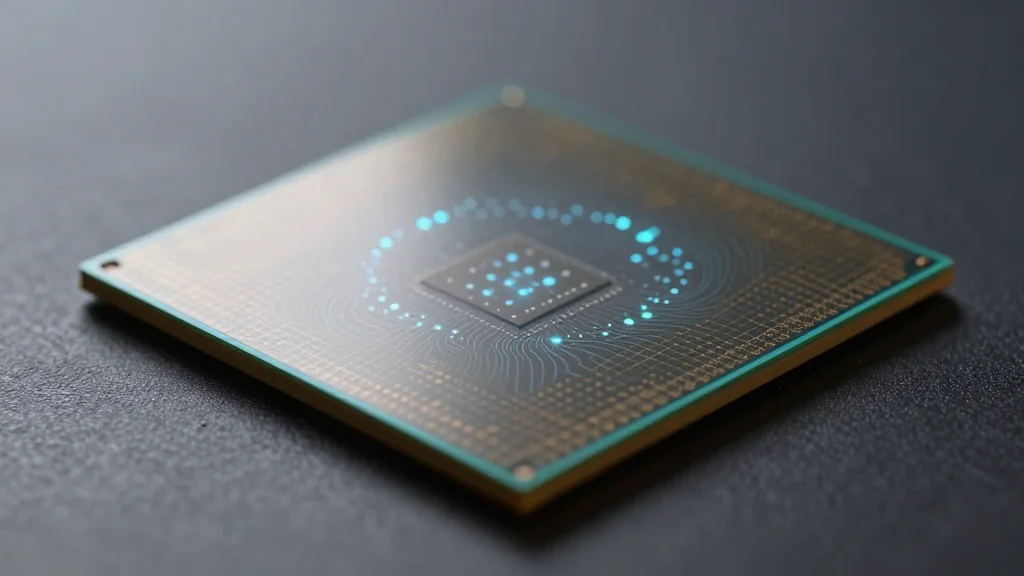
Silicon Quantum Chip Executes First Logical Gates, Boosting Scalable Quantum Computing
A team of physicists has performed logical quantum operations on a silicon‑based processor for the first time, using a five‑qubit phosphorus donor cluster and the 4‑2‑2 error‑detecting code. The breakthrough shows that existing semiconductor manufacturing can underpin fault‑tolerant quantum computers,...
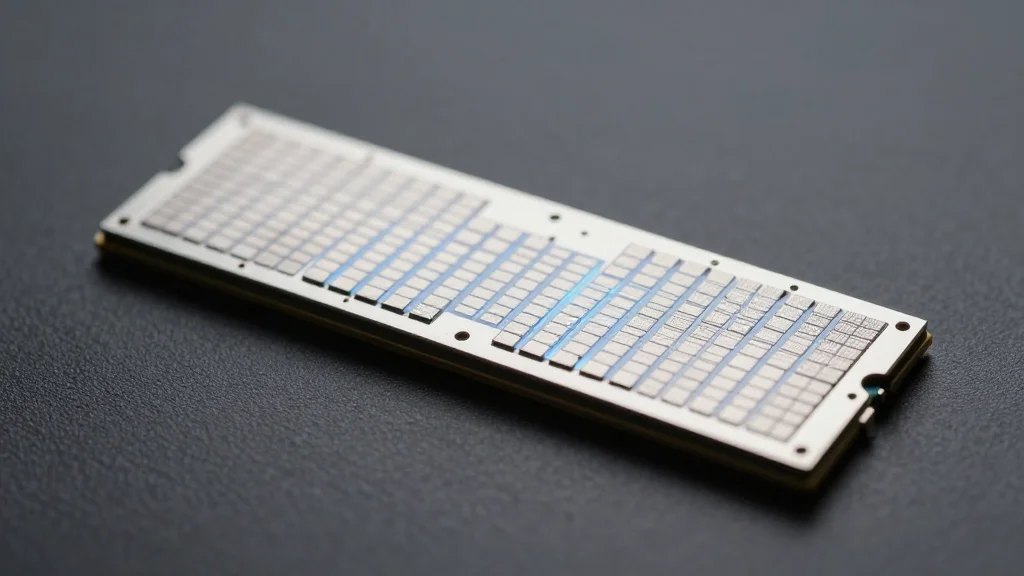
Weebit Nano Turns Lab‑Born ReRAM Into AI Memory Leader
Weebit Nano Ltd., a ReRAM-based technology company that we launched in 2016, uses an oxide memory that we developed in our lab in 2010. Weebit’s ReRAM is projected as a preferred AI-based electronic memory. Many thanks to Coby Hanoch and...