Today's Nanotech Pulse

Left‑handed DNA origami tubes double chemotherapy efficacy against AML
Researchers at the Cancer Center at Illinois showed that left‑handed DNA origami tubes loaded with Daunorubicin achieve more than twice the cell‑killing efficacy of right‑handed tubes. The tubes display aptamers that target the CD117 protein on acute myeloid leukemia cells and their left‑handed geometry promotes rapid internalization.

Beyond Lipid Nanoparticles: How Custom Polymers and AI May Reshape Gene Therapies
Researchers at Helmholtz‑Zentrum Hereon and partners propose a payload‑driven approach to nucleic‑acid delivery, designing polymeric carriers that are chemically tuned to each DNA, RNA or mRNA payload. The strategy contrasts with the one‑size‑fits‑all lipid nanoparticles that dominate current vaccines and gene therapies, promising greater stability and controlled, long‑term release. Artificial intelligence and robotic synthesis are slated to accelerate polymer screening by predicting optimal carrier‑payload pairings. The work, published in Advanced Science, outlines a four‑level design framework that could reshape vaccine, cancer and regenerative‑medicine applications.

Japanese Team Achieves 40‑Fold SHG Boost in WS₂ with Silicon Nanospheres
A research team from Japan's National Institutes of Natural Sciences reported that silicon nanospheres increase second‑harmonic generation from monolayer WS₂ by over 40 times and preserve roughly 80% of the circular polarization, a breakthrough for valley‑based photonic technologies.

Nanoplastics Released by ‘Eco-Friendly’ Bioplastics May Slow Fetal Development in Mice
A study by Anhui Medical University and Fudan University shows that polylactic acid (PLA), a widely used biodegradable bioplastic, breaks down into oligomeric lactic acid (OLA) nanoplastics that cross the placental barrier in mice. Exposure to environmentally relevant OLA doses...
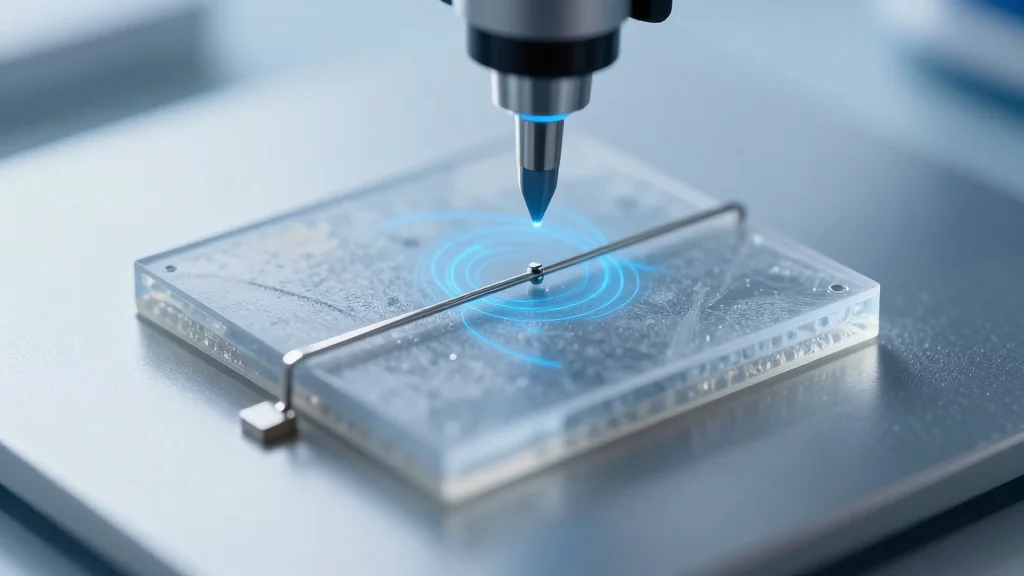
Programmable Superconducting Diode Can Flow on Command
Researchers at the University of Pittsburgh have created a programmable superconducting diode using the LaAlO₃/KTaO₃ (LAO/KTO) interface. By employing conductive atomic force microscope (c‑AFM) lithography, they can reposition the weak link to reverse diode polarity without altering the material. The...

Transistor-Inspired Triboelectric Nanogenerator Powers Human-Machine Interfaces without Batteries
Researchers at Chonnam National University unveiled an air‑breakdown triboelectric nanogenerator (AB‑TENG) that harvests static electricity from human skin to power ultrathin input devices without batteries. The device delivers up to 290 V and 22 mW at a modest 24 N contact force, outperforming...
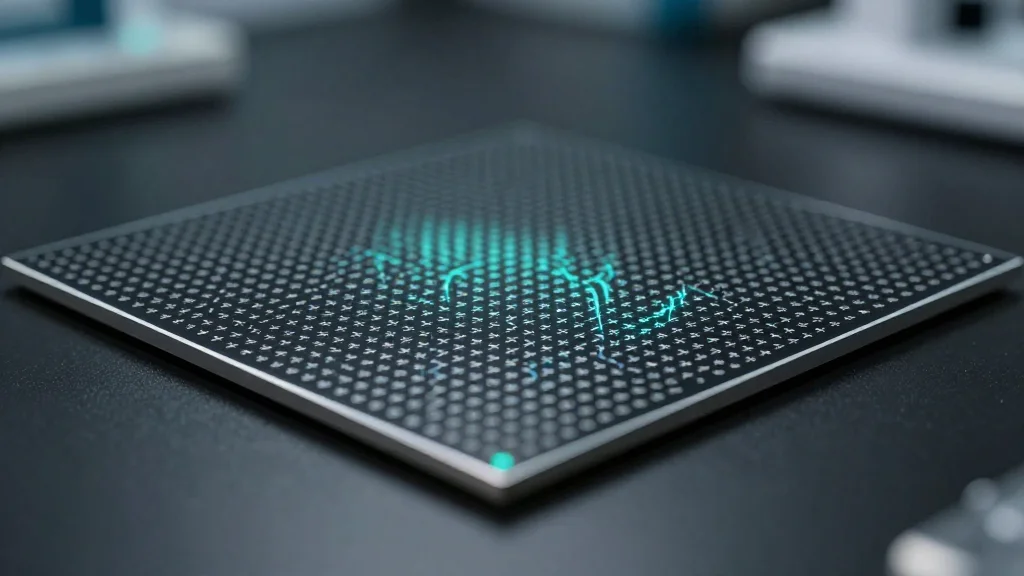
Programmable Metasurface Achieves Beam Scanning and Multi-Band Radar Cross-Section Reduction
Researchers at Xidian University unveiled a programmable metasurface only 0.065 wavelengths thick—87% slimmer than traditional stealth designs—that can dynamically steer beams and suppress radar signatures. The 12 × 12 prototype scans ±45° at 5.2 GHz with a 17.23 dBi peak gain while delivering more than ‑6 dB...

Magnetic Silk‑Iron Nanoparticles Offer Precise Steering of Drugs to Hard‑to‑Reach Disease Sites
A research team has created magnetic silk‑iron nanoparticles that can be steered with external magnetic fields to deliver therapeutics to otherwise inaccessible disease locations. The nanoplatform merges biocompatible silk fibroin with iron oxide, enabling magnetic control while maintaining safety, a...
CCEM Lands $15.5 M CFI Grant to Boost Canada’s Nano‑characterisation Platform
The Canadian Centre for Electron Microscopy (CCEM) has been awarded a $15.5 million grant from the Canada Foundation for Innovation. The funding will expand national nano‑characterisation capabilities, linking atomic‑scale insights to Canada’s critical‑minerals strategy, semiconductor supply chain and electronic‑waste recycling efforts.
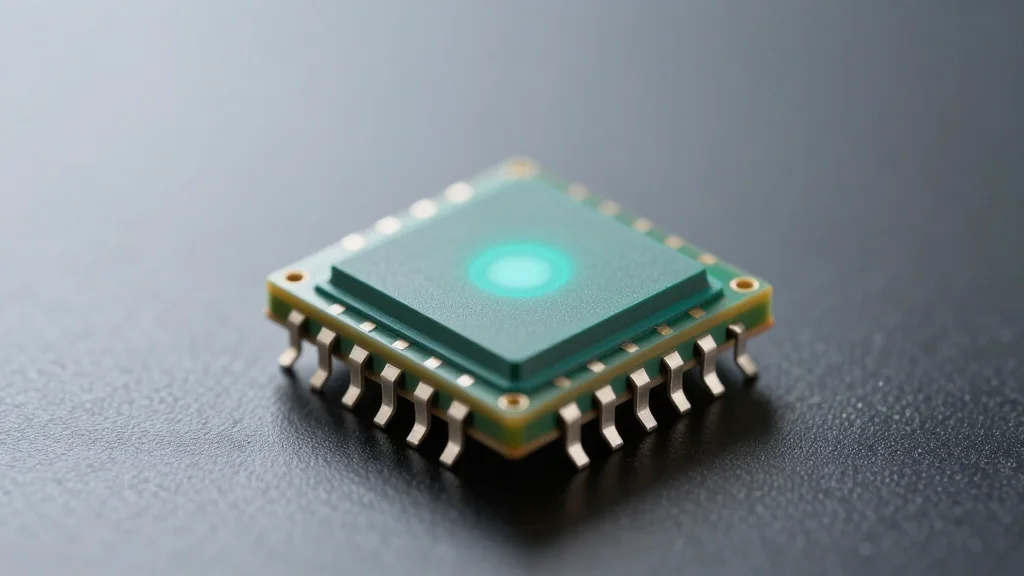
Samsung to Launch GaN Foundry and SiC Pilot Line, Targeting Power Market
Samsung Electronics will begin mass production at its 8‑inch GaN power‑semiconductor foundry line in the second quarter of 2026 and start sample production of silicon‑carbide (SiC) devices in the third quarter. The move positions Samsung as a new player in...

Harvard Engineers Unveil Real‑Time Light‑Twisting Chip Using Nanophotonic Metasurfaces
Harvard engineers have demonstrated a nanophotonic chip that can twist and steer light’s handedness on demand, using a MEMS‑controlled, twistable bilayer architecture. The proof‑of‑concept device shows real‑time control of orbital angular momentum, opening a new programmable dimension for photonic circuits.
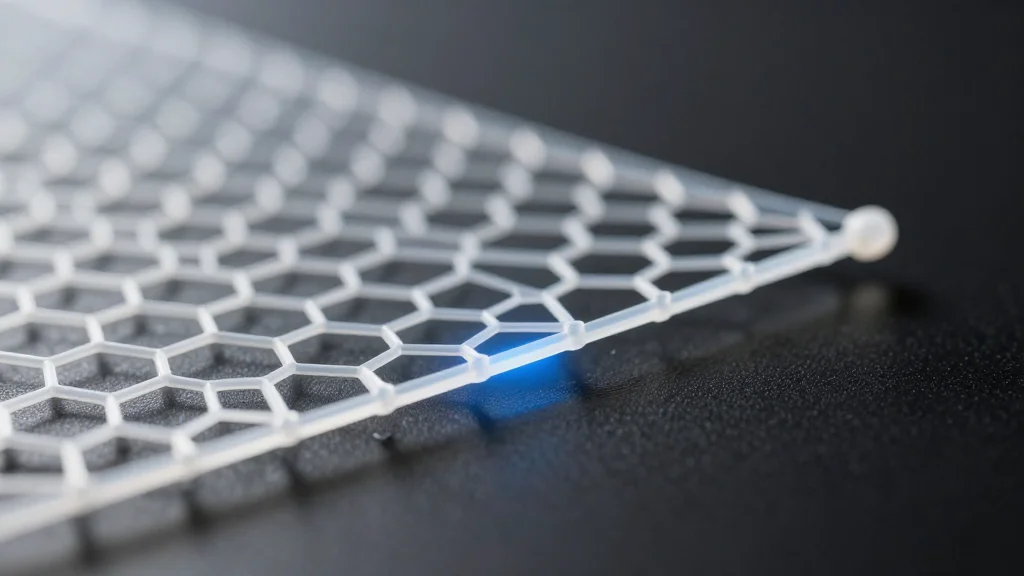
Israeli‑Japanese Team Unveils Near‑Zero‑Power Graphene Switch for Brain‑Like Electronics
A joint Israeli‑Japanese research team has demonstrated a graphene switch that requires virtually no power to operate, a development published in Nature Nanotechnology. The device, built from nanometer‑scale graphene islands that slide over each other, could accelerate low‑energy computing and...
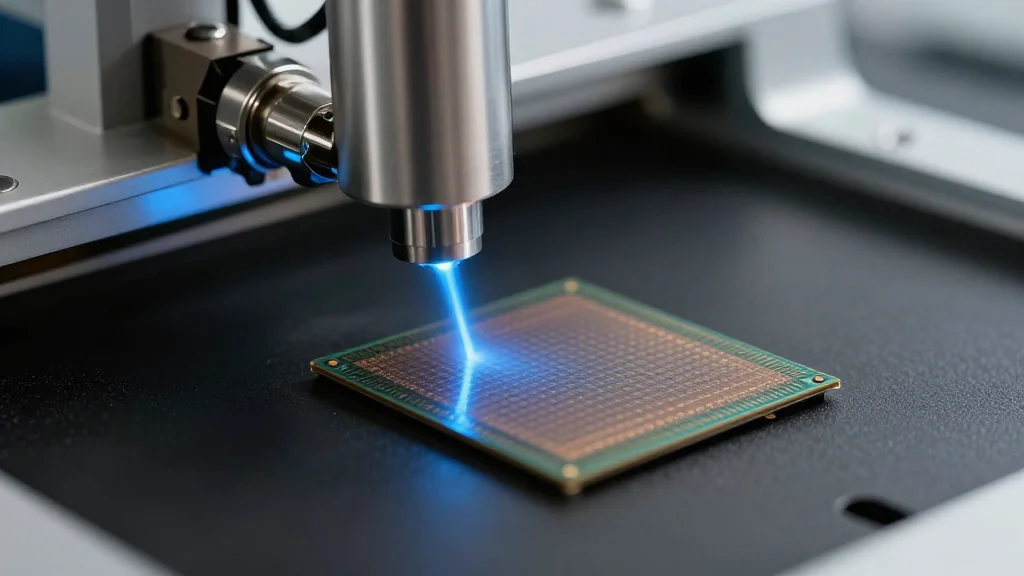
Lace Lithography Raises $40M to Pursue Helium Atom Beam Chips at Atomic Resolution
Lace Lithography, a Microsoft‑backed Norwegian chip‑making equipment startup, closed a $40 million Series A round led by Atomico. The funding will accelerate its helium‑atom beam lithography platform, which promises feature sizes ten times smaller than today’s EUV tools and a test tool...

Spin-Flip Emitter Harvests Doubled Excitons for Higher Solar Cell Efficiency
Researchers at Kyushu University and JGU Mainz have created a molybdenum‑based spin‑flip emitter that harvests singlet‑fission triplet excitons with a quantum yield of about 130%. By tuning the metal complex’s energy levels, they suppressed competing Förster resonance energy transfer, allowing...

Cellulose Acetate Fibers With Infiltrated ZnO Nanocrystals: Activation of Antibacterial Properties Against Acne Vulgaris by Oxygen Plasma Treatment
Researchers created biodegradable cellulose acetate fibers infiltrated with up to 8 wt % zinc‑oxide nanocrystals using vapor‑phase infiltration and centrifugal spinning. A short oxygen plasma treatment converted the fibers from hydrophobic to hydrophilic, enabling Zn²⁺ release. Plasma‑modified fibers showed clear antibacterial activity,...

Chemical Origins of Environmental Modifications to MOR Lithographic Chemistry
Researchers at imec presented new findings on metal‑oxide resists (MORs) for EUV lithography, showing that atmospheric oxygen, not CO₂ or humidity, drives post‑exposure chemical changes. Using the BEFORCE platform, they demonstrated that O₂ induces carbonyl formation and accelerates ligand loss...
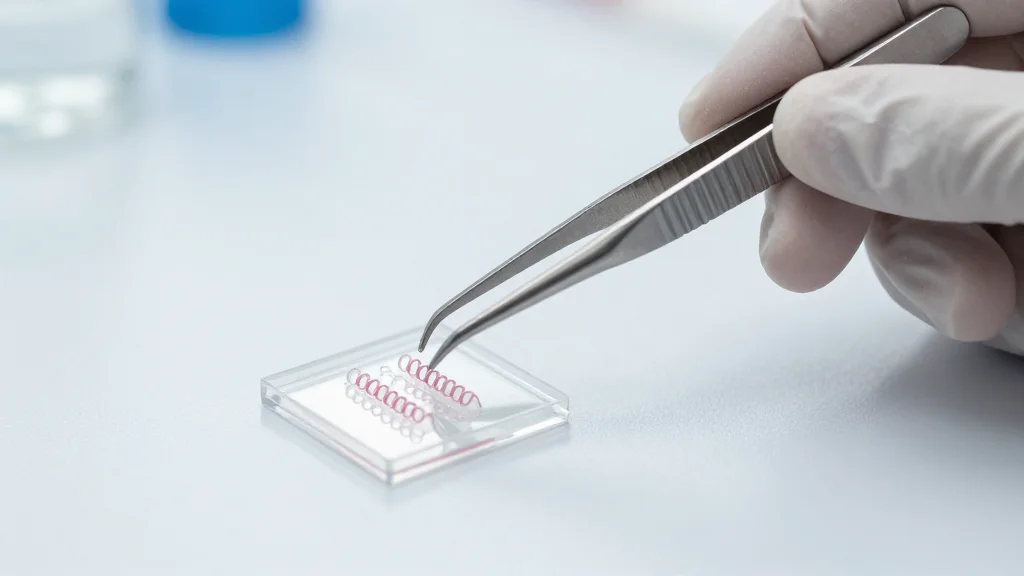
Programmable DNA Origami Nanodevice Reveals Force-Dependent Protein Interactions
Yale researchers have engineered a DNA‑origami nanodevice equipped with programmable hairpin springs that apply 5–9 pN tension to target proteins. The platform generates millions of identical units, enabling bulk pull‑down assays and mass‑spectrometry identification of force‑dependent binding partners. Using the talin1...

Orange Leaf Extract Produces Greener Antibacterial Nanoparticles
Researchers have refined a green synthesis route for copper oxide nanoparticles (CuONPs) using water extracts from dried orange (Citrus sinensis) leaves. The optimal protocol—pH 7, 10 g/L copper acetate, and calcination at 300 °C—produces 20‑30 nm particles with strong antibacterial activity against Escherichia coli...
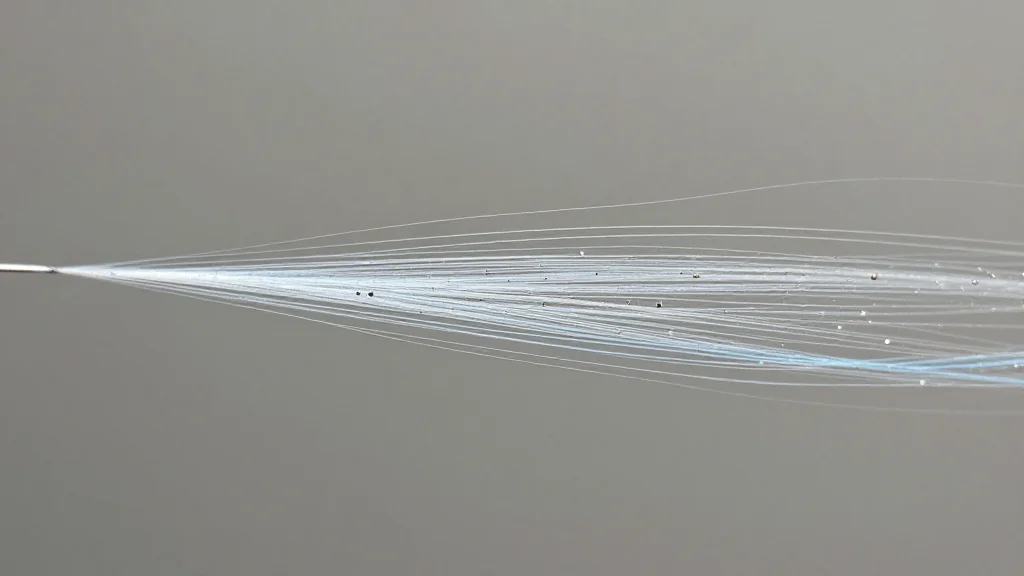
Magnetic Silk‑Iron Nanoparticles Offer Precise Drug Delivery to Inaccessible Tissues
A multinational research team has created magnetic silk‑iron nanocomposite particles that can be steered with external magnetic fields to deliver therapeutics directly to otherwise inaccessible tissues. The breakthrough promises higher efficacy and lower side‑effects for treatments ranging from cancer to...

Penn Engineers Unveil aroLNPs Cutting Liver Delivery Tenfold While Boosting Lymph‑Node Targeting
University of Pennsylvania bioengineers have created a redesigned lipid nanoparticle, aroLNP, that delivers at least ten‑fold less mRNA to the liver while preserving lymph‑node uptake. The breakthrough could lower the dose needed for effective vaccination and expand mRNA therapeutics.
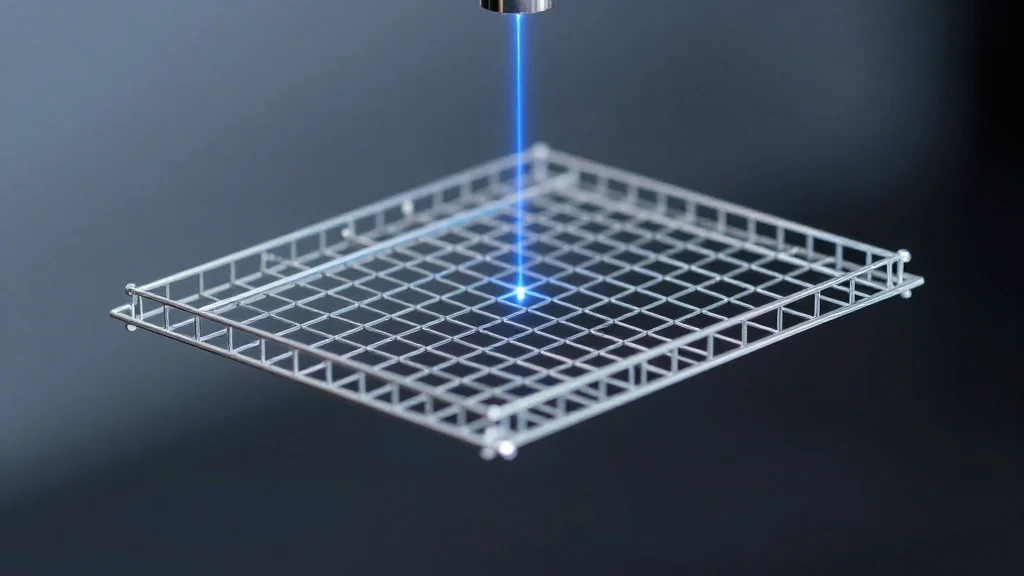
Caltech Engineers 3D‑printed Nanometal Lattices that Are Porous yet Ultra‑strong
Caltech scientists have unveiled a two‑photon lithography process that prints metallic lattices under 50 µm with up to 90% shrinkage, delivering strength up to 50 times that of bulk metal. The technique works with any metal or alloy and could reshape...

Practical Design Guidelines for Atom-Thin Oxide Transistors Enable Reliable 3D Chip Integration
Researchers at National Taiwan University introduced a unified analytical framework that captures how channel thickness, trap states, interface quality, and surface roughness jointly dictate the performance of atom‑thin indium‑oxide and tungsten‑doped indium‑oxide transistors. The model accurately reproduces I‑V characteristics for...

Room‑Temp Ethanol Sensors Using Belt‑Shaped VO₂(B) Crystals
Belt-shaped VO₂(B) single crystals synthesized from V₂O₅ nanofibers demonstrate high sensitivity and selectivity for ethanol detection at room temperature, offering a promising platform for low-power, next-generation gas sensors. materialsinnovation

NanoZymeX Secures €160K to Advance Lipid Nanoparticle Enzyme Therapies for Rare Diseases
Swiss biotech NanoZymeX has secured €160,000 (about $174,000) from Venture Kick to accelerate its lipid‑nanoparticle platform for enzyme replacement therapies. The technology, spun out of the University of Basel, seeks to improve delivery of therapeutic enzymes into muscle cells and lysosomes,...

3D Nanoscale Imaging Maps Lipid Organization in Cellular Membranes
An international team has unveiled Lipid‑CLEM, a correlative light‑electron microscopy workflow that visualizes individual lipid molecules in three dimensions at nanometer resolution. By using bifunctional lipid probes, photo‑crosslinking, and click chemistry, the method maps lipid distribution within cellular membranes without...

Atoms Linked to Light on a Nanofiber Promise Scalable Quantum Tech
Researchers at Waseda University and NICT have demonstrated a quantum interface that couples photons traveling in a 310 nm optical nanofiber to an array of about 155 individually addressable cesium atoms. The system achieves single‑atom trapping verified by photon‑correlation measurements with...

Vanadium Dioxide Single Crystals Enable Room-Temperature Gas Sensing with High Sensitivity
Researchers at Tohoku University have created belt‑shaped VO₂(B) single crystals that detect ethanol vapor at room temperature with roughly 19 times higher sensitivity than conventional V₂O₅ nanofibers. The crystals are produced via a hydrothermal reduction process, eliminating the need for...
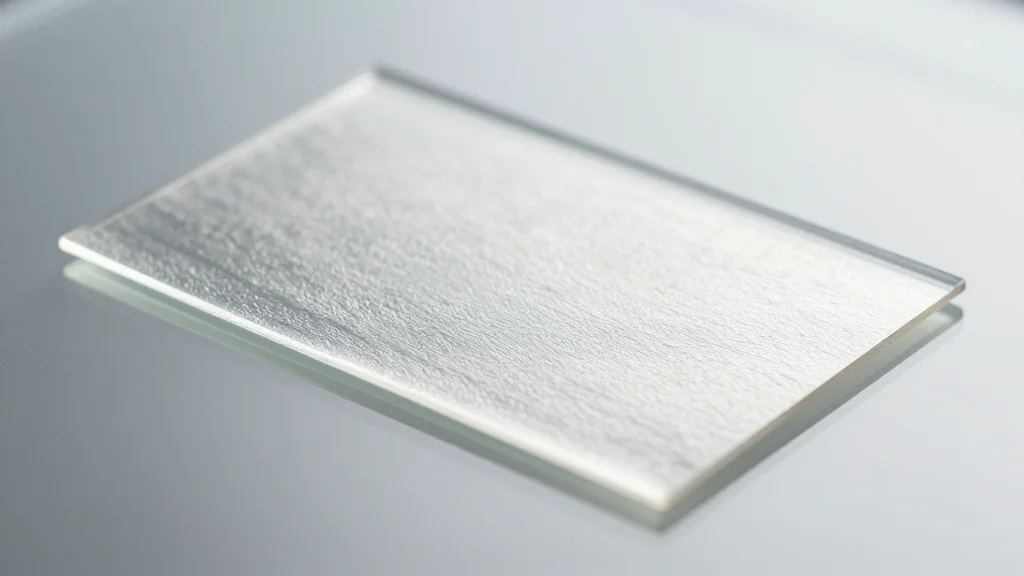
New Design Guidelines for Atom-Thin Oxide Transistors Enable Reliable 3D Chip Integration
Researchers at National Taiwan University introduced a unified analytical framework that captures how channel thickness, trap states, interface quality, and surface roughness together dictate the performance of ultrathin indium‑oxide and tungsten‑doped indium‑oxide transistors. The model accurately reproduces I‑V characteristics across...
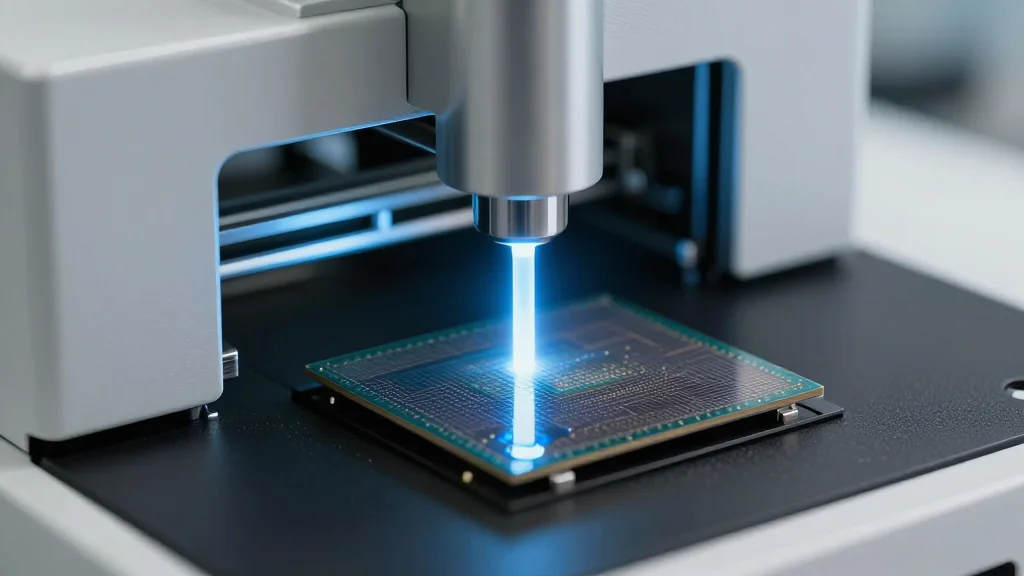
Lace Raises $40 Million to Push Helium‑Atom‑Beam Lithography for Sub‑10 Nm Chips
Lace, a Norway‑based chipmaking equipment startup backed by Microsoft, closed a $40 million Series A round to accelerate its helium‑atom‑beam lithography platform. The funding targets a test system that could enable sub‑10 nm features, a step beyond current extreme‑ultraviolet (EUV) tools.

Carbon Shell‐Mediated Electronic Modulation of NiFe Alloy Electrocatalysts for Efficient CO2 Electroreduction
Researchers introduced a carbon‑coated NiFe alloy (NiFe@NC) that uses a thin carbon shell to electronically reconfigure the catalyst surface, facilitating CO desorption and suppressing hydrogen evolution. Density‑functional theory and in‑situ spectroscopy confirm the electronic reconstruction and protective role of the...
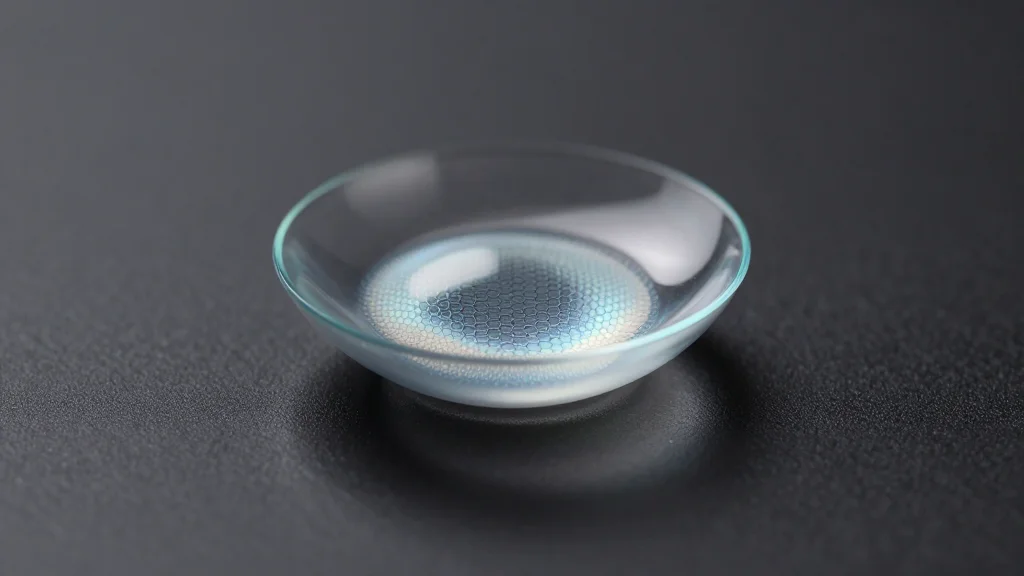
Rise Nano Optics Secures FDA Class I Clearance for SPECTRAGUARD Nano‑Optic Lens
Rise Nano Optics Ltd. announced that its SPECTRAGUARD™ nano‑optic lens has been classified by the U.S. FDA as a Class I exempt medical device, the first regulatory approval for a nanophotonic vision‑protection product. The clearance unlocks U.S. import and commercial...

Quasi‐2D Chiral Perovskite Janus‐Structural Nanofiber Film With Tunable Spectrum and Energy‐Transfer‐Amplified Circularly Polarized Luminescence
Researchers have created a Janus‑type nanofiber film that couples chiral quasi‑2D perovskite nanosheets with achiral perovskite nanocrystals or dye molecules via efficient energy transfer. This architecture raises the photoluminescence quantum yield of the achiral component by four times and pushes...

New Light Trap Design Supercharges Atom-Thin Semiconductors
Researchers have introduced an inverted‑confinement design that places a monolayer of tungsten disulfide (WS₂) on nanoscale air cavities—Mie voids—etched into high‑index bismuth telluride. The air‑filled resonators concentrate optical fields at the surface, boosting WS₂ photoluminescence by roughly 20 times and second‑harmonic...

Researchers Demonstrate Universal Logic on Silicon Quantum Processor
A multinational research team has shown universal logical operations on a silicon‑based quantum processor, delivering gate fidelities above the 99% fault‑tolerance threshold. The breakthrough validates CMOS‑compatible qubits for scalable quantum computers and could accelerate industry investment in silicon quantum hardware.
Penn Engineers Unveil Dual‑Action Nanoparticle to Block Tumor Suppression and Activate T‑Cells
Engineers at the University of Pennsylvania have built a nanoparticle that simultaneously blocks the immune‑suppressing enzyme IDO and delivers IL‑12‑encoding mRNA to tumors. In mouse models the platform eliminated established colon cancers, prevented recurrence and shrank distant, untreated tumors, suggesting...

Helium Atom Lithography Promises Chips Ten Times Smaller
Introducing Ⓛ 𝗟𝗔𝗖𝗘 𝗟𝗜𝗧𝗛𝗢𝗚𝗥𝗔𝗣𝗛𝗬 A novel approach to chip-making that can extend Moore's Law 10x beyond what is possible with light — to atomic resolution. News today: "Manufacturers use light-based lithography systems made by the Dutch company ASML, which dominates the market....

E-Magy Presents Silicon-Dominant Anode Breakthroughs for Next-Gen Drone Power & Electronics
E‑magy will present new silicon‑dominant anode data at the 2026 International Battery Seminar in Orlando, showcasing 12 Ah 6S2P cells designed for high‑performance drone packs. The nanoporous silicon material promises higher energy density and faster charging compared with conventional chemistries, backed...
Electric Current Stabilizes Spins at Unstable Points, Opening a Path to New Computing
A team of researchers demonstrated that an electric current can actively stabilize spins in energetically unfavorable states within a near‑isotropic tungsten‑cobalt‑iron‑boron‑magnesium‑oxide thin film. By fine‑tuning the film’s heat treatment, the material allows spins to point in any direction, producing large...
Ion Pump for Clean Water
Scientists at UC Irvine, Tel Aviv University, UMass Boston and Lawrence Berkeley Lab have created a nanoporous membrane that transports ions using a capacitive electrochemical ratchet, eliminating the need for chemical reactions or moving parts. By applying rapid low‑voltage pulses,...

Tunneling Nanotubes Identified as Key Conduit for Huntington's Disease Protein Spread
Researchers at Florida Atlantic University reported that tunneling nanotubes enable the toxic huntingtin protein to move between neurons, and that blocking the Rhes‑SLC4A7 pathway halts this spread in mouse models. The finding points to a novel, drug‑gable target for Huntington's...

Coal‑Derived Quantum Dots Show Powerful Antioxidant Activity
📰 🧪 James Tour Group in the News: Coal-derived quantum dots offer basis for effective antioxidantAn article features Rice research that determined that polyethylene glycol and graphene quantum dots […] https://t.co/nzomlmkBlU
The Graphene Handbook: Your Essential Resource for Graphene Innovation and Market Insights
Graphene‑Info released the 2026 Graphene Handbook, its 13th edition, offering the most comprehensive guide to graphene technology, production, applications, and market dynamics. Authored by founder Ron Mertens and senior editor Roni Peleg, the book consolidates a decade of industry analysis and...

A Dynamic Yolk–Shell P–N Heterojunction With Coupled Shear Stress‐Triggered Tribo‐/Piezoelectric Effect for Catalytic Thrombolysis
Researchers introduced a yolk–shell BFO@tBT‑C nanoparticle that exploits shear stress at clot sites to trigger coupled tribo‑ and piezoelectric effects, generating reactive oxygen species for thrombolysis. The dynamic p–n heterojunction yields potentials 3.6‑ and 2.1‑fold higher than isolated triboelectric or...