Today's Nanotech Pulse

Left‑handed DNA origami tubes double chemotherapy efficacy against AML
Researchers at the Cancer Center at Illinois showed that left‑handed DNA origami tubes loaded with Daunorubicin achieve more than twice the cell‑killing efficacy of right‑handed tubes. The tubes display aptamers that target the CD117 protein on acute myeloid leukemia cells and their left‑handed geometry promotes rapid internalization.
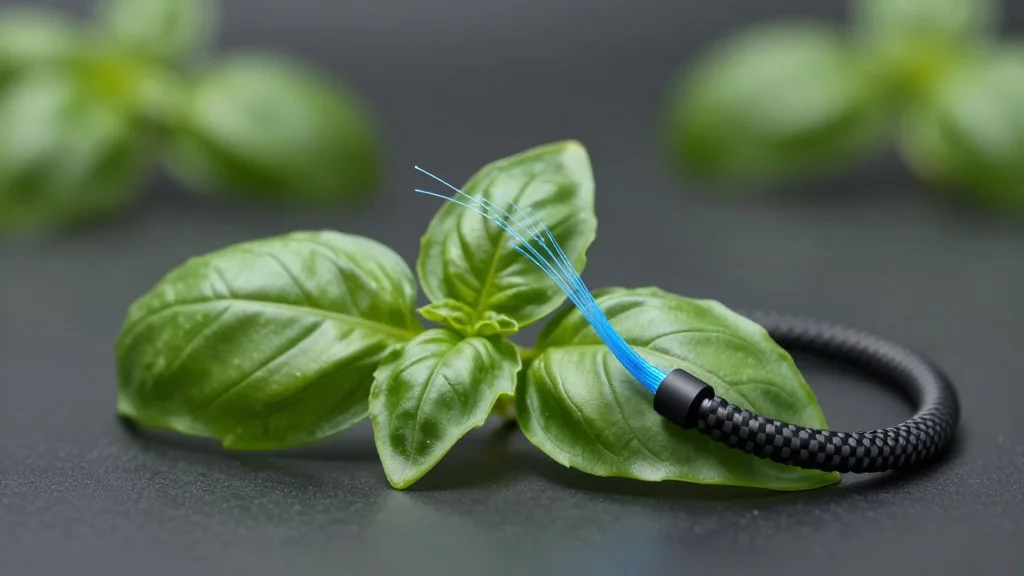
Durable Nanofilm Electrodes for Monitoring Leaf Health
Researchers at Institute of Science Tokyo unveiled a carbon‑nanotube nanofilm electrode only 70‑320 nm thick that can be pierced by leaf trichomes while remaining transparent and water‑resistant. The device maintains stable electrical contact for weeks, and in some tests stayed functional for up to ten months without harming photosynthesis. Laboratory trials showed the sensor could detect herbicide‑induced stress via changes in plant bioelectric potentials. The team envisions these electrodes as a key element of smart‑agriculture monitoring systems.

Industrial Papermaking Process Yields a Sorbent that Pulls Drinking Water Even From Dry Air
Researchers have leveraged conventional papermaking lines to produce a hygroscopic sheet infused with lithium chloride and polypyrrole‑chloride, creating a sorbent that captures water from air and releases it using solar heat. The material powers a lightweight, continuously rotating crawler that...
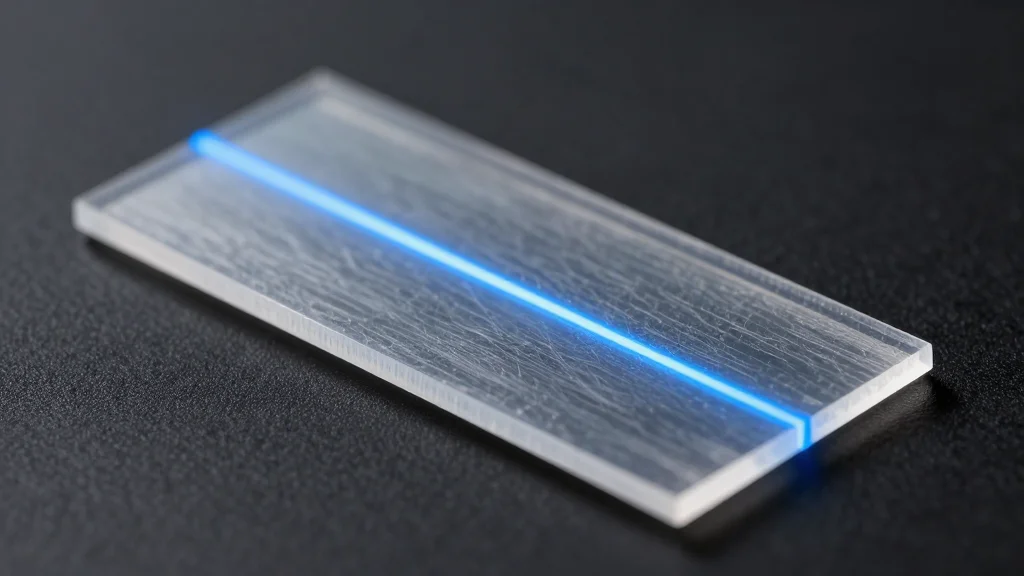
2D Materials Enable Artificial Charged Domain Walls for Nanoelectronics
Researchers at the University of Illinois Urbana‑Champaign have engineered the first artificial charged domain wall (CDW) in a two‑dimensional ferroelectric material by stacking oppositely polarized α‑In₂Se₃ layers. The interface becomes a highly conductive channel with resistance orders of magnitude lower...

University of Michigan Shows Protein Nanoparticles Deliver Genes to Diverse Human Cells
Scientists at the University of Michigan have demonstrated that protein‑coated nanoparticles can efficiently deliver DNA and mRNA to liver cancer, kidney and immune cells in vitro, marking a potential shift away from viral vectors in gene therapy. The platform uses...
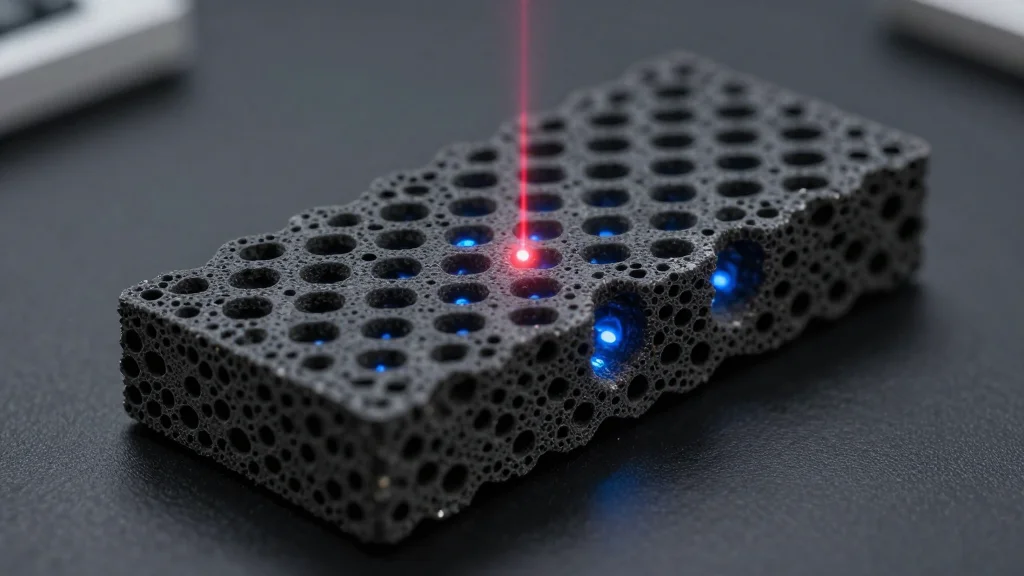
Researchers Unveil Tailored LIG Electrodes for Industrial Applications
Researchers from the MP4MNT group at DISAT have created laser‑induced graphene (LIG) electrodes that are three‑dimensional, fully conductive, and selectively porous. The patented process uses a focused laser to convert polymer into graphene, allowing rapid, low‑cost production that fits into...
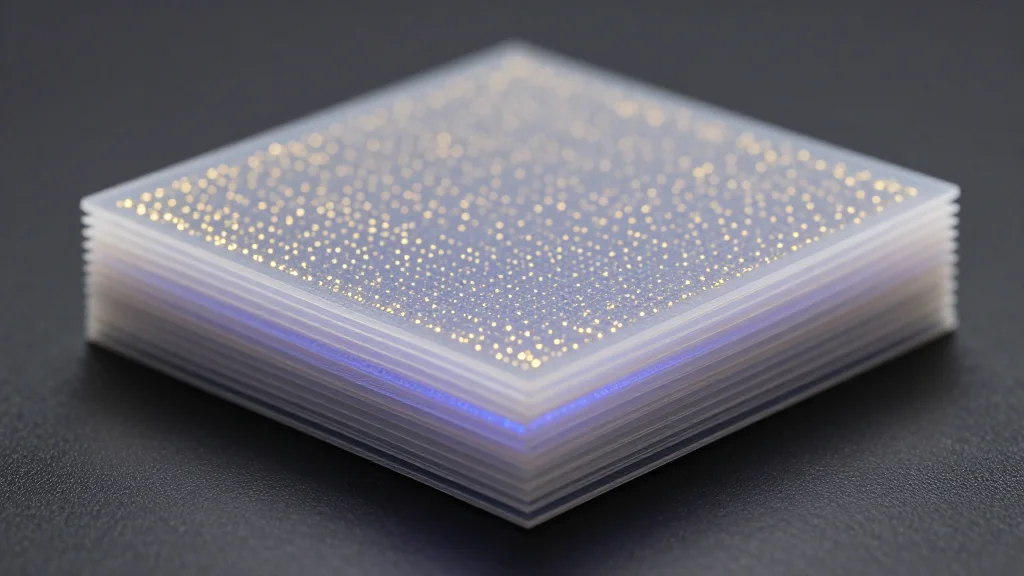
Vertically Stacked Paper‐Based Microarray Device for High‐Throughput SERS Detection of Two Cancer Biomarkers
Researchers have unveiled a vertically stacked paper‑based microarray device (µAPAD) that integrates the full immunoassay workflow for high‑throughput SERS detection of cancer biomarkers. The 16‑layer wax‑patterned platform ensures uniform nanotag distribution, cutting signal variation from 36.6% to 6.69% and enabling...

Near‐Infrared Photochemistry Harnesses Excitons for Selective Guanine Functionalization of Single‐Wall Carbon Nanotubes
Researchers have demonstrated that semiconducting single‑wall carbon nanotubes (SWCNTs) can act as their own photosensitizer under near‑infrared (NIR) illumination, producing singlet oxygen that selectively oxidizes guanine bases in the surrounding ssDNA corona. The resulting guanine peroxides react covalently with the...

Extrahepatic Gene Editing In Vivo Using Organic Solvent‐Free Lipid Nanoparticles
Researchers have unveiled a fully water‑based lipid nanoparticle (LNP) platform that eliminates cholesterol and PEG, using poly(2‑methyl‑2‑oxazoline) as a stealth polymer. The solvent‑free formulation enables efficient delivery of CRISPR‑Cas9 components, achieving robust gene editing in primary human immune cells and...
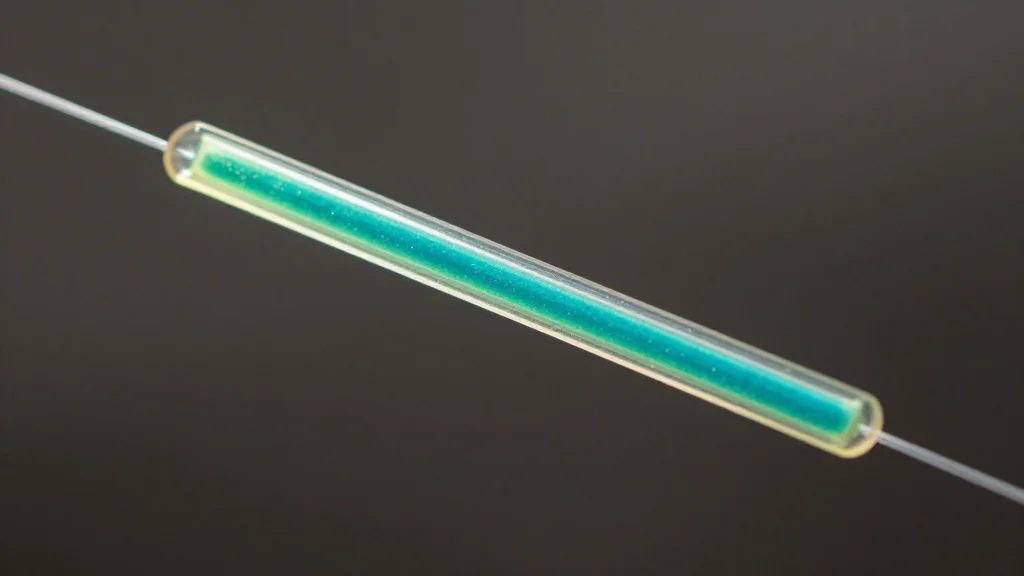
Electrospinning Spatial Building of a Secondary S‐Scheme Heterojunction in Cs3Bi2Br9@g‐C3N4−SnO2/PAN Nanofiber for Real‐Time Monitoring Photocatalysis
Researchers have created a flexible core‑shell nanofiber (Cs3Bi2Br9@g‑C3N4–SnO2/PAN) using coaxial electrospinning that incorporates a dual S‑scheme heterojunction. The architecture widens visible‑light absorption and markedly suppresses charge recombination, delivering >97 % degradation of Rhodamine B and 99.5 % degradation of tetracycline within 50 minutes. The...

Bioinspired Anti‐VEGF Peptide Nanoparticle with Immune Regulating and Corneal Epithelium Penetration Capability for Corneal Neovascularization Therapy
Researchers have engineered a bioinspired nanoparticle that co‑assembles an anti‑VEGF peptide with copper ions, adds a ROS‑scavenging moiety and a cell‑penetrating peptide, and achieves deep corneal delivery. The formulation extends ocular residence to roughly 70 minutes and reaches 300 µm in a...
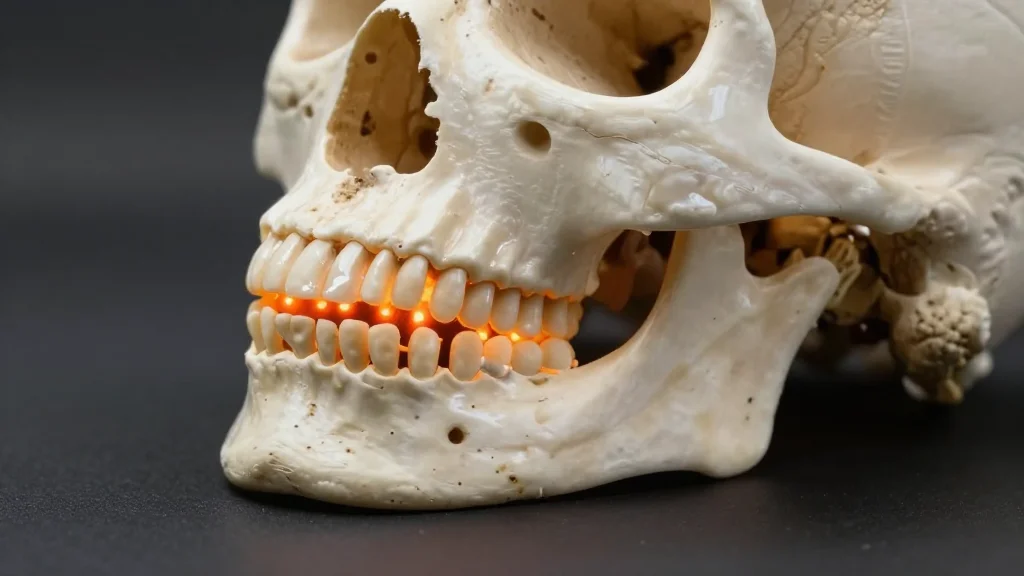
Right Through the Skull
Researchers have unveiled a novel calvarial delivery platform that injects drug‑laden nanoparticles into the skull’s bone marrow. Immune cells within the diploic space capture the particles and migrate across skull‑meninges channels, ferrying the therapeutic cargo into the brain. In mouse...
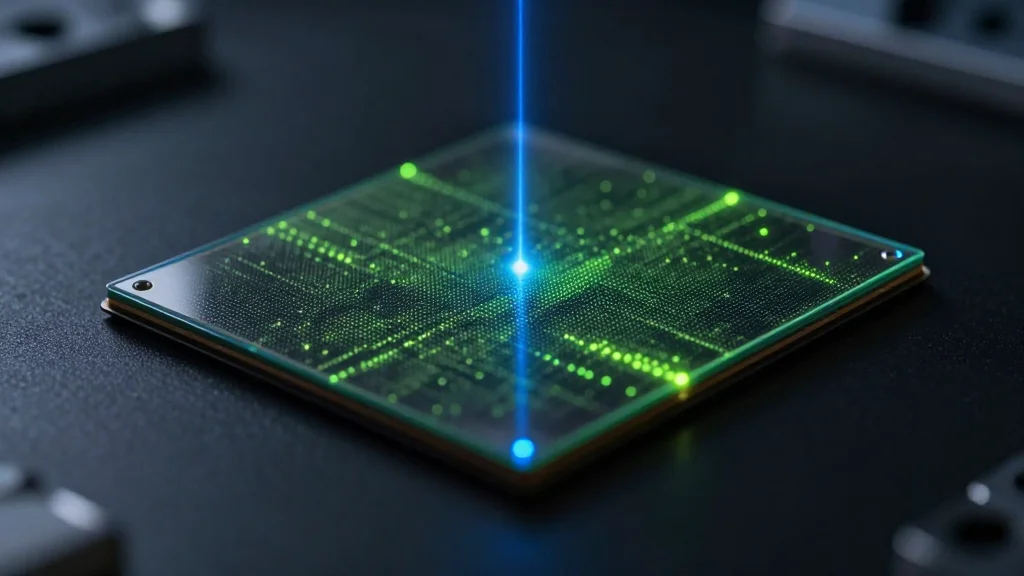
Laser‑Written Europium Emitters on Graphene Enable Submicron Nanophotonic Circuits
Researchers from the University of Jyväskylä and Aalto University have demonstrated a laser‑assisted area‑selective ALD/MLD process that writes europium‑organic light‑emitting layers onto graphene with submicron resolution and over 90% selectivity. The technique creates patterned photoluminescent heterostructures and reversible n‑type doping,...
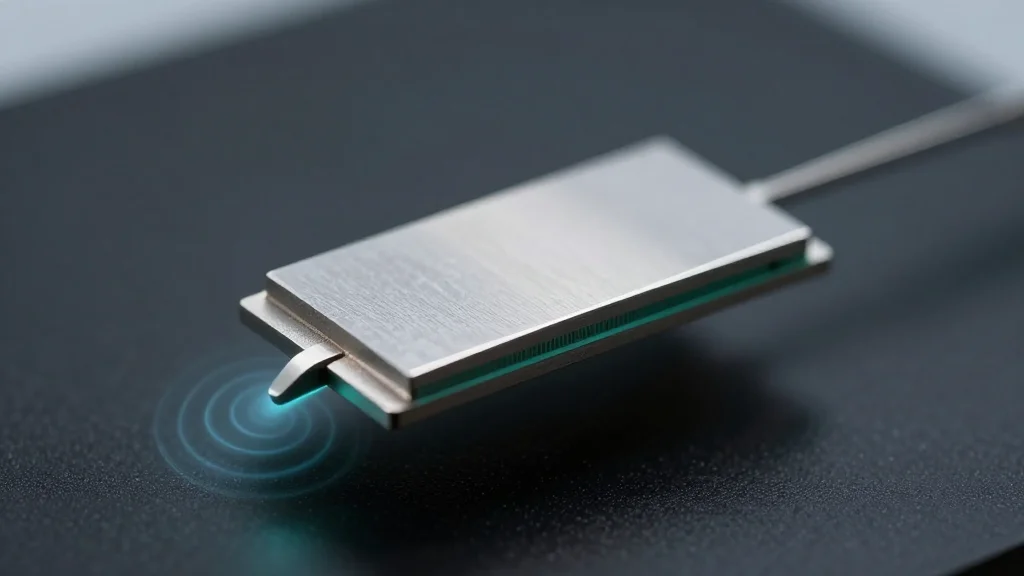
US Researchers Demonstrate Noise‑Free Phonon Laser for Unjammable Quantum Navigation
Scientists at the University of Rochester and Rochester Institute of Technology have built a squeezed phonon laser that dramatically reduces thermal noise, a breakthrough that could power unjammable quantum compasses and next‑generation nanomechanical devices.
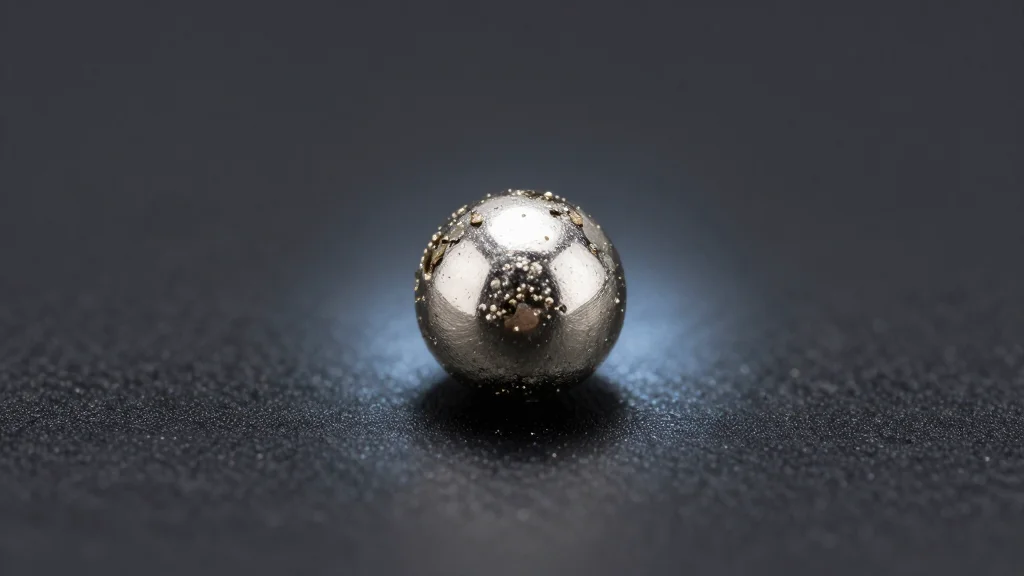
One Nanometer Sits Between Neural Stimulation and Silence
A multi‑institutional team has published a theoretical framework that explains the nonlinear physics of magnetoelectric nanoparticles (MENPs), clarifying why tiny variations in size or composition cause dramatic differences in neural stimulation. The model shows that a single‑nanometer change in a...

Next-Generation Optical Sensor Can Read Photon Spin Across UV-to-Infrared Wavelengths
Researchers at Daegu Gyeongbuk Institute of Science and Technology (DGIST) have created a quantum‑dot photodiode that can detect the spin of photons—circularly polarized light—across an ultra‑wide spectral range from ultraviolet to short‑wave infrared. By embedding a chiral layer in the...
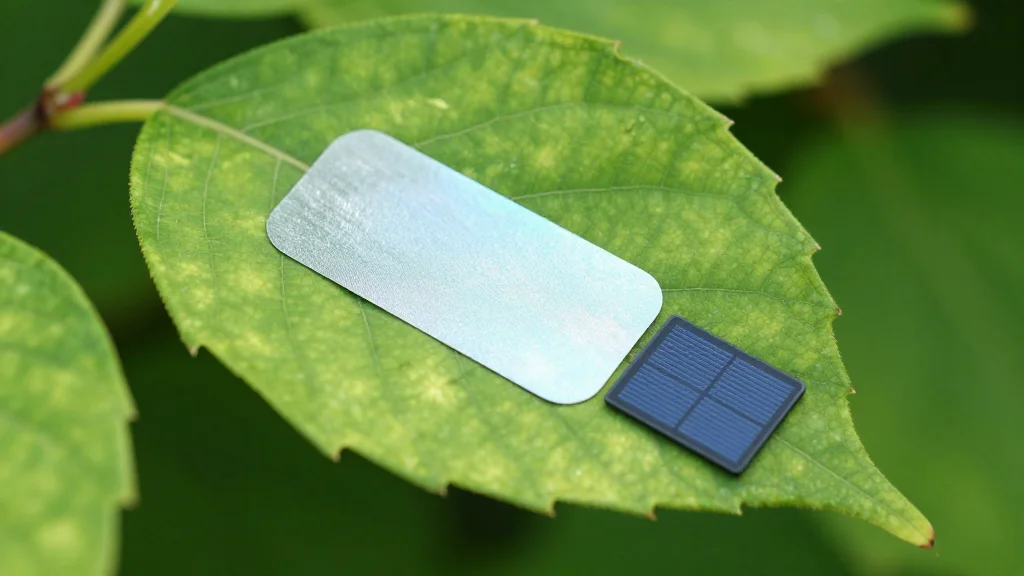
Graphene 'Leaf Tattoo' Sensor Tracks Plant Hydration in Real Time
University of Texas at Austin researchers have created a hyper‑flexible graphene electronic tattoo that adheres to live leaves and measures their hydration in real time. The sensor detects ion movement, updating conductance with just 23 attojoules per measurement and drawing...

Copper-Loaded Starch Nanoparticles Can Target Bacteria in Microbial Communities
University of Michigan researchers have engineered copper‑loaded starch nanoparticles that release antibacterial copper ions when specific bacteria degrade the starch carrier. The positively charged particles preferentially bind to bacterial surfaces and demonstrated potent activity against Staphylococcus aureus and Bacillus subtilis...

PTAB Upholds Seer's Nano‑Particle Protein Enrichment Patent, Securing 23 Claims
The U.S. Patent Trial and Appeal Board affirmed 23 claims of Seer Inc.'s U.S. Patent No. 11,435,360 B2, preserving the core of its nano‑ and micro‑particle protein enrichment technology. The decision thwarts a challenge by Bruker subsidiaries PreOmics GmbH and...

2nm Chip Design Demands New Business‑Tech Tradeoffs
Designing, developing, and manufacturing chips at 2nm and below requires a whole new set of business and technology tradeoffs that are dramatically more impactful at every turn, from architectural inception to manufacturing yield. https://t.co/MzILzSSFrN #semiconductor #2nm https://t.co/R4www8pBSv
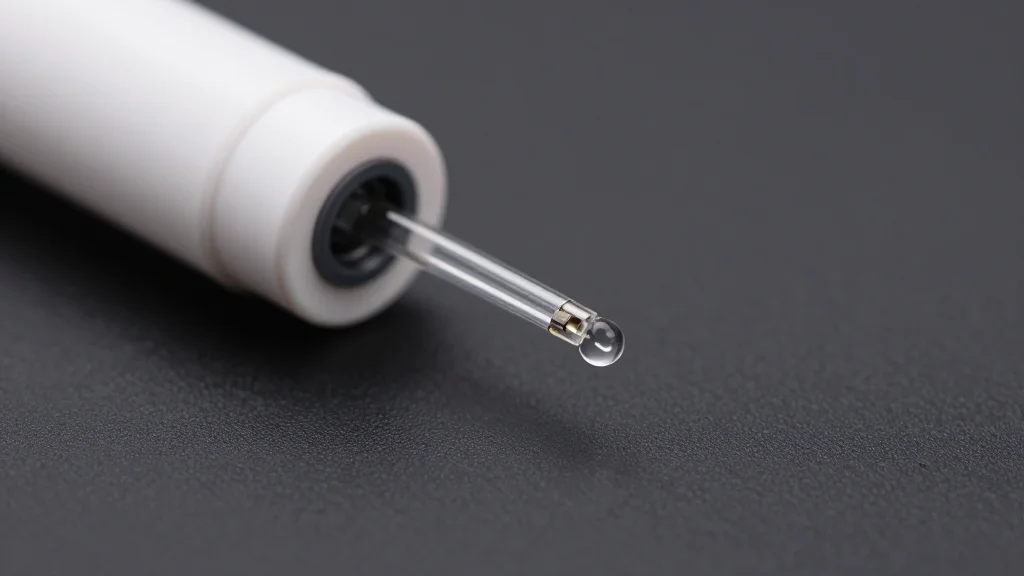
Optical Nanobiosensors Achieve Femto‑gram Pesticide Detection, Promise On‑Site Monitoring
Researchers Xu Yan and Hongxia Li of Jilin University released a review showing optical nanobiosensors can sense pesticide residues down to femtogram concentrations. The breakthrough could replace bulky lab equipment with portable, on‑site detectors, tackling tens of thousands of pesticide‑related...

Carbon Nanotube Textile Heaters Push Industrial Gas Systems Toward Electrification
Rice University researchers have created electric heating elements from carbon‑nanotube fibers (CNTFs) that outperform traditional metal‑alloy heaters in gas‑flow applications. By exploiting CNTFs' high specific power loading, lightweight strength and superior thermal conductivity, the team built filament, array and textile‑style...
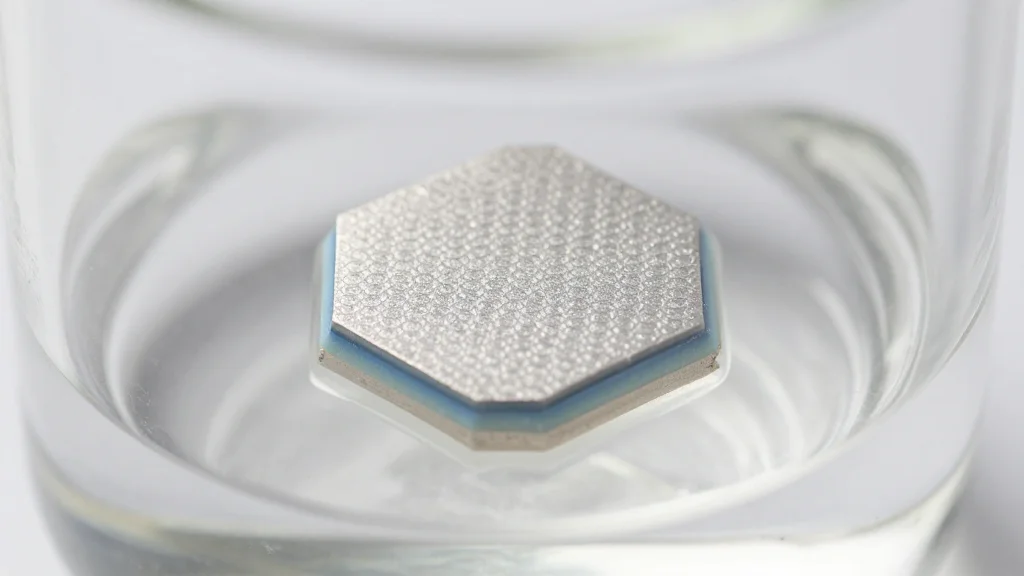
Warwick- and Southampton-Led UK Project to Develop Electro-Deposition of Transition-Metal Dichalcogenides
The UK’s EXPRESS programme, a five‑year EPSRC‑funded initiative worth £10.4 m (≈$13.2 m), is led by the Universities of Warwick and Southampton to develop electro‑deposition methods for transition‑metal dichalcogenides (TMDCs). Researchers will combine novel precursor chemistry with electrochemical techniques to grow high‑crystallinity...
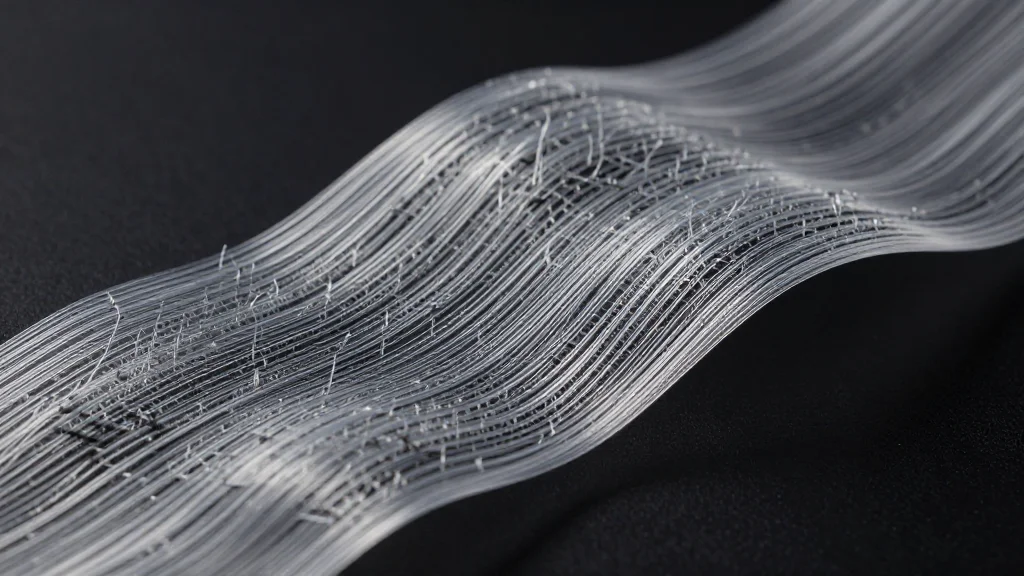
Structural Design for Enhancing Performance of 1D Conductive Nanomaterial‐Based Stretchable Strain Sensors
The Small journal review outlines how structural design drives performance gains in stretchable strain sensors that incorporate one‑dimensional conductive nanomaterials such as carbon nanotubes and silver nanowires. It catalogs common architectures—ordered arrays, engineered cracks, wavy or wrinkled films, and mesh...
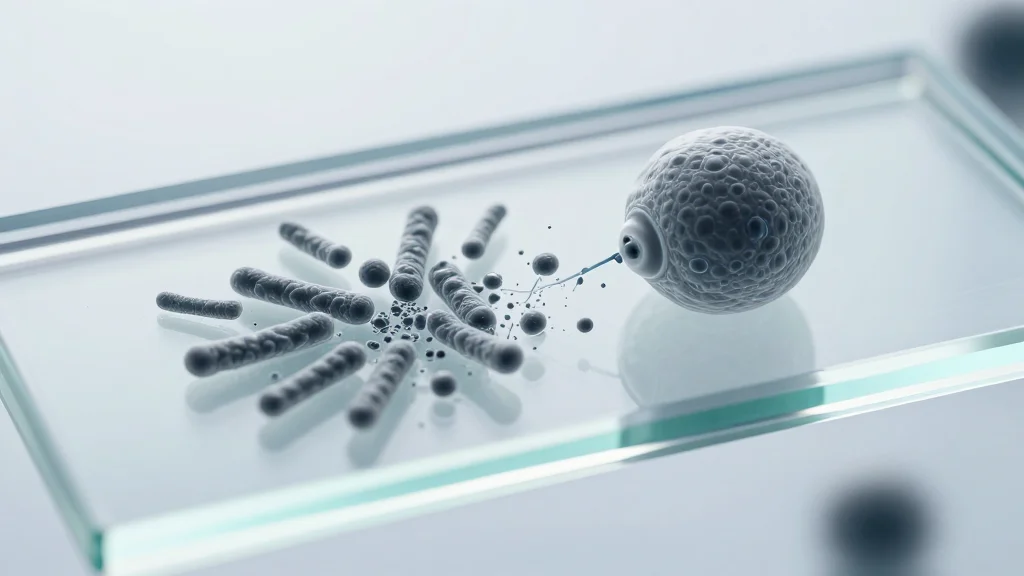
KAIST Study Shows Graphene Oxide Kills Bacteria While Sparing Human Cells
Researchers at South Korea's KAIST have demonstrated that graphene oxide can selectively eradicate bacterial cells while leaving human cells intact. The finding points to a new class of nanomaterial‑based antibiotics that could help combat the growing threat of antimicrobial resistance.

Vacancy‐Induced Z‐Contrast Anomaly in Self‐Assembled (Ti,V)O2 Heterostructure
Researchers used annular dark‑field scanning transmission electron microscopy (ADF‑STEM) to examine self‑assembled (Ti,V)O₂ heterostructures that form alternating Ti‑rich and V‑rich layers. Contrary to the expected Z‑contrast, the V‑rich layers appeared brighter despite Ti (Z=22) and V (Z=23) having nearly identical...
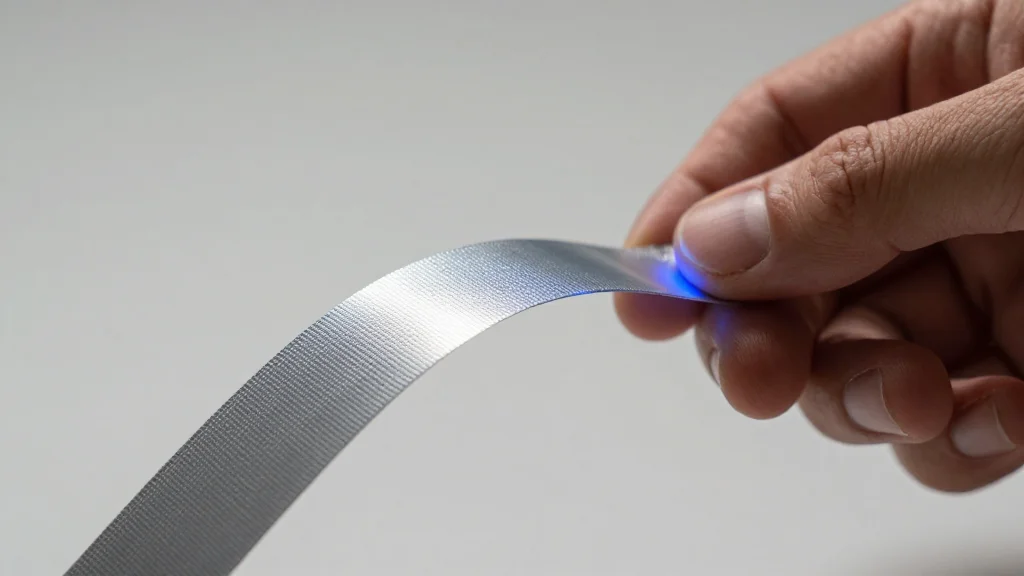
Flexible Generators Convert Motion Into Usable Energy
📰 🧪 James Tour Group in the News: Flexible generators turn movement into energy An article features the research of James Tour, the T.T. and W.F. Chao Chair […] https://t.co/p6fNfRrvpm

Graphene-Info Releases a New Edition of Its Graphene Investment Guide
Graphene-Info has released a new edition of its Graphene Investment Guide, updating financial data and market analysis for public graphene companies. The guide notes that despite ongoing revenue challenges, most covered firms have seen share price gains over the past...

Jiangmen Xinhui Industrial Park Launches Trial Production of Graphene-Coated Aluminum Foil Project
Jiangmen Xinhui Industrial Park in Guangdong has begun trial production of a graphene‑coated carbon aluminum foil line. The plant, built by Jiangmen Yingang New Energy Industrial Park Construction Co. of the Jiangfa Group, represents a roughly 200 million yuan (about $29 million)...
Cambridge Memristor Breakthrough and Huawei Atlas 350 Promise Big Energy Savings for Enterprise AI
Researchers at Cambridge unveiled a hafnium‑oxide memristor that reduces switching currents a million‑fold, while Huawei launched its Atlas 350 accelerator claiming 1.56 PFLOPS FP4 performance and 112 GB of HBM. Both advances target the soaring energy costs of enterprise AI workloads.

Magnetic Nanorobots Offer Targeted Cancer Therapy, Researchers Claim
Scientists have demonstrated magnetic nanorobots smaller than blood cells that can be steered by external magnets to deliver chemotherapy directly to tumors. The technology aims to cut side effects and enable new hyperthermia treatments, signaling a potential shift in nanomedicine.
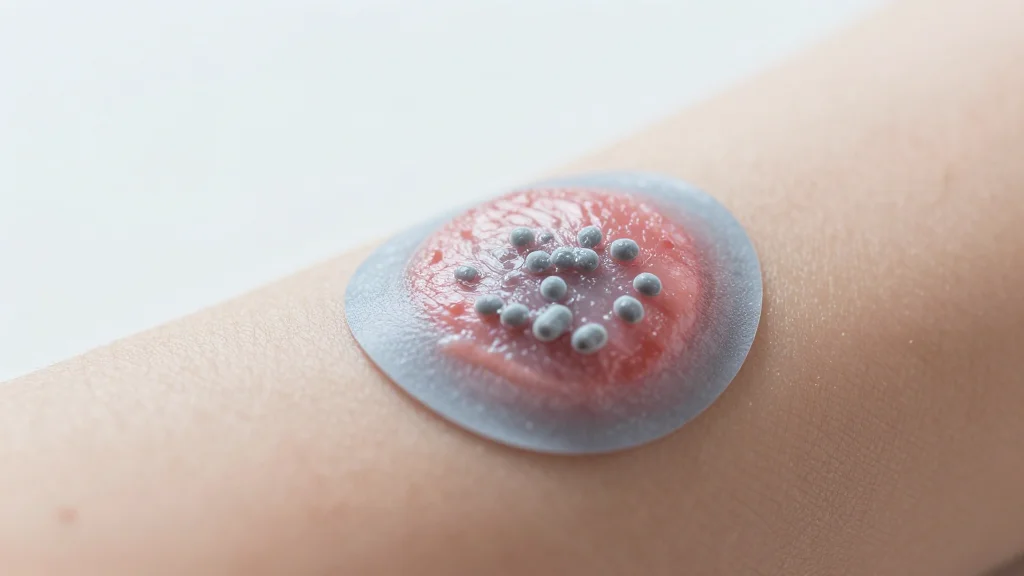
KAIST Unveils Graphene Oxide That Kills Bacteria Yet Remains Safe for Human Cells
A research team led by KAIST has identified how graphene oxide (GO) can selectively attack bacterial membranes while sparing mammalian cells, demonstrating rapid wound‑healing in mouse and pig models. The discovery could accelerate antimicrobial product development without relying on traditional...
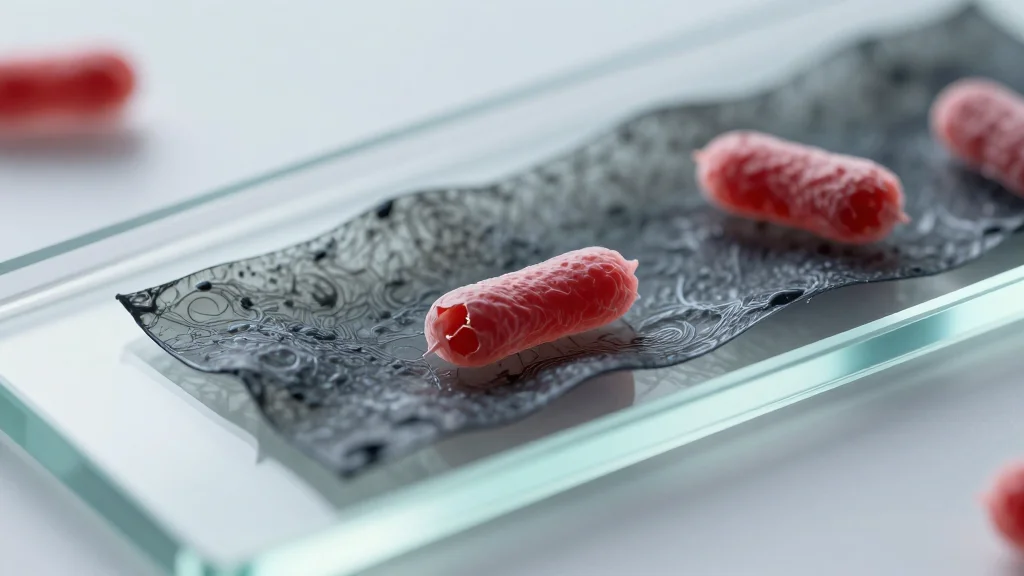
Graphene Oxide Selectively Kills Bacteria, Spares Humans
Graphene oxide targets and destroys bacterial membranes by binding to a unique lipid absent in human cells, enabling selective antibacterial action and offering a promising alternative to conventional antibiotics. nanotechnology
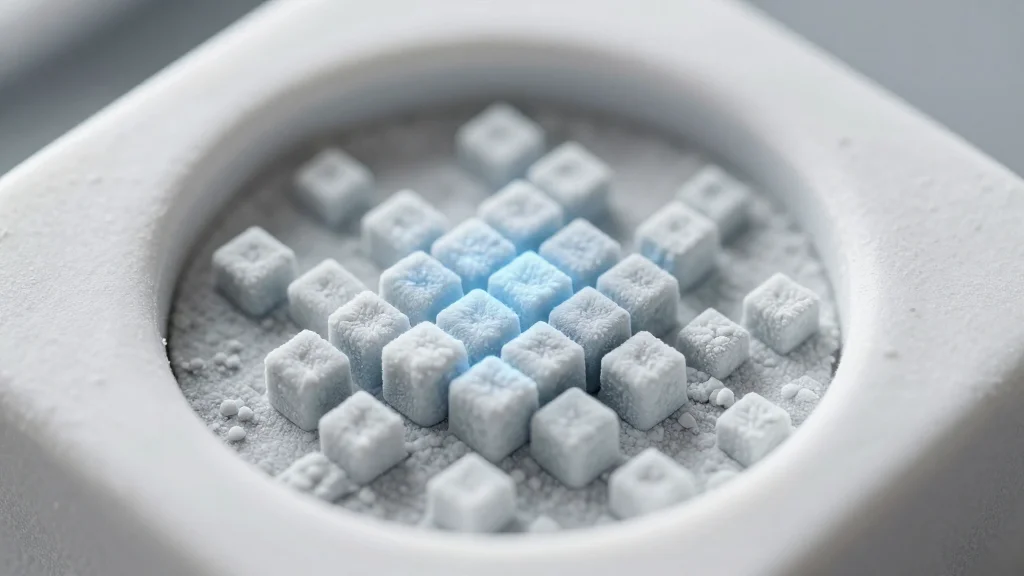
World's Smallest QR Code - Smaller Than Bacteria - Could Store Data for Centuries
Scientists at TU Wien and Cerabyte have fabricated a QR code only 1.98 square micrometers in size, visible solely with an electron microscope. Each pixel measures 49 nanometers, far below the wavelength of visible light, and the pattern is etched into ultra‑stable...
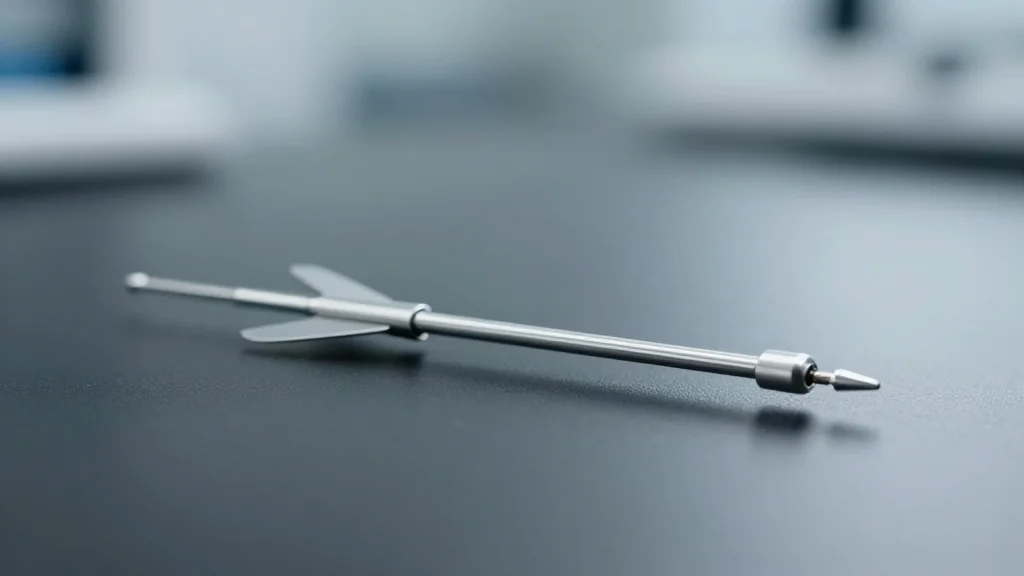
Leiden University Unveils Microrobots Ten Times Thinner Than Human Hair
Scientists at Leiden University have built microrobots only a few tens of micrometres long—about ten times thinner than a human hair—that move and adapt without any onboard electronics. The devices, fabricated with a high‑precision 3D microprinter, achieve self‑propelled motion at...
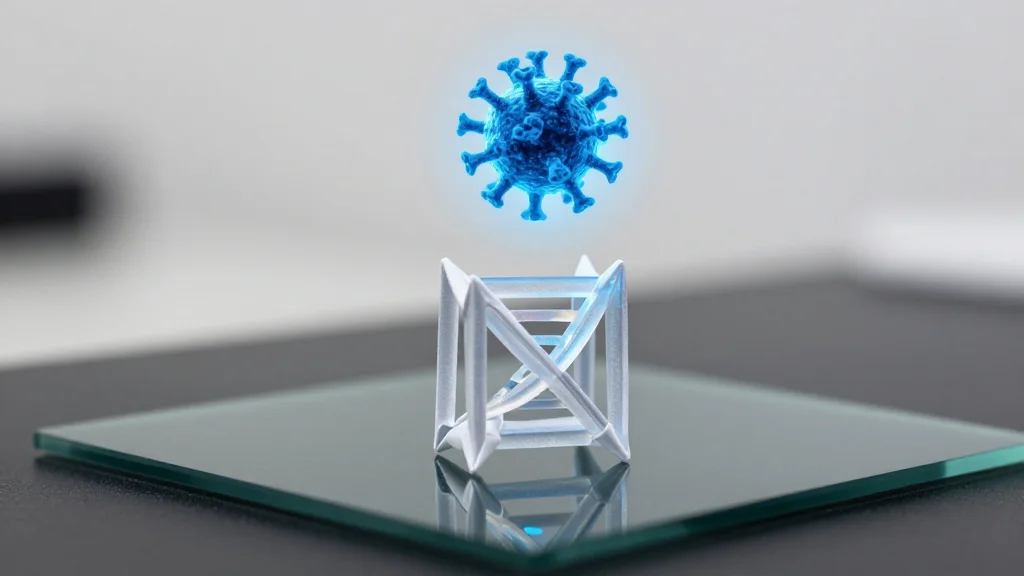
DNA‑Based Nanorobots Detect and Target COVID‑19 Viruses
Researchers have engineered microscopic DNA nanorobots that can recognize and bind to COVID‑19 viral particles. The breakthrough, described in a recent SmartBot feature, points to a future where nanotech diagnostics and therapeutics operate inside the human body with unprecedented precision.

Liposomal Nanotech Boosts Light‑Powered Cancer Therapy
Researchers led by Prof. Heidi Abrahamse at the University of Johannesburg have unveiled a liposome‑based nanotechnology platform that upgrades photodynamic therapy (PDT). The platform protects photosensitizers in the bloodstream, targets tumors more precisely and releases the drug only where light...
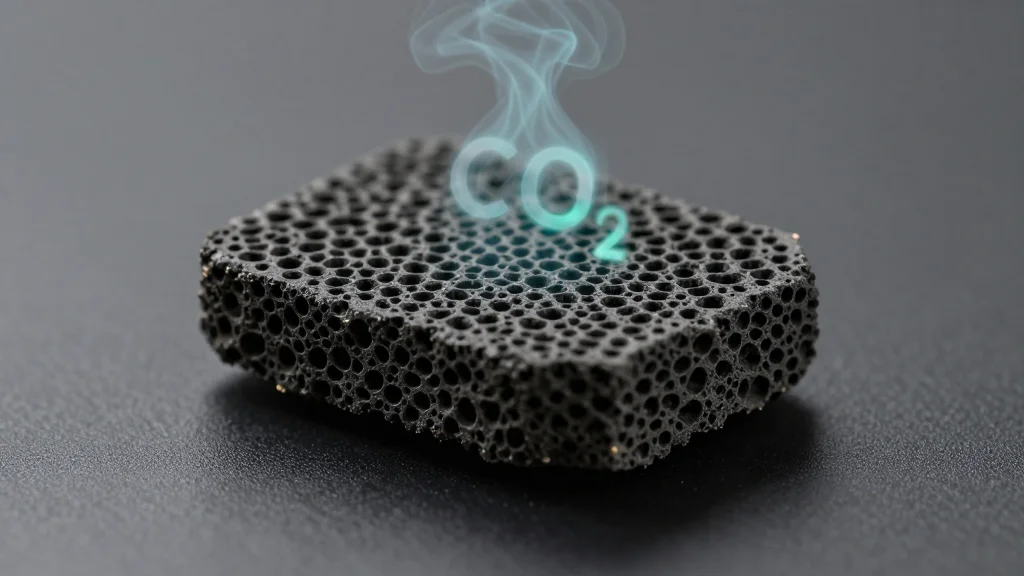
Porous Carbon 'Viciazites' Enable Low‑heat CO₂ Capture, Cutting Costs
Researchers at Chiba University have created a redesigned porous carbon nanomaterial called viciazites that captures CO₂ and releases it at temperatures under 60 °C, dramatically lowering energy input. The breakthrough hinges on precisely positioned nitrogen groups, achieving up to 82% selectivity...
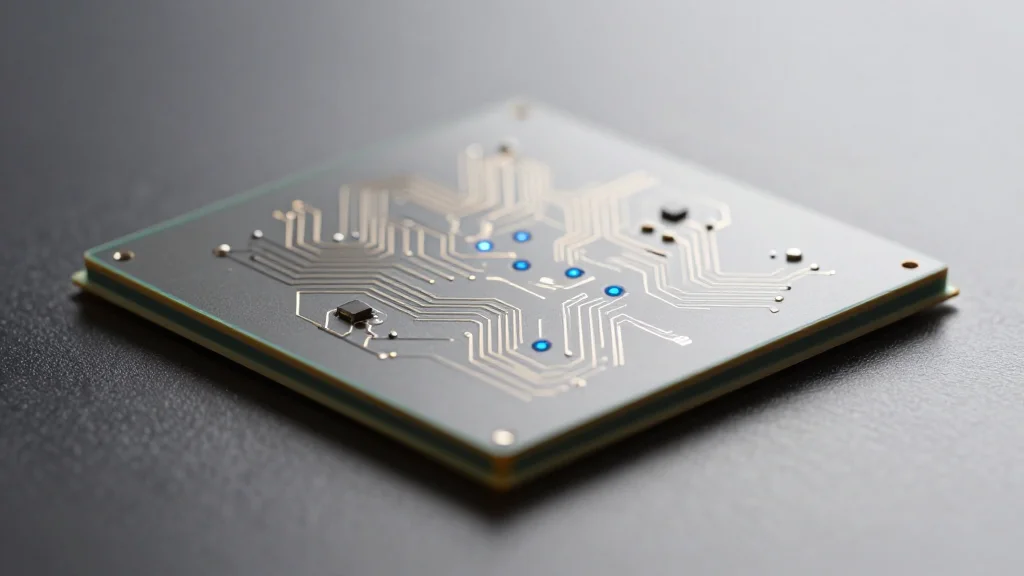
Chinese Team Demonstrates First Silicon Quantum Chip with Full Logical Operations
Researchers at Shenzhen International Quantum Academy have built a silicon quantum processor that executes a complete set of error‑detecting logical operations using four physical qubits. The chip ran a Variational Quantum Eigensolver algorithm on a water molecule, delivering results within...
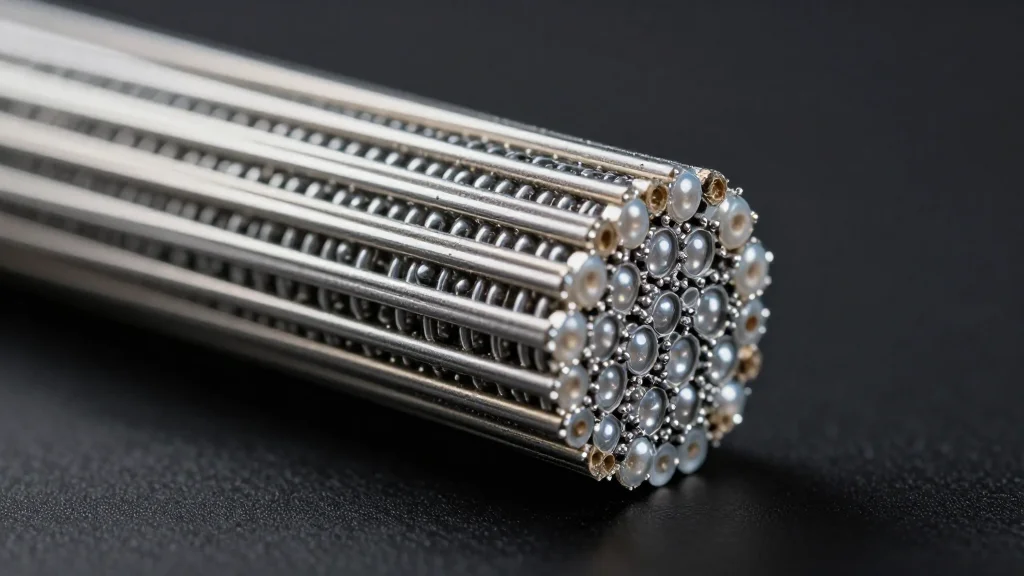
Surrey University’s Silicon‑Nanotube Anode Hits 3500 mAh/G, Paving Way for Longer‑Range EVs
Researchers at the University of Surrey’s Advanced Technology Institute have unveiled a silicon‑carbon nanotube battery anode that stores more than 3,500 mAh per gram, far surpassing conventional graphite. The new VISiCNT architecture promises higher energy density, fast charging and durability, positioning...
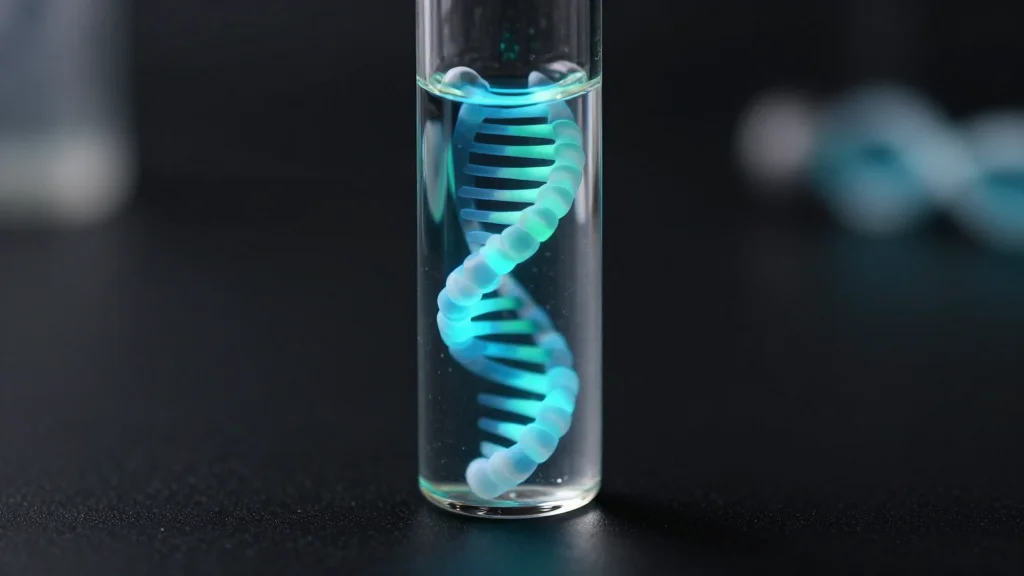
Adding Letters to the DNA Alphabet Expands Nanotechnology's Design Options
Researchers have demonstrated that expanding DNA's alphabet with synthetic AEGIS bases enables nanostructures that break the traditional purine‑pyrimidine pairing rule. By pairing large purines with large purines (fat) and small pyrimidines with small pyrimidines (skinny), they created wider helices that...

Leiden University Unveils Brain‑Free Microrobots That Swim, Steer and Shape‑Shift
Researchers at Leiden University introduced microrobots only a few tens of micrometres long that can swim, steer and change shape without any onboard sensors or code, moving at roughly 7 µm per second. The breakthrough relies on a nanostructured chain design...

Diamond Sensors Pinpoint Spins with 0.28 Nanometre Precision
Researchers at the University of Science and Technology of China have achieved sub‑nanometer Fourier magnetic imaging, locating nitrogen‑vacancy (NV) centres in diamond with a spatial resolution of 0.28 ± 0.10 nm and a magnetic‑field measurement deviation of just 9 nT. The compact, ambient‑stable platform...
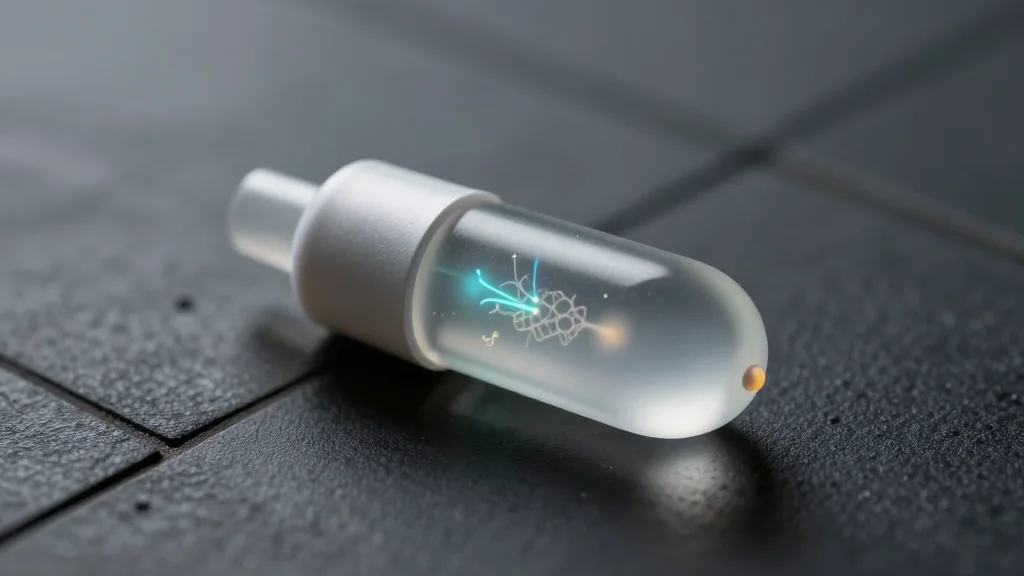
Nano‑Engineered 'Living Pharmacy' Implant Delivers Three Drugs for a Month in Rats
Researchers from Northwestern, Rice and Carnegie Mellon unveiled HOBIT, a gum‑sized implant that keeps engineered cells alive and releases three biologics—an anti‑HIV antibody, a GLP‑1 peptide and leptin—for a month in animal trials. The device maintained 65% cell viability versus...
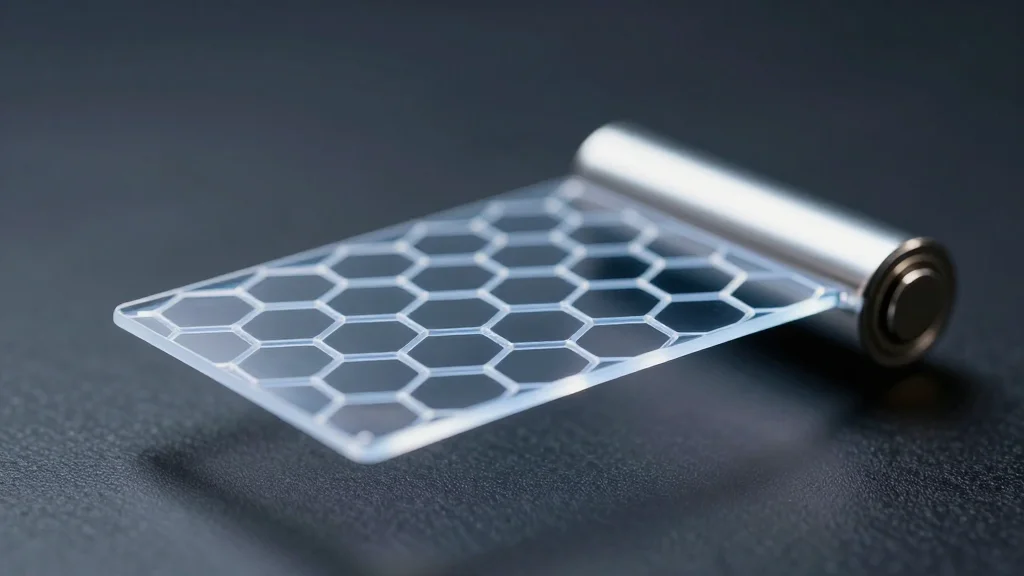
Danish Graphene and Nagase Announce Strategic Partnership
Denmark‑based Danish Graphene has signed a strategic partnership with Japan‑owned Nagase (Europa) GmbH to accelerate the industrial scaling of its graphene products. Nagase will leverage its global market access, technical expertise, and commercial platform to develop, distribute, and deploy Danish...
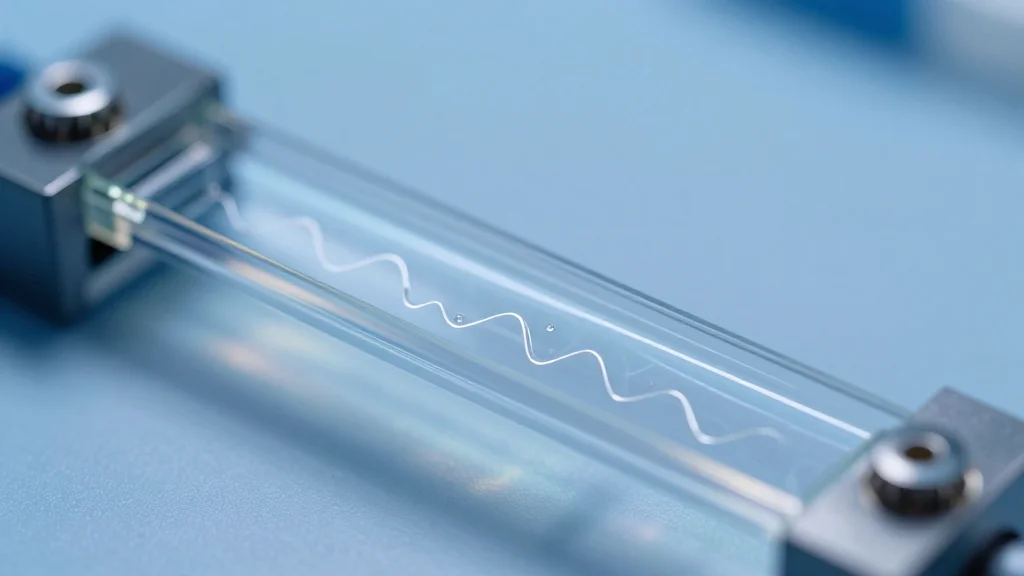
Researchers Unveil Low‑Cost Acoustic Tweezers Using Standing Scholte Waves
A team led by Junjun Lei has demonstrated a low‑cost acoustic tweezer that uses standing Scholte waves to move microparticles with micrometer precision. The device, built from a single piezoelectric transducer and a glass microchannel, can be fabricated in a...

Singapore: NUS Harnesses Nanosensors for Smart Farming
Assistant Professor Tedrick Lew at the National University of Singapore is pioneering the integration of fluorescent nanosensors and nanoparticle delivery systems to create smart farming solutions. The sensors embed in plant tissue, detecting stress, infection or nutrient deficiencies at the...
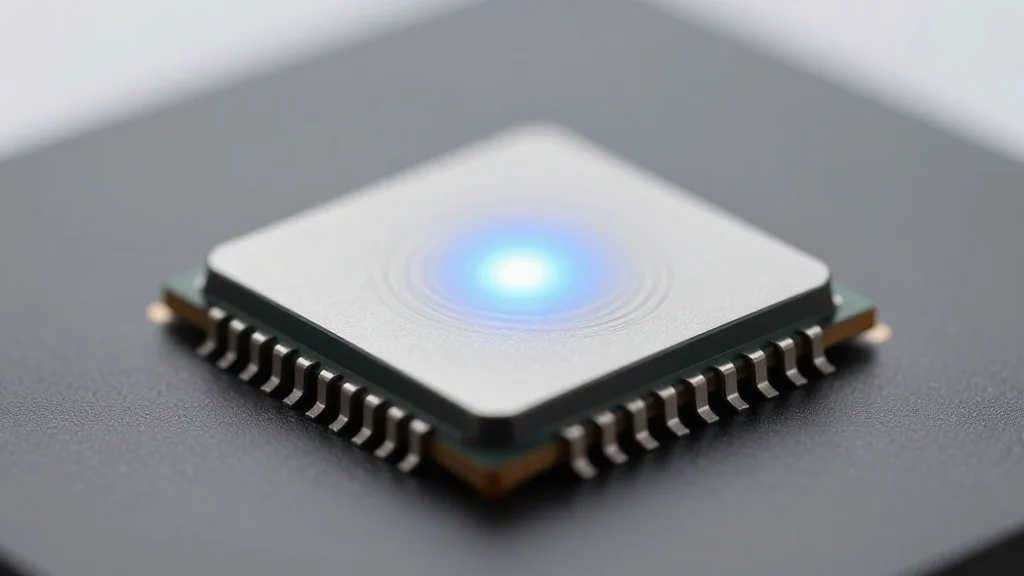
All-Optical Neuron Breaks the Nanosecond Barrier Using Tellurium Phase Transition
Researchers have demonstrated an all‑optical neuron built from a thin tellurium film that melts in under 260 picoseconds, breaking the nanosecond barrier for photonic activation. The device operates with threshold energies as low as 0.4 picojoules and occupies less than 5 µm², enabling...

Light‑Activated Copper Nanoparticles, Magnetic Carriers and Liposomal PDT Transform Nanomedicine
Researchers at Ruhr University Bochum, Houston Methodist and the University of Johannesburg have unveiled three nanomedicine platforms—a light‑activated copper nanoparticle, a magnetically guided superparamagnetic carrier and a liposome‑encapsulated photodynamic therapy—that each claim to dramatically improve precision for cancer or spinal‑cord...

DOE and Northwestern Reveal Atomic-Scale Plasmon Dynamics in Metallic Nanoframes
Scientists at DOE's Argonne National Laboratory and Northwestern University have used photon‑induced near‑field electron microscopy to capture the spatial and temporal evolution of localized surface plasmon resonances in gold and platinum nanoframes. The breakthrough provides a direct view of how...

Microbiome-Activated Nanogel Successfully Delivers Butyrate in Mice
A preclinical study in Small describes an inulin‑butyrate nanogel that releases butyrate directly in the inflamed colon of mice, markedly improving colitis outcomes. The nanogel remains stable through the upper GI tract and is enzymatically activated by colonic microbes, delivering...