Today's Nanotech Pulse
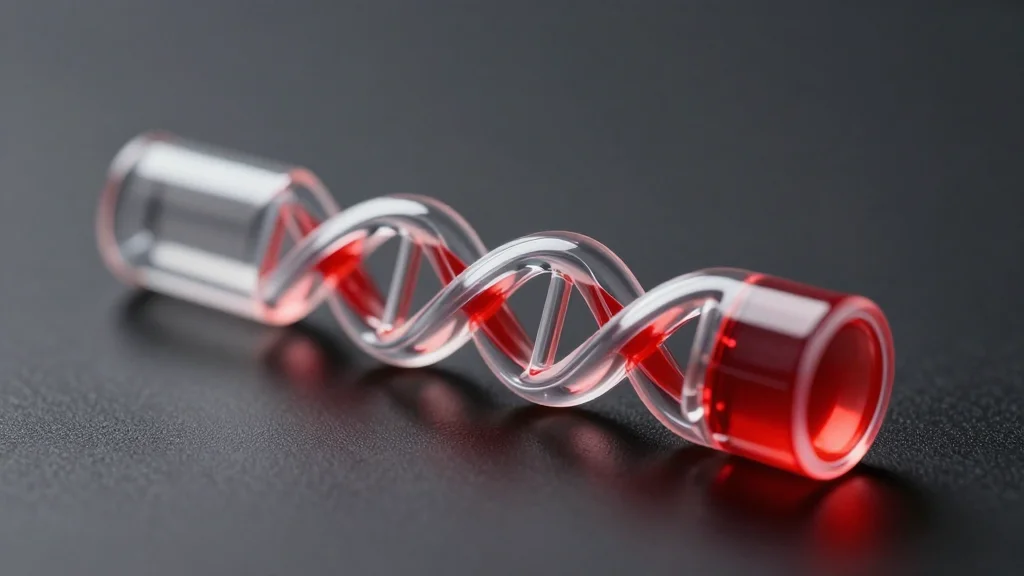
Left‑handed DNA origami tubes double chemotherapy efficacy against AML
Researchers at the Cancer Center at Illinois showed that left‑handed DNA origami tubes loaded with Daunorubicin achieve more than twice the cell‑killing efficacy of right‑handed tubes. The tubes display aptamers that target the CD117 protein on acute myeloid leukemia cells and their left‑handed geometry promotes rapid internalization.

Tunneling Nanotubes Identified as Key Conduit for Huntington's Disease Protein Spread
Researchers at Florida Atlantic University reported that tunneling nanotubes enable the toxic huntingtin protein to move between neurons, and that blocking the Rhes‑SLC4A7 pathway halts this spread in mouse models. The finding points to a novel, drug‑gable target for Huntington's disease therapy.

Coal‑Derived Quantum Dots Show Powerful Antioxidant Activity
📰 🧪 James Tour Group in the News: Coal-derived quantum dots offer basis for effective antioxidantAn article features Rice research that determined that polyethylene glycol and graphene quantum dots […] https://t.co/nzomlmkBlU
The Graphene Handbook: Your Essential Resource for Graphene Innovation and Market Insights
Graphene‑Info released the 2026 Graphene Handbook, its 13th edition, offering the most comprehensive guide to graphene technology, production, applications, and market dynamics. Authored by founder Ron Mertens and senior editor Roni Peleg, the book consolidates a decade of industry analysis and...
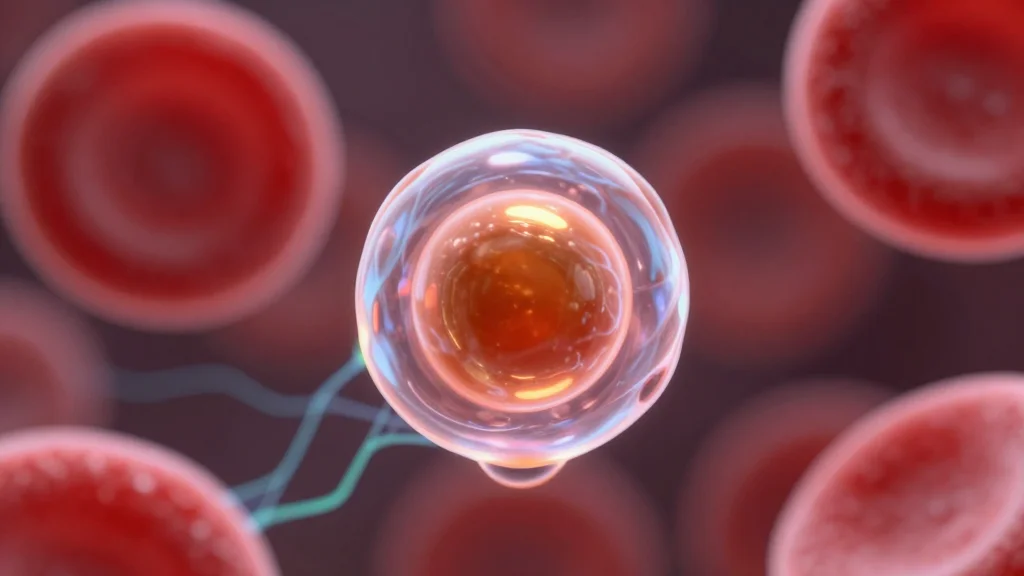
A Dynamic Yolk–Shell P–N Heterojunction With Coupled Shear Stress‐Triggered Tribo‐/Piezoelectric Effect for Catalytic Thrombolysis
Researchers introduced a yolk–shell BFO@tBT‑C nanoparticle that exploits shear stress at clot sites to trigger coupled tribo‑ and piezoelectric effects, generating reactive oxygen species for thrombolysis. The dynamic p–n heterojunction yields potentials 3.6‑ and 2.1‑fold higher than isolated triboelectric or...

In Situ Self‐Nanostructuring Enables Fast‐Recharging of an Aqueous‐Processed Organic Small Molecule Cathode
Researchers introduced 1,3,5‑tris(3‑vinyl‑10H‑phenoxazin‑10‑yl)benzene (V3PXZ) as an organic cathode that undergoes in‑situ electrochemical post‑crosslinking (IEPC) to form insoluble, non‑conjugated polymer networks. The IEPC process simultaneously creates high‑surface‑area nanostructures, enabling rapid ion transport and delivering 56 % of capacity in just 36 seconds (100 C)....
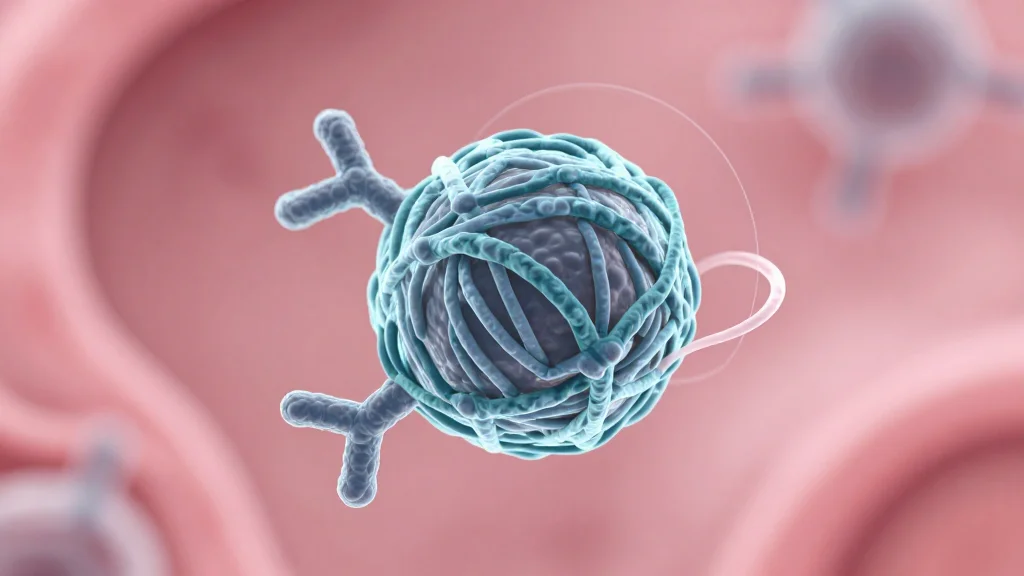
A Targeted Nanozyme for STING Activation Improves BiTEs Therapy Outcomes in Colorectal Cancer
Researchers engineered a tumor‑targeted nanozyme, MnO2‑dsDNA@BiTE/APT, that simultaneously delivers a double‑strand DNA STING agonist and a PD‑L1/CD3 bispecific T‑cell engager. The MnO2 carrier releases Mn2+ ions, activating the STING pathway, while the surface‑bound BiTE recruits T cells to cancer cells....
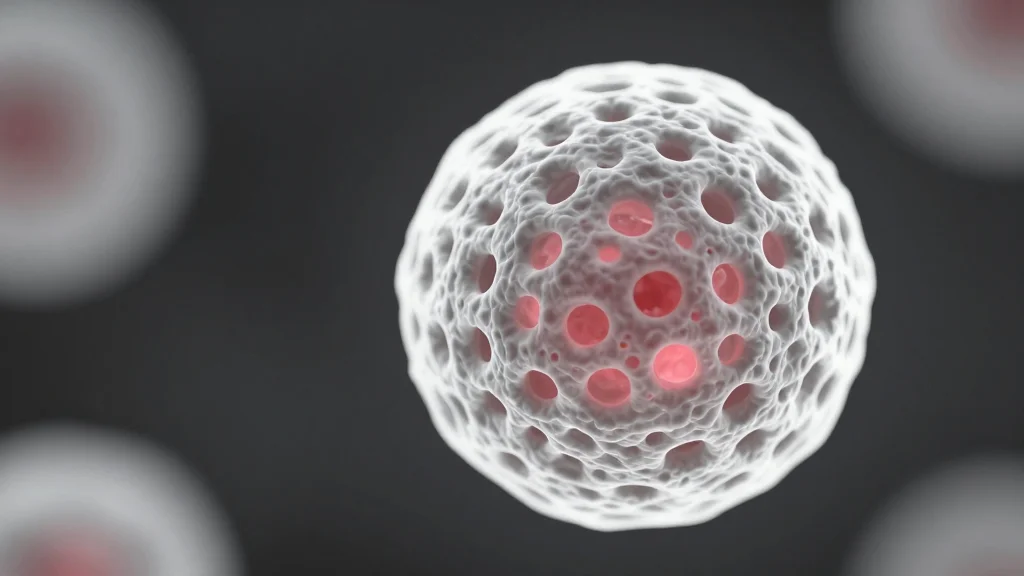
Mesoporous Silica Nanoparticles‐Based Formulations for Enhanced Oral Delivery of Peptide Drugs: A Case Study on Insulin
Researchers engineered mesoporous silica nanoparticles (MSN) to encapsulate insulin and co‑formulated them with succinylated β‑lactoglobulin into pH‑responsive tablets. Surface grafting with polyethylene glycol and phosphonate groups boosted insulin solubility by roughly 2.5‑fold and stabilized the particles in gastrointestinal fluids. The...
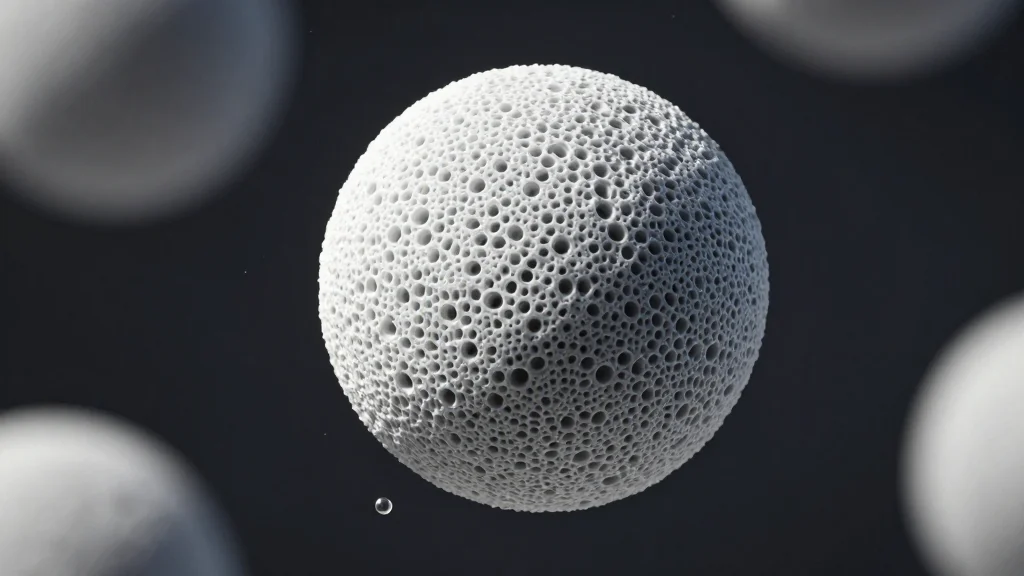
MOF‐on‐MOF Core–Shell Heterostructure With Synergistic Porous Interface for Highly Efficient Propane/Propylene Separation
Researchers have created a Ni‑MOF‑74@ZU‑609 core‑shell heterostructure that simultaneously delivers high propylene uptake and selectivity. Dynamic breakthrough tests show a record‑high selectivity of 5.51 and a capacity of 1.14 mmol g⁻¹ at 298 K and 1 bar, surpassing the performance of the individual parent...

DNA Nanorobots Review Maps Path to Medical and Manufacturing Breakthroughs
Researchers at Harbin Institute of Technology released a comprehensive review on March 22, 2026, outlining three core design strategies for DNA nanorobots and cataloguing control techniques from strand displacement to light triggers. The paper highlights both the promise for precision...

Magnetic Circular Dichroism Imaging of Atomic-Scale Antiferromagnetic Order at a Buried Interface
Researchers led by Dongsheng Song have demonstrated magnetic circular dichroism imaging of antiferromagnetic order at atomic resolution across a buried DyFeO₃/SmFeO₃ interface using scanning transmission electron microscopy combined with electron energy‑loss spectroscopy. By optimizing convergence semi‑angle and sample thickness, they...

Fluorescent Microneedle Biosensors Turn Skin Biochemistry Into Scannable QR Codes
The article reports a new biodegradable microneedle patch that uses binary fluorescent probes to turn interstitial pH and glucose levels into a scannable QR code. Each of the 25 needles acts as an on/off switch at a predefined concentration, eliminating...

No Available Source on Magnetic Silk‑Iron Particle Drug Delivery Breakthrough
A reported nanomaterial that merges silk protein with magnetic iron particles for precise drug steering lacks supporting details in the provided source material. Without verifiable quotes, figures, or participant names, the claim cannot be substantiated at this time.

Nanostructured Silicon May Surpass Shockley‑Queisser Solar Limit
Nanostructured silicon could push solar cells beyond Shockley–Queisser limit #energysky -- via pv magazine global: https://t.co/3gDJBe2BOt https://t.co/QQOp2n12dC
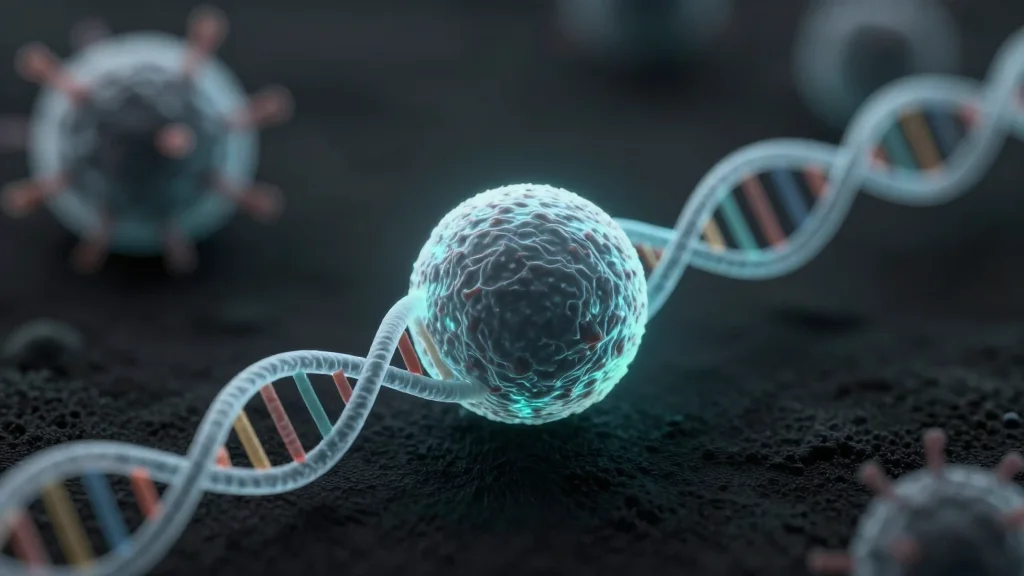
Penn Engineers Unveil Dual‑Action Nanoparticle for Universal Cancer Immunotherapy
Engineers at the University of Pennsylvania have built a single nanoparticle that simultaneously inhibits the immune‑suppressing enzyme IDO and releases IL‑12‑encoding mRNA inside tumors. In mouse models the particle eliminated established colon cancers, prevented recurrence and shrank distant lesions, suggesting...

BAIC Unveils 11‑Minute Full‑Charge Sodium‑Ion Battery, Claims Industry‑Leading Performance
Chinese automaker BAIC Group announced a sodium‑ion battery prototype that can charge from zero to full in roughly 11 minutes at 4C, while delivering about 170 Wh/kg energy density. The company also reported extreme safety tests, including 200% over‑charge tolerance and...
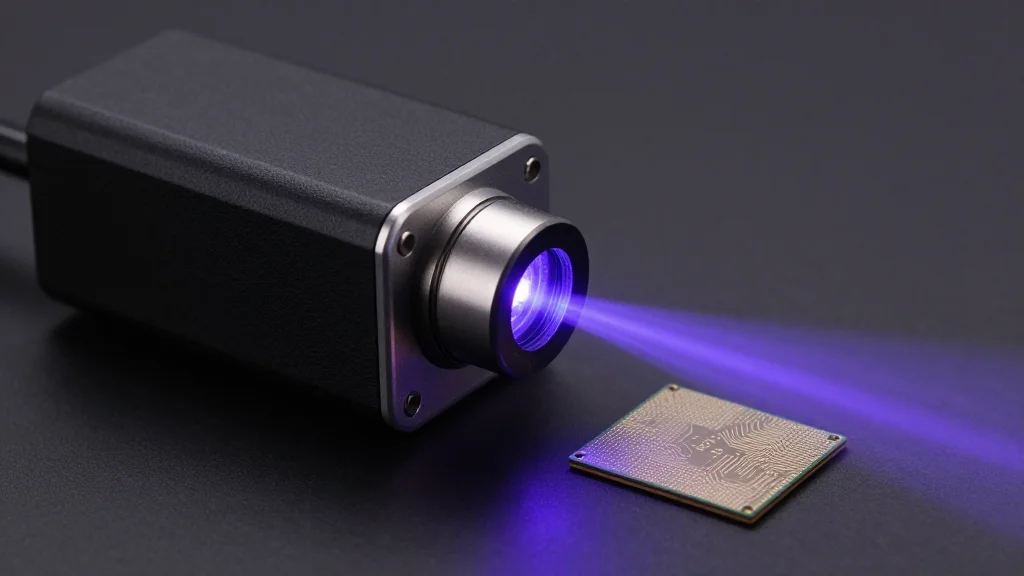
Tabletop VUV Laser 1,000× More Efficient Could Revolutionize Nanoelectronics
Physicists at the University of Colorado Boulder unveiled a tabletop vacuum‑ultraviolet (VUV) laser that is up to 1,000 times more efficient than existing systems. The compact device, co‑developed with NIST, could transform nanoscale imaging for next‑generation computer chips and enable...
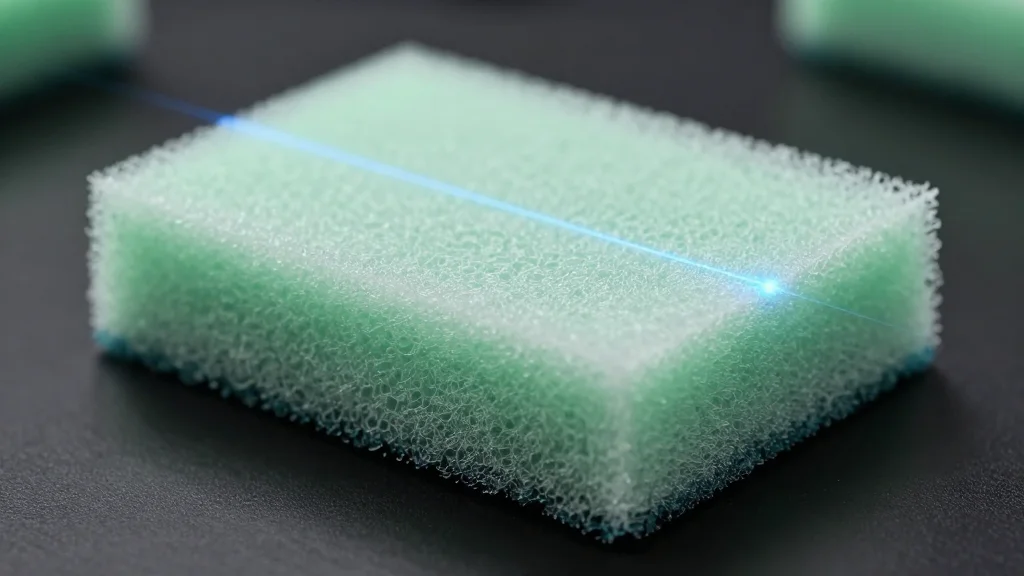
Bio.3DGREEN Project: Creating a New Way to Produce Bio-Based Components Using Graphene Foam
The EU‑funded Bio.3DGREEN project, launched in May 2025, will run for 42 months and unites 14 partners from nine European nations. It aims to create bio‑based components using vegetable‑oil‑derived graphene foam that mimics natural sponge‑like structures. By combining biomimetic engineering...

Low-Power Lasers Now Control Material Vibrations for Faster Electronics
Scientists at the Max Planck Institute and collaborators have introduced a phase‑sensitive nonlinear spectroscopic method that monitors and manipulates coherent phonons in few‑layer 2H‑MoTe₂ using only ~10 kW cm⁻² laser power, a reduction of more than three orders of magnitude compared with previous...

ETH Zurich Unveils Single‑Atom Indium Catalyst Cutting CO₂‑to‑Methanol Energy Use
Researchers at ETH Zurich have demonstrated a single‑atom indium catalyst on hafnium oxide that dramatically lowers the energy required to turn carbon dioxide and hydrogen into methanol. The breakthrough promises more efficient carbon‑capture pathways and could accelerate climate‑neutral fuel production.
Recent Graphene Industry News - March 2026
The graphene sector is experiencing rapid expansion, highlighted by new production facilities in the UK and Korea and a wave of sizable funding rounds totaling over $500 million. Companies are securing strategic partnerships for energy‑storage pouch cells, automotive racing trials, and...

DNA-Engineered Silver Nanoclusters Enable Precision Killing of Drug-Resistant Bacteria
A team led by Kirill Afonin at UNC Charlotte engineered programmable DNA scaffolds that organize silver nanoclusters into highly potent antimicrobial agents. The spatially arranged DNA‑AgNCs showed up to 78‑fold greater killing efficiency against ESKAPE pathogens and meningitis‑causing bacteria compared...

Kimchi-Derived Probiotic Found to Promote Binding and Excretion of Intestinal Nanoplastics
Researchers at the World Institute of Kimchi identified a kimchi‑derived lactic acid bacterium, Leuconostoc mesenteroides CBA3656, that can bind nanoplastics in the intestine. In simulated gut conditions the strain retained a 57% adsorption rate, far outperforming a reference probiotic that...

Designing Better 2D Electronics: Addressing Anisotropic Conductivity to Cut Contact Resistance
University of Michigan engineers have introduced an exact analytical model that accounts for anisotropic conductivity and realistic geometry in vertical contacts to 2D thin‑film materials. The framework replaces traditional isotropic approximations with a Laplace‑based field solution, eliminating the need for...

Exploring Mushroom Extracts as Green Reducing and Stabilizing Agents for Sustainable Synthesis of Silver Nanoparticles
Researchers demonstrated a green route to synthesize silver nanoparticles using aqueous extracts of dried mushrooms, which serve simultaneously as reducing and stabilizing agents. The biogenic process yielded spherical AgNPs with a narrow size distribution of 1–2 nm, confirmed by UV‑visible spectroscopy...

Impressionist Sea Slugs Create Their Patterns by Arranging Colorful Photonic Crystals
A joint Max Planck and Cambridge team has shown that nudibranch sea slugs generate their vivid hues through nanostructured guanine photonic crystals, not traditional pigments. The crystals act as microscopic pixels, each reflecting a specific wavelength, which together create matte, Impressionist‑style...
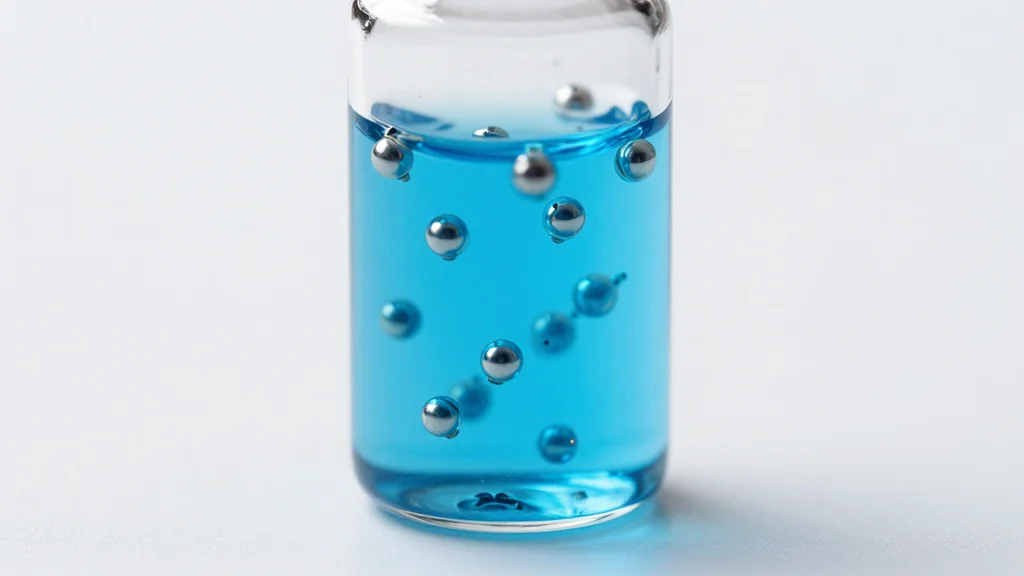
IBEC Spin‑off Unveils Nanorobots That Shrink Bladder Tumors by 90% in Preclinical Tests
The Institute for Bioengineering of Catalonia (IBEC) and its spin‑off Nanobots Therapeutics demonstrated self‑propelled therapeutic nanorobots that cut bladder tumor volume by up to 90% in animal studies. The technology was highlighted at Mobile World Capital Barcelona 2026, drawing attention...

Researchers Uncover Gut-Liver Serotonin Pathway that Limits Nanoparticle and Viral Delivery
Scientists at the University of Science and Technology of China identified a gut‑liver serotonin signaling axis that governs the rapid clearance of nanomedicines and viral vectors. The pathway links intestinal commensal bacteria to hepatic Kupffer cells, where serotonin amplifies phagocytic...

Bias- and Temperature-Dependent Noise Measurements to Investigate Carrier Transport at the Tellurium Interface (POSTECH)
Researchers at POSTECH have identified contact‑origin trap‑assisted tunneling as the dominant source of low‑frequency noise in ultrathin (5 nm) tellurium field‑effect transistors at room temperature. Temperature‑dependent 1/f noise measurements reveal that cooling to 100 K suppresses trap activation, restoring the carrier‑number‑fluctuation (CNF)...

Synthesis of Quantum Dot‐Integrated Silica–Silver Nanocomposites With Scattering and Plasmonic Effects for Enhanced Photoluminescence
The study demonstrates a solution‑phase synthesis of a quantum‑dot‑embedded silica‑silver nanocomposite (QASQ) that dramatically boosts photoluminescence. Acting as both an optical cavity and a scattering center, the QASQ‑integrated PDMS film delivers a 4.34‑fold increase in PL compared with conventional QD...
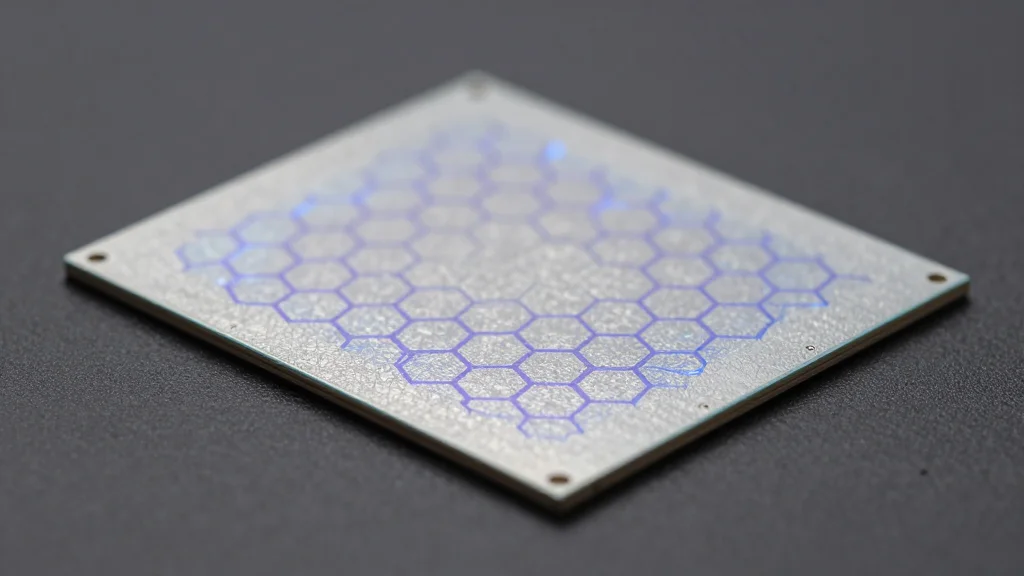
Enhanced Selectivity of Hydrogen Sulfide Gas by Hybrid Zeolitic Imidazolate Framework‐67/2D Platinum Diselenide‐Based Sensors Toward Wafer‐Scale Production
Researchers have created a hybrid gas sensor by coating platinum diselenide (PtSe2) with zeolitic imidazolate framework‑67 (ZIF‑67). The ZIF‑67 layer acts as a molecular filter, raising the H2S‑to‑NH3 response ratio from 1.06 to 10.9 and delivering a 163% signal at...
/https://tf-cmsv2-smithsonianmag-media.s3.amazonaws.com/filer_public/25/cb/25cb708a-97b2-463b-b3f6-c208632d7dbc/gettyimages-645604187.jpg)
This High School Student Invented a Filter That Eliminates 96 Percent of Microplastics From Drinking Water
Virginia high‑school senior Mia Heller invented a compact water filter that uses magnetic ferrofluid to capture microplastics. Laboratory tests showed the device eliminates 95.5% of microplastic particles while reclaiming 87% of the ferrofluid for reuse. The membrane‑free system, about the...

Canada Overhauls Nanomaterial Risk Framework for Coatings Industry
Canada's government has released a revised risk‑assessment framework for nanomaterials used in coatings, aiming to close regulatory gaps and improve health and environmental safeguards. The update introduces new criteria for toxicity, bioaccumulation and lifecycle impacts, affecting manufacturers, researchers and downstream...

Extracting Entropy Information From Quantum Dots
Stanford researchers have directly measured entropy production in semiconductor quantum dots, providing a quantitative view of energy dissipation at the nanoscale. By continuously exciting the dots with ultraviolet light and toggling a strong laser, they induced non‑equilibrium blinking and captured...

4D-Printed Magneto-Plasmonic Microrobots De-Ice Exactly Where and when Needed
Researchers have created 4D‑printed microrobots that embed gold‑magnetite nanofillers, enabling magnetic‑field navigation and near‑infrared‑triggered plasmonic heating. The devices can melt ice with millimeter precision, demonstrated by a miniature ice‑breaker ship that traversed frozen surfaces while heating its hull above freezing....

Magnetic Skyrmions Can Form Through Magnetoelastic Coupling Alone, New Theory Shows
Physicists at KAIST have shown that magnetoelastic coupling, a ubiquitous interaction in magnetic materials, can alone generate alternating skyrmion‑antiskyrmion arrays. Their theoretical model proves that neither crystal inversion asymmetry nor strong spin‑orbit coupling is required for these topological spin textures...
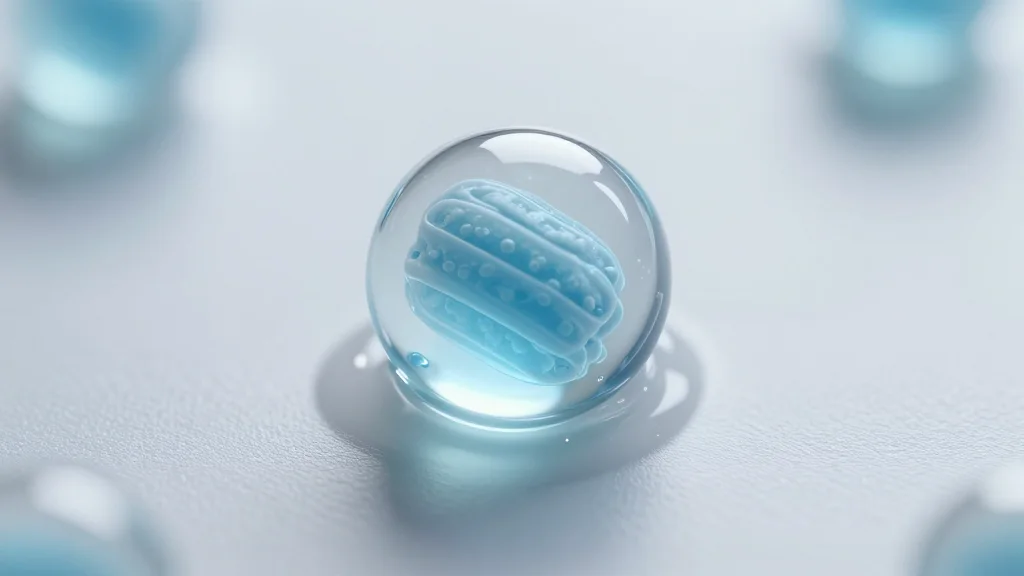
AI Model Uses 3D Lipid Structures to Improve mRNA Nanoparticle Delivery
Researchers at China’s National Center for Nanoscience and Technology have developed an AI‑driven platform that screens ionizable lipids based on their three‑dimensional conformations. The model identified a novel lipid, P1, which delivers mRNA 14.8 times more efficiently than the clinically...

Active‐Site Engineering Enhanced PdRu Bimetallic Modified Hierarchical Mesoporous In2O3 Nanoflowers for Highly Efficient Assessment of Seafood Freshness
Researchers engineered PdRu‑modified hierarchical In2O3 nanoflowers to create a gas sensor that rapidly detects trimethylamine (TMA), a key indicator of seafood spoilage. The 3D mesoporous architecture accelerates TMA diffusion, while the PdRu bimetallic surface enhances oxygen spillover, lowering activation energy...
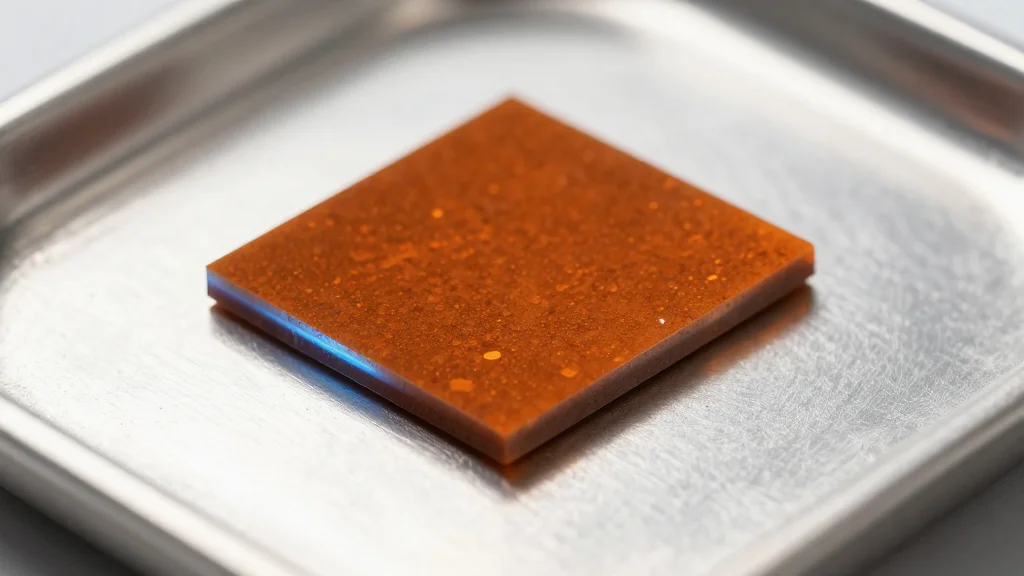
UCLA Team Cuts Perovskite Contact Barrier Tenfold, Paving Way for Faster Chips
Researchers at UCLA have unveiled a contact‑induced charge‑transfer doping technique that reduces the metal‑perovskite interface barrier by an order of magnitude. The method, detailed in Nature Materials, could unlock faster, lower‑power perovskite‑based chips and sensors.

MXene Nanosheet Catalytic Membranes Cut Pharmaceutical Wastewater Treatment Costs
Researchers at the Chinese Academy of Sciences have engineered MXene nanosheet‑based catalytic membranes that degrade antibiotics in pharmaceutical wastewater, integrating them with a membrane bioreactor to cut treatment costs by more than 30 % versus conventional methods. The membranes embed Fe₃O₄,...

Spray-On Fabric Coating Lightens the Environmental Load From Laundry
Researchers have created a spray‑on fabric coating that lets clothes be washed with water alone, eliminating the need for detergents. The bilayer coating, applied in five thin cycles, repels stains and reduces water, energy, and time use by more than...

Silicon Metasurface Design Could Enable Dual-Channel Optical Encryption
Researchers have designed a silicon metasurface that uses circular polarization as a cryptographic key, enabling two distinct holographic images to be stored in a single nanostructured layer. By applying an improved Gerchberg–Saxton algorithm and FDTD simulations, they mapped phase information...

Ultra‑low‑energy Control of Graphene Stacking Could Enable Slidetronic Memory and Logic
Researchers from Tel Aviv University, SlideTro and NIMS have demonstrated ultra‑low‑energy, fully reversible control of graphene stacking at the 30‑nanometre scale. By applying lateral shear forces below 1 nanonewton and consuming less than 1 femtojoule per event, they can switch between graphitic...

Osaka University Engineers Atom‑Sized Gates That Replicate Cellular Ion Channels
Researchers at Osaka University have fabricated atom‑scale gates that behave like cellular ion channels, using a miniature electrochemical reactor to carve sub‑nanometer pores. The breakthrough could accelerate DNA sequencing, enable artificial synapses for brain‑inspired computers, and advance single‑molecule sensing, though...

Natural Superlattice 2D Materials‐based Volatile Memristor Promotes Artificial Nociceptor
Researchers have created a volatile memristor using the natural superlattice 2D material BiTiS3, which exploits interlayer coupling and sulfur‑vacancy‑induced lattice distortions to lower ion migration barriers. The device switches at low voltage within nanoseconds, as visualized by in‑situ conductive atomic...

Multifunctional Flexible Sensor with Bionic Micro‐Nano Hierarchical Structure for Dual‐Mode Pressure and Temperature Sensing
The study introduces a bioinspired multifunctional flexible sensor (BMF) that mimics ant, spider, mosquito and lotus leaf structures. Built from MXene‑coated melamine foam and CNT/PVDF nanofiber membrane, it delivers ultra‑high pressure sensitivity of 986.51 kPa⁻¹ across 0–200 kPa and temperature sensitivity of...

Scientists Turn CO2 Into Fuel Using Breakthrough Single-Atom Catalyst
Researchers at ETH Zurich have engineered a single‑atom indium catalyst anchored on hafnium oxide that dramatically lowers the energy required to convert carbon dioxide and hydrogen into methanol. The design maximizes metal utilization by making each indium atom an independent...
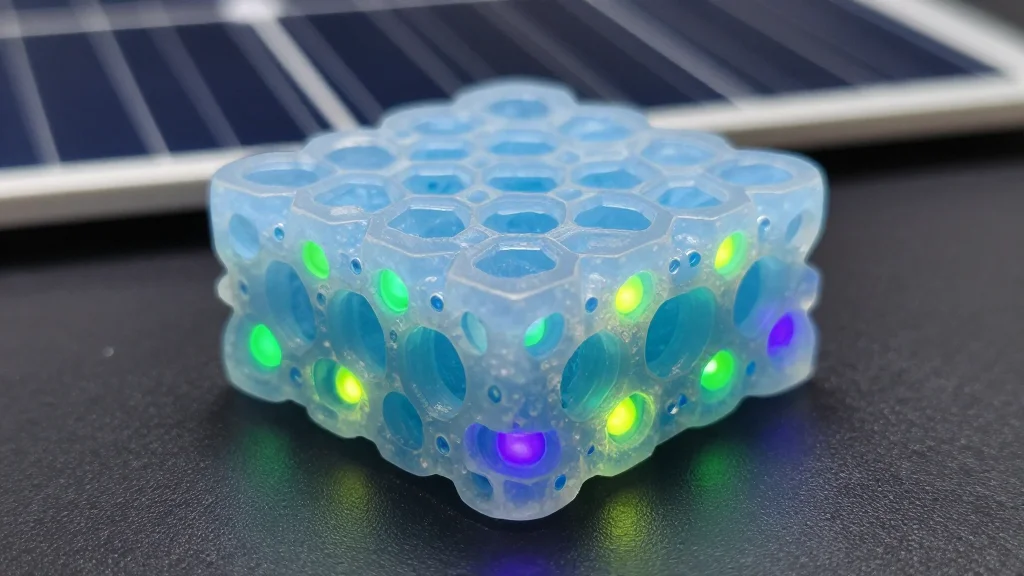
Research Progress of Porous Framework‐Based Triplet–Triplet Annihilation Upconversion Materials
The review surveys porous‑framework‑based triplet‑triplet annihilation upconversion (TTA‑UC) materials, emphasizing metal‑organic frameworks (MOFs) and porous aromatic frameworks (PAFs). It explains how these scaffolds improve oxygen resistance and enable solid‑state upconversion. The article details structure‑performance relationships, recent efficiency breakthroughs, and applications...

Toward All 2D‐Based Printed Raindrop Triboelectric Nanogenerators
Researchers have demonstrated a fully 2D‑material raindrop triboelectric nanogenerator (RD‑TENG) fabricated using a low‑cost liquid‑liquid interface deposition method. Conductive contacts consist of graphene–single‑walled carbon nanotube hybrids, while transition metal dichalcogenide nanosheets, particularly medium‑sized MoS₂, act as the active triboelectric layer....
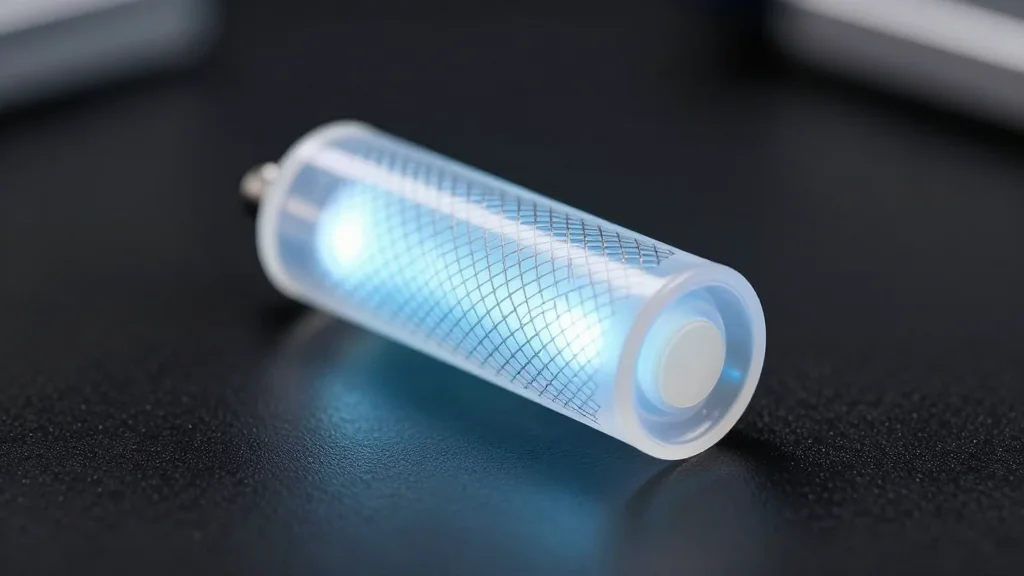
Sustainable Terephthalic Acid Modified Polyimide Binder for Enhanced Li‐Ion Storage in Silicon Nanoparticles (Small 17/2026)
Researchers Yuan Qiao and Ali Reza Kamali introduced a green, scalable polyimide binder modified with terephthalic acid for silicon anodes in lithium‑ion batteries. The binder reinforces electrode integrity, accelerates lithium‑ion kinetics, and boosts both capacity and long‑term cycling stability. Full‑cell...
Toward All 2D‐Based Printed Raindrop Triboelectric Nanogenerators (Small 17/2026)
Researchers have demonstrated fully printed triboelectric nanogenerators (TENGs) built from two‑dimensional (2D) materials. The devices combine solution‑processed graphene‑carbon‑nanotube interdigitated electrodes with transition‑metal‑dichalcogenide nanosheet triboelectric layers, both deposited via interfacial deposition. Systematic tuning of printing parameters revealed clear structure‑property‑function relationships, enabling...