Today's Nanotech Pulse
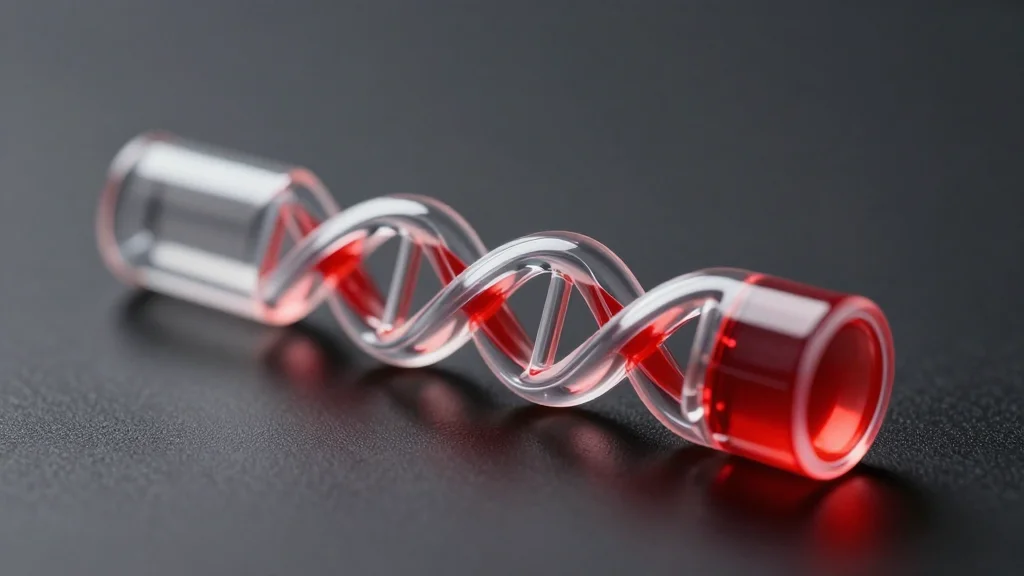
Left‑handed DNA origami tubes double chemotherapy efficacy against AML
Researchers at the Cancer Center at Illinois showed that left‑handed DNA origami tubes loaded with Daunorubicin achieve more than twice the cell‑killing efficacy of right‑handed tubes. The tubes display aptamers that target the CD117 protein on acute myeloid leukemia cells and their left‑handed geometry promotes rapid internalization.
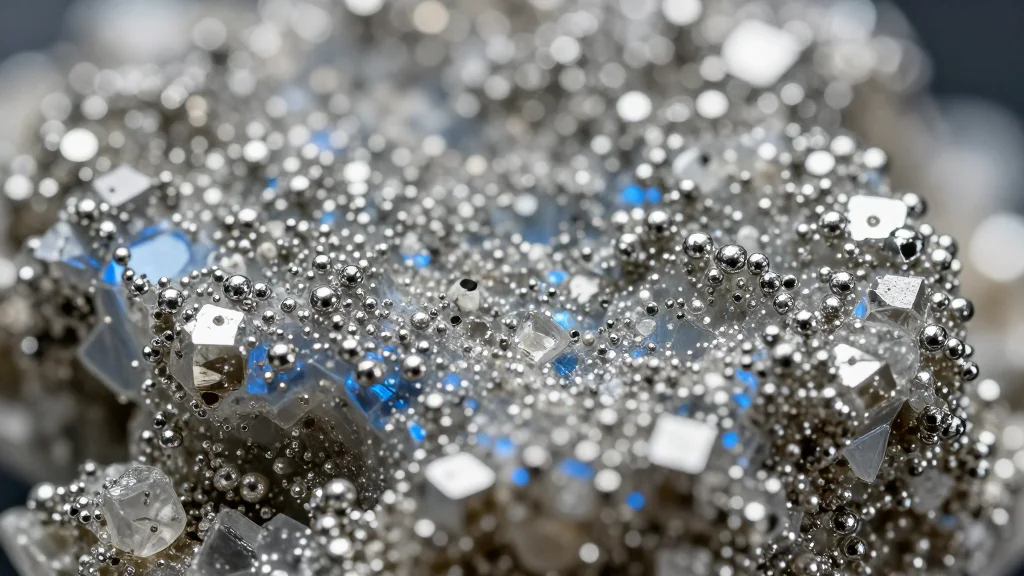
Clearing the Nanoscale Bottleneck Holding Back Next-Gen Electronics
UCLA researchers have introduced a contact‑induced charge‑transfer doping technique that uses silver‑oxide nanoclusters to dramatically thin the metal‑perovskite interface from roughly 250 nm to under 25 nm, enabling quantum‑mechanical tunneling of electrons. Published in Nature Materials, the method replaces traditional bulk doping, which is ineffective for soft perovskite crystals, with a localized p‑doped region beneath the electrode. This reduction in contact resistance allows lower‑voltage operation and higher current efficiency. The breakthrough paves the way for faster, low‑power perovskite transistors, photodetectors and other optoelectronic devices.

Nanofertilizer Expands Worldwide in Just Seven Years
It was just 7 years ago… Glad to see the spread across the country & globe. #Nanofertilizer https://t.co/owi5grwnCS

Engineered Nanoparticles Show Enhanced Intrinsic Luminescence for Biomedical Imaging and Cancer Treatment
Researchers at the University of São Paulo have engineered hydroxyapatite nanoparticles with enhanced intrinsic luminescence by incorporating carbonate groups, creating crystal defects that act as bright emission centers. After citrate functionalization, the particles remain stable in aqueous media and can be...
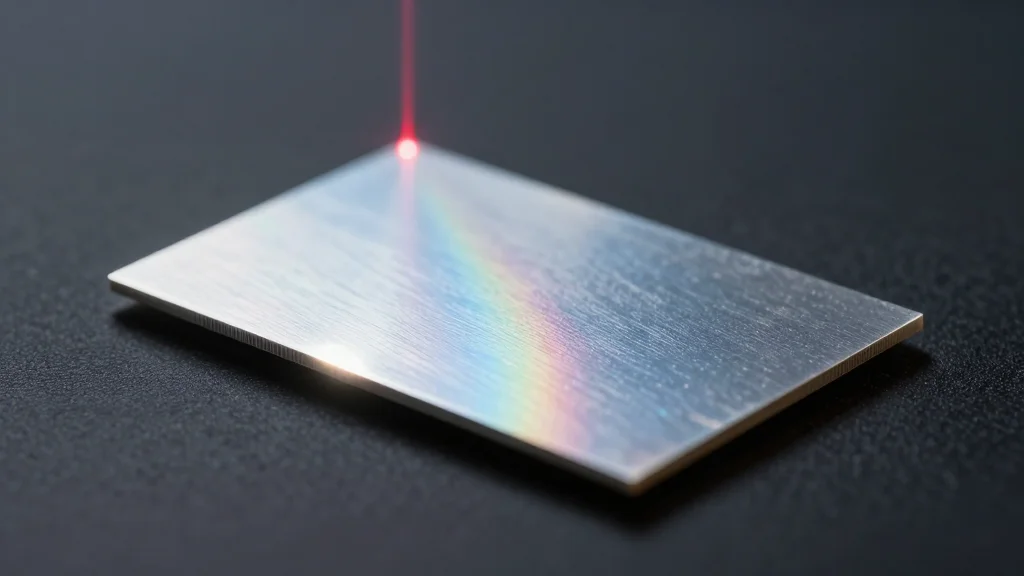
Ultra-Thin MoSe₂ Grating Traps Infrared Light in a 40-Nanometer Layer
Polish researchers have created a sub‑wavelength grating from molybdenum diselenide (MoSe₂) that confines infrared light within a 40‑nanometer‑thick layer. The high refractive index of MoSe₂ (≈4.5×) allows the grating to act as a perfect mirror despite its extreme thinness, a...
Bridgewater's Jasjeet Sekhon Joins Google DeepMind as Chief Strategy Officer
Bridgewater Associates' chief scientist Jasjeet Sekhon has been appointed chief strategy officer of Alphabet's DeepMind, while also joining Bridgewater's board. The hire brings a $92 billion asset manager’s AI lab experience to a unit racing OpenAI and Anthropic for market leadership.
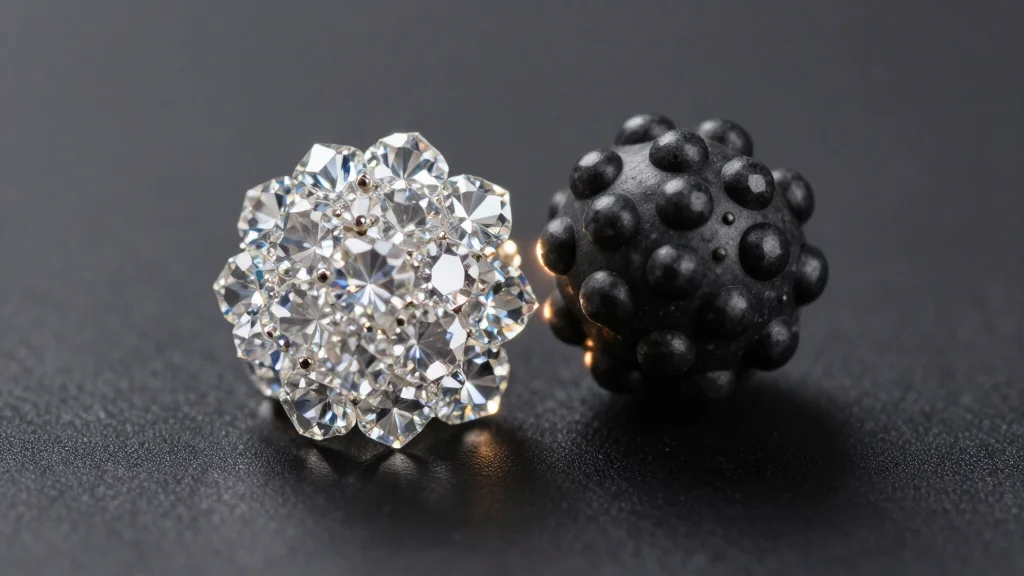
Nanodiamonds and Beyond: Designing Carbon Materials with AI at Exascale
Researchers at Argonne National Laboratory used exascale supercomputers Aurora and Frontier, together with AI, to simulate carbon atoms under extreme heat and pressure. The simulations revealed how cooling rates dictate whether nanodiamonds stay diamond or transform into onion‑like shells or...

India Approves IFFCO Nano NPK Fertilisers Amid West Asia Gas Crisis
The Centre has cleared IFFCO's indigenously developed Nano NPK liquid (8-8-10) and granular (20-10-10) fertilizers for commercial use under the Fertiliser Control Order. The move is positioned as a strategic response to gas shortages caused by the West Asia war...

RMIT Team Develops Smart Bandage that Heals, Monitors Wounds
Researchers at RMIT University have created a smart wound dressing that monitors pH changes and releases therapeutic nanozymes. The hydrogel embeds carbon‑dot nanoparticles that change colour to signal infection and can be triggered manually or automatically to deliver treatment. The...
Bajaj Finserv’s Zero‑Down EMI Boosts Convertible Frost‑Free Fridge Sales for Gudi Padwa
Bajaj Finserv launched an Easy EMI loan of up to Rs 5 lakh with zero‑down payment options, prompting a surge in sales of convertible frost‑free inverter refrigerators from brands like Godrej, Whirlpool and Samsung for the Gudi Padwa festival. The financing scheme,...
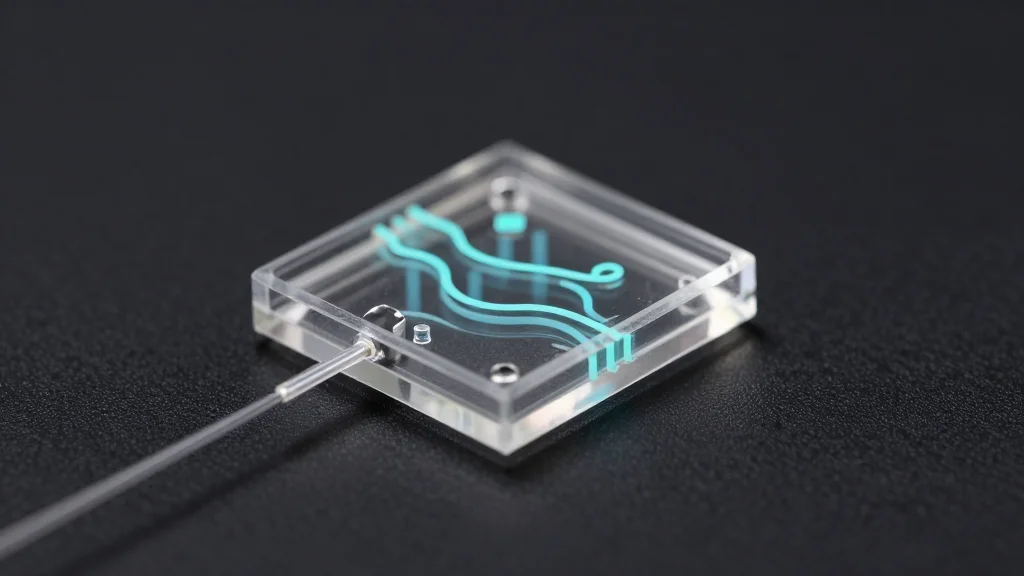
Liquid Biopsy Method Uses Nanoparticle Raman Signals to Separate Two Lookalike Enzymes
RIKEN researchers have unveiled a microchip that uses silver‑nanoparticle‑enhanced Raman spectroscopy to detect ultra‑low concentrations of biomarkers in liquid biopsies. The platform delivers reproducible, quantitative Raman signals that can separate two nearly identical enzymes—acetylcholinesterase and butyrylcholinesterase—something fluorescence methods struggle with....
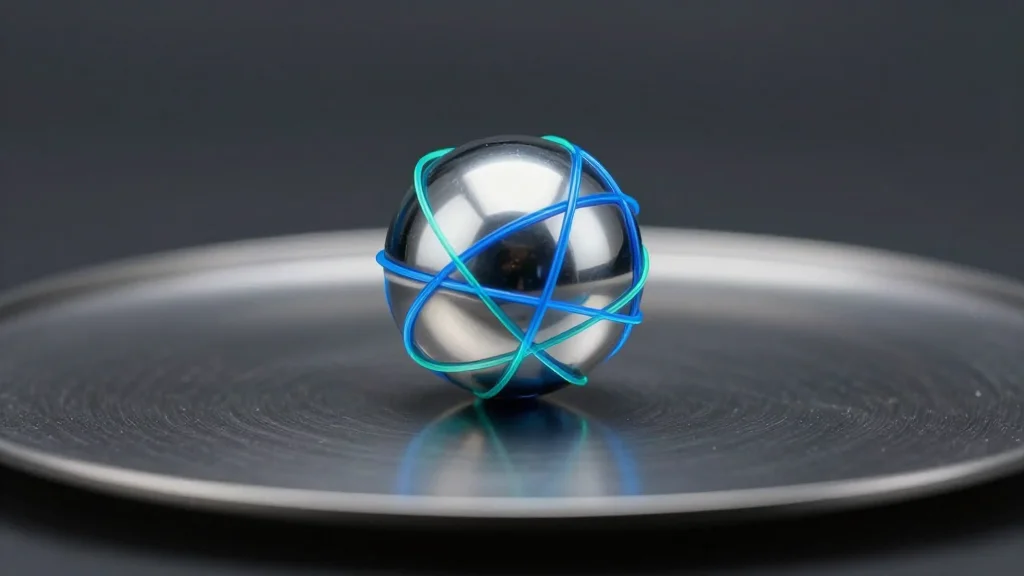
Challenging a 300-Year-Old Law of Friction
Researchers at the University of Konstanz demonstrated a new type of sliding friction that arises without mechanical contact, driven solely by collective magnetic dynamics. By varying the separation between two magnetic layers, they showed friction peaks at intermediate distances where...
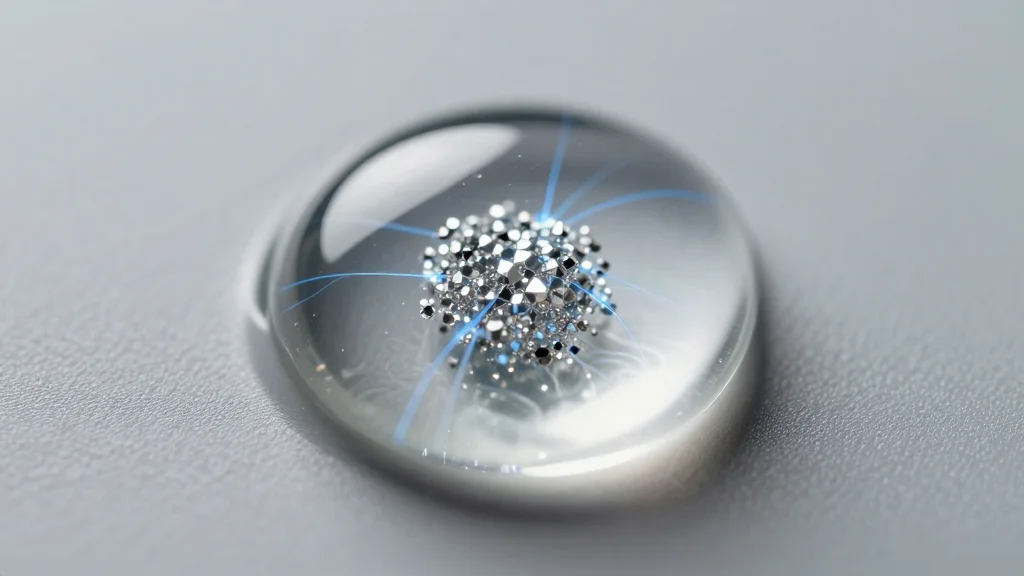
Machine Learning Maps Nanodiamond Nanofluid Performance on Wavy Surfaces
Researchers at Harbin Institute of Technology used a hybrid numerical‑simulation and neural‑network framework to map how nanodiamond aggregation, magnetic field strength, and surface waviness affect convective heat transfer. Aggregated nanodiamond particles lifted the Nusselt number by up to 30 % but...
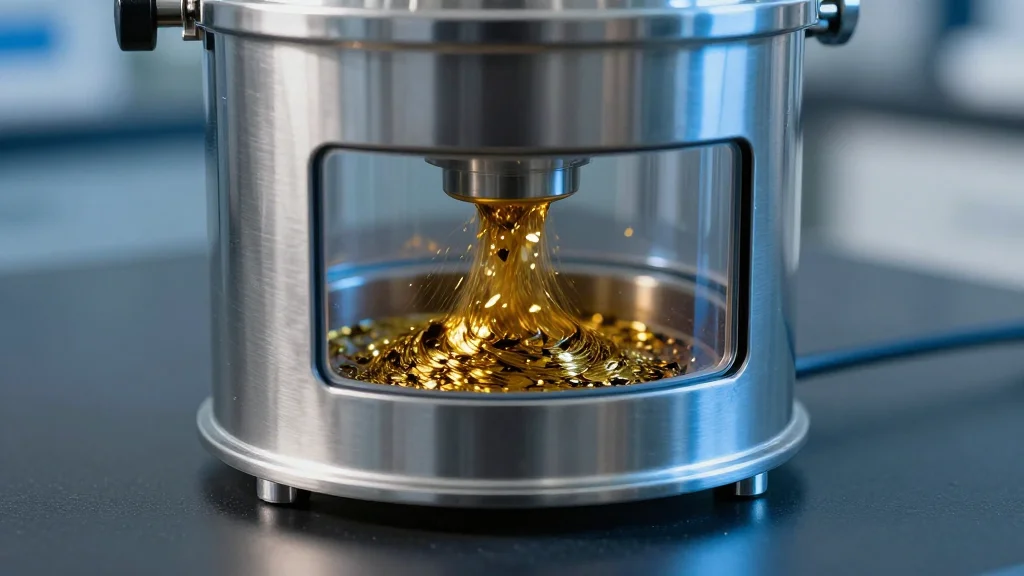
Black Swan Graphene Completes Production Capacity Expansion at Its United Kingdom Facility
Black Swan Graphene has completed a major capacity expansion at its Consett, UK plant, tripling annual output to over 140 tonnes of graphene nanoplatelets. The upgrade centers on a custom‑built GEA 3160 Ariete homogenizer, delivering flow rates up to 22,000 litres per...
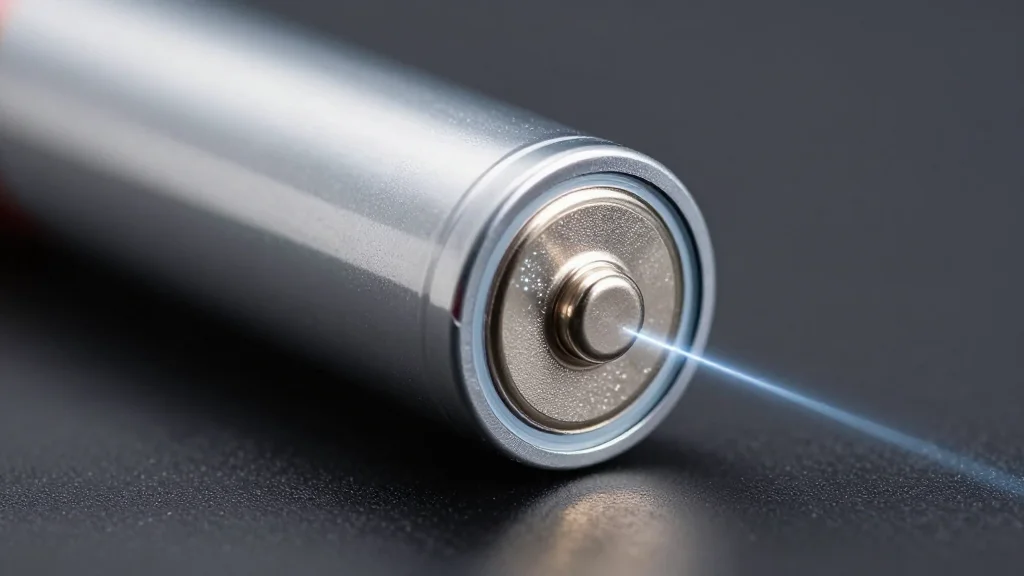
Laser Process Creates Silicon-Graphene Battery Anodes that Barely Lose Charge
Researchers at Tel Aviv University have unveiled a single‑step laser technique that fabricates prelithiated silicon‑graphene anodes under ambient conditions. The process embeds lithium directly into silicon nanoparticles within a graphene matrix, eliminating binders, conductive additives, and multi‑step chemistries. Resulting electrodes...
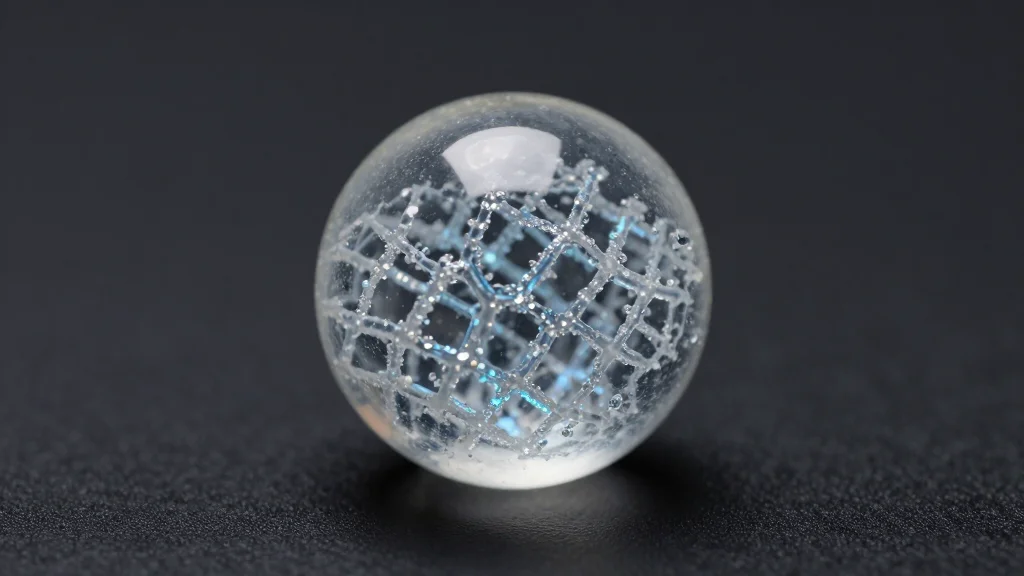
Graphene Oxide Enables Improved Supercapacitors with 1683 C/G Capacitance
Researchers from Shanghai Institute of Technology and partners have created a highly porous NiCo₂V₂O₈@GO hollow‑sphere electrode that dramatically improves supercapacitor performance. The yolk‑double‑shell architecture, coated with graphene oxide, delivers a specific capacitance of 1683 C·g⁻¹ at 1 A·g⁻¹ and retains 87% at...

Silver-Coated Microrobots Break Down Antibiotics in Water
Researchers have created silver‑coated g‑C₃N₄ Janus microrobots that swim upward under UV light and act as photocatalysts. In laboratory tests they removed about 88 % of tetracycline within 90 minutes, and retained roughly 82 % efficiency in real wastewater. The silver layer forms...

How Diamond Nanoparticles Could Be the Trick for Clothes that Keep You Cool in Extreme Heat
Researchers at RMIT University have created a fabric coated with nanodiamond particles that can pull heat from the body and release it, lowering skin temperature by about 2‑3 °C. The diamonds are synthesized from carbon waste such as plastic, making the...

European Parliament Convenes Experts on Global Nanoplastics Risks
On February 24, 2026 the European Parliament in Brussels, led by MEP Ondřej Knotek and the ALLATRA Global Research Center, hosted the "Nanoplastics: Hidden Connections and Emerging Risks" conference. The event gathered international scientists, policymakers and civil‑society representatives to discuss...

GMG Wins EPA Green Light for THERMAL‑XR Graphene Coating, Unlocking US HVAC Market
On March 18, 2026, Graphene Manufacturing Group (GMG) announced that the U.S. Environmental Protection Agency approved its THERMAL‑XR graphene‑based coating, granting permission to import, distribute, sell, use and dispose of the product across the United States through its exclusive North...
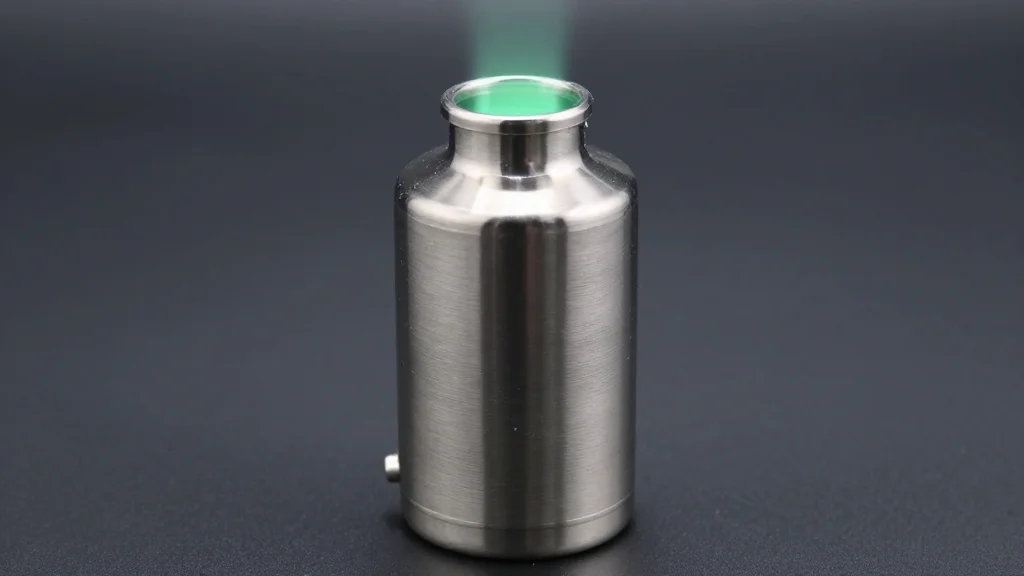
Nano One Accelerates Candiac LFP Capacity Expansion, Targeting 800 T/Yr by 2027
On March 18, 2026 Nano One Materials Corp. announced that detailed engineering for its Candiac, Quebec, lithium‑iron‑phosphate (LFP) expansion is over 25% complete and on schedule for a July 2026 finish, with procurement, installation and commissioning slated for the first...
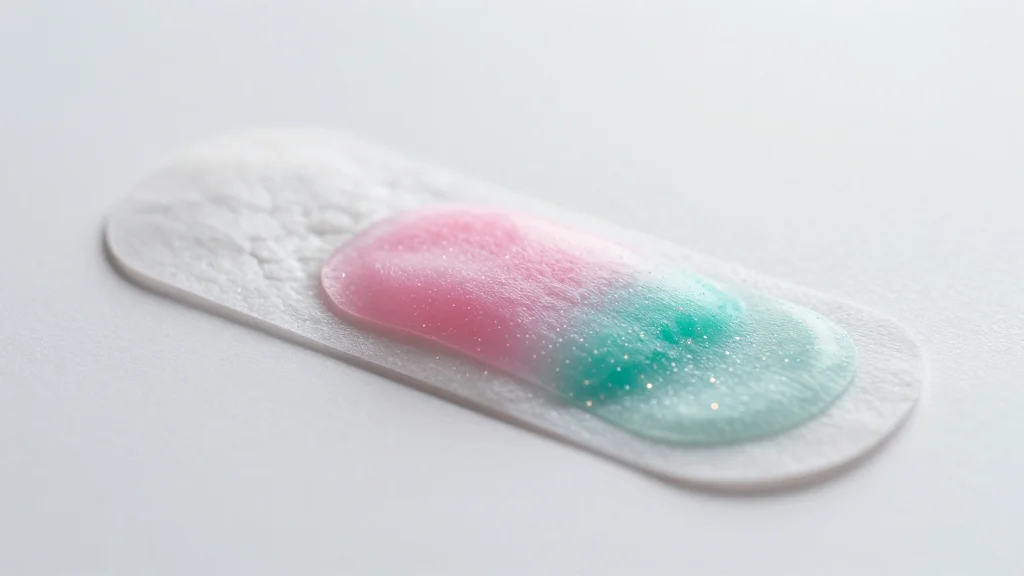
RMIT Researchers Unveil Smart Bandage that Heals and Monitors Wounds in Real Time
On March 18, 2026, researchers at RMIT University in Melbourne—including Dr. Lei Bao, PhD candidate Nan Nan, and Dr. Haiyan Li—announced a new smart wound dressing that simultaneously monitors infection and delivers healing agents. The hydrogel patch embeds multifunctional carbon‑dot...
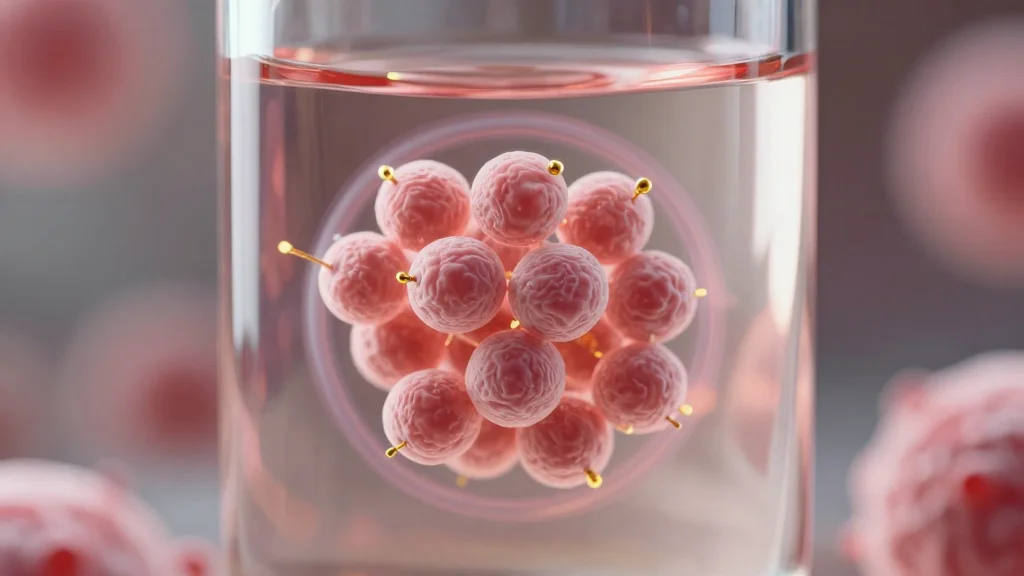
Nanotech Drug Delivery Breakthrough Promises Precise Cancer Treatment
On Dec 30, 2025, researchers reported a breakthrough nanotechnology drug‑delivery system that can home in on tumor cells, delivering chemotherapy directly to malignant tissue while sparing healthy cells. The advance, detailed in ScienceTimes, highlights engineered nanoparticles—liposomes, polymeric carriers, dendrimers and...

Prodrug-Tethered Lipid Nanoparticles for Synergistic Messenger RNA Cancer Immunotherapy
Researchers have engineered lipid nanoparticles tethered with a prodrug that releases an IDO‑1 inhibitor while simultaneously delivering mRNA encoding interleukin‑12. The dual‑action formulation, administered intratumorally, generated robust CD8⁺ T‑cell responses, mitigated T‑cell exhaustion, and produced complete tumor regressions in several...
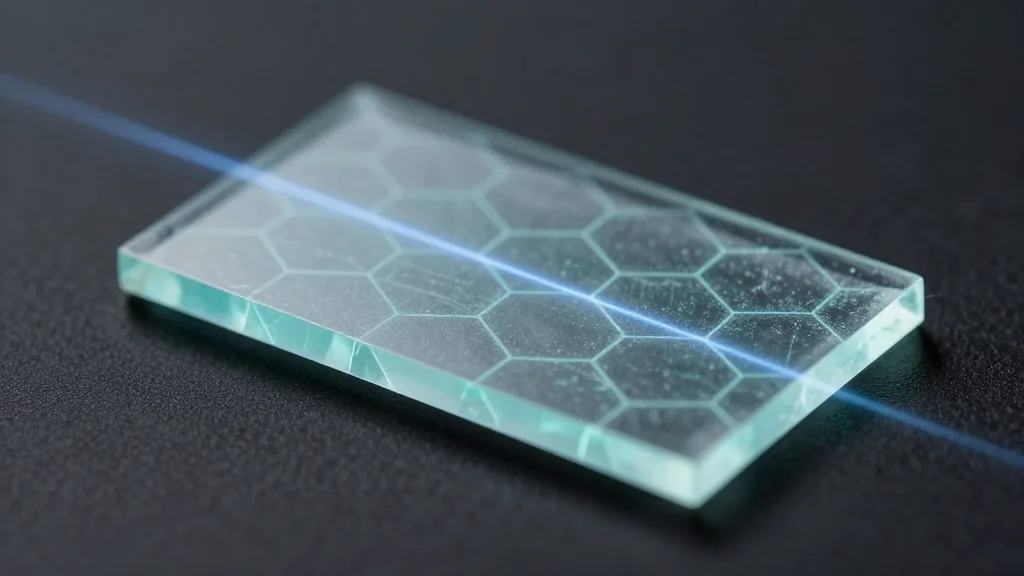
Scientists Create a New State of Matter at Room Temperature Using Light and Nanostructures
Researchers at Rensselaer Polytechnic Institute have demonstrated a room‑temperature supersolid by coupling light to a perovskite nanograting, creating hybrid polariton particles that exhibit both solid‑like order and frictionless flow. The device forms spontaneous striped patterns when illuminated above a critical...
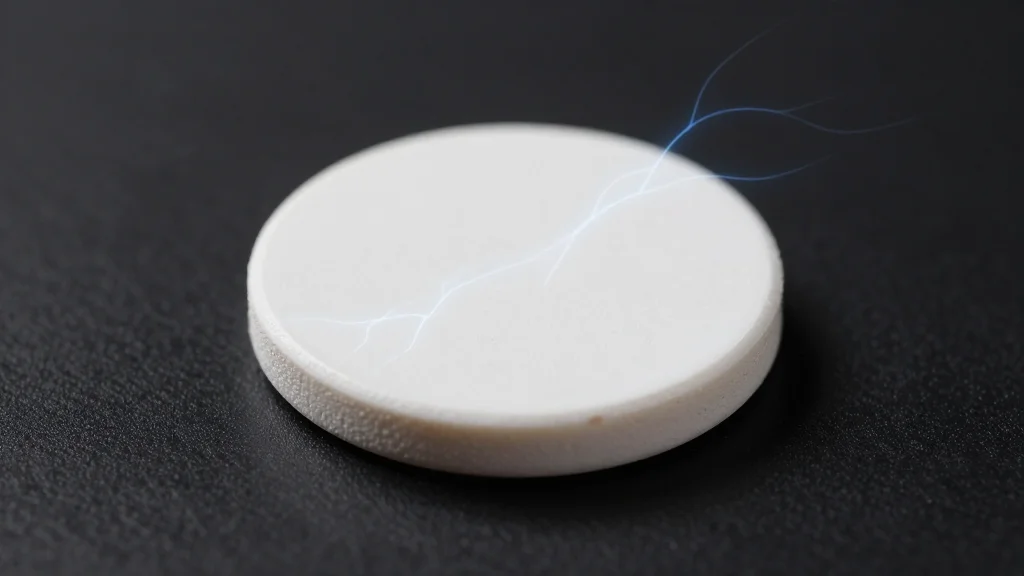
Ultrathin BiFeO₃ Breaks the 30 Nm Limit, Delivering Fourfold Stronger Piezoelectricity
Researchers at the Chinese Academy of Sciences have engineered ultrathin bismuth ferrite (BiFeO₃) films that break the longstanding 30 nm thickness barrier, delivering a piezoelectric coefficient of about 30 pm/V—four times higher than conventional BiFeO₃. The breakthrough relies on stabilizing a metastable...
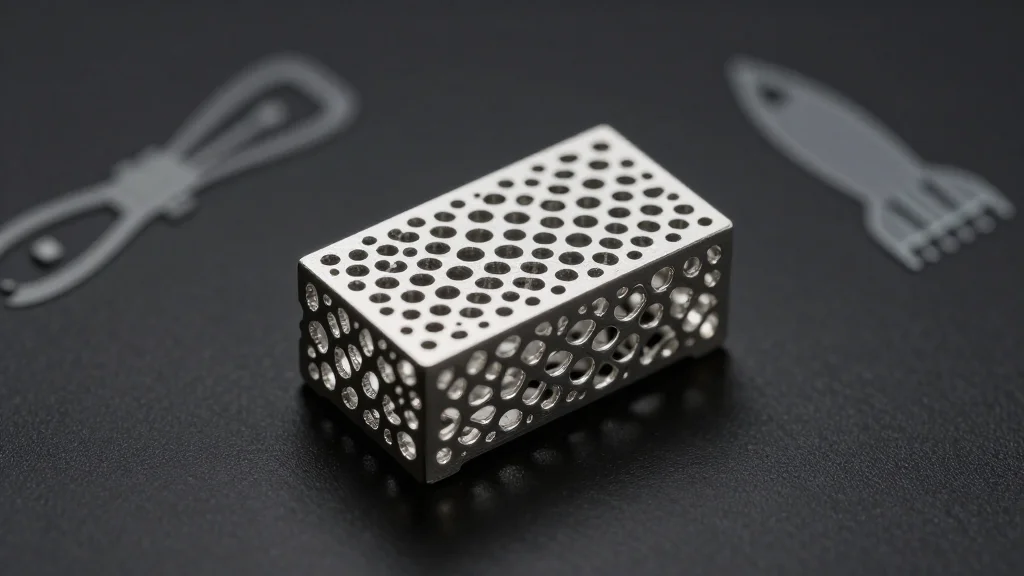
Nano 3D Metallic Parts Turn Out to Be Surprisingly Strong Despite Defects
Caltech researchers have developed a two‑photon lithography process that fabricates nano‑scale metallic lattices with up to 90 % shrinkage, yielding components smaller than 50 µm. Despite containing pores, grain boundaries and other defects, the resulting structures demonstrate strengths up to 50 times...

Carbon Nanotube 'Black Paint' Absorbs Terahertz Radiation to Cut 6G Interference
Researchers at Skoltech and KTH have developed an ultrathin carbon‑nanotube black paint that absorbs terahertz radiation, addressing interference in emerging 6G photonic circuits. The coating, applied via aerosol chemical vapor deposition, can be tuned from 2 to 53 nm, with the...
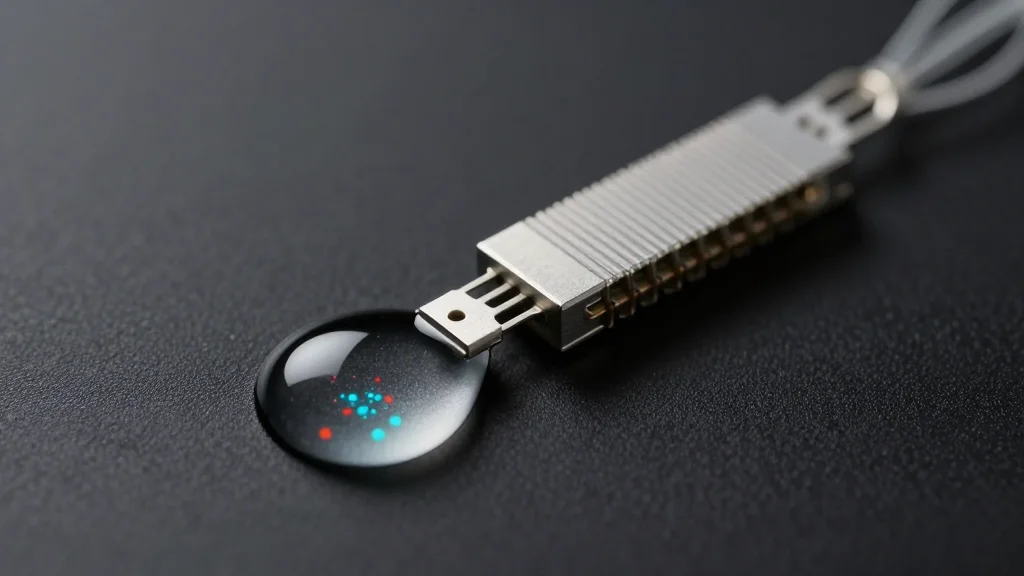
Graphene Sensors Stay Stable in Liquids, Boosting Sensitivity up to 20 Times
Researchers at Penn State have unveiled a dual‑gate graphene field‑effect transistor that remains stable in liquid environments, eliminating the signal drift that hampers conventional sensors. By pairing a high‑capacitance top gate with a low‑capacitance bottom gate and adding a feedback...
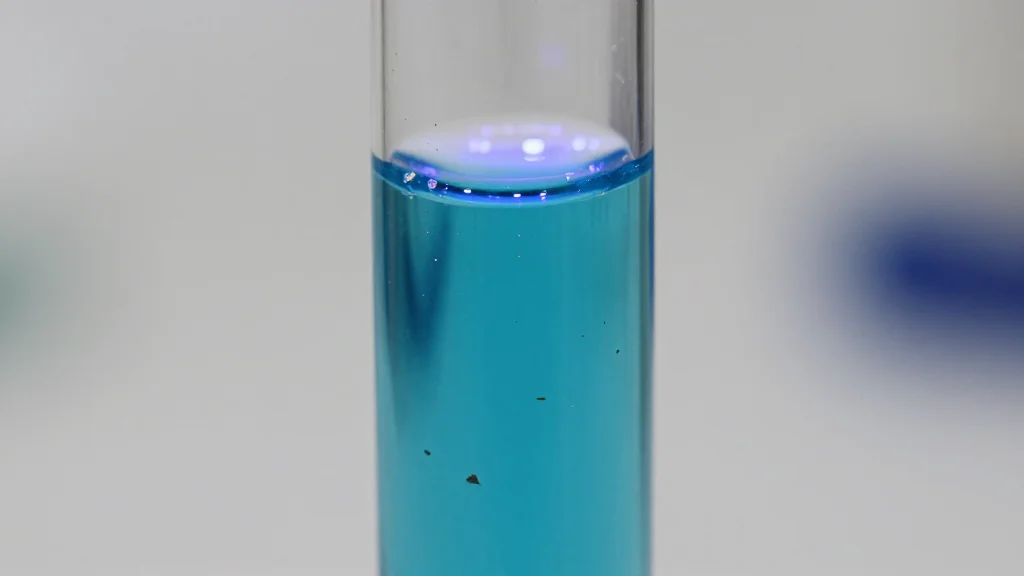
Clean Wastewater of Stubborn Antibiotics with Hybrid Nanocomposite
Researchers at National Taiwan University have unveiled a hybrid nanocomposite that merges graphene oxide, biochar, and titanium dioxide to tackle antibiotic residues in wastewater. The material leverages both adsorption and UV‑activated photocatalysis, achieving over 95% removal of veterinary antibiotics such...
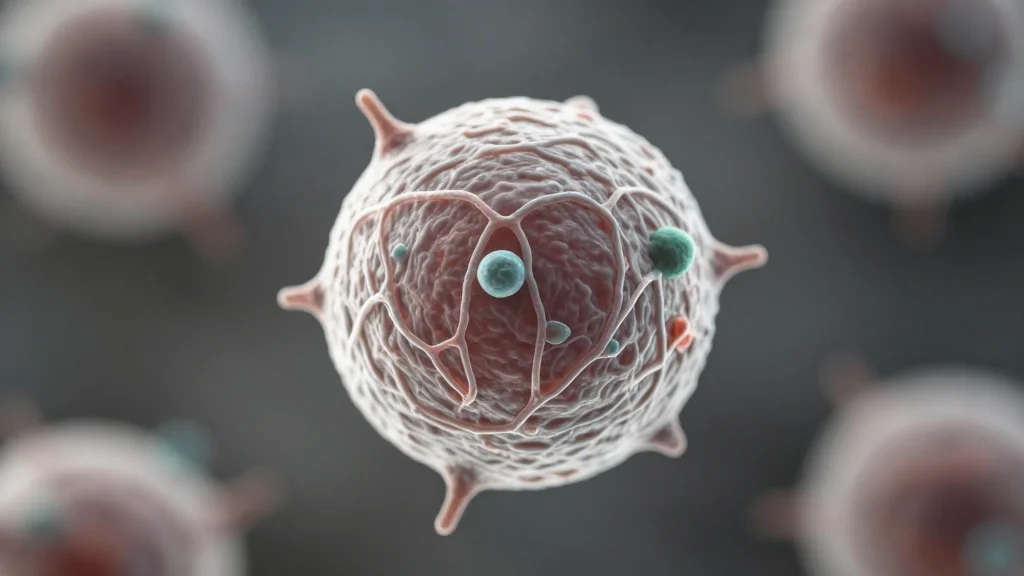
NQO1‐Responsive Prodrug for in Cellulo Release of Cytochalasin B as Cancer Cell‐Targeted Migrastatic (Small 16/2026)
Researchers introduced BQTML‑CB, an NQO1‑responsive prodrug that releases cytochalasin B inside tumor cells, disrupting actin filaments and halting migration and proliferation. The design exploits the enzyme NQO1, overexpressed in many aggressive cancers, to achieve tumor‑selective activation while sparing NQO1‑deficient cells and...
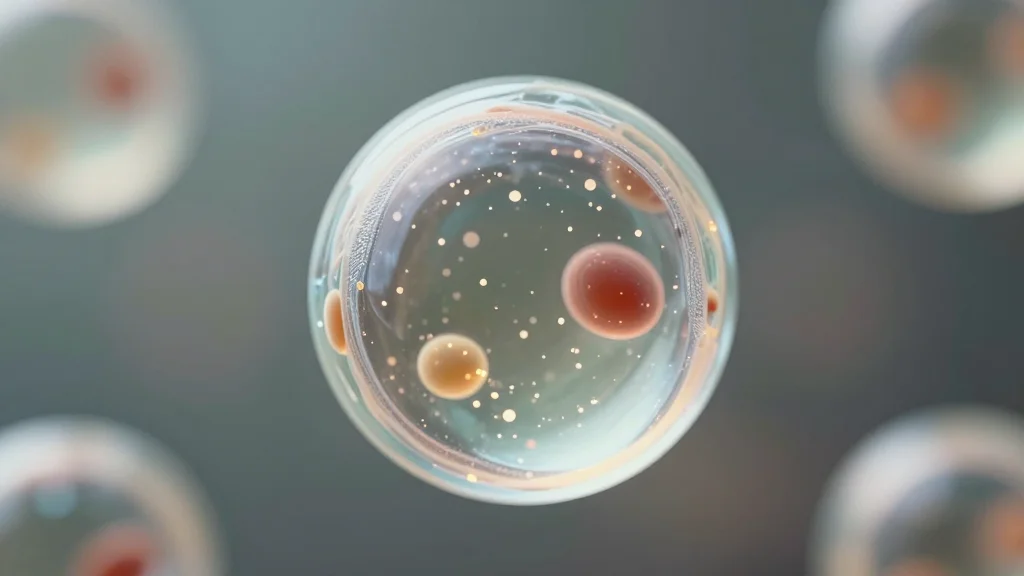
Bioengineered Bacterial Vesicles and Biomimetic Hybrids Eliminate Biofilms and Balance the Gut Microbiome
Researchers have engineered biomimetic nanocarriers that combine liposomal structures with Myxobacteria outer‑membrane vesicles (OMVs) to deliver antibiotics. The hybrid carriers achieve higher drug loading and can penetrate intracellular Gram‑negative pathogens, while native OMVs avoid immune clearance and sustain extracellular exposure....
Π–Π Stacking‐Assisted Self‐Assembly Fabricates Highly Uniform PANI@RGO Cathodes Toward High‐Performance Aqueous Zinc‐Ion Batteries
Researchers introduced an N‑methyl‑2‑pyrrolidone (NMP)‑mediated self‑assembly method that leverages π–π stacking to fabricate highly uniform polyaniline/reduced graphene oxide (PANI@RGO) composite gels with up to 85 % polyaniline loading. The resulting M‑PANI@RGO‑85 % cathode exhibits a specific surface area of 189.55 m² g⁻¹ and mesopores...
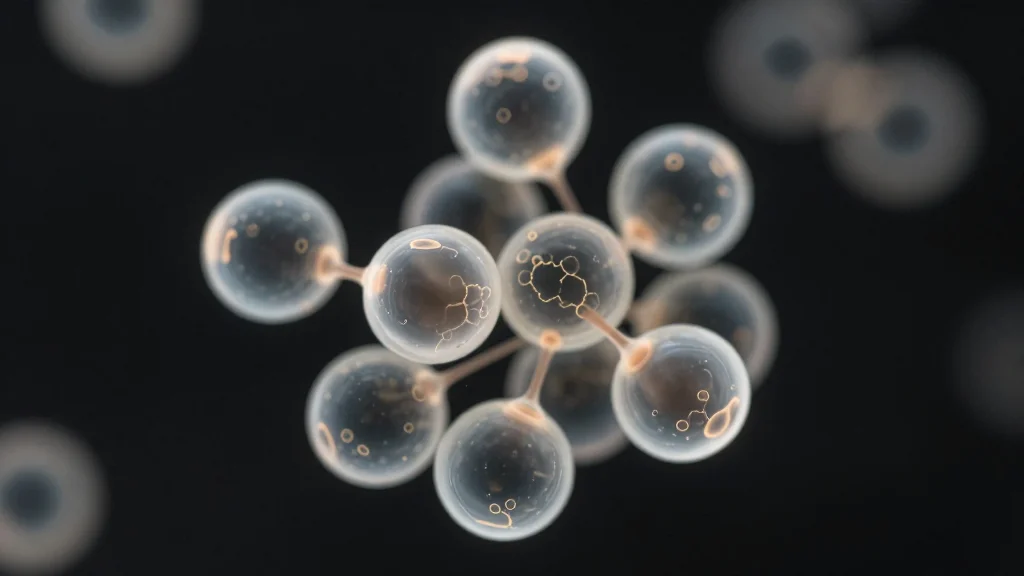
Nature Inspired Delivery Vehicles for CRISPR‐Based Genome Editing
The review surveys nature‑inspired nanocarriers—viral vectors, extracellular vesicles, liposomes, lipid nanoparticles, and engineered membrane particles—as delivery platforms for CRISPR genome editors. It details how these systems improve editing specificity, lower immunogenicity, and surmount cellular barriers that have limited therapeutic rollout....
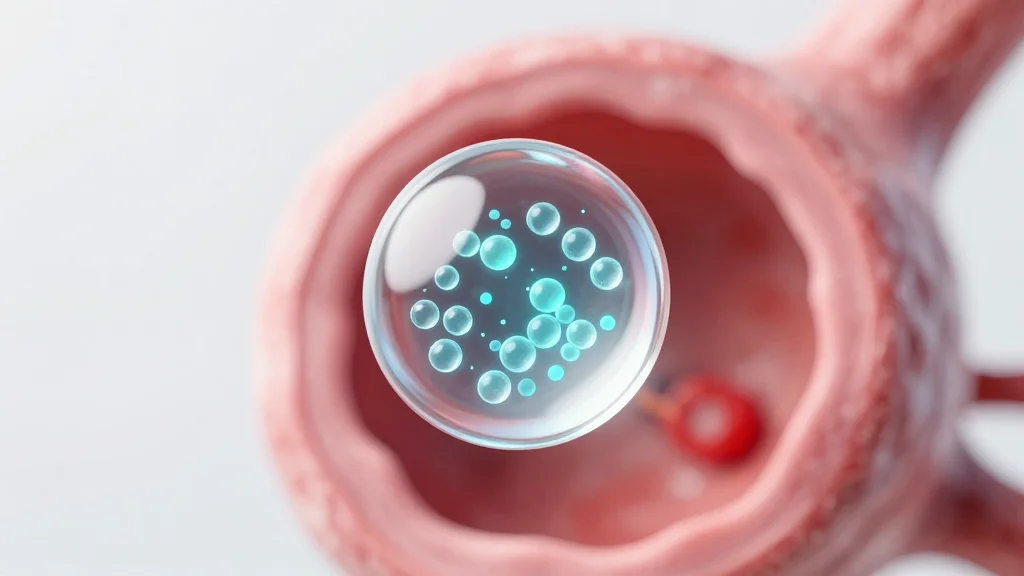
Modified Lipid Nanoparticles Boost Immunity and Cut Vaccine Inflammation
Engineered lipid nanoparticles with modified ionizable lipids enhance immune cell metabolism, improve mRNA vaccine delivery to lymph nodes, and reduce inflammatory side effects in preclinical models. vaccinetechnology
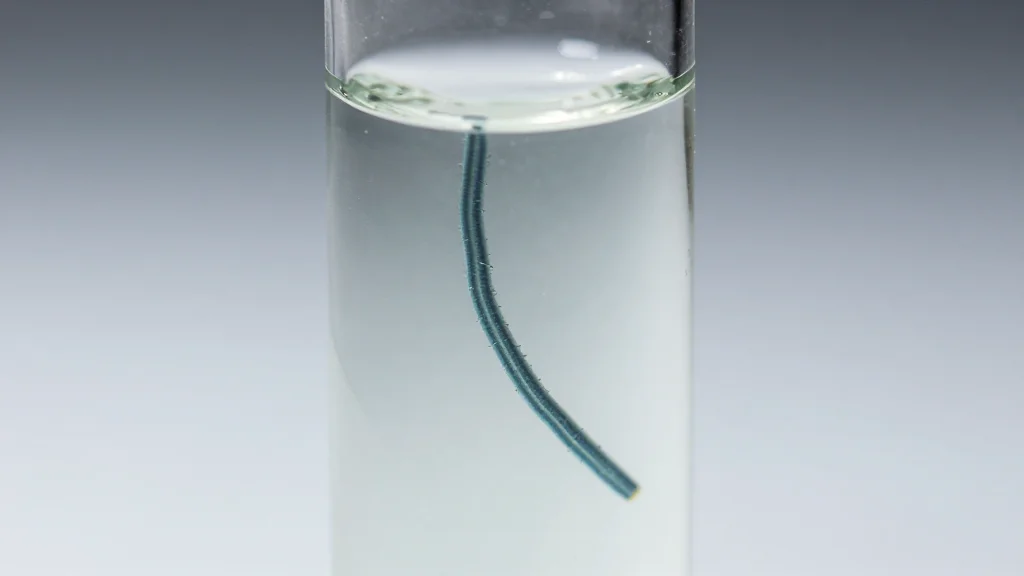
Enhancement of the Adsorption Performance of Multiwalled Carbon Nanotubes via APTES Functionalization for Phenol Removal
Researchers enhanced the adsorption capacity of multiwalled carbon nanotubes (MWCNTs) for phenol removal by functionalizing them with 3‑aminopropyl triethoxysilane (APTES). Oxidation with nitric acid increased adsorption to 17%, while APTES grafting achieved a maximum capacity of 55.17%, surpassing activated carbon....
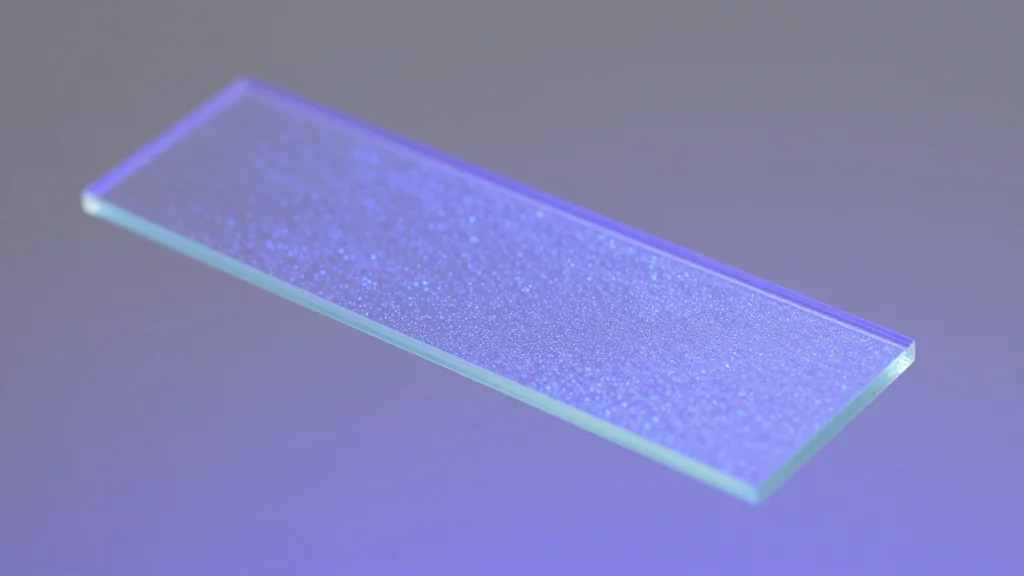
WO3 Nanocomposite Diode for Future Semiconductor Technologies
Researchers fabricated a novel p‑Ag‑WO3/n‑WO3 nanocomposite diode using chemically synthesized WO3 nanoparticles and a dip‑coating process to create a stable p‑n junction. Electrical characterization—including I‑V, C‑V, and impedance analyses—demonstrated rectifying behavior and effective UV photodetection. The device exhibited space‑charge‑limited current...
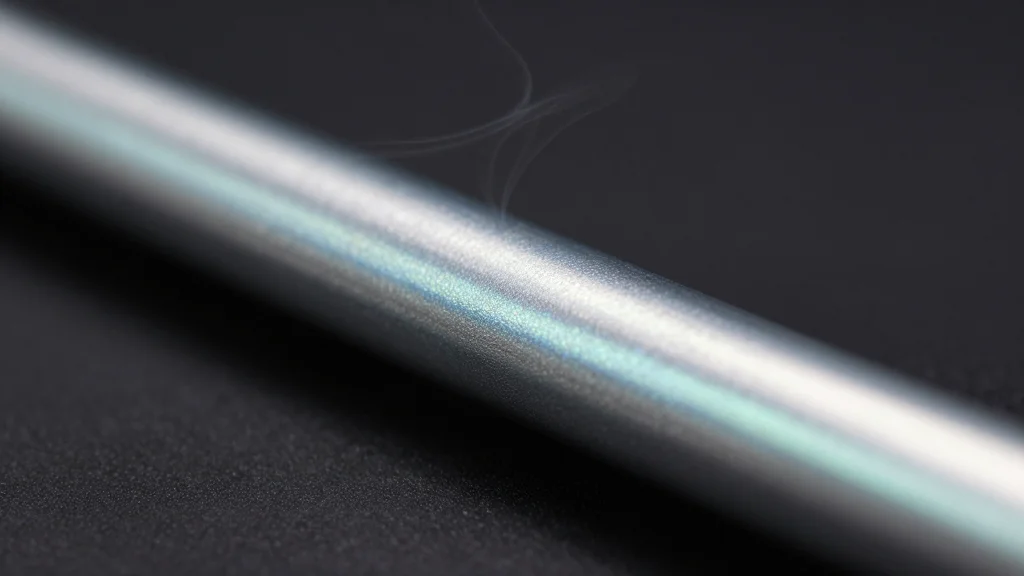
GMG Secures US EPA Approval for THERMAL-XR Coating
Graphene Manufacturing Group (GMG) received U.S. EPA approval to import, sell and distribute its THERMAL‑XR graphene‑based coating system across the United States. The consent order under TSCA allows unlimited shipments, enabling GMG to launch commercial sales through exclusive North American...

Ultrasound-Activated Nanoparticles Breach Bacterial Biofilms
Scientists have engineered silica‑based nanoparticles that encapsulate rifampicin and release it only when exposed to low‑frequency ultrasound. The ultrasound both propels the particles through the protective matrix of bacterial biofilms and triggers cavitation that opens the particles, delivering the antibiotic...
![World’s First Pollen-Based Sunscreen (Derived From Camellia Flower) Is as Effective as Sunscreens with Minerals (Titanium Dioxide [TiO₂] and Zinc...](https://hixhlmpcokxhartfkpyi.supabase.co/storage/v1/object/public/images/thumbnails/468efafa539139c1fc8535c78ad080e7.webp)
World’s First Pollen-Based Sunscreen (Derived From Camellia Flower) Is as Effective as Sunscreens with Minerals (Titanium Dioxide [TiO₂] and Zinc...
Materials scientists at Nanyang Technological University have created the world’s first sunscreen made from Camellia flower pollen. Laboratory tests show the pollen microgel blocks UV rays with SPF 30, comparable to titanium dioxide and zinc oxide formulations, while also keeping skin...
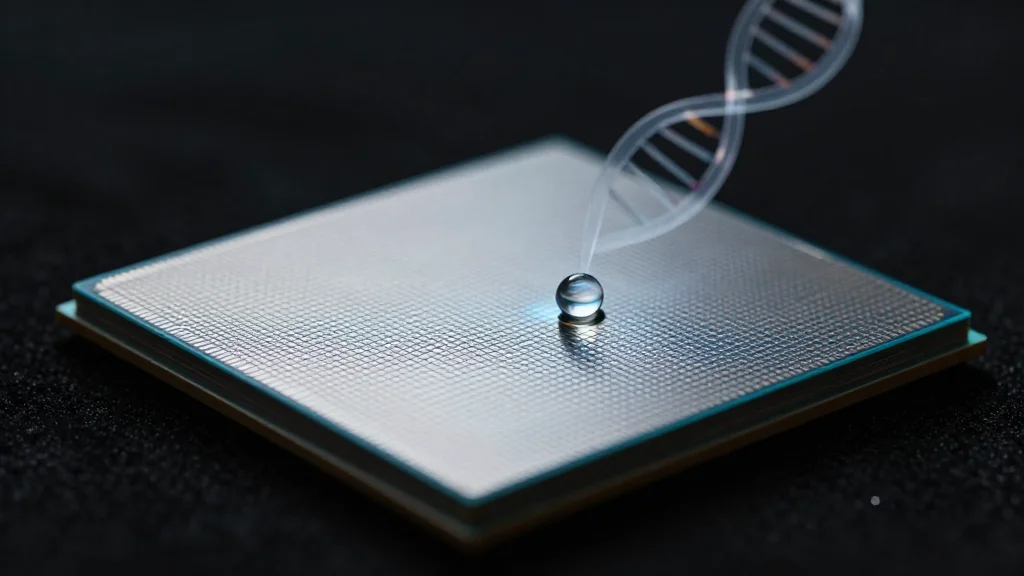
Photonics and Nanotech Could Spot Cancer Signals 5 to 8 Years Earlier
Researchers at the University of Illinois Urbana‑Champaign have engineered a photonic‑nanomaterial platform that senses microRNA and DNA signatures linked to cancer up to five to eight years before conventional diagnostics can. The system leverages photonic crystal grating resonance and nano‑assemblies...
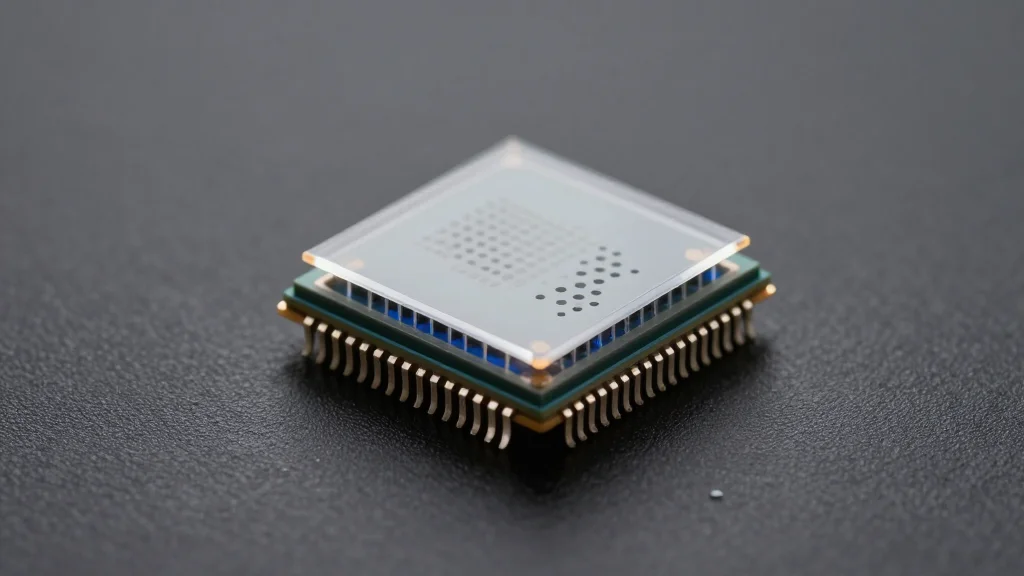
Dual-Gate Vertical Transistor Enables Stable Nanoscale 3D Chip Stacking
Researchers at DGIST unveiled a dual-modulated vertically stacked transistor featuring a graphene top gate and a micro‑hole bottom gate, achieving off‑state leakage as low as 10⁻¹² A. The design eliminates the need for expensive ultra‑precision alignment and operates at low temperatures,...
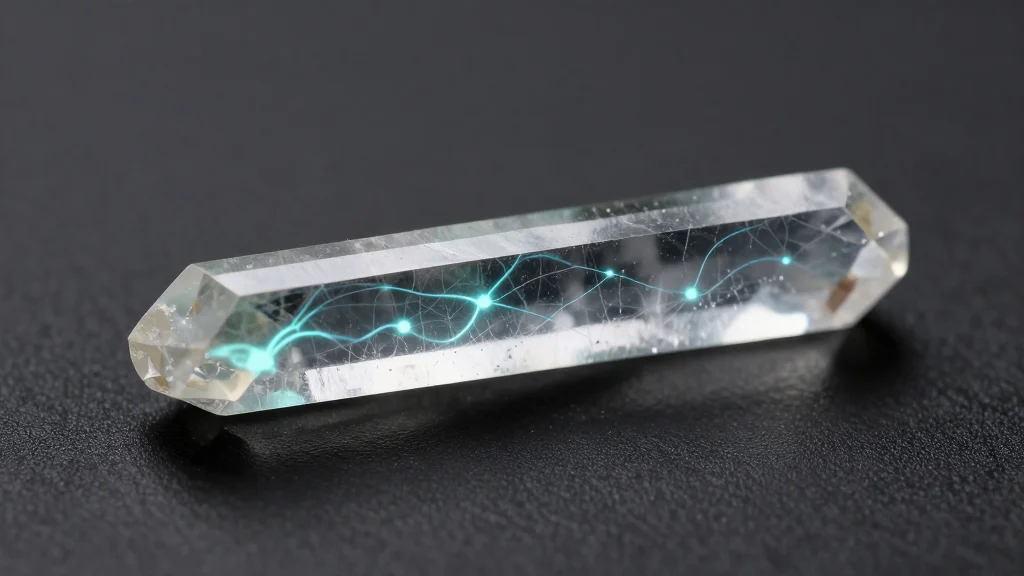
Dislocations Induce Ordered Polar Topologies in Antiferroelectric Thin Films
Researchers have shown that crystal dislocations in antiferroelectric PbZrO₃ thin films act as nucleation sites for ordered polar anti‑hedgehog lattices. Using atomic‑resolution TEM and phase‑field modeling, they demonstrated that electrostrictive and flexoelectric coupling at dislocation cores generates local electric fields...
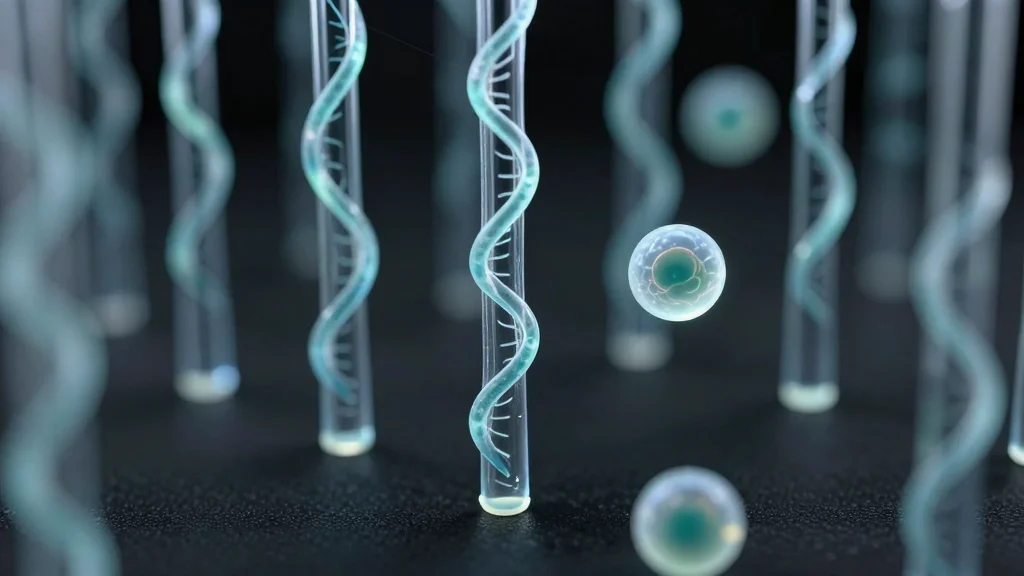
Silicon Nanotube Arrays Deliver mRNA Into Human Stem Cells While Preserving Pluripotency
A team from Monash and Deakin Universities demonstrated that silicon nanotube arrays can deliver functional mRNA into human induced pluripotent stem cells (hiPSCs) with transfection efficiencies between 55% and 64%. By redesigning nanotube geometry, using low‑molecular‑weight poly‑D‑lysine, and adjusting the...
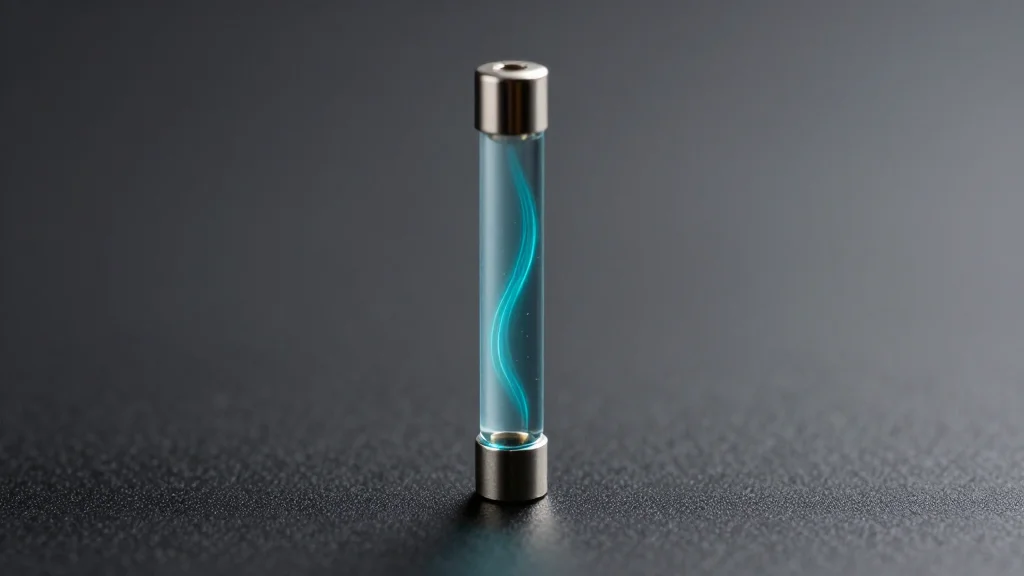
Hydrogen-Controlled AI Semiconductor Enables Learning and Memory in Two-Terminal Device
Researchers at DGIST have demonstrated the first AI semiconductor that uses electrically controlled hydrogen‑ion migration to perform both computation and memory in a vertical two‑terminal device. The hydrogen‑based resistive switching replaces traditional oxygen‑vacancy mechanisms, delivering uniform, stable operation over more...
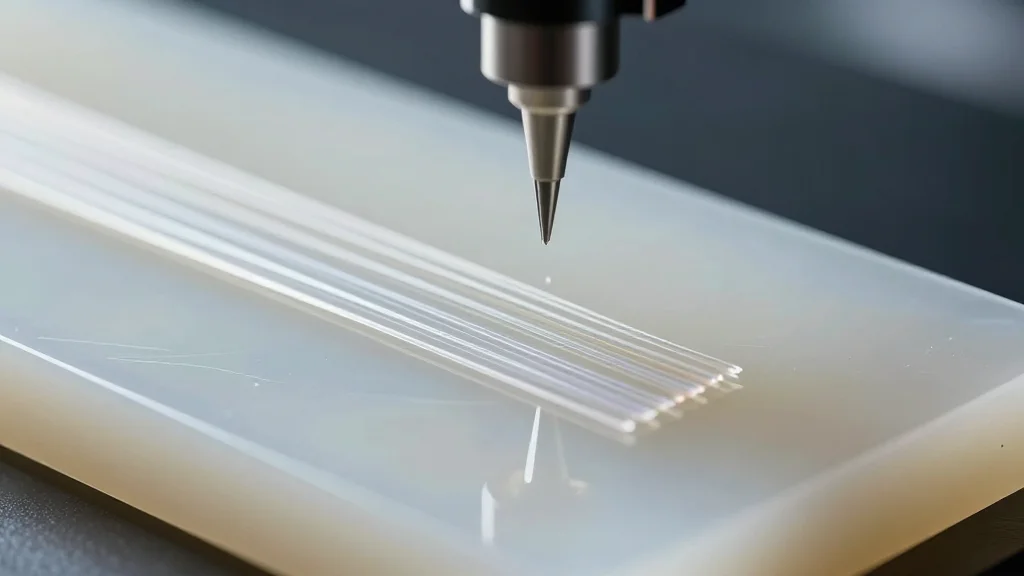
AI Decodes the Rules Behind Self-Assembling Protein Nanoribbons
Researchers at Pacific Northwest National Laboratory used the machine‑learning tool AtomAI to analyze atomic force microscopy images of designed protein nanoribbons on mica. The study discovered that a thin water layer on the mineral surface, not the underlying potassium lattice,...
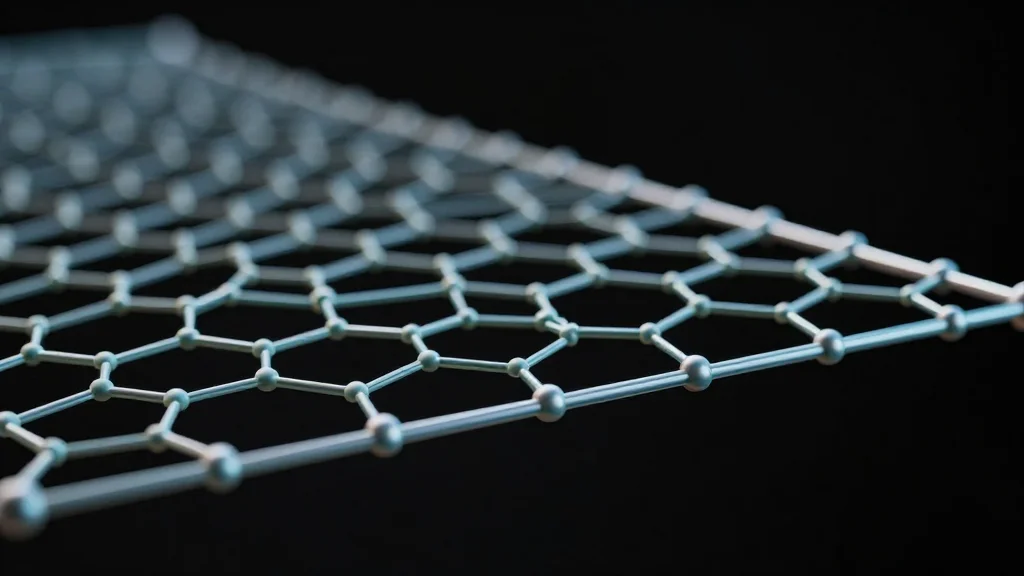
Graphene-Info Launches a New Version of Its CVD Graphene Market Report
Graphene-Info has launched the latest edition of its CVD Graphene Market Report, providing comprehensive data on chemical vapor deposition (CVD) graphene. The report details how CVD graphene differs from other forms, its properties, applications, and lists all active developers and...

Exploring Light and Life: Nanophotonics and AI for Molecular Sequencing and Single-Cell Phenotyping
Prof. Dionne introduced VINPix, a silicon‑photonic resonator platform with ultra‑high Q factors and sub‑wavelength mode volumes, capable of housing over 10 million devices per square centimeter. Coupled with acoustic bioprinting and artificial intelligence, the system promises simultaneous detection of genes, proteins,...
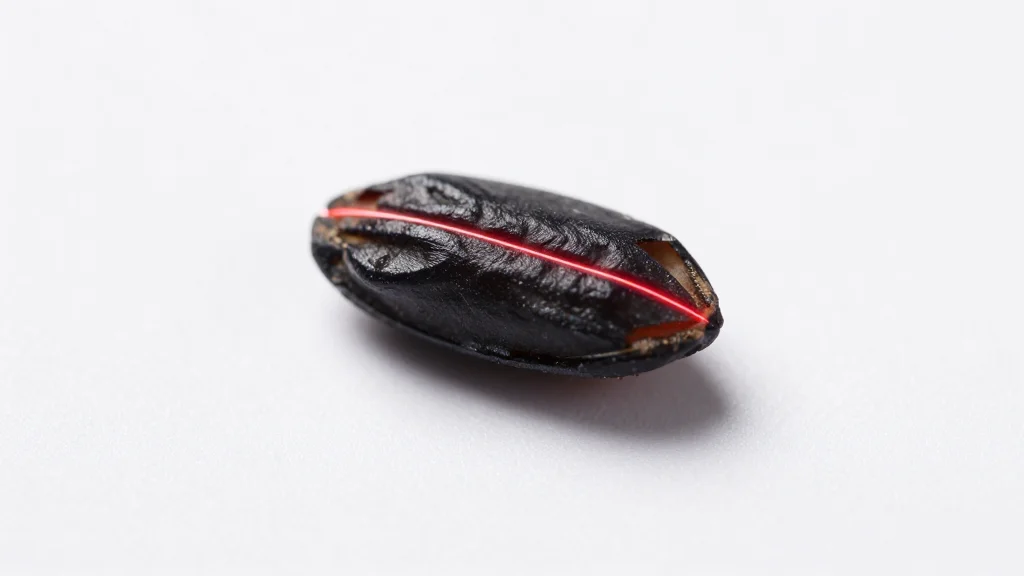
Artist Electrifies Paintings with Rice Lab’s Graphene
📰 🧪 James Tour Group in the News: Artist uses Rice lab’s laser-induced graphene to electrify his artworkAn article featuring Joseph Cohen’s artwork mentions that it was created […] https://t.co/fJ0GKOoOtz
Ni‐Atom Induced Interface Water Reorientation Around Ru Clusters for Alkaline Hydrogen Evolution Reaction
Researchers introduced single Ni atoms into Ru clusters supported on nitrogen‑boron doped carbon to manipulate interfacial water structure for alkaline hydrogen evolution. The Ni atoms shift the charge distribution of Ru, causing K⁺·H₂O hydrate molecules to reorient and bind more...
Graphene Oxide Quantum Dots Enable Biosensing of Depression Biomarkers
University of Delhi researchers have introduced an eco‑friendly method to synthesize graphene oxide quantum dots (GO QDs) using citric acid, producing uniform 23.4 nm particles with a negative surface charge. The GO QDs enable dual‑mode biosensing—optical fluorescence and electrochemical detection—of the...