Today's Nanotech Pulse

Left‑handed DNA origami tubes double chemotherapy efficacy
Researchers at the Cancer Center at Illinois showed that left‑handed DNA origami tubes loaded with the drug Daunorubicin kill acute myeloid leukemia cells more than twice as effectively as right‑handed tubes. The tubes display CD117‑targeting aptamers and their left‑handed geometry promotes rapid internalization, boosting cell‑killing potency.
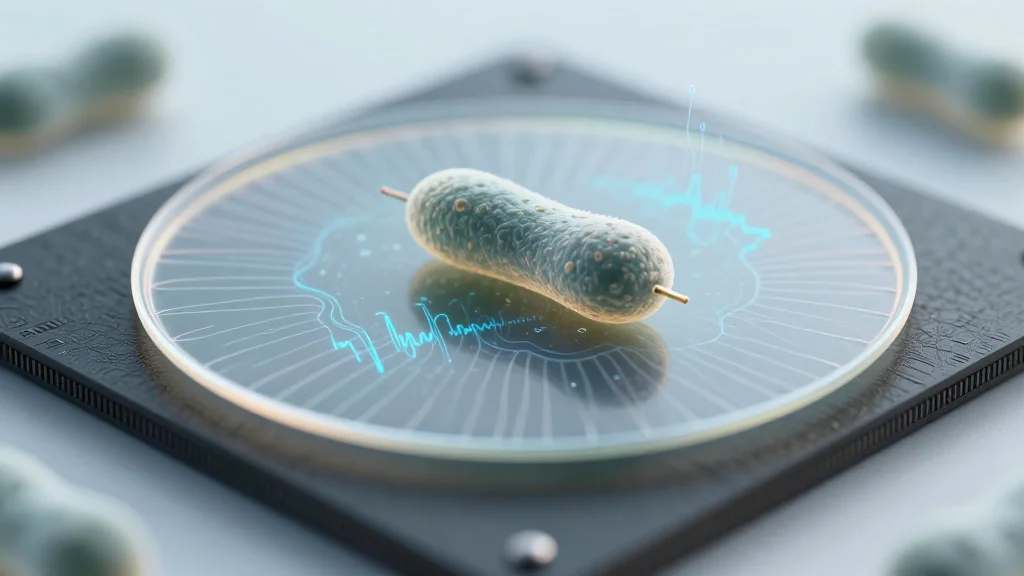
Researchers Develop Graphene Nanodrum and AI Platform for Rapid Single-Cell Bacterial ID and Antibiotic Testing
Researchers at TU Delft, its spin‑off SoundCell, and Reinier Haga MDC have created a graphene‑based nanodrum platform that reads the nanomotion of individual bacteria and feeds the data to AI models for rapid identification and antibiotic susceptibility testing. The label‑free system distinguishes Escherichia coli, Staphylococcus aureus and Klebsiella pneumoniae with up to 88 % species‑identification accuracy and achieves 98.6 % accuracy in detecting meropenem‑resistant E. coli. Results are delivered in 1–2 hours without additional culturing, merging ID and AST into a single measurement. The approach promises a scalable, cartridge‑compatible diagnostic tool.
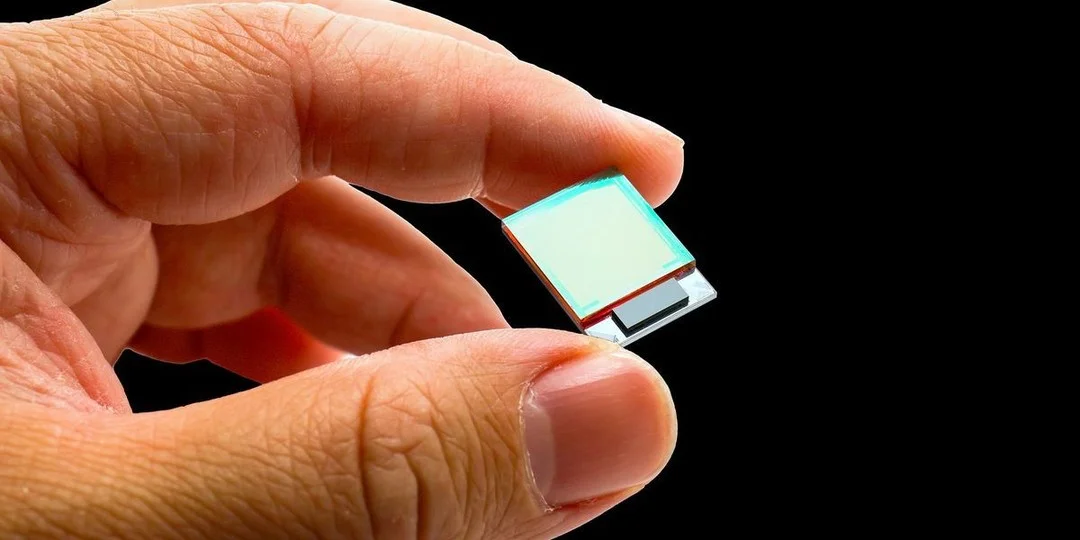
Invisibility‑Cloak Tech Boosts Optical Switching in Data Centers
The same technology that could be used to create “invisibility cloaks” has applications in data centers, speeding up optical switching. https://spectrum.ieee.org/optical-metamaterials-ai-data-centers
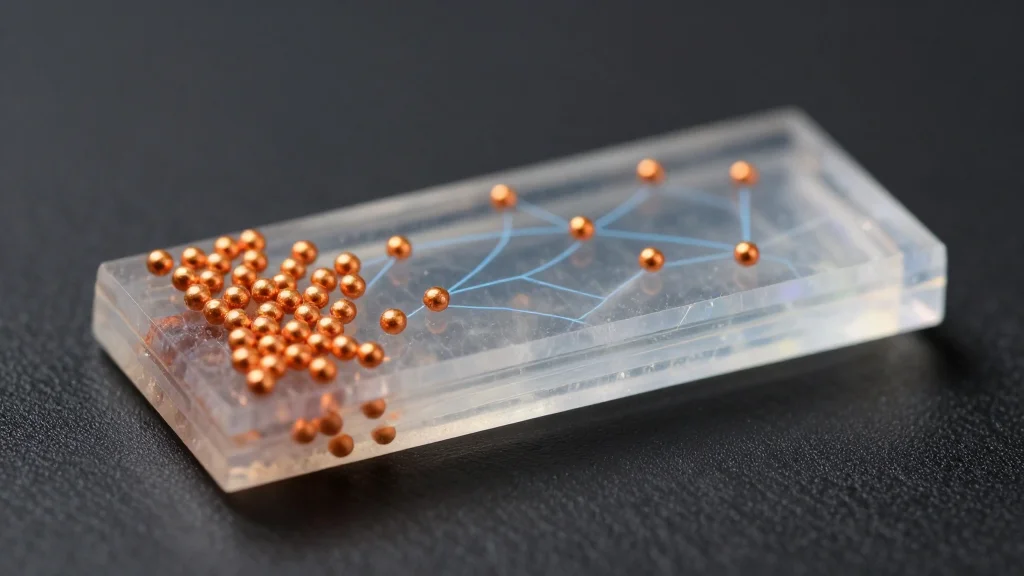
Rejuvenation of Mechanical Fatigue Resistance in 2D Ferroelectric CuInP2S6 by Reversing Ionic Motion
Researchers demonstrated that the two‑dimensional ferroelectric CuInP2S6 (CIPS) can withstand mechanical stresses up to 7 GPa for more than ten million loading cycles, far surpassing conventional ferroelectric oxides. Cyclic loading induces Cu⁺ ion aggregation, which creates lattice disorder and fatigue. Applying...
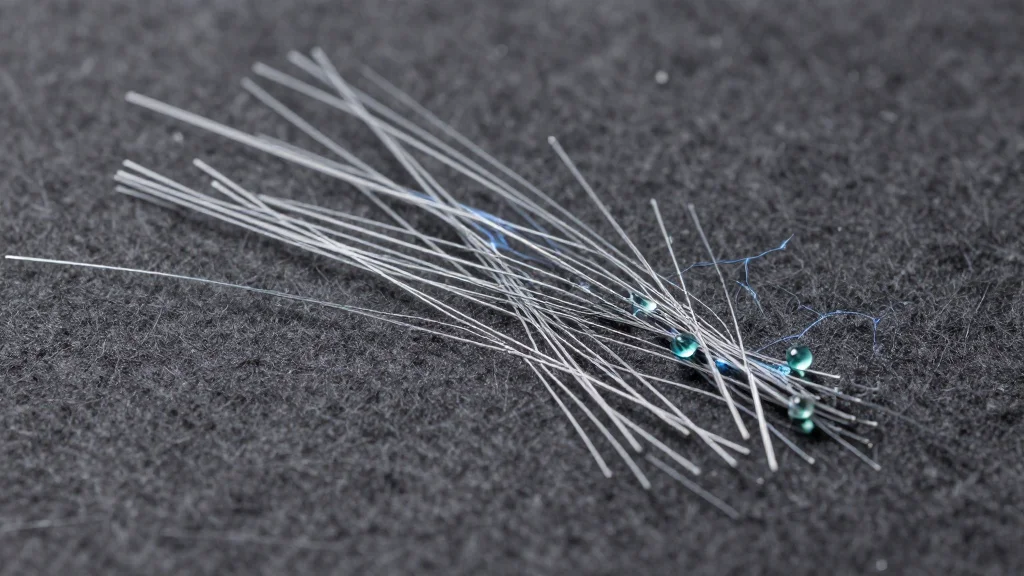
A Bifunctional Nitrogen‐Doped Electrode with High Catalytic Activity and Stability for Energy‐Efficient V3.5+ Electrolyte Production and High‐Performance Vanadium Redox Flow...
Researchers introduced a surface‑architecting method using polyaniline self‑assembly to create a nitrogen‑doped carbon nanofiber network on graphite felt (NGF). In a flow electrolyzer, the NGF electrode reduced energy consumption per unit conversion by 60.25% relative to untreated felt and 41.63%...

Prodrug‑Tethered Lipid Nanoparticles Deliver Dual mRNA‑Drug Therapy for Solid Tumors
Researchers in Michael Mitchell’s lab at the University of Pennsylvania have engineered lipid nanoparticles that simultaneously carry mRNA and a linked drug, creating a combined immunotherapy platform for solid tumors. The new prodrug‑tethered LNPs aim to activate immune cells while...

Graphene Helps Molecular Qubits Keep Strong Antiferromagnetic Order
Researchers deposited a monolayer of the copper‑based molecular qubit Cu(dttt)₂ onto graphene grown on silicon carbide and demonstrated that the film retains the bulk‑like one‑dimensional antiferromagnetic order. Scanning tunneling microscopy, X‑ray spectroscopies and density‑functional theory show densely packed, flat chains...

First Quantum Diamond Microscopy System Lands in US for Advanced Chip Failure Analysis
QuantumDiamonds GmbH has installed its QD m.1 quantum‑diamond microscopy system at Eurofins EAG Laboratories in Sunnyvale, marking the first North‑American deployment of a commercial QDM tool. The QD m.1 uses nitrogen‑vacancy centers in synthetic diamond to produce three‑dimensional, micrometer‑scale magnetic current maps of...

Synthetic Worm-Like Metamaterials that Learn, Adapt and Evolve Like Living Systems
Researchers at the University of Amsterdam unveiled worm‑like metamaterials composed of motorised hinges that can learn, forget, and toggle between multiple shapes without any central controller. Each hinge houses a microcontroller that records rotation, shares data with neighbors, and adjusts...
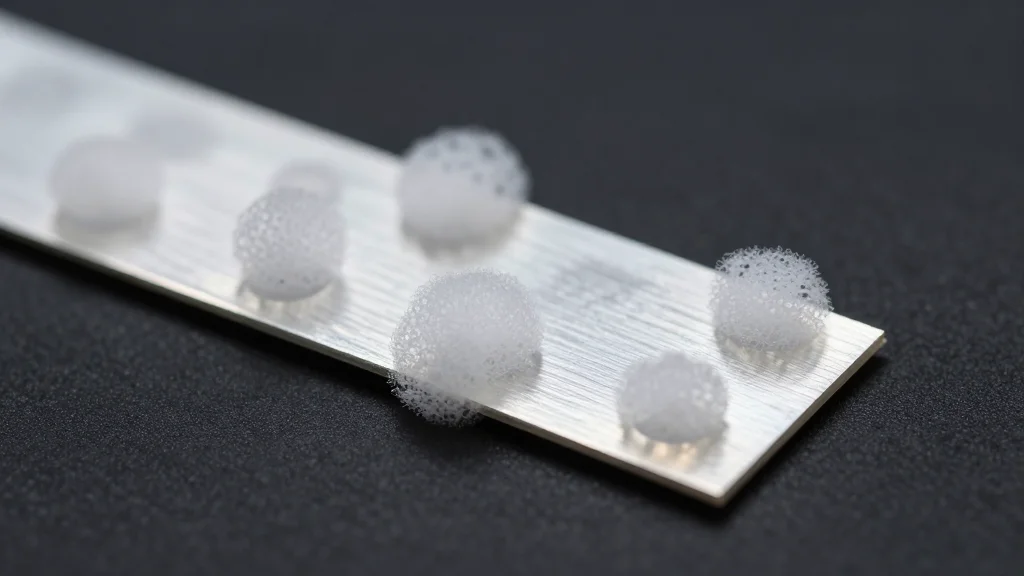
Visible Light Replaces Metal Catalysts in New Method for Making Porous Semiconducting Polymers
Researchers at Koç University introduced a visible‑light‑driven synthesis that uses bismuthene as a photocatalyst to create porous semiconducting polymers without metal catalysts, operating under ambient conditions. The approach revives century‑old diazonium chemistry, yielding high‑molecular‑weight polymers and allowing direct halogen incorporation....

More than a Pretty Picture, Star-Shaped Nanomaterial Changes Energy Storage
University at Buffalo scientists synthesized the first star‑shaped vanadyl hydroxide (VOOH) nanomaterial, converting its electrochemical profile from a bulk‑like battery to a surface‑dominant pseudocapacitor. The transformation occurs over 84 hours as flat sheets evolve into rods and finally six‑armed stars, dramatically...

European Team Cools Silica Nanorotor to Quantum Rotational Ground State
Researchers from the University of Vienna, TU Wien and Ulm University have, for the first time, cooled a levitated silica nanorotor to its quantum rotational ground state. The 150‑nm particle was brought to 20 µK, limiting its angular uncertainty to about...
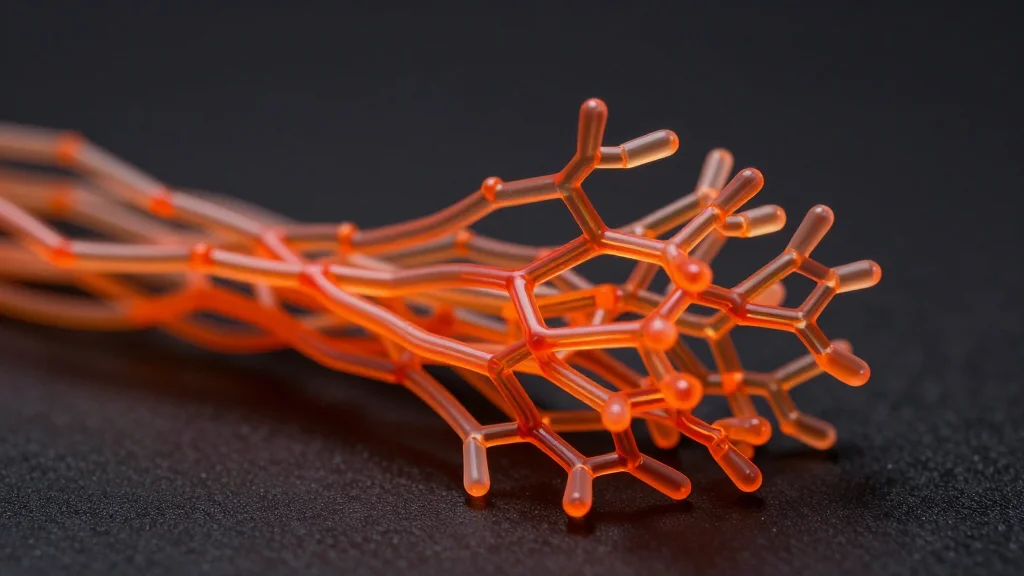
Molecular Engineering‐Regulated Donor‐Acceptor 1D Covalent Organic Frameworks with Bipolar Redox‐Active Centers for High‐Performance Organic Li‐Ion Battery Cathodes
Researchers have synthesized two donor‑acceptor type one‑dimensional covalent organic frameworks (1D COFs) with bipolar redox‑active centers and integrated them onto carbon nanotubes (CNT) to form dendritic core‑shell composites. Molecular engineering narrowed the energy gap, boosting electronic conductivity, while in‑situ CNT...
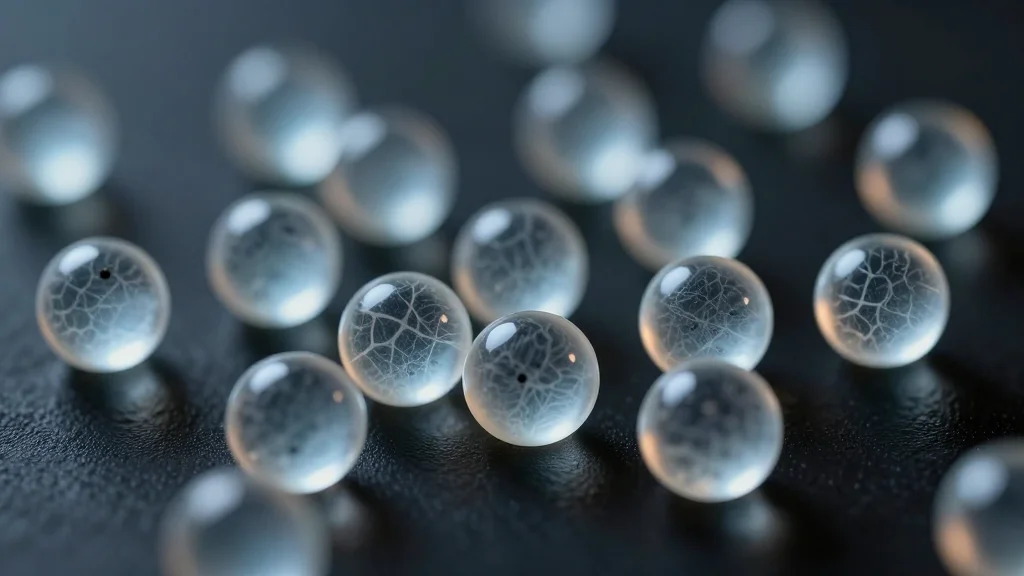
Sulfur‐Vacancy Anchoring Suppresses Dynamic Surface Reconstruction in Ni‐Doped ZnS Nanospheres to Trigger the Lattice Oxygen Mechanism
Researchers have shown that sulfur vacancies in nickel‑doped zinc sulfide nanospheres suppress dynamic surface reconstruction during the oxygen evolution reaction (OER). The vacancies limit metal dissolution and promote formation of a Ni‑Zn(OH)2/ZnS heterojunction, which weakens Zn‑O bonds and activates the...

Sulfur‐Vacancy Anchoring Suppresses Dynamic Surface Reconstruction in Ni‐Doped ZnS Nanospheres to Trigger the Lattice Oxygen Mechanism (Small 20/2026)
Researchers demonstrated that sulfur vacancies in nickel‑doped ZnS nanospheres act as anchoring centers, limiting uncontrolled surface reconstruction during oxygen evolution reaction (OER). This controlled reconstruction triggers the lattice‑oxygen mechanism (LOM), delivering higher catalytic activity than conventional pathways. The study clarifies...
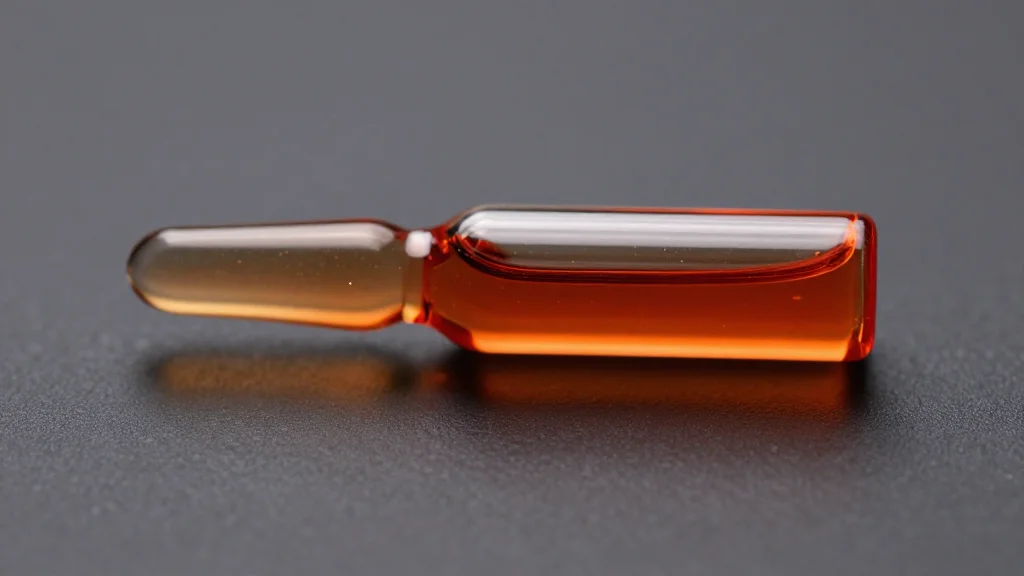
Self‐Assembled Carrier‐Free Nanomedicines Potentiate Chemo‐Photothermal Immunotherapy by Overcoming Prostaglandin E2‐Mediated Immunosuppression
Researchers have created a carrier‑free nanomedicine that self‑assembles indocyanine green, paclitaxel and celecoxib to treat triple‑negative breast cancer (TNBC). The formulation delivers combined chemo‑photothermal therapy while inhibiting the COX‑2/PGE2 inflammatory axis that fuels immunosuppression. In preclinical models, the nanomedicine markedly...
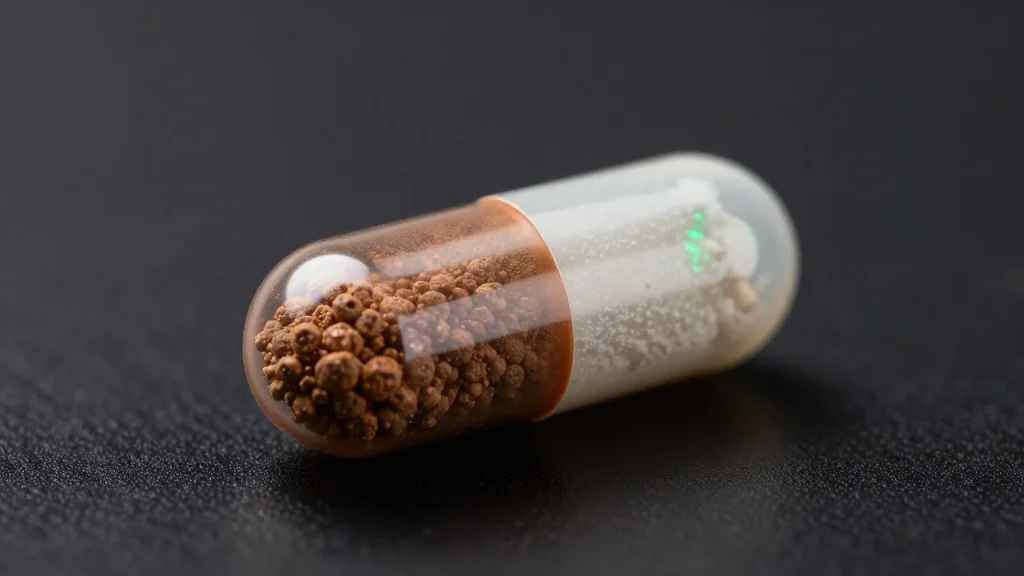
Programmable Biohybrid Probiotics with Long‐Term Storage Stability for Enhanced Intestinal Microbiota Regulation and Ulcerative Colitis Treatment
Researchers unveiled a multilayer encapsulation platform that merges a metal‑polyphenol network, silica shell, and iron‑based metal‑organic framework to shield the anaerobic probiotic Bifidobacterium longum. The system achieved a 41‑fold boost in aerobic storage stability and an 871‑fold increase in gastric...
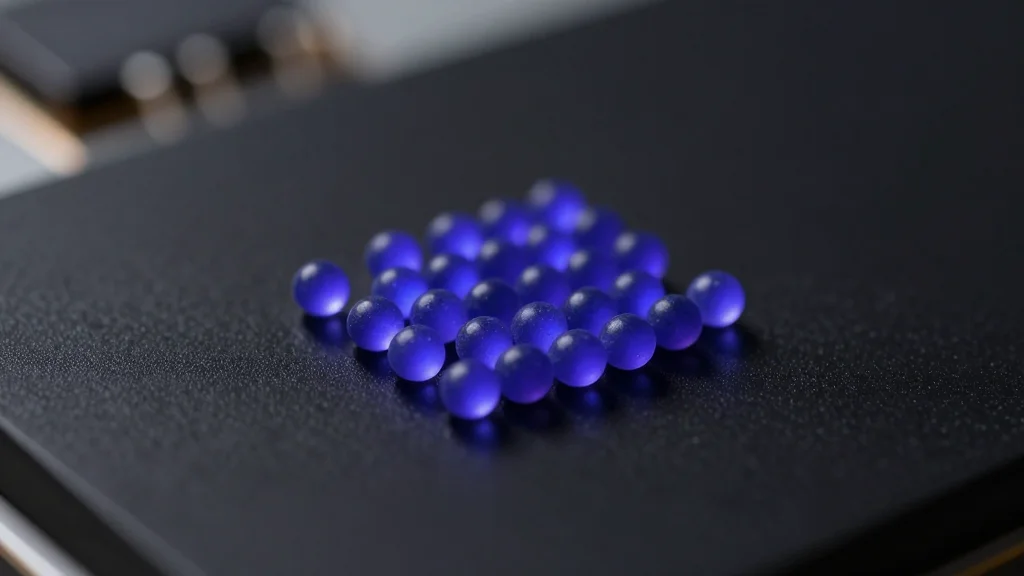
Highly Reproducible Synthesis of PbS Quantum Dots With In Situ Halide Passivation for Short‐Wave Infrared Imaging Chips
Researchers have introduced a highly reproducible method for synthesizing lead‑sulfide (PbS) quantum dots using ethyl ziram as the sulfur precursor. The process yields self‑terminated growth, delivering monodisperse particles with superior surface passivation and photoluminescence quantum yields. Integrated into short‑wave infrared...
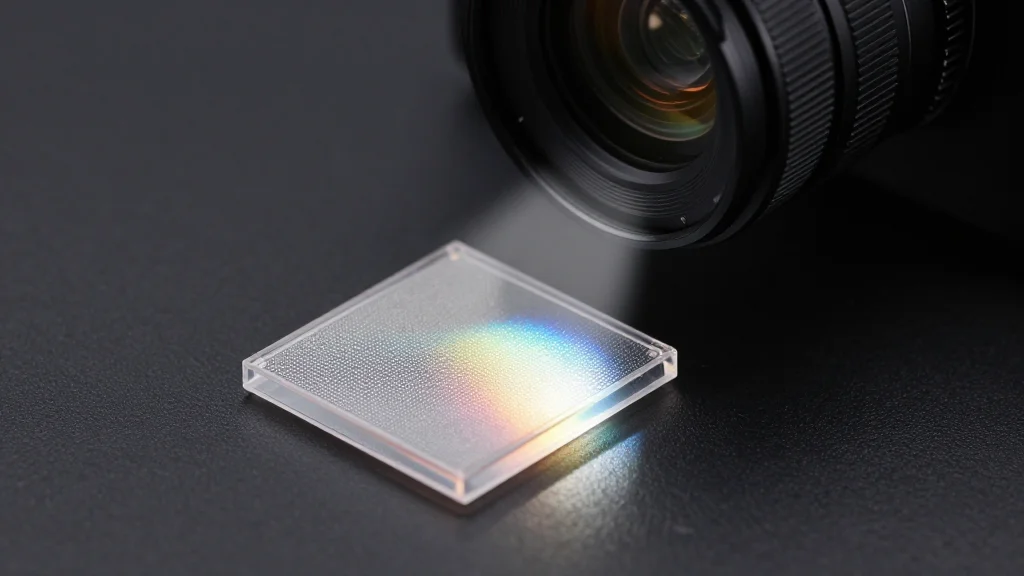
Polymer‐Based Prism‐Free Nanograting SPR Imaging Enables Multiplexed Detection and Single‐Step Aptamer Binding Kinetics (Small 20/2026)
Researchers led by Chia‑Fu Chou have unveiled a prism‑free, polymer‑based nanograting surface plasmon resonance imaging (SPRi) platform that operates with normal‑incidence optics and camera detection. The disposable chip integrates a custom microarrayer, enabling multiplexed biomolecular analysis in a single run....
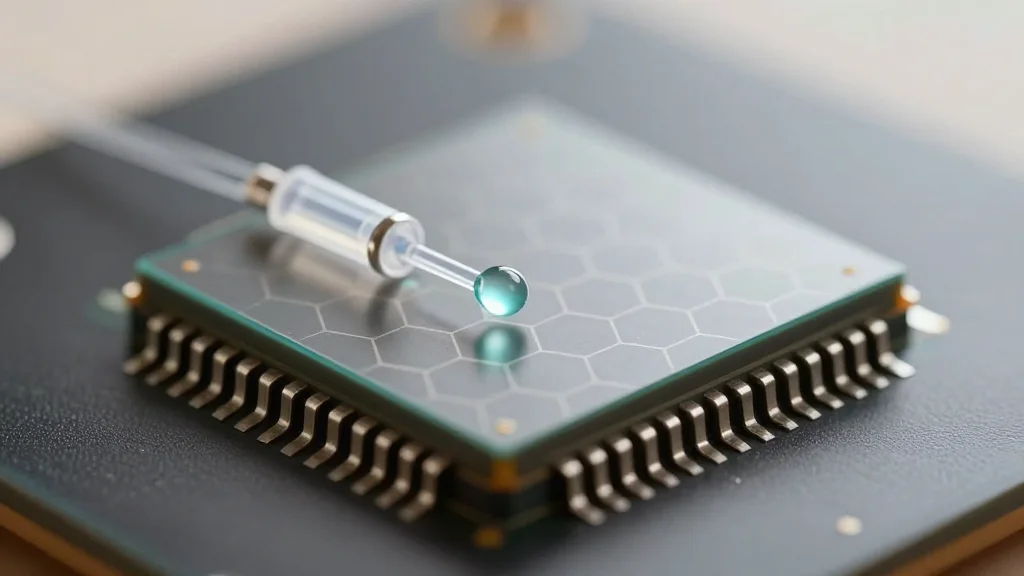
Archer Materials Advances Silicon Biochip Beta Prototype While Reaffirming Graphene as Next‑generation Platform
Archer Materials announced that its Stage 1 biochip project with IMEC is complete and the company is moving to a silicon‑based beta prototype. The prototype will combine a functionalized potassium sensor with cartridge engineering, microfluidics, and readout electronics for external validation....

Polish Researchers Trap Infrared Light in 40‑nm Layer, 1,000× Thinner Than Hair
A team from the University of Warsaw and partner Polish institutes demonstrated a sub‑wavelength grating that traps infrared light in a 40‑nanometre film—over 1,000 times thinner than a human hair. The MoSe₂‑based structure amplifies third‑harmonic generation by more than 1,500...

3D‑Printed Spanlastics Directly Target Tumors, Cut Side Effects
3D-printed spanlastics, microscopic carriers for cancer drugs, show potential to target tumors directly and reduce side effects by concentrating therapy at the tumor site rather than throughout the body. nanotechnology
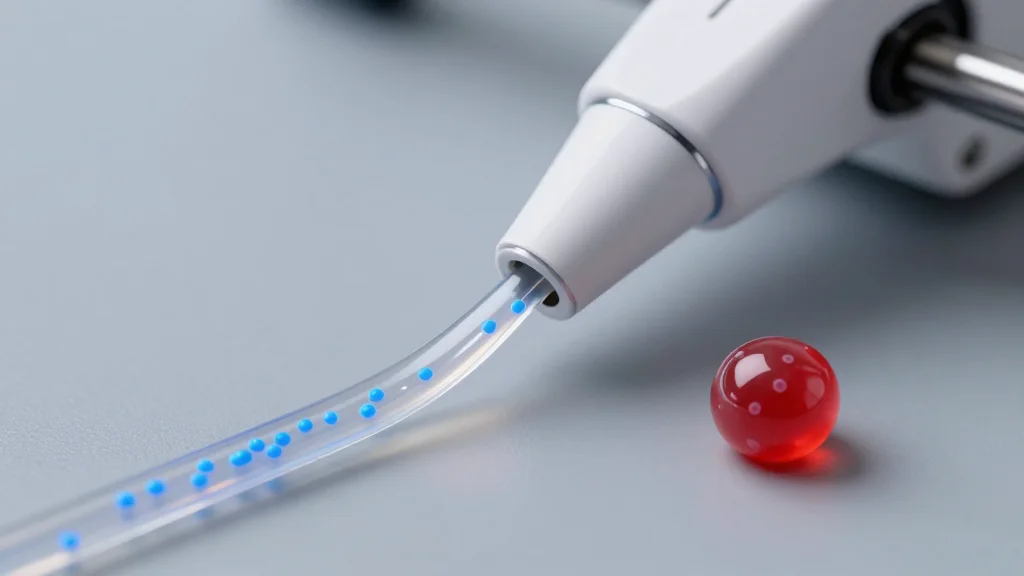
3D-Printed 'Spanlastics' Could Change How Cancer Drugs Reach Tumors
University of Mississippi researchers unveiled a FRESH 3D‑printing technique that fabricates hydrogel‑based spanlastic nanocarriers, 200–300 nm in size, loaded with anticancer drugs such as doxorubicin. The printed implants can be placed directly onto tumor sites, delivering high‑dose therapy locally while shielding...
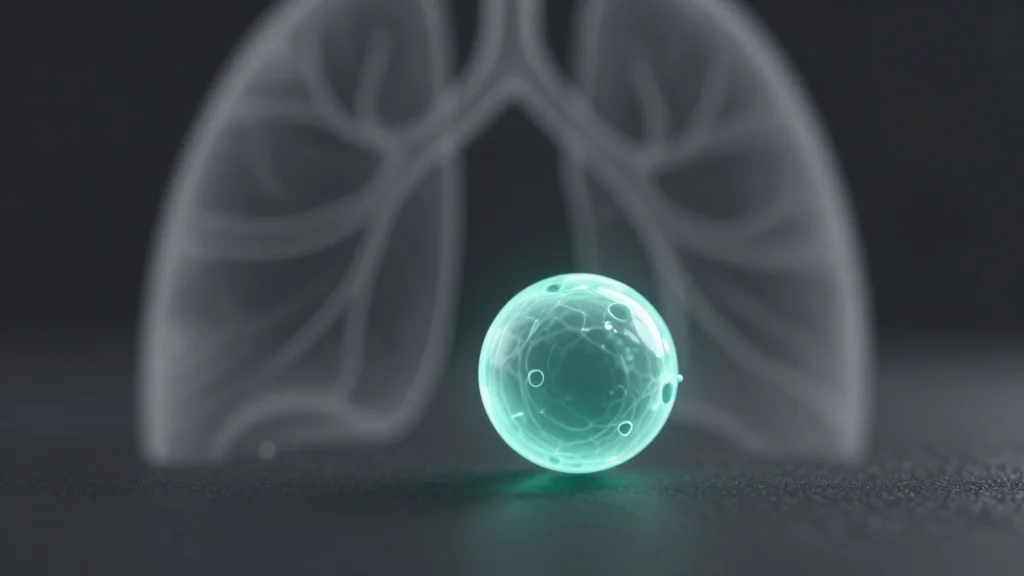
A Nanoparticle Therapy to Treat Lung Cancer and Associated Muscle Wasting at the Same Time
Researchers at Oregon State University have engineered lipid nanoparticles that carry follistatin messenger RNA to lung tumors, simultaneously attacking the cancer and the muscle‑wasting cachexia that often accompanies it. In mouse models the nanocarriers bind circulating vitronectin, home to integrin‑rich...
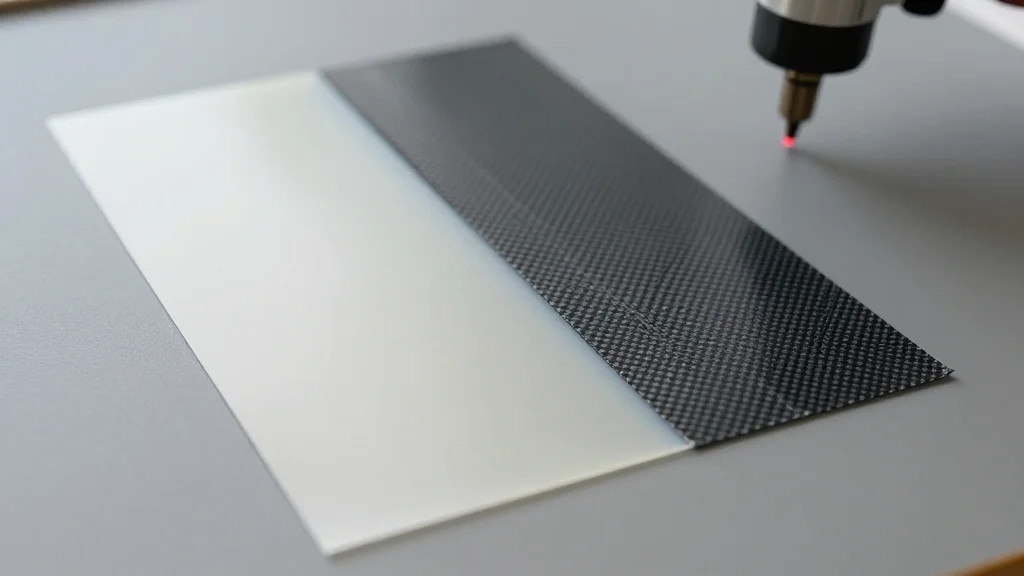
Stitching Precise Patterns – With Lasers
University of Pittsburgh engineers have devised a laser‑induced graphene (LIG) manufacturing method that uses an iron‑oxide ink layer to precisely control graphene formation on polymer films. The technique enables tunable electrode thickness and conductivity, and can create graphene on either...
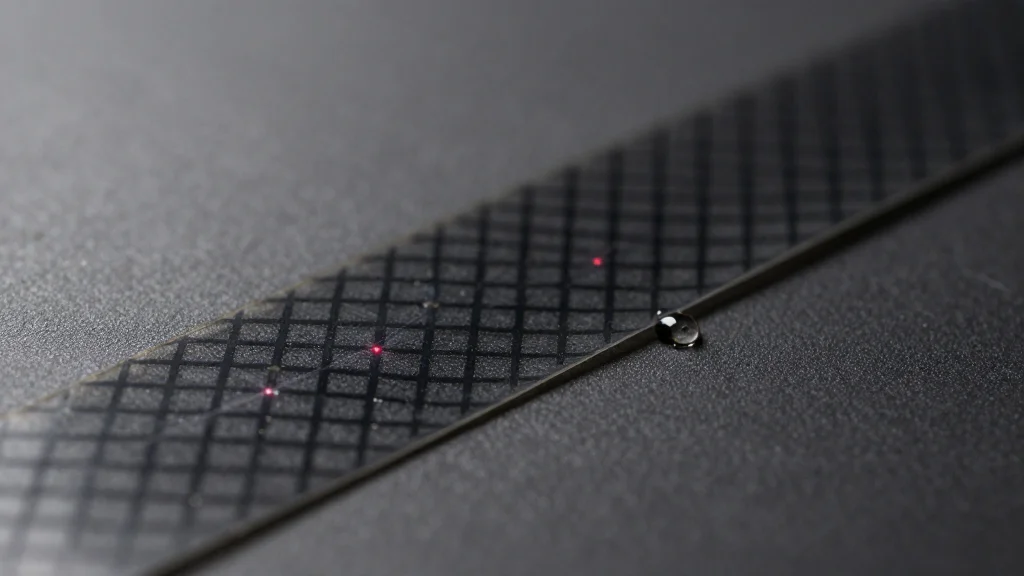
Stitching Precise Patterns—With Lasers
University of Pittsburgh researchers have introduced a laser‑induced graphene (LIG) technique that uses an iron‑oxide ink layer to precisely control graphene thickness and side‑selective formation on polymer films. The method enables the fabrication of flexible microelectrodes that can detect neurotransmitters...

Mayo Clinic's Dual-Drug Nanotherapy Doubles Survival in Glioblastoma Models
Mayo Clinic scientists have created a lipid‑based nanocarrier that transports everolimus and vinorelbine across the blood‑brain barrier, extending survival more than twofold in patient‑derived glioblastoma models. The preclinical breakthrough could reshape treatment strategies for the deadliest brain cancer.
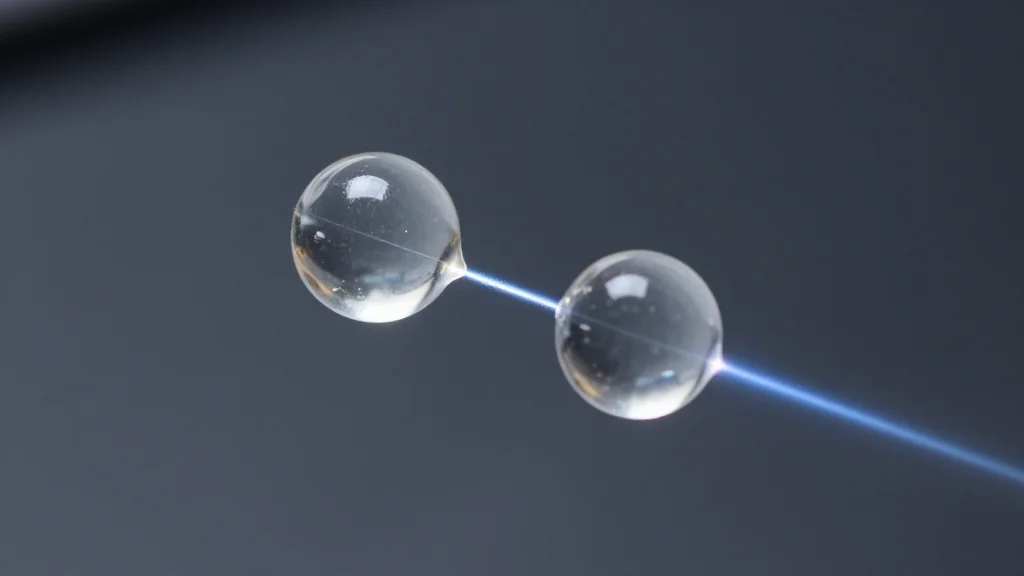
Quantum Ground State of Rotation Achieved for the First Time in Two Dimensions
A team from the University of Vienna, TU Wien and Ulm University cooled the rotational motion of a levitated silica nanorotor to its quantum ground state in two orientational dimensions. The rotor, a dumbbell of two 150 nm silica spheres, reached...
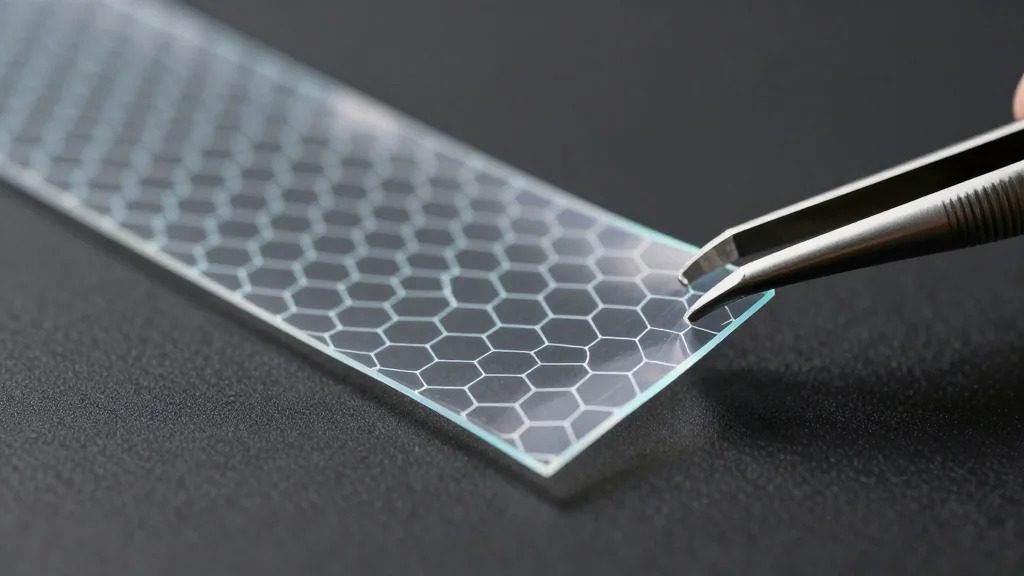
Advanced Carbons Council 2026 Report Maps Global Graphene Industry
The Advanced Carbons Council (ACC) has published its 2026 Graphene Report, mapping the global graphene industry with 194 verified company profiles and strategic market analysis. The report covers production methods, pricing dynamics, applications across all graphene forms, and standards such...

KAIST’s Seven‑Metal Electrode Triples Green‑Hydrogen Output
A team led by Professor Lee Kang‑taek at KAIST unveiled a high‑entropy dual‑perovskite oxygen electrode that triples green‑hydrogen production and raises power density 2.6‑fold. The breakthrough, published in Advanced Energy Materials, could accelerate commercial rollout of proton‑conducting electrochemical cells.

Nanotube Injector Boosts Mitochondrial Performance Through Cytoplasmic Transfer
Researchers at Waseda University unveiled a gold‑membrane nanotube injector that can extract and deliver cytoplasmic material—including intact mitochondria—between living cells. By fine‑tuning nanotube dimensions and internal air pressure, the system achieves over 90% transfer efficiency while preserving roughly 95% cell...

Swiss-U.K. Team Shows Nanoparticles Reverse Alzheimer’s in Mice
Scientists from the Paul Scherrer Institute and University College London unveiled a bioactive nanoparticle that crossed the blood‑brain barrier, removed up to 60% of toxic amyloid proteins in an hour, and fully restored cognitive function in aged mice. The breakthrough...
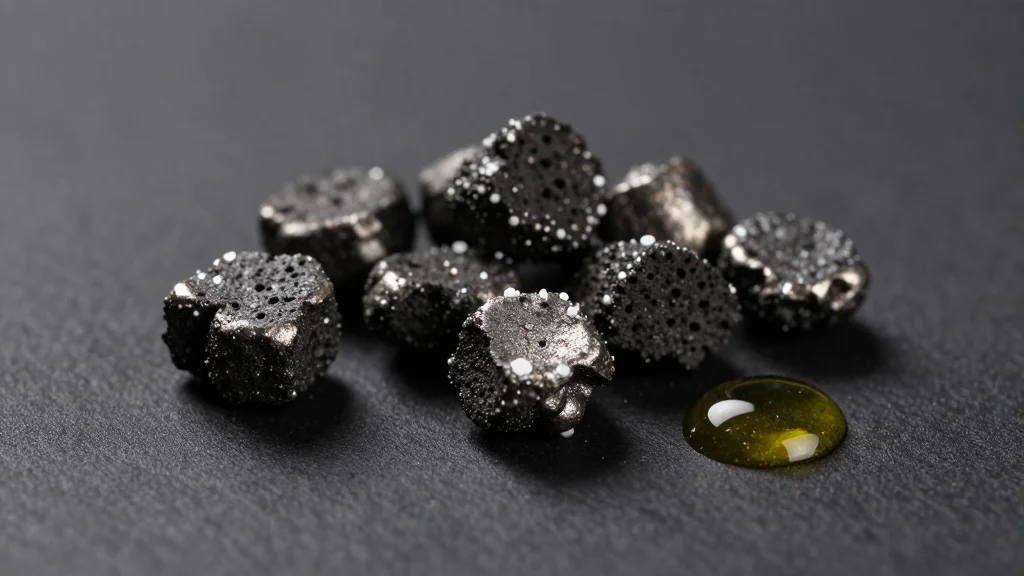
MBC-Guanidine-Ni: A Stable Magnetic Biochar-Based Nanocatalyst for Optimization and Control of a Coupling in the Propargylamine Synthesis
Researchers at Ilam University have developed a magnetic biochar nanocatalyst (MBC‑Guanidine‑Ni) derived from olive‑kernel waste that combines guanidine functional groups with nickel sites. The catalyst contains 4.14 wt% nickel, exhibits a saturation magnetization of 42 emu/g for rapid magnetic separation, and remains...
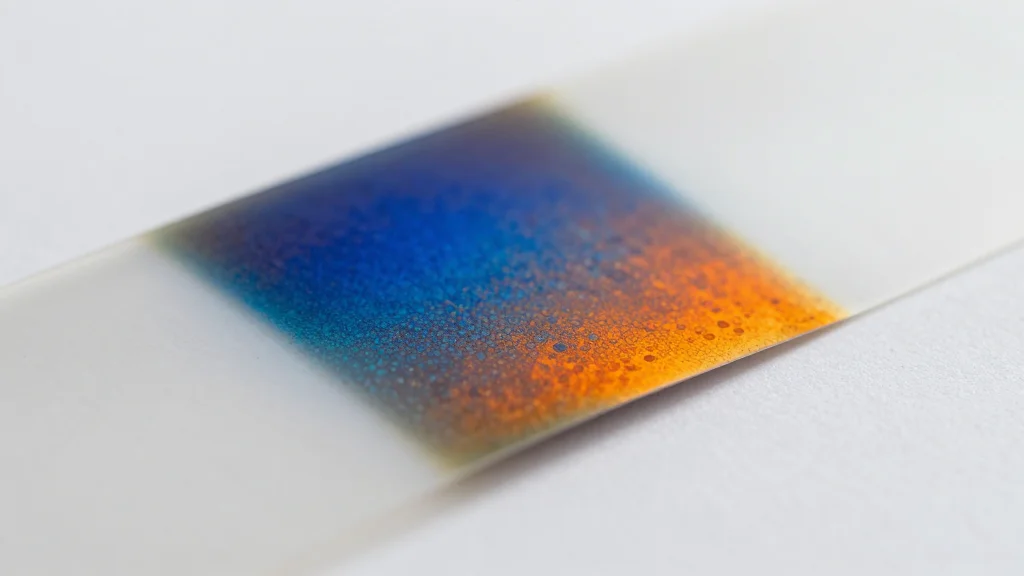
Inkjet Printers Now Capable of Producing Structural Colors
Researchers at Kobe University have created an inkjet‑compatible suspension of silicon nanospheres that produces vivid, non‑fading structural colors on flat and three‑dimensional surfaces. By coating each nanosphere with a thin silica shell, the team prevented particle aggregation, preserving the precise...
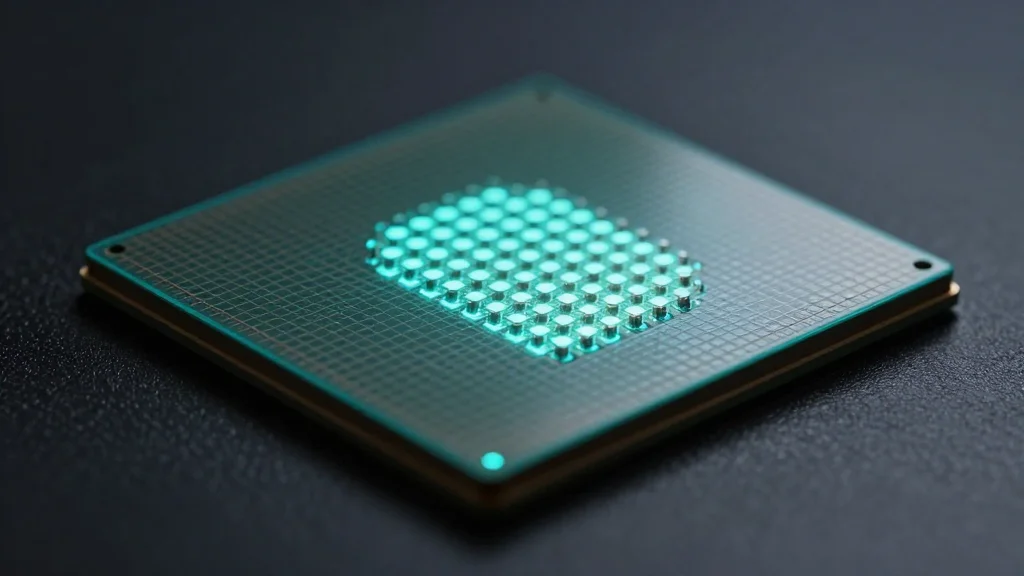
Loughborough Physicists Unveil Neuromorphic Chip Claiming 2,000‑Fold AI Energy Savings
Physicists at Loughborough University have demonstrated a niobium‑oxide memristor chip that processes temporal data directly in silicon, delivering up to 2,000 times lower energy consumption than conventional software‑based AI methods. The breakthrough, detailed in Advanced Intelligent Systems, could accelerate the...
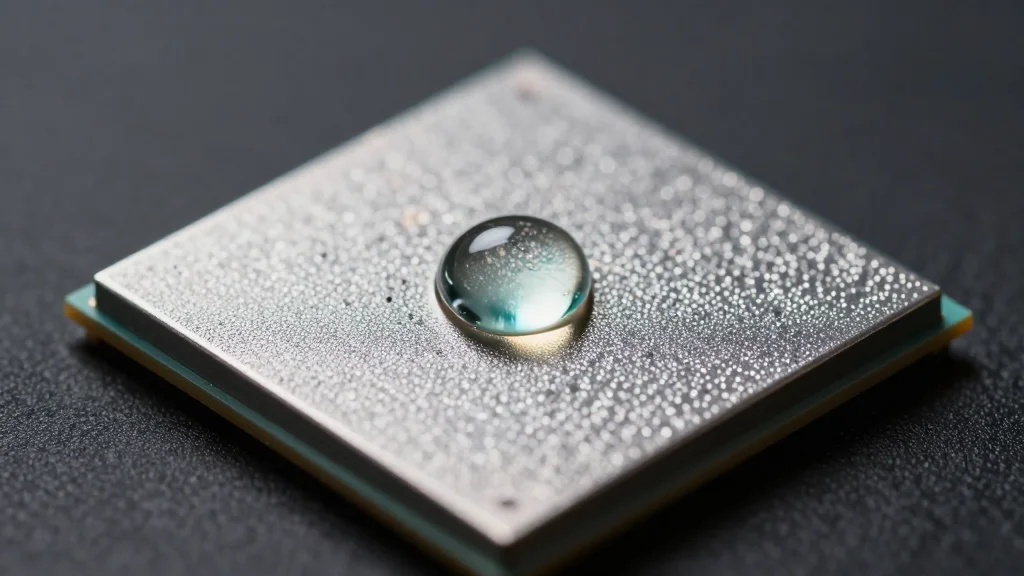
Tohoku University Unveils Nanoscale Creatinine Sensor Delivering Results in 35 Seconds
Researchers from Tohoku University and the City College of New York announced a chemiresistive biosensor that quantifies creatinine in urine within about 35 seconds. The device uses a platinum‑nanoparticle polymer composite and a three‑enzyme cascade, covering a clinically relevant range...
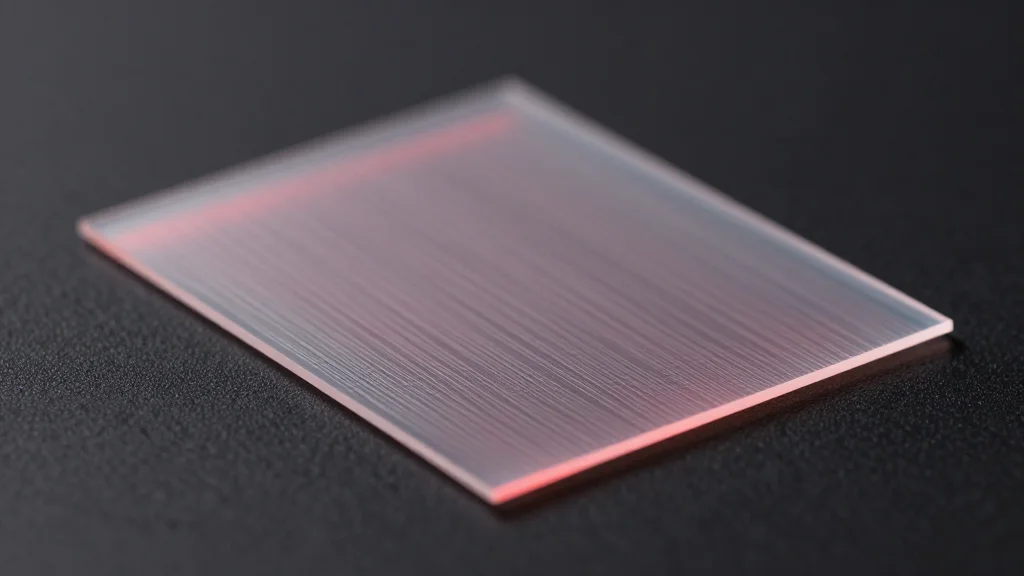
Polish Researchers Trap Infrared Light in 40‑nm Film, 1,000× Thinner Than Hair
A team led by the University of Warsaw's Faculty of Physics, together with Łódź University of Technology, Warsaw University of Technology and the Polish Academy of Sciences, demonstrated a sub‑wavelength grating only 40 nm thick that traps infrared light. The structure,...

Helium-Atom Lithography Aims Beyond ASML’s EUV Limits
The ASML book author saw the next generation – Lace Lithography, using helium atoms shooting through a holographic mask to scale beyond what’s possible with light, where the wavelength is larger than atomic scale. “ASML is the only company capable of...
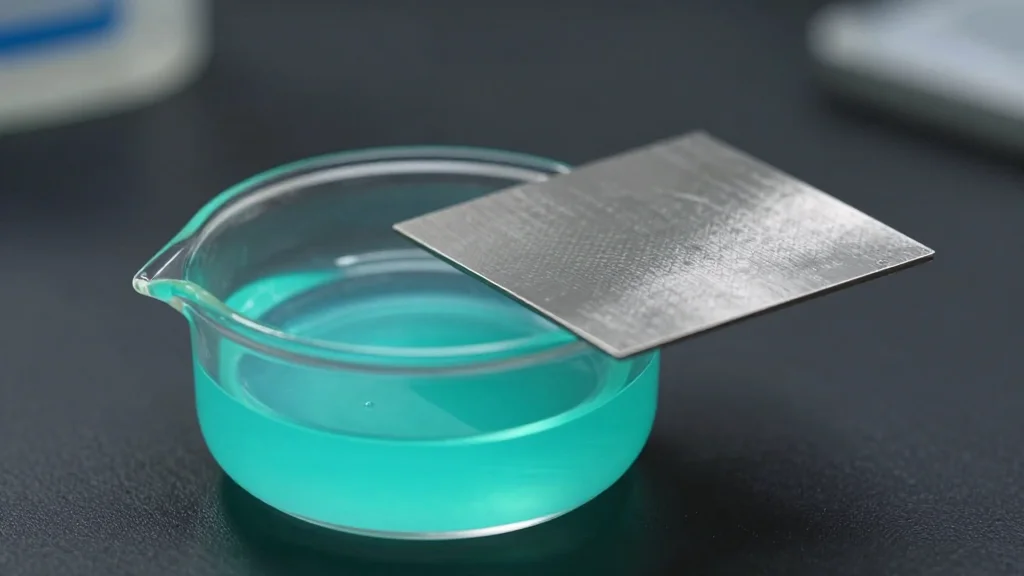
Helmholtz Researchers Boost MXene Conductivity 160‑Fold with Atomic‑Order Technique
Scientists at Helmholtz‑Zentrum Dresden‑Rossendorf unveiled a molten‑salt synthesis (GLS) that creates perfectly ordered MXene surfaces, delivering a 160‑times jump in macroscopic conductivity. The breakthrough promises faster, cleaner components for future electronics and energy devices.

Urea‑Activated Nanocarrier Enables Targeted SGLT2 Inhibition for Metabolic and Kidney Disease
A team led by Ren, Gao and Yun introduced a urea‑activated nanocarrier that releases SGLT2 inhibitors only where urea is elevated, delivering precise metabolic rescue in animal models of cardiovascular‑kidney‑metabolic syndrome. The approach promises to cut systemic side effects and...
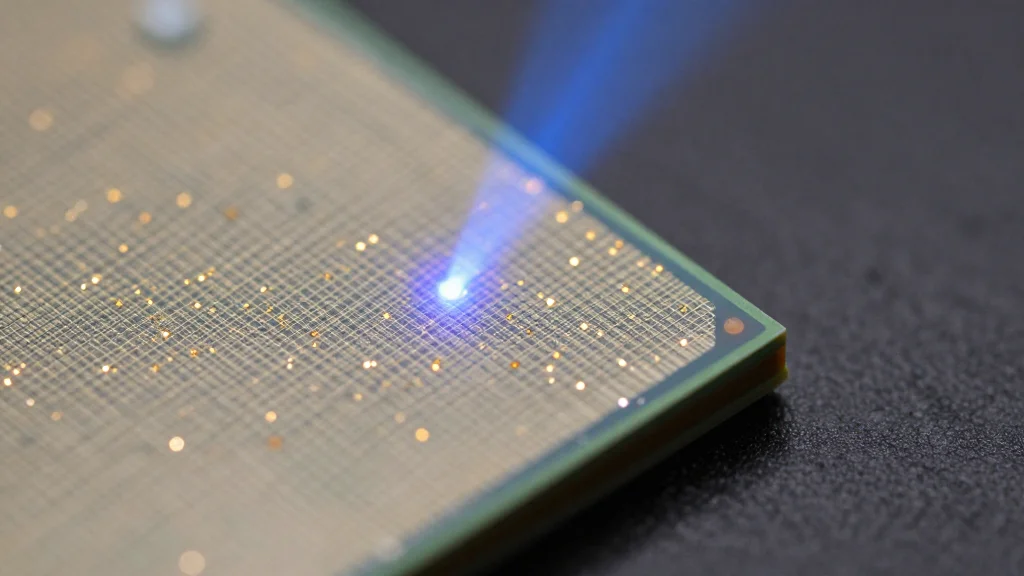
Diamond Nanocoating Turns Single‑Use Raman Sensors Reusable
Researchers have demonstrated that a nanometer‑thin diamond coating can encapsulate gold‑nanoparticle SERS substrates, preserving their signal while surviving harsh chemical and mechanical stress. The breakthrough promises reusable Raman sensors for industrial and biomedical applications, eliminating the need for disposable chips.

Perovskite Solar Leap: 27.98% Cell Record in China and First Commercial Roof Tile in the Netherlands
A privately developed perovskite solar cell in China achieved a world‑record 27.98% efficiency, surpassing silicon in the lab. Meanwhile, Dutch research institute TNO introduced the first commercially viable perovskite solar roof tile, retaining 12.4% efficiency on a curved tile, signaling...

Green‑Synthesised ZnO Nanoparticles Boost Swiss Chard Growth, Study Finds
Researchers published in Scientific Reports have demonstrated that green‑synthesised zinc oxide nanoparticles increase Swiss chard biomass and nutrient content more effectively than conventional metallic ZnO particles. The findings highlight a sustainable path for nanotech‑enabled agriculture.
Cambridge Team Unveils Brain‑Inspired Memristor That Could Cut AI Power Use by 70%
University of Cambridge scientists have demonstrated a new hafnium‑oxide memristor that mimics brain neurons and could lower AI hardware energy demand by as much as 70%. The device offers ultra‑low switching currents, uniform performance and hundreds of conductance states, addressing...
'Perfectly Symmetrical' 2D Perovskites Boost Energy Transport
Rice University researchers have engineered a multilayered two‑dimensional perovskite that approaches perfect crystal symmetry, enabling exciton transport beyond 2 µm at room temperature. The material’s distortion‑free lattice eliminates energy traps, delivering an order‑of‑magnitude improvement over earlier perovskites and matching the performance...
German Researchers Achieve 160‑Fold Conductivity Jump in MXenes via Atomic‑Order Method
Researchers at Helmholtz‑Zentrum Dresden‑Rossendorf and TU Dresden have introduced a molten‑salt GLS technique that creates perfectly ordered MXene surfaces, yielding a 160‑fold increase in macroscopic conductivity. The breakthrough replaces traditional chemical etching, promising cleaner, faster materials for electronics and energy...

Laser-Induced Graphene Patch Delivers Noninvasive, Low-Temperature Melanoma Therapy
Researchers at Wuhan University and City University of Hong Kong have created a soft, transparent, stretchable laser‑induced graphene (LIG)‑Cu/PDMS patch for non‑invasive melanoma treatment. The patch converts low‑power light into mild heat (~42 °C) that triggers localized copper ion release, killing...
Graphene Memristor Stores Data at 700 °C, Paving Way for Lava‑Proof Electronics
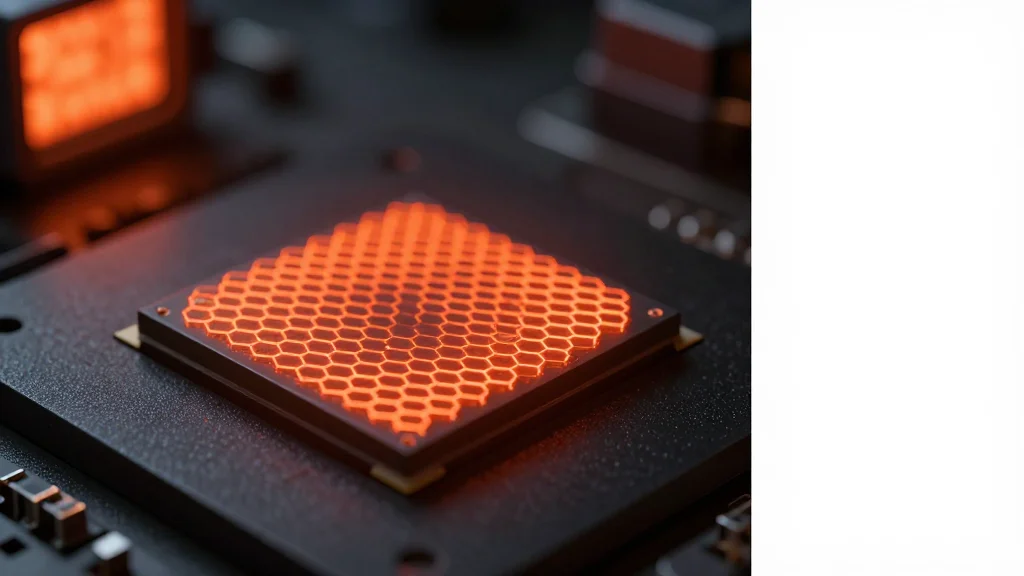
Researchers from USC, the Air Force Research Lab, Kumamoto University and TetraMem demonstrated a graphene‑based memristor that operates reliably at 700 °C, retains data for over 50 hours and endures more than a billion switching cycles. The breakthrough could unlock non‑volatile...

Waseda Researchers Unveil Nanotube Injector Achieving 90% Cytoplasmic Transfer Efficiency
A team led by Professor Takeo Miyake at Waseda University demonstrated a gold‑membrane nanotube injector that can extract and deliver cytoplasmic contents—including functional mitochondria—between living cells with over 90% transfer efficiency and 95% cell viability. The breakthrough promises more precise...
ORNL Work Explores AI-Guided Experiments That Adapt in Real Time
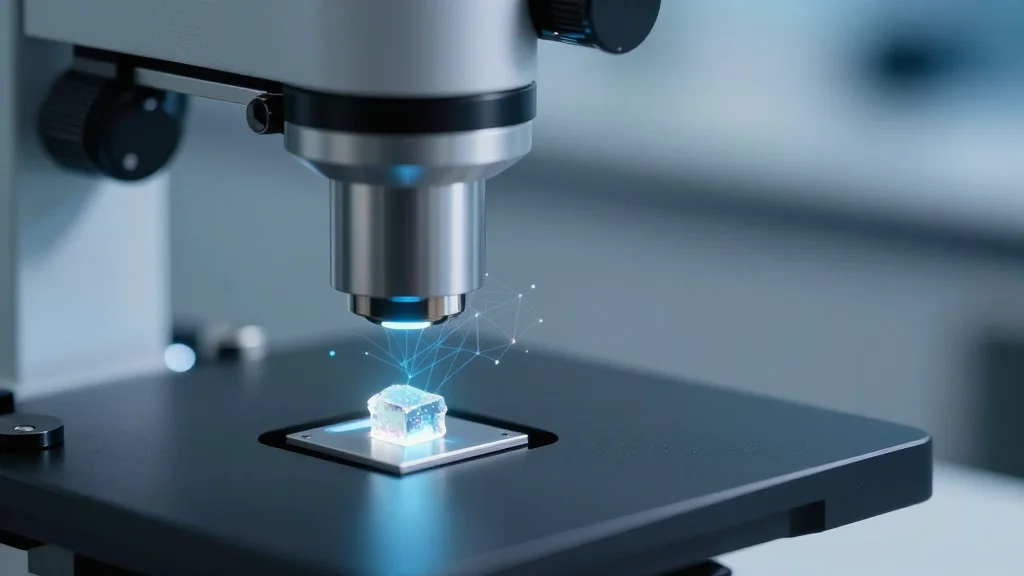
Oak Ridge National Laboratory’s Yongtao Liu is pioneering AI‑driven closed‑loop experiments that autonomously plan, execute, and interpret nanomaterial measurements. By integrating real‑time pattern recognition with scanning probe microscopy, the system can identify novel behaviors, such as unexpected hysteresis in halide...

Nanotech Study Shows Targeted Reprogramming of Scar and Dermatitis Skin Microenvironments
Researchers published in the Journal of Pharmaceutical Investigation that multifunctional nanoparticles can reprogram pathological skin microenvironments, delivering anti‑inflammatory and antifibrotic agents directly to scar tissue and atopic dermatitis lesions. The approach modulates immune cells and fibroblast activity, promising more effective,...