Today's Nanotech Pulse

Left‑handed DNA origami tubes double chemotherapy efficacy
Researchers at the Cancer Center at Illinois showed that left‑handed DNA origami tubes loaded with the drug Daunorubicin kill acute myeloid leukemia cells more than twice as effectively as right‑handed tubes. The tubes display CD117‑targeting aptamers and their left‑handed geometry promotes rapid internalization, boosting cell‑killing potency.

Bimetallic MOF Electrode Sterilizes Airborne Bacteria in Milliseconds
Researchers at Ocean University of China have created a 3D bimetallic MOF electrode on copper mesh that inactivates over 99% of airborne E. coli within 0.0026 seconds at 24 V AC. The 0.3Co‑MOF/Cu@Cu design leverages electroporation and reactive‑oxygen‑species generation through a hierarchical nanorod array, delivering rapid sterilization with low energy input. Laboratory tests show stable performance over 25 hours and effective operation at 1.5 m·s⁻¹ airflow. The technology could be retrofitted into HVAC systems for energy‑efficient indoor air disinfection.

Tokyo Researchers Generate Circularly Polarized Light From Gold Nanorods
Researchers from Tokyo University of Science and Japan's Institute for Molecular Science have shown that off‑center electron‑beam excitation of 150‑nanometer gold nanorods produces circularly polarized (spinning) light. The discovery offers a simple, tunable route to control optical spin at the...
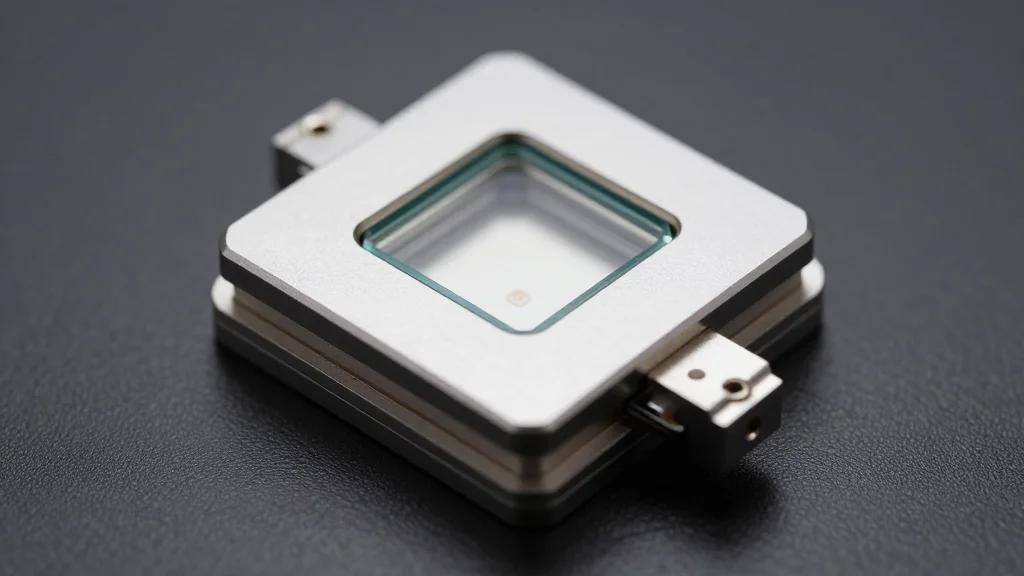
Fast 2D Piezo Scanning Stage for Image Stabilization and Resolution Enhancement
Physik Instrumente (PI) introduced the P‑733 XY piezo scanning stage, delivering 100 µm × 100 µm travel and 0.1 nm resolution for ultrafast image stabilization and resolution enhancement. The stage features a zero‑play flexure guidance system, capacitive sensors for direct feedback, and a 50 mm × 50 mm clear...

The Pennsylvania State University: Borrowing From Biology to Power Next-Gen Data Storage
Penn State researchers have engineered a bio‑hybrid memristor that couples synthetic DNA doped with silver nanoparticles to quasi‑2D perovskite semiconductors. The device operates at ultra‑low voltage (<0.1 V) and a record‑low power density of 0.01 W cm⁻², while maintaining an ON/OFF ratio above...
Lübeck Conference Launches Annual Nanotech‑Life Sciences Forum
Fraunhofer IMTE and Nano in Germany e.V. inaugurated the first annual International Conference on Nanotechnology and Life Sciences in Lübeck, gathering researchers, industry leaders, and policymakers. The event showcased magnetic nanoparticle synthesis, magnetic particle imaging, and highlighted Bavaria’s growing biotech...

Research Bits: Apr. 14
Researchers from Hong Kong, Tsinghua and Southern University of Science and Technology unveiled CLAP, a memristor‑based platform that fuses physically unclonable function authentication with compute‑in‑memory, achieving 99.46% AUC on ECG data while shrinking area and power use. A separate team...

Pohang City Launches Governance Body to Drive Graphene Innovation
Pohang City in South Korea has created a dedicated governance committee to spearhead the development of a graphene industry cluster. Chaired by Acting Mayor Jang Sang‑kil, the body brings together leaders from industry, academia and research, including Graphene Square CEO...

Gold Nanorod Off‑Center Beam Generates Circularly Polarized Light
A team led by Professor Mark Sadgrove at Tokyo University of Science demonstrated that striking a 150‑nanometer gold nanorod off‑center with an electron beam creates circularly polarized light. The finding, published in Nano Letters, offers a streamlined route to generate...

Clinical Innovations and Future Directions of Nanoparticles in the Treatment of Psychiatric and Neurological Disorders
Nanoparticles are emerging as a transformative platform for treating psychiatric and neurological disorders such as depression, schizophrenia, Alzheimer’s disease and Parkinson’s disease. Their physicochemical design enables crossing the blood‑brain barrier, targeted drug delivery, and enhanced imaging for early diagnosis. The...
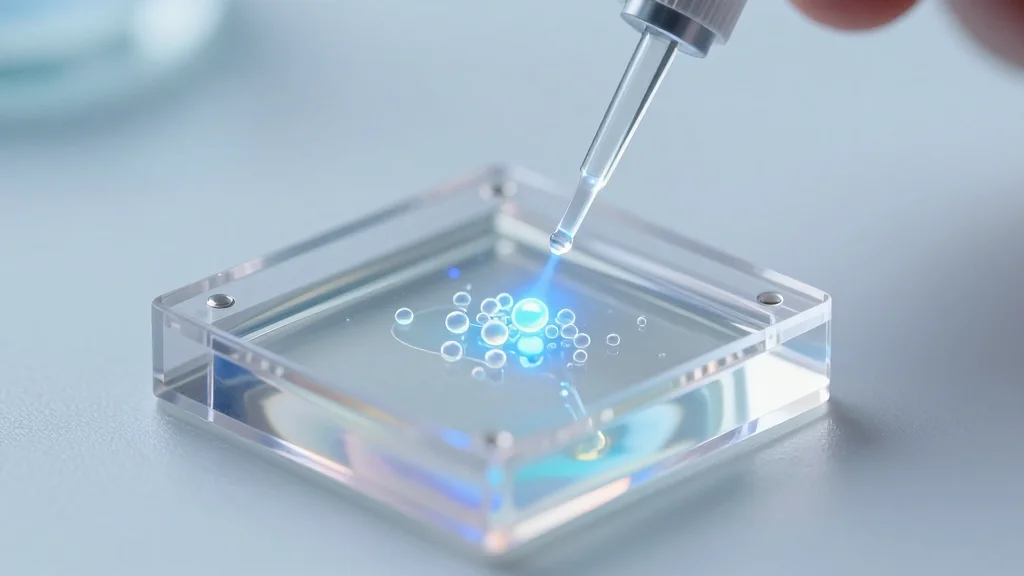
These Nanotweezers Grab Thousands of Tiny Cell Packets in Seconds and Expose Their Hidden Cargo
Vanderbilt researchers led by Justus Ndukaife have unveiled interferometric electrohydrodynamic tweezers (IET), a platform that can trap and analyze thousands of nanoscale extracellular vesicles (EVs) in seconds. The system combines electrohydrodynamic flow‑based capture with label‑free interferometric imaging and Raman spectroscopy,...

Upconversion Nanoparticles Gain 16‑Fold Brightness via Inorganic Surface Ligands
A team of nanoscientists has replaced organic ligands on upconversion nanoparticles with low‑vibrational Sn₂S₆⁴⁻ ligands, delivering up to a 16‑fold increase in luminescence intensity and longer emission lifetimes. The surface‑engineered particles can be annealed into a semiconducting SnS₂ matrix, enabling...

Magnetic Fields From Earphones and Mobile Phones 'Suck' Airborne Magnetic Particles Into the Brain, Impairing Cognition and Potentially Contributing to...
A Chinese Academy of Sciences team published in ACS Nano that static magnetic fields from everyday earphones and smartphones dramatically increase brain accumulation of airborne magnetite nanoparticles in mice. The combined exposure amplified nanoparticle uptake by roughly five times and caused...

A Novel Approach To The Treatment Of Antibiotic Resistant Infections
Researchers have engineered microscopic, cell‑like particles that hunt drug‑resistant bacteria while sparing healthy microbes. The particles use protein‑based recognition to bind unique bacterial markers and deliver toxic proteins or bactericidal chemicals in a two‑step process. Laboratory tests showed a single...

MDPI's Nanomaterials 2026 Conference Draws 100+ Global Experts to Barcelona
MDPI convened more than 100 researchers and industry leaders from 25 nations at the Nanomaterials 2026 conference in Barcelona, featuring 160 abstract submissions, 27 talks and 43 posters. The three‑day event underscored the rapid pace of nanomaterials research and its...

Researchers Use Nanomaterials and Ultrasound to Create Light Inside the Body
Stanford researchers have created a noninvasive method that uses focused ultrasound to activate biocompatible ceramic nanoparticles, generating light at any point inside the body. The proof‑of‑concept, demonstrated in mice, produced blue 490 nm light that could stimulate neurons and mimic photodynamic...

Kimchi-Derived Probiotic Shows Promise for Nanoplastic Elimination
Researchers published in Bioresource Technology report that the kimchi‑derived lactic acid bacterium Leuconostoc mesenteroides CBA3656 can adsorb nanoplastics with high efficiency across a broad range of concentrations, temperatures and pH levels. In simulated intestinal fluid the strain removed 57% of...
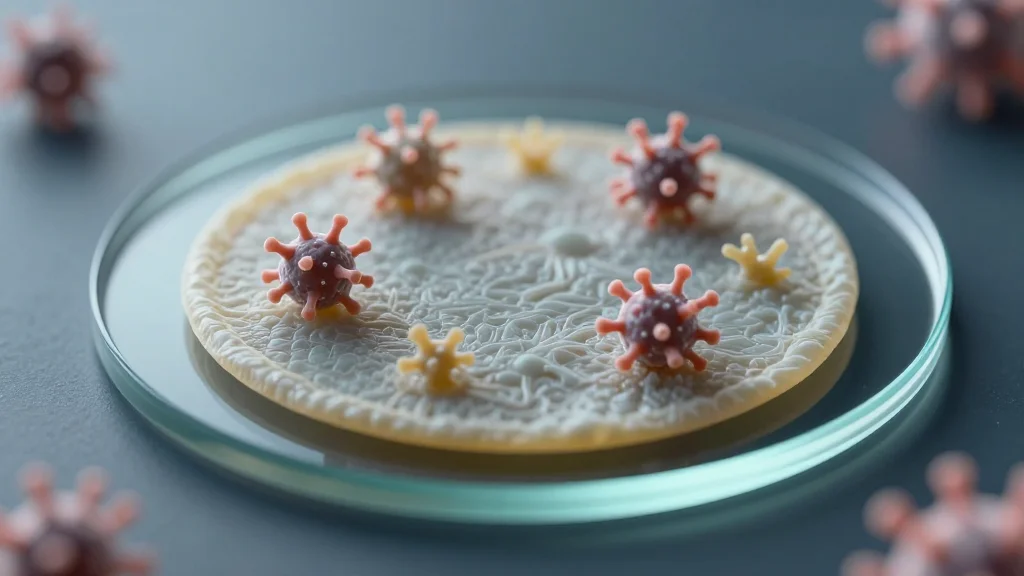
Nanodiscs Reveal Antibody Interactions for HIV, Ebola Vaccines
Nanodisc technology enables viral surface proteins from HIV and Ebola to be studied within lifelike membrane environments, offering new insights into antibody interactions and accelerating the development of next-generation vaccines. vaccinedesign
Telix, Regeneron Ink $40M 50/50 Deal to Co‑Develop Next‑Gen Radiopharmaceuticals
Telix Pharmaceuticals and Regeneron Pharmaceuticals have struck a 50/50 partnership, with Regeneron paying $40 million upfront for access to Telix’s radiopharmaceutical platform on four initial cancer programs. The deal includes options for four more programs, milestone payments up to $535 million per...
Precision Boost for Quantum Sensor Technology
Physicists at Julius‑Maximilians‑Universität Würzburg have directly measured the 24‑nanosecond lifetime of a metastable intermediate state in hexagonal boron nitride (hBN) spin defects. By inserting a 150‑nanosecond delay between laser excitation and microwave control, they raised measurement contrast by 26 % and...

How Nanoscale Catalyst Design Could Improve Hydrogen Peroxide Production
A review by Tohoku University researchers details how nanoarchitectonics of graphitic carbon nitride (g‑C₃N₄) can dramatically improve photocatalytic hydrogen peroxide production. The paper outlines defect engineering, metal doping, and semiconductor heterostructure strategies that boost catalyst efficiency. It also stresses that...
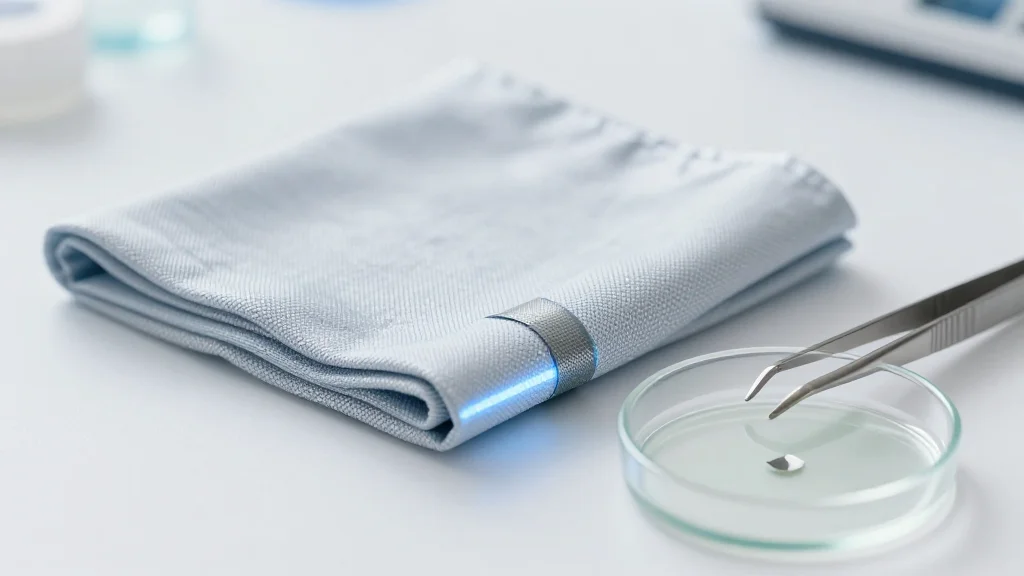
GRAPHERGIA Project Launches Three Demonstration Cases to Pilot Graphene-Based Technologies
The Graphene Flagship’s GRAPHERGIA project has entered the piloting stage of three demonstration cases that embed graphene‑based energy harvesting and storage technologies into real‑world products. The first case delivers an all‑in‑one self‑charging textile for wearables, the second integrates a triboelectric...
SLAC Event Unveils Skyrmion and Crackling Magnet Breakthroughs in Quantum Materials
On April 14, SLAC hosted a public presentation by lead scientist Joshua Turner that revealed new experimental insights into skyrmions and crackling magnets—nanoscale magnetic textures central to next‑generation quantum technologies. The event underscored how ultrafast X‑ray techniques are reshaping the...
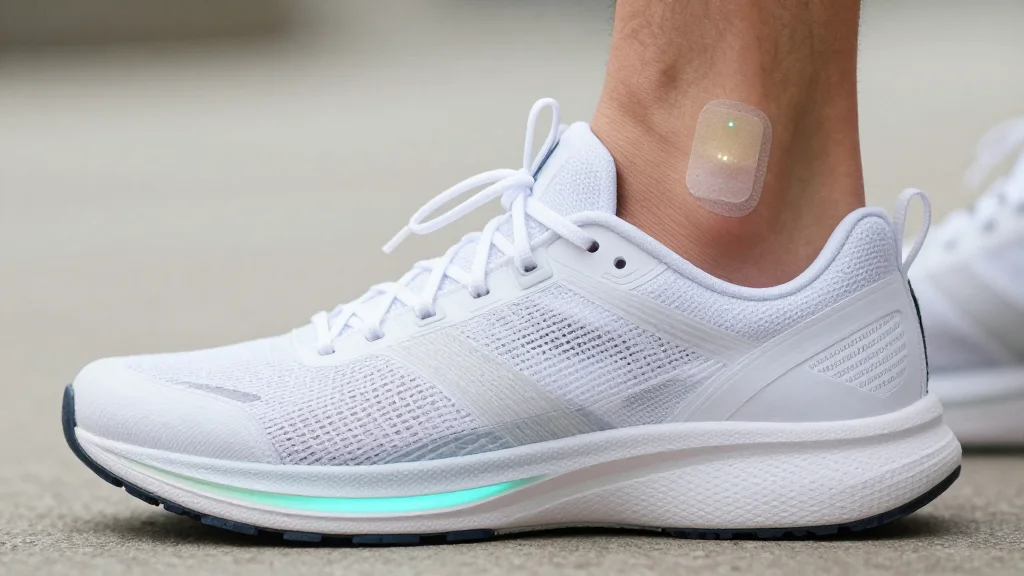
Flip‑Flop Steps Power Wearable Medical Devices via Graphene
📰 🧪 James Tour Group in the News: Wearable generator powers medical devices with every step of a flip-flopAn article features Rice research that has adapted laser-induced graphene […] https://t.co/R9H7Ozu1pL
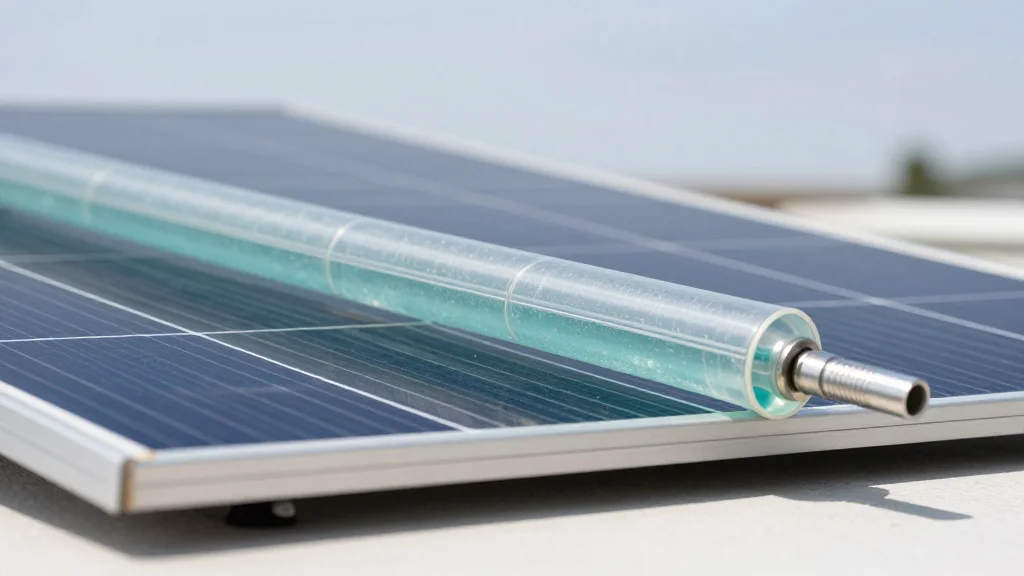
Cooling Solar Modules with Nanofluids Based on Graphene Oxide, Mxene
An international research team combined a three‑dimensional oscillating heat pipe (3D‑OHP) with a surfactant‑free hybrid graphene‑oxide (GO) and MXene nanofluid to passively cool photovoltaic (PV) modules. Field tests on a 50 W panel in Mashhad, Iran, achieved temperature reductions exceeding 24 °C,...
Single Cu Atom Sites on Co3O4 Activate Interfacial Oxygen for Enhanced Reactivity and Selective Gas Sensing at Low Temperature
Researchers have anchored atomically dispersed copper atoms (1.42 wt.%) onto Co3O4 nanoparticles, creating Cu–O–Co interfacial linkages that dramatically lower the temperature needed to activate lattice oxygen. This structural tweak yields more than a twenty‑fold increase in low‑temperature formaldehyde sensing compared with...

Strong Ligand Coordination Enabled Multiphase Ceramic Nanofibers for Simultaneously Enhancing Structural Stability and Infrared Reflection
Researchers introduced a carboxylic‑acid ligand coordination method that stabilizes reactive zirconium and titanium sols for electrospun ceramic nanofibers. The resulting multicomponent fibers embed a zirconia buffer between an alumina matrix and infrared‑reflective titania, delivering exceptional mechanical robustness and infrared reflectivity....
A Pioneer Compilation on Ibrutinib-Loaded Hybrid Nanoformulations for Different Types of Cancer
Researchers Pandey, Gautam, and Singh review hybrid nanoformulations that encapsulate ibrutinib, a BTK inhibitor used for chronic lymphocytic leukemia and mantle‑cell lymphoma. The paper details how polymeric nanoparticles, liposomes, dendrimers and SNEDDS improve ibrutinib’s solubility, bioavailability, and pharmacokinetics while reducing...
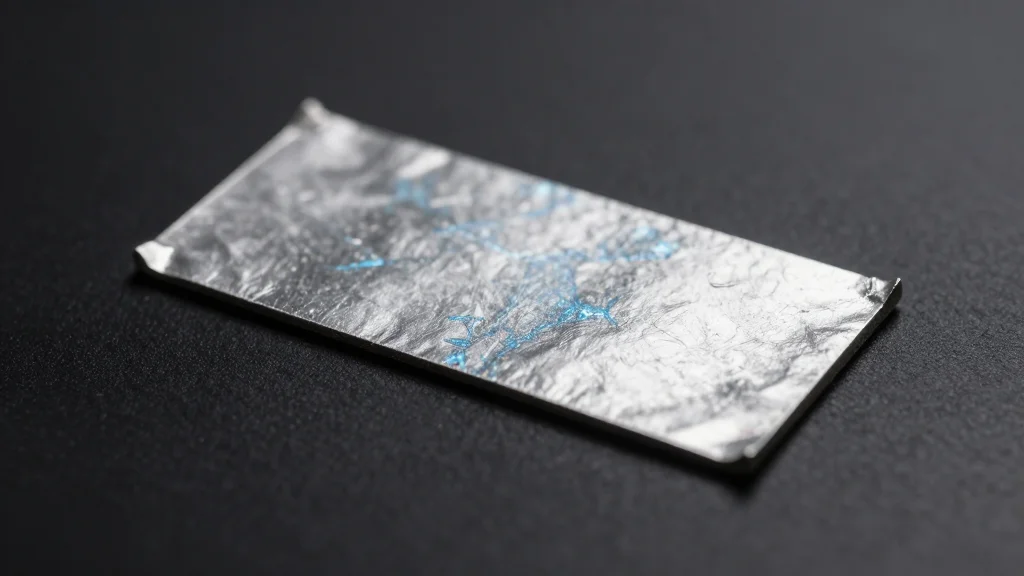
EcoPro Lands CAD 6 Million From Canada to Boost Solid‑state Lithium‑metal Anodes
EcoPro Innovation, a subsidiary of EcoPro, has secured a CAD 6 million (≈$4.5 million) grant from the Canadian federal government to accelerate development of lithium‑metal anodes for solid‑state batteries. The funding is part of Canada’s Energy Innovation Program and targets a full‑scale pilot...

Targeted mRNA Nanoparticles Halt Lung Tumors and Cachexia
Follistatin mRNA delivered via targeted lipid nanoparticles enables a dual therapeutic effect by simultaneously suppressing lung tumor growth and preventing cancer-associated muscle wasting (cachexia). https://t.co/56fCFZU0vk

Japan Adds $4 B to Rapidus R&D, Aiming for 2‑nm Chip Production by 2027
Japan’s industry ministry approved an additional 631.5 billion yen (about $3.96 billion) for Rapidus, bringing total government R&D support to roughly $15 billion. The funding is aimed at accelerating the company’s 2‑nanometre logic‑chip line, slated for mass production in fiscal 2027, and at...
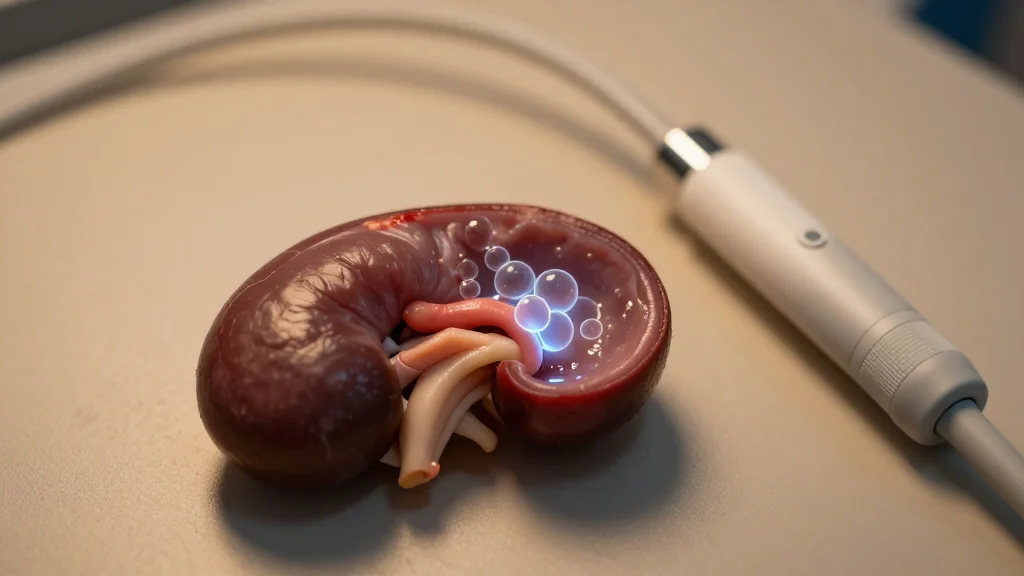
Targeted Microbubble Therapy Cuts Kidney Damage in Rat Model of Chemotherapy‑Induced AKI
Researchers led by Si, Mo and Zhao demonstrated that E‑selectin‑targeted microbubbles combined with ultrasound dramatically improve methylprednisolone’s renoprotective effect in rats with cisplatin‑induced acute kidney injury, cutting serum creatinine and preserving tubular cells. The pre‑clinical breakthrough points to a new...
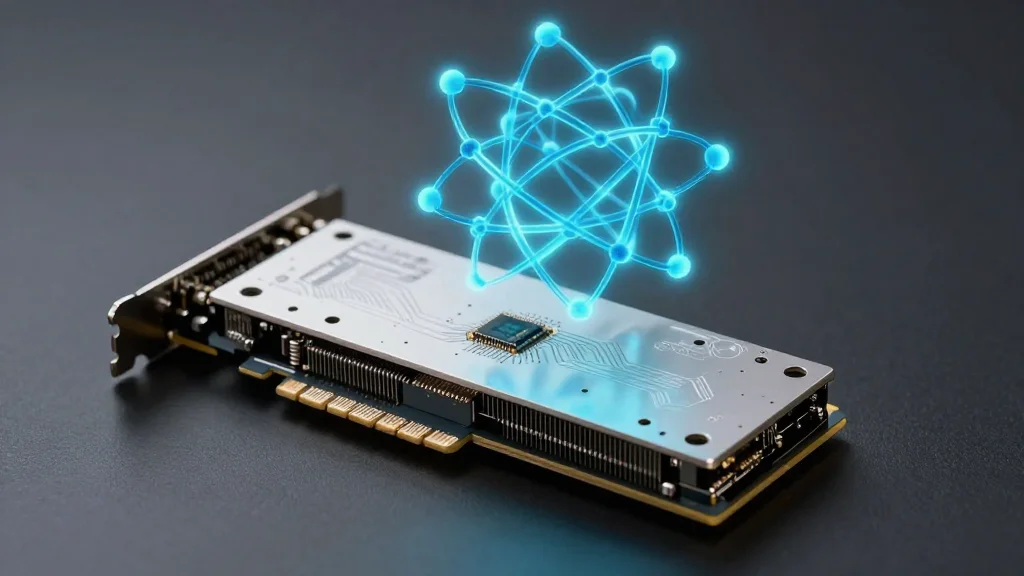
IEEE Nanotech Council Launches May Webinar Showcasing AI‑Driven Modeling Platform
The IEEE Nanotechnology Council unveiled a May 2026 webinar that will demonstrate Advance/NanoLabo’s new “Autopilot” feature, which creates atomistic models from natural‑language prompts, and showcase GPU‑accelerated machine‑learning interatomic potentials. The event signals a push toward lowering expertise barriers in nanotech...
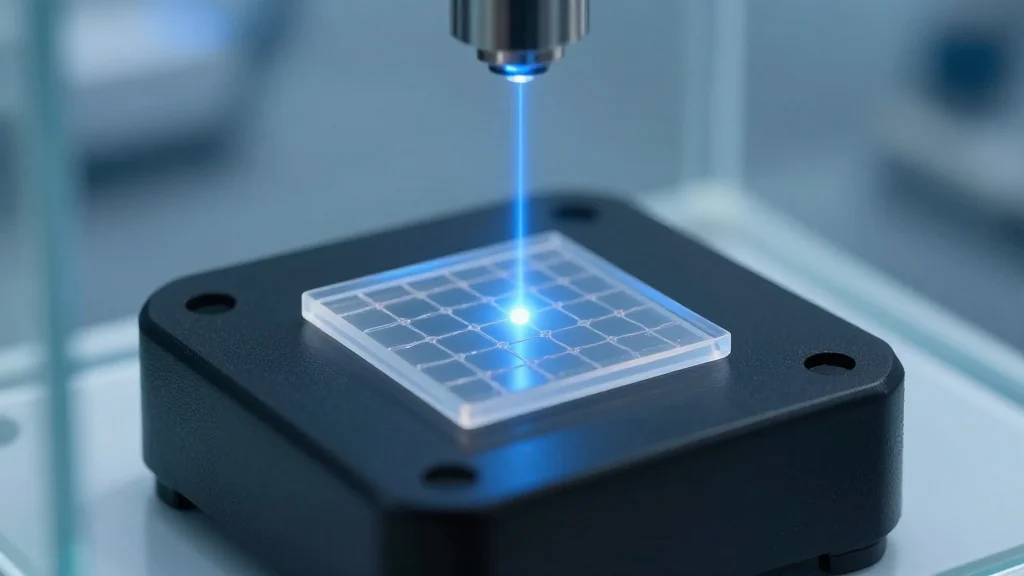
Light Improves Electrical Performance of Low‑Temp 2D Materials
🧪⚛️ Disorder and illumination - how shining light on 2D systems at low temperatures can sometimes dramatically improve electrical properties, including a preprint from this week. https://t.co/86FPuy8rht
Disorder and Illumination
Researchers have long used low‑temperature illumination to improve electronic transport in two‑dimensional (2D) systems. In GaAs‑based quantum wells, a red LED at ~10 K reduces disorder, raising electron mobility and sharpening fractional quantum Hall signatures. A new preprint shows that deep‑UV...
EU Approves €211 Million Funding for Graphene Chip Technology Project in Italy
The European Commission has approved a €211 million (approximately $230 million) state‑aid grant for Italy’s CamGraPhIC to develop graphene‑based photonic optical transceivers. The project will be split between research sites in Pisa and Bergamo, partnering with local universities and technology institutes. The...

University of Michigan Nanoparticle Therapy Stops Tick‑Borne Red Meat Allergy in Mice
On Aug. 12, 2024, University of Michigan scientists, with University of Virginia collaborators, reported that an intravenously delivered nanoparticle formulation prevented the tick‑borne red‑meat allergy (alpha‑gal syndrome) in 10 of 12 mice. The pre‑clinical result highlights a new nanotech route...
Atomic‑Scale Fluorographane Memory Hits 447 TB/Cm², Paving Way for Quantum‑Ready Storage
A team of scientists has demonstrated a non‑volatile memory device built on single‑layer fluorographane that stores 447 TB per square centimetre with essentially zero retention energy. The architecture promises thermal bit‑flip rates of 10⁻⁶⁵ s⁻¹ and projected data‑throughput of 25 PB/s, positioning it...

Surface‑Engineered Upconversion Nanoparticles Deliver 16‑Fold Brightness Boost for Photonics
A team of scientists reported in Nanoscale Horizons that replacing organic ligands on upconversion nanoparticles with low‑vibrational‑energy Sn₂S₆⁴⁻ ligands yields up to a 16‑fold increase in luminescence intensity and longer emission lifetimes. The new surface chemistry also permits annealing into...
Researchers Explore Dielectric Control of Superconductivity in Twisted Bilayer Graphene
Researchers from Ohio State, IMDEA Nanoscience and NIMS demonstrated that the superconducting state in magic‑angle twisted bilayer graphene can be continuously tuned and fully extinguished by altering its dielectric environment. By placing tBLG a few nanometers above a high‑k SrTiO₃...
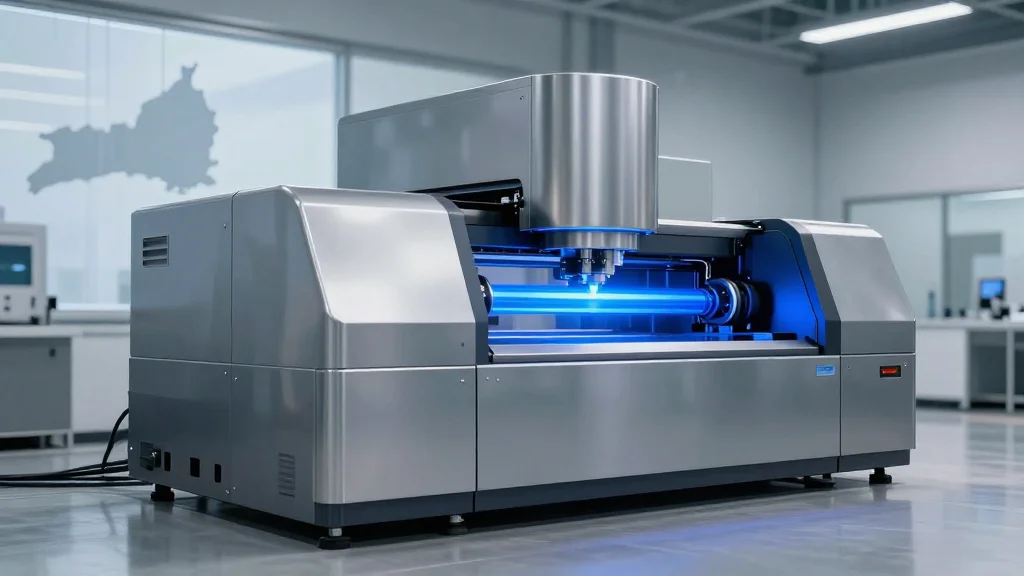
NY Creates Starts Installing First High‑NA EUV Lithography Tool at Albany
New York's NY Creates program announced that installation of ASML's high‑NA EUV lithography system will commence at the Albany Nanotech Complex. The effort is backed by a $10 billion partnership—$9 billion from industry and $1 billion from Empire State Development—aimed at cementing the...
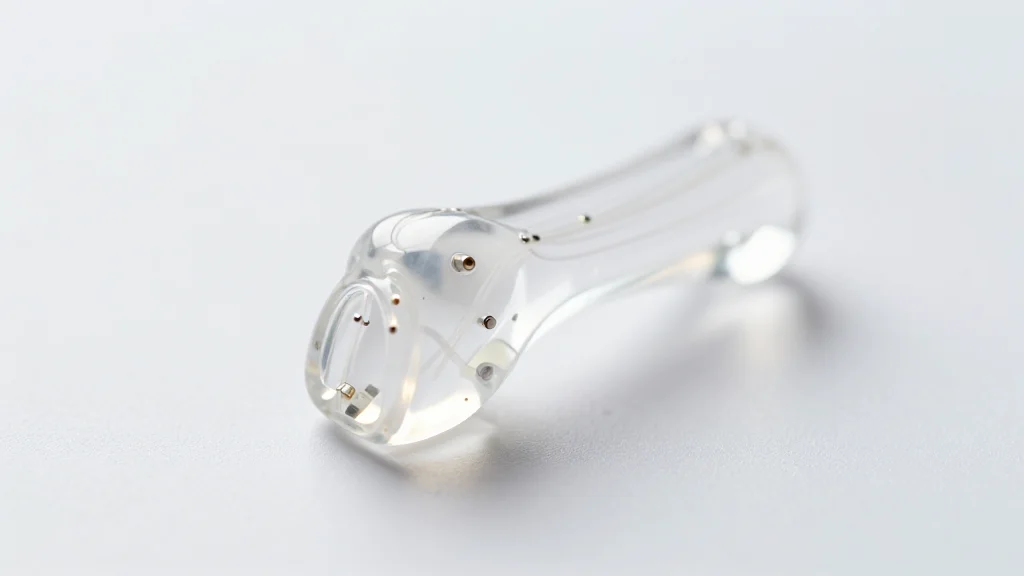
Researchers Unveil Sensor‑integrated Joint‑on‑chip Platforms for Real‑time Disease Monitoring
A team led by Mantegazza and Paola Occhetta published a paper describing how embedded optical, electrical, mechanical and biochemical sensors can turn joint‑on‑chip (JoC) systems into real‑time monitoring platforms. The breakthrough addresses the long‑standing reliance on endpoint analyses and promises...

Study of EUV Nanostructures Using AFM With High-Aspect Ratio Tip (Purdue, Intel, Bruker)
Researchers from Purdue, Intel and Bruker published a paper showing that atomic force microscopy (AFM) with high‑aspect‑ratio diamond‑like carbon tips can map 40 nm‑pitch extreme ultraviolet (EUV) photoresist patterns, but the measurements are distorted by complex tip‑sample dynamics. By applying force‑mapping...
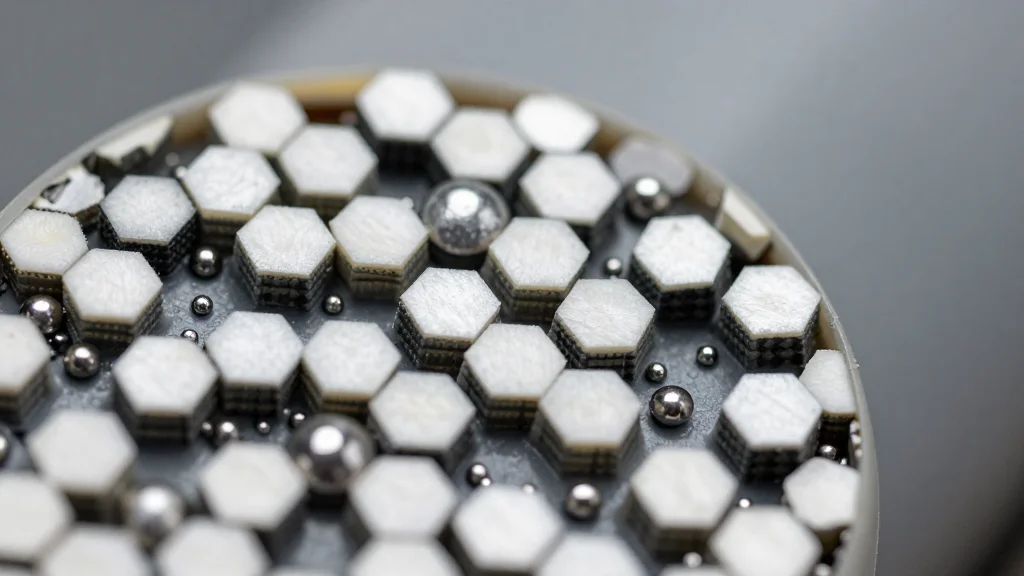
Bifunctional Structural Regulation of Polymer Composites for High‐Efficiency Electromagnetic Wave Absorption and Heat Dissipation
Researchers have created a 3D bifunctional polymer composite that integrates a continuous boron nitride (BN) network with segregated electromagnetic wave‑absorbing (EMA) units. By selectively placing carbon fiber and carbonyl iron within a styrene‑butadiene‑styrene matrix, the material achieves a thermal conductivity...
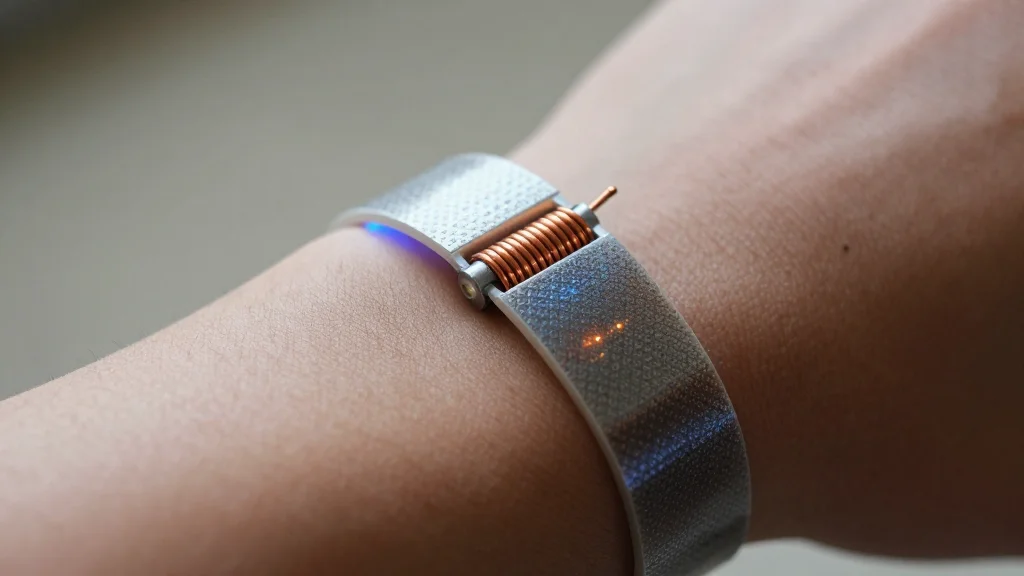
Efficient Harvesting of Irregular and Low‐Frequency Mechanical Energy via Hybridized Electromagnetic‐Triboelectric Systems
The review introduces a hybrid electromagnetic‑triboelectric nanogenerator (HE‑TENG) that merges the high‑current output of electromagnetic generators with the high‑voltage, low‑frequency efficiency of triboelectric nanogenerators. By coupling these mechanisms, the system achieves a broadband frequency response and superior conversion efficiency for...
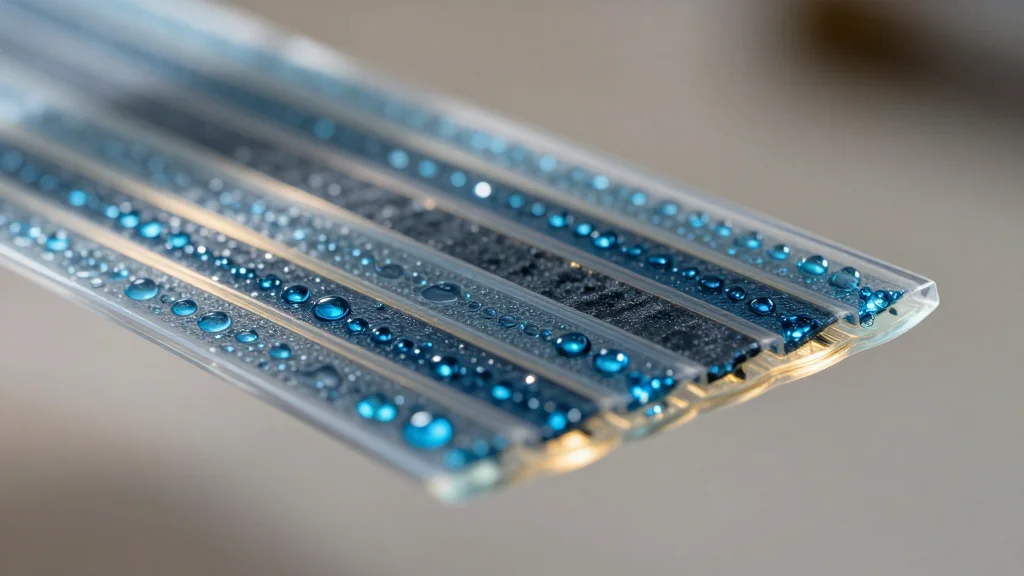
Broad‐Salinity Osmotic Energy Harvesting From Composition Tuned Laminar Membranes
Researchers introduced composition‑tunable Ti3C2Tx/DAS laminar membranes that adjust interlayer channel size and fixed charge density by varying DAS content. This dual control enables optimal reverse electrodialysis (RED) performance across a wide salinity range of 0.05 M to 5 M. Low DAS fractions...

Vitamin C‐Derived Oxygen‐Functionalized Carbon Dots as a Novel Modulator for Regulating Zn2+ Deposition and Stabilizing Aqueous Zinc‐Ion Batteries
Researchers have developed vitamin C‑derived oxygen‑functionalized carbon dots (VC‑CDs) that act as multifunctional modulators for aqueous zinc‑ion batteries. The negatively charged VC‑CDs preferentially adsorb onto the zinc anode, creating a uniform electric field that guides even Zn²⁺ deposition while their...

Embedded Epitaxial Growth of RuOx on Co3O4 With Strong Interaction for Efficient and Robust Acidic Water Oxidation
Researchers introduced a two‑step drop‑casting method to embed RuOx on Co3O4, creating a dual‑oxide hetero‑interface with strong Co‑O‑Ru electronic coupling. This intimate interface accelerates electron transfer, suppresses high‑valence Ru formation, and shifts the oxygen evolution reaction (OER) mechanism toward the...

Hollow ZnCdS/CuInS2 S‑Scheme Heterojunction for Superior Photothermal‐Assisted Photocatalytic Coupled H2O2 and Benzaldehyde Production
Researchers have engineered a hollow ZnCdS/CuInS2 S‑scheme heterojunction that couples photocatalytic hydrogen peroxide generation with selective oxidation of benzyl alcohol to benzaldehyde. The hollow nanobox architecture provides broad‑band light absorption and a moderate photothermal effect that locally raises temperature, speeding...
Jointly Enhanced Nitrate and Water Activation by Precisely Ligand Substituent Regulation in Bimetallic Cluster for Highly Efficient Ammonia Electrosynthesis
Researchers introduced a bimetallic Cu4Pt2 cluster whose activity is tuned by precise ligand substituent changes. The CF3‑Cu4Pt2 variant delivers a Faradaic efficiency of 91.84% and an ammonia yield of 13.65 mg NH3 per mg catalyst per hour at –0.5 V versus RHE. Dual...
Graphene Oxide Fuel
A novel interface engineering method boosts graphene oxide fuel cell power density to 0.7 W/cm², matching commercial fluorine-based membranes and advancing eco-friendly hydrogen energy solutions. fuelcells