Today's Nanotech Pulse

Left‑handed DNA origami tubes double chemotherapy efficacy
Researchers at the Cancer Center at Illinois showed that left‑handed DNA origami tubes loaded with the drug Daunorubicin kill acute myeloid leukemia cells more than twice as effectively as right‑handed tubes. The tubes display CD117‑targeting aptamers and their left‑handed geometry promotes rapid internalization, boosting cell‑killing potency.
C12 Unveils Roadmap to Utility-Scale Fault-Tolerant Quantum Computing by 2033
French startup C12 released a decade‑long roadmap to build a utility‑scale, fault‑tolerant quantum computer by 2033. The plan hinges on purified carbon‑12 nanotube spin qubits, promising unprecedented noise isolation and low power per qubit. Four generational milestones—Aidōs (2027), Zélos (2030), Styx (2032) and Panopeia (2033)—scale from 16 physical qubits to 100,000, delivering over 790 logical qubits with error rates as low as 10⁻⁷. C12 also pledges on‑premise delivery within a year of each generation’s demo, targeting sovereign quantum infrastructure.
Pfizer Unveils Nanoparticle Platform to Sharpen Cancer Treatment
Pfizer disclosed a new nanoparticle platform designed to deliver cancer drugs directly to tumors, promising higher precision and fewer side effects. The initiative is led by Puja Sapra, head of the Targeted Therapeutics Unit in Oncology R&D, and is part...

Northwestern Engineers 3D‑Print Artificial Neurons That Communicate With Living Brain Cells
Northwestern University engineers printed flexible artificial neurons that generate realistic electrical spikes and successfully activated living mouse brain cells. The work, published in Nature Nanotechnology, showcases a new class of printable, low‑cost neural interfaces that could reshape neuroprosthetics and brain‑inspired...

A Single Measurement Sorts Chiral Molecules by Type, Handedness, and Ratio
Researchers have unveiled a terahertz circular dichroism platform that uses an achiral gradient metasurface to identify chiral biomolecules, their handedness, and mixing ratios in a single broadband scan. The metasurface reflects terahertz light from 0.5 to 1.8 THz without adding background...

Nanoz Rolls Out AI‑powered 2 Mm Nanosensors for Health and Environmental Monitoring
Nanoz, a French deep‑tech company, announced the industrial launch of AI‑enabled nanosensors no larger than 2 mm. The devices combine metal‑oxide semiconductor gas detection with machine‑learning algorithms to identify disease biomarkers, cabin‑air hazards and urban pollutants, opening new markets in healthcare,...

AI Trains Electron Microscope to Match Human Vision
A decade of imaging. Compressed into three months. Here’s how MIT CSAIL & Harvard taught an electron microscope to see like you do: https://t.co/qC3zVck0HF https://t.co/kMTptacRMD

Indian Researchers Launch Fluorescent MOF Sensor for Fast Nicotine and Cotinine Detection
Researchers at the Institute of Nano Science and Technology (INST) in Mohali have introduced a fluorescent iron metal‑organic framework nanosphere that lights up in the presence of nicotine or its metabolite cotinine. Published in Nanoscale, the “turn‑on” sensor offers visual,...

NanoTech Materials Secures $29.4 Million Series A to Boost Infrastructure Nanomaterials
NanoTech Materials announced a $29.4 million Series A round led by HPI Real Estate & Investments, with participation from Goose Capital and Milliken & Company. The funding will expand its Texas manufacturing hub and accelerate rollout of high‑performance roofing and fire‑resistant...

Interna Therapeutics Collaborates with Daiichi Sankyo to Develop MNM-Based Targeted Delivery Technologies
Interna Therapeutics announced a research collaboration with Daiichi Sankyo’s Boston Research Institute to evaluate its MNM (Molecular Nanoparticle Matrix) technology as a delivery enhancer for targeted therapeutics. The partnership will integrate MNM molecules with Daiichi Sankyo’s targeting approaches, beginning with...
Revealing the Intrinsic Electronic Structure of 2D MoS2 Buried Beneath Thick Dielectric Overlayer via Hard X‐ray Photoelectron Spectroscopy
Researchers applied hard X‑ray photoelectron spectroscopy (HAXPES) to molybdenum disulfide (MoS2) capped with a 20‑nm AlOx dielectric, mimicking real‑device heterostructures. Using a Cr‑Kα source, HAXPES achieved more than twice the information depth of conventional Al‑Kα XPS, allowing access to deeper...
Highly Efficient Hydrogen Peroxide Production Over S‐Scheme G‐C3N4/COF Heterojunction Through Dual‐Channel Photocatalysis
Researchers have developed a plasma‑assisted S‑scheme heterojunction of graphitic carbon nitride (g‑C3N4) and a triazine‑based covalent organic framework (COF) that photocatalytically generates hydrogen peroxide under visible light. The dual‑channel design simultaneously drives oxygen reduction and water oxidation, delivering a production...
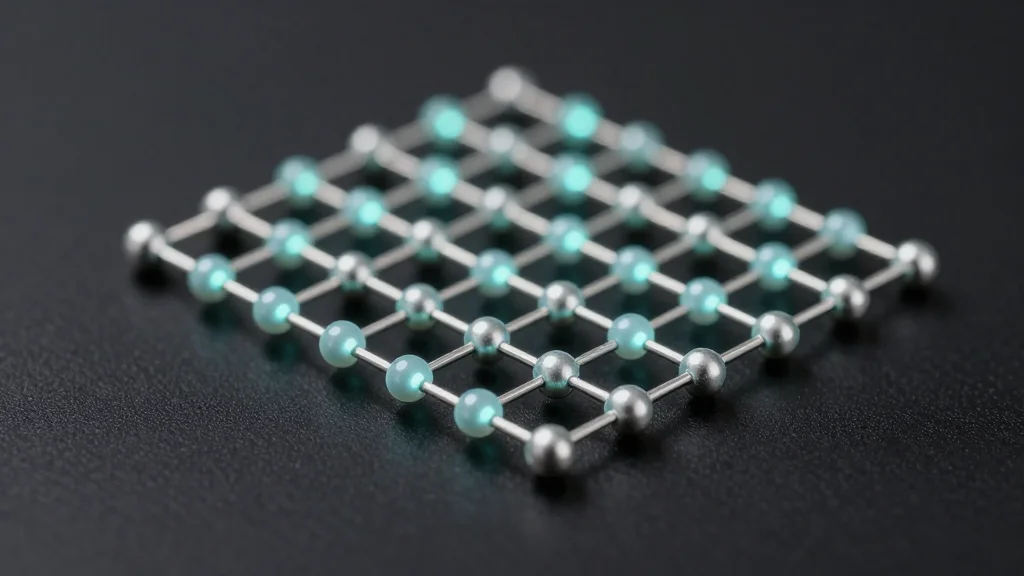
Surface Modulation, Optics, and Electrochemical Hydrogen Evolution Studies on CdS‐Ag2S Superlattice Heterostructures
Researchers synthesized CdS‑Ag2S superlattice heterostructures using two ligand‑mediated routes, producing random ODA‑capped quantum‑dot assemblies and ordered DDT‑capped nanorod arrays. Electron microscopy and X‑ray spectroscopy confirmed distinct domain ordering, which altered charge carrier recombination lifetimes. The ordered DDT‑capped superlattices displayed faster...
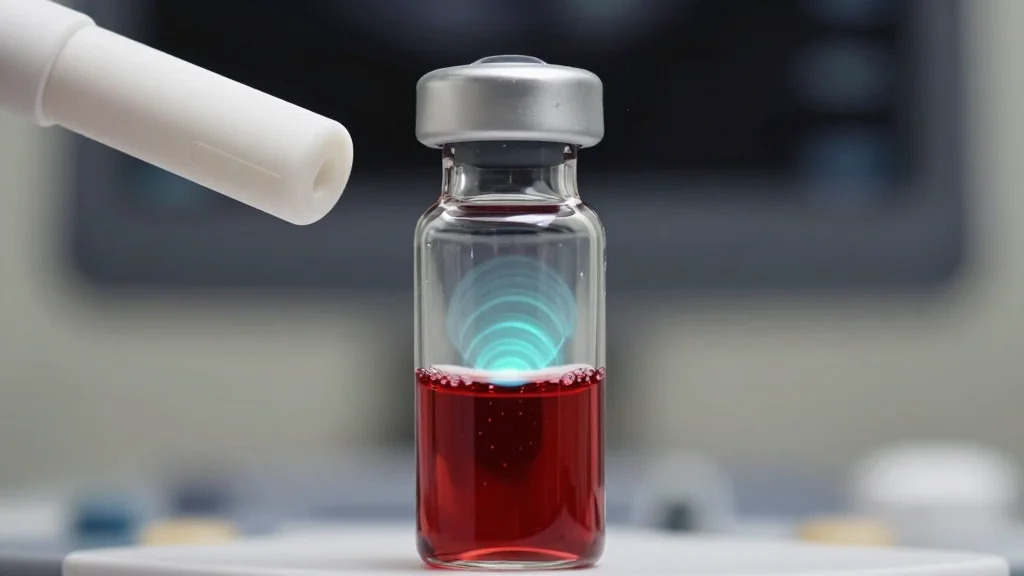
Stanford Team Generates Light Inside Deep Tissue Using Ultrasound‑Activated Nanoparticles
Stanford scientists have shown that ultrasound can activate specially engineered nanophosphors circulating in the bloodstream to emit light deep inside living tissue. The breakthrough, demonstrated in mice, could replace invasive fiber‑optic probes for optogenetics, imaging and cancer treatment.
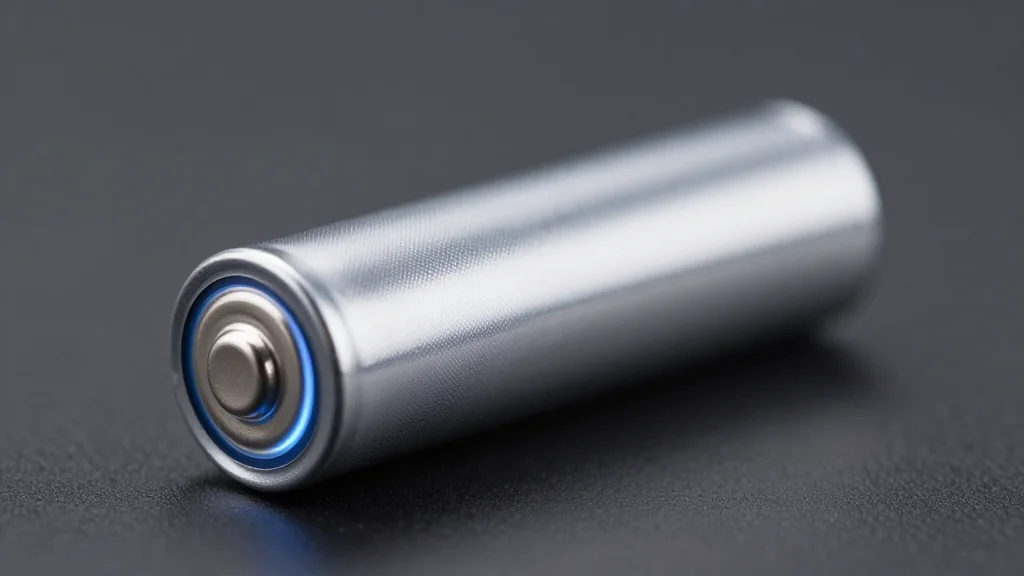
GMG Reports Doubling Energy Density of 6 Minute Charging Graphene Aluminium-Ion Battery
Graphene Manufacturing Group (GMG) announced that its graphene‑aluminium‑ion (G+A) cells have doubled their energy density since a December 2025 update, now exceeding 100 Wh/kg after a one‑hour charge and achieving over 80 Wh/kg with a six‑minute charge. The breakthrough stems from a...
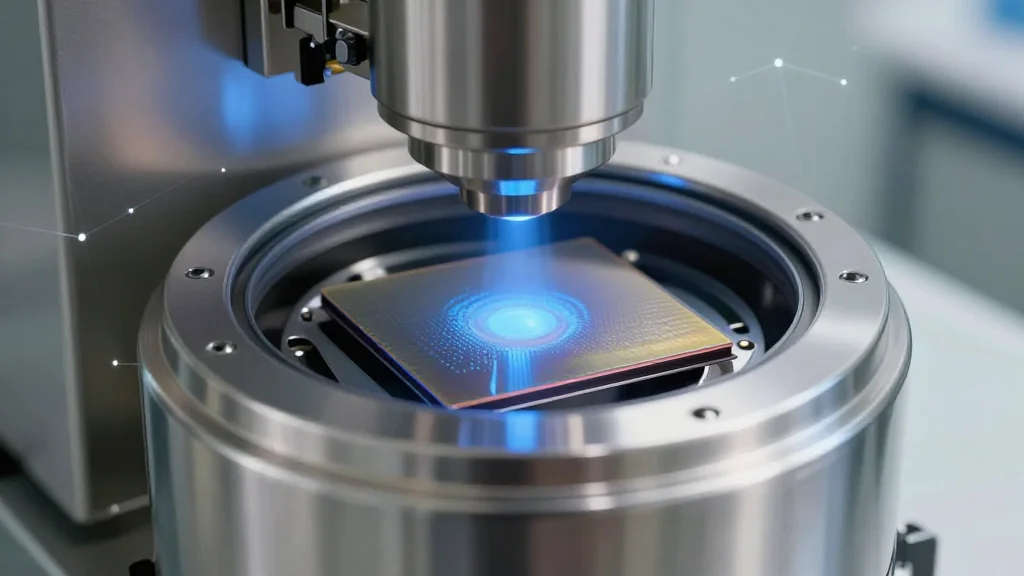
Applied Materials Launches Two Deposition Tools for Sub‑2 Nm GAA Transistor Production
Applied Materials announced two new deposition systems designed for sub‑2 nm gate‑all‑around (GAA) transistor fabrication. The tools address the atomic‑scale tolerances required for more than 500 process steps, aiming to boost performance and power efficiency for AI‑focused chips.

Enhancing Antitumour Nanovaccine Efficacy via Integrated Cholesterol Modulation in Situ
Researchers have created a nanovaccine, NPCM‑OT, that simultaneously delivers tumor antigens and depletes cholesterol from dendritic cell membranes. The cholesterol reduction reshapes lipid microdomains, enhancing immune‑synapse formation and CD8⁺ T‑cell activation. In multiple mouse tumor models, the vaccine showed both...
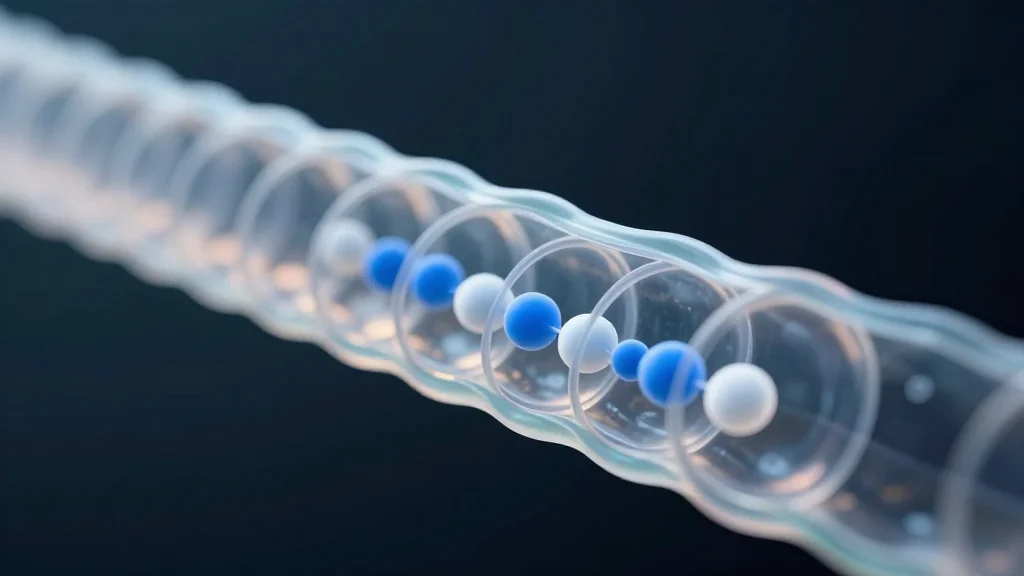
Versatile Heavy Metal Ion Separation via Biological Ion-Channel-Inspired Membranes
Researchers have unveiled a polymeric membrane that mimics biological ion channels to separate heavy‑metal ions with unprecedented precision. By engineering sub‑nanometre pores and embedding metal‑binding ligands, the membrane selectively captures ions such as lead, cadmium and mercury while allowing water...
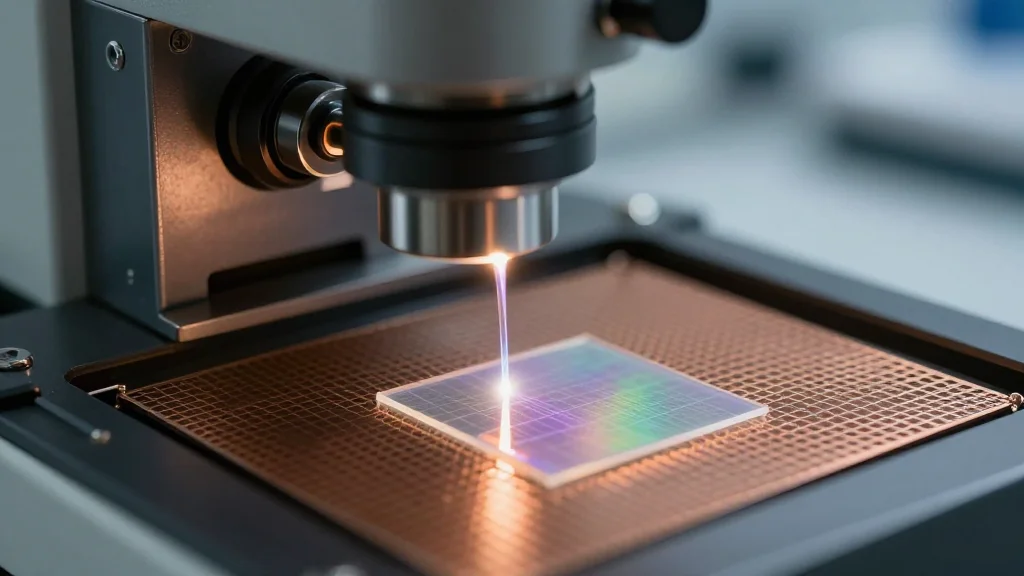
Electrons Crack Open Organic Solar Cells, Exposing Their Hidden 3D Molecular Architecture in a Single Microscope
Researchers at FAU Erlangen‑Nürnberg and partners demonstrated that three‑dimensional electron diffraction (3D ED) can deliver the same averaged structural information previously obtained only with X‑ray techniques for organic solar cells. By carefully managing electron dose, they captured nanoscale molecular order without...
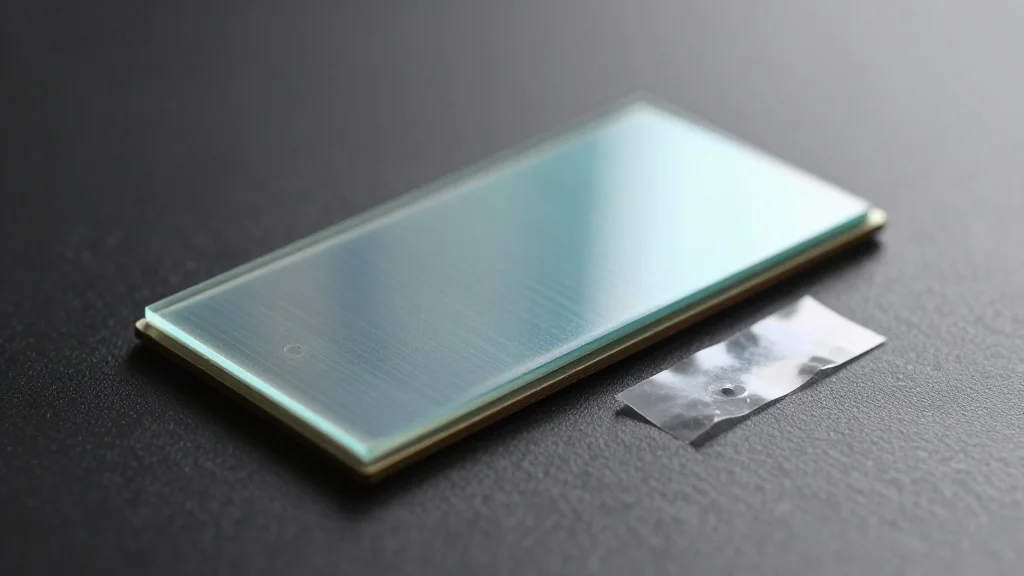
Reduced Graphene Oxide Interface Pushes Perovskite Mini‑Modules to 16.6% Efficiency
Scientists at Prabhat Kumar College in India have fabricated perovskite mini‑modules that deliver 16.6% power conversion efficiency and remain stable for more than 1,300 hours. The breakthrough relies on a reduced graphene oxide (r‑GO) interfacial layer that improves film quality...
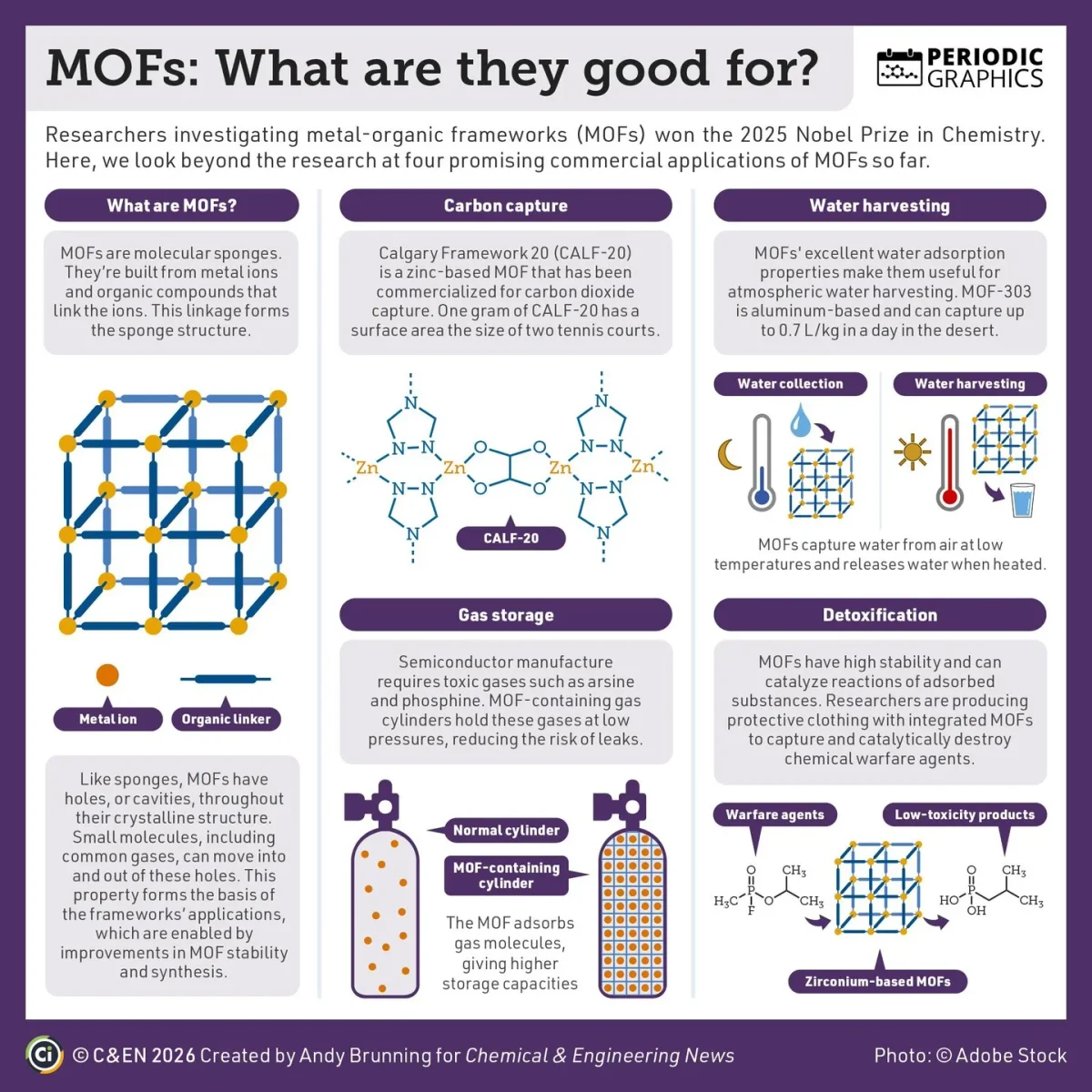
MOFs Earn 2025 Nobel, Revolutionizing Water and Gas Capture
Researchers working on Metal-Organic Frameworks (MOFs) won the 2025 Nobel Prize in Chemistry. The latest edition of PeriodicGraphics in C&EN looks at applications of MOFs, including water harvesting, gas storage, and more: https://cen.acs.org/materials/metal-organic-frameworks/mof-metal-organic-framework-adsorption/104/web/2026/03

Graphene‑Oxide Nanoplatform Merges Proteasome Inhibition and Phototherapy for Oral Cancer
Scientists have introduced a graphene‑oxide‑based nanoplatform that simultaneously delivers proteasome inhibitors and phototherapy to oral cancer cells. Preclinical tests indicate the combined approach outperforms each modality alone, offering a potential route to more precise, less toxic treatment.
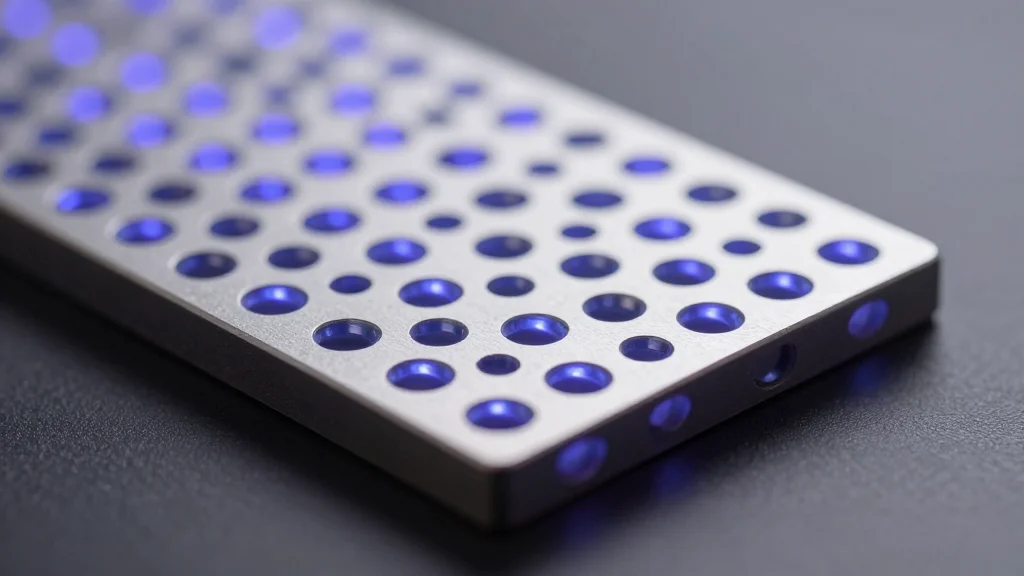
Nanohole Arrays Boost Quantum Light Source Brightness 130‑Fold at Room Temperature
A joint team from the Institute for Basic Science and POSTECH has demonstrated a 130‑fold increase in luminescence efficiency for quantum light sources by trapping excitons with 500‑nm nanohole arrays, reaching 98% confinement at room temperature. The breakthrough promises scalable...

MRNA Nanoparticles Teach Beta Cells to Prevent Type 1 Diabetes
As a medical school professor, I can tell you: what we've been doing for type 1 diabetes is managing, not curing. University of Chicago scientists just changed the game. They developed mRNA-loaded nanoparticles that deliver genetic instructions directly to insulin-producing beta cells,...

Enhancing Oxidase‐Catalyzed Biosensing via Hydrophobic ZIF‐7 Nanomaterials: A Micro‐Triphase Interface Approach
The study introduces ZIF-7 nanoparticles as hydrophobic oxygen reservoirs in a solid–liquid–air triphase enzyme electrode, boosting oxidase‑catalyzed biosensing. By releasing pre‑stored O₂, the system raises Vmax 21‑fold and widens the glucose linear range from 2 mM to 20 mM, a ten‑fold improvement...
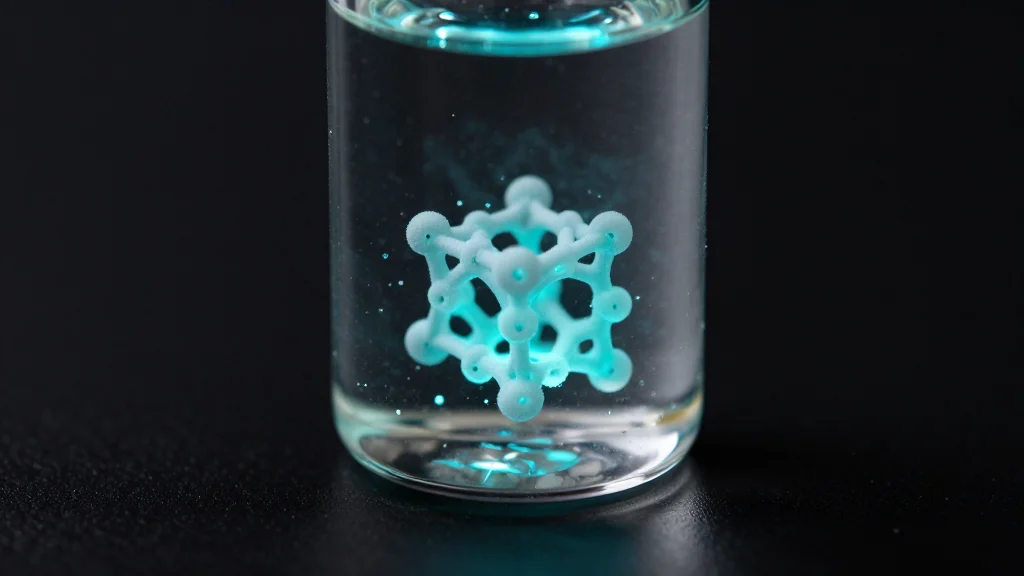
Electrochemiluminescent COFs and HOFs as Porous Material Engineering Systems for Bioanalysis and Environmental Monitoring
The review outlines how covalent organic frameworks (COFs) and hydrogen‑bonded organic frameworks (HOFs) are reshaping electrochemiluminescence (ECL) biosensing. COFs contribute robust, high‑surface‑area, π‑conjugated networks that accelerate charge transfer, enabling ultra‑sensitive detection of biomolecules, toxins and pesticides. HOFs, built from reversible...
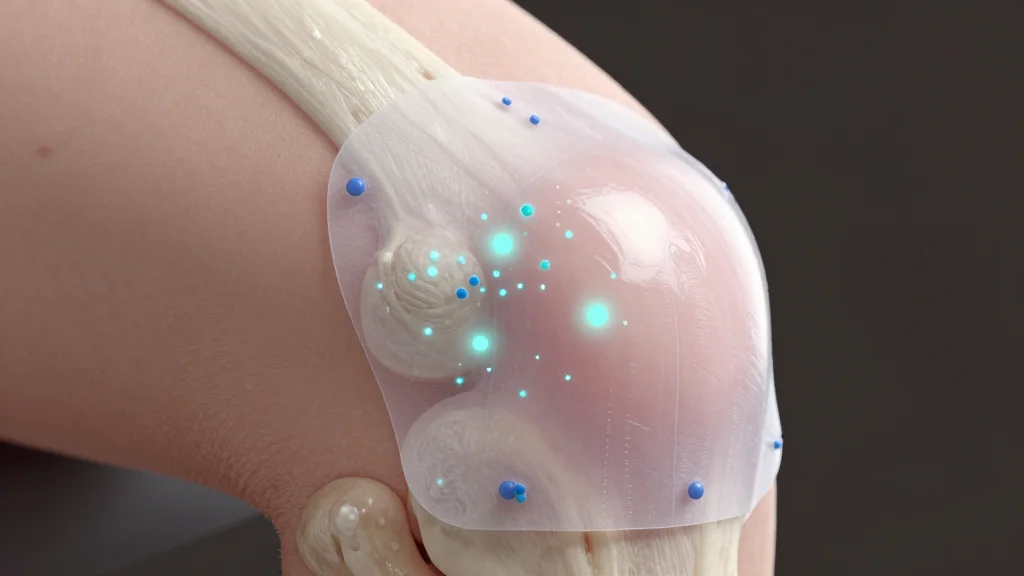
Bioadhesive Scaffold for Dual Delivery of Methotrexate‐Loaded Liposomes and Chondrogenic miRNA in Advanced Rheumatoid Arthritis Therapy
Researchers have engineered a bioadhesive scaffold that couples inflammation‑responsive methotrexate‑loaded liposomes with miRNA‑140‑bearing nanoparticles to treat advanced rheumatoid arthritis. The scaffold, composed of collagen, polydopamine‑modified hyaluronic acid and PEGDE cross‑linker, adheres to joint tissue, releases methotrexate when matrix metalloproteinases are...

Tumor Microenvironment‐Responsive Dual‐Enzymatic Flasklike Nanobots for Enhanced Chemotherapy
Researchers have engineered a flask‑shaped nanobot (GC‑M@FPNbot) that harnesses glucose oxidase and catalase to self‑propel in response to tumor‑specific proton and hydrogen peroxide gradients. Loaded with doxorubicin, the bots exhibit chemotactic motion that enables deep penetration of extracellular matrix and...

High‐Performance Electrocatalytic Carbon Dioxide Reduction to Formic Acid on Cypress‐Like Enzyme‐Antimony‐Bismuth Biohybrid
Researchers have created a cypress‑like biohybrid catalyst that couples carbonic anhydrase enzyme with antimony‑decorated bismuth to electrochemically reduce CO2 into formic acid. The enzyme acts as a CO2 shuttle, concentrating the gas at the electrode surface, while antimony tunes the...
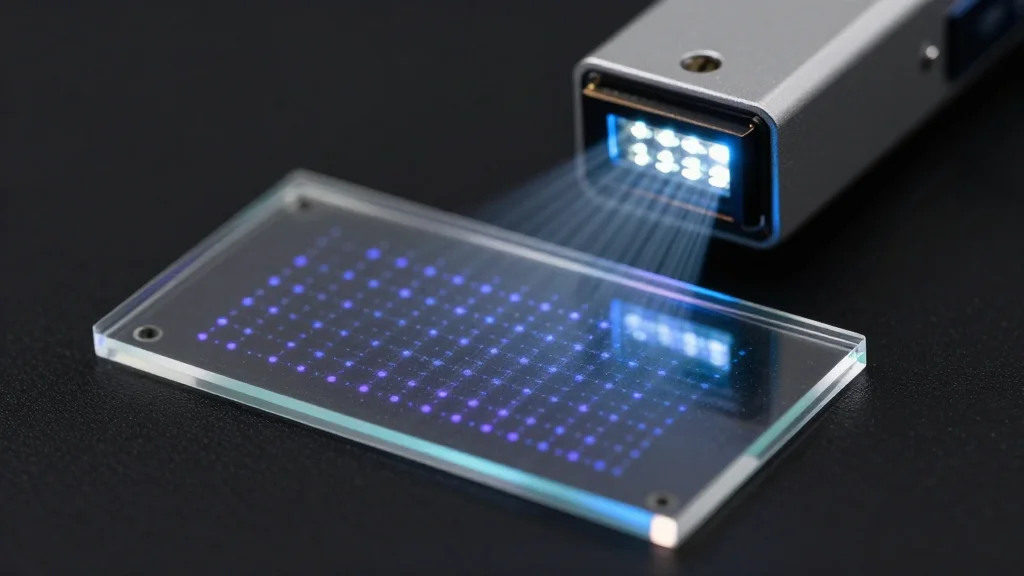
Light‐Guided Molecular Patterning for High‐Throughput Single‐Molecule Mechanical Characterization (Small 21/2026)
Researchers led by Wesley P. Wong have introduced a light‑guided molecular patterning technique that arranges UV‑responsive oligonucleotides on solid substrates using a digital micromirror device (DMD). The method projects programmable UV illumination without photomasks, delivering precise spatial control. This approach...

Multimodal Analysis of the Early Stage of Amyloid Formation via Graphene Liquid Cell Electron Microscopy
Researchers have combined graphene liquid‑cell transmission electron microscopy (GLC‑TEM) with semi‑ensemble and time‑sequential analyses to watch amyloid‑β oligomer formation in real time. The multimodal approach reveals that early‑stage aggregates exist in a kinetic quasi‑equilibrium, where rapid association‑dissociation events keep population...
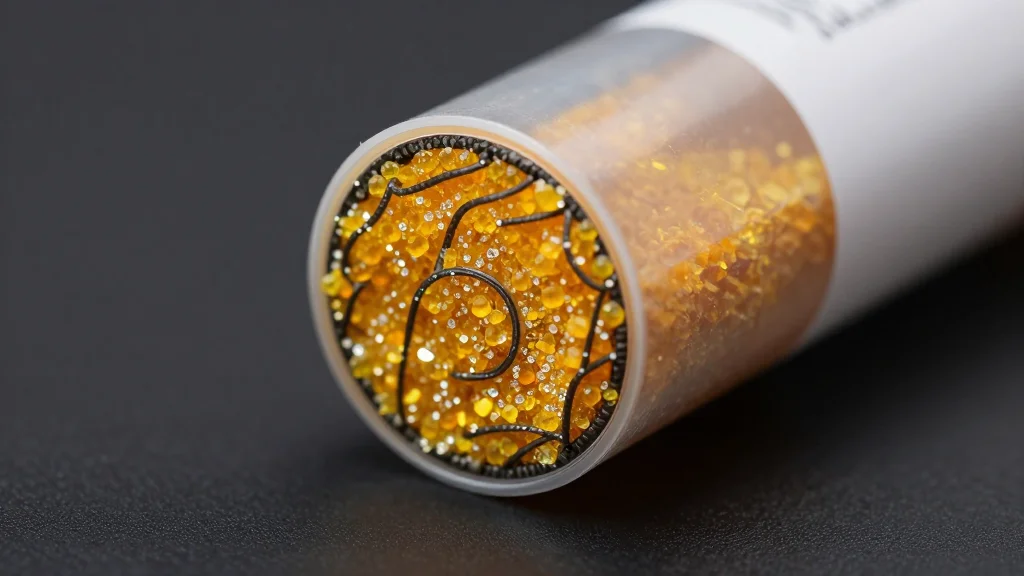
Synergistic Polysulfide Regulation by Nanodiamond and Sulfur Iodide on Cathode for Achieving Long‐Cycling Na–S Batteries
Researchers have created a sulfur‑iodine‑carbon‑nanotube/nanodiamond (SIC/ND) composite cathode for sodium‑sulfur batteries. The design uniformly coats sulfur iodide on a conductive CNT framework while embedding nanodiamonds for mechanical support and catalytic activity. The cathode delivers a specific capacity of 1,096.7 mAh g⁻¹ after...
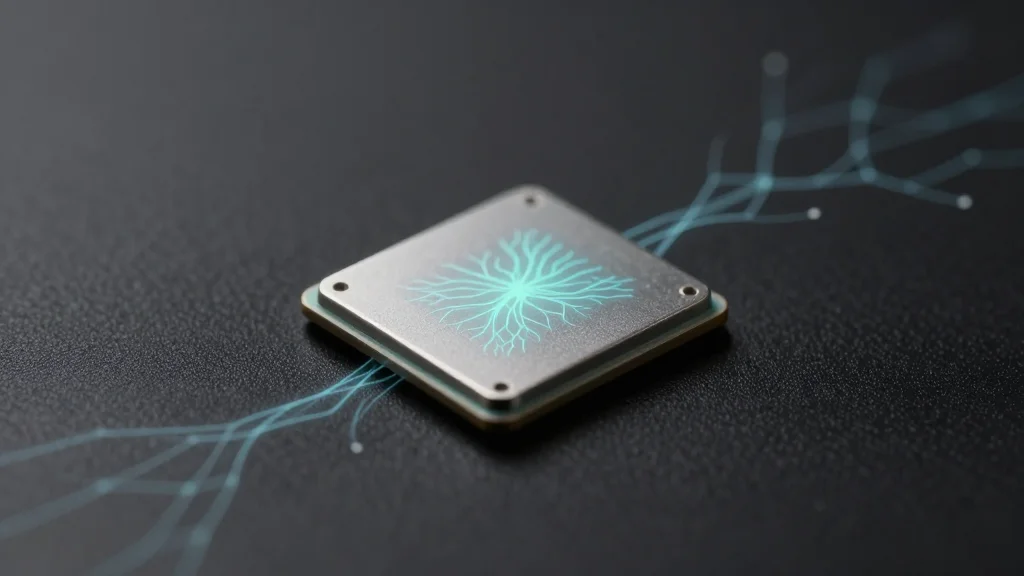
Nanoz Unveils 2 Mm AI‑Powered Nanosensors for Health Diagnostics and Pollution Tracking
Nanoz, a French deep‑tech firm, launched 2‑mm AI‑powered nanosensors that identify complex gas signatures for medical diagnostics and environmental monitoring. The devices, built on metal‑oxide semiconductor technology, aim to bring non‑invasive breath tests and real‑time air‑quality data to markets worldwide.
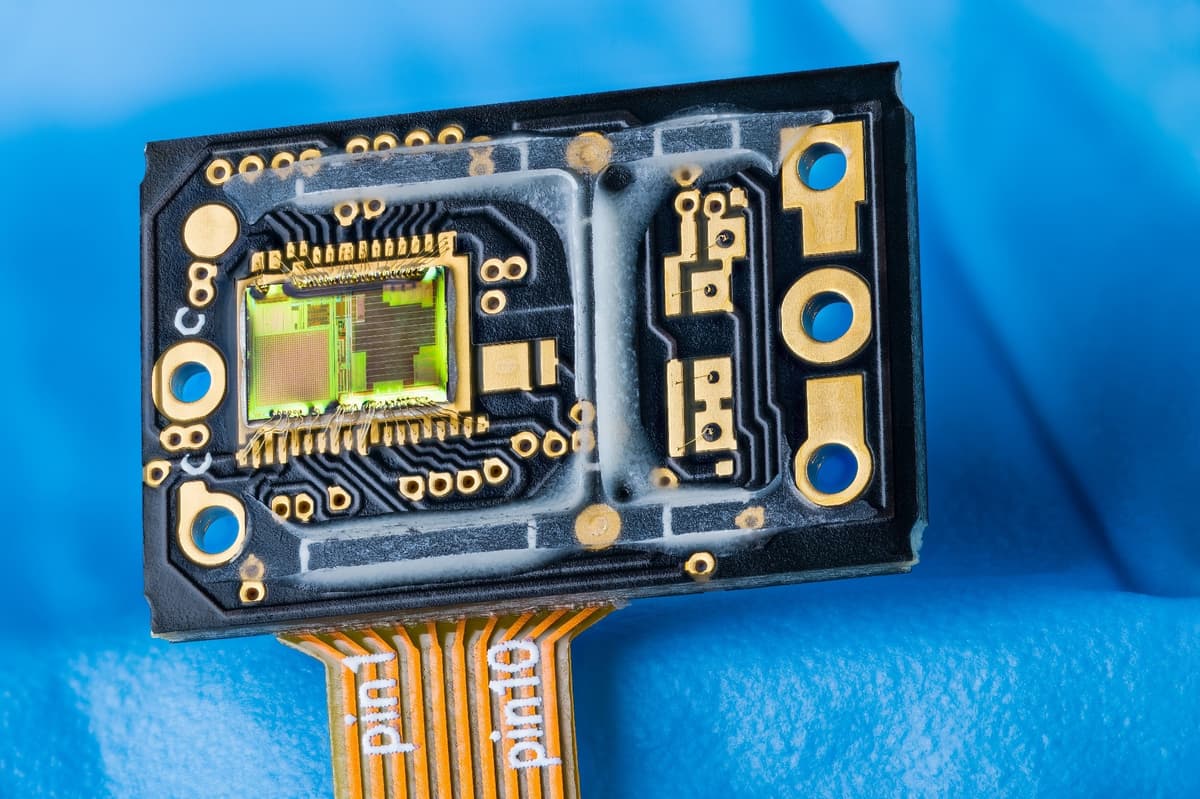
Improved Surface Chemistry Lifts HgTe Nanocrystal Photodiode Voltage
Researchers have demonstrated that an ultrathin CdS shell combined with revised Cd‑based interface chemistry pushes HgTe nanocrystal photodiodes past a long‑standing voltage ceiling. The optimized devices achieve a 420 mV open‑circuit voltage—exceeding half the material bandgap—and reduce dark current to ~10⁻⁷ A cm⁻²....
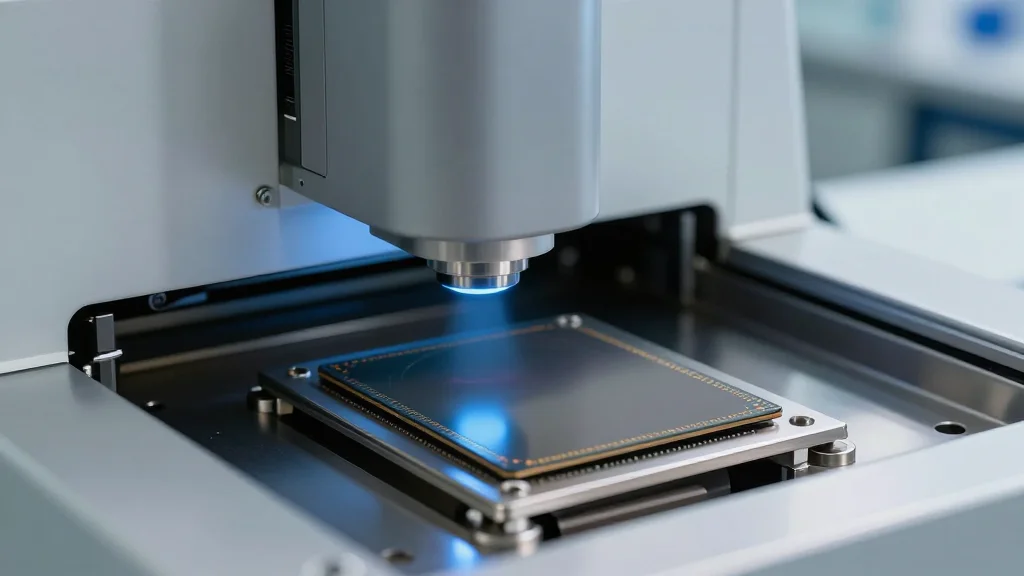
AlixLabs and VDL ETG Projects Announce MoU for Industrialization of APS Patterning
Swedish semiconductor equipment maker AlixLabs AB has signed a memorandum of understanding with VDL ETG Projects to industrialize its Atomic Pitch Splitting (APS) patterning technology. The partnership will move APS from laboratory validation to batch manufacturing and turnkey production lines for chip...

Porous Silica-Based Anti-Reflective Coating Increases PV Glass Optical Transmission by 5.2%
Researchers at Spain’s CIEMAT have created a porous silica anti‑reflective coating that lifts solar‑panel glass transmission by up to 5.2%, reaching 99.8% at 600 nm. By fine‑tuning the ratio of TEOS to MTES, the concentration of the pore‑forming agent Pluronic P‑123,...

NTU Singapore, SUSTech, and Lipigon Advance Inhaled Nanocarrier Therapy for Severe Lung Infections
Nanyang Technological University in Singapore, Southern University of Science and Technology in China, and Sweden’s Lipigon Pharmaceuticals have pushed their inhaled nanocarrier drug targeting ANGPTL4 into non‑human primate testing. The move clears the path toward an IND filing and could...
Printed MoS2 Memristive Nanosheet Networks for Spiking Neurons with Multi-Order Complexity
Researchers at Northwestern University have aerosol‑jet printed graphene/MoS₂/graphene memristive networks that exhibit snap‑back negative differential resistance and volatile threshold switching. The printed devices operate on flexible substrates, delivering oscillatory neuron circuits with tunable spiking frequencies up to 20 kHz and surviving...

Monolithic 3D Integration of Tantalum Pentoxide Nonlinear Photonics
Researchers have unveiled a monolithic three‑dimensional integration platform that embeds tantalum pentoxide (Ta₂O₅) waveguides directly on silicon substrates. The approach delivers ultra‑low propagation loss below 0.08 dB/cm and a Kerr nonlinear coefficient exceeding 1×10⁻¹⁸ m²/W, enabling on‑chip octave‑spanning frequency combs within a...
Giant Room-Temperature Third-Order Electrical Transport in a Thin-Film Altermagnet Candidate
Researchers report a giant third‑order electrical transport response at room temperature in (101)‑oriented RuO₂ thin films 5–9 nm thick. The third‑order Hall signal surpasses that of previously studied materials such as FeSn, MnBi₂Te₄, and Cd₃As₂, even without high magnetic fields. X‑ray...

Wavy Membrane Triples Output of Ultrasound-Powered Implant Nanogenerators
Researchers have engineered a wavy polymer membrane that triples the power output of ultrasound‑driven triboelectric nanogenerators (TENGs) compared with conventional flat films. By creating alternating concave and convex regions that deliberately mismatch acoustic impedance, the design amplifies vibration where it...

Sonodynamic Therapy with Ferrocene-Modified Frameworks Targets Breast Cancer Metastasis
Researchers at Beijing Institute of Technology have engineered ferrocene‑modified covalent organic frameworks (mCOFs) that act as ultrasound‑activated sonosensitizers. When combined with sonodynamic therapy, the nanoplatform reduces breast cancer cell viability to 24.3% and drives apoptosis above 84%, while simultaneously generating...
AI-Guided Electron Microscope Provides Unique Glimpse Into the World of MXenes
Researchers at the National Laboratory of the Rockies have used an AI‑guided electron microscope to map point defects in three dimensions within MXene sheets. The study, published in Nature Communications, presents the first 3D reconstruction of titanium‑vacancy distributions in a...

Phospholipid Asymmetry Helps Explain Extracellular Vesicle Surface Charge and Therapeutic Quality
Researchers led by Naohiro Seo and Takanori Ichiki published a review in ACS Nano Medicine that links extracellular vesicle (EV) surface charge to phospholipid asymmetry, especially the distribution of phosphatidylserine (PS). They show exosomes retain PS on the inner leaflet,...

Stanford Team Demonstrates Ultrasound‑Powered Nanophosphor Light Source Inside Living Tissue
Stanford scientists have shown that mechanoluminescent nanophosphors injected into the bloodstream can emit blue light when triggered by external ultrasound, creating a controllable, deep‑tissue light source in live mice. The breakthrough could replace invasive fiber optics for neuromodulation, gene editing...

Tuning 2D Materials Growth for Quantum Photonics
Researchers at INL have introduced a new atmospheric‑pressure chemical vapor deposition technique that tunes argon flow during ammonia‑borane decomposition to grow large‑area hexagonal boron nitride (h‑BN) films. The optimized process yields high‑quality h‑BN layers that host single‑photon emitters operating at...

Graphene Mirrors Hidden Charges Shaping Water without Changing Wetting
Researchers at the Max Planck Institute have shown that a graphene monolayer, while appearing wetting‑transparent on the macroscopic scale, acts as a nanoscale mirror for substrate charges, reshaping the structure of adjacent water molecules. Using surface‑specific vibrational spectroscopy and molecular dynamics...

Aerospace Nanotech Market Set to Reach $6.86 B by 2030, Driven by 7.5% CAGR
The Business Research Company forecasts the aerospace nanotechnology market will climb to $6.86 billion by 2030, expanding at a 7.5% compound annual growth rate. The surge is fueled by demand for nanosensors, graphene‑based components, and lightweight nanocomposites across commercial aviation and...

Balsa Wood Absorbs Solar Heat and Generates Power Long After Dark
Researchers have engineered a carbonisation‑free balsa wood composite that absorbs sunlight, stores heat, and generates electricity after darkness, achieving a photothermal conversion efficiency of 91.27% and a sustained 0.65 V output. The material uses delignified wood with 93% porosity, black phosphorene...

The Once-Theoretical Skyrmion Could Unlock Supercomputing Memory
Researchers have demonstrated that magnetic skyrmions as small as 2 nm can form in the centrosymmetric compound Eu(Ga,Al)₄, overturning the long‑standing belief that skyrmions require non‑centrosymmetric crystals. Using composition‑controlled crystal growth and synchrotron‑based ARPES, the team identified a Lifshitz transition that...
Nanozyme Boosts Stem Cell Mitochondria to Accelerate Bone Regeneration
Researchers have engineered a single‑atom nanozyme that mimics cytochrome c oxidase, restoring mitochondrial energy production in stem cells. The nanozyme, anchored with iron and copper on a mesoporous silica scaffold and coated with triphenylphosphonium, targets mitochondria and shifts cell metabolism toward...