Today's Nanotech Pulse

Left‑handed DNA origami tubes double chemotherapy efficacy
Researchers at the Cancer Center at Illinois showed that left‑handed DNA origami tubes loaded with the drug Daunorubicin kill acute myeloid leukemia cells more than twice as effectively as right‑handed tubes. The tubes display CD117‑targeting aptamers and their left‑handed geometry promotes rapid internalization, boosting cell‑killing potency.

Bracco Imaging, NYU Langone Sign Multi‑Year Deal to Accelerate Nanotech‑Based Imaging
Bracco Imaging and NYU Langone Health have signed a multi‑year Master Research Agreement to co‑develop advanced imaging technologies that rely on nanomaterial contrast agents. The partnership targets MRI, photon‑counting CT, targeted ultrasound and AI‑enhanced PET/CT, aiming to speed precision‑medicine diagnostics.

Synergistic Enrichment and Catalytic Sensing Platform Based on ZIF-8-NH₂/Dynamic Schiff Base Hydrogel for Ultrasensitive Detection of Hydroquinone
Researchers have created a dynamic Schiff‑base hydrogel integrated with amino‑functionalized ZIF‑8 (ZIF‑8‑NH₂) that covalently anchors to an oxidized sodium alginate/carboxymethyl chitosan matrix. The resulting OCZN‑30 sensor delivers ultrasensitive electrochemical detection of hydroquinone, achieving a limit of detection of 0.0167 µM and...

Nanobiotix's Nanoprimer Boosts LNP‑DNA Immunotherapy Bioavailability, Cuts Toxicity
Nanobiotix unveiled preclinical results that its Nanoprimer platform, given before lipid‑nanoparticle DNA immunotherapies, markedly increases systemic exposure and reduces hepatic toxicity in mice. The data, presented at the 2026 AACR meeting, could unlock more effective LNP‑based cancer treatments.
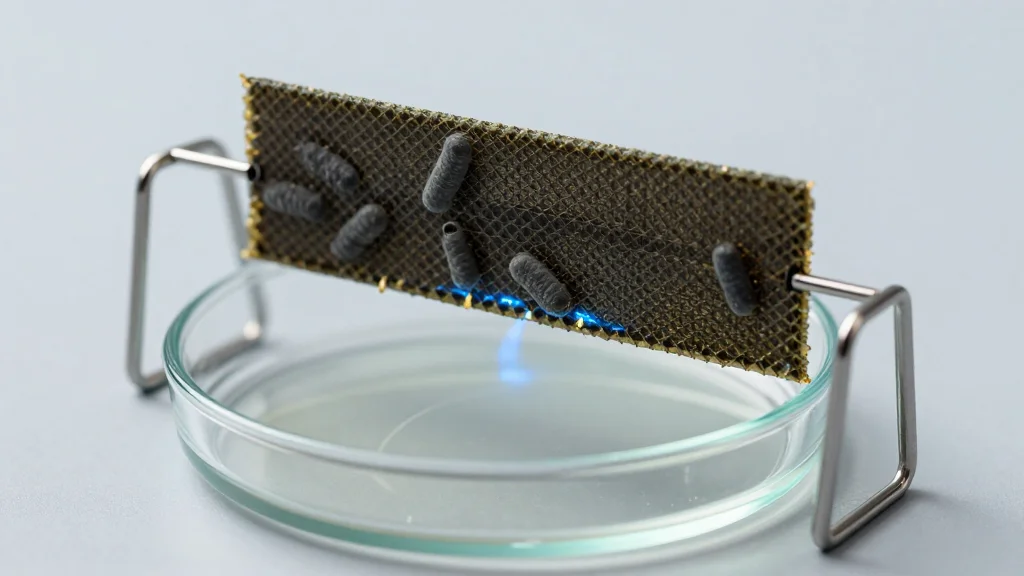
Graphene Filter Captures and Electrically Zaps Bacteria
📰 🧪 James Tour Group in the News: Graphene filter grabs bacteria to kill them with a zapAn article features Rice research that developed a technique to turn […] https://t.co/DXX7NML3EQ

861: Engineering Novel Solutions for Data Storage and Energy Management in Electronics - Dr. Eric Pop
In this episode, Dr. Eric Pop, a Stanford professor and former Intel engineer, discusses his interdisciplinary work at the nexus of nanomaterials, electronics, and energy management. He explains how phase‑change materials enable low‑power data storage by toggling between amorphous and...

Adisyn Eyes Semiconductor Interconnect Solutions After Low-Temp Graphene Breakthrough
Adisyn (ASX: AI1) demonstrated continuous graphene deposition on a 1 cm × 1 cm coupon using standard industrial atomic layer deposition (ALD) equipment at temperatures well below the 450 °C semiconductor limit. The low‑temperature process, validated by TEM/FIB‑THEMIS and Raman analysis, marks a step toward...
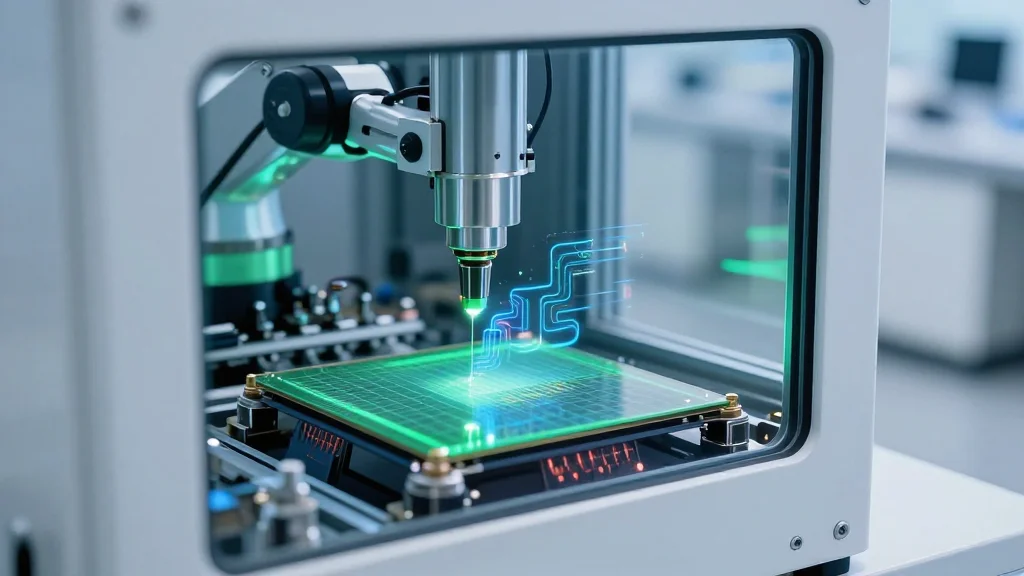
ATLANT 3D and NUS Partner on AI-Driven Materials Discovery Foundry in Singapore
ATLANT 3D and the National University of Singapore’s Institute for Functional Intelligent Materials have signed an MOU to launch an AI‑driven materials discovery foundry inside NUS’s CREATE lab. The facility will integrate ATLANT 3D’s Direct Atomic Layer Processing (DALP) technology...

NTU Unveils AI‑Powered Biochip That Detects Disease Biomarkers in 20 Minutes
Scientists at Singapore’s Nanyang Technological University have built an AI‑driven nanophotonic biochip that can identify disease‑related microRNA biomarkers in roughly 20 minutes. The prototype pairs a camera and mobile app for real‑time analysis, aiming to cut diagnostic turnaround times dramatically.

EU Hands Over Advanced Materials Advice to Commissioner Zaharieva, Spotlighting Nanotech Policy
On April 22, 2026, the EU Scientific Advice Mechanism transferred its latest evidence review and scientific opinion on advanced materials to Commissioner Ekaterina Zaharieva. The handover, broadcast live on EBS TV, outlines policy steps for the forthcoming Advanced Materials Act,...

Single Indium Atoms Shape CO2-to-Methanol Catalysis
Researchers at Brookhaven National Laboratory have shown that monoclinic hafnia can stabilize atomically dispersed indium atoms, creating highly active interfacial sites for CO₂ hydrogenation. The single‑atom indium catalyst delivers markedly higher methanol selectivity and operates at lower temperatures compared with...

On the Interpretation of Astrocytic Calcium Signalling with Graphene Oxide Electrodes
The authors reassess a 2024 Nature Nanotechnology claim that graphene oxide (GO) and reduced graphene oxide (rGO) electrodes can selectively trigger external calcium influx or internal calcium release in astrocytes. They argue that GO’s insulating nature and rGO’s conductivity produce...

When Quantum Fluids of Light Crystallize
Researchers Dario Gerace and Daniele Sanvitto reported the first observation of room‑temperature supersolidity in a quantum fluid of light. They integrated a single‑crystal halide perovskite with a patterned nano‑grating, creating a nonlinear optical lattice that supports polariton condensation. Measurements revealed...

Reply To: On the Interpretation of Astrocytic Calcium Signalling with Graphene Oxide Electrodes
The authors issue a formal reply to critiques of their 2024 Nature Nanotechnology study on graphene‑oxide (GO) electrodes and astrocytic calcium signaling. They reaffirm that GO electrodes reliably trigger distinct calcium transients in cultured astrocytes, and they present additional control...

Monash Researchers Unveil ‘Swiss‑Army‑Knife’ Optical Chip with 11 Functions
Scientists at Monash University have demonstrated a compact metasurface optical chip that combines 11 broadband functions on a single surface. The device operates across 1200‑1400 nm and could replace bulky components in data‑center and telecom optics, marking a shift toward multifunctional...
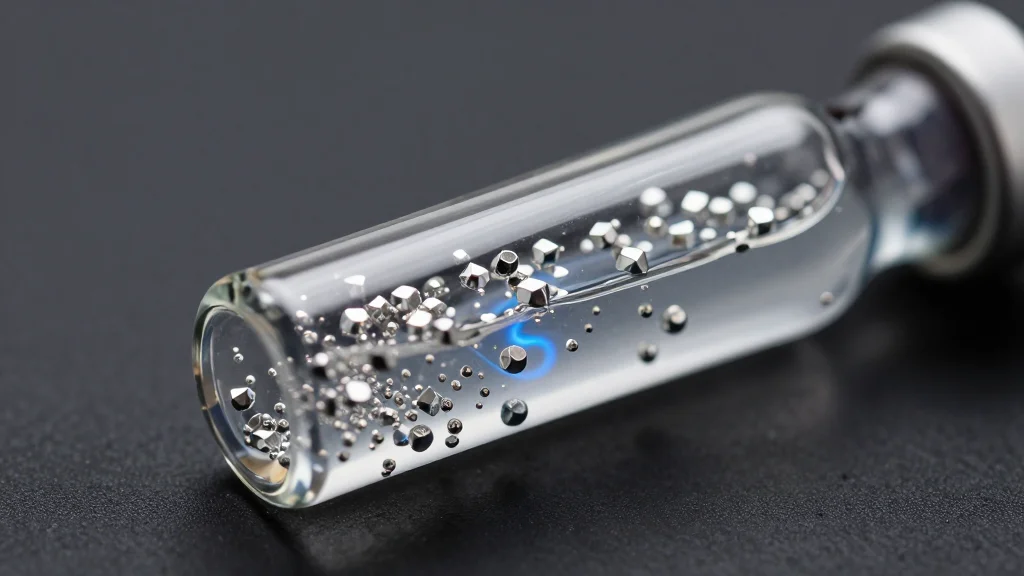
Cubical Bipyramid Nanoparticles Enable Systemic Magnetic Hyperthermia for Ovarian Cancer
Researchers at Oregon State University have created a cubical bipyramid magnetic nanoparticle that can be delivered intravenously and heated to 42‑46 °C under an alternating magnetic field, overcoming the need for direct tumor injection. The breakthrough, published in Advanced Functional Materials,...
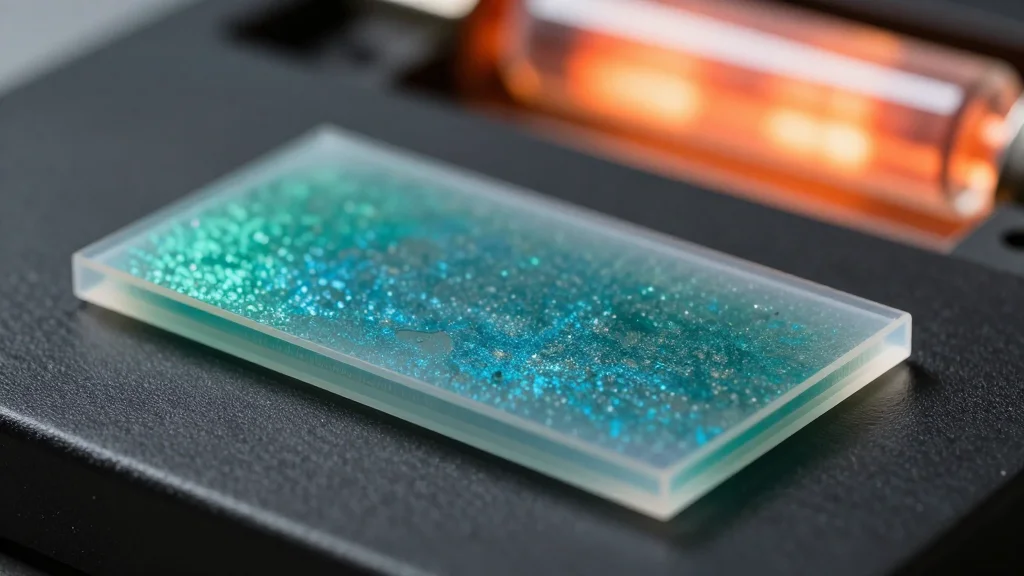
Wafer-Scale 2D Magnetic Films Emerge Thanks to a New Low-Defect Growth Technique
Researchers at the Indian Institute of Science have introduced a low‑defect physical vapor transport deposition (PVTD) method that produces centimeter‑scale, wafer‑wide CrCl₃ films, a representative two‑dimensional magnetic material. By darkening the growth tube, using ultra‑high carrier‑gas flow, dynamically controlling material...

Graphene Oxide Nanofluids Cool Solar Modules Efficiently
Cooling solar modules with nanofluids based on graphene oxide, Mxene #energysky -- via pv magazine global: https://t.co/KiDtc1yi4D

Scientists Just Found a Way to Control Electrons without Magnets
Scientists have demonstrated that chiral phonons can transfer orbital angular momentum to electrons in non‑magnetic quartz, establishing a magnet‑free route to orbitronics. The study, published in Nature Physics, shows that aligning chiral phonons produces an orbital Seebeck effect, generating a...

HYPER Workshop Highlights Nanocatalysts for Green Hydrogen‑Peroxide Production
The HYPER Workshop, organized by Marco Dreoni, convened on 23 April 2026 in Brussels as part of European Sustainable Energy Week. The two‑hour session brought together researchers, industry stakeholders, innovators and policy representatives to showcase electrochemical nanocatalysts for clean‑chemical routes, with hydrogen...

Graphene-Based Interlayer Boosts Li-S Battery Performance
Researchers at Cochin University of Science and Technology have introduced a bifunctional polyaniline/reduced graphene oxide (PRGO) interlayer integrated into a lithium‑sulfur battery separator. The composite simultaneously anchors polysulfides and provides a conductive network, mitigating the shuttle effect that limits Li‑S...

When Light Gets Trapped at Nanoscale: New Ways to Power the Future of Optoelectronics From Bound States in the Continuum...
Researchers have highlighted photonic bound states in the continuum (BICs) as a breakthrough for nanoscale light trapping, enabling ultra‑compact, chip‑compatible metasurfaces. A recent review by Do and Ha surveys material platforms, topological BIC variants, and emerging machine‑learning design methods, illustrating...

India Claims Spot as World’s No.2 in Applied Nanotech, Says Lt Governor
At the inaugural session of the International Conference on Nanotechnology for Better Living (NBL‑2025), Lieutenant Governor Manoj Sinha announced that India now ranks second worldwide, after China, in converting nanotech research into commercial applications. He urged greater investment in mission‑driven...

Northwestern Engineers Print Artificial Neurons That Talk to Living Brain Cells
Engineers at Northwestern University printed flexible artificial neurons that generated lifelike electrical signals and activated living mouse brain cells, demonstrating a direct electronic‑biological interface. The work, published in Nature Nanotechnology, could accelerate brain‑machine interfaces and inspire ultra‑efficient AI hardware.
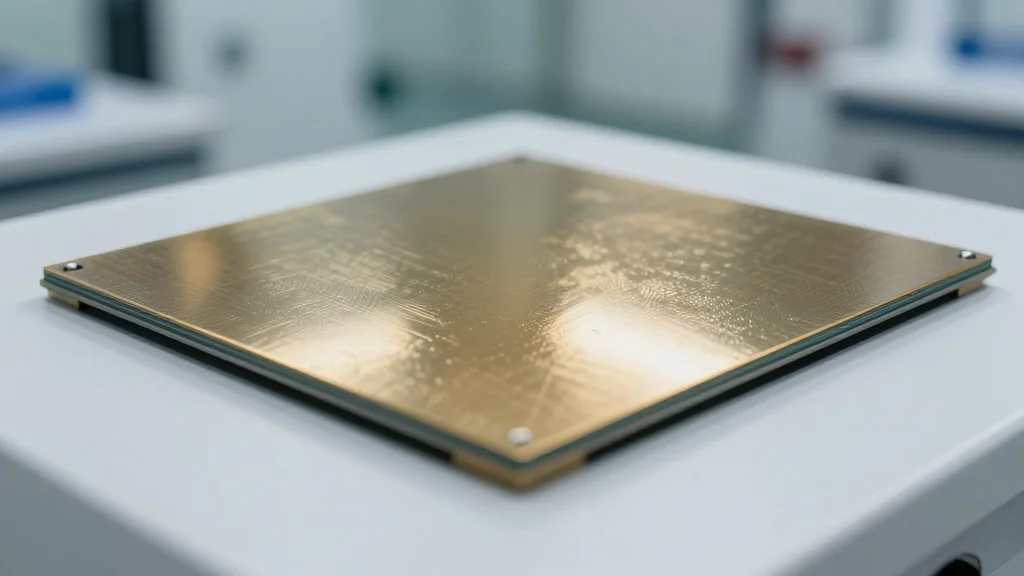
Reductive Transformation of ALD TeO2 Into Continuous and Impurity‐Free Tellurium Films
Researchers have unveiled a reductive transformation that converts atomic‑layer‑deposited TeO₂ into continuous, impurity‑free tellurium films. The self‑limiting process uses in‑situ generated TeH₂ from Te(SiMe₃)₂ and NH₃, eliminating oxygen from both bulk and interface while preserving conformality even at sub‑5 nm thicknesses....

Laser‐Assisted In Situ Fabrication of rGO/Bi2O3 Nanocomposites for Heavy Metal Sensing
Researchers have demonstrated a single‑step CO₂ laser process that simultaneously reduces graphene oxide and forms Bi₂O₃ nanoplatelets, creating flexible rGO/Bi₂O₃ nanocomposite electrodes. The laser‑engineered electrodes exhibit excellent stripping voltammetric performance for trace Pb(II), Cd(II) and Cu(II), achieving detection limits as...
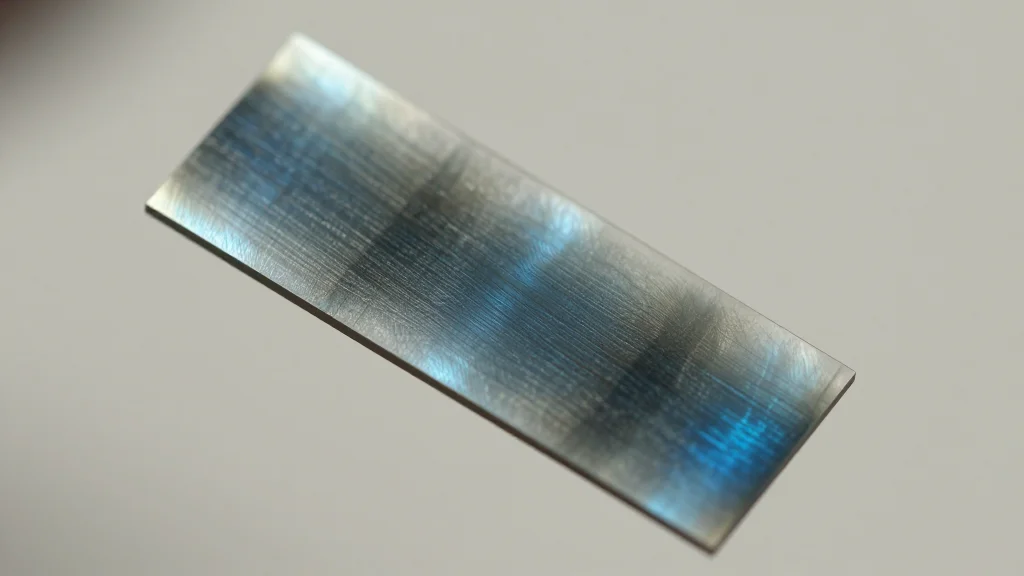
Zirconia Thin Films Unlock New Reversible Nonpolar-to-Polar Mechanism
Researchers at National Taiwan University have demonstrated a reversible non‑polar‑to‑polar transition in a 12‑nm zirconia (ZrO₂) thin film, establishing a near‑constant‑volume tetragonal symmetry change. This mechanism eliminates the traditional wake‑up effect that degrades antiferroelectric performance, enabling ultra‑stable behavior over 10⁸...

Decoupling Kinetic and Shuttle Limitations in Li─S Batteries Enabled by Temperature Responsive Functional Interlayer
Researchers have introduced a temperature‑responsive Ti3C2Tx MXene interlayer for lithium‑sulfur batteries that adapts its function across −10 °C to 55 °C. At low temperatures it catalyzes Li2S nucleation, boosting redox kinetics, while at high temperatures it strongly binds polysulfides to suppress shuttle....

Interfacial Nano‐Pitting and In Situ Sulfate‐Directed Growth of Na2.85V2(PO4)2.85(SO4)0.15 Nanodots on MWCNT for Ultrafast Sodium‐Ion Storage
Researchers introduced an ultracentrifugation‑assisted phosphate‑sulfate pretreatment that nano‑pits multi‑walled carbon nanotubes, creating confined sites for in‑situ growth of Na2.85V2(PO4)2.85(SO4)0.15 nanodots. The resulting nanodot‑carbon interface delivers strong electronic coupling and short sodium‑ion pathways, enabling capacitor‑like storage at ultrafast rates up to...

High Loading and Morphology Transformation in Boron Dispersed Copper Electrocatalyst Enables Efficient Nitrate to Ammonia Conversion
Researchers have engineered a boron‑nanosheet dispersed copper nanorod (BS‑CuNR) electrocatalyst that maintains activity at an unprecedented loading of 35 mg cm⁻². The hybrid architecture creates abundant active sites and superior ion‑electron transport, delivering a current density of –450 mA cm⁻² and 91.9% Faradaic efficiency...
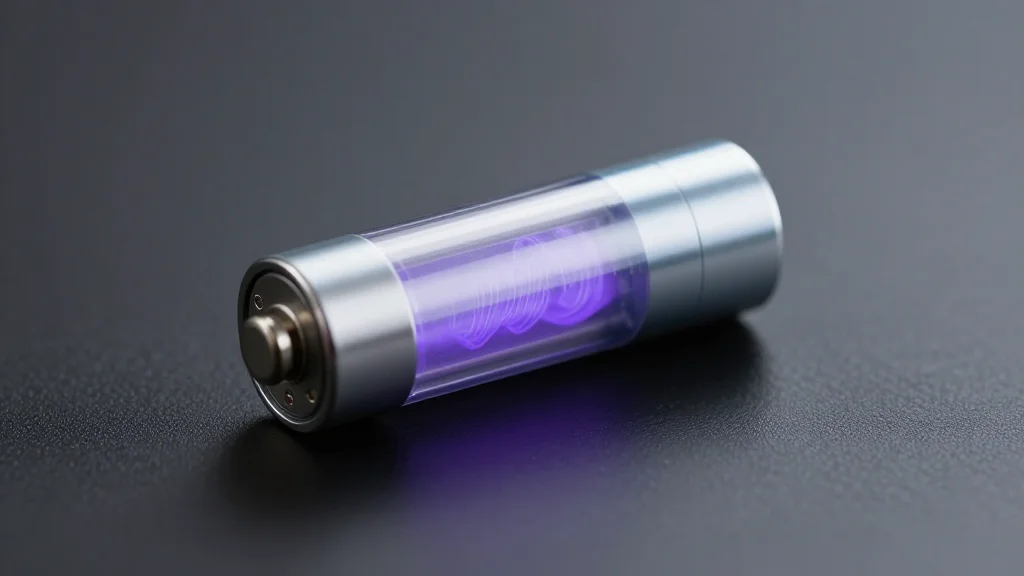
Australian Team Demonstrates First Quantum Battery Using Nanomaterials
Scientists from CSIRO, the University of Melbourne and RMIT have built and tested the world’s first proof‑of‑concept quantum battery. The prototype uses nanomaterial‑based quantum effects to charge in a single “super‑absorption” event, hinting at ultra‑fast charging for future devices. The...

Scalable Aluminum‐Doped Zinc Oxide Transparent Electrodes via Spatial ALD for High‐Efficiency Perovskite Modules
Researchers used spatial atomic layer deposition (ALD) to create aluminum‑doped zinc oxide (AZO) transparent electrodes with atomic‑level dopant control. By tuning the Al:Zn cycle ratio to 2.4‑4.2% Al, the films achieved a sheet resistance of 3.3 Ω/sq, 90% optical transmittance and...
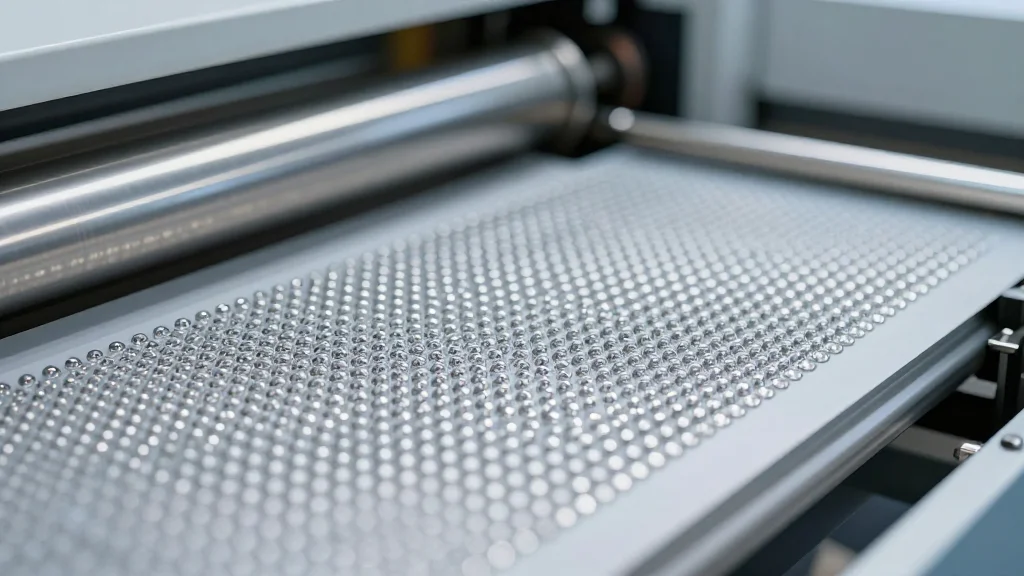
Roll‑to‑Roll System Prints 300 Visible Metalenses per Second
A fully automated roll-to-roll platform now enables the production of 300 visible metalenses per second, overcoming key manufacturing barriers and advancing the scalable commercialization of flat optics for next-generation photonic devices. metasurfaces

Controlled Disorder Enables Compact, Multifunctional Optical Metasurfaces
A mosaic metasurface design integrates eleven optical functions, claiming that controlled disorder can enhance performance and reduce space requirements in optical systems. https://t.co/1Gk4xSS7s1

Pfizer Unveils Nanoparticle Platform to Target Tumors, Reduce Side Effects
Pfizer said today its Targeted Therapeutics Unit in Oncology R&D is advancing a nanotechnology platform that uses engineered nanoparticles to deliver drugs straight to cancer cells. The approach is designed to boost efficacy while cutting the collateral damage typical of...

Diamonds Are an MRO’s Best Friend
Massachusetts‑based DUST Identity has unveiled a new platform that embeds its Diamond Unclonable Security Tag (DUST) technology into Maintenance, Repair and Overhaul (MRO) workflows. The solution uses microscopic diamond particles to create tamper‑evident, cryptographically secure identifiers for aircraft components, enabling...

How Nanomedicine Gets Inside Your Cells and Treats You From the Inside Out
Nanomedicine is moving from concept to clinic as researchers use lipid‑nanoparticle carriers to deliver synthetic mRNA and siRNA directly into patient cells. The approach lets liver cells produce missing proteins such as factor VIII for hemophilia A, while silencing harmful proteins like...

Structural, Morphological, Optical and Photocatalytic Properties of ZnO50%-CdO50% Mixed-Oxide Nanoparticles
Researchers used a sonochemical route, with and without lemon‑extract capping, to produce equimolar ZnO‑50%‑CdO‑50% mixed‑oxide nanoparticles. X‑ray diffraction confirmed a hexagonal wurtzite lattice distorted by Cd incorporation, while electron microscopy showed particle sizes shrinking from ~62 nm (uncapped) to ~17 nm (capped)....

TSMC Accelerates 3nm Rollout, Sparking $56B Capex Surge and Advanced Packaging Boom
TSMC announced an unprecedented expansion of its 3‑nanometer production across Taiwan, the U.S., and Japan, prompting a record $52‑56 billion capital spend and lifting Everlight Chemical’s stock as its PSPI material becomes critical for advanced packaging.

Humid Air Makes This 3D-Printed Nanogenerator Work Better, Not Worse
Researchers have created a 3D‑printable hygroscopic polymer that captures water molecules, turning high humidity into a performance boost for triboelectric nanogenerators (TENGs). The amide‑based resin, enhanced with 5 wt % sulfobetaine methacrylate, delivers 45.6 µA, 802 V and a peak power density of 48.4 W m⁻²...

Turning Plant Waste Into Nanocellulose and Biocomposites for Sustainable Space Missions
The European Space Agency‑funded BioSTEP project demonstrated that plant biomass and discarded packaging can be transformed into nanocellulose and high‑performance biocomposites suitable for Moon and Mars missions. Conducted by NTNU’s CIRiS and RISE PFI during 2024‑25, the study identified crops with...

Nanobody Repairs Misfolded CFTR Inside Cells, Boosting Function in Cystic Fibrosis
Researchers at Charité‑Berlin and the Leibniz FMP have engineered a cell‑penetrating nanobody that binds the F508del mutant CFTR inside lung cells, restoring proper folding and chloride transport. In vitro, the nanobody remained bound for at least 24 hours and rescued channel...

Chinese Researchers Grow Wafer‑Scale 2D Semiconductors 1,000× Faster
Researchers at China’s Institute of Metal Research have demonstrated wafer‑scale growth of monolayer tungsten silicon nitride films using a liquid‑gold/tungsten bilayer substrate. The new chemical vapor deposition process is roughly 1,000 times faster than conventional techniques and produced films up...

Sona Nanotech Adds Two Oncologists to Advisory Board for Hyperthermia Therapy
Sona Nanotech announced that Dr. Michael Smylie and Dr. Jonathan Trites have joined its Scientific Advisory Board, a move intended to speed up clinical trials for its Targeted Hyperthermia photothermal cancer platform. The hires bring deep expertise in melanoma immunotherapy...

Flexible Capacitive Pressure Sensor Gains Sensitivity Under Increasing Load
Researchers at Zhejiang University unveiled a flexible capacitive pressure sensor whose sensitivity increases with pressure, a reversal of the typical decline seen in conventional designs. The 3‑D cage‑like architecture, created via buckling‑guided assembly and laser cutting, delivers a peak sensitivity...

Temperature-Regulated Defective MIL-100(Fe) for Clove Essential Oil Loading as an Effective Natural Preservative for Peaches
Researchers synthesized a series of trifluoroacetic‑acid‑modulated defective MIL‑100(Fe) materials and loaded them with clove essential oil (CEO) to create a natural fruit preservative. The D‑MIL‑100(Fe)‑1 variant achieved the highest loading capacity at 610.6 mg CEO per gram, a 1.45‑fold increase over...

SAT NANO Debuts High‑Purity Ceramic Nanoparticles at 139th Canton Fair
SAT NANO exhibited a portfolio of high‑purity ceramic nanomaterials, including 20‑30nm niobium silicide powder at 99.95% purity, during its April 15‑19 stint at the 139th Canton Fair. The showcase underscores the company's drive to meet rising demand from microelectronics, energy...

Fluidic‐Enabled Formation of EGaIn Capsules and Droplets With Tunable Surface Chemistry and Electromechanics
Researchers have developed a microfluidic platform that produces eutectic gallium‑indium (EGaIn) droplets and capsules with programmable size, shape, and surface chemistry. By adjusting the acidity of the ethanol suspending fluid, the process yields either oxide‑stabilized capsules or non‑oxidized liquid droplets,...

B, N, and O Co‐Doped Nanoporous Activated Carbon With High Surface Area and Hierarchical Porous Structure for Enhanced Li‐Ion Battery...
Researchers introduced a solid‑state co‑activation method that blends boric acid, sucrose and aminoguanidine with potassium citrate to produce boron‑, nitrogen‑ and oxygen‑doped nanoporous activated carbon. The resulting material exhibits a high surface area and hierarchical pore network, enabling a symmetric...
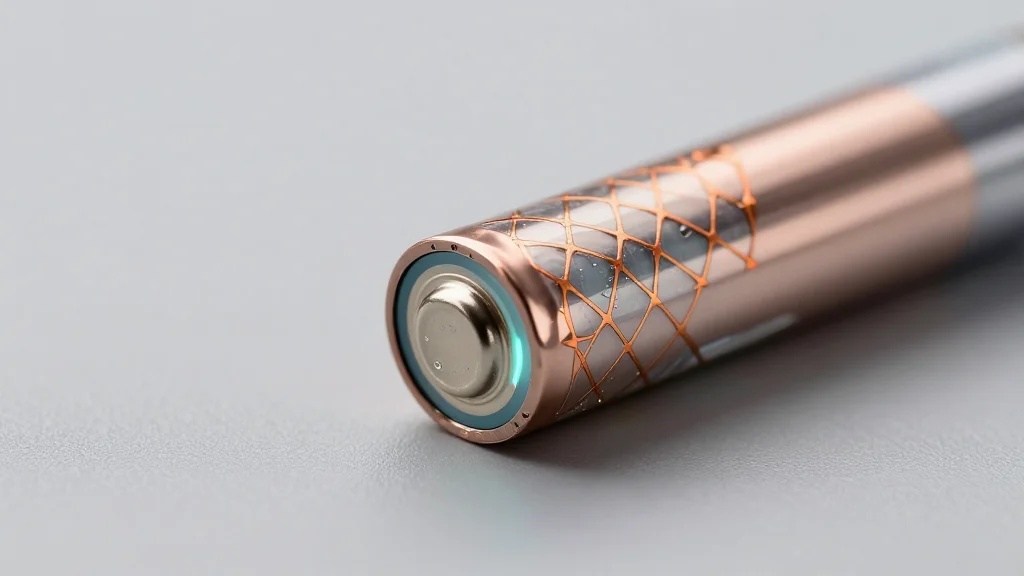
An Ultrathin Solid Electrolyte Keeps Lithium Metal Batteries From Catching Fire
Researchers have created a 20‑µm composite solid electrolyte that embeds trimethyl phosphate inside a copper‑based MOF cage, releasing the flame‑retardant only above 120 °C. The ultrathin electrolyte delivers ionic conductance 880‑times higher than conventional PEO membranes while raising the lithium‑ion transference...

Taiwanese Universities Unveil Green Nanorod Sensor Platform with 0.21 µM Detection Limit
Researchers from National Central University and National Taipei University of Technology have built a green nanorod‑based electrochemical sensor that detects adrenaline at a limit of 0.21 µM. The platform uses coffee‑acid reduction to embed rhenium nanoparticles in hollow ZnMn₂O₄ microspheres, offering...