Today's Nanotech Pulse

Left‑handed DNA origami tubes double chemotherapy efficacy against AML
Researchers at the Cancer Center at Illinois showed that left‑handed DNA origami tubes loaded with Daunorubicin achieve more than twice the cell‑killing efficacy of right‑handed tubes. The tubes display aptamers that target the CD117 protein on acute myeloid leukemia cells and their left‑handed geometry promotes rapid internalization.
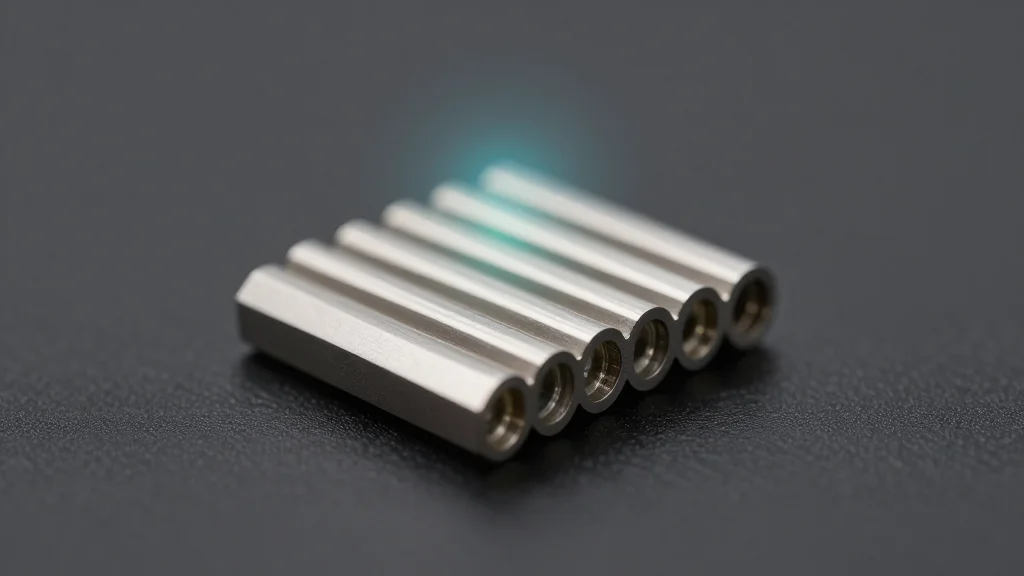
MetaOptics Lands Design and Evaluation Orders for Metalenses From Top Global Customers
MetaOptics Ltd announced that it has secured design and evaluation orders for its advanced metalenses and modules from leading customers in South Korea, Europe and the broader semiconductor ecosystem. The milestone, disclosed in its FY 2025 annual report, marks a shift from exploratory interest to active development and production planning.

Russian Team Unveils Nanolaser with Record‑Narrow 0.15 Nm Emission Line
Researchers from Saint Petersburg State University, Alferov University, HSE, LETI and MIPT announced a semiconductor nanolaser whose emission line width is just 0.15 nm—five to ten times tighter than standard devices. The 60‑nm‑wide active region could accelerate ultrasensitive sensors and next‑generation...

First Graphene Roof Tile Trial Success Paves Way for Market Entry
First Graphene (ASX:FGR) reported a successful world‑first trial of graphene‑enhanced cement roof tiles, producing over 10,000 units at FP McCann’s UK plant. The tiles delivered up to 14% cradle‑to‑gate CO₂ reduction and an 8% cut in cement use while matching...

Nanomerics Secures US Patent Extending MET Platform Protection Into the 2040s
Nanomerics Ltd. has been granted a US patent that stretches the protection of its MET nanomedicine delivery platform into the 2040s. The filing secures the company’s core ocular and nose‑to‑brain drug pipelines and signals confidence in commercializing its nanotech‑based therapies.
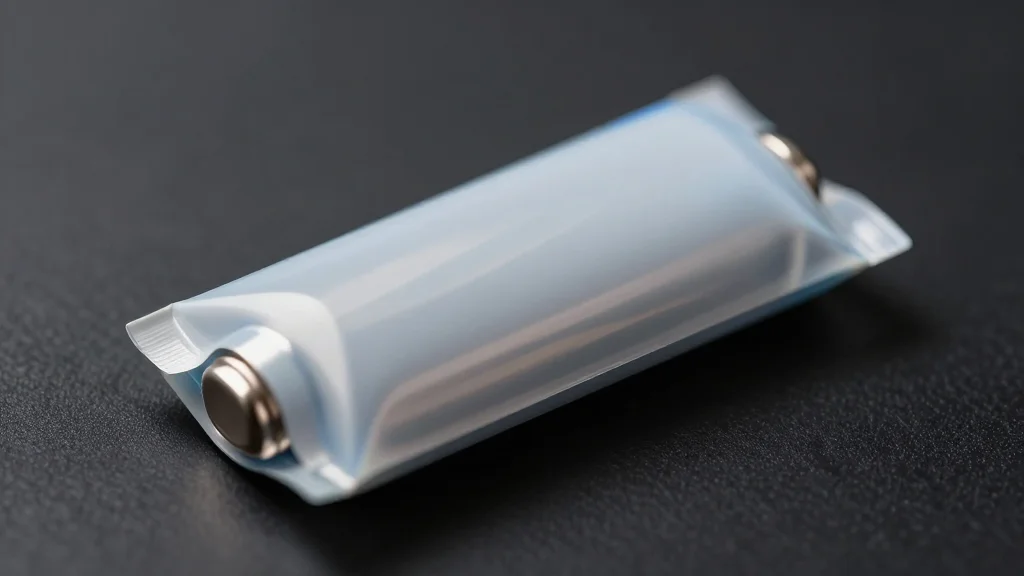
Interfacial Polarity Modulation of Positive Electrode Active Materials for High-Potential Lithium Metal Batteries
Researchers have introduced a polarity‑modulation strategy for positive‑electrode active materials that stabilizes high‑potential lithium‑metal batteries. By applying tailored self‑assembled monolayers and fluorinated surface treatments, the cathode interphase becomes LiF‑rich, suppressing electrolyte oxidation above 4.5 V. The approach delivered a 4.6 V Li||LiCoO₂...

Researchers Achieve Strong Spin Entanglement in Rationally Designed Polyradical Nanographenes
Scientists have reported the first rationally designed polyradical nanographenes that exhibit strong spin entanglement and resilience to perturbations, a breakthrough for quantum nanomaterials. The findings, published in Nature Synthesis, demonstrate that Clar’s goblet extension can reliably produce open‑shell graphene fragments...
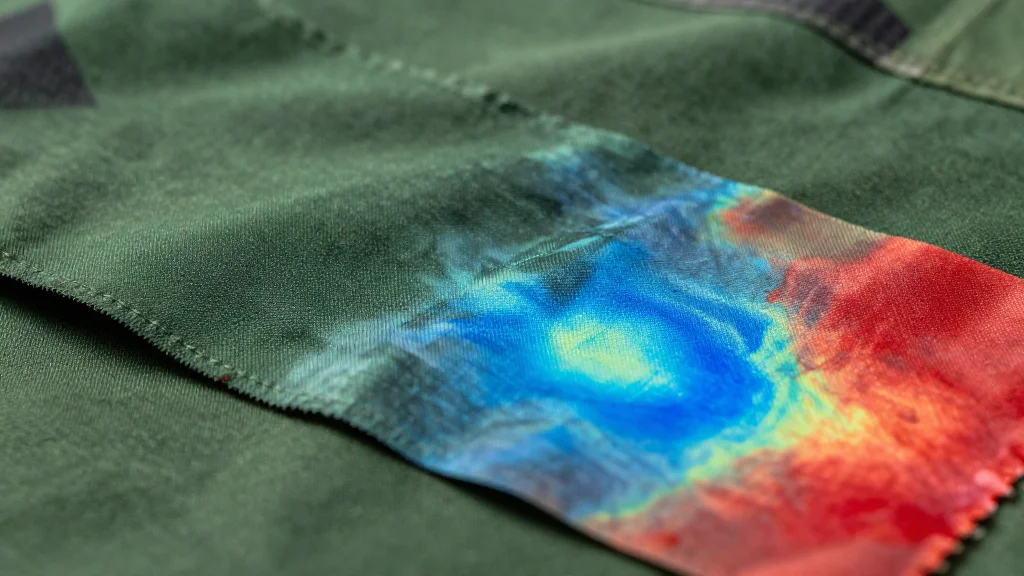
Alchemy, a Waterloo Company Offers Nanotechnology-Enabled Coatings for Camouflage and Other Defence Applications
Alchemy, a Waterloo‑based nanotech startup, has turned a windshield‑frost spray into a thermal‑camouflage coating now used by the Canadian Armed Forces. The company’s "Crypsis Class" nanocomposite can mask mid‑wave and long‑wave infrared signatures on textiles, earning a 95/100 score in...
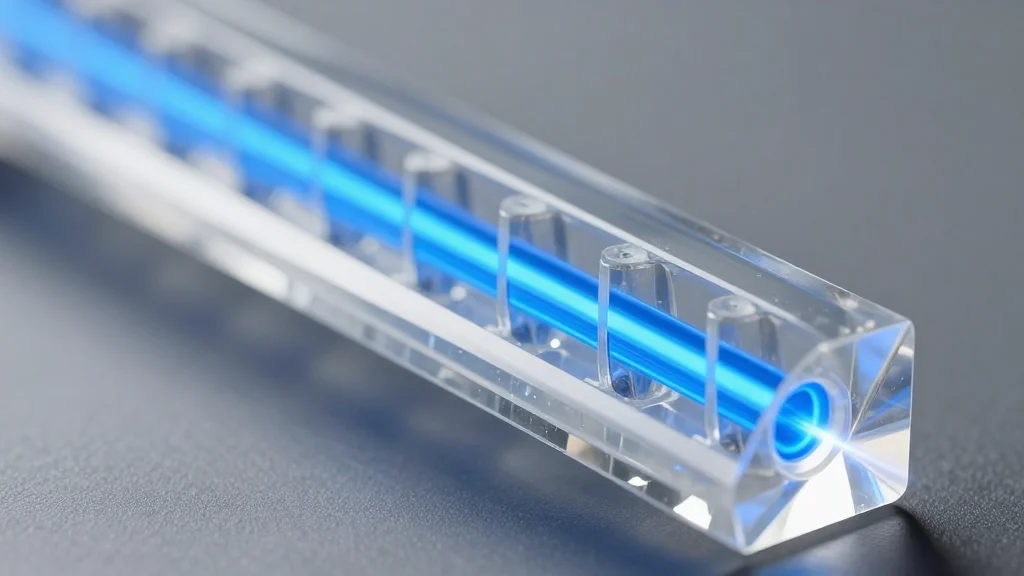
Chinese Researchers Achieve Record‑Breaking Ultra‑Deep Nanohole Waveguides with Femtosecond Laser
A team led by Prof. Jianrong Qiu (Zhejiang University) and Prof. Lijing Zhong (Ningbo University) fabricated nanohole‑clad waveguides with depth‑to‑diameter ratios exceeding 50,000:1 using a femtosecond‑laser process. The breakthrough, reported in Light: Advanced Manufacturing, overcomes long‑standing limits of single‑pulse nanolithography...

Aeluma Shares Jump 8% After NASA Awards Quantum Laser Contract
Aeluma Inc. saw its Nasdaq‑listed shares climb 8.09% to $18.02 after NASA announced a non‑dilutive award to advance the company’s integrated quantum‑dot laser platform. The funding targets data‑center communications and advanced sensing, positioning Aeluma at the forefront of next‑gen high‑performance...
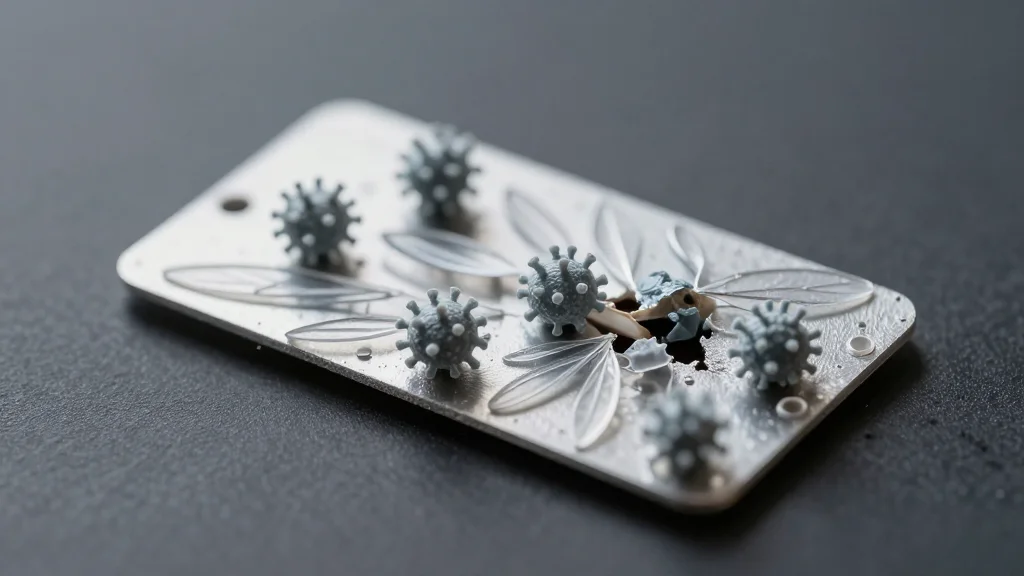
Virus‑Bursting Nanostructured Surfaces Ready After Decade of Research
Scientists have unveiled a virus‑bursting nanomaterial that mimics insect wings, physically rupturing viral particles on contact. The breakthrough, published in Advanced Science after ten years of work, promises an eco‑friendly alternative to chemical disinfectants for healthcare and public‑transport settings.

Bioinspired Aerogel Cleans Heavy Metals From Soil at Depths No Plant Can Reach
Researchers at Zhejiang University have created a bioinspired aerogel that mimics plant transpiration to pull contaminated water from soil depths of up to 1.5 meters. The ice‑templated chitosan‑carbon aerogel features vertically aligned channels that double water‑wicking speed and accelerate copper ion...
Turning Vibrations Into Value - a New Catalyst Converts CO2 Into Useful CO
Researchers at the University of Osaka have created a piezocatalyst that merges single‑atom nickel sites with nitrogen‑doped carbon on a BaTiO₃ piezoelectric scaffold. Under ultrasonic vibration at room temperature and ambient pressure, the material converts CO₂ to CO at a...

INBRAIN Neuroelectronics Completes Patient Recruitment for First-in-Human Study Evaluating Its Graphene Cortical Interface
INBRAIN Neuroelectronics announced that patient recruitment is complete for its first‑in‑human trial of a graphene‑based cortical interface. Ten patients were enrolled, and eight underwent surgery without any peri‑operative device failures, yielding complete datasets. The study, run with the University of...
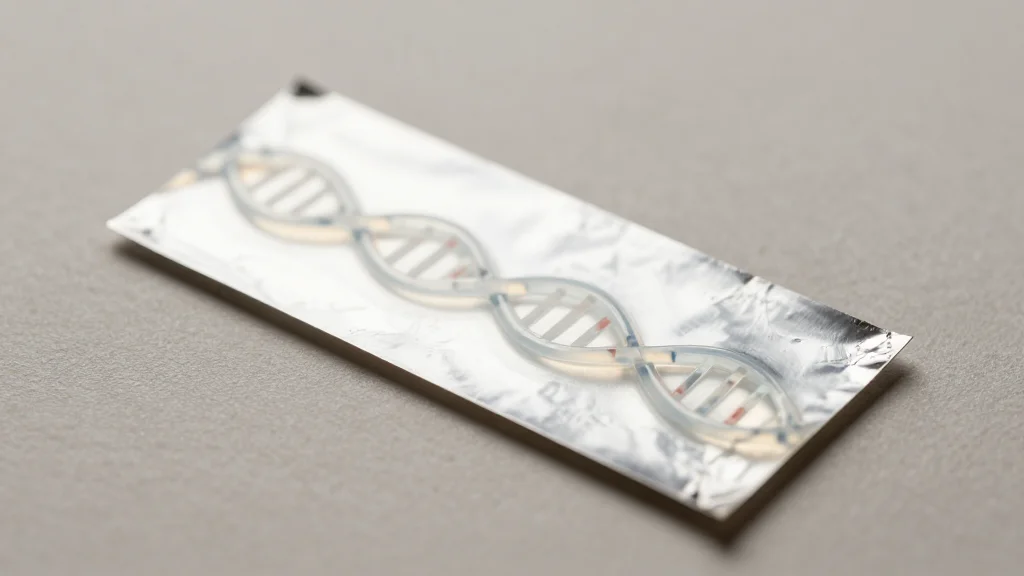
Microsoft Technology Licensing Assigned Patent
Microsoft Technology Licensing has been assigned U.S. Patent 12,595,474 for a DNA‑based data storage system that mounts synthetic DNA onto a two‑dimensional substrate such as metal foil, glass, or plastic. The invention adds a protective silica or thin‑metal coating and...

First Actual Measurement of 'Attempt Time' In Nanomagnets After 70 Years of Assumptions
Researchers at Tohoku University have experimentally measured the nanomagnet attempt time for the first time, finding it to be between 4 and 11 nanoseconds—far longer than the one‑nanosecond value assumed for seven decades. The team used a novel temperature‑independent Arrhenius...
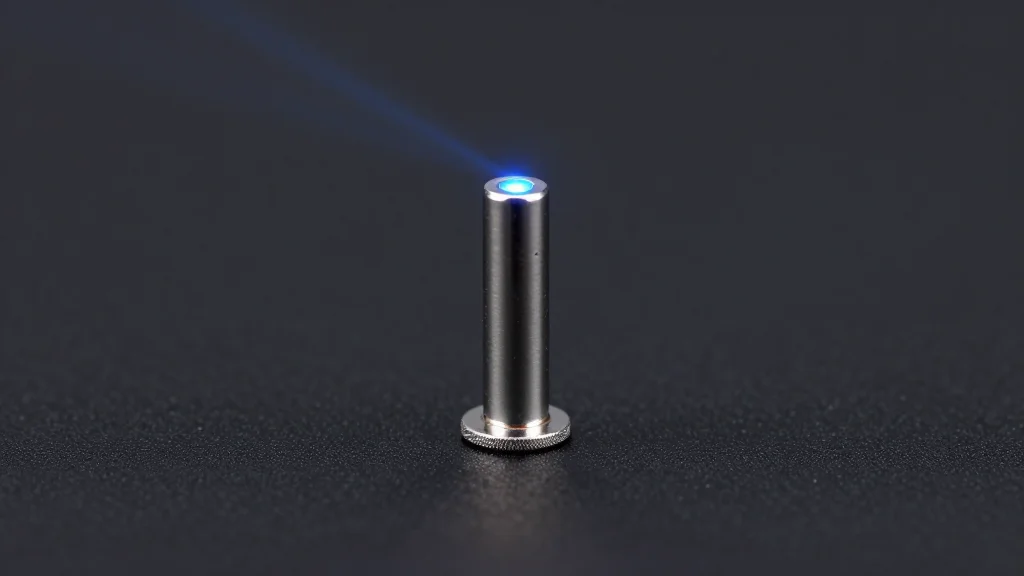
Russian Team Unveils Nanolaser with Record‑Pure 0.15 Nm Linewidth
Scientists from Saint Petersburg State University and partner institutes have built a semiconductor nanolaser whose emission line width is just 0.15 nm, five to ten times narrower than typical devices. The active region measures no more than 60 nm, a scale that...
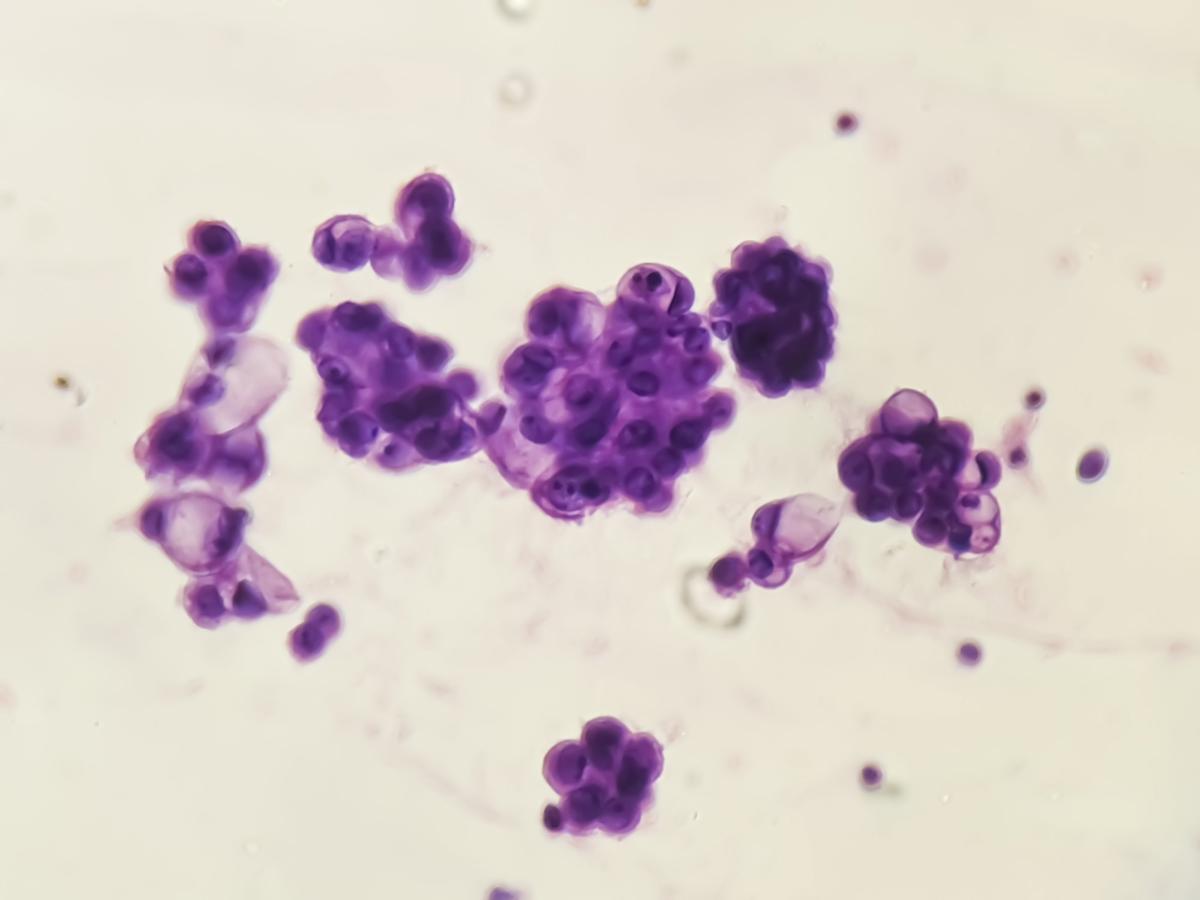
New Nanomedicine Approach Boosts Chemotherapy And Immune Activity In Pancreatic Cancer
A preclinical mouse study published in Advanced Science demonstrates that photoactivatable multi‑inhibitor liposomes (PMILs) can deliver irinotecan directly to pancreatic ductal adenocarcinoma (PDAC) tumors when activated by light. The regimen combines minocycline‑mediated DNA‑repair inhibition, photodynamic priming, and localized chemotherapy, boosting...

High-Throughput Diffuse Electron Projection Lithography
Researchers introduced diffuse electron projection lithography (DEPL), which uses a wide diffuse electron beam in air and patterned gold‑nanoparticle masks to pattern features as small as 4 nm. The technique demonstrated a throughput of 15 4‑inch wafers per hour and projects up...
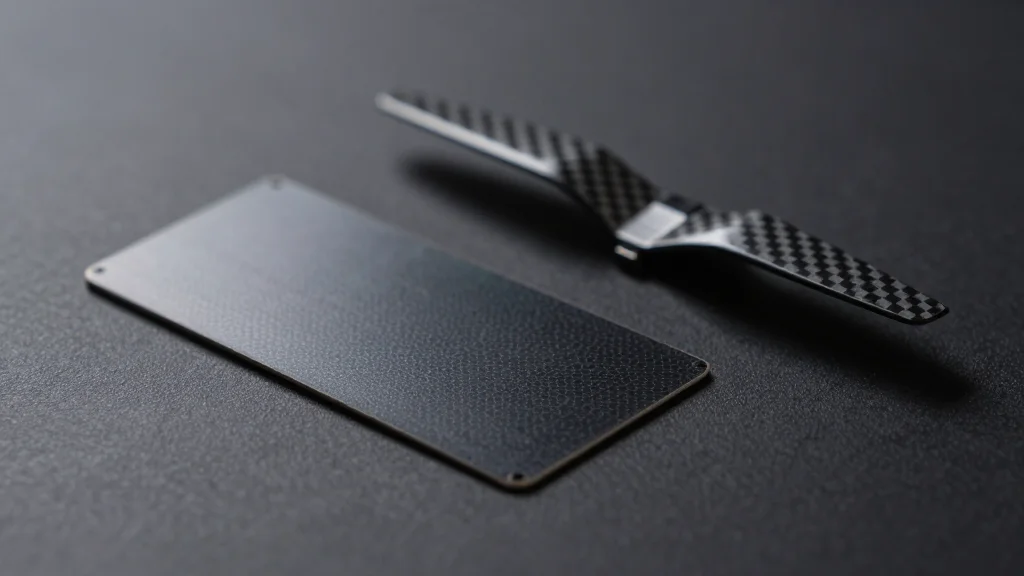
Adisyn Secures Stealth Drone Technology License
Adisyn’s 2D Radar Absorbers subsidiary signed an exclusive worldwide license with Ramot, Tel Aviv University’s tech‑transfer arm, to commercialize graphene‑based radar‑signature‑reduction technology. Laboratory data show a 20 dB (≈100×) drop in radar return, with a roadmap toward 30 dB (≈1,000×) reduction. The agreement...
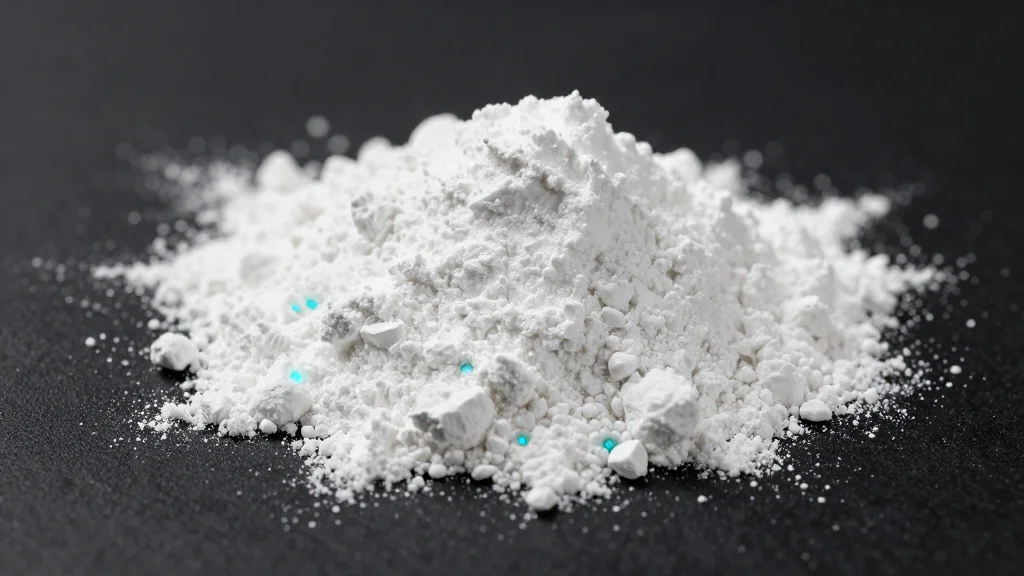
Low‐Temperature Construction of a Ti–O–C‐Linked S‐Scheme Heterojunction for Efficient Visible‐Light Photocatalytic Redox Reactions
Researchers have introduced a low‑temperature, green synthesis method to build a Ti‑O‑C‑linked S‑scheme heterojunction by grafting yeast‑derived carbon dots onto uncalcined anatase TiO2 at 40 °C. The resulting Y‑CD/UC‑TiO2 composite exhibits visible‑light photocatalytic rates for Rhodamine B degradation and Cr(VI) reduction that...
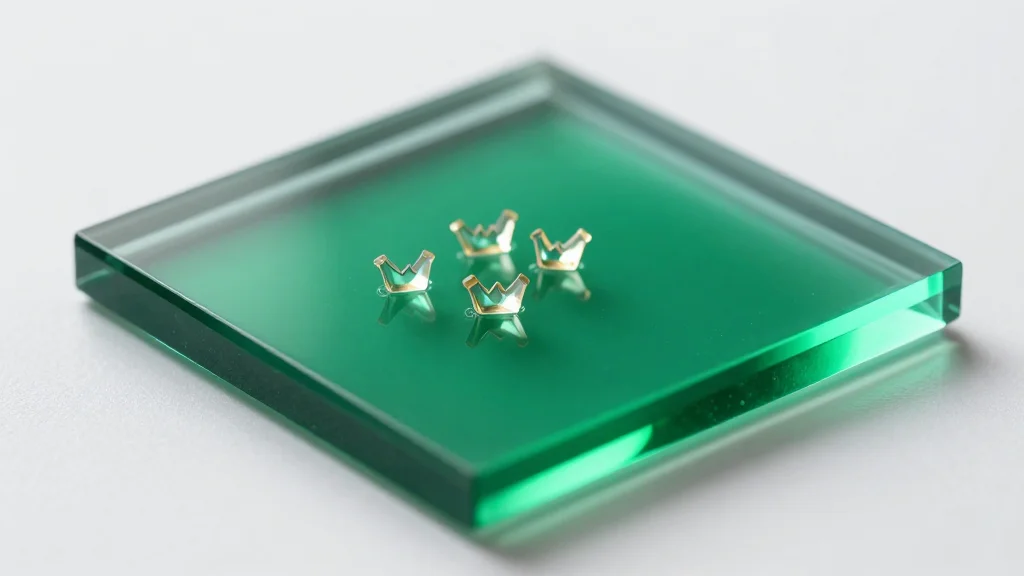
Crown Ether‐Based Co‐Self‐Assembled Monolayer Enhances the Interaction with Perovskite for High‐Performance Solar Cells
Researchers introduced a crown‑ether‑functionalized self‑assembled monolayer (SAM) that co‑assembles with Me‑4PACz to form a dense mixed interfacial layer on inverted perovskite solar cells. The crown ether selectively binds undercoordinated Pb²⁺ ions, passivating defects and suppressing non‑radiative recombination. This molecular engineering...
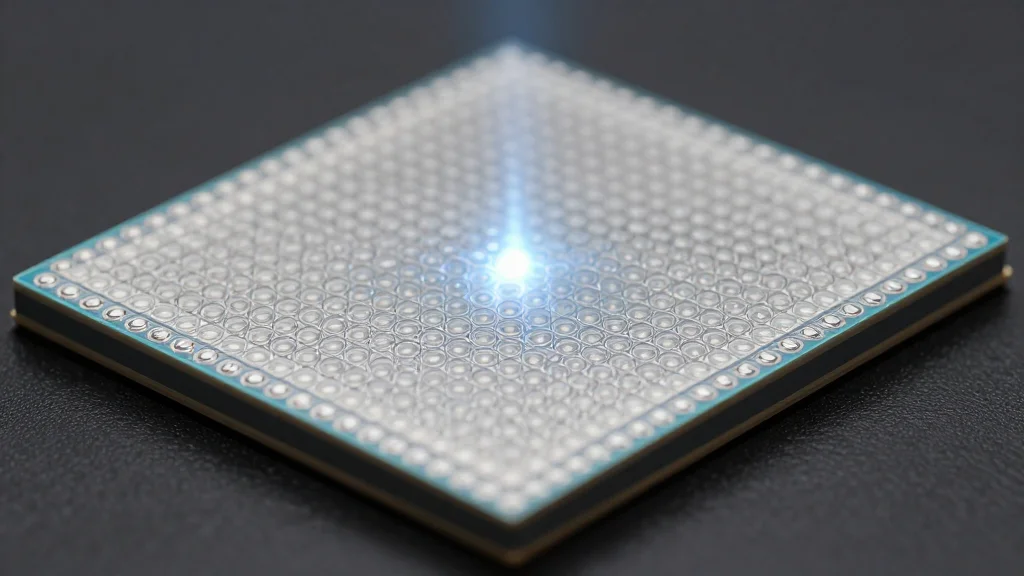
Wafer‐Scale Deterministic Fabrication of Axis‐Ratio–Engineered Silicon Nanoparticles for On‐Resonance Electric–Magnetic Dipole Interference
Researchers introduced a wafer‑scale top‑down process that produces silicon nanoparticles with exceptional uniformity (1.7‑2.4% coefficient of variation) and deterministic axis‑ratio control. At an axis‑ratio of roughly 2.1, electric and magnetic dipole resonances overlap, delivering near‑Kerker forward scattering with a forward‑to‑backward...
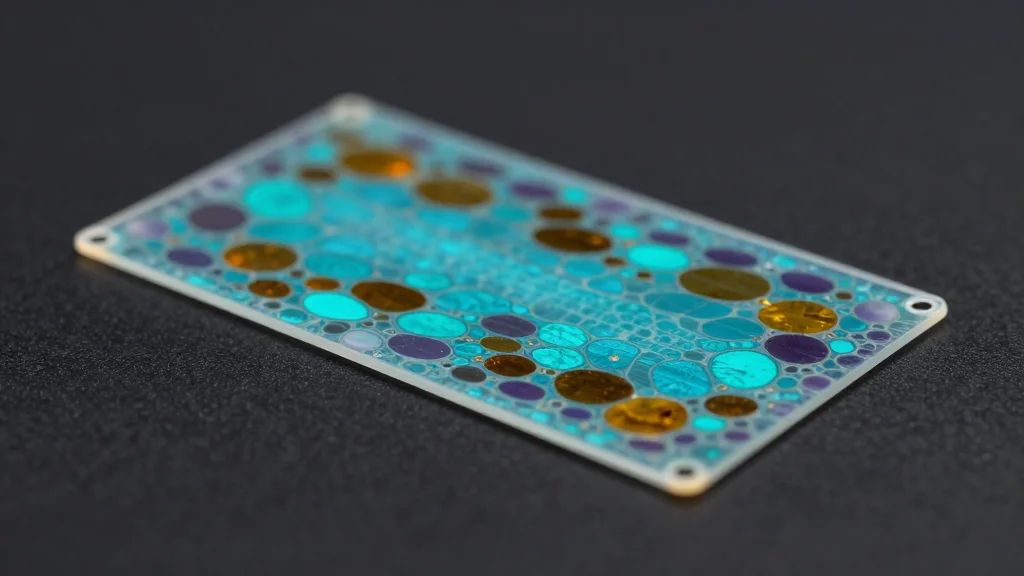
Enhanced Exciton Dissociation and Charge Transport Through Fine Morphology Tuning for Efficient Ternary Photovoltaics
Researchers applied a morphology‑guided composition strategy to a PM6:D18:BTP‑4F ternary organic photovoltaic blend, optimizing the donor‑acceptor ratio to 0.8:0.2:1.4. The resulting active layer exhibits a π‑π stacking distance of ~3.66 Å, a face‑on molecular orientation, and continuous interpenetrating networks, which accelerate...
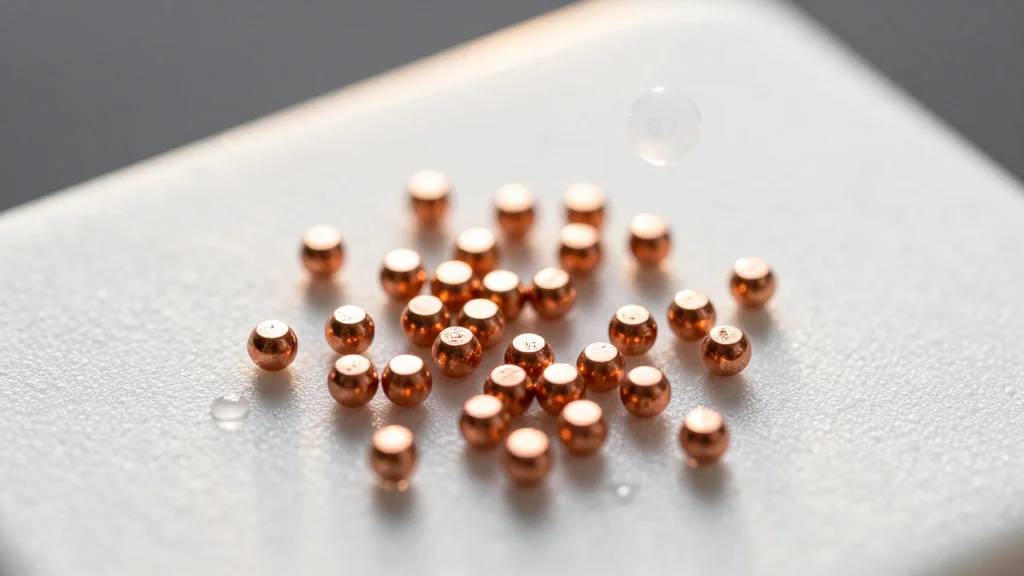
Selective Solar CO2 Conversion Into Ethanol Using Atomic‐Scale Copper Clusters Anchored Π‐extended Poly(heptazine Imide)
Researchers have engineered atomic‑scale copper clusters anchored on a π‑extended poly(heptazine imide) framework to achieve selective solar conversion of CO₂ into ethanol. The catalyst, termed Cu/C‑K‑PHI, delivers a production rate of 18.98 µmol g⁻¹ h⁻¹ and reaches 77.01 µmol g⁻¹ after four hours, with near‑perfect...
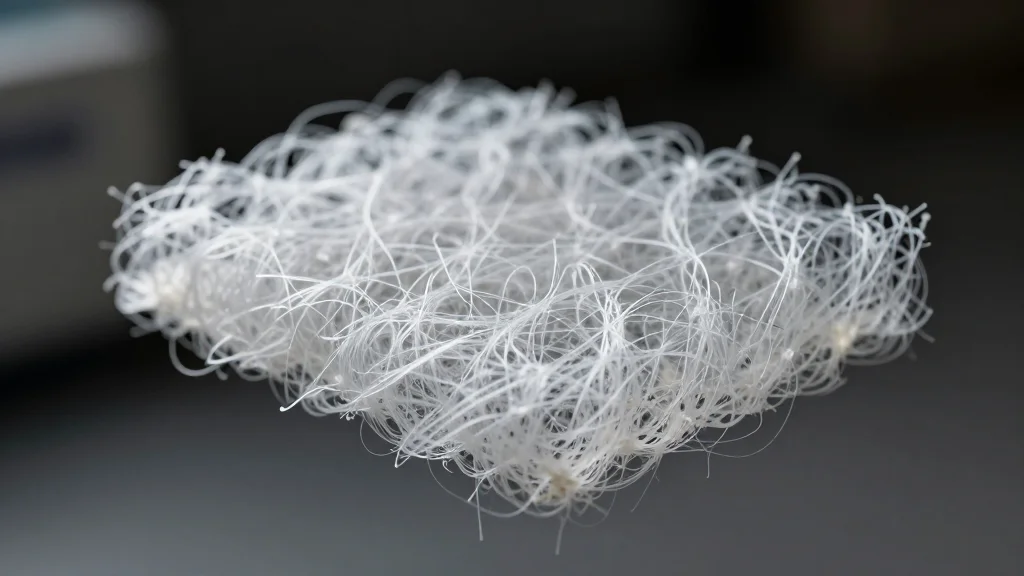
Realizing Ultrahigh Fatigue Resistance in Carbon Nanotube Aerogel by Homogeneous‐Phase Hybrid Core‐Sheath Structure
Researchers introduced a tree‑inspired fabrication method that coats carbon nanotube (CNT) aerogels with a homogeneous‑phase organic‑inorganic sheath. The hybrid core‑sheath structure eliminates fatigue cracks, allowing the aerogel to survive over one million compression cycles at 50% strain while retaining less...
Lentinan‐Enhanced Mn3O4 Nanoparticles for Neuroinflammation Relief and Parkinson's Disease Treatment
Researchers have engineered a lentinan‑coated manganese oxide (Mn3O4@LNT) nanoparticle that can circulate long‑term and cross the blood‑brain barrier (BBB). Proteomic analysis revealed that the LNT coating reshapes the particle’s protein corona, enhancing BBB traversal and brain accumulation. In cellular and...
Electronic Structure Modulation via Composition‐Preserving Phase Transformations in Metal–Organic Assemblies on the Surface (Small 23/2026)
Researchers led by Emiko Kazuma reported a stepwise, composition‑preserving phase transformation of metal‑organic assemblies on a silver (Ag 111) surface. The study shows that while the molecular building blocks remain unchanged, the electronic structure can be systematically tuned through the transformation....
Graphene‑Enhanced Microtube Resonators Reach Q‑Factor of 2,008
A team led by Prof. Yongfeng Mei (Fudan University) and Dr. Binmin Wu (Shanghai Institute of Technical Physics) unveiled graphene‑enhanced microtube resonators with lobe structures that deliver a Q‑factor of about 2,008, 2.80 A/W photoresponsivity and a polarization ratio of 4.3,...

The Nanoscale Engineering Behind China's Grip on the Green Energy Value Chain
China’s dominance in green‑energy hardware stems from aggressive nanoscale engineering, not just subsidies or scale. By mastering nanostructured silicon wafers, ultra‑thin TOPCon layers, and 2‑5 nm carbon coatings on lithium‑iron‑phosphate cathodes, Chinese firms now control over 80% of solar panel production...

Northwestern Team Scales Precise High‑Entropy Alloy Nanoparticles to 36 Million
Northwestern University scientists unveiled a three‑step synthesis that simultaneously controls composition and high‑index surface facets of high‑entropy alloy (HEA) nanoparticles, scaling the process to roughly 36 million particles across 90,000 unique compositions on a single chip. The breakthrough resolves a long‑standing...
Quinas Advances ULTRARAM Development with Atomic-Scale Processing at KAUST Core Labs
Quinas Technology announced that it has successfully employed atomic‑layer etching (ALE) at KAUST Core Labs to fabricate its ULTRARAM quantum‑engineered memory structures. The process, supplied by Oxford Instruments Plasma Technology, delivers sub‑nanometre precision with ultra‑low damage, essential for the III‑V...

Put a Nanodiamond Under Intense Pressure and It Becomes Flexible
Researchers at Zhengzhou University discovered that nanodiamonds shrink‑to‑size become markedly more elastic. By compressing individual diamonds 4‑13 nm across inside a transmission electron microscope, they measured a 30 % reduction in stiffness for the smallest particles. The softness stems from a weakened...

Genflow and Acuitas Forge Fully Funded LNP Collaboration to Accelerate SIRT6 Gene Therapies
Genflow Biosciences announced a strategic, fully funded collaboration with Acuitas Therapeutics to apply Acuitas' lipid‑nanoparticle (LNP) delivery platform to Genflow's SIRT6 mRNA payload. The non‑dilutive agreement lets Genflow generate preclinical data without cash outlay, signaling strong external validation of its...
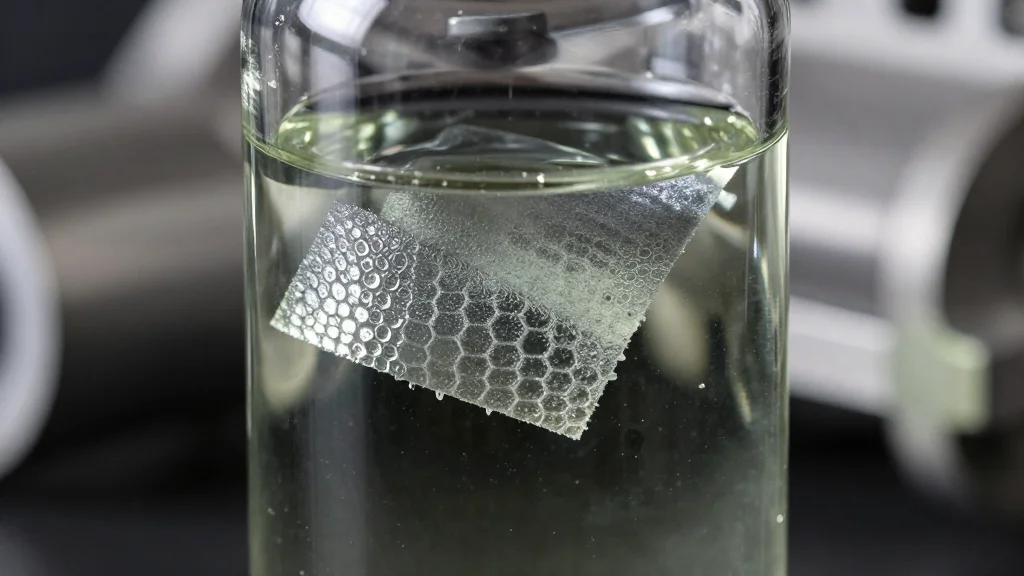
Graphene Manufacturing Group Secures US Patent, China Approval for Its Graphene-Enhanced Lubricant
Graphene Manufacturing Group (GMG) has secured a 20‑year US patent and obtained regulatory approval in China for its graphene‑based engine oil additive, G LUBRICANT. The product, a liquid‑concentrate mixed at 1:100 with standard oil, claims to boost diesel fuel efficiency by...
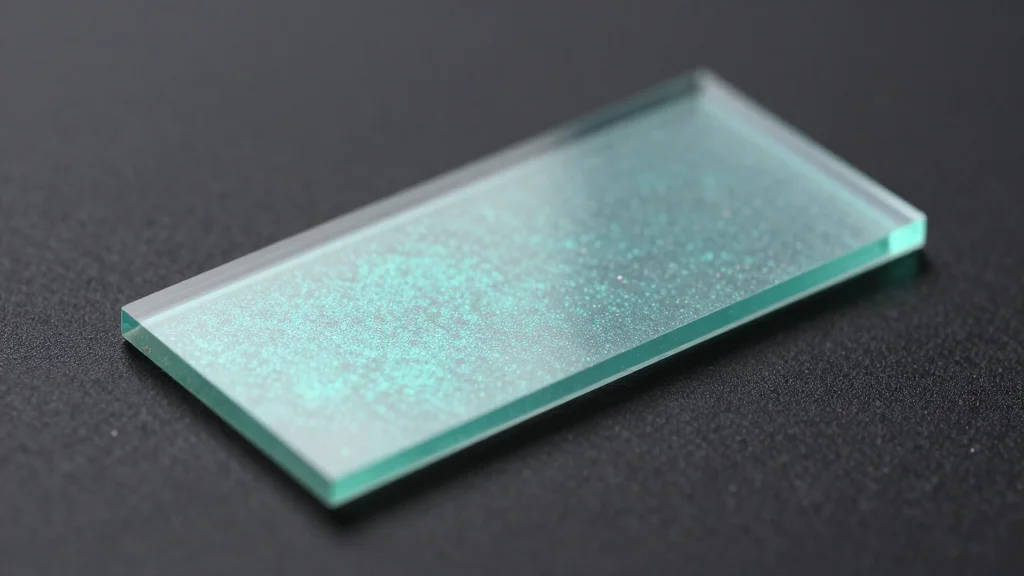
LMU Researchers Stabilize Perovskite Quantum Dots and Achieve Sub‑Unit‑Cell Growth Control
A team at Ludwig‑Maximilians‑Universität München, led by Dr. Quinten Akkerman, has demonstrated a thin‑film Gemini‑ligand chemistry that stabilizes perovskite quantum dots in polar solvents and a multi‑step injection method that controls their growth with sub‑unit‑cell precision. The breakthroughs address long‑standing...
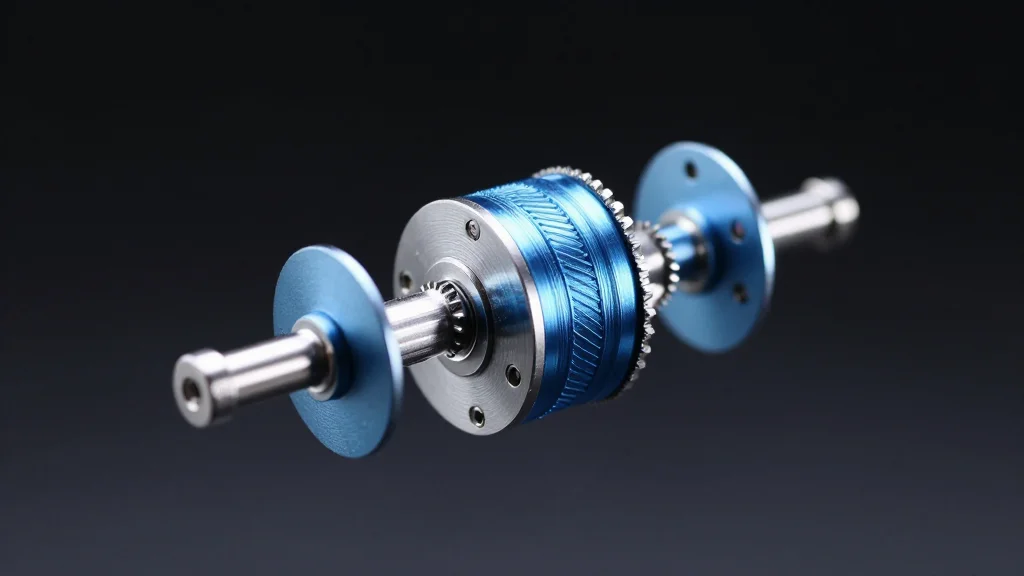
AI Unlocks Molecular Nanotech, Ushering a New Diamond Age
20+yrs ago I studied flagellar motors, the awe of molecular machinery never left me. AI will help us understand and build true molecular nanotechnology so advanced it will look like magic to pre-molecular nanotech societies. Diamond age is just the start 💎

Scientists Sculpt Einstein Onto a Crystal Using only Light
Researchers at XPANCEO, together with Nobel laureate Konstantin Novoselov, demonstrated that the van der Waals semiconductor arsenic trisulfide (As₂S₃) can be permanently reshaped using only continuous‑wave light. The crystal exhibits an unprecedented photorefractive index shift of up to Δn≈0.3 under low‑intensity UV exposure,...
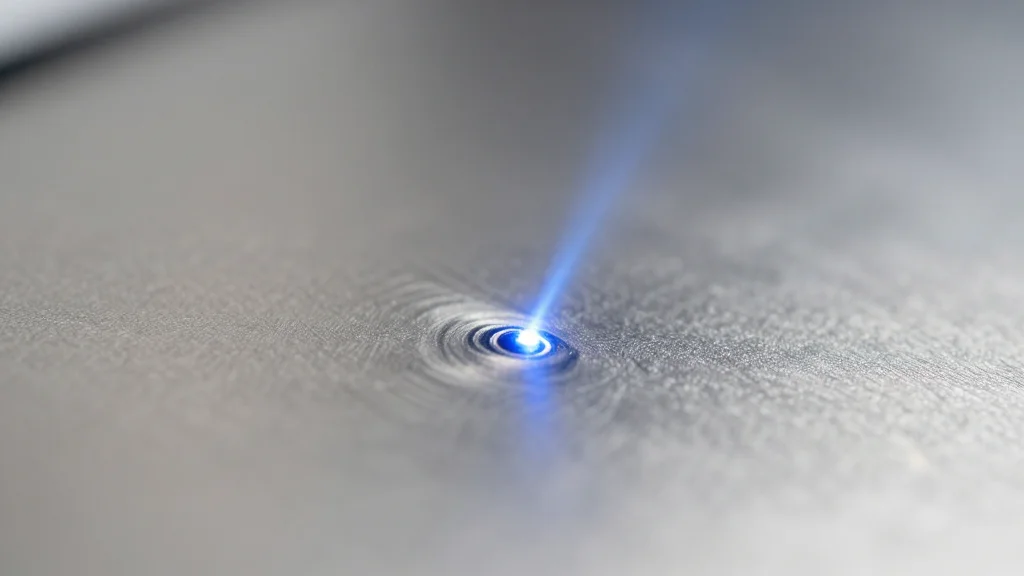
Laser Bursts Flip Nanoscale Magnetic Vortices at Blistering Speeds, Opening a Path to Brain-Like Spintronics
Researchers at Nankai University and collaborators have demonstrated coherent helicity switching of nanoscale magnetic vortices using femtosecond laser pulses combined with an out‑of‑plane magnetic field. The technique flips the vortex rotation within a few hundred picoseconds in a Ni‑Fe (80/20)...

Caltech Laser Technique Breaches 3,000 K Barrier to Grow Ultra‑Refractory Thin Films
Caltech scientists led by Professor Austin Minnich have used a high‑power laser to deposit thin films of ultra‑refractory materials, surpassing the 3,000 K melting‑point limit that has blocked conventional methods. The breakthrough, demonstrated with nickel and niobium, could unlock new pathways...
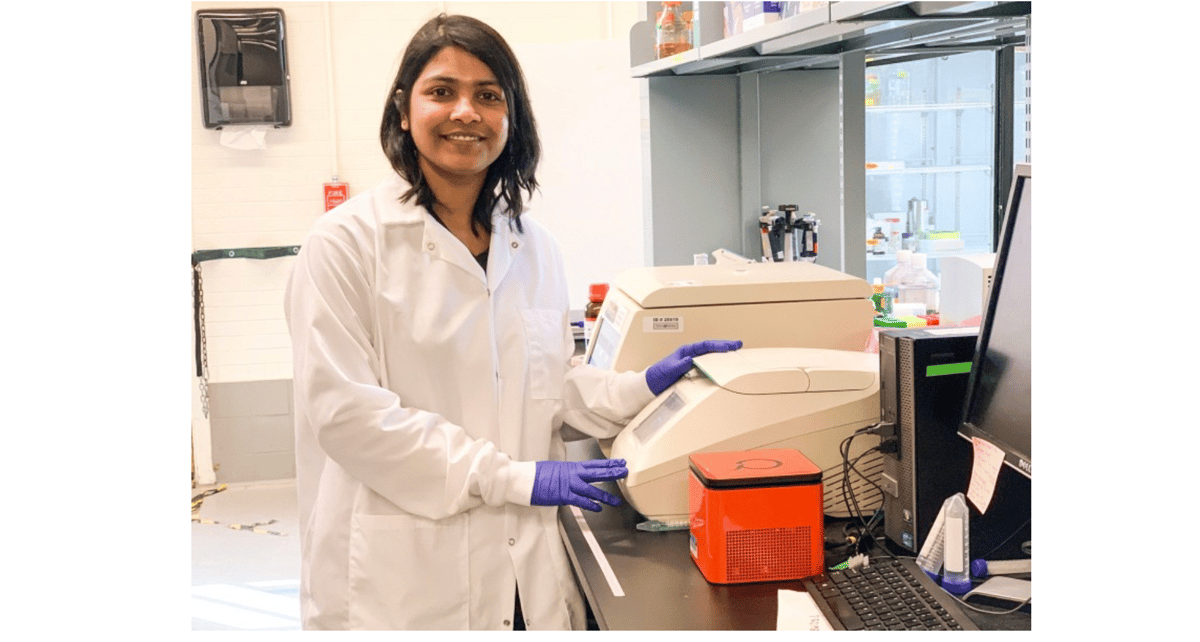
Scientists Say Nanoplastics Can Cause Salmonella to Become Stronger
Researchers at the University of Illinois Urbana‑Champaign discovered that nanoplastics embedded in food‑packaging can boost the virulence of Salmonella bacteria. Laboratory experiments showed the pathogen becomes more aggressive when exposed to nanoplastic particles commonly found on ground‑turkey packaging. The study,...

Three‑Step Synthesis Unlocks High‑Entropy Alloy Nanoparticles for Catalysis
Northwestern University researchers announced a three‑step synthesis that simultaneously controls composition and high‑index surface facets of high‑entropy alloy (HEA) nanoparticles. The method was demonstrated on a centimeter‑scale chip, producing roughly 36 million particles spanning 90,000 unique compositions, a scale previously unattainable...

Hokkaido University Unveils Micro‑Drone Platform to Capture Light‑Driven Twisting at the Nanoscale
Scientists at Hokkaido University launched a novel "micro‑drone" measurement platform that, for the first time, maps three‑dimensional optical forces on nanostructures and reveals a sideways twisting effect—transverse optical torque—driven by light’s helicity. The breakthrough opens a path toward light‑powered nanomachines...
U.S. National Nanotechnology Initiative Seeks $1.45 B FY 2026 Funding Boost
The U.S. National Nanotechnology Initiative (NNI) has submitted a $1.45 billion budget request for fiscal year 2026, aiming to sustain and expand nanoscale research across ten federal agencies. The request lifts cumulative federal investment in nanotechnology since 2001 to roughly $47 billion,...
Twist-Angle Engineering Boosts Perovskite Optoelectronic Performance
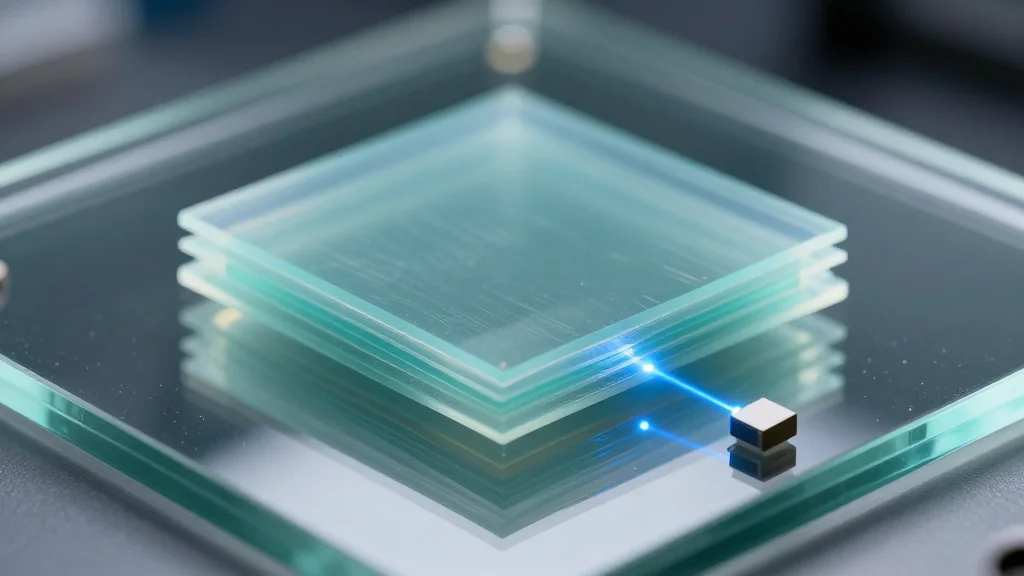
Researchers demonstrated that twisting atomically thin hybrid perovskite (PEA)₂PbBr₄ with monolayer WSe₂ at controlled angles dramatically enhances interlayer coupling and photodetector performance. Six heterojunctions ranging from 0° to 15° were fabricated; the 15° device achieved 2.8 A W⁻¹ responsivity at 405 nm, an...

Nanotech Boosts Water Safety and Sustainable Industry
Nanotechnology for Safer Water Systems and Sustainable industrial Growth by @antgrasso #Sustainability #EmergingTech #Innovation #Technology https://t.co/alx1HMT8s1

Ultra-Thin Thermal Memory Switches Heat Flow on and Off with Voltage
Researchers at CiQUS, the University of Barcelona and Zaragoza have demonstrated a thermal‑memory prototype that uses a few‑nanometer‑thick hafnium‑zirconium oxide ferroelectric film to toggle thermal conductivity on and off with modest electric voltages. The device exploits the coupling of ferroelectric...

Self-Assembling Luminophores Form Nanotubes with Multidirectional Exciton Transport Transport
Researchers at Chiba University have demonstrated that sterically demanding diphenylanthracene‑based π‑luminophore dyads can fold and self‑assemble into well‑defined supramolecular nanotubes. The folding‑mediated process directs directional π–π stacking and hydrogen bonding, producing hollow cylindrical tubes that support multidirectional exciton transport—55 nm along...

Nanoengineered Wrist Sensor Detects Driver Fatigue Through Pulse Wave Analysis
Researchers at Xi’an Jiaotong‑Liverpool, Soochow and Liverpool universities unveiled a nanoengineered wrist‑worn triboelectric sensor that captures arterial pulse waves with high fidelity even under imperfect skin contact. Coupled with a one‑dimensional convolutional neural network, the device classifies driver fatigue with...
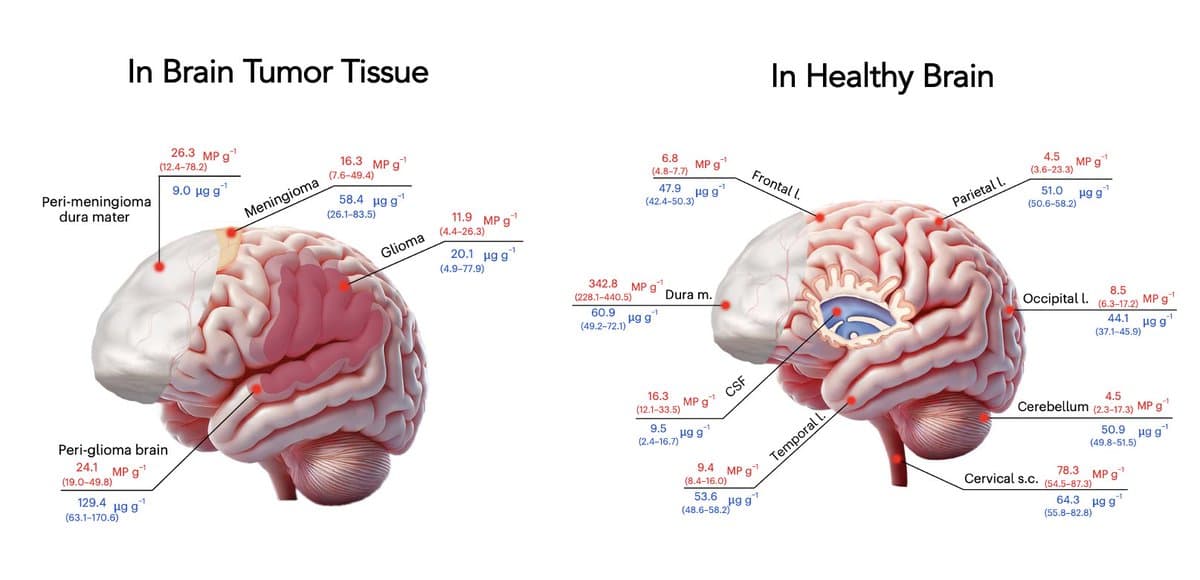
Microplastics Ubiquitous in Brains, Concentrate Near Tumors
Microplastics and nanoplastics were found in 100% of healthy brains, 99.4% of diseased brains, with much higher concentrations adjacent to brain tumors https://t.co/8BDxeOtXJr https://t.co/rB0at3ADl2
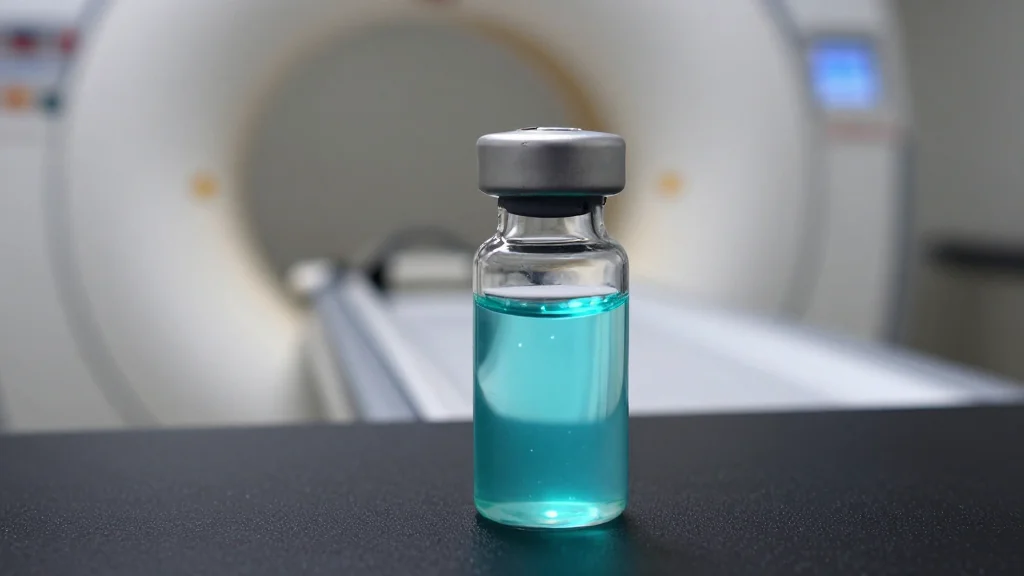
Bracco Imaging, NYU Langone Sign Multi‑Year Deal to Accelerate Nanotech‑Based Imaging
Bracco Imaging and NYU Langone Health have signed a multi‑year Master Research Agreement to co‑develop advanced imaging technologies that rely on nanomaterial contrast agents. The partnership targets MRI, photon‑counting CT, targeted ultrasound and AI‑enhanced PET/CT, aiming to speed precision‑medicine diagnostics.