Today's Nanotech Pulse
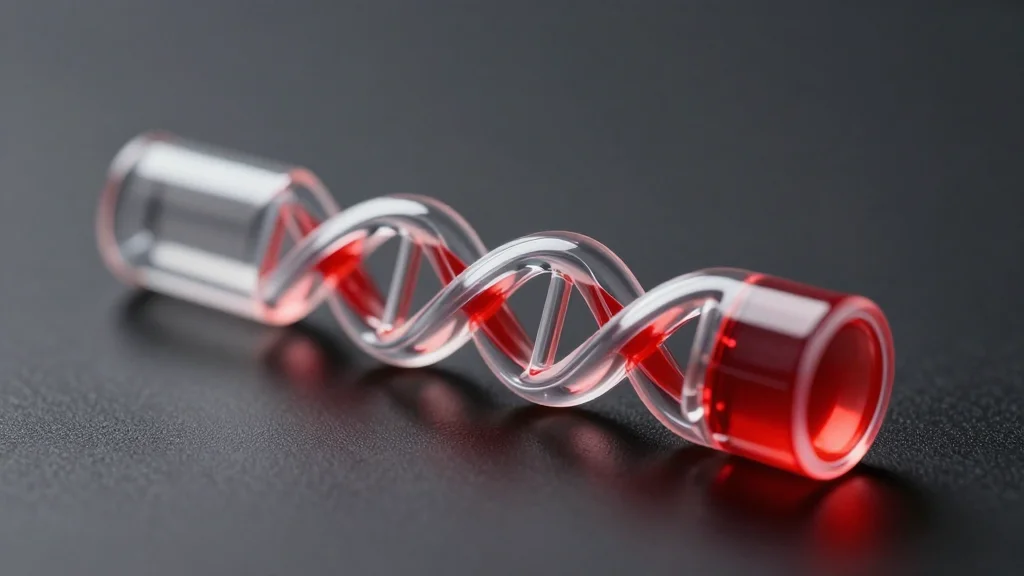
Left‑handed DNA origami tubes double chemotherapy efficacy against AML
Researchers at the Cancer Center at Illinois showed that left‑handed DNA origami tubes loaded with Daunorubicin achieve more than twice the cell‑killing efficacy of right‑handed tubes. The tubes display aptamers that target the CD117 protein on acute myeloid leukemia cells and their left‑handed geometry promotes rapid internalization.
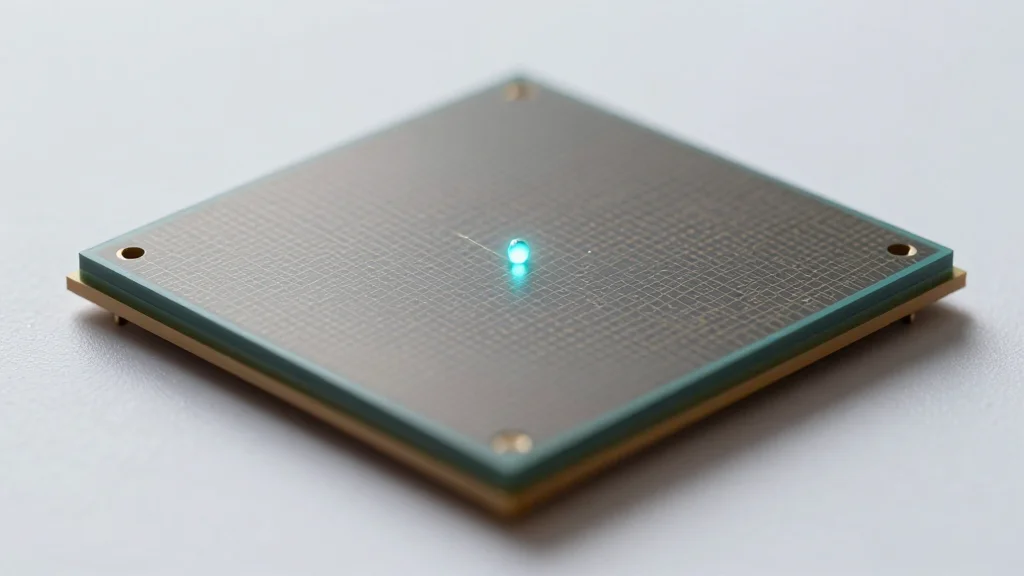
Silencing Noise in Telecom Quantum Emitters
Researchers Holewa and Syperek report a waveguide‑integrated quantum dot embedded in a photonic‑crystal membrane that emits highly coherent single photons at the telecom wavelength of 1550 nm. By using resonant excitation, they suppress charge‑noise‑induced decoherence, achieving photon indistinguishability above 95 % and coherence times exceeding one nanosecond. The chip‑scale design aligns with silicon‑photonic manufacturing, offering a practical route to scalable quantum‑communication hardware. Their findings appear in Nature Nanotechnology (April 2026).
India’s Luxury Hotels Deploy PFOA‑Free Nanotech Coatings to Boost Durability and Sustainability
Zyax Chem’s Vetro Power arm is installing PFOA‑free nanocoatings at marquee hotels such as Taj Lands End, St. Regis and Four Seasons, marking the largest commercial rollout of eco‑friendly surface protection in India’s hospitality sector. The ultra‑thin, breathable layers cut...
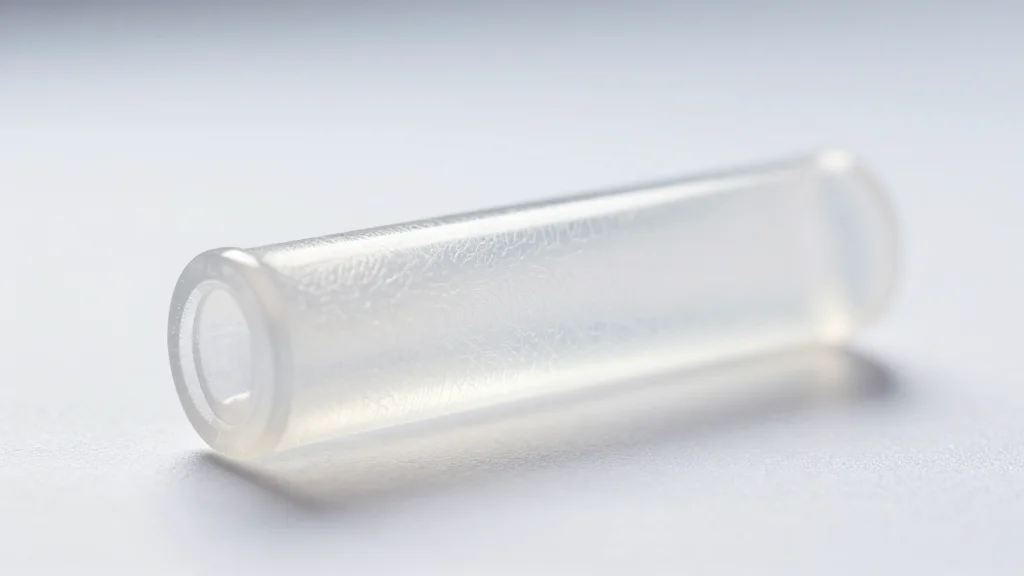
Rapid Nanofiber Spinning Fills the Gap in Small-Diameter Vascular Grafts
Researchers at Harvard have demonstrated a focused rotary jet spinning (FRJS) process that fabricates custom small‑diameter vascular grafts in minutes. The technique produces nanofiber scaffolds with tunable architecture, achieving 0.5 mm inner‑diameter tubes in under 90 seconds and larger 10 mm grafts...
Neural Network Switching Controller Reduces Tracking Errors in Nano-Positioning
A team from Huazhong University of Science and Technology and the University of Victoria has unveiled a neural‑network‑based switching output regulation controller (NN‑SORC) that dynamically adapts to abrupt changes in reference signals for piezoelectric nano‑positioning stages. The controller, implemented on...

Creative Biolabs Launches Integrated Microfluidic Platform for Neuron‑on‑a‑Chip and Cell Sorting
Creative Biolabs announced a new one‑stop microfluidic platform that merges neuron‑on‑a‑chip technology with cell‑sorting chips. The integrated service is designed to cut reagent waste, automate assays and deliver more physiologically relevant data for drug discovery, disease modeling and precision diagnostics.
Domain Walls Stay Stable; Demagnetization Happens Locally
Ultrafast imaging reveals that magnetic domain walls remain highly stable under intense laser pulses, indicating that demagnetization occurs locally rather than through rapid boundary movement—an advance for faster, more efficient data storage. nanomagnetism
Extreme Stability in Ultrafast Nanomagnetism Aids the Development of Faster Data Storage
Physicist Johan Mentink and collaborators have, for the first time, visualized magnetic domain walls at nanometer and femtosecond scales using a tabletop extreme‑ultraviolet laser source. Their measurements reveal that domain boundaries remain remarkably stable even when the material is briefly...

Scientists in China Create a Predator-Like Material to Hunt for Uranium in the Ocean
An international team at China’s CAS Qinghai Institute of Salt Lakes has created a light‑powered metal‑organic framework micromotor that swims through water and selectively captures uranium ions. The 2‑micron particles propel themselves using hydrogen peroxide and double their speed under...

KAIST Unveils DNA Bio‑Transistor at 2‑nm Scale, Pioneering Reusable Molecular Computing
KAIST announced on April 22 that a team led by Professor Yeongjae Choi built a DNA‑based bio‑transistor with a 2‑nm feature size, enabling a reset‑free molecular circuit that both computes and stores data. The breakthrough tackles the one‑time‑use flaw of prior...

Kimchi Probiotics Show Promise in Binding Microplastics, Study Finds
Laboratory experiments reveal that Lactobacillus plantarum strains from traditional Korean kimchi can bind up to 74% of 100‑nm polystyrene particles, suggesting fermented foods might help the body excrete microplastics. Scientists caution that human trials are still needed before any health...
KAIST Researchers Reveal How Graphene Oxide Kills Superbugs Without Harming Humans
A team from Korea Advanced Institute of Science and Technology (KAIST) led by Prof. Sang Ouk Kim and Prof. Hyun Jung Chung identified how graphene oxide binds to bacterial membranes and destroys them, leaving human cells untouched. The discovery underpins...
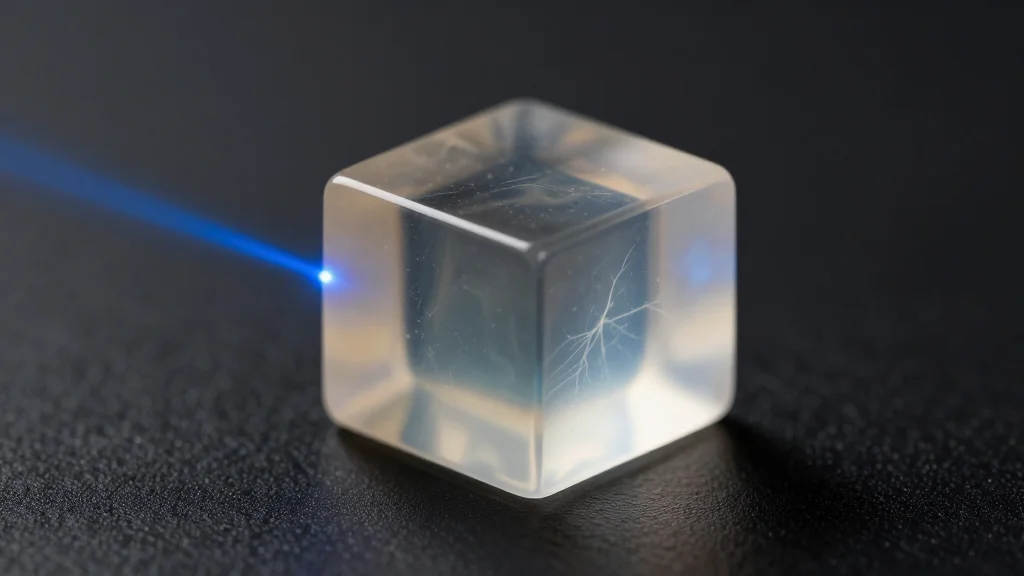
FAU Researchers Unveil Light‑Responsive Polymer That Acts Like Artificial Muscle
Researchers at Friedrich‑Alexander‑Universität Erlangen‑Nürnberg, led by Prof. Dr. Henry Dube, have created a three‑dimensional, light‑controlled polymer that shifts shape and stiffness on demand. By linking hundreds of thousands of molecular machines, the team demonstrated observable mechanical work, a milestone for...

Polish Researchers Demonstrate Liquid‑Crystal Optical Tornadoes for Quantum‑Secure Links
Scientists from the University of Warsaw, the Military University of Technology and France's Institut Pascal CNRS have generated miniature “optical tornado” beams using liquid‑crystal torons. The technique produces orbital‑angular‑momentum light in its lowest‑energy state, promising more scalable quantum‑communication hardware.
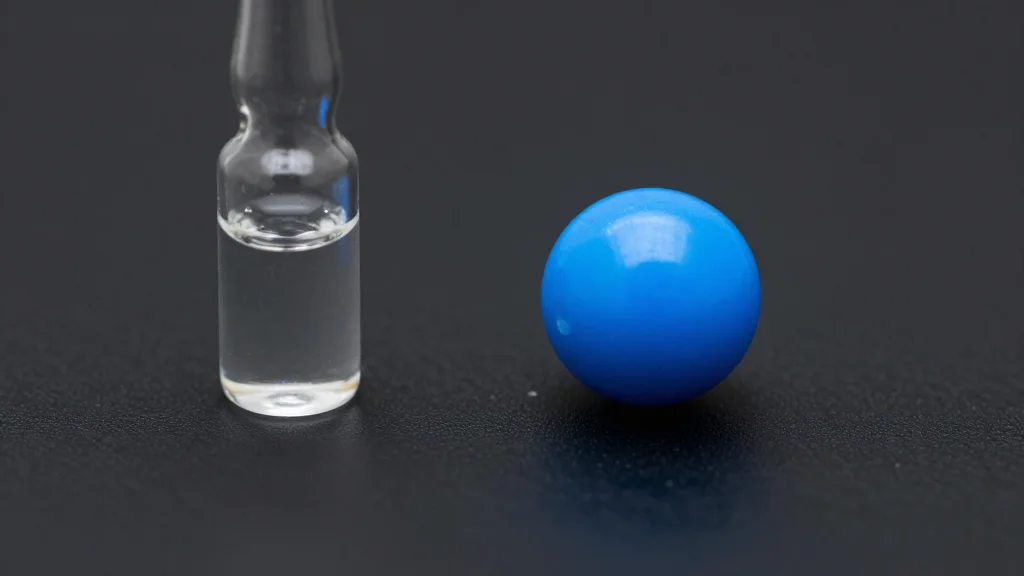
Institute of Nano Science Unveils Low‑Cost Fluorescent Sensor for Rapid Nicotine Detection
Researchers at the Institute of Nano Science and Technology have introduced a fluorescent nanosphere sensor that instantly signals nicotine and its metabolite cotinine in biological fluids. The iron‑based metal‑organic nanospheres emit a blue glow on contact, offering a low‑cost, recyclable...

Nanophotonic Chips Finally Make the Proteome Visible
We sequence genomes and map transcriptomes with ease. Why is the proteome still invisible? Proteins are where biology actually happens. But until now, we have lacked the tools to read them at scale. @jendionne and her team are building nanophotonic chips that...

ASML's $300M EUV Machine Fires Moon‑Distance Laser Precision
ASML’s EUV machine costs $300m+ and its light technology is so precise that do the equivalent of hitting your thumb with a laser pointer from as far away as the moon https://t.co/Yp9RrKMd7O
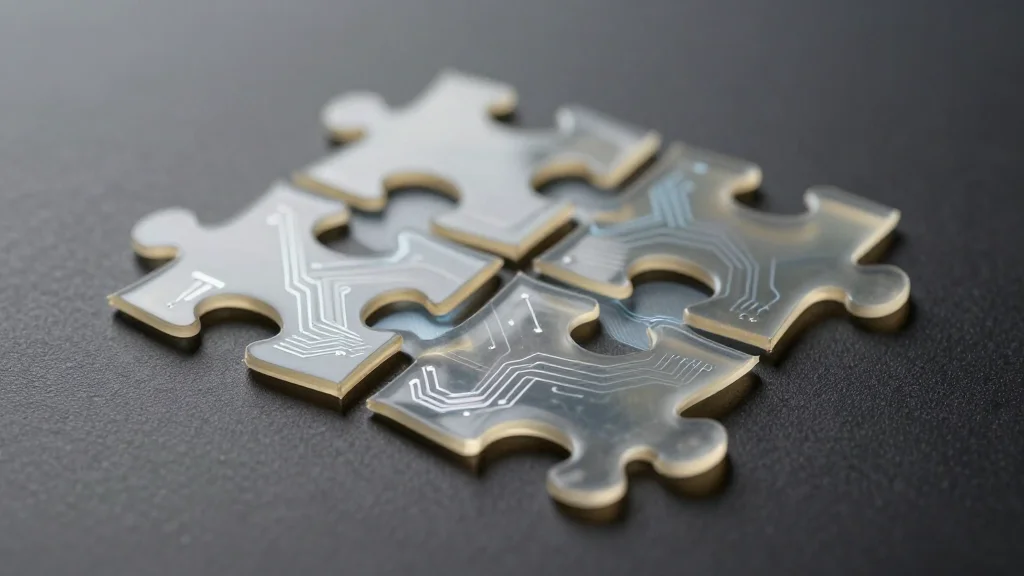
Modular Transistor Blocks Snap Together to Form Electronic Skin that Senses and Learns
A new study demonstrates modular organic electrochemical transistor (OECT) blocks mounted on self‑adhesive SEBS polymer that snap together to form reconfigurable electronic skin. Four independently optimized modules—ion‑sensing, temperature‑sensing, neuromorphic synapse, and logic inverter—retain high performance after stacking, 30% stretch, and...
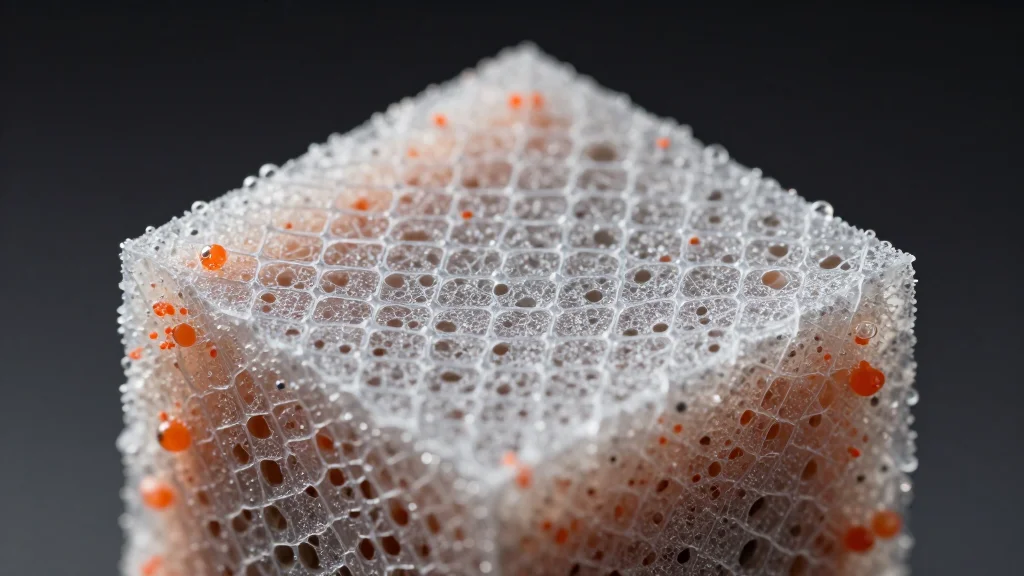
Graphene Layers Steer Nickel Foam Toward More Active Oxygen Evolution Catalyst Phase
Researchers at Zhejiang and Dalian universities coated nickel foam with electrochemically exfoliated graphene, directing the surface oxidation toward the highly active γ‑NiOOH phase during the oxygen evolution reaction (OER). The graphene‑mediated electrodes exhibited lower overpotentials, faster kinetics and sustained performance...
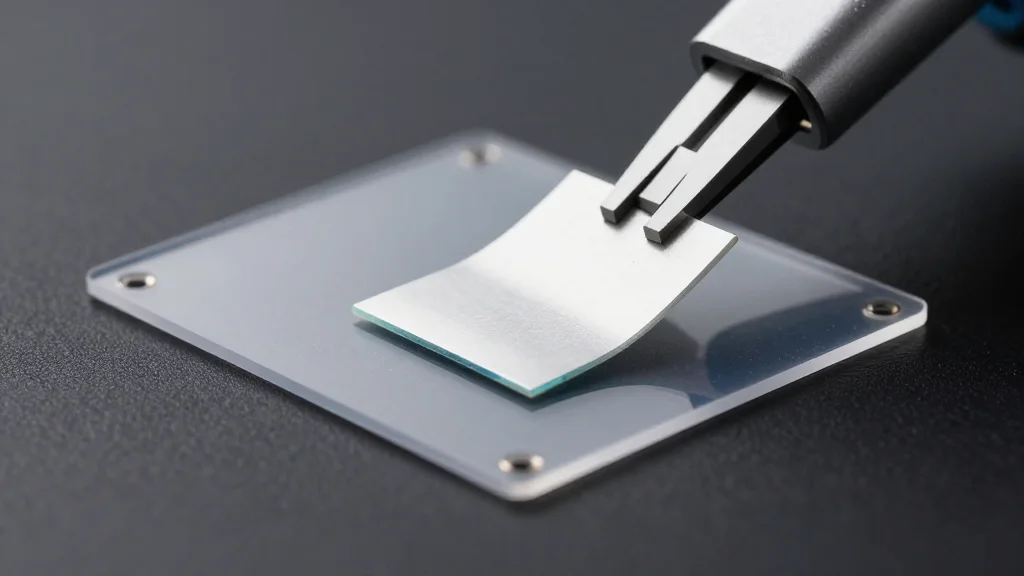
Wafer‑Scale Oxide Dry Transfer Delivers High‑Performance MoS₂ on Flexible Substrates
A research team has unveiled a wafer‑scale, oxide‑mediated dry‑transfer process that moves four‑inch single‑crystal MoS₂ from sapphire to flexible platforms without polymer contamination. The resulting field‑effect transistors reach 117 cm²/V·s electron mobility, a subthreshold swing of 68.8 mV/dec, and an on/off ratio...
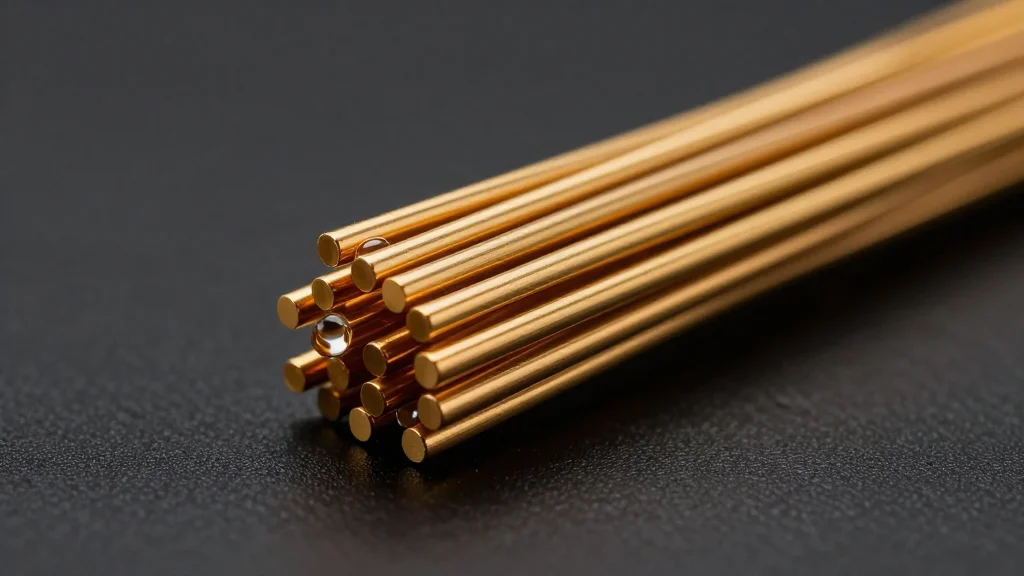
MIT‑Tokyo Team Boosts Carbon Nanotube Conductivity to Within 15% of Copper
Researchers at MIT and the University of Tokyo have unveiled a polyethyleneimine (PEI) chemical dopant that lifts metallic carbon‑nanotube bundles’ conductivity by 40%, reaching 5.8×10⁷ S/m—just 15% shy of annealed copper. The breakthrough, published in Science, promises lighter, corrosion‑resistant interconnects for...

Premier Graphene and Its Partners Secure Initial Contract with Mexico’s Defense Sector
Premier Graphene and its Mexican affiliate HGI have secured their first defense contract with the Dirección General de Fábrica de Vestuario y Equipo (FAVE), a unit of Mexico’s Secretaría de la Defensa Nacional. The award covers the production of specialized...
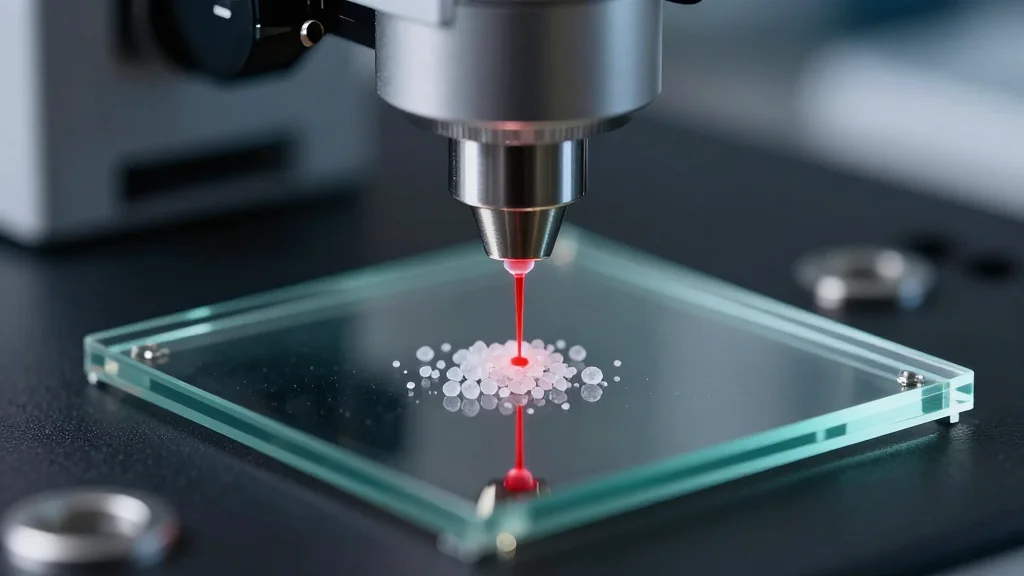
Hybrid SECCM‑Raman System Captures Nanoscale Changes in Lithium‑Ion Battery Materials
Akichika Kumatani’s team unveiled an operando platform that merges scanning electrochemical cell microscopy (SECCM) with Raman spectroscopy, delivering simultaneous electrochemical and structural data on lithium‑iron‑phosphate cathodes. The breakthrough promises atomic‑scale insight into battery charge‑discharge mechanisms and broader electrochemical interfaces.
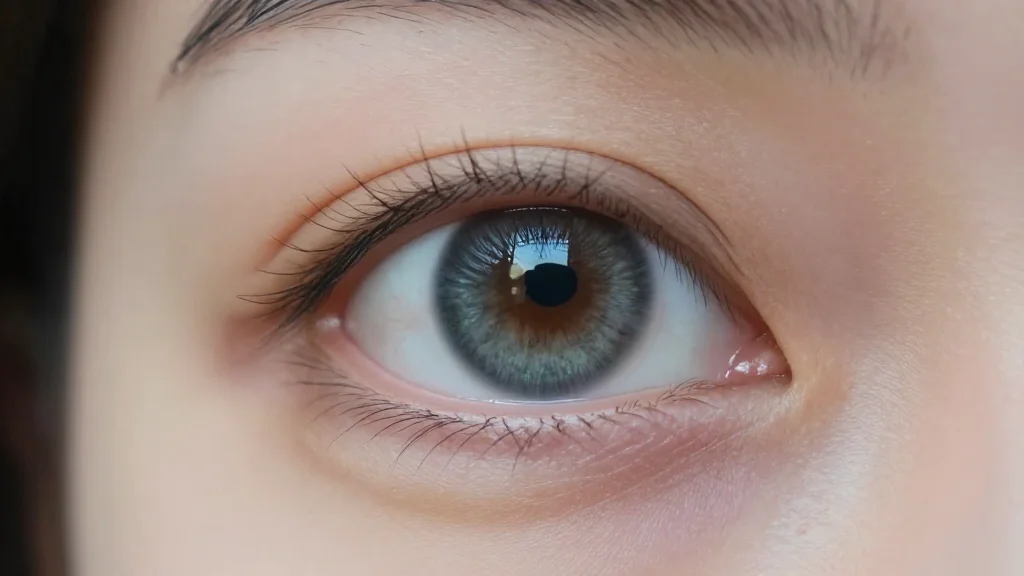
Rise Nano Optics Lands First U.S. Lab Partner to Launch SPECTRAGUARD™ Nanophotonic Lenses
Rise Nano Optics Ltd. has signed its first U.S. laboratory partnership with Sierra Optical Lab in Reno, Nevada, to bring its FDA‑registered Class I SPECTRAGUARD™ nanophotonic lens treatment to market. The deal gives the Canadian nanotech firm a foothold in...
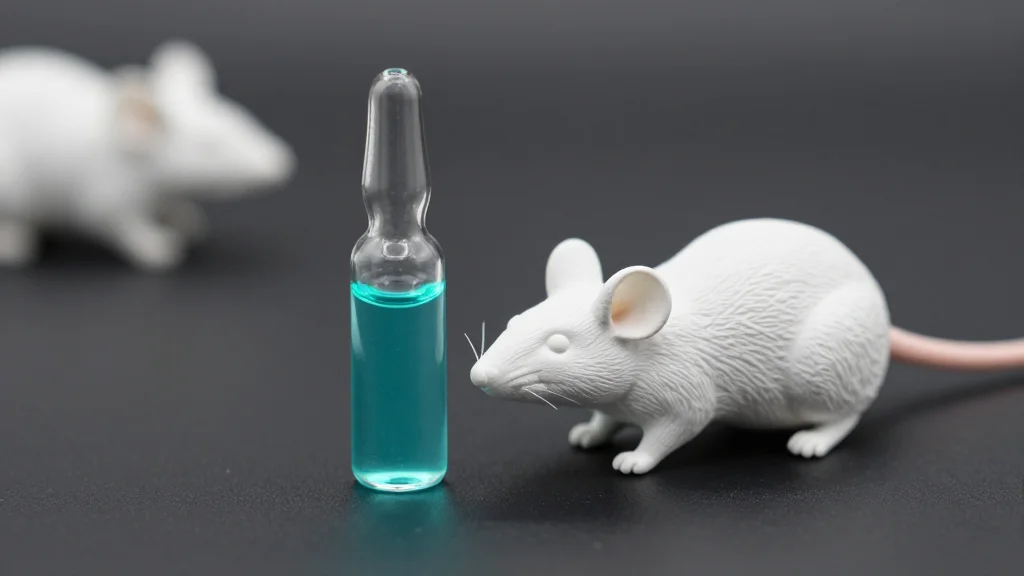
UC Irvine Nanotech Exosome Therapy Reverses MS Symptoms in Mice
Scientists at the University of California, Irvine have demonstrated that bone‑marrow‑derived exosomes can deliver anti‑inflammatory cargo across the blood‑spinal cord barrier, fully reversing motor deficits and nerve damage in a mouse model of multiple sclerosis. The pre‑clinical results, published in...
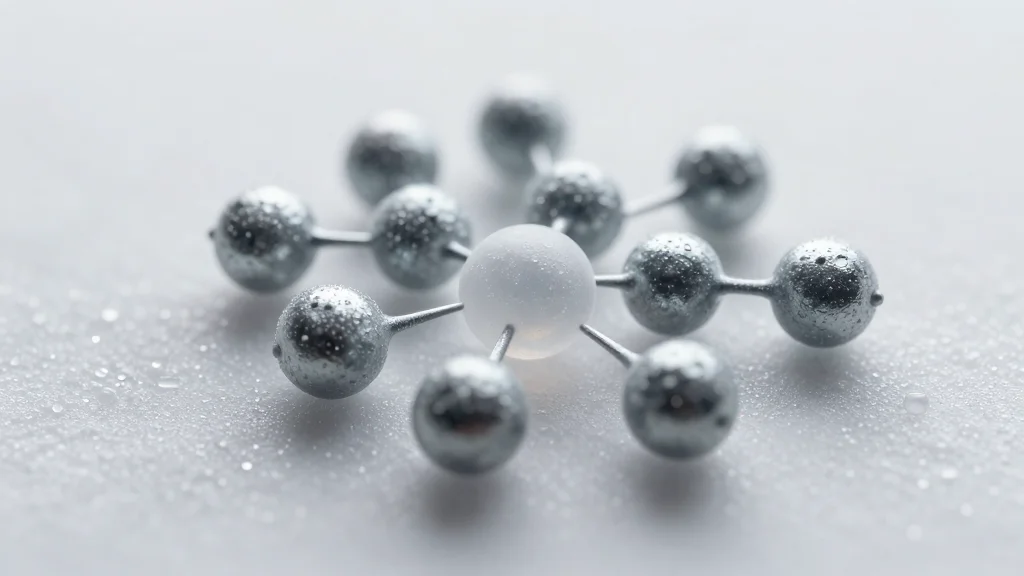
Liquid Metal Nanoparticles Freeze Into Spikes that Kill Drug-Resistant Cancer
Researchers have engineered bismuth‑doped gallium liquid‑metal nanoparticles that become spiky during freezing, puncturing cancer cells and killing drug‑resistant lung, colorectal and ovarian tumor organoids. The alloy reduces supercooling, raising the fraction of deformable particles from 2% to roughly 10% and...

Rutgers‑Newark Engineers First Self‑Assembling RNA Nanostructures Inside Living Cells
Rutgers University–Newark researchers have created a self‑assembling RNA nanotechnology that can be programmed inside living human cells, a breakthrough published in Nature Communications and poised to reshape cancer treatment strategies. The interdisciplinary team, led by Professors Fei Zhang and Jean‑Pierre...
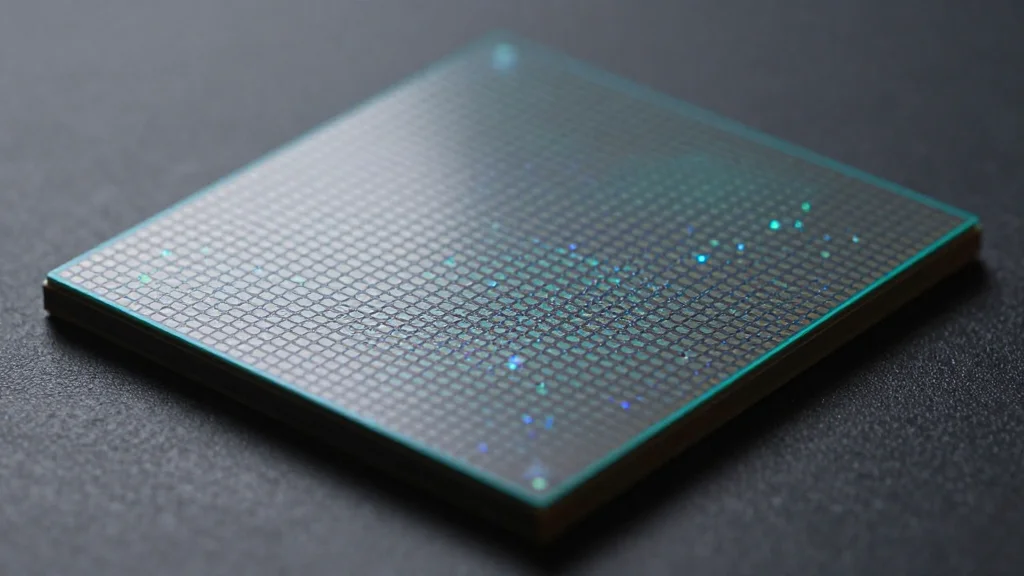
Tohoku University AI System Automates Quantum‑Dot Voltage Tuning, Boosting Qubit Scaling
A team from Tohoku University has demonstrated an AI‑driven workflow that automatically extracts charge transition lines from quantum‑dot measurements, removing the need for labor‑intensive manual tuning. The breakthrough, detailed in Scientific Reports, could accelerate the path to large‑scale semiconductor qubit...
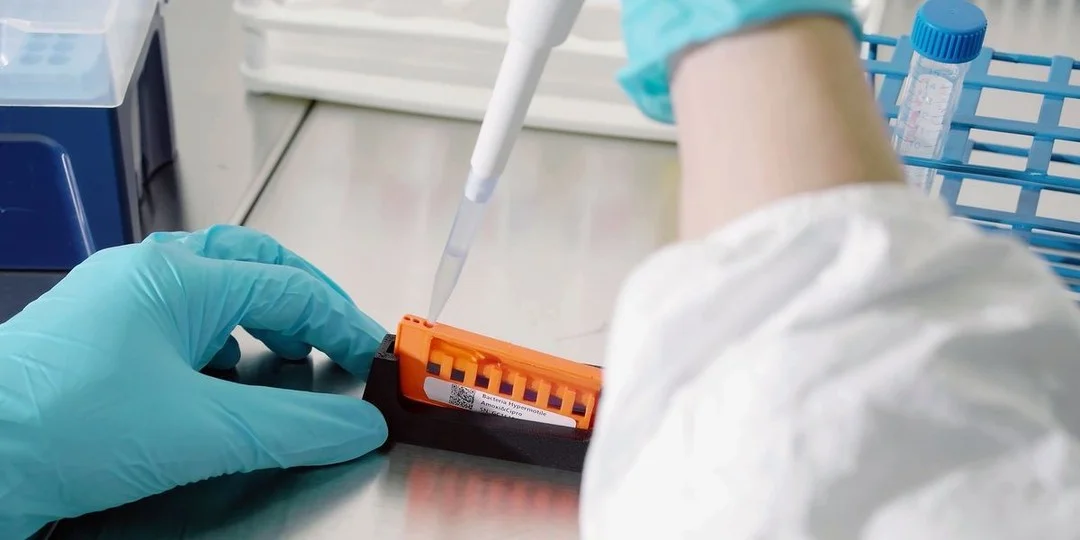
Nanodrum Beats Identify Bacterial Infections by Sound
Researchers report that bacterial infections could be diagnosed with sound, using a nanoscale drum kit. Different bacteria play different rhythms on the drum. https://spectrum.ieee.org/soundcell-nanodrums-identify-bacteria-sound
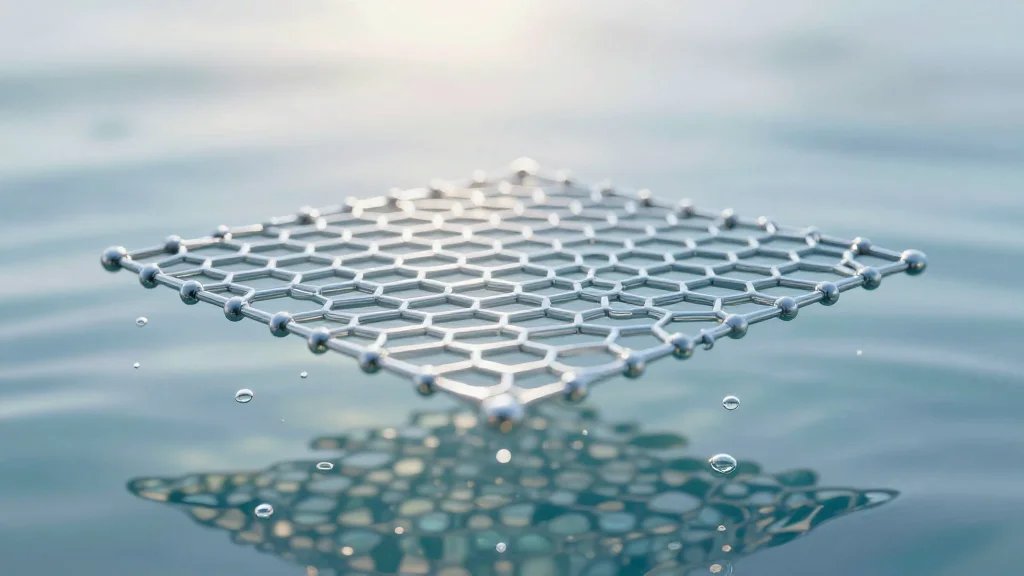
New All-in-One Metal-Organic Framework Makes Solar Hydrogen Production Simpler
Researchers at Tohoku University created a two‑dimensional metal‑organic framework (Co‑HHTP) that functions as an all‑in‑one cocatalyst for photocatalytic overall water splitting. By coating aluminum‑doped strontium titanate (SrTiO₃:Al) with Co‑HHTP through a single self‑assembly step, the system drives both hydrogen and...
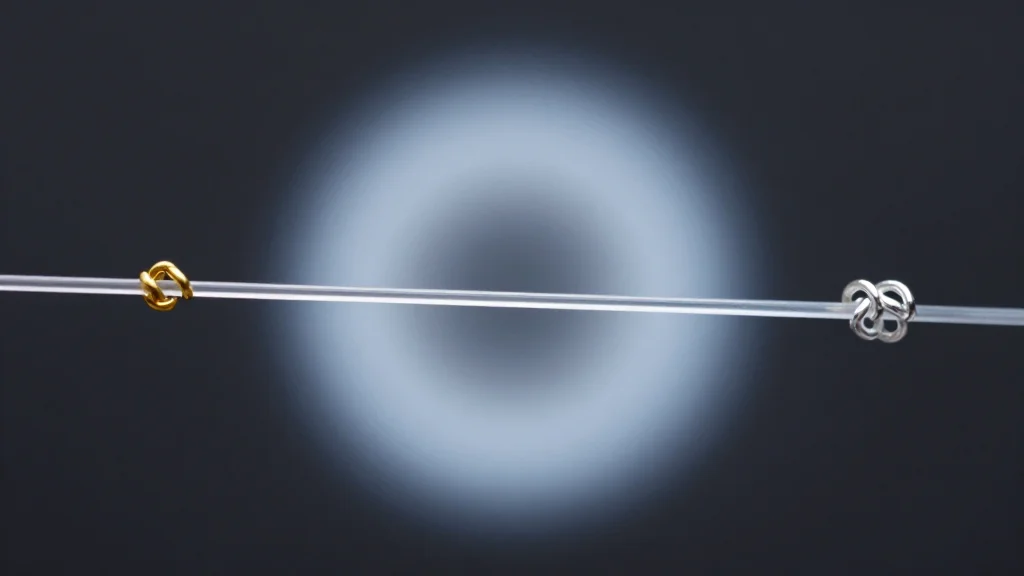
Twisted Nanoparticles Sorted by Light
Researchers at Tokyo University of Science, Institute for Molecular Science and Seoul National University have demonstrated a method to sort chiral metallic nanoparticles using the evanescent field of an ultra‑thin optical fiber. By illuminating the fiber with circularly polarized light,...
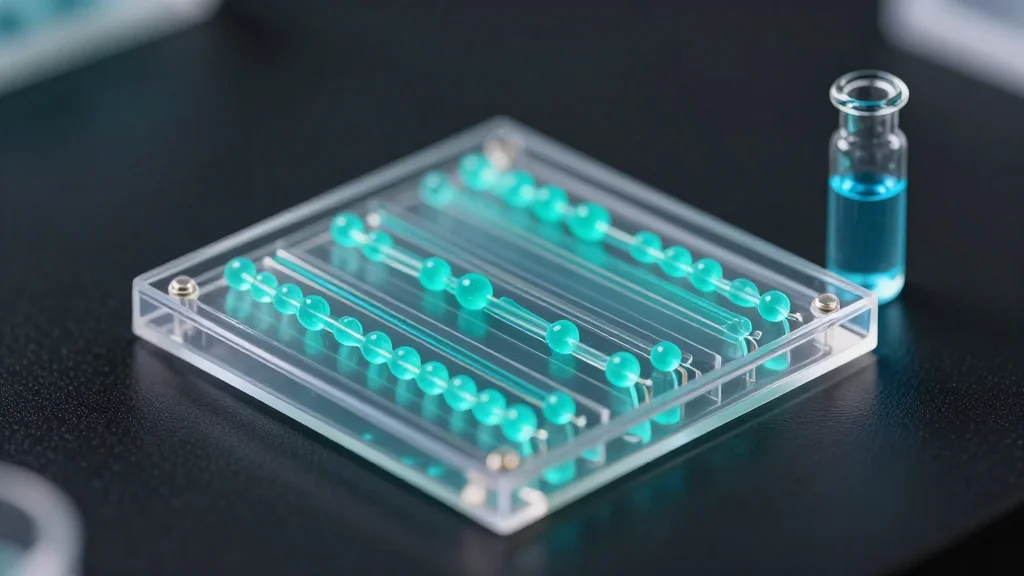
Creative Biolabs Unveils LNP Conjugation Platform to Accelerate Precision Gene Therapy
Creative Biolabs announced the commercial release of an enhanced lipid‑nanoparticle (LNP) conjugation platform that improves payload stability and tissue targeting for gene‑editing and RNA therapeutics. The platform integrates microfluidic manufacturing and programmable ligand attachment, promising faster preclinical timelines for biotech...
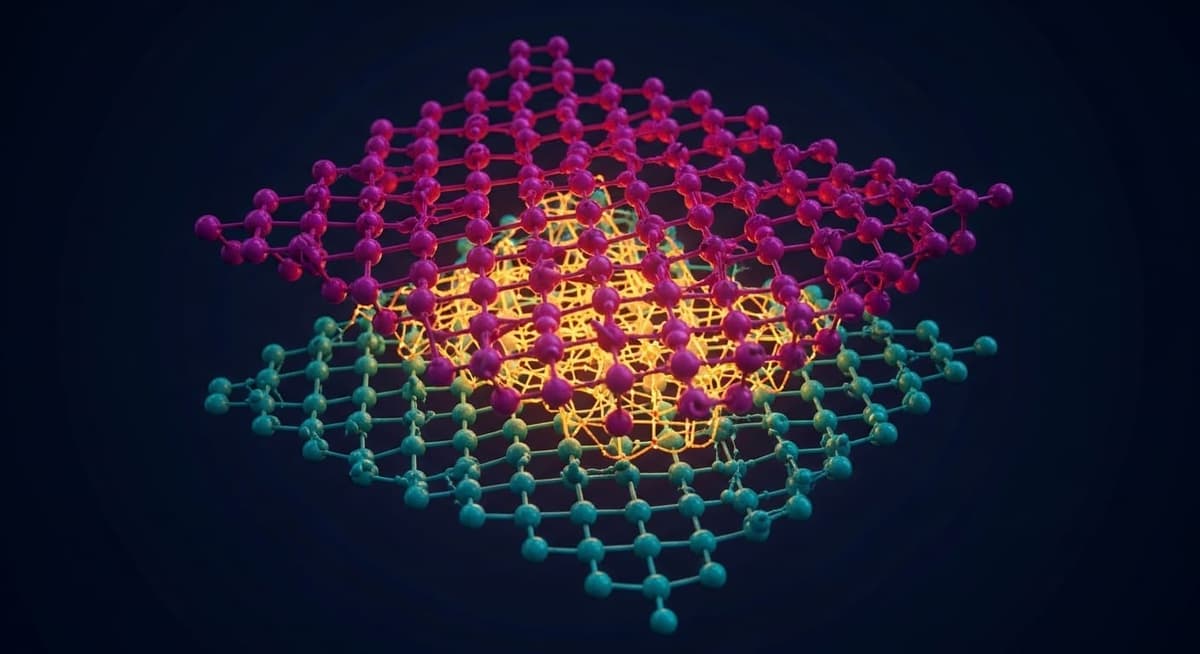
Strained Graphene Exhibits Oscillating Electron Flow Under Laser Light
Researchers at Chouäib Doukkali University used a transfer‑matrix model to study electron transport in gapped graphene subjected to uniaxial zigzag strain and laser‑electrostatic barriers. They found that moderate strain can modulate transmission by up to 30 % and generate pronounced Fano‑type...

Thermally Induced Supramolecular Polymorphism Strategy Enables Fabrication of Emissive Tunable Gold Nanoclusters Assemblies
Researchers introduced a thermally induced supramolecular polymorphism strategy that lets a single batch of thiosalicylic‑acid‑protected gold nanoclusters (AuNCs) emit multiple colors. At 298 K, Zn²⁺‑mediated co‑assembly yields kinetically trapped nanospheres that glow yellow. Raising the temperature to 358 K reorganizes the structure...

From University of Stuttgart: Experiments for Data Storage of Future
Researchers at the University of Stuttgart, together with international partners, have experimentally demonstrated a new magnetic state in twisted double‑bilayer chromium triiodide, a two‑dimensional material. By rotating two bilayers by a small angle, they created and directly imaged super‑moiré spin...
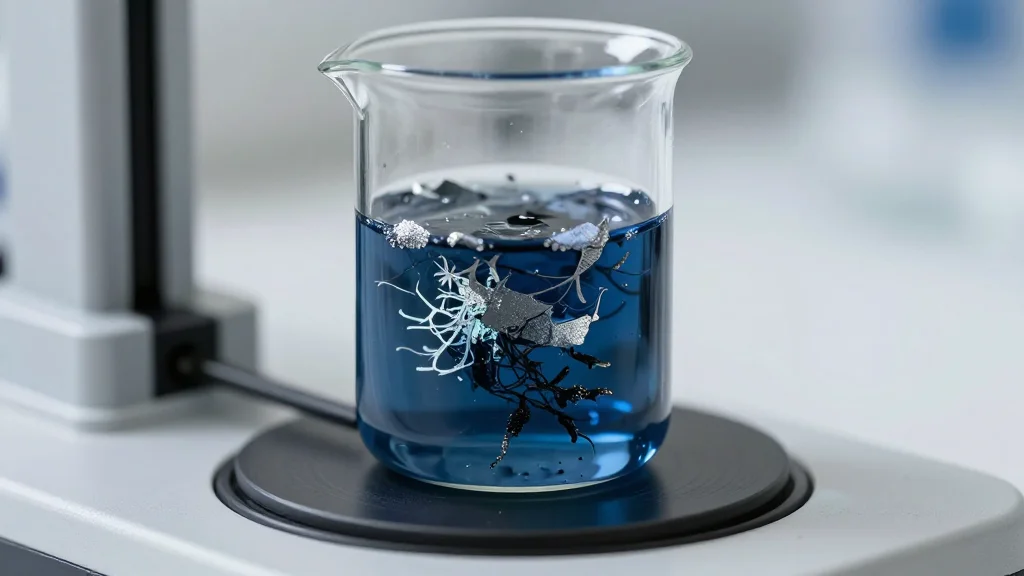
Vibrational Exfoliation of 2D Materials
Researchers have introduced a vibrational exfoliation technique that can process liquid‑phase dispersions of 2D materials at concentrations up to 1000 mg mL⁻¹ without losing yield. By accelerating the mixture to 100 g, particles fold, fracture and peel, producing few‑layer graphene and other layered...
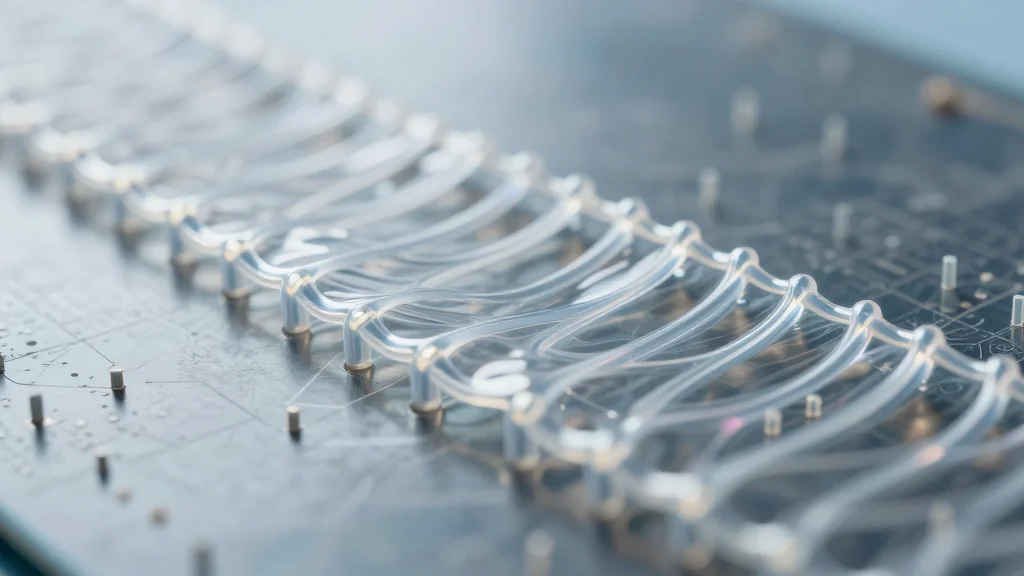
Strain‐Field‐Induced Bandgap Opening in Bilayer Graphene
Researchers have shown that periodic in‑plane strain fields generated by a graphene/organic‑2D‑crystal/graphene sandwich can open a bandgap of up to 50 meV in bilayer graphene while keeping the lattice intact. The gap stems from bond‑length modulation at domain boundaries rather than...
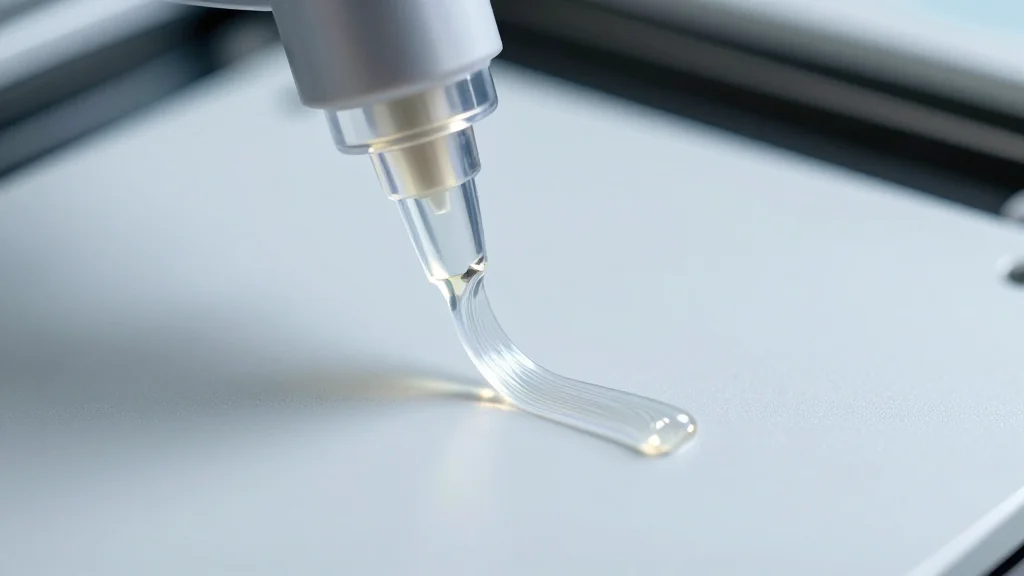
Nanoengineered Micellar Hydrogel with Controllable Strain‐Dependent Behavior for Brain Slice‐Like Tissue Patch Bioprinting
Researchers have created a nanoengineered chitosan micelle‑crosslinked hydrogel (CDP) that can be tuned to three distinct rheological states for extrusion‑based bioprinting. By balancing dynamic covalent crosslinks with shear‑induced micelle stacking, the CDP‑II formulation tolerates up to 200% strain while maintaining...

UK Universities Build Atomically Precise Nanoribbons Using Molecular Chains
Scientists from the University of Birmingham and the University of Warwick have demonstrated a new synthesis route that assembles nanoribbons from individual donor and acceptor molecules, achieving atomic‑level control of electronic properties. The work, published in Nature Communications, could reshape...
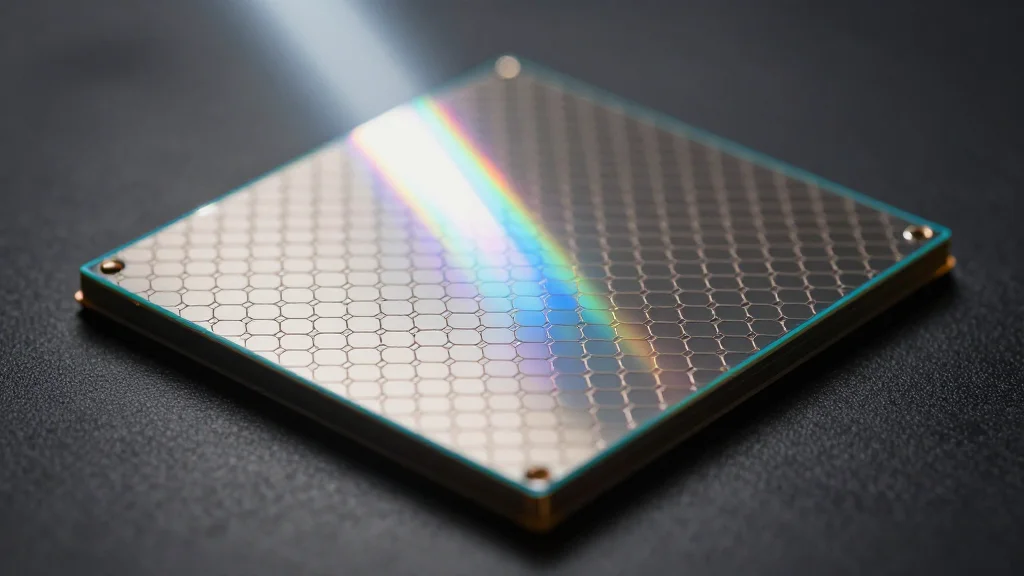
How Does Electron Structure Impact Light Responses in Moire Materials?
Researchers at USC demonstrated that the electron arrangement in moiré superlattices forms generalized Wigner crystals, which directly shape how the material interacts with light. Using first‑principles many‑body calculations, they resolved a new type of exciton—dubbed a Wigner crystalline exciton—that follows...
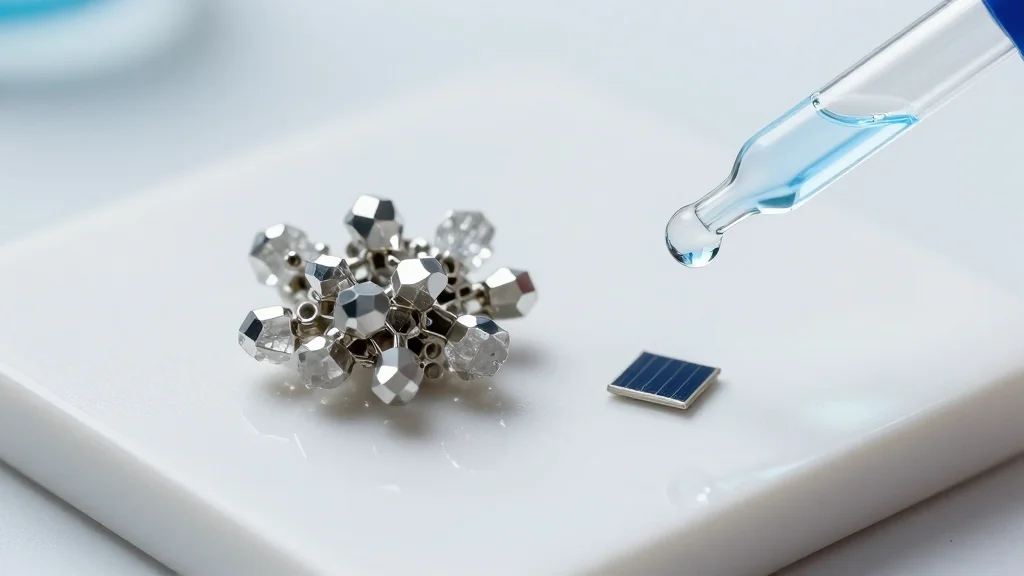
Light-Driven Synthesis Unlocks Precision Metal-Organic Frameworks for Clean Energy
Researchers at INRS and McGill have unveiled a photochemical method that synthesizes metal‑organic frameworks at ambient temperature. The technique uses light to drive assembly of a cobalt‑porphyrin MOF, phoPPF‑3, in just four hours at 15 °C, delivering hourglass‑shaped structures with precise...

Carbon Nanotube Wiring Gets Closer to Competing with Copper
Researchers in Spain have doped bulk double‑walled carbon‑nanotube fibers with tetrachloroaluminate, boosting their electrical conductivity up to ten times the undoped baseline and reaching about 70% of aluminum’s conductivity, roughly half of copper’s. The doped fibers retain their lightweight nature,...
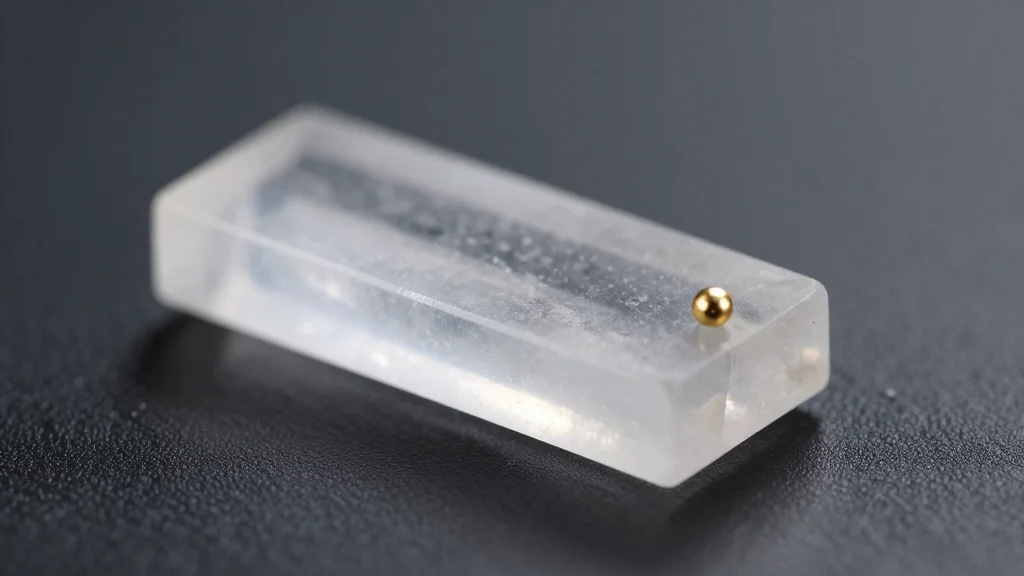
Non‑Linear Resonance Turns Quartz Sensor Into Single‑Particle Detector
Scientists from Ewha Womans University, Korea University and the Kavli Institute have demonstrated that a commercial quartz crystal microbalance can detect single micro‑ and nanoparticles by driving it into a non‑linear regime, achieving a detection limit of roughly 100 femtograms....
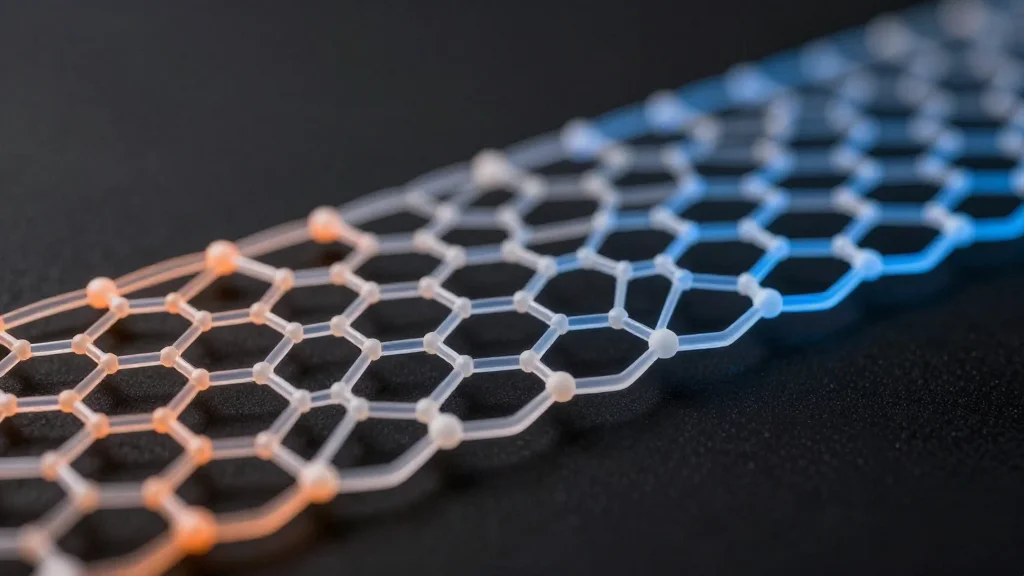
Graphene Breaks Wiedemann‑Franz Law, Paving Way for Quantum Hardware
Scientists at the Indian Institute of Science and Japan's National Institute for Materials Science have observed a 200‑fold breach of the Wiedemann‑Franz law in ultra‑clean graphene. The finding reveals a Dirac‑fluid state where heat and charge flow independently, a property...
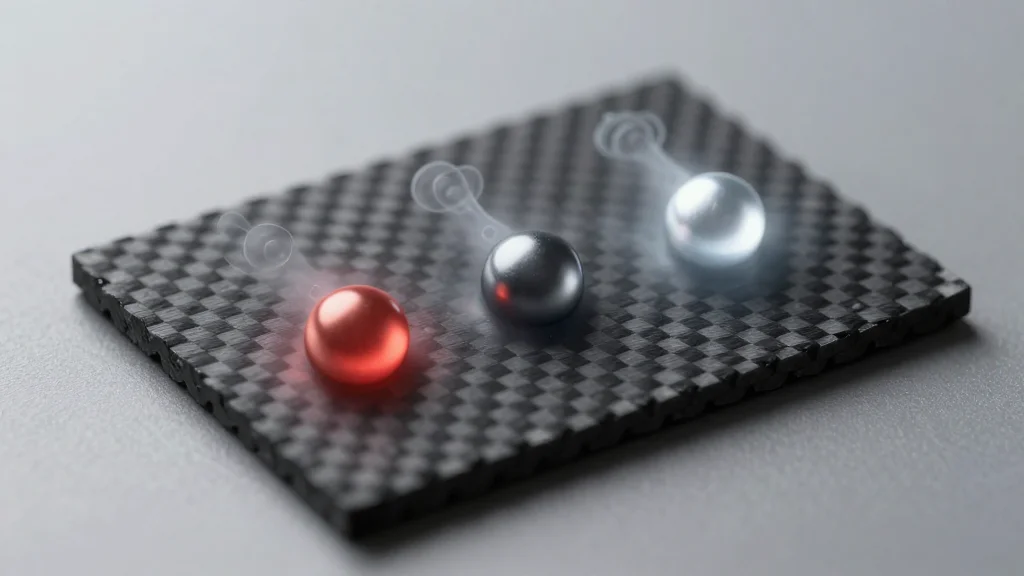
Promoting Electroreduction of Nitrate to Ammonia in Neutral Media via the Synergistic Effect of Atomically Dispersed Fe, Cu, and Pd...
Researchers have engineered a single‑atom catalyst (Fe/Cu/Pd‑N‑C) that delivers exceptionally high ammonia Faradaic efficiencies—98% at 0.5 M, 95% at 0.1 M, and 82% at 0.01 M nitrate—in neutral‑pH electrolytes. The catalyst’s three metal sites work in tandem: Cu atoms reduce nitrate to nitrite,...
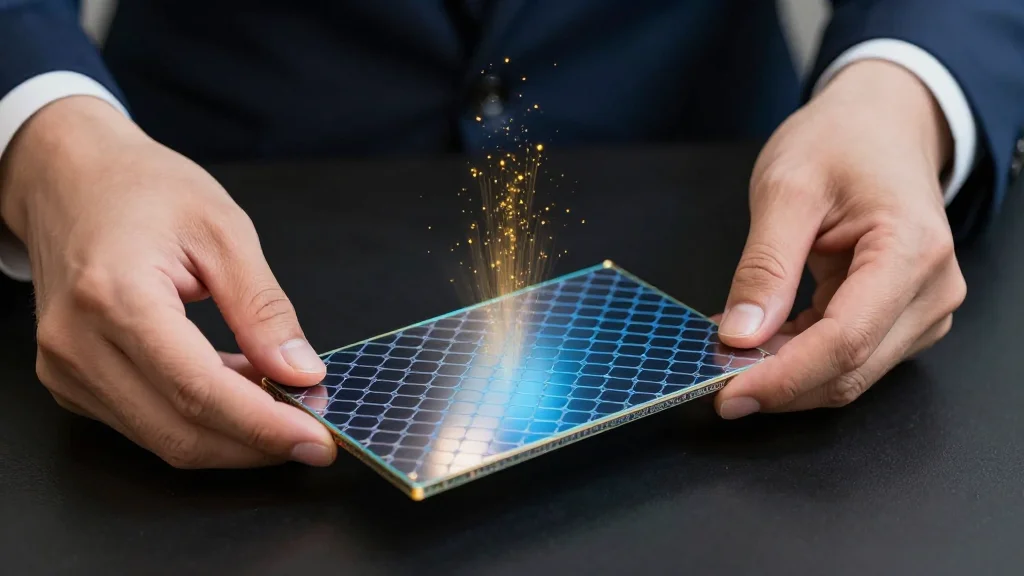
Adisyn Secures $10 Million Backing Following Recent Graphene Breakthroughs
Adisyn announced an institutional placement that will raise AU $14 million (approximately US $10 million) after achieving two pivotal graphene technology milestones. The round is anchored by Regal Funds Management, which oversees more than $20 billion, and Meitav, Israel’s largest investment house with about $190 billion...
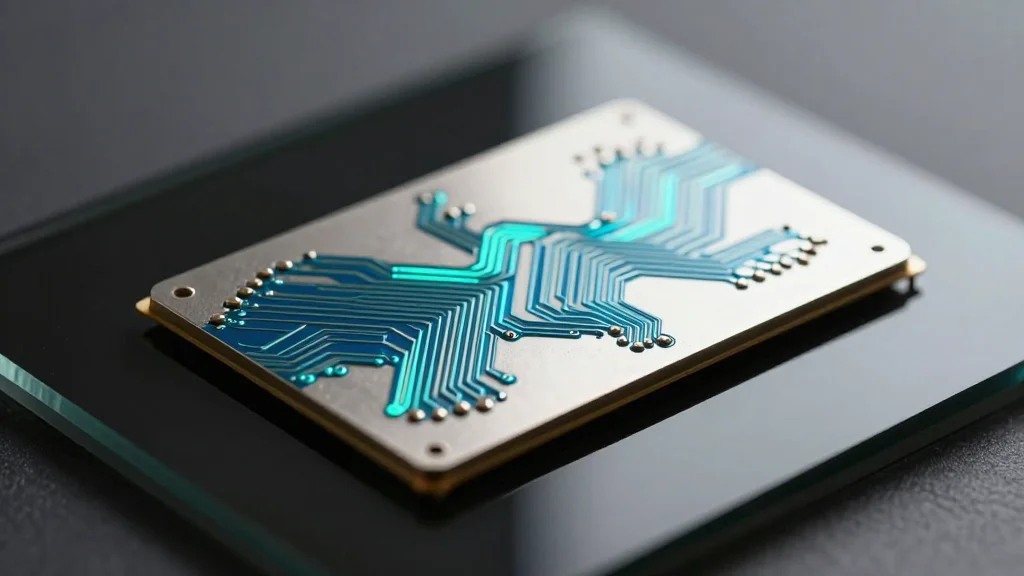
Graphene Nanoribbon Memory Market Valued at $1.5 B in 2025, Projected to Reach $4.1 B by 2032
QYResearch announced that the global graphene nanoribbon memory market was worth about $1.538 billion in 2025 and is expected to grow to $4.091 billion by 2032, driven by AI accelerators, HPC and edge IoT. The forecast underscores the technology’s potential to replace...
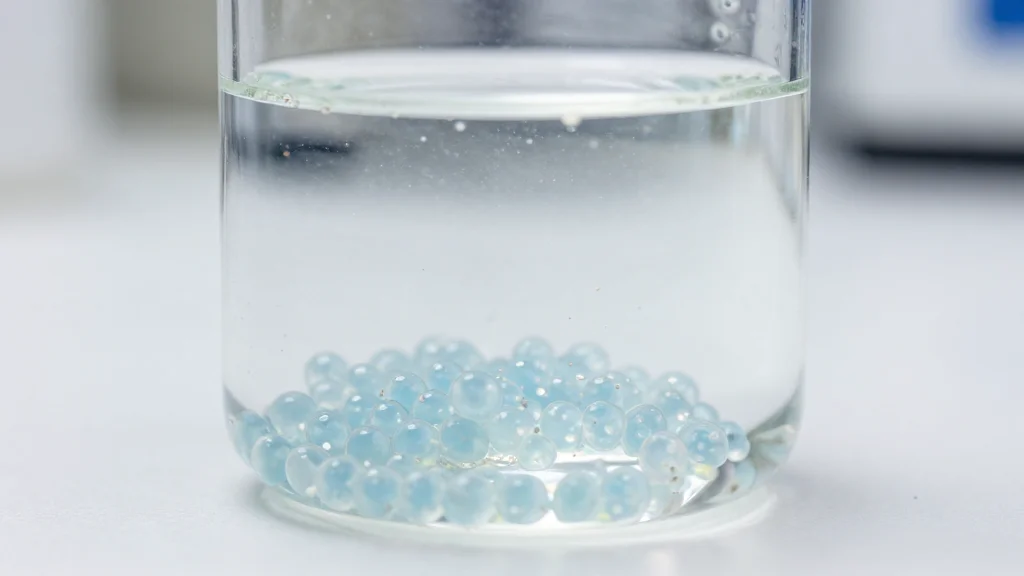
Microgel Glue Captures Nanoplastics that Water Treatment Plants Miss
Researchers at Xiamen University have created a soft polymeric microgel, pVIM, that acts as an adhesive glue for nanoplastic particles in water. The microgel’s flexible chains and imidazole groups bind to plastics via hydrogen bonding, electrostatic attraction and π‑π stacking,...
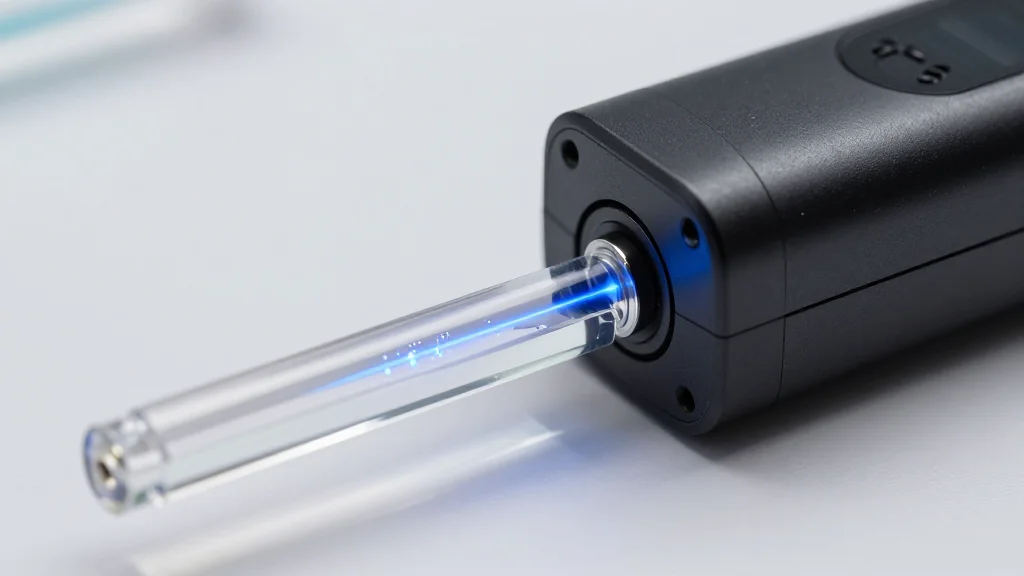
From Air to Tea: New Sensor Reveals Invisible Pollution in Minutes
Researchers at TU Wien and spin‑off Invisible‑Light Labs have launched EMILIE, a nanomembrane‑based sensor that detects airborne and waterborne pollutants at picogram‑to‑nanogram levels in just 15‑45 minutes. The device uses infrared‑illuminated nanomembranes whose minute temperature‑induced vibrations reveal chemical composition, eliminating the...
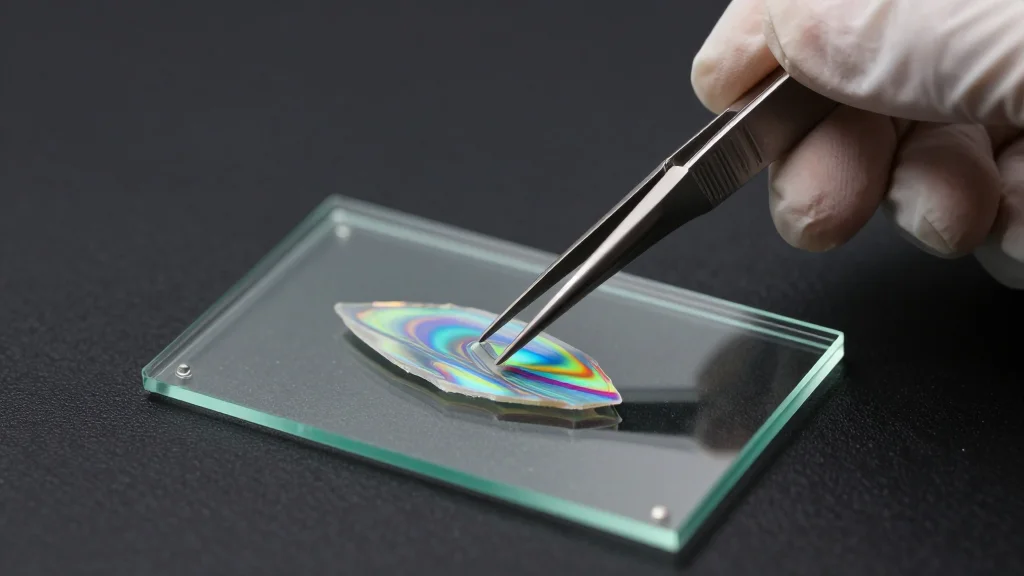
Atomic Moire Ferroelectrics Unlock Low Energy Nanoelectronics Potential
Researchers at Flinders University, together with Monash and Nanyang Technological University, have demonstrated that atomic‑scale moiré superlattices can host ferroelectric order. By misaligning two‑dimensional layers, they created switchable polarization textures that respond on picosecond timescales. The work, published in Small...
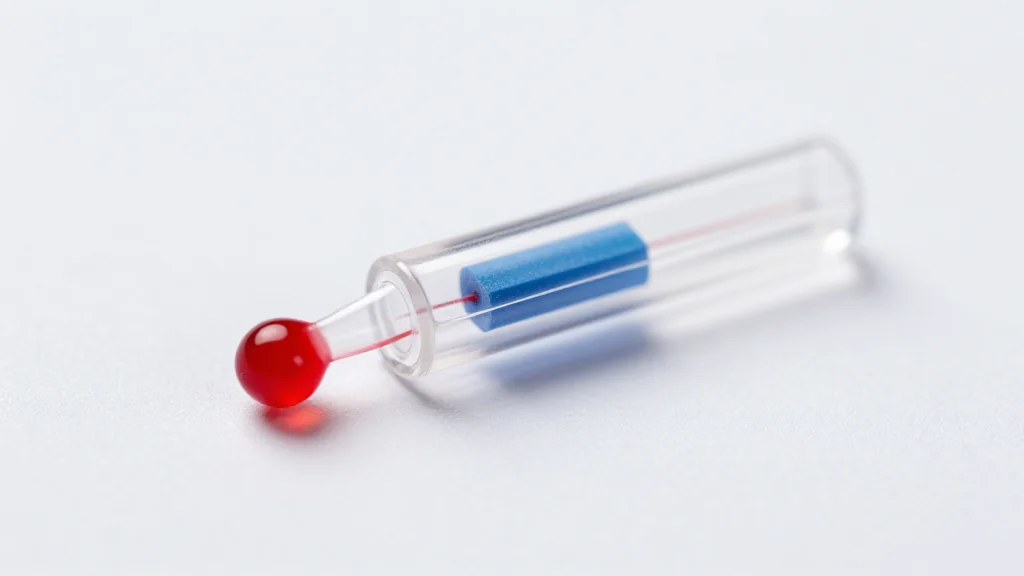
US‑UK Nanotech Partnership Accelerates Low‑Cost HIV Diagnostics
The University of Birmingham and the University of Illinois Urbana‑Champaign have launched a joint effort to develop ultra‑sensitive, low‑cost nanotechnology‑based HIV diagnostics. Backed by UK research council funding and the BRIDGE Signature Initiative, the partnership seeks to bring laboratory‑grade testing...