Today's Nanotech Pulse

Left‑handed DNA origami tubes double chemotherapy efficacy against AML
Researchers at the Cancer Center at Illinois showed that left‑handed DNA origami tubes loaded with Daunorubicin achieve more than twice the cell‑killing efficacy of right‑handed tubes. The tubes display aptamers that target the CD117 protein on acute myeloid leukemia cells and their left‑handed geometry promotes rapid internalization.

“Our Nanofibre Coating Represents a Fundamental Shift”
Soarce, a 2021‑born materials‑innovation startup, won the Grand prize at JEC World 2026’s Startup Booster, highlighting its bio‑based nanofibre coating for composites. Backed by roughly $3.5 million in pre‑seed capital, the company converts biomass into high‑performance nanofibre additives that integrate into existing manufacturing lines. The coating transforms the fibre‑resin interface from a passive barrier into an active reinforcement, delivering a reported 2.5‑fold increase in surface interaction. Soarce is now scaling contract manufacturing and partnering with leading carbon‑fiber and fiberglass producers.

Tumor/Lymph Node Dual‐Targeting Ultrasonic Nanoconverter Orchestrates Spatiotemporal ROS Regulation for Dual‐Zone Programmed Sono‐STING Immunotherapy
Researchers have engineered a dual‑targeting ultrasonic nanoconverter (OPD@PSF) that co‑delivers the sonosensitizer protoporphyrin IX and the STING agonist Vadimezan to breast tumors and their draining lymph nodes. High‑power ultrasound at the tumor site generates abundant reactive oxygen species, inducing immunogenic...
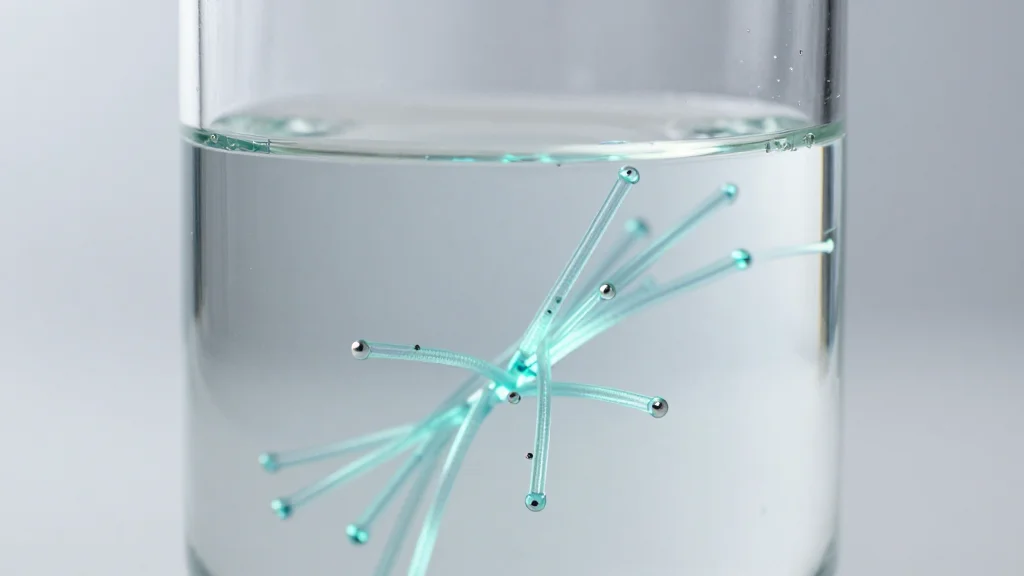
Identifying the Synergistic Role of Graphitic Nitrogen and Cobalt Nanoparticle in Electron Transfer Pathway Toward Fenton‐Like Catalysis
Researchers synthesized a carbon‑nanotube catalyst (CoN/C‑8) that integrates graphitic nitrogen and beads‑on‑string cobalt nanoparticles to activate peroxymonosulfate (PMS) for water decontamination. Electrochemical tests, COMSOL simulations, and density functional theory reveal that graphitic nitrogen forms an electron‑transfer highway, shifting the primary...
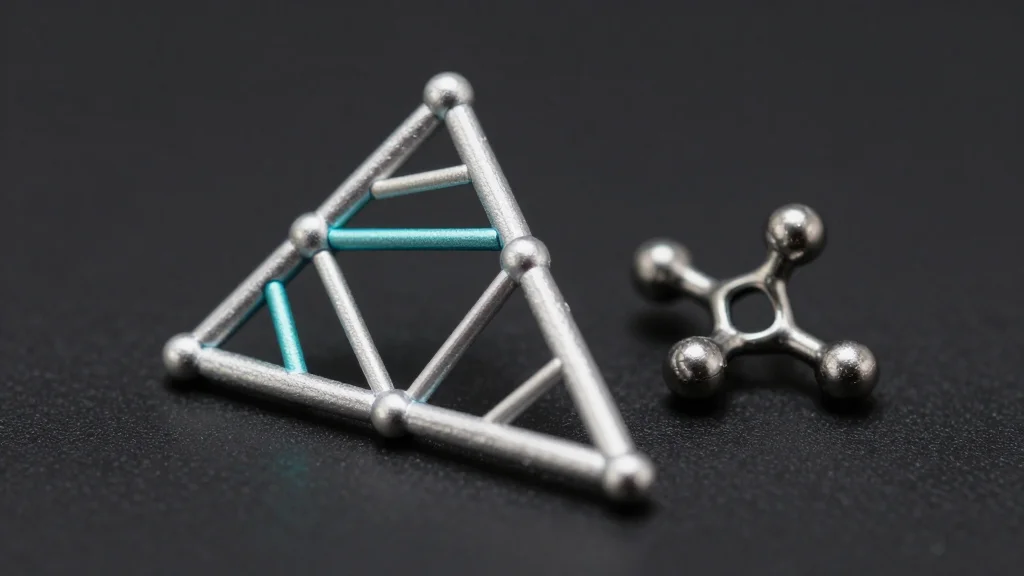
Global Quantitative Analysis of Ligation Reactions in Self‐Assembled DNA Nanostructures at the Single‐Nick Level
Researchers have mapped ligation efficiency at 64 individual nick sites on DNA origami using quantitative PCR, revealing that ligase activity is higher at trapezoid edges than interior positions. Docking simulations closely match experimental yields, indicating that variations in enzyme docking...
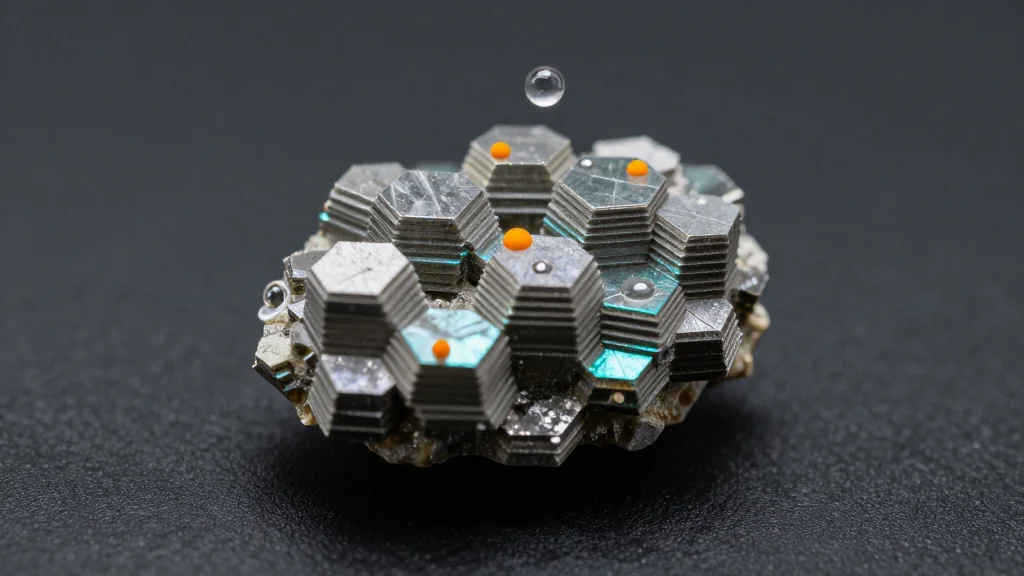
Local Electronic Environment Regulation of Crystalline/Amorphous NiSe/NiFe(OH)x Heterostructure Enhancing Catalytic Activity of Alkaline Oxygen Evolution Reaction
Researchers have engineered a crystalline NiSe/amorphous NiFe(OH)x heterostructure that dramatically improves alkaline oxygen evolution reaction (OER) performance. The catalyst achieves an ultralow overpotential of 233 mV at a current density of 100 mA cm⁻², and retains 93.7% of its activity after 250 hours at...

Interfacial Topology Engineering of Self‐Derived TiO2 Shells for Nucleation‐Controlled Fast Kinetics in MgH2
Researchers have developed a solvent‑free mechanochemical method that forms a high‑coverage TiO₂ nanolayer directly on magnesium hydride particles. The TiO₂ shell creates favorable band alignment, polarizing electrons and weakening Mg‑H bonds, which lowers the dehydrogenation activation barrier to 81 kJ mol⁻¹. This...
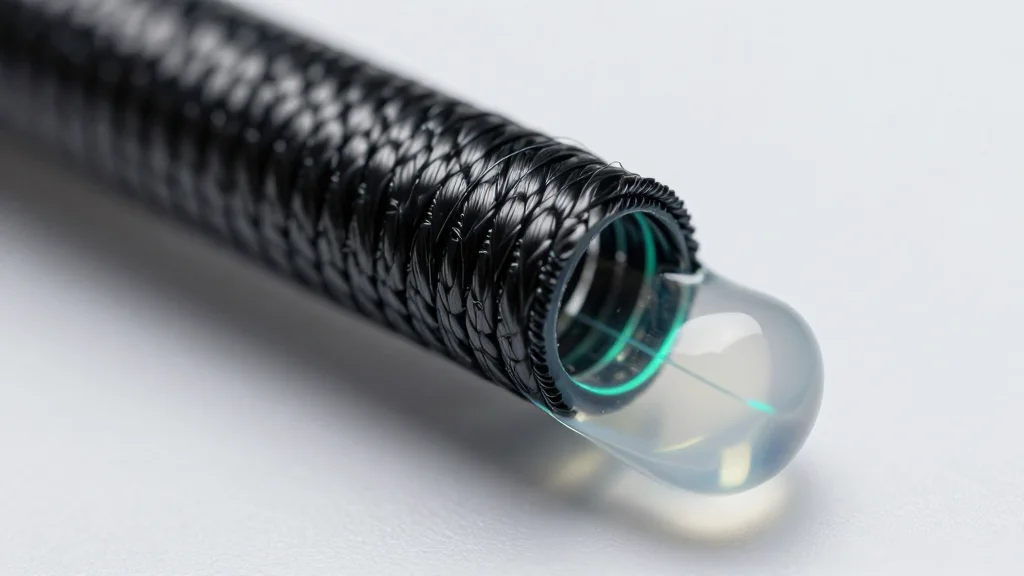
All‐Solid‐State Electrochemical Artificial Muscles Enabled by Magnetically Aligned Ionic Liquid Crystal Elastomers
Researchers have created an all‑solid‑state electrochemical artificial muscle by embedding carbon‑nanotube (CNT) coiled fibers in a magnetically aligned ionic liquid crystal elastomer (LCE). Magnetic field orientation produces ion‑transport channels that boost ionic conductivity to 47.5 mS m⁻¹, a three‑fold increase over polydomain...
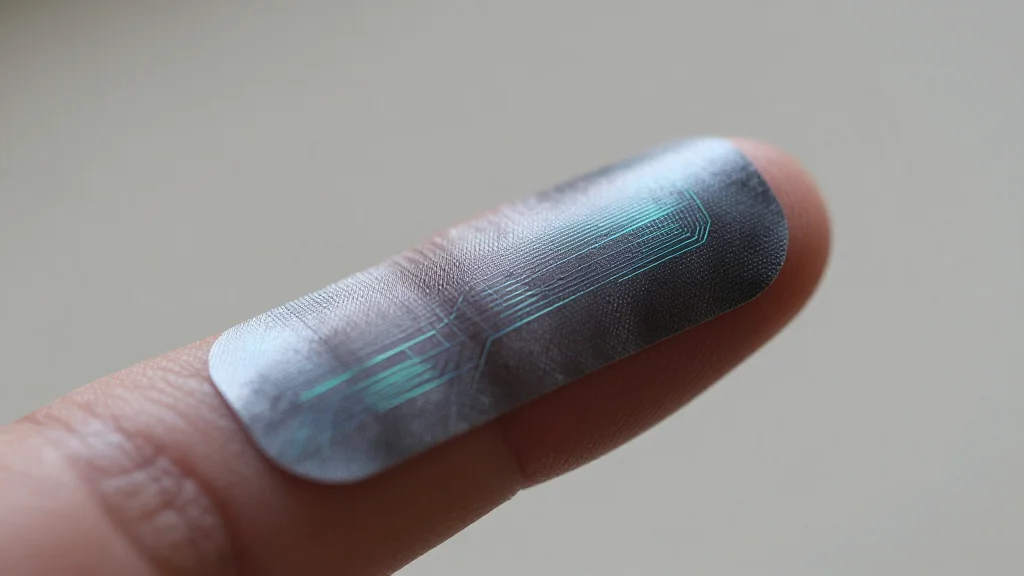
Laser‐Induced Graphene for Pressure and Strain Sensors: Fabrication, Performance Optimization, and Applications
Laser‑induced graphene (LIG) has become a cornerstone for flexible pressure and strain sensors since its 2014 debut, thanks to its superior electrical conductivity and mechanical resilience. The reviewed paper dissects sensing mechanisms, outlines fabrication routes—including precursor selection and laser‑parameter tuning—and...

Graphene Instead of Silicon? Simulations From Kiel Show Light-Controlled Electrons in the Femtosecond Range
Researchers at Georgia Tech and Tianjin University reported semiconducting epitaxial graphene on silicon carbide with a 0.6 eV bandgap and carrier mobility above 5,000 cm² V⁻¹ s⁻¹. In September 2025, the University of Kiel simulated femtosecond laser pulses that can locally excite electrons in graphene...

KAIST DNA Computer Merges Memory and Logic Below 2 Nm
A team led by Professor Yeongjae Choi at Korea Advanced Institute of Science and Technology (KAIST) has demonstrated a DNA‑based molecular computer that combines memory and computation at a scale under 2 nanometers. The breakthrough, published in Science Advances, shows a...
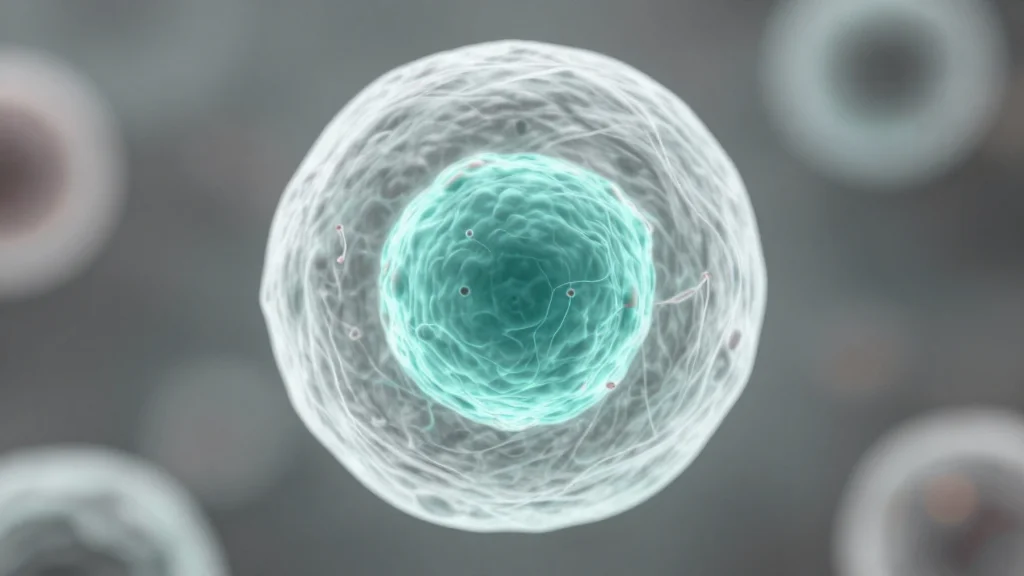
Programmable Artificial RNA Condensates in Mammalian Cells
Researchers at UCLA engineered single‑stranded RNA nanostars that self‑assemble into programmable condensates inside mammalian cells. By varying arm length, valency and kissing‑loop affinity, they controlled whether condensates formed in the nucleus or cytoplasm and could recruit proteins, small molecules, or...

Ordinary Nail Polish Turns Surfaces Into Removable Nanogenerators
Researchers have demonstrated that commercial nail polish can be brushed onto surfaces to create a removable triboelectric nanogenerator (TENG). The paintable layer acts as a positive tribo‑active film, delivering up to 400 V and 40 µA when paired with a PDMS counter‑electrode,...
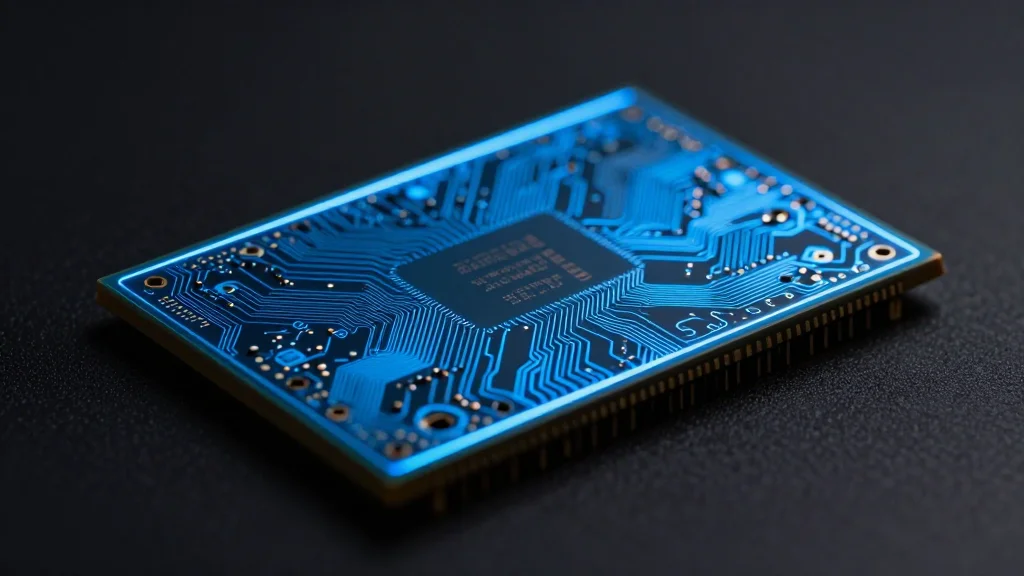
Samsung Breaks 10nm Barrier with First Single‑Digit Nanometer DRAM Die
Samsung Electronics announced it has produced a working DRAM die in the single‑digit nanometer range, marking the first time a memory chip has crossed the 10 nm threshold. The prototype, dubbed 10a DRAM, is intended to accelerate yield improvements and set...

Advances and Obstacles in Quantum Dots: From Nucleation Stages to High-Performance QLEDs
Researchers are refining quantum‑dot nucleation to achieve tighter size distributions, a key factor for color purity in next‑generation displays. Advanced ligand engineering and machine‑learning‑driven synthesis have pushed external quantum efficiency in QLEDs past 30%, while lead‑free perovskite dots now reach...

New Nanocomposite Enables Removal and Detection of Radioactive Iodine in Water
Researchers at the Hefei Institutes of Physical Science have created a silver‑decorated, metal‑organic‑framework‑derived TiO₂‑x nanocomposite that both captures and visually detects trace radioactive iodine in water. The material, built from the MIL‑125 MOF, features oxygen vacancies and a Ag/TiO₂‑x Schottky...

Alumina Nanowires Improve Thermal Management in Advanced Packaging (Georgia Tech Et Al.)
Georgia Tech researchers demonstrated that epoxy composites reinforced with ultralong Al₂O₃ nanowires dramatically improve thermal interface material (TIM) performance for 2.5D/3D semiconductor packaging. At a 28 wt% filler loading, a vertically aligned nanowire architecture achieved 0.78 W/(m·K) out‑of‑plane conductivity—72 % higher than conventional...

Northwestern Engineers Print Artificial Neurons That Talk to Real Brain Cells
Engineers at Northwestern University, led by Mark C. Hersam and Vinod K. Sangwan, printed flexible artificial neurons that generated realistic electrical signals and successfully activated living mouse brain cells. The study, published in Nature Nanotechnology, demonstrates a new level of...

Ashvattha Therapeutics Announces Presentations Highlighting Mechanism of Action for Migaldendranib in Diabetic Macular Edema and Neovascular Age-Related Macular Degeneration
Ashvattha Therapeutics presented Phase 2 data on its subcutaneous nanomedicine migaldendranib (MGB) for diabetic macular edema and neovascular age‑related macular degeneration at ARVO. The two‑stage trial showed stable central subfield thickness for up to 12 weeks and maintained visual acuity without...

Science in Space
NASA astronaut Chris Williams and ESA astronaut Sophie Adenot conducted the DNA Nano Therapeutics‑3 experiment in the Kibo laboratory’s Life Science Glovebox aboard the International Space Station. The study explores DNA‑inspired assembly techniques to fabricate nanostructured cancer therapies such as chemotherapy and...
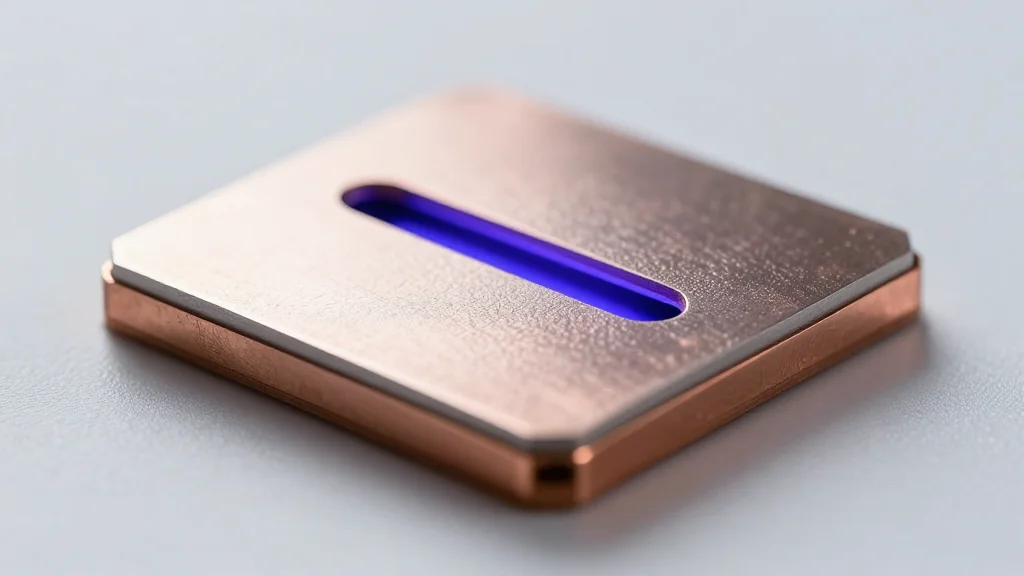
The Reason Nanoscale Gaps Can Produce Terahertz Radiation
Researchers have demonstrated a nano‑plasma device that generates 2 W peak terahertz power at 0.4 THz using a 100‑500 nm air gap. The breakthrough relies on a secondary electron emission avalanche (SEEA) on the substrate, which creates an ultra‑dense electron sheet that seeds...

Microplastics Found in Most Human Brains, Concentrated Near Tumors
Microplastics and nanoplastics have been detected in nearly all human brain samples, including healthy tissue, with higher concentrations observed near tumors, raising new questions about their potential impact on brain health. microplastics
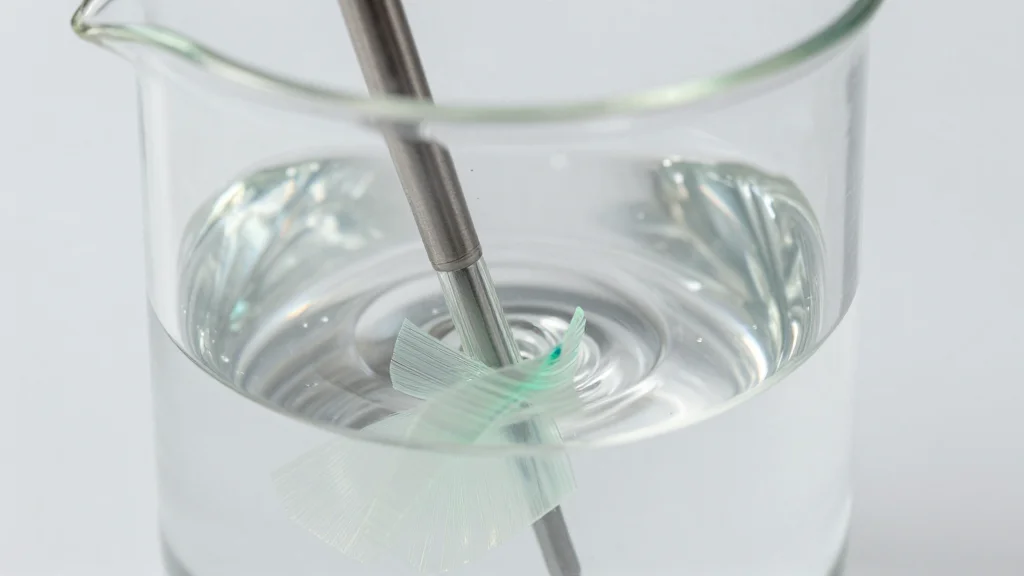
Vibration Technique Boosts Graphene Production Tenfold, Says Birmingham Team
Scientists led by Dr. Jason Stafford at the University of Birmingham have demonstrated a vibration‑based exfoliation method that produces graphene and other 2D materials up to ten times faster than existing techniques, using water and tannic acid instead of toxic...
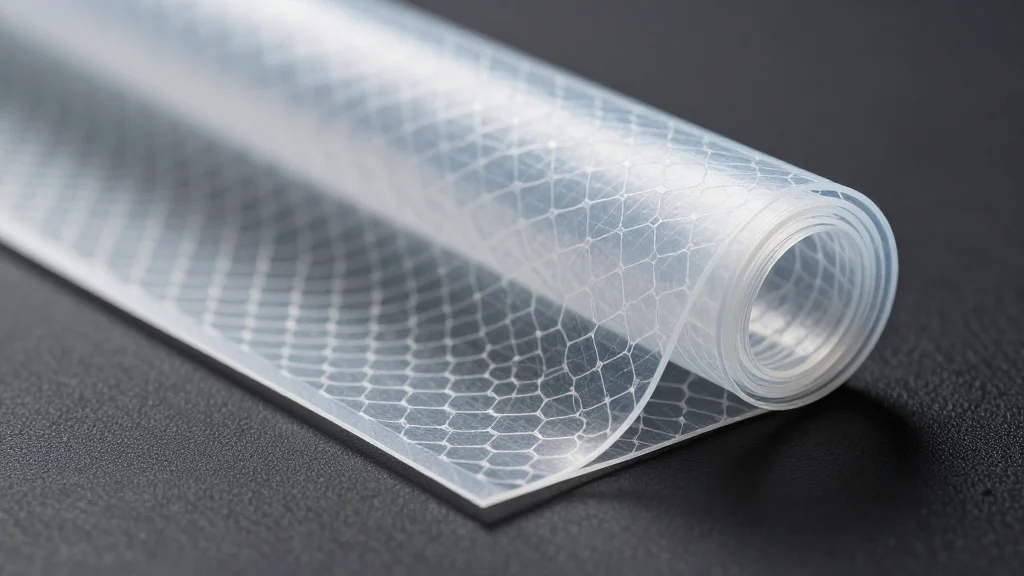
Plaid Technologies Announces Graphene Supply Deal, Marketing Program and New Financing Round
Plaid Technologies signed a 24‑month agreement with a European graphene producer, securing up to CA$20 million of material at tiered prices of $90, $85 and $80 per gram. The deal follows an earlier purchase of CA$1.14 million at $130 per gram, dramatically...
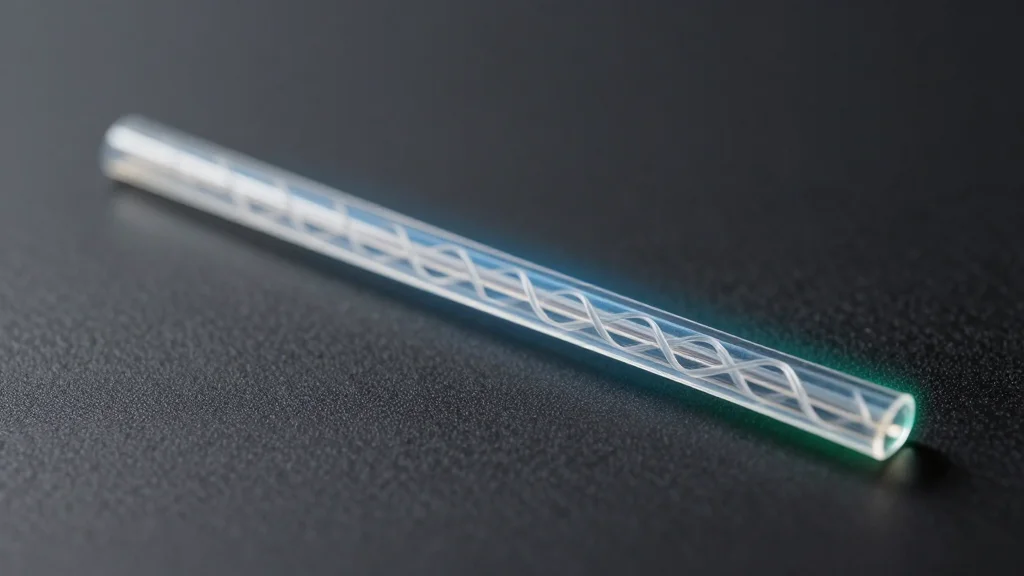
KIST Unveils Ultra-Thin Nanotube Shield Blocking Cosmic Radiation
Researchers at Korea Institute of Science and Technology (KIST) have fabricated a composite material thinner than a human hair that simultaneously blocks electromagnetic waves and neutron radiation. The shield, built from carbon nanotubes, boron‑nitride nanotubes and a polymer matrix via...
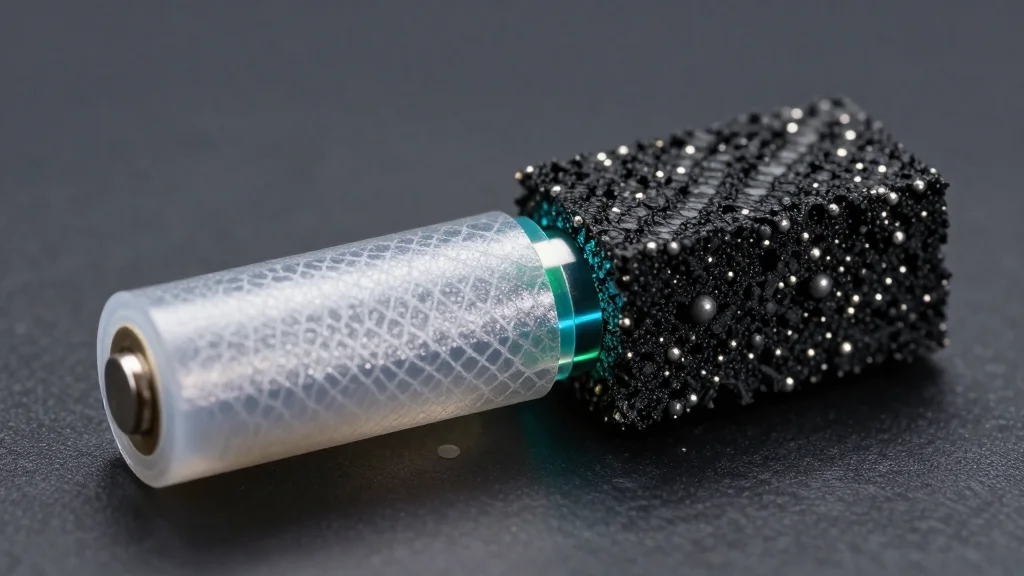
Advanced Separator Engineering with MOF and Carbon Nanofiber Cathode for Suppressed Polysulfide Shuttling in Li–S Batteries
Researchers introduced a dual‑functional system for lithium‑sulfur batteries that pairs an indium‑doped CuCo metal‑organic framework (In‑doped CuCoMOF) coated separator with a heteroatom‑doped Co‑nanoparticle porous carbon nanofiber (Co@PCNF) cathode. The MOF layer chemically adsorbs lithium polysulfides and accelerates their conversion, while...
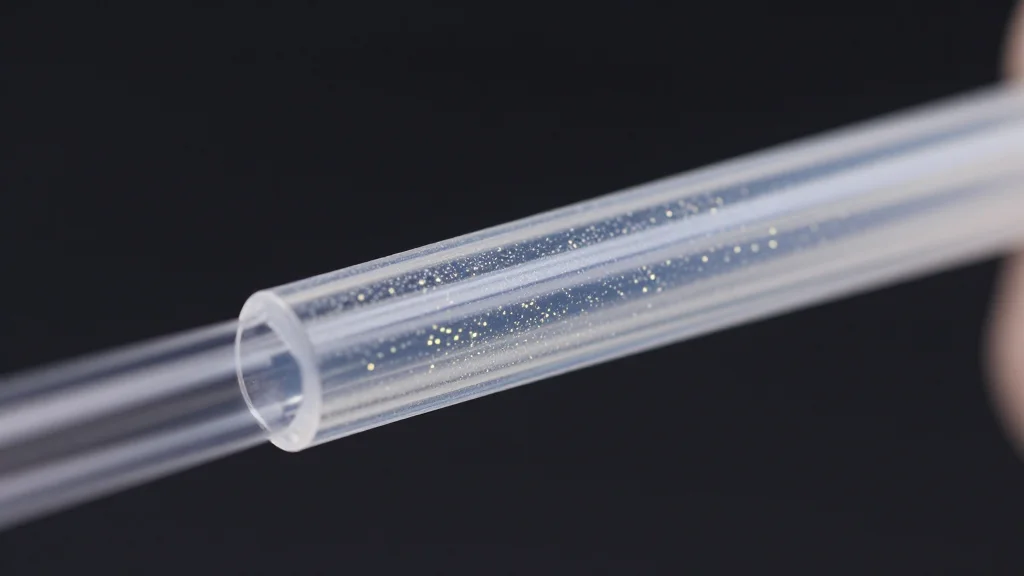
Enhanced Mechanical Strength and Controlled Degradation of PLA/ZnO Nanoparticle Composites for Biodegradable Implants
Researchers have engineered polylactic acid (PLA) composites reinforced with zinc oxide (ZnO) nanoparticles in two morphologies—nanospheres and nanorods—to create biodegradable implant materials. Tensile testing revealed that PLA/ZnO nanosphere composites reach 25.20 MPa, outperforming the nanorod variant at 22.98 MPa. Incorporating ZnO accelerated...
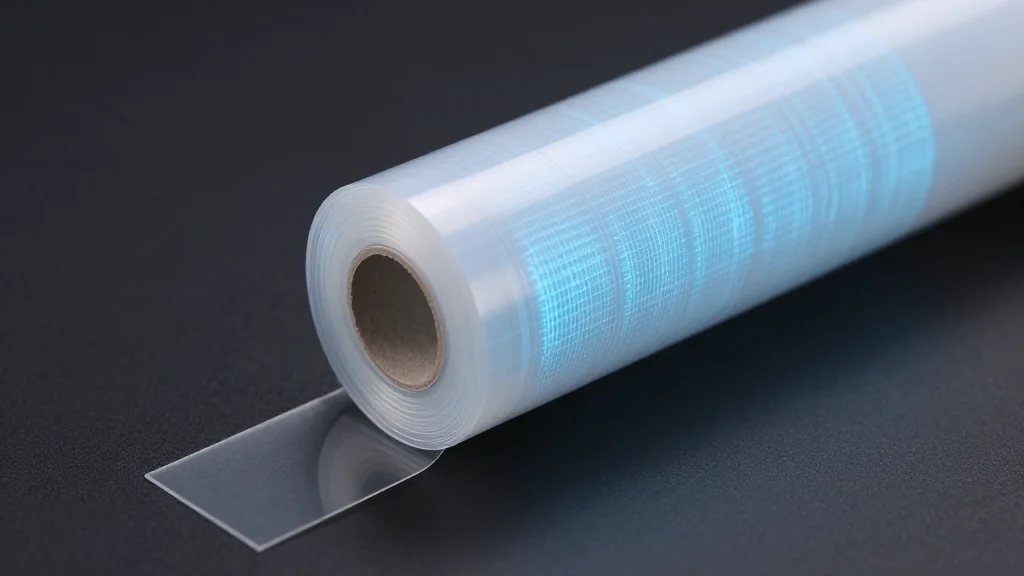
Peak Nano Launches NanoPlex Polymer Films to Boost Energy Storage Capacity
Peak Nano unveiled its NanoPlex polymer‑film platform, a nanolayer‑based material that can store twice the energy of conventional plastics. The Ohio‑based startup says the product is sold out for the year and plans to scale to a million‑pound annual output...
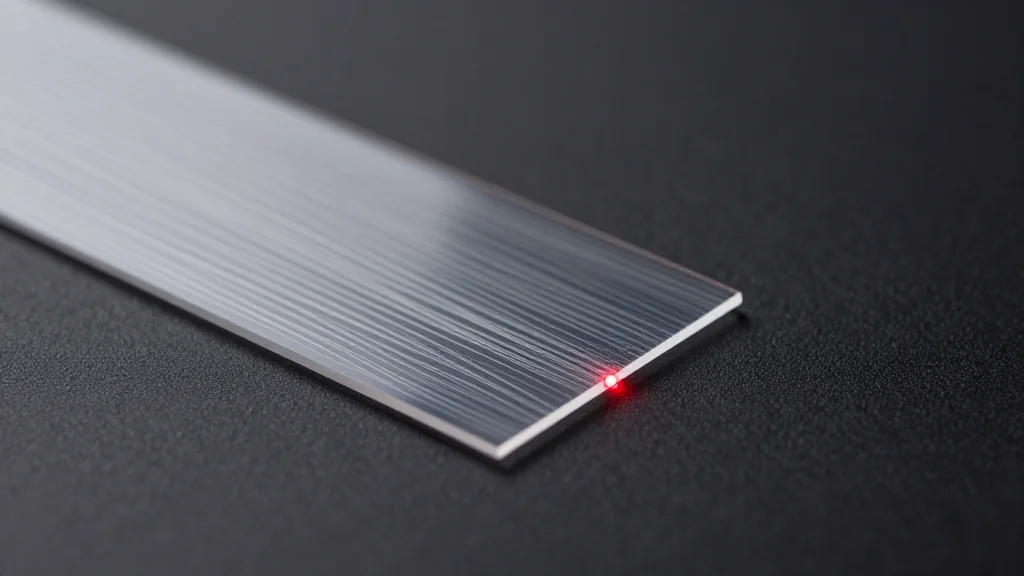
Carbon‑Nanotube Method Cuts Laser Lift‑Off Energy by One‑Third for Ultra‑Thin Polyimide Films
A team from the University of Shanghai for Science and Technology, Shenzhen Han’s Semiconductor Equipment Technology, and Guangdong University of Technology reported a carbon‑nanotube‑enabled laser lift‑off process that reduces the required energy from 180 mJ/cm² to 120 mJ/cm². The advance could lessen...
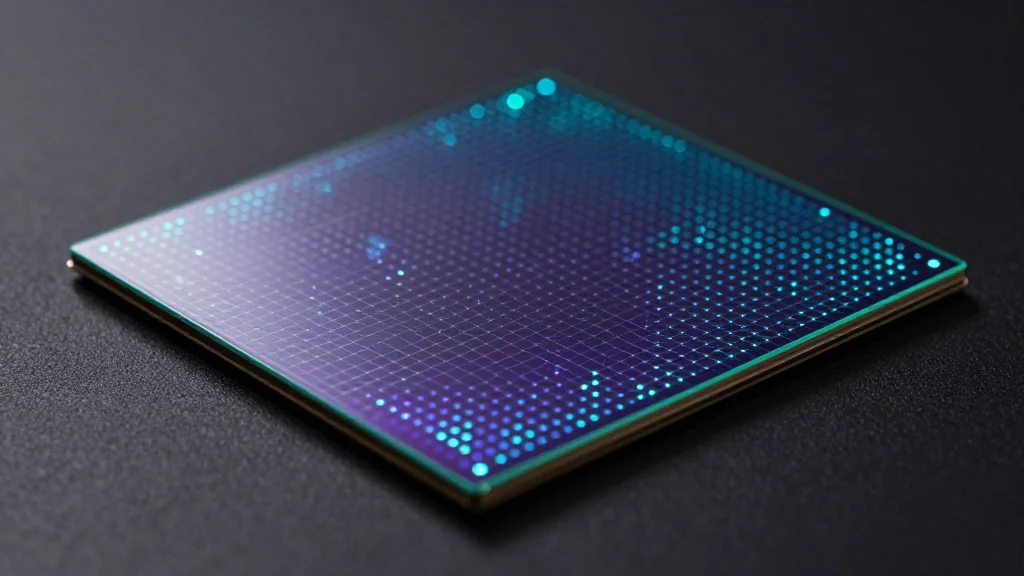
Aeluma Secures $4 Million in U.S. Government Contracts for Quantum‑Grade Materials and Lasers
Aeluma announced it has been awarded more than $4 million in U.S. government contracts to accelerate wafer‑scale production of quantum dot lasers and AlGaAs nonlinear photonic materials. The funding backs its heterogeneous integration platform and deepens ties with manufacturing partners Tower...
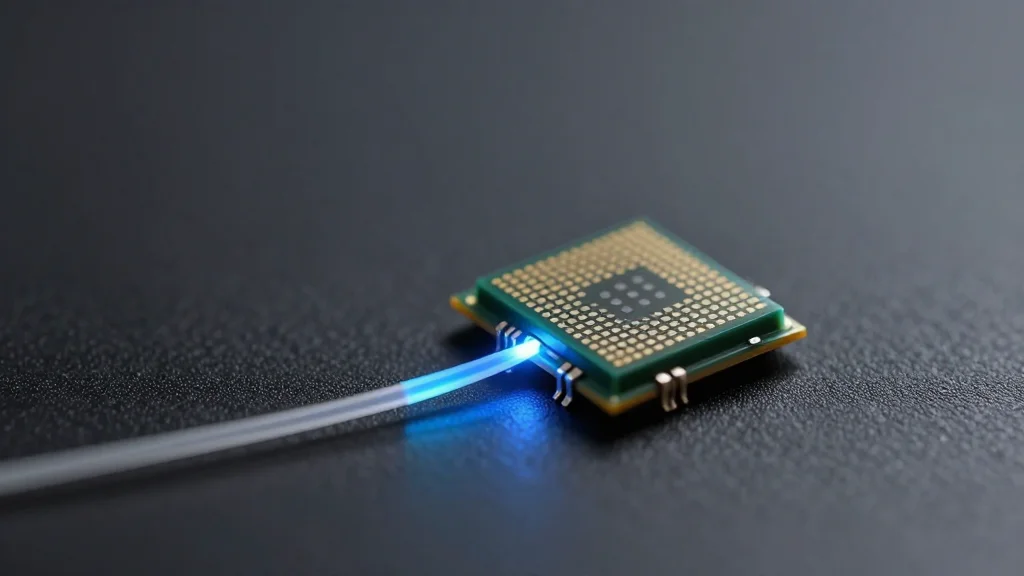
Researchers Silence Noise in Telecom Quantum Emitters with Nanophotonic Structures
Scientists from the Technical University of Denmark and Wrocław University of Science and Technology have demonstrated a nanophotonic approach that silences environmental noise in telecom‑band quantum emitters. The work, published in Nature Nanotechnology, outlines a pathway to more coherent single‑photon...
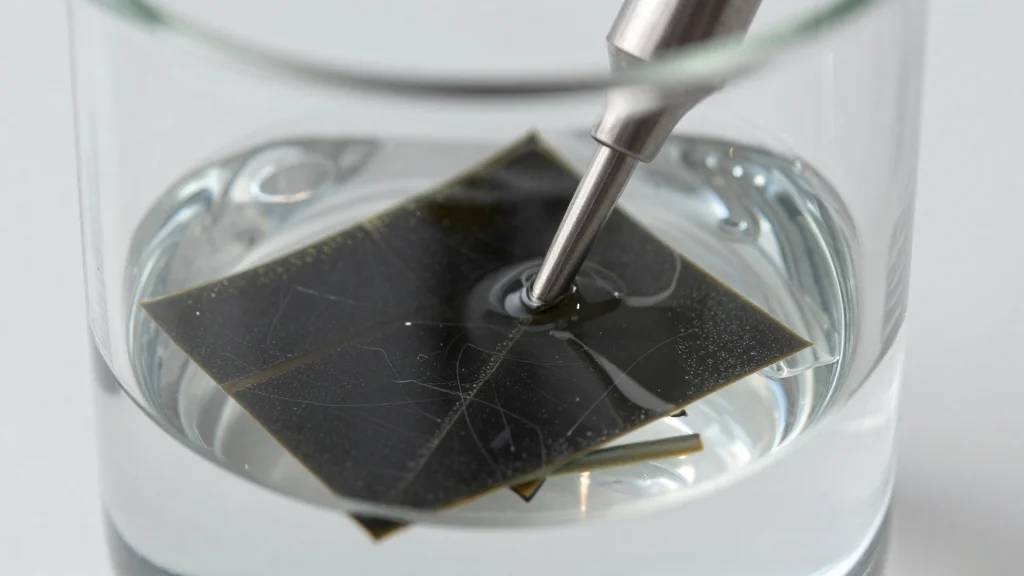
Room-Temperature Vibrations Could Transform How Industry Makes Graphene
Researchers at the University of Birmingham have unveiled a room‑temperature vibrational exfoliation technique that can produce graphene and other 2‑D materials up to ten times faster than existing methods. The process uses water and tannic acid as a green solvent,...

Four‑nanometer RuO₂ Surface Work Function Tunable >1 eV
At a thickness of just four nanometers, ruthenium dioxide metal exhibits unexpected electronic behavior, with its surface work function tunable by over 1 eV through interfacial polarization. This finding may influence future electronic and quantum device design. nanotechnology
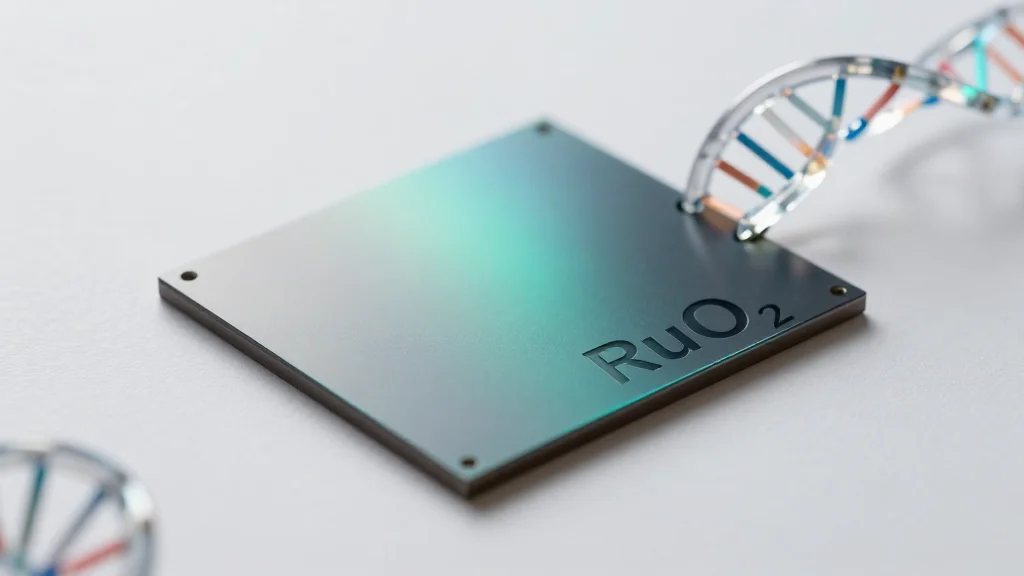
At Just Four Nanometers Thick, This Metal Starts Behaving in a Way Physicists Did Not Expect
University of Minnesota researchers have shown that interfacial polarization can tune the surface work function of metallic ruthenium dioxide (RuO₂) by more than 1 electron‑volt simply by varying film thickness. The effect peaks when the RuO₂ layer is about 4 nm thick,...
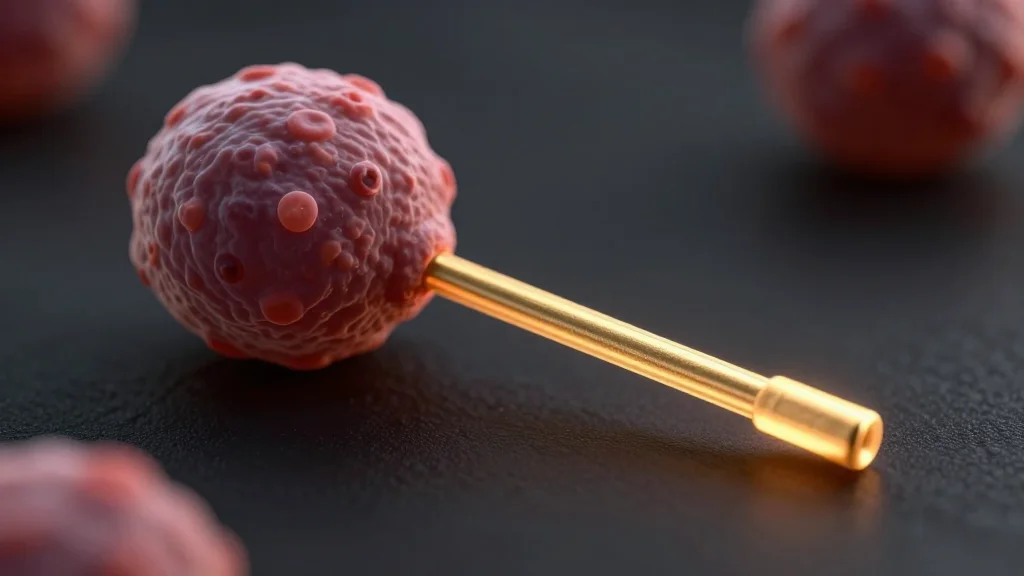
Sona Nanotech Reports 60% Complete Response Rate in First‑Human Melanoma Trial
Sona Nanotech Inc. presented first‑in‑human data showing six complete responses out of ten late‑stage melanoma patients at the AACR meeting in San Diego and secured a slot at the upcoming ASCO conference. The results, derived from the company’s gold‑nanorod Targeted...
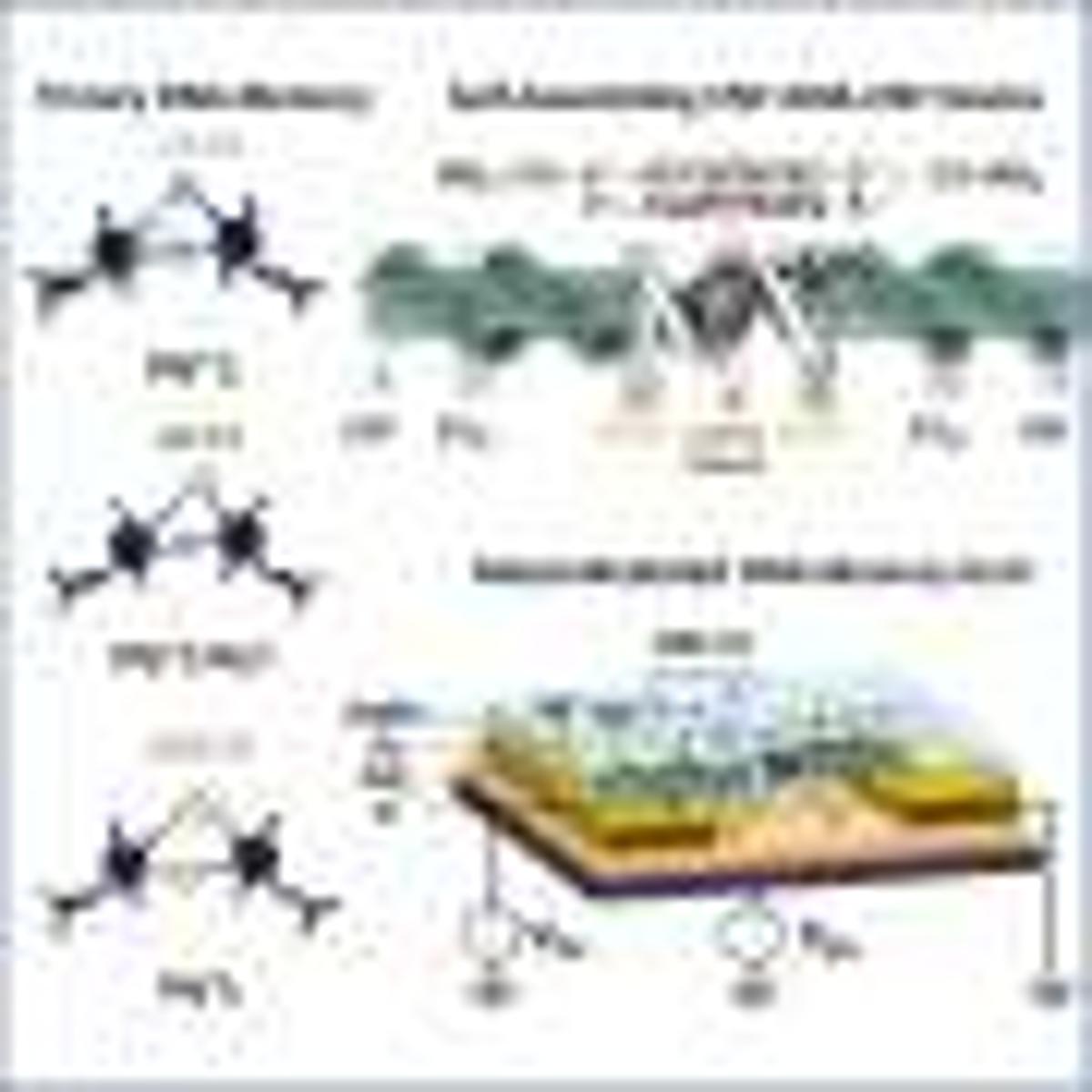
Video: Electrical Control of a Metal-Mediated DNA Memory
Researchers at New York University and Arizona State have demonstrated the first DNA‑based transistor by swapping mercury ions for silver in a single DNA strand using pH‑triggered chemistry. The metal‑mediated DNA was wired to molecular leads and a microchip, allowing...
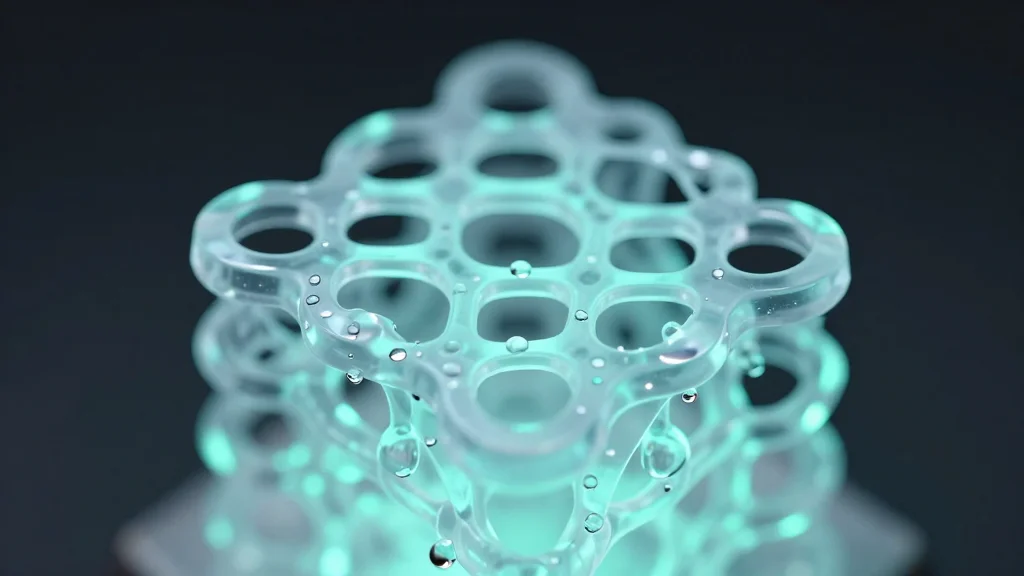
Morphing Metal-Organic Material Harvests Water From Thin Air
Researchers at the University of Sherbrooke have created a metal‑organic material that opens nanoscopic cavities when exposed to ultraviolet light, allowing it to capture water from the air. The photochemical reaction expands the crystal lattice by about 3 %, creating paired...

Atomic Step–Terrace Ordering Enables Unprecedentedly Low Pop‐in Stress Scatter in GaN (0001)
Researchers used catalyst‑referred etching (CARE) to create GaN (0001) surfaces with atomically flat step‑terrace topography. Nanoindentation on these surfaces produced pop‑in events at the theoretical strength of 16.15 GPa with an unprecedented stress scatter of only 2.3%. By contrast, conventional as‑received...
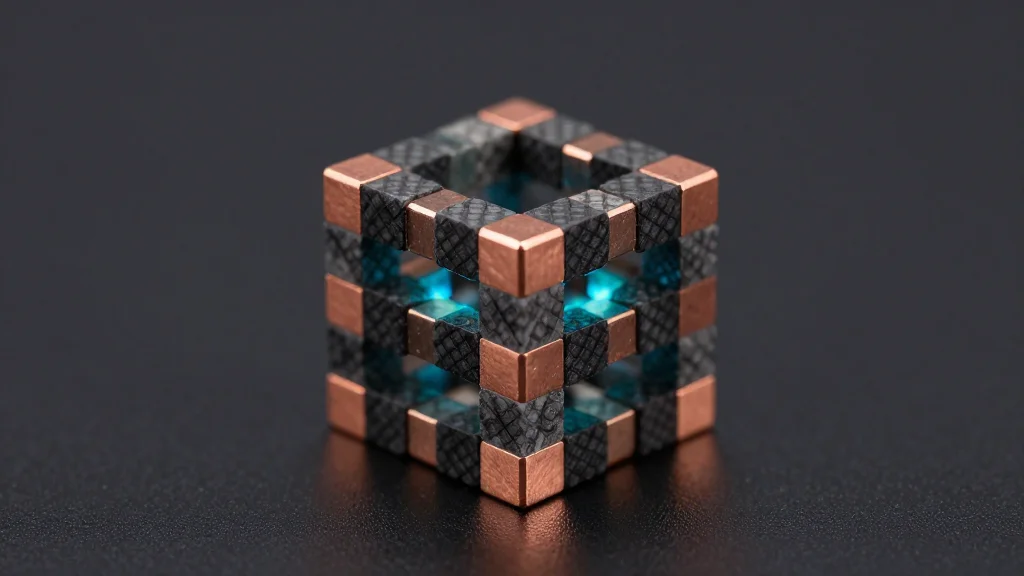
Engineering of Multiple Heterointerfaces in N, S‐Codoped Hollow Cu/Cu2S/C Nanoboxes for Superior Electromagnetic Attenuation
Researchers have engineered N,S‑codoped hollow Cu/Cu2S/C nanoboxes (H‑Cu/Cu2S@NSC) using Cu2O templates, creating a structure that combines interior cavities, multiple heterointerfaces, and heteroatom‑doped carbon shells. The synergistic effect of the hollow architecture and Cu/Cu2S, Cu/C, and Cu2S/C interfaces dramatically improves electromagnetic...
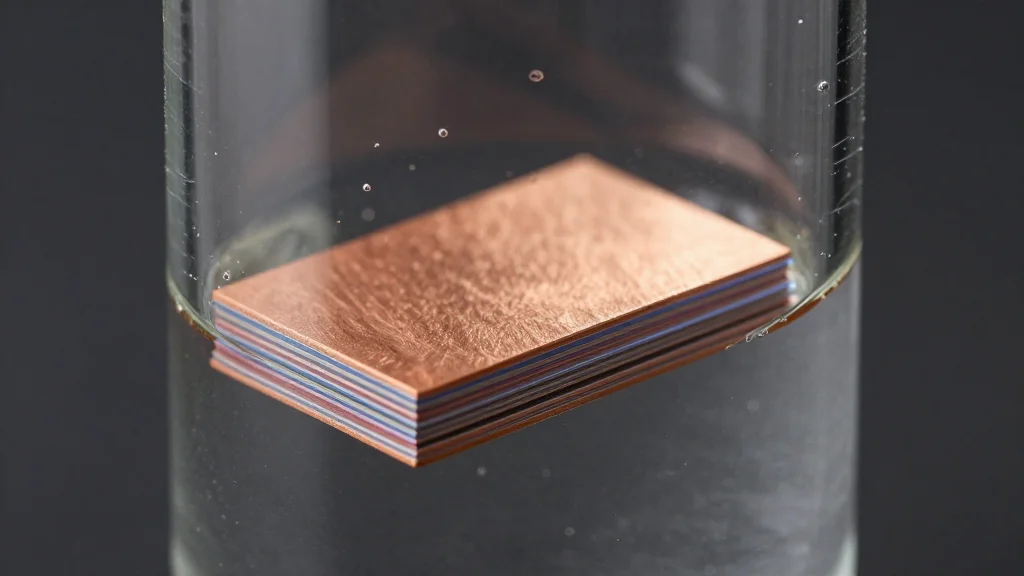
Defect‐Rich RuCu Multilayered Nanosheets for Effective Alkaline Hydrogen Electrocatalysis
Researchers have created defect‑rich RuCu multilayered nanosheets (RuCu MNSs) that serve as highly active, durable catalysts for alkaline hydrogen oxidation (HOR) and hydrogen evolution (HER). The RuCu MNSs/C catalyst delivers a mass activity of 4.91 A mg⁻¹ at 50 mV vs RHE, far...
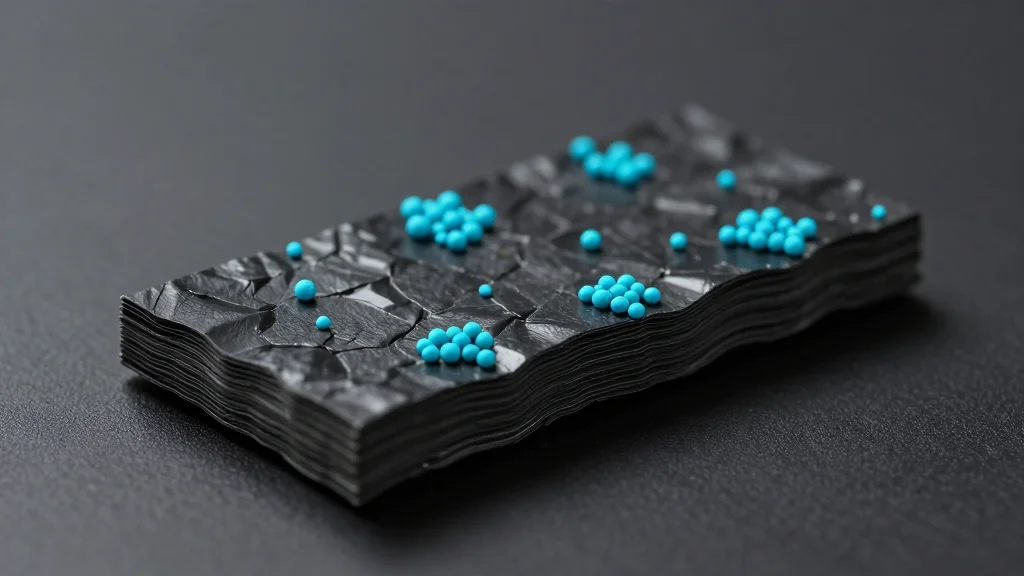
Controlled Triazine‐Based Covalent Functionalization of Black Phosphorus for Degradable Hybrid Materials
Researchers have introduced a scalable triazine‑based covalent functionalization method for black phosphorus (BP) nanosheets, achieving controlled P‑N surface chemistry with higher grafting density using a phase‑transfer catalyst. Optimized mechanochemical production and exfoliation generate high‑quality BP sheets, which are functionalized via...

South Korea Unveils $40.8 Billion Nanotech Master Plan to Rank in Global Top‑3 by 2030
South Korea announced a 60 trillion‑won ($40.8 bn) five‑year nanotechnology master plan, the sixth such roadmap, to lift the nation into the world’s top three nanotech powers by 2030. The plan outlines 13 priority tasks, five breakthrough research fields and a target...

Graphene Filter Traps and Kills Bacteria
📰 🧪 James Tour Group in the News: Bacteria trapped — and terminated — by graphene filterAn article features Rice research that developed a technique to turn laser-induced […] https://t.co/mYg3jfcPzP

MIT Unveils Injectable “Mini‑liver” Constructs to Bridge Transplant Waitlist
MIT scientists have engineered injectable hydrogel microsphere “mini‑livers” that sustain liver function in animal models for over two months, aiming to reduce dependence on donor organs. The breakthrough, published in Cell Biomaterials, could reshape treatment for thousands on transplant waiting...
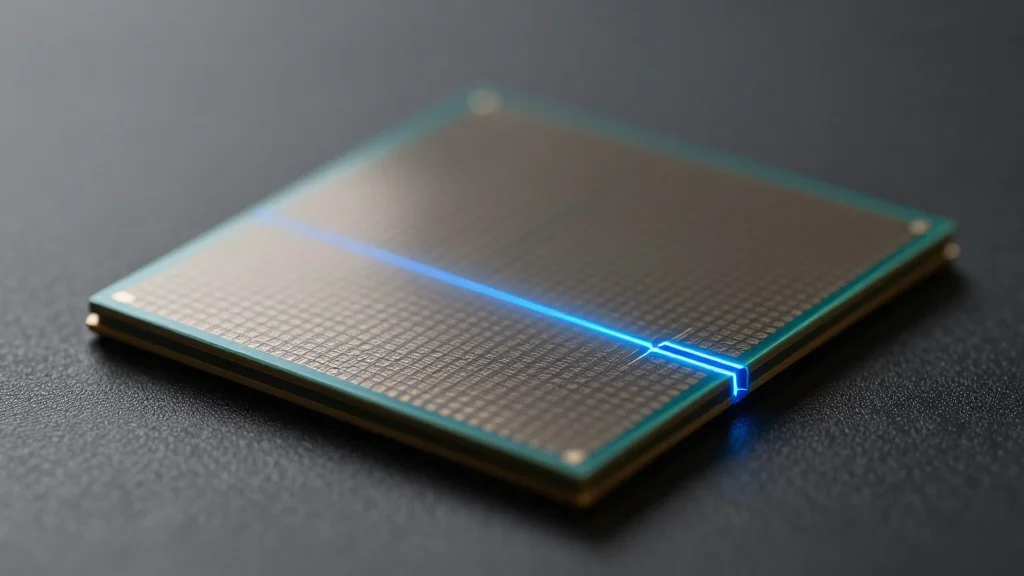
Single Quantum Electron Event Linked to Microchip Bond Failure, Upending Reliability Models
Researchers at the University of California, Santa Barbara have demonstrated that a single electron with about 7 electronvolts of energy can rupture a silicon‑hydrogen bond at the silicon‑oxide interface of a transistor. The finding overturns the long‑standing view that chip wear...
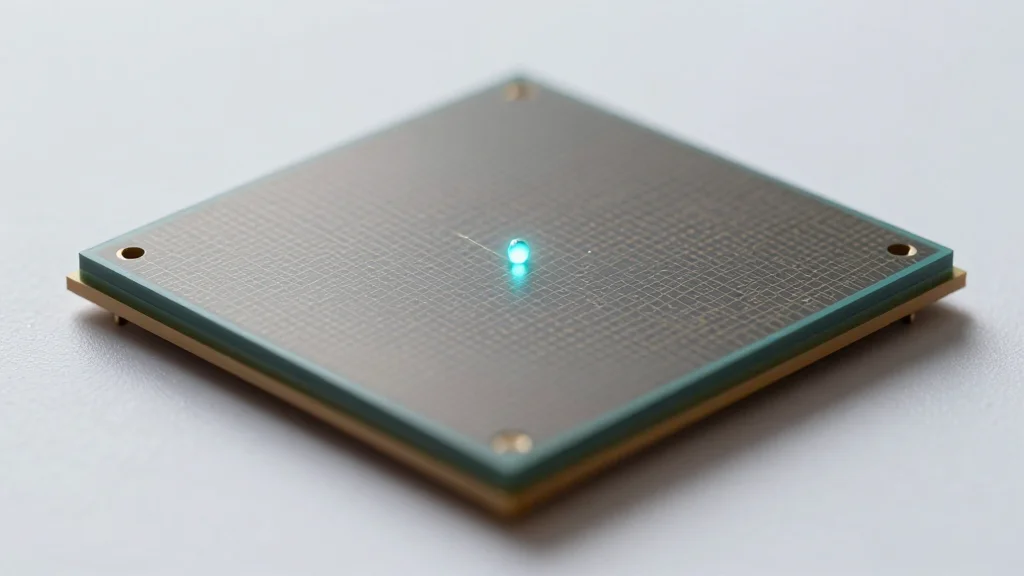
Silencing Noise in Telecom Quantum Emitters
Researchers Holewa and Syperek report a waveguide‑integrated quantum dot embedded in a photonic‑crystal membrane that emits highly coherent single photons at the telecom wavelength of 1550 nm. By using resonant excitation, they suppress charge‑noise‑induced decoherence, achieving photon indistinguishability above 95 % and...
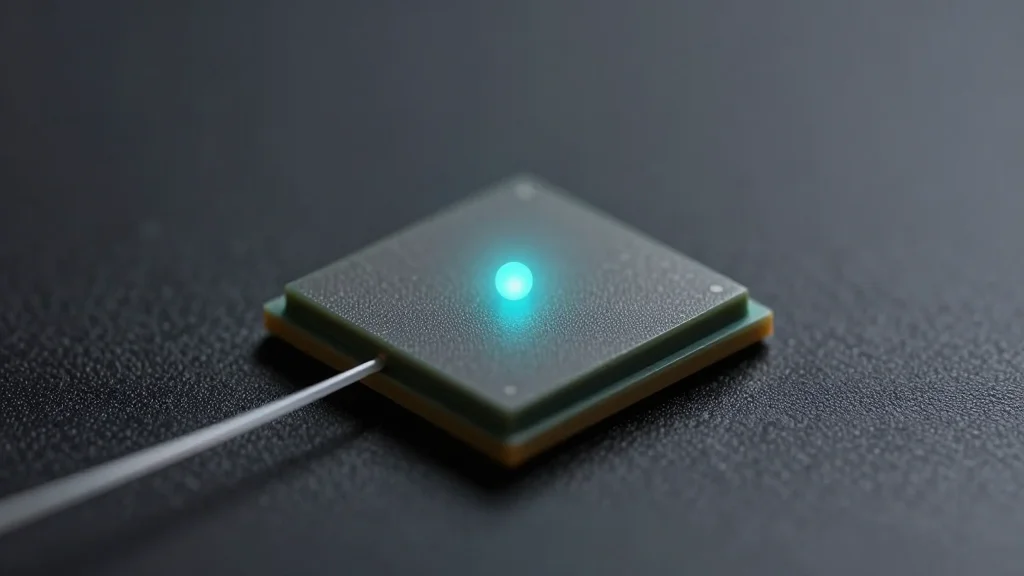
A Quantum-Coherent Photon–Emitter Interface in the Original Telecom Band
Researchers have built a quantum‑coherent interface that directly couples single photons to a solid‑state emitter operating in the original telecom O‑band (~1310 nm). The device integrates a self‑assembled InAs quantum dot into a nanophotonic waveguide, achieving more than 90 % photon indistinguishability...

India’s Luxury Hotels Deploy PFOA‑Free Nanotech Coatings to Boost Durability and Sustainability
Zyax Chem’s Vetro Power arm is installing PFOA‑free nanocoatings at marquee hotels such as Taj Lands End, St. Regis and Four Seasons, marking the largest commercial rollout of eco‑friendly surface protection in India’s hospitality sector. The ultra‑thin, breathable layers cut...
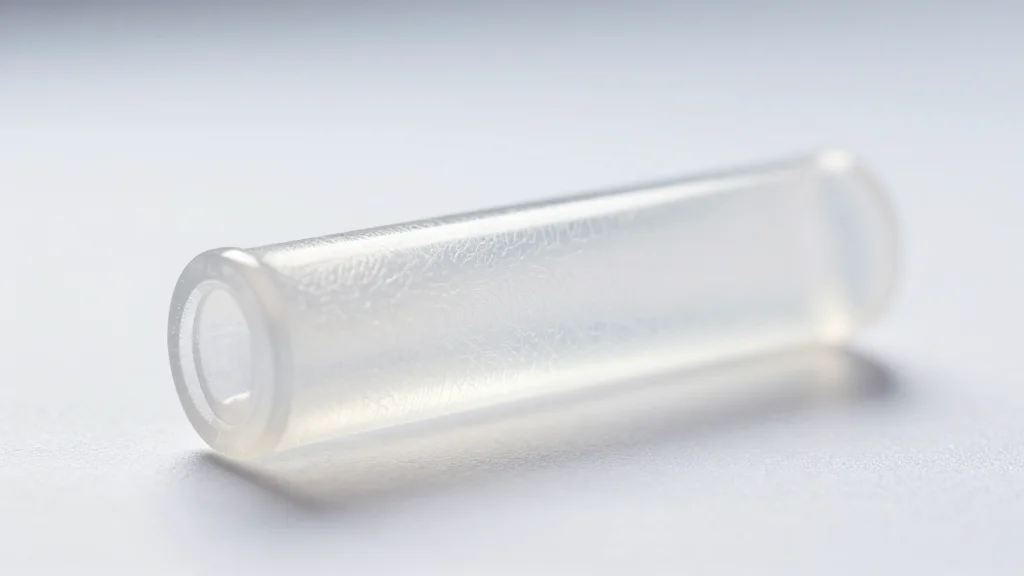
Rapid Nanofiber Spinning Fills the Gap in Small-Diameter Vascular Grafts
Researchers at Harvard have demonstrated a focused rotary jet spinning (FRJS) process that fabricates custom small‑diameter vascular grafts in minutes. The technique produces nanofiber scaffolds with tunable architecture, achieving 0.5 mm inner‑diameter tubes in under 90 seconds and larger 10 mm grafts...
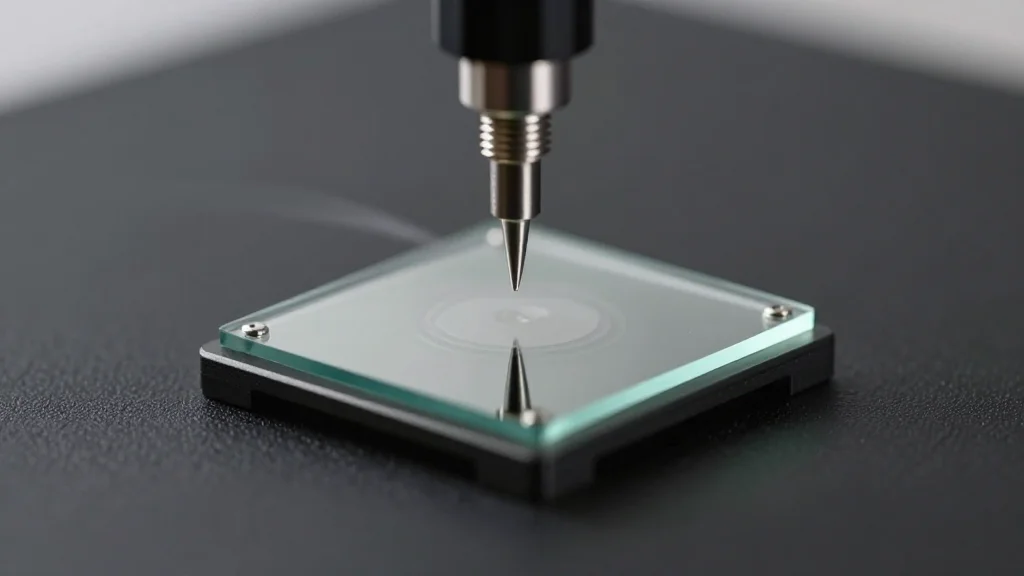
Neural Network Switching Controller Reduces Tracking Errors in Nano-Positioning
A team from Huazhong University of Science and Technology and the University of Victoria has unveiled a neural‑network‑based switching output regulation controller (NN‑SORC) that dynamically adapts to abrupt changes in reference signals for piezoelectric nano‑positioning stages. The controller, implemented on...

Creative Biolabs Launches Integrated Microfluidic Platform for Neuron‑on‑a‑Chip and Cell Sorting
Creative Biolabs announced a new one‑stop microfluidic platform that merges neuron‑on‑a‑chip technology with cell‑sorting chips. The integrated service is designed to cut reagent waste, automate assays and deliver more physiologically relevant data for drug discovery, disease modeling and precision diagnostics.