Today's Nanotech Pulse

Left‑handed DNA origami tubes double chemotherapy efficacy
Researchers at the Cancer Center at Illinois showed that left‑handed DNA origami tubes loaded with the drug Daunorubicin kill acute myeloid leukemia cells more than twice as effectively as right‑handed tubes. The tubes display CD117‑targeting aptamers and their left‑handed geometry promotes rapid internalization, boosting cell‑killing potency.
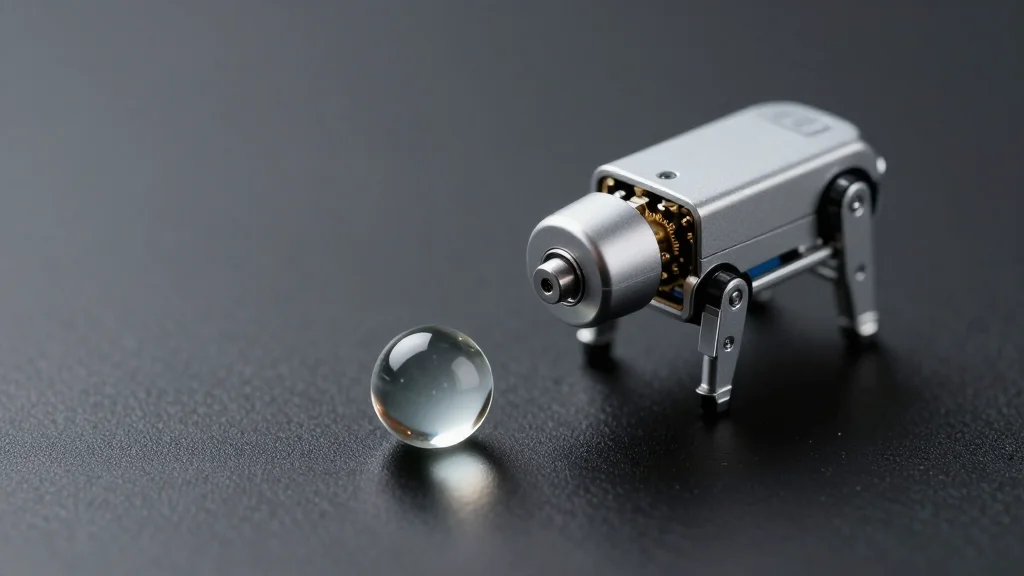
A Nanoscale Robotic Cleaner Can Hunt, Capture and Remove Bacteria
Researchers at Julius‑Maximilian University of Würzburg have created sub‑micron nanorobots that use photon‑recoil propulsion to hunt, capture, and relocate bacteria. By embedding plasmonic nanoantennas, the devices steer via light polarisation, achieving rapid 90° turns and precise manipulation of microbial clusters. The study, published in Nature Communications, demonstrates controlled bacterial collection and release in laboratory settings, marking a tangible step toward microscopic cleaning and targeted biomedical applications.
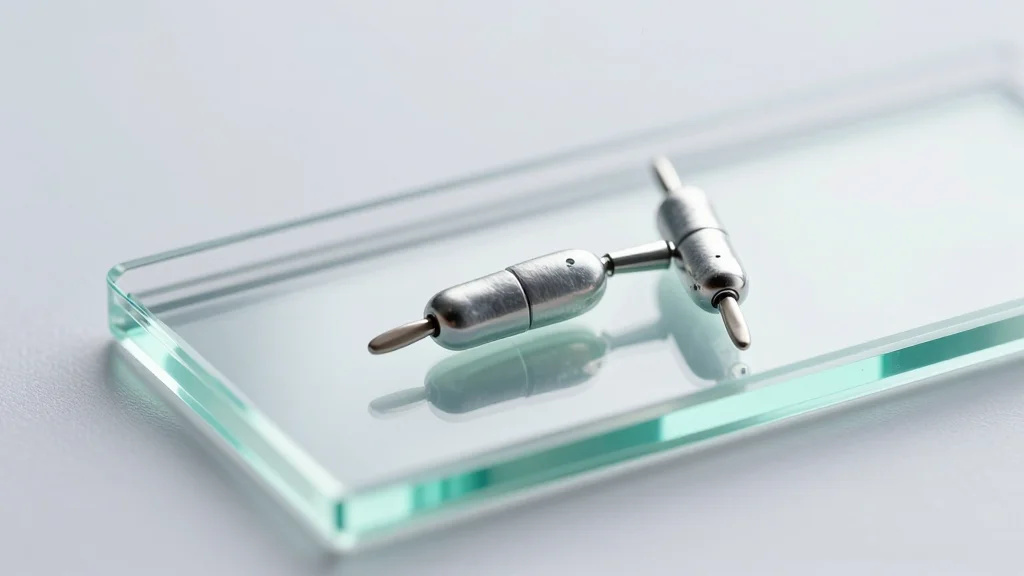
Light‑Powered Nanorobots Capture and Relocate Bacteria Precisely
Light-driven nanorobots, smaller than a micron, can now hunt, capture, and relocate bacteria with precision, offering new possibilities for targeted manipulation in microbiology and biomedical research. nanotechnology
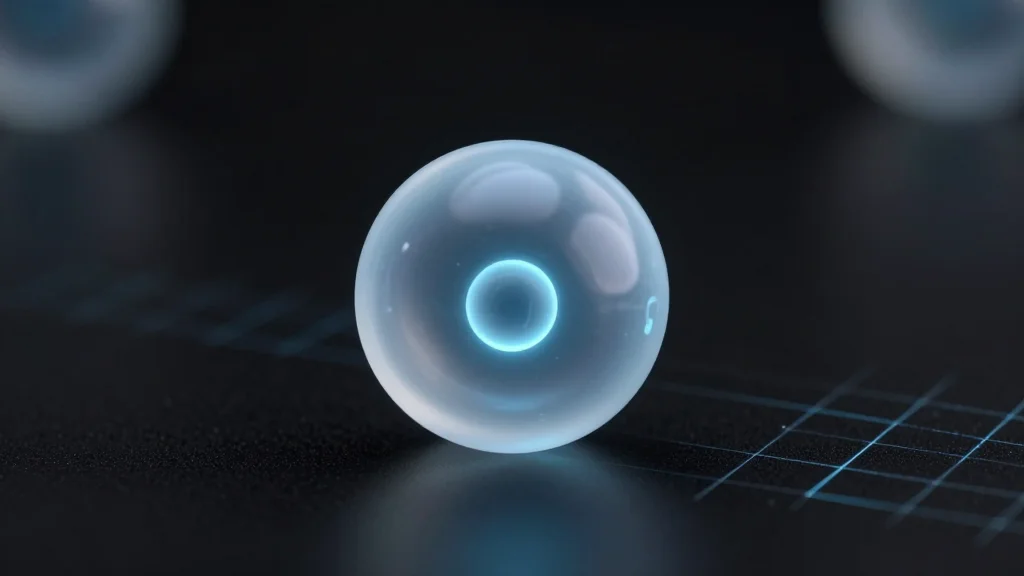
New Expansion‑Microscopy Toolkit Eliminates Distortion in Inflated Cells
Researchers from the University of New South Wales and the University of Lisbon introduced a toolkit that uses protein nanocages and digital analysis to correct distortion in expansion microscopy. The method enables reliable, quantitative 3D imaging of organelles as small...

Nanodisc Technology Improves Study of Viral Proteins for Vaccines
Scientists at Scripps Research, in partnership with IAVI, have unveiled a nanodisc‑based platform that embeds viral surface proteins in lipid‑like particles, preserving their native membrane context. Published in Nature Communications, the method was validated with HIV and Ebola glycoproteins, delivering...
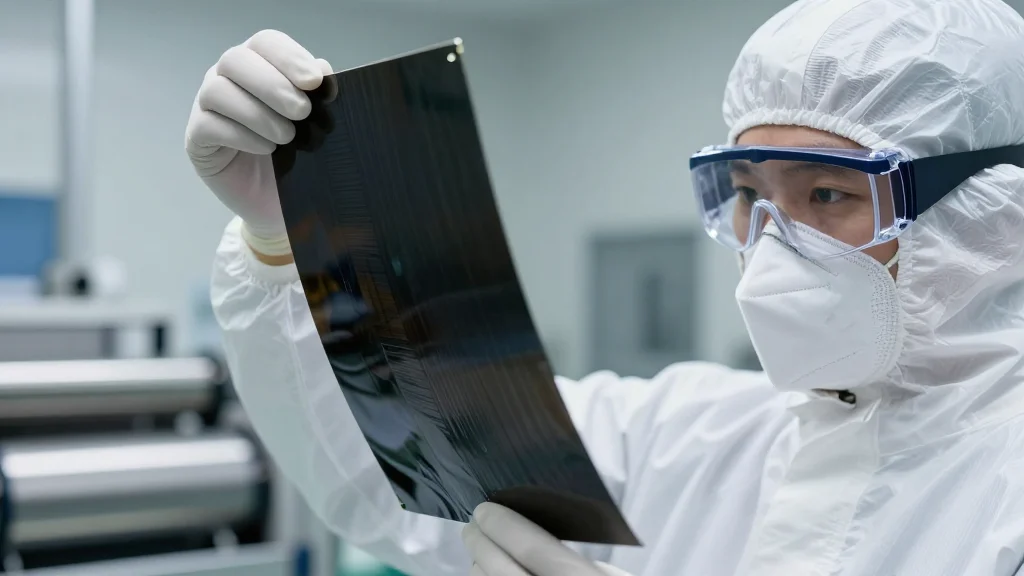
SEEDS Moves Into Dedicated NETPark Site to Scale Graphene Tech Production
SEEDS, a UK deep‑tech firm specializing in engineered graphene platforms, is relocating to a dedicated manufacturing site at NETPark as part of Durham County Council’s £100 million (≈$125 million) expansion. The new facility shifts the company from R&D to full‑scale production, allowing...

Nanomedicine Advances Offer Targeted Breast Cancer Therapy and Early Detection
Researchers have shown that nanocarrier formulations can increase oral bioavailability by more than 3.5‑fold and double tumor‑inhibition rates in pre‑clinical breast‑cancer models. The advances promise more precise drug delivery, reduced toxicity, and earlier detection, potentially changing standard care for the...
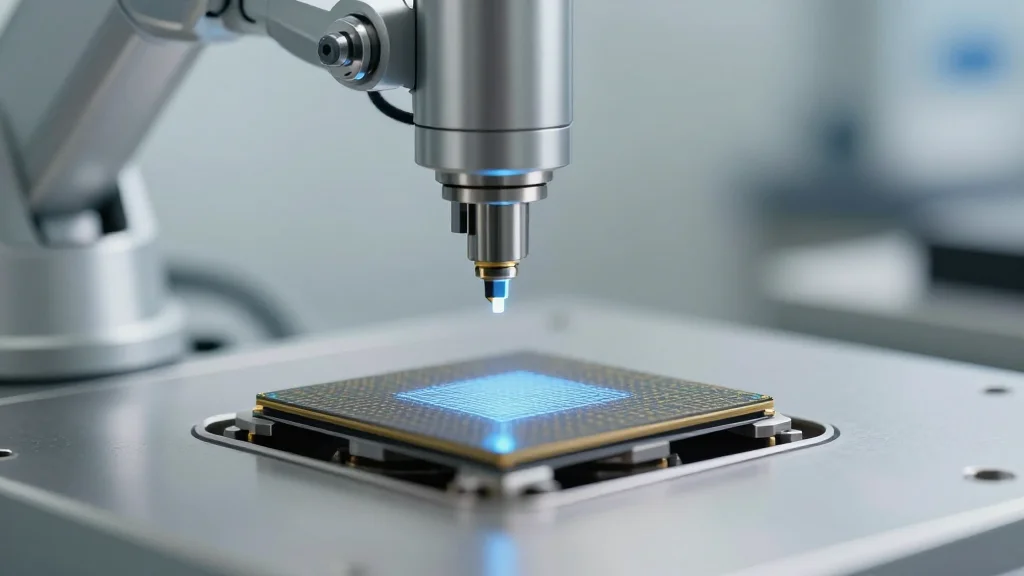
University of Arkansas‑Little Rock Secures $12.75 M Federal Grant to Accelerate Nanotech Research
The University of Arkansas at Little Rock was awarded $12.75 million in federal funding, earmarked for nanotechnology equipment, cybersecurity initiatives and a veterans legal clinic. The grant, championed by Sen. John Boozman, positions the R2 university to scale high‑impact materials research...

Governor Hochul Announces NY Creates Begins Installation of the First Major Tool for High NA EUV Lithography Center at Albany...
Governor Kathy Hochul announced the start of installation of Tokyo Electron’s 300 mm wafer coater/developer, the LITHIUS Pro DICE, at NY Creates’ Albany NanoTech Complex. The tool is the first major piece for the upcoming High NA EUV Lithography Center, North America’s only publicly owned...

Nanomedicine Offers Targeted Solutions for Breast Cancer Treatment
Nanomedicine is reshaping breast cancer therapy by using nanoscale carriers to improve drug solubility, targeting, and controlled release. Recent preclinical studies show lipid‑polymer hybrids boosting oral bioavailability over threefold and photothermal nanoparticles halving tumor growth when combined with chemotherapy. Metallic...
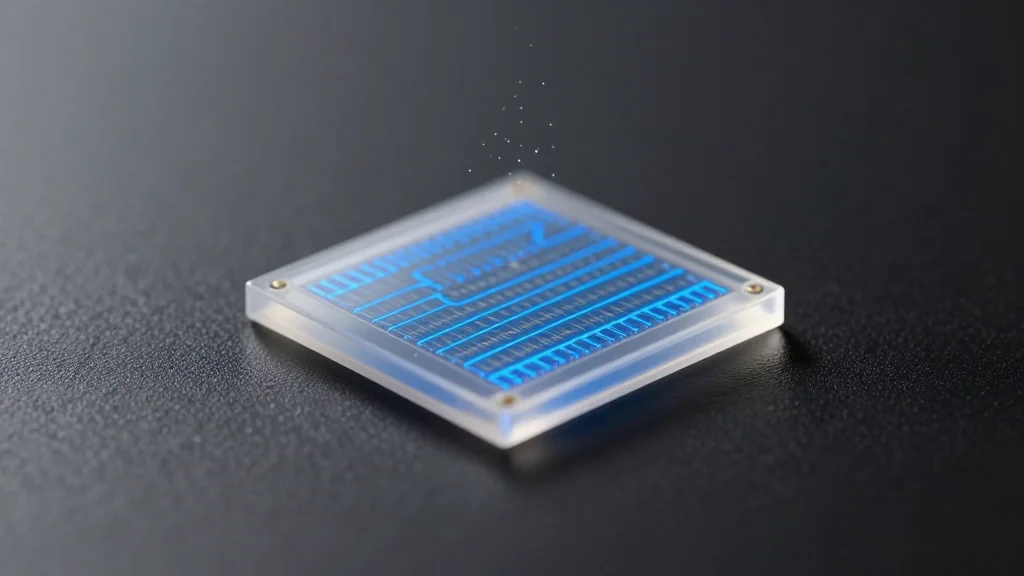
Taiwan Accelerates Silicon Photonics and Nanomaterial R&D for AI Chip Power
Taiwan announced a coordinated national effort to fast‑track silicon‑photonic (SiPh) and advanced nanomaterial development, targeting faster, more energy‑efficient AI chips. The move aims to sustain the island’s global semiconductor leadership amid surging AI workloads.

Nanomade Demonstrates Quantum‑Tunnelling Force‑Touch Sensors to Taiwan OEMs
Nanomade presented its Capaforce force‑touch sensor platform to Taiwan's leading electronics manufacturers, highlighting a sensitivity that is 75 times greater than standard strain gauges. The demos covered laptops, wearables, headphones and other consumer devices, positioning the technology for broader commercial...

The Insight Partners Forecasts 12.4% CAGR for Nanotech Drug Delivery Market to 2031
The Insight Partners released a market outlook projecting a 12.4% compound annual growth rate for nanotechnology-enabled drug delivery platforms from 2025 to 2031. The report cites rising chronic disease prevalence, personalized medicine, and R&D spending as key catalysts, while noting...
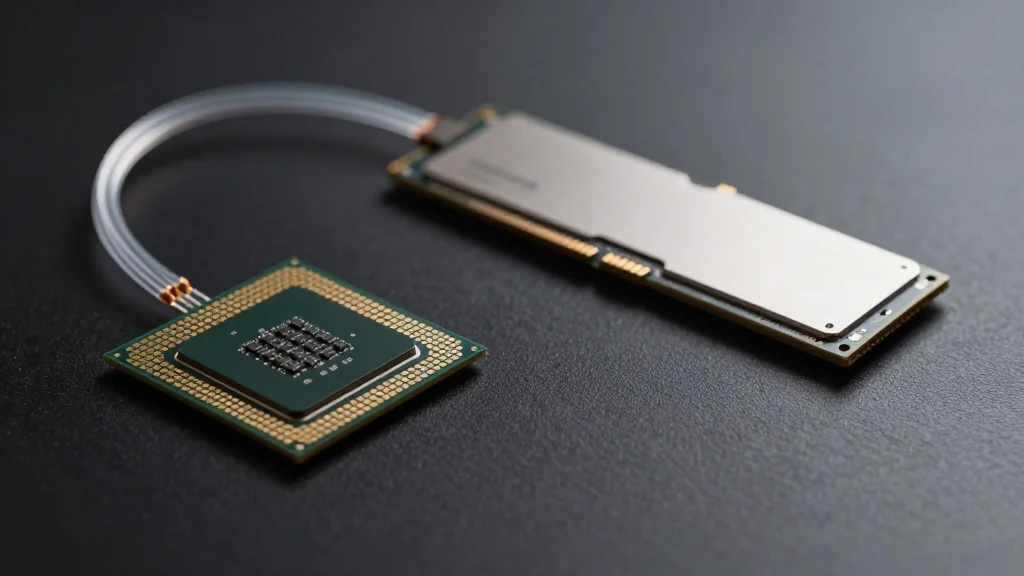
AI Chips Could Get Faster with 30-Nanometer Embedded Memory that Cuts Data Shuttling
Researchers at the Institute of Science Tokyo have demonstrated a 30‑nanometer logic‑embedded memory stack using aluminum scandium nitride (AlScN) and ultra‑thin platinum electrodes. By heat‑treating the lower electrode, they preserved crystal alignment, allowing the memory to retain high performance even...

Ultrahigh-Strength Magnesium From Nanocolloid Solidification
A team led by Yang, Nadendla and Fang has demonstrated that solidifying nanocolloid suspensions can produce magnesium with tensile strengths over 400 MPa, far above the ~250 MPa of conventional alloys. The technique refines grains to the nanometer scale while embedding reinforcing...

Chinese Startup Unveils 20 Glowing Plant Species for Electricity‑Free City Lighting
Magic Pen Bio, a Hefei‑based nanotech startup, announced the creation of 20 engineered plant species that emit light without electricity. Founder Li Renhan says the plants need only water and fertilizer, positioning them as a low‑cost alternative for urban illumination...

A Biodegradable Supercapacitor Delivers Acupuncture-Style Pain Relief
Researchers have created a biodegradable supercapacitor that uses single‑atom iron (Fe‑O₄) sites on a carbon scaffold to deliver acupuncture‑style pain relief in mice. The iron atoms boost capacitance to 279.5 mF cm⁻² while reducing ion adsorption energy, preserving fast charge‑discharge rates. The...

Expansion Microscopy Tool Kit Corrects Distortion of Blown-Up Cells
Researchers have unveiled an expansion microscopy toolkit that uses genetically encoded protein nanocages as internal rulers to correct uneven swelling of organelles. By measuring these nanoscale cages, the system quantifies local expansion factors and digitally reconstructs distortion‑free 3‑D images. The...

Magnetic Biochar Nanocomposite Rapidly Removes Antibiotic Pollution From Wastewater
Researchers at Shenyang Agricultural University have engineered a magnetic biochar nanocomposite incorporating Fe₃O₄ and SnO₂ that removes tetracycline from wastewater through combined adsorption and light‑driven photocatalysis. The optimized material achieved 91.8% removal in three hours and retained over 82% efficiency...
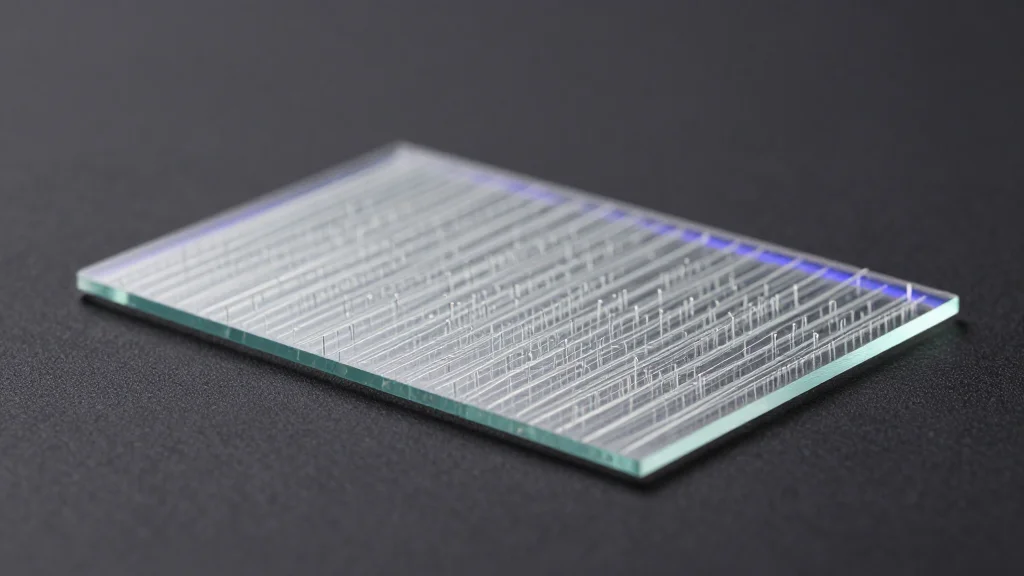
Effect of Seed Layers on the Growth of Novel 3D TiO 2 Nanorod Thin Films by Hydrothermal Method
Researchers synthesized TiO₂ nanorod thin films on FTO glass using a low‑temperature hydrothermal process, comparing growth with and without a spin‑coated TiO₂ seed layer. The seed layer dramatically increased nucleation sites, yielding uniformly distributed nanorods, whereas seed‑free samples produced larger,...
Iron‐Based Metal‐Organic Framework MIL‐100(Fe) Regulates Keloid Scarring in a Humanized Keloid Model
The study shows iron‑based metal‑organic framework MIL‑100(Fe) nanoparticles are highly biocompatible, rapidly taken up by keloid fibroblasts, and selectively inhibit the TGF‑β/SMAD pathway, reducing collagen I, collagen III, and P4HA1 expression. In vitro experiments maintained >90% cell viability and curtailed...
Impact of Zn and Te Vacancies on the Electronic and Magnetic Properties of ZnTe Nanosheet
The study uses first‑principles density‑functional theory to explore how intrinsic zinc (Zn) and tellurium (Te) vacancies alter the structural, electronic, and magnetic behavior of two‑dimensional ZnTe nanosheets. Introducing a Zn vacancy converts the nanosheet into a half‑metallic state with 100 %...
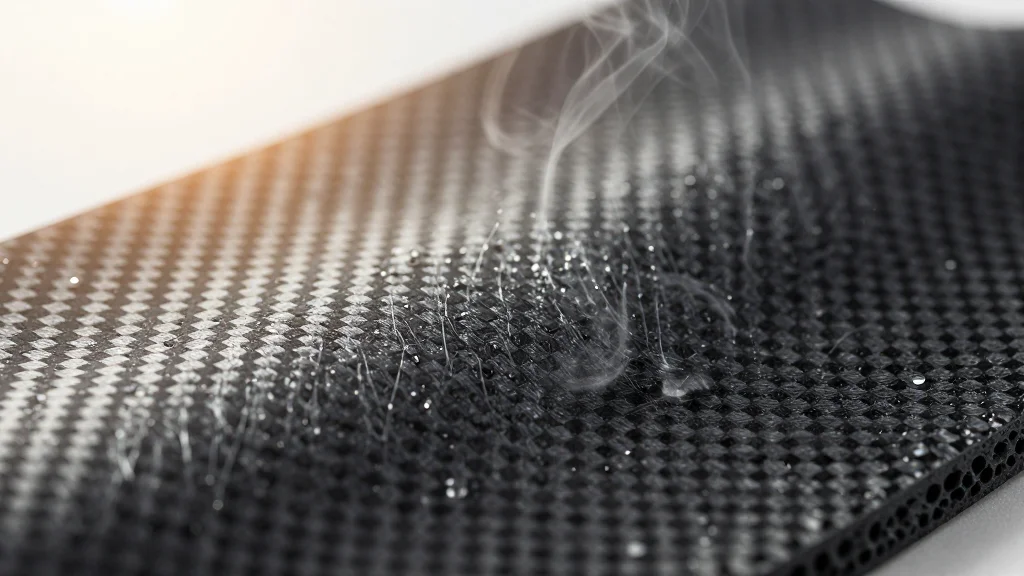
High‐Performance Flexible Porous Solar Evaporator via High Internal Phase Emulsion Templating Method With In Situ Polymerized Carboxylated Carbon Nanotubes
Researchers have created a flexible porous solar evaporator using a high internal phase emulsion (HIPE) templating method that copolymerizes styrene and 2‑ethylhexyl acrylate while embedding carboxylated carbon nanotubes (CCNTs). The optimized scaffold balances tensile strength and elongation, achieving a record...

PH‐Controlled Synthesis of SnO2 Electron Transport Layers for High‐Efficiency and Stable Perovskite Solar Cells
Researchers demonstrated that the pH used during SnO₂ synthesis dramatically shapes its surface chemistry and, consequently, perovskite solar‑cell performance. Acidic SnO₂ (AC‑SnO₂) bears carboxyl groups that form strong hydrogen bonds with FA⁺ but accelerate iodide oxidation, while alkaline SnO₂ (AL‑SnO₂)...

Bidirectional All‐Optical Synapses for Neuromorphic Computing and Vision
Researchers have created a bidirectional all‑optical synapse using a carbon‑dot hybrid (CDH) that responds to both ultraviolet and infrared light. The dual‑photon approach enables controllable exciton release and phosphorescent emission, delivering true optical potentiation and depression. Leveraging this capability, the...

TSMC Is Upgrading Japan’s Second Plant to the 3-Nanometer Process. Kumamoto Is Transitioning From a Backup Site to a True...
Taiwan Semiconductor Manufacturing Co. (TSMC) has received approval to launch 3‑nanometer production at its second Japanese fab in Kumamoto, with equipment installation slated for 2026 and volume output expected in 2028. The plant will initially run at a capacity of...
University of Michigan Nanoparticle Blocks Tick‑Borne Red‑Meat Allergy in Mice
University of Michigan scientists have demonstrated that an intravenously delivered nanoparticle can prevent the allergic response to red meat caused by lone‑star tick bites in mice, with 10 of 12 test subjects showing a muted immune reaction. The finding could...

Water Molecules Eliminate Brute Force From MXene Nanosheet Production
Researchers have introduced a water‑mediated scission method that exfoliates MXene into defect‑free single‑layer nanosheets without mechanical force. By intercalating lithium and soaking the material in water for 12 hours, the process achieves an 84.7% yield and produces sheets averaging 10.46 µm in...
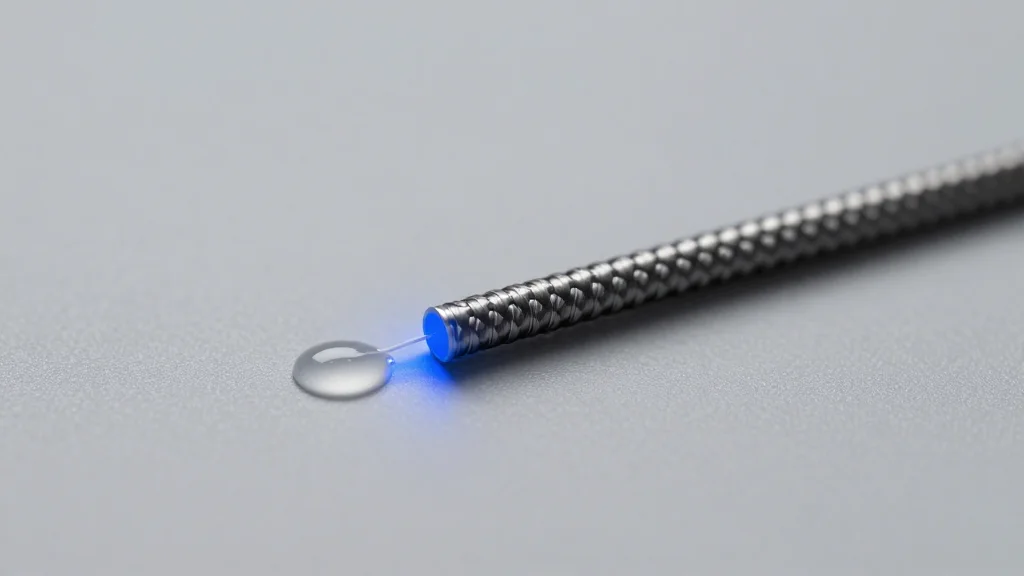
Carbon Nanotube Fiber Sensors Achieve Record Measurement Error Below 0.1%
Skoltech researchers, together with Chinese and Iranian collaborators, demonstrated carbon nanotube fiber (CNTF) sensors that achieve a record‑low measurement error of under 0.1%, far surpassing the typical 2% error of commercial sensors. The study, published in iScience, proves CNTFs can...
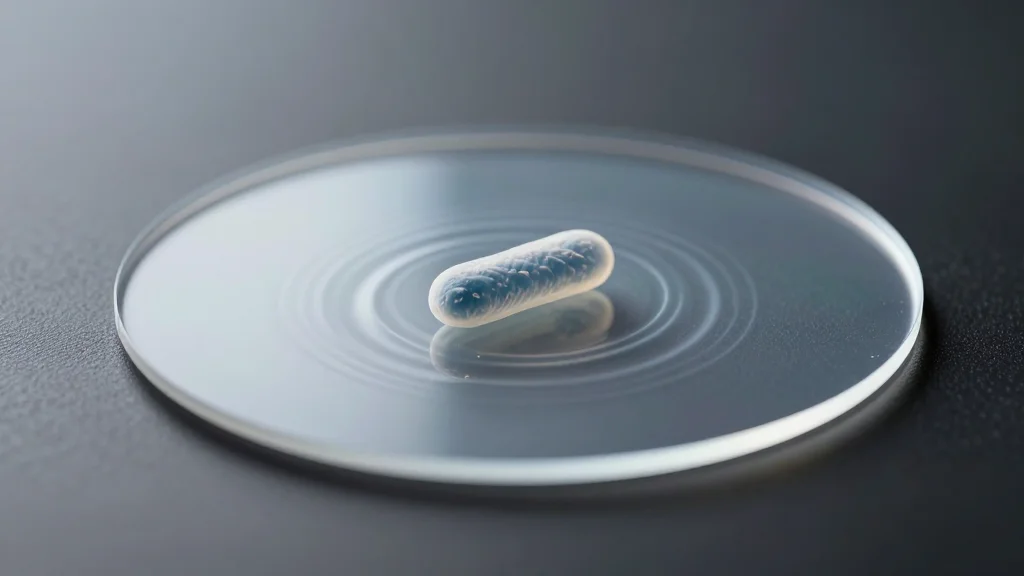
Graphene Drum Sensor Detects Superbugs in Real Time
Researchers at TU Delft and its spin‑off SoundCell have demonstrated a graphene nanodrum that identifies antibiotic‑resistant bacteria by their acoustic signatures. The label‑free method can sense the motion of a single cell, offering a rapid alternative to conventional culture tests.

Photothermal‐Enhanced Vapor‐Phase Photocatalytic Hydrogen Evolution
The article reviews photothermal‑enhanced vapor‑phase photocatalytic hydrogen evolution, highlighting how vapor‑phase systems overcome liquid‑phase limitations by removing ionic interference and mass‑transport constraints. It introduces a slippery catalyst surface strategy that enables rapid condensate removal and sustained vapor access to active...
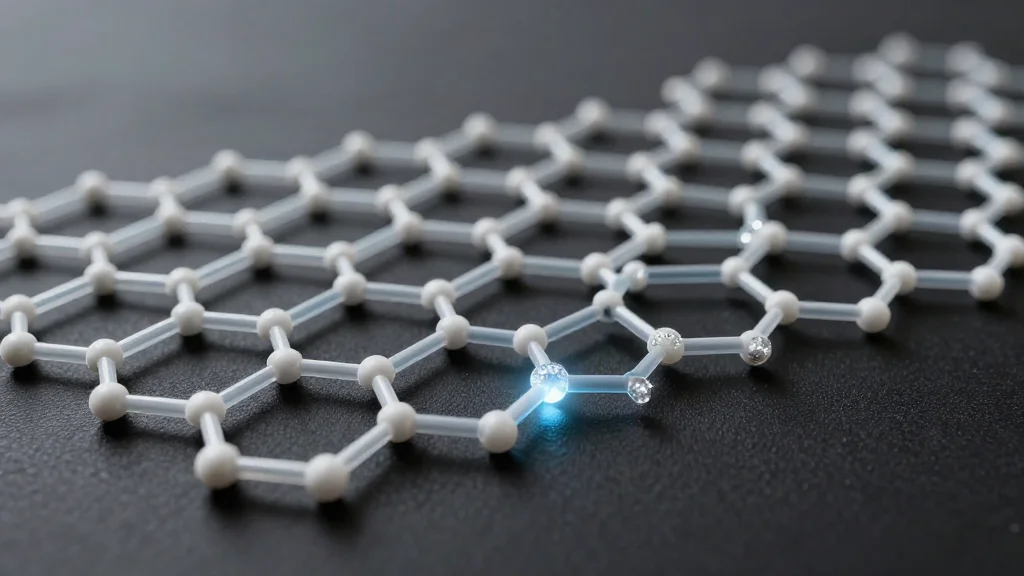
The Role of Graphene in Photocatalytic Composites Revealed by Theoretical Modelling
Researchers at the University of Sheffield used advanced computational modelling to show that carbon vacancies in graphene create covalent bonds with TiO₂, forming hybrid electronic states. These hybrid states improve charge separation and suppress electron‑hole recombination, addressing the two main...
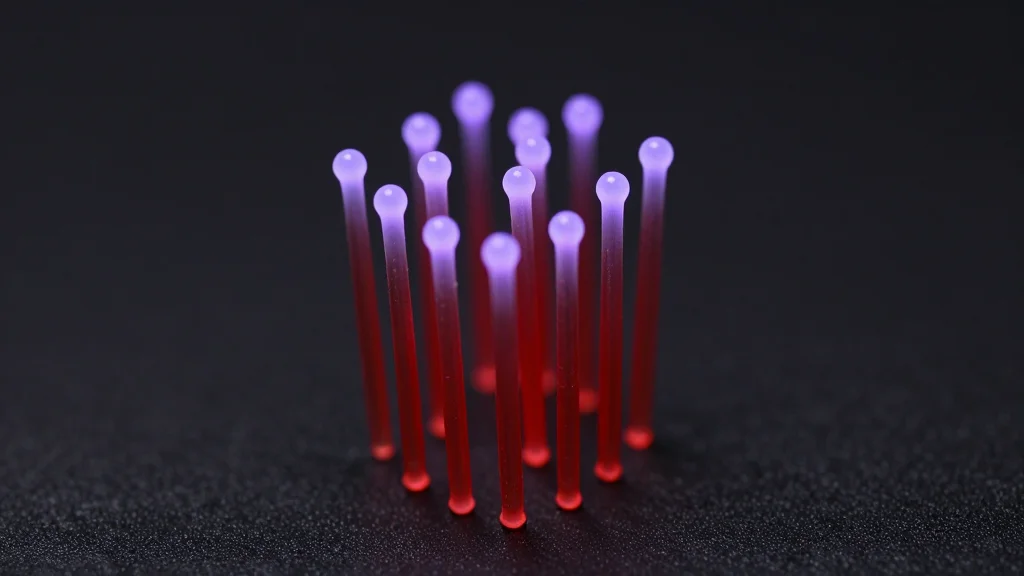
Group‐III Nitride‐Based Wide‐Spectrum Multifunctional Synapses for Encrypted Light Communication and Image Recognition
Researchers have engineered InGaN core‑shell nanorod synapses that combine wide‑spectrum photodetection with stable photo‑electric memory. The devices achieve a peak responsivity of 31.47 A/W and sub‑250 µs response times under 810 nm illumination, while delivering tunable synaptic plasticity at 365 nm UV light. By...
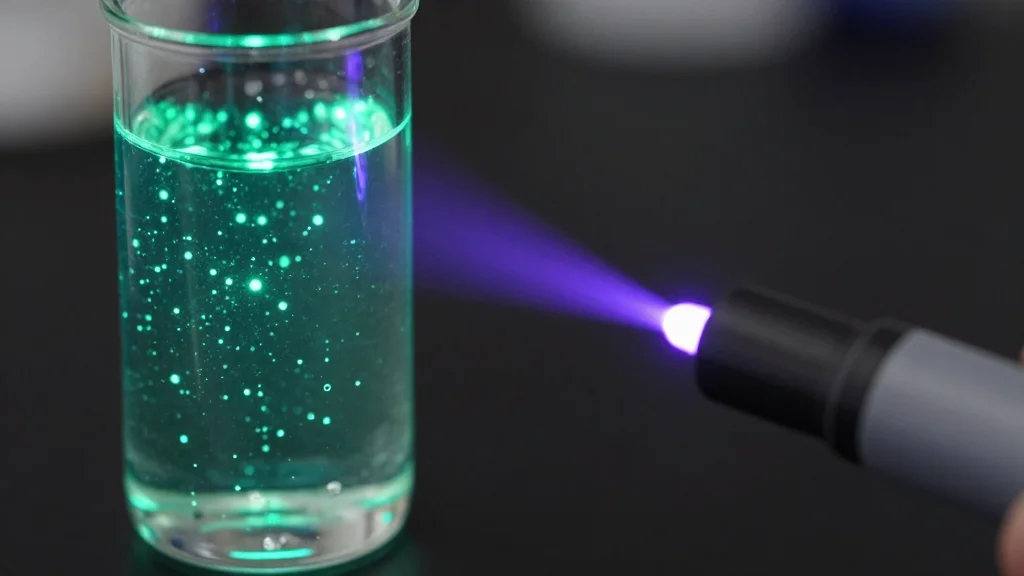
Surface‑Engineered Upconversion Nanoparticles Boost Brightness 16‑Fold for Optoelectronics
A team of scientists re‑engineered upconversion nanoparticle surfaces with low‑vibrational‑energy Sn2S64‑ ligands, delivering up to a 16‑fold increase in luminescence and a pathway to integrate these particles into photodetectors and other light‑based devices.

Taming Skyrmions: Atom-Thin Magnets Point to Ultra-Dense, Low-Power Memory
Researchers at Argonne National Laboratory used cryogenic Lorentz transmission electron microscopy to directly image magnetic domains and skyrmion evolution in atom‑thin Fe₃GeTe₂ (FGT). The study shows that sample thickness and applied magnetic field precisely control skyrmion size, density, and reversal...
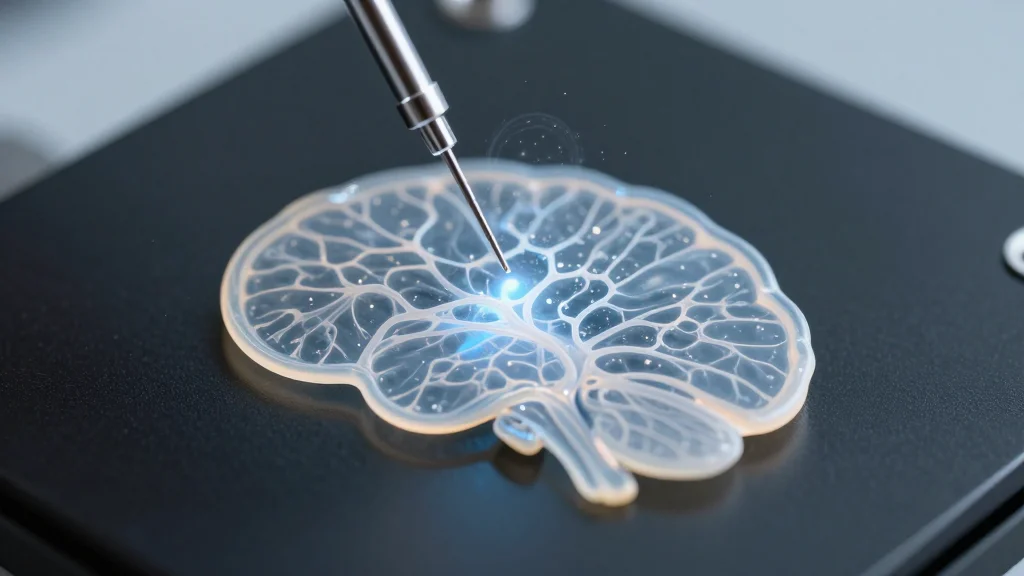
Scientists Reconstruct 1 Mm³ Human Cortex Using Nanotech, Mapping 100 Million Synapses
A multinational team of neuroscientists and nanotechnologists has rebuilt a 1 mm³ piece of human temporal cortex at nanoscale resolution, cataloguing more than 100 million synapses and identifying a previously unknown class of deep‑layer neurons. The work, published in Ultrafast Science, opens...

Smart Nanocarrier Promises Non‑Surgical Treatment for Blindness‑Causing Retinopathies
Wayne State University and Washington State University have engineered a trehalose‑based nanocarrier that delivers the anti‑angiogenic drug Axitinib via a simple IV, potentially eliminating the need for intravitreal injections in proliferative retinopathies. Published in Theranostics, the study shows the carrier...
Minus K Congratulates to the Following Winners of Minus K's 2025/2026 Educational Giveaway
Minus K Technology announced the 2025/2026 Educational Giveaway winners, distributing over $125,000 worth of its patented negative‑stiffness vibration isolators to six U.S. university labs. Recipients include UT‑Dallas (quantum transport and STM), University of Pittsburgh (quantum‑twisting microscope), Northwestern (ultra‑high‑Q mechanical oscillator and...

Breathing New Life Into Tubercolosis Treatment with Iinhalable Nanomedicine
Scientists at the University of Witwatersrand’s Wits Advanced Drug Delivery Platform have created an inhalable nanocarrier that can encapsulate all four first‑line tuberculosis drugs and release them directly in the lungs. The system bypasses the liver and bloodstream, aiming to...

Octopus-Shaped Nanomachine Reprograms ATP Flow to Starve Cancer Cells
Researchers unveiled an octopus‑shaped nanomachine, HSA‑ABC, that anchors to cancer cell membranes and uses an ATP‑sensing aptamer to trigger photodynamic therapy and rapid doxorubicin delivery. The device creates a self‑amplifying cycle: ATP binding activates a photosensitizer, damaging the membrane, which...

Spectroscopic Signatures of Doping in Thin Films of Semiconducting Single‐Walled Carbon Nanotubes
The review details how chemical, electrochemical and electrostatic doping modifies the optical and Raman signatures of semiconducting single‑walled carbon nanotube (SWCNT) thin films. Doping introduces holes or electrons that shift visible‑to‑far‑infrared absorption, near‑infrared fluorescence, electroluminescence and Raman modes. These spectroscopic...
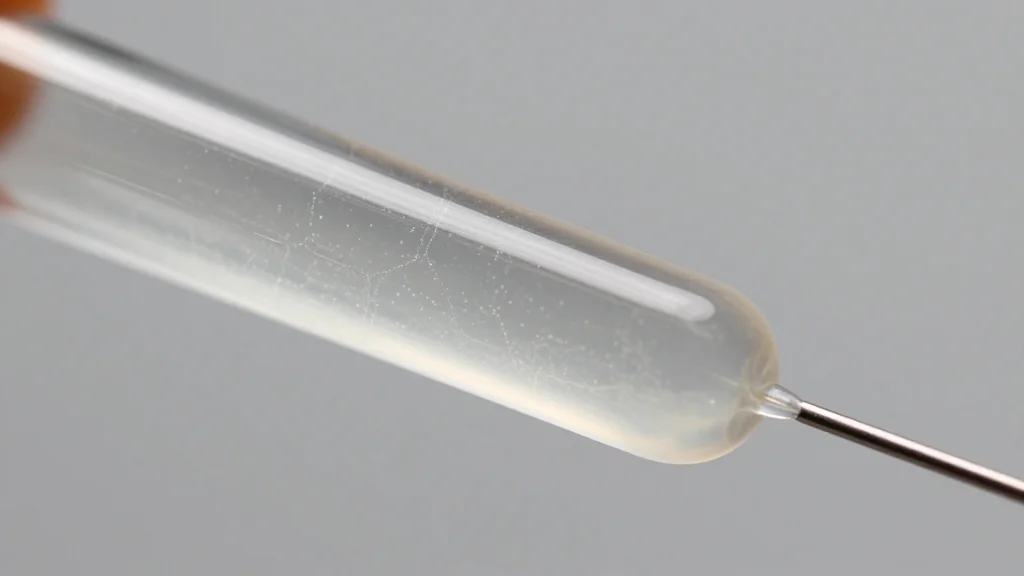
Ultratough Organic–Inorganic Bicontinuous Network Hydrogel via Crosslinking Liquid‐Like Inorganic Ionic Clusters With Polymer Chains
Researchers have created an ultratough hydrogel by crosslinking liquid‑like calcium‑phosphate clusters with polyvinyl alcohol (PVA) chains, forming an organic‑inorganic bicontinuous network. The resulting PVA/CPC hydrogel exhibits a tensile strength of 32.9 ± 4.7 MPa and a toughness of 108 ± 19 MJ m⁻³, outperforming most high‑performance hydrogels....
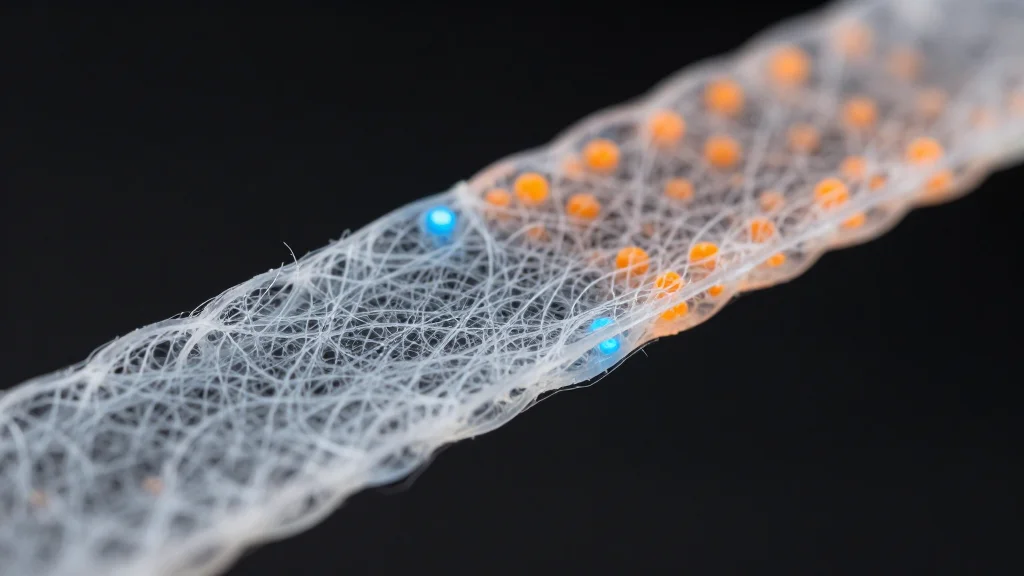
Dual‐Modified Cellulose Nanofiber Membranes with Boosted Surface Charge for High‐Performance Osmotic Energy Conversion
Researchers introduced a dual‑modified strategy that merges small‑molecule functionalization with polymer grafting to produce cellulose nanofiber membranes bearing opposite, highly amplified surface charges. The enhanced charge and engineered nanochannels boost ion selectivity, delivering power densities up to 5.1 W·m⁻² (negative) and...
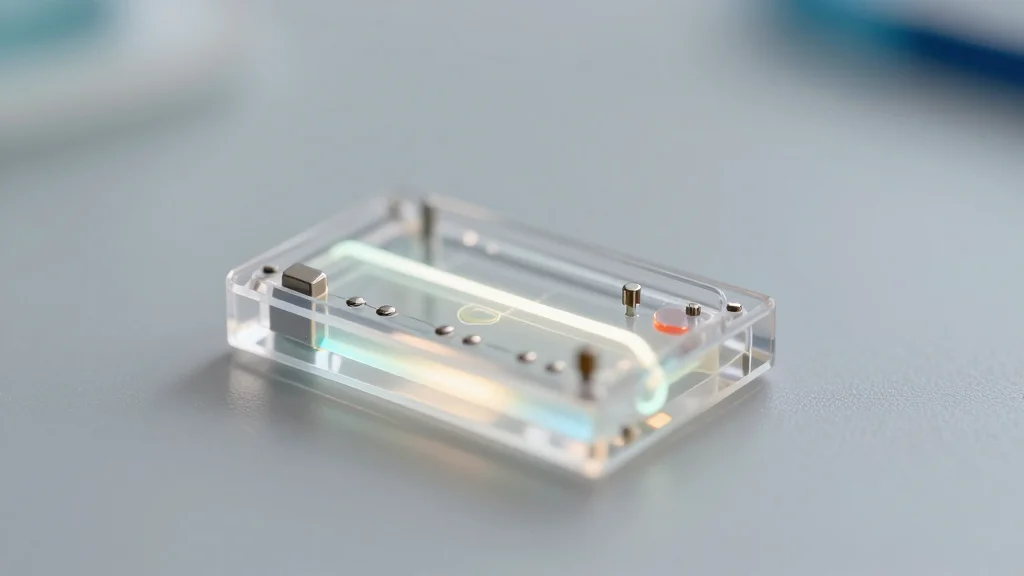
Joint‑on‑Chip Multi‑Sensor Platforms Enable Real‑Time Disease Monitoring
Researchers led by Mantegazza have integrated optical, electrical, mechanical and biochemical sensors into joint‑on‑chip (JoC) platforms, moving beyond endpoint analyses to continuous, real‑time monitoring of disease dynamics. The breakthrough promises more accurate models of osteoarthritis and rheumatoid arthritis and could...
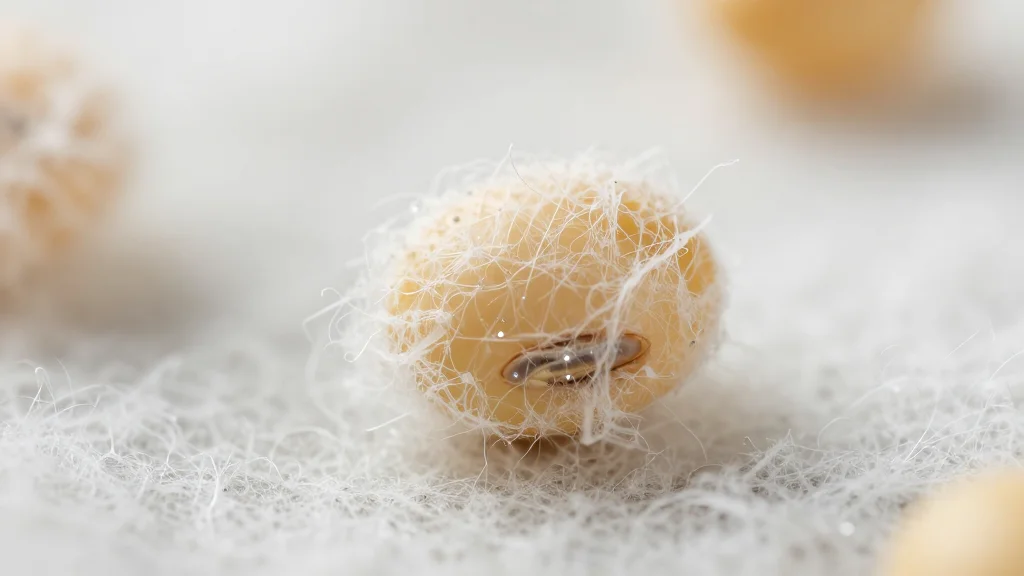
USP Researchers Use Nanofibers to Speed Soybean Germination in Brazil
Researchers at the University of São Paulo have created an electrospun cellulose‑acetate nanofiber system loaded with zinc oxide nanoparticles and gibberellic acid that accelerates soybean seed germination. Laboratory tests showed faster root growth and higher seedling vigor over a seven‑day...
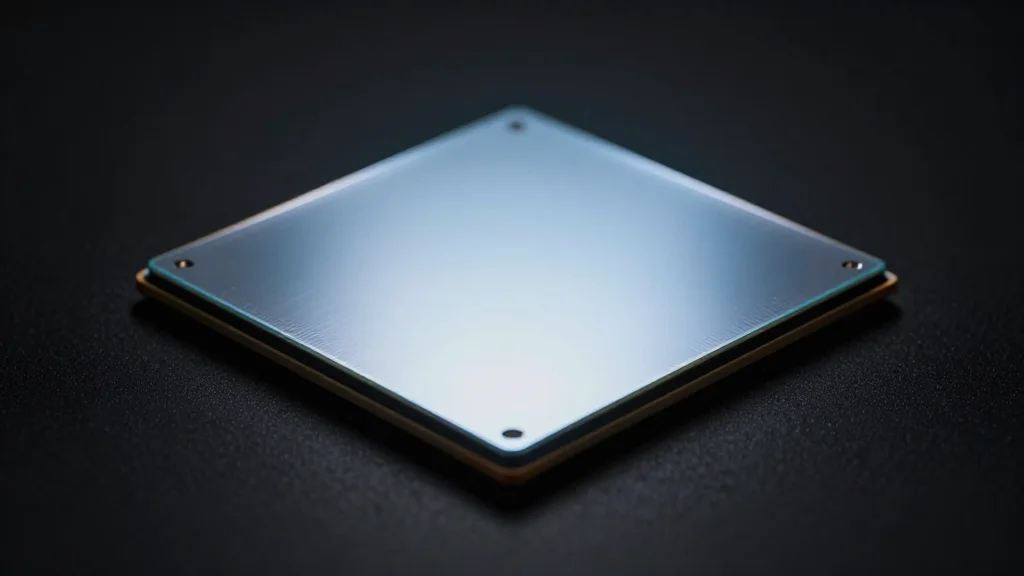
Momentum-Engineered Photonic States Make Bulk Silicon Shine
Researchers at UC Irvine have shown that bulk silicon can emit bright, broadband light by engineering the momentum of photons rather than altering the material itself. By decorating silicon surfaces with sub‑2 nm metal particles, they create extreme light confinement that...
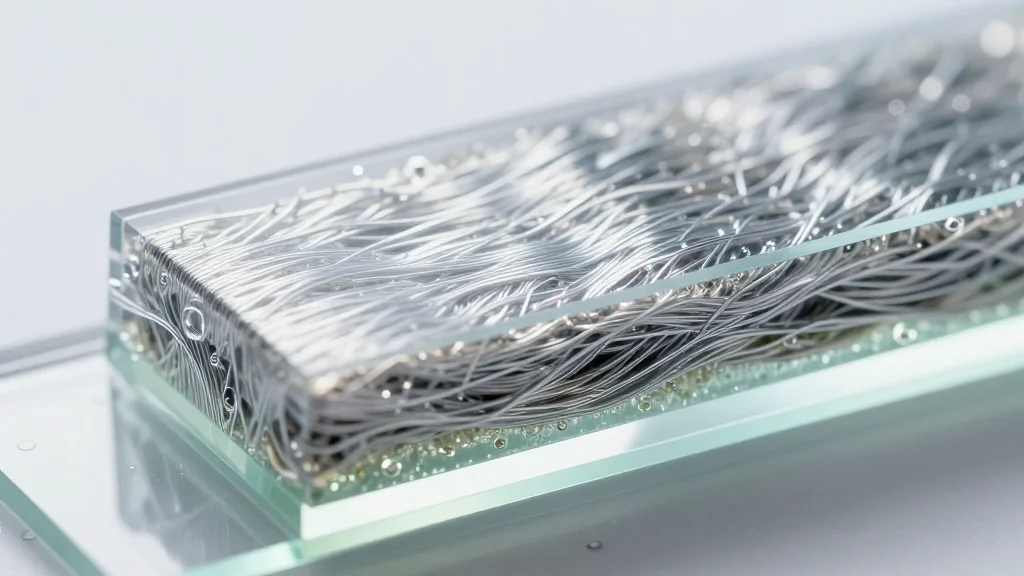
Silver Nanowire Electrodes Achieve 86% Efficiency in CO2 to Ethylene Conversion
Researchers at KAIST unveiled a three‑layer electrode that uses silver nanowire networks as both conductors and catalysts, achieving up to 86% selectivity for converting CO₂ into ethylene and other multi‑carbon products. The design tackles electrode flooding by pairing a hydrophobic...

Tumor-Inspired Microparticles Reprogram Fat Cells and Improve Insulin Sensitivity
Researchers have engineered injectable silica microparticles that mimic the nanoscale surface roughness of invasive cancer cells, stripping away all biological material. When cultured on these tumor‑inspired topographies, mouse adipocytes rapidly lose their mature phenotype, become multipotent stem‑like cells, and exhibit...
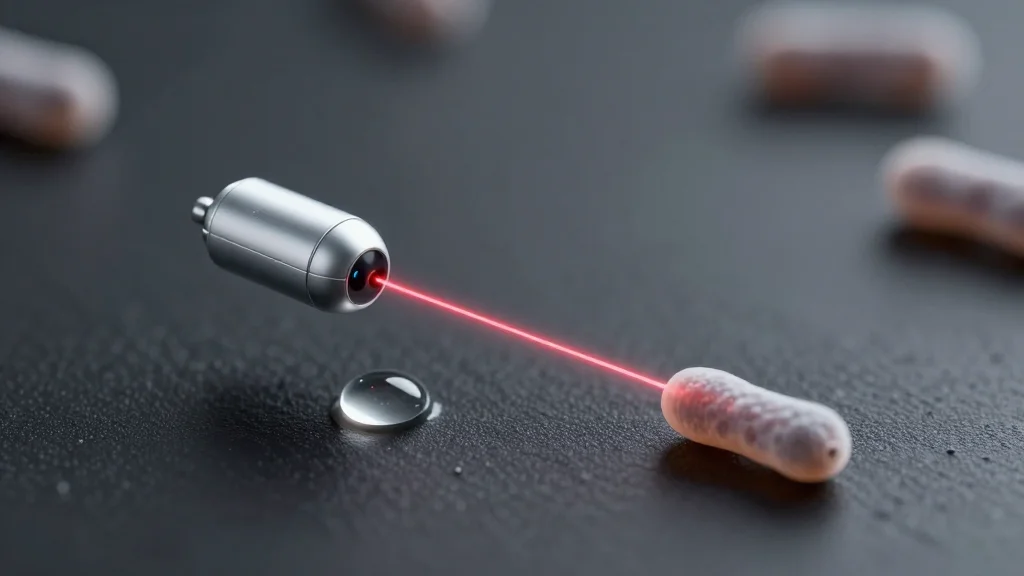
Researchers Unveil Sub‑micron Light‑driven Nanorobots that Capture and Remove Bacteria
A team of scientists announced the creation of sub‑micrometer nanorobots powered by a 980 nm laser that can capture and transport bacteria. The bots, 920 nm in diameter and weighing 0.26 pg, reach speeds of 50 µm/s and demonstrate precise, programmable trajectories, marking a...
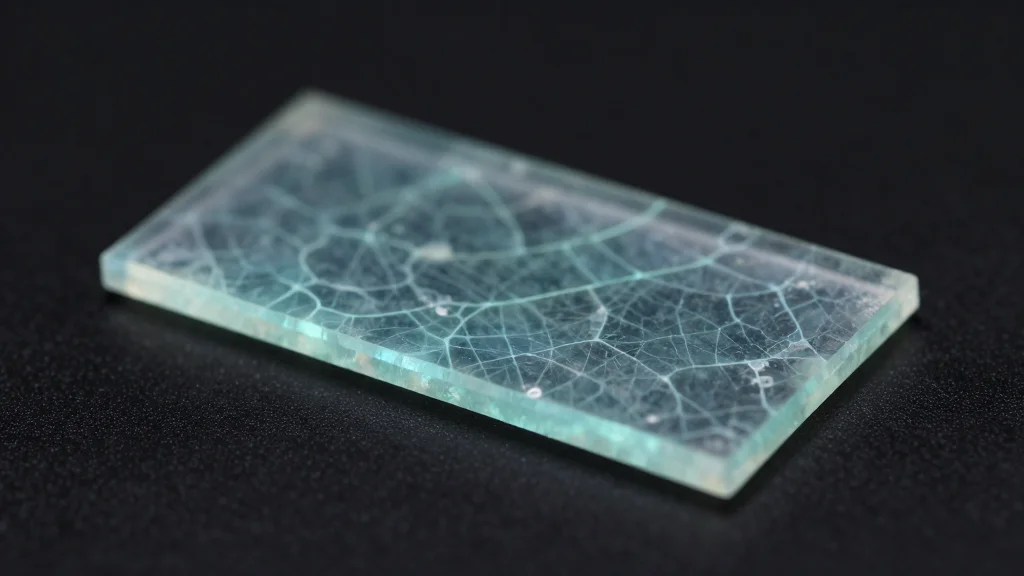
A Roadmap for Atomic Force Microscopy Use in Next-Generation Semiconductor and Energy Materials Research
Researchers at KAIST have released a comprehensive review outlining how atomic force microscopy (AFM) can move beyond imaging to actively control ferroelectric materials at the nanoscale. By integrating piezoresponse, Kelvin probe, and conductive AFM modes, the new framework delivers three‑dimensional...

Single-Atom Swap Halves Heat Flow in Molecule, Unlocking Nanoscale Thermal Control
A University of Michigan-led team demonstrated that swapping a single hydrogen atom for iodine in a benzene‑diamine molecule cuts its thermal conductance by half while leaving electrical conductance unchanged. The finding, published in Nature Materials, showcases atomic‑scale control of heat...