Today's Nanotech Pulse
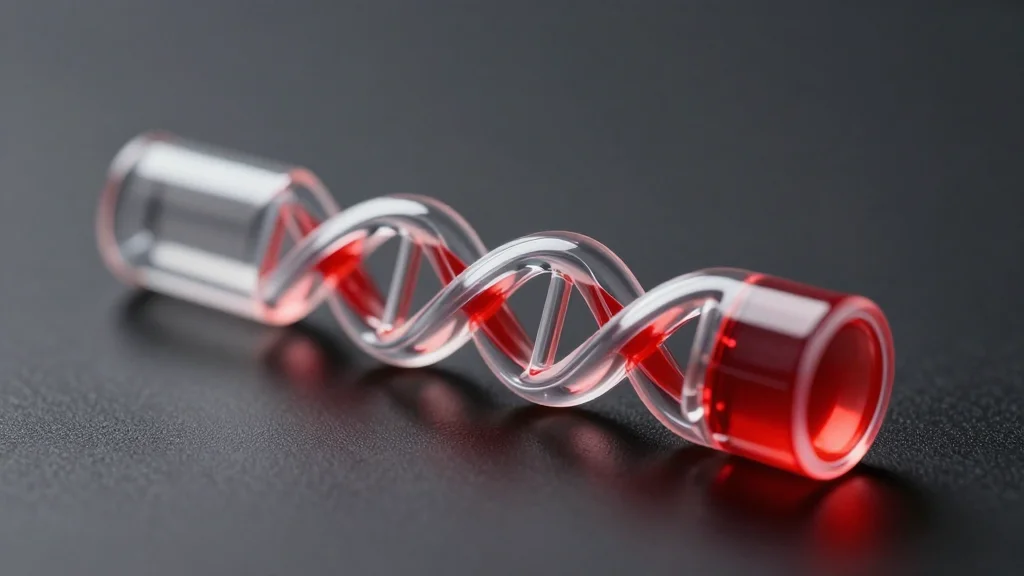
Left‑handed DNA origami tubes double chemotherapy efficacy
Researchers at the Cancer Center at Illinois showed that left‑handed DNA origami tubes loaded with the drug Daunorubicin kill acute myeloid leukemia cells more than twice as effectively as right‑handed tubes. The tubes display CD117‑targeting aptamers and their left‑handed geometry promotes rapid internalization, boosting cell‑killing potency.
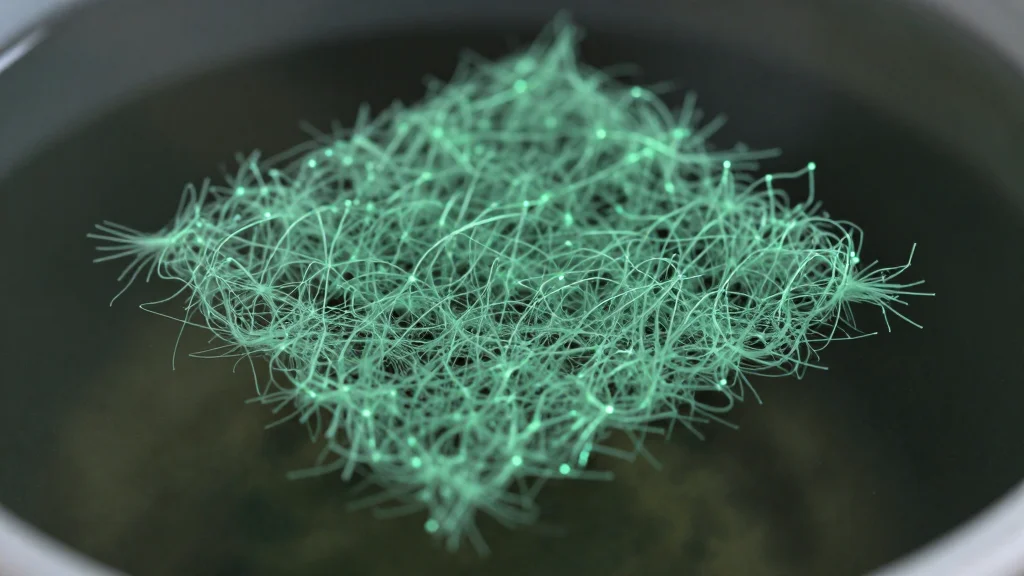
Designing Polyethyleneimine‐Based Electrospun Fibers via Hydrogen Bonding Reconstruction for Enhanced Uranium Extraction From Seawater
Researchers have engineered a branched-linear electrospun fiber (PAN-bPEI-T/PVA) that combines hyper-branched polyethyleneimine with linear triethylenetetramine to harvest uranium from seawater. The fiber achieves a record uptake capacity of 806.4 mg U g⁻¹, more than 2.5 × the performance of conventional bPEI fibers, and maintains over 95 % capacity after seven reuse cycles. Performance stems from TEPA‑induced hydrogen-bond reconstruction, which converts intramolecular bonds into intermolecular ones, exposing additional amine sites and creating a cooperative chelation network. Quantum calculations confirm the adaptive adsorption mechanism that enhances uranyl selectivity.
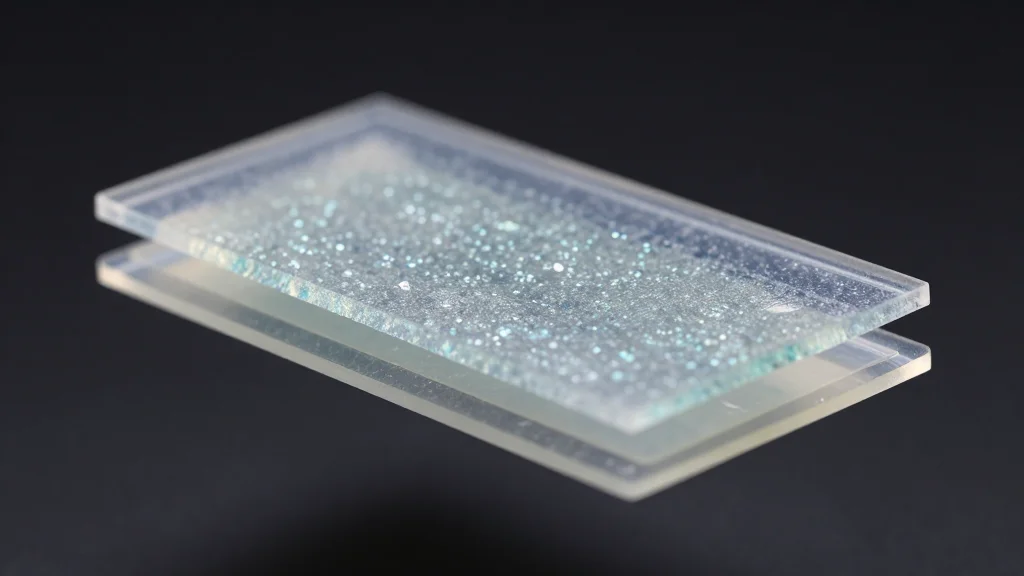
Single‐Crystal NCM‐Enabled Multifunctional Separator Design for High‐Performance Lithium‐SPAN Batteries
Researchers unveiled a trilayer composite separator (PP|SC‑NCM|PP) that integrates single‑crystal NCM811, BP2000 carbon, and Li‑Nafion to boost lithium‑sulfur (Li‑S) battery performance. The design creates dedicated Li⁺ transport channels, buffers localized electrons, and catalyzes solid‑state redox reactions within sulfurized polyacrylonitrile (SPAN)...
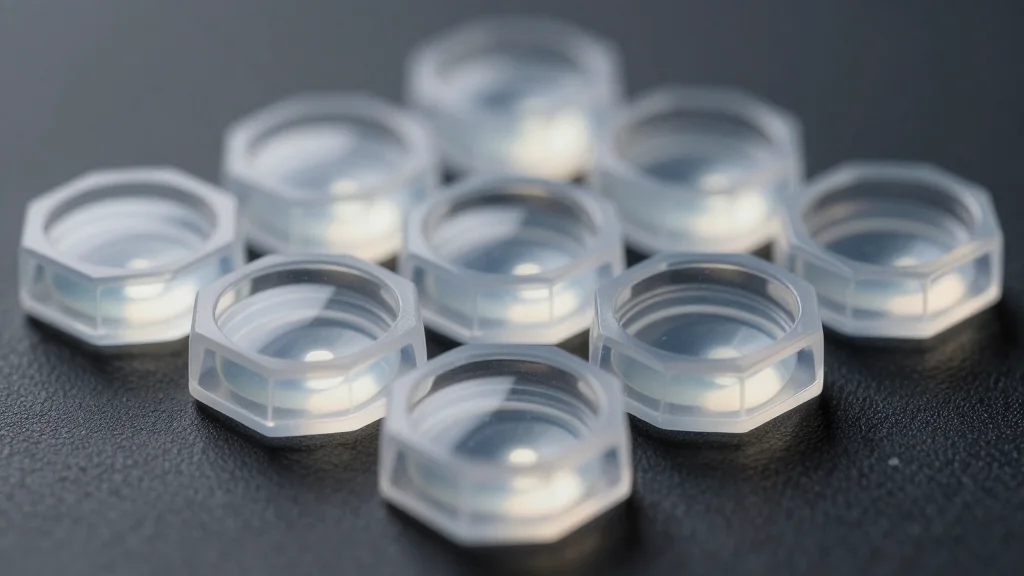
Direct Pattern‐to‐Curve PDMS‐Based Microstructures Fabrication via Thermal Air Expansion for Micro‐Optics
Researchers have unveiled a benchtop pattern‑to‑curve technique that converts SU‑8/silicon cavities into optical‑grade PDMS microlens arrays using isotropic thermal air expansion. By adjusting pre‑cure timing and cavity volume, the method delivers tunable focal lengths from 127 µm to 683 µm while maintaining...
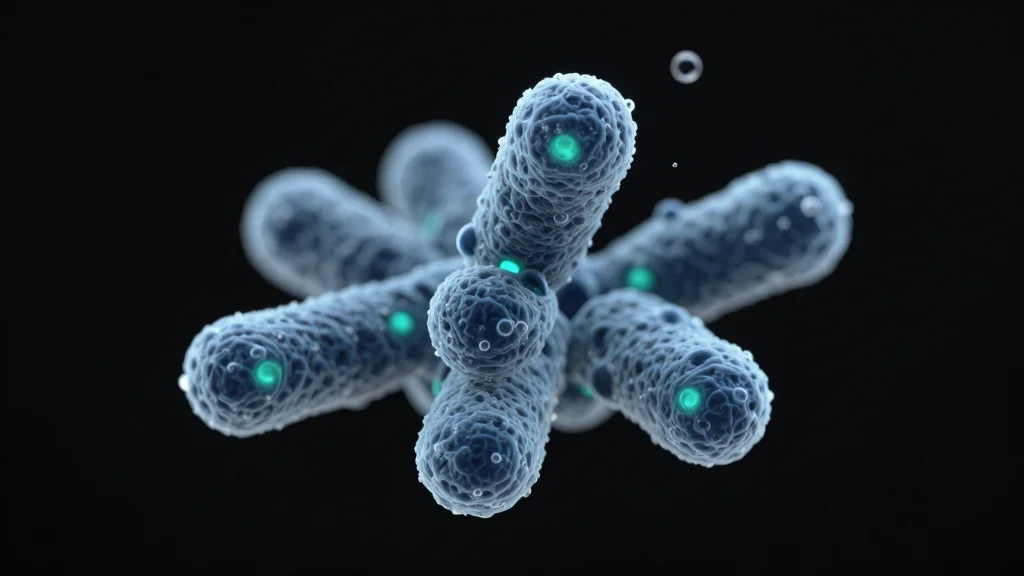
Defect Engineering of Bi2S3‐x@PDA/CuS Z‐Scheme Heterojunction for Enhanced Sonodynamic and Chemodynamic Cancer Therapy
Researchers have engineered a sulfur‑vacancy‑rich Bi2S3‑x@PDA/CuS (BPC) nanocomposite that forms a Z‑scheme heterojunction and is further functionalized with hyaluronic acid (BPC@HA). The defect‑rich structure enhances charge separation, enabling efficient singlet‑oxygen generation under ultrasound and Fenton‑like hydroxyl‑radical production for chemodynamic therapy....
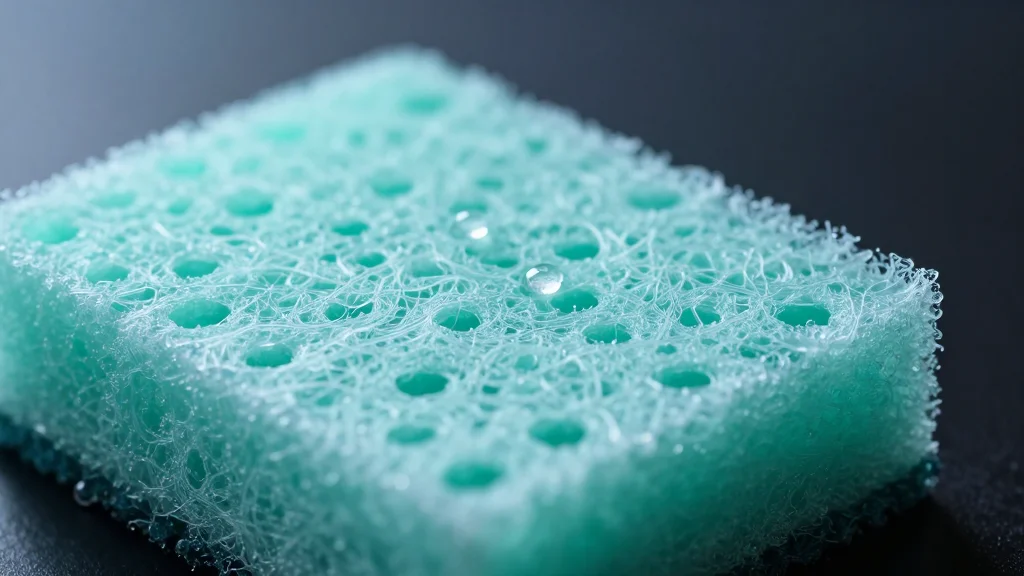
Metal‐Free Submicron‐Hollow‐Fiber Conjugated Polymer Sponges for Efficient Pollutant Removal and Thermal Insulation
Researchers have introduced a metal‑free conjugated polymer sponge fabricated via a single‑step, one‑pot Chichibabin condensation. The process yields submicron hollow fibers that spontaneously entangle into a porous monolith without templates or metal catalysts. This sponge demonstrates strong light absorption, high...
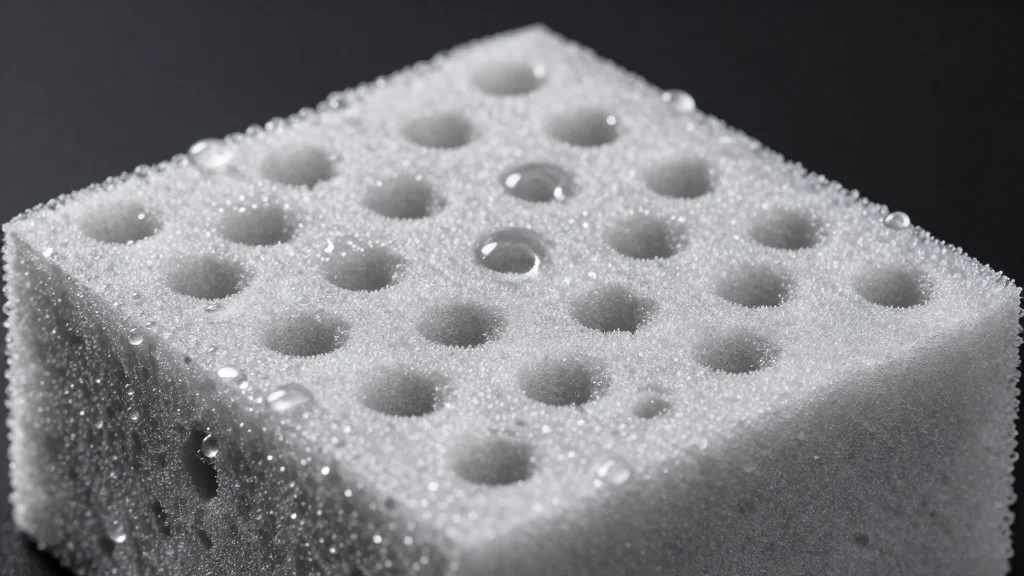
Super Moisture‐Sorbent Zwitterionic Polyelectrolyte Hydrogel for Ultra‐Efficient Atmospheric Water Harvesting
Researchers have created a zwitterionic polyelectrolyte hydrogel and integrated it onto porous anodized aluminum foam, forming the LC‑PIL‑SO3Li‑CNT@AAF composite. The material achieves a moisture uptake of 16.33 g per gram of hydrogel at 90 % relative humidity, a 322 % improvement over prior...
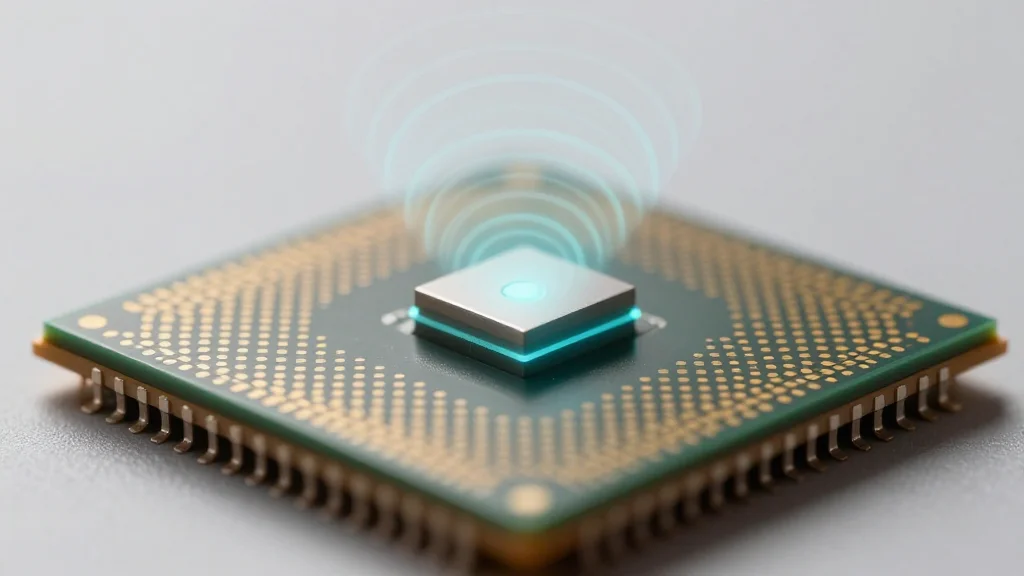
A CMOS-Compatible, Scalable and Compact Magnetoelectric Spin-Torque Microwave Detector
Researchers have demonstrated a CMOS‑compatible magnetoelectric spin‑torque microwave detector that monolithically integrates a magnetoelectric antenna with a magnetic tunnel junction. The device converts wireless microwave signals directly to a DC output, achieving a sensitivity exceeding 90 kV W⁻¹ and a noise‑equivalent power...

Rational Design of Rigid mRNA Folding Architecture to Enhance Intracellular Processing and Protein Production
A team of researchers from Singapore and China has engineered a rigid mRNA folding architecture that markedly improves intracellular processing and protein output. By integrating all‑atom and coarse‑grained molecular dynamics simulations with lipid‑nanoparticle (LNP) formulation, they created stiffened mRNA structures...
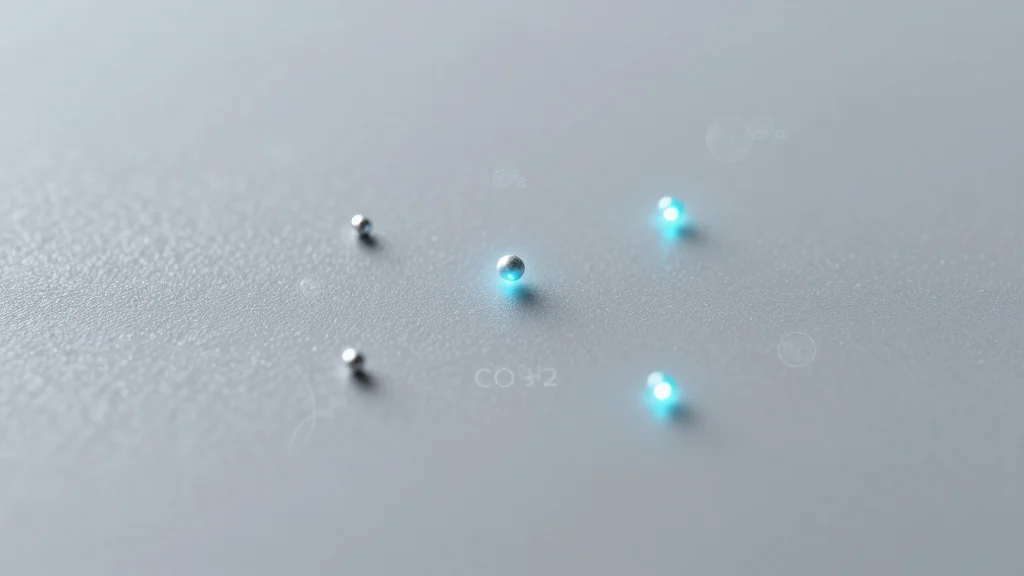
Single Atoms of Indium on Hafnia Enable Superior CO2-Based Methanol Synthesis
Researchers reported that single‑atom indium dispersed on hafnia (HfO₂) dramatically improves CO₂ hydrogenation to methanol. The In/HfO₂ catalyst achieves up to twice the methanol space‑time yield of comparable In₂O₃‑based systems while maintaining >90% selectivity at 300 °C. Combined experimental measurements, operando...

Synthetic Hydrogel Helices Amplify Movement without Muscles or Motors
The team from POSTECH and the University of Tokyo introduced a photopolymerization method that creates hydrogel helices with built‑in density gradients, enabling autonomous winding and unwinding. By using a helically wrapped UV‑blocking tape and a dissolved ruthenium absorber, they generate...

Drug Discovery Bottleneck? Cell-Free Platform Screens Peptides Faster, Even in Harsh Conditions
Researchers at the Innovation Center of NanoMedicine unveiled PL‑display, a cell‑free platform that immobilizes individual peptides on magnetic beads for rapid screening. The method delivers over ten‑fold efficiency gains versus traditional cell‑based displays and can operate under high‑temperature, high‑salt, or...

This Plastic Is Made From Milk and It Vanishes in 13 Weeks
Scientists at Flinders University have created a thin, flexible film from calcium caseinate – the main protein in milk – blended with modified starch, bentonite nanoclay, glycerol and polyvinyl alcohol. Laboratory tests show the material breaks down completely in ordinary...

2D Fab to Work with the Norwegian Military Academy on Graphene-Enhanced Concrete
2D Fab has partnered with the Norwegian Military Academy to test graphene‑enhanced ultra‑high performance concrete (UHPC). Using its 2Dx® CO‑NXT additive and microfibers, the mix aims to boost strength, crack control and energy absorption. Initial plates, 8 cm thick, were subjected...
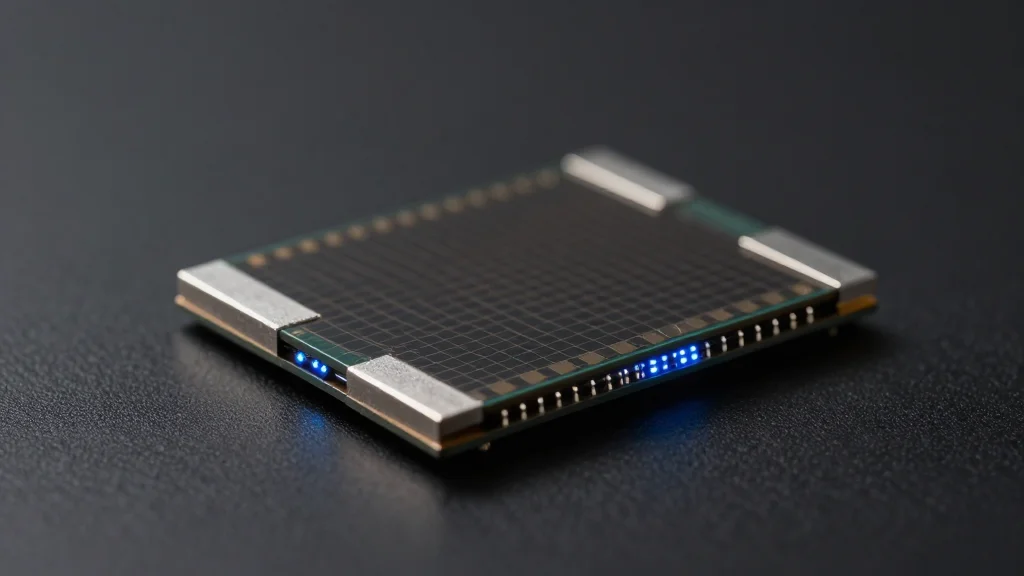
Most Lab Testing Quietly Inflates 2D Transistor Performance, Research Reveals
Researchers at Duke University have shown that the common back‑gated test structure used for 2D transistors artificially inflates performance because the gate also modulates the contacts—a phenomenon called contact gating. By fabricating a symmetric dual‑gate device that isolates this effect,...
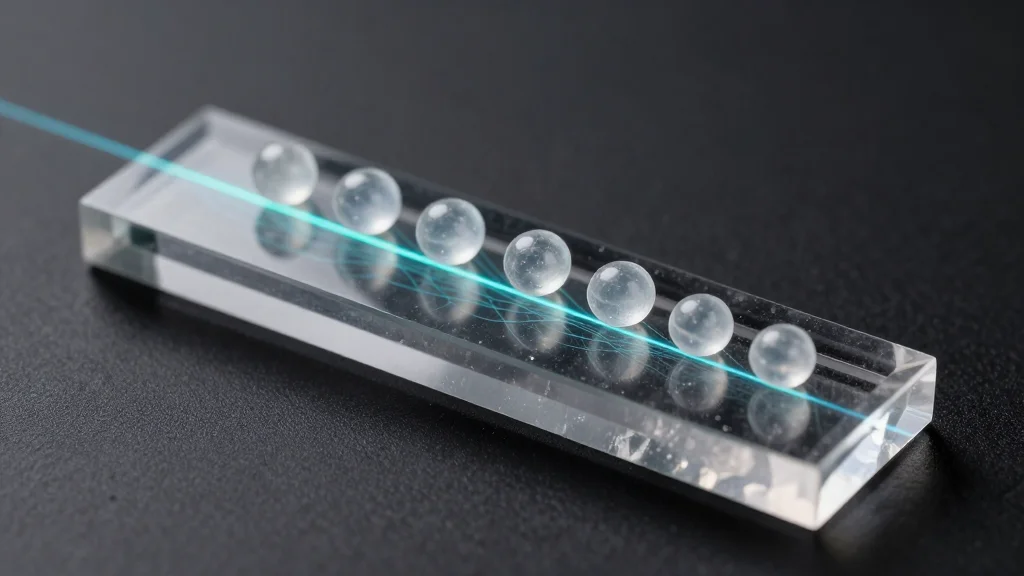
Light Alone Programs and Reprograms a Crystal Surface to Guide Living Cells
Researchers at Italy’s National Research Council have created an all‑optical bio‑photovoltaic interface using iron‑doped lithium niobate crystals. By projecting patterned laser light, they inscribe reversible electric fields that trap, align, and deform fibroblast cells without any electrodes or wiring. Cells...

Size-Shifting Nanoparticles Successfully Deliver mRNA Medicine to the Pancreas
Researchers have engineered size‑shifting lipid nanoparticles that grow from ~100 nm to >300 nm after intraperitoneal injection, exploiting a capsule‑filter mechanism that blocks entry into the liver and spleen while allowing passage to the pancreas. The enlarged particles deliver mRNA payloads—including CRISPR‑Cas9...
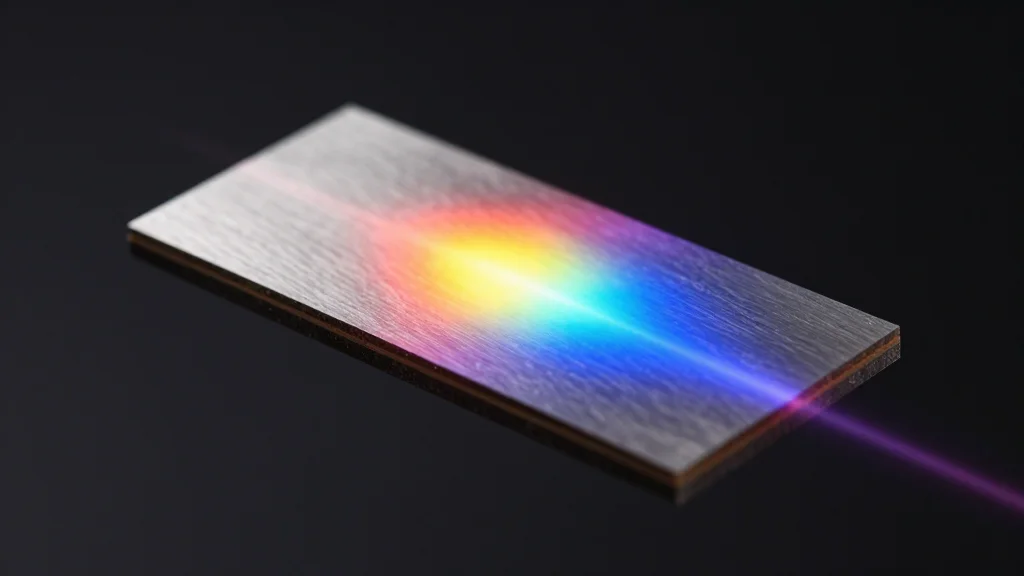
Femtosecond Laser Pulses Enable Ultrafast Broadband Optical Switching
Researchers at Waseda University used femtosecond laser pulses to raise the electronic temperature in an indium‑nitride (InN) film, triggering transient Pauli blocking that makes the material switch from opaque to transparent. The effect spans the visible to near‑infrared spectrum and...

Polar Bear Hair Inspires Graphene Fibers that Sense, Insulate, and Power Smart Clothing
Researchers in China have created hollow graphene aerogel fibers that replicate the hollow, porous structure of polar‑bear hair. The fibers achieve a record‑low thermal conductivity of 1.28 mW·(m·K)⁻¹ and an electrical conductivity of 1,457 S·m⁻¹ after high‑temperature annealing. Their architecture provides exceptional...

Purafy and Electromaax Announce Strategic Partnership
Purafy Clean Technologies and Electromaax have formed a strategic partnership to produce and distribute the Purafy Portage, a portable water purification and desalination system. Electromaax will handle manufacturing and leverage its global marine distribution network, while Purafy supplies graphene‑enhanced ultrafiltration...

Carbon Fibers Bend and Straighten Under Electric Control
Researchers at the Polish Academy of Sciences have shown that bare carbon fibers can be bent and straightened reversibly using electricity, without any coatings or structural modifications. The fibers act as bipolar electrodes in a closed electrochemical cell, where asymmetric...

Quantum Team Reads Information From Robust Majorana Qubits Using Quantum Capacitance
Researchers demonstrated a quantum‑capacitance technique that reads the parity of Majorana‑based qubits in a minimal Kitaev chain, achieving single‑shot, real‑time detection. The modular device—two semiconductor quantum dots linked by a superconducting segment—revealed parity coherence times exceeding one millisecond. This global...
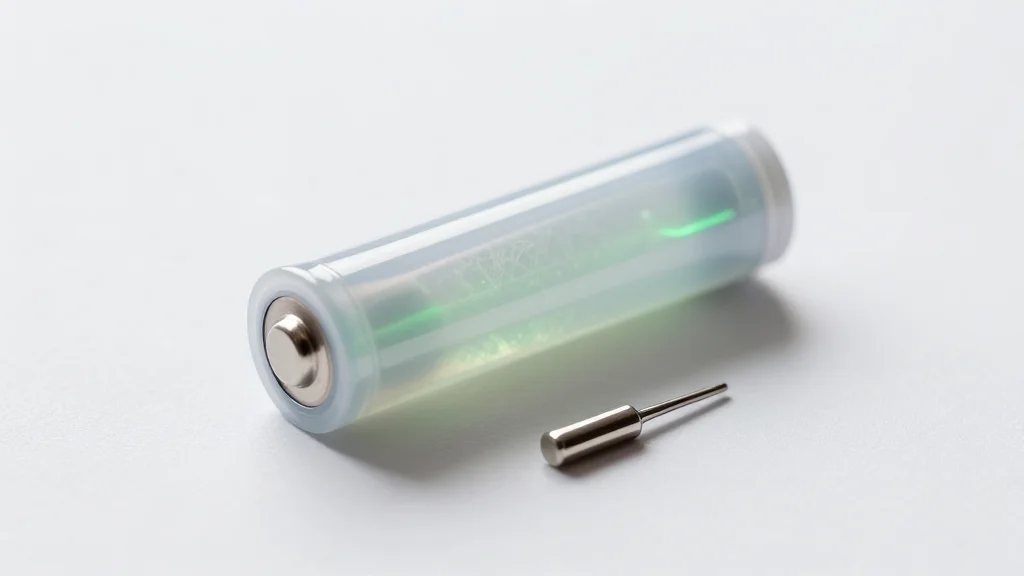
Electric Eel Biology Inspires Powerful Gel Battery
Researchers at Penn State have created a fully hydrogel‑based power source that mimics the ionic discharge of electric eels. By spin‑coating four 20 µm hydrogel layers, they achieved ultra‑thin electrocytes with dramatically lower internal resistance. The resulting gel battery delivers power...

Nanoplastics Can Interact with Salmonella to Affect Food Safety
Researchers at the University of Illinois discovered that polystyrene nanoplastics trigger Salmonella enterica to up‑regulate virulence genes and form thicker biofilms, potentially heightening food‑borne risk. The bacterial response is biphasic: an initial offensive surge followed by a defensive, energy‑conserving mode...

Deterministic Néel Vector Switching of Altermagnets Via Magnetic Octupole Torque
Researchers have demonstrated deterministic control of d‑d wave altermagnets by injecting a magnetic octupole current into an altermagnet/normal‑metal bilayer. The resulting magnetic octupole torque flips the Néel vector without any external magnetic field, converting inherently multidomain textures into a single‑domain...
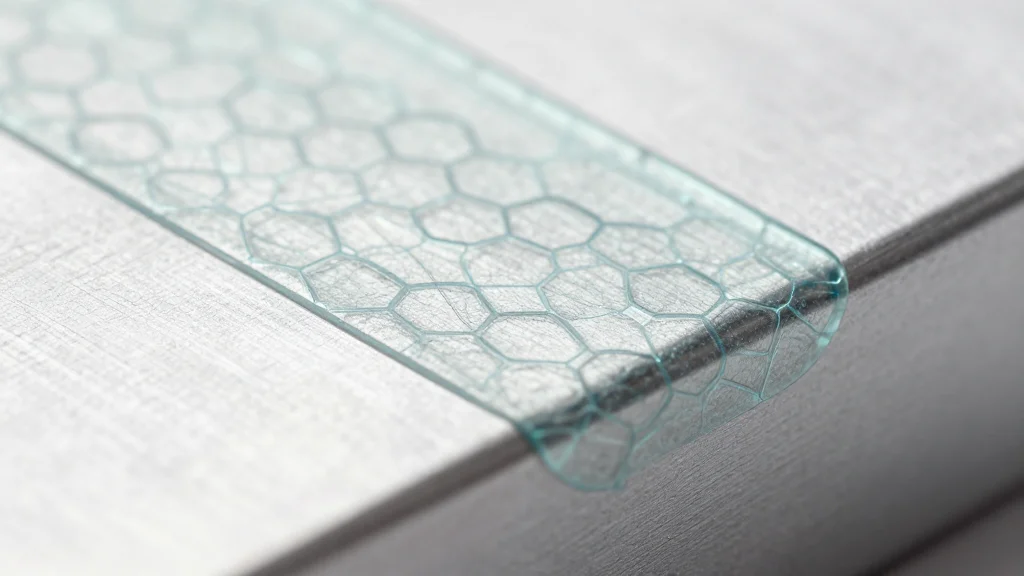
Ion‐Regulating SPEEK–BNNS Hybrid Interfaces Enabling Low‐Barrier Zn‐Ion Transport and Dendrite‐Free Zinc Anodes
Researchers introduced a scalable organic‑inorganic hybrid protective layer of sulfonated poly(ether ether ketone) (SPEEK) and boron nitride nanosheets (BNNS) for aqueous Zn‑ion batteries. The SPEEK‑BNNS interface regulates Zn2+ transport, lowers migration barriers, and mechanically suppresses dendrite formation. In symmetric cells...
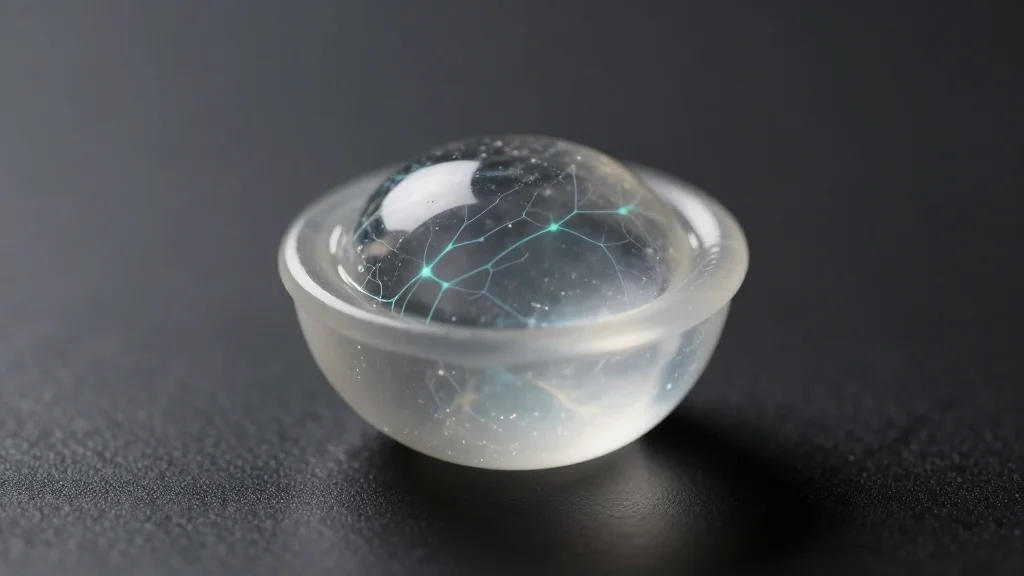
Buckybowl‐Based Organic Single‐Crystal Photosynapses: Concave Architecture Inducing High Accuracy in Image Recognition
Researchers have created the first organic single‑crystal photosynaptic transistors using a hetero‑buckybowl molecule (3S‑2Me). The concave architecture enhances oxygen adsorption, inducing persistent photoconductivity that yields over 4000 seconds of non‑volatile current retention and linearly programmable multilevel conductance. These devices demonstrate typical...
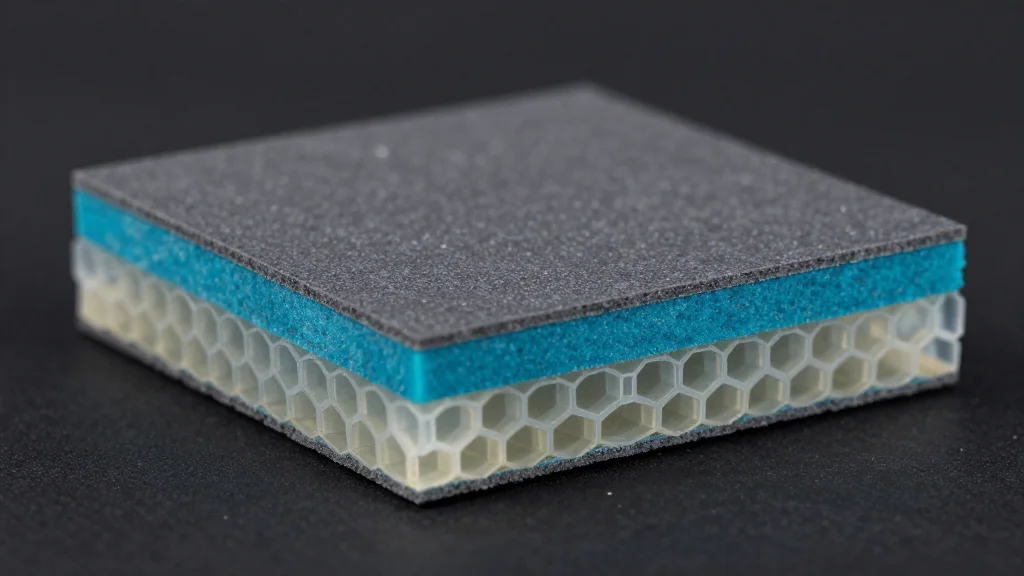
Multi‐Bit Floating‐Gate Memory with an Ultrawide Programmable Window
A MoTe₂/hBN/multilayer‑graphene van der Waals floating‑gate transistor achieves an ultrawide p‑type memory window of ~199 V with a 90.5 % window ratio and charge‑storage density exceeding 10¹³ cm⁻². The device switches in 50 ns, endures over 10⁶ cycles, and retains data for a projected ten years....
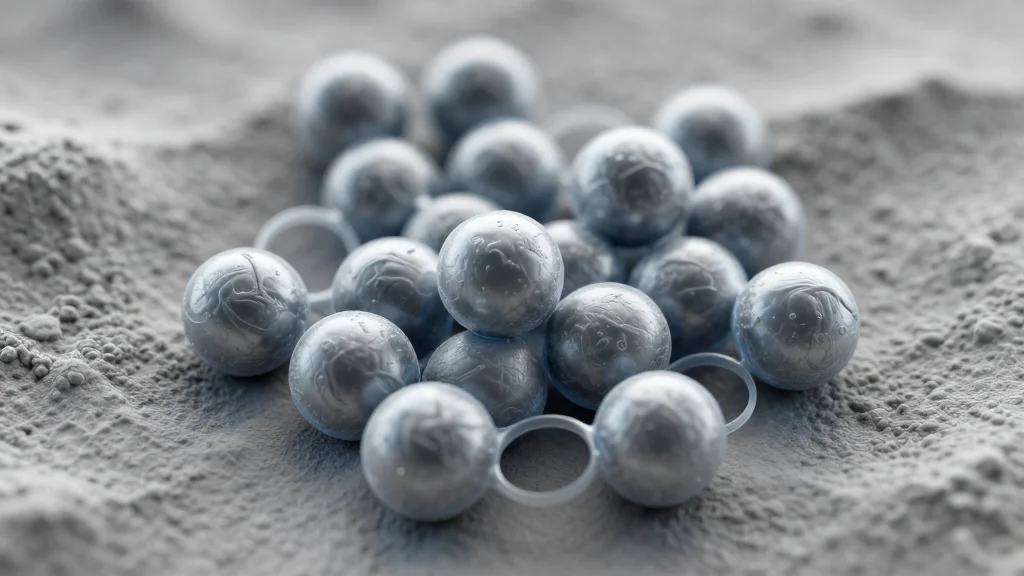
Pdδ+ Formation Induced by Electronic Metal‐Support Interaction Enables Efficient Continuous‐Flow Hydrogenation of Pyridine to Piperidine
Researchers introduced a Pd/θ‑Al2O3 catalyst that leverages strong electronic metal‑support interaction (EMSI) to generate Pdδ+ sites, dramatically improving pyridine hydrogenation to piperidine. The catalyst delivers nearly complete conversion with >99% selectivity under mild continuous‑flow conditions (150 °C, 3 MPa, H2/oil = 300). It maintains...
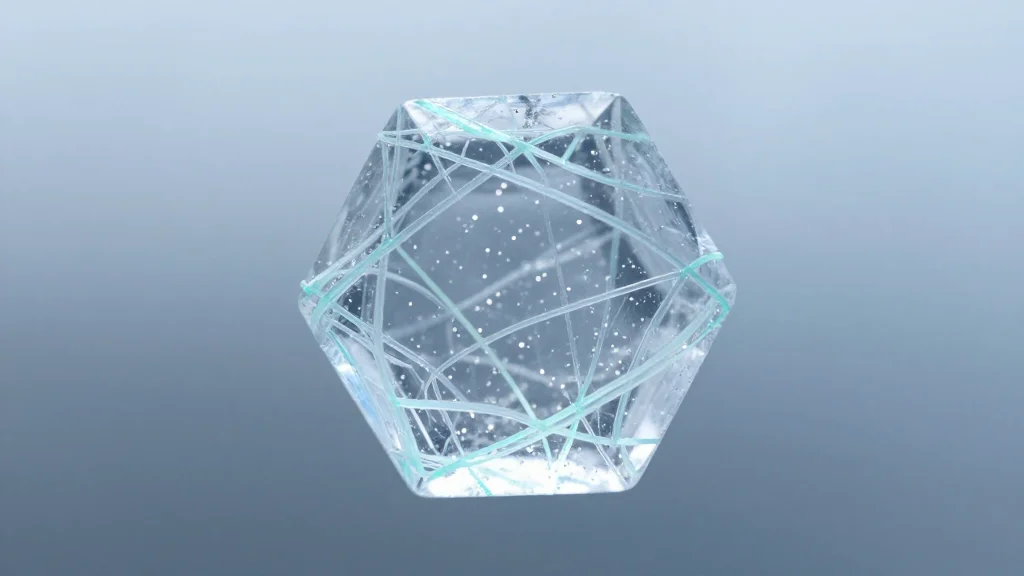
Charge‐Tuning Ice Inhibition in Antifreeze Peptides
Researchers engineered a series of antifreeze peptides (AFPTs) with systematically varied charges on their non‑ice‑binding sites (NIBSs) to uncover how charge influences ice‑growth inhibition. They found that moderate net‑negative charges improve peptide adsorption onto ice via hydration‑mediated interfaces, while excessive...

Liquid Metal Droplets Fuse Themselves Into Stretchable Circuits
Researchers at Qingdao University and China University of Petroleum discovered that liquid‑metal droplets can self‑sinter during ordinary solvent evaporation, using a Marangoni‑driven surface‑tension gradient between ethanol and toluene. The process creates a Janus film with a conductive liquid‑metal‑rich layer and...

Nanochannel Method Makes Ion Membranes Twice as Strong for Clean Energy
University of Queensland researchers have introduced a nanoconfinement polymerisation technique that creates ultra‑thin ion‑exchange membranes with roughly double the tensile strength of conventional films. The method forces polymer chains to align within nanoscale channels, yielding dense, flexible membranes that can...
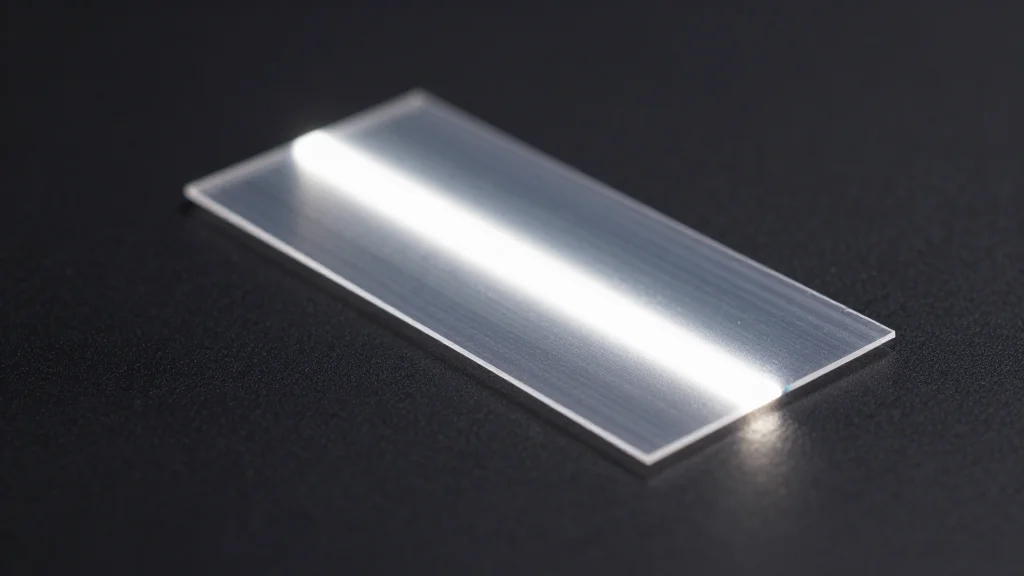
A New, Useful Absorption Limit for Ultra-Thin Films
Researchers in China have demonstrated that ultrathin conductive films can absorb up to 82.8% of incident light when the beam arrives at grazing angles, far exceeding the long‑standing 50% ceiling. The team derived the result analytically from Maxwell’s equations and...
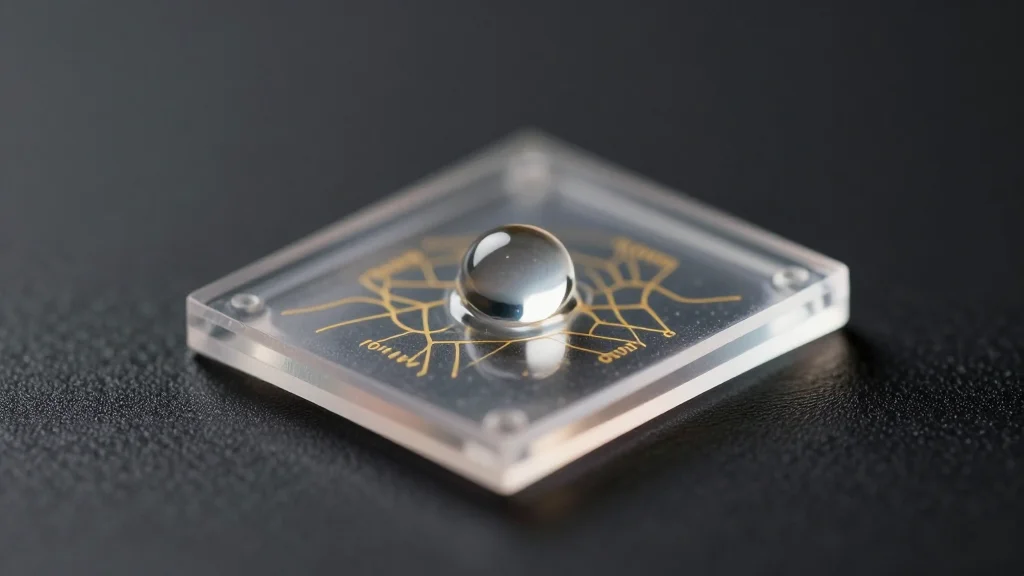
Reusable MoS₂ RF Biosensor Enables Cost-Effective Liquid Biopsies for Early Cancer Detection
Researchers at UNIST, KAIST and Yonsei have developed a reusable molybdenum disulfide (MoS₂) radio‑frequency biosensor for liquid‑biopsy cancer detection. The sensor detects single‑stranded DNA fragments as low as 154.67 nM by monitoring shifts in resonant frequency, and can be washed and...

Covalent Organic Frameworks Assembled Inside Tumor Cells Trigger Cancer Cell Death and Immune Activation
Researchers at the University of Macau have demonstrated the first in‑situ synthesis of covalent organic frameworks (COFs) inside lysosomes of cancer cells, using acidic pH‑driven imine condensation of TAPB and DMTP. The crystalline UMCOF1 particles rupture lysosomal membranes, liberating ferrous...

Atomic Precision Unlocks Smarter Oxygen Reduction Catalysts
Researchers at Tohoku University demonstrated that the exact nitrogen coordination around a single cobalt atom dramatically changes its oxygen‑reduction reaction (ORR) performance. By synthesizing Co‑Nx sites with x = 3, 4, and 5 on carbon nanotubes, they showed asymmetric Co‑N₃ delivers the highest overall activity,...

The Hydrothermal Treatment Effect on the Transverse Relaxivity Values of DyF3 Nanoparticles Colloidal Solutions
Researchers investigated how hydrothermal processing—both classic autoclave and microwave irradiation—affects the transverse relaxivity (r₂) of DyF₃ nanoparticle colloids. Using ¹H NMR at magnetic fields of 0.6 T, 3.65 T and 9.4 T, they found that autoclave‑treated samples exhibit the highest r₂ values, outperforming...

Impact of Tungsten, Iron and Molybdenum on the TiO2 Geometrical Network and Optoelectronic Properties
The study employs density functional theory to evaluate how tungsten (W), iron (Fe) and molybdenum (Mo) dopants modify the electronic and optical behavior of anatase TiO₂. Single‑doping with W, Fe or Mo narrows the band gap from 2.12 eV to 2.0 eV,...

Endometrium-Targeted mRNA-Lipid Nanoparticles for Treating Reproductive Conditions
Researchers have engineered ligand‑conjugated mRNA‑lipid nanoparticles that home specifically to the endometrium, delivering therapeutic mRNA directly to uterine tissue. In a murine model of endometrial injury, the targeted formulation restored embryo implantation rates to near‑normal levels. Safety profiling showed reduced...

Iron Nanoparticle Eliminates Tuberculosis in Mice and May Pave the Way for New Treatments
Brazilian researchers have shown that an iron‑based compound, ferroin, encapsulated in lipid nanoparticles, completely eradicated Mycobacterium tuberculosis from mouse lungs after a 30‑day course. The formulation, LNP@FEP, stabilizes the drug, enhances the activity of existing antibiotics, and targets bacterial cell‑wall synthesis....

Ion Bombardment Triggers a Reliable Quantum Switch in Tantalum Disulfide Crystals
A collaborative team from TU Wien and Kiel University demonstrated that a single highly charged ion impact reliably flips the electronic chirality of 1T‑TaS₂ crystals, acting as a deterministic quantum switch. The ion‑induced disturbance drives the material out of equilibrium,...
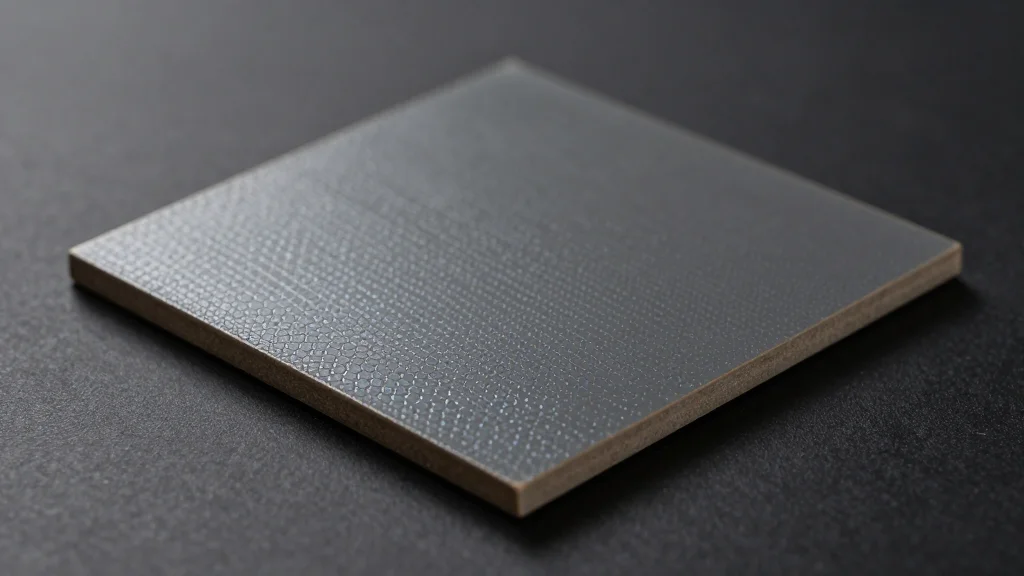
Boron Nitride Nanosheets Create Ceramic that Is Both Tough and Radar-Invisible
Researchers at Nanchang Hangkong University have created a dual‑phase silicon carbide ceramic reinforced with multilayer boron nitride nanosheets, delivering a 94.5% increase in flexural strength to 477 MPa and a 50% boost in fracture toughness. The composite, called DS@4MBNS, also achieves...

Printable Enzyme Ink Powers Next-Generation Wearable Biosensors
Researchers at Tokyo University of Science have created a water‑based enzyme ink that allows screen‑printing of both anode and cathode layers of enzymatic biofuel cells in a single step. The printed lactate/oxygen biofuel cell delivered a peak power density of...
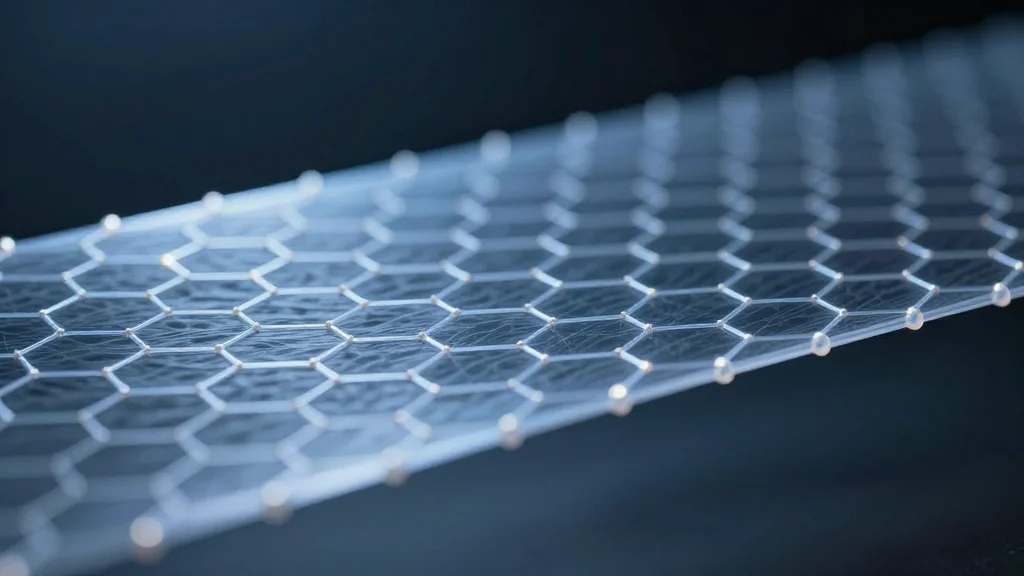
2D Memristors Could Help Solve AI's Energy Problem
A new review in Nanoenergy Advances highlights how atomically thin, graphene‑like memristors can store information directly in their molecular lattice, offering fast, dense, and energy‑efficient switching. The paper details how graphene oxide, diamane, and layered chalcogenides achieve controllable resistance changes...
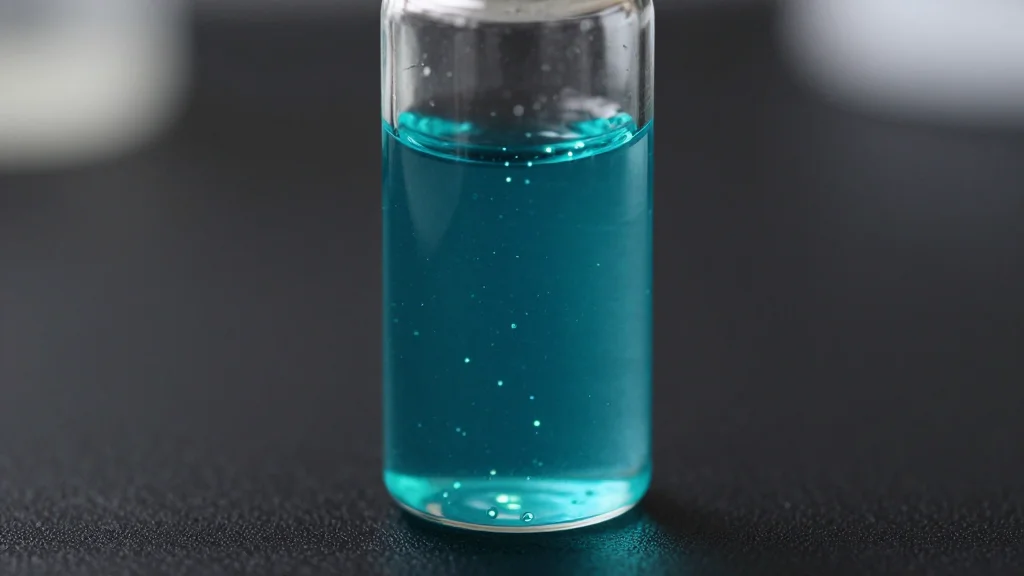
Unraveling Transformation Pathways of Colloidal Semiconductor Perovskite Magic‐Sized Clusters at Sub‐Ambient Temperature
Researchers have mapped three transformation pathways for colloidal semiconductor perovskite magic-sized clusters (MSCs) at sub‑ambient temperatures. They demonstrate a direct thermally‑induced conversion (Pathway 3) and a precursor‑compound‑assisted route (Pathway 1) between binary PbBr₂ MSCs (≈390 nm absorption) and ternary CsPbBr₃ MSCs (≈415 nm absorption)....
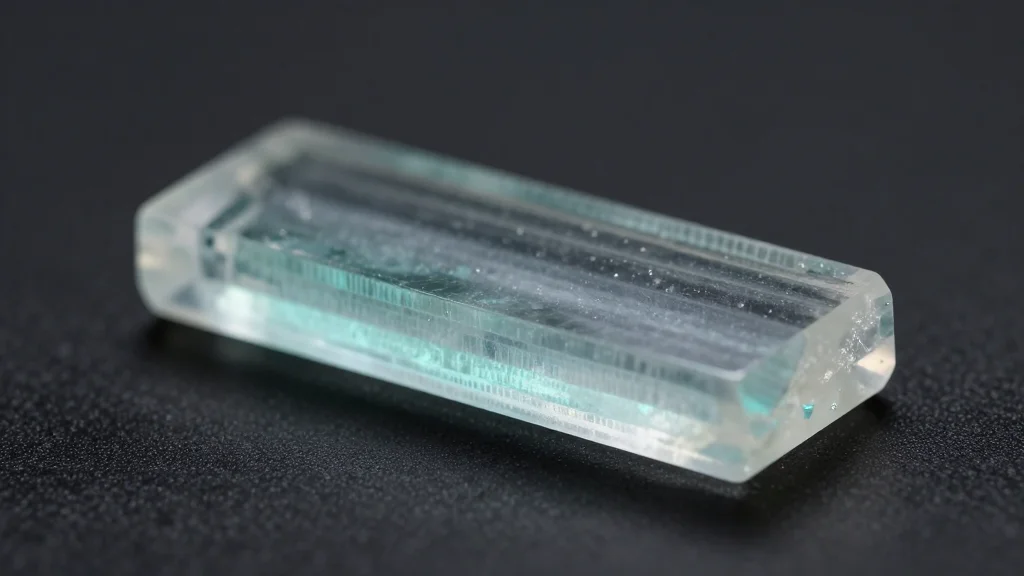
About Carrier's Self‐Trapping and Dynamical Rashba Splitting in the 2D Hybrid Perovskite (BA)2(MA)2Pb3l10
Researchers used time‑ and angle‑resolved photoelectron spectroscopy (tr‑ARPES) to probe carrier dynamics in the 2D hybrid perovskite (BA)2(MA)2Pb3I10. The measured effective masses are –0.18 m0 for holes and 0.12 m0 for electrons, and the Rashba spin‑orbit coupling is constrained to αC < 2.5 eV·Å. Photoexcitation...
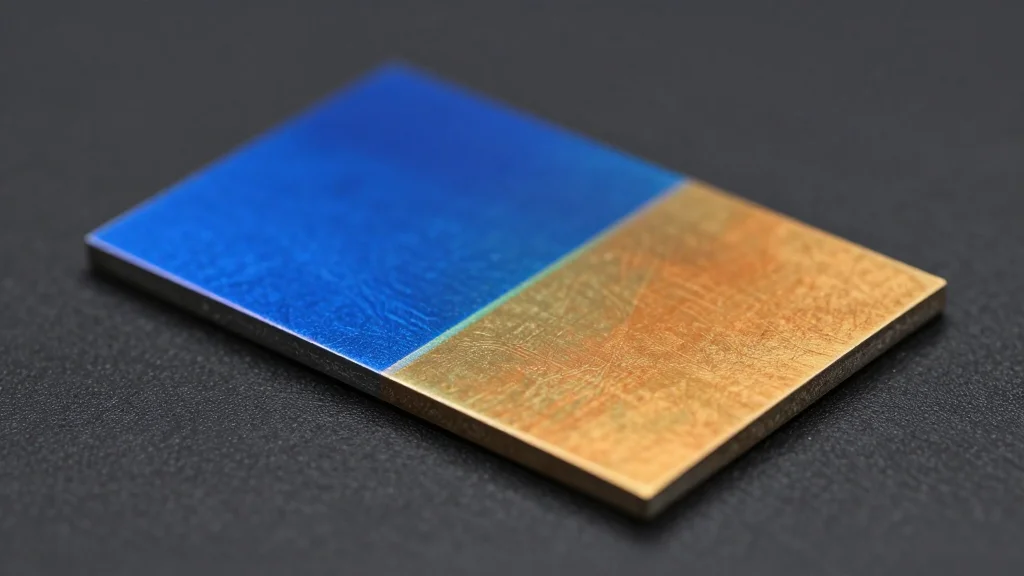
Property Explorations and Applications of 2D Transition Metal Dichalcogenides Through Phase Engineering
The review outlines recent advances in phase engineering of two‑dimensional transition metal dichalcogenides (2D TMDCs), highlighting how controlled synthesis and phase transitions unlock electronic, optical, and magnetic functionalities. It surveys direct growth techniques such as CVD, MBE, and colloidal routes...
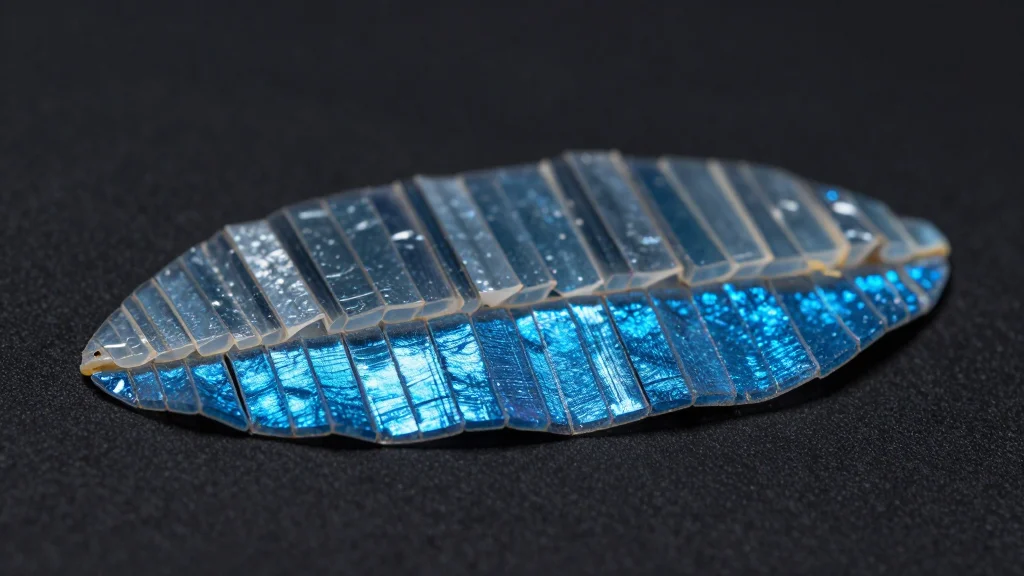
Synergistic Movement of the Dual‐Layer Photonic Guanine Crystal Arrays Reveals a Mechanism of Light Stimuli‐Responsive Structural Color Change in the...
The study uncovers that zebrafish skin changes from slate‑blue in darkness to bright‑blue in light due to coordinated movement of a dual‑layer guanine crystal reflector. The upper S‑iridophore layer contains inclined crystals while the lower L‑iridophore layer holds horizontal crystals,...
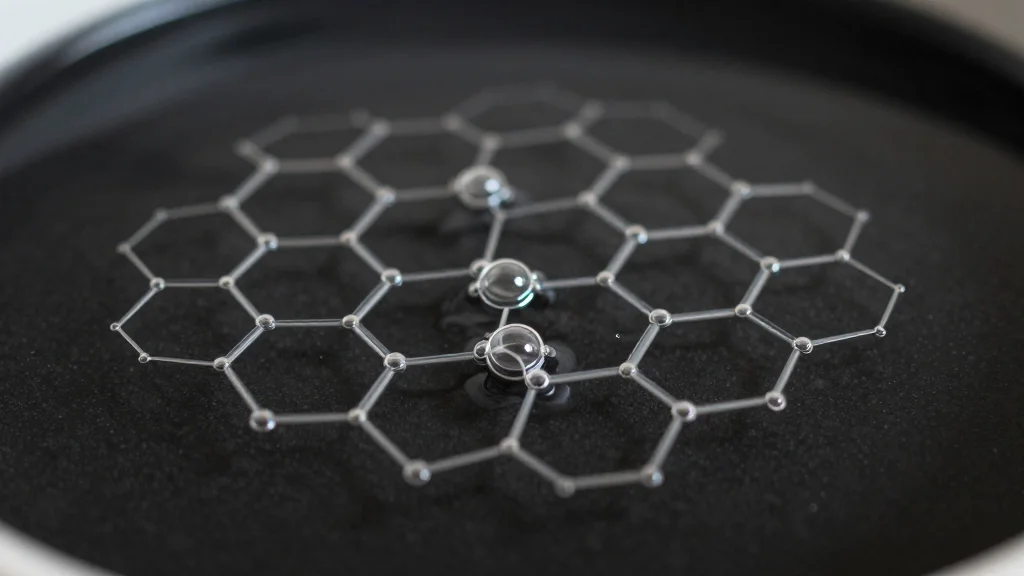
Ultraclean Self‐Assembly on Micro‐Bubble Lattice
Researchers have introduced an underwater micro‑bubble lattice that enables ultraclean self‑assembly of micro‑objects, eliminating residues during transfer. The water‑air interface of the bubbles provides capillary adhesion, preserving the original state of delicate particles. Numerical analysis identified wettability contrast and particle‑to‑bubble...

Sustainable All‐Inorganic Double Perovskite Memristors Enabling Synaptic Learning and Cognitive Emulation
Researchers have demonstrated lead‑free all‑inorganic double perovskite Cs2AgBiBr6 memristors that combine robust analog resistive switching with biologically relevant synaptic plasticity. The devices rely on reversible Ag⁺ ion migration to form filamentary conduction paths, as confirmed by impedance spectroscopy, c‑AFM, and...
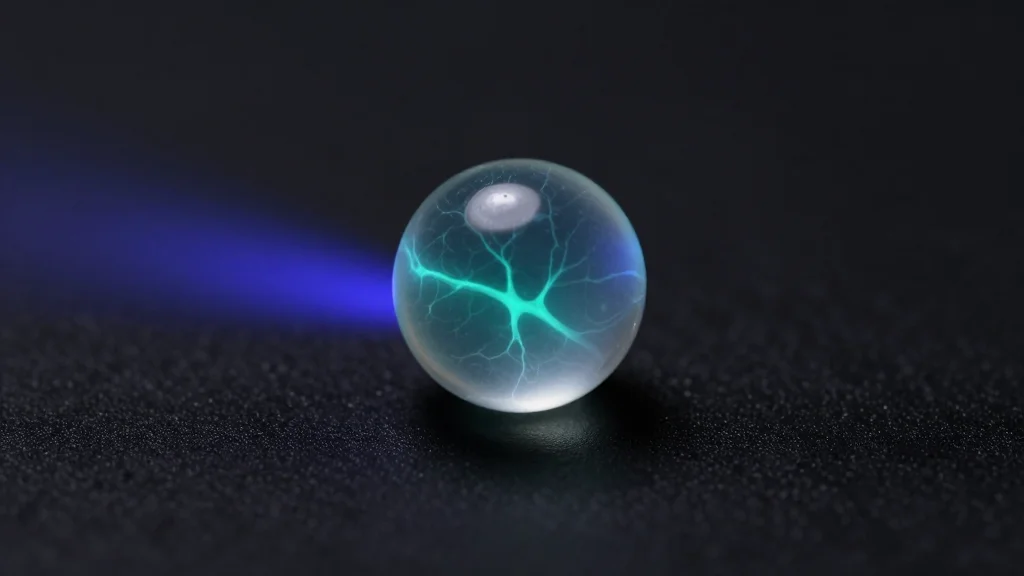
Photo‐Modulated Proton Transport in Merocyanine Metastable‐State Photoacid Based Polymers
Researchers have covalently incorporated a merocyanine metastable‑state photoacid into soft polymers, turning insulating matrices into light‑responsive, proton‑conducting materials. Upon illumination, the photoacid undergoes a reversible isomerization that releases protons and alters its charge, causing a measurable drop in conductivity. The...