Today's Nanotech Pulse
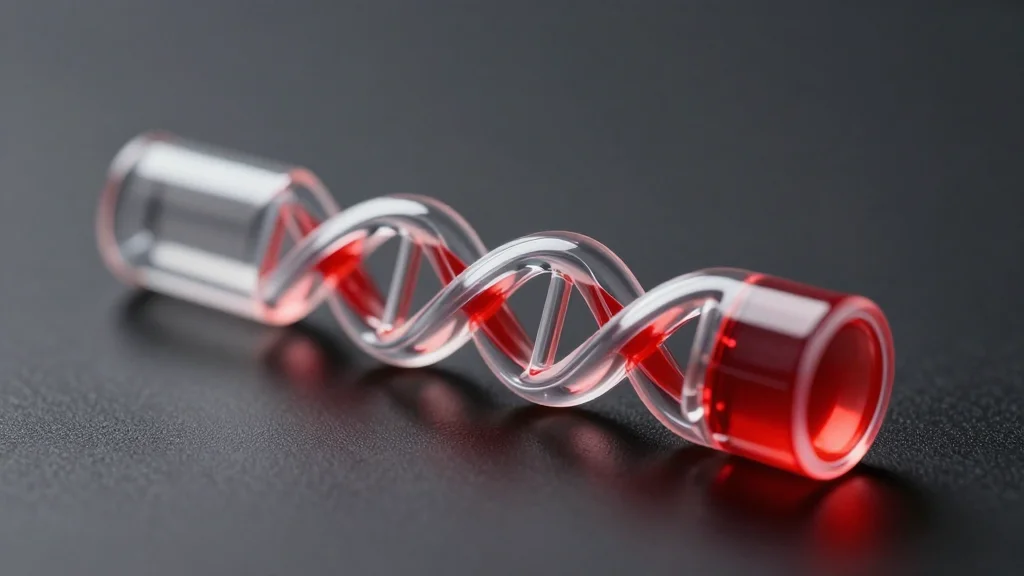
Left‑handed DNA origami tubes double chemotherapy efficacy
Researchers at the Cancer Center at Illinois showed that left‑handed DNA origami tubes loaded with the drug Daunorubicin kill acute myeloid leukemia cells more than twice as effectively as right‑handed tubes. The tubes display CD117‑targeting aptamers and their left‑handed geometry promotes rapid internalization, boosting cell‑killing potency.

Advent Diamond and Northrop Grumman Break 100‑W Power Record for Diamond Solid‑State Limiters
Advent Diamond Inc. and Northrop Grumman announced that a diamond‑based solid‑state limiter handled more than 100 W of RF power, setting a new performance benchmark. The achievement showcases engineered‑diamond’s readiness for high‑power defense and aerospace applications and underscores growing U.S. microelectronics supply‑chain investments.
Bottled Water Nanoplastics Are Not Simple Bottle Fragments
A new study in Advanced Science uses mid‑infrared photothermal microscopy to examine nanoplastics in bottled water one particle at a time. Researchers found 9.9 × 10⁴ particles per litre, with nanoplastics making up 64 % of the load, and identified PET as the...
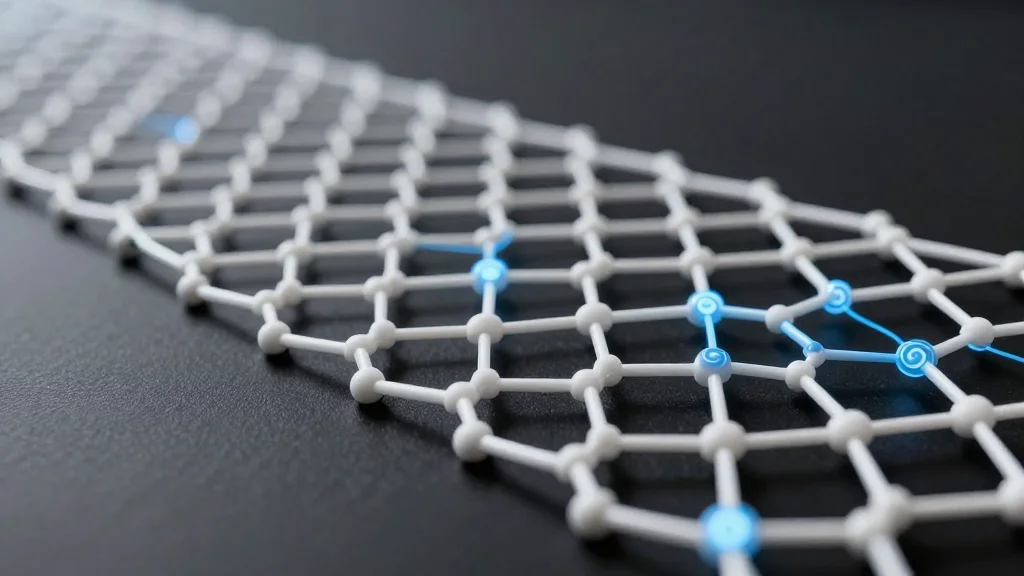
Researchers Steer Electron Spin Ballistically in Graphene
Researchers at the University of Manchester have demonstrated that electrons in ultra‑clean graphene can be steered ballistically while preserving their spin orientation. Using transverse magnetic focusing, they created lens‑like trajectories that carry a clear spin signature, observable over micrometre distances....

Novel Nanoparticle Therapy Using Manganese Could Improve Cancer Treatment
Researchers at the University of Michigan and MD Anderson have engineered a manganese‑based nanoparticle named CRYSTAL that activates the cGAS‑STING immune pathway without provoking systemic inflammation. Preclinical studies across several tumor models, including advanced triple‑negative breast cancer, demonstrated robust, sustained...
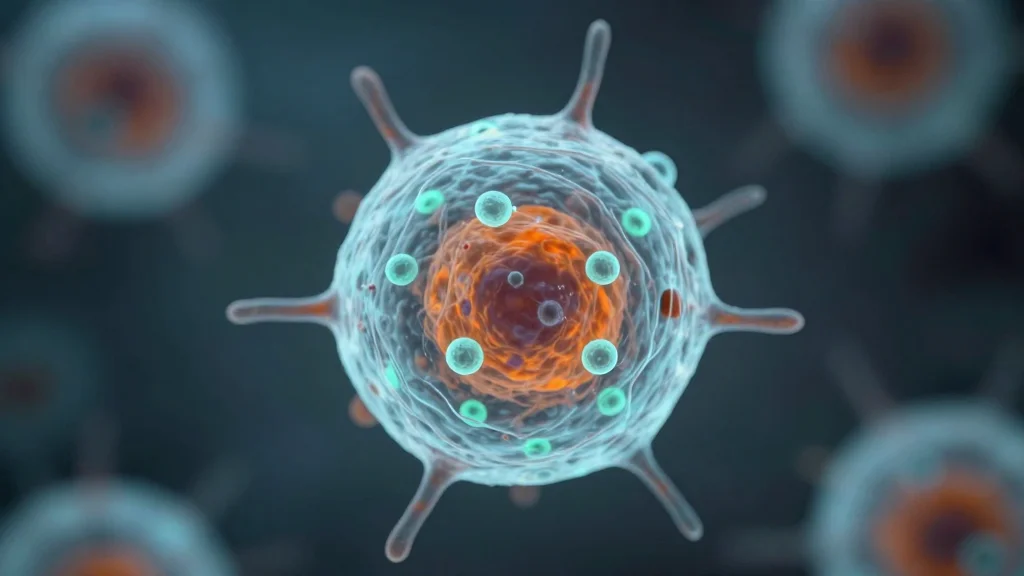
Molecular Quantum Nanosensors Map Temperature Inside Living Cancer Cells
A team from Japan's National Institutes for Quantum Science and Technology introduced molecular quantum nanosensors (MoQNs) that map temperature and radical activity inside living cancer cells with 0.3 °C precision, a threefold boost over existing nanodiamond probes. The breakthrough promises finer...

Focused Helium Ions Create Ferroelectric Regions in Aluminum Nitride for Lower-Power Chips
Scientists at Oak Ridge National Laboratory have demonstrated that a tightly focused helium‑ion beam can write ferroelectric regions directly into aluminum nitride (AlN). The ion‑induced defects enable polarization switching with roughly 40% less energy and a stronger piezoresponse. Because AlN...

'Like a Microscopic Predator': Chinese Scientists Create Tiny Robotic Vacuum to Hunt Radioactive Pollution and Clean the World's Oceans
Chinese researchers at the Qinghai Institute of Salt Lakes have created 2‑micron micromotors that self‑propel using hydrogen peroxide and light to capture uranium ions from seawater, achieving up to 406 mg of uranium per gram of material. The robots move about...
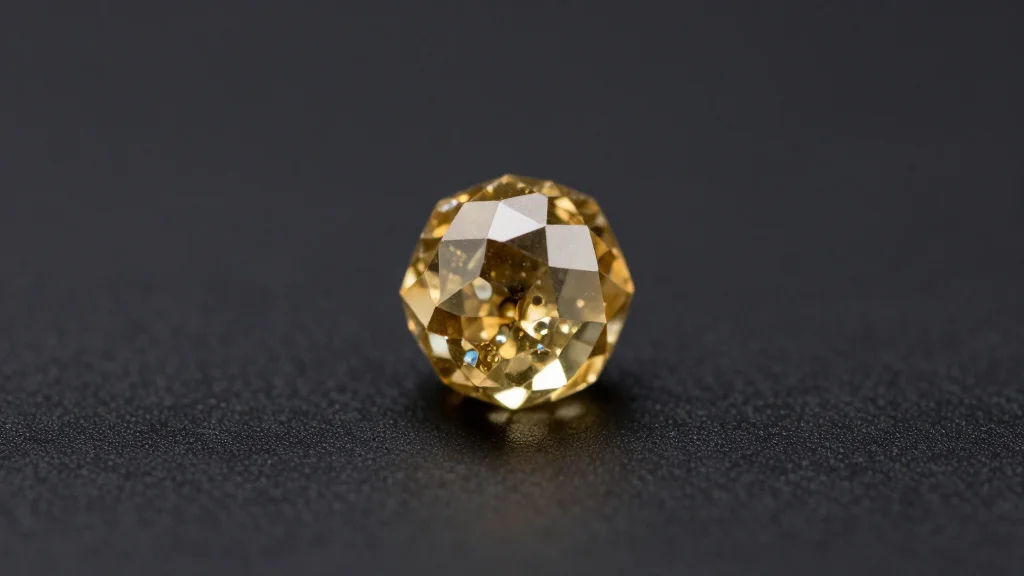
Researchers Combine Five Metals to Build a Better Nanocrystal
Researchers at the University of Illinois and KAIST have created a five‑metal nanocrystal that self‑assembles into a single, uniform particle. By combining ruthenium with copper, iron, cobalt and nickel, they discovered that copper acts as a scaffold, enabling the other...
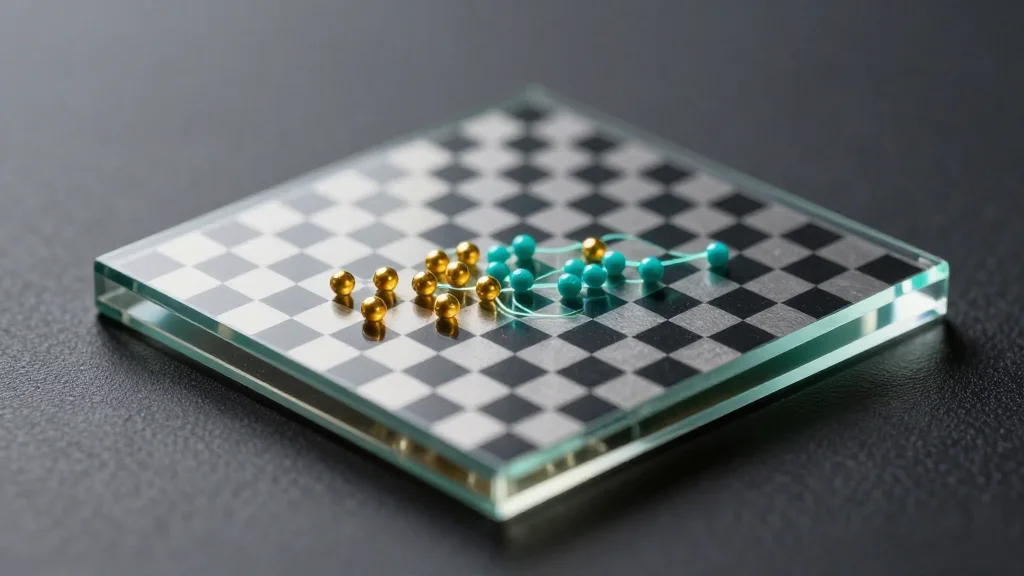
Researchers Separate Colloidal Particles According to Size and Guide Them on Different Paths
Researchers from German universities and the Polish Academy of Sciences introduced a magnetic checkerboard method that steers colloidal particles according to size. By lowering particles closer to a patterned magnetic layer, size‑dependent energy landscapes emerge, allowing independent transport of different‑sized...
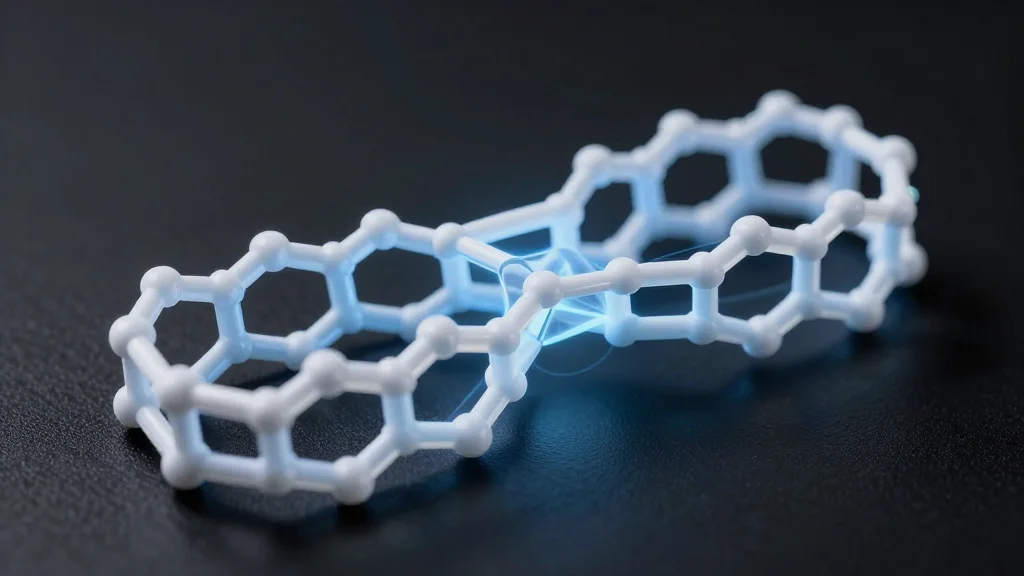
NUS Researchers Engineer Graphene‑Like Molecules and Hourglass Nanographenes
National University of Singapore chemists announced a predictive design strategy for graphene‑like molecules and synthesized hourglass‑shaped nanographenes that exhibit robust multi‑spin entanglement. The breakthrough promises new molecular qubits for quantum information processing and spintronic devices.

Electric‐Eel‐Inspired Ionic Power Source Microneedles With Self‐Reporting Structural Colors for Wound Healing
Researchers have engineered ionic power source microneedles (IPSMs) that combine electric‑eel‑inspired ion transport with chameleon‑like structural colors for wound care. The three‑layer device creates an internal K⁺‑driven electric field, delivering electrical stimulation that accelerates tissue repair. Integrated silver nanoparticles provide...
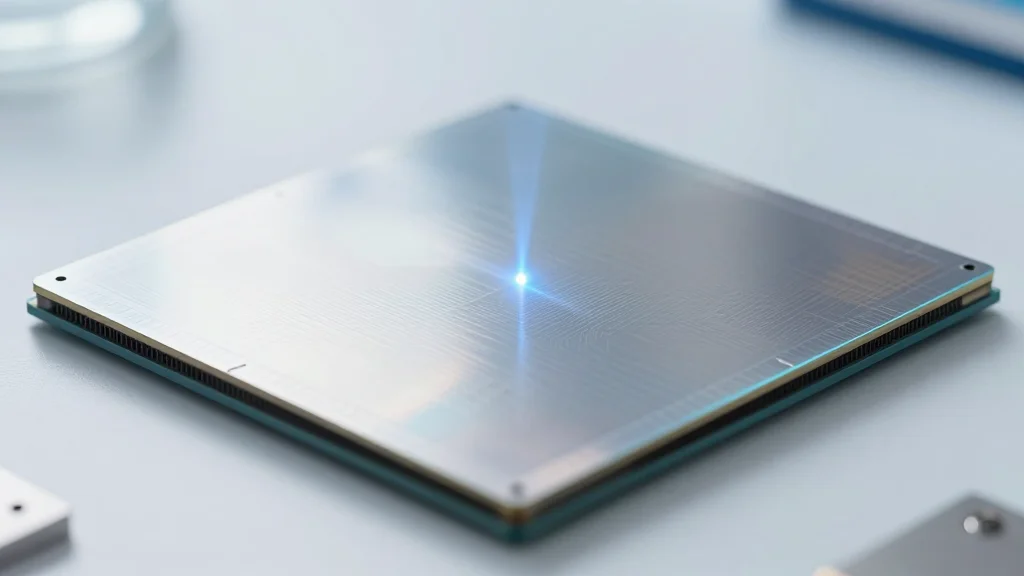
Stacking 2D Materials on Bulk Semiconductors Yields Smarter, Faster Photodetectors
A new review outlines how stacking atomically thin 2D crystals onto bulk 3D semiconductors creates photodetectors with record‑high responsivity, detectivity and gigahertz‑level speed. Van der Waals bonding eliminates lattice‑mismatch defects, allowing seamless integration of materials like graphene, TMDCs and black phosphorus with...
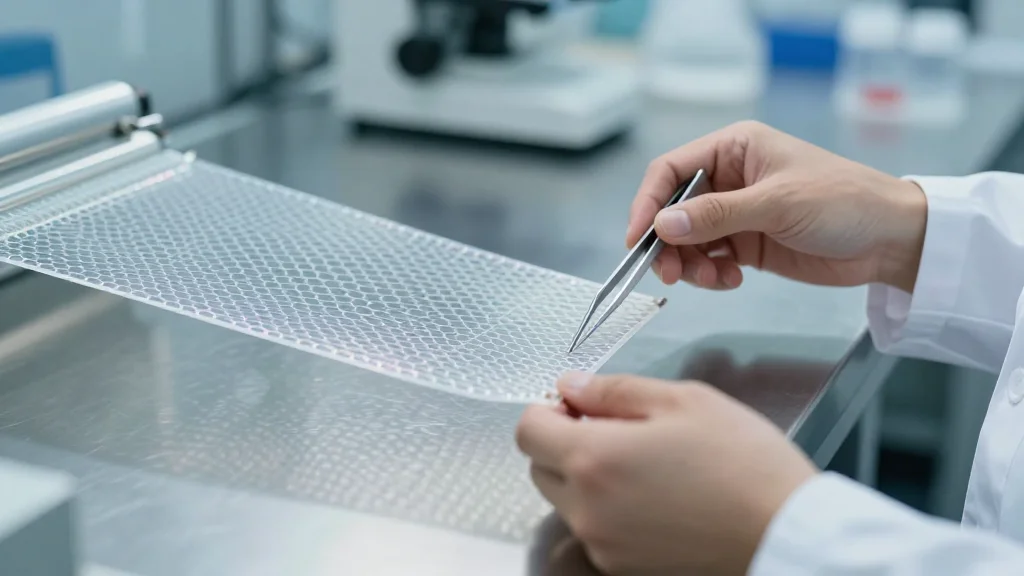
Dana Gas and Levidian Ink $500 Million Deal to Launch UAE’s First Graphene Plant
UAE’s Dana Gas and UK‑based Levidian have signed a partnership to develop the Sharjah Graphene Park, with an initial $2‑5 million outlay and a potential $500 million phased investment. The first phase aims to produce 15 tonnes of graphene annually by year‑end, positioning...
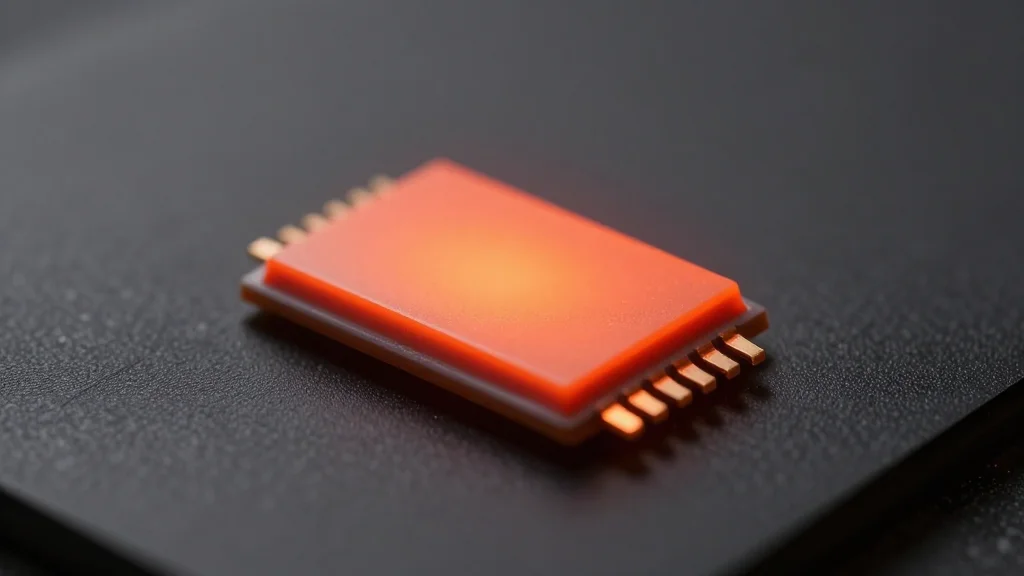
USC Memristor Crossbar Operates Above 700 °C, Setting New Record
University of Southern California scientists have demonstrated a memristor crossbar that runs at temperatures above 700 °C, breaking the previous high‑temperature record for electronic memory. The device stores data for more than 50 hours, switches in tens of nanoseconds, and endures...

Photonic‑Crystal Laser Beams Data Across River in First Demo
The laser inside your 4K Blu-Ray player is dim and unfocused. A newer kind, built from photonic crystals, is so bright and directional it can beam data across a river with minimal hardware. A Glasgow company just showed it working...
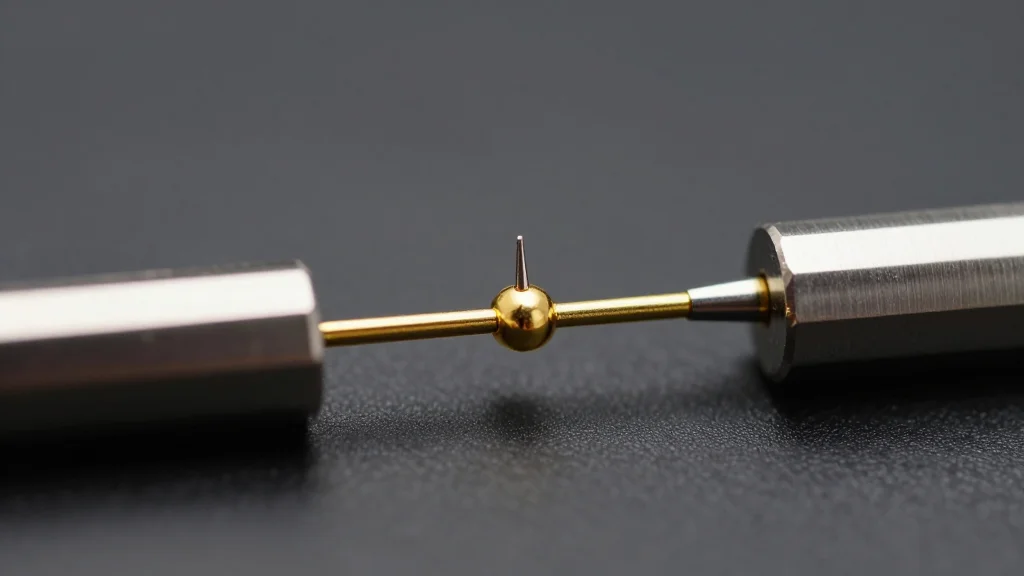
Alicante Lab Shows Room‑Temp Nanometre Calibration, 3‑Atom Gold Wires
Scientists at the University of Alicante’s Quantum Transport Laboratory have unveiled a room‑temperature technique for nanometre‑scale distance calibration, enabling the first observation of three‑atom‑thick gold nanocontacts. The method, validated in labs across the Netherlands, Belgium and Germany, promises cheaper, more...
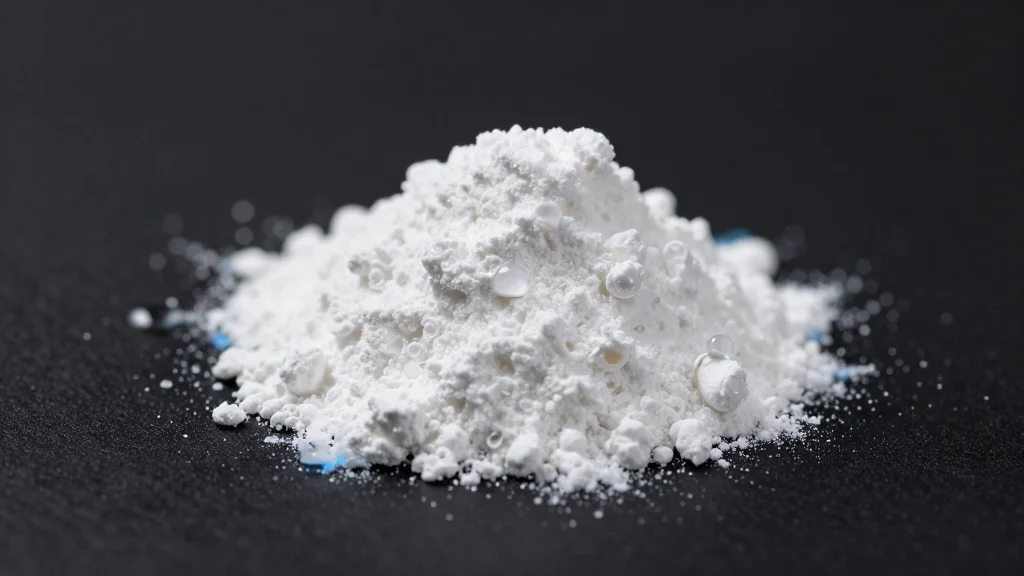
Covalent Organic Frameworks with Intrinsic Pendant Aldehydes for Efficient Nitrate Electroreduction
Researchers have engineered a covalent organic framework (COF) named PEPy-2CHO‑TTA that retains pendant aldehyde groups within its pores. These aldehydes form a confined hydration network, enabling localized proton transfer and overcoming the proton scarcity that hampers nitrate reduction in alkaline...

Qualitative Evaluation of the Magnetocrystalline Anisotropy in Spinel Ferrite Nanoparticles Using Polarized Neutron Powder Diffraction
Researchers used polarized neutron powder diffraction (PNPD) to qualitatively assess magnetocrystalline anisotropy in cobalt‑doped spinel ferrite nanoparticles. By refining local magnetic susceptibility tensors and magnetization ellipsoids, they showed that a higher cobalt fraction (x = 0.61) yields a larger intrinsic anisotropy than...
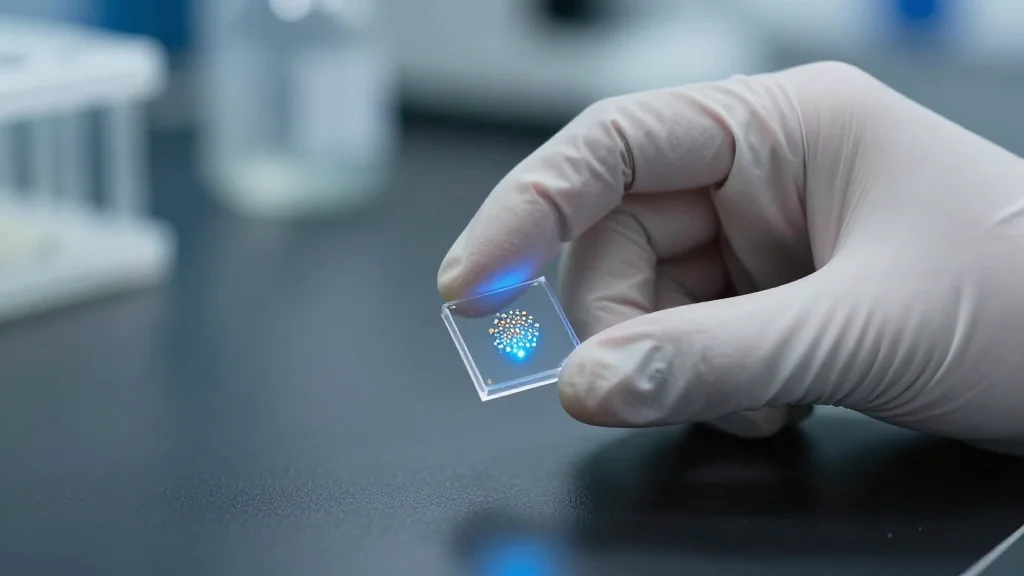
Peptide‐Ligand Cooperative Interplay Drives Gold Nanoparticle Encapsulation by Protein Cages
The study shows salt-dependent binding energetics and cooperative peptide‑ligand interactions drive gold nanoparticle encapsulation by encapsulin protein cages. Experiments varying salt, ligand functionalization, and loading peptides combined with molecular dynamics reveal three regimes of nanoparticle‑protomer binding free energy. Ligands boost...
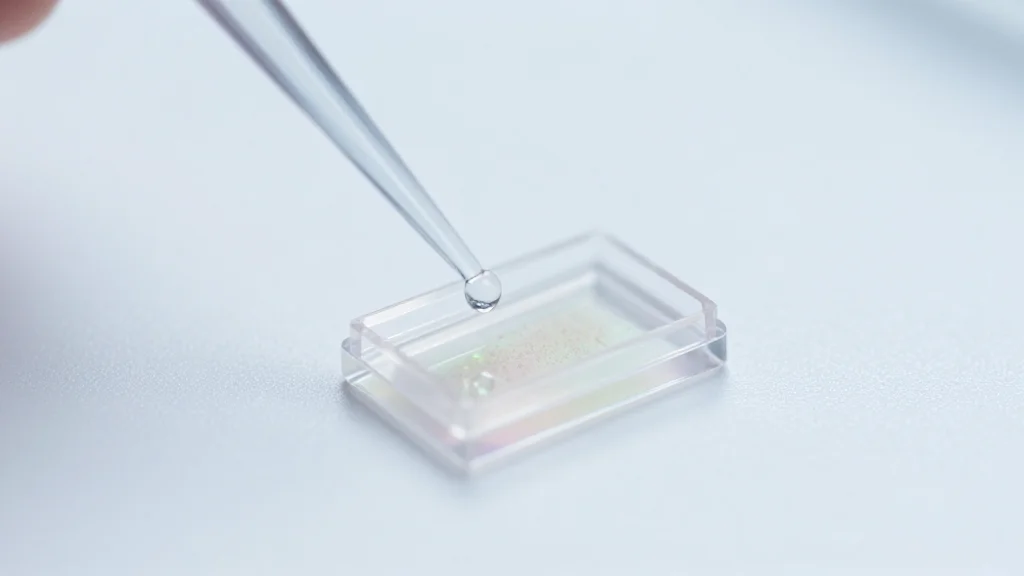
Macrophage‐Inspired Nanomedicines: Harnessing Innate Biology for Precision Therapy
The review outlines macrophage‑inspired nanomedicines that exploit three delivery platforms—whole macrophage carriers, macrophage‑membrane‑coated nanoparticles, and macrophage‑derived exosomes. By leveraging the cells’ natural homing, barrier‑penetrating and immunomodulatory traits, these systems aim to improve targeting of cancers, atherosclerosis and other inflammatory diseases....

Modulating C─F Bonds of Fluorinated Graphite via Compounding Graphene Oxide for High‐Energy/Power Lithium Batteries
Researchers have introduced a graphene‑oxide‑assisted liquid‑phase exfoliation technique to modify fluorinated graphite, producing a GO‑FG composite for lithium primary batteries. The method weakens C‑F bonds and opens the layered structure, promoting uniform LiF formation during discharge. The optimized material achieves...

The Catalytic Activity and Micro‐Mechanisms of Reducible Metal Oxide Nanozymes in Relation to Their Antibacterial Efficacy
A recent review examines reducible metal‑oxide nanozymes (rNZs) as enzyme‑mimicking catalysts for antibacterial applications. It highlights how crystal facet orientation, oxygen‑vacancy density, and exposure to ionizing radiation jointly tune catalytic performance. The authors argue that these atomistic features enable rNZs...
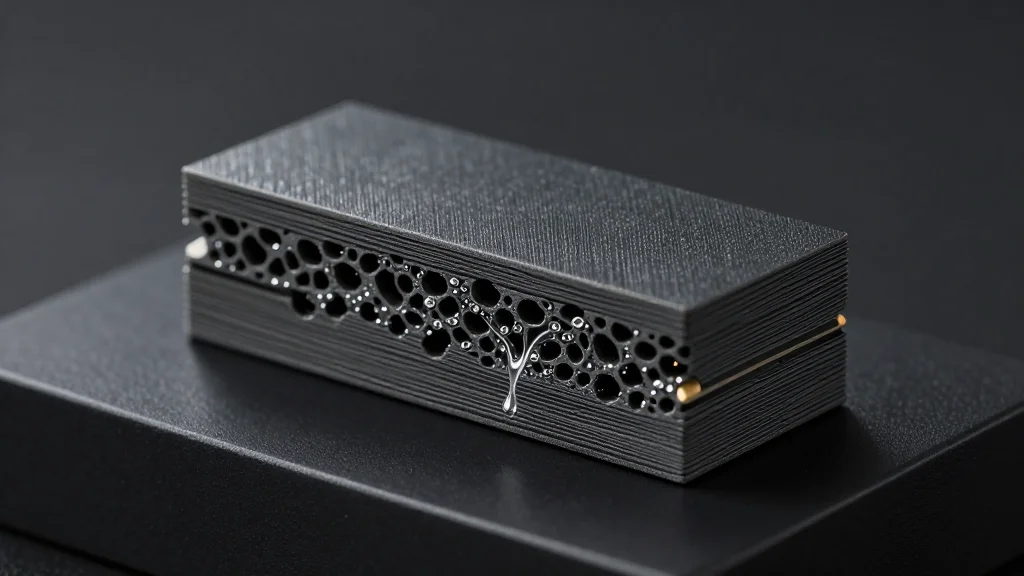
Researchers Develop 3D-Printed Graphene Oxide Electrodes for High-Density Energy Storage
Researchers at the University of California, Lawrence Livermore National Laboratory and Lawrence Berkeley National Laboratory have created a graphene‑enabled 3D‑printing platform that overcomes the classic trade‑off between electrode thickness and ion transport. By infusing an acrylate resin with graphene oxide...
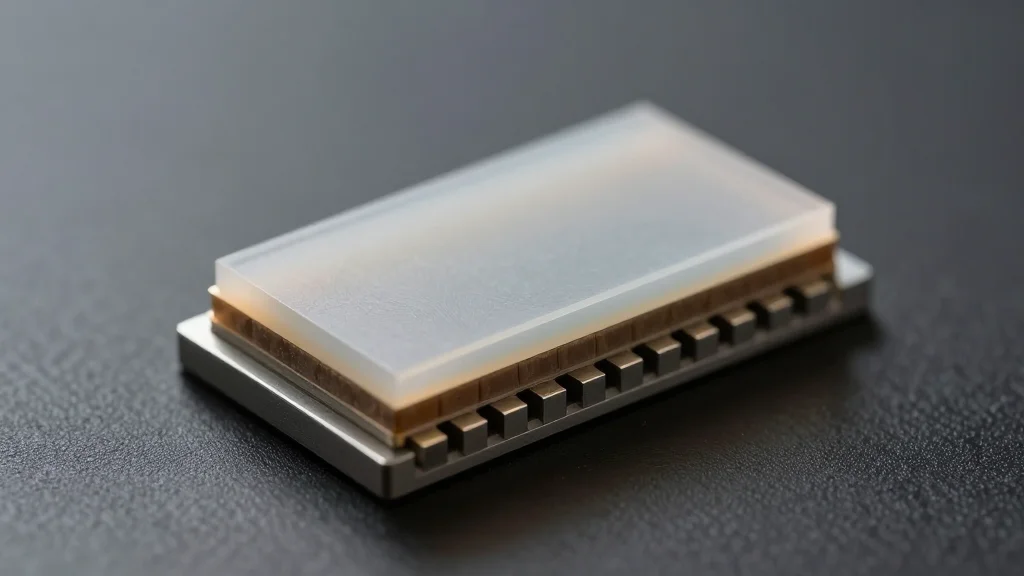
25‑nm Ferroelectric Memory Chip Beats Power‑Loss Limits, Paving Way for Cooler AI Devices
Scientists at the Institute of Science Tokyo have demonstrated a 25‑nanometer ferroelectric tunnel junction memory cell that consumes less power as it gets smaller. The breakthrough overturns a long‑standing belief that miniaturization inevitably raises energy cost, opening a path to...
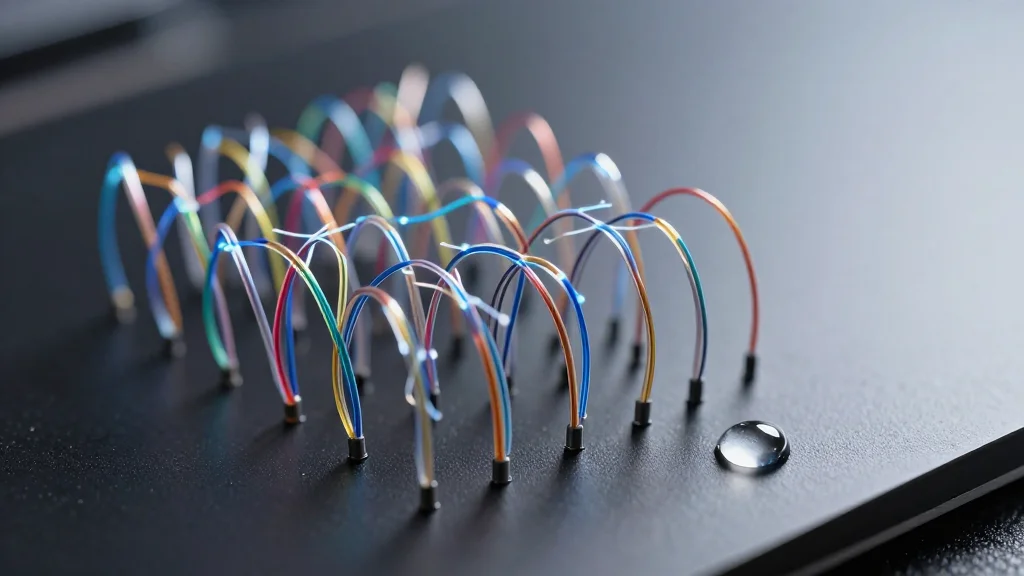
Self-Adhesive High-Entropy Oxide Sub-Nanowire Monolithic Electrocatalysts
Researchers at Tsinghua University have unveiled a self‑adhesive high‑entropy oxide (HEO) catalyst composed of 14 metal elements arranged into ~1.2 nm sub‑nanowires. The binder‑free monolithic structure adheres directly to conductive substrates, delivering overpotentials as low as 129 mV in 1 M KOH and...

Hourglass Nanographenes Unlock Strong, Robust Multi-Spin Entanglement
Researchers at the National University of Singapore have engineered hourglass‑shaped nanographene molecules that host four interacting electron spins. By extending the classic Clar’s goblet structure, they synthesized two variants—C₆₂H₂₂ and C₇₆H₂₆—using atomically precise on‑surface chemistry. One design generates spins purely...
Nanobiotix Secures FDA Acceptance of Protocol Amendment to Accelerate Phase 3 NANORAY-312 Trial
Nanobiotix announced that the U.S. FDA has accepted a protocol amendment for its Phase 3 NANORAY‑312 trial, eliminating the interim analysis and moving to a modified final analysis with fewer events. The change is designed to shorten the study timeline for...
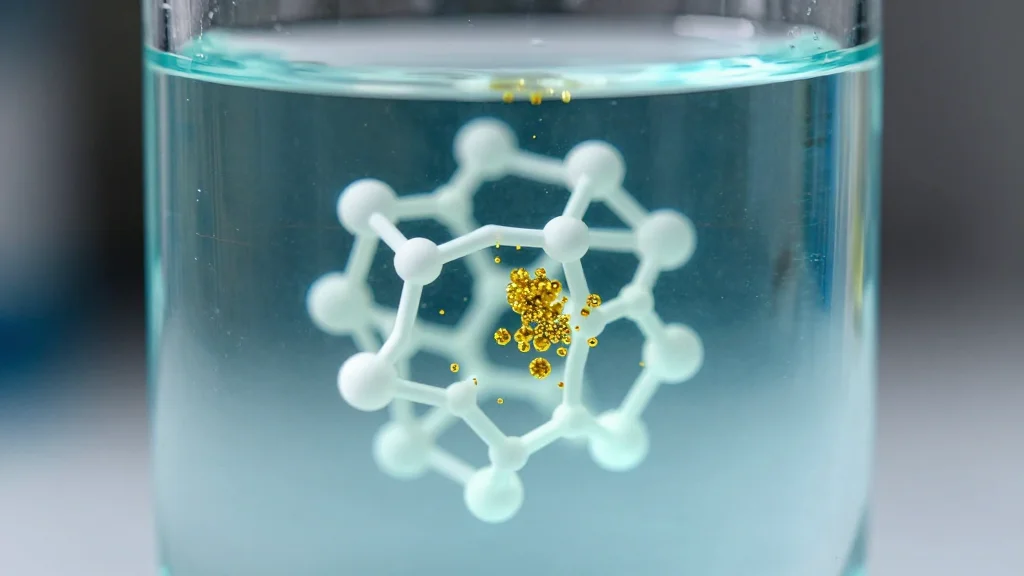
Hainan University’s COF Captures 99% of Gold From E‑Waste in Hours
Researchers at Hainan University unveiled a light‑driven covalent organic framework that extracts gold from electronic‑waste solutions with roughly 99% efficiency, capturing 99.9% of the metal in four hours. The breakthrough promises a low‑energy, highly selective alternative to traditional hydrometallurgical and...
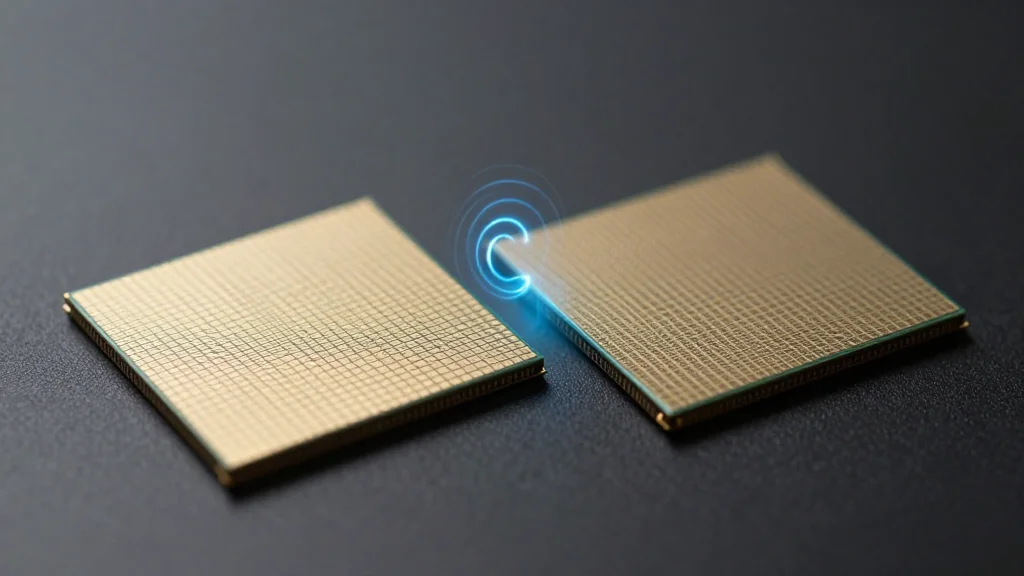
Casimir Forces in Twisted Anisotropic Gratings: A Path to Self-Tuning Nanophotonic Systems
A team from Skoltech and MIPT demonstrated that twisted anisotropic photonic gratings experience a Casimir torque that drives them to a non‑zero equilibrium rotation angle. Unlike symmetric configurations, the broken mirror symmetry creates an in‑plane chirality, causing the energy minimum...

Room-Temperature Nanoscale Measurements Could Accelerate Molecular Electronics Research
Researchers at the University of Alicante have unveiled a method to measure nanometer‑scale distances at room temperature, confirming the existence of three‑atom‑thick gold nanocontacts. The technique combines scanning tunneling microscopy with mechanically controllable break junctions, a capability held by only...

Targeting Crop-Munching Agricultural Pests with Nanotechnology
Researchers at Agriculture and Agri‑Food Canada, using the Canadian Light Source synchrotron, have demonstrated a nanotechnology‑based screening platform that maps chemicals inside crop pests such as lygus bugs and cutworms. By combining X‑ray fluorescence imaging with 3‑D virtual‑reality models, the...
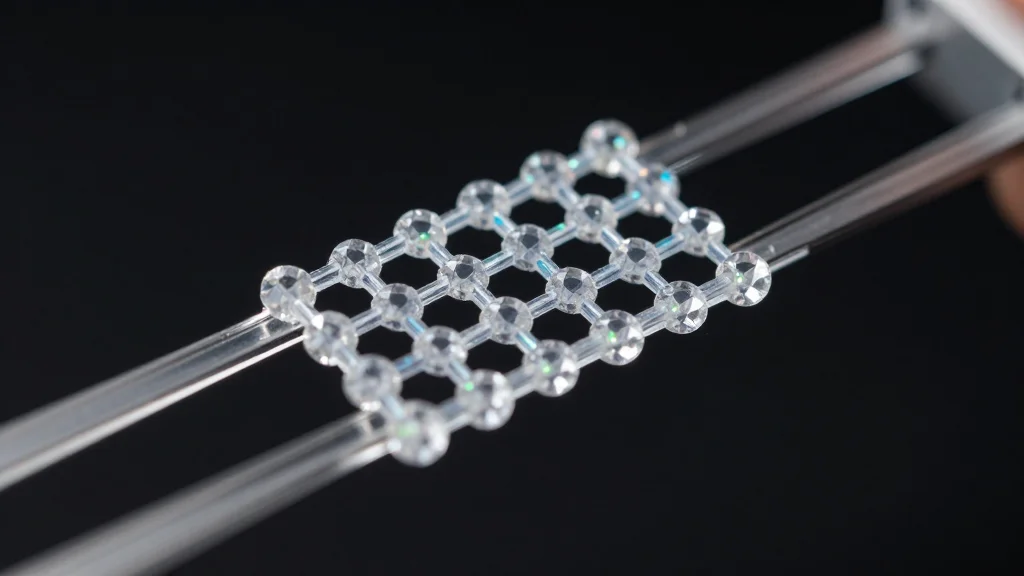
Stretching Diamond Lattice by 4% Unlocks Tunable Quantum Sensors
Researchers from Singapore University of Technology and Design (SUTD) and Yangzhou University announced that stretching a diamond lattice by roughly 4% reshapes silicon‑vacancy (SiV) color centers, turning them into precise, strain‑responsive quantum sensors. The finding, detailed in a May 3 study,...

First U.S. Patients Treated With Microrobotic Surgery For Alzheimer’s
A microrobotic surgery trial for Alzheimer’s disease began at Baptist Health in Jacksonville, treating the first patient with moderate disease. Medical Microinstruments Inc. (MMI) plans to enroll 15 participants and monitor them for a year, aiming to clear cervical lymph‑node...
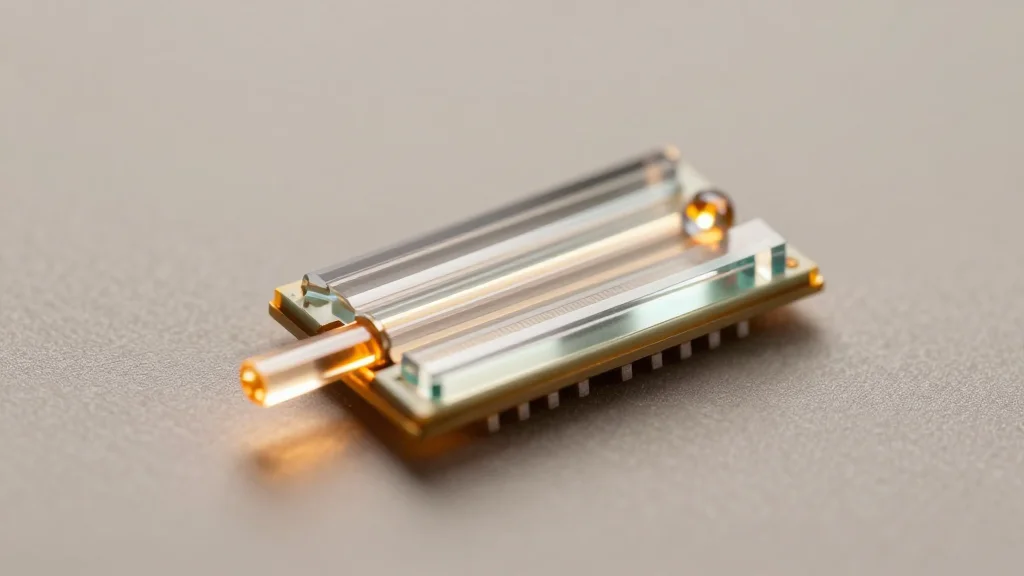
Twisting Atom Thin Materials Reveals New Way to Save Computing Energy
A KTH-led study published in Nano Letters shows that twisting two atom‑thin van der Waals antiferromagnet layers creates strong altermagnetic magnons, enabling magnetic‑based information transfer without electric currents or external magnetic fields. The approach leverages twist engineering to alter crystal...
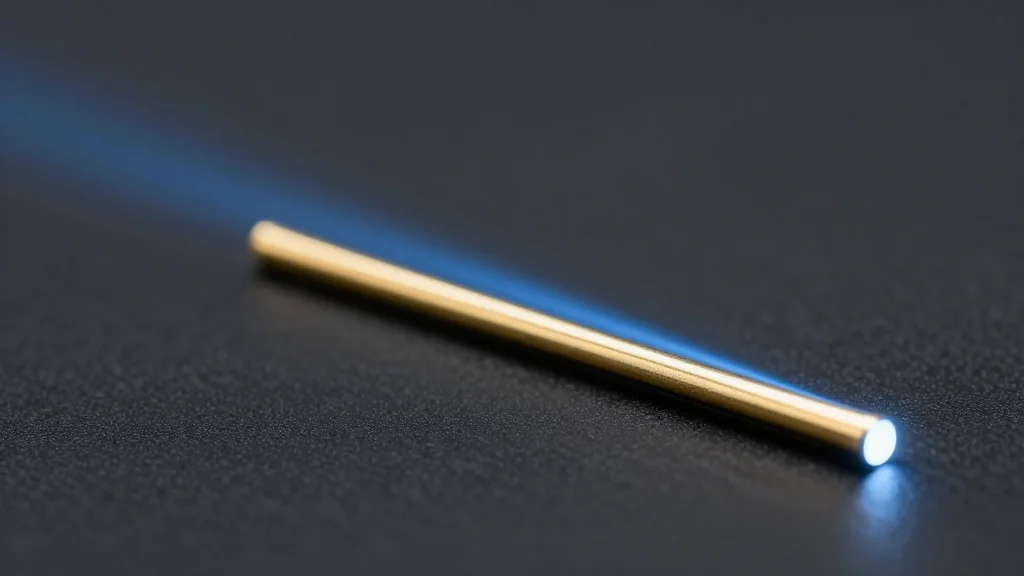
Plasmonic Nanomachines Use Light to Create Motion
A new Perspective in Advanced Materials outlines how plasmonic nanomachines convert light into motion by creating local potential gradients. Gold or silver nanostructures generate optical, thermal, or electrochemical forces, but only asymmetric designs produce net propulsion or torque. The article...
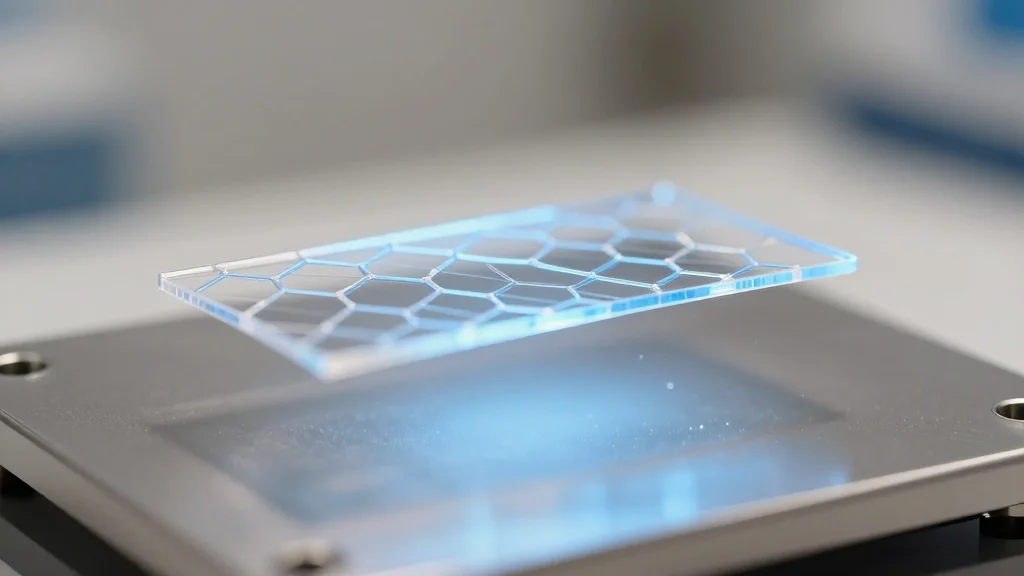
Scalable, Sustainable Vibrational Exfoliation Boosts Graphene Production Tenfold
Researchers led by Dr. Jason Stafford announced a vibrational exfoliation technique that produces graphene and other 2D nanosheets at room temperature, increasing output tenfold while eliminating toxic solvents. The breakthrough, published in *Small*, could slash costs and accelerate industrial adoption...
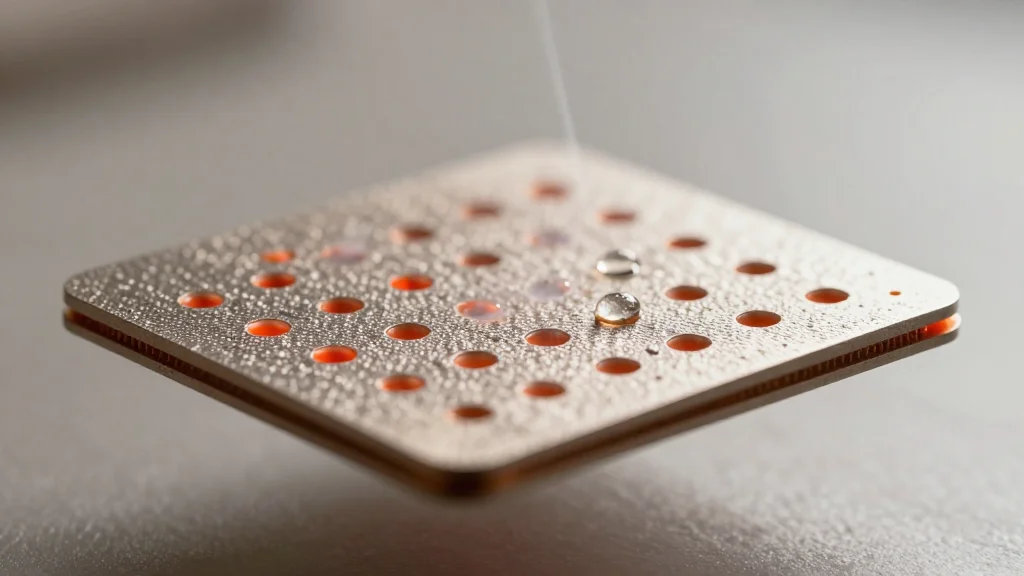
Turning CO2 Into Valuable Chemicals: Tiny Material Interfaces Make a Big Difference
Researchers at National Taiwan University and the University of North Dakota have demonstrated that palladium nanoparticles supported on indium oxide (Pd/In₂O₃) dramatically improve electrochemical CO₂ reduction to formic acid. At –1.1 V vs RHE the catalyst lifts Faradaic efficiency from ~30%...
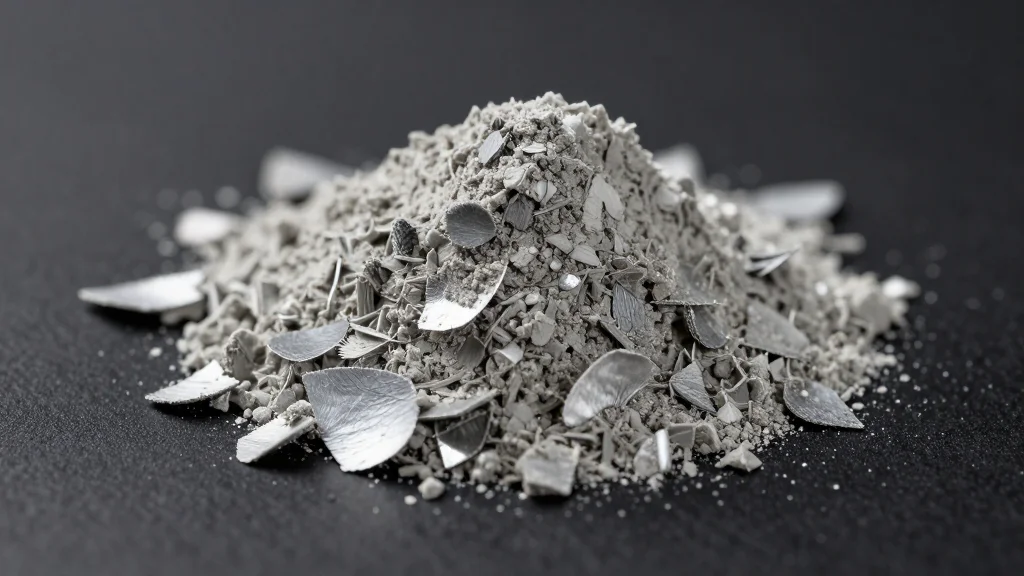
NanoXplore Unveils High‑Purity Graphene Powder to Displace Carbon Black Additives
NanoXplore Inc. announced the launch of xGnP™ D500‑HP, a 99.8% pure graphene powder with a 500 m²/g surface area, priced to compete with conventional conductive carbon blacks. The product is slated for commercial shipments in fiscal year 2027 and targets energy...

New Battery Design for Longer-Range EVs
University of Surrey researchers unveiled a silicon‑coated carbon‑nanotube (VISiCNT) anode that can be produced via roll‑to‑roll manufacturing in just seven minutes. The design delivers up to 3.5 Ah kg⁻¹ (≈3500 mAh g⁻¹) reversible capacity, far surpassing the 370 mAh g⁻¹ of conventional graphite anodes, while maintaining...
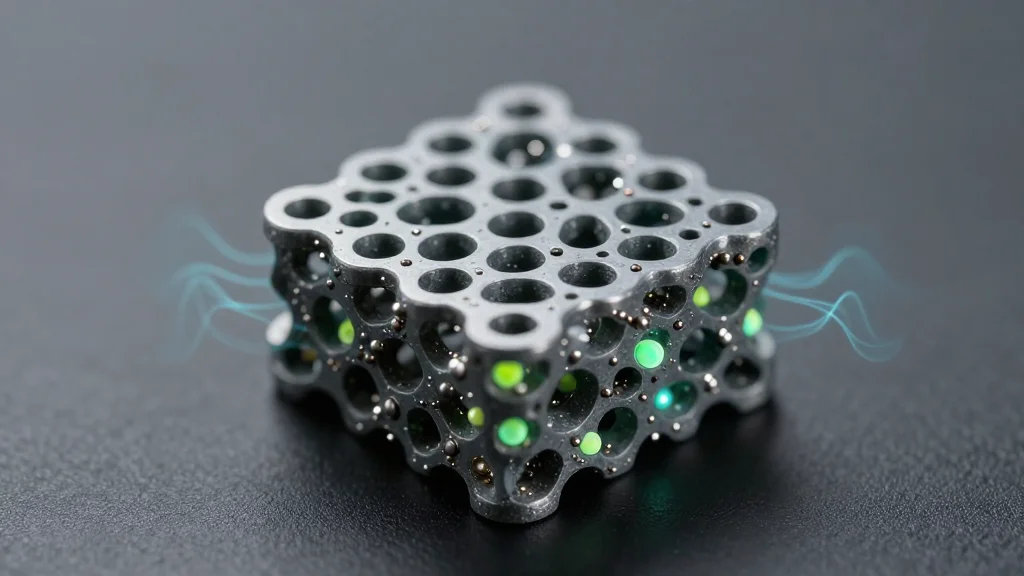
MOF‐on‐MOF‐Derived CeO2/Fe@C Composites for Tunable Low‐Frequency Electromagnetic Wave Absorption
The study introduces a MOF‑on‑MOF derived CeO2/Fe@C composite (CFC) that shifts electromagnetic wave absorption into the low‑frequency 2‑8 GHz band. By growing a UiO‑66@MIL‑88B precursor and applying temperature‑programmed pyrolysis, the researchers produced CFC‑2, which delivers a minimum reflection loss of –62.2 dB...
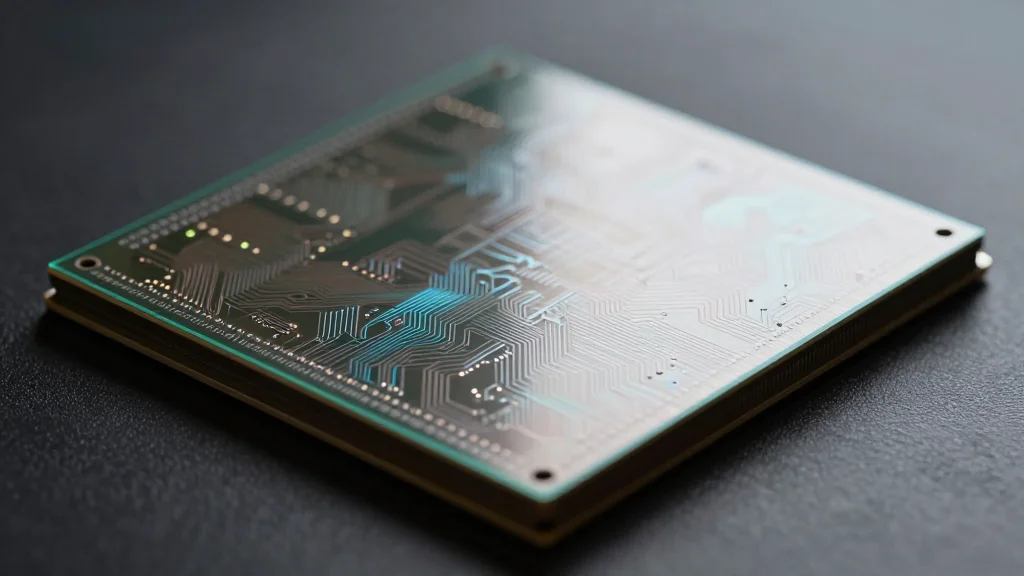
Impact of the Gate Oxide Material Composition on the Self-Heating and Short Channel Effects in Nanosheet Field Effect Transistor
The paper simulates a nanosheet field‑effect transistor that uses a dual‑layer gate oxide composed of SiO₂ and HfO₂ while keeping the equivalent oxide thickness constant. Varying the thickness ratio (R) from 1.286 to 10.154 leads to a 34% increase in...

NanoXplore Launches New Graphene Powder to Replace Conventional Conductive Additives
NanoXplore has launched xGnP™ D500‑HP, a high‑purity graphene powder designed for conductive applications such as energy storage, composites and electronics. The material boasts 99.8 % purity, a 500 m²/g surface area and flexural strength more than twice that of conventional carbon blacks, while...
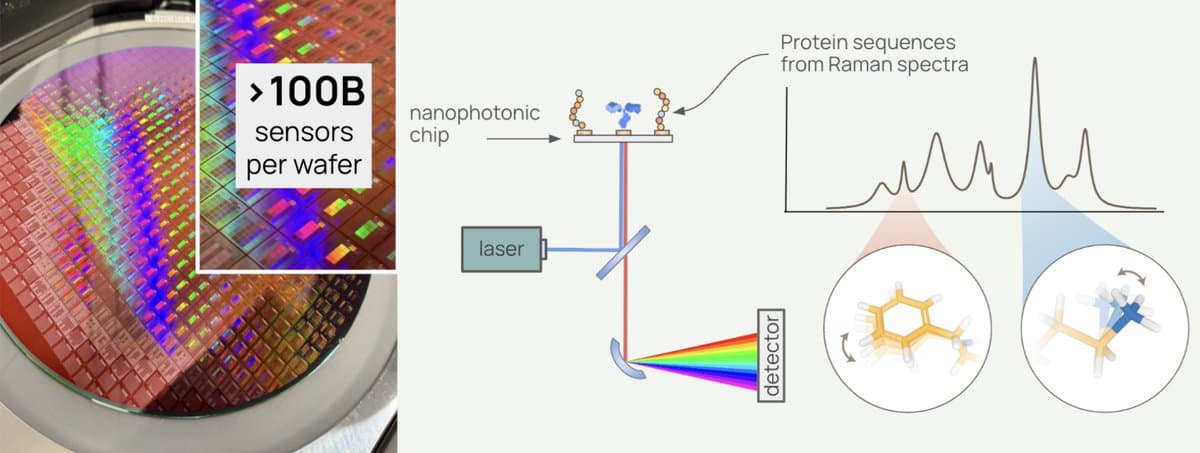
Direct Protein Reading Platform Ends Proteomics Blind Spot
🐠 Everything we know about biology has been built on an incomplete picture. DNA tells us what a cell might do. Proteins tell us what it’s actually doing. Pumpkinseed announced their $20M Series A today (led by Future Ventures and NfX)...
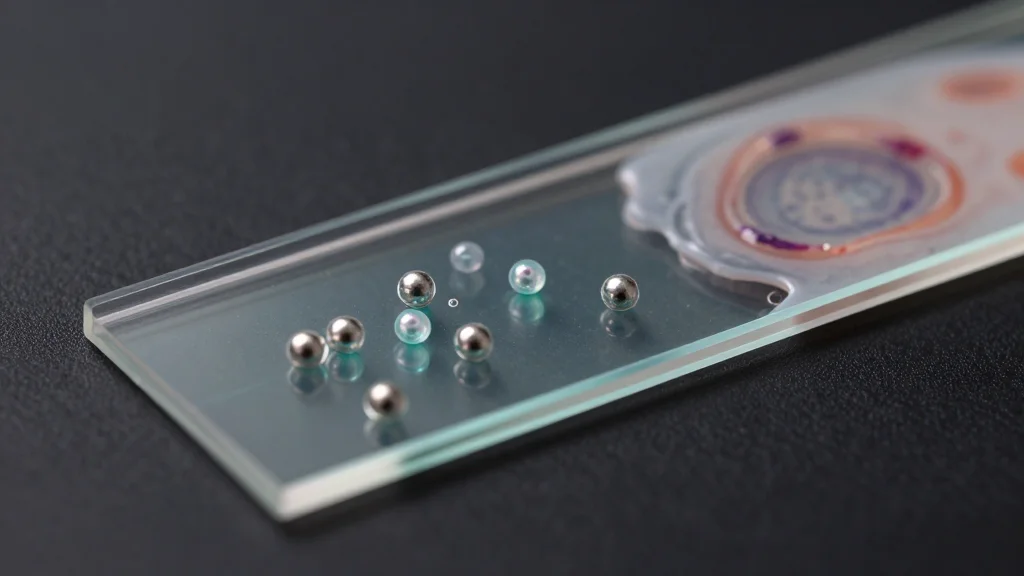
Janus Nanomotors Offer Active Delivery for Radiation‑Induced Dermatitis
A team of nanotech researchers has introduced Janus nanomotors that autonomously move through irradiated skin to deliver anti‑inflammatory drugs, markedly reducing radiation‑induced dermatitis in animal studies. The technology converts skin‑generated hydrogen peroxide into propulsion, enabling targeted therapy with minimal systemic...
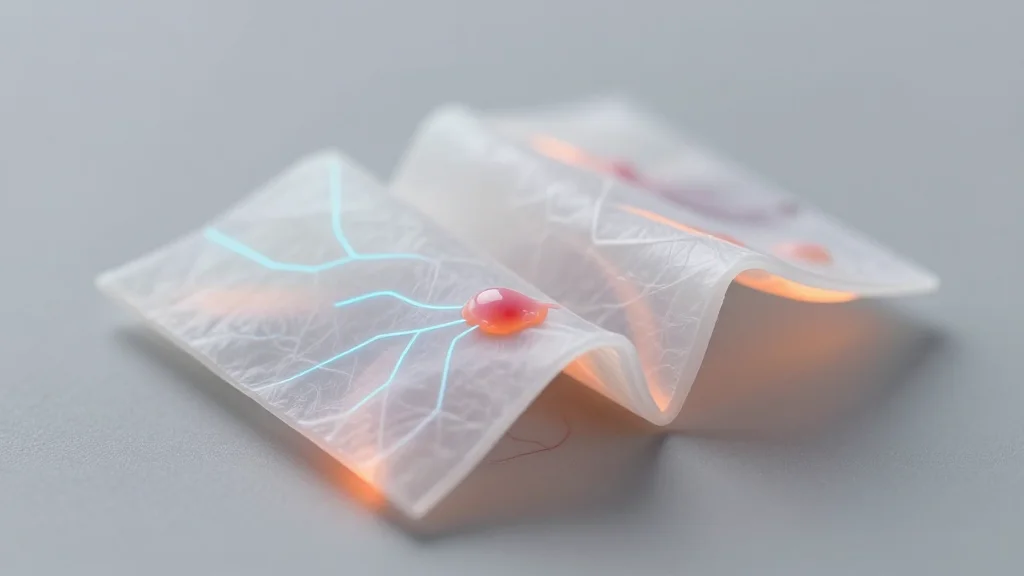
Piezoelectric MXene Scaffold Promotes Cartilage Repair While Limiting Vessel Growth
Researchers unveiled an origami‑folded PLLA/MXene scaffold that converts joint motion into piezoelectric signals and, when exposed to near‑infrared light, generates mild heat. The dual‑modality design doubles electrical output versus pure PLLA and reaches ~41 °C, a temperature that suppresses VEGF‑driven angiogenesis...
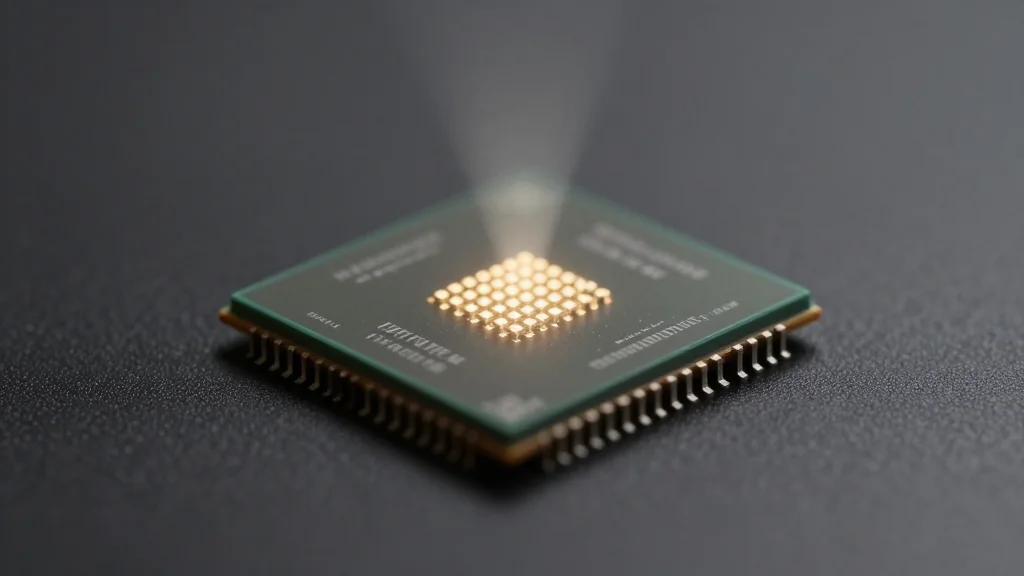
'Solar-Blind' 2D Heterostructure Delivers 422-Fold Responsivity Gain for UV Sensing
Researchers at the National University of Singapore engineered a van der Waals heterostructure by stacking monolayer WS₂ onto multilayer MnPS₃, delivering a 422‑fold increase in UV photodetector responsivity and a 129‑fold boost in detectivity versus pristine MnPS₃. Using a 1 µm micro‑laser scan,...
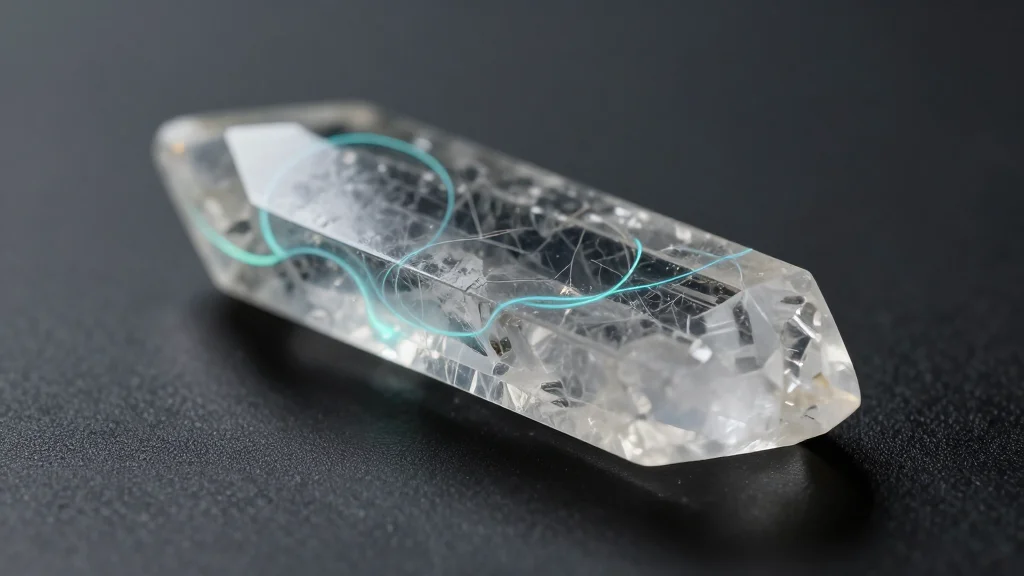
Rice Researchers Unveil Room‑Temperature Multiferroic with 10× Magnetization Boost
A team led by Rice University’s Lane Martin has created a room‑temperature multiferroic that delivers a ten‑fold increase in magnetization and a hundred‑fold jump in magnetoelectric coupling. The discovery could enable spin‑based logic and memory devices that consume a fraction...
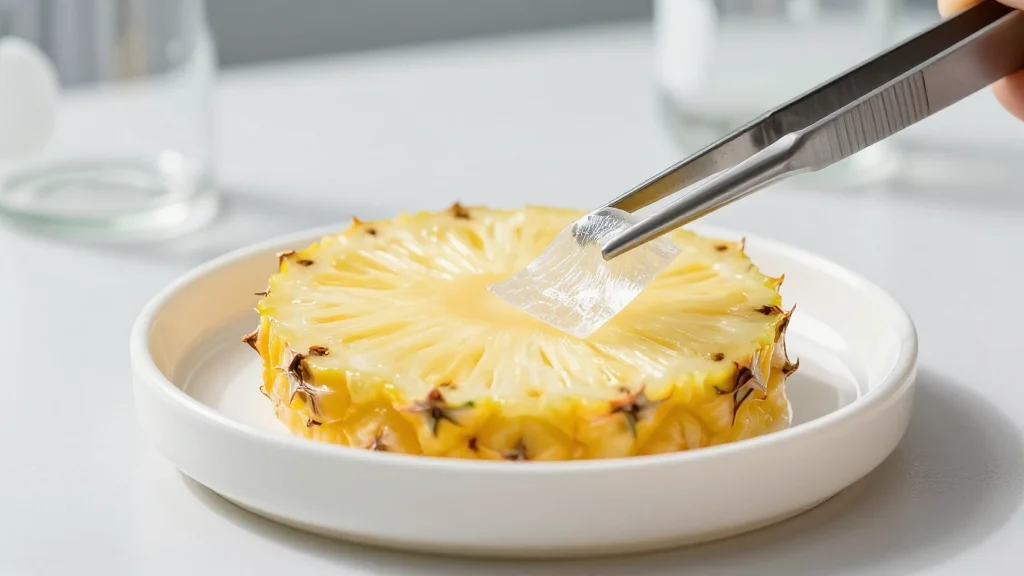
Nanocellulose From Pineapple Waste for Soil-Saving Desert Agriculture
Researchers have transformed pineapple peel waste into nanocellulose fibers that dramatically improve sandy‑soil performance. In laboratory tests on three UAE desert sands, the amendment raised water‑holding capacity by up to 32.7% and cut permeability by 58%, while quadrupling compressive strength...

German Researchers Unveil Heat‑Resistant Polyamide That Emits White Light Dye‑Free
A research group at Justus Liebig University in Giessen has engineered a polyamide that glows white under near‑infrared laser illumination without any dyes or dopants. By swapping flexible chain segments for rigid diamantane units, the material stays intact above 400 °C,...

Multiplex Modular Nanorobots Combine Magnetic Control with Reusable Catalysis
Researchers from Basel, Max Planck, Heidelberg and Seoul have created modular nanorobots that combine a magnetic Janus particle with enzyme‑loaded polymersomes using DNA‑mediated self‑assembly. The magnetic module provides wireless steering and recovery, while the polymer‑encapsulated enzymes retain catalytic activity even after...