Today's Nanotech Pulse

Left‑handed DNA origami tubes double chemotherapy efficacy
Researchers at the Cancer Center at Illinois showed that left‑handed DNA origami tubes loaded with the drug Daunorubicin kill acute myeloid leukemia cells more than twice as effectively as right‑handed tubes. The tubes display CD117‑targeting aptamers and their left‑handed geometry promotes rapid internalization, boosting cell‑killing potency.
Graphene‑ITO Hybrid Electrodes Boost Space Solar Cell Conductivity by 60%
Scientists from the University of Salerno, Warsaw University and Lithuania's Center for Physical Sciences and Technology announced a graphene‑ITO hybrid electrode that lifts nanoscale tunneling current by roughly 60%, addressing long‑standing conductivity limits in multijunction space solar cells.

Ultrastable Copper Nanosheets Achieve 92% CO Selectivity in Low‑Voltage CO₂ Electroreduction
A research team has unveiled ultrathin Cu/Ni(OH)2 nanosheets that deliver 92% faradaic efficiency for CO production at a modest 0.39 V overpotential. The catalyst maintains a current density of 4.3 mA/cm² for over 22 hours without decay, positioning it as a cost‑effective alternative...
Nanoparticles Show Promise to Turn Cold Tumors Hot, Expanding Immunotherapy Reach
Researchers detailed how engineered nanoparticles can reprogram immunologically "cold" tumors into "hot" ones, addressing the low 12‑35% response rate of current checkpoint inhibitors. The review, published in Immunity, Inflammation and Disease, outlines design strategies that improve drug delivery and immune...
MIT and Oak Ridge Demonstrate Room‑Temp Manipulation of 10,000 Atoms in Minutes
MIT researchers and Oak Ridge National Laboratory have shown they can reposition 10,000 individual atoms within minutes at room temperature using a precision electron‑beam algorithm. The method, detailed in a new Nature paper, promises to accelerate nanofabrication and quantum‑device manufacturing.

MIT's Liposomal Nanoparticle Reporters Boost MRI Sensitivity for Molecular Imaging
MIT bioengineers have introduced liposomal nanoparticle reporters (LisNRs) that can brighten or dim MRI signals in response to specific molecular targets, a breakthrough reported in Nature Biomedical Engineering. The technology packs thousands of gadolinium atoms into each nanoparticle, amplifying contrast...

METiS TechBio IPO Raises $270 M, Debuts as First Public AI‑Powered Drug Delivery Firm
METiS TechBio listed on the Hong Kong Stock Exchange, raising HK$2.11 billion ($269.5 million) and becoming the world’s first publicly listed AI‑powered drug‑delivery company. The offering was oversubscribed more than 6,900 times, propelling the stock 173% higher on debut and drawing a...
MoS2 Nanocoating Turns Fabric Into Washable Smart Pressure Sensor
A team of scientists reported a green‑engineered MoS2‑functionalized nonwoven fabric that acts as a washable, biocompatible pressure sensor. The coating, 1.42 µm thick and loaded at 7.2 mg/cm², reliably detects pressures from 600 to 6,000 Pa, opening a path for scalable smart textiles.
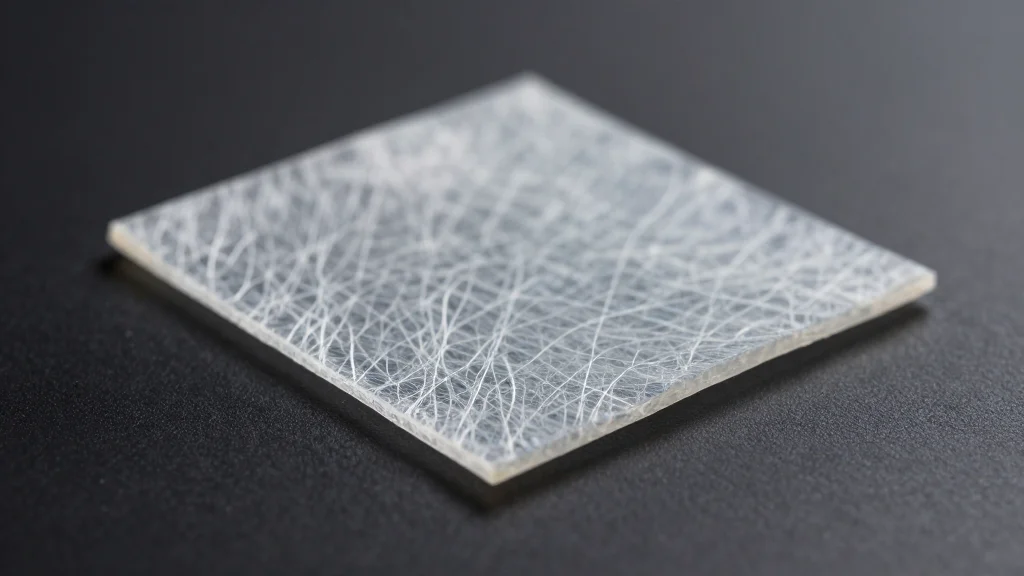
Exploiting Interfacial Ionic Mobility to Make Heat-Moldable Nanoparticle Aggregates
Researchers at Osaka University have demonstrated that cellulose nanofiber (CNF) aggregates can be thermoformed by grafting anionic groups onto their surfaces and pairing them with cations from a low‑melting ionic liquid. The interfacial ion mobility causes the aggregates to expand...

DNA Barcodes Help Nanopores Detect Multiple Heavy Metals
Researchers unveiled a DNA‑barcoded nanopore platform that multiplexes detection of six heavy metals—lead, mercury, uranyl, calcium, manganese and zinc—in water and soil extracts. Each probe integrates a metal‑specific DNAzyme nanoswitch with a short DNA barcode, allowing the nanopore to read...
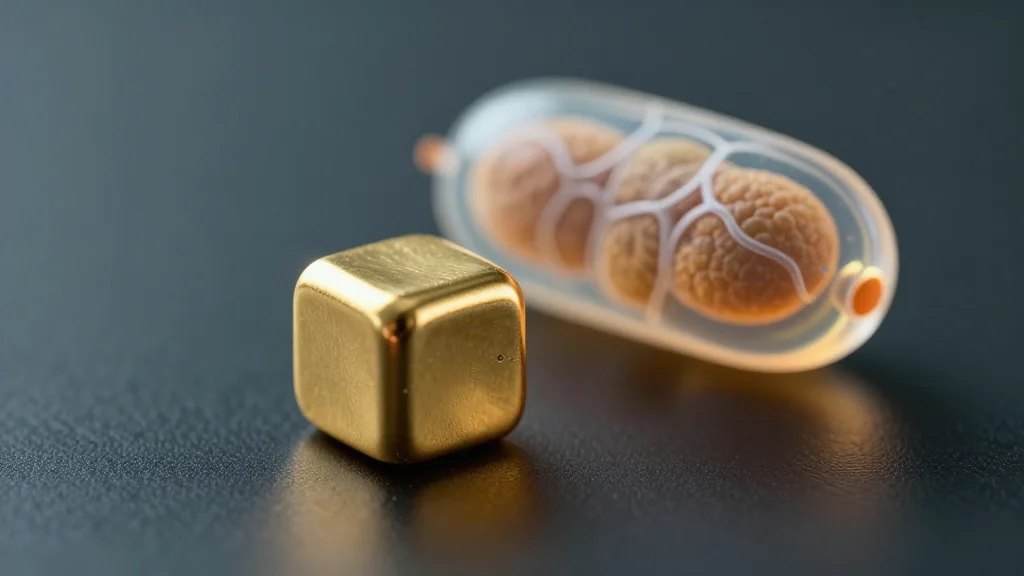
Gold Nanoparticle Platform Shows 99% Tumor Regression in Preclinical Study
Researchers at the National University of Singapore have unveiled a high‑throughput DNA‑barcoding method that identified a folic‑acid‑modified cubic gold nanoparticle capable of delivering RNA therapy and photothermal treatment directly to cancer‑cell mitochondria, producing 99% tumor regression in animal models. The...

Cellulose Nanocrystal/Zn‐MOF Nanocarriers for Enhanced Foliar Adhesion, pH‐Responsive Release, and Efficient Pesticide Delivery
Researchers have engineered a cellulose nanocrystal (CNC) and zinc‑based metal‑organic framework (ZnMOF) nanocarrier that encapsulates the insecticide acetamiprid. The hybrid carrier delivers a pH‑responsive release—up to 85.9% at pH 5—while dramatically improving leaf wettability, adhesion (28.9 mg cm⁻²), UV stability (65.1% gain) and...

Carbon‑Welded Single‑Wall Nanotubes Achieve Record‑Low Resistance for Transparent Conductors
Scientists have fabricated a transparent conductive film from carbon‑welded isolated single‑wall carbon nanotubes (SWCNTs) that reaches a sheet resistance of 25 Ω/□ at 90% optical transmittance. The breakthrough eliminates high‑resistance Schottky junctions and enables OLEDs with a 2.5 V turn‑on voltage and...

Single‑Atom‑Induced Electronic Polarization at Adjacent Cluster Promotes Efficient Hydrogen Storage in Magnesium Hydride
Researchers have engineered a niobium single‑atom/cluster composite (NbSA/AC) on magnesium hydride (MgH₂) to boost hydrogen storage performance. The catalyst enables MgH₂ to release roughly 4 wt% hydrogen at just 175 °C, surpassing traditional Nb single‑atom or cluster catalysts. Computational analysis shows that...
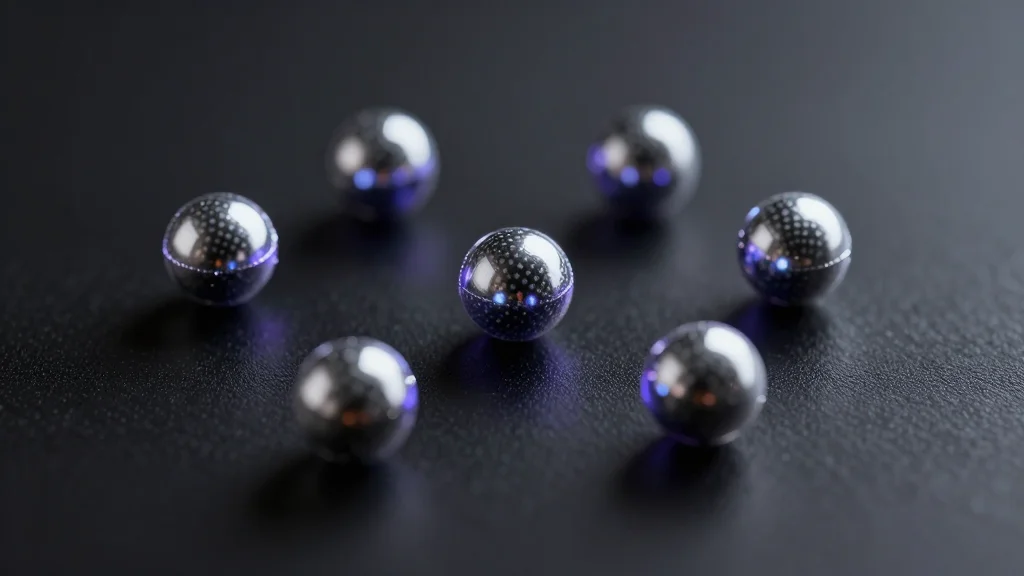
Nanoscale Dielectric Gene Dual‐Regulations in High‐Entropy Materials for Enhanced Electromagnetic Wave Absorption Over Low‐Mid Frequency
Researchers have demonstrated a dual‑regulation approach that fine‑tunes nanoscale dielectric properties in high‑entropy alloy (HEA) nanoparticles. By simultaneously refining grain size and inducing lattice distortion, the Mn‑doped carbon‑coated HEA (Mn‑HEA@C) boosts both conductive and polarization losses, shifting electromagnetic wave absorption...
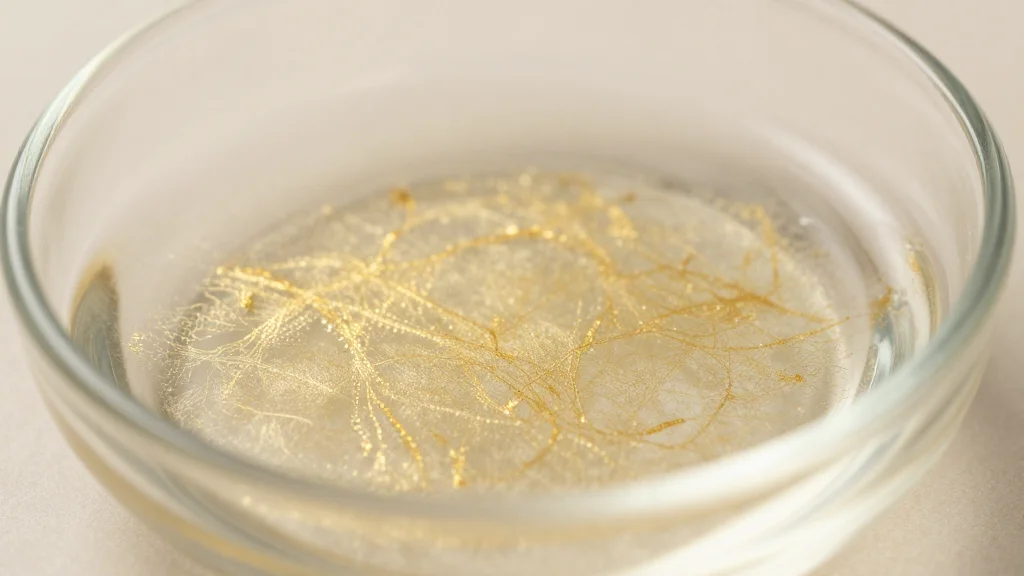
Japanese Team Shows Liquid‑Like Gold Nanoparticles Enable Adaptive Materials
Scientists at Tohoku University have demonstrated that gold nanoparticles coated with responsive organic ligands can behave like a liquid at an air‑water interface, shifting from island‑like to network structures when heated to about 104 °F (40 °C) or mechanically compressed. The finding...

RNA‑ROS Nanoplatform Cuts Skin Inflammation in Preclinical Tests
Researchers led by Cui, Lu and Cai unveiled a multifunctional nanoplatform that simultaneously delivers double‑stranded RNA and scavenges reactive oxygen species, achieving marked reductions in TNF‑α, IL‑6 and IL‑1β in skin inflammation models. The study, published in Nature Communications, signals...
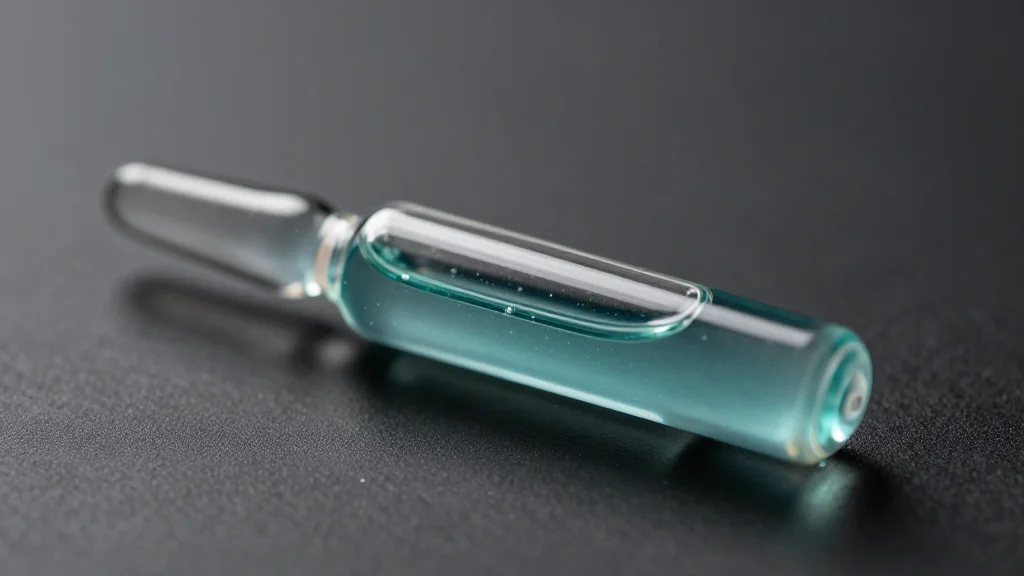
Sapu Nano Doses First Patient in Phase 1b Trial of IV Deciparticle Everolimus
Sapu Nano announced that the first patient has been dosed in its Phase 1b trial of Sapu003, an intravenous Deciparticle™ formulation of everolimus. The trial targets advanced mTOR‑sensitive solid tumors and aims to overcome oral delivery limits of the existing drug....
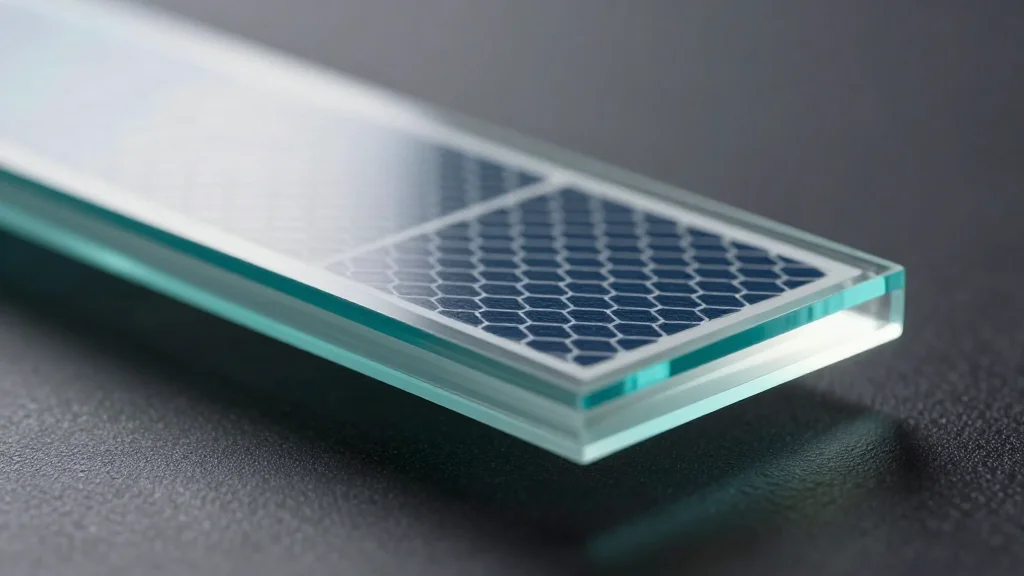
Graphene‑ITO Hybrid Electrodes Boost Nanoscale Current by 60% for Space Solar Cells
Scientists have demonstrated that graphene‑ITO hybrid transparent electrodes increase nanoscale tunneling current by nearly 60%, offering a path to lighter, higher‑efficiency solar panels for spacecraft. The breakthrough addresses the brittleness and conductivity limits of conventional indium tin oxide (ITO) layers,...

Flexible Carbon Nanotube Transistors Hit 152 GHz fT, Paving Way for 6G Wearables
A research team unveiled flexible radio‑frequency transistors built from aligned carbon nanotube arrays that achieve a peak extrinsic current‑gain cutoff (fT) of 152 GHz and a power‑gain cutoff (fmax) of 102 GHz, while consuming under 200 mW per millimeter. The breakthrough, enabled by...

Molecular Grappling Hooks Boost Cancer Drug Retention and Tumor Shrinkage
Scientists led by Michael Evans and Charles Craik reported a nanodevice that physically tethers anticancer agents to tumor cell membranes. In mouse models the device cut tumor size more sharply than the drug alone while sparing healthy tissue. The breakthrough...
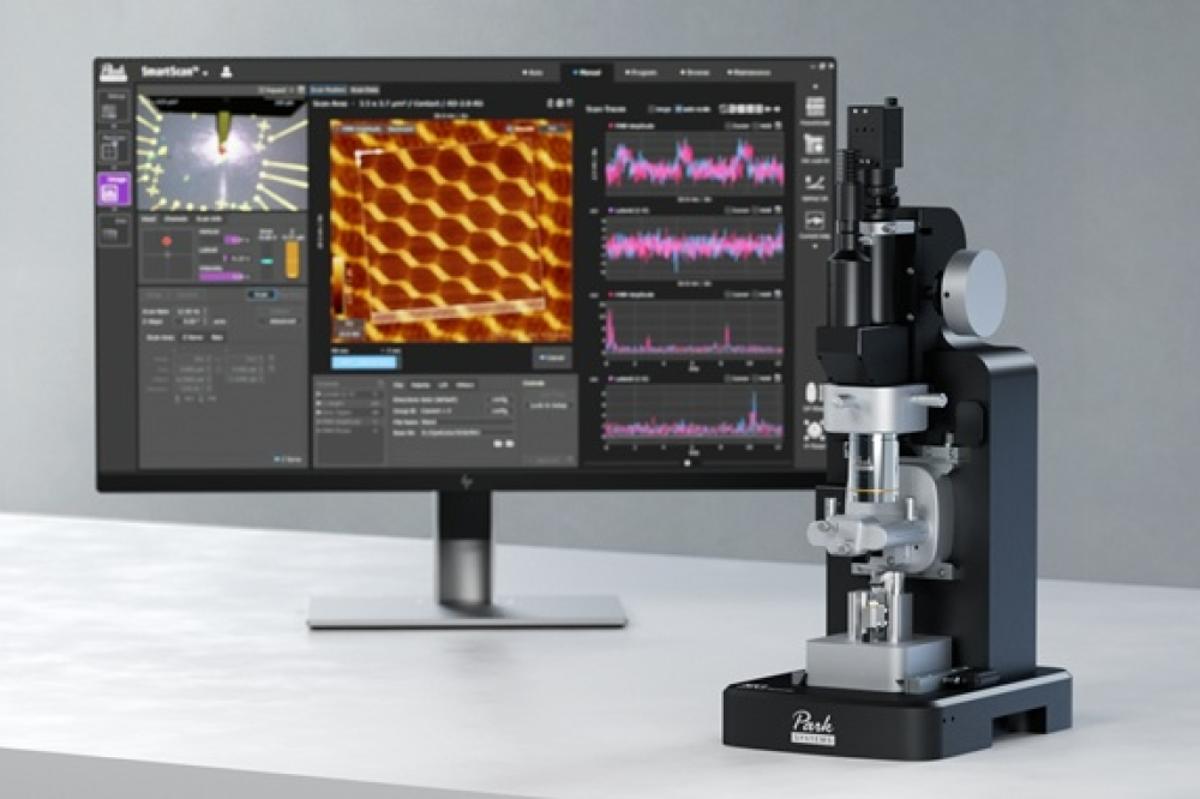
Park Systems Launches NX1
Park Systems has launched the NX1 atomic force microscope, developed with Prof. Franz J. Giessibl of the University of Regensburg. The NX1 translates the ultra‑high‑vacuum atomic‑resolution capability of the Orpheus II prototype into a commercial instrument for ambient labs. It features...

Carbon Nanotube Fibers Reach Copper-Level Conductivity, Promise Lighter Wiring for EVs and Aircraft
Spanish researchers at IMDEA Materials Institute, together with the Technical University of Madrid and the University of Zaragoza, have produced carbon‑nanotube fibers whose room‑temperature conductivity reaches 24.5 MS/m—about half that of copper but six times lighter. The breakthrough, published in Science,...
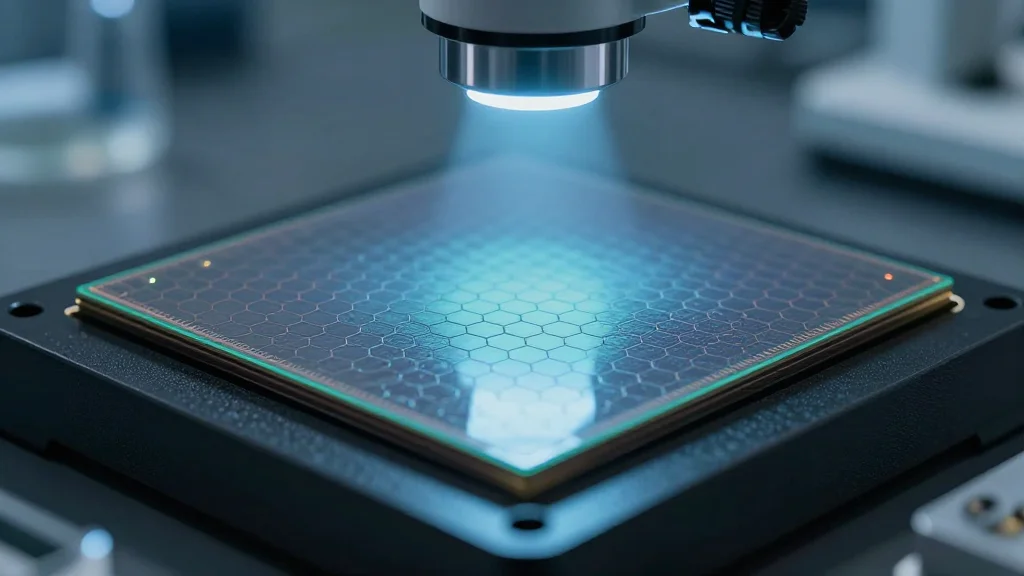
Paragraf Launches Mass‑produced Graphene Transistors From New Huntingdon Foundry
Paragraf has rolled out the PMF2000 graphene field‑effect transistor, the first device manufactured at its new large‑wafer facility in Huntingdon, UK. The launch marks the company’s move to commercial‑scale graphene semiconductor production for molecular‑sensing applications.

NUS DNA‑Barcode Platform Finds Gold Nanoparticle That Triggers 99% Tumor Regression
Researchers at the National University of Singapore, led by Assistant Professor Andy Tay, used a DNA‑barcode screening platform to evaluate 30 gold nanoparticle designs in living tumor models. The folic‑acid‑modified cubic nanoparticle, combined with mitochondria‑targeted RNA therapy and mild photothermal...

Researchers “Reprogram” Materials by Quickly Rearranging Their Atoms
A collaborative team from MIT, Oak Ridge National Laboratory and partners has unveiled a room‑temperature electron‑beam technique that can reposition tens of thousands of individual atoms within a solid in minutes. By deploying custom algorithms to steer the beam with...

Ultrasound‑Activated Nanoparticles Light Up Deep Tissue in Mice
A team of scientists has demonstrated that injectable nanoparticles can convert focused ultrasound into visible light inside living mice, achieving deep‑tissue illumination without surgical implants. The breakthrough, reported in Physics World, could reshape optogenetic research and future neuromodulation therapies.

MIT’s ‘Implosion Carving’ Shrinks 3D Photonic Devices 2,000‑Fold for Visible‑Light Computing
MIT researchers have introduced “implosion carving,” a fabrication method that compresses 3D photonic devices to one‑two‑thousandth of their original volume, achieving sub‑100 nm features needed for visible‑light optical computing. The breakthrough could pave the way for energy‑efficient optical chips that rival...
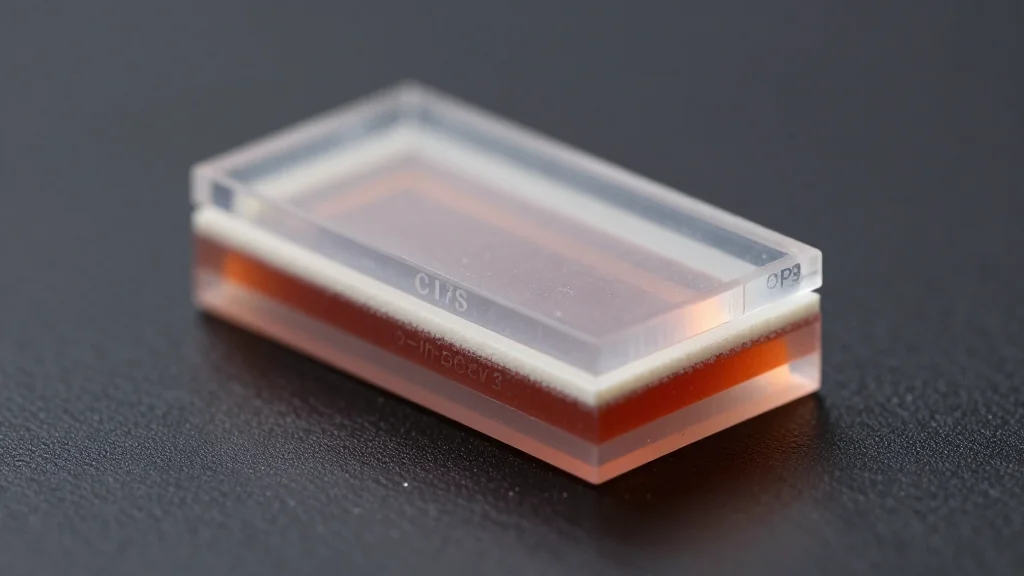
Unified Steep‐Slope Switching and Non‐Volatile Memory in a Complementarily Stabilized Van Der Waals Ferroelectric Transistor
Researchers have unveiled a van der Waals ferroelectric negative‑capacitance transistor (FeNC‑FET) that merges sub‑60 mV/dec steep‑slope switching with intrinsic non‑volatile memory in a single device. The innovation relies on a CIPS/h‑BN/α‑In₂Se₃ trilayer gate stack, where CIPS supplies a stabilized negative‑capacitance state,...

Dynamic CoOOH@Co Reconstruction Activates Laser‐Decorated Pd Sites for High‐Selectivity Nitrate‐to‐Ammonia Electrocatalysis and Zn–Nitrate Batteries
Researchers used pulsed laser irradiation in liquids to fabricate palladium‑decorated cobalt nanodendrites (Pd/Co NDs) that dynamically reconstruct into a Pd/CoOOH@Co architecture during alkaline nitrate reduction. This surface transformation activates isolated Pd sites, delivering a record 92.35% Faradaic efficiency for ammonia...
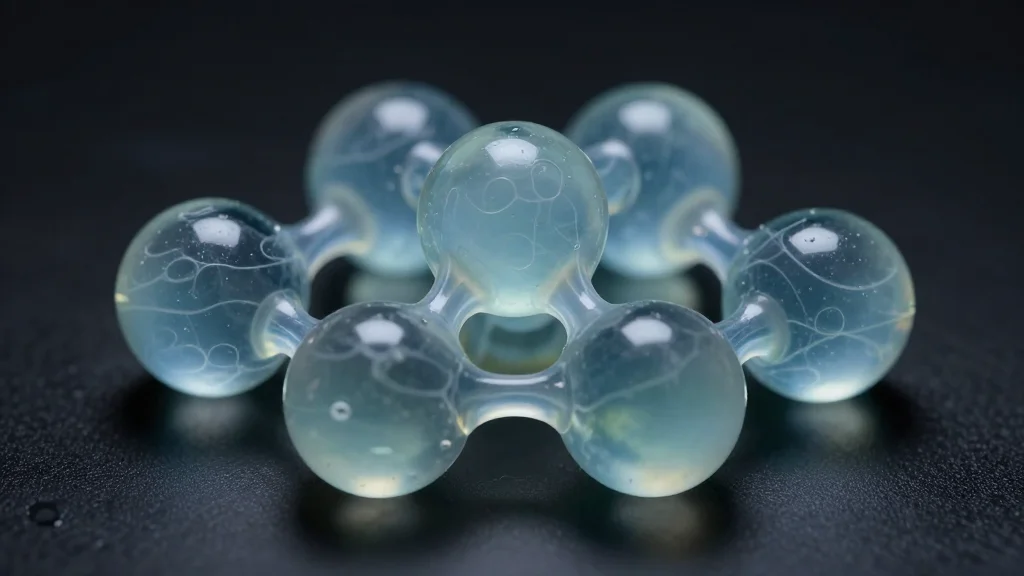
Bottom‐Up Assembly of Amorphous Metal–Organic Frameworks From Proton Conductive Metal–Organic Polyhedra
Researchers introduced a bottom‑up strategy to build amorphous metal‑organic frameworks (aMOFs) using rhodium‑based metal‑organic polyhedra (MOPs) as predefined nodes. By crosslinking these MOPs with flexible ditopic linkers, the resulting aMOFs retain sulfonate functionality and achieve proton conductivities up to 4.8 mS cm⁻¹...
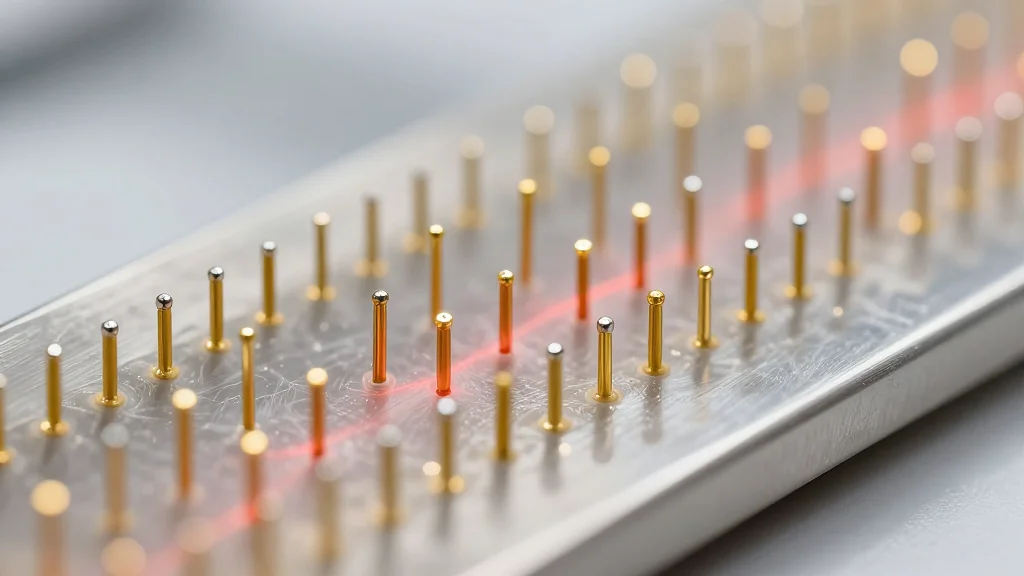
Reconfigurable Nanogap SERS for Multiscale Molecular Sensing on Curved Surfaces
Researchers have unveiled a reconfigurable surface‑enhanced Raman scattering (SERS) platform that uses gold‑coated shape‑memory polymer nanopillars embedded with silver nanoparticles. By compressing the pillars or applying a laser, the vertical Au‑Au nanogaps can be switched between wide and narrow states,...

Efficient, Patternable Full‐Color Perovskite Quantum Dot LEDs via Defect‐Passivating Film‐State Ligand Engineering
Researchers unveiled an advanced film‑state ligand exchange process (A‑FLEP) that combines polarity‑controlled ligand solutions with multi‑ligand passivation to suppress surface defects in perovskite quantum dots (PeQDs). The technique delivers record external quantum efficiencies of 21.44% for green, 13.23% for red,...
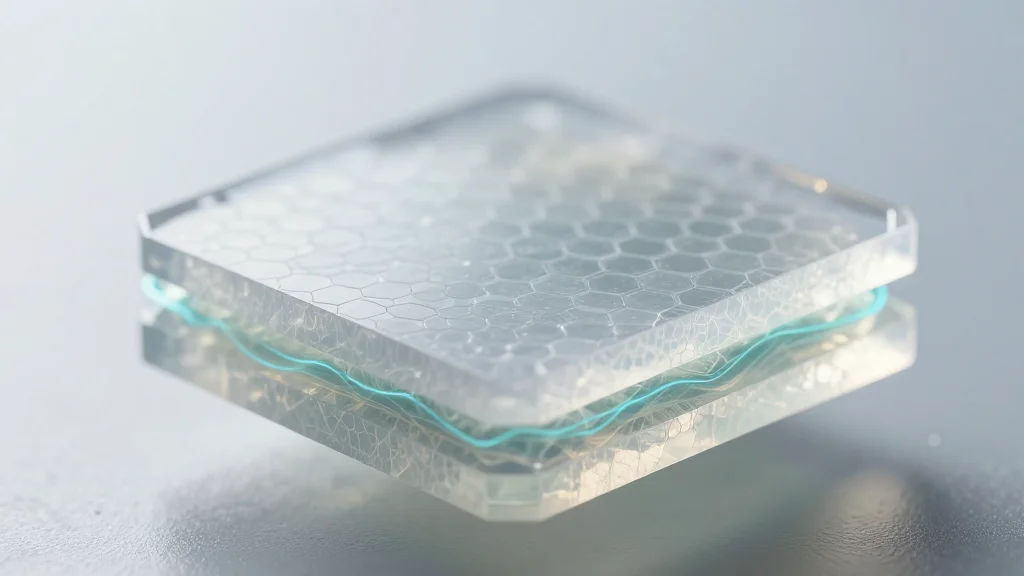
Sliding‐Ferroelectric hBN Bilayer Controlled Carrier Lifetimes in TMD Heterostructures
Researchers demonstrated that the sliding‑ferroelectric state of bilayer hexagonal boron nitride (hBN) can act as a non‑volatile control knob for charge dynamics in van der Waals heterostructures. By toggling the hBN stacking between non‑polar AA′ and ferroelectric AB/BA configurations, the interfacial potential...
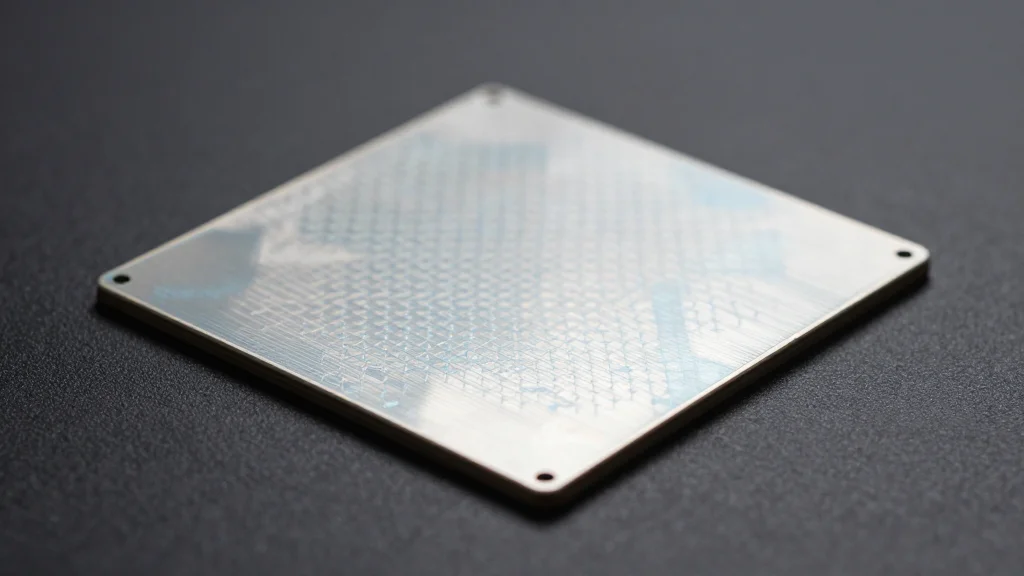
Paragraf Launches PMF2000 GFET
Paragraf has unveiled the PMF2000 graphene field‑effect transistor, the company’s first device fabricated on six‑inch silicon wafers. The launch is backed by a new large‑wafer facility in Huntingdon, billed as the world’s first graphene foundry, which boosts yield and consistency...
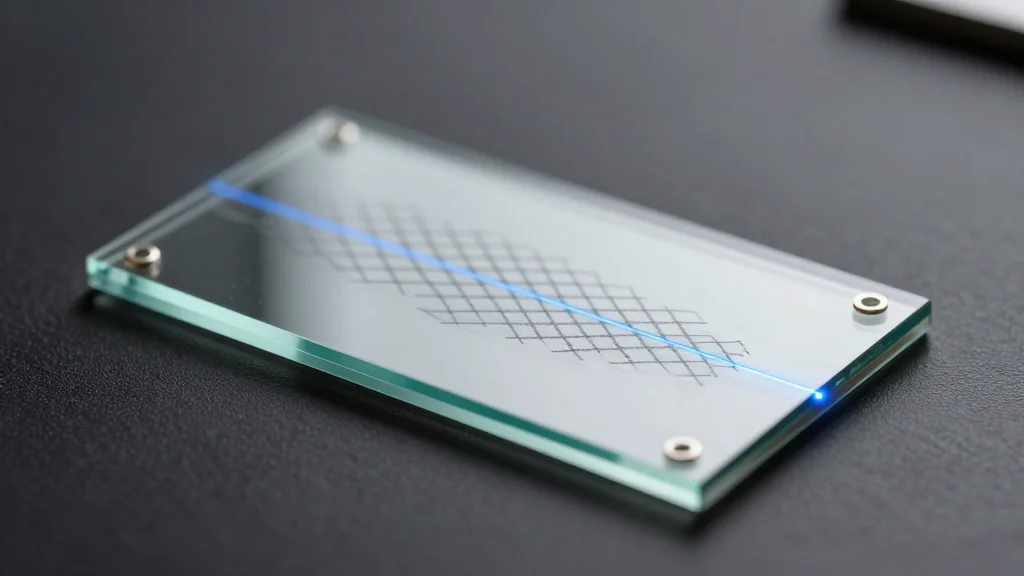
Maskless Laser Printing Enables 3D Carbon Circuits on Glass, Paving Way for Next‑Gen Chip Packaging
A global research team led by Prof. Seunghwoi Han (Chonnam National University) and Prof. Young‑Jin Kim (KAIST) demonstrated a mask‑free, femtosecond‑laser process that directly writes crystalline carbon circuits on glass substrates, promising cheaper, higher‑density interconnects for future semiconductor packages.
Tuning Interfacial Polarity for Stable High-Potential Lithium Metal Batteries
A new study in Nature Nanotechnology demonstrates that dipolar self‑assembled monolayers (SAMs) can be engineered to control interfacial polarity on the positive electrode of lithium‑metal batteries. By fine‑tuning the SAM’s electronic structure, the electric‑double‑layer environment is optimized, suppressing electrolyte oxidation...
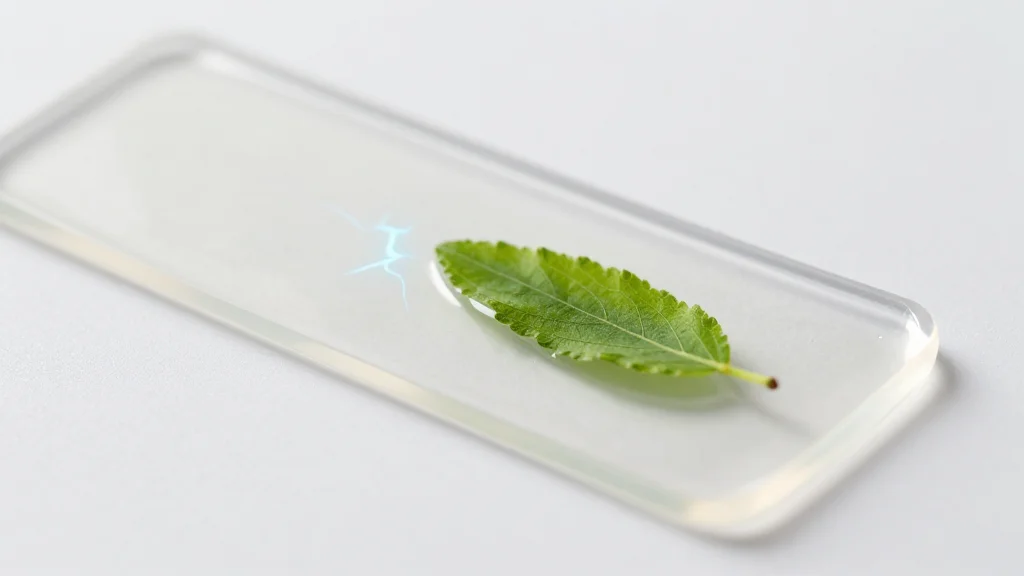
Stevia‑Based Hydrogel Boosts Transparent, Stretchable Electronics
Professor Kyungwho Choi at Sungkyunkwan University and Professor Jinsoo Kim at Kyung Hee University unveiled a stevia‑enhanced PVA hydrogel triboelectric nanogenerator that delivers up to five times the mechanical strength and eight times the electrical output of conventional designs, while...
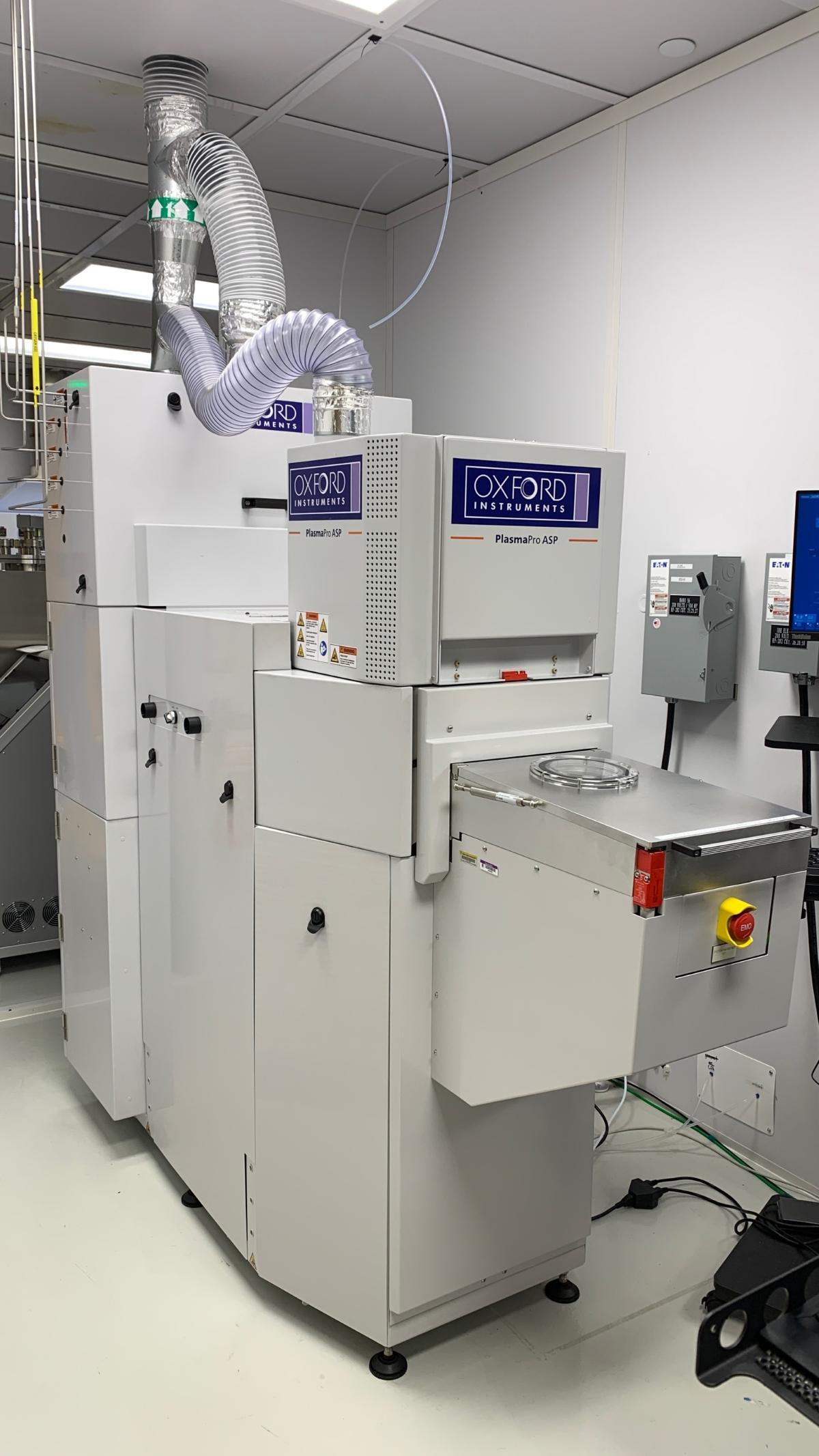
Oxford Instruments and NYU Nanofab Partner to Advance Atomic-Scale Quantum Fabrication
Oxford Instruments and NYU’s Nanofabrication Cleanroom have partnered to install the United States' first PlasmaPro ASP atomic layer deposition system, dedicated to superconducting quantum applications. Funded by the U.S. Microelectronics Commons through the NORDTECH hub, the tool supports the CHIPS...

Harvard Engineers Create Shape‑Shifting 3D‑Printed Filaments for Soft Robotics
Researchers at Harvard's John A. Paulson School of Engineering have introduced a rotational multimaterial 3D‑printing process that produces soft filaments capable of bending, twisting and contracting when heated. The breakthrough blends an active liquid‑crystal elastomer with a passive elastomer, enabling...
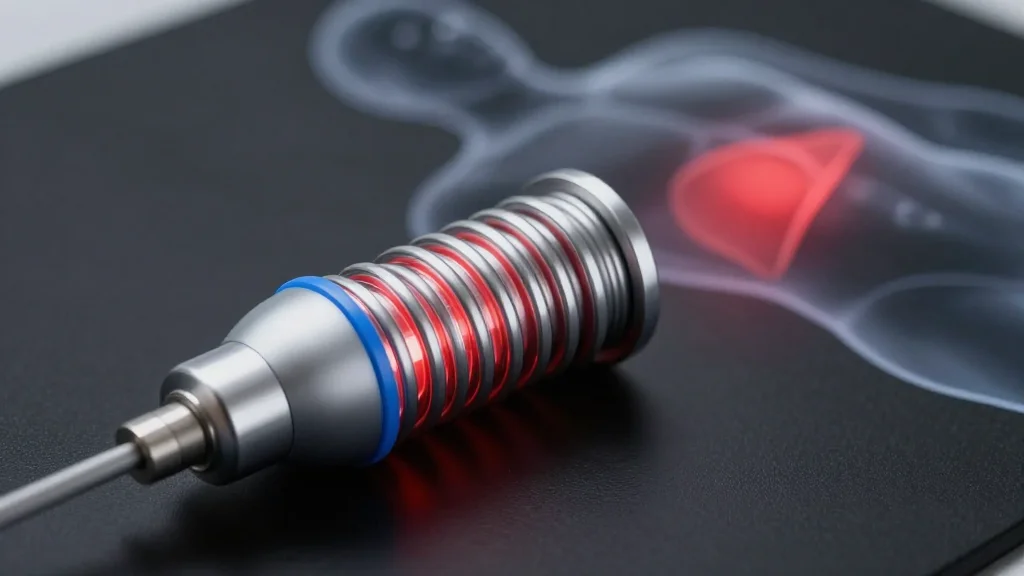
Mayo Clinic Starts Clinical Use of New Phase’s Magnetic Nanoparticle System to Ablate Tumors
Mayo Clinic has begun treating patients with New Phase’s magnetic nanoparticle‑mediated hyperthermia system, marking the first U.S. clinical use of the technology. Six stage‑4 metastatic cancer patients have already received the investigational therapy under an FDA‑granted IDE, highlighting a new...

Zhejiang University Unveils Graphene Composite Doubling Strength and Boosting Conductivity Tenfold
A team from Zhejiang University introduced an "inverse phase enhancement" method that creates a bulk graphene‑polymer composite with 117% higher tensile strength and ten‑times the thermal conductivity of conventional composites. The advance could accelerate heat‑management solutions for AI chips, smartphones...
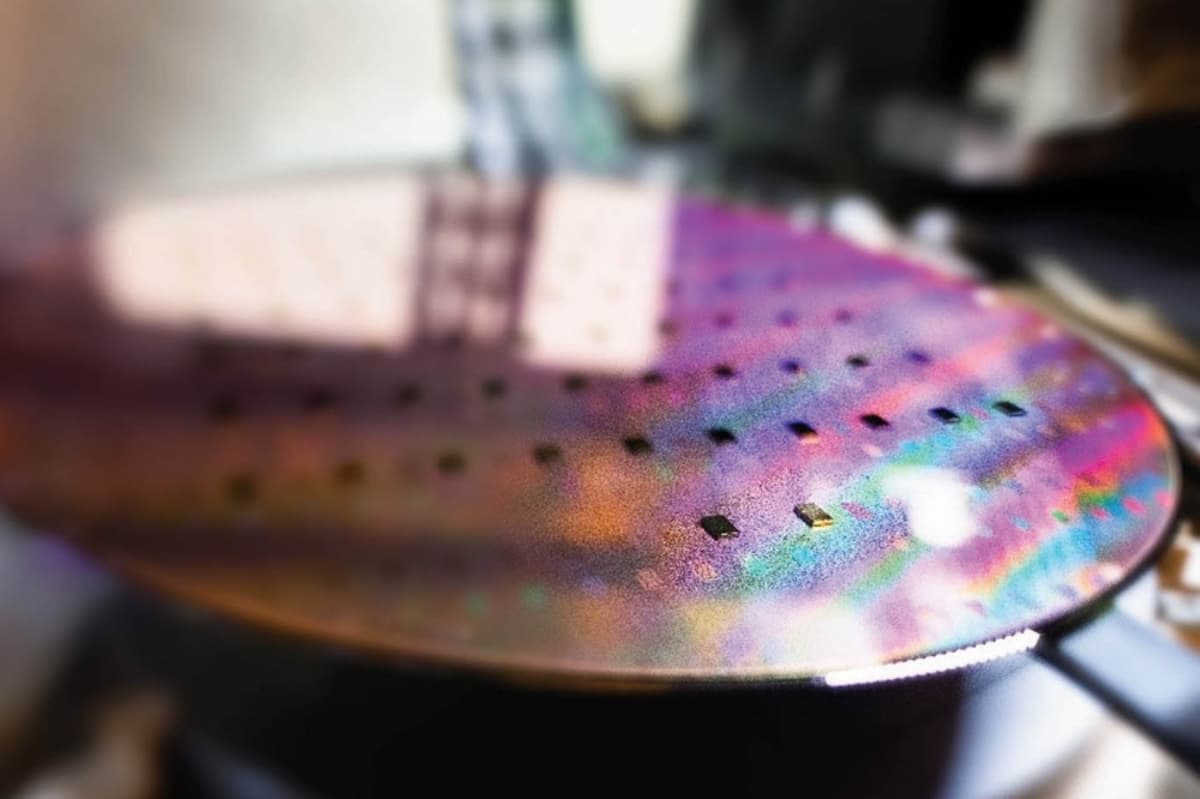
CEA-Leti and NcodiN Partner to Industrialise 300 Mm Silicon Photonics
CEA‑Leti announced a series of strategic collaborations aimed at scaling next‑generation silicon photonics and memory technologies. In partnership with French startup NcodiN, the institute will transfer the company’s nanolaser‑enabled optical interposer to a 300 mm silicon‑photonic process, targeting sub‑0.1 pJ/bit links for...

Ultrasound-Activated Nanoparticles Shine a Light Deep Within Living Tissues
Stanford researchers have demonstrated that ultrasound can activate mechanoluminescent nanoparticles to emit blue light deep within living tissue. By coating Sr4Al14O25:Eu,Dy particles with a biocompatible film and injecting them into mice, they produced programmable 490 nm illumination in organs such as...

Diagnosing the Future: Proteins, Biosensors and Fundamental Science with Prof. Eleonora Macchia
In this episode, Prof. Eleonora Macchia discusses how fundamental research on protein interactions can be turned into ultra‑sensitive biosensors for early disease detection, highlighting her ERC project that moved from studying topological transitions of proteins to a clinical trial for pancreatic...

Korean Researchers Unveil Ultra‑Thin Nanotech Shield Blocking 99.999% Radiation
Researchers at Korea Institute of Science and Technology (KIST) have announced a nanotechnology‑based radiation shield that blocks up to 99.999% of electromagnetic radiation and about 72% of neutron particles. The ultra‑thin, rubber‑like material could reshape protection strategies for astronauts, hospitals...
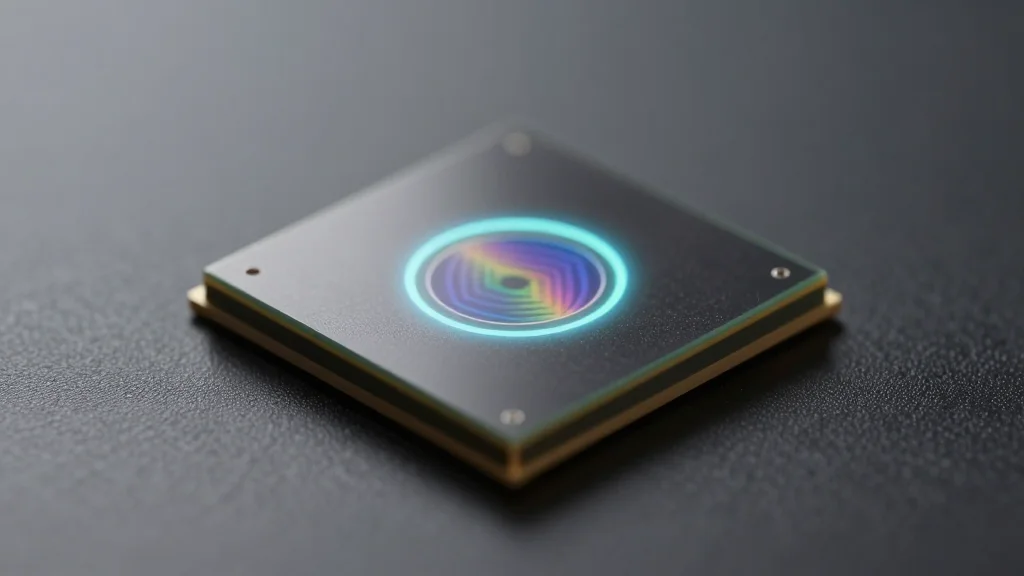
KAIST Microcomb Chip Generates 22 GHz Low‑Noise Signals for Future 6G Networks
A joint KAIST team led by Prof. Kim Jungwon and Prof. Lee Han Suk unveiled a microcomb photonic chip that generates ultra‑low‑noise 22 GHz millimeter‑wave signals. The breakthrough promises to overcome noise and stability limits of electronic sources, paving the way...

AI Simulations Prove Pristine Graphene Is Intrinsically Hydrophobic, Settling Decade‑Long Debate
Researchers at South Korea's Institute for Basic Science, led by Director Cho Minhaeng and Professor Stefan Ringle, used machine‑learning molecular dynamics to demonstrate that flawless graphene naturally repels water. The findings, published in Nature Communications on April 2, resolve a...
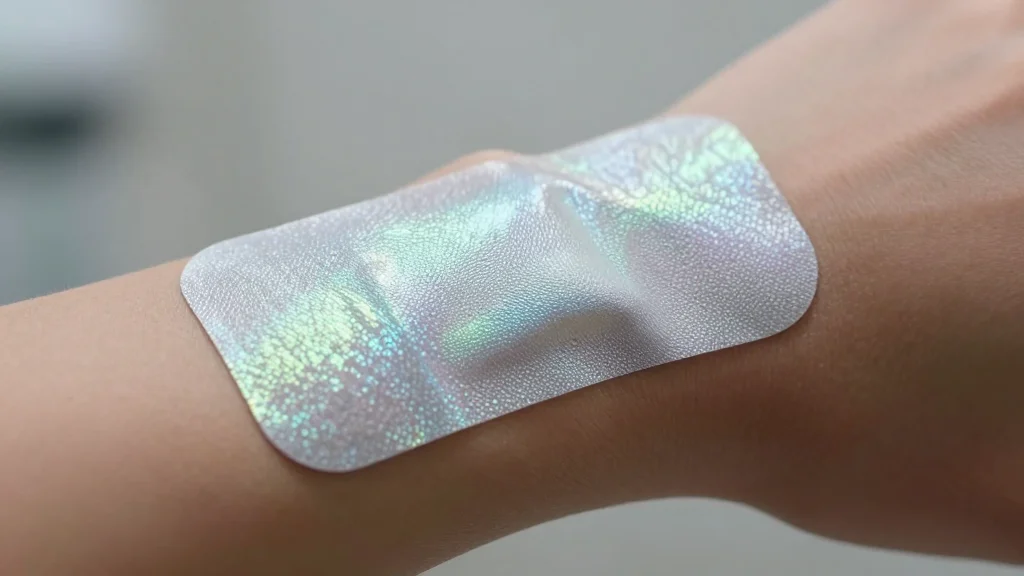
UNIST Unveils MXene Sensor with 3‑4× Sensitivity Boost for Swallowing Detection
Scientists at South Korea's UNIST announced a titanium carbonitride MXene sensor that delivers more than three‑fold temperature and four‑fold pressure sensitivity over prior MXene devices. The hyper‑sensory platform can distinguish swallowing, coughing and blinking, marking a major step for wearable...
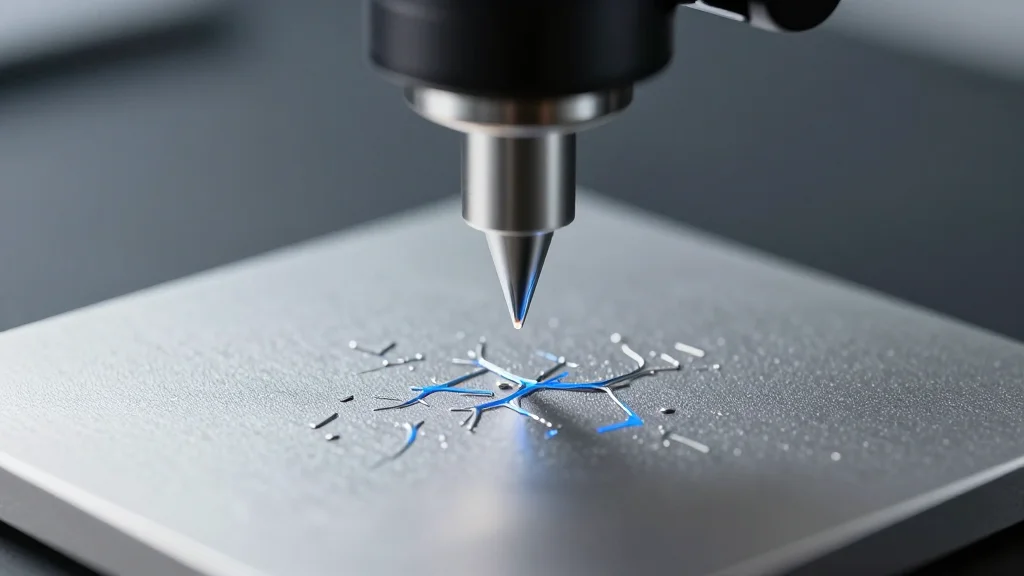
KAIST Uses In‑Situ EC‑AFM to Capture First Nano‑Scale View of Lithium‑Metal Battery Degradation
KAIST announced that Professor Hong Seung‑bum’s team has, for the first time, visualized lithium‑metal battery degradation at the nano level using in‑situ electrochemical atomic force microscopy. The study identifies uneven lithium plating and the formation of electrically isolated “dead lithium”...

Defect-Engineered Zinc Oxide Turns Tiny Strain Into Near-Infrared Light
Researchers have engineered zinc oxide by substituting a fraction of Zn²⁺ with sodium ions, converting the material into a rare‑earth‑free, near‑infrared mechanoluminescent sensor. The Na‑doped ZnO emits light around 750 nm when subjected to reversible microstrain as low as 6 µε, corresponding...