Today's Nanotech Pulse

Left‑handed DNA origami tubes double chemotherapy efficacy against AML
Researchers at the Cancer Center at Illinois showed that left‑handed DNA origami tubes loaded with Daunorubicin achieve more than twice the cell‑killing efficacy of right‑handed tubes. The tubes display aptamers that target the CD117 protein on acute myeloid leukemia cells and their left‑handed geometry promotes rapid internalization.
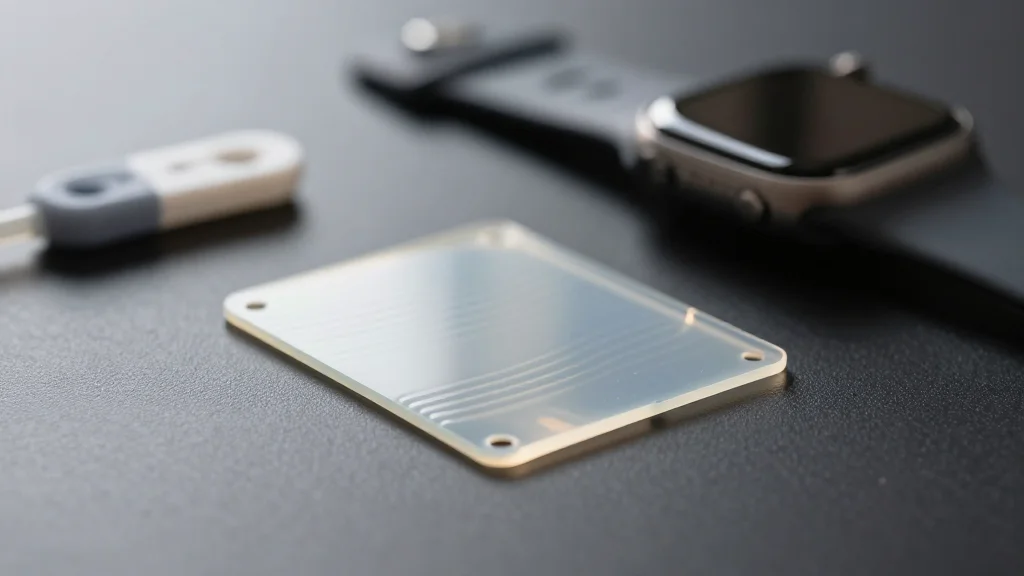
Piezoelectric Polymers Market Set for $0.64B by 2030 as Wearables and Energy Harvesting Drive Growth
The global piezoelectric polymers market is projected to climb to $0.64 billion by 2030, up from $0.45 billion in 2025, driven by surging demand in wearable electronics, medical devices and energy‑harvesting systems. In January 2026, Toray Industries announced a world‑first heat‑resistant polymer that retains polarization above 200 °C, underscoring the sector’s rapid innovation pace.
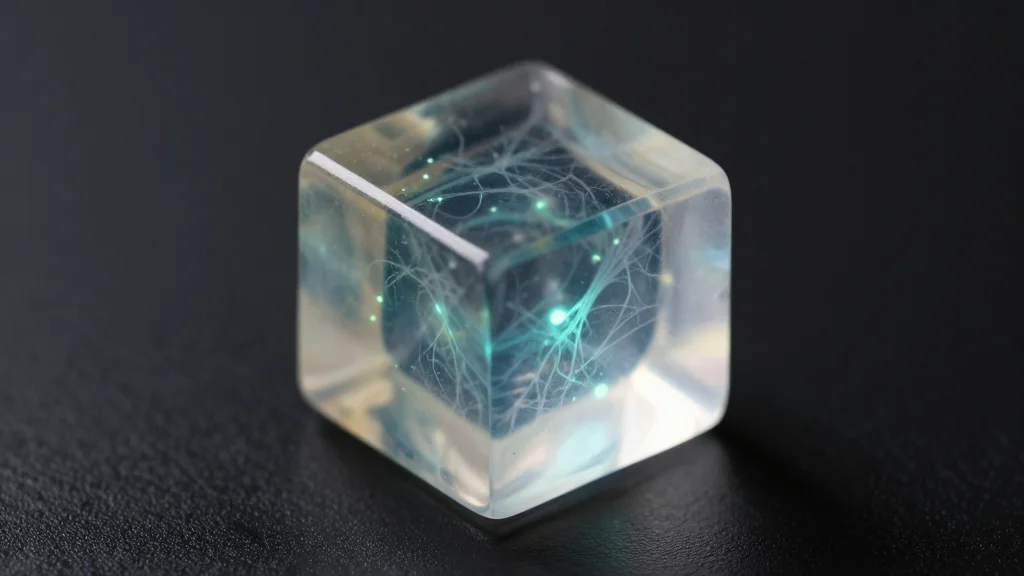
Single-Step 8-9x Expansion Reveals Nanoscale Centrioles without Electron Microscopy
Researchers at National Taiwan University introduced high‑fold homogeneous expansion microscopy (hiHomoExM), a single‑step technique that expands samples 8–9× isotropically while maintaining ultrastructural integrity. The method replaces the need for electron microscopy by allowing conventional fluorescence microscopes to resolve nanoscale features...
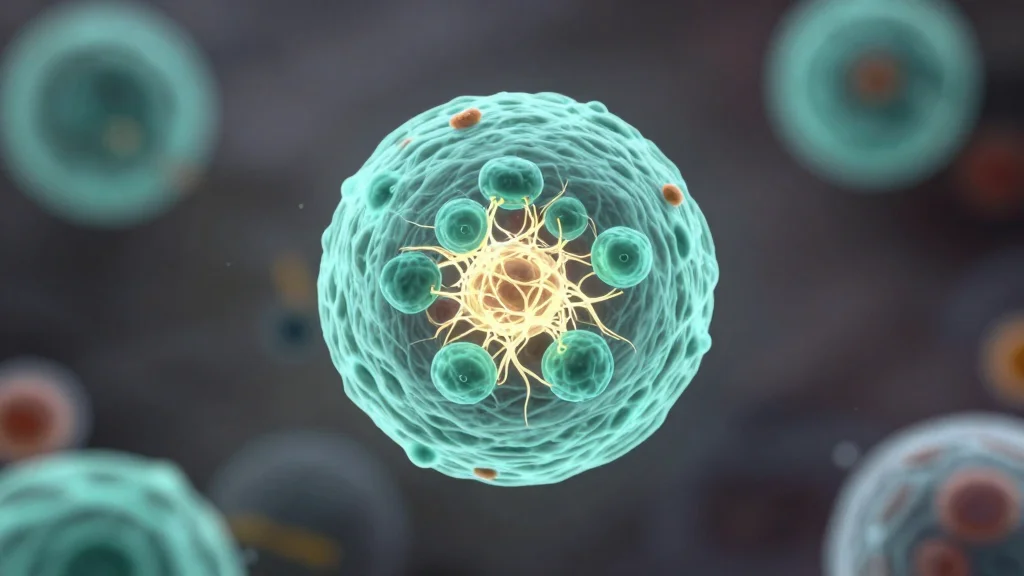
Self-Assembling Peptide Helps Liver Cancer Drugs Escape Lysosome Traps
Researchers engineered a self‑assembling peptide, RS‑FS, that remains as nanospheres in blood but converts to nanofibers inside the acidic, reducing environment of hepatocellular carcinoma lysosomes, where it damages the organelle and frees trapped drugs. In mouse models, RS‑FS combined with...
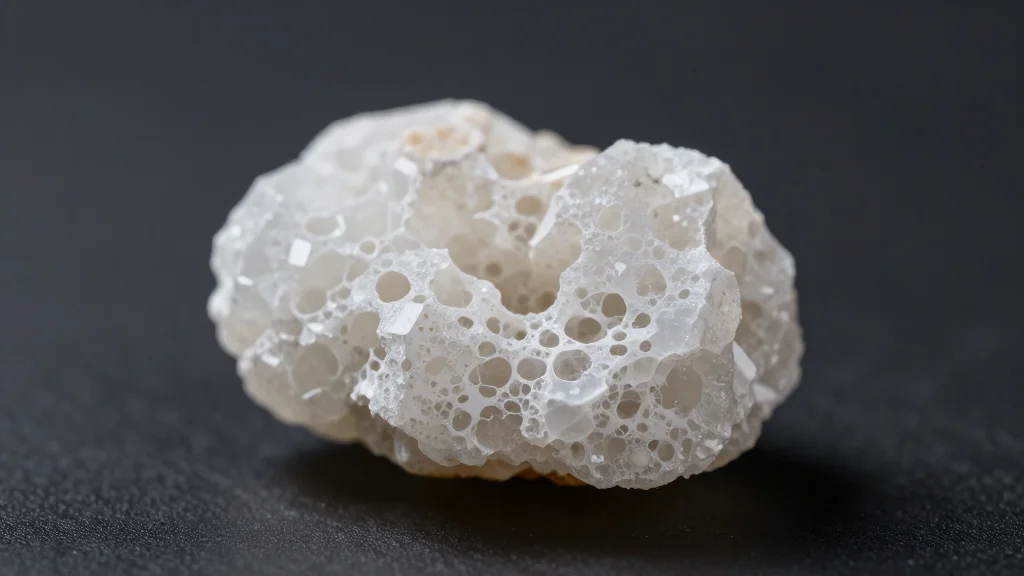
Silanol Networks Control Methanol Reactivity in Nano‐ and Micron‐sized Silicalite‐1
Researchers have shown that silanol groups in pure‑silica MFI zeolite (silicalite‑1) are not inert defects but active participants in methanol conversion. By comparing micron‑sized (Sil1_micro) and nano‑sized (Sil1_nano) crystals, in‑situ FTIR and operando studies revealed distinct hydrogen‑bonding networks that dictate...

Researchers Upcycle Pomegranate Peel Into High-Performance Water Purifier
Researchers at the National University of Singapore have transformed discarded pomegranate peels into a nanoscale carbon material, called nanobiochar, that can adsorb the industrial pollutant 4‑nitrophenol (4‑NP) from water. The material is produced by heating the peels to 600 °C and...
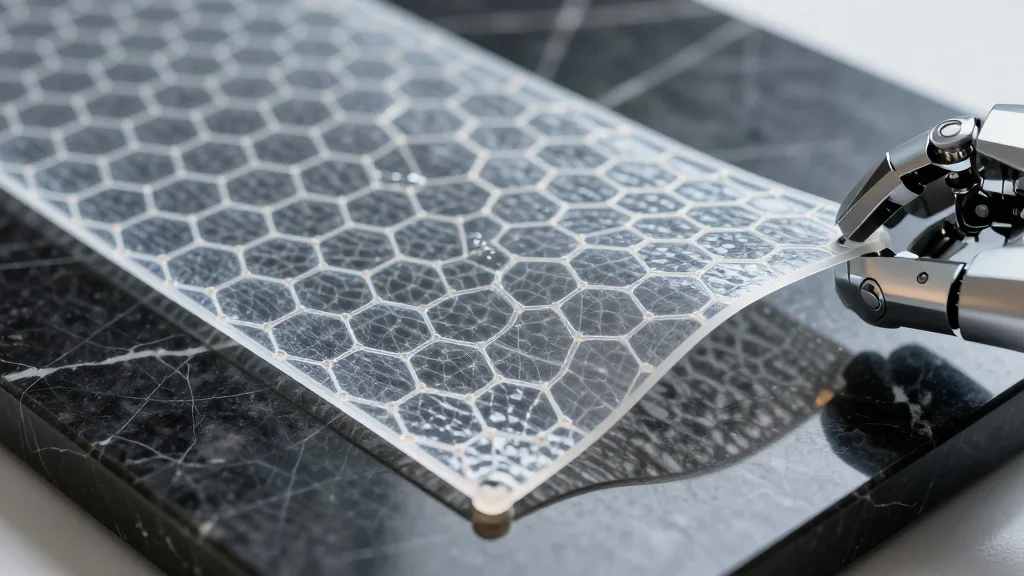
Argo Graphene Solutions Enters License and Technology Agreement with Grapherry
Argo Graphene Solutions has signed an exclusive 10‑year worldwide license agreement with Grapherry for its proprietary STREAM graphene production platform. The deal grants Argo the right to use, develop, manufacture and commercialize the technology, with full ownership transferring after Argo...
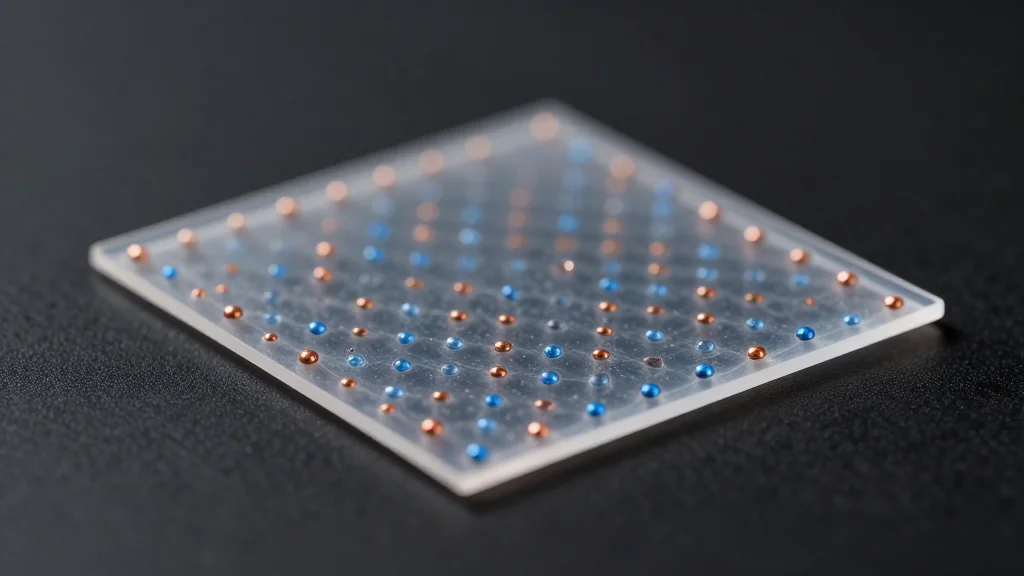
Copper‐Zinc Bimetallic Two‐Dimensional Conjugated Coordination Polymers for Highly‐Selective Electrochemical CO2 Reduction to Ethanol
Researchers have introduced a two‑dimensional conjugated coordination polymer (2D c‑CP) that embeds spatially separated Cu and Zn S4 active sites. The BHT‑Cu0.8‑Zn0.2 variant delivers a Faradaic efficiency of 92.3 % for electrochemical CO₂‑to‑ethanol conversion at a current density of 126.7 mA cm⁻². The...
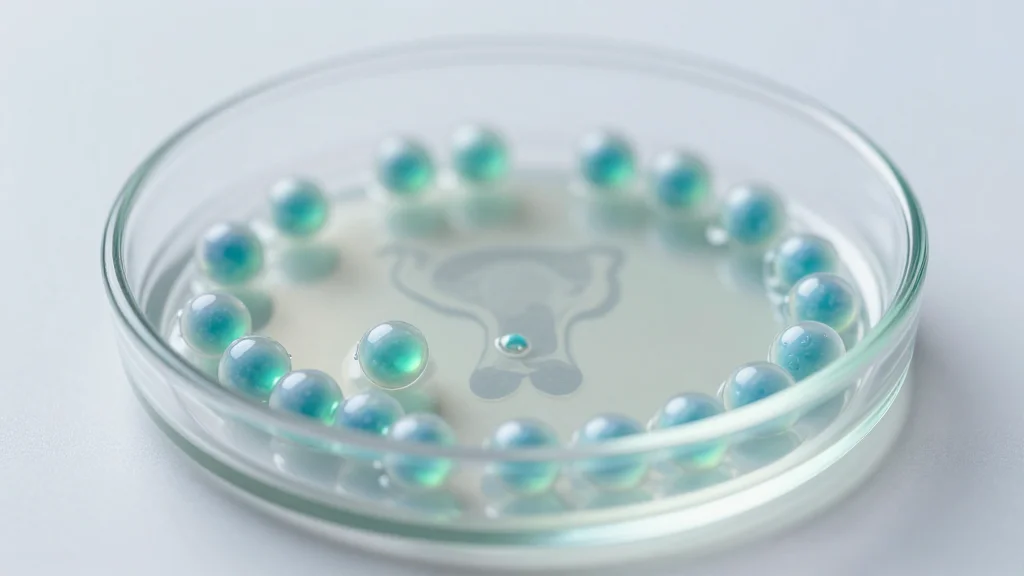
Nanoscale Drug Delivery Systems for Ovarian Cancer: Targeting Strategies, Theranostic Platforms, and Translational Challenges
A new review maps the evolution of nanoscale drug delivery systems (DDS) for ovarian cancer, shifting focus from blunt chemotherapy to precision nanomedicine. It outlines three core design strategies—active targeting, microenvironment‑responsive release, and theranostic integration—across carriers such as liposomes, polymeric...
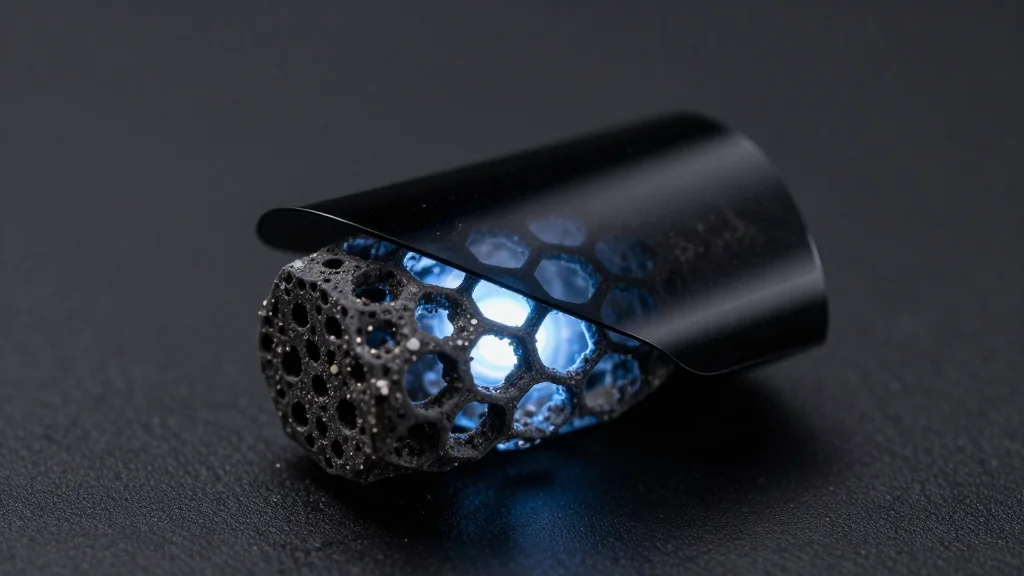
Alkynyl‐Bipyridine–Based Conjugated Microporous Polymer Anode for Lithium Storage
Researchers have synthesized a novel alkynyl‑bipyridine conjugated microporous polymer (Alk‑Bpy‑CMP) featuring regular hexagonal pores and abundant active sites for lithium‑ion storage. The material delivers a specific capacity of 674 mAh g⁻¹ after 100 cycles at 0.1 A g⁻¹, and when encapsulated with reduced graphene...

An Anthracenyl‐Functionalized Boron Dipyrromethene Based Glutathione‐Responsive Nanoplatform for Efficient Photodynamic Therapy Enhanced by Perfluorooctanoic Acid
Researchers introduced enBDP‑F nanoparticles that combine a heavy‑atom‑free BODIPY photosensitizer with perfluorooctanoic acid (PFOA) to overcome photodynamic therapy (PDT) resistance. The particles disassemble in glutathione‑rich tumor microenvironments, releasing PFOA to boost oxygen levels and depleting GSH to suppress antioxidant defenses....

A Photothermally Triggered Cascade Nanodelivery Platform for On‐Demand Nitric Oxide Release in Targeted Hepatocellular Carcinoma Therapy
Researchers have engineered a gold nanocage‑based nanoplatform (GIL9R) that co‑encapsulates indocyanine green and L‑arginine and is surface‑functionalized with the HCC‑targeting peptide 9R‑P201. Upon near‑infrared irradiation, the platform produces localized heat, reactive oxygen species, and catalyzes nitric‑oxide release, delivering combined photothermal,...
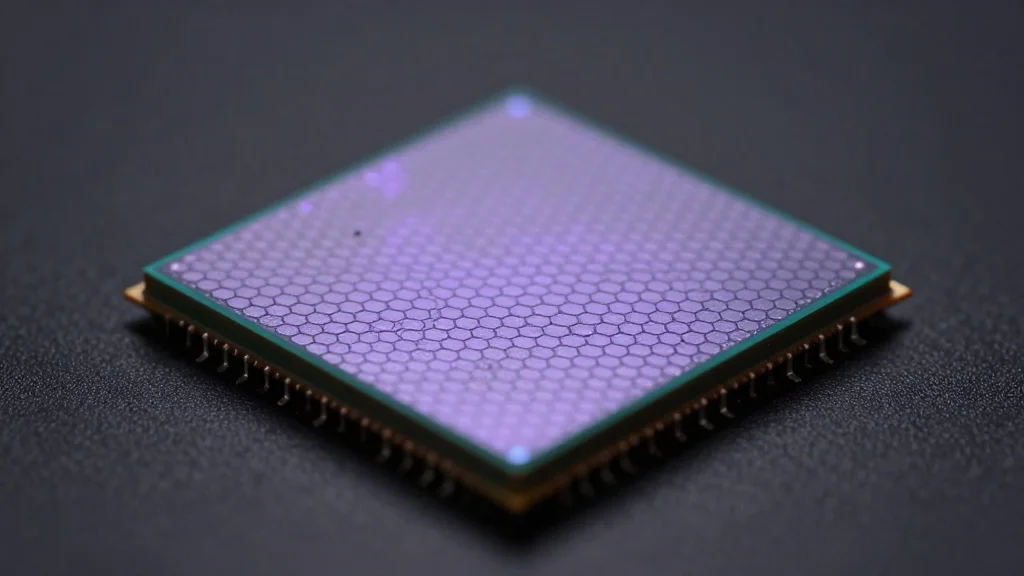
Tiny On-Chip Circuit Could Power Next-Generation Quantum and AI Technologies
Researchers at Monash University have unveiled a nanoscale on‑chip circuit that can generate, direct, and read light‑based information using the valley degree of freedom. The integrated device combines atom‑thin materials with metasurface nanostructures, achieving full signal control on a single...
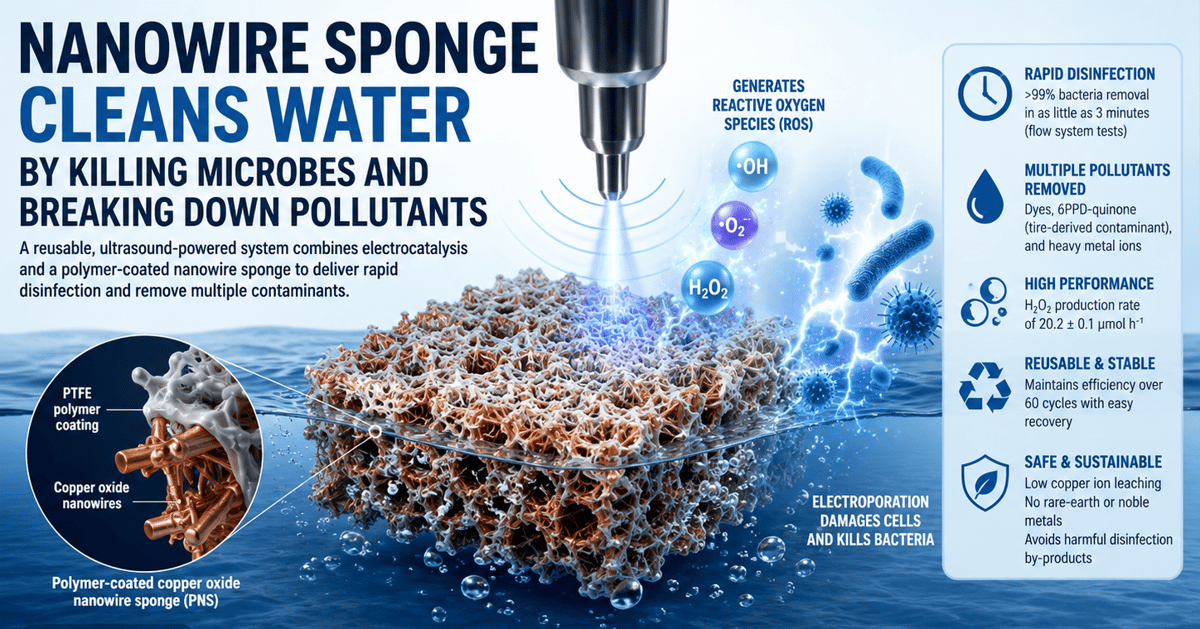
Nanowire Sponge Cleans Water by Killing Microbes and Breaking Down Pollutants
Researchers reported a polymer‑coated nanowire sponge that, when activated by ultrasound, triggers contact electrocatalysis to produce reactive oxygen species. The system achieved over 99% bacterial disinfection in just three minutes while simultaneously breaking down stubborn micropollutants such as 6PPD‑quinone and...

Aerospace Nanotech Market to Hit $8.2 Bn by 2034, Driven by Lightweight Aircraft
Allied Market Research released a new forecast showing the aerospace nanotechnology market will climb from $4.2 bn in 2024 to $8.2 bn by 2034, expanding at a 7.2% compound annual growth rate. The surge is anchored in rising R&D spend, demand for...
Nanotech Drug‑Delivery Market Set to Hit $179 B by 2033, DataM Reports
DataM Intelligence announced that the global nanotechnology‑enabled drug delivery devices market, valued at $54.22 billion in 2024, is projected to climb to $179.12 billion by 2033, expanding at a 12.6% compound annual growth rate. The forecast underscores accelerating commercial interest in precision‑medicine...
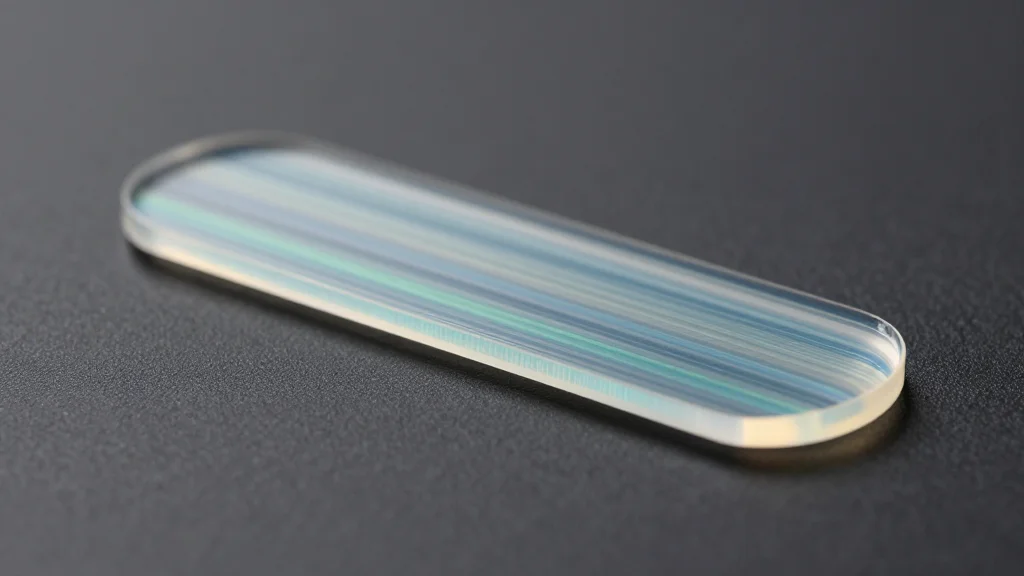
3D Printed Polymers Gain Ordered Nanostructures During Fabrication
Researchers unveiled a new resin strategy called Polymerization‑Induced Arrangement of Nanostructures with Order‑tunability (PIANO) that lets light‑based 3D printers create ordered block‑copolymer domains during curing. By replacing permanent crosslinkers with ethylene glycol, the resin maintains chain mobility long enough for...

Researchers Map Hidden Order in Boron‑Doped Diamond, Paving Way for Quantum Chip Superconductors
A joint team from the University of Chicago, Pennsylvania State University and the DOE’s Q‑NEXT facility identified a hidden, granular order in heavily boron‑doped diamond thin films, unlocking a design pathway for superconducting quantum chips that could operate at more...
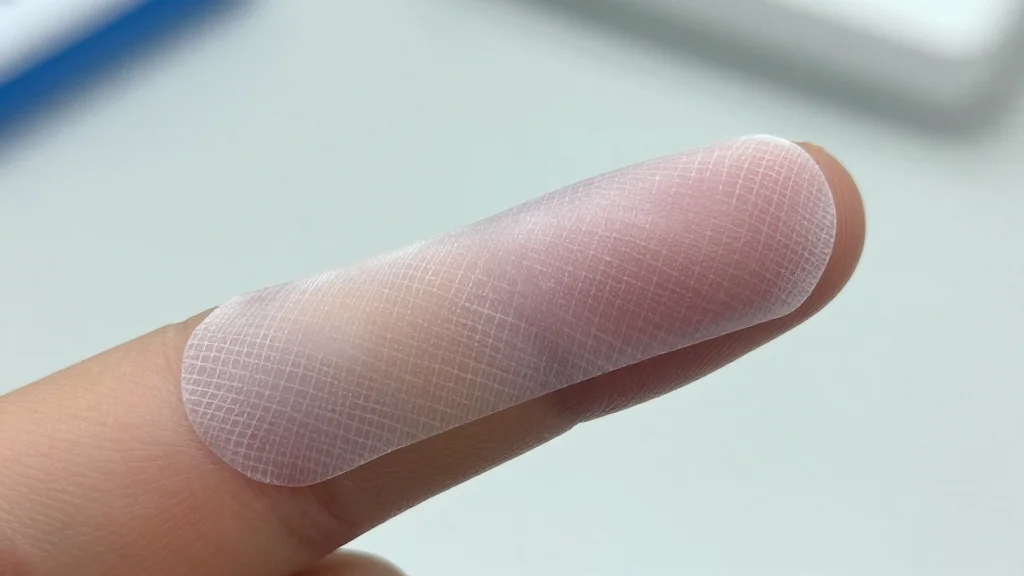
Layered Graphene/Hydrogel‐Based Multi‐Modal Sensors Enabled by Ion‐Electron Synergistic Conduction
Researchers have fabricated stretchable multi‑modal sensors by laminating chemical vapor deposition graphene onto hydrogel layers, exploiting ion‑electron synergistic conduction. The resulting composite delivers low skin interfacial impedance (≈28.7 kΩ at 100 Hz), 95 % self‑healing efficiency, and a wide sensing range up to...
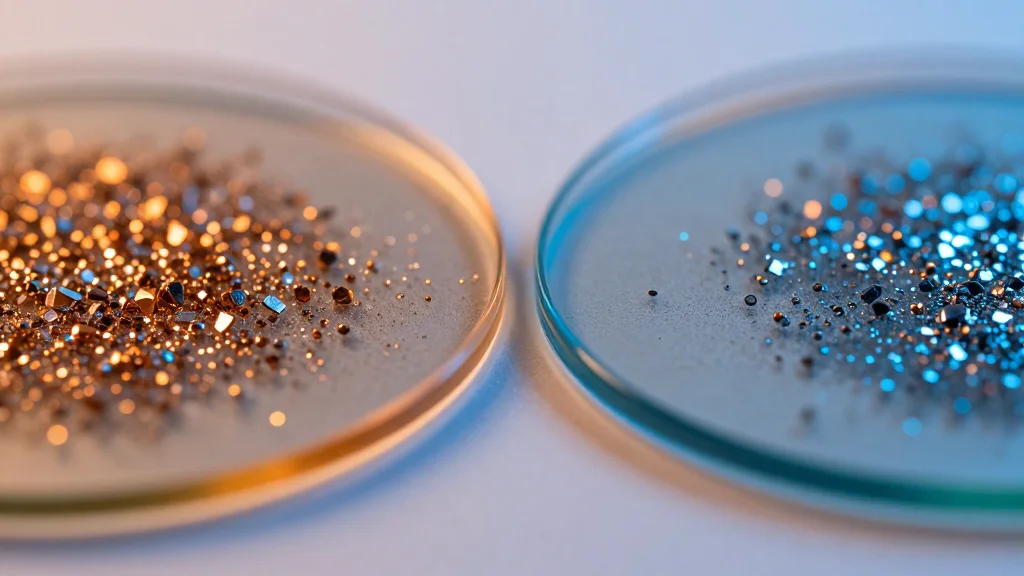
Interfacial Plating Driving Convection‐Like Motion of a Sandwiched Nanocrystal
Researchers demonstrated that nanoscale copper, silver and aluminum crystals confined between two plates move in a closed‑loop fashion when exposed to extreme axial temperature gradients of about 108 K m⁻¹. Atoms migrate along the surface from the hot side to the cold...

Room‑Temperature Electron Beam Technique Enables Nanoscale Chip Patterning
Rice University scientists have demonstrated a room‑temperature electron‑beam method that creates ordered nanoscale wrinkles on hard chip materials such as silica. By pairing the beam with alpha‑molybdenum trioxide as a stress source, the process forms optical gratings in a single...
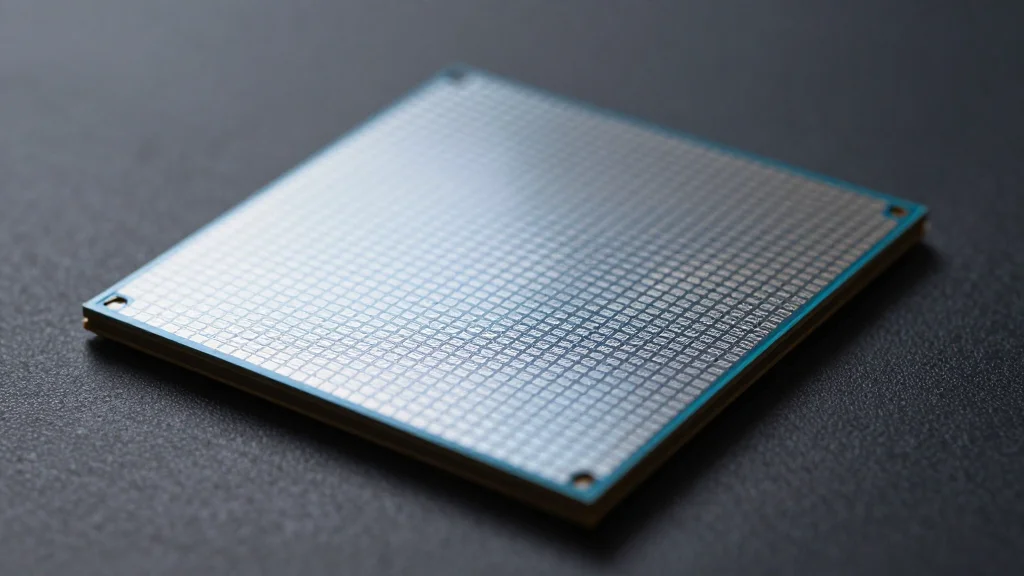
Huawei Claims 1.4nm-equivalent Chips by 2031, Narrowing Gap with TSMC
Huawei announced it will achieve transistor density comparable to a 1.4‑nanometre process by 2031 using its newly disclosed Tau Scaling Law and LogicFolding architecture. The claim, made at a Shanghai symposium, positions the Chinese giant to close the three‑year lead...

Review Finds Nanocarriers Could Transform Skin Drug Delivery but Safety Hurdles Remain
Researchers published a narrative review in Health Science Reports analyzing 128 preclinical and early‑clinical studies of nanotechnology in dermatology. The paper finds that metallic, polymeric and lipid‑based nanocarriers can improve drug bioavailability and skin barrier function, but safety data gaps...
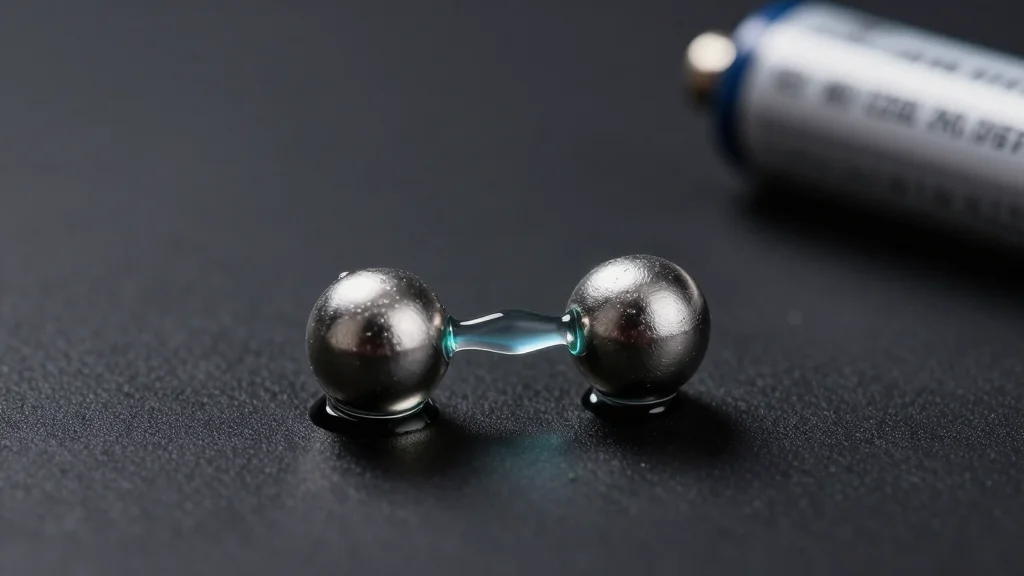
Asymmetrical FeN4‐O‐FeO4 Dual‐Atom Sites in Fe─N─C for Robust pH‐Universal Oxygen Reduction Reaction Catalysis
Researchers have engineered an asymmetric FeN4‑O‑FeO4 dual‑atom configuration within Fe‑N‑C catalysts, breaking the traditional symmetric electronic distribution of Fe‑N4 sites. This structural tweak creates a dumbbell‑shaped active site that channels electron flow from FeN4 through a bridged oxygen to FeO4,...
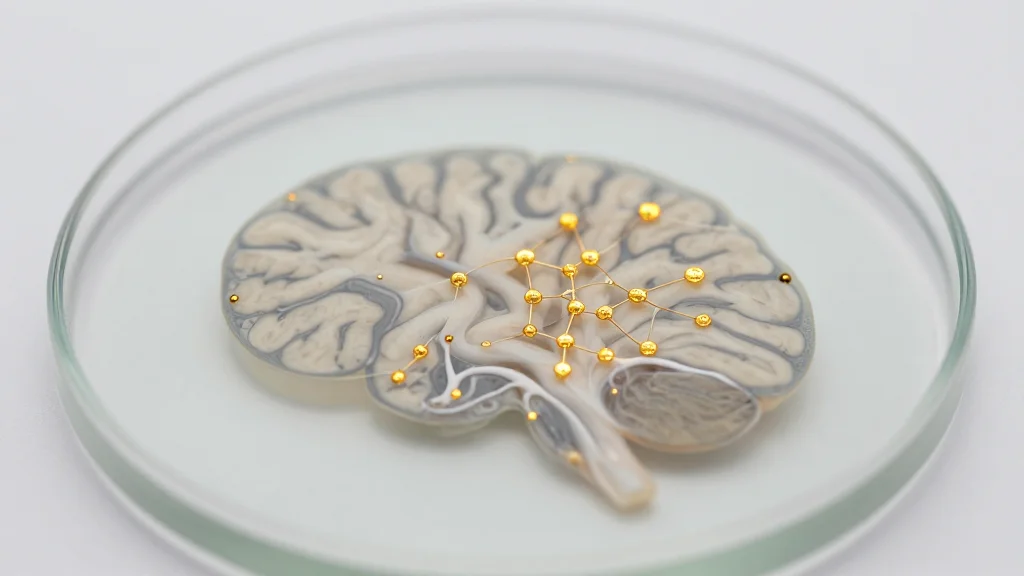
Nanoparticles Slash Brain Amyloid‑Beta by 50% in Alzheimer’s Mice
A team spanning Spain, China and the United Kingdom showed that a single dose of engineered supramolecular nanoparticles cut amyloid‑beta levels by about half in Alzheimer’s‑model mice within an hour and sustained normal memory for six months. The approach restores...

Penn State's Thermoreversible Biogel Eliminates Hair Barriers for Wearable EEG
Penn State scientists have created a reusable thermoreversible semiconducting ionic biogel that liquefies with mild heat, penetrates hair, and re‑gels on the scalp, delivering stable EEG recordings for days. The breakthrough promises more comfortable, long‑term brain‑monitoring wearables and new avenues...
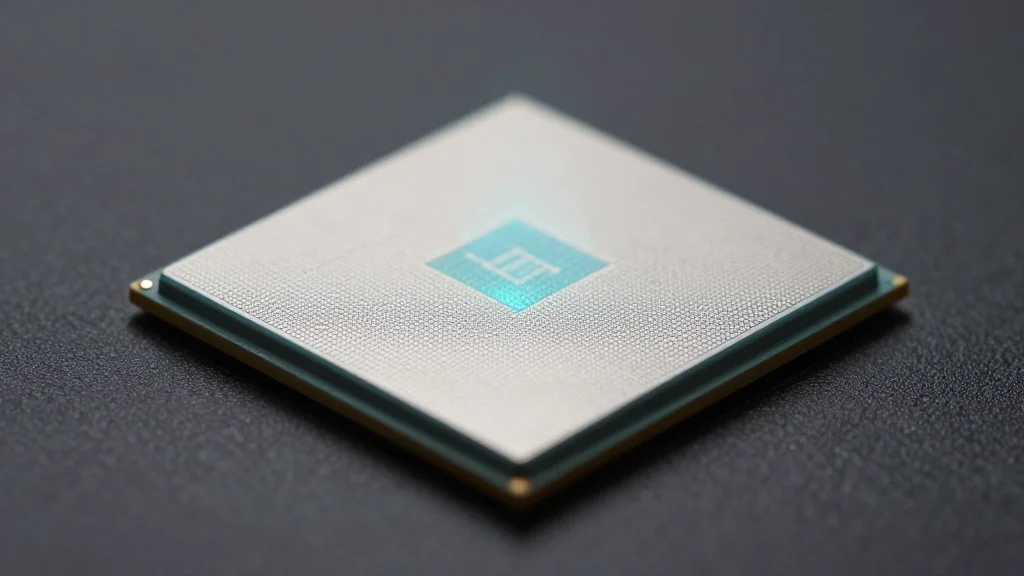
Quantum Metasurface Boosts Terahertz Detector Sensitivity via In‑Plane Photoelectric Effect
Scientists led by Wladislaw Michailow at the University of Cambridge and Swansea University have built a compact terahertz detector that uses a quantum metasurface and the in‑plane photoelectric effect to achieve far higher sensitivity than prior devices. The breakthrough could...

When Order Gives Way to Chaos—The Turbulent Birth of Magnetic Nanovortices
Researchers at Max Born, Ferdinand Braun, Augsburg and Helmholtz‑Zentrum Berlin used picosecond X‑ray microscopy to film spin‑orbit‑torque‑driven skyrmion dynamics in a 100‑nm spot. They discovered that when current pulses exceed a threshold, the skyrmion briefly fragments into a turbulent vortex cloud before...
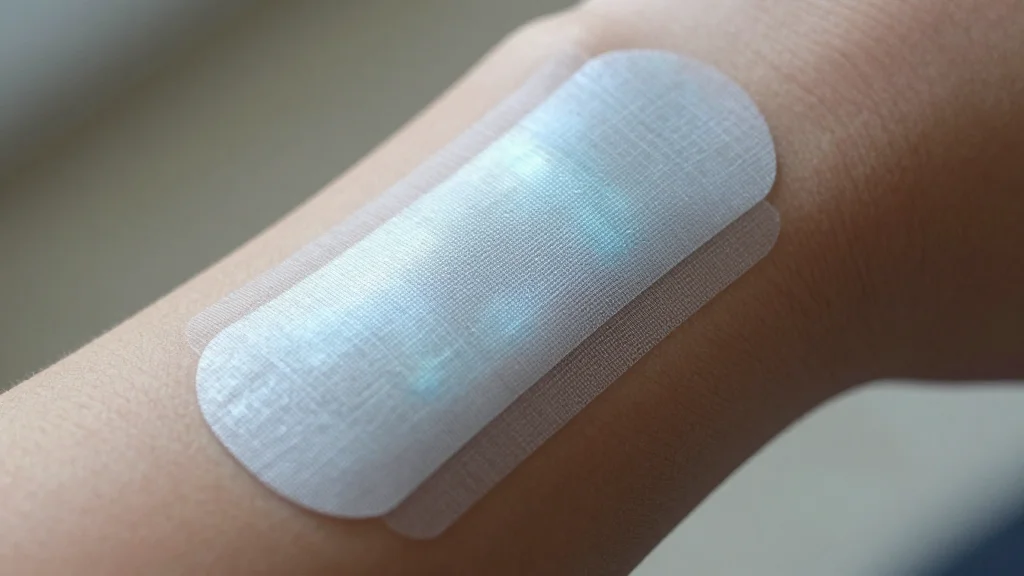
Self‑Adhesive Nanofiber Electrode Merges PEDOT and Polyurethane for Next‑Gen Wearables
Researchers led by Fukuzawa, Ushimaru and Yamagishi have created a self‑adhesive nanofiber electrode that blends self‑doped PEDOT with polyurethane, delivering high conductivity, low skin impedance and stretchability for wearable and implantable devices. The breakthrough eliminates the need for external adhesives,...
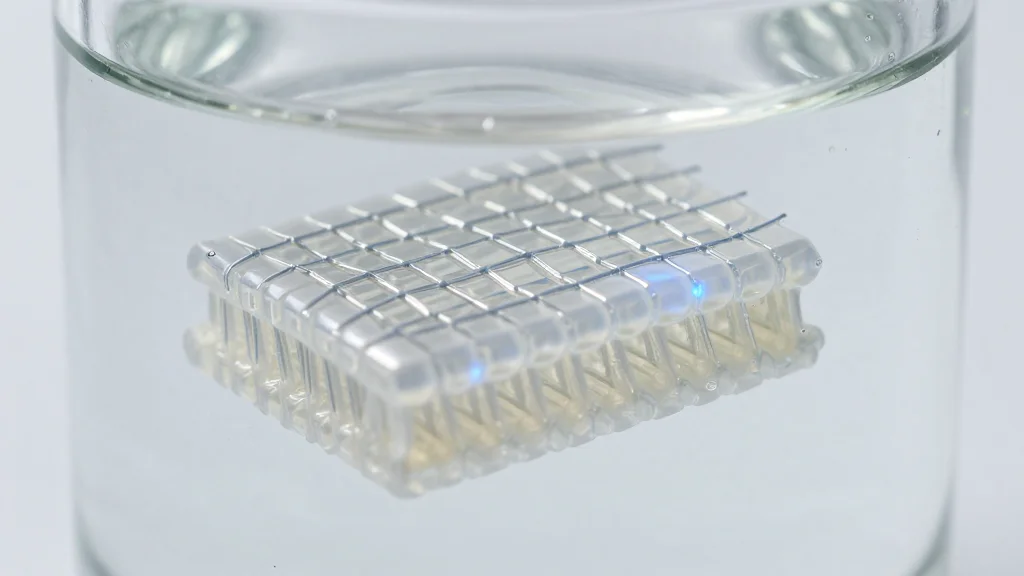
Polymer‑Coated Nanowire Sponge Offers Dual Disinfection and Pollutant Removal
A team of scientists has demonstrated a polymer‑coated nanowire sponge that uses electrocatalysis to kill pathogens and break down organic contaminants in a single step. The technology operates at mild voltage and ambient conditions, positioning it for off‑grid and decentralized...

KAUST Engineers Six‑protein Nanoscale Factory Inside Living Cells to Make Medicines on Site
Researchers at King Abdullah University of Science and Technology (KAUST) have built a synthetic organelle that carries six enzymes into mammalian cells, where they assemble a nanoscale drug factory that produces violacein, a bioactive compound with therapeutic potential. The breakthrough...

Czech Researchers Deploy Magnetic Nanorobots to Capture Nanoplastics
Scientists at Brno University of Technology have created magnetic nanorobots that actively seek and bind nanoplastic particles in water. Laboratory tests show the iron‑compound rods can remove nanoplastics under a weak magnetic field, and the team is already discussing pilot...

Study Finds Nanoplastics Breach Lung Surfactant Barrier, Threatening Respiratory Health
Researchers at the J. Heyrovský Institute of Physical Chemistry, together with partners in Poland and Slovenia, demonstrated that nanoplastic particles can infiltrate the lung's surfactant layer. The finding highlights a previously unknown pathway for airborne plastic particles to enter the...

Carbon‑Dot Spray Cuts Rice Cadmium by 46% and Boosts Yield 18%
Scientists from the Beijing Academy of Agriculture and Forestry Sciences and Jiangnan University showed that a foliar spray of engineered carbon dots lowered cadmium accumulation in rice grains by 46% while raising overall grain yield by 18% in a field...
Rice Researchers Unveil Twisted Carbon Nanotube Film with Record‑Breaking Light Conversion
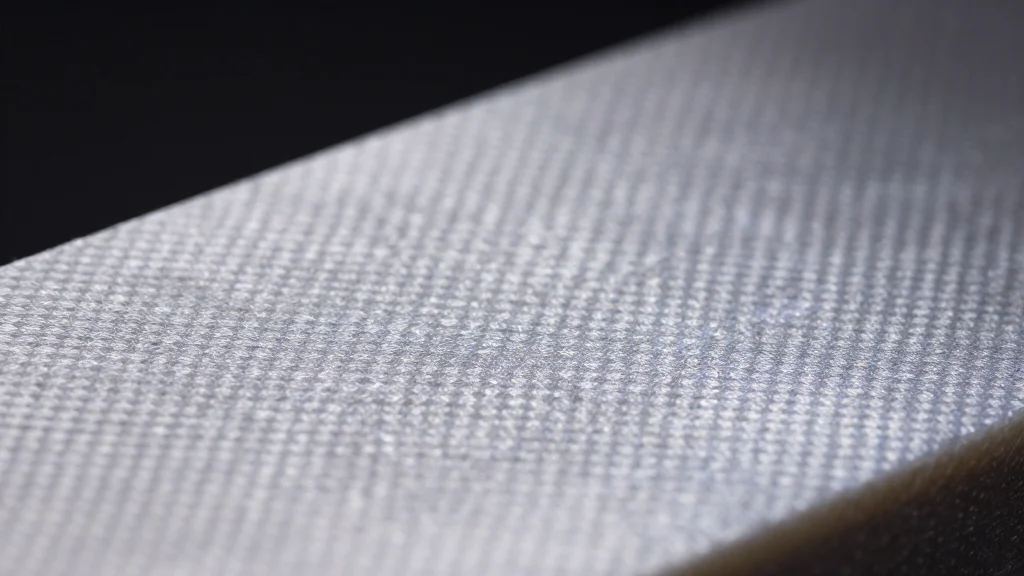
Rice University researchers have created a centimetre‑scale film of single‑enantiomer carbon nanotubes that delivers a record‑high nonlinear susceptibility of 4.9 × 10² pm/V, unlocking giant second‑harmonic generation. The breakthrough could accelerate photonic chip performance across edge and cloud IoT networks.
Graphene Quantum Dots Block Parkinson‑Linked Protein Clumps in First Animal Test
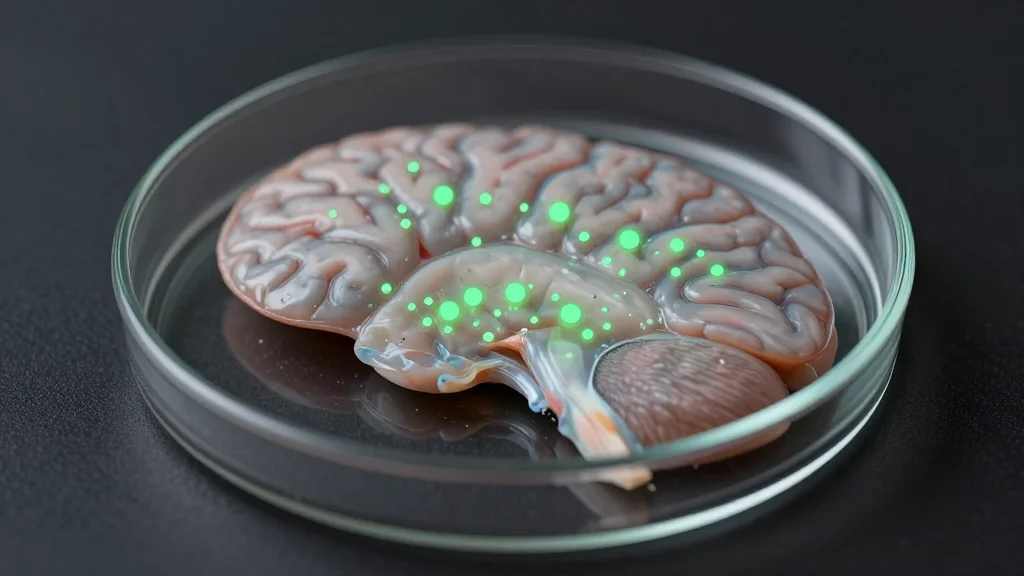
A multinational team led by Professor Małgorzata Kujawska demonstrated that intranasal graphene quantum dots (GQDs) markedly cut toxic α‑synuclein aggregates in a mouse model of multiple system atrophy. The pre‑clinical breakthrough suggests a novel nanotech route to disease‑modifying Parkinson’s treatments.

IRAA Doping Offers Cleaner, Faster Charge Control for Organic Semiconductors
Dr. Pabitra Nayak’s team at the Tata Institute of Fundamental Research, Hyderabad, introduced in situ regenerative adduct‑assisted (IRAA) doping, a rapid, additive‑free technique that delivers cleaner and faster charge control in organic semiconductors. Published in Advanced Materials, the method promises...
Imaging Ellipsometry Tracks MXene Thin-Film Quality During Fabrication without Damage
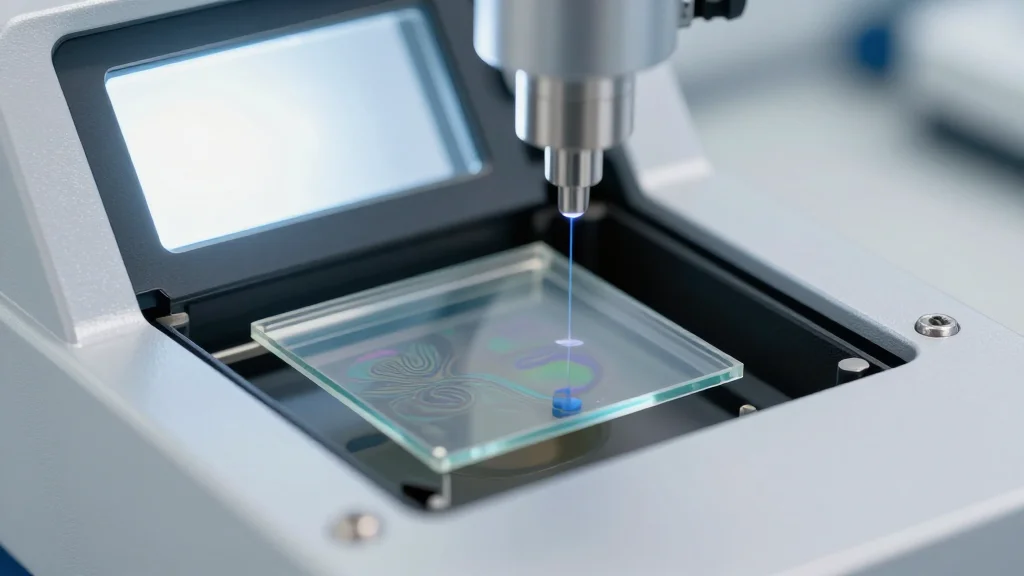
A German‑Israeli research team has shown that imaging ellipsometry can non‑destructively monitor MXene thin‑film quality throughout device fabrication. By pairing spectroscopic micro‑ellipsometry for rapid spot checks with imaging spectroscopic ellipsometry for full‑device maps, the method captures thickness, composition and conductivity...
Rice University Demonstrates Room‑Temp Nanopatterning of Hard Chips with Stressed Crystal
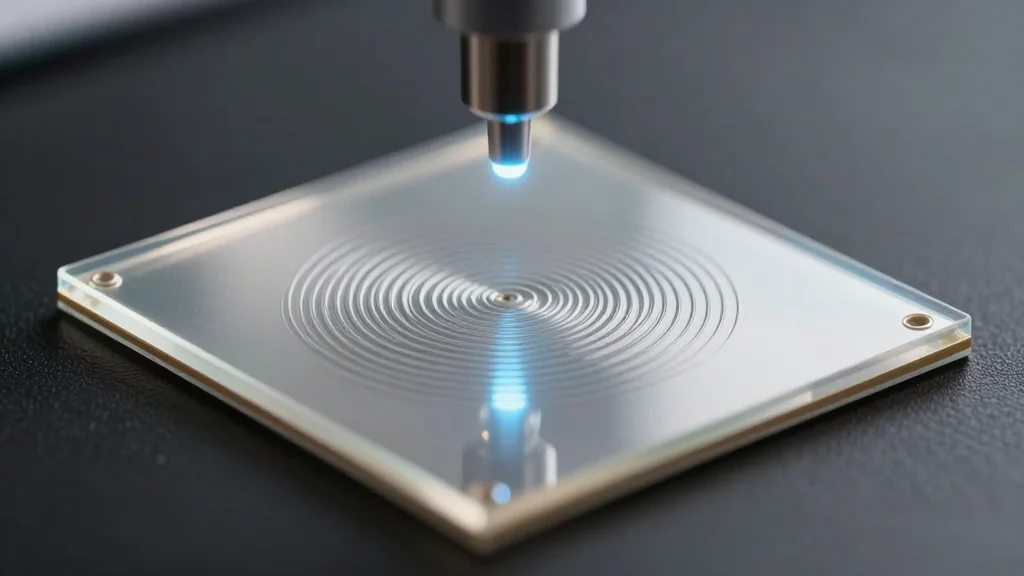
Materials scientists at Rice University have shown that a stressed crystal of alpha‑molybdenum trioxide can generate ordered nanoscale ripples on silica and other hard substrates using a simple electron‑beam step at room temperature. The technique could cut fabrication steps and...
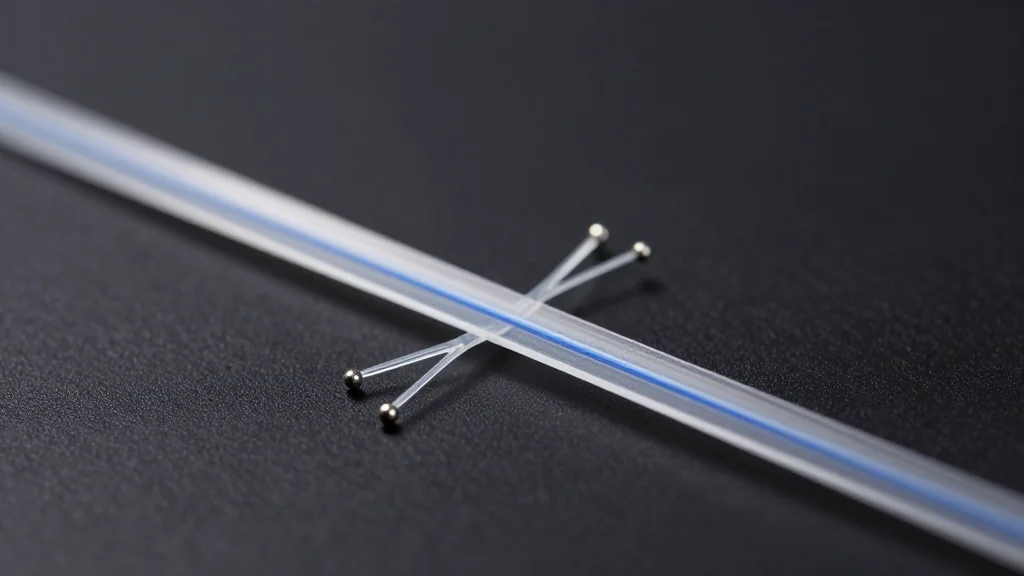
Controlling the Formation of Carbon Nanotubes and Junctions From Bilayer Graphene
Researchers at the University of Tübingen and Helmholtz‑Zentrum Dresden‑Rossendorf demonstrated that a focused 200 kV electron beam can cut twisted bilayer graphene at half the twist angle, causing the exposed edges to reconnect into carbon nanotubes, arrays, and Y‑shaped junctions. Ribbons...
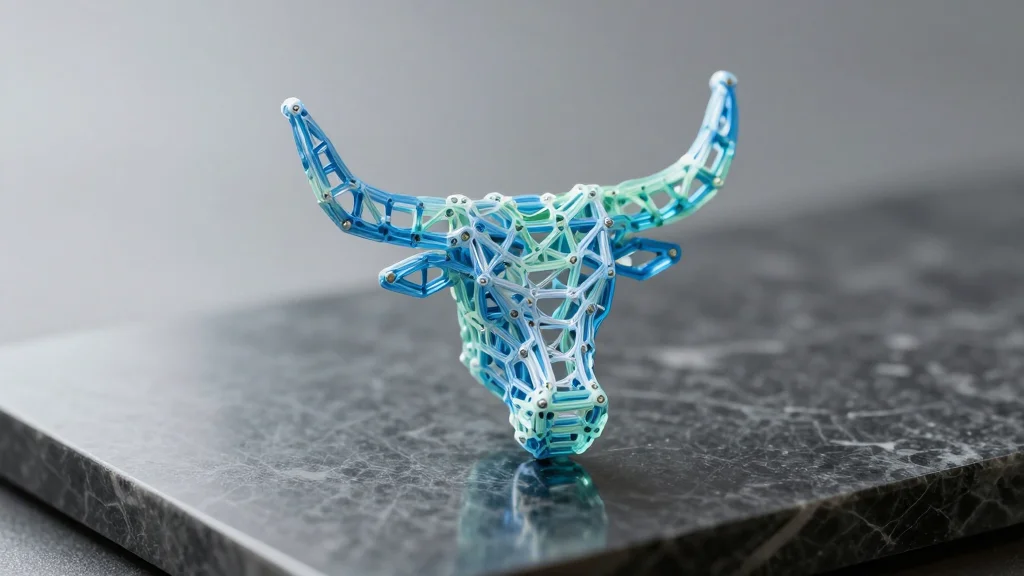
UT‑Austin Engineers 100‑nm DNA Origami ‘Longhorn’, Boosting Nanofabrication Yields
University of Texas at Austin scientists have fabricated the smallest DNA‑origami Longhorn logo—about 100 nm wide and 2 nm thick—using new thermodynamic design rules. The breakthrough cuts folding time to under two hours and lifts yields by up to 17%, promising faster,...
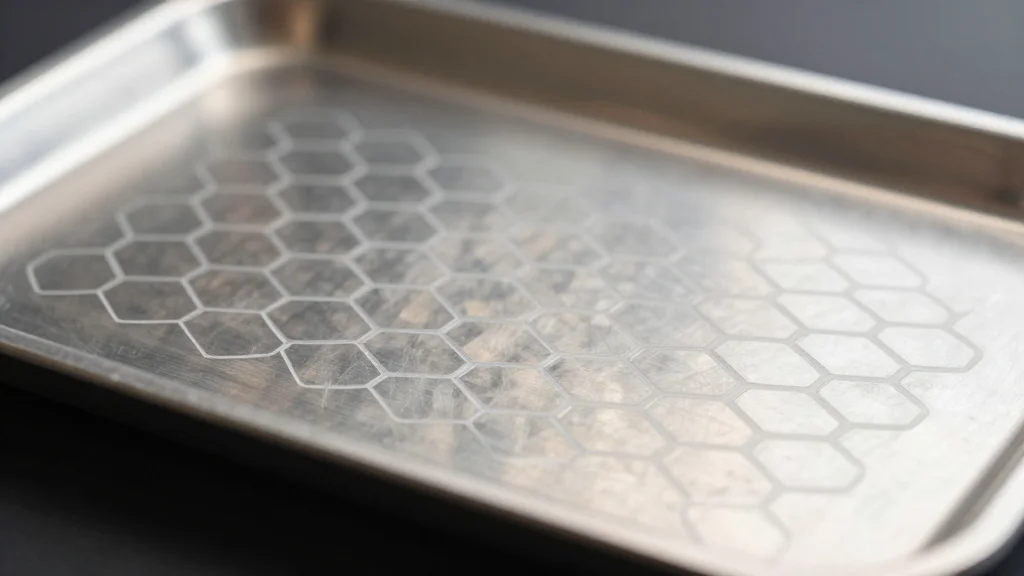
On‐Surface Synthesis of B3N3‐Substituted Two‐Dimensional Covalent Organic Frameworks with Distinct Pore Sizes and Kagome Band Structures
Researchers have achieved on‑surface synthesis of single‑layer, B3N3‑substituted two‑dimensional covalent organic frameworks (COFs) on Ag(111) and Au(111) substrates under ultra‑high vacuum. Multi‑method characterization—including STM, bond‑resolved AFM and photoemission spectroscopy—reveals a non‑planar, chiral lattice with kagome topology. By varying the spacer...
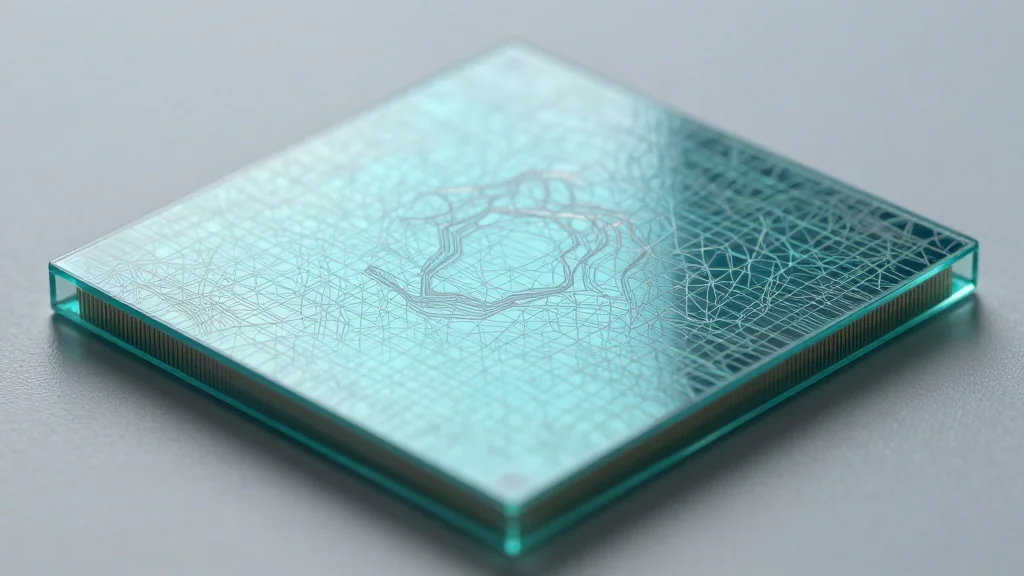
Stressed Crystal Creates Nanoscale Patterns on Chip Materials at Room Temperature
Rice University researchers introduced a room‑temperature method that uses an anisotropic alpha‑molybdenum trioxide crystal to imprint nanoscale ripple patterns onto hard dielectrics such as silica, aluminum oxide and silicon nitride. The electron‑beam‑induced stress buckles the crystal layer while softening the...
Graph Theory Metric Unlocks New Nanomaterial Properties, Researchers Say
University of Michigan, USC and UIUC researchers introduced a graph‑theory based metric that quantifies the mix of order and disorder in nanomaterials. The metric, backed by a $30 million NSF‑funded COMPASS center, allowed the team to create gold‑nanoparticle networks that strongly...

Monash University Develops New Hydrogen Fuel Cell Membrane for Water-Free Operation at 250°C
Scientists at Monash University have created an ultra‑thin graphene‑boron nitride membrane that lets hydrogen fuel cells run at temperatures up to 250 °C (482 °F) without any water. The membrane uses atomically thin nanosheets infused with nanoconfined phosphoric acid to maintain rapid...
Particle‑by‑Particle Tracking Uncovers Heterogeneous Drug Release in PLGA Nanocarriers
A research team led by the Institute of Materials Science of Barcelona used single‑particle super‑resolution microscopy to follow drug release from PLGA nanocarriers over 30 days. The study showed that some particles dump their cargo within hours while others retain...
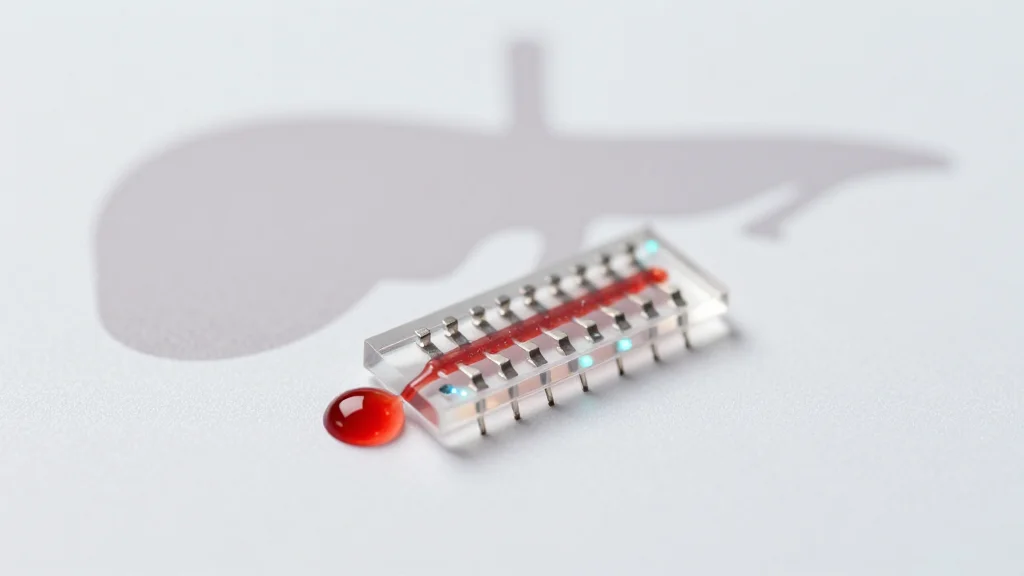
Liquid Biopsy Differentiation of Pancreatic Cancer From Non‐Cancerous Pancreatic Disease Using Dielectrophoresis‐Recovered Nanoparticles Carrying Cell‐Free DNA and Protein Biomarkers (Small...
Researchers led by Stuart D. Ibsen have unveiled a microfluidic chip that uses dielectrophoretic forces to pull extracellular‑vesicle nanoparticles out of undiluted plasma. The captured vesicles carry cell‑free DNA and protein biomarkers that together distinguish pancreatic cancer from non‑cancerous pancreatic...
External Stimuli‐Activable Single‐Atom Nanozymes for Bioapplications
The review outlines how single‑atom nanozymes (SANs) can be engineered to respond to external stimuli such as light, ultrasound, and magnetic fields. It details electronic‑structure tuning and synthesis routes that amplify catalytic activity and enable on‑demand activation. Case studies demonstrate...

Dynamic Interactions of Micro‐ and Nanoparticles for Generating Random Patterns in Physically Unclonable Functions
The paper reviews solution‑processed micro‑ and nanoparticle assemblies as a practical source of random patterns for physically unclonable functions (PUFs). It details how coating methods and interparticle forces generate entropy, enabling both optical and electrical PUF designs. The authors highlight...
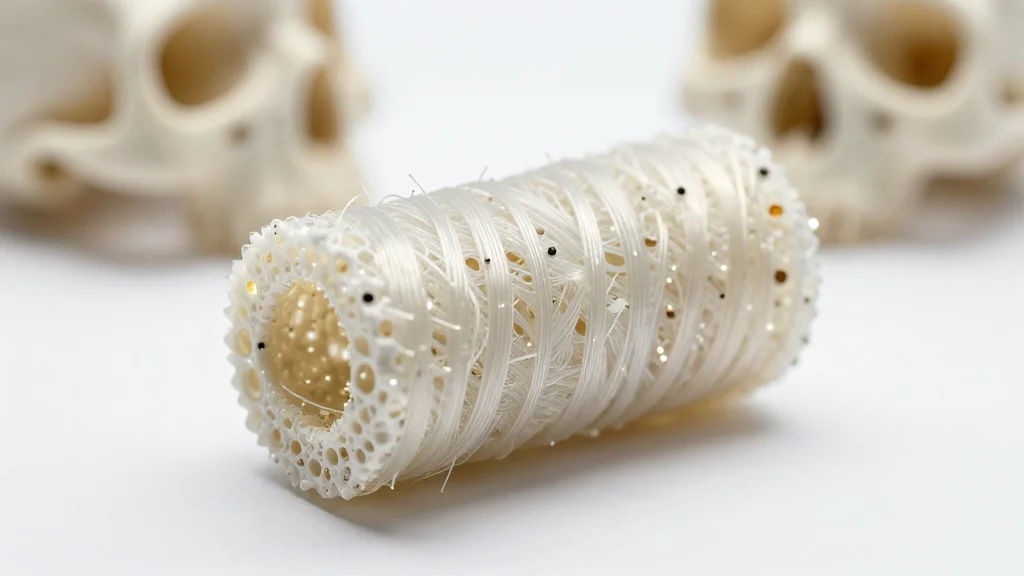
Oriented Nano‐Homogeneous Biomimetic Scaffolds Regulate Cell Alignment and Promote Endogenous Bone Regeneration
The researchers engineered a radially oriented, nano‑homogeneous scaffold using directional freeze‑casting, combining tunicate nanocellulose, carbon nanotubes, chitosan, and in‑situ hydroxyapatite. The scaffold delivers >98% photothermal antibacterial activity against Staphylococcus aureus and markedly improves cell adhesion, alignment, and proliferation compared with...

Nanosys Receives $2M to Develop Heavy-Metal-Free Quantum Dots
Nanosys Inc. secured a $2,000,001 grant from the U.S. Department of Energy to create heavy‑metal‑free quantum dots for solid‑state lighting. Partnering with the University of California, Merced, the team will target LEDs operating at up to 150 °C and 1 W/mm², aiming...