Today's Nanotech Pulse

Left‑handed DNA origami tubes double chemotherapy efficacy against AML
Researchers at the Cancer Center at Illinois showed that left‑handed DNA origami tubes loaded with Daunorubicin achieve more than twice the cell‑killing efficacy of right‑handed tubes. The tubes display aptamers that target the CD117 protein on acute myeloid leukemia cells and their left‑handed geometry promotes rapid internalization.

Micronix Launches Pocket‑Sized Spectrophotometer Matching Lab Accuracy
Kumamoto University licensed its patented nanophotonic sensor to Micronix Co., which has released the battery‑powered POTA spectrophotometer. The handheld device shrinks traditional lab equipment by 99% yet delivers comparable accuracy for protein, glucose and cytokine assays, opening point‑of‑care diagnostics for medicine, agriculture and water safety.
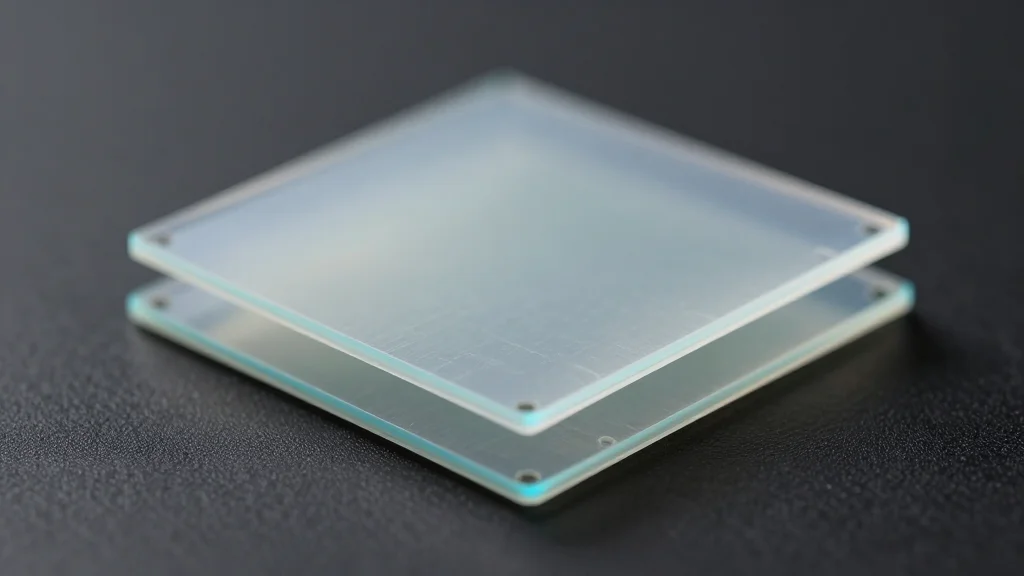
Illinois Engineers Demonstrate 6× Chip Density Boost with New 3D Stacking Method
Researchers led by Qing Cao at Illinois' Grainger College of Engineering have unveiled a scalable monolithic 3D integration technique that stacks silicon circuits to achieve a six‑fold density gain. The method meets the 400 °C thermal budget, delivers 98‑100% device yields...
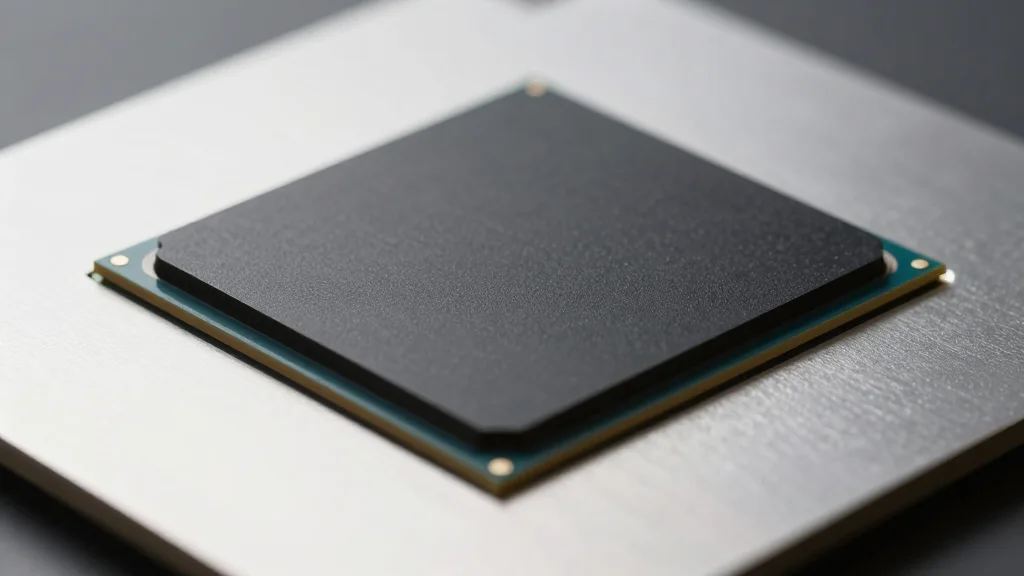
Carbice and Noctua Team Up to Ship First Consumer Carbon‑Nanotube Thermal Pads for Gaming PCs
Carbice has partnered with Noctua to exclusively distribute its IP90 carbon‑nanotube thermal pads for DIY gaming PCs, starting with the NT‑CP1 AM5/4 model validated for AMD Ryzen processors. The pads, marketed as a maintenance‑free alternative to traditional paste, will debut...
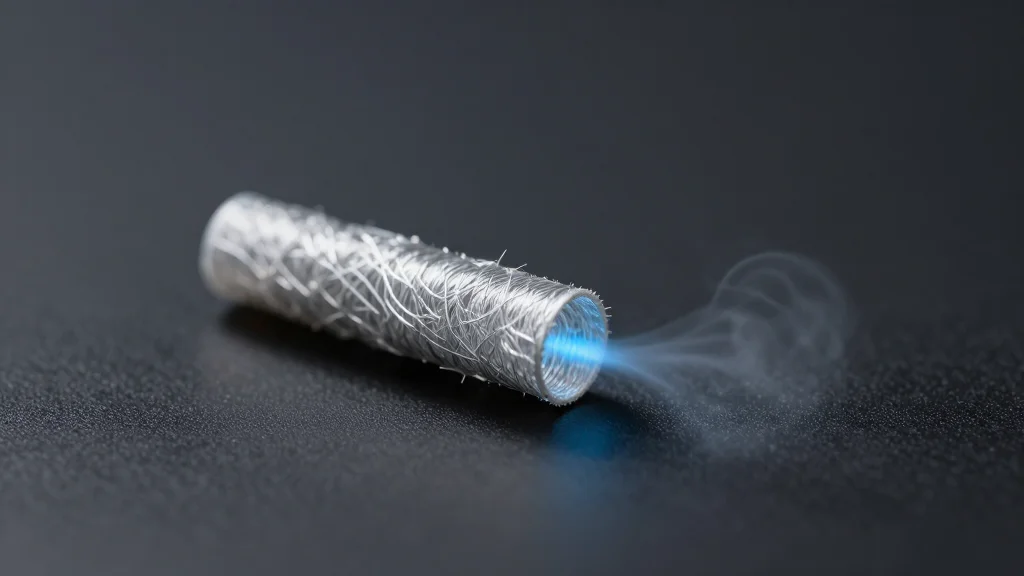
University of Cincinnati and Johns Hopkins Nanofiber Implant Doubles Mouse Survival in Glioblastoma
Researchers at the University of Cincinnati and Johns Hopkins Medicine created an electrospun nanofiber implant that releases three synergistic drugs, doubling survival in glioblastoma‑bearing mice. The pre‑clinical results highlight a novel delivery platform that could reshape brain‑cancer therapy.

Nanoengineered Materials Can Store and Release Hydrogen at Room Temperature
Researchers at Zhejiang and Fudan Universities have engineered a nanocomposite that couples ultrafine lithium borohydride (LiBH₄) particles with 3 nm nickel clusters, enabling hydrogen uptake at room temperature. The material leverages highly reactive B‑spike atoms and nickel‑catalyzed H₂ dissociation to regenerate...
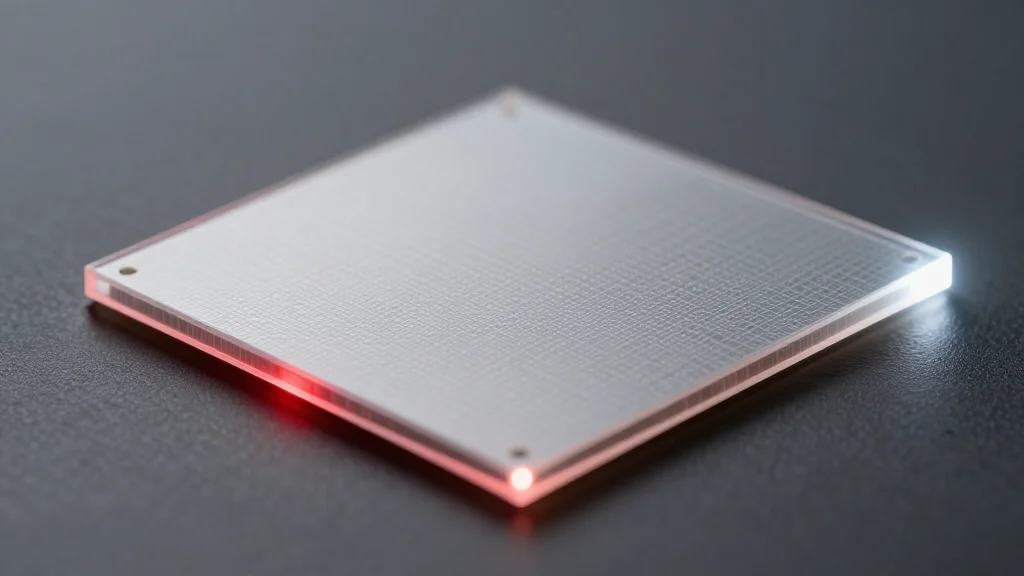
UNSW Sydney Unveils 8.2% Efficient Nanophotonic Upconverter to Boost Solar Panels
Researchers at the University of New South Wales have demonstrated a solid‑state nanoscale upconverter that converts infrared photons into visible light with an 8.2% photon‑conversion efficiency. The breakthrough could raise photovoltaic (PV) module efficiency and open new pathways for infrared‑light...
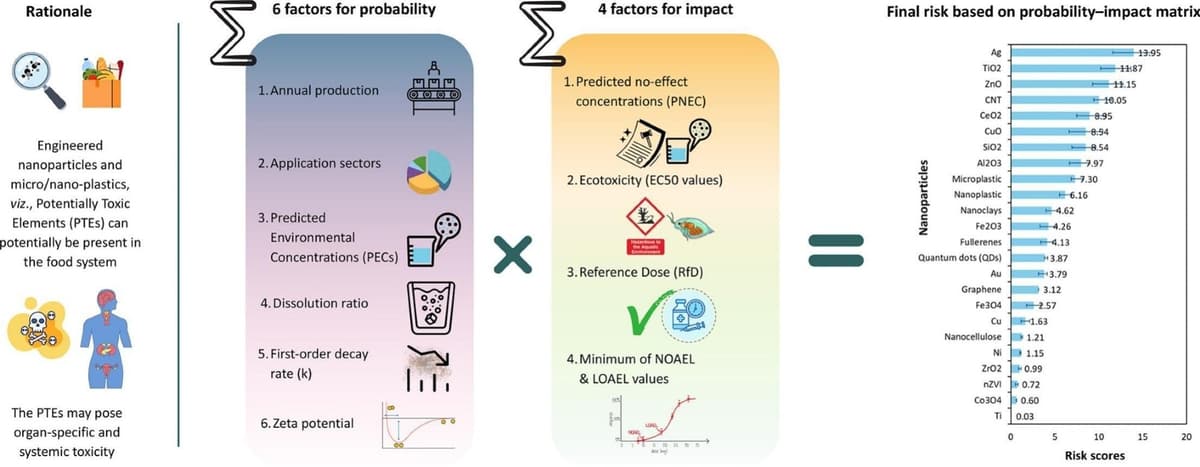
New Framework Reveals Which Food-System Nanoparticles Need Closer Safety Checks
Researchers have introduced a semi‑quantitative probability‑impact framework to rank engineered nanoparticles and micro/nanoplastics by their potential human‑health hazards from dietary exposure. The model combines six exposure factors—production volume, application breadth, predicted environmental concentrations, dissolution, persistence, and surface reactivity—with four toxicity...

Intracellular Neuronal Recordings Across DNA Tiles
Researchers engineered DNA tiles that spontaneously embed into live neuronal membranes, forming nanometer‑scale ion channels with a measured conductance of about 3 nS and pore resistance near 500 MΩ. The tiles enable stable, repeatable intracellular‑like recordings and allow targeted delivery of small...
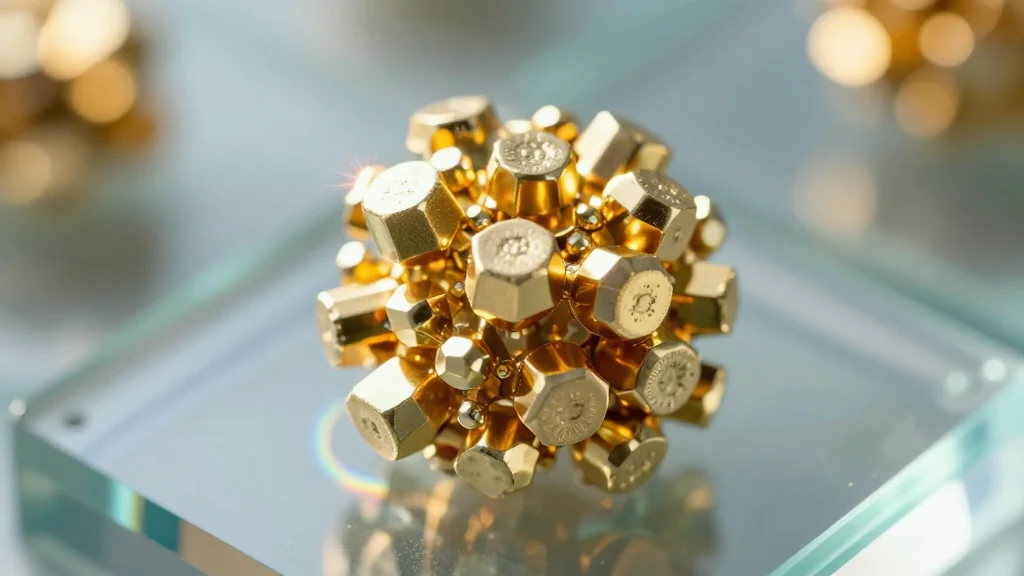
Kyushu University Hits 130% Quantum Yield with Molybdenum Spin‑flip Emitter
Researchers at Kyushu University, together with German partners, have achieved a 130% quantum yield in solar conversion by coupling a molybdenum‑based spin‑flip emitter with a singlet‑fission material. The result doubles charge carriers per photon, offering a pathway beyond the 33%...
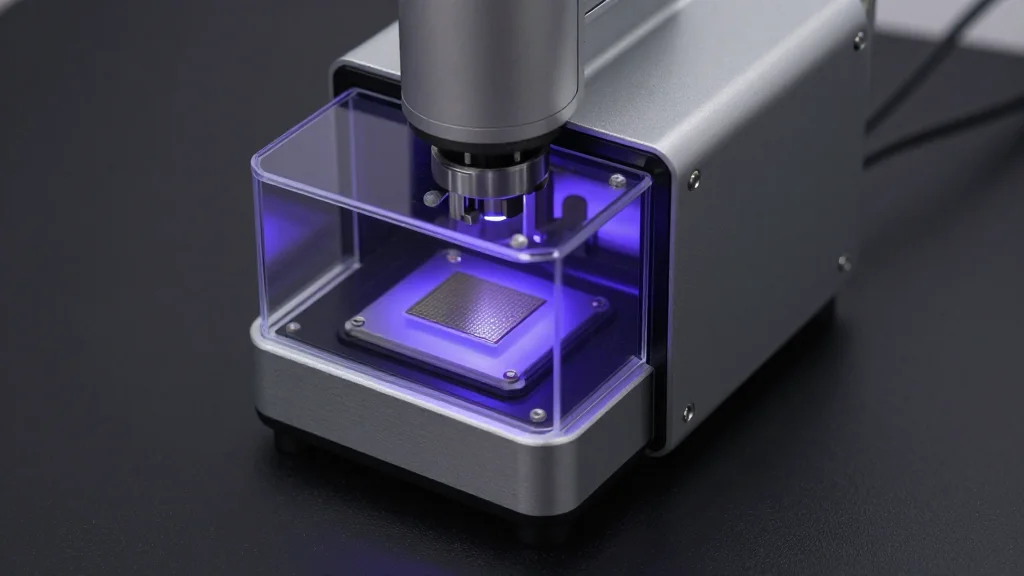
Texas Engineers Unveil Tabletop EUV Printer That Cuts Nanostructure Patterning to Minutes
Researchers at the University of Texas at Austin have built a tabletop extreme ultraviolet (EUV) lithography system that trims semiconductor nanostructure patterning from days to minutes. The low‑cost, modular device could democratize access to advanced chip manufacturing and accelerate research...
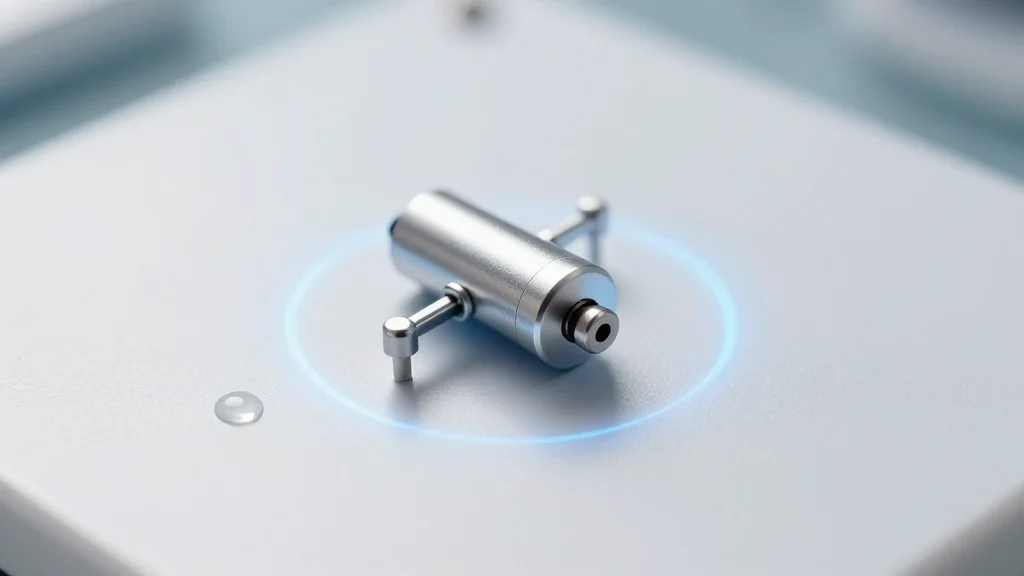
NTU Unveils 4.4mm Magnetic Nanorobot with Five‑degree Motion for Future Surgery
Researchers at Nanyang Technological University have demonstrated a 4.4mm magnetic nanorobot that can roll, cut, grip, release drugs and generate heat—five distinct functions controlled by weak magnetic fields. The breakthrough, developed over seven years with NTU, A*STAR and NHG Group...
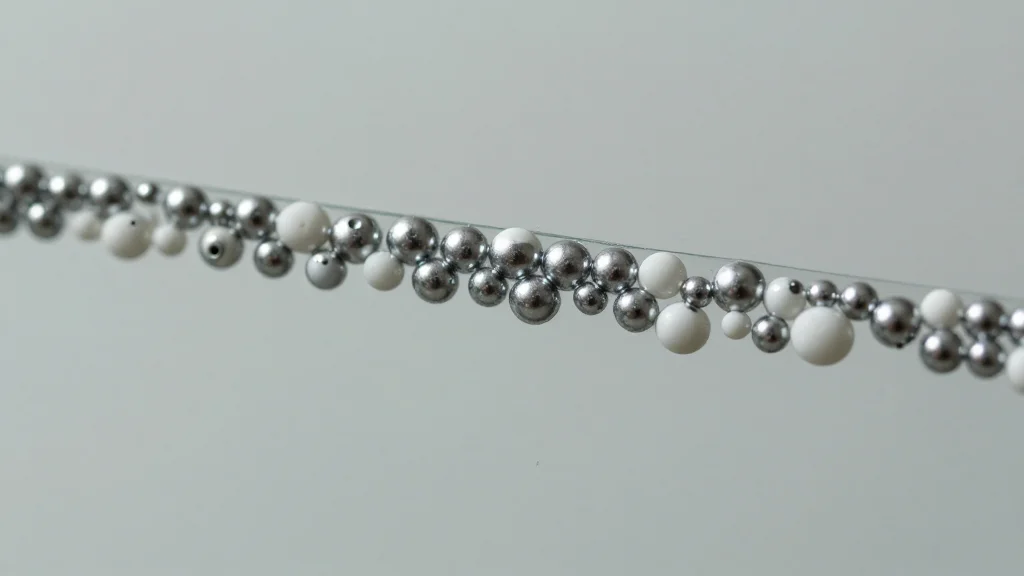
From Passive to Active: Self‐Propelled Colloids in Coatings Formulation and Film Formation
Researchers introduced self‑propelled Janus colloids into coating formulations to overcome passive transport limits during drying. By tuning the balance between fuel depletion and evaporation rates, the active particles accumulate at both the top and bottom interfaces of the film. The...

Nanofiber Mesh Implant Doubles Survival in Glioblastoma Mice
Researchers at the University of Cincinnati and Johns Hopkins Medicine created an electrospun nanofiber mesh that releases temozolomide, acriflavine and PT2385 directly into brain tumors, doubling survival in mouse models. The study highlights synergistic drug delivery as a potential path...
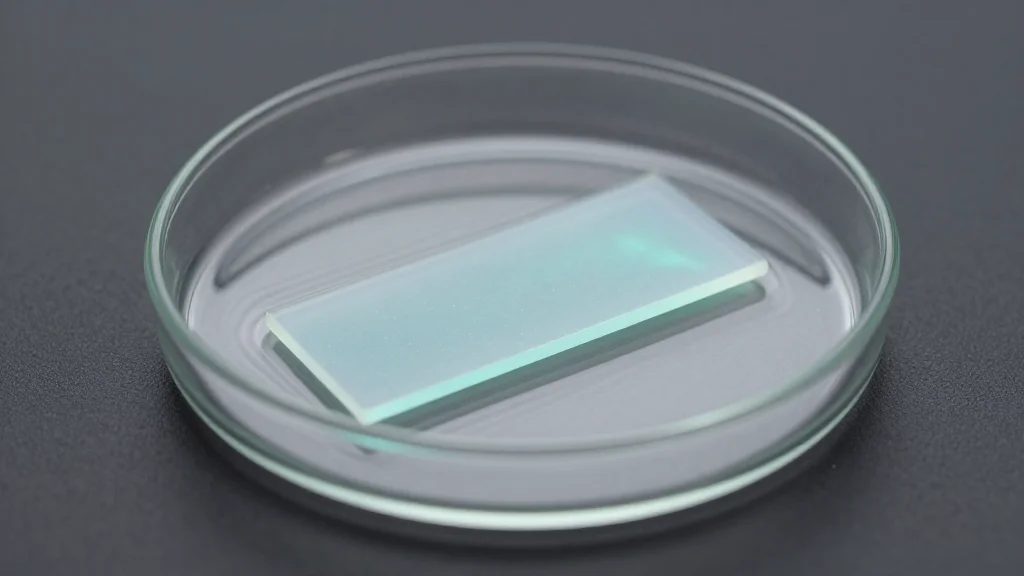
Scalable Aqueous Polymerization Via Nanoconfinement Effect Generating Two‐Dimensional Polymers With Excitation‐Dependent Clusteroluminescence
Researchers introduced a scalable aqueous nanoconfinement method to synthesize organic two‑dimensional polymers (O2DPs) at an unprecedented 50 mg/mL concentration. Amphiphilic monomers self‑assemble into bilayer sheets, where radical polymerization creates a covalent 2D network. The resulting polymers display excitation‑dependent clusteroluminescence, room‑temperature phosphorescence,...

Synthetic Cells Gain Programmable DNA Pores for Precise Molecular Transport
Researchers from the University of Stuttgart, the University of Michigan and Arizona State University have built a synthetic cell microreactor with two DNA‑based nanopores that can be opened and closed with light, enabling real‑time control of molecular and ion transport....

Russia Unveils 24‑Nanometer Quantum‑Dot Platform for Early Cancer Detection
Russian scientists at Sirius University of Science and Technology announced a nanoplatform that uses 24‑nanometer quantum‑dot particles to illuminate tumors in the infrared spectrum, enabling earlier cancer detection. The device also triggers necrotic cell death, opening a pathway toward novel...

Carnegie Mellon Team Boosts Nanoscale Heat Flow Fourfold with Metamaterials
Engineers from Carnegie Mellon University, in partnership with Stanford and Purdue, have experimentally shown that specially patterned gold metamaterials can increase near‑field radiative heat transfer by up to four times. The breakthrough could reshape thermal management for next‑generation processors and...
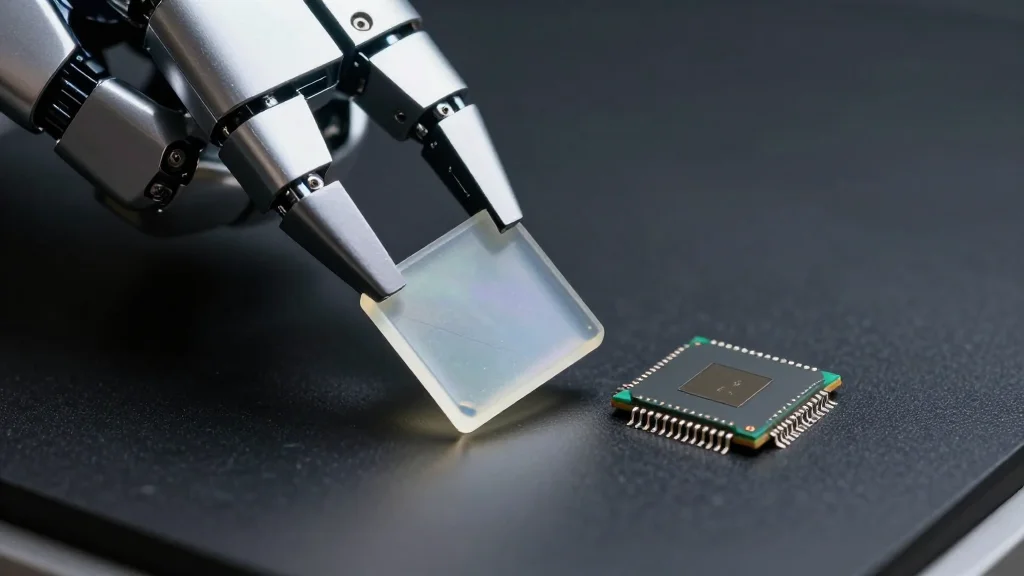
AI System Qumus Autonomously Creates Graphene Flake and First AI‑Built Graphene FET
Researchers from Princeton, Michigan, California State University and Japan's NIMS unveiled Qumus, an embodied AI that independently isolated a 245 µm² graphene flake and assembled a graphene field‑effect transistor without human intervention. The breakthrough compresses weeks of manual work into 1.5 hours...
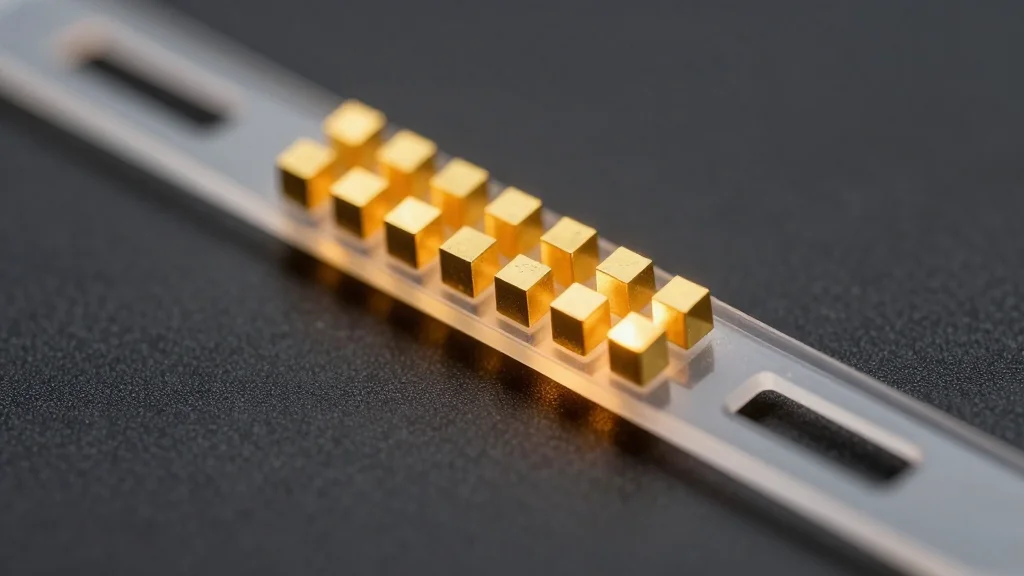
Approaching Gold‐Standard Sensitivity in a Portable and Versatile Gold Nanoprisms Thermoplasmonic Platform for Lateral Flow Detection of Biomolecules
The study introduces a thermoplasmonic lateral flow assay that leverages gold nanoprisms activated by near‑infrared laser to deliver ultrasensitive detection of biomarkers and viral RNA. ThermoLFIA achieved clinically relevant detection of gastrointestinal cancer markers, surpassing traditional ELISA performance. ThermoOLFA detected...
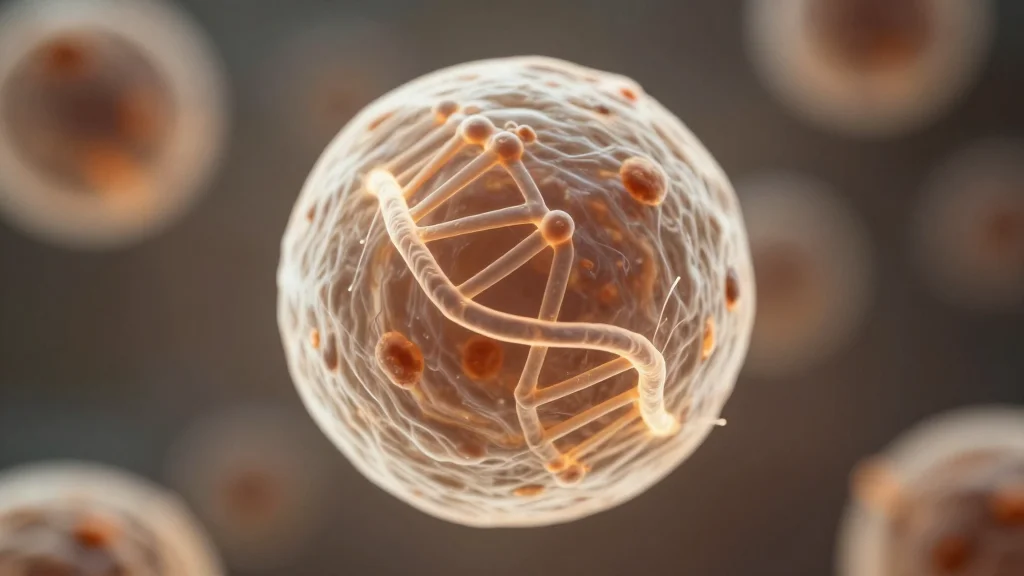
DNA Framework Nucleator‐Enabled Intelligent Hydrogel Interfaces on Living Cells
Researchers introduced a DNA framework nucleator (DFN) that creates ordered hydrogel interfaces on living cell membranes. The rigid tetrahedral DNA scaffold directs localized branched hybridization chain reactions, delivering an ATP‑responsive hydrogel with ~90.7% efficiency—2.9‑fold higher than flexible dsDNA nucleators. The...
Engineering Proton‐Deficient Micro‐Environments on Co‐cluster/Atom Ensembles for Efficient Cyclooctasulfur Electrosynthesis From Sulfur Dioxide
Researchers have engineered dense cobalt‑cluster/atom ensembles that create a proton‑deficient micro‑environment, enabling highly selective electrocatalytic conversion of sulfur dioxide to cyclooctasulfur. The CoC/SA‑NC catalyst achieved a Faradaic efficiency of 87 % and a production rate of 2,802 µmol S₈ per mg of catalyst...
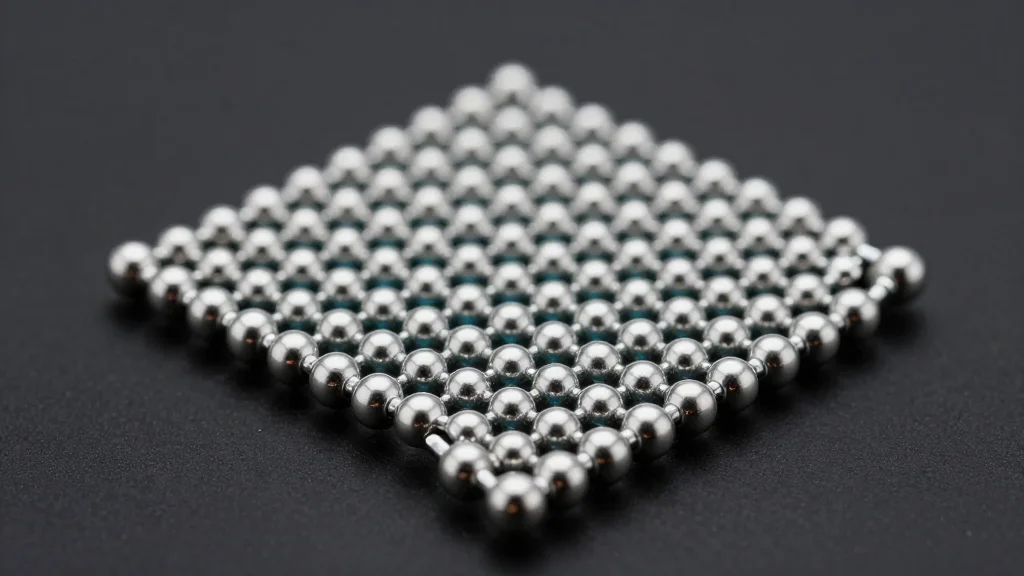
Researchers Stabilize Elusive Crystal Phase Using Silver Nanoparticles
Scientists from Brown University and the University of Michigan have experimentally stabilized a fleeting intermediate crystal phase by arranging silver nanoparticles into a novel superlattice. The breakthrough, reported in Science, demonstrates a bottom‑up route to engineer materials with quantum‑relevant optical...
Researchers Convert HDPE Plastic Waste Into High-Quality Graphene via Flash Joule Heating for Supercapacitor Applications
Researchers at India’s Homi Bhabha National Institute and BARC have shown that flash Joule heating can transform high‑density polyethylene (HDPE) plastic waste into high‑quality turbostratic graphene in milliseconds. The solvent‑free, furnace‑less process reaches temperatures above 2,500 °C, carbonizing the polymer in...

Tohoku, Shin‑Etsu and EPFL Unveil Z‑Path Spin‑Wave Waveguide Boosting Signal 5,000‑Fold
A joint team from Tohoku University, Shin‑Etsu Chemical and EPFL has created a Z‑shaped spin‑wave waveguide that transmits signals over 5,000 times more strongly than conventional designs. The breakthrough relies on a two‑dimensional magnonic crystal that eliminates loss at sharp...
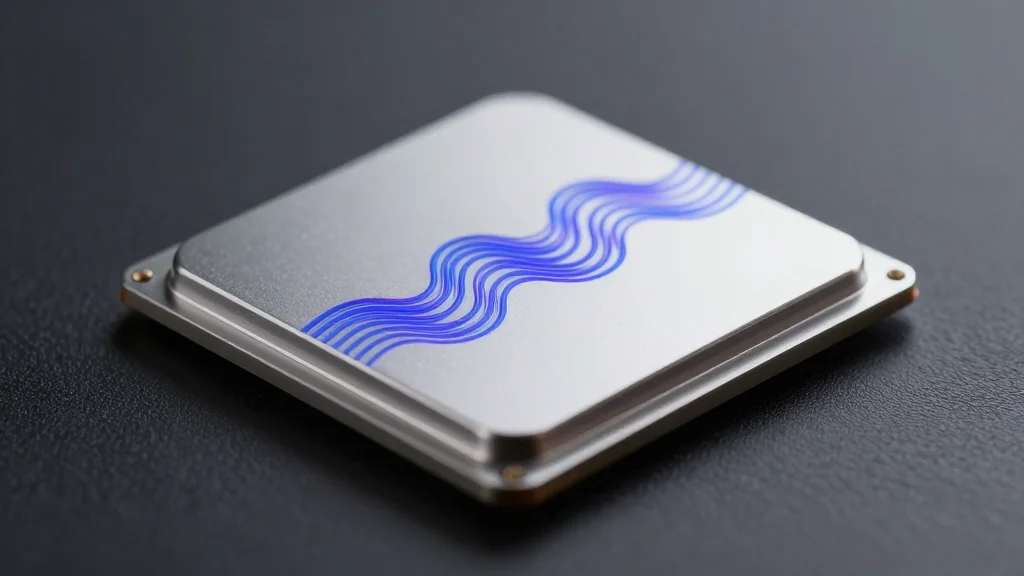
Monash Researchers Unveil Room‑Temperature Photonic Valleytronic Chip
Scientists at Monash University have built a compact chip that generates, directs and detects light‑based signals in a single device, operating at room temperature. The breakthrough, reported in Nature Photonics, could accelerate the shift toward photonic computing with lower energy...
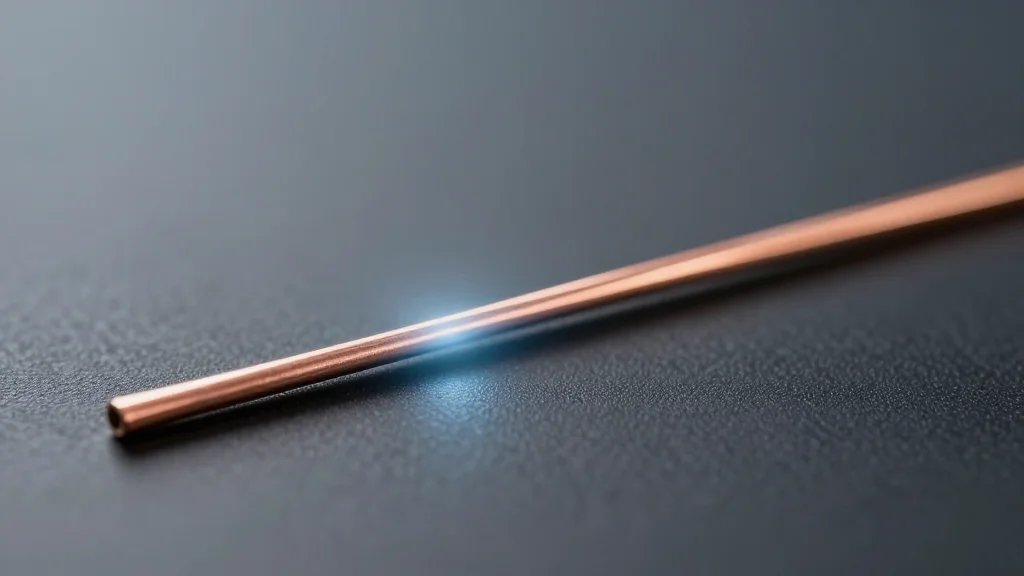
POSTECH Team Demonstrates Ballistic Electron Transport in Copper Interconnects
A collaborative team led by Professor Gil‑Ho Lee at POSTECH has observed ballistic electron transport in copper interconnects that match real‑world semiconductor dimensions. Published in Nature Communications, the experiment shows negative bend resistance at –188 °C, proving electrons can travel without...

Study Shows Tiny Nanoplastics Trigger Stronger Neuronal Changes
Researchers at the University of Eastern Finland reported that polystyrene nanoplastics under 100 nm cause stronger alterations in neuron activity than larger particles. The low‑dose study highlights particle size as a critical factor in neurotoxicity, prompting calls for tighter health‑risk assessments.
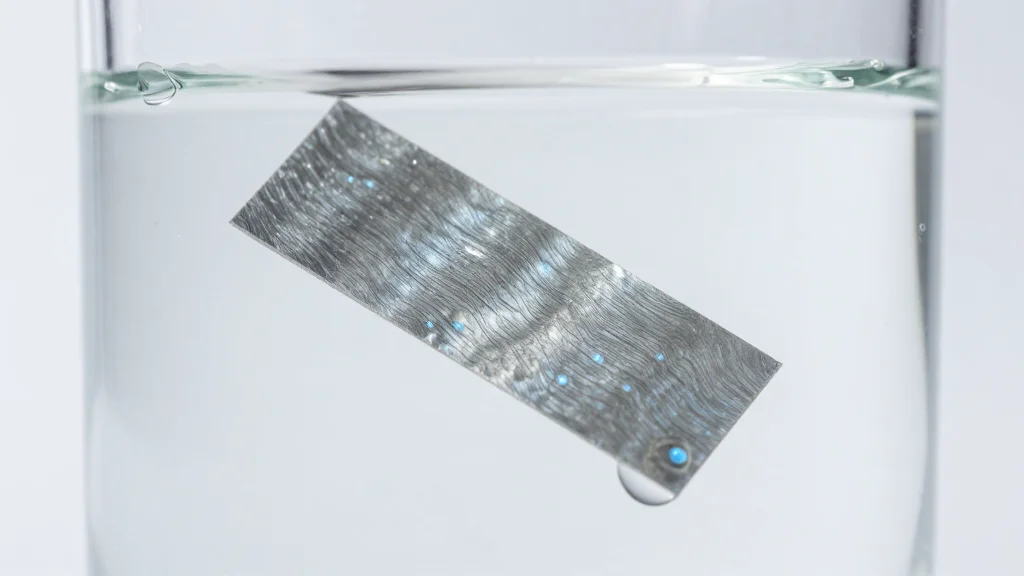
Intrinsic Manipulation of Interfacial Water in Titanium Carbide MXene via Carbon Vacancy Engineering for Superior Pseudocapacitive Storage
Researchers introduced carbon vacancies into Ti3C2Tx MXene to polarize surface oxygen groups, strengthening hydrogen‑bonding with interlayer water. This intrinsic engineering created a thermally stable “active and fixed” interlayer architecture that markedly improved pseudocapacitive performance. The vacancy‑engineered Ti3C1.7 electrode reached 348 F g⁻¹...

Shallow Zirconia Diffusion Synergistically Enhances Surface Charge Transport in Ge‐Doped Hematite for Efficient Photoelectrochemical Water Splitting
Researchers introduced a dual co‑doping strategy—germanium (Ge) during nucleation and shallow zirconium (Zr) diffusion during sintering—to overcome hematite’s intrinsic low conductivity and surface recombination. Ge increases bulk electron density, while Zr forms a gradient near the surface that lowers charge‑transfer...
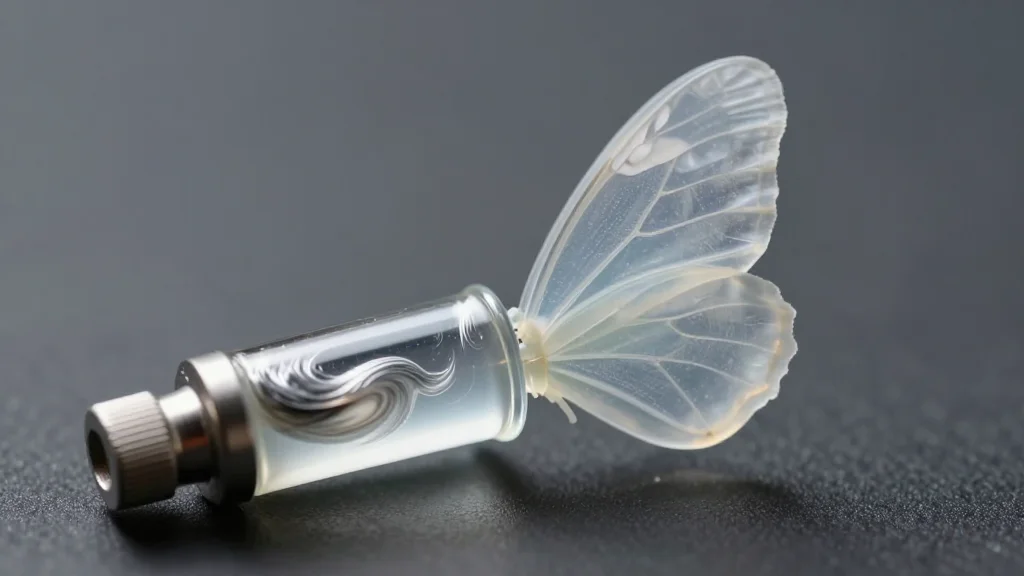
University of Bristol Unveils sub‑0.1 V Liquid‑metal Pump Powering Soft‑robotic Butterfly
Engineers at the University of Bristol have demonstrated a 0.2‑gram liquid‑metal magnetohydrodynamic pump that drives a soft‑robotic butterfly wing at less than 0.1 V. The breakthrough promises portable, low‑power fluidic actuation for wearables, medical devices and next‑generation soft robots.
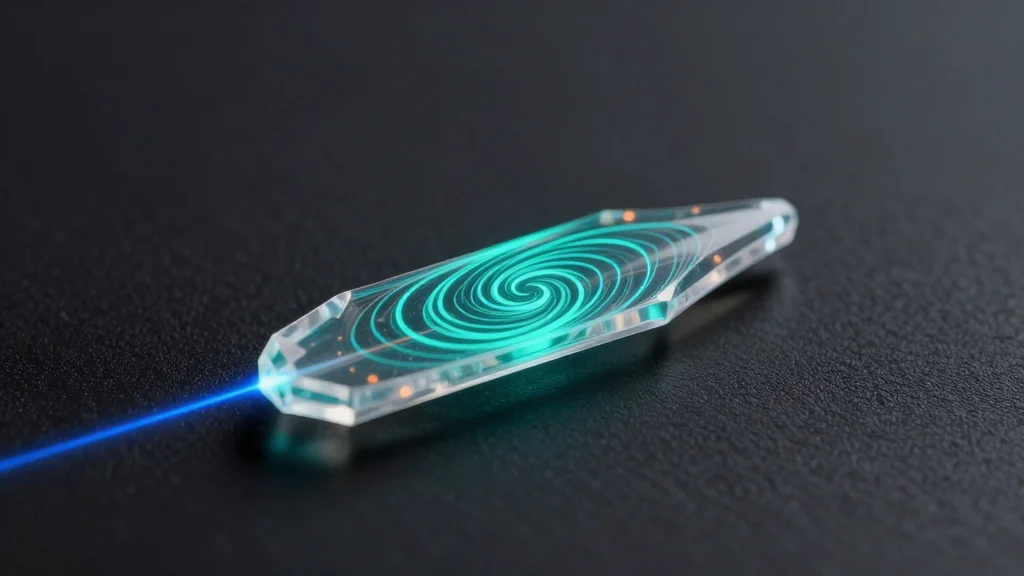
Light-Switchable Molecules Could Tune Spin Waves in 2D Magnets
Researchers propose a light‑switchable molecular layer to program spin‑wave propagation in 2D magnetic CrSBr. The iron‑based spin‑crossover molecule Fe‑pz expands under illumination, straining the CrSBr lattice and shifting magnon bandgaps. Computational models predict that a periodic array of twenty molecular...
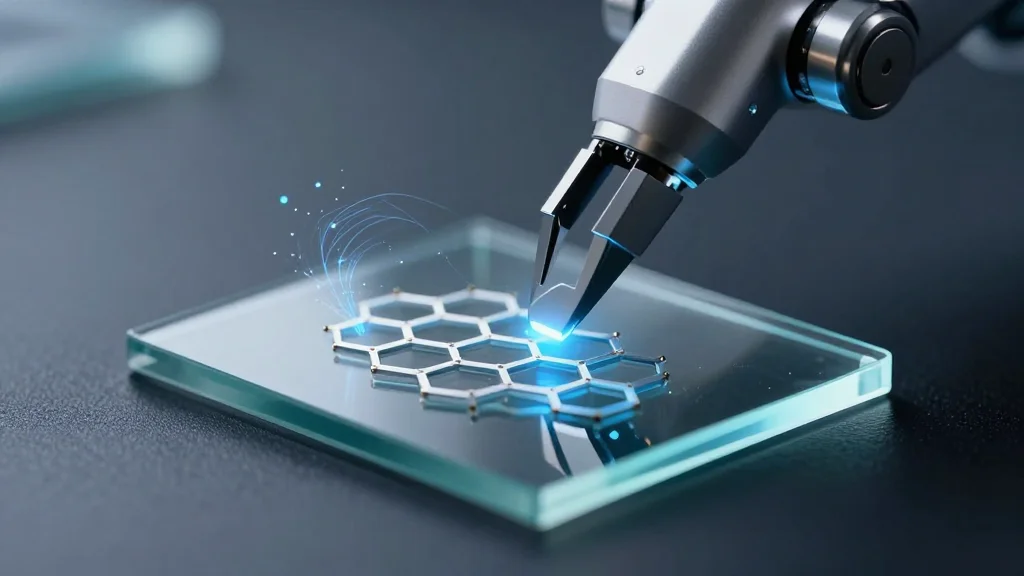
New Embodied AI System Realizes First AI-Created Graphene and Graphene FET
Researchers from Princeton, Michigan, CSU and Japan's NIMS unveiled Qumus, an embodied AI system that autonomously exfoliates bulk crystals, isolates device‑scale graphene flakes and assembles a functional graphene field‑effect transistor. In a four‑hour run the AI optimized temperature, contact time,...
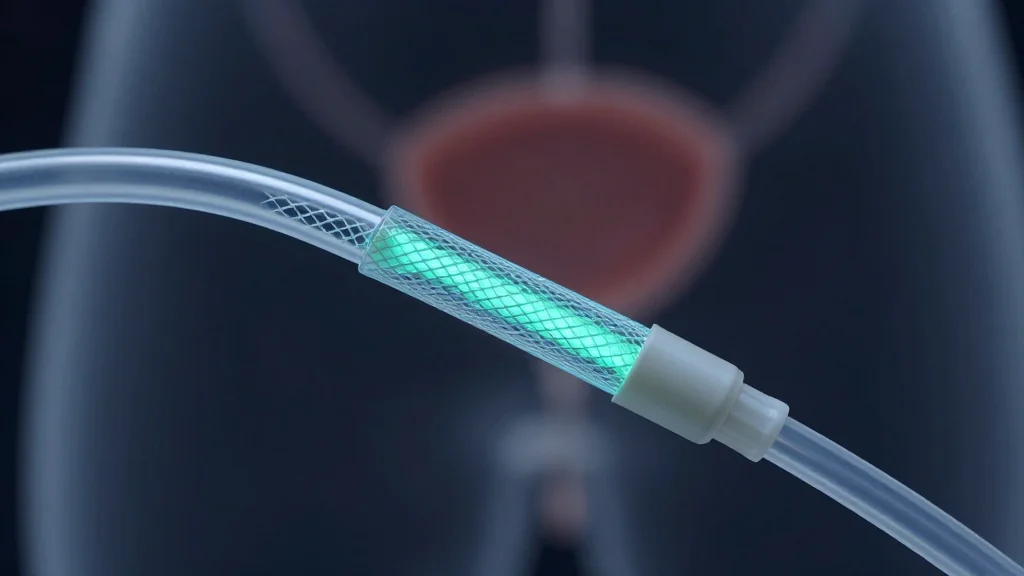
MIT Nanotech Catheter Spots Bladder‑cancer Biomarker 50,000× More Sensitively
MIT engineers have created a catheter lined with carbon‑nanotube sensors that can detect the bladder‑cancer biomarker NMP‑22 up to 50,000 times more sensitively than conventional urinalysis. The breakthrough, detailed in a Nature Nanotechnology paper, could enable clinicians to locate tumors...
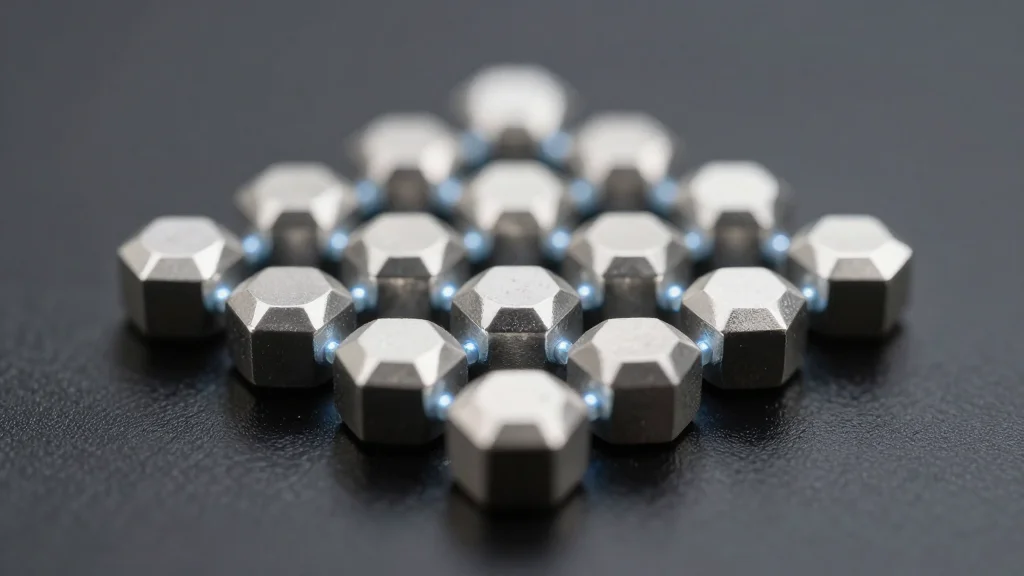
Silver Nanoparticles Enable Assembly of a Theorized, Previously Unobserved Crystal Metallic Structure
Researchers at Brown University and the University of Michigan have used shape‑controlled silver nanoparticles to lock in a fleeting intermediate crystal phase predicted by the Nishiyama‑Wassermann pathway. By synthesizing truncated‑octahedron “mecon” nanocrystals and coating them with flexible ligands, they induced...

Nanotube-Coated Catheter Could Detect Bladder Cancer Biomarker 50,000 Times More Sensitively
MIT researchers have created a catheter coated with carbon‑nanotube nanosensors that can detect the bladder‑cancer biomarker NMP‑22 up to 50,000 times more sensitively than standard urinalysis. In animal models the sensor produced fluorescent chemical images that pinpointed tumors as small...
Nanoco Group to Delist From LSE, Shares Plunge 54.7% as Cost‑Cut Plan Unfolds
Nanoco Group PLC announced it will cancel its ordinary shares and delist from the London Stock Exchange, targeting £0.7 million in annual cost savings. The move sent the stock down 54.7% to 3.10 pence, and a shareholder vote is set for June 19.

K+‐Intercalation Engineering of 1D Ultrathin K0.25IrO2 Electrocatalyst for Industry‐Level Proton Exchange Membrane Water Electrolysis
Researchers have engineered a potassium‑intercalated 1D K0.25IrO₂ electrocatalyst that restructures the IrO₂ lattice and directs epitaxial growth via cysteamine. The new material delivers an ultralow oxygen‑evolution overpotential of 237 mV at 10 mA cm⁻² and achieves a cell voltage of 1.70 V at 2 A cm⁻²...

Synthesis of a Library of Transition Metal Sulfide@MoS2 Core@Shell Nanostructures via Post‐Synthetic Cation Exchange
Researchers have introduced a post‑synthetic cation‑exchange route that transforms Ag2S@MoS2 nanocrystals into a library of transition‑metal sulfide@MoS2 core‑shell heterostructures. The process separates MoS2 shell growth from core composition, enabling single‑metal sulfide, heterostructured, and solid‑solution cores while preserving a monolayer MoS2...
Atomically Precise Mechanosynthesis of Carbon Structures on Hydrogenated Si(100) by Inverted-Mode STM
Researchers have used an inverted‑mode scanning tunneling microscope to deposit carbon atoms onto a hydrogen‑passivated Si(100) surface with atomic precision. The technique allows single‑site carbon donation, spatially patterned multi‑site donation, and stepwise assembly of polyyne chains through controlled C‑C bond...

A New Way to Move Heat Could Transform Energy and Electronics
Researchers at Carnegie Mellon, Stanford and Purdue have experimentally demonstrated that engineered metamaterials can amplify near‑field radiative heat transfer by up to four times. By patterning microscopic gold structures on thin membranes and placing them a few hundred nanometers apart,...
Litus, UWin Nanotech Enter MOU to Explore Projects Including Critical Mineral Recovery, Battery Recycling
Litus, a Calgary‑based critical‑minerals firm, and Taiwan’s UWin Nanotech have signed a memorandum of understanding to explore joint projects in lithium extraction, cobalt and nickel recovery, and battery recycling. The partnership will test Litus’s nanocomposite‑based LiNC direct lithium extraction platform...

The Impact of Nanoplastics on Neurons May Depend on Their Size
Researchers at the University of Eastern Finland found that polystyrene nanoplastics are taken up by primary neurons and that smaller particles trigger more pronounced morphological and gene‑expression changes than larger ones, even at low doses. The study, published in NanoImpact,...
Imec Unveils First 6 Nm Quantum Dot Qubit Chip, Paving Way for Scalable Processors
Imec announced the creation of the world’s first quantum dot qubit device with 6 nm gate spacing, built on a 300 mm fab‑compatible process using High NA EUV lithography. The breakthrough could accelerate the rollout of commercial‑scale quantum computers by leveraging existing...
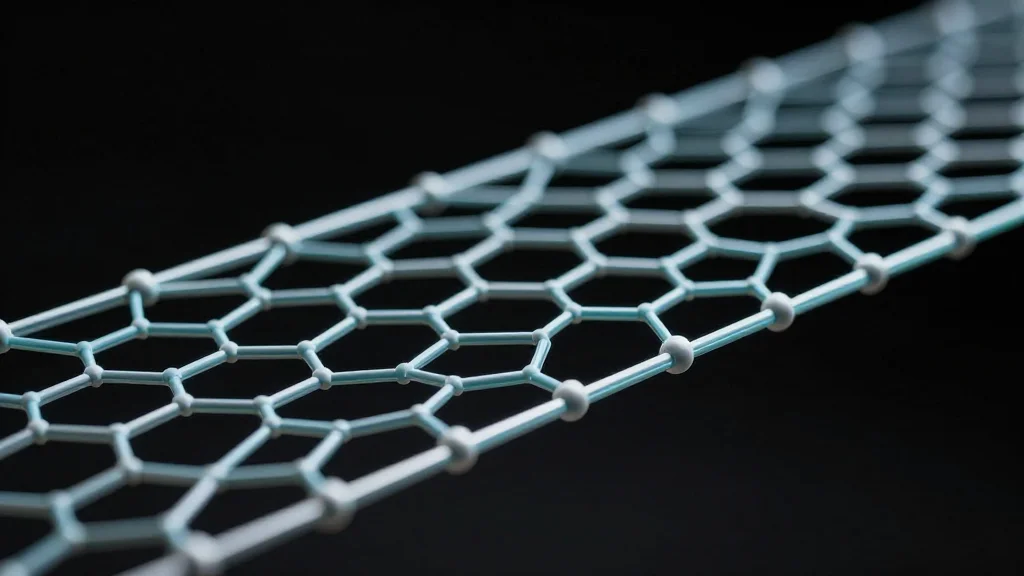
Hu Jiaqi Meets Nobel Laureate Konstantin Novoselov in Two‑Hour Graphene Dialogue
On May 22, Humanitas Ark chairman Hu Jiaqi met with Nobel laureate Sir Konstantin Novoselov for a two‑hour academic exchange on graphene and broader nanotech issues. The discussion, the third high‑profile meeting for Hu this month, underscored potential collaborations and...
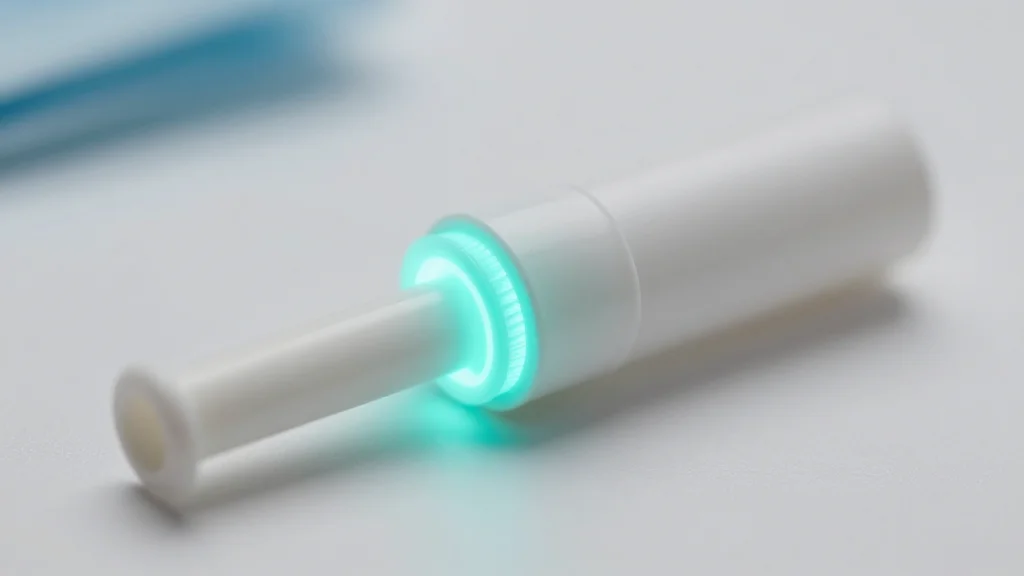
Chemical Efflux Imaging Using an Annular Nanosensor Array for in Situ Bladder Cancer Detection
Researchers at MIT and Harvard have created an annular nanosensor array that mounts on a standard urinary catheter, enabling three‑dimensional chemical efflux imaging inside the bladder. The device integrates near‑infrared fluorescent single‑walled carbon nanotubes functionalized to detect the bladder‑cancer biomarker...
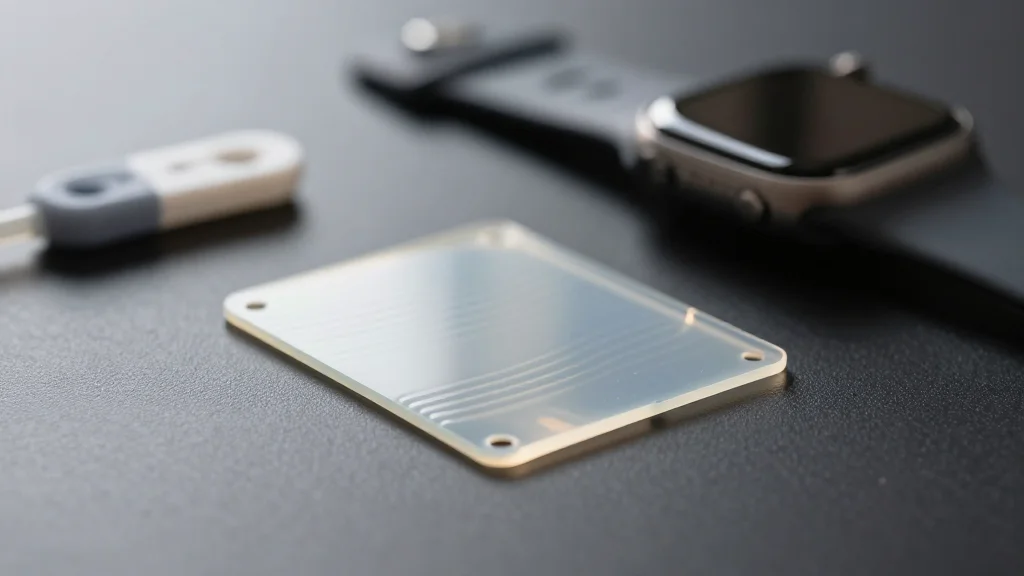
Piezoelectric Polymers Market Set for $0.64B by 2030 as Wearables and Energy Harvesting Drive Growth
The global piezoelectric polymers market is projected to climb to $0.64 billion by 2030, up from $0.45 billion in 2025, driven by surging demand in wearable electronics, medical devices and energy‑harvesting systems. In January 2026, Toray Industries announced a world‑first heat‑resistant polymer...
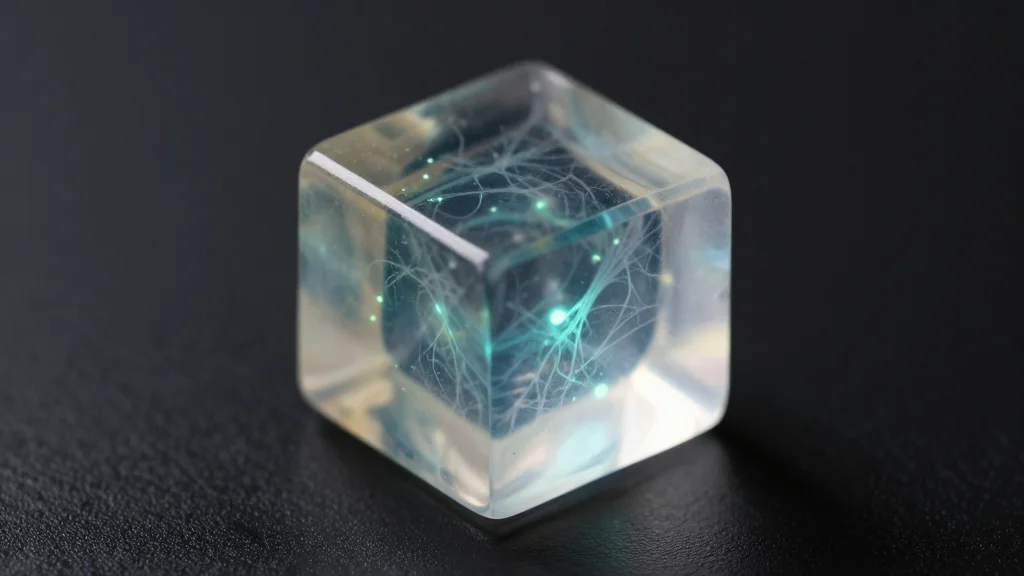
Single-Step 8-9x Expansion Reveals Nanoscale Centrioles without Electron Microscopy
Researchers at National Taiwan University introduced high‑fold homogeneous expansion microscopy (hiHomoExM), a single‑step technique that expands samples 8–9× isotropically while maintaining ultrastructural integrity. The method replaces the need for electron microscopy by allowing conventional fluorescence microscopes to resolve nanoscale features...
Self-Assembling Peptide Helps Liver Cancer Drugs Escape Lysosome Traps
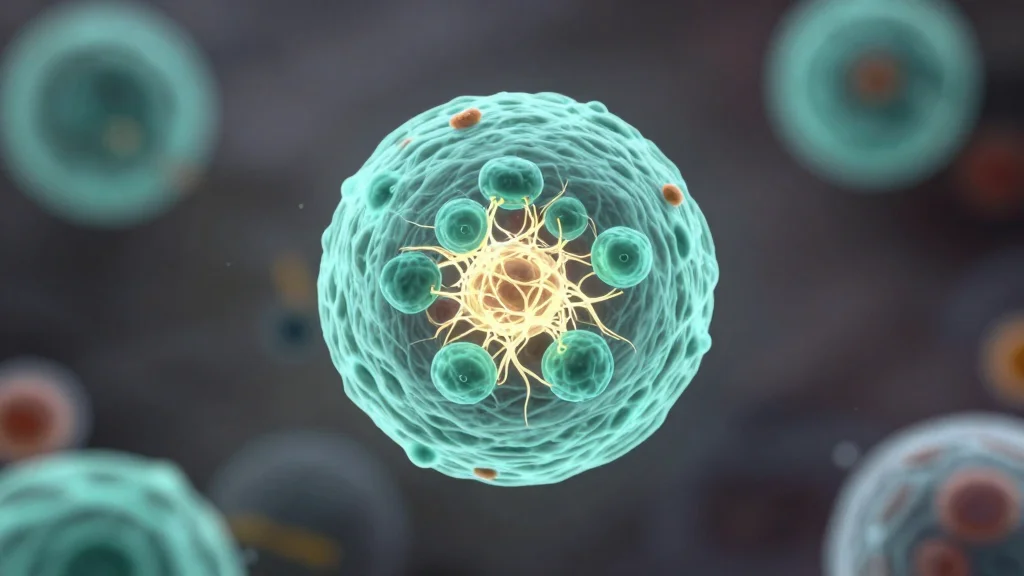
Researchers engineered a self‑assembling peptide, RS‑FS, that remains as nanospheres in blood but converts to nanofibers inside the acidic, reducing environment of hepatocellular carcinoma lysosomes, where it damages the organelle and frees trapped drugs. In mouse models, RS‑FS combined with...
Silanol Networks Control Methanol Reactivity in Nano‐ and Micron‐sized Silicalite‐1
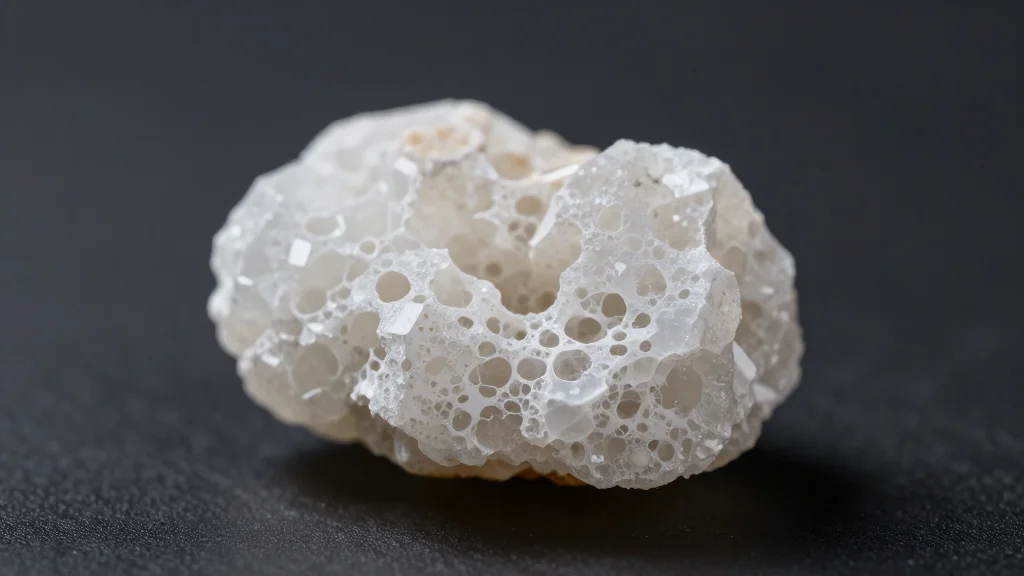
Researchers have shown that silanol groups in pure‑silica MFI zeolite (silicalite‑1) are not inert defects but active participants in methanol conversion. By comparing micron‑sized (Sil1_micro) and nano‑sized (Sil1_nano) crystals, in‑situ FTIR and operando studies revealed distinct hydrogen‑bonding networks that dictate...

Researchers Upcycle Pomegranate Peel Into High-Performance Water Purifier
Researchers at the National University of Singapore have transformed discarded pomegranate peels into a nanoscale carbon material, called nanobiochar, that can adsorb the industrial pollutant 4‑nitrophenol (4‑NP) from water. The material is produced by heating the peels to 600 °C and...