Today's Nanotech Pulse

Left‑handed DNA origami tubes double chemotherapy efficacy against AML
Researchers at the Cancer Center at Illinois showed that left‑handed DNA origami tubes loaded with Daunorubicin achieve more than twice the cell‑killing efficacy of right‑handed tubes. The tubes display aptamers that target the CD117 protein on acute myeloid leukemia cells and their left‑handed geometry promotes rapid internalization.

Dunia Innovations Commits €280 M to Build Autonomous AI‑materials GigaLab in Berlin
Dunia Innovations announced a €280 million ($302 million) investment to launch GigaLab, a 6,000‑square‑metre autonomous AI‑materials facility in Berlin. Backed by Siemens, ABB Robotics, NVIDIA, AWS and ILS, the lab aims to scale experimental validation of AI‑designed nanomaterials, creating over 200 jobs and opening in 2028.
National Lab Unveils Vanadium‑Oxide Synapse with 25‑Minute Photoresponse for Neuromorphic Vision
A team led by the National Laboratory of the Rockies published a study showing that α‑phase vanadium pentoxide devices can hold a light‑induced charge for more than 25 minutes, a record persistence that mimics biological synapses. The discovery, detailed in...
Complexity Isn't Subjective—The Right Amount Results in New Material Properties
Researchers at the University of Michigan, USC and UIUC have introduced a quantitative graph‑theory metric that measures the structural complexity of nanoparticle assemblies. The metric translates the balance of order and randomness into a single number, allowing engineers to design...

Particle-by-Particle Tracking Reveals Uneven Nanoparticle Drug Release
Researchers at the Institute of Materials Science of Barcelona used dSTORM microscopy to track drug release from individual PLGA nanoparticles over 30 days, uncovering highly heterogeneous release profiles. Some particles discharged their cargo within hours, others retained it until polymer...
AI‑Designed Protein Nanocages Reach 220 Nm, Paving Way for Next‑Gen Vaccines
Researchers from Pohang University of Science and Technology and the University of Washington announced AI‑guided creation of quasisymmetric protein nanocages ranging from 70 nm to 220 nm. Published in Nature, the work shows a single, computationally designed protein can self‑assemble into virus‑like...
Glass Microspheres Make Perovskite Quantum Dots Tougher for Micro-LED Color Conversion
Researchers have developed submicron glass microspheres that encapsulate perovskite quantum dots (QDs) and incorporate silver bromide to improve durability for micro‑LED color‑conversion applications. The glass matrix protects the QDs from moisture and heat, while the bromide source heals halide vacancies...
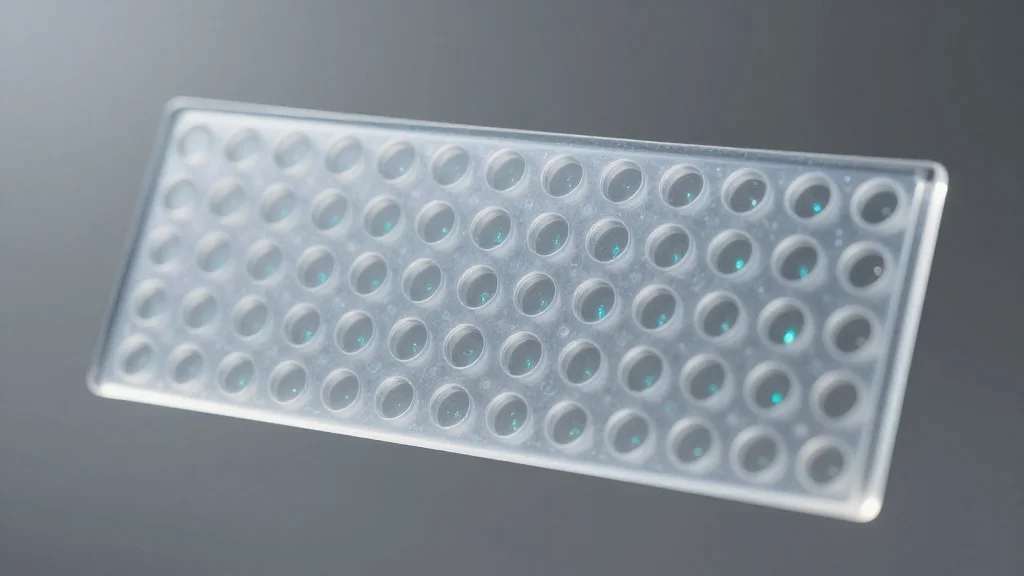
Two Nanopores Working in Concert to Control Molecular Traffic
Researchers at the University of Stuttgart, in partnership with the University of Michigan and Arizona State University, used DNA nanotechnology to construct a synthetic membrane featuring two dynamically interacting nanopores. Activation of one pore triggers the formation of the second,...

Chinese Researchers Demonstrate Sub‑100 Fs All‑Optical Modulation with Silver‑Silicon Nanodisk
Scientists from Xiamen University and Hangzhou Dianzi University have experimentally achieved all‑optical modulation in under 100 femtoseconds using a metastructured silver‑single‑crystal silicon nanodisk antenna. The breakthrough, detailed in Nano‑Micro Letters, bypasses the electron‑phonon relaxation limit that has capped plasmonic modulators...
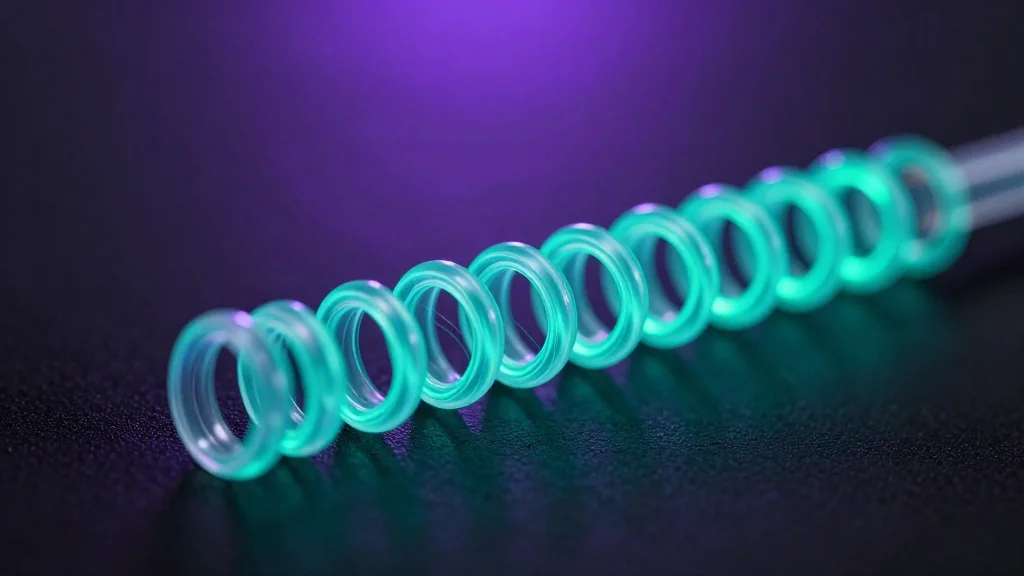
UNIST Researchers Unveil 'Chameleon MXene' That Switches Between 6G Shielding and Battery Power
A team led by Professors Sunyong Kwon and Eunmi Choi at UNIST announced a carbon‑composition‑controlled MXene that can be engineered as either an ultra‑high‑frequency EMI shield or a high‑capacity supercapacitor. The breakthrough, published in Advanced Materials, promises lighter, flexible components...

Secret World of Cellular Communication Visualized in 3D Thanks to New Nanoscopy Method
Australian National University researchers unveiled RO‑iSCAT, a label‑free nanoscopy method that captures living cells in three dimensions over days. By rotating illumination and stacking images, the technique amplifies weak light signals tenfold, revealing dynamic, thread‑like nanoscale bridges that mediate cell‑to‑cell...
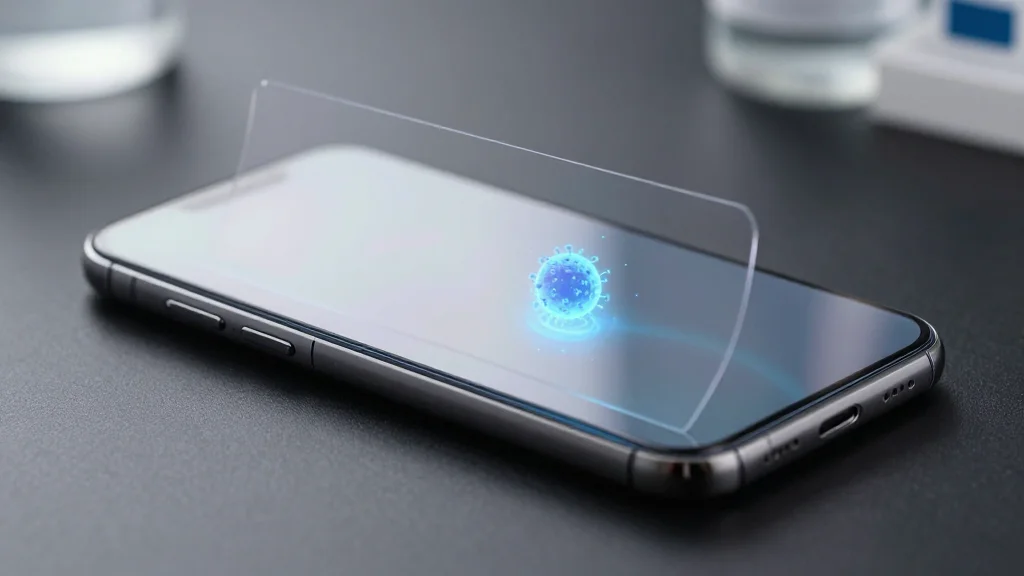
RMIT’s Nanopillar Film Can Kill 94% of Viruses on Phone Screens
Researchers at RMIT University have unveiled a flexible acrylic nanofilm that can be laminated onto phone screens and other high‑touch surfaces, inactivating roughly 94% of viral particles within an hour. The breakthrough offers a chemical‑free, mass‑producible route to self‑sanitizing consumer...
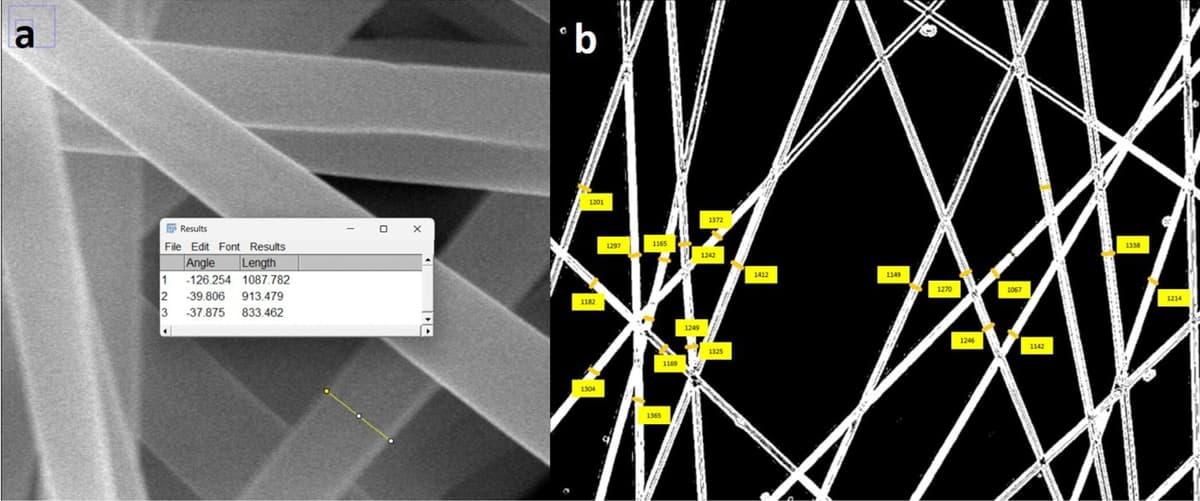
AI Helps Researchers Measure Nanofibers Beyond Diameter Alone
Researchers reviewing AI‑driven image analysis in ACS Omega show that deep‑learning models now enable rapid, multiparameter measurement of electrospun nanofibers, surpassing manual and traditional software methods. The study highlights how convolutional networks, Mask R‑CNN and generative AI can deliver pixel‑level segmentation, accurate...

Polymer Shell Boosts Gold Nanoparticle Stability for Cancer Photothermal Therapy
Researchers from the Universities of Córdoba, Strasbourg and the Sorbonne have introduced a long‑chain polymer coating that protects gold bipyramids from heat‑induced reshaping. The protective shell maintains nanoparticle geometry during repeated laser exposure, promising longer‑lasting photothermal cancer therapy.

Nature Nanotech Calls for Chemistry‑Centric Framework to Redefine Nanoplastics Research
Nature Nanotechnology’s latest editorial argues that nanoplastics research must move beyond particle size and adopt a chemistry‑led framework, integrating molecular‑level metrics to better assess environmental and health impacts. The piece warns that size‑only classifications obscure the diverse chemical behaviors that...

Imec Unveils First Quantum‑Dot Qubit Fabricated with High‑NA EUV Lithography
At ITF World, imec demonstrated a silicon quantum‑dot qubit device fabricated with high‑NA EUV lithography, achieving 6‑nm gate gaps and proving the method’s suitability for fab‑scale quantum hardware. The breakthrough links semiconductor manufacturing to quantum‑computing scaling.
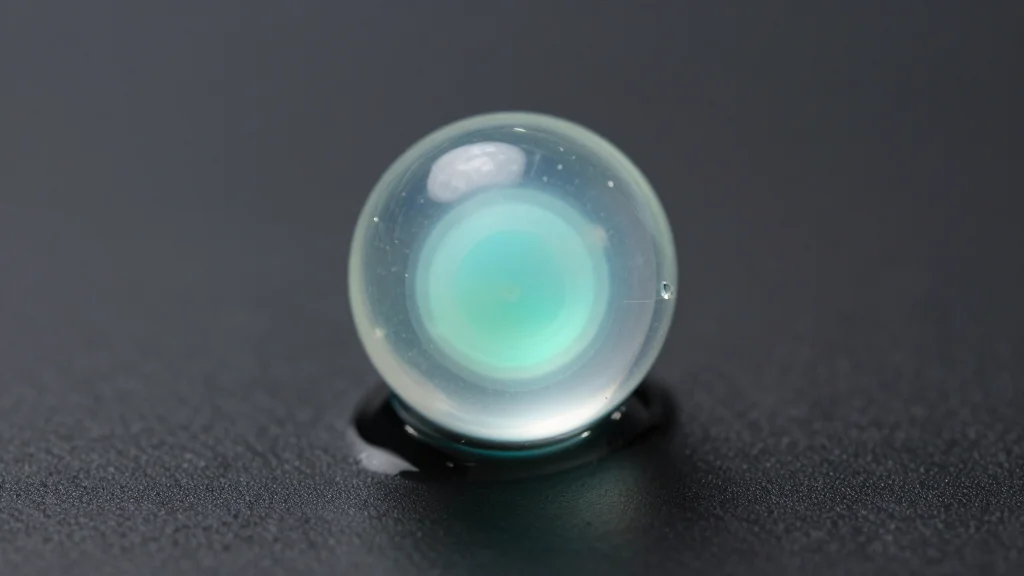
Emerging Nanoreactors for Precision Disease Treatment: From Principles to Biomedical Applications
Nanoreactors—engineered nanostructures that emulate cellular compartments—are reshaping precision nanomedicine. By confining reactants, integrating synergistic catalytic sites, and responding to physiological cues, they dramatically accelerate therapeutic reactions and enable controlled drug release. Recent advances span organic, polymeric, and organic‑inorganic hybrids, showing...

Visualizing Metal Nanoparticle Electrochemical Dissolution Atom by Atom
Researchers employed identical‑location annular dark‑field scanning transmission electron microscopy (IL‑ADF‑STEM) to capture atom‑by‑atom snapshots of gold nanoparticle dissolution on carbon electrodes in chloride solution. By measuring integrated image intensities, they quantified atom loss and gain for the same particle over...

Linkage Engineering in Porous Aromatic Frameworks for Recyclable Iodine Adsorption and Applications in Iodine‐Mediated Organic Reactions
Researchers introduced a linkage‑engineering strategy for porous aromatic frameworks (PAFs) that precisely tunes iodine capture and release. The carbon‑carbon‑linked TPM‑TTA variant delivers the highest surface area (1,086 m² g⁻¹) and record iodine uptakes of 3.27 g g⁻¹ from vapor and 6.93 g g⁻¹ from KI/I₂ solution,...
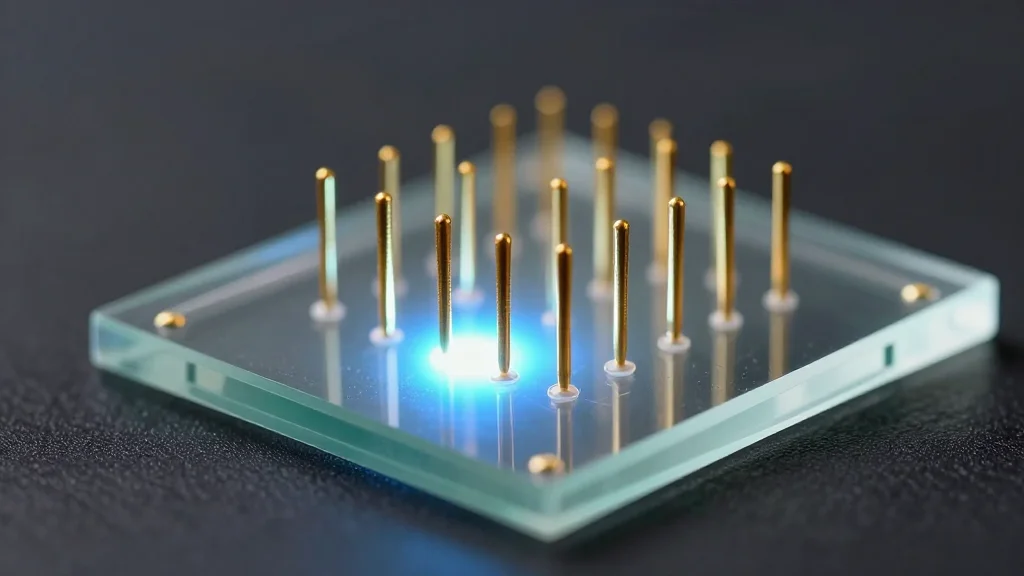
Gold Antennas Thinned to the Atomic Scale Intensify Light in 2D Materials
Researchers have fabricated single‑crystal gold nanoribbon arrays thinner than 5 nm and integrated them with monolayer transition‑metal dichalcogenides. By matching the vertical dimension of the plasmonic antenna to the atomic thickness of the semiconductor, the near‑field intensity is concentrated directly within...
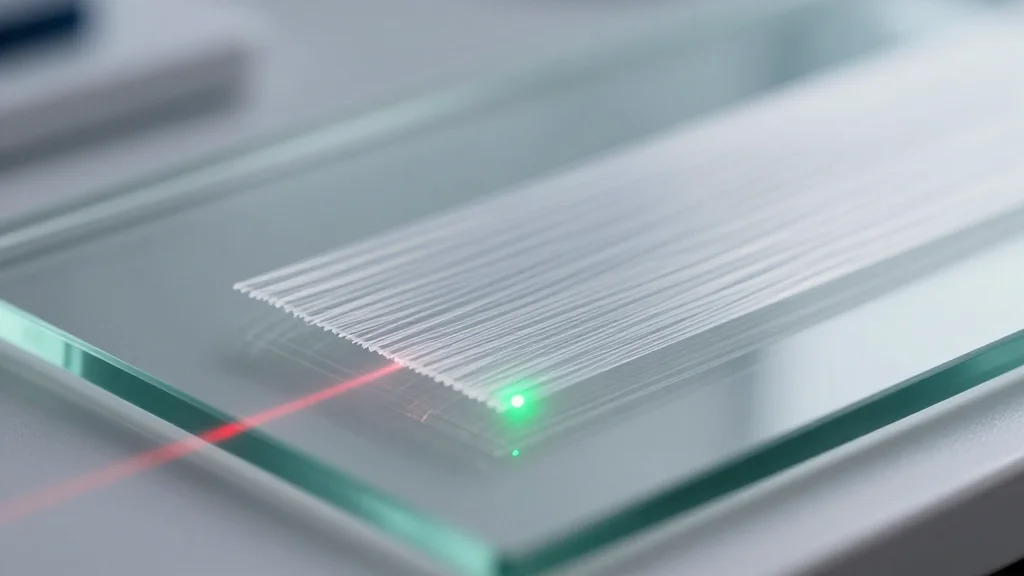
Rice University Demonstrates 1,000‑Fold Light‑Conversion Boost in Chiral Carbon Nanotube Films
Scientists at Rice University have fabricated centimeter‑scale, single‑handed chiral carbon nanotube films that generate second‑harmonic light up to 1,000 times more efficiently than traditional materials. The breakthrough validates long‑standing theory and could accelerate ultrathin photonic chips and high‑speed optical links.

Engineered Nanomaterials Optimize Delivery Barriers in Cancer Immunotherapy
A new review outlines how engineered nanomaterials can overcome delivery bottlenecks in cancer immunotherapy by matching material design to each step of the immunity cycle. It details active‑targeting ligands, intracellular escape mechanisms, and co‑delivery of antigens, adjuvants, mRNA or CRISPR...
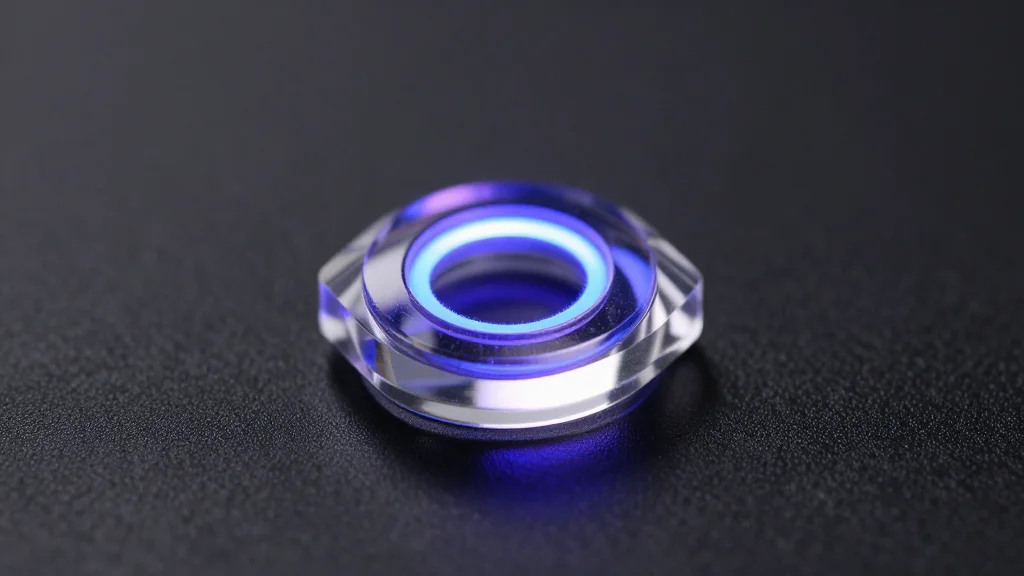
UPenn Team Sets Record with 4‑Femtjoule All‑Optical Switch Using Exciton‑Polaritons
University of Pennsylvania researchers demonstrated an all‑optical switch that operates at just 4 femtjoules using exciton‑polariton quasiparticles. The breakthrough, published in Physical Review Letters, could slash energy consumption in AI hardware by eliminating electronic‑optical conversions.
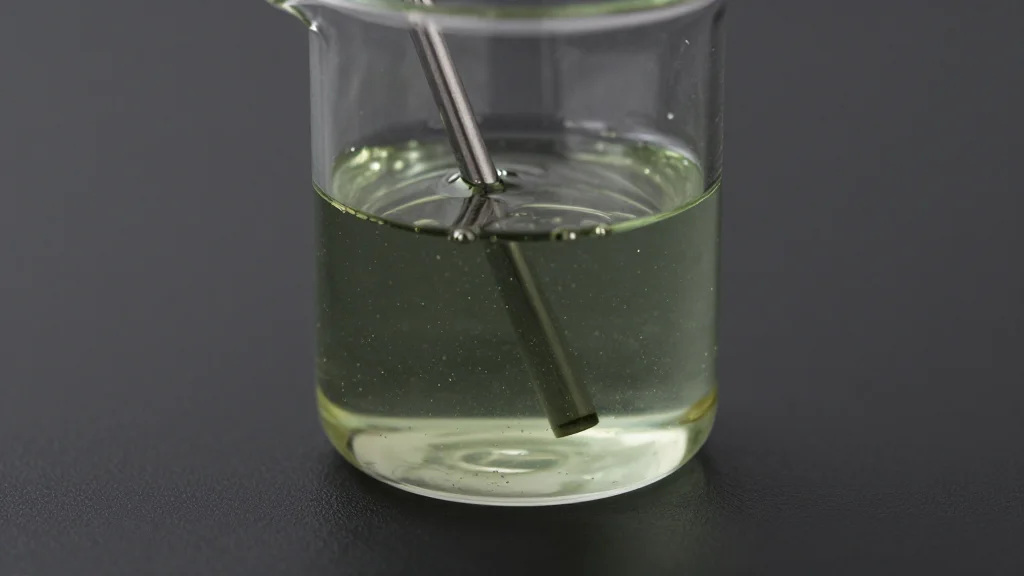
Optimizing Arsenic Removal Using Surface-Modified Magnetic Nanoparticles via Taguchi Experimental Design
Researchers enhanced iron‑oxide magnetic nanoparticles with humic acid, raising their specific surface area from 48.2 to 92.2 m²/g and dramatically improving arsenic(V) adsorption. Using the Taguchi experimental design, optimal conditions—pH 3, 5 g/L adsorbent dosage, 180 minutes contact time, and 20 mg/L co‑existing ions—delivered a...
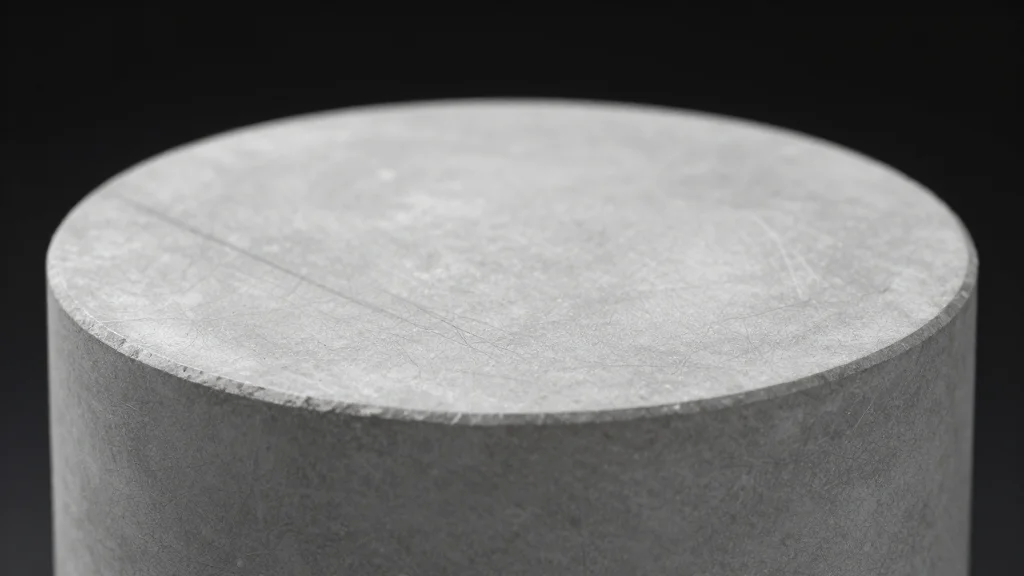
Plaid Technologies Shares Updates on Graphene-Enhanced Concrete Testing
Plaid Technologies announced that its graphene‑infused concrete composite (Plaid‑GCC) has achieved notable laboratory gains, including a 33% faster cure time, up to 50% carbon‑reduction potential, and 30‑50% material efficiency. CEO Guy Bourgeois linked the breakthrough to soaring infrastructure spending, labor...
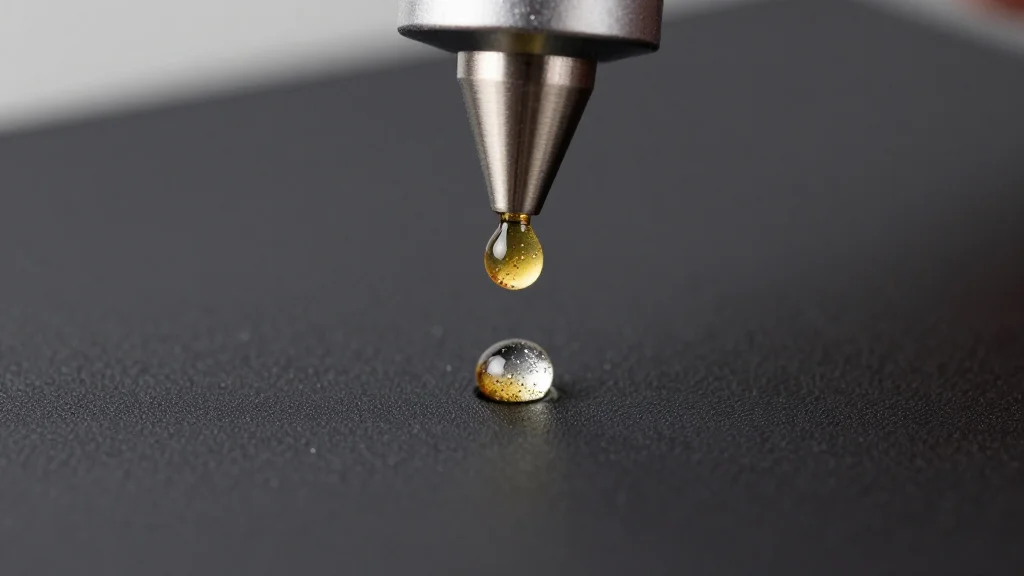
Sigma‑Aldrich Adds Electroninks’ Gold and Silver Nanoparticle Inks to Catalog
Sigma‑Aldrich announced that it will distribute Electroninks’ new UT Dots gold and silver nanoparticle inks, a six‑formulation portfolio optimized for inkjet and aerosol‑jet printing. The move signals broader market access for high‑conductivity, green‑solvent inks targeting wearables, biosensors, RF and defense...
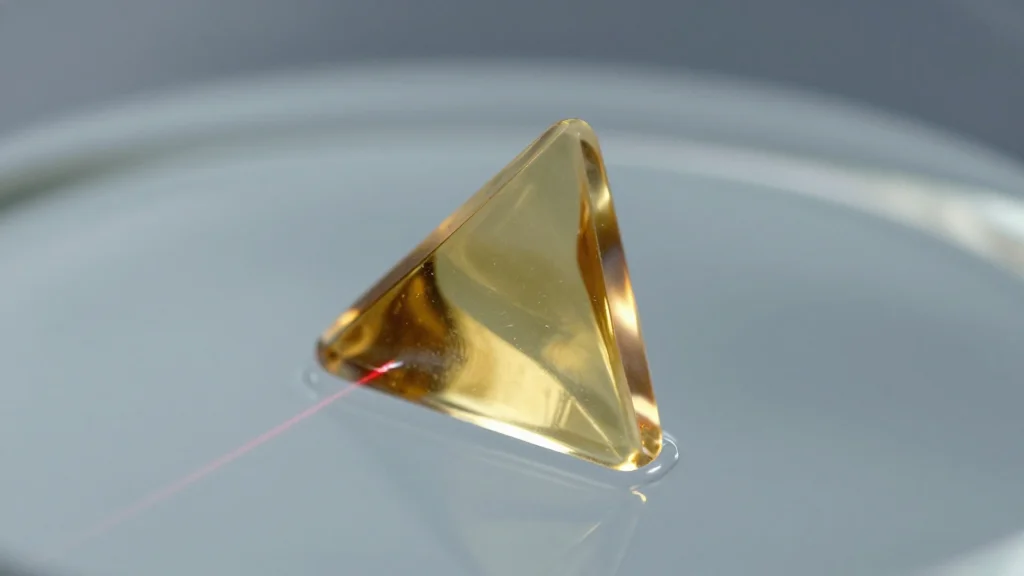
New Shell Helps Gold Nanoparticles Keep Shape Under Laser Heat Longer
Researchers from Córdoba, Strasbourg and the Sorbonne have developed a polymer‑based shell that preserves the distinctive bipyramidal shape of gold nanoparticles during laser‑induced heating. The protective layer outperforms traditional sodium citrate ligands, keeping the particles stable longer and maintaining their...
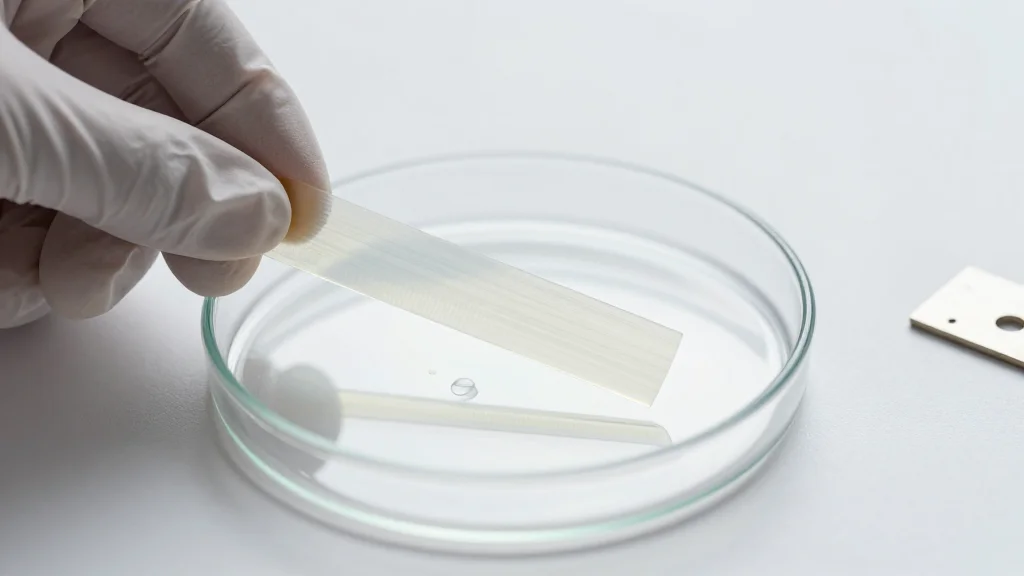
Covalent Organic Frameworks Boost Proton Conductivity in Fuel Cell Membranes
A new review in the Chinese Journal of Polymer Science shows that embedding covalent organic frameworks (COFs) into proton‑exchange membranes (PEMs) creates continuous proton channels, dramatically improving conductivity under low humidity and high‑temperature conditions. Adding just 0.6 wt % sulfonated COF nanosheets...

Turkey Opens 3,000‑Ton Nanotech Plant to Cut Farm Water Use by 50% and Boost Yields 25%
Turkey inaugurated a 3,000‑ton‑per‑year nanotechnology plant in Istanbul that will mass‑produce the biodegradable soil‑water nanomaterial NANOTERN. The product can halve irrigation water consumption and lift agricultural yields by as much as 25%, positioning Turkey as one of the few nations...
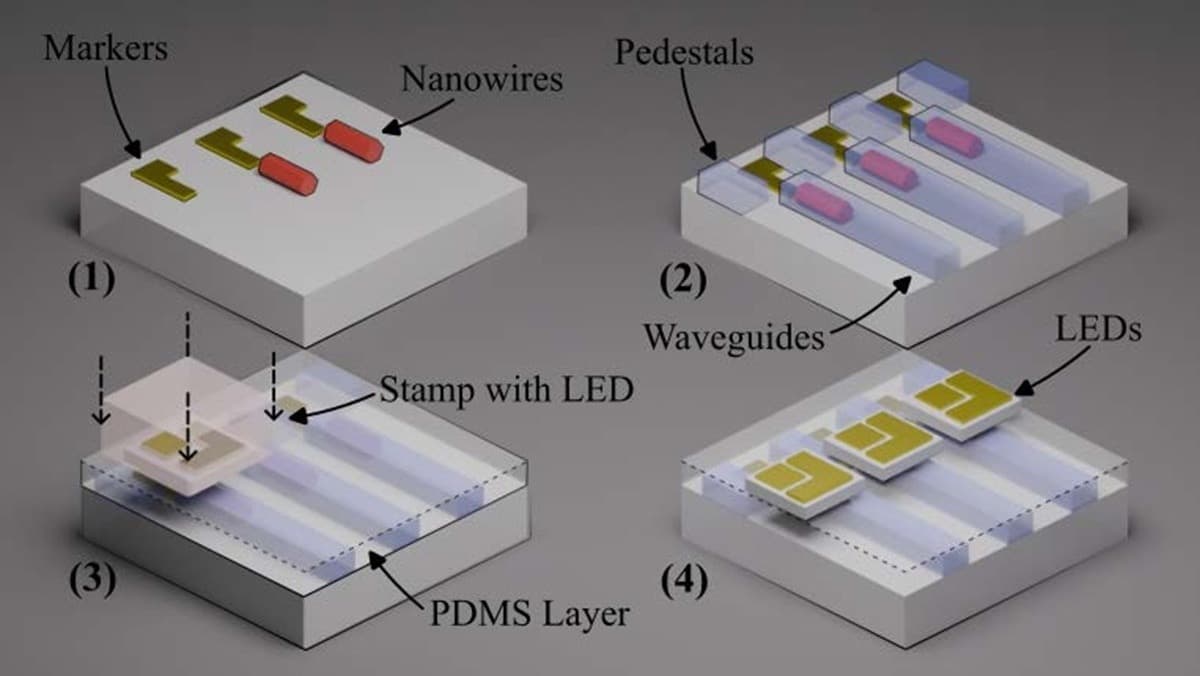
Micro-LEDs Light Up Nanowire Emitters for Chip-Scale Photonics
Researchers have demonstrated a transfer‑printing process that places micro‑LEDs directly atop indium‑phosphide nanowire emitters, creating a compact, electrically addressable photonic system. The integrated devices achieve small‑signal modulation in the tens‑of‑megahertz range at room temperature and deliver near‑infrared output around 860 nm....
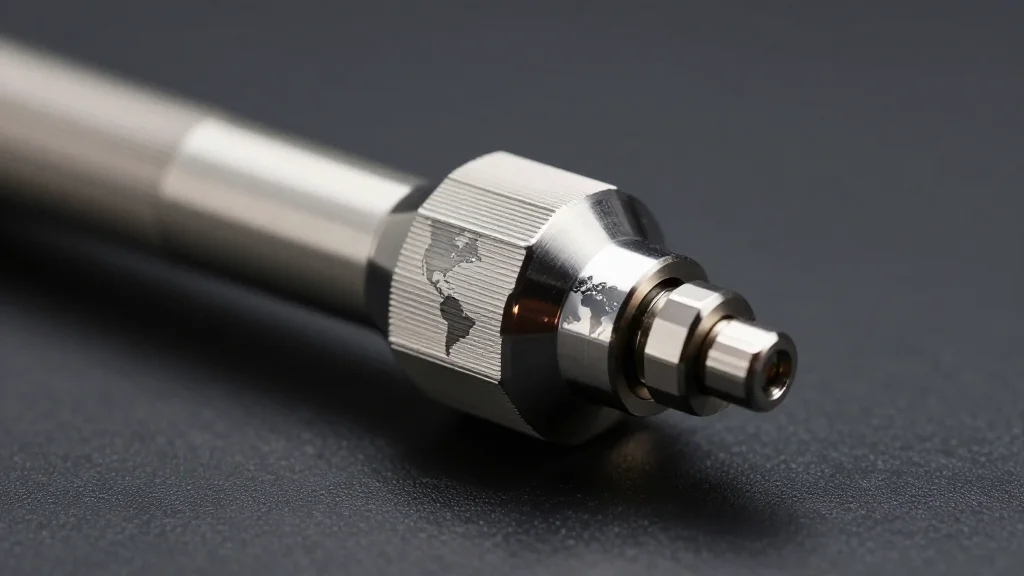
Shibaura Machine to Acquire Moore Nanotechnology for $150 Million, Expanding Ultra‑Precision Reach
Shibaura Machine Co., Ltd. announced a $150 million acquisition of U.S. ultra‑precision equipment maker Moore Nanotechnology Systems, making the latter an indirect wholly‑owned unit. The deal adds over 1,000 precision machines and a global service network, accelerating Shibaura’s push into North...

Room-Temperature Hydrogen Storage of Boron Nanoclusters
A team of Chinese and Australian researchers demonstrated that boron nanoclusters can store hydrogen at room temperature, achieving reversible uptake without the extreme pressures or temperatures typical of conventional hydrides. Molecular dynamics and COHP analyses revealed that Ni‑decorated clusters promote...
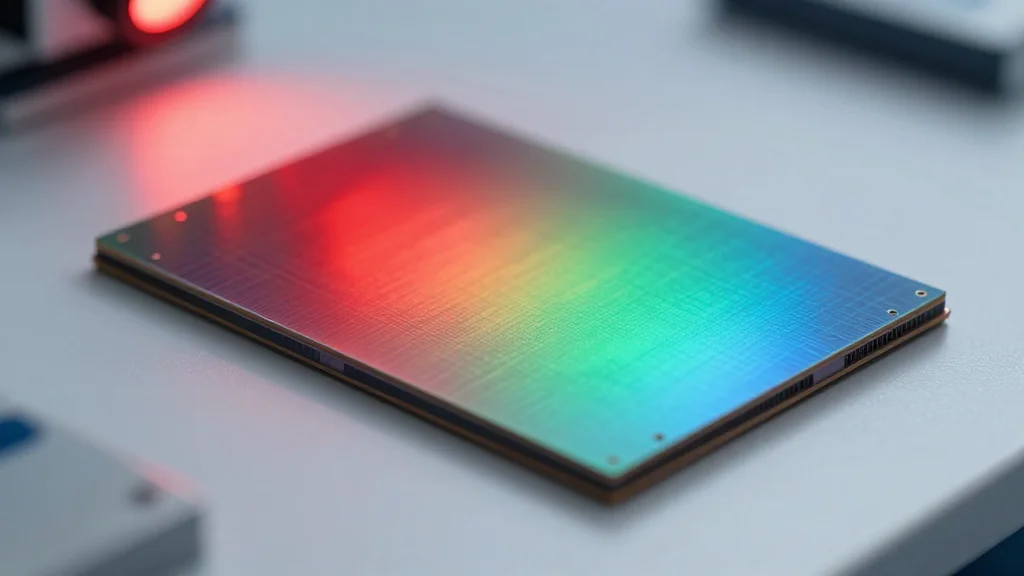
Nanoscale Device Converts Wasted Infrared Light Into Usable Energy
Researchers at the University of New South Wales have built a nanoscale solid‑state device that upconverts low‑energy infrared and red photons into higher‑energy visible light, achieving an 8.2% photon‑conversion efficiency—the highest reported for this architecture. The ultrathin film can be...

Stardust Solutions Raises $75M to Test Nanoparticle Cloud Brightening for Reef Protection
Stardust Solutions, an Israeli nanotech firm, announced a $75 million funding round to develop biodegradable silica‑calcium carbonate particles for cloud‑brightening over oceans. The company says the spray could lower heat stress on coral reefs, but scientists warn of unintended climate impacts.
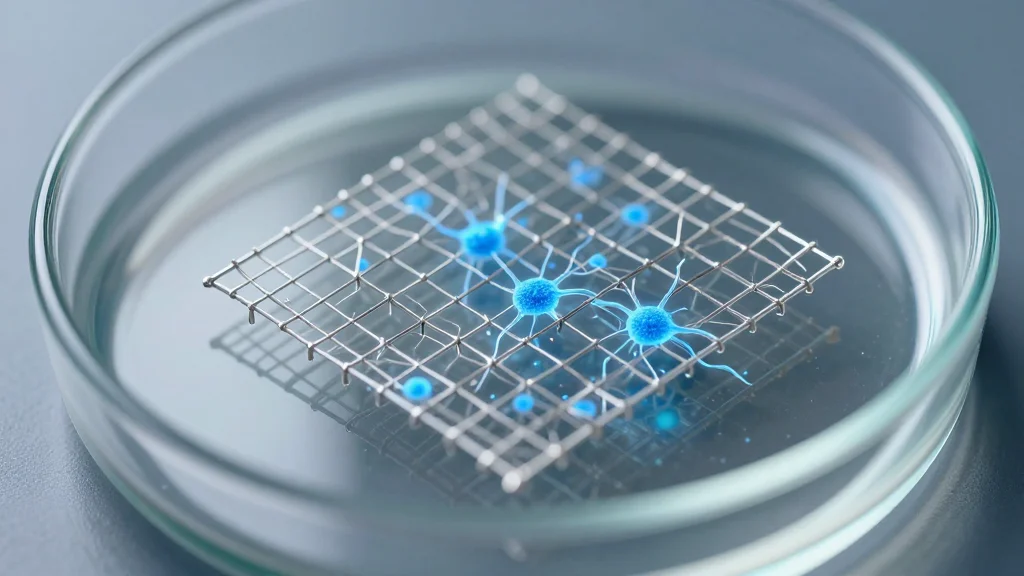
Princeton Team Demonstrates 3D Brain‑Electronic Hybrid Chip with 70K Neurons
Scientists at Princeton University created a microscopic 3D metal‑wire mesh that supports about 70,000 living brain cells and directly interfaces with electronic circuitry. In a six‑month trial the hybrid device identified spatial and temporal signal patterns, marking a tangible step...

Nanobiotix's Phase‑2 Lung Cancer Trial Shows 85.7% Response Rate
Nanobiotix S.A., with Johnson & Johnson as sponsor, presented Phase‑2 CONVERGE data showing an 85.7% overall response rate and 57.1% complete response in seven stage III inoperable NSCLC patients, suggesting the nanoparticle radioenhancer NBTXR3 could improve outcomes when combined with chemoradiotherapy...

ANU's RO‑iSCAT Nanoscopy Unveils 3D Cellular ‘Living Bridges’
Researchers at the Australian National University have introduced RO‑iSCAT, a label‑free nanoscopy technique that captures three‑dimensional cellular extensions in real time. The method amplifies weak light signals ten‑fold, revealing intricate networks that act as living bridges between cells and could...
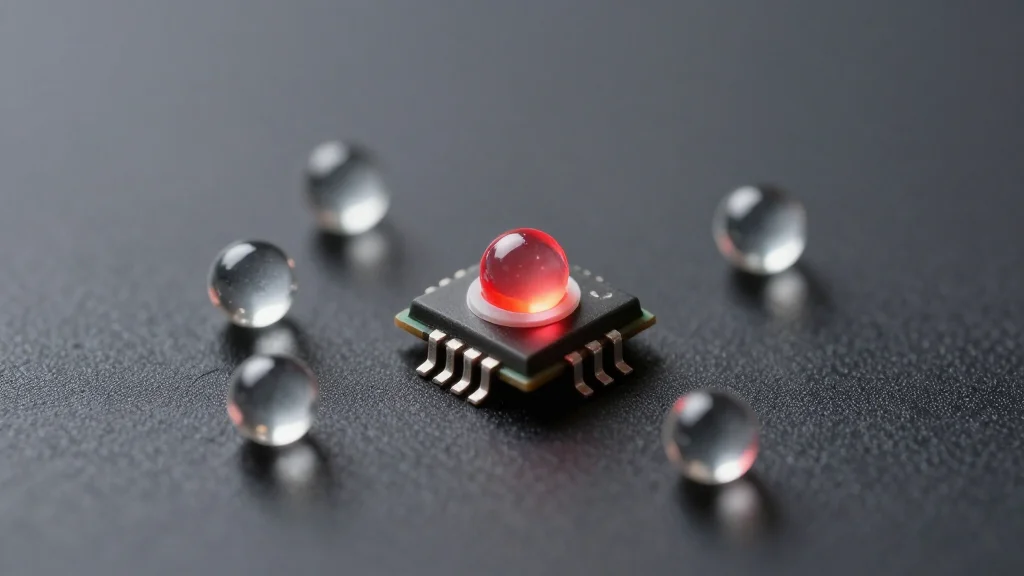
Cambridge Researchers Unveil First LED Powered by Insulating Lanthanide Nanoparticles
Scientists at the University of Cambridge have built the first LED that electrically powers insulating lanthanide‑doped nanoparticles, using organic “molecular antennas” to achieve over 98% triplet‑energy transfer at just 5 volts. The breakthrough, published in Nature, could reshape near‑infrared optoelectronics...

The “Impossible” LED that Could Change Everything
Scientists at Cambridge’s Cavendish Laboratory have created the first LEDs from insulating lanthanide‑doped nanoparticles by attaching organic "molecular antenna" molecules that funnel electrical energy into the particles. The hybrid devices achieve over 98% triplet‑energy transfer, emit ultra‑pure second‑near‑infrared (NIR‑II) light,...

Call for a Standard Framework for Triboelectric Nanogenerators
The article spotlights three cutting‑edge studies. Researchers reveal that surface reconstructions in cerium hexaboride (CeB₆) obscure the interpretation of its bulk electronic properties. A Vienna‑based citizen‑science initiative shows urbanization reshapes fruit‑fly communities, offering a low‑cost ecological barometer. Meanwhile, engineers demonstrate...

Quantum Nanomedicine: How Tiny Materials Could Tackle Big Medical Challenges
A Perspective article in Advanced Science outlines the emerging field of quantum nanomedicine, which engineers quantum phenomena—such as coherence, spin polarization, and topological states—into nanomaterials to achieve highly precise therapeutic and diagnostic actions. The authors highlight quantum dots for light‑triggered...
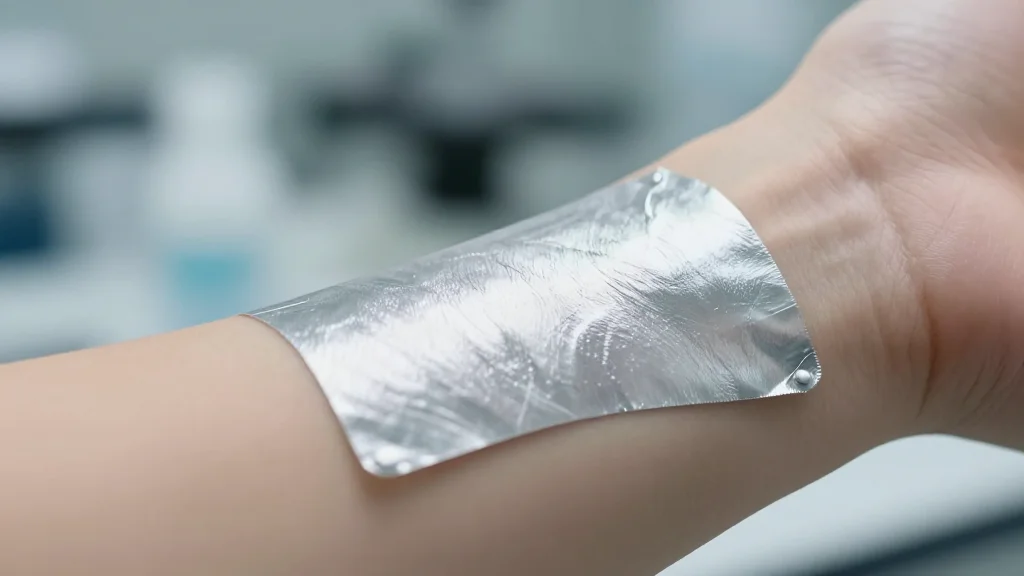
Stretchable Nanomembrane Achieves Metal-Like Conductivity for Skin-Mounted Sensors
Researchers led by Jung et al. introduced a float‑assembly technique that yields ultrathin, stretchable nanomembranes whose conductivity rivals bulk metals. The membranes can be patterned by photolithography and integrated into epidermal sensor arrays, opening a practical path for next‑generation wearable...

Nanoparticle Therapy Erases Alzheimer Plaques in Mice, Restores Cognition
Researchers from the Institute for Bioengineering of Catalonia, West China Hospital Sichuan University and UK partners reported that a single‑dose nanotechnology therapy cut brain amyloid‑β by up to 60% within an hour and restored memory in Alzheimer‑model mice after three...
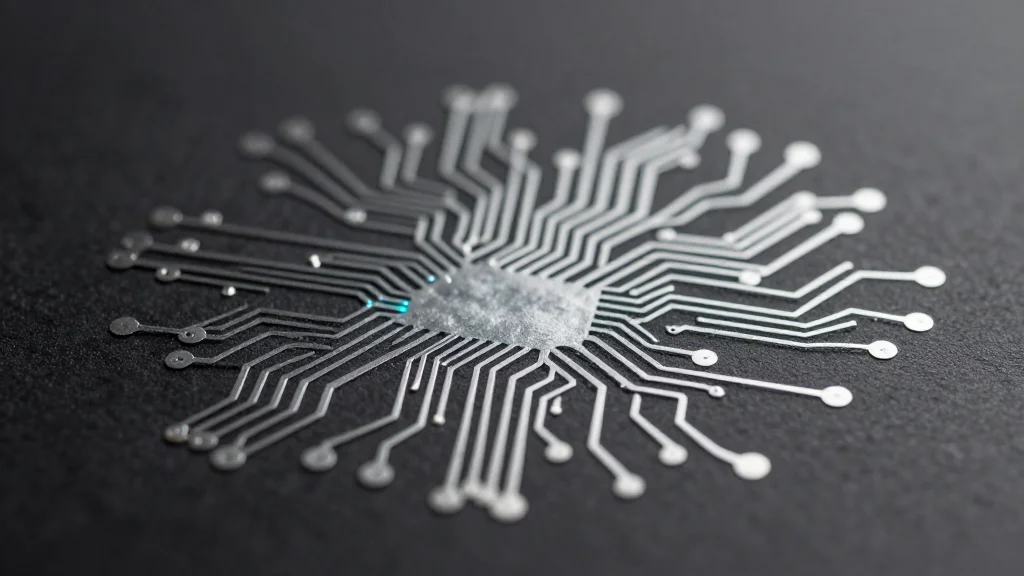
Printed Devices Turn Neuromorphic
Researchers at USC have demonstrated artificial neurons built from printed molybdenum disulfide (MoS₂) nanosheet networks. The printed devices exhibit multi‑order spiking dynamics that replicate the timing of biological neurons, operating on millisecond‑scale intervals relevant to human brain activity. This neuromorphic...
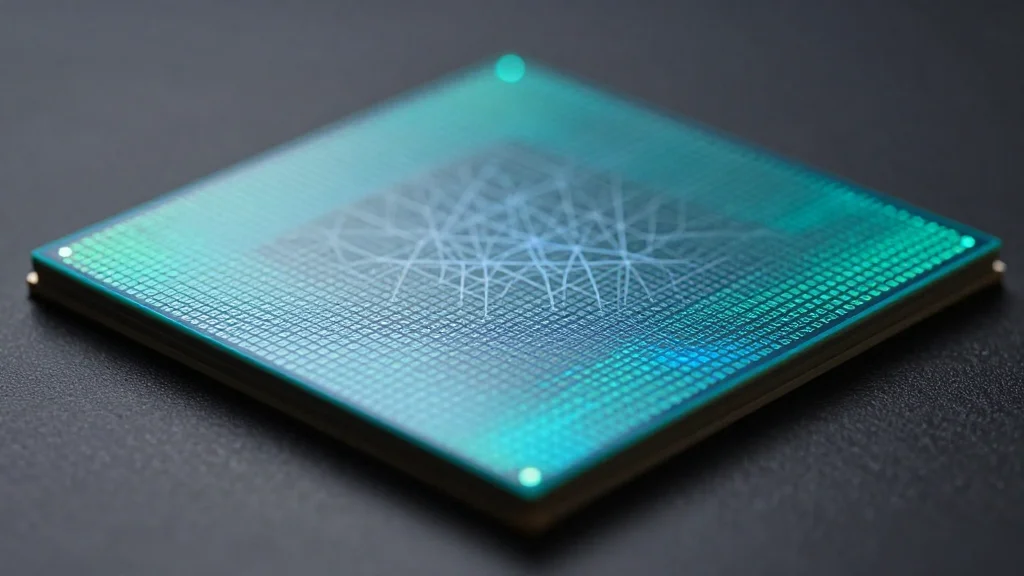
Tsinghua Team Unveils AI‑Driven Inverse Design Framework for Sub‑Wavelength Photonics
Researchers at Tsinghua University, headed by Professor Kaiyu Cui, introduced an artificial‑intelligence‑generated photonic (AIGP) framework that uses a latent diffusion model to translate optical performance targets directly into sub‑wavelength structures. The breakthrough, detailed in a May 16, 2026 paper in Light: Advanced...
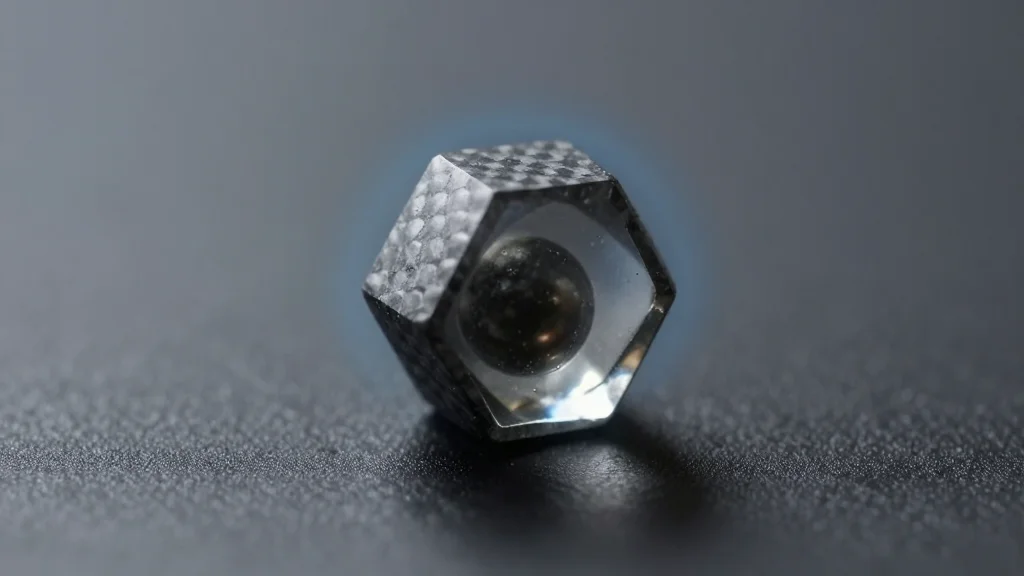
Yolk‐Double‐Shell ZnPS3/NC@C Polyhedra Engineered via Kirkendall‐Effect‐Driven Etching for Superior Sodium Storage
Researchers have engineered a yolk‑double‑shell ZnPS3/N‑doped carbon@carbon polyhedron using a MOF‑mediated Kirkendall‑effect etching strategy. The design creates a conductive N‑doped carbon matrix and an outer carbon shell that together accommodate volume change and suppress polysulfide dissolution. As a sodium‑ion battery...
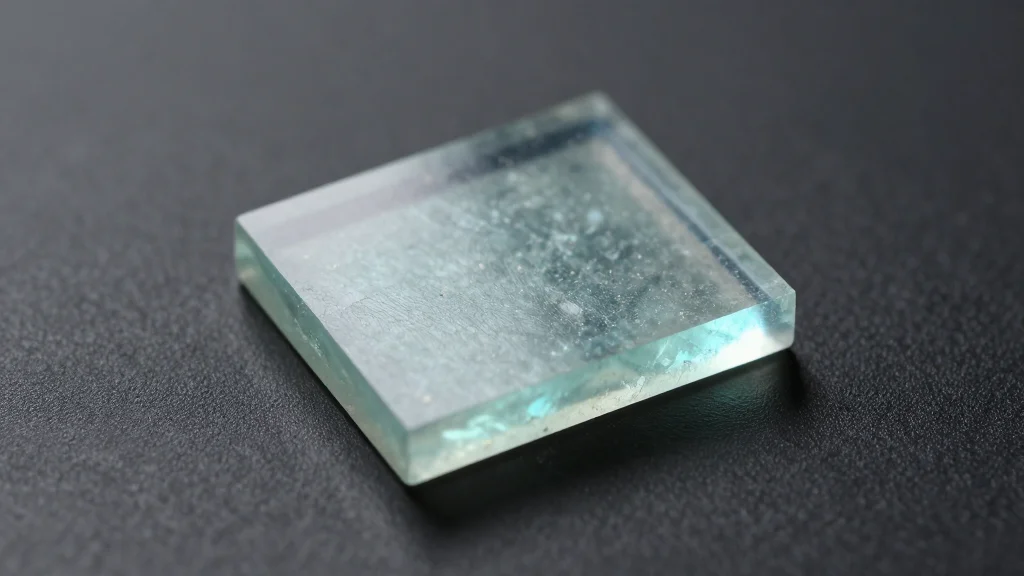
Delocalized Electronic States Induced by Phosphorus Doping Suppress Charge Recombination in Cu2ZnSnS4 Photocathodes
Researchers introduced phosphorus (P) doping into kesterite Cu2ZnSnS4 (CZTS) to delocalize its electronic states, dramatically improving electron transport. The doped CZTS-P photocathode, paired with a CdS layer, generated a stable photocurrent of −29.34 mA/cm² at 0 V versus the reversible hydrogen electrode...
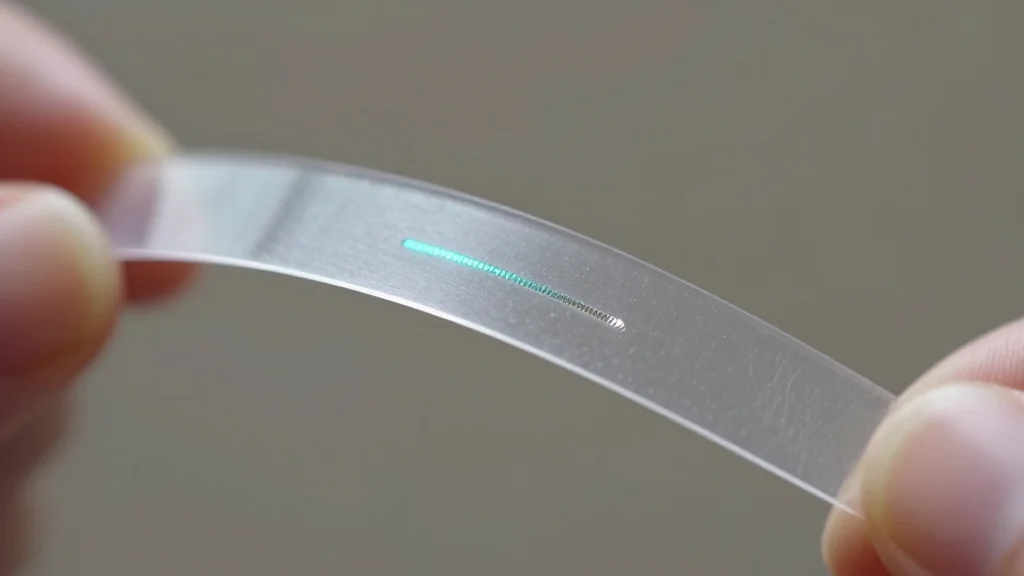
Korean Researchers Unveil Ultrathin Optical Transducer That Triples Light Output When Bent
A joint team from UNIST and Ajou University announced an ultrathin, flexible optical transducer that amplifies its second‑harmonic light signal up to three times when bent 1.2%, while surviving 190 bending cycles. The breakthrough leverages a 20‑nm metallic nanogap and...
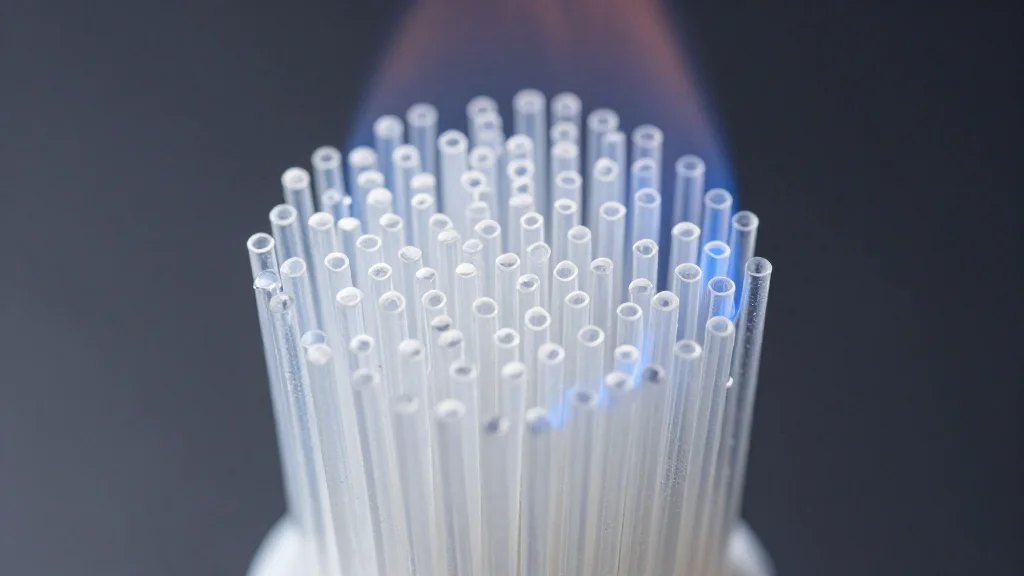
Nanotech 'Tiny Flame Tamer' Enables Precise High‑Temp Flame Control
Researchers at North Carolina State University have introduced a nanometre‑thin protective layer, dubbed inverse thermal degradation (ITD), that lets engineers modulate high‑temperature flames. The technique promises controllable material transformation and opens pathways for carbon‑tube manufacturing and environmental remediation.

POSTECH Uncovers Sea Squirts' Nano‑Packaging, Paving Way for Sustainable Marine Adhesives
Scientists at Pohang University of Science and Technology (POSTECH) have detailed a nano‑scale delivery system sea squirts use to transport adhesive proteins, a discovery that may enable biomimetic, sustainable marine adhesives and packaging. The study highlights metal‑ion‑stabilized nanocondensates and suggests...
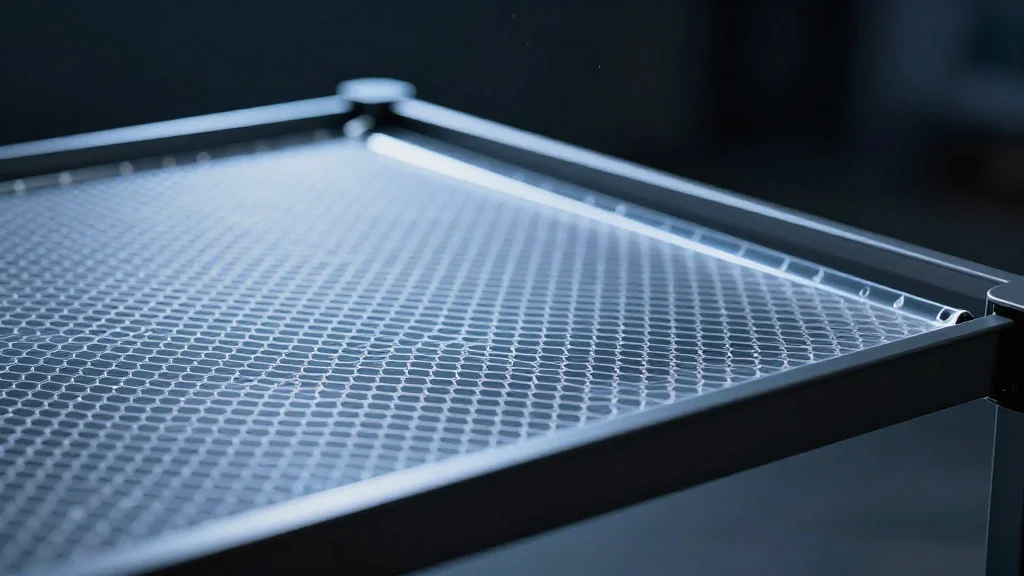
Graphene‑ITO Hybrid Electrodes Boost Space Solar Cell Conductivity by 60%
Scientists from the University of Salerno, Warsaw University and Lithuania's Center for Physical Sciences and Technology announced a graphene‑ITO hybrid electrode that lifts nanoscale tunneling current by roughly 60%, addressing long‑standing conductivity limits in multijunction space solar cells.