Today's Nanotech Pulse

Left‑handed DNA origami tubes double chemotherapy efficacy
Researchers at the Cancer Center at Illinois showed that left‑handed DNA origami tubes loaded with the drug Daunorubicin kill acute myeloid leukemia cells more than twice as effectively as right‑handed tubes. The tubes display CD117‑targeting aptamers and their left‑handed geometry promotes rapid internalization, boosting cell‑killing potency.

First Separation of Interfacial Proton Transport in Ultrathin Energy Device Materials
Researchers at JAIST, Tokyo University of Science, and the University of Calgary have introduced a technique that isolates proton transport at individual polymer‑electrode interfaces in ultrathin ionomer films. By extending impedance spectroscopy to lower frequencies and varying electrode pad length, they decoupled overlapping signals and measured distinct conductivities for SiO₂, platinum and carbon interfaces. The method, demonstrated on Nafion, is material‑agnostic and reveals that interfacial proton conductivities are similar in magnitude but previously hidden. This breakthrough enables precise evaluation of interface performance for fuel cells, electrolyzers and other electrochemical devices.
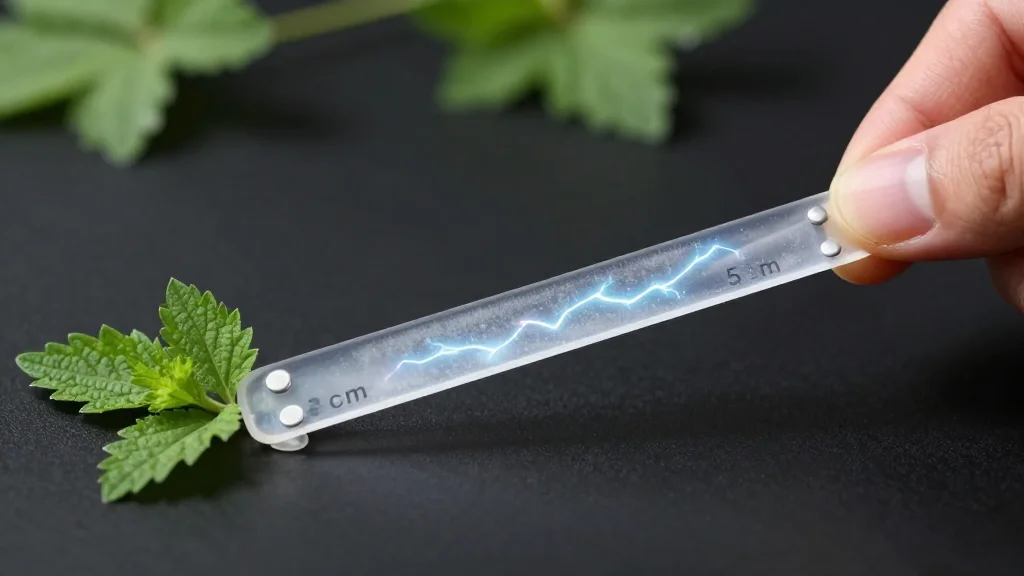
Stevia-Based Hydrogel Improves Triboelectric Nanogenerator Performance
South Korean researchers have created a stevia‑infused polyvinyl alcohol hydrogel triboelectric nanogenerator (S‑TENG) that outperforms conventional designs. The device delivers 2–5 times greater mechanical strength and 3–8 times higher electrical output, producing about 800 V over 16,000 cycles without degradation after...
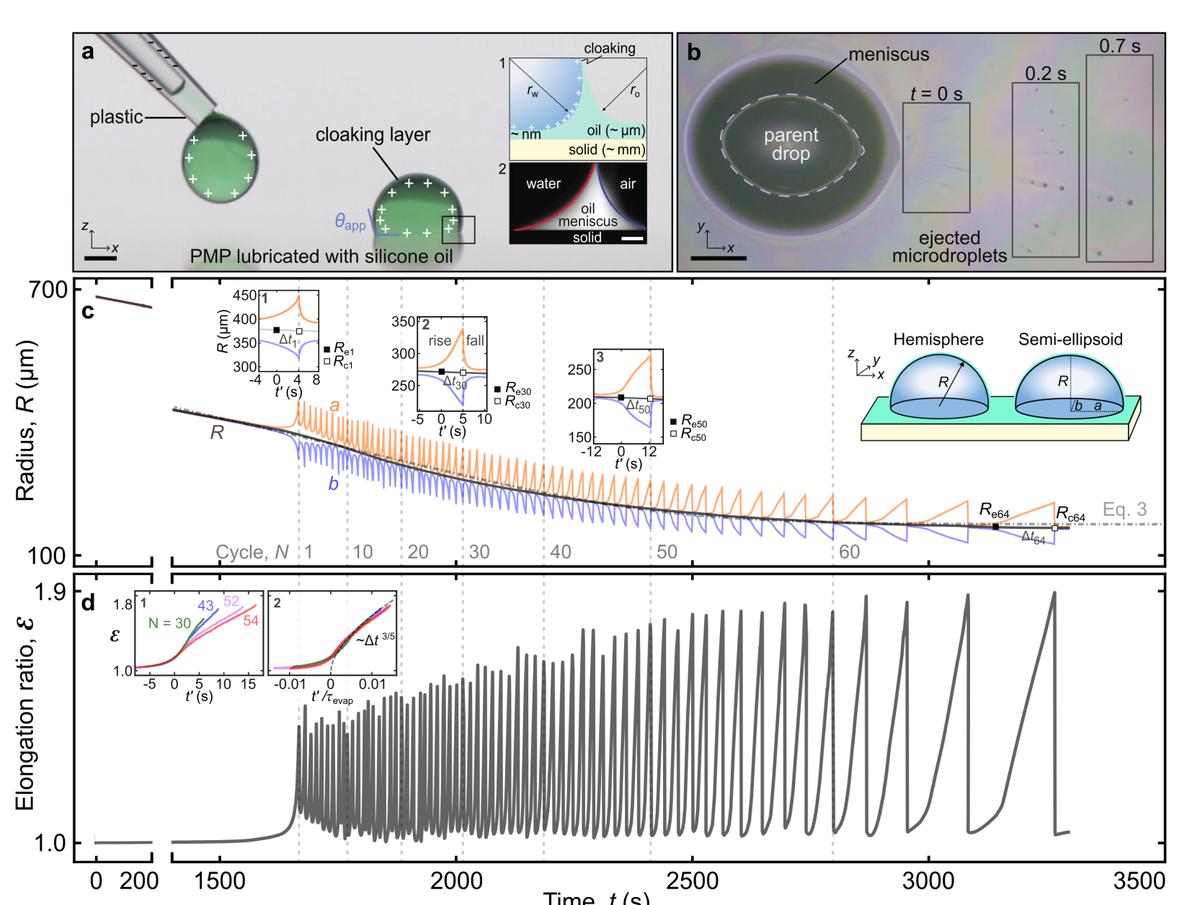
Evaporation-Driven Droplet Fission Study Points to Nanoscale Fabrication Potential
Researchers at KAUST, OIST, and the Max Planck Institute demonstrated that ordinary pipetted water droplets on a silicone‑oil‑lubricated surface can acquire about +70 pC of charge and undergo more than 60 successive Coulomb fission events over a 30‑minute period. The lubricant...
James Tour Group's Study Ranks Top 5% on Altmetric
📰 🧪 James Tour Group in the News: About the score “In the top 5% of all research outputs scored by Altmetric. High Attention Score compared to outputs […] https://t.co/zce4Jfqovg

ISS Expedition 74 Crew Conducts DNA Nano-Therapy and Space Agriculture Research
On Thursday, Expedition 74 crew members performed a suite of high‑impact experiments aboard the ISS. NASA engineer Jessica Meir used a spectrophotometer to study DNA‑like nanomaterials, data that could accelerate cancer‑targeting nano‑therapies. ESA’s Sophie Adenot tended alfalfa in the Veggie unit, probing...

Eyeo Raises €40M to Improve Imaging and Sensor Performance
Dutch nanophotonic imaging startup eyeo announced a €40 million (≈$44 million) Series A round, bringing its total capital to €55 million (≈$60 million). The round was led by Innovation Industries with participation from imec.xpand, Invest‑NL, Qbic, High‑Tech Gründerfonds and Brabant Development Agency, plus EU InvestEU...
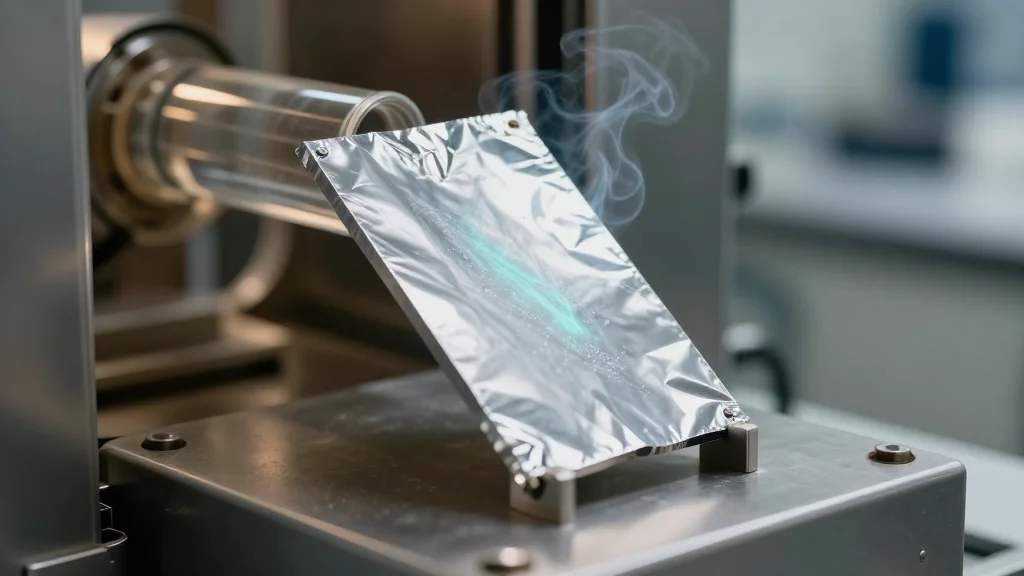
Computational Modeling and Experimental Validation of Variabilities in Chemical Vapor Deposition of Graphene on Metals
Researchers combined transient 3‑D CFD with Raman and SEM mapping to examine how substrate inclination reshapes near‑wall transport in low‑pressure chemical vapor deposition of graphene on metal foils. Experiments at four tilt angles (9°, 21°, 33°, 45°) revealed that the...
Volt Carbon Advances Graphene and Expandable Graphite Activities, Expands Production Capabilities
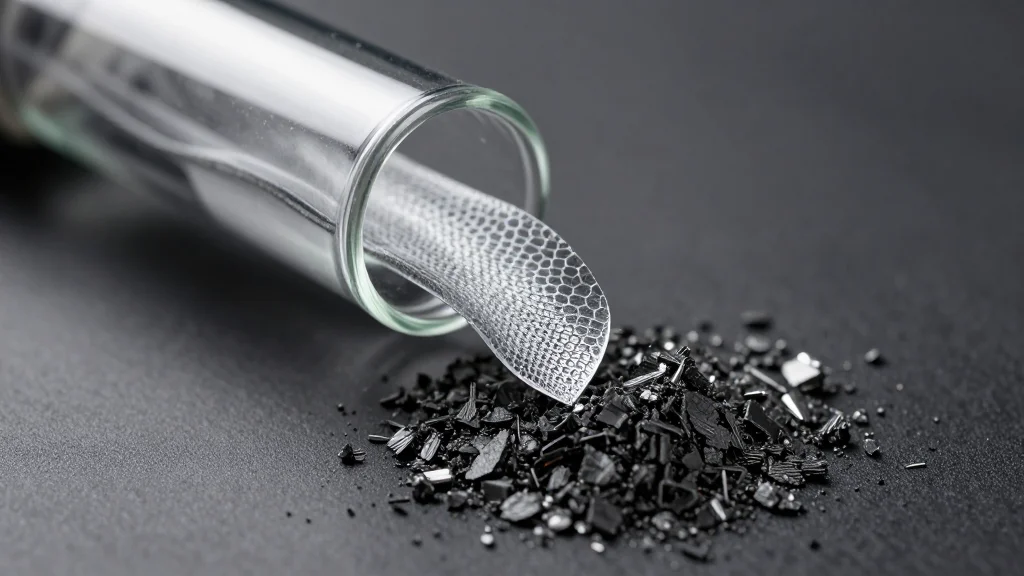
Volt Carbon Technologies reported an operational update highlighting modest revenue from mineral processing and advanced materials development over the past three years. The company is advancing its proprietary dry‑separation technology to preserve graphite crystallinity, enabling higher‑value products such as graphene...

NanoStruct Raises €2.6M Seed to Bring Same-Day Pathogen Detection to the Food Industry
German deep‑tech startup NanoStruct secured €2.6 million (≈$2.8 million) in seed funding, led by High‑Tech Gründerfonds, Bayern Kapital and the AUXXO Female Catalyst Fund. The company’s nanostructured sensor chips combine optical measurement, nanotechnology and machine‑learning to identify food‑borne pathogens within hours instead...
Nanostructured Vapor Treatment Sets New Fill‑Factor Record for Inverted Perovskite Solar Cells
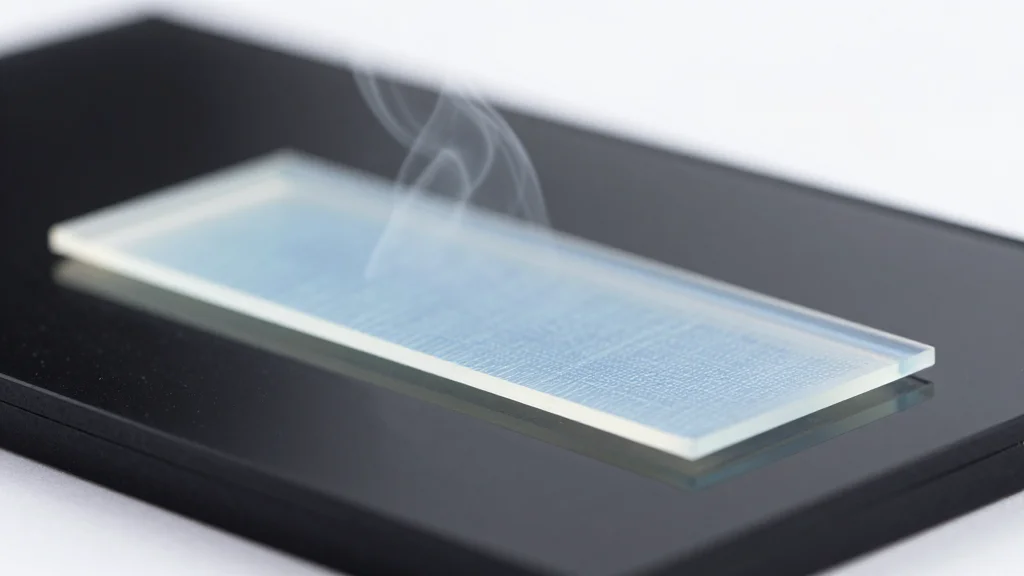
A team led by Y. Liu, T. Kong and Z. Zhao reported a record‑breaking fill factor for inverted perovskite solar cells, using a liquid‑derived, solvent‑free vapor‑mediated dimensional reconstruction technique. The breakthrough tackles long‑standing efficiency plateaus and stability issues, opening a...
Shanghai Jiao Tong University Unveils 1.7 Mm Optical Sensor that Lets Surgical Robots Feel Touch
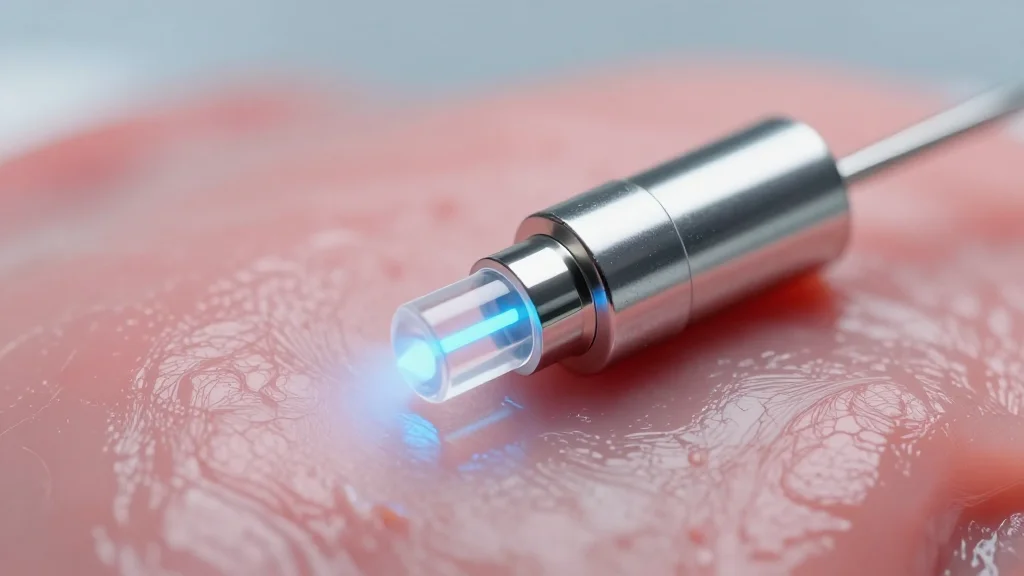
Researchers at Shanghai Jiao Tong University have built a 1.7 mm optical sensor that measures force, pressure and torque in all directions, enabling surgical robots to detect hidden tumor‑like structures in real time. The breakthrough could close the tactile gap that...

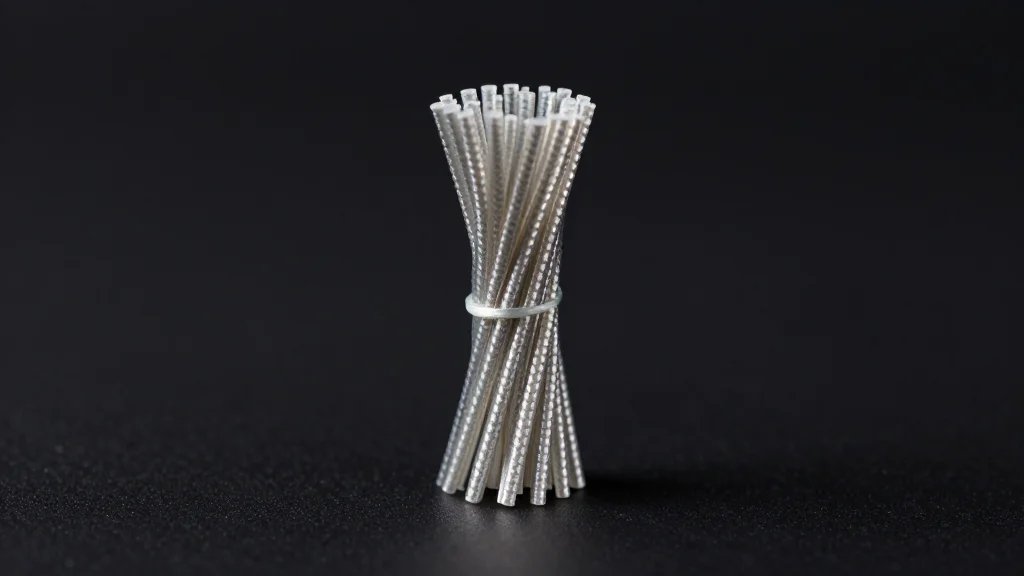
Copper's Biggest Rival Yet? New Carbon Nanotube Fibers Could Reshape Wiring for EVs, Drones and Aircraft
Spanish researchers at IMDEA Materials have demonstrated a scalable process for carbon‑nanotube (CNT) fibers that reach 24.5 MS m⁻¹ conductivity—about half that of copper but six times lighter. The breakthrough relies on gas‑phase intercalation of tetrachloroaluminate (AlCl₄⁻), which boosts conductivity more than...
Reconstruction of Interfacial Charge Topology in S‐Scheme Heterojunction for Enhanced CO2 Photoreduction
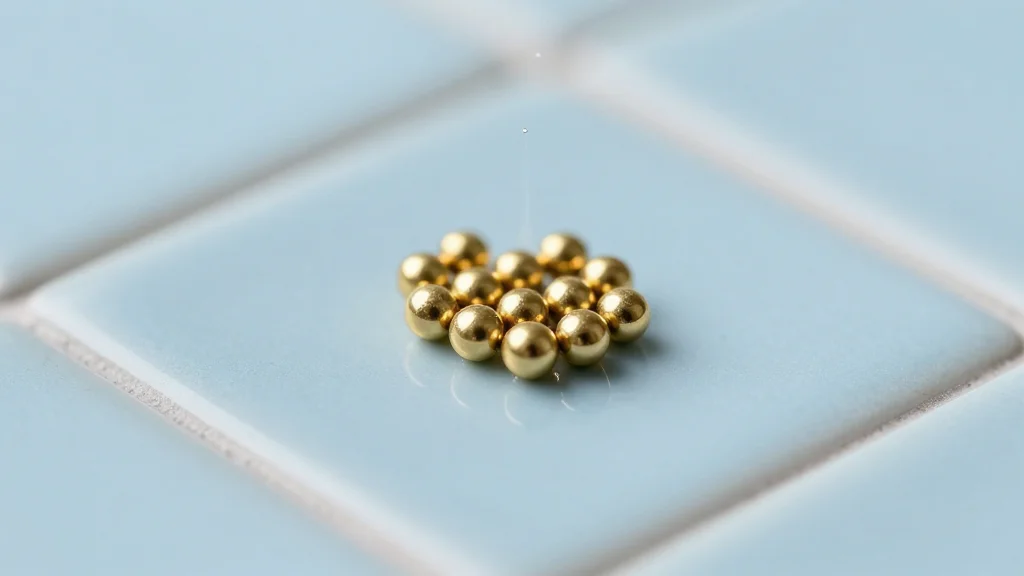
Researchers integrated plasmonic gold nanoparticles with a Cs3Bi2Br9 quantum‑dot/BiOCl S‑scheme heterojunction, fundamentally reshaping its interfacial charge topology. The Au‑decorated ternary catalyst achieved a CO evolution rate of 115.4 µmol g⁻¹ h⁻¹, 57.7 times higher than pristine BiOCl and 2.3 times above the binary S‑scheme counterpart....
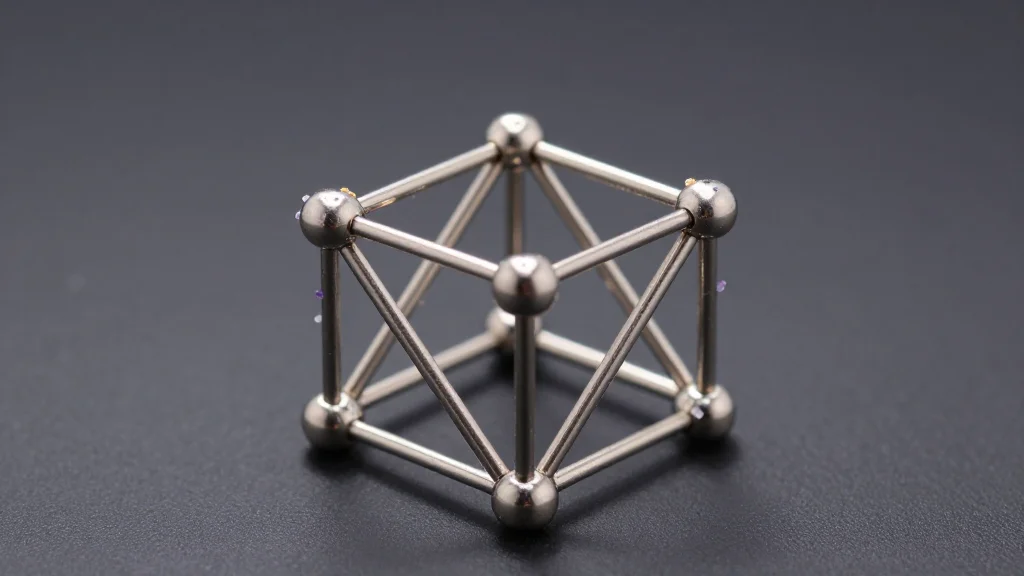
Microporous Self‐Assembled Pd(II) Tetrahedral Cages for Rapid and Reversible Multi‐Phase Sequestration of Iodine and Methyl Iodide
Researchers have unveiled a series of palladium‑based, self‑assembled tetrahedral coordination cages (C1‑C4) that capture iodine, polyiodides, and methyl iodide across vapor, water, and organic phases. The cages demonstrate record‑high uptake—up to 3.78 g g⁻¹ in vapor and 3.52 g g⁻¹ in aqueous media—and rapid...
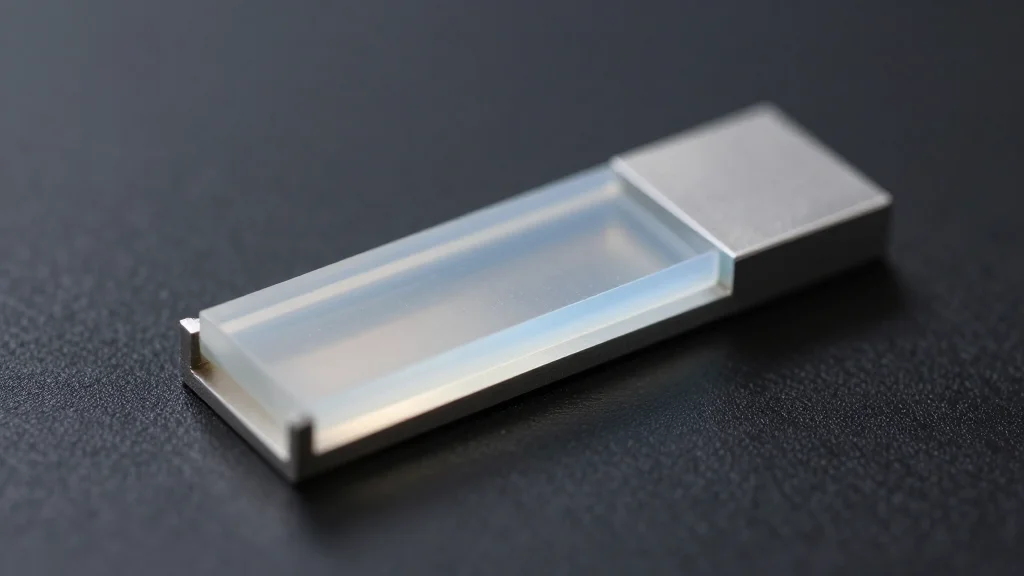
Sub‐Nanometer Ferroelectric Tunnel Junctions With Record‐High On‐Current Density Through Synergistic Microwave Annealing and High‐Field Activation
Researchers have demonstrated a sub‑nanometer ferroelectric tunnel junction (FTJ) that delivers a record‑high on‑state current density exceeding 10⁵ A cm⁻² at just 0.4 V. By combining aggressive device area scaling with low‑temperature microwave annealing, the interfacial layer was thinned from 0.94 nm to 0.41 nm,...
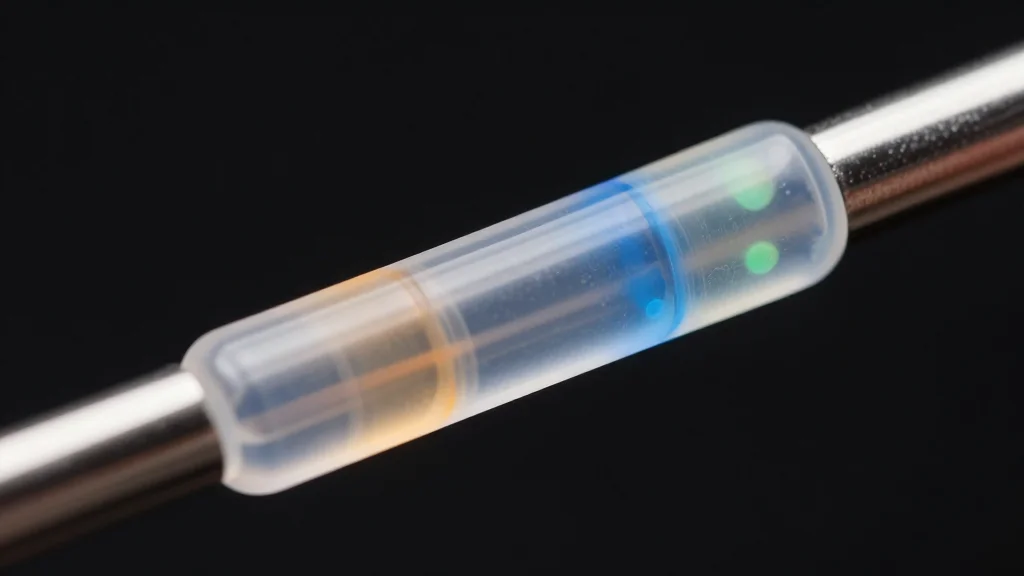
Field‑Programmable Biofunctional Films: From Assisted Fabrication to Integrated Diagnostic‐Therapeutic Devices
Field‑programmable biofunctional films (FPBFs) are thin‑film platforms that can be programmed to react to a range of physical fields—thermal, mechanical, electrical, optical, magnetic and acoustic. Recent advances in single‑ and multi‑field‑assisted fabrication have expanded their structural tunability and functional density,...
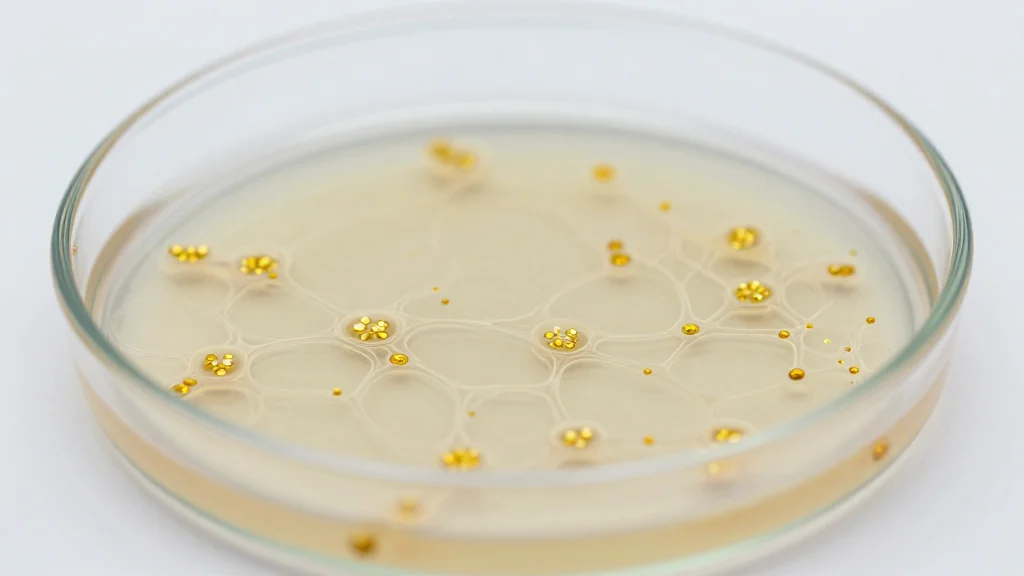
Engineered Nanoparticles Tune Cell Density to Accelerate Tissue Repair
Researchers led by Park, Im and Jeong have unveiled a nanoparticle platform that precisely modulates cell density, enhancing cell‑to‑cell and cell‑to‑substrate adhesion and accelerating tissue repair. The work, published in Nature Communications, demonstrates in vitro and in vivo efficacy and...

Nanoparticle Formulation Erases 60% of Alzheimer Plaques and Restores Memory in Mice
A collaborative team from Spain and China demonstrated that a specially engineered nanoparticle can eliminate nearly 60% of amyloid‑beta plaques and fully restore memory in Alzheimer’s‑model mice in under an hour. The breakthrough, published in Nature Nanotechnology, targets the blood‑brain...

Sequential-Release Nanoparticles Eradicate Drug‑Resistant Tumors in Mice
A team led by Prof. Eijiro Miyako at Tohoku University, together with CNRS collaborators, reported on May 6, 2026 that porous amino‑acid nanoparticles delivering a P‑gp inhibitor followed by doxorubicin, plus near‑infrared photothermal heating, eliminated tumors and yielded 100% survival...

Quantum‑dot TVs Beat RGB‑LED Sets in Display Week Demo
Nanosys showcased a side‑by‑side comparison at Display Week in Los Angeles, where its super quantum‑dot (SQD) TV delivered noticeably better color fidelity and contrast than a competing RGB‑LED model. The demo, featuring two 85‑inch TCL panels, underscores a growing debate...
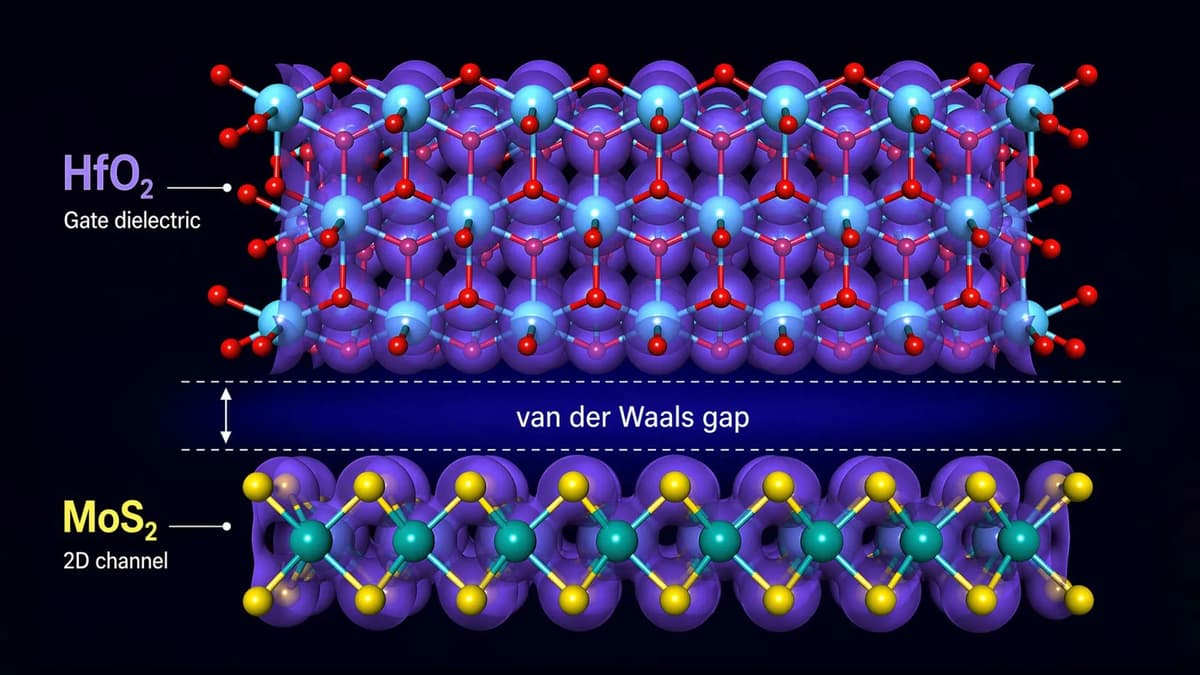
The Hidden Atomic Gap that Could Break Next-Generation Computer Chips
Researchers at TU Wien discovered that a sub‑nanometer gap—about 0.14 nm—forms between 2D semiconductors and their insulating oxide layers, weakening capacitive coupling and limiting device scaling. The gap arises from weak van der Waals bonding, which persists even when the insulating layer is...

Glucose Nanoparticles Help CBD Cross the Blood-Brain Barrier
Researchers have engineered glucose‑coated polymer nanoparticles that dramatically improve cannabidiol (CBD) delivery across the blood‑brain barrier. The particles use a PEG‑PHB core to solubilize CBD and a surface glucose layer to hijack GLUT‑1 transport, while reactive‑oxygen‑species triggers release in inflamed...

Magnesium Nanocoating Promises Safer, Self‑Absorbing Medical Implants
Scientists from the University of the Sunshine Coast, China’s First People’s Hospital and the University of Tokyo unveiled a magnesium‑based nanocoating that adds antibacterial activity and improves biocomibility of degradable implants. The breakthrough could eliminate the need for removal surgery,...
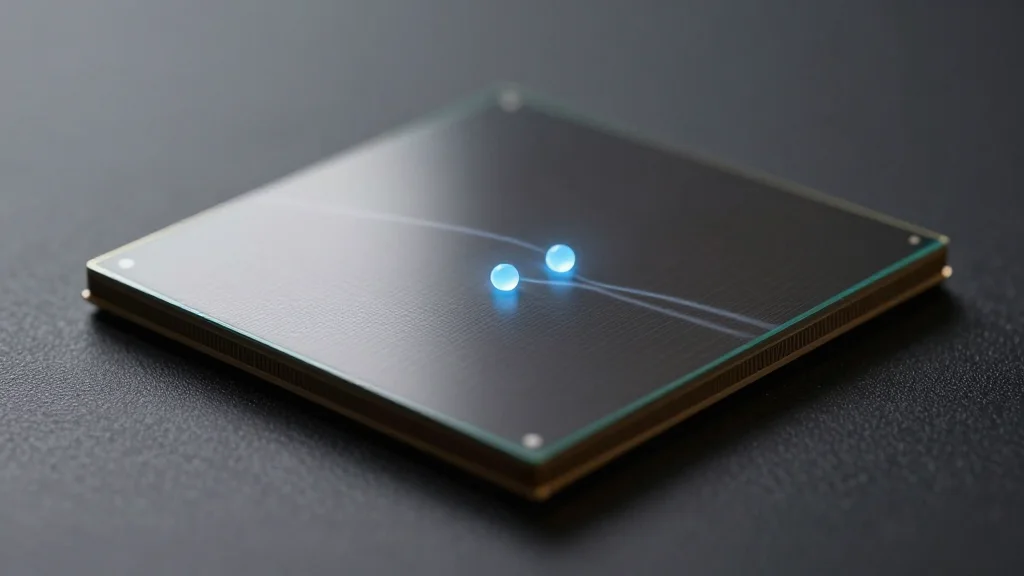
Quantum‑dot Spin Qubits Move without Loss, Boosting Scalable Error‑corrected Designs
A research team demonstrated that spin qubits hosted in quantum‑dot structures can be transferred between dots without degrading their quantum state. The breakthrough promises to combine the mass‑manufacturability of semiconductor chips with the flexible connectivity traditionally reserved for atom‑based systems,...
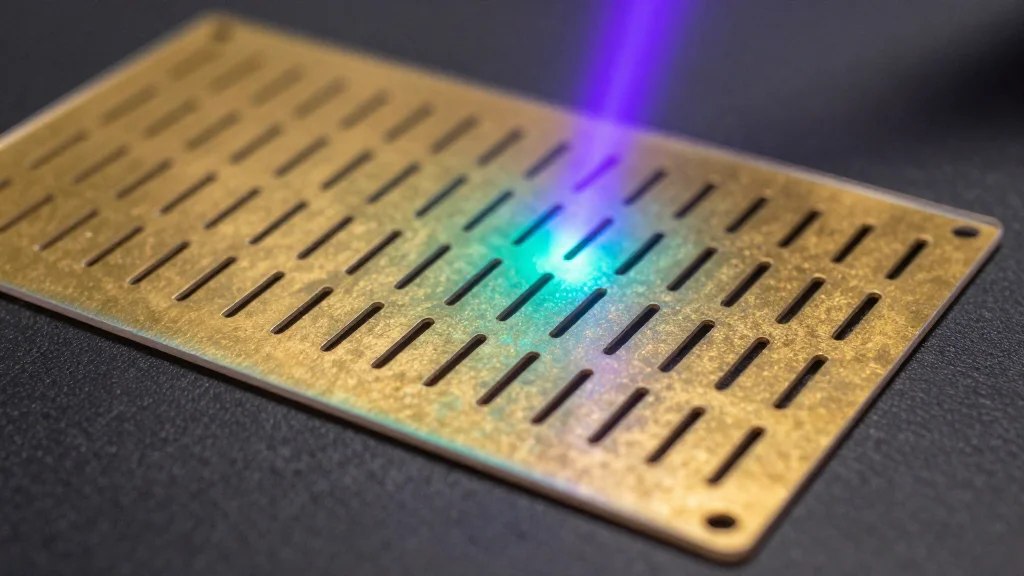
Plasmonic Nanoslits Boost Second‑harmonic Generation in Strained MoS₂ by 8,000‑fold
A team of scientists has demonstrated that integrating plasmonic nanoslits with monolayer MoS₂ restores and amplifies second‑harmonic generation (SHG) even under mechanical strain. The platform delivers up to an 8,000‑fold SHG boost relative to flat gold films and a threefold...

Atom‑Precise Quantum‑Dot Catalysts Achieve Near‑100% Ammonia Yield From Nitrate
Researchers unveiled a curvature‑programmed catalyst—FeCu dual single‑atom protrusions on MoC quantum dots—that converts nitrate to ammonia with nearly 100% Faradaic efficiency, a 300 mV overpotential and 7.5 Wh g⁻¹ NH₃ energy use, merging pollutant removal with renewable energy storage.

Nanoparticle Platform Achieves 100% Survival in Drug‑Resistant Cancer Mice
Researchers led by Prof. Eijiro Miyako at Tohoku University unveiled a multifunctional nanoparticle that first blocks P‑glycoprotein pumps, then releases doxorubicin, and adds near‑infrared photothermal heating. In mouse models of multidrug‑resistant tumors the treatment caused full tumor regression and 100%...

University of Michigan Unveils CRYSTAL Nanoassembly to Safely Activate STING in Cancer Therapy
A joint team from the University of Michigan College of Pharmacy and MD Anderson Cancer Center announced CRYSTAL, a manganese‑based nanoassembly that activates the STING pathway at low doses while avoiding systemic inflammation. Preclinical tests in triple‑negative breast cancer showed...
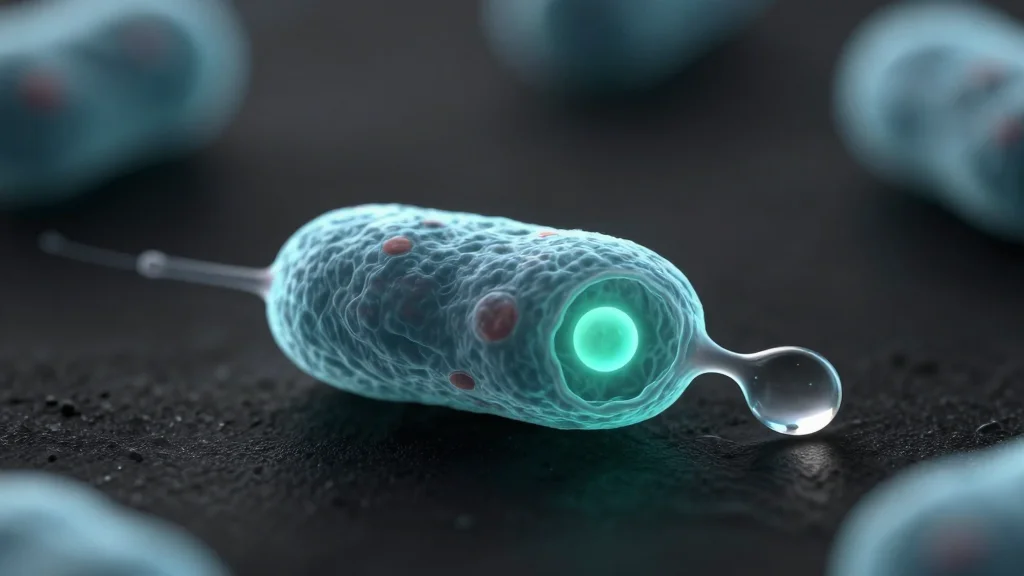
MRNA Nanoparticles Reprogram T Cells In Vivo, Show Promise
Impressive. In vivo reprogramming of killer T cells with mRNA-nanoparticle packaging in non-human primates. Multiple use cases in the clinic vs pathogens and cancer, no less an alternative version vs autoimmune diseases https://t.co/ddhebnxvkE @SciImmunology
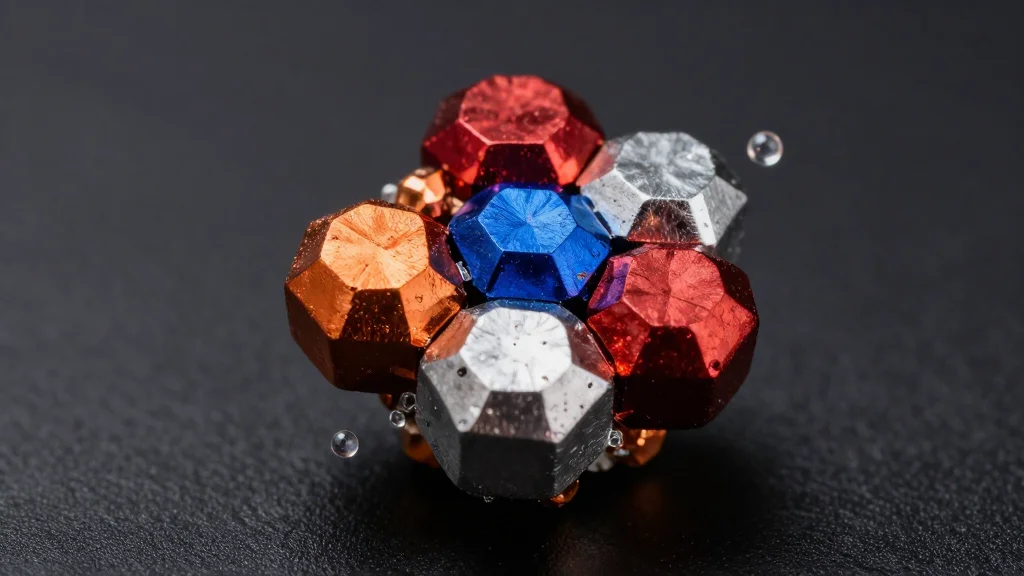
Stanford, KAIST and BASF Forge Uniform Five‑Metal Nanocrystals for Hydrogen Catalysis
Stanford chemists, together with KAIST and BASF, have synthesized a single, uniform nanocrystal that incorporates five distinct metals—ruthenium, iron, cobalt, nickel and copper. Published in Science on May 7, the discovery overturns expectations that added complexity creates disorder and could slash...
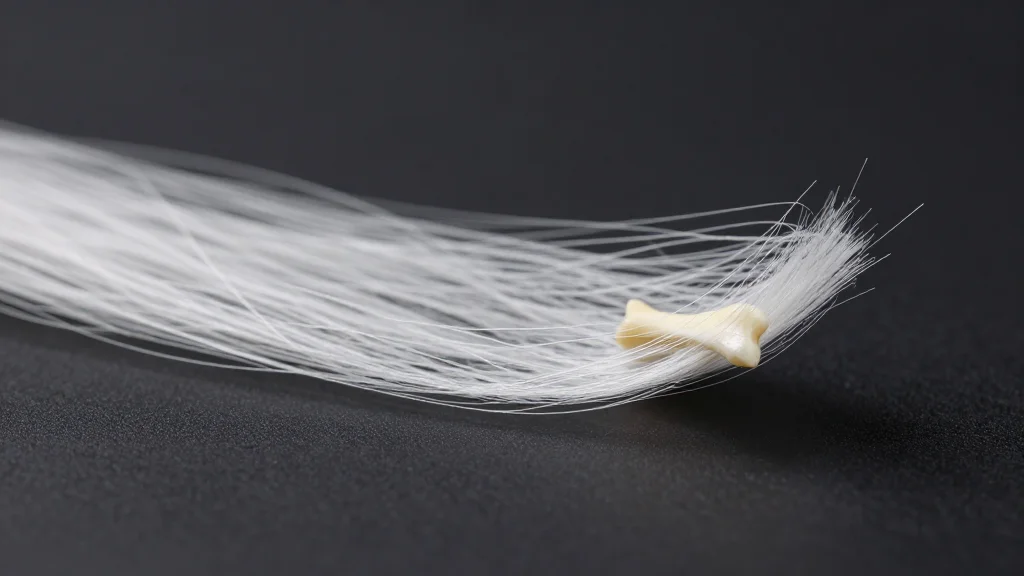
Electrospinning of Hydroxypropyl Chitosan Nanofibers for Bone Regeneration Application
Researchers electrospun nanofiber mats using hydroxypropyl chitosan (HPCH) and poly(vinyl alcohol) (PVA) in varying ratios to assess osteoconductive potential in MC3T3 pre‑osteoblast cells. Characterization by SEM, FT‑IR and mechanical testing confirmed uniform fiber formation. Biological assays showed that a 50/50...

Paper Mill Waste and Liquid Metal Combine Into a 96% Efficient Solar Absorber
Researchers have engineered a coating that blends paper‑mill lignin with gallium‑indium liquid‑metal nanoparticles, achieving 96% broadband solar absorption. The graded structure traps light and channels heat, raising surface temperature to about 75 °C under one‑sun and delivering a power density of...

The Growth of Graphene and Revolutionary CNTs with IDTechEx
IDTechEx forecasts the graphene market to hit $1 billion by 2032, while highlighting the material’s diverse forms and the standardization challenges that hinder rapid adoption. Multi‑wall carbon nanotubes (CNTs) are experiencing commercial growth, driven by demand for conductive additives in lithium‑ion...
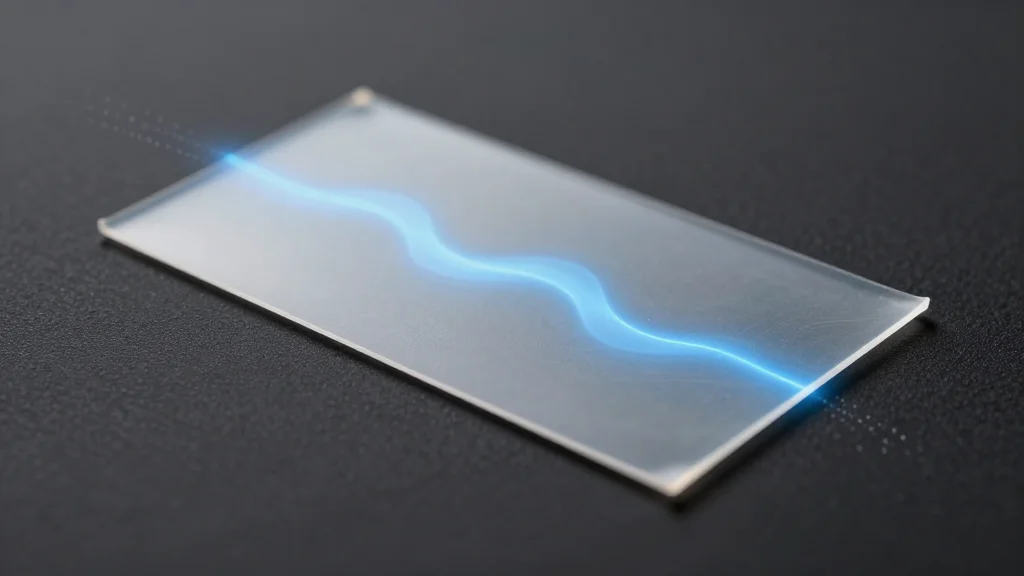
Korean Researchers Unveil Ultra‑Thin Nanotech Shield Blocking 99.999% of Radiation
Scientists at Korea Institute of Science and Technology (KIST) have introduced a nanotechnology‑based radiation shield that blocks up to 99.999% of electromagnetic waves and about 72% of neutron radiation. The ultra‑thin, stretchable material could reshape safety standards in aerospace, medical...

A Monocyte‐Targeted Nanoplatform for Phagocytosis Activation and Ferroptosis Inhibition in Intracerebral Hemorrhage
Researchers have engineered a monocyte‑targeted nanoplatform (mPDA@DFO‑CpG‑N1) to accelerate hematoma clearance after intracerebral hemorrhage (ICH). The system combines a high‑affinity aptamer for selective monocyte delivery, a TLR9 agonist that overrides CD47‑SIRPα inhibition, and the iron chelator deferoxamine to block ferroptosis....
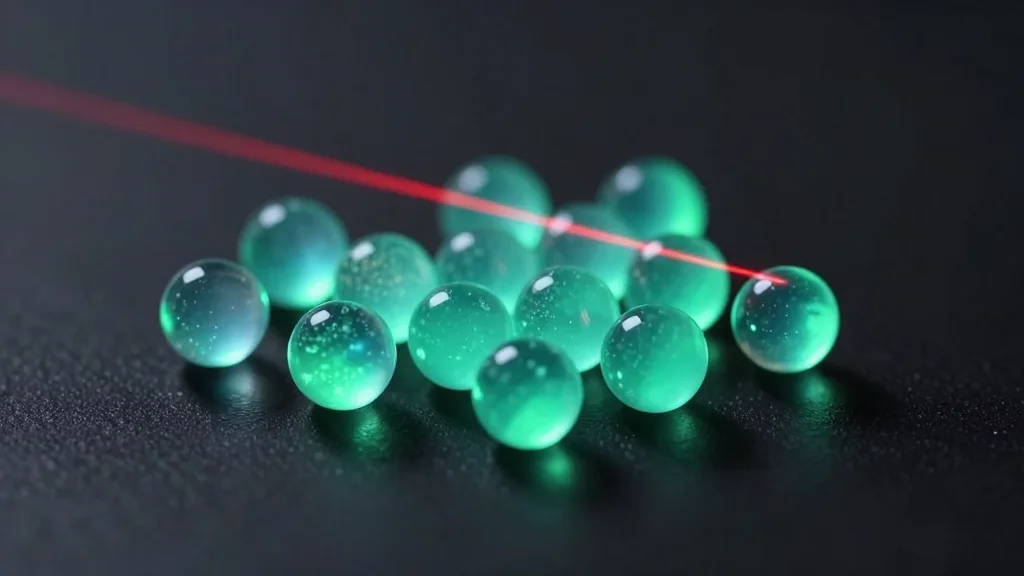
New Molecular Design Produces Bright Twisted Light in the Near Infrared
Researchers at Kyushu University have engineered a new class of chiral organic radicals that emit bright circularly polarized light across the 650‑nm to 800‑nm window, covering deep‑red to near‑infrared wavelengths. The best‑performing compound achieves photoluminescence quantum yields roughly 30 times higher...

Synergistic Regulation of Excited‐State Electrons Enables Sunlight‐Driven C─Br Bond Activation Through In Situ Polymerized Polyoxometalate‐Gold Nanocluster Assemblies
Researchers have engineered a ternary gold supercluster photocatalyst, AuSCs@SiW9@PDA, that integrates glutathione‑protected gold nanoclusters, a Keggin‑type polyoxometalate (SiW9), and a polydopamine (PDA) matrix. SiW9 acts as an electron sink while PDA enhances solar light absorption and interfacial charge transport, collectively...

Nanoscale Design Channels Hybrid Light–Vibration Waves to Carry Heat More Efficiently
Researchers at the National University of Singapore have demonstrated that surface phonon polaritons—hybrid light‑vibration waves—can channel heat across nanoscale silicon‑dioxide bridges with far less loss than conventional phonon diffusion. By adding a micrometer‑scale grating to a suspended micro‑thermometer, they boosted...
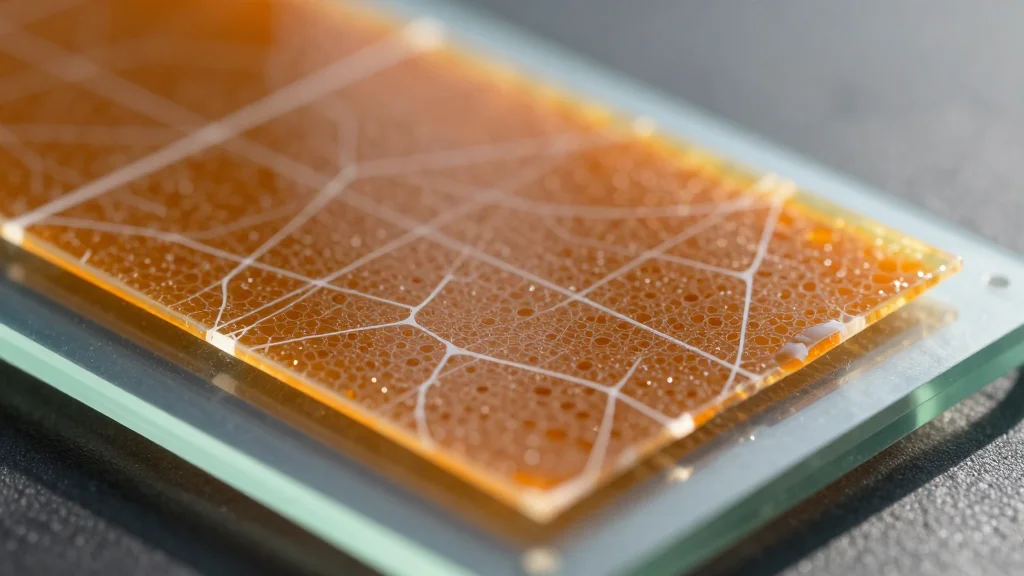
Toward Stable and Efficient Perovskite Solar Cells: Unlocking the Potential of Porous PbI2 Scaffolds via Two‐Step Sequential Deposition
A new review highlights porous PbI2 scaffolds as a game‑changer for perovskite solar cells fabricated via two‑step sequential deposition. By tailoring porosity through solvent engineering, molecular additives, ionic liquids, sacrificial templates, and interfacial modifications, the PbI2 layer becomes highly permeable,...
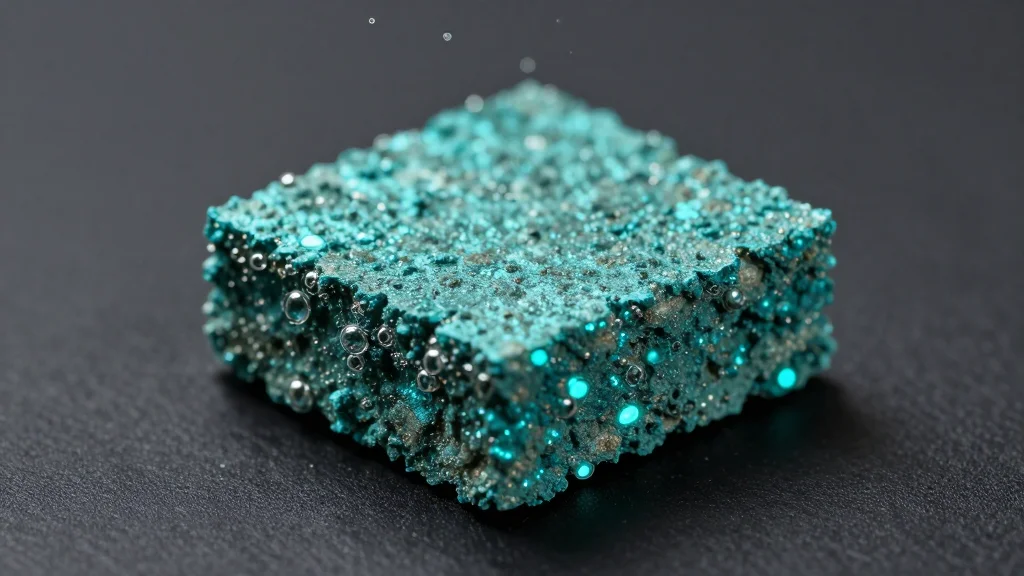
Vacancy‐Engineered Interfacial Electrons Modulation in NiCo Hydroxide/MoS2 Heterostructures for Boosted OER Electrocatalysis
Researchers engineered NiCo hydroxide/MoS2 heterostructures with either molybdenum or sulfur vacancies to probe interfacial electron dynamics. Mo‑vacancy samples dramatically improved charge transfer, lowering the oxygen evolution reaction (OER) overpotential to 256 mV at 10 mA cm⁻² and delivering a Tafel slope of 68.5 mV dec⁻¹....

Electrostatically Guided Covalent Architectures for Stable Hydrogen Evolution at Ampere‐Level Current Densities in Acidic Media
Researchers have developed a catalyst that anchors Mo2C nanoclusters onto nitrogen‑doped carbon nanotubes (NCNTs) via strong Mo‑C and Mo‑N covalent bonds formed through electrostatically guided self‑assembly and carbonization. The resulting porous, conductive network delivers overpotentials of 256 mV at 500 mA cm⁻² and...
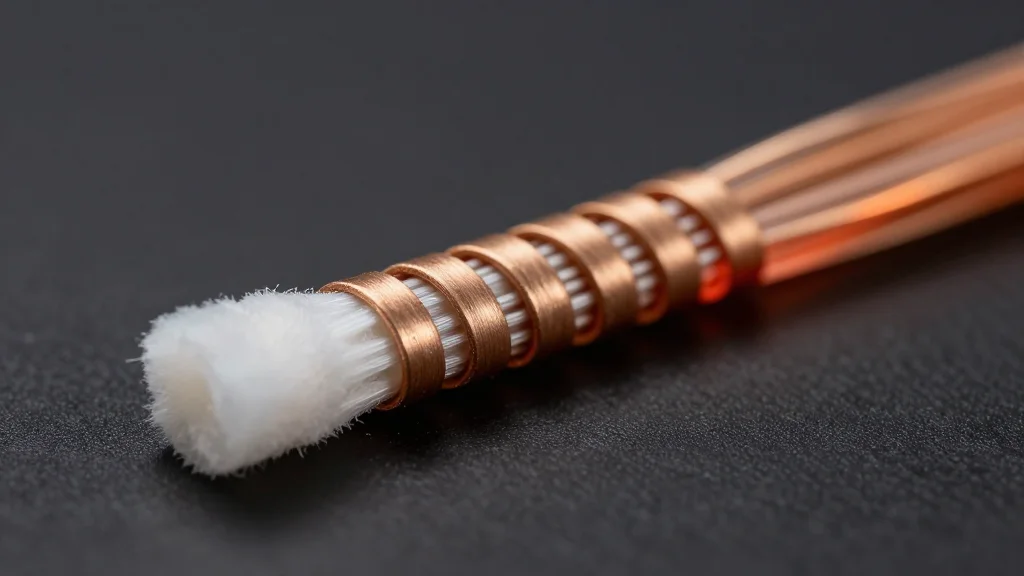
Construction of Ti3C2Tx MXene Composite PI Nanogel Fiber With Excellent Infrared Stealth Performance
Researchers have created a composite fiber that merges polyimide aerogel fibers with a MXene‑tannic acid coating, delivering both thermal insulation and low infrared emissivity. The material achieves a thermal conductivity of 0.084 W·m⁻¹·K⁻¹ and an emissivity of 0.17, keeping a 200 °C...
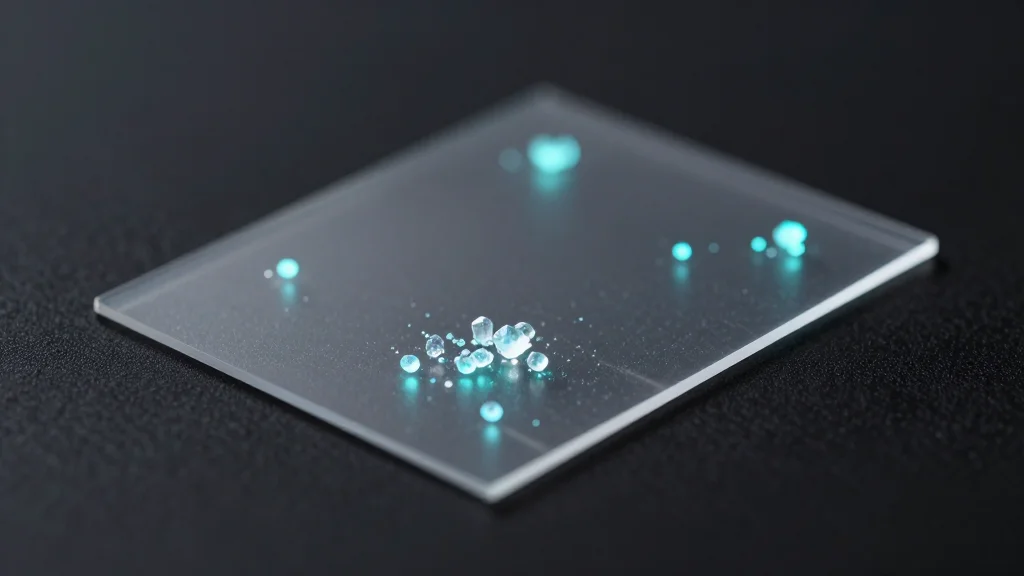
Ultralong Room‐Temperature Phosphorescent Coatings Enabled by Coronene Aggregates in Specialty Epoxy Resin: Wide‐Range Excitation From Violet to Green Light
Researchers have developed a room‑temperature phosphorescent (RTP) coating by embedding UV‑irradiated coronene aggregates into a specialty epoxy resin. The resulting films can be excited across a wide visible spectrum—from violet to green light—and exhibit afterglow durations up to 90 seconds and...
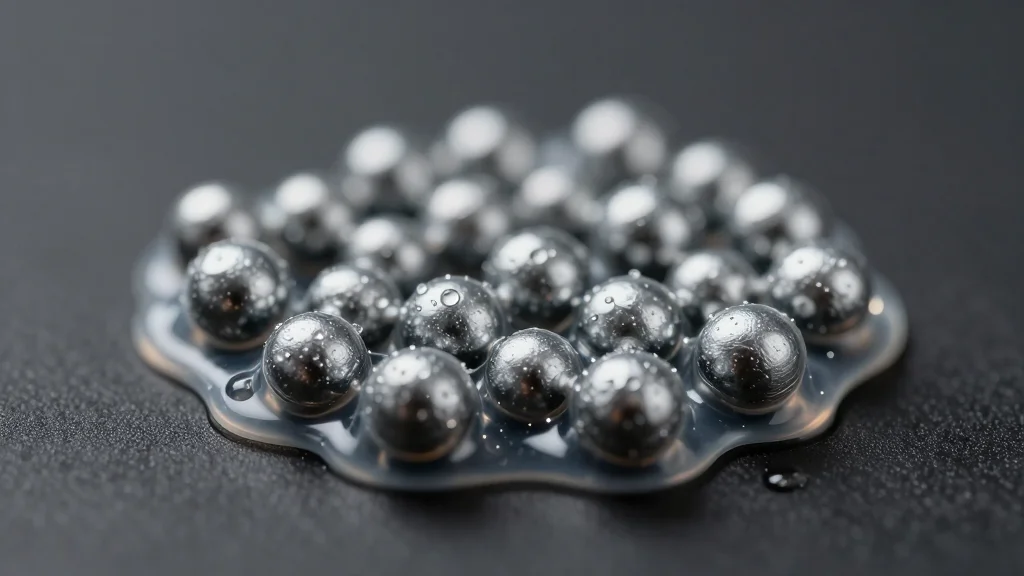
Multi‐Scale Water Modulation for Regulating Water Reactivity and Suppressing Nanoscale Zero‐Valent Iron (nZVI) Corrosion
Researchers unveiled a multi‑scale water‑modulation strategy that uses a hydrophilic polysaccharide network to reconfigure water’s molecular states and dramatically curb corrosion of nanoscale zero‑valent iron (nZVI). By converting roughly 45% of free water into bound and intermediate water, the thermodynamic...
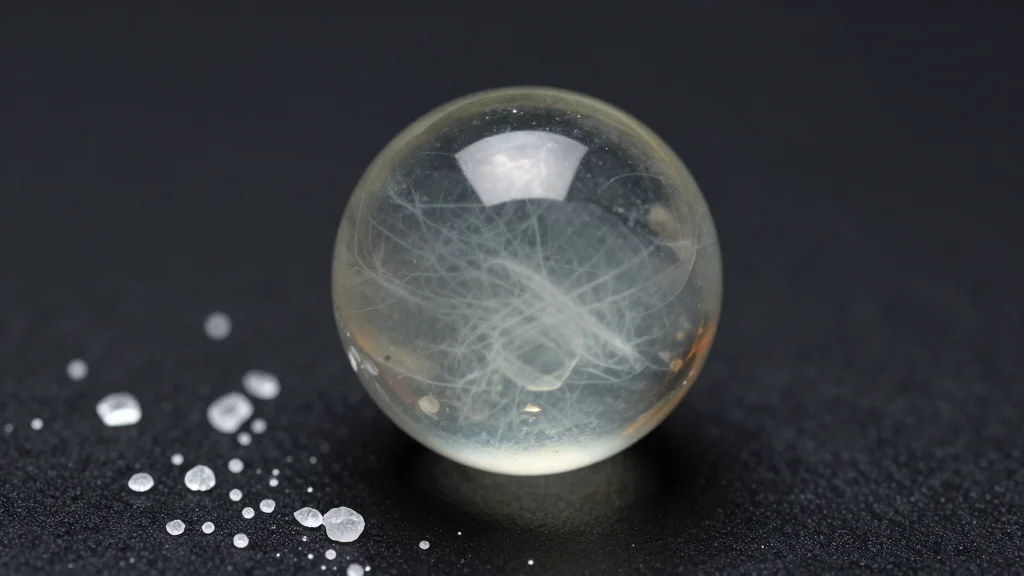
Tailoring the Melting and Glass Transition Behavior of Zeolitic Imidazolate Frameworks via Ammonium Halide Salts
Researchers demonstrated that inorganic ammonium halide salts can act as modifiers for zeolitic imidazolate frameworks (ZIFs), dramatically lowering both melting and glass‑transition temperatures. The salts infiltrate the crystal lattice, disrupt Zn‑N coordination, and form Zn‑halide bonds, enabling the melt‑processing of...
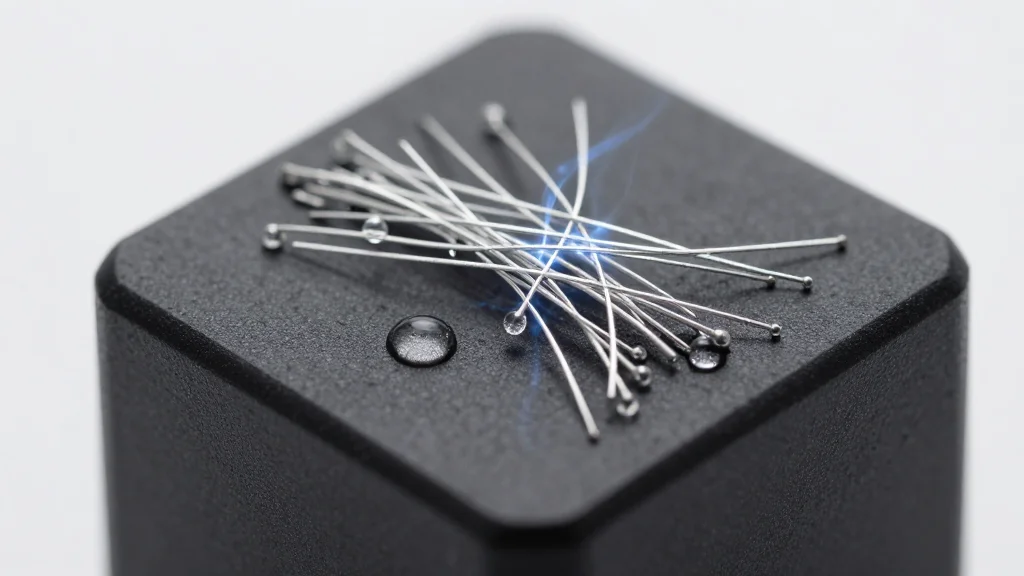
Self‑Adhesive High‑Entropy Oxide Sub‑Nanowire Catalysts Extend Seawater Electrolysis Lifespan
Researchers have published a Nature Nanotechnology paper describing self‑adhesive high‑entropy oxide sub‑nanowire monolithic electrocatalysts that markedly improve durability in seawater electrolysis. The work promises to address the long‑standing stability gap that has limited large‑scale hydrogen production from seawater. By integrating...
Obituary: Peter H. Burghart
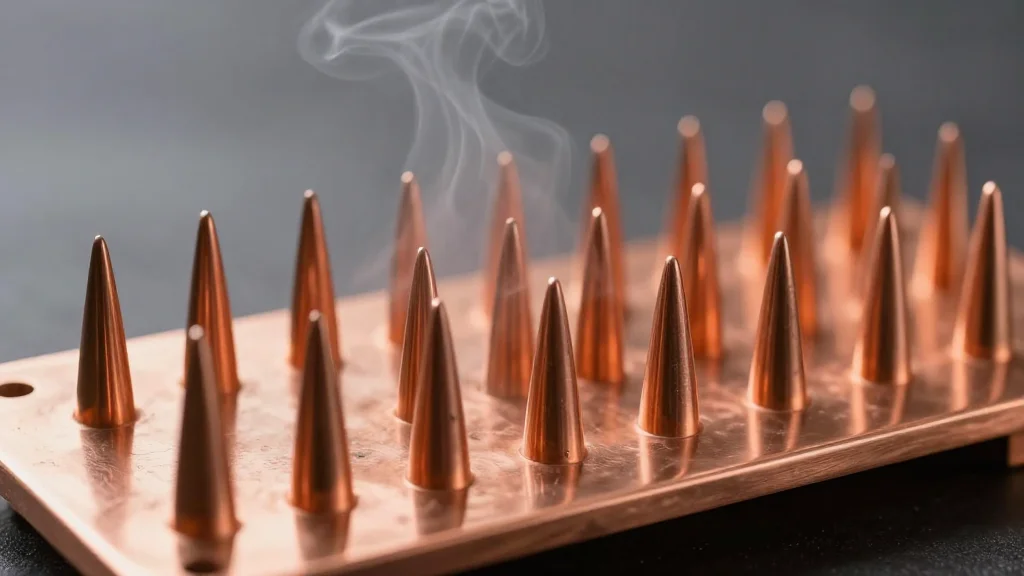
Researchers have developed an electrochemical 3D‑printing method that fabricates copper “Godzilla” spikes for data‑center cooling plates. The towering spikes dramatically increase surface area, boosting heat‑transfer efficiency by up to 40% compared with conventional flat plates. Early modeling suggests the technology...

Scientists Find Gold and Silver Nanoparticles in 4th‑Century Lycurgus Cup, Claiming Ancient Nanotech
A team led by Lars Kool and Floris Dekker announced that the 4th‑century Lycurgus Cup contains colloidal gold and silver nanoparticles, making it the earliest known example of engineered nanomaterials. The finding, published this week, fuels debate over whether Roman...
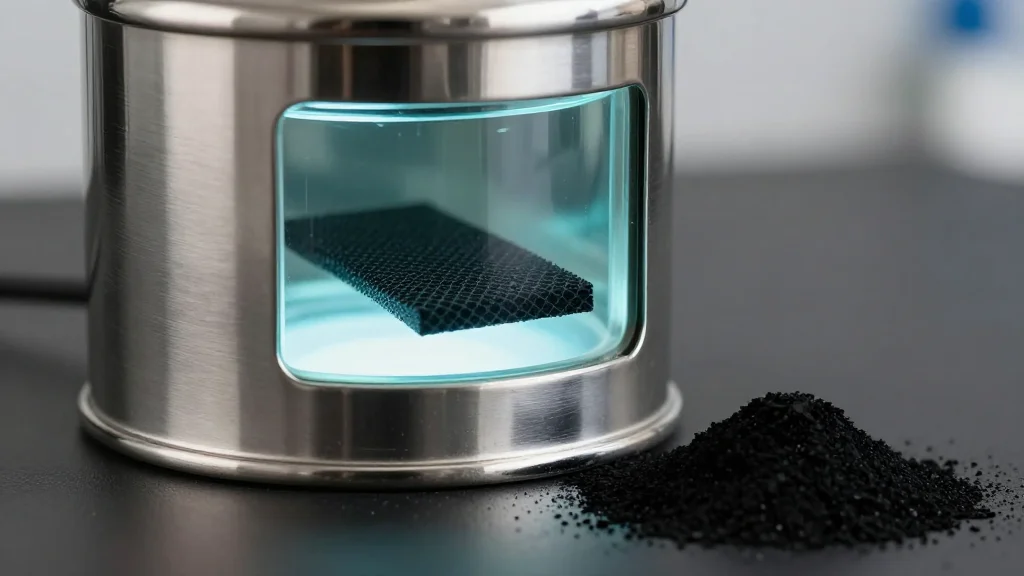
INTRATOMICS, TAQA Water Solutions and MAGMA Sign MoU for Pilot Study Converting Abu Dhabi’s Biosolids Into Graphene
INTRATOMICS Advanced Material Technologies has signed an MoU with TAQA Water Solutions and MAGMA to pilot the conversion of wastewater biosolids into graphene using its STRAT WX Reactor and Instant Volumetric Conversion technology. The pilot, based at INTRATOMICS’ 2DWORKS facility in...
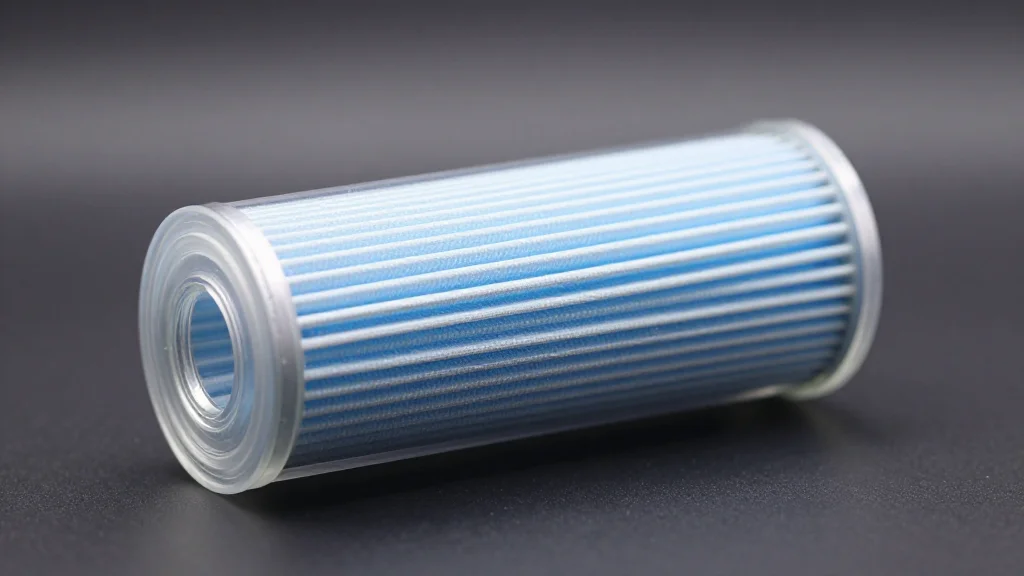
Zentek Clears Regulatory Path for Graphene-Based Air Filter Rollout in Canada
Zentek announced that its ZenGUARD™ Enhanced Air Filters have cleared a key regulatory hurdle in Canada, securing Health Canada approval for the graphene‑based technology. The clearance removes uncertainty around market entry, allowing the company to launch commercial sales and pursue...