Today's Nanotech Pulse

Left‑handed DNA origami tubes double chemotherapy efficacy against AML
Researchers at the Cancer Center at Illinois showed that left‑handed DNA origami tubes loaded with Daunorubicin achieve more than twice the cell‑killing efficacy of right‑handed tubes. The tubes display aptamers that target the CD117 protein on acute myeloid leukemia cells and their left‑handed geometry promotes rapid internalization.

Light-Driven Bismuth Nanomaterials Show Promise Against Tumors and Bacteria
A recent review in Reviews in Inorganic Chemistry highlights light‑activated bismuth nanomaterials as versatile theranostic agents. Their high atomic number and tunable optical properties enable strong X‑ray attenuation for CT, photoacoustic contrast, and efficient photothermal or photodynamic therapy. The authors detail engineering tactics—defect creation, heterojunctions, and morphology control—that boost ROS generation and heat conversion for antibacterial and cancer applications. Despite promising preclinical results, gaps in long‑term biosafety and scalable, reproducible synthesis impede clinical adoption.

Ultradense Aligned Nanowires Boost Flexible Electronics
Researchers have introduced deterministic roll‑contact printing, a technique that transfers nanowires onto flexible substrates with unprecedented precision and density. The method creates ultradense, uniformly aligned nanowire arrays that deliver higher charge‑carrier mobility, lower noise, and robust mechanical performance. By operating...

Indian Researchers Unveil Dual‑siRNA Nanocarrier That Halts Breast Tumor Growth
Researchers at Pune's Agharkar Research Institute have introduced a biodegradable mesoporous silica nanoparticle that co‑delivers siRNA against two anti‑apoptotic genes, achieving pronounced tumor suppression in breast‑cancer mouse models. The platform promises a safer, more precise route for RNA‑based oncology therapies.

Fused Nanofiber Aerogel for Deployable Spacecraft Insulation
Researchers have created a covalently fused nanofiber aerogel, BC‑PVSQ, that preserves the ultra‑light, porous structure of traditional aerogels while adding remarkable mechanical resilience. The material maintains 98.8% porosity, a density of 16.1 mg cm⁻³, and a thermal conductivity of 27 mW m⁻¹ K⁻¹. Laboratory tests...

VCU Researchers Unveil Virus‑Sized Nanomagnets to Enable Scalable Quantum Qubits
Virginia Commonwealth University engineers, led by Professor Jayasimha Atulasimha, have demonstrated 200‑nanometer virus‑sized nanomagnets that can be driven by acoustic waves to control qubit spin states. The breakthrough promises to overcome the spacing and noise limits of conventional antenna‑based control,...

Molecular‑Design Method Yields Uniform 3‑4 Nm Nanodiamonds for Quantum and Biomedical Use
Researchers at the Max Planck Institute for Polymer Research have unveiled a bottom‑up synthesis that builds nanodiamonds from molecular nanographene, delivering 3‑4 nm particles with unprecedented size uniformity and integrated silicon or germanium colour centres. The breakthrough could accelerate quantum‑technology devices...
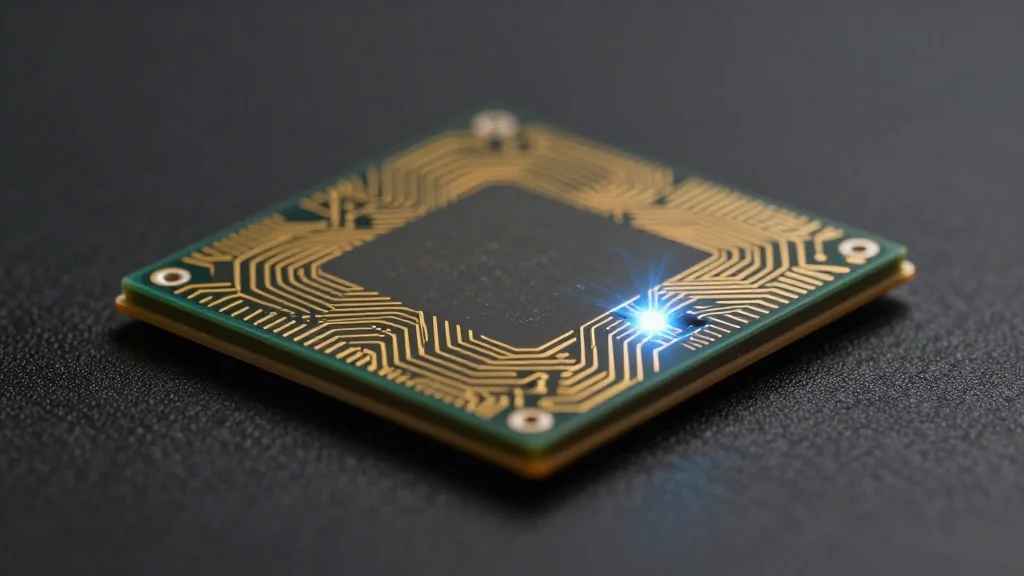
EPFL Unveils First Integrated Femtosecond Laser on a Chip, Matching Tabletop Performance
Physicists at EPFL have demonstrated the first fully integrated femtosecond laser on a silicon photonic chip, delivering 1.05 nanojoule pulses that rival conventional tabletop systems. The breakthrough removes a two‑decade engineering obstacle and promises mass‑produced, portable ultrafast sources for medicine, navigation...

A Tiny Atomic Shift Gives Scientists Powerful Control over Metals
University of Minnesota researchers demonstrated that interfacial polarization can tune the surface work function of metallic ruthenium dioxide by more than 1 electron‑volt. By varying an ultra‑thin RuO₂ film’s thickness by just a few nanometers, they observed a dramatic electronic shift,...
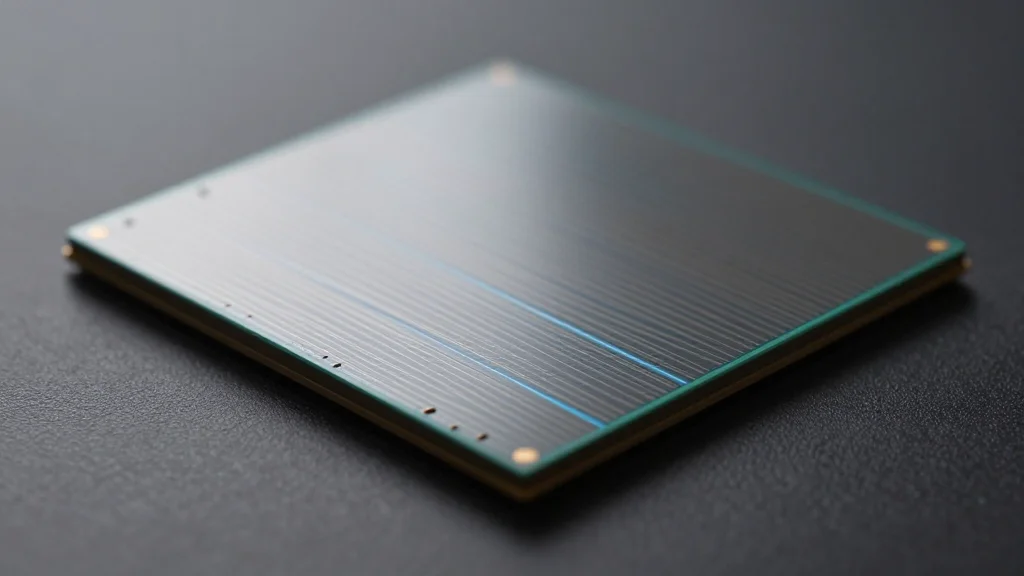
LSTC Breakthrough Clarifies Sub‑2 Nm Process Variations, Bolstering Rapidus’s 1.4 Nm Chip Plan
The Leading‑edge Semiconductor Technology Center (LSTC) announced a new analysis method that quantifies how nanometer‑scale line‑width variations affect the dielectric lifetime of ruthenium/air‑gap interconnects. The findings give Rapidus a data‑driven path toward its 2 nm mass‑production goal in 2027 and a...
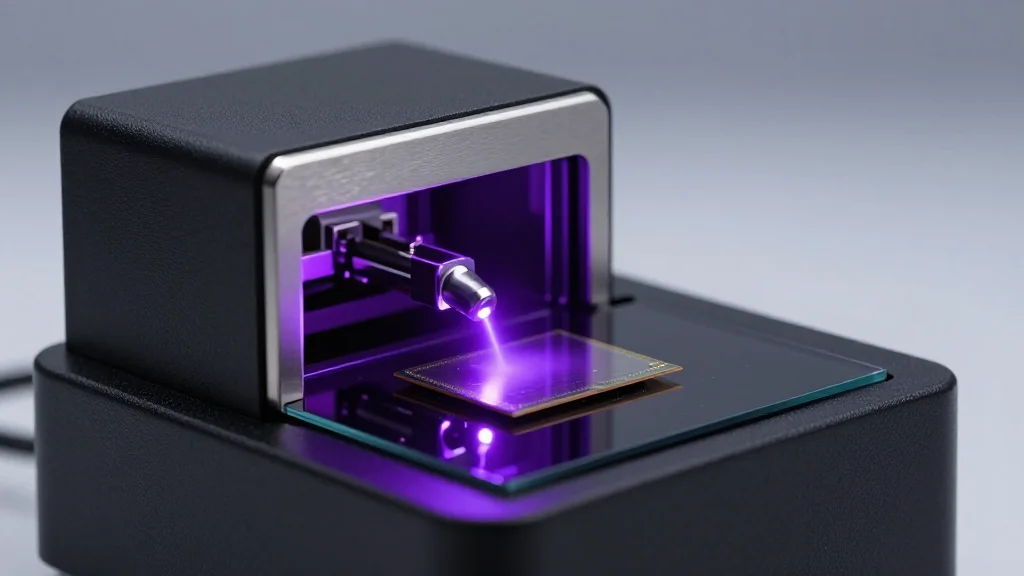
UT Austin Unveils Table‑Top EUV Lithography System, Cutting Semiconductor Research Costs
Researchers at the University of Texas at Austin have built a tabletop extreme‑ultraviolet (EUV) lithography device that compresses multi‑day processing into minutes. The system, funded by the NSF Future of Semiconductors program, could lower the $200 million barrier to advanced semiconductor...

Argonne Researchers Demonstrate Atomic‑Order Tuning to Control MXene Properties
Scientists at DOE’s Argonne National Laboratory have engineered 40 new MAX phase compositions, proving that atomic ordering can be maintained with up to six different metals. The breakthrough lets researchers tailor MXene sheets for specific functions, from batteries to quantum...

Zhengzhou University Engineers Closed‑pore Hard Carbon Delivering 500 mAh/G for Sodium‑ion Batteries
Scientists at Zhengzhou University have introduced a nano‑space confinement method that produces hard carbon anodes with closed pores optimized for sodium storage, achieving a reversible capacity near 500 mAh per gram. The breakthrough addresses the long‑standing issue that only about 60%...
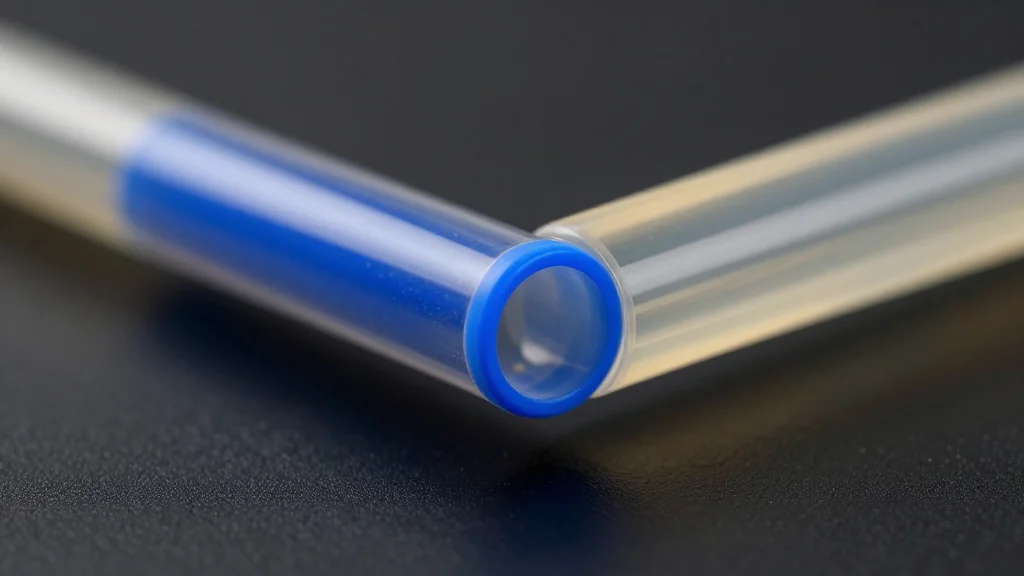
University of Tokyo Creates 1‑nm Semiconducting Nanotubes, Paving Way for Ultra‑small Transistors
Scientists at the University of Tokyo have synthesized single‑walled molybdenum disulfide nanotubes only 1 nanometer in diameter, encased in boron‑nitride tubes. The achievement validates long‑standing theory on band‑gap scaling and opens a realistic path to gate‑all‑around transistors far smaller than today’s...

Chitosan Nanoparticles Could Make Vaccines More Stable, Mucosal, and Needle-Free
A recent npj Vaccines review highlights chitosan‑based nanoparticles as a promising platform to stabilize fragile antigens, enable needle‑free administration, and boost mucosal immunity. By tweaking molecular weight, deacetylation and cross‑linking, researchers can tailor solubility, charge and degradation rates for optimal...
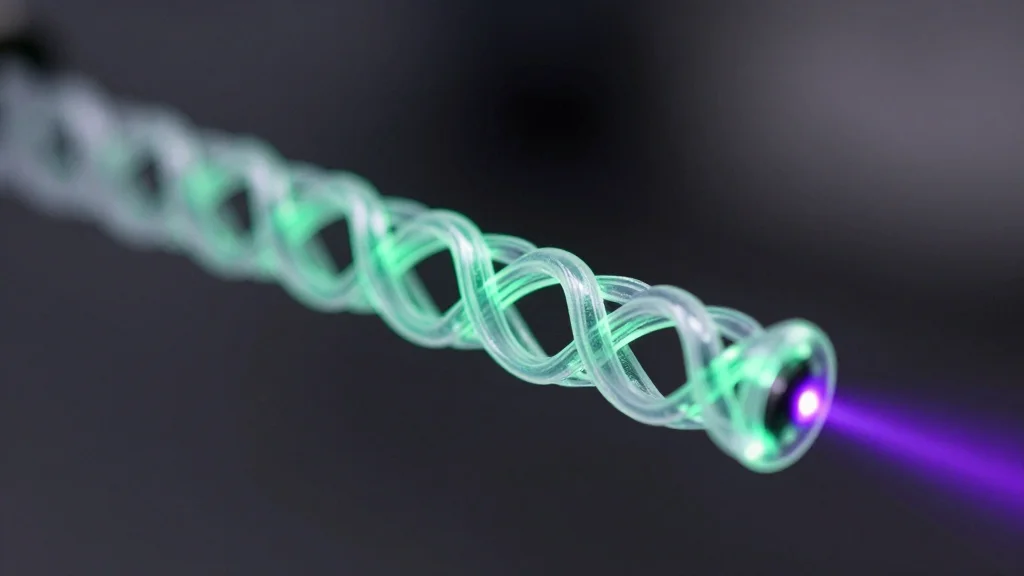
Rice University Demonstrates Giant Light‑Conversion in Chiral Carbon Nanotube Films
Scientists at Rice University have fabricated centimeter‑scale films of single‑handed carbon nanotubes that generate second‑harmonic light at rates two to three orders of magnitude higher than conventional materials. The breakthrough validates long‑standing theory and could accelerate ultrathin photonic devices.

Nanoparticles Inspired by Lung Fluid Improve Therapies Targeting Respiratory System
Researchers at CIC biomaGUNE have created pulmonary surfactant nanoparticles that encapsulate antifibrotic drugs and can be delivered by inhalation. Using a microfluidic synthesis platform, the particles achieve uniform size, high drug loading and 90% retention in mouse lungs, dramatically lowering...

Brazilian Researchers Launch Nanoparticle Platform to Silence Genes Behind Psoriasis and Vitiligo
Researchers at the University of São Paulo's NanoGeneSkin lab unveiled a lipid‑nanoparticle platform that can deliver therapeutic RNA directly into skin cells, silencing the genes that drive psoriasis and vitiligo. The breakthrough, presented at FAPESP Week London, could replace systemic...
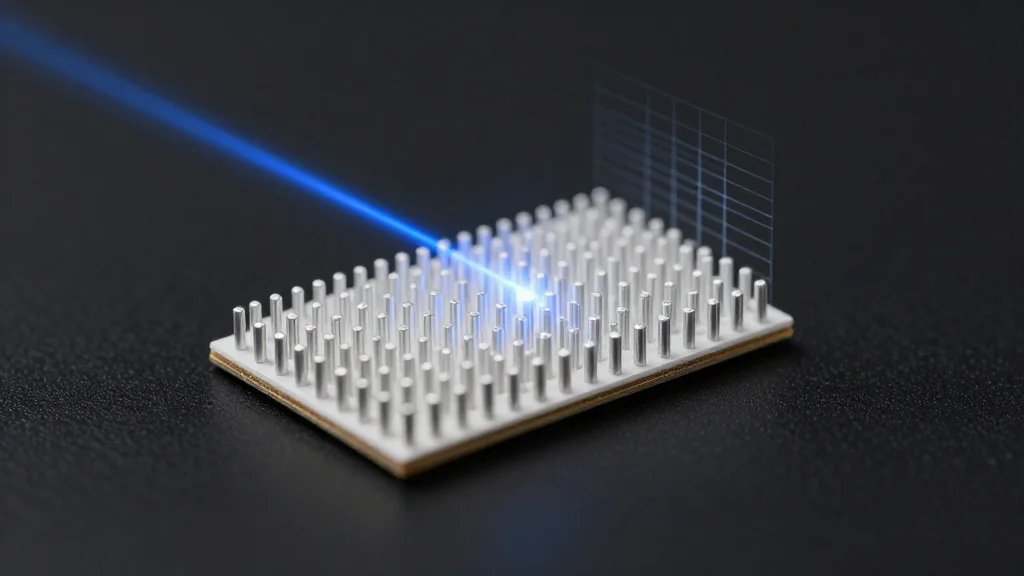
AI Paired with Tiny Optical Device Corrects Distorted Light for Sharper Imaging
University of California‑San Diego engineers have combined an AI‑designed metasurface with a deep‑learning analysis system to detect and correct optical distortions from a single image. The tiny device—about 1 cm by 0.5 mm—uses nanofabricated titanium‑dioxide pillars and can operate across multiple wavelengths...
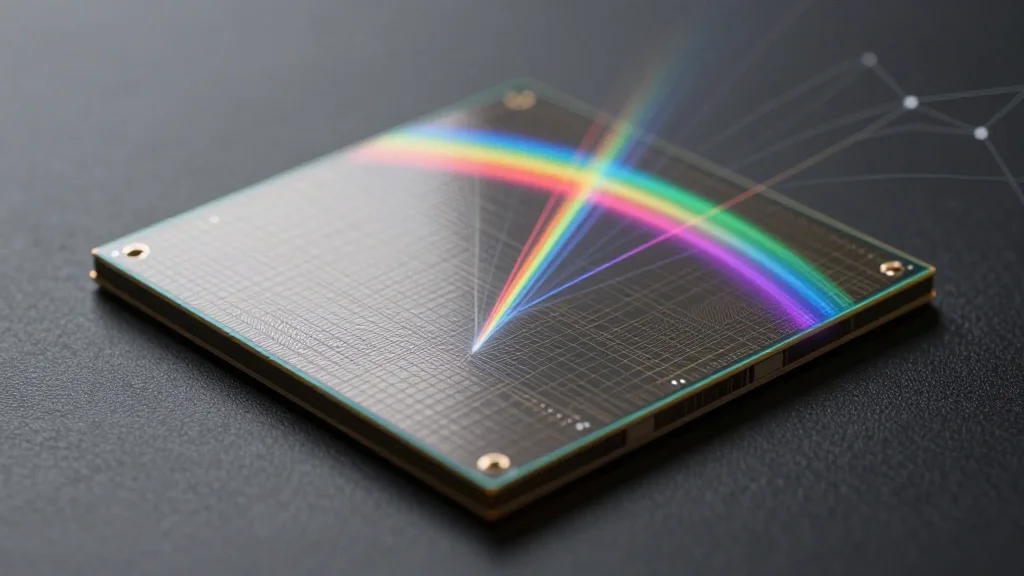
Teaching AI to Design Optical Surfaces Using Real-World Imperfections
Researchers at Singapore’s SUTD and collaborators in China have unveiled ExpForm, a transformer‑based deep‑learning framework trained directly on experimental spectra of optical Fourier surfaces. By ingesting over 25,000 angle‑resolved measurements, the model predicts forward and inverse optical responses with 99.79%...
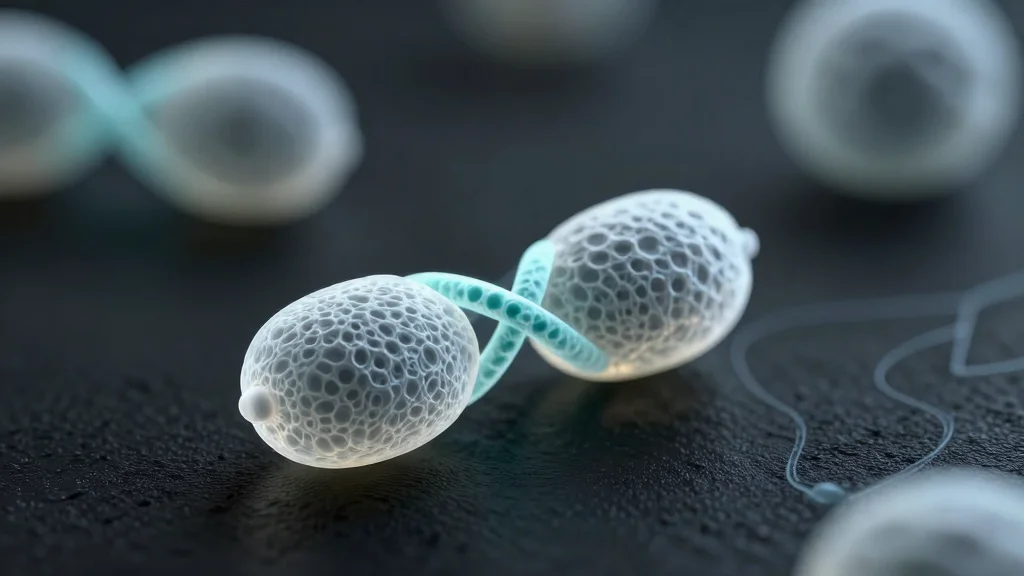
Indian Researchers Unveil Aptamer‑Guided Nanomedicine That Halts Breast Tumors in Mice
A team from the Agharkar Research Institute in Pune has created a biodegradable mesoporous silica nanoparticle that delivers dual siRNA against MCL‑1 and Survivin, achieving strong tumor suppression and low toxicity in breast‑cancer mouse models. The platform combines a protamine...
Atomic Reshuffling of Pt‑Ni Nanoclusters Yields Record‑Breaking Hydrogen Catalysts
Researchers at the University of Nottingham, together with partners at Birmingham, Diamond Light Source and Ulm University, have demonstrated that reversible atomic reshuffling of platinum‑nickel nanoclusters creates a record‑breaking catalyst for water‑splitting hydrogen production. The breakthrough, captured in real‑time electron...

Empa Uses Graphene to Test and Refine the SSbD Framework
Researchers at Switzerland's Empa have applied the European Commission’s Safe and Sustainable by Design (SSbD) framework to graphene, using the well‑studied 2‑D material as a proving ground for nanomaterials. Leveraging a decade of data from the Graphene Flagship, they examined...

Plant‐Derived Thylakoids Potentiate Copper‐Mediated Multimodal Cell Death via Hypoxia Alleviation for Synergistic Antitumor Therapy
Researchers have unveiled TC@UN/G, a hybrid drug‑release platform that merges copper‑loaded metal‑organic frameworks, photosynthetic plant thylakoids, and a thermosensitive F127 hydrogel. Upon peritumoral injection and light exposure, thylakoids produce oxygen, mitigating tumor hypoxia and restoring mitochondrial activity. This oxygenation sensitizes...
Ru‐Doping‐Induced Dual‐Functionality in La0.6Sr0.4Co0.2Fe0.8O3‐δ: Enhancing Efficient Multi‐Fuels Oxidation and Suppressing Sr Segregation for Robust Symmetric Solid Oxide Cells
Researchers introduced a Ru‑doped, A‑site‑deficient perovskite (La0.6Sr0.4)0.9Ru0.1Co0.2Fe0.8O3‑δ, termed LSRCF, as a symmetric electrode for solid‑oxide cells. Under reducing conditions the material exsolves CoFeRu nano‑alloys that create active metal/oxide interfaces, accelerating oxidation of H₂, CH₄ and C₃H₈. In oxidizing mode Ru...

In Situ Biosynthesis of Pd Nanocrystals in Bifidobacterium Bioreactor as Dual Immune Stimulators for Immuno‐Chemodynamic Therapy of Cold Tumor
Researchers engineered a Bifidobacterium breve strain (lw01) to biosynthesize palladium nanocrystals directly within tumor tissue, creating a probiotic nano‑catalytic system called lw01@Pd. The system homes to hypoxic tumor regions, where intracellular palladium triggers oxidative damage that kills both cancer cells...

Bottom‑up Synthesis Yields Uniform 3‑4 Nm Diamond Nanoparticles for Quantum Technologies
An international team led by Dr. Yingke Wu and Prof. Tanja Weil at the Max Planck Institute for Polymer Research has demonstrated a bottom‑up synthesis route that produces 3‑4 nm diamond nanoparticles with unprecedented uniformity and built‑in color centers. Published in...
The Impact of Polymers on Physicochemical Properties and in Vivo Studies of Nanoparticles: A Review
A recent review in the International Journal of Nanoscience surveys literature from 2020‑2025 on how polymer selection shapes nanoparticle physicochemical traits and in‑vivo performance. It finds that combination‑polymer systems yield smaller, more uniform, stable particles with higher drug loading and...
GMG Applies for Additional Environmental Approvals to Produce Graphene in the U.S
Graphene Manufacturing Group (GMG) has filed an additional EPA application to manufacture graphene products, including coatings, lubricants, and fluids, within the United States. The filing, known as a SNUN, builds on an existing PMN that currently allows GMG to export...
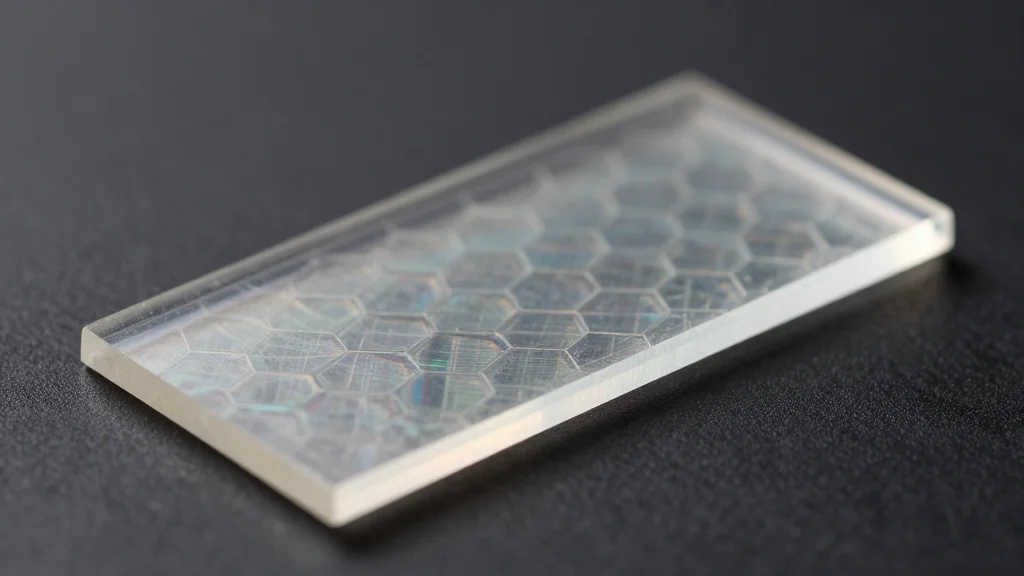
Cornell Researchers Use Strain Engineering to Produce Scalable Moiré 2D Materials
Cornell University researchers have unveiled a strain‑engineering technique that generates moiré superlattices in molybdenum disulfide without twisting or stacking. The method, described in a Proceedings of the National Academy of Sciences paper, promises a reproducible, large‑scale pathway for quantum‑material production.

New Route to Tailor-Made Diamond Nanoparticles Holds Promise for Quantum Applications
Researchers at the Max Planck Institute have introduced a bottom‑up synthesis that converts nanographene molecules into uniform, high‑purity nanodiamonds as small as three to four nanometres. The method enables direct incorporation of silicon and germanium color centers during growth, eliminating the...
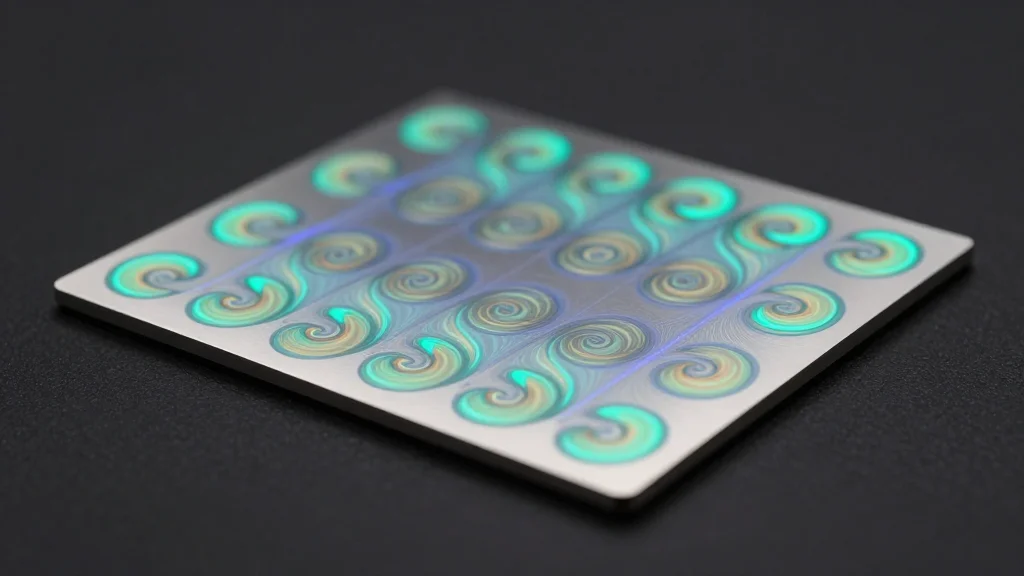
Terahertz Imaging Maps Chirality at 100‑µm Resolution in Advanced Metasurfaces
Researchers from Chiba University and Tohoku University have demonstrated terahertz circular dichroism imaging that resolves spatial chirality at 100 µm. The technique visualizes left‑ and right‑handed regions on a moiré‑type metasurface, overcoming the averaging limits of conventional THz spectroscopy. The breakthrough...
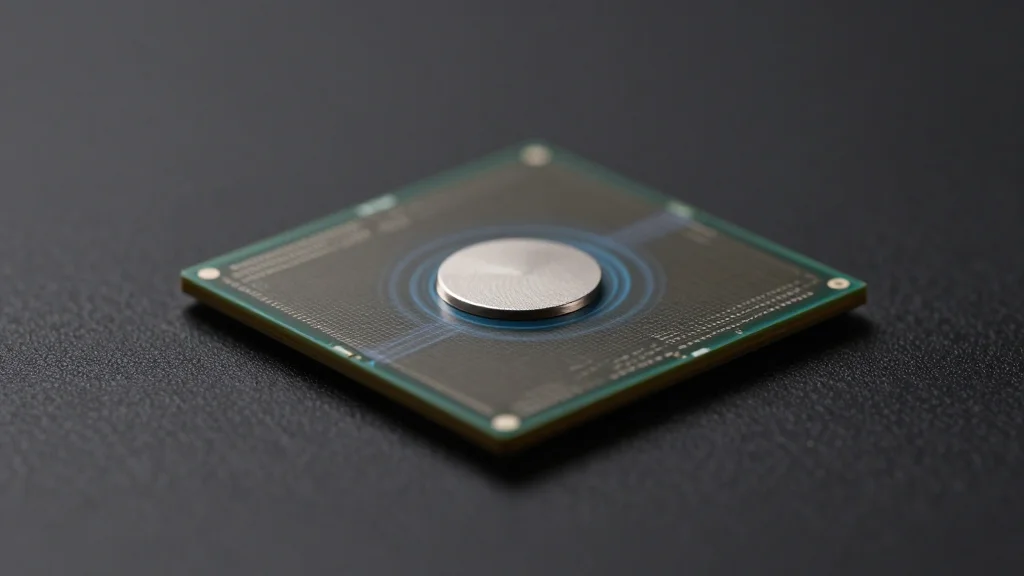
World‑First Spintronic P‑Bit on Silicon Chip Demonstrated by Japan‑U.S. Team
A joint Japan‑U.S. research team has demonstrated the world’s first spintronic probabilistic bit (p‑bit) fabricated on a silicon chip using standard 130‑nm CMOS processes. The breakthrough, reported in IEEE Electron Device Letters, could accelerate the development of AI‑ready probabilistic computers...

Quantum Sensors Proposed to Detect Elusive Altermagnets
Physicists have outlined a quantum‑sensing technique that uses nitrogen‑vacancy defects in diamond to spot altermagnets, a third class of magnetism. The method could streamline the search among 200+ candidate materials and accelerate spintronic applications.
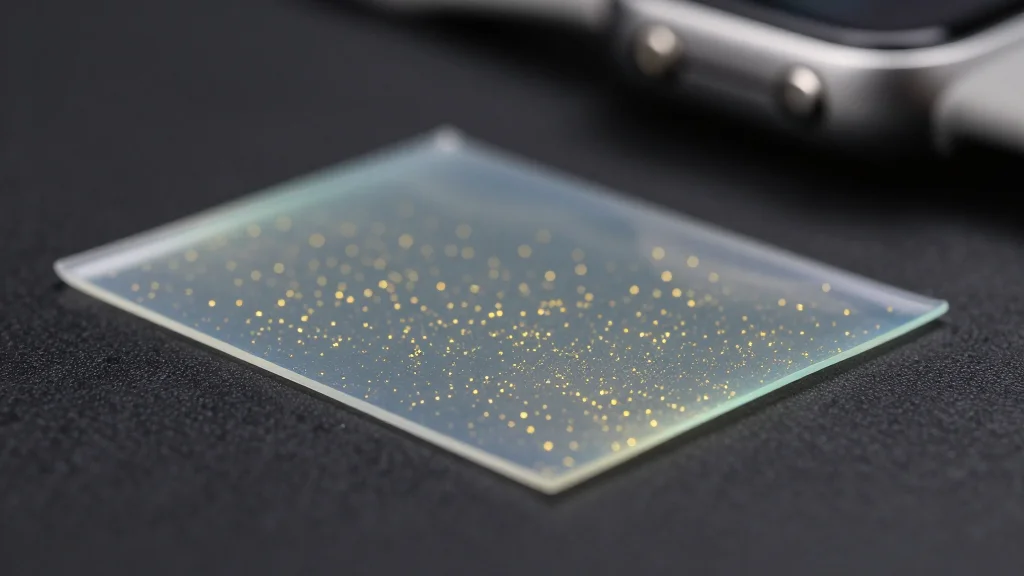
Indian Researchers Embed Nano‑Gold in Ultra‑Thin Films to Power Wearables
Researchers at the Institute of Nano Science and Technology in Mohali have demonstrated that adding gold nanoparticles to a 100‑nanometre‑thin PVDF polymer film dramatically improves its pyroelectric response. The breakthrough enables energy harvesting from everyday temperature fluctuations, opening a new...

Tapered Silicon Nanopores Make Single Protein Detection Faster and Clearer
Researchers have engineered a pyramidal silicon nanopore lined with silicon dioxide that concentrates the electric field and minimizes protein adhesion, enabling rapid, high‑clarity single‑protein detection. The fabrication process uses real‑time ionic current monitoring to stop wet etching at the nanoscale,...

ETH Zurich Bio‑Hybrid Microrobots Restore Nerve Function in Spinal‑Injured Animals
Researchers at ETH Zurich and the University of Zurich have built magnetoelectric nano‑powered microrobots that guide stem cells to damaged spinal cords. In zebrafish, the bots restored near‑normal swimming in three days; in mice, nerve fibers reconnected after 28 days,...

Adelaide Researchers' Nanoparticles Boost Lung Cancer Drug Delivery 30‑Fold
Researchers at the University of Adelaide have created hybrid nanoparticles that raise lung‑cancer drug bioavailability by more than 30 times, addressing a long‑standing delivery challenge. Pre‑clinical tests show stronger tumor‑killing effects while reducing exposure to healthy organs, a development that...

Highly Programmable Liquid Crystalline Polyurethane/MXene Hybrids for Large‐Strain, High‐Work‐Capacity Artificial Muscles
Researchers have created a liquid‑crystalline polyurethane/MXene hybrid that simultaneously delivers large reversible strain and high actuation stress. The material integrates flexible PDMS segments, dynamic hydrogen bonds, and covalently bonded MXene nanosheets, enabling thermal‑driven stress of 0.91 MPa at 88 % strain and...

FeMn‐MOF@Bamboo Carbon Synergy: Lightweight Composites for Versatile and High‐Efficiency Electromagnetic Protection
Researchers have created an ultrathin FeMn@C/BC composite by growing iron‑manganese Prussian‑blue analogue on bamboo‑derived carbon and carbonizing it. The resulting material delivers 46.3 dB electromagnetic interference shielding across the X‑band with a mere 0.18 mm thickness, yielding a normalized specific shielding effectiveness...

Printable 3D Metalenses Bring Full-Colour VR Displays Closer to Scalable Nanomanufacturing
Researchers published a scalable method for three‑dimensional achromatic metalenses using grayscale electron‑beam lithography combined with nanoimprint replication. Height‑encoded nano‑templates provide precise multi‑wavelength phase control, achieving diffraction‑limited focusing across RGB with Strehl ratios above 0.8 and efficiencies near 12 %. The process...
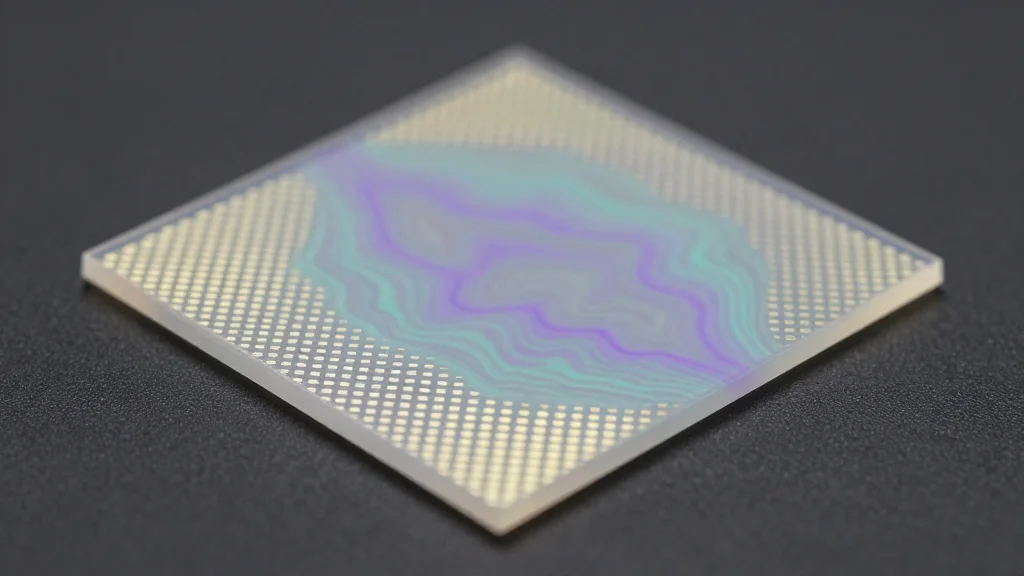
Strain Creates Moiré 2D Materials without Twisting or Stacking, Opening More Scalable Route
Cornell researchers have demonstrated a strain‑based method to generate moiré superlattices in molybdenum disulfide without the need for twisting or stacking atomically thin layers. By patterning metal stressor films on the crystal, they create controlled biaxial and uniaxial strain that...
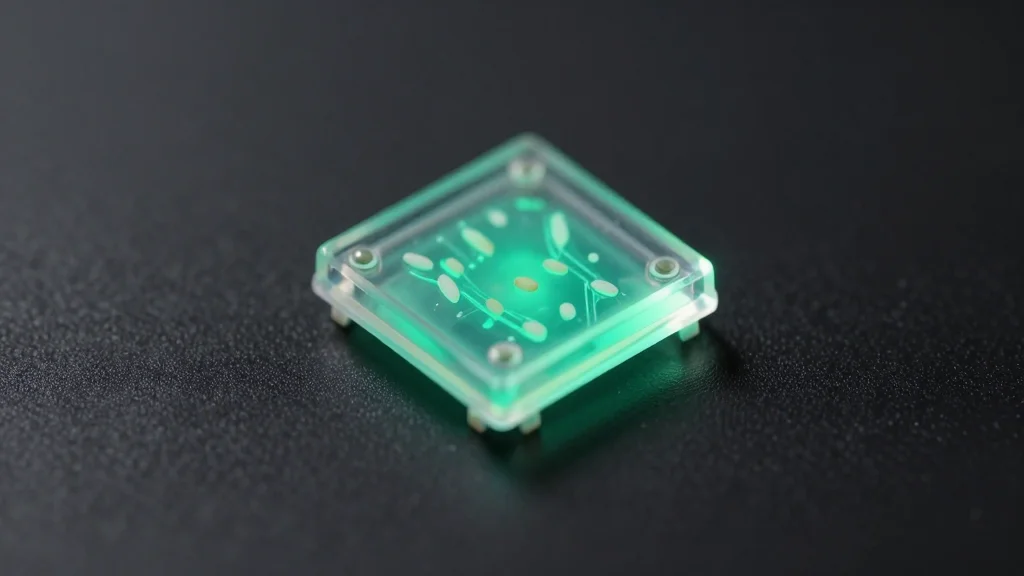
Fluorescent Nanosensor Detects Key Gut Biomarker in Minutes for Faster Testing
A collaborative team from Singapore’s NIE‑NTU, MIT‑SMART and local hospitals has unveiled a fluorescent nanosensor that quantifies the gut‑derived metabolite indole‑3‑propionic acid (IPA) in minutes. The dual‑mode platform delivers a visible‑light readout for rapid lab screening and a near‑infrared signal...
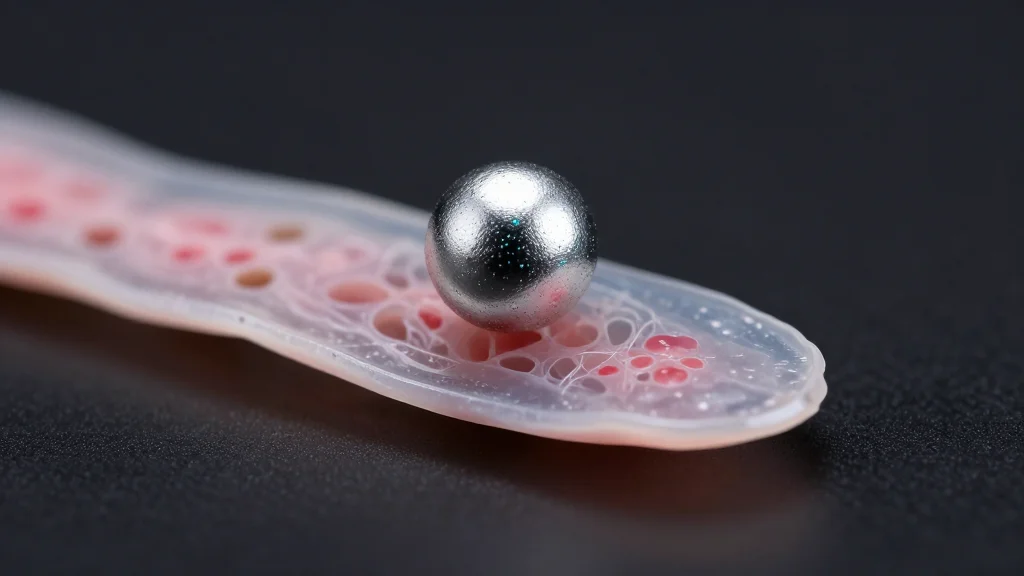
Biohybrid Microrobots Repair Spinal Cord by Combining Stem Cells with Magnetoelectric Nanoparticles
Researchers at ETH Zurich have created bio‑hybrid microrobots that pair neural progenitor stem cells with magnetoelectric nanoparticles, forming NPC‑bots that can be steered magnetically to spinal‑cord lesions. The nanoparticles translate external magnetic fields into localized electrical cues, accelerating stem‑cell differentiation...

Carbon Dot Composite Mixed Ionic‐Electronic Device Based on Oxygen‐Proton Coupling Catalytic Mechanism
Researchers have created a memristive device from a carbon‑dot/polyaniline (CDot‑PANI) composite that switches conductance via an oxygen‑proton coupled catalytic mechanism. Carbon dots catalyze a proton‑assisted oxygen reduction reaction, which drives reversible redox transitions in polyaniline and generates internal proton gradients....
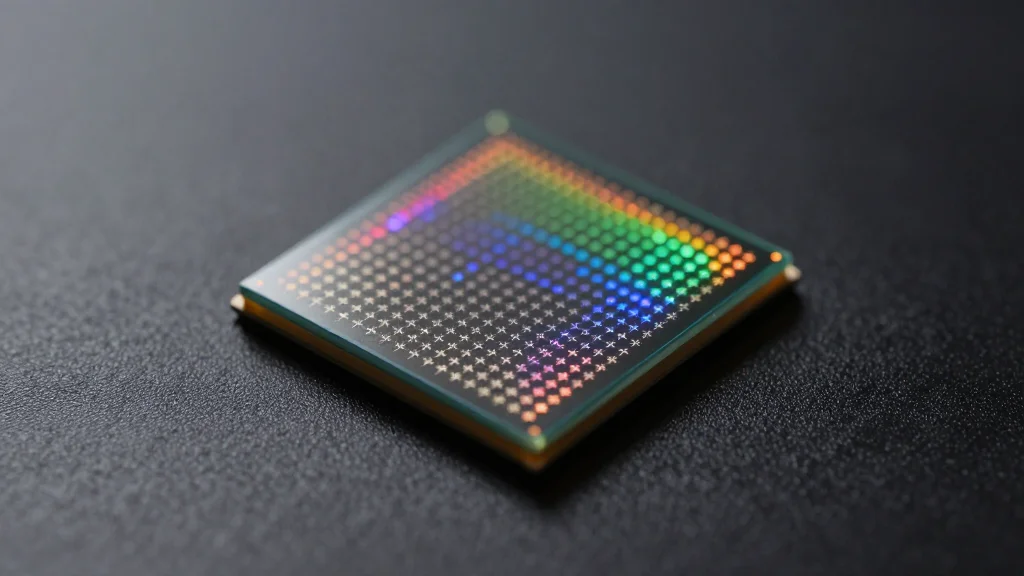
Direct Photo‐Patterning of Ultra‐Bright and Stable Quantum Dot Light‐Emitting Diodes Using Small‐Molecule Crosslinkers
Researchers have unveiled a direct photo‑patterning technique that uses a small‑molecule cross‑linked network to fabricate quantum‑dot LEDs (QLEDs) with ultra‑high resolution (~6,350 PPI) without pre‑patterning. The process preserves both photoluminescence and electroluminescence, delivering record brightness over 1,000,000 cd/m², an external quantum efficiency...

Amprius Posts 153% YoY Revenue Jump to $28.5M on Silicon Nanowire Battery Demand
Amprius (AMPX) announced Q1 2026 revenue of $28.5 million, up 153% year‑over‑year, and raised its 2026 full‑year revenue target to at least $130 million. The growth was driven by booming demand for its SiCore silicon‑nanowire anode batteries and a slate of multi‑hundred‑million‑dollar...

Fewer Animal Experiments Thanks to Virtual Mouse
Researchers at Switzerland's Empa have built an AI‑driven virtual mouse that predicts how nanomaterials distribute throughout a mouse body. The physiologically based pharmacokinetic (PBPK) model, trained on 18 published mouse studies, uses Bayesian MCMC and multivariate linear regression to adapt...
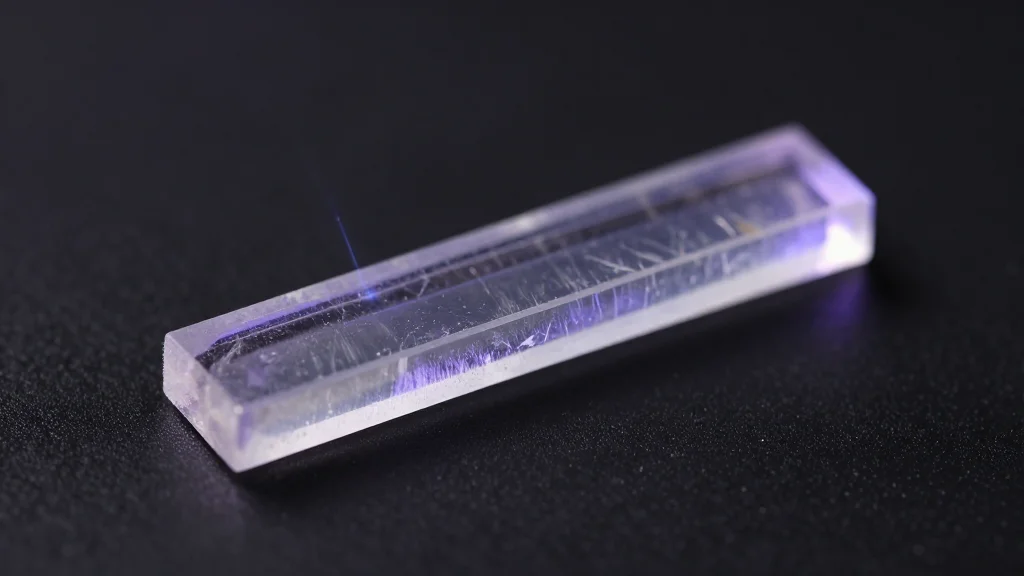
Hybrid MoOCl₂ Crystal Maps Metal‑Glass Duality, Paving Way for Ultra‑Thin AR Lenses
A team led by XPANCEO, together with the National University of Singapore and the University of Chemistry and Technology Prague, experimentally mapped the optical constants of molybdenum oxychloride (MoOCl₂). The study, published in Nano Letters, shows the crystal can act...

Scaling Nanoribbon Transistors with Monolayer Transition Metal Dichalcogenides
Researchers at Stanford and collaborators have demonstrated monolayer transition‑metal dichalcogenide (TMD) nanoribbon transistors with channel widths as narrow as 25 nm. By anchoring source‑drain contacts to the substrate and using a low‑dose litho‑etch‑litho‑etch (LELE) multipatterning scheme, they achieved high current densities—up...

2D Transistor Goes Narrower
Researchers have demonstrated high‑performance two‑dimensional (2D) nanoribbon transistors with channel widths scaled below 100 nm using a litho‑etch‑litho‑etch (LELE) fabrication flow. The MoS₂ nanoribbons retain carrier mobility comparable to wider devices, indicating that aggressive width reduction does not compromise electrical performance....