Today's Nutrition Pulse
Europe’s fibre frenzy: excess intake can backfire
While most Europeans still miss the UK’s 30 g daily fibre target, recent trends have pushed some consumers to exceed 50–70 g per day. Such high intakes are linked to bloating, diarrhea, constipation and reduced mineral absorption, especially when fibre is increased rapidly without sufficient hydration.
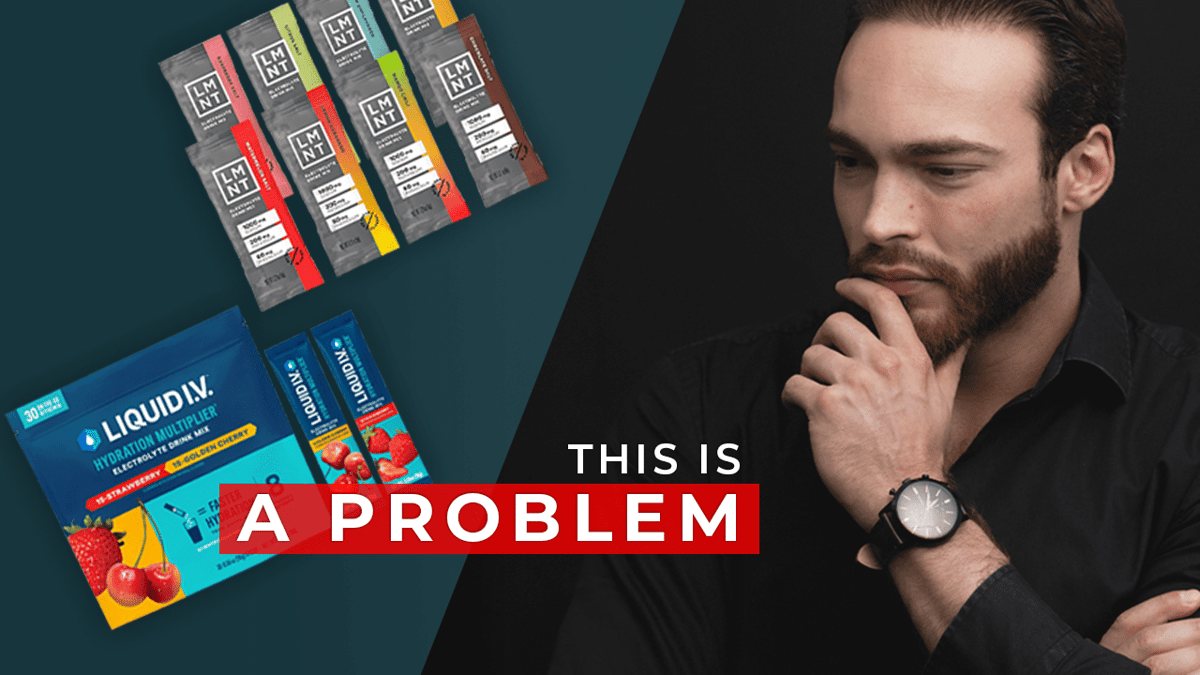
I Read Every Electrolyte Study. The Industry Is Lying.
Recent scientific reviews show electrolyte supplements, largely sodium, provide no performance advantage for the average consumer and may increase cardiovascular risk. Typical diets already deliver 3–5 g of sodium daily, exceeding most health guidelines, so added supplement packets can push intake toward harmful levels. Only ultra‑endurance athletes exercising over four hours in heat, or individuals with specific medical or ketogenic needs, see measurable benefit. Consequently, the booming supplement market is more a public‑health concern than a performance aid.
Gut Microbiota-Liver-Kidney Axis in Diabetic Kidney Disease: Mechanistic Insights Into Amino Acid Metabolism and Nutritional Intervention Strategies Targeting Natural Bioactive...
Diabetic kidney disease (DKD) is accelerating as diabetes prevalence climbs, now affecting up to 40% of diabetics and driving a surge in end‑stage renal disease. Recent research highlights a gut‑microbiota‑liver‑kidney axis that links dietary nutrients to kidney injury through metabolites...

Early Combined Parenteral and Enteral Nutrition Support for Patients over 80 Years Old with Non-Operative Intestinal Obstruction
A retrospective study of 191 patients over 80 with non‑operative intestinal obstruction compared early combined parenteral and enteral nutrition (ECPEN) to delayed combined nutrition (DCPEN). After 1:1 propensity score matching, 79 pairs showed that ECPEN led to shorter total parenteral...
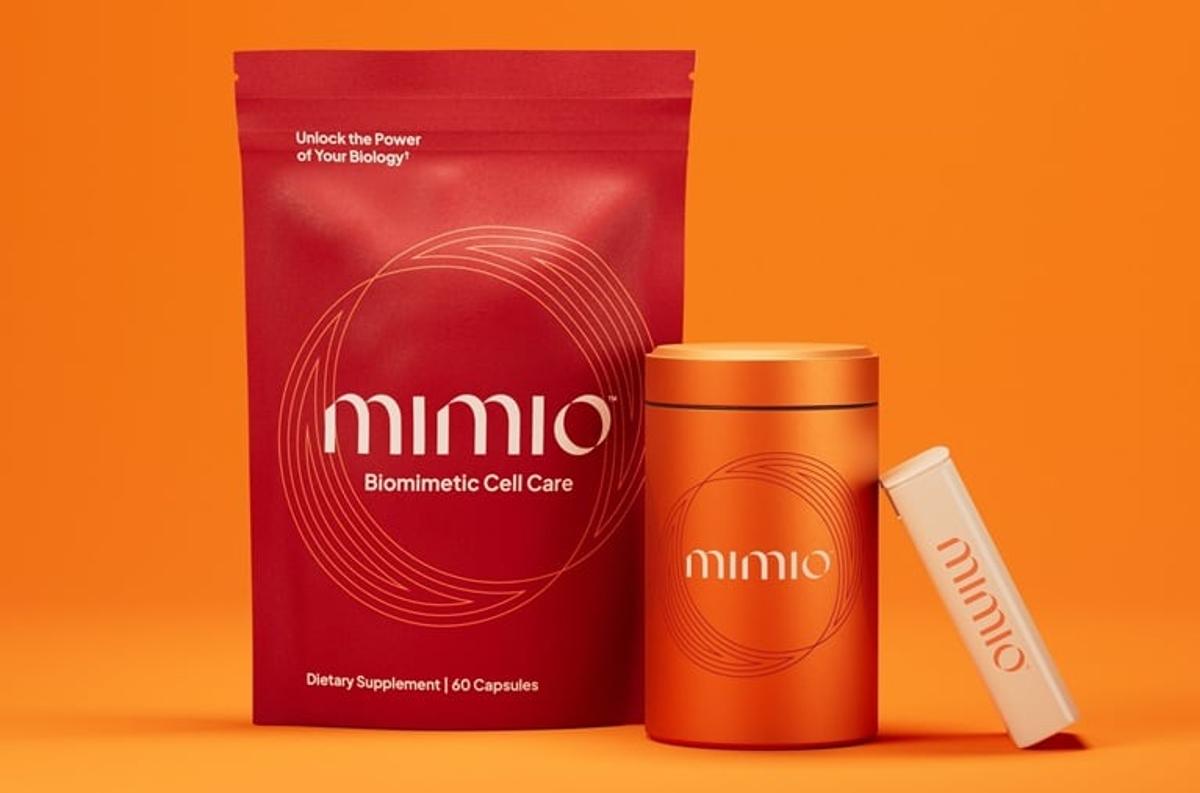
Fasting Mimetic May Improve Cardiometabolic Health Markers: RCT
A randomized, double‑blind, placebo‑controlled trial found that an eight‑week regimen of Mimio, a fasting‑mimetic supplement, significantly improved cholesterol fractions, oxidized LDL, and fasting glucose in older adults with elevated BMI and HbA1c. The formulation delivers nicotinamide, PEA, OEA and spermidine...
Daily Multivitamin Slows Biological Aging Up to Five Months, Study Finds
Researchers led by Howard Sesso published a peer‑reviewed trial showing that a daily Centrum Silver‑type multivitamin slowed two epigenetic aging clocks by 2.7–5.1 months over two years. The finding, based on 958 participants from the COSMOS study, marks the first...

Peeling Back the Onion Claims
Randomized controlled trials reveal that onions do not increase testosterone in men, but they may modestly improve bone density in older women and lower insulin resistance in breast‑cancer patients undergoing doxorubicin chemotherapy. Antioxidant‑rich outer layers are often discarded, yet clinical...

High Protein Diet Doesn’t Inflate Internal Organs
Several years ago, a scholarly paper (PMID: 31897480) proposed that consuming high levels of protein (>1.6 g/kg/day) might lead to enlargement of internal organs such as the heart, liver, intestines, and kidneys. The author speculated that protein...
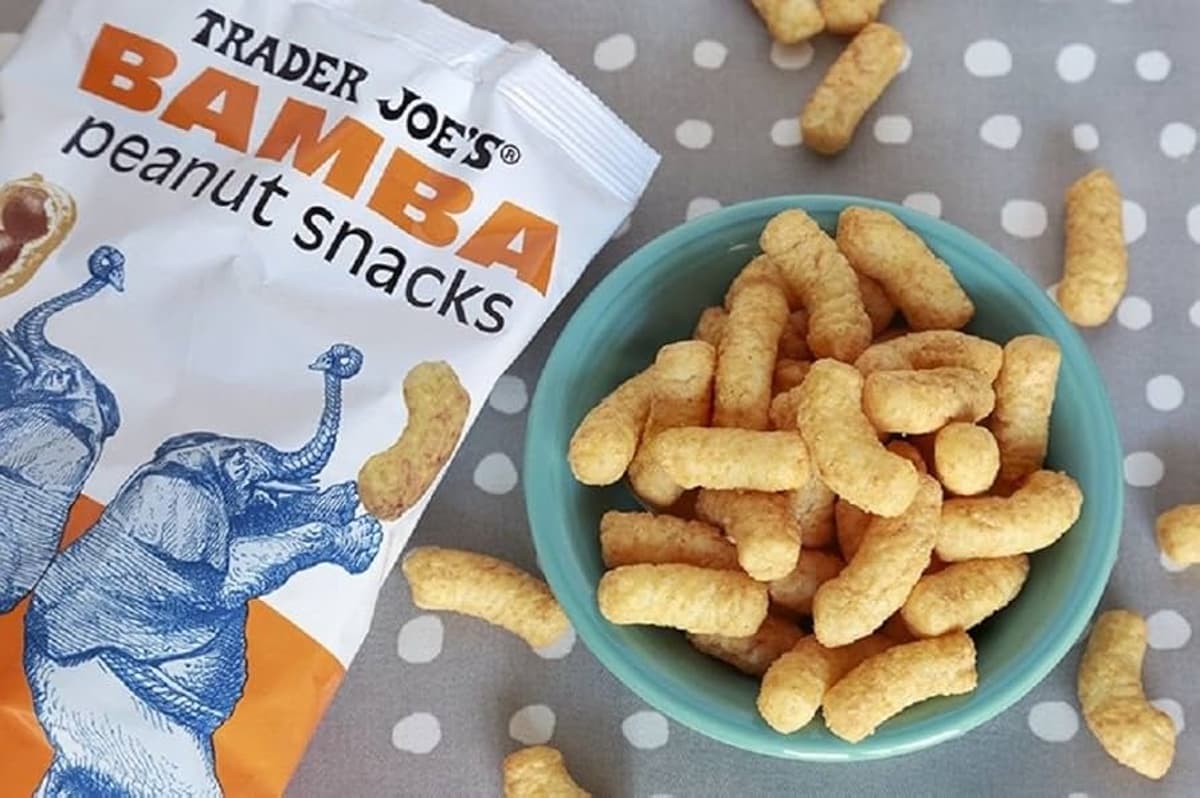
Introducing Peanuts at 4‑6 Months Cuts Allergies 77%
"Peanut allergies plummet by 77% if they're added to babies' diets at 4-6 months of age." This statistic traces back to a 2023 modeling study: Early introduction of peanut reduces peanut allergy across risk groups in pooled and causal inference analyses🥜https://t.co/SHULN2n2X5 https://t.co/CCFCt6Uguu

Broken at the Biochemical Level: The B Vitamin Series - Part 1
The opening post of the "B Vitamin Series" frames B‑vitamins as foundational metabolic regulators rather than optional nutrients. It argues that adequate B‑vitamins are essential for energy generation, nerve transmission, cardiovascular health, and cellular repair. When levels dip, the body...
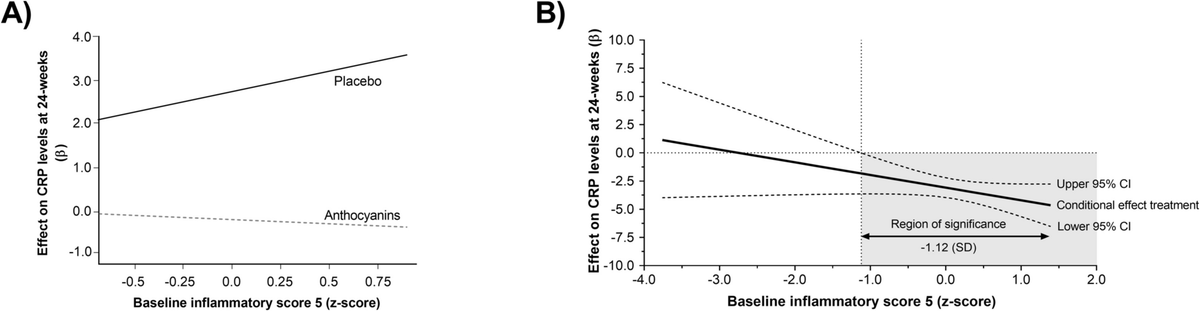
Anthocyanins Improve Cardiometabolic and Anti‑
Anthocyanin supplementation in adults at risk for dementia: a randomized controlled trial on its cardiometabolic and anti-inflammatory biomarker effects https://t.co/tHwVYQ3yvQ https://t.co/cxiRpkIj7W

Maurten Nutrition Powers Sabastian Sawe’s Sub‑2‑Hour Marathon Record
Maurten’s sports‑nutrition products were central to Sabastian Sawe’s 1:59:30 marathon world record in London, delivering 115 g of carbohydrate per hour. The Kenyan’s year‑long collaboration with the Swedish brand involved gut‑training, glycogen loading and a bespoke race‑day protocol, underscoring the growing...

Whey Protein and Resistance Exercise May Improve Hepatic Steatosis
A 4‑week randomized trial in 30 patients with metabolic dysfunction‑associated steatotic liver disease (MASLD) found that calorie restriction combined with resistance exercise raised plasma irisin, and adding whey protein amplified the increase. Elevated irisin levels were significantly linked to larger...
Reprogram Your Gut Microbiome For Better Health With These Carbs
Researchers discovered that the common gut bacterium Bacteroides thetaiotaomicron rewires its immune interactions depending on the specific carbohydrates it consumes. Testing 190 carbs in vitro, plus human diet analyses and mouse studies, showed that natural fruit sugars promote anti‑inflammatory activity...
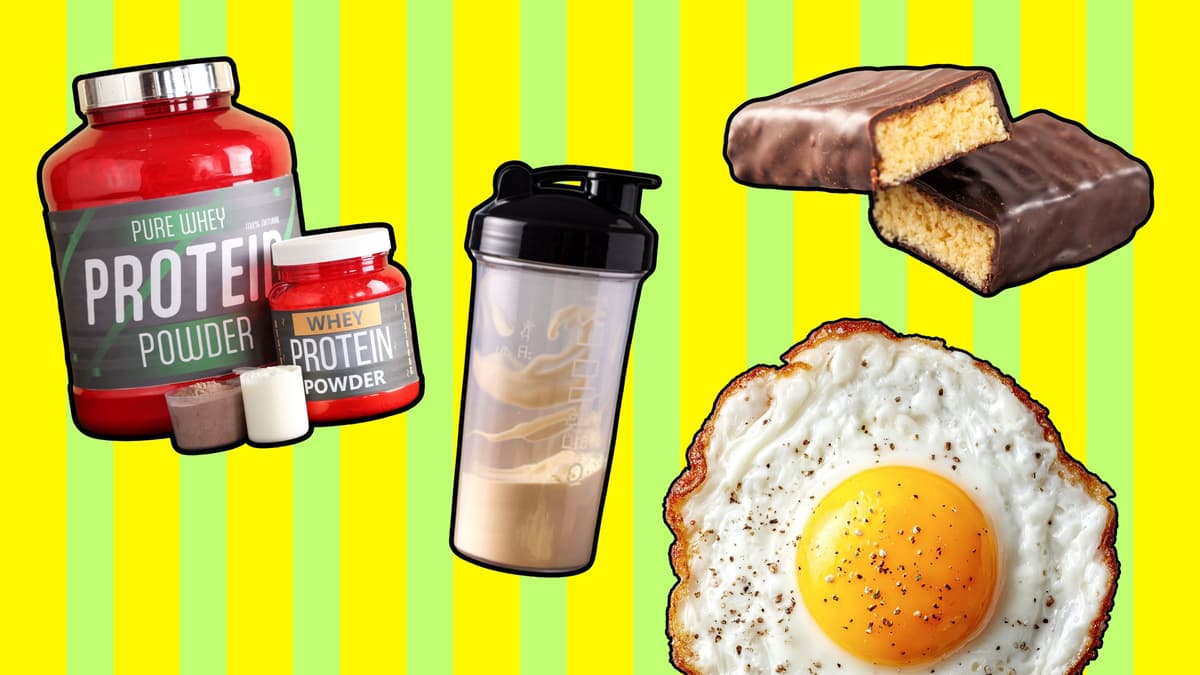
I’m a Registered Dietitian. These Are the Best Protein-Enhanced Foods That Are Worth Buying.
Registered dietitian Ruth Hoffman warns that the protein‑maxxing trend, fueled by social media, new USDA guidelines and GLP‑1 weight‑loss drugs, has flooded shelves with fortified snacks that often sacrifice overall nutrition for a protein claim. While the updated Dietary Guidelines now suggest...
Blocked Arteries, Kidney Stones, Nausea, Constipation, Fatigue: Long List of Health Problems Caused by Too Much Vitamin D
Recent research highlights that excessive vitamin D intake can trigger hypercalcemia, leading to calcium deposits in arteries and soft tissues. The condition raises the risk of kidney stones, nausea, fatigue, muscle weakness, and, in severe cases, kidney failure or fatal...

How Personalizing Nutrition Can Manage Inflammatory Bowel Disease
Inflammatory bowel disease (IBD) affects roughly 2.4‑3.1 million Americans and costs the U.S. economy about $50 billion each year. New research highlights that the typical Western diet—rich in refined sugars, vegetable oils, and ultra‑processed foods—disrupts the gut microbiome, increases intestinal permeability, and...
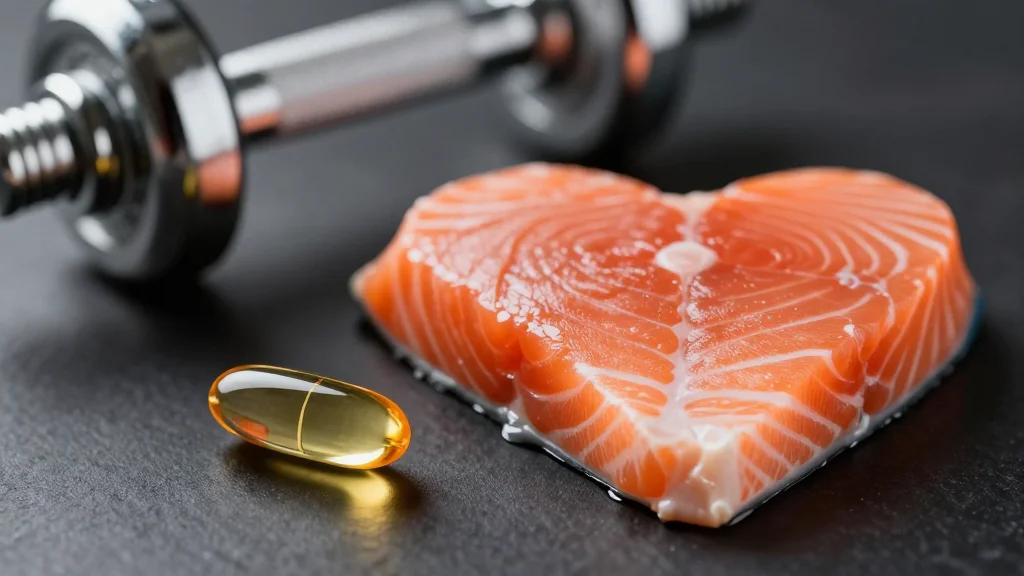
Omega‑3 Index: Key Biomarker for Health and Performance
Omega-3 Index as a Sport Biomarker: Implications for Cardiovascular Health, Injury Prevention, and Athletic Performance https://t.co/mBkHB6BlIs
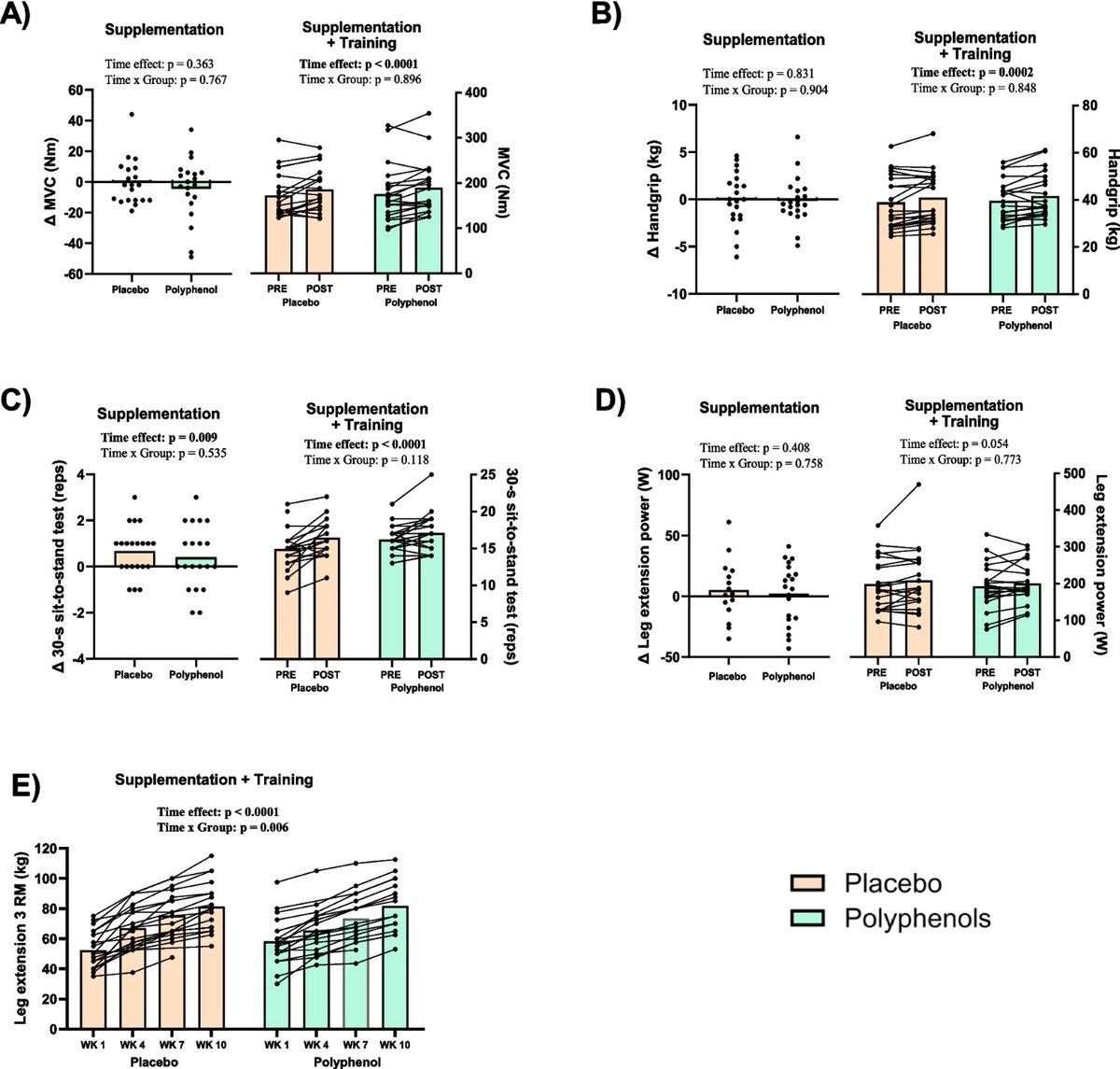
Resistance Training Plus Polyphenols Boost Aging Health
Effects of resistance-based training and polyphenol supplementation on physical function, metabolism, and inflammation in aging individuals https://t.co/mDL393xerp @GeroScienceAGE https://t.co/qr3yxiZuHB

Doctors Say These Are the Best and Worst Foods to Eat Before Bed
Doctors Danbee Kim and Barbara Sparacino identify specific foods that can either enhance or sabotage sleep quality. They cite research showing that two kiwis, tart cherries, and a handful of almonds or walnuts improve sleep onset, duration, and efficiency by...

Metabolic Illness Can Nullify Calorie Deficits, Study Shows
came across a reddit post from someone who stopped losing weight and gained a bunch back while being in "a deficit". turns out they had a metabolic illness that was the issue, as soon as they started treatment they started...
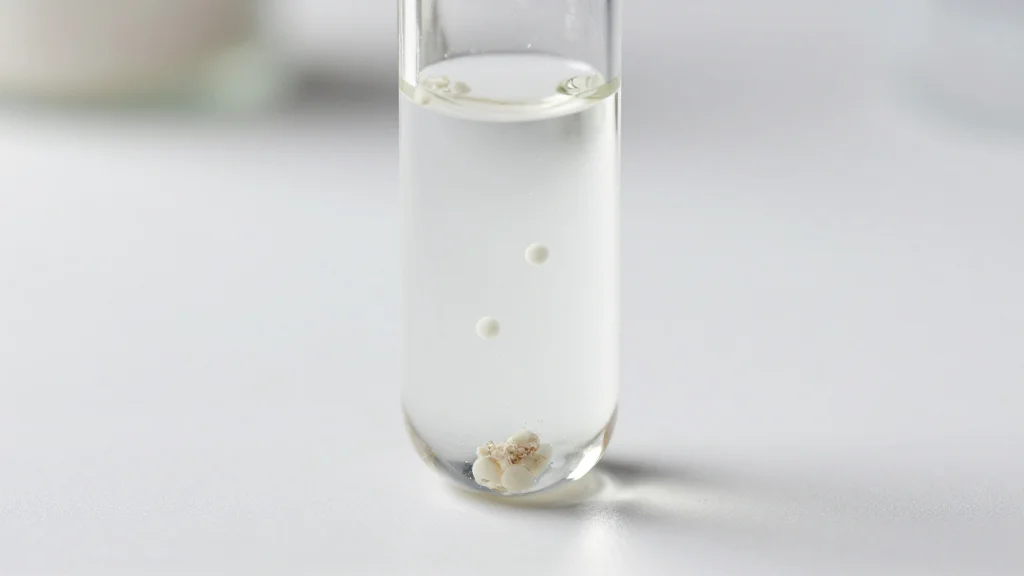
Gluten Triggers Immune Response at 3 Mg, Below Current Labeling Limits
Researchers in Australia demonstrated that a single gluten dose as low as 3 mg provokes measurable immune activation in celiac disease patients, well under the 20 ppm threshold used for gluten‑free labeling. The finding raises questions about the adequacy of current safety...

Breast Milk’s Low Iron Is a Protective Design
People talk about breast milk being low in iron like it is a flaw. It's not. It is 100% by design. First, babies do not need much iron from milk in the early months because they stockpiled it in their liver...
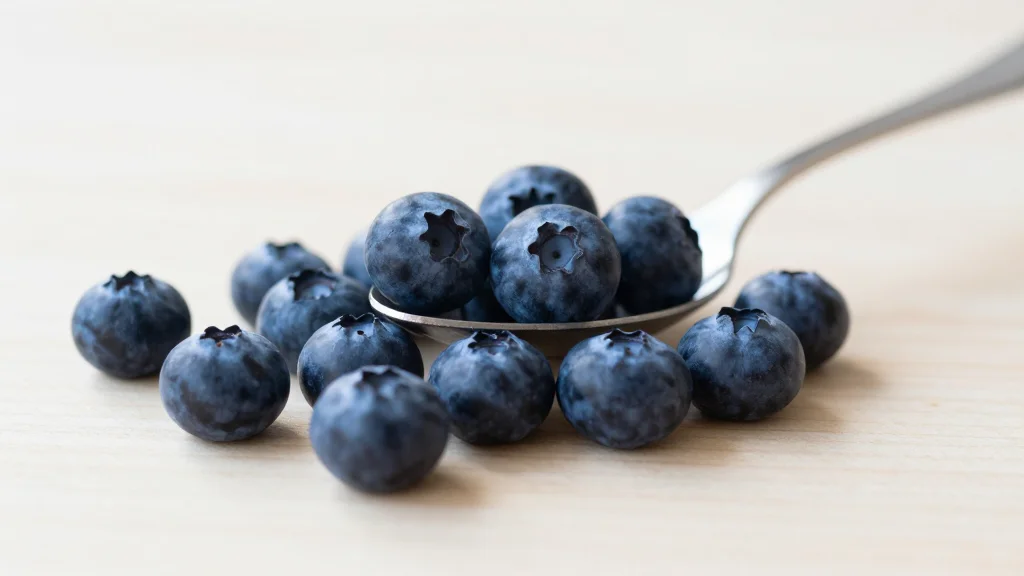
Maine Wild Blueberries Proven to Boost Heart and Gut Health, Study Finds
A University of Maine study led by nutrition professor Dorothy Klimis‑Zacas validates that daily consumption of wild blueberries reduces vascular inflammation and enhances gut health. The research shows the berries contain twice the antioxidants, 72% more fiber and 33% more...
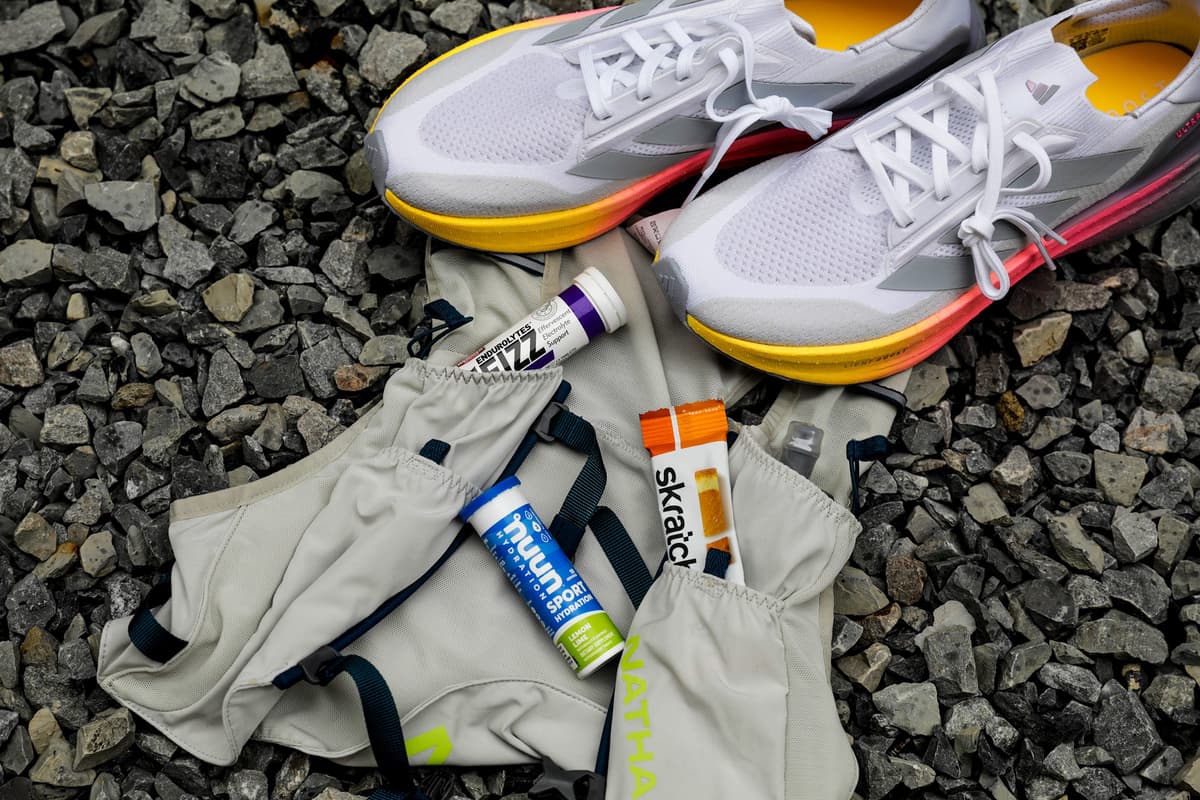
8 Best Electrolyte Tablets, Chews, and Powders for Runners
Electrolyte supplementation is essential for runners who lose significant sodium and potassium through sweat. The article reviews eight top products—including tablets, chews, and powders—highlighting their sodium content, carbohydrate load, and convenience factors. Expert dietitian Matthew Kadey evaluates each option based...
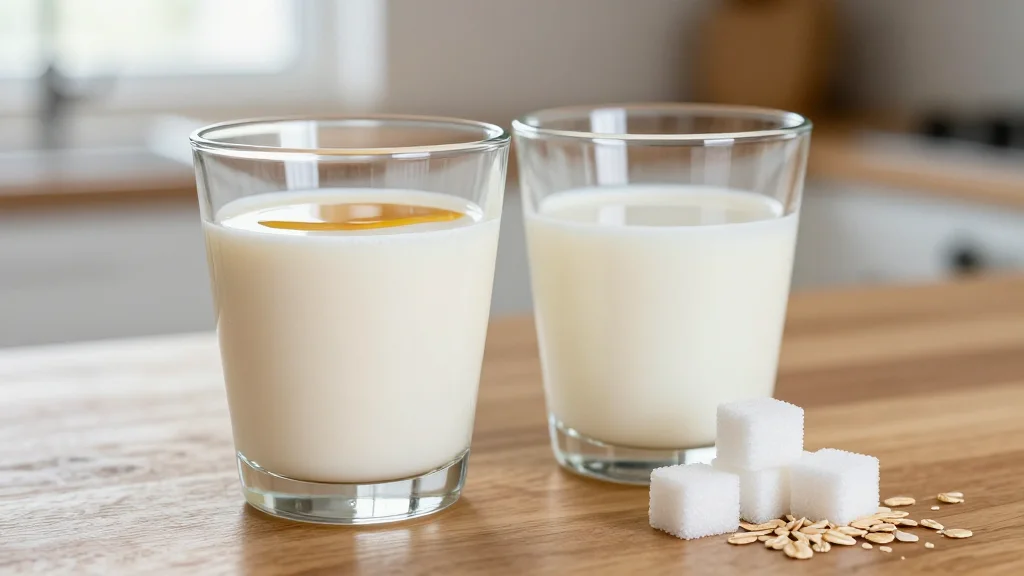
Reading Food Labels: How to Tell if What You're Eating Is Healthy
An article from a nutrition outlet highlights 14 seemingly healthy foods that can cause rapid blood‑sugar spikes due to high glycemic indexes or hidden sugars. It details the glycemic scores of items such as oat milk, instant oatmeal, sushi rice,...
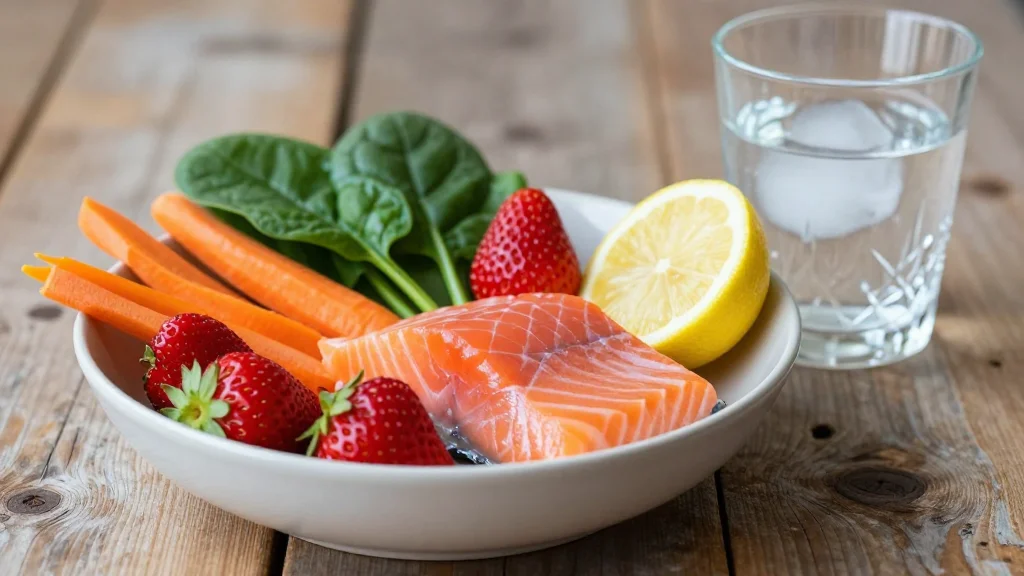
Study Links Centenarians' Children Diet to Lower Chronic Disease Risk
Scientists at Tufts University report that offspring of centenarians who follow diets high in fish, fruits and vegetables and low in sugar and sodium have markedly reduced risks of stroke, dementia, type‑2 diabetes and cardiovascular disease, based on a 20‑year...

UT Southwestern Study Links Refeeding Phase to 41% Lifespan Boost in Worms
UT Southwestern scientists discovered that the metabolic response to refeeding after a 24‑hour fast extends Caenorhabditis elegans lifespan by about 41%, highlighting the refeeding phase—not the fast itself—as the key driver of longevity. The finding could reshape human dietary recommendations...
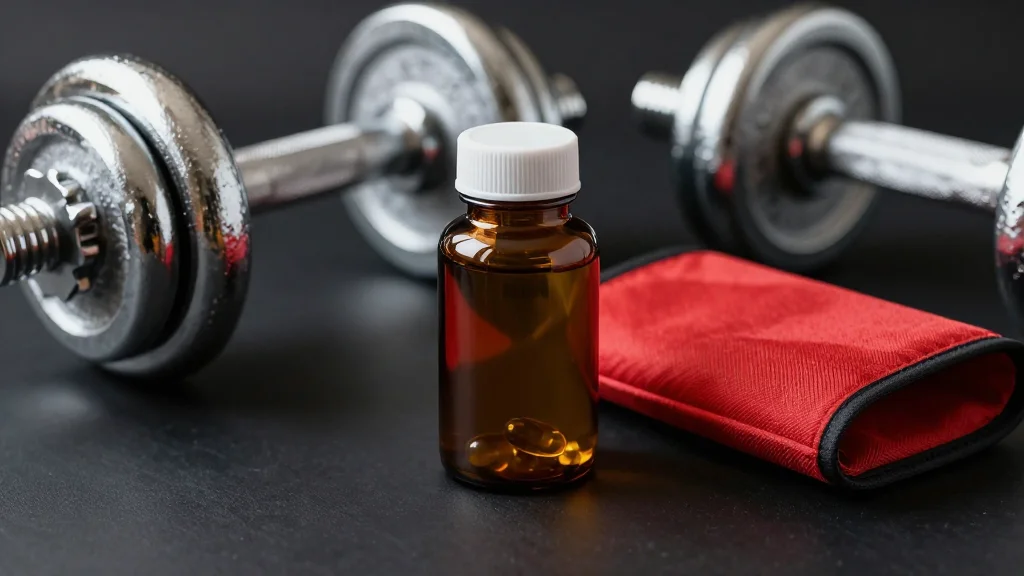
Pilot Study Finds 300 Mg NMN Cuts Post‑Exercise Inflammation in Young Men
Researchers in Taiwan reported that a six‑day regimen of 300 mg NMN lowered key inflammatory cytokines in young men after intense blood‑flow‑restriction resistance training. The crossover trial suggests NMN could become a targeted supplement for athletes and biohackers seeking faster recovery.

GLP-1s and Menopause: What Women Over 40 Need to Know About Nutrition
Women aged 40‑64 now constitute the largest segment of GLP‑1 medication users, with nearly one‑in‑five prescriptions written for this group, according to a 2025 FAIR Health analysis. The surge is linked to menopause‑related metabolic changes that make weight management harder,...

Third‑trimester Iron Stores Protect Infants; Introduce Iron at Six
Your baby's liver stockpiles iron during the third trimester. Those stores are what your baby lives off of for the first 4-6 months or after birth because breast milk alone does not provide much iron. This is why premature babies are...
Carbs Aren’t One Tank: Muscle Glycogen Drives Performance
Let me dump some carbs on you... Someone said yesterday that thinking about CHO intake in terms of stores, output and "bonking" is the "old way" of looking at carbs in sport. That pissed me off. So, let's start with... Only those with...
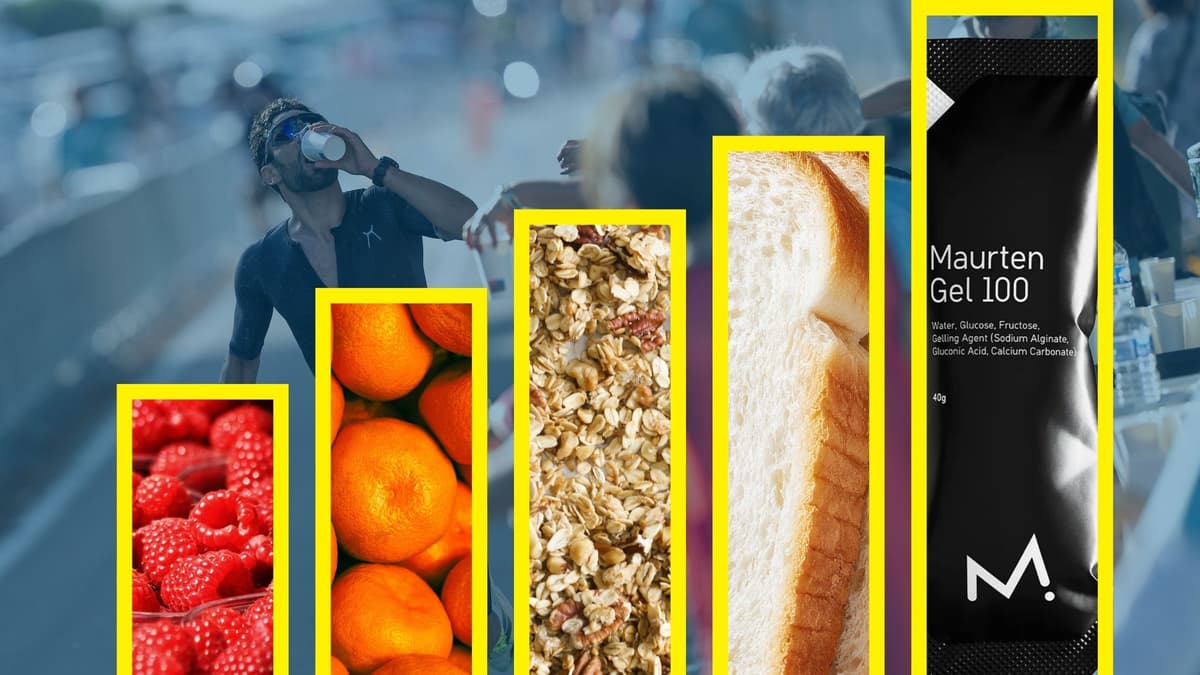
How to Build a Fueling Strategy Around the Glycemic Index
The glycemic index (GI) measures how quickly carbs raise blood sugar and has evolved from a diabetic tool to a performance‑focused nutrition metric. Low‑GI foods such as whole grains, legumes, and vegetables provide steady energy and support long‑term metabolic health,...
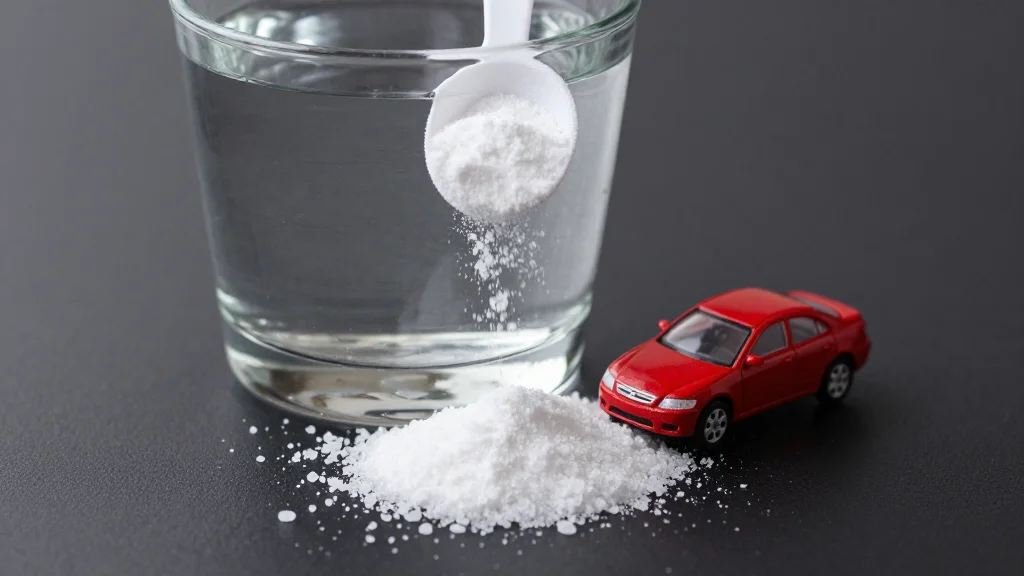
Sodium Fuels Glucose Uptake, but Excess Clogs Absorption
Yes, it is a confounding factor, but a necessary one. To get carbs from the gut across the intestinal wall requires the SGLT1 transporter... Sodium-Glucose-Linked-Transporter Sodium is the driver, glucose is a passenger. So, you do need ample sodium to get high levels...
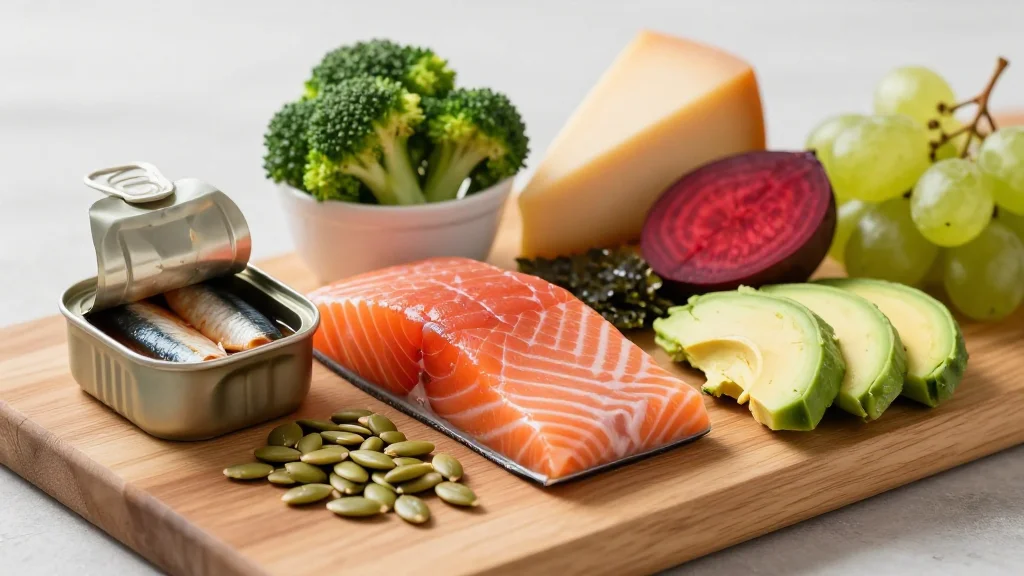
Food Sources for All Your Essential Supplements
Eat your supplements cheat sheet 💊🥦🥘 - Creatine: herring, red meat - Glycine: gelatin - Magnesium: pumpkin seeds - Boron: dried fruit, avocado - Potassium: potatoes - Omega-3s: salmon, sardines - Spermidine: wheat germ, cheese - Vitamin K2: natto, cheese - Taurine: seaweed, fish - Trimethylglycine: beets - Astaxanthin: salmon, shrimp -...
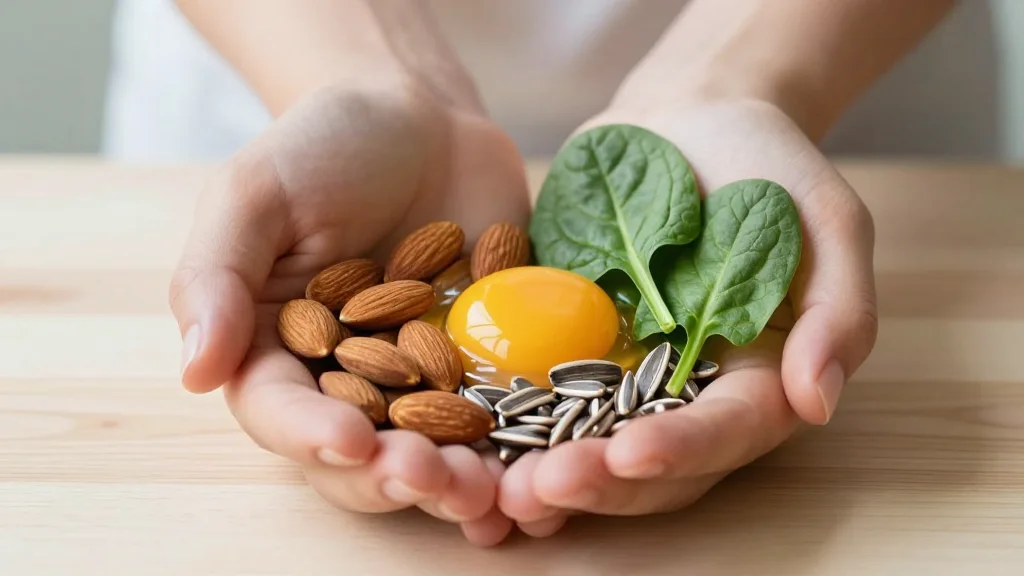
Study Links Vitamin E and Riboflavin to Hormone Levels and Muscle Mass in Infertile Women
Researchers published a cross‑sectional study of 97 women seeking infertility treatment in Spain, finding that higher vitamin E intake correlates with elevated anti‑Müllerian hormone (AMH) and that riboflavin consumption is positively associated with muscle‑mass percentage. The findings highlight nutrition as a...
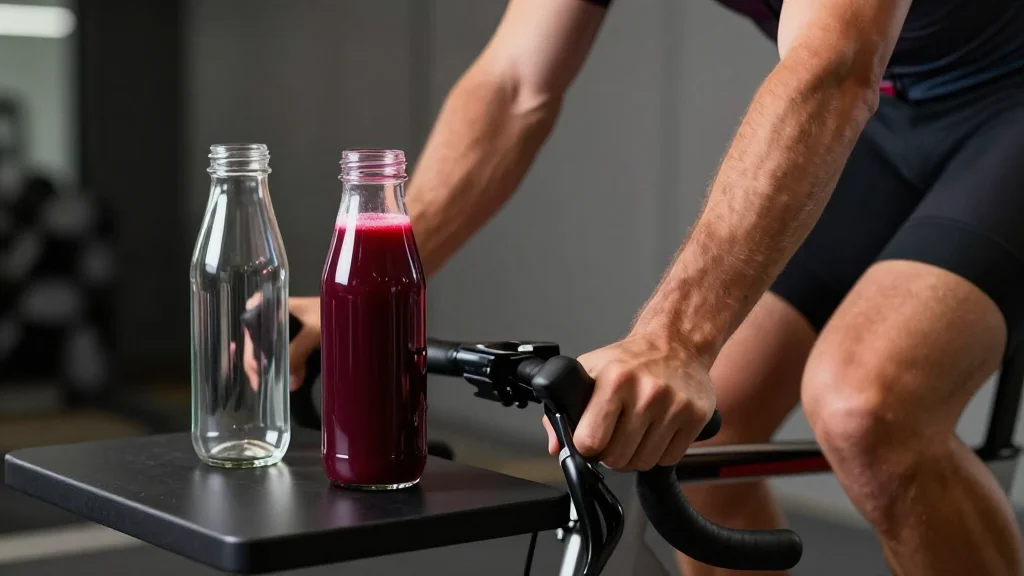
Beetroot Juice Gains May Be Placebo, Not Performance
Beetroot juice for virtual cycling - placebo, performance or powerless This new study recruited 67 trained cyclists to perform a 20-min virtual cycling time trial after taking either… Beetroot juice (550 mg nitrate) 🥤 Placebo (nitrate-free beetroot juice) To investigate potential placebo effects...
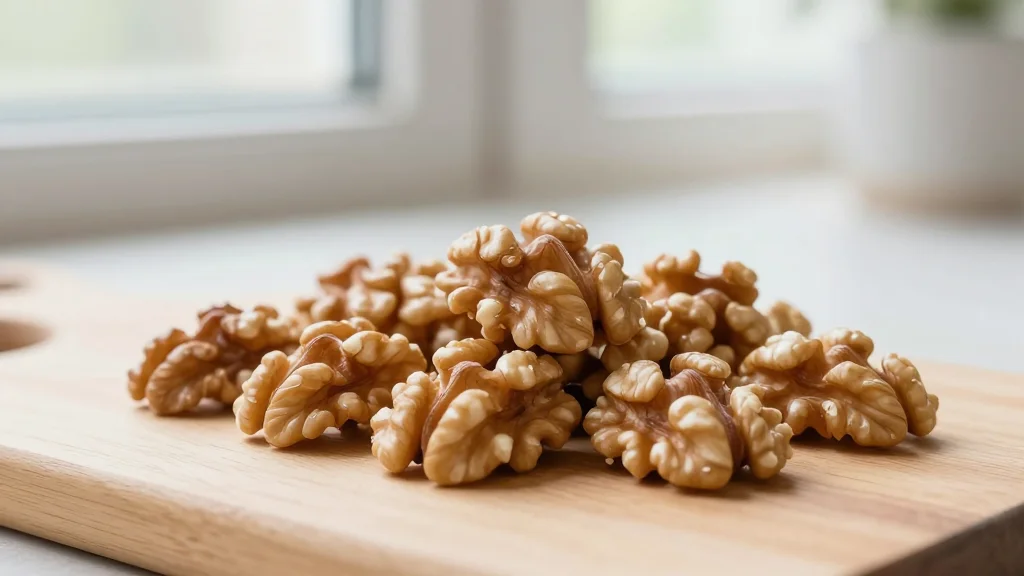
Cracking the Latest Dietary Guidance with Walnuts
The latest Dietary Guidelines for Americans place walnuts at the top of the inverted food pyramid, recognizing them as a nutrient‑dense, minimally processed option. A one‑ounce serving delivers 18 g of total fat, including 2.5 g of plant‑based omega‑3 ALA, 4 g of...
:max_bytes(150000):strip_icc()/Chili-peppers-longer-life-FT-DGTL0426-aca8fe274c4a4fdebe677073bf8c3e9b.jpg)
This Heat-Packed Flavor Booster May Be Linked to Living Longer, Studies Suggest
Multiple large‑scale studies across China, the United States and Europe suggest that eating chili peppers at least once a week is associated with lower cardiovascular disease risk and reduced all‑cause mortality. The 2025 Chinese Medical Journal analysis of 486,000 adults...

Exclusive Human Milk Diet Benefits Very Low Birth Weight Infants
A phase III randomized controlled trial in Japan demonstrated that an exclusive human milk diet markedly improves growth velocity and reduces serious complications in very low birth weight (VLBW) infants compared with mixed feeding regimens. The study eliminated bovine‑based protein fortifiers,...
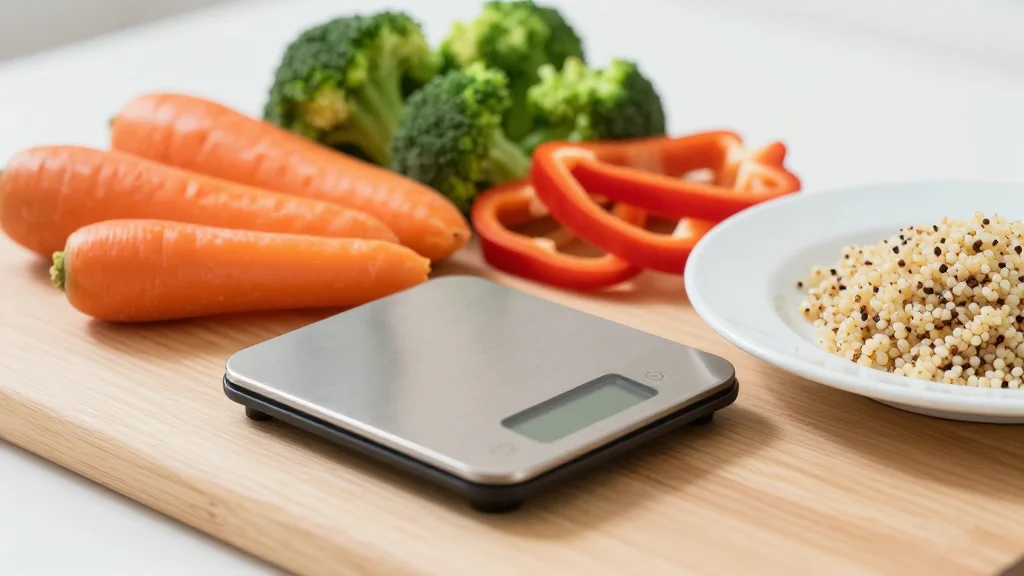
Calorie Estimates Aren’t Exact—Tailor Weight Loss Individually
As an RD who works with clients on weight loss goals, I think it’s important to point out that dietitians often use calorie needs calculations as estimates that are meant to be adjusted based on how the client responds. I...
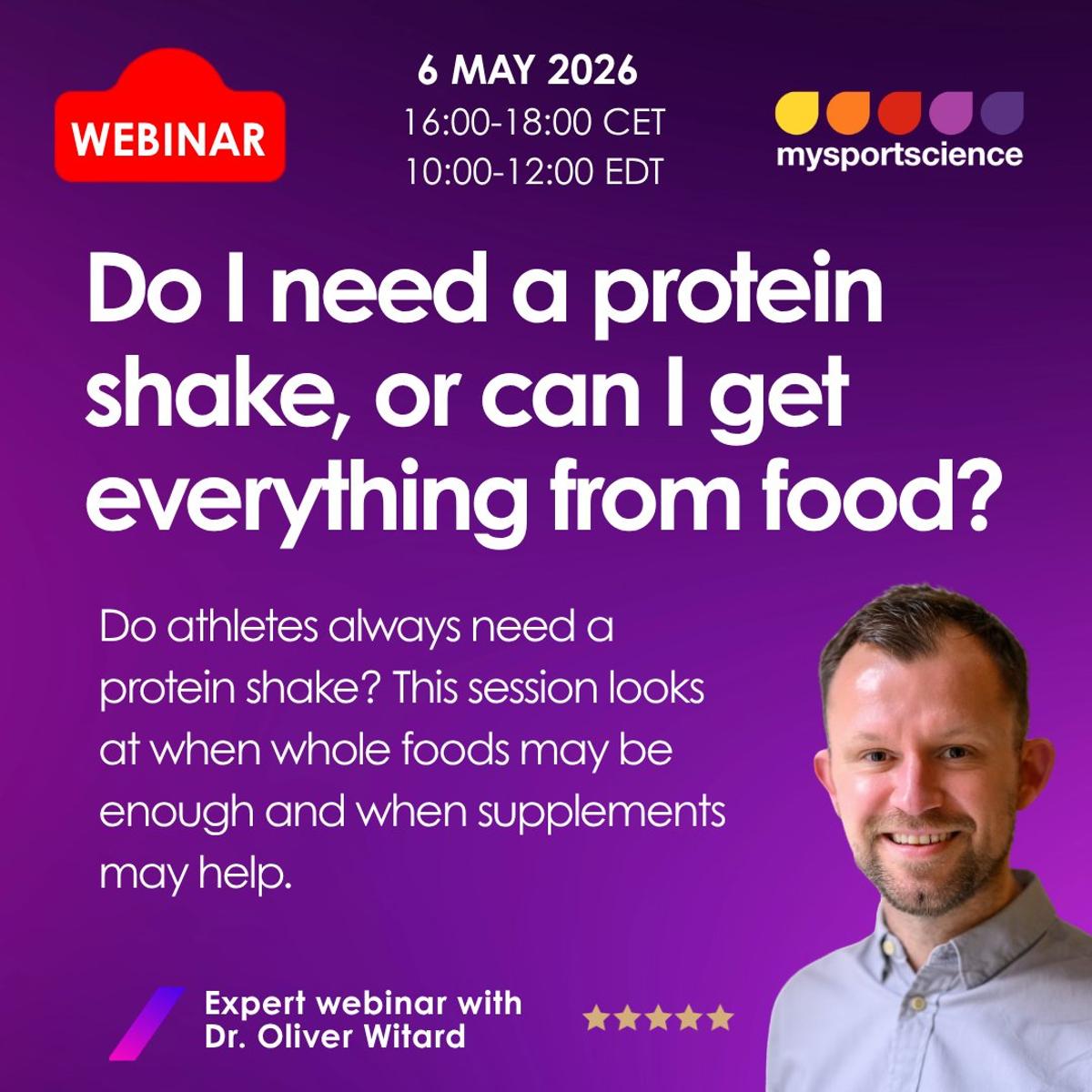
Maximize Performance: New Evidence on Effective Protein Use
In just 2H, you will hear the latest evidence and practical advice on how to use protein more effectively to support performance, recovery, and adaptation. https://t.co/WS0lKR4LJ5 https://t.co/bLzGTuyAT7

WHO Launches 2026 World No Tobacco Day Campaign to Curb Youth Nicotine Addiction
The World Health Organization unveiled its 2026 World No Tobacco Day campaign, focusing on nicotine addiction among adolescents. The initiative spotlights a 14.3% e‑cigarette use rate among European teens and stark policy gaps that leave youth vulnerable.
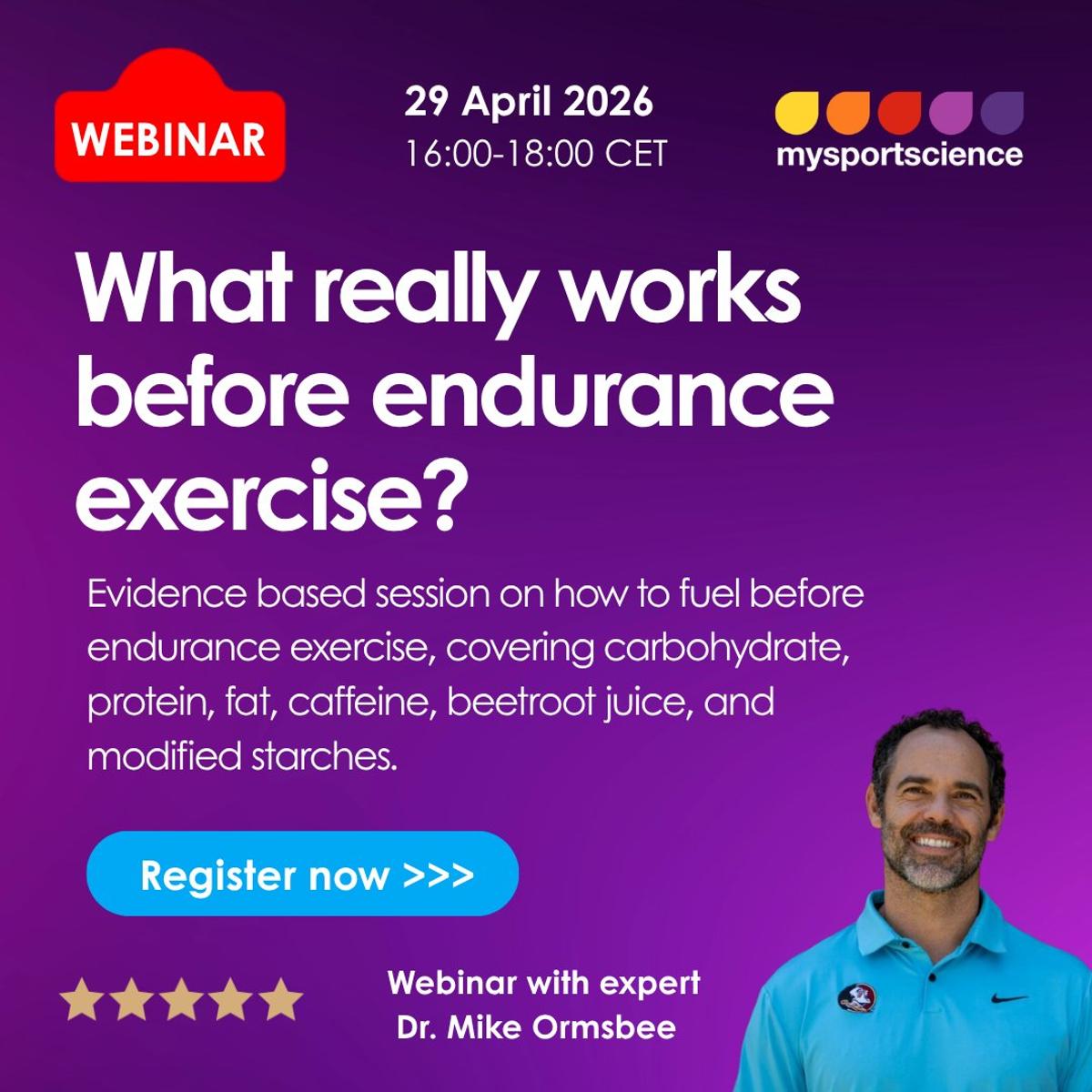
Optimal Pre‑Endurance Fueling: Carbs, Caffeine, Beetroot, More
Learn how to fuel before endurance exercise, covering carbohydrate, protein, fat, caffeine, beetroot juice, and modified starches, and how these choices may influence metabolism, performance, and GI comfort. Register now: https://t.co/M9OVSMRDUs https://t.co/Q0yw8My4dH
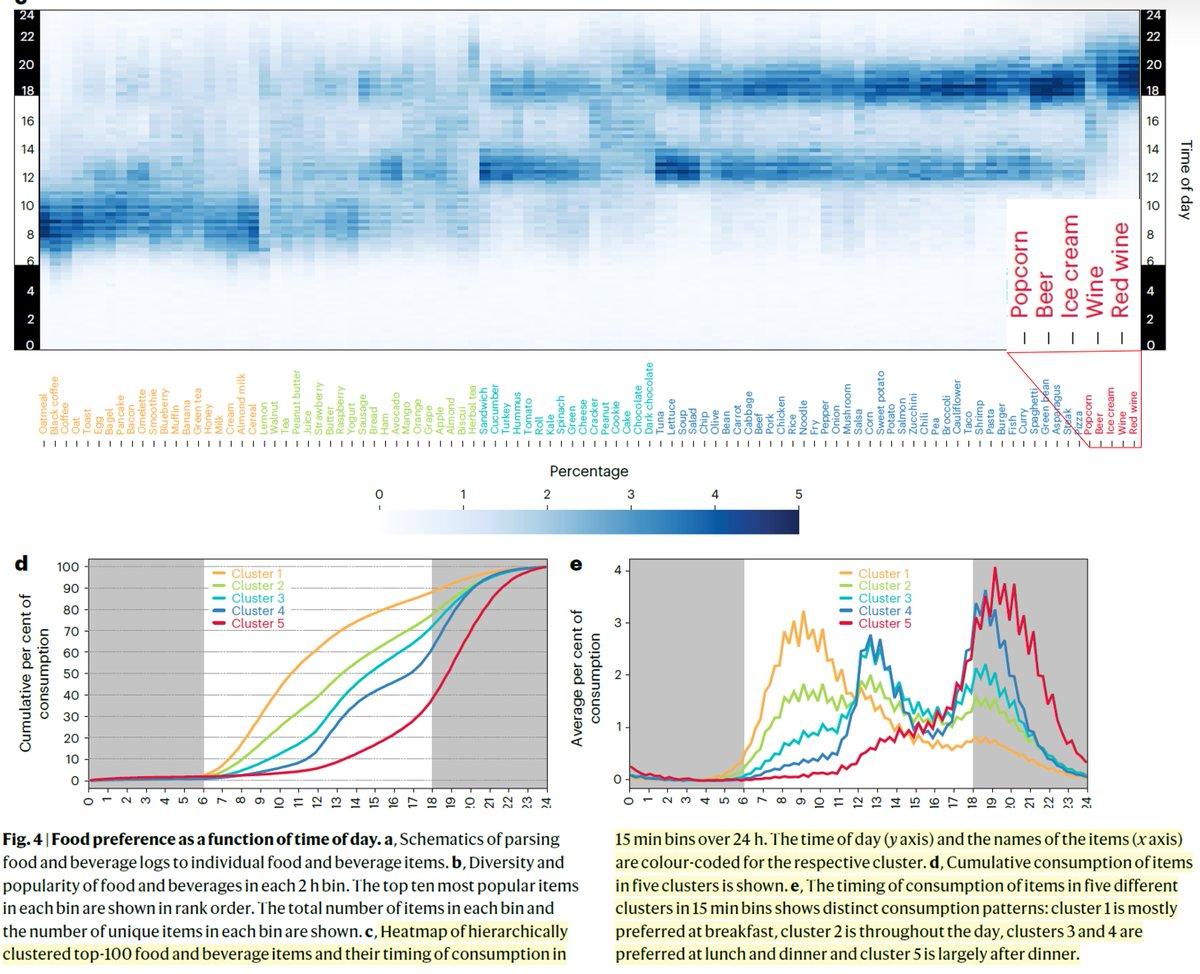
Skipping After‑Dinner Snacks May Drive Early TRF Benefits
From 2.6M time-stamped diet records, we identified 5 clusters of commonly consumed items: Breakfast | All-day | Lunch | Dinner | After-dinner After-dinner: popcorn, beer, wine, ice cream. So when people stop eating early, they also (inadvertently) cut out this cluster—potentially explaining some...
:max_bytes(150000):strip_icc():format(jpeg)/health-benefits-of-ghee-GettyImages-957816562-579a44a080714cbfb8537ec20d67b940.jpg)
5 Impressive Health Benefits of Ghee—And How to Use It, According to Dietitians
Ghee, a clarified butter prized for its nutty flavor and high smoke point, is gaining traction among health‑conscious consumers. Dietitian Jennifer Scherer highlights five key benefits: anti‑inflammatory and immunity support from butyrate and fat‑soluble vitamins, gut‑lining protection, HDL‑boosting medium‑chain fatty...
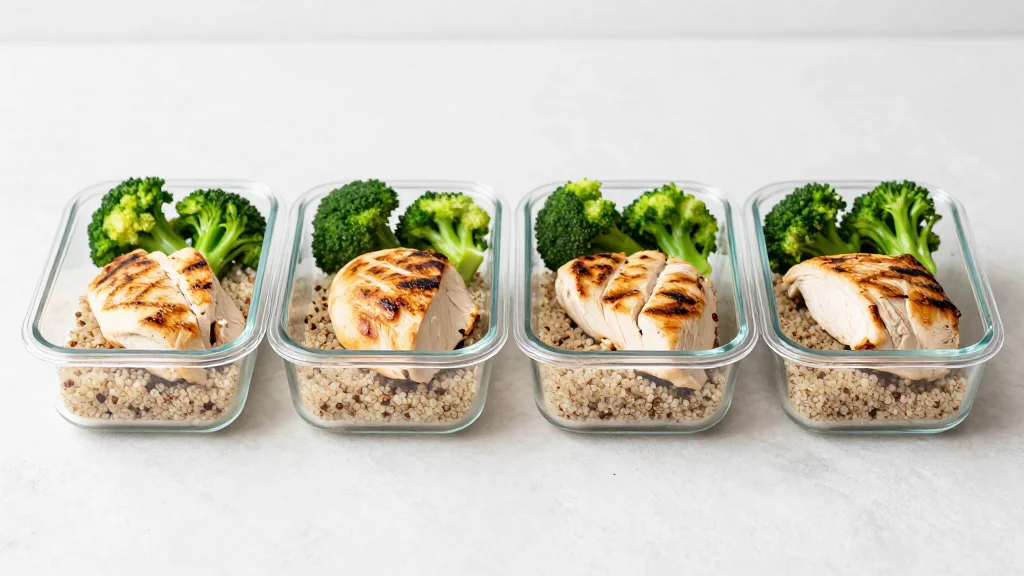
Eat Repeatedly Same Foods to Accelerate Weight Loss
Want to Lose Weight Faster? New Research Says Just Start Eating the Same Things More Often https://t.co/jzjDGpOkIv #weightloss #research #food
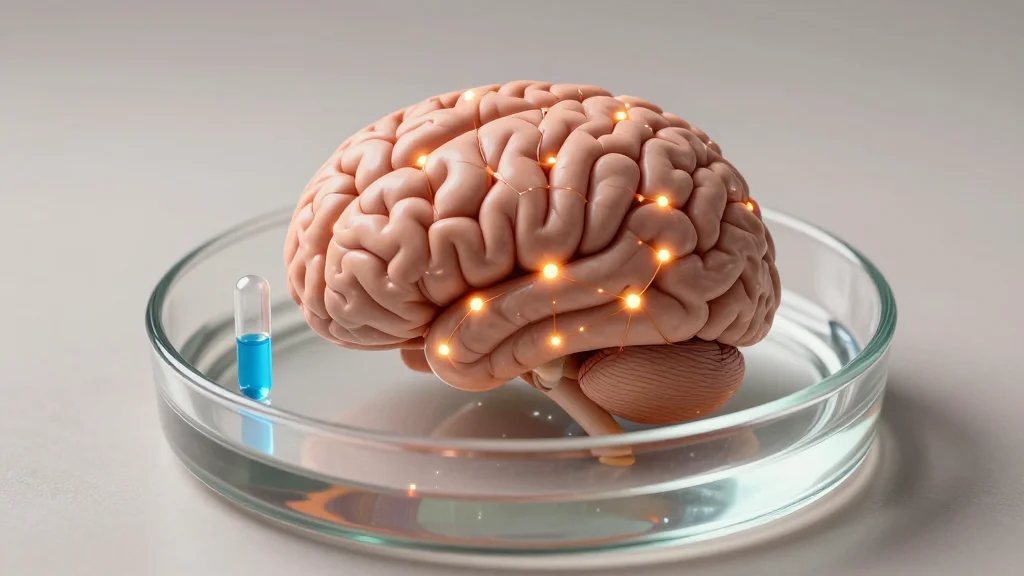
Uridine Boosts Synapse Formation in Aging Brains
Nutritional modifiers of aging brain function: use of uridine and other phosphatide precursors to increase formation of brain synapses https://t.co/bOoaNebYmn
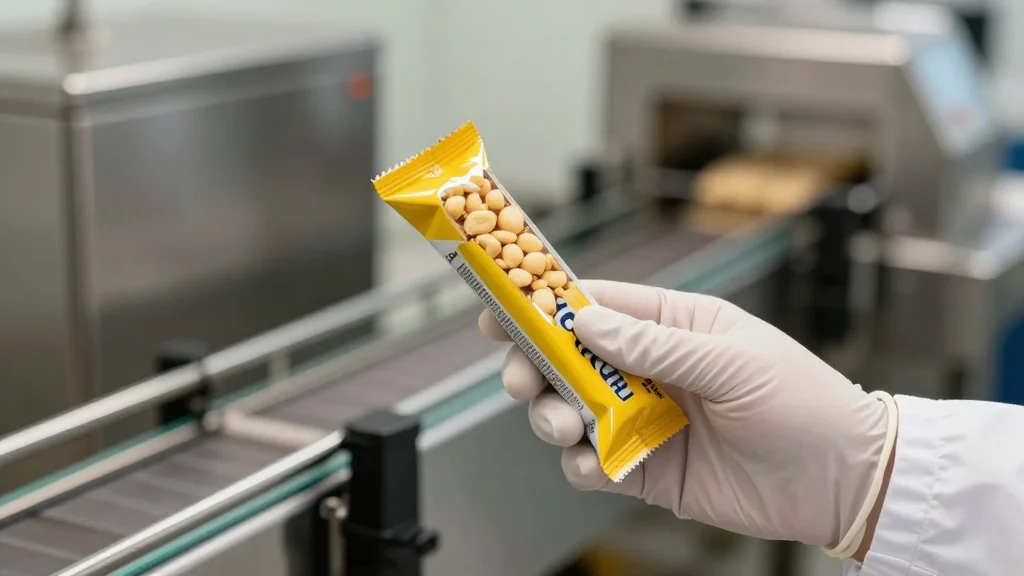
Scientists Will Probe Whether Processing Itself Makes Ultra-Processed Foods Harmful
Researchers have outlined a randomized controlled trial to test whether the industrial processing of ultra‑processed foods (UPFs) or their nutrient composition drives cardiometabolic risk. The 2 × 2 factorial study will assign healthy adults to one of four six‑week, isocaloric diets that...
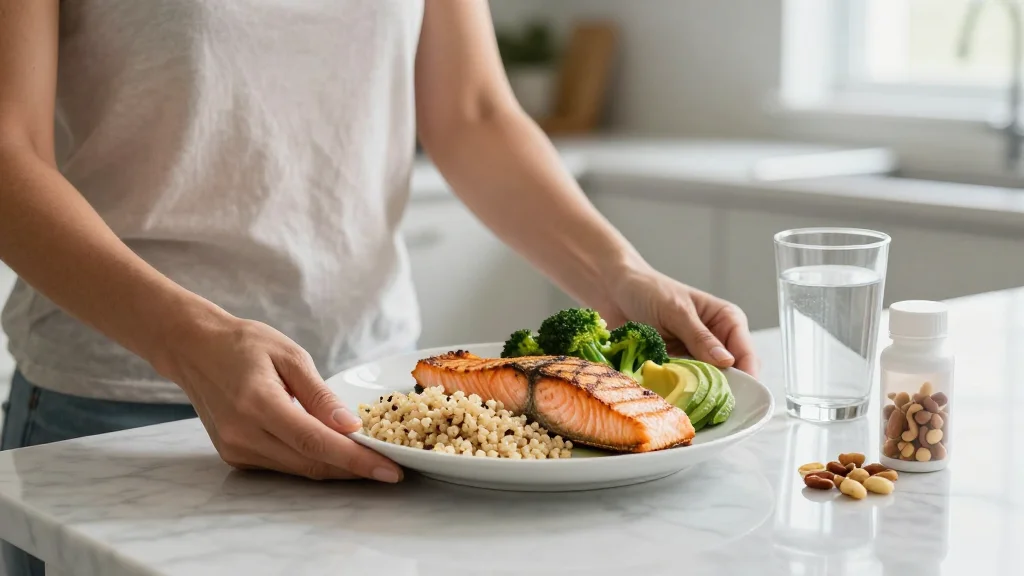
Supplements Can't Replace Calories: Eat Enough First
Some women come to us already on a dozen supplements but eating 1,400 calories a day. Supplements cannot compensate for a body that is not getting enough food. You cannot out-supplement undereating. The foundation has to be adequate calories, adequate...
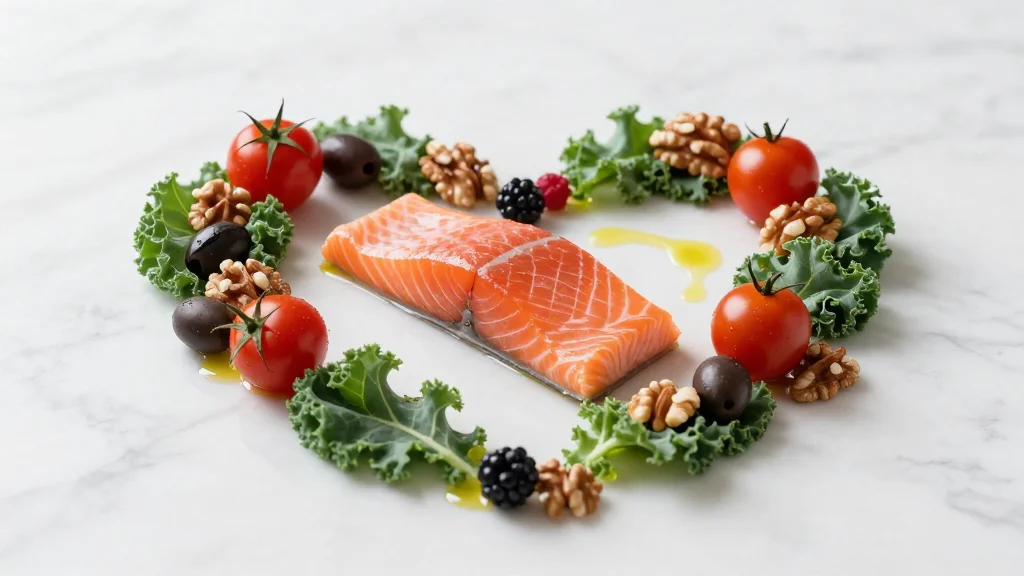
Review Links Mediterranean and Plant‑Based Diets to Slower Diabetic Cardiomyopathy Progression
Scientists from Macau University of Science and Technology and the Chinese Academy of Sciences published a narrative review showing that Mediterranean, DASH, and plant‑based eating patterns, together with nutrients such as omega‑3s and polyphenols, can mitigate the progression of diabetic...