Today's Nutrition Pulse
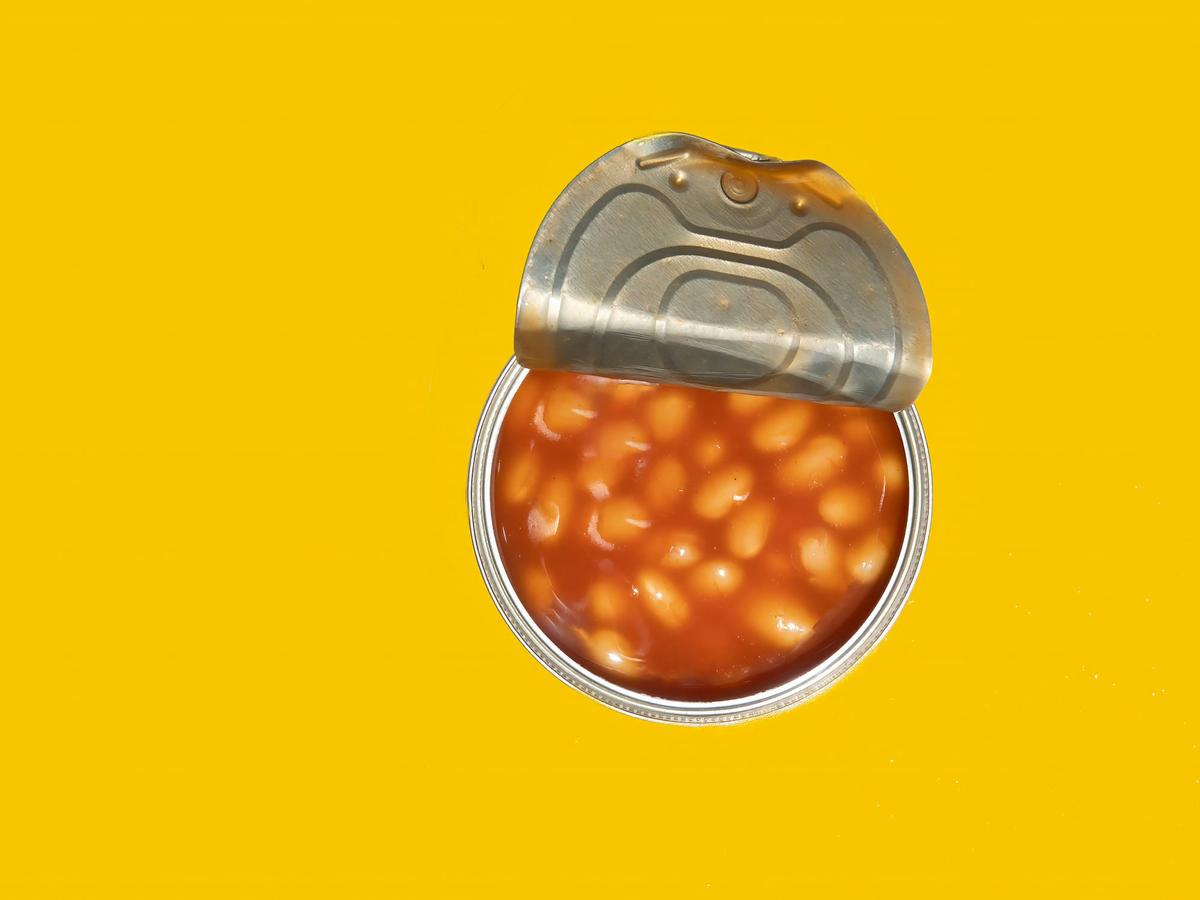
Europe’s fibre frenzy: excess intake can backfire
While most Europeans still miss the UK’s 30 g daily fibre target, recent trends have pushed some consumers to exceed 50–70 g per day. Such high intakes are linked to bloating, diarrhea, constipation and reduced mineral absorption, especially when fibre is increased rapidly without sufficient hydration.
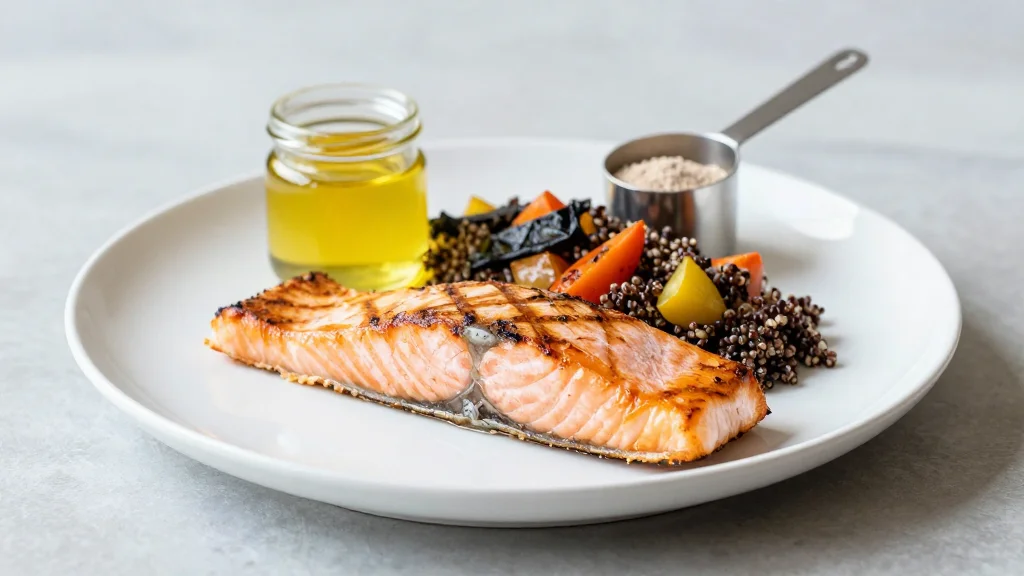
Ronaldo’s Zero‑Refined‑Carb, High‑Protein Diet Gains Spotlight as Evidence‑Based Blueprint
Cristiano Ronaldo, together with his sports‑nutrition team, disclosed an evidence‑based natural diet that eliminates refined sugars and flour while emphasizing 2.2‑2.5 g/kg of lean protein, low‑glycemic carbs and daily omega‑3s. The revelation, published on April 25, 2026, is fueling public interest in clean‑eating regimens and prompting discussion among dietitians about its broader applicability.
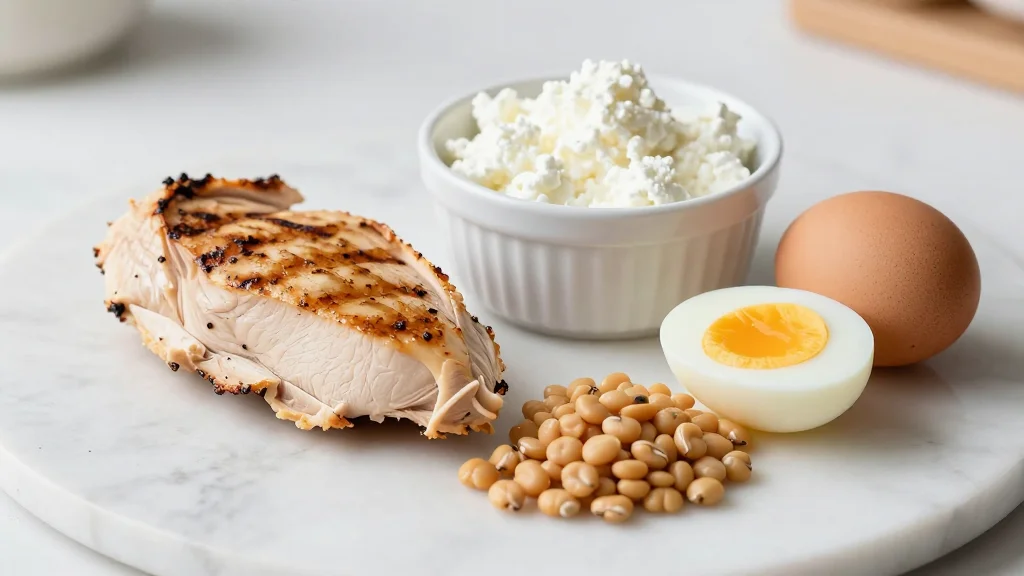
Animal Proteins Pack More Protein per Serving than Plants
💪Protein cheat sheet 💪 🥩Animal protein 🥩 • 1 cup cottage cheese: 30g • 3.5 oz chicken breast: 29g • 3 oz venison: 26g • 3 oz tuna, 3 oz beef sirloin, or 3 oz skinless turkey breast: 25g each • ...
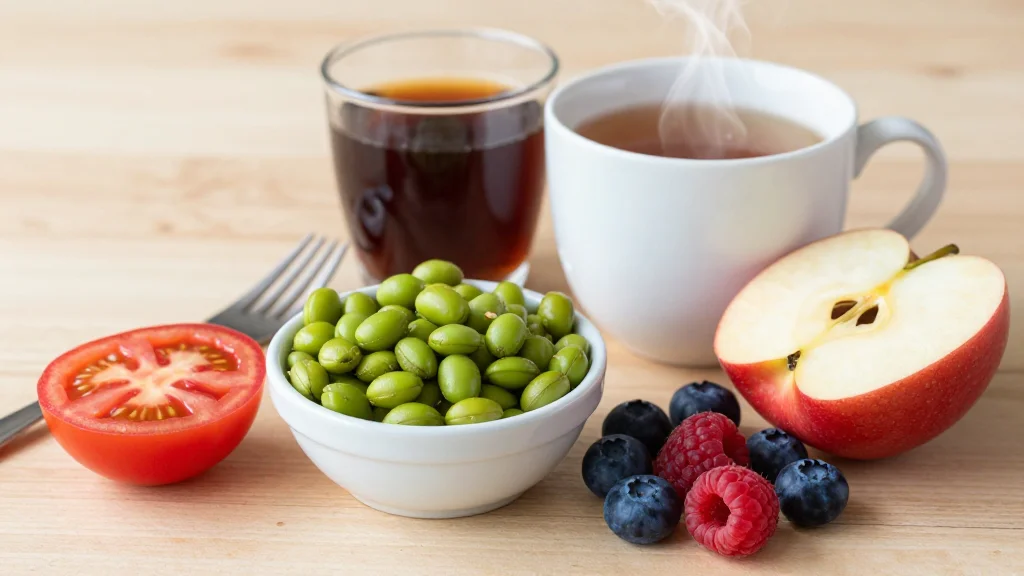
World-Renowned Doctor Reveals These 5 Everyday Foods that Help Your Body Fight Cancer and Cut Death Risk
World-renowned physician Dr. William Li identifies five everyday foods—soy, cooked tomatoes, apples, berries, and tea or coffee—that research links to lower cancer mortality and incidence. A Shanghai breast‑cancer cohort found daily soy consumption reduced death risk by about 30%, while...
FDA Approves Eli Lilly's Foundayo, First New Oral Weight‑Loss Pill in Years
The U.S. Food and Drug Administration has approved Eli Lilly’s once‑daily oral weight‑loss pill, Foundayo, marking the first new molecular entity for obesity in years. Priced between $149 and $349 a month, the drug promises a simpler regimen that could broaden...

Sea Squirts’ Plasmalogens Show Promise in Reversing Aging Markers in Mice
Researchers from Xi’an Jiaotong‑Liverpool University, Stanford, Shanghai Jiao‑tong University and the Chinese Academy of Sciences reported that daily plasmalogen supplementation—derived from sea squirts—reversed key cognitive and physical aging markers in older female mice. The two‑month trial showed faster maze navigation...
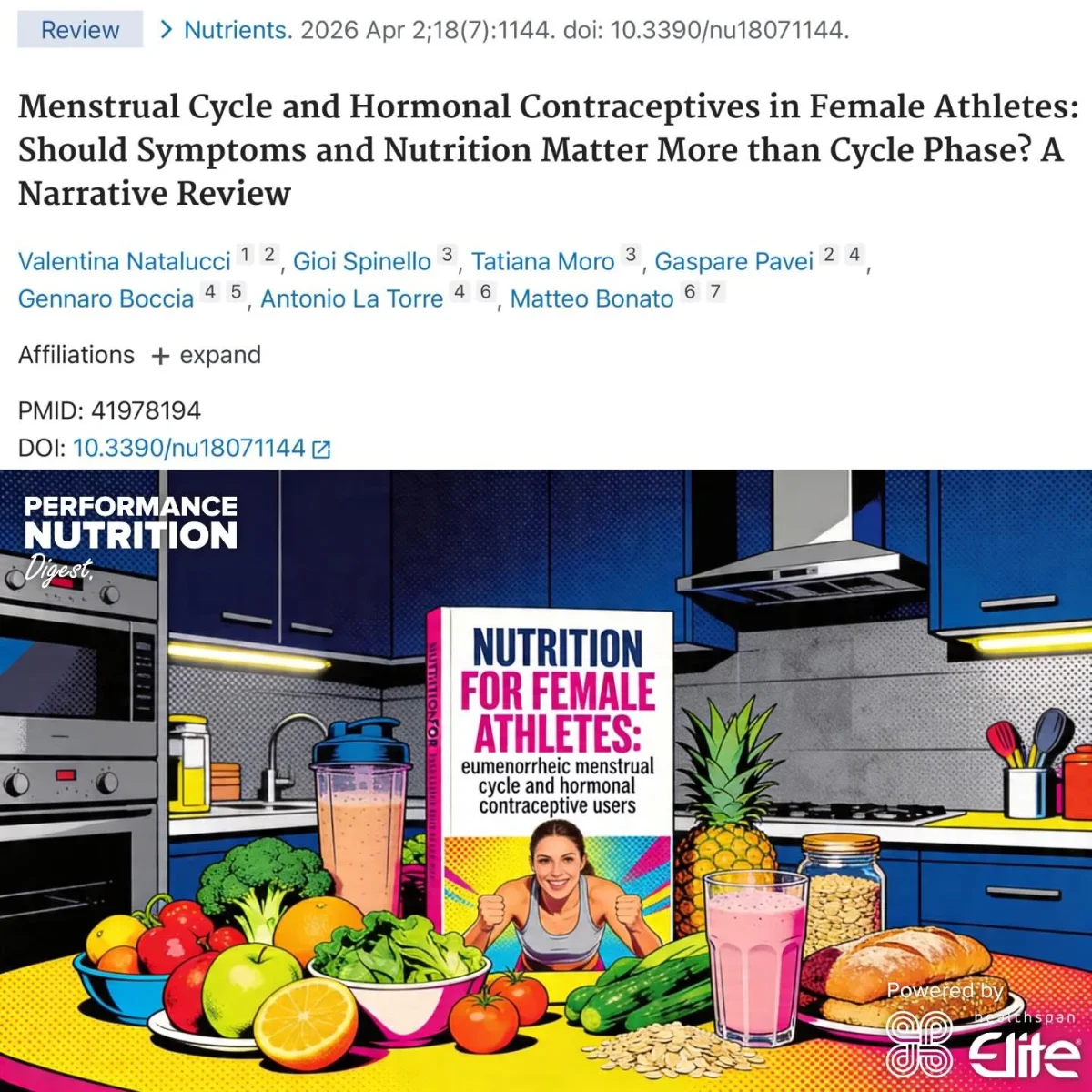
Adjust Energy Intake for Menstrual Phase and Contraceptives
Nutritional considerations across the menstrual cycle and for hormonal contraceptive use 📝 This new review highlighted the key scientific literature on nutrition for female athletes… …distinguishing important differences between eumenorrheic menstrual cycles and hormonal contraceptive users Here are the key takeaway points...
MIB‑626 NMN Shows Lifespan Boost and New Mechanism
1. No living forever 🙈 2. Some MIB-626 (crystaline polymorph, pure NMN) human clinical trial results are in 😀 3. About to resubmit a revised mouse MIB-626 paper with Alice Kane, showing improved health measures + lifespan & a putative new mechanism...
Why Cooking for Better Health Makes Dietary Changes Easier
The article argues that home cooking empowers patients to adopt healthier diets, especially by reducing sodium, because it provides tangible, visual cues that reinforce nutritional awareness. It draws on a personal story of a mother with hypertension and explains how...
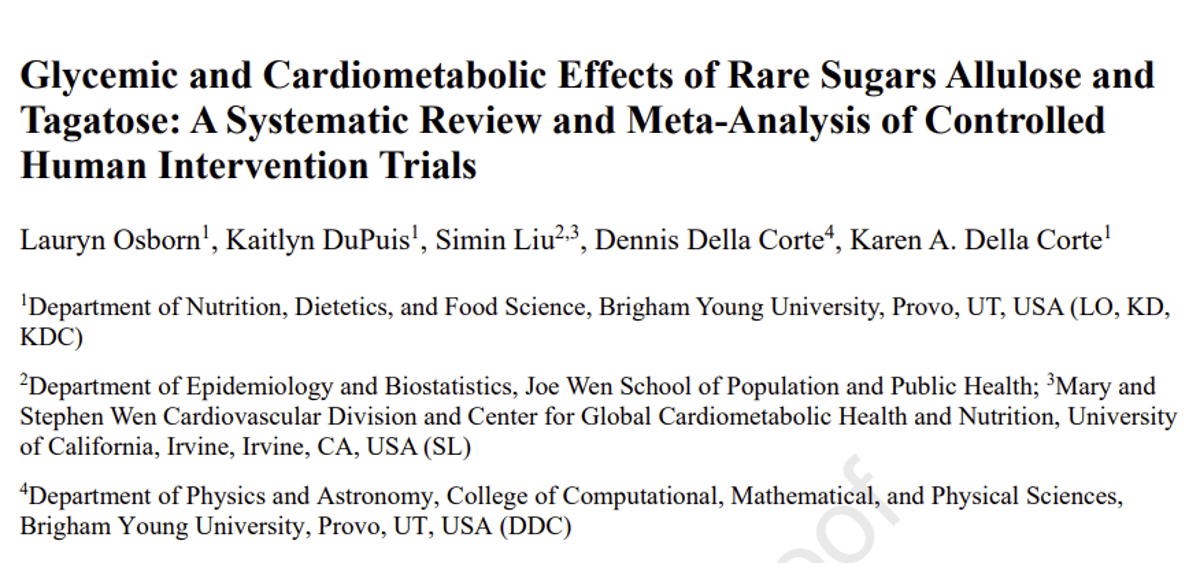
Allulose and Tagatose Lower Post‑Meal Blood Sugar
Glycemic and Cardiometabolic Effects of Rare Sugars Allulose and Tagatose: A Systematic Review and Meta-Analysis of Controlled Human Intervention Trials 👉"Supplementation of allulose or tagatose attenuates postprandial glycemic and insulin responses..." https://t.co/nqQTlk20m4 https://t.co/jRzp9Hrssy
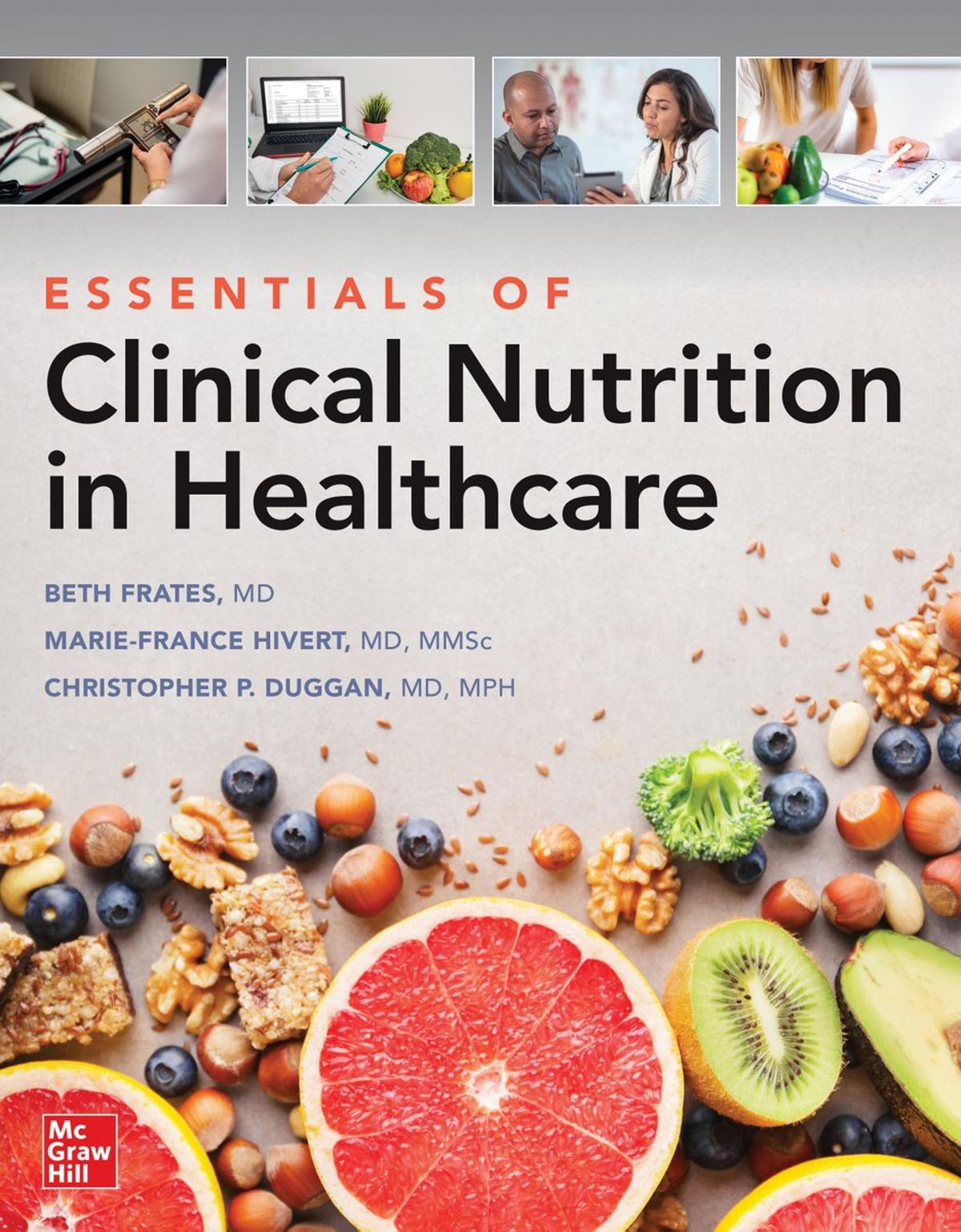
Six Pillars of Lifestyle Medicine Guide Healthy Living
Looking for evidence-based guidelines for #healthy living? Check out Chapter 31, The Six Pillars of Lifestyle Medicine and Nutrition, in the McGraw Hill Textbook Essentials of Clinical Nutrition in Healthcare. This soft-cover book is full of research and practical tips....

Kimchi Probiotics Show Promise in Binding Microplastics, Study Finds
Laboratory experiments reveal that Lactobacillus plantarum strains from traditional Korean kimchi can bind up to 74% of 100‑nm polystyrene particles, suggesting fermented foods might help the body excrete microplastics. Scientists caution that human trials are still needed before any health...
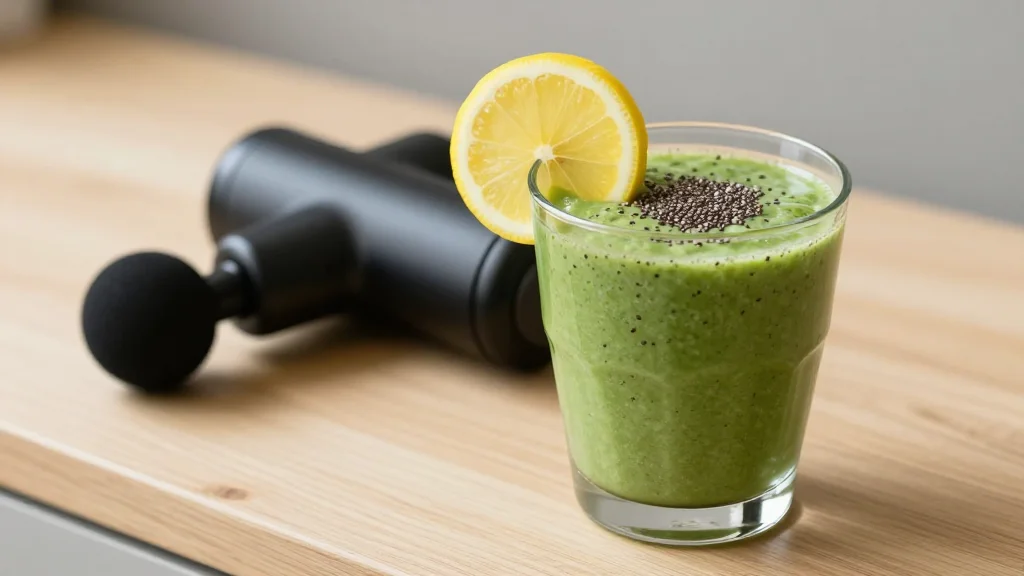
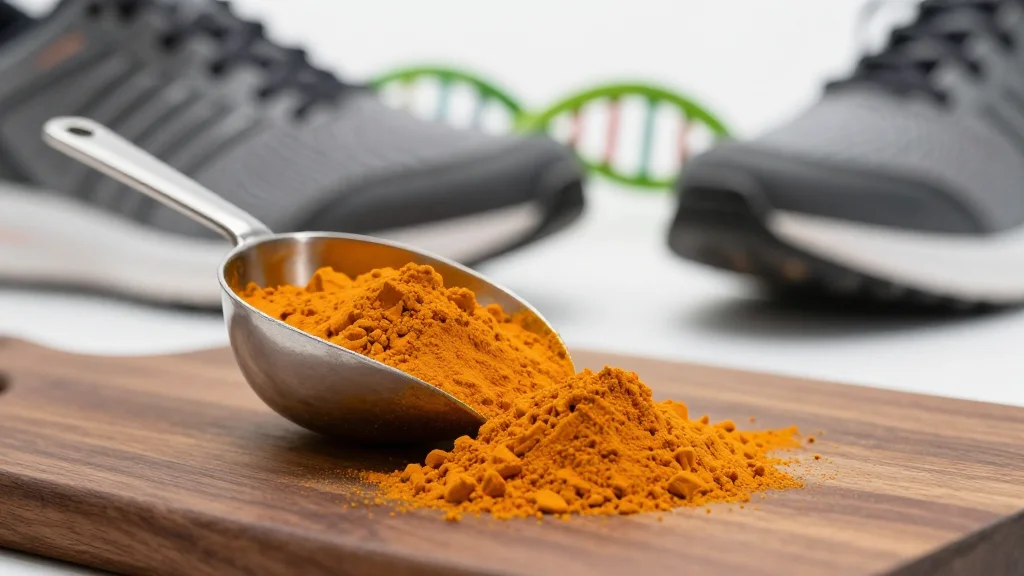
These Four Supplements Can Help You Recover From A Hot Workout
Exercising in hot conditions diverts blood away from the gut, compromising intestinal barrier integrity and increasing inflammation and GI distress. Recent studies tested four supplements— a two‑strain probiotic, berberine, curcumin, and New Zealand blackcurrant extract—on trained runners in a heat chamber....
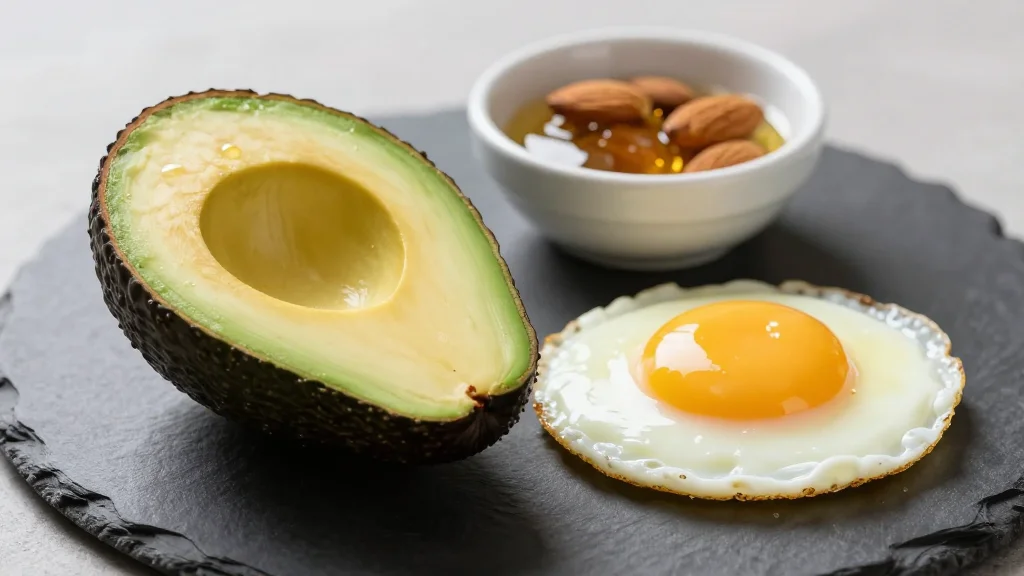
These Are The 6 Best Foods To Boost Testosterone Levels In Men
A recent article outlines six foods that can help men maintain healthier testosterone levels, emphasizing nutrients like omega‑3 fats, zinc, magnesium, and antioxidants. It explains how dietary fats support hormone synthesis and cites research linking fatty fish, olive oil, shellfish,...
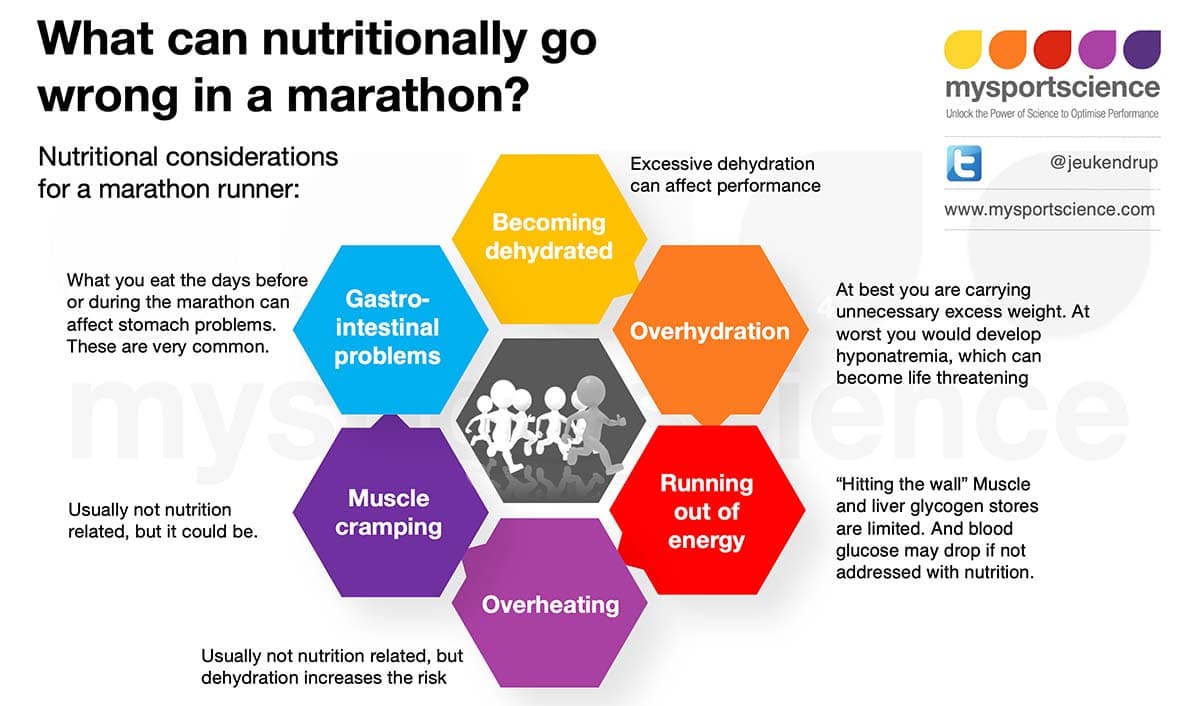
Optimal Pre‑Race Meals and In‑Race Fuel Guide
Learn about what should you eat the day before, or the morning of the marathon, and what drinks, gels and solids you should take during the marathon, and how often. https://t.co/WwgsaMEARa https://t.co/WMIxz9BF77
UCI Sports Nutrition Project Delivers 10 Reviews, 4 Consensus Statements
The UCI Sports Nutrition Project was a massive undertaking by large and dedicated international team. Here are the the results of this effort, 10 reviews and 4 consensus statements, all open access: https://t.co/GgAmy3nZLK
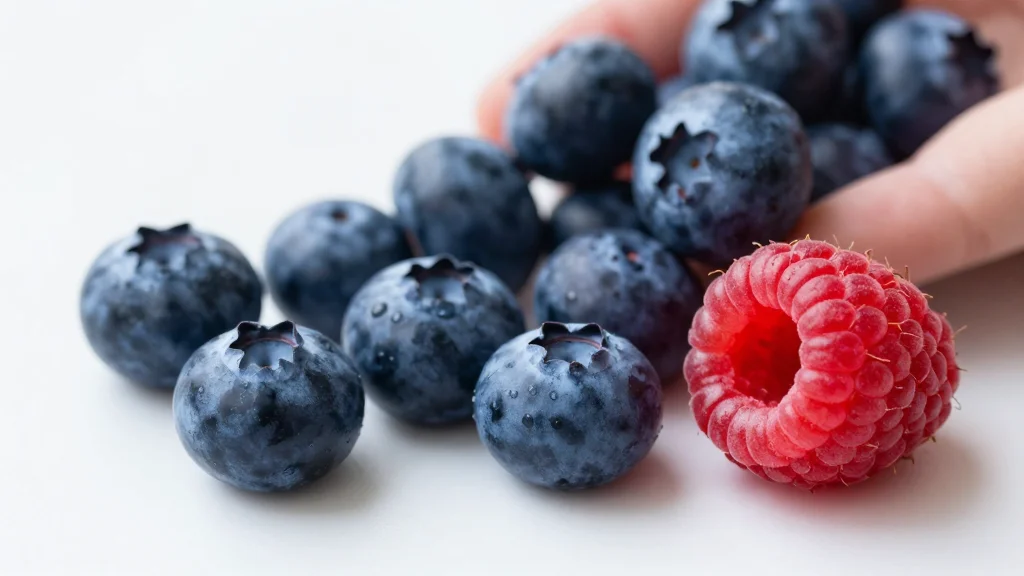
University of Maine Study Confirms Wild Blueberries Cut Inflammation and Boost Vascular Health
Researchers at the University of Maine have demonstrated that consuming one half to one cup of wild blueberries daily lowers inflammation and restores vascular function in animal models of hypertension and obesity. The findings add robust scientific backing to the...

Parkinson's Disease
A recent randomized controlled trial found that daily resistant starch supplementation alleviated motor symptoms in Parkinson’s disease patients. Over a 12‑week period, participants showed a 15% reduction in Unified Parkinson’s Disease Rating Scale (UPDRS) motor scores compared with placebo. The...
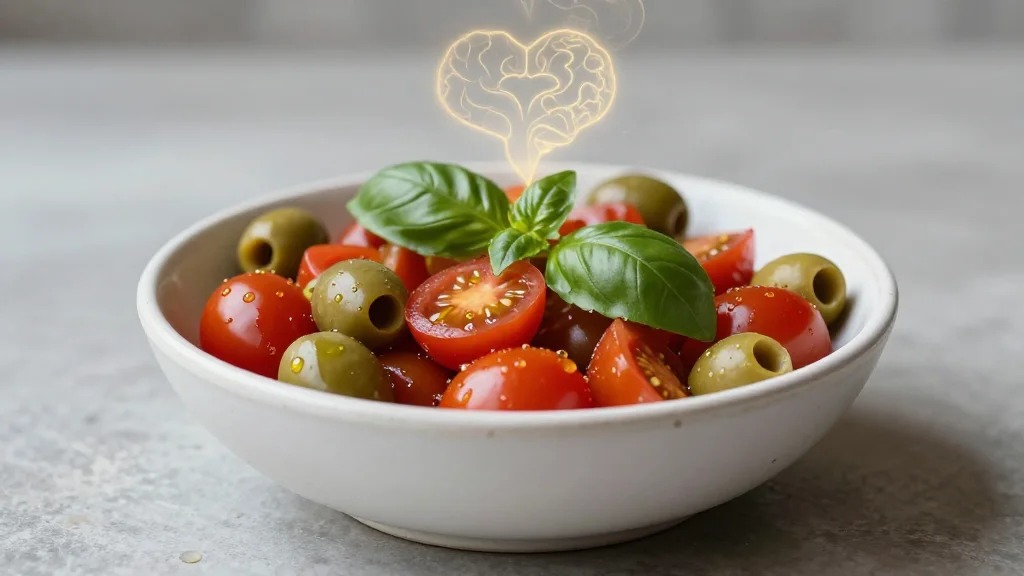
Tiny Mitochondrial Proteins May Explain the Health Benefits of the Mediterranean Diet
A study in Frontiers in Nutrition found that older adults who closely follow the Mediterranean diet have higher circulating levels of the mitochondrial microproteins Humanin and SHMOOSE, both linked to protection against heart disease and cognitive decline. The research compared...

Bacopa Monnieri
Researchers continue to validate Bacopa Monnieri, an Ayurvedic herb, as a potent nootropic and adaptogen. Clinical trials show that daily doses of 300‑450 mg of standardized extract improve memory, attention, and reduce anxiety by modulating acetylcholine and cortisol. The herb’s active...
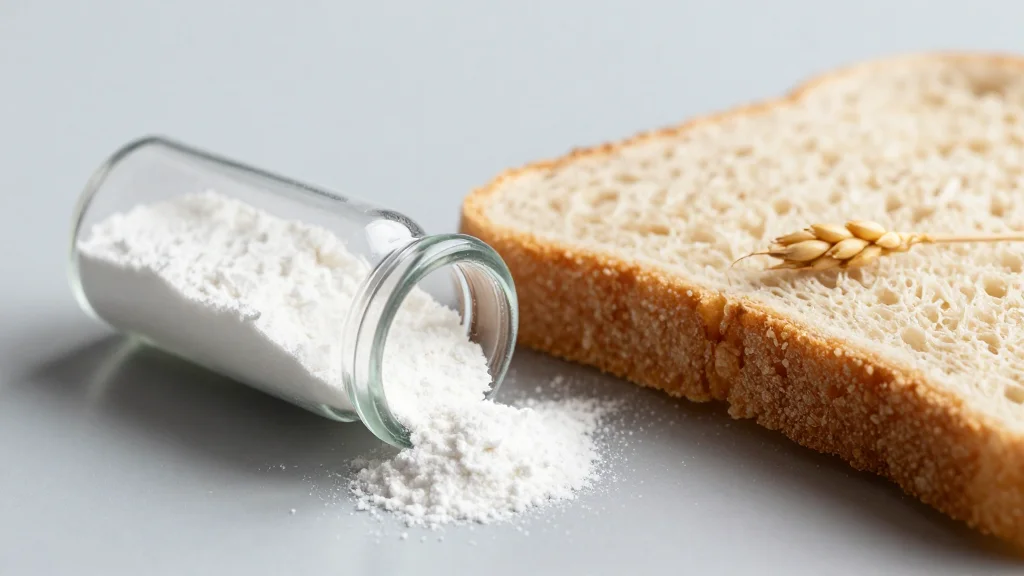
Australian Study Finds Gluten Triggers Immune Response at Sub‑Labeling Levels
Researchers in Australia demonstrated that gluten doses as low as 3 mg provoke measurable immune activation in adults with celiac disease, well under the 20 ppm thresholds used for “gluten‑free” labeling. The finding raises questions about the adequacy of current labeling and...
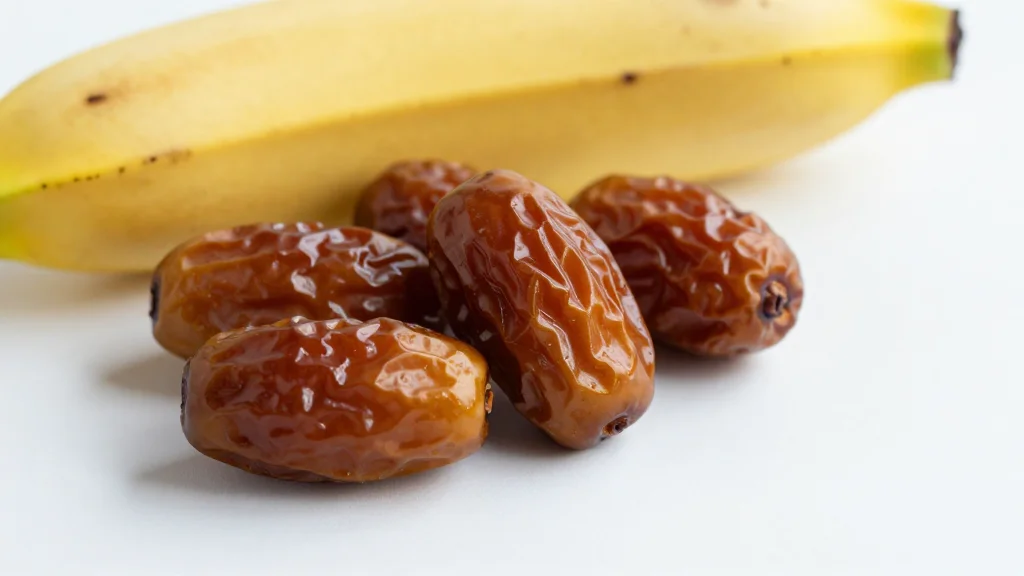
Dates Pack More Potassium, Fiber, and Copper Than Bananas
Dates have nearly double the potassium of a banana and nobody talks about them. I have been on a date kick for the past two years. I eat them as a pre workout, as a snack, blended into smoothies, and stuffed...
:max_bytes(150000):strip_icc():format(jpeg)/superfoods-to-live-longer-GettyImages-1486688903-ec259806e74140fb8f1984d70edf6cb3.jpg)
Experts Say These 9 Superfoods Can Help You Live a Longer, Healthier Life
A team of registered dietitians identifies nine superfoods—kimchi, turmeric, blueberries, avocado, spinach, kale, lentils, chia seeds, and tempeh—that contain antioxidants, fiber, healthy fats, and micronutrients linked to reduced inflammation and chronic disease risk. The experts explain how each food supports...
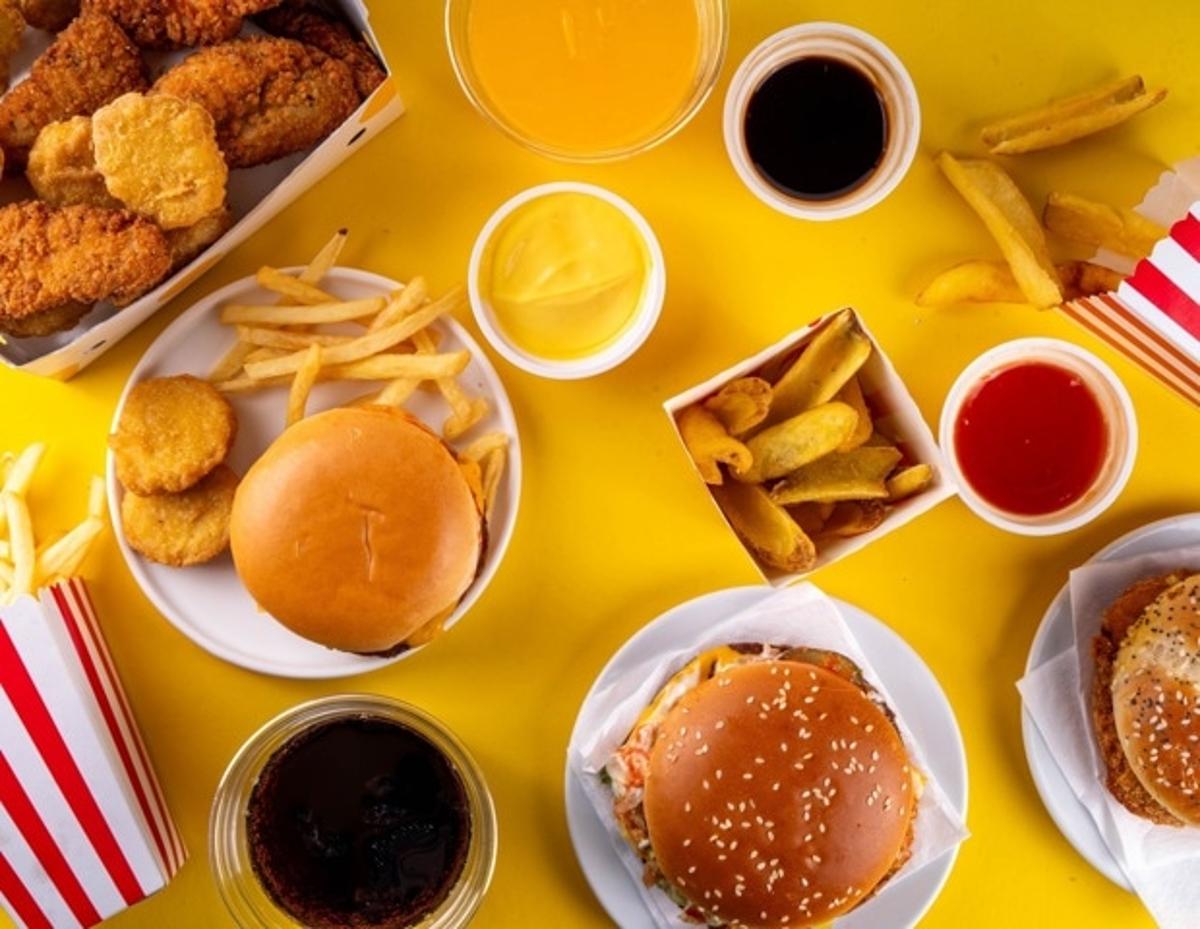
Ultra-Processed Foods Linked to Measurable Drops in Human Attention Span
A new cross‑sectional study of over 2,100 Australian adults links higher consumption of ultra‑processed foods (UPFs) to measurable declines in attention span, even among those following otherwise healthy diets. Researchers found that a 10 percent increase in UPF intake—roughly one extra...

This Everyday Nutrient Could Influence Alzheimer’s Before It Begins (M)
A new longitudinal study finds that higher blood concentrations of vitamin D during midlife are linked to a reduced risk of developing Alzheimer’s disease and other dementias later in life. Researchers tracked over 5,000 participants for two decades, measuring vitamin...
Personalised Treatment Plans Reverse Early Dementia Symptoms in New Study
A new study reported that personalised medical and lifestyle protocols reversed symptoms in people with early-stage dementia. The approach targets nutritional gaps, infections and environmental factors, offering a biohacking‑style route to cognitive improvement.

Postpartum Dieting Borrows Health, Repays Later
If you are cutting calories within months of giving birth, you are borrowing from your future health to look good now. The first 6 months postpartum are about healing, building milk supply, and rebuilding your mineral stores. The more you nourish...
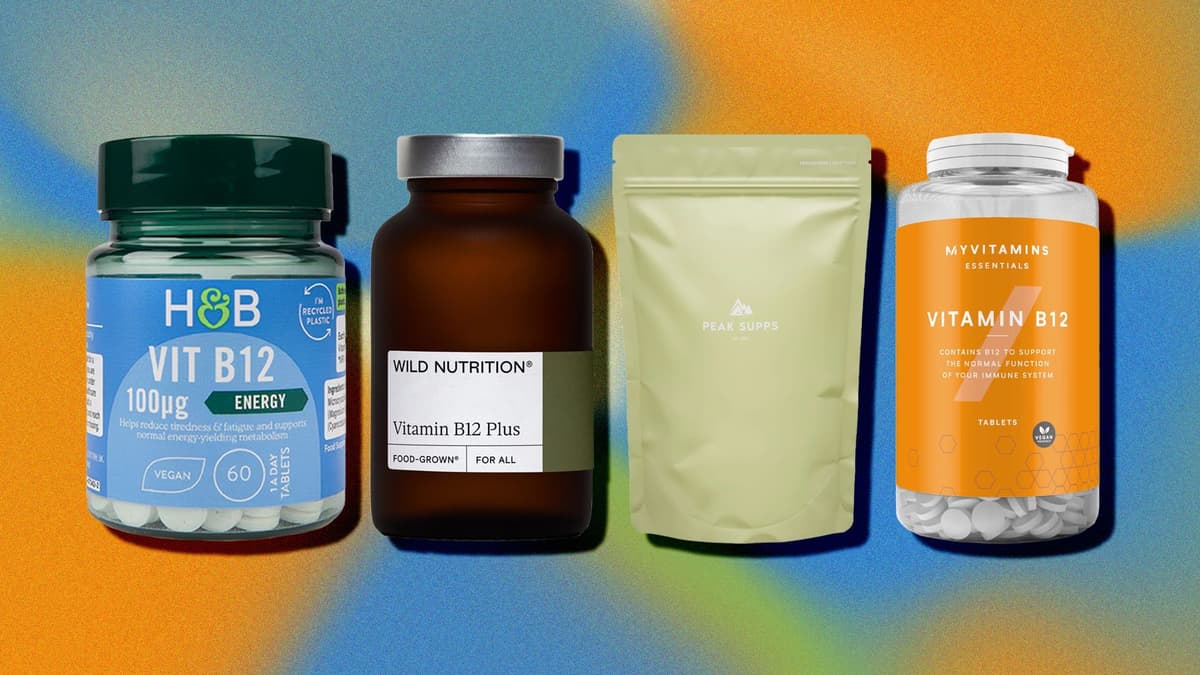
How to Know If You Have a Vitamin B12 Deficiency—And What to Do About It
Vitamin B12 (cobalamin) is essential for nerve health, red‑blood‑cell formation and DNA synthesis. Deficiency affects roughly one in ten people over age 75 and presents with fatigue, neurological signs and skin changes. High‑risk groups include seniors, vegans, those with gastrointestinal...

Here’s How to Reduce Your Sugar Intake (Including Six Foods to Avoid)
Dietitians Fareeha Jay and nutritionist Sas Parsad stress that added sugar isn’t needed and should be limited to roughly 33 g (about eight teaspoons) per day. They recommend sourcing natural sugars from fruits, vegetables, dairy, and whole foods while cutting back...

The Best Time to Eat Breakfast? It’s Not Right When You Wake Up
Nutrition experts argue that the optimal breakfast isn’t eaten immediately after waking but delayed until mid‑morning. Waiting extends the overnight fast, supports time‑restricted eating, and encourages the body to burn fat rather than carbs. They recommend rehydrating with salted water...

Train Hard, Recover Harder
Athletes pushing harder risk overtraining when nutrition and recovery lag behind. The article outlines five evidence‑based nutrition tactics—protein intake, complex carbs, proper hydration, healthy fats, and strategic timing—to close the recovery gap. It stresses that these dietary levers must work...
Registered Dietitian Warns Protein‑Maxing May Undermine Endurance Athletes
A registered dietitian published a warning that the growing “protein‑maxing” trend may impair endurance performance. The piece cites social‑media hype, GLP‑1 medication effects, and the new Dietary Guidelines as drivers of the shift, and argues that high‑protein processed foods can...
Simple 10-Step Routine for Health and Longevity Under 40
Health and longevity routine for people under 40: 1. Lift weights 2-3x a week, focusing on strength 2. Cardio 2x a week, mix of HIIT and zone 2 3. Sleep 7-8 hours 4. Eat a predominantly whole foods diet, no need for restrictive diets 5....

Nonlinear and Sex-Specific Associations of Maternal Vitamin D in Early- and Mid-Pregnancy with Childhood Growth Trajectories From Birth to 6 Years...
A prospective cohort of 1,100 Chinese mother‑child pairs found nonlinear, sex‑specific associations between maternal vitamin D levels in early and mid‑pregnancy and offspring growth trajectories from birth to age six. Low early‑pregnancy vitamin D increased odds of rising height‑for‑age and BMI‑for‑age Z‑scores,...
The Relationship Between Nutrition Status Indicators and Vitamin D Deficiency in Patients with Type 2 Diabetes Mellitus
A cross‑sectional analysis of 285 hospitalized type 2 diabetes patients in Hebei found that 62% were vitamin D deficient (25‑hydroxyvitamin D < 20 ng/mL). Lower total protein levels were significantly linked to higher odds of deficiency, with an adjusted odds ratio of 0.933 per gram‑per‑liter increase....

Maternal Serum Ferritin Across Gestation and Risk of Small-for-Gestational-Age: A Longitudinal Cohort Study
A longitudinal cohort of 17,451 Chinese pregnancies found that elevated maternal serum ferritin in the third trimester is linked to a higher incidence of small‑for‑gestational‑age (SGA) infants. Women with ferritin ≥18.1 ng/mL at 29‑31 weeks had a 42% greater adjusted odds of...

Socioeconomic Stratification in the Association Between Tea Consumption and Skeletal Muscle Mass Among Oilfield Workers
A cross‑sectional study of 2,574 Chinese oilfield workers found that habitual tea consumption is linked to higher appendicular skeletal muscle mass (ASM). In fully adjusted models, low‑level tea intake raised the skeletal muscle index by 0.105 units and high‑level intake...
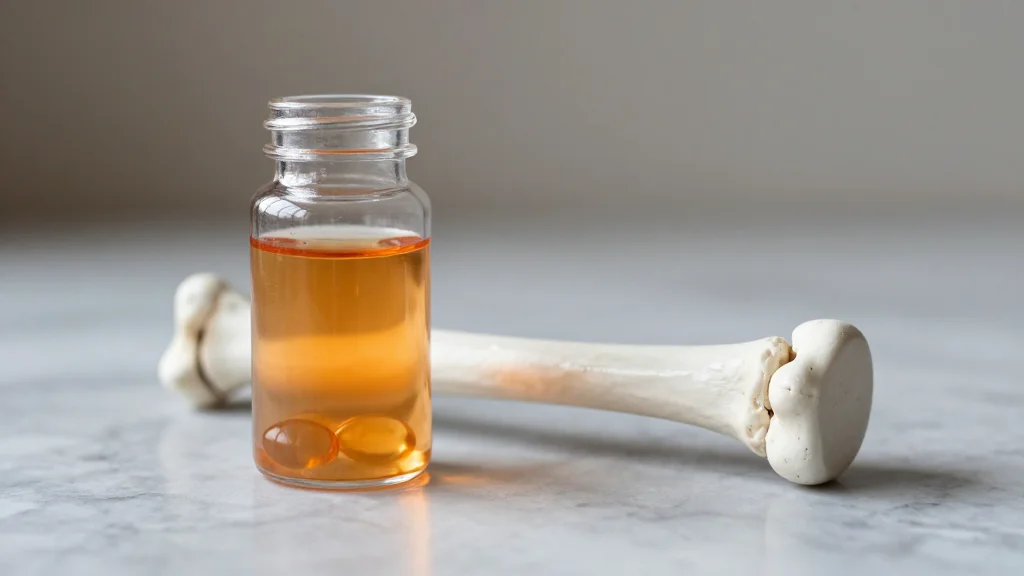
Vitamin D Status and Site-Specific Fracture Pattern Associations in Older Adults with Fragility Fractures: A Cross-Sectional Analysis of 2543 Patients
Researchers analyzed 2,543 patients aged 60 and older hospitalized for fragility fractures in China. They found that 35.9% were vitamin D deficient and 44.2% insufficient, with deficiency linked to older age, female sex, winter admission, and prior cerebral infarction. Serum 25(OH)D...
:max_bytes(150000):strip_icc():format(jpeg)/orange-juice-benefits-GettyImages-1475879314-5bfdffeaf07b479d8f93d80803c0571a.jpg)
Is Orange Juice Actually Good for You? Here’s What Dietitians Want You to Know
Orange juice delivers a dense micronutrient package—vitamin C, potassium, magnesium, folate and flavonoids—often meeting or exceeding 100% of the daily vitamin C recommendation in an 8‑ounce serving. Store‑bought varieties are pasteurized, shelf‑stable and may be fortified with calcium and vitamin D, but many...
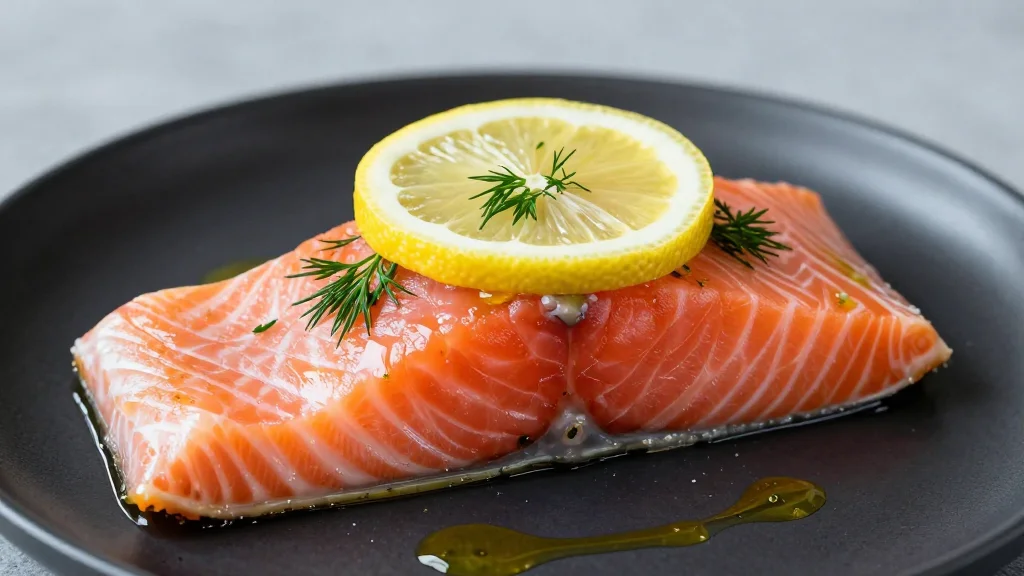
Research Finds This Sustainable Food Source May Help Prevent Diabetes
A recent Clinical Nutrition study examined 152 pre‑diabetic adults who added 200 grams of sardines per week to their diet. Over 12 months, the sardine group’s high‑risk rate fell from 37% to 8%, while a control group saw only a slight...

Study Finds Berberine, Curcumin and Blackcurrant May Boost Hot‑Weather Workout Performance
Researchers at High Point University identified three dietary supplements—berberine, curcumin and blackcurrant—that reduced body temperature and heart rate in hot‑weather exercise trials. Doses ranged from 500 mg to 1.5 g over a week, and the findings suggest a short‑term strategy for athletes...
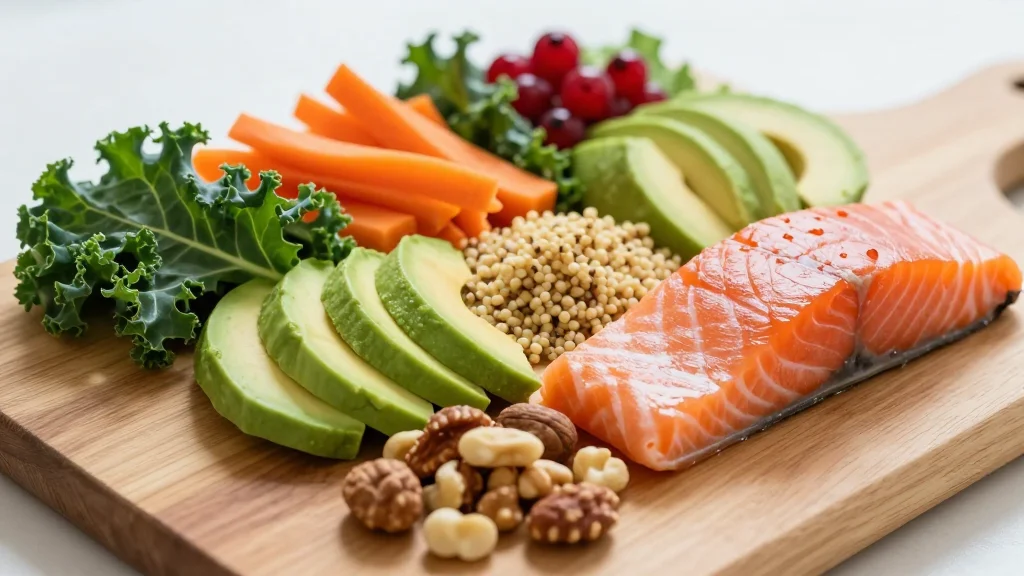
Health Thrives on Nutrient Variety, Not Single Superfood
Nutrient-density is not a competition. There’s not a single “best nutrient” or most important nutrient. We need a combination of foods and a wide variety of nutrients for optimal health.
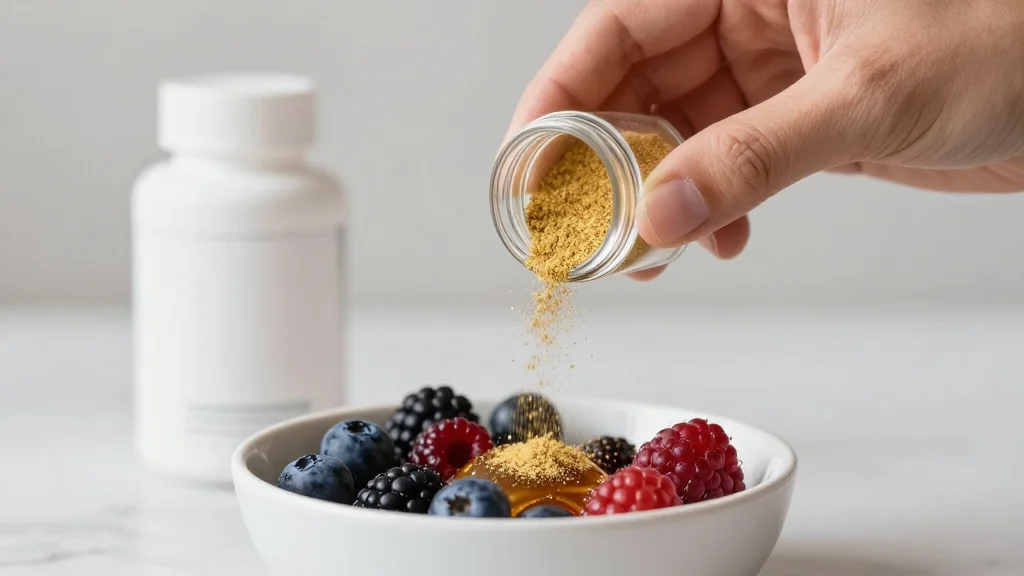
This Anti-Inflammatory Spice May Be The Key To Better Brain Health
A new research review highlights turmeric’s curcumin as a potent anti‑inflammatory agent that may protect brain health. Clinical data suggest ½–1 teaspoon of culinary turmeric or 500‑1000 mg of standardized extract can improve inflammatory markers and support neurogenesis. Bioavailability remains the...

Research Shows This Underconsumed Fat Improves Inflammation
A recent review in *Nutrients* confirms that increasing omega‑3 fatty acids can markedly reduce systemic inflammation, a condition affecting roughly 34.6% of Americans. Meta‑analyses across 45 studies show improvements in insulin sensitivity, cholesterol, triglycerides and HbA1c, while higher‑dose EPA/DHA (over...
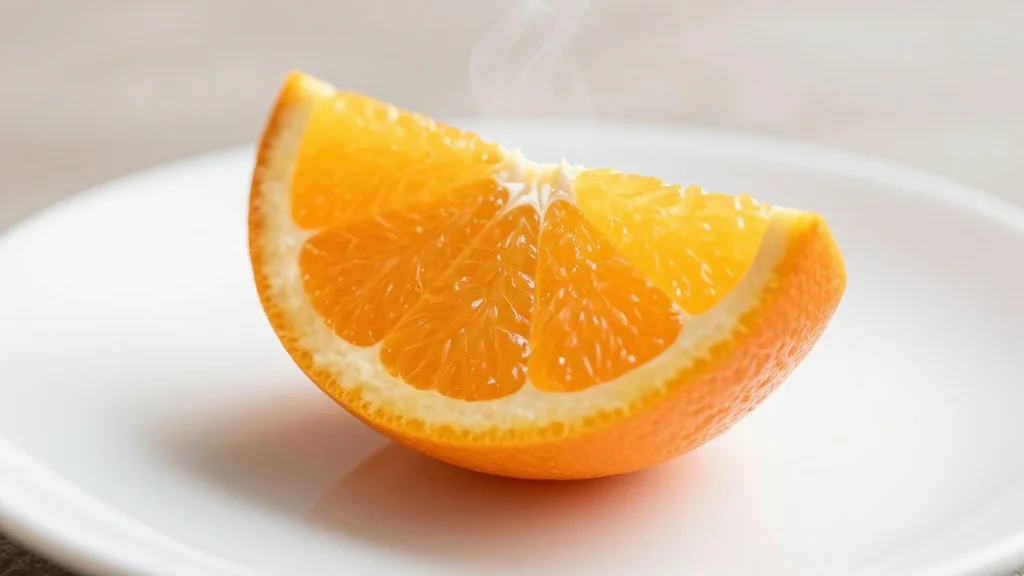
This Food Gets An A++ For Making Your Metabolism More Efficient
The article explains that protein has a markedly higher thermic effect than carbs or fats, causing the body to expend 20‑30% of protein calories during digestion. Substituting protein for fat can therefore increase daily calorie burn and support weight maintenance...
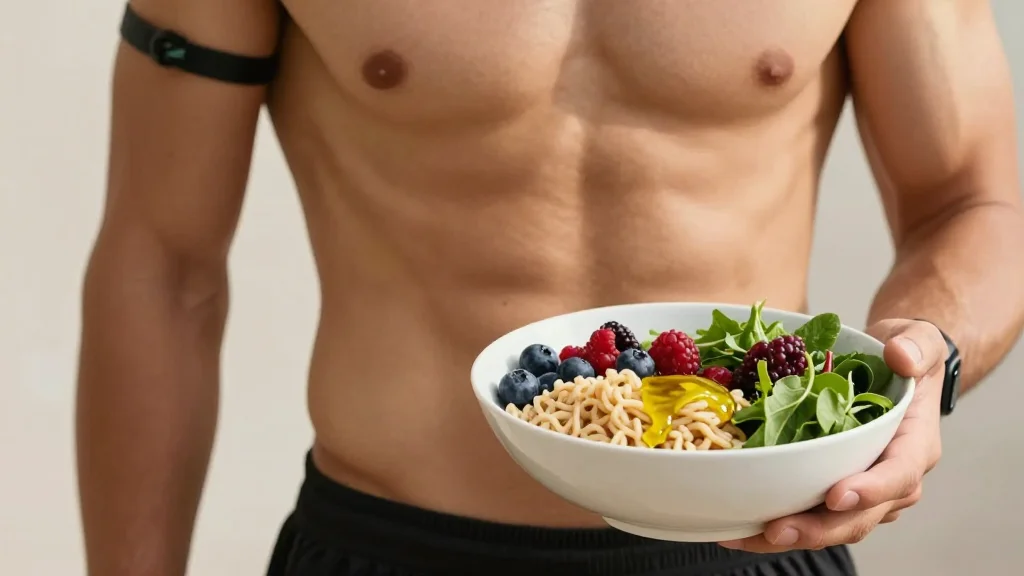
Carb Periodisation & Low GI Foods Optimize
Nutrition considerations for athletes with diabetes 📝 This new review highlighted key nutritional requirements and strategies for diabetic athletes 📚 Here are the most important factors ⬇️ Carbohydrate Periodisation 🎯 Match fuel to training demands 📊 Adjust carbohydrate intake to exercise intensity ⏰ Pre-, intra-,...
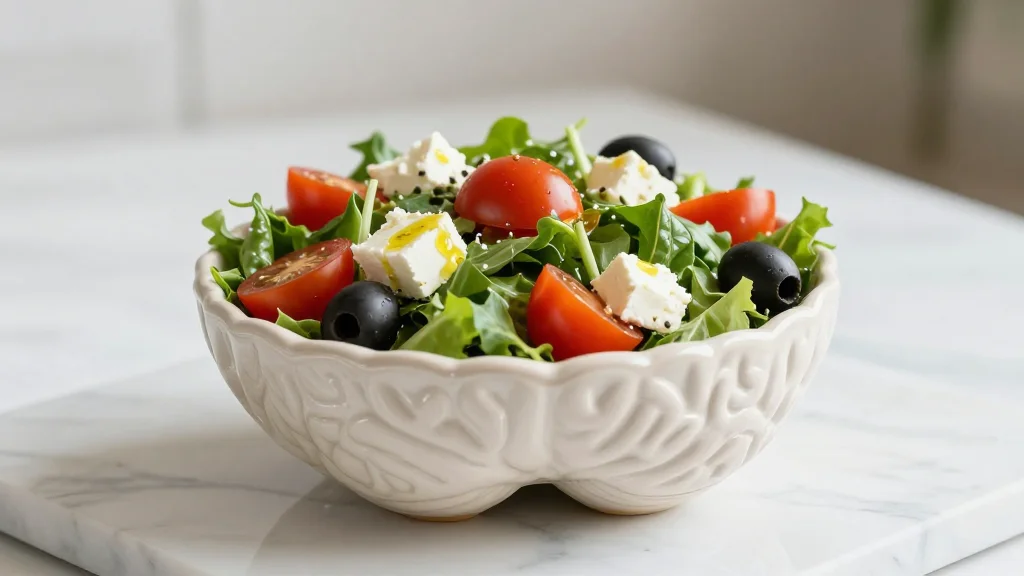
Anti‑inflammatory Diets Curb Neuroinflammation via Gut‑brain Axis
The relationship between dietary patterns and neuroinflammation "These nutritional changes contribute to a pro-inflammatory brain environment both directly, through the immunomodulatory effects of dietary components and metabolites, and indirectly, through increased intestinal permeability, dysbiosis, and activation of peripheral inflammatory cascades. Conversely, nutritional...
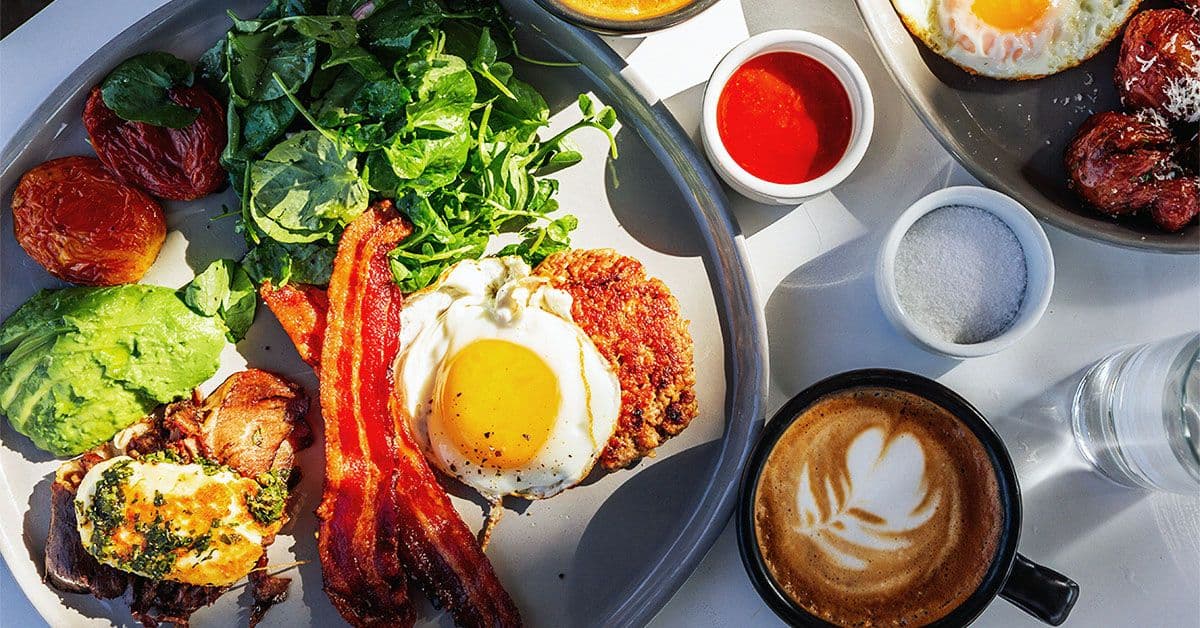
Keto May Work Best for Sending Diabetes Into Remission: Here's Why
A recent 12‑week study published in the Journal of the Endocrine Society compared a ketogenic (high‑fat, low‑carb) diet with a low‑fat diet in 51 adults aged 55‑62 with type 2 diabetes. Both groups lost weight, but the keto group exhibited a...

Sodium's Role in Boosting Endurance Performance Explained
Could sodium intake influence endurance performance? Explore the science in our lecture with Dr Alan McCubbin, now available with supporting learning materials. 20% off with code: sodium https://t.co/w1wzklTgyn https://t.co/BSntORLKB9
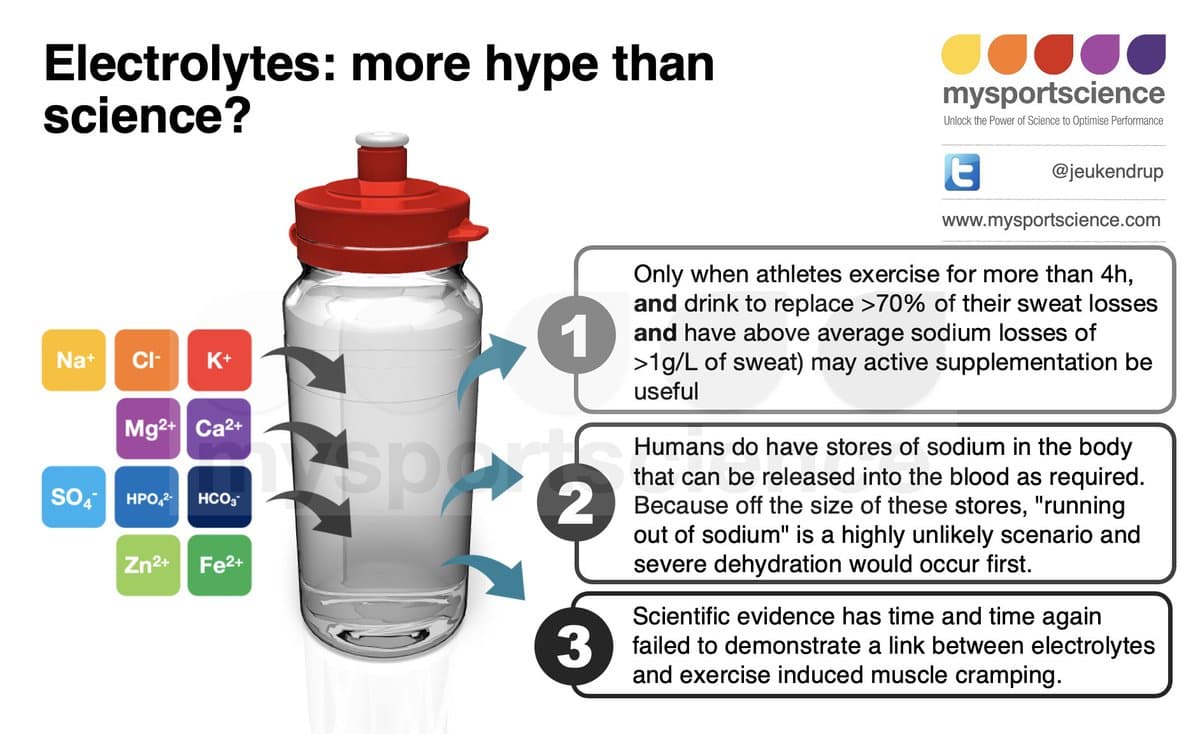
Most Athletes Don't Need Extra Electrolytes, Study Shows
Electrolytes are heavily marketed to athletes, but does the science support the hype? This blog examines sodium’s role in hydration, why most athletes do not need targeted replacement, and when it may matter in very long events. Click here: https://t.co/Vsibe6dOrB...
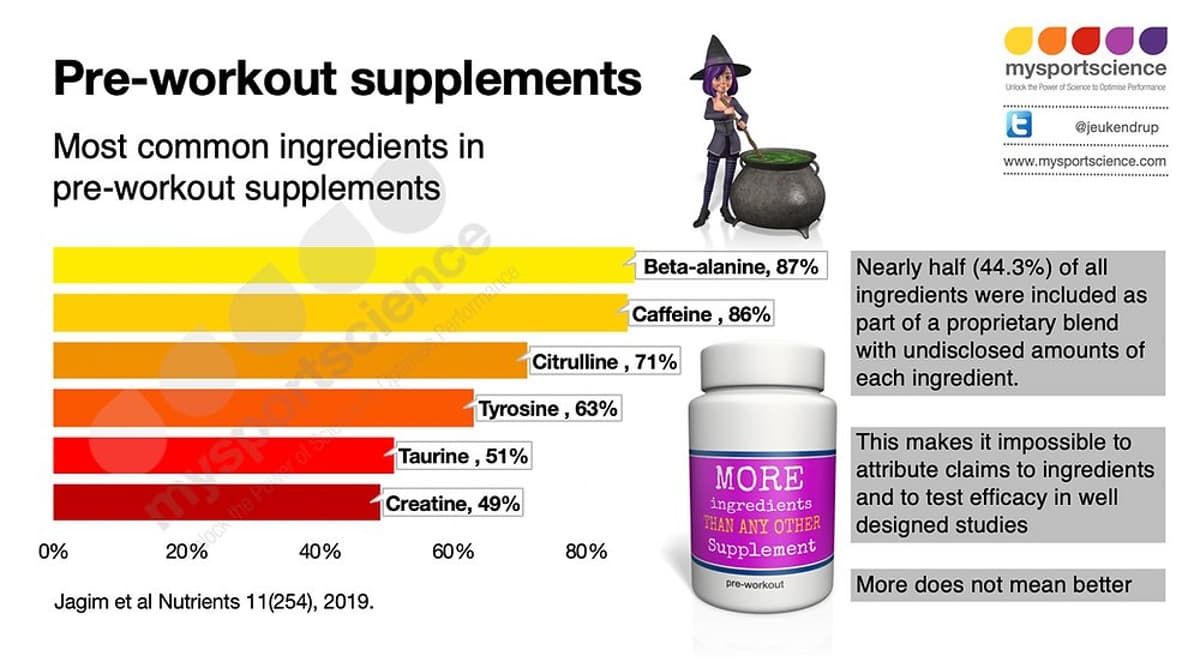
Do Pre‑Workout Supplements Really Work? Find Out
Pre-workout supplements: which ones are the best? Or perhaps more importantly, do they work, and are they necessary? Read the blog for more: https://t.co/CcgZh7r5zN https://t.co/cIsqvrgF6r