
NVIDIA Phases Out Several Jetson Modules Due to High LPDDR4 RAM Prices and Tight Supplies
NVIDIA is accelerating the end‑of‑life of several Jetson modules that use LPDDR4 memory, including the TX2 NX, TX2i, AGX Xavier, and Xavier NX families. The move follows tightening global DRAM supplies and rising LPDDR4 prices, prompting a non‑cancelable, non‑returnable (NCNR) order policy effective immediately. Final purchase orders are accepted through July 1 2026, with last shipments slated for July 15 2027. NVIDIA and partners are urging customers to transition to newer Jetson Orin or alternative platforms.

Episode 43: Jensen Huang on Generative Computing, Re-Industrialization, & Physical AI
Jensen Huang, CEO of NVIDIA, explained how the company’s full‑stack AI platform is moving the economy from raw compute to “intelligence manufacturing,” where tokenized AI outputs become a new unit of value. He outlined the AI “five‑layer cake” spanning silicon,...

As Much As Needed, As Little As Possible: Jensen Huang on the Operating Principle Behind Nvidia’s Run
Nvidia CEO Jensen Huang repeatedly emphasized an eight‑word operating principle: “as much as needed, as little as possible.” The mantra guides Nvidia to own only the core AI stack—CUDA, NVLink, compilers—and to refuse non‑essential ventures like its own cloud or...
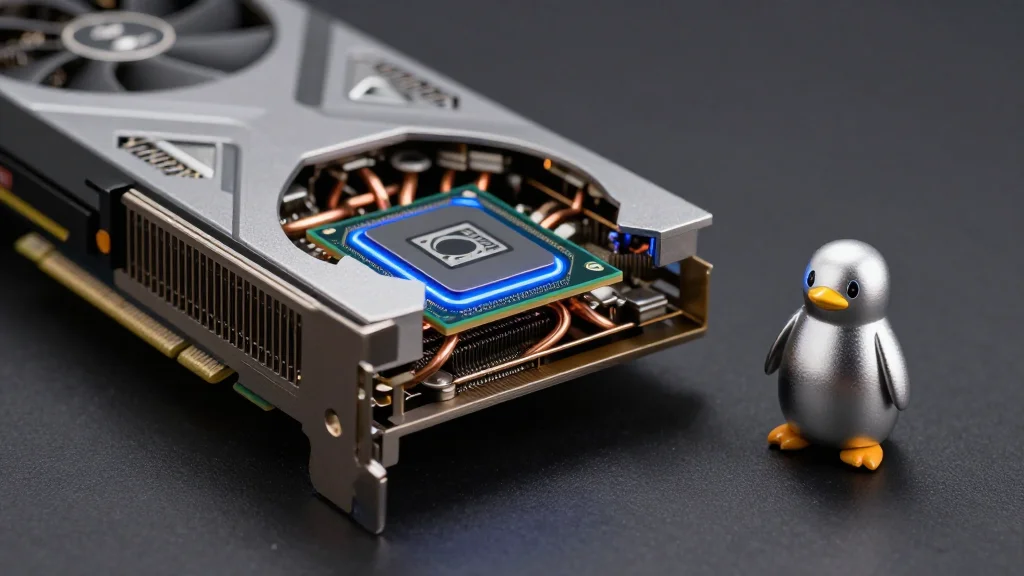
CPPC V4 Support Being Worked On NVIDIA For The Linux ACPI Driver
NVIDIA engineers are adding Collaborative Processor Performance Control version 4 (CPPC v4) support to the Linux ACPI driver, extending the _CPC package from 23 to 25 entries. The new optional fields—OSPM Nominal Performance and Resource Priority—allow the operating system to signal nominal...
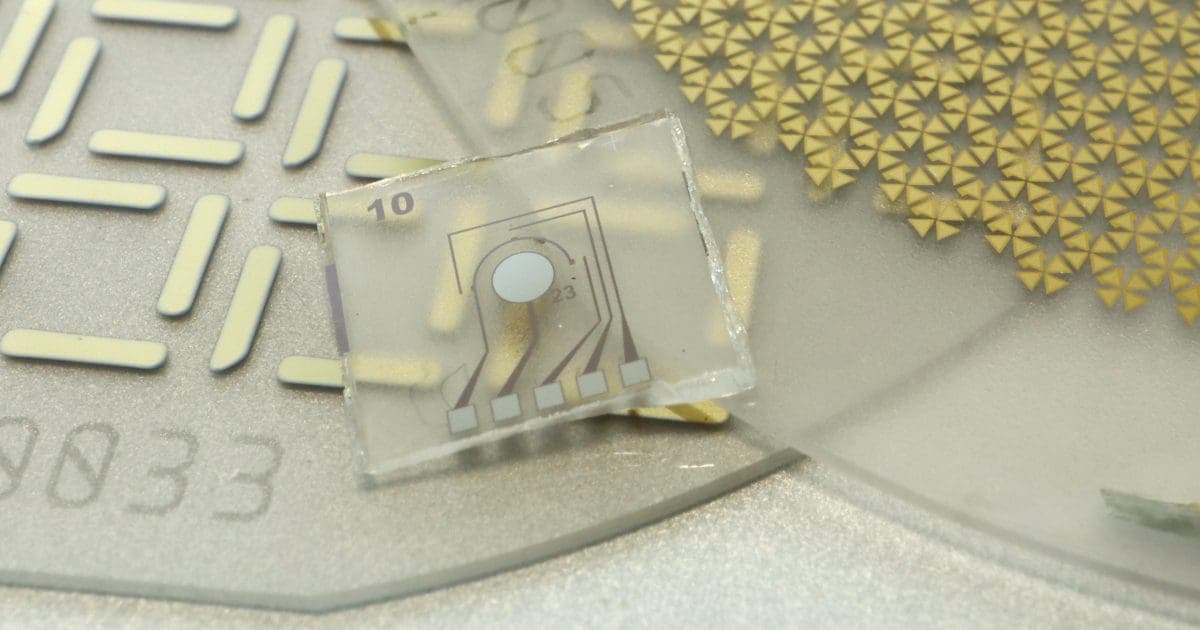
Paragraf & Archer Materials Target Quantum Computing With Graphene
Paragraf, a UK graphene‑electronics specialist, has teamed with Australia’s Archer Materials to create graphene‑based structures for qubit detection. The partnership combines Paragraf’s wafer‑scale graphene deposition process with Archer’s quantum‑device expertise, aiming to move quickly from research to functional prototypes. By...
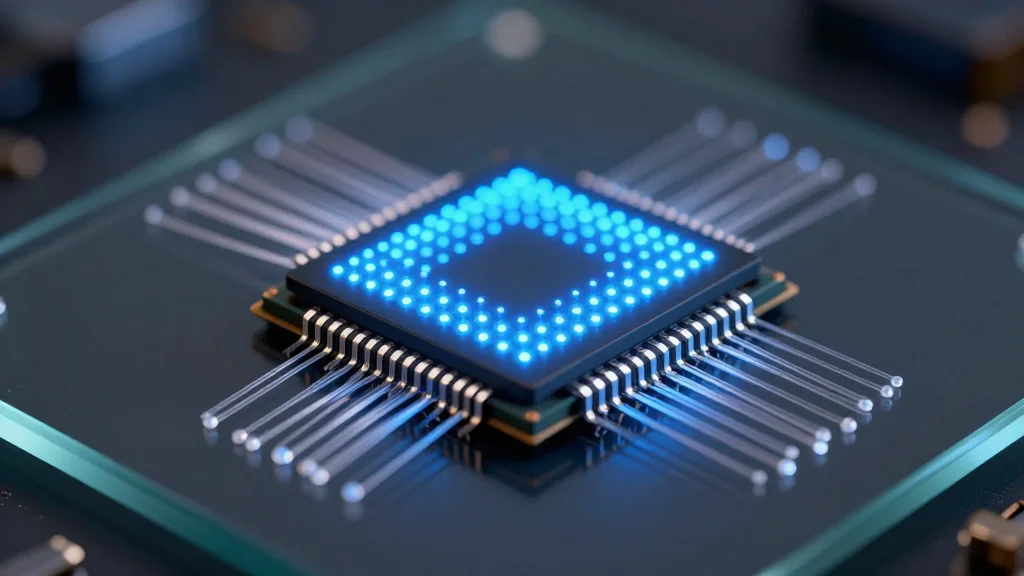
Fabric.AI Targets AI Infrastructure Bottlenecks with MicroLED Optical Interconnects
Fabric.AI, formerly StableX Technologies, has launched its Neural I/O chip, a MicroLED‑based optical interconnect designed to eliminate data‑movement bottlenecks in AI compute clusters. Developed with Kopin Corporation, the chip replaces copper and laser links with programmable MicroLED transceivers that deliver...
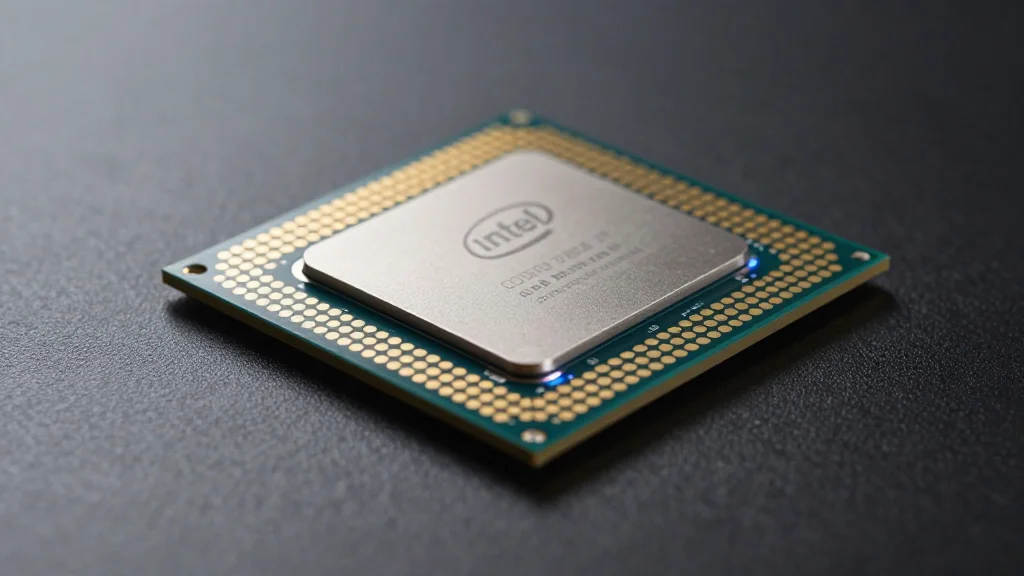
The Intel Lunar Lake CPU Performance Gains On Linux Over The Past Year
Benchmarking the Intel Core Ultra 7 258V in a Lenovo ThinkPad X1 Carbon Gen 13 Aura Edition shows notable CPU performance gains after a year of Linux updates. The original test on Ubuntu 25.04 used kernel 6.14, GCC 14.2 and Mesa 25.0, while the repeat on...
How Is the RAM Crisis Impacting Emerging Markets?
AI‑driven demand for memory has sparked a global RAM shortage, pushing up prices for any device that contains a semiconductor. Emerging markets, where 77% of MEA smartphone sales are sub‑$200 models, feel the squeeze hardest because price hikes represent 50‑100%...

WAVE-N Specialized Video Processing NPU for Edge AI Systems
Chips&Media unveiled the WAVE‑N specialized video‑processing NPU to meet the growing demand for high‑performance, low‑power AI inference on edge devices. The accelerator combines massive parallel compute, on‑chip memory buffers, and dedicated tensor units to speed up computer‑vision workloads such as...

Oulu’s Chip Design Expertise Enters Europe’s Semiconductor Debate
Oulu, Finland’s leading semiconductor design hub, hosted the high‑profile “Chips from the Very North” conference, drawing EU officials, industry executives, and academia. Professor Aarno Pärssinen highlighted the city’s decades‑long synergy of research, industry, and education that fuels complex microchip design....

NVIDIA N1X in the Spotlight at Computex: Leak Suggests a 2026 Demo, but only a Late Market Launch
NVIDIA and MediaTek are rumored to unveil an ARM‑based notebook SoC, the N1X, at Computex 2026, with a demo slated for June. Leaks suggest the first laptops could ship in October 2026, with broader availability in early 2027, but no official...

Graphene Instead of Silicon? Simulations From Kiel Show Light-Controlled Electrons in the Femtosecond Range
Researchers at Georgia Tech and Tianjin University reported semiconducting epitaxial graphene on silicon carbide with a 0.6 eV bandgap and carrier mobility above 5,000 cm² V⁻¹ s⁻¹. In September 2025, the University of Kiel simulated femtosecond laser pulses that can locally excite electrons in graphene...

The Engineering Logic Behind TSMC’s High-NA Strategy
At the April 22, 2026 North America Technology Symposium, TSMC Deputy Co‑COO Kevin Zhang said the company can continue scaling chips with its current EUV tools and does not need High‑NA EUV for now, citing the technology’s high cost. The...

Scoring the Jensen-Dwarkesh Debate
In a recent podcast, Nvidia CEO Jensen Huang sparred with interviewer Dwarkesh Patel over U.S. export controls on AI chips to China. Patel argued that maintaining a technological edge is vital for national security, while Huang suggested China could achieve...

NSF-Funded Photonic Chips Promise Faster Quantum Future
Researchers led by NSF‑funded associate professor Miloš Popović have demonstrated the first integration of a photonic quantum system directly onto a standard electronic chip. The breakthrough overcomes the traditional need for bulky quantum hardware, promising smaller, faster quantum processors. Funding...

Asia-Pacific Chip Ecosystem Will Surpass $553 Billion by 2030
The Business Research Company projects the Asia‑Pacific semiconductor ecosystem to reach $553 billion by 2030, making it the world’s largest regional market. Global chip‑related activity is expected to hit $1.16 trillion, growing at a 10.9% compound annual growth rate. While the United...
IBM Updates Linux Patches For Introducing ARM64 KVM Virtualization On S390
IBM has posted a second iteration of Linux kernel patches that add ARM64 KVM virtualization support to its s390 (IBM Z) mainframe platform. The new series, still flagged as a Request For Comments, refines the initial April release by using symlinks...

User Experience and Control in Agentic Systems. Innovation in Verification
This month’s discussion pivots from merely linking tools, agents and orchestration toward foundational principles for building effective agentic systems. Speakers such as Paul Cunningham, GM of Verification at Cadence, emphasized the importance of user experience and seamless human‑in‑the‑loop integration. The...

Technology Shorts April 2026
Researchers unveiled four emerging technologies that could reshape data transport and power supply. Chip‑level photonics uses metasurface chips to turn infrared into steerable visible beams, potentially removing external lasers and easing the data‑in‑out bottleneck. Northwestern’s dirt‑powered microbial fuel cell harvests...

VIAVI Invests in PCIe 7.0 Protocol Analysis Testing Platform
VIAVI Solutions announced a new PCIe 7.0 protocol analysis platform built around its Xgig family of analyzers, exercisers and high‑performance interposers. The chassis will debut at the PCI‑SIG Developers Conference on May 6‑7, 2026 in Santa Clara. PCIe 7.0 operates at 128 GT/s, delivering twice...

ESP32-C5 Mini USB-C Board Supports 2.4 GHz and 5 GHz WiFi 6, up to 14x GPIO Pins for IoT Projects
Espressif's ESP32‑C5 Mini is a compact development board that adds dual‑band Wi‑Fi 6, Bluetooth 5 LE, and an 802.15.4 radio for Zigbee, Thread, and Matter. It uses the ESP32‑C5HF4 SoC with a single‑core RISC‑V CPU, 384 KB SRAM and 4 MB on‑chip flash, and...

Week 17, 2026
The semiconductor industry is entering an AI‑driven memory supercycle that has prompted analysts to raise the 2026 market outlook. Agentic AI systems have demonstrated end‑to‑end design of a RISC‑V CPU core, signaling a shift toward autonomous chip development. TSMC expanded...

Scalable Network-on-Chip Enables a Modular Chiplet Platform
Menta has launched the MOSAICS platform, a modular chiplet architecture that uses a Known Good Die hub to orchestrate communication among heterogeneous components. The hub relies on Arteris' FlexNoC interconnect, which can handle more than 30 initiators and targets at...
Fourth Data Prefetching Championship: Part I
The fourth Data Prefetching Championship (DPC‑4), held with HPCA 2026, showcased a range of innovative prefetching algorithms evaluated against a baseline of Berti at L1D and Pythia at L2 under tight storage budgets. Keynote speakers from Huawei and Google emphasized...

All in One Bluetooth Audio: A Complete Solution on a TSMC 12nm Single Die
The SemiWiki webinar "All‑in‑One Bluetooth Audio: A Complete Solution on a TSMC 12 nm Single Die" showcases a fully integrated Bluetooth audio system built on TSMC’s 12 nm process. By consolidating RF front‑end, baseband, DSP, memory and power management onto one die,...

KOSPI Surges +2.15%: Semiconductor Earnings Concentration Drives All-Time High
The KOSPI jumped 2.15% to an all‑time high as semiconductor earnings from Intel, Samsung and SK Hynix sparked a concentrated rally. Samsung (25.45% weight) and SK Hynix (17.19% weight) together drove 72.8% of the index’s gain, accounting for roughly $1.3 billion of foreign...
AMD VPE 2.0 Support Merged For Mesa 26.2
AMD’s VPE 2.0 engine has been merged into the Mesa 26.2 graphics driver, paving the way for support on future RDNA 5 Radeon GPUs. The VPE engine, first introduced with RDNA 3.5 and expanded in RDNA 4, provides a general‑purpose copy engine for HDR...

The MATCH Act: America’s New Plan to Break Chinese AI
The U.S. House Foreign Affairs Committee passed the MATCH Act, targeting maintenance, updates and technical support for Chinese semiconductor fabs. By cutting after‑sale services, the law aims to erode chip yields and raise operating costs in China’s AI supply chain....

GDDR6 Under Pressure: Tesla’s Hunger for Memory Could Hit the PS5, PS5 Pro, and Older Gaming GPUs Hard
Samsung is reportedly increasing its monthly shipment of 8‑Gb GDDR6 DRAM to Tesla to roughly four times its Q1 level, reflecting the automaker’s growing need for memory in infotainment and autonomous‑driving systems. The surge adds pressure to an already tight...

JEDEC Is Pushing LPDDR6 Toward AI Servers: SOCAMM2 Modules with up to 512 GB Are Set to Finally Move Mobile...
JEDEC has released a preview of the LPDDR6 extension, including a SOCAMM2 module specification that could support up to 512 GB per module. The roadmap adds x12 and x6 sub‑channel modes, a flexible metadata carve‑out, and a near‑complete LPDDR6 Processing‑in‑Memory (PIM)...

Closing the Reality Gap: A New Architecture for 1.8-Tb/s Chiplet Governance
Senior Lead Architect Dr. Moh Kolbehdari of Socionext unveiled the SEGA™ (Systematic Engineering Governance Architecture) framework to close the “Reality Gap” between simulation and high‑volume manufacturing for 1.8‑Tb/s chiplet interconnects. SEGA™ positions the package as an Active Control Plane, introduces...

Intel Diamond Rapids Reportedly Not Coming Until 2027: Xeon 7 Leak Puts Pressure on Intel’s Server Roadmap
Intel’s upcoming P‑core Xeon generation, Diamond Rapids, is reportedly postponed from a 2026 launch to mid‑2027, according to a leak cited by Tom’s Hardware and Wccftech. The delay creates a gap between the efficiency‑focused Xeon 6 (Clearwater Forest) slated for early...
TSMC’s Roadmap Through 2029: A13, A12, and a Sober Look at the Sub-1-Nm Rumors
At the 2026 North America Technology Symposium TSMC unveiled its process roadmap through 2029, introducing three new nodes: A13, A12 and the N2U extension of its 2‑nm platform. A13 will build on the A14 platform with nanosheet transistors, while A12...

Q1 '26 Foundry Earnings: Hit Or Miss?
Intel posted Q1 2026 revenue of $13.6 billion, up 7% year‑over‑year, but recorded a net loss of $4.28 billion, driven largely by its foundry arm. Intel Foundry Services generated $5.4 billion in sales yet posted a $2.4 billion operating loss, marking another quarter of...
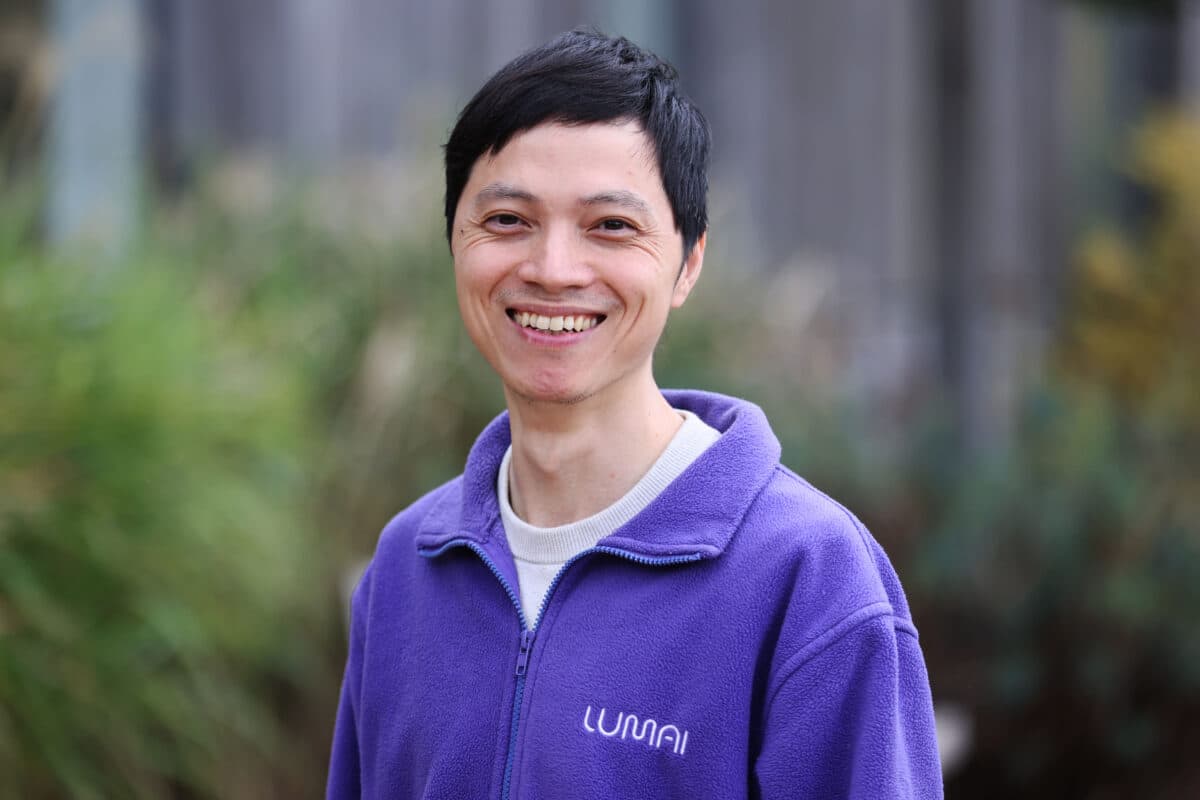
CEO Interview with Xianxin Guo of Lumai
Lumai, an Oxford University spin‑out, is commercialising optical computing technology to accelerate AI inference in data centres. CEO Xianxin Guo says the hybrid optical‑electronic processor replaces power‑hungry electronic tensor operations with light‑based computation, delivering dramatically higher performance‑per‑watt. The company targets...

Modular Transistor Blocks Snap Together to Form Electronic Skin that Senses and Learns
A new study demonstrates modular organic electrochemical transistor (OECT) blocks mounted on self‑adhesive SEBS polymer that snap together to form reconfigurable electronic skin. Four independently optimized modules—ion‑sensing, temperature‑sensing, neuromorphic synapse, and logic inverter—retain high performance after stacking, 30% stretch, and...
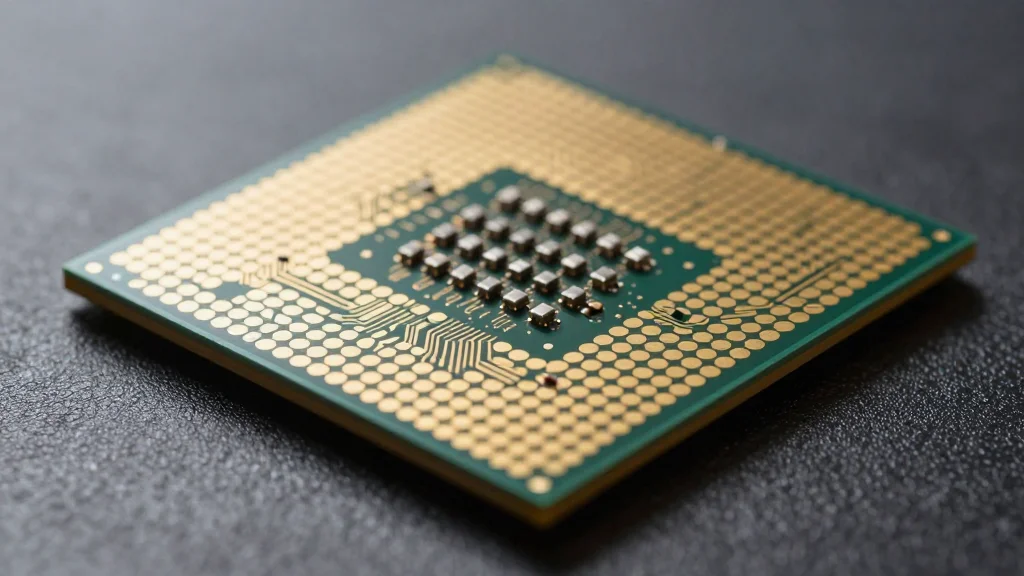
LoongArch Improvements Land In Linux 7.1
The Linux 7.1 merge window incorporated a suite of enhancements for the LoongArch architecture, a Chinese CPU design derived from MIPS and RISC‑V. The updates add correct handling of CPU‑related vulnerabilities, new atomic instructions for the BPF JIT, and expanded...

Is Broadcom Inc. (AVGO) Among the Best AI Stocks to Buy According to Billionaire Ken Griffin?
Broadcom (AVGO) was highlighted by billionaire Ken Griffin as one of his eight best AI stocks, underscoring its relevance in the fast‑growing chip sector. On April 20, 2026, the shares slipped about 2% despite the AI buzz, while rival Marvell surged...

DigiKey, STMicroelectronics, Ultra Librarian Provide Free, No-License Design Environment Online
DigiKey, STMicroelectronics and Ultra Librarian have launched eDesignSuite, a free, browser‑based design platform that hosts the world’s largest CAD library with millions of verified symbols, footprints and 3D models. The tool integrates thermal and electrical simulation, real‑time BOM impact analysis,...
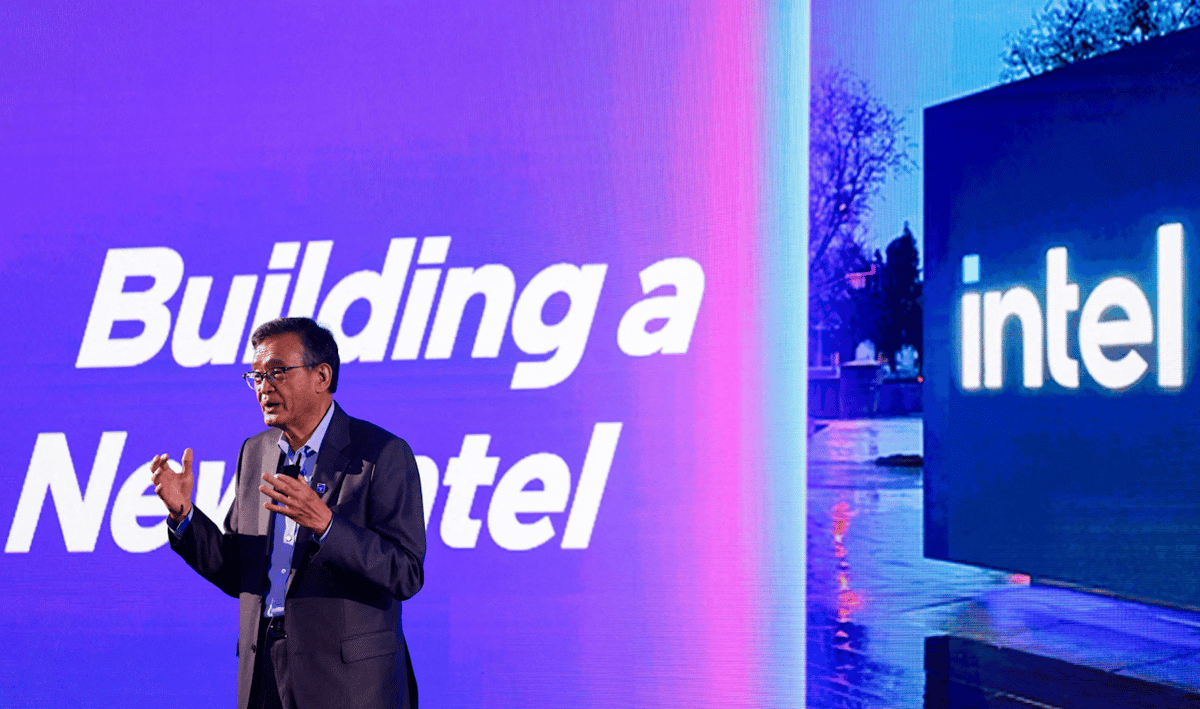
Be in the Know. 17 Key Reads for Friday…
Intel’s latest earnings beat expectations, sending the stock up 29% as AI‑driven demand for its CPUs accelerates. Analysts, including HSBC, raised price targets to $100, citing a resurgence in server‑grade chip sales. The AI rally spilled over to broader markets,...
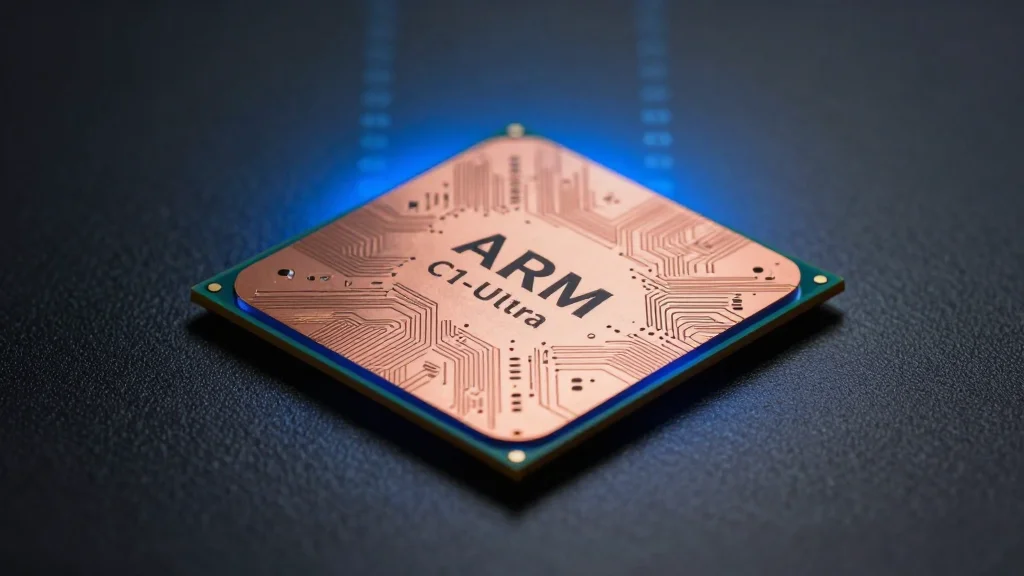
Arm C1-Ultra Scheduling Model Merged For LLVM/Clang 23
Arm’s flagship C1‑Ultra scheduling model has been merged into the LLVM/Clang 23 development branch, extending compiler support beyond the earlier LLVM 22 enablement. The model, derived from the Neoverse V3 scheduler and refined using Arm’s software optimization guide, targets the Armv9.3‑A core...
AMD Is Preparing FSR with Variable Frame Generation, but the Actual Launch Date Remains Unclear for Now
AMD’s GPUOpen documentation for ADLX 1.5 introduces a new interface, IADLX3DFidelityFXFrameGenUpgrade, that lets developers query and set specific frame‑generation ratios. The API exposes GetAvailableRatios, GetRatio and SetRatio methods, indicating a move toward variable or multi‑frame generation (MFG) for FSR. AMD’s official...
Chinese GPU Vendors Are Rapidly Catching up in the AI Server Market and Significantly Eroding Nvidia’s Dominance
Chinese GPU and AI chip makers now command roughly 41% of China’s AI accelerator server market, while Nvidia’s share slipped to 55% in 2025. The shift reflects a combination of U.S. export restrictions on Nvidia’s H200 chips and Beijing’s push...
Nvidia Will Supply More than One Million GPUs to AWS by 2027 and Is Moving Deeper Into the Core of...
Amazon Web Services announced it will integrate more than one million Nvidia GPUs based on the Blackwell and Rubin architectures into its global cloud regions, with deliveries slated through the end of 2027. The agreement also bundles Nvidia’s Spectrum and...

Are CCD Memories Coming Back?
Researchers at imec are reviving charge‑coupled device (CCD) memory by adapting the 3D NAND "Punch & Plug" process. By stacking three‑to‑four‑transistor CCD cells vertically and using an IGZO channel, the new design could become denser and cheaper than DRAM, whose capacitor scaling...
TSMC Releases New Roadmap, Rolls Out A13 Process
At its North America Technology Symposium, TSMC unveiled a roadmap extending to 2029, highlighting new process nodes such as N2, A12 and the flagship A13. The A13 node is a 6% area‑shrunk version of A14, marking the most advanced technology...

Two Paths for AI in Semiconductor Manufacturing: Platform Integration Vs. Point Solutions
AI is becoming a core layer in semiconductor fabs as data volumes explode, prompting two distinct adoption pathways. In North America and Europe, vendors pursue platform‑scale AI that integrates with legacy systems and supports multiple use cases, while Chinese fabs...

TSMC's Margins in Uncharted Territory
Taiwan Semiconductor Manufacturing Co (TSMC) posted a 66.2% gross margin in Q1, the weakest quarterly level on record yet still above the usual seasonal dip. Revenue rose 6.4% sequentially to $35.9 billion, beating its own guidance. The margin gain of 3.9...
Carbon in the Age of AI Chips: What the Semiconductor Industry Needs to Know This Earth Day
TechInsights released its Earth Day sustainability report, "Carbon in the Age of AI Chips," highlighting a surge in semiconductor emissions as AI demand accelerates. Fabrication emissions are projected at 186 million metric tons CO₂e in 2026, climbing to 247 million by 2030,...
AI Model Automates Etch Profile Analysis for Faster MEMS Manufacturing
Researchers at the Chinese Academy of Sciences unveiled VLSet‑AE, a physics‑constrained AI model that automatically extracts geometric features from SEM images of DRIE‑etched MEMS structures. The system achieves 96% recognition accuracy, with an average prediction error of 3.65% across nine...