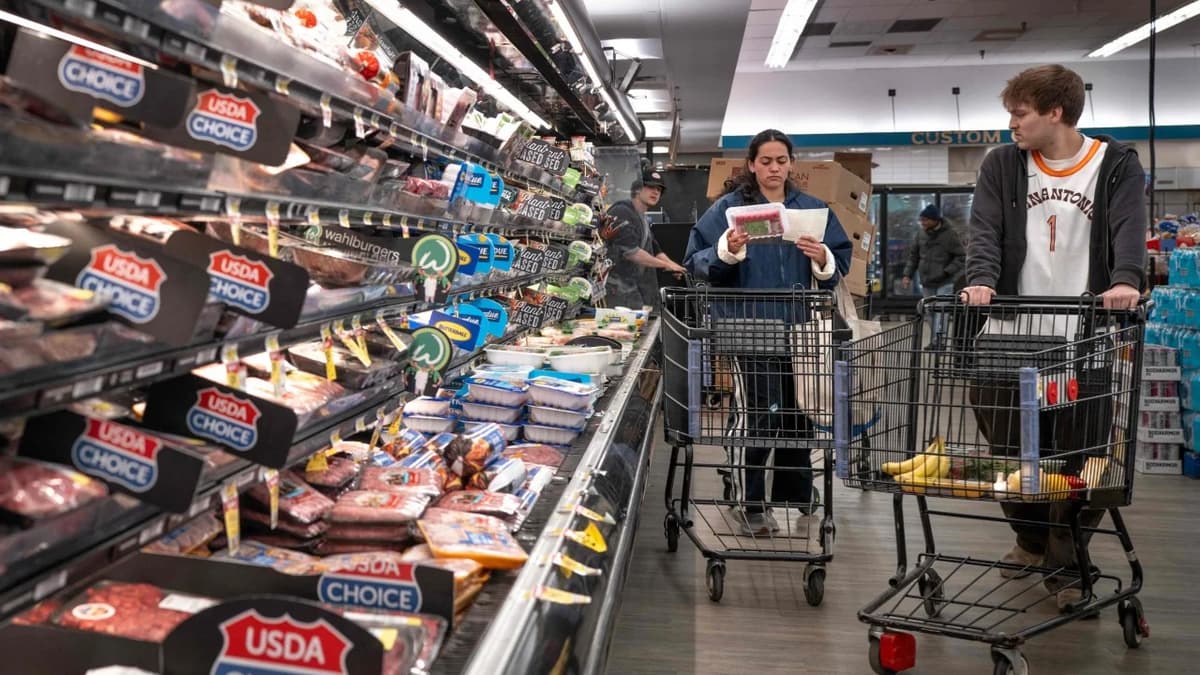
US Key Inflation Gauge Worsens, Eroding Americans’ Income and Spending Power
U.S. consumer price inflation accelerated to 3.8% year‑over‑year in April, the strongest pace since May 2023, driven largely by gasoline prices above $8 per gallon and higher food costs. Core CPI, which strips out food and energy, rose to 3.3% YoY, its highest level since November 2023, while monthly inflation eased to 0.4% from 0.7% in March. Real disposable incomes slipped 0.1% after inflation adjustment, leaving household purchasing power unchanged. The data keeps inflation well above the Federal Reserve’s 2% target, raising the prospect of delayed rate cuts or even another hike.

Fed’s Kashkari Tells CNBC that Inflation Fight Takes Priority as Labor Market Is 'in Decent Shape'
Federal Reserve Bank of Minneapolis President Neel Kashkari told CNBC that fighting inflation remains the Fed’s top priority, even as the labor market stays in decent shape. He warned that persistent price pressures, driven by energy and fertilizer costs, could...
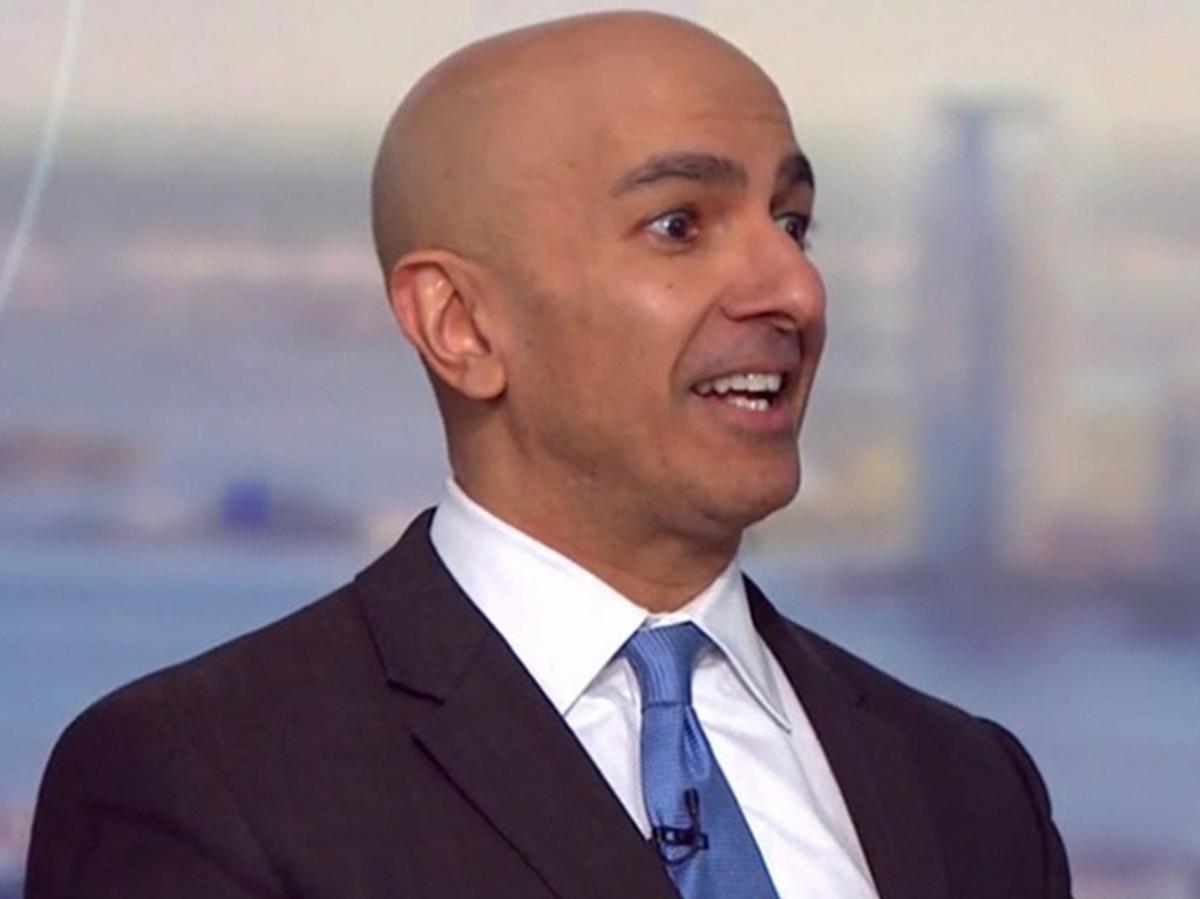
Fed's Kashkari Says Inflation Much Too High and Remains His Top Priority
Minneapolis Fed President Neel Kashkari told CNBC that inflation remains his top priority, noting that headline CPI was 3.8% in April and core CPI rose 2.8% year‑over‑year. He warned that prolonged price pressure could unanchor consumer expectations, forcing the Fed...
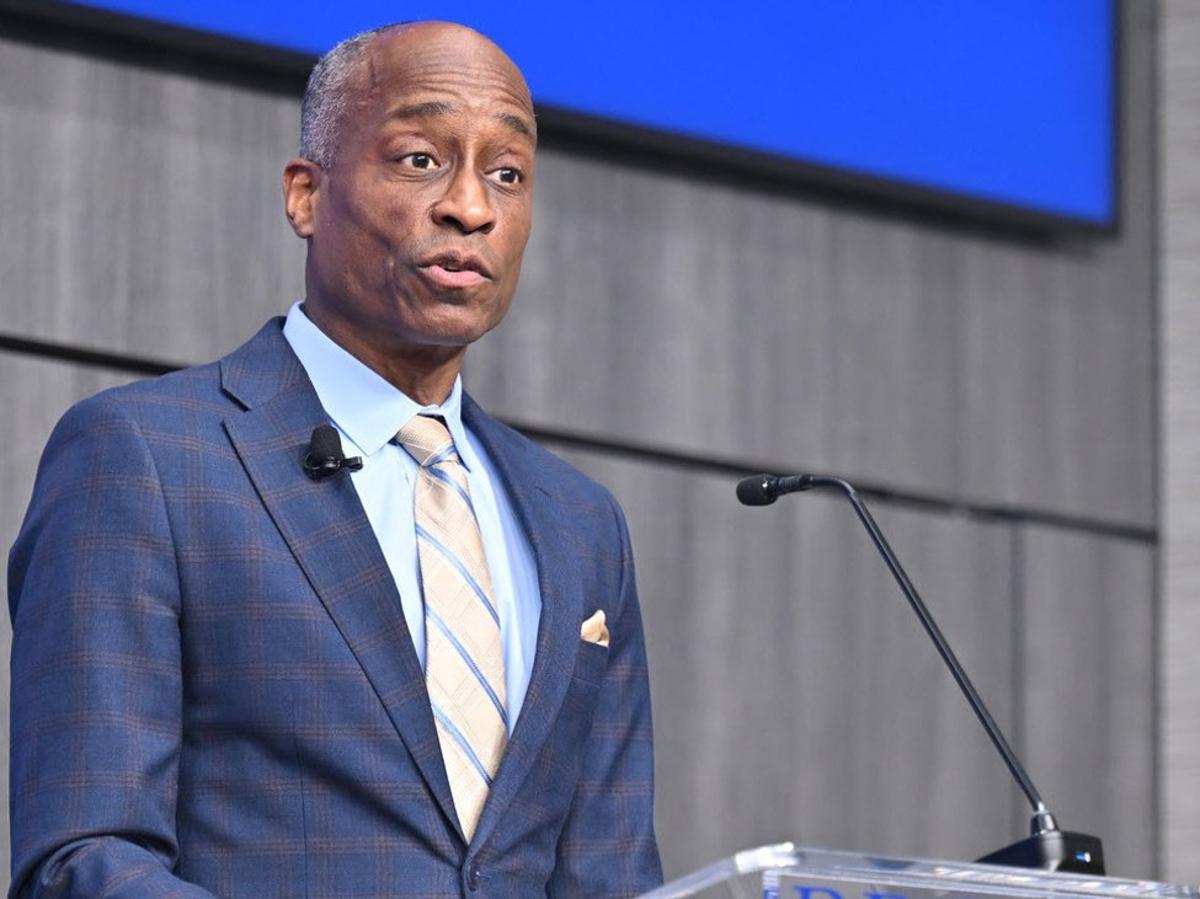
Fed's Jefferson Says Monetary Policy Is Well Positioned to Respond, Not Prejudge June Meet
Federal Reserve Vice Chair Philip Jefferson told a Tokyo conference that the current federal funds rate range of 3.50%‑3.75% leaves policy well positioned to respond to incoming data. He stopped short of signaling any direction for the June 16‑17 FOMC...
Losing Patience: Markets Reprice Inflation Risk
U.S. Treasury yields have climbed to their highest levels since the war began as inflation data accelerate and the Strait of Hormuz remains closed. Import prices surged at the fastest monthly pace in four years, adding upward pressure on costs....
Fed's Cook 'Prepared to Raise Rates' If Inflation Persists
Federal Reserve Governor Lisa Cook warned that the Fed is prepared to raise interest rates if inflation does not ease, citing five years of above‑target price growth and the inflationary impact of the Iran‑related oil price surge. Her remarks underscore...
US Consumer Confidence Ebbs in May as Inflation Worries Mount
U.S. consumer confidence slipped to 93.1 in May, according to the Conference Board, after a 0.7‑point decline from the revised April reading of 93.8. The dip reflects heightened inflation concerns linked to the ongoing war with Iran, which offset a...

Chicago Fed National Activity Index: Economic Growth Increased in April
The Chicago Fed’s National Activity Index (CFNAI) rose to +0.14 in April, up from a March reading of -0.15, signaling a shift from contraction to modest expansion. The index aggregates 85 monthly economic indicators across production, employment, consumption, and investment,...

US Consumer Confidence for May 93.1 vs 92 Estimate
The Conference Board reported that U.S. consumer confidence slipped to 93.1 in May, down 0.7 points from the revised April reading of 93.8. The Present Situation Index fell 3.2 points to 121.2, reflecting weaker views on current business and labor...
The Bond Market Is Telling Us the Free Lunch Is Over
The era of cheap government financing is ending as the $145 trillion global bond market flashes red. Rising inflation, supply‑chain disruptions and massive fiscal spending have pushed long‑term yields higher, with the 30‑year U.S. Treasury at 5.06% and Japan’s at a...

Fed Governor Says Iran War Causing More Uncertainty Than Tariffs
Federal Reserve Governor Christopher Waller told a Frankfurt audience that the central bank will keep the policy rate steady for now, citing the need for clearer inflation improvement or a significant labor‑market slowdown before any cuts. He noted that the...

Rising Treasury Yields Are Starting to Squeeze Housing, Borrowing and Consumer Confidence
U.S. Treasury yields surged to 4.69% on the 10‑year note, their highest level since early 2025, pushing mortgage rates higher and tightening housing affordability. The rise in borrowing costs is spilling over into consumer debt, business financing, and hiring decisions...
‘Warsh’ and Dry
Kevin Warsh has taken the helm as the new Federal Reserve Chair, prompting Treasury markets to shift toward a higher‑for‑longer rate outlook. The 10‑year Treasury yield climbed to 4.60%, its highest level since early 2025, while fed funds futures now...
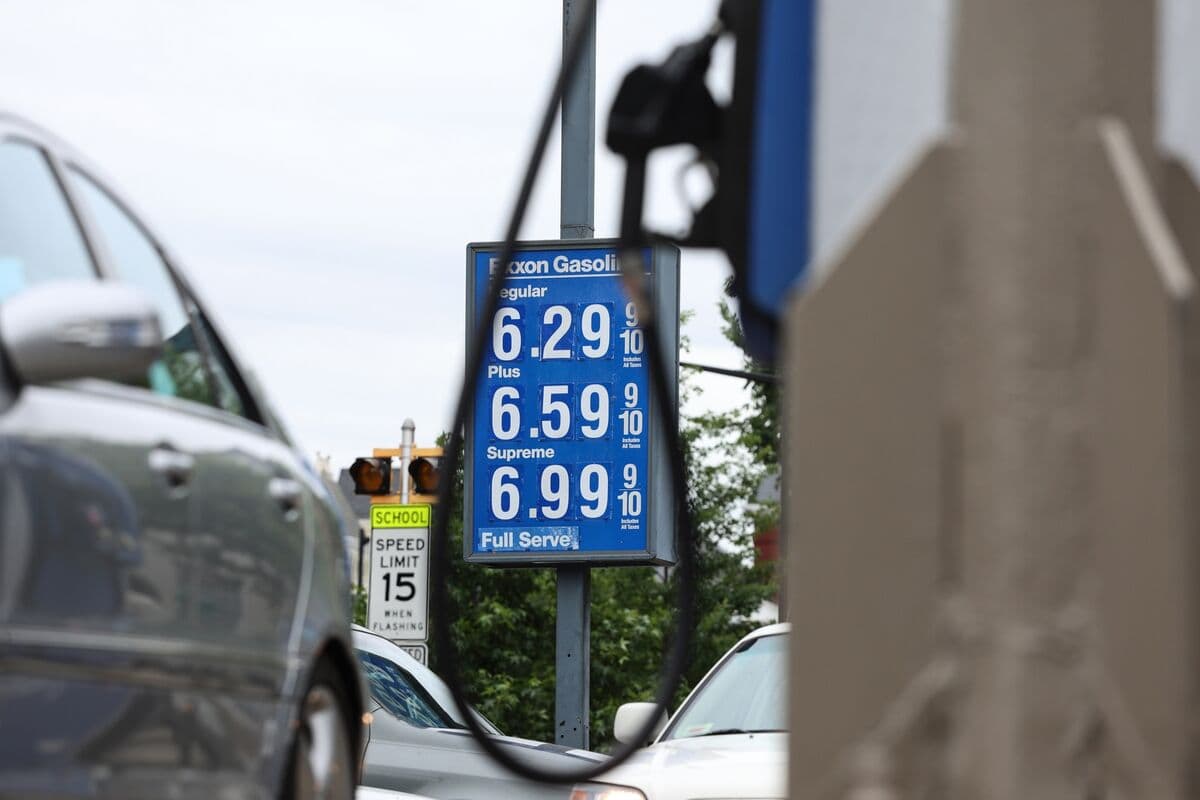
More War-Driven Inflation Seen in Fed’s Favored Gauge
The Federal Reserve’s preferred inflation gauge, the personal consumption expenditures (PCE) price index, is projected to have risen 3.8% year‑over‑year in April, pushing the headline rate close to 4%. The jump is driven largely by a war‑induced surge in energy...
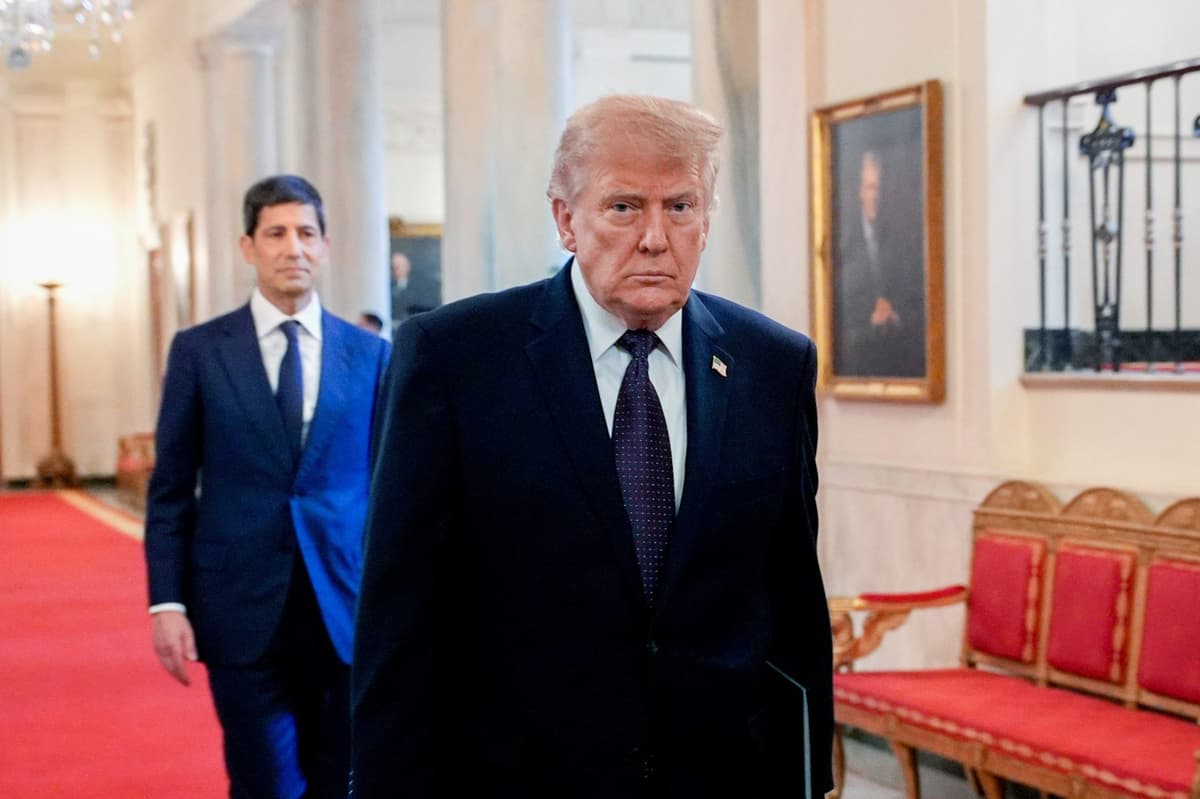
U.S. Debt Is the ‘Elephant in the Room’ Amid Bond Market Rout as Fed-Fueled Interest Costs Could Drive Even Larger...
Bank of America warns that a resurgence of “bond vigilantes” is driving a sharp sell‑off in U.S. Treasuries, pushing the 30‑year yield to 5.18%, the highest since 2007. The rally is tied not only to hot inflation and geopolitical tension...
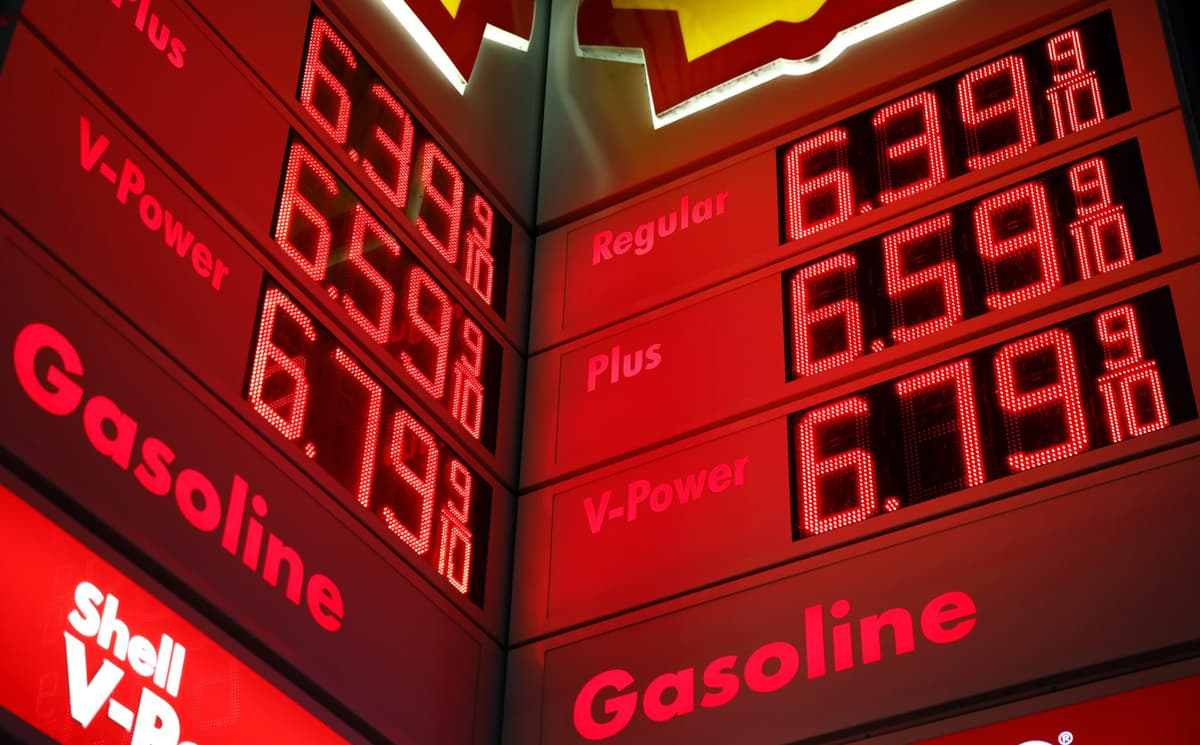
The Fed’s Worst Inflation Fears May Be Coming True as Consumers Lose Faith in Long-Term Prices—And Even Trump Supporters Doubt...
The University of Michigan’s latest consumer sentiment survey shows inflation expectations climbing, with the year‑ahead outlook rising to 4.8% and long‑run expectations jumping to 3.9%, both above the Federal Reserve’s 2% target range. The uptick is tied to higher energy...

Why Bond Yields Matter More than Most Investors Realise
The U.S. 10‑year Treasury yield is a pivotal gauge of growth and inflation expectations, shaping borrowing costs, equity valuations, currency movements, and global capital flows. It is widely regarded as the single most important financial metric, influencing investors, policymakers, and...
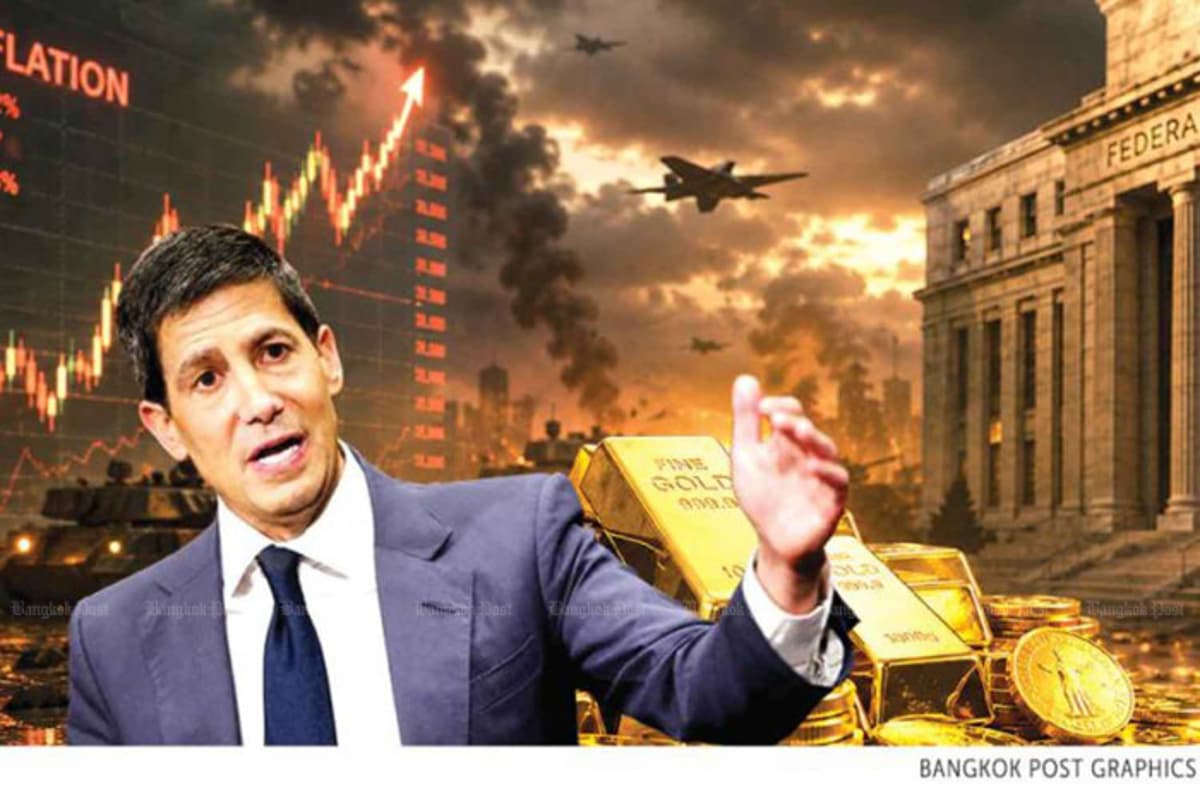
New Fed Chief Faces Immediate Pressure
Kevin Warsh, a former Fed governor known for hawkish views, has taken over as chair, succeeding Jerome Powell. Although nominated by President Trump to spur rate cuts, Warsh faces stubborn inflation—CPI at 3.8% in April—and an oil‑price surge from the...

Kevin Warsh Sworn in as Fed Chair, as Traders Forecast Rate Hikes in 2026
Kevin Warsh was sworn in as the Federal Reserve chairman, with President Donald Trump emphasizing the Fed's independence on interest‑rate policy. Traders using CME's FedWatch tool see a 0% probability of any rate cuts through 2026 and are pricing modest...
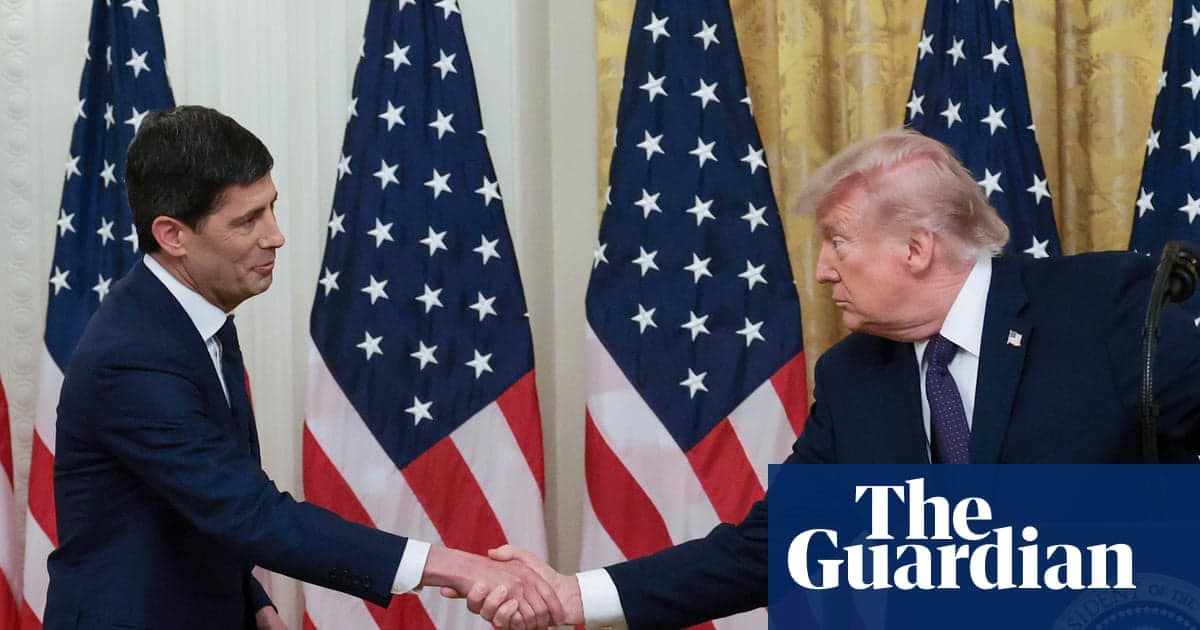
Kevin Warsh Sworn in as Fed Chair as Trump Faces Backlash over Economy
Kevin Warsh was sworn in as the new Federal Reserve chair, a hand‑picked choice of President Donald Trump, as the administration faces mounting criticism over the economy. Warsh inherits a Fed under pressure to cut rates while inflation rose to...
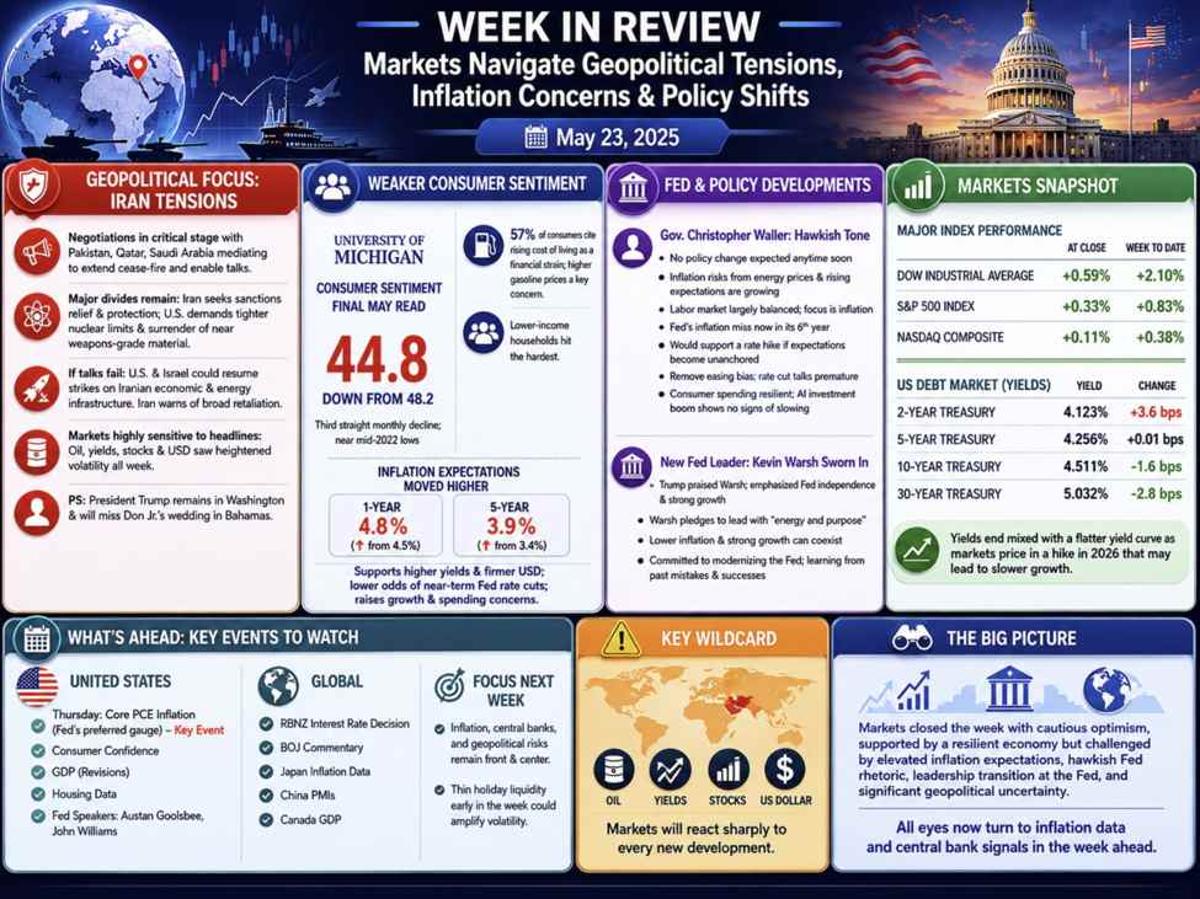
InvestingLive Americas FX News Wrap 22 May: Markets Eye Iran Talks, Fed Signals Now
Markets ended the week focused on escalating Iran negotiations, which remain in a critical stage as mediators seek a temporary cease‑fire but major gaps persist over Tehran’s nuclear program. At the same time, President Trump swore in Kevin Warsh as...
Kevin Warsh Takes Oath of Office as Chairman and a Member of the Board of Governors of the Federal Reserve...
Kevin Warsh was sworn in as chairman and board member of the Federal Reserve on May 22, 2026. The Federal Open Market Committee unanimously selected him as its chairman the same day. President Donald Trump nominated Warsh in March, and the Senate...
Trump Calls for Fed Independence as Warsh Takes the Helm
Kevin Warsh was sworn in as Federal Reserve chair at a White House ceremony, ending a contentious confirmation that split 54‑45 in the Senate—the most divided vote in Fed history. President Donald Trump publicly demanded lower rates while insisting the...
Sales Grew in April Despite High Gas Prices and Sustained Inflation
Retail sales climbed for a seventh straight month in April, posting a 0.34% seasonally adjusted increase month‑over‑month and a 5.73% rise year‑over‑year, despite higher gasoline prices and lingering inflation. The NRF/CNBC Retail Monitor, which draws on anonymized credit‑card and debit‑card...
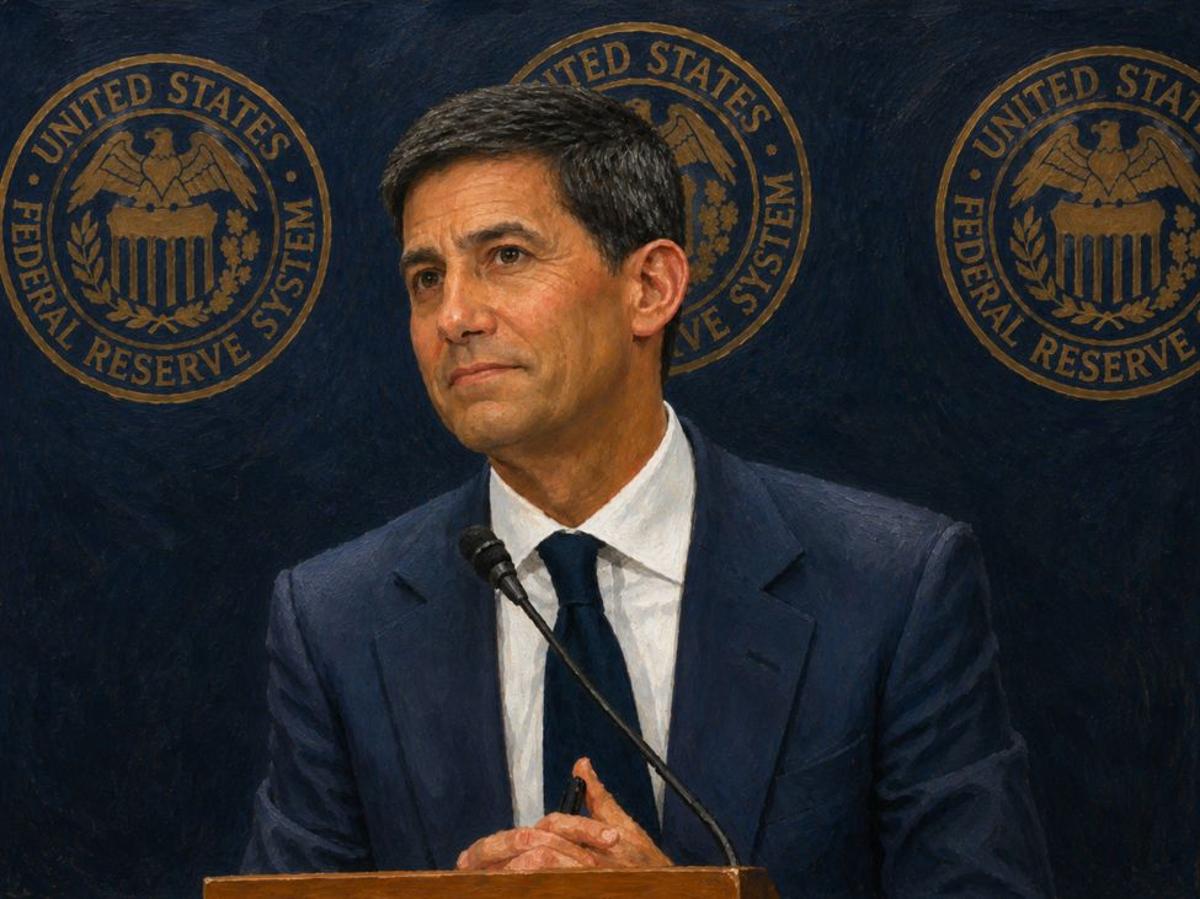
New Fed Chair Warsh: Ours Is a Time of Great Consequence
Jerome Warsh was confirmed as the 17th chair of the Federal Reserve, thanking President Trump and pledging to lead with "energy and purpose." He promised a reform‑oriented Fed focused on lowering inflation while sustaining strong growth. In the immediate aftermath,...
As Inflation Rises, Fed's Waller Ready to Drop 'Easing Bias'
Federal Reserve Governor Christopher Waller called for stripping the FOMC’s forward guidance of any "easing bias," arguing the Fed should be equally ready to raise rates as to cut them amid rising inflation. He joined three regional Fed presidents who...
Key Dates that Will Define Kevin Warsh's Opening Months as Fed Chair
Kevin Warsh was sworn in as the Federal Reserve’s 17th chair on May 22, 2026, inheriting a benchmark rate of 3.50%‑3.75% and an inflation rate still above the 2% target. His first FOMC meeting on June 16‑17 will be closely...
Traders Bet Fed Under Warsh Will Hike Rates by December
Bond traders now expect the Federal Reserve to raise its benchmark rate by at least 25 basis points by the end of 2026, reflecting confidence that incoming Chair Kevin Warsh will act swiftly against inflation. The shift followed Fed Governor Christopher Waller’s...

Consumer Sentiment Hits Fresh Record Low in May as Iran War Fuels Inflation Worries
Consumer sentiment in the United States plunged to a fresh record low of 44.8 in May, down sharply from a preliminary 48.2 and well below April's 49.8. The drop reflects heightened anxiety over inflation as the U.S.–Iran war fuels oil...
More Waller: Hawkish Comments From the Fed Governor
Federal Reserve Governor Christopher Waller delivered a notably hawkish briefing ahead of the swearing‑in of new Fed Chair Kevin Warsh. He warned that rising short‑run inflation expectations could force the Fed to act, and stressed that the central bank will...
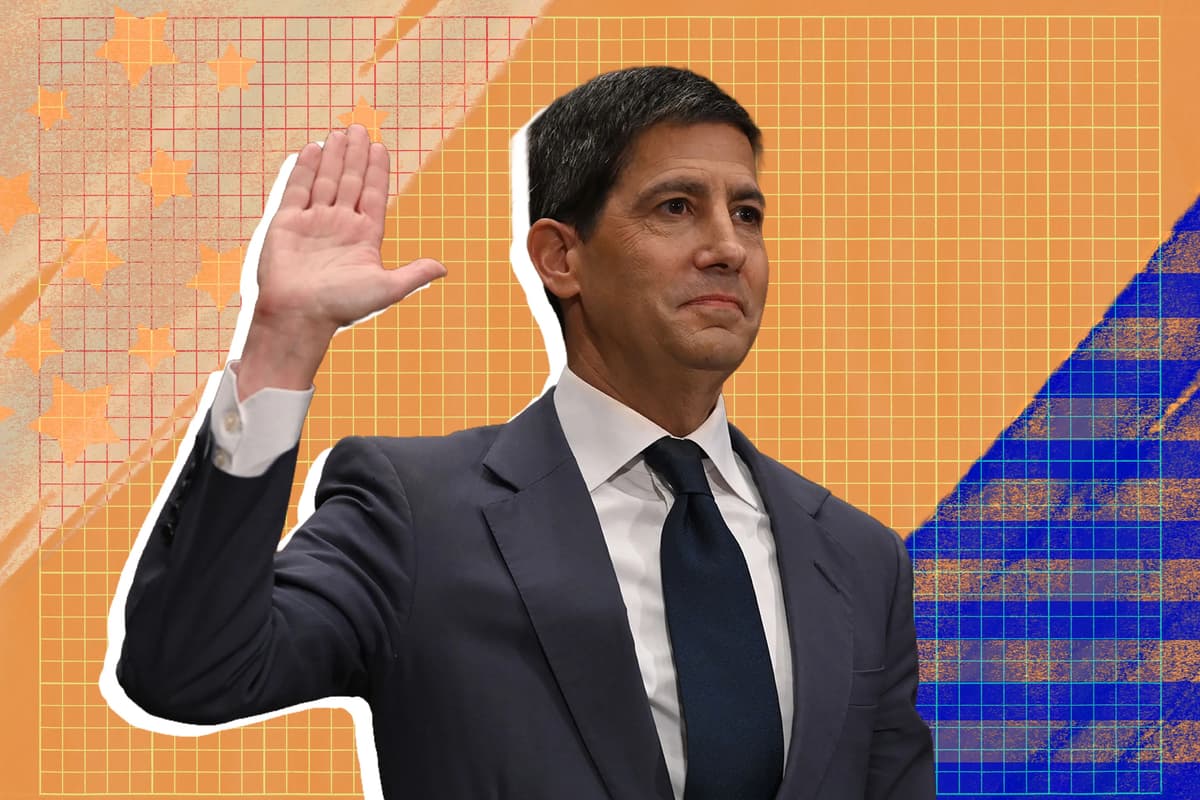
Kevin Warsh Is the New Head of the Fed. Here’s Why This Matters for Your Money
Kevin Warsh is set to become the Federal Reserve chair, the first leadership change in eight years, as Jerome Powell steps down from the top spot but stays on the Federal Open Market Committee until 2028. Warsh inherits an economy...
US May Flash Services PMI 50.9 vs 51.1 Expected
The U.S. services sector posted a flash PMI of 50.9 in May, missing the 51.1 consensus and indicating modest contraction. Input costs surged to their steepest pace since late‑2022, driven by war‑related supply constraints and higher energy prices. While manufacturing...
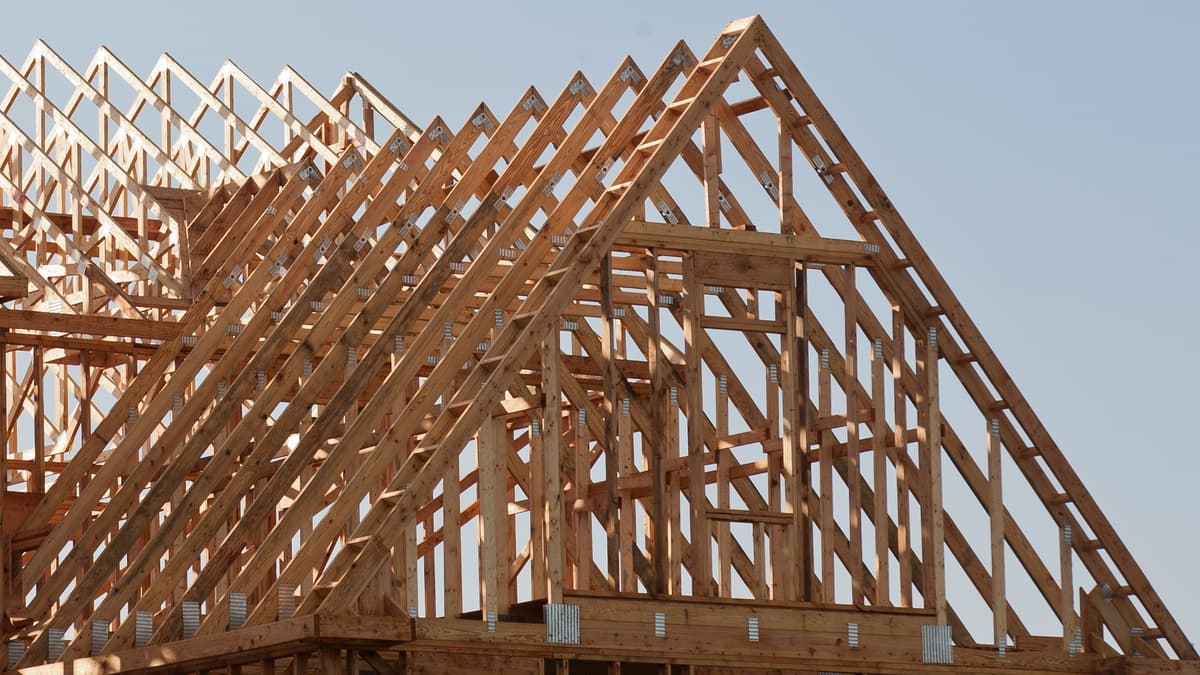
Single-Family Home Construction Slows in April as Builders Grapple With Rising Rates
U.S. single‑family housing starts slipped 9% month‑over‑month in April, reaching a seasonally adjusted annual rate of 930,000 and falling 2.4% from a year earlier. By contrast, multifamily starts surged 11.5% year‑over‑year to 514,000 units, lifting total housing starts. Builder confidence...

US Initial Jobless Claims 209kvs 210K Est. Close to Expectations for Weekly Jobs
Initial jobless claims for the week ending May 9 came in at 209,000, marginally under the 210,000 forecast and close to the prior week’s revised 212,000 figure. The 4‑week moving average eased to 202,500, indicating a modest cooling from last...
Minutes of the Federal Open Market Committee, April 28-29, 2026
The Federal Reserve published the minutes of its April 28‑29, 2026 FOMC meeting on May 20, 2026. The release follows the Fed’s standard three‑week lag after a policy decision. The full transcript is accessible in both HTML and PDF formats via the Fed’s website....
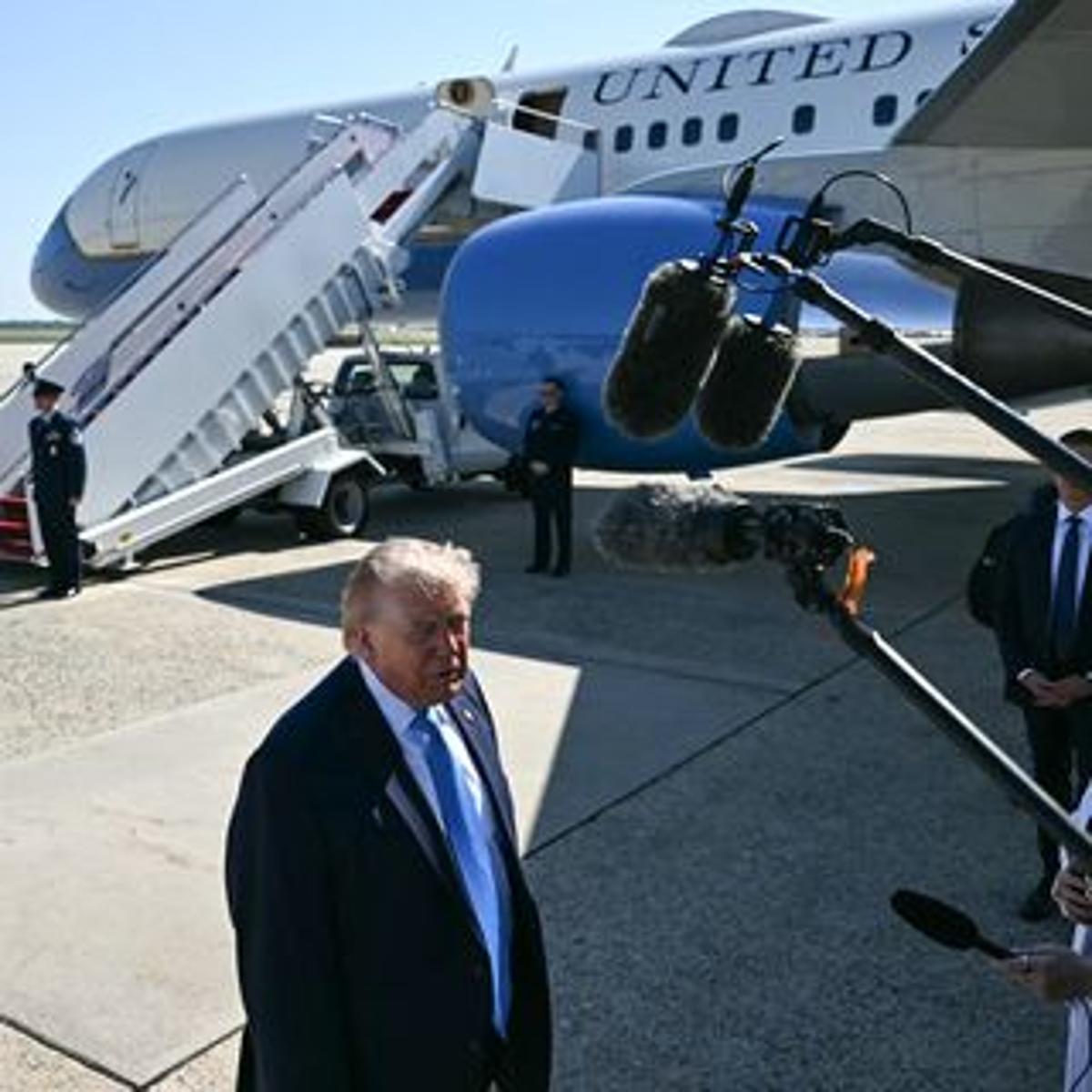
Trump Gives Blasé Response to Rate Hike Possibility
President Donald Trump told reporters he will let incoming Federal Reserve chair Kevin Warsh act independently, even if the new leader leans toward raising rates. Market pricing now shows roughly a 60% probability of at least one rate hike in...
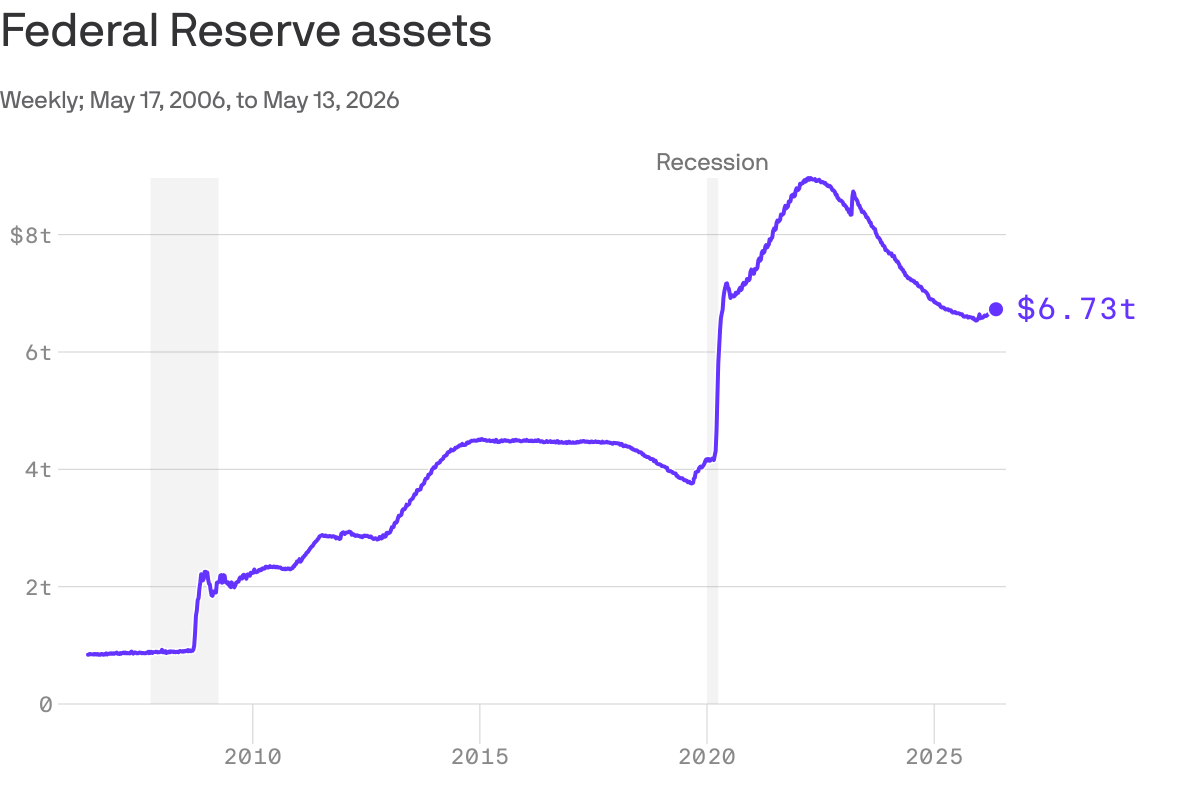
Battles to Shrink the Federal Reserve's Balance Sheet Begin
Incoming Fed chair Kevin Warsh is pushing to reduce the central bank’s multitrillion‑dollar balance sheet, which swelled to a $9 trillion peak in 2022 before falling to $6.7 trillion after three years of runoff. Warsh argues that a smaller balance sheet would...
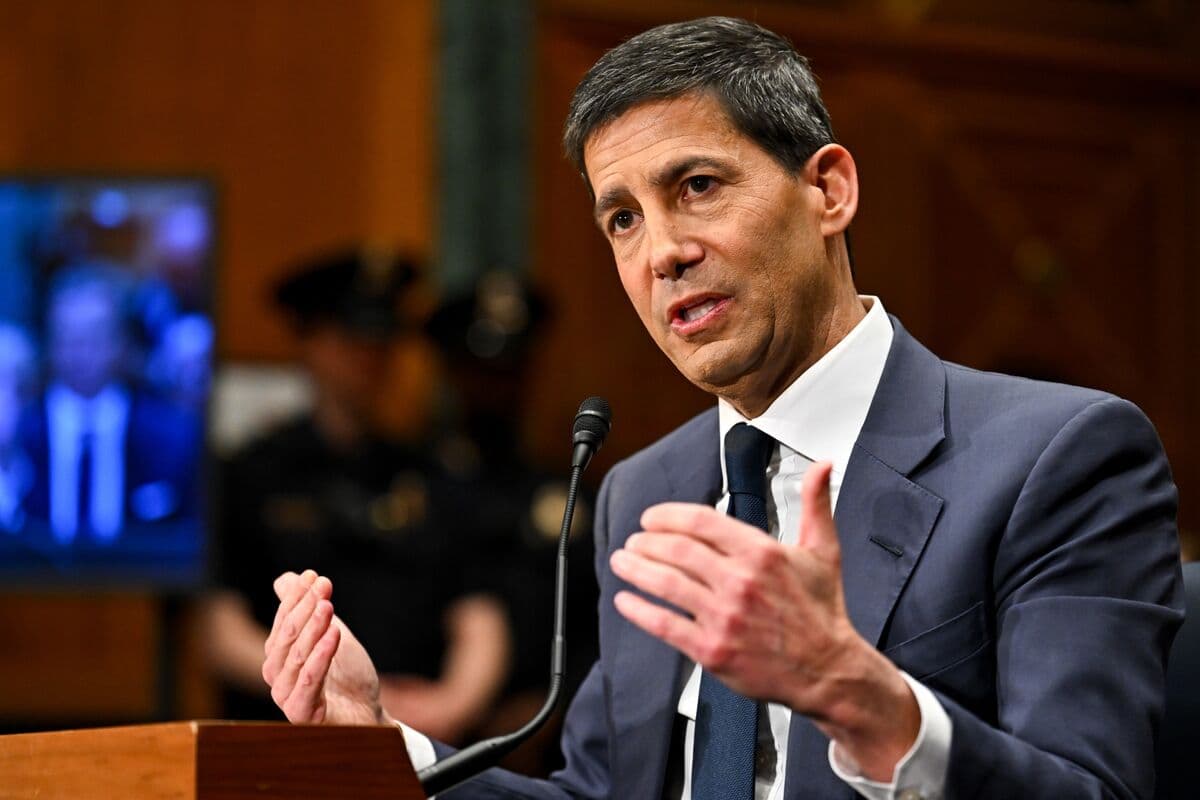
The AI Boom Is Making Warsh’s Bond-Market Bind Even Worse
Incoming Federal Reserve chair Kevin Warsh warned that artificial‑intelligence breakthroughs would boost productivity and act as a disinflationary force, easing the path for rate cuts. However, recent bond‑market indicators, such as rising breakeven inflation rates, suggest the AI boom is...
Inside Jay Powell’s Turbulent Eight Years Leading the Fed
Jerome Powell took the Federal Reserve helm in February 2018 and spent eight turbulent years steering U.S. monetary policy through a pandemic‑driven recession, soaring inflation, and intense political scrutiny. He weathered repeated public attacks from former President Donald Trump, who...
10-Year Yield Eyes 4.75 After Violent Breakout, Opening Risk Toward 5%
U.S. 10‑year Treasury yields surged past the 4.75% mark, reaching 52‑week highs and the strongest levels since early 2025. The breakout was sparked by geopolitical tension after President Trump’s China trip failed to secure an Iran breakthrough, keeping Brent crude...

Kevin Warsh’s First Meeting as Fed Chair
Kevin Warsh, President Trump’s nominee, took the helm of the Federal Reserve on May 19, 2026, and convened his first policy meeting amid a volatile macro backdrop. Inflation readings have softened, yet remain above the 2% target, while the labor...
The Bond Market Has a Warning for the Fed: Get Serious About Inflation and Potential Rate Hikes ASAP
The Treasury market, encompassing roughly $30 trillion of U.S. debt, is seeing yields climb sharply as investors dump bonds worldwide. Fed officials have a narrow window before the June policy meeting to signal a tougher stance on inflation, especially given heightened...
The Jobs Report Reignites The Bond Market Rebellion
The March 2026 jobs report showed the economy added 178,000 non‑farm payrolls, nearly three times analysts' expectations. That surprise pushed the 10‑year Treasury yield to 4.37%, a rise of more than 50 basis points since early March. Higher yields have...
FX Daily: Bearish Yield Curve Steepening Hits Risk Assets
A bearish steepening of the U.S. yield curve is driving a sell‑off in long‑dated Treasuries, pushing 10‑year yields to their highest level since early 2025. The move follows a surprise 6% YoY rise in April PPI, the strongest inflation reading...

Moody's Mark Zandi Says Job Growth Has Declined Since Trump's Tariffs — and Warns a Recession May Be Next
Moody’s chief economist Mark Zandi warns that U.S. job growth has sharply slowed since President Trump’s tariffs took effect on April 2, 2025, while inflation has risen toward 4%. The unemployment rate remains modest at 4.3%, but average monthly hires have turned...

Costco Just Got Its Dream Economy
Costco reported a robust April, posting $23.92 billion in net sales, a 13% year‑over‑year increase, while comparable sales rose 7.4% in the latest quarter. The growth comes as broader consumer sentiment weakens and inflation spikes, prompting shoppers to hunt for value....
Mapping the Household-Level Transmission of Monetary Policy
A new VoxEU column surveys over 25,000 U.S. households and runs randomized information experiments to examine how monetary tightening reaches the micro level. The authors find that higher policy rates are perceived to raise inflation, and that rising inflation expectations...
2027 Social Security COLA Forecast Surges Amid Spike in Inflation
The Senior Citizens League now projects a 3.9% Cost‑of‑Living Adjustment for Social Security in 2027, up from the previous 2.8% estimate. That increase would lift the average monthly benefit from $2,081.16 to $2,162.33, an $81.17 gain. The jump reflects persistent...

America’s Productivity Boom Started Before AI, and a Stanford Economist Who Decoded the Great Resignation Says Working From Home Is...
U.S. non‑farm productivity has risen about 2% per year over the last five years, outpacing the 1% pace of the 2010s and catching the Federal Reserve off guard. Stanford economist Nicholas Bloom attributes the surge primarily to pandemic‑era work‑from‑home, which...

Traders Now See Next Fed Interest Rate Move as a Hike Following Inflation Surge
Traders in the fed‑funds futures market now price the Federal Reserve’s next policy move as a rate hike, with a 51% probability for a December increase and even higher odds for early‑2027 hikes. The shift follows a week of inflation...