
About CDER Small Business and Industry Assistance (SBIA)
The FDA’s Center for Drug Evaluation and Research (CDER) Small Business and Industry Assistance (SBIA) serves as a primary contact point for small pharmaceutical firms seeking regulatory guidance. SBIA provides direct phone and email support, a dedicated web portal, and a suite of training resources including on‑demand webinars and podcasts. Its mission is to give industry stakeholders immediate access to education and updates, helping streamline drug development and approval. The office also defines a small business as any entity with fewer than 500 employees, affiliates included.

Harbour BioMed Gains FDA Clearance for First-in-Human Study of B7H4xCD3 Bispecific Antibody HBM7004
Harbour BioMed announced FDA IND clearance to launch a Phase I first‑in‑human study of its bispecific antibody HBM7004, which targets B7H4 and CD3 in advanced solid tumors. The trial will assess safety, tolerability, pharmacokinetics and early anti‑tumor activity across multiple cancer...

Daiichi Sankyo Posts 'Extraordinary Loss' Of Nearly $1B
Daiichi Sankyo announced it is scrapping its planned antibody‑drug‑conjugate (ADC) manufacturing line, a move that triggered an extraordinary loss of 149.4 billion Japanese yen (approximately $950 million). The loss reflects a write‑down of capital expenditures and R&D investments tied to the abandoned...

How Digital Orchestration Is Redefining Regulatory Infrastructure for Cell and Gene Therapy
The surge in cell and gene therapies is exposing the limits of legacy batch‑centric biopharma systems, which struggle to maintain chain‑of‑identity and chain‑of‑custody for patient‑specific products. SAP’s Cell and Gene Therapy Orchestration (CGTO) platform redesigns digital infrastructure to embed compliance...

New Kind of Liver Cell May Protect Against Common Liver Disease
Researchers at the University of Michigan identified a previously unknown hepatocyte subpopulation that emerges only in metabolic dysfunction‑associated steatohepatitis (MASH) livers. The new cells exhibit high expression of the immune‑related gene THEMIS, which regulates cellular senescence. Mouse experiments showed that...

Biosimilar Ramp-Up to Drive Growth for Biocon in FY27
Biocon is pivoting from a heavy‑investment phase to a profit‑driven model, banking on new biosimilar launches and scale‑up of recent products to fuel FY27 growth. Biosimilars already accounted for 60% of FY26 revenue, delivering 16% year‑on‑year top‑line growth and a...

Primary Cilium Shapes the Developing Brain
A new study published in Cell Reports shows the primary cilium in neural progenitor cells contains over 1,000 proteins, including ribosomal machinery, indicating on‑site protein synthesis. Regional specialization was observed, with more than 40 proteins varying by brain region. Loss...

Some Gene Therapies No Longer Require Clinical Trials, Thanks to New FDA Rule. Is This Safe, and Who Will It...
The FDA has introduced a "plausible mechanism pathway" that lets developers market experimental gene‑editing therapies for rare, monogenic disorders without completing traditional large‑scale clinical trials. The rule relies on prior safety data for the delivery platform and permits customization of...

Can Existing Flu Shots Help Protect Against Bird Flu?
Researchers from National Taiwan University and the University of South Florida analyzed 35 ferret studies spanning two decades and found that seasonal influenza vaccines containing the neuraminidase N1 protein reduced H5N1‑related mortality by roughly 73%. By contrast, vaccines without N1...

Junyue Cao on How the Body Ages, Cell by Cell
Dr. Junyue Cao’s lab at Rockefeller University released the most extensive single‑cell epigenomic atlas of mammalian aging, profiling chromatin accessibility in roughly seven million cells from 21 mouse tissues at three life stages. The study identified about 1,800 distinct cell...

Remembering J. Craig Venter, PhD
J. Craig Venter, the pioneering genome scientist and biotech entrepreneur, died at 79 after a cancer diagnosis. He co‑led the private effort that rivaled the Human Genome Project, delivering a draft human genome in the late 1990s. Venter’s later work on...

Bayer Announces Positive Data for Investigational PET Radiotracer
On May 7, 2026 Bayer announced that its investigational PET radiotracer I‑124 evuzamitide achieved positive topline results in the Phase III REVEAL study, meeting primary sensitivity and specificity endpoints for diagnosing cardiac amyloidosis. The multicenter trial evaluated 170 adults at 19 U.S....

A Monocyte‐Targeted Nanoplatform for Phagocytosis Activation and Ferroptosis Inhibition in Intracerebral Hemorrhage
Researchers have engineered a monocyte‑targeted nanoplatform (mPDA@DFO‑CpG‑N1) to accelerate hematoma clearance after intracerebral hemorrhage (ICH). The system combines a high‑affinity aptamer for selective monocyte delivery, a TLR9 agonist that overrides CD47‑SIRPα inhibition, and the iron chelator deferoxamine to block ferroptosis....

FDA Delays Leqembi Decision; Artiva Raises $300M; Pharvaris Prices Offering
The FDA has postponed its decision on the subcutaneous formulation of Leqembi, moving the target date to August 24, delaying a potential launch for Eisai and Biogen’s early‑Alzheimer’s therapy. The shift adds uncertainty to the Alzheimer market, where Leqembi could become...

J. Craig Venter: The American Scientist Who Changed Biotech
J. Craig Venter reshaped biotech by launching Celera Genomics, which used shotgun sequencing to finish the human genome in two years, outpacing the $3 billion public Human Genome Project. His 2000 IPO raised $1 billion, cementing a new era of private‑sector competition...

AI-Guided Labs Are Approaching Full Autonomy
Ginkgo Bioworks is building fully autonomous biopharma labs that combine 70 robots, 90 lab devices and AI‑driven software in an 18,000‑square‑foot Boston facility. Scientists can submit dozens of unique protocols each day, which the system executes without human intervention. In...
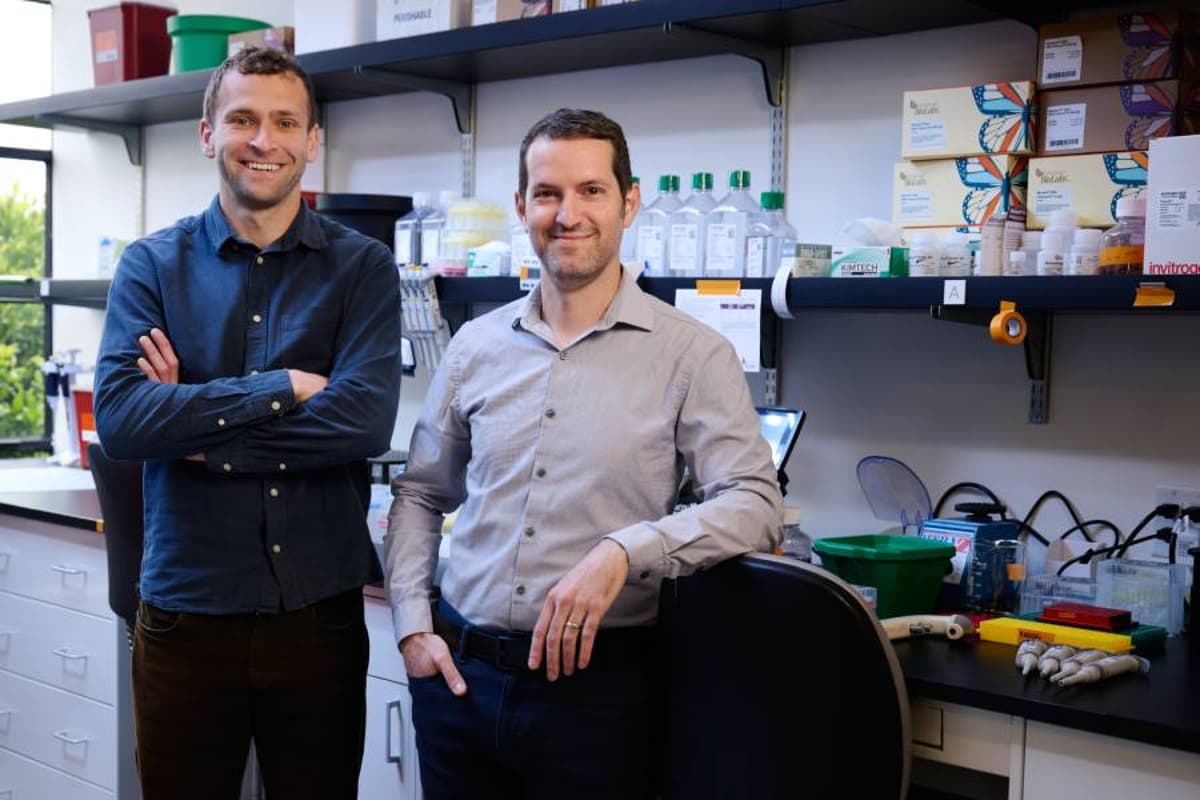
ParcelBio Unveils Programmable mRNA Platform Backed by $13M Financing
ParcelBio announced a $13 million seed round led by Breyer Capital, with participation from General Catalyst, Y Combinator and other investors. The funding will accelerate its proprietary Amplified and Prolonged Expression mRNA (APEXm™) platform, which claims to deliver markedly higher and longer‑lasting...

Merck Advances Scalable Manufacturing for Oral PCSK9 Therapy
Merck has published a landmark study in Science describing a scalable biocatalytic synthesis platform for its investigational oral PCSK9 inhibitor, enlicitide decanoate. The enzyme‑driven process enables selective peptide fragment formation, coupling, macrocyclization and uses crystallization‑based purification, aiming to reduce reliance...

STAT+: Pharmalittle: We’re Reading About an FDA Gender Rule Change, Its Program for One-Day Inspections, and More
The U.S. Food and Drug Administration announced a proposed rule to strip references to “gender” from its regulations, aligning with a 2025 Trump administration executive order that stresses biological sex. While the agency claims the change won’t affect industry practice,...

Capricor Sues Partner Nippon Shinyaku in DMD Therapy Spat
Capricor Therapeutics has filed a lawsuit against its Japanese partner Nippon Shinyaku and its U.S. subsidiary NS Pharma, alleging a fundamental pricing flaw in their distribution agreement for the Duchenne muscular dystrophy (DMD) cell therapy deramiocel. The biotech claims the...

ASGCT Honors Mohamed Abou‑el‑Enein as Outstanding New Investigator
Mohamed Abou‑el‑Enein, MD, PhD, received the American Society of Gene and Cell Therapy’s 2026 Outstanding New Investigator Award and his lab earned the Best of Molecular Therapy Award. His team’s high‑dimensional spectral flow cytometry platform maps CAR‑T cell states, pinpointing...

Clostridioides Difficile Infection: Developing Drugs for Treatment, Reduction of Recurrence, and Prevention
The U.S. Food and Drug Administration has issued a final Level 1 guidance titled “Clostridioides difficile Infection: Developing Drugs for Treatment, Reduction of Recurrence, or Prevention.” The document replaces the October 2022 draft and provides detailed recommendations for clinical trial design, endpoints,...
Pulmonary Tuberculosis: Developing Drugs for Treatment
The FDA has issued a final Level 1 guidance titled “Pulmonary Tuberculosis: Developing Drugs for Treatment,” replacing the draft released in December 2022. The guidance, docket FDA‑2013‑D‑1319, outlines clinical development expectations for new antibacterial agents targeting pulmonary TB. It provides sponsors with detailed...
Postapproval Pregnancy Safety Studies
The FDA has released its final Level 1 guidance on post‑approval pregnancy safety studies, updating the 2019 draft to provide detailed recommendations for designing investigations of drug and biologic exposure in pregnant women. The guidance outlines methodological standards, data sources, and...
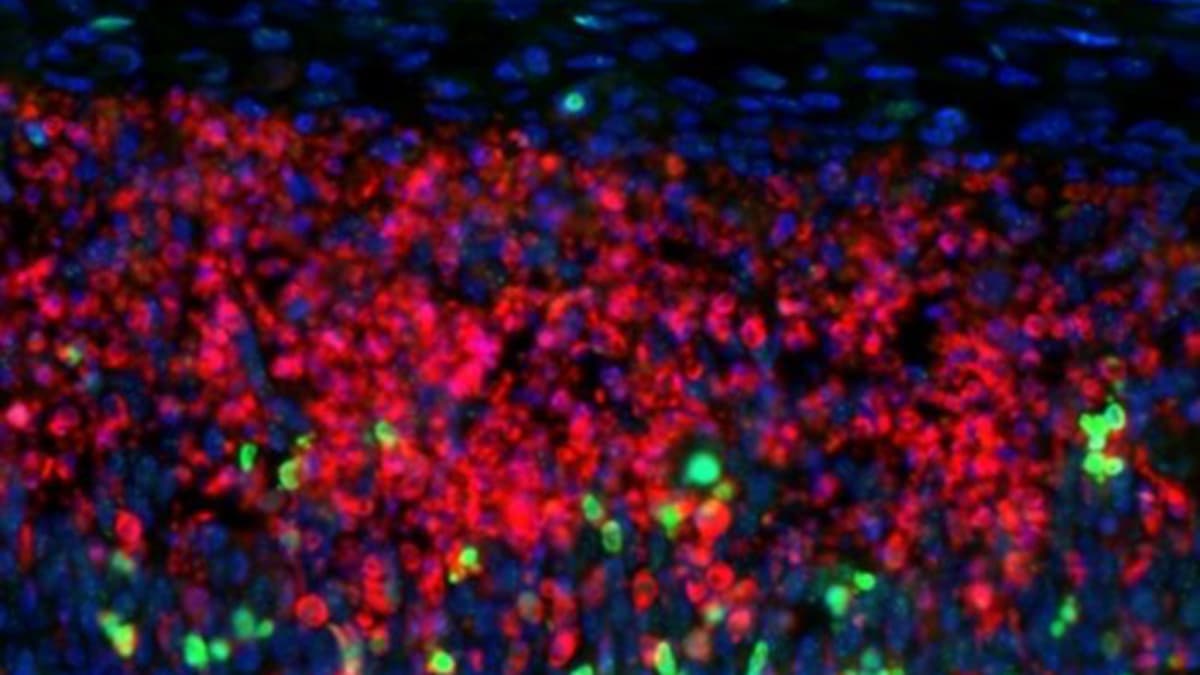
Why some Brain Cells Are Particularly Vulnerable to Multiple Sclerosis
Researchers identified that CUX2 cortical neurons, essential for higher cognition, are uniquely vulnerable in progressive multiple sclerosis due to accumulated DNA damage. The protein ATF4 initiates a DNA‑repair kit that safeguards these cells; disabling ATF4 in mice triggers rapid CUX2...

What Is PDUFA—And Why Does It Matter for Biotech Innovators, FDA & Patients?
Congress will reauthorize the Prescription Drug User Fee Act (PDUFA) next year, renewing the FDA’s authority to collect fees from biotech firms for drug reviews. The user‑fee model supplies a stable budget that underpins faster, more predictable approval timelines—about ten...

The US FDA Grants IND Clearance to Harbour BioMed’s HBM7004 to Initiate P-I Trial in Advanced Solid Tumors
The U.S. Food and Drug Administration has granted IND clearance for Harbour BioMed’s bispecific antibody HBM7004, allowing a Phase I trial in patients with advanced solid tumors. HBM7004 links the tumor‑associated antigen B7H4 to CD3, redirecting T‑cells to the tumor...

Eisai, Biogen Face Delay to Subcutaneous Leqembi
The FDA has extended its review of Eisai and Biogen’s subcutaneous Leqembi Iqlik, moving the decision on its use as a starting dose to August 24. The agency requested a major amendment to the marketing application but has not raised safety...

Gilead Sets Blockbuster Bar for Yeztugo’s First Full Year on the Market
Gilead announced a $1 billion sales target for its twice‑yearly PrEP injection Yeztugo in 2026, up from a prior $800 million outlook. The drug generated $166 million in Q1, a 72% increase from the previous quarter, and 95% of U.S. patients enjoy $0...

Ascendis Retreats to Rare Endocrinology Wheelhouse as Cancer Plans Falter
Ascendis Pharma announced it will halt development of onvapegleukin alfa, its IL‑2 β/γ oncology candidate, after a Phase 1/2 trial showed modest survival benefit in platinum‑resistant ovarian cancer. The company cited a strategic mismatch and will instead concentrate on its rare‑endocrinology franchise,...

Natalie Holles' Next Move After Third Harmonic Shutdown; Mark Alles Passes the Torch at ADC Biotech
Natalie Holles rebounded quickly after the shutdown of Third Harmonic, securing the chief executive role at Aura Biosciences. The transition was disclosed in a GlobeNewswire release on May 4, 2026, as the company moves toward enrollment completion for its Phase‑3 COMPASS trial....

Capricor Sues Nippon Shinyaku over Duchenne Drug 'Pricing Flaw' And Launch Prep
Capricorn Therapeutics has filed a lawsuit against Japan’s Nippon Shinyaku, alleging a breach of their licensing agreement for the Duchenne muscular dystrophy cell‑therapy candidate deramio‑cel. The complaint centers on a pricing flaw that Capricorn says Nippon Shinyaku misrepresented during launch...

Streamline Data Capture and Automate EHR-to-EDC Data Transfer
Paradigm Health introduced eSource Casebook, an EHR‑integrated platform that extracts both structured and unstructured clinical data, auto‑populates electronic case report forms, and streams the information directly to sponsor EDC systems. The tool tackles the industry‑wide surge in manual data entry,...
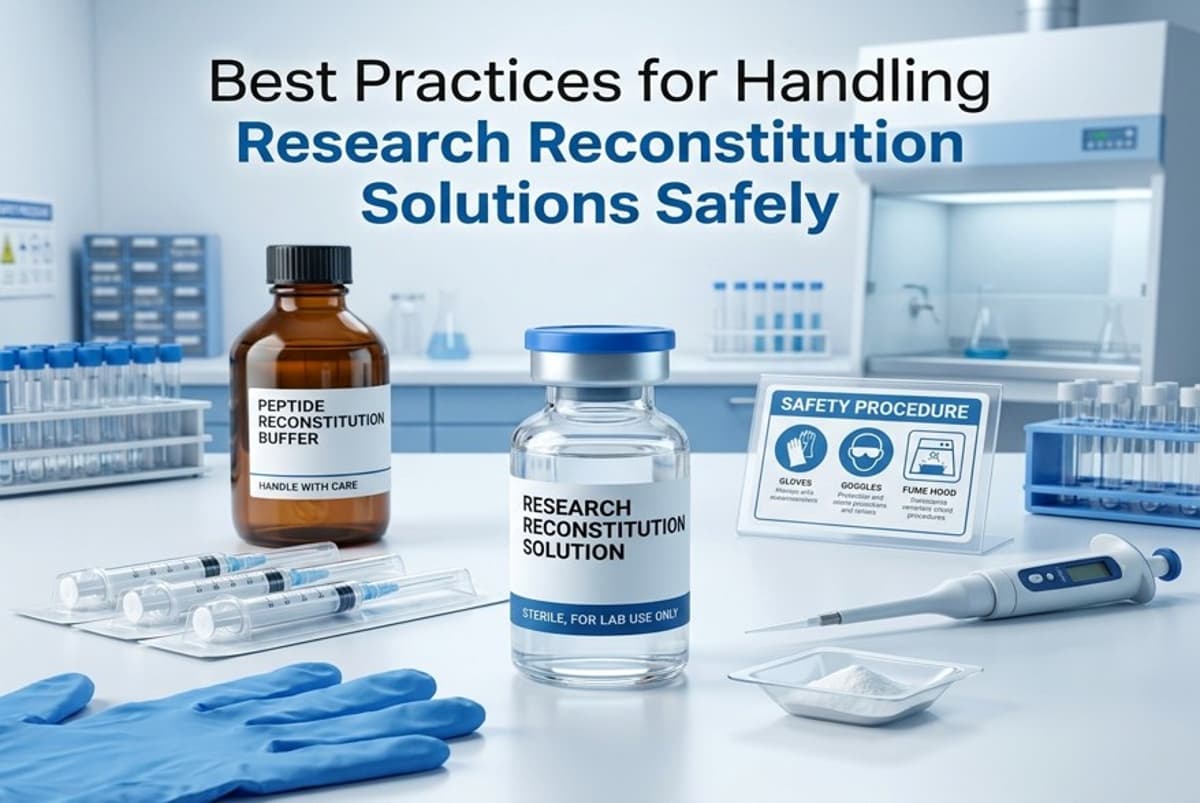
Best Practices for Handling Research Reconstitution Solutions Safely
Reconstitution solutions are essential for dissolving lyophilized compounds, but mishandling can ruin weeks of research. The guide stresses a clean workspace, sterile single‑use equipment, and gentle injection to preserve sample integrity. After reconstitution, temperature control, avoiding freeze‑thaw cycles, and precise...

MEDSIR Reports PHERGain and PHERGain-2 Trial Results for Breast Cancer
MEDSIR presented Phase II data from the PHERGain and PHERGain‑2 trials, exploring chemotherapy‑free strategies for early HER2‑positive breast cancer. PHERGain showed that PET‑guided use of trastuzumab and pertuzumab allowed roughly 30% of patients to omit chemotherapy while achieving nearly 90% five‑year...

Venom and Hot Peppers Offer a Key to Killing Resistant Bacteria
Researchers at Mexico’s UNAM have created three new antibiotics from scorpion venom and habanero pepper compounds. Two benzoquinone molecules from Diplocentrus melici venom show activity against tuberculosis, Staphylococcus aureus and Acinetobacter baumannii, while a defensin peptide from Capsicum chinense targets...

ALX Oncology Presents P-I/II Trial Data on Evorpacept Combination in Metastatic Breast Cancer (mBC) at ESMO Breast Cancer’26
ALX Oncology reported exploratory Phase Ib/II data on evorpacept combined with Ziihera in 24 heavily pre‑treated HER2‑positive metastatic breast cancer patients, all of whom had previously received Enhertu. Overall, the regimen achieved a 33% confirmed overall response rate (cORR) with...

PSMA PET Imaging’s Proliferation Produces Uptick in Aggressive Treatment for Prostate Cancer
Prostate-specific membrane antigen (PSMA) PET imaging, FDA‑approved in 2021, has rapidly displaced conventional bone scans among U.S. insurers, becoming the dominant diagnostic tool for advanced prostate cancer by 2023. A national Blue Cross Blue Shield claims analysis of nearly 6,000...

Beacon Therapeutics Reports P-II (DAWN) Trial Data on Laru-Zova in X-Linked Retinitis Pigmentosa (XLRP)
Beacon Therapeutics presented 12‑month data from its Phase‑2 DAWN trial of laruparetigene zovaparvovec (laru‑zova) in patients with X‑linked retinitis pigmentosa (XLRP) who previously received an AAV‑RPGR gene therapy. The study showed sustained gains in low‑luminance visual acuity (LLVA) and microperimetry mean...

Semaglutide Race: Torrent Grabs 38% Market Share
Torrent Pharma has seized a 38% share of India’s generic semaglutide market within a month of launch, generating about ₹17 crore ($2 million) in April sales. Generic semaglutide revenue reached ₹44 crore ($5.3 million), while total market sales—including Novo Nordisk’s innovator—hit roughly ₹89 crore ($10.7 million)....

Follistatin-344: Myostatin Signaling, Tissue Plasticity, and Molecular Modulation Research
Follistatin-344, a 344‑amino‑acid precursor of the follistatin family, binds and neutralizes key TGF‑β ligands such as myostatin and activins. Structural studies show it wraps these ligands, preventing receptor engagement and downstream SMAD signaling. In pre‑clinical models, overexpressing Follistatin‑344 or its...

Odyssey Raises More than $300M as Biotech Goes Public
Odyssey Therapeutics completed a Nasdaq debut, raising $279 million by selling 15.5 million shares in its initial public offering. The biotech, focused on autoimmune‑disease therapeutics, priced the offering at $18 per share, above the $16.50 low end of its range. Proceeds will...
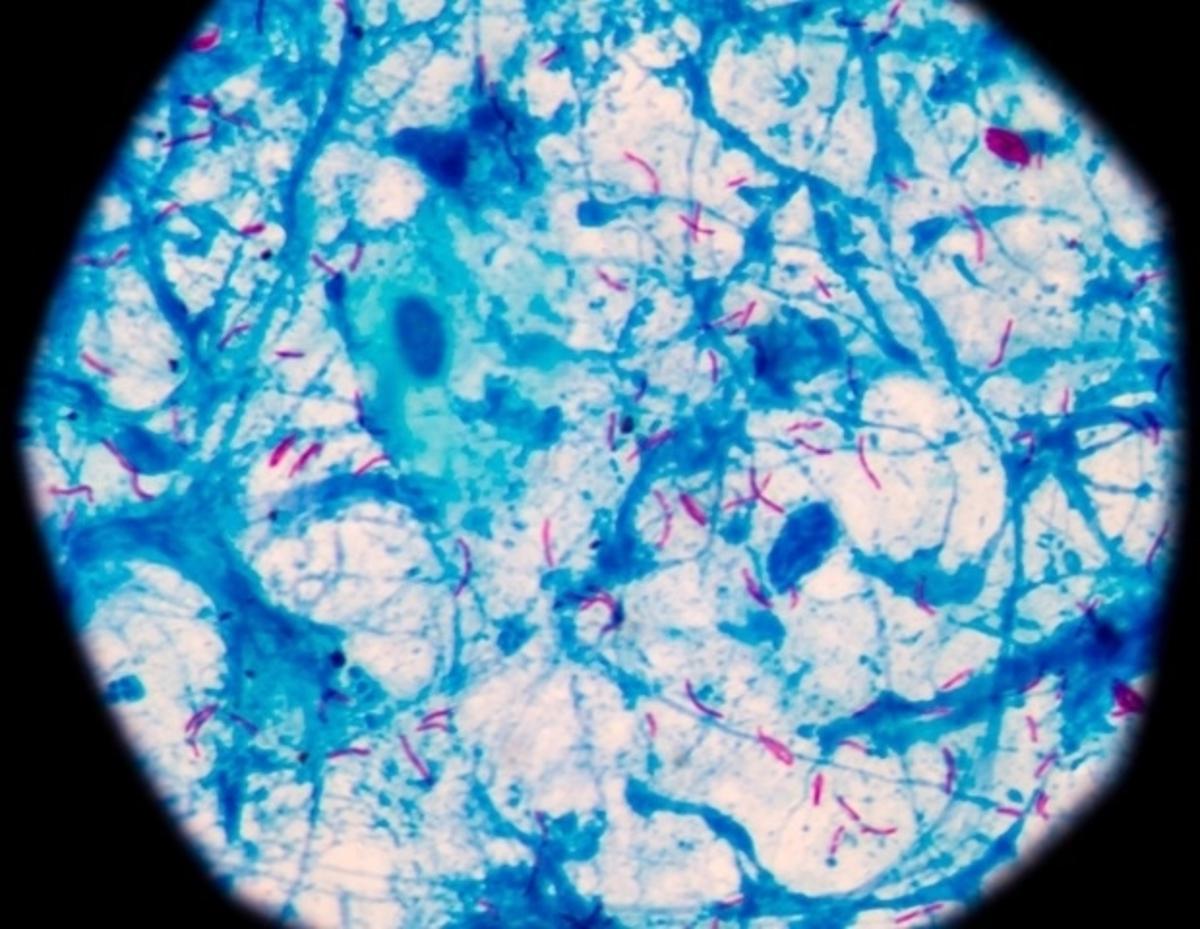
Blood Test May Improve Early Tuberculosis Detection Among Household Contacts
A prospective study of more than 2,000 household contacts in Tanzania, Zimbabwe and Mozambique evaluated the Cepheid Xpert MTB‑HR blood test, a three‑gene host‑response assay, for early tuberculosis detection. The assay demonstrated good accuracy in identifying active TB and showed...

Esperion Therapeutics Inc (ESPR) Q1 2026 Earnings Call Transcript
Esperion Therapeutics reported a strong Q1 2022 performance, with total revenue jumping 135% year‑over‑year to $18.8 million, driven by product sales up 109% to $13.4 million and partner revenue soaring 244%. The company achieved 32% cost‑savings in operating expenses and reduced R&D...

Screening for Photoreceptor Survival
Researchers used human retinal organoids to screen compounds that affect cone survival under glucose starvation. They identified two kinase inhibitors, CS‑KI‑1 and CS‑KI‑2, targeting CK1 and MAPK11, that protected cones and rods in vitro and in a mouse model of...

AI Tool Unifies Fragmented Cell Maps Into Spatial Atlases Across Tissues
A new AI-driven framework called SpaMosaic unifies fragmented spatial multi‑omics datasets by aligning RNA, protein, chromatin accessibility and histone‑modification layers across batches and technologies. The tool combines contrastive learning with graph neural networks, outperforming existing integration methods on mouse brain...
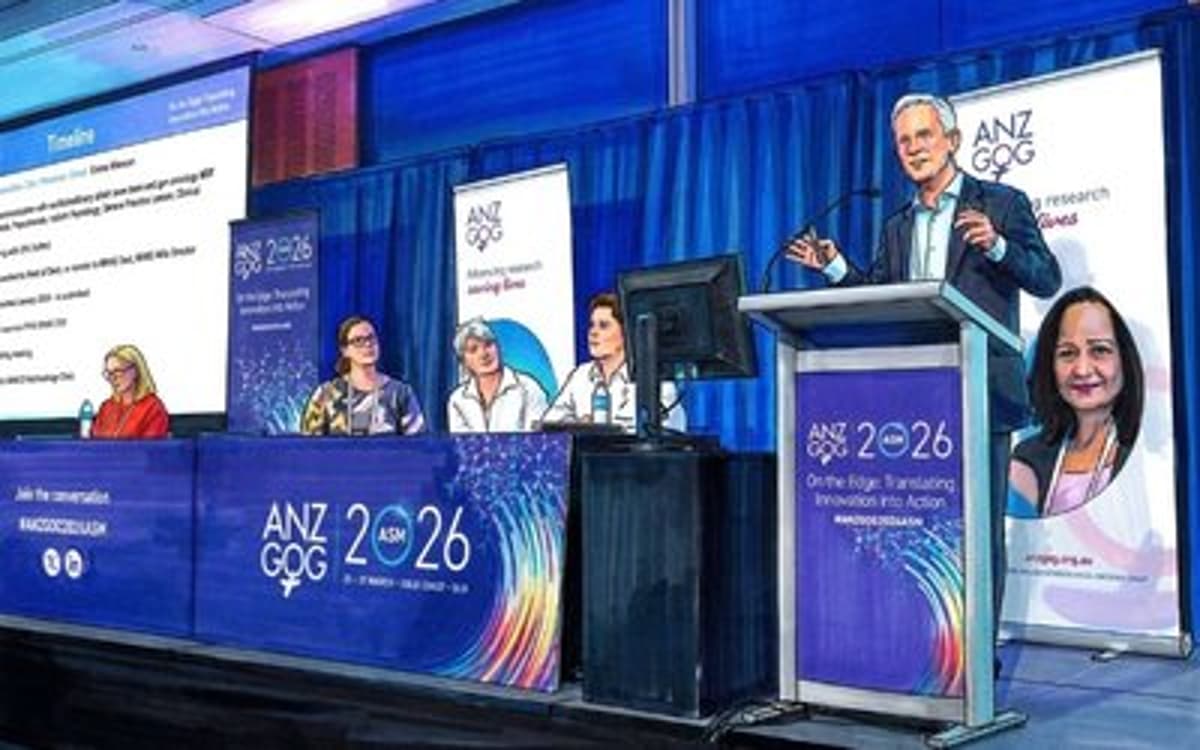
Amplia Therapeutics Launches New Narmafotinib Ovarian Cancer Study with ANZGOG
Amplia Therapeutics announced the launch of the PRROSE investigator‑initiated trial, testing its FGFR inhibitor narfotininb together with carboplatin and paclitaxel in high‑grade serous ovarian cancer patients who responded poorly to initial platinum therapy. The study will enroll 15‑20 participants, prioritize...
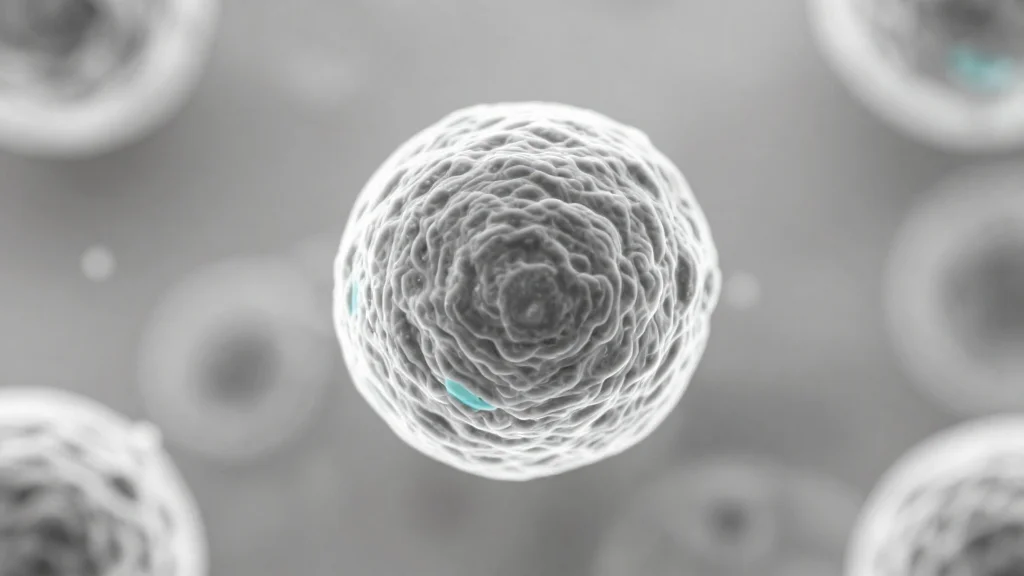
Macrophages Use Cell Volume Changes to Sense Danger and Amplify Inflammation
Researchers at the University of Manchester found that loss of the volume‑regulated anion channel (VRAC) prevents macrophages from correcting swelling under hypo‑osmotic stress, triggering type I interferon signaling and amplifying inflammation. The swelling reprograms gene expression toward antiviral and pro‑inflammatory pathways....

Spermidine Halts Liver Fibrosis by Cell Signal Remodeling
Researchers have demonstrated that spermidine, a naturally occurring polyamine, can halt the progression of liver fibrosis by reprogramming cellular signaling pathways. In mouse models, spermidine treatment reduced collagen deposition and restored normal liver architecture within eight weeks. The study identified...

Two Mechanisms Vie to Deliver First Hypoxic Ischemic Encephalopathy Drug
The article is BioCentury’s cookie policy, outlining five cookie categories—strictly necessary, functional, marketing, advertising, and analytics—and describing their purposes for site operation, personalization, outreach, and data collection. It explains how each type works, the data it handles, and the impact...