
Transparent SilMA Hydrogel: Priming Microstructure Regulation for Real‐Time Cell and Organoid Visualization
Researchers have introduced a transparent silk fibroin hydrogel (TSFH) that leverages glutaraldehyde‑mediated crosslinking to inhibit the random‑coil‑to‑β‑sheet transition that normally causes opacity. The method preserves micropore walls at 400–800 nm, a size that aligns with visible‑light wavelengths and dramatically reduces light scattering. TSFH maintains its microstructural integrity for more than a month, making it a stable platform for long‑term organoid culture. This clarity enables real‑time visualization of cellular dynamics that were previously hidden in conventional silk fibroin hydrogels.
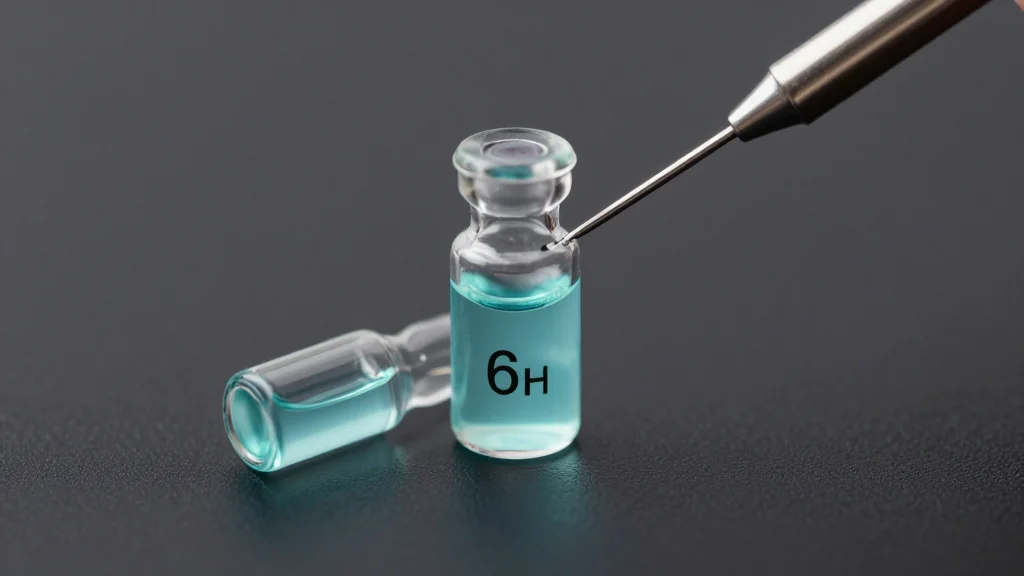
Gallium‐Containing Agents for Tumor Diagnosis and Therapy: Current Status and Future Prospects
Gallium-based agents are emerging as powerful tools in tumor theranostics, combining diagnostic precision with therapeutic action. 68Ga-labeled PET probes have become routine for detecting prostate, neuroendocrine and other cancers, while gallium therapeutics target DNA metabolism, tumor immunity and angiogenesis. The...
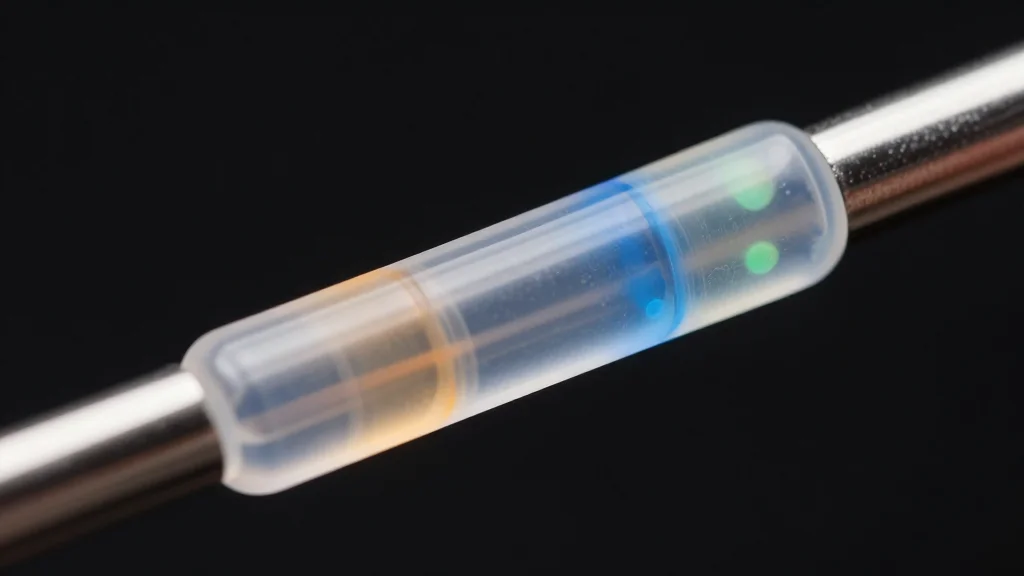
Field‑Programmable Biofunctional Films: From Assisted Fabrication to Integrated Diagnostic‐Therapeutic Devices
Field‑programmable biofunctional films (FPBFs) are thin‑film platforms that can be programmed to react to a range of physical fields—thermal, mechanical, electrical, optical, magnetic and acoustic. Recent advances in single‑ and multi‑field‑assisted fabrication have expanded their structural tunability and functional density,...

Evaluating the Effectiveness and Safety of Digitalis Glycosides in Treating Heart Failure
A JAMA‑published trial presented at the ESC Heart Failure 2026 Congress found that adding digitalis glycosides to standard therapy lowered the combined risk of cardiovascular death and first worsening heart‑failure event in patients with HFmrEF and HFrEF. The reduction was...

The DASbox® Mini Bioreactor System: Small Scale. Big Results
Eppendorf’s DASbox Mini Bioreactor System lets researchers run up to 24 parallel bioreactors in a footprint of just 7.5 cm per unit. The platform supports 60‑250 mL working volumes, ideal for cell‑screening, media optimization, and early‑stage process development. Integrated DASware software provides QbD‑focused...

MoonLake Immunotherapeutics Announces Positive Outcome From Its Final Pre-BLA Meeting with the U.S. FDA and Reports First Quarter 2026 Financial...
MoonLake Immunotherapeutics reported a positive outcome from its final pre‑BLA meeting with the U.S. FDA, securing alignment on the submission plan and label strategy for sonelokimab (SLK) in hidradenitis suppurativa (HS). The FDA accepted MIRA trial data showing a ~43%...

Reading Genetic Activity From Living Cells without Destroying Them
A team from Technical University of Munich and Helmholtz Munich unveiled Non‑destructive Transcriptomics via Vesicular Export (NTVE), a virus‑like particle system that extracts messenger RNA from living cells without lysing them. The extracted RNA can be sequenced, delivering transcriptome data...

How a Pill Approved 25 Years Ago Transformed Cancer Treatment
Gleevec, the brand name for imatinib, emerged from Dr. Brian Druker's vision of a targeted cancer therapy that switches off the BCR‑ABL enzyme driving chronic myeloid leukemia. After early‑stage trials showed 100% response with mild side effects, Novartis accelerated the...

Common Mistakes Avoided With Expert CMC Regulatory Consulting
Pharmaceutical and biotech firms increasingly turn to expert CMC regulatory consulting to avoid costly missteps that can stall product approvals. Common pitfalls include incomplete documentation, weak manufacturing controls, inadequate stability testing, delayed regulatory planning, and mismatched global requirements. Consultants bring...

Fat Cells Burn Energy to Make Heat – Making Them the Next Frontier of Weight Loss Therapies
New obesity drugs such as Ozempic, Wegovy and Mounjaro have proven that appetite suppression can drive significant weight loss, but they address only half of the energy balance equation. Researchers are now turning to adipose tissue, especially brown and beige...

Real World Outcomes Support the Benefits of Psychedelic Therapy for Severe Depression
A Swiss compassionate‑use program evaluated psychedelic‑assisted psychotherapy using either 100 µg LSD or 25 mg psilocybin in adults with treatment‑resistant depression or anxiety. More than a third of participants reported at least a 50% reduction in depressive symptoms within three months, and...

Estrogen Deficiency Triggers Bone EVs Causing Cell Aging
Researchers have discovered that estrogen deficiency prompts bone cells to release extracellular vesicles (EVs) loaded with pro‑aging molecular cargo. These bone‑derived EVs travel through the bloodstream and induce cellular senescence in distant tissues, accelerating systemic aging. In mouse models, pharmacologic...
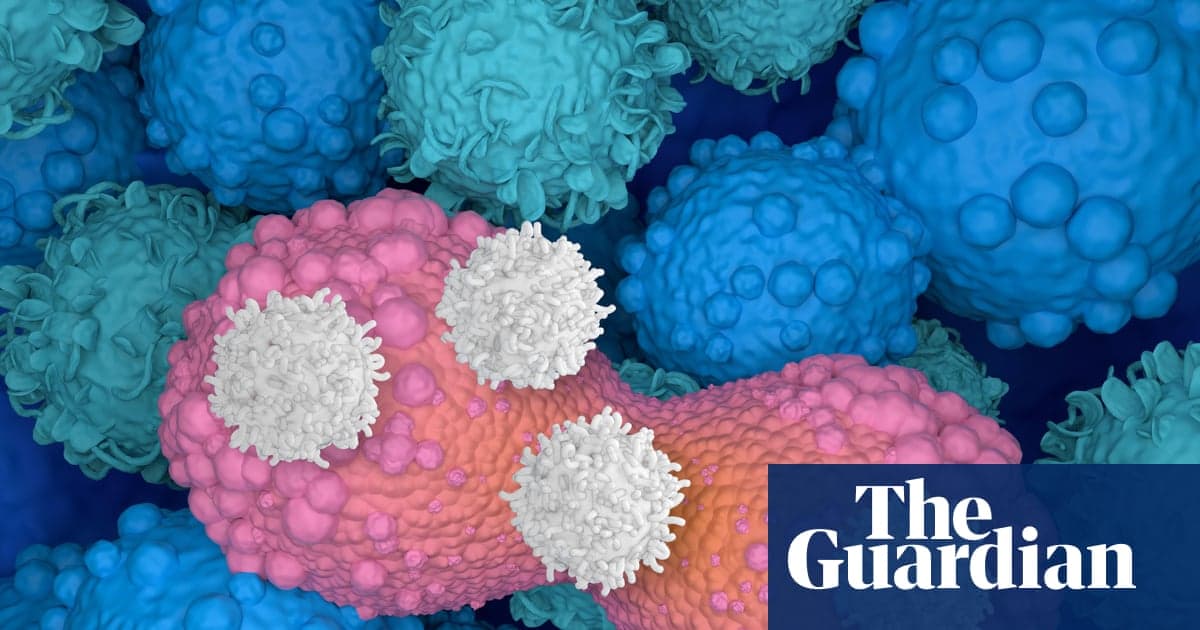
The Emerging Cancer Treatment That’s Exciting Scientists: ‘We’ve Just Scratched the Surface on What’s Possible’
CAR T-cell therapy, a genetically engineered immunotherapy, is gaining attention after Australian actor Sam Neill announced remission from stage‑three cancer following a clinical trial. Australia has approved four CAR T products since 2018, all targeting blood cancers, while researchers push the...
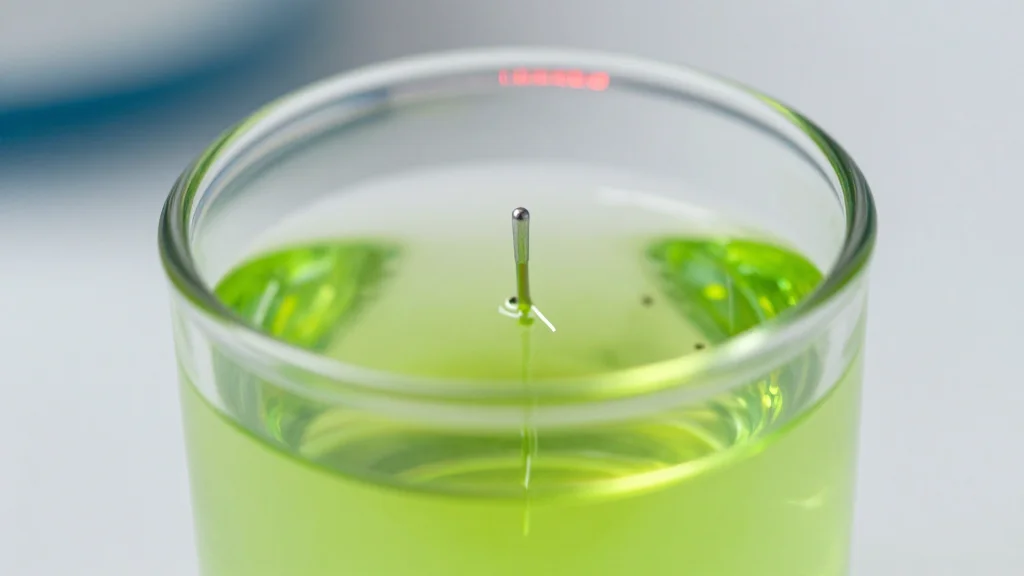
CRISPR Safeguard Changes How Engineered Microbes Can Be Controlled
Researchers have developed an irreversible CRISPR‑dCas9 base‑editing biocontainment system that disables essential genes in engineered microbes without causing DNA double‑strand breaks. By targeting the start codons of multiple essential genes, the platform permanently halts cell viability and dramatically lowers escape...
Esomeprazole Vs. Fexuprazan: Anti-Inflammatory Effects Compared
A 2026 study compared the anti‑inflammatory activity of the proton‑pump inhibitor esomeprazole and the potassium‑competitive acid blocker fexuprazan in LPS‑stimulated RAW 264.7 macrophages. Esomeprazole markedly reduced nitric oxide output by down‑regulating iNOS, while fexuprazan more strongly curtailed TNF‑α and IL‑6 release....

Antiglycation Potential of Launaea Taraxacifolia on Pentosidine- and Vesperlysine-Like Advanced Glycation End Products (AGEs)
Researchers evaluated a 70 % ethanol leaf extract of Launaea taraxacifolia for its ability to counteract advanced glycation end‑products (AGEs) linked to diabetic complications. Phytochemical analysis revealed notable levels of phenolics (7.27 mg GAE/100 mg) and flavonoids (11.03 mg QE/100 mg), and the extract showed...

VIDEO: ‘New Era of Oral Therapies’ on Horizon in Psoriasis
At the American Academy of Dermatology meeting, data from phase 3 trials showed that next‑generation TYK2 inhibitors zasocitinib (Takeda) and envudeucitinib (Alumis) achieved significant plaque‑psoriasis reduction by week 24. These oral agents build on the earlier success of deucravacitinib, offering greater specificity...

This Organoid Can Menstruate—And Shows How Tissue Can Repair Itself
Researchers at the Friedrich Miescher Institute have engineered uterine‑lining organoids that can undergo a full menstrual cycle, shedding and then regenerating tissue without scarring. By exposing epithelial‑only spheroids to estrogen and progesterone, then withdrawing the hormones and mechanically inducing breakdown,...

AI Predicts Chemoresistance in Bladder Cancer
Researchers published a machine‑learning framework that fuses tumor transcriptome profiles with high‑resolution digital pathology to forecast chemoresistance in muscle‑invasive bladder cancer (MIBC). The multimodal model outperformed single‑data approaches, accurately distinguishing resistant from responsive tumors in extensive validation cohorts. By pinpointing...

Queensland Funds New Biomedical Manufacturing Projects to Strengthen Sovereign Capability
Queensland has earmarked about US$133 million from its Sovereign Industry Development Fund for its first biomedical manufacturing projects. More than US$12.9 million will support AdvanCell’s Thorium‑228 radiopharmaceutical plant and US$1.6 million will fund Southern RNA’s semi‑automated sterile fill‑finish platform, together creating roughly 100...

Biological Clock Insights in Parkinson’s Disease Therapy
On May 9 2026 Bioengineer.org released a multi‑topic research roundup covering neurology, oncology, geriatric trial design, environmental virology, terahertz communications, and AI‑driven cancer analytics. The pieces highlight that mild cognitive impairment independently reduces gait speed in seniors, a new drug combination shows...
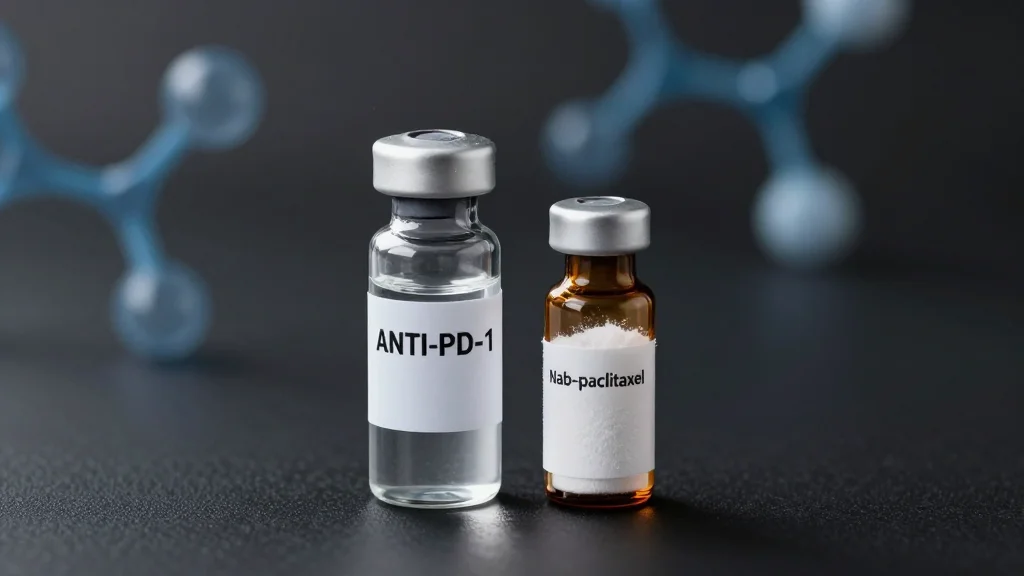
New Combo Shows Promise for Unknown Primary Cancer
Researchers reported phase II results of the Fudan CUP‑002 trial, which combines an anti‑PD‑1 checkpoint inhibitor, nab‑paclitaxel chemotherapy, and bevacizumab anti‑angiogenic therapy for cancer of unknown primary (CUP). The triplet achieved higher objective response rates and longer progression‑free survival than historical...

Engaging Older Adults in Pragmatic Trial Research
A 2026 multi‑methods study published in BMC Geriatrics examined how researchers involve older adults in pragmatic clinical trials. Using interviews, focus groups and surveys, the authors identified facilitators such as dedicated PPI coordinators and barriers like limited funding and absent...

Asthma Medication Formoterol Shows Promise for Treating Fatty Liver Disease
Researchers at the Medical University of South Carolina found that the asthma drug formoterol reverses fatty liver in mouse models of metabolic dysfunction‑associated steatohepatitis (MASH) and is linked to lower liver‑related complications in retrospective patient data. The β‑2 adrenergic agonist...

LSD Microdosing Linked to Acute Mood Improvements in Adults with Depression
A small open‑label pilot gave 19 adults with major depressive disorder sublingual LSD microdoses (4‑20 µg) over eight weeks. Participants reported acute spikes in creativity, energy and social connectedness on dosing days, with a 60% average reduction in overall depression severity...

Integrating Cell-Type-Specific Gene Expression and Genome-Wide Associations Identifies Risk Genes for Schizophrenia
A new multi‑omics study combines single‑cell expression quantitative trait loci (eQTL) from distinct brain cell types with the largest schizophrenia genome‑wide association studies to pinpoint dozens of candidate risk genes. By colocalizing cell‑type‑specific eQTL signals with GWAS loci, the researchers...

The BioPharm Brief: Bispecifics, Biocatalysis, and Dual-Pathway Therapies
Harbour BioMed has secured FDA clearance to start a Phase I trial of its B7H4×CD3 bispecific antibody, HBM7004, in patients with advanced solid tumors. Merck published a scalable biocatalytic process for its oral PCSK9 inhibitor, enlicitide decanoate, showcasing a new route...
The Gates Foundation Is Funding A Startup’s Plan To Fight Malnutrition With Bacteria
The Bill & Melinda Gates Foundation has pledged new funding to Kanvas Biosciences to develop a synthetic microbiome pill aimed at treating environmental enteric dysfunction (EED), a gut‑inflammation disease that threatens roughly 150 million children worldwide. Kanvas uses machine‑learning‑driven microbiome mapping to...

Odyssey Completes Journey to NASDAQ: Public Equity Report
Odyssey Therapeutics completed its long‑awaited IPO and debuted on Nasdaq, after withdrawing a previous filing in June 2025. The immunology‑focused company priced its shares in early May 2026, marking a successful market entry. At the same time, three biotech firms—Cytokinetics,...
Tr1X: Inducing Long-Term Immune Tolerance with Allogeneic Tr1 Cells
BioCentury has updated its website privacy framework, detailing the use of strict, functional, marketing, advertising, and analytics cookies. The policy explains that essential cookies enable authentication, registration, and navigation, while functional cookies enhance personalization. Marketing and advertising cookies are used...

Brain Stimulation Boosts Willpower to Quit Smoking
A double‑blind, fMRI‑guided trial found that high‑frequency rTMS targeting the left dorsolateral prefrontal cortex (DLPFC) cut smokers’ daily consumption by about 11 cigarettes, outperforming sham and orbitofrontal cortex stimulation. The 15‑session protocol boosted prefrontal activity while suppressing reward‑related regions, correlating...

How to Build a Single-Cell RNA-Seq Analysis Pipeline with Scanpy for PBMC Clustering, Annotation, and Trajectory Discovery
The tutorial walks through a full Scanpy pipeline applied to the PBMC‑3k benchmark, covering quality control, doublet removal, normalization, variable‑gene selection, dimensionality reduction, clustering, and cell‑type annotation. It then extends the analysis with PAGA‑based trajectory inference, diffusion pseudotime, and a...
FDA Approves Ocrevus for Relapsing-Remitting MS in Children Aged 10 Years and Up
The U.S. Food and Drug Administration has approved Genentech's ocrelizumab (Ocrevus) for children aged 10 and older who weigh at least 55 lb, expanding its use beyond adult multiple sclerosis (MS) populations. The decision follows the OPERETTA II trial, which demonstrated superior...

Addressing Manufacturing and Access Barriers in Advanced Therapeutics
Advanced cell and gene therapies are moving from research to commercial markets, but their complex manufacturing creates variability that delays patient access. Industry leaders are deploying process analytical technologies (PAT) and artificial intelligence (AI) to gain real‑time insight and predictive...

Economic Assistance and Incentives for Drug Development
The FDA and other federal agencies offer a suite of pre‑approval assistance and post‑approval incentives to lower the financial risk of drug development. Programs such as the Orphan Products Grant, SBIR/STTR funding, and PDUFA fee waivers help sponsors fund clinical...

Odyssey’s IPO Brings In $304M for Quest to Develop Better Immunology Drugs
Odyssey Therapeutics priced 15.5 million shares at $18, raising $304 million including a $25.2 million private placement. The funds will finance Phase 2a/2b trials of OD‑001, an oral RIPK2 inhibitor for ulcerative colitis, and advance OD‑002, a SLC15A4 inhibitor, toward Phase 1/2a. Odyssey’s platform targets...
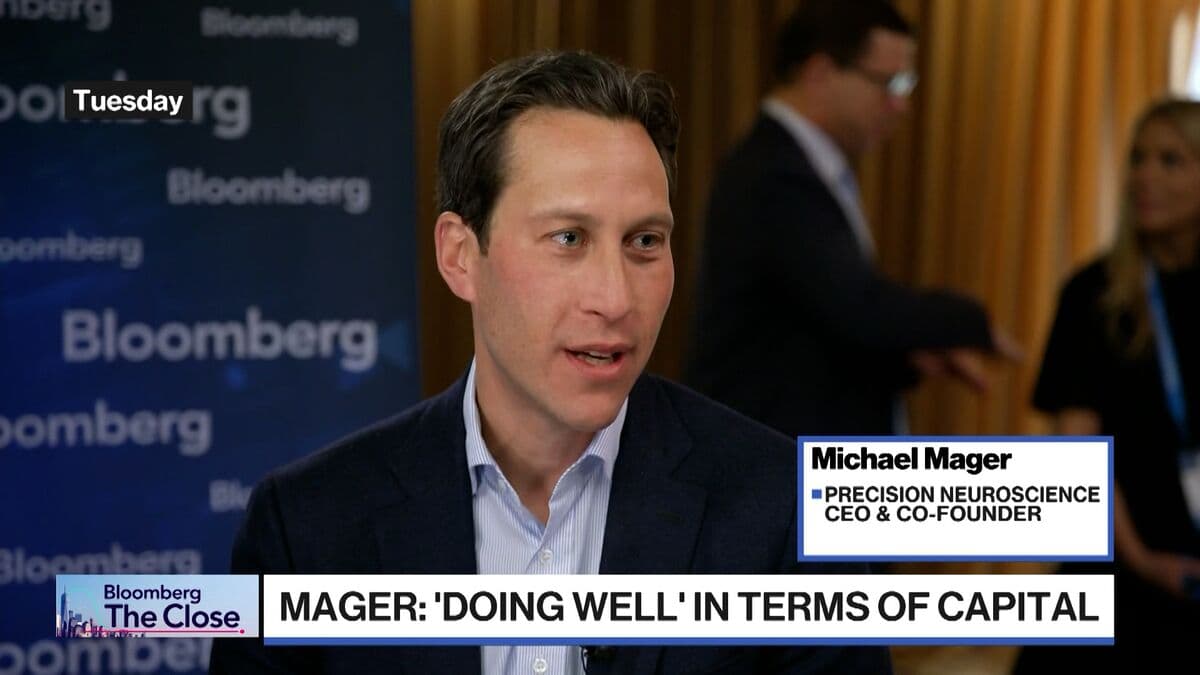
Precision Neuroscience CEO on Medtronic Partnership, What's Next
Precision Neuroscience CEO Michael Mager announced a partnership with Medtronic to commercialize a reversible brain‑computer interface (BCI) that lets paralyzed users control digital devices with thought. The company has temporarily implanted 83 devices in volunteers under FDA clearance and is...

Entera Announces First Quarter 2026 Financial Results and Updates Across Its Oral Peptide Programs
Entera Bio reported Q1 2026 results, highlighting a streamlined Phase 3 protocol for its lead osteoporosis candidate EB613 and a completed Phase 1 bridging study that positions a single‑tablet formulation for the upcoming trial. The company also advanced its partnership with OPKO, securing...
![[Comment] Could Enpatoran Add to Our Therapeutic Toolbox in SLE?](https://hixhlmpcokxhartfkpyi.supabase.co/storage/v1/object/public/images/thumbnails/34fb3ece9b6e61491e68aaab9182a7fc.webp)
[Comment] Could Enpatoran Add to Our Therapeutic Toolbox in SLE?
Systemic lupus erythematosus (SLE) remains a heterogeneous disease with only two novel agents—BAFF and type‑1 interferon receptor inhibitors—approved since the 1950s. These drugs often fall short as stand‑alone treatments, are expensive, and are not uniformly accessible worldwide. Clinicians continue to...
![[Comment] RTS,S/AS01 Implementation Reduces Mortality in African Children](https://hixhlmpcokxhartfkpyi.supabase.co/storage/v1/object/public/images/thumbnails/421f4ef62893dab4b11bed93097fa02e.webp)
[Comment] RTS,S/AS01 Implementation Reduces Mortality in African Children
A recent Lancet analysis shows that the RTS,S/AS01 (Mosquirix) malaria vaccine rollout in Ghana, Kenya and Malawi cut child mortality by roughly 20% after three years of implementation. The program reached over five million children under five, integrating the vaccine...
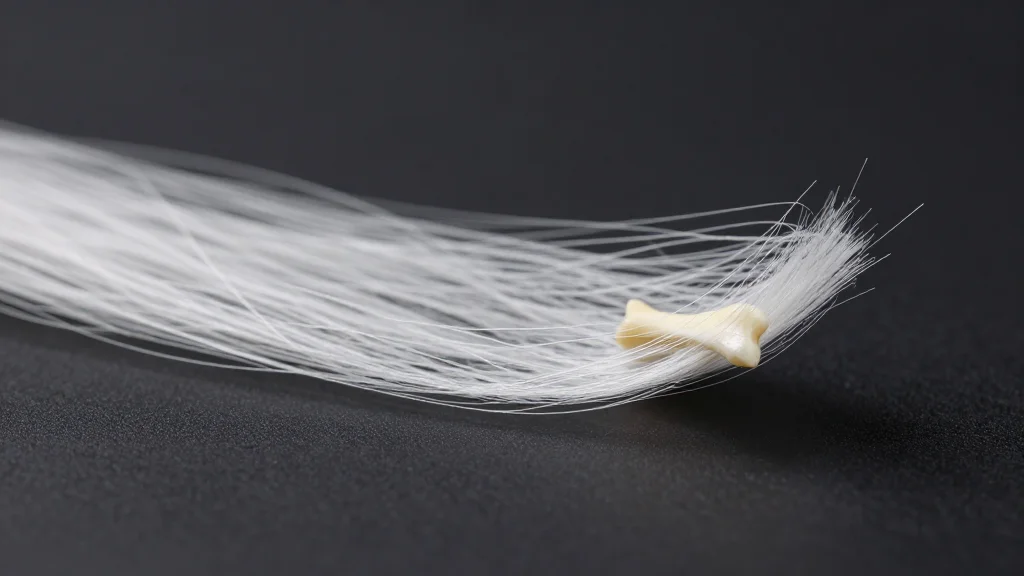
Electrospinning of Hydroxypropyl Chitosan Nanofibers for Bone Regeneration Application
Researchers electrospun nanofiber mats using hydroxypropyl chitosan (HPCH) and poly(vinyl alcohol) (PVA) in varying ratios to assess osteoconductive potential in MC3T3 pre‑osteoblast cells. Characterization by SEM, FT‑IR and mechanical testing confirmed uniform fiber formation. Biological assays showed that a 50/50...

FDA Issues Most Serious Recall for Certain Pacemaker Devices by Boston Scientific
The FDA issued a Class I recall for Boston Scientific’s ACCOLADE pacemakers and cardiac resynchronization therapy models after detecting a software‑related battery flaw that can trigger Safety Mode and limit pacing. The agency advises clinicians to install a software upgrade during...

Glint of Light in Therapy for Deadly ALS After Decades of Struggle
Researchers reported that tofersen, an antisense oligonucleotide targeting the SOD1 gene, dramatically slowed and even reversed disease progression in a subset of ALS patients with the rare SOD1 mutation. The phase‑III trial, published in JAMA Neurology, showed about a quarter...
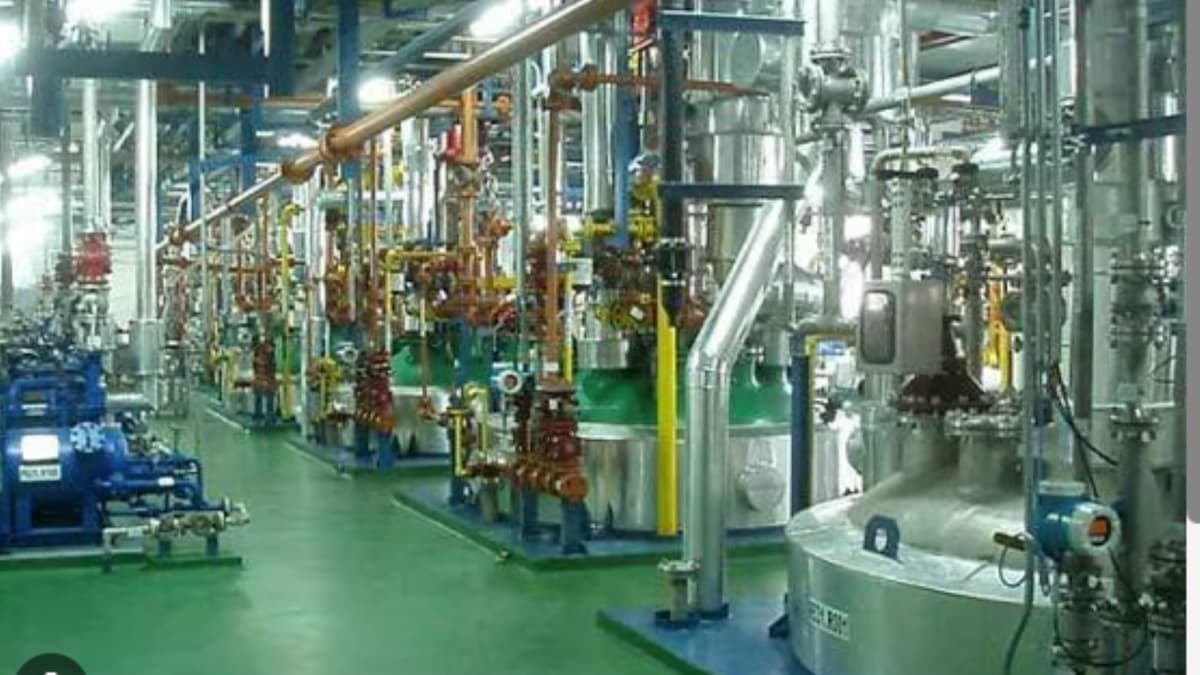
Pharma Company Planning $280M Denton Plant
Novartis broke ground on a new 46,000‑square‑foot manufacturing facility in Denton, Texas, investing roughly $280 million. The plant will specialize in producing radioligand therapy drugs, a targeted radiation treatment for advanced cancers. Scheduled to open in 2028, it will be Novartis’s...

Inclisiran Linked to Lower MACE, AMI Rates in High-Risk ASCVD Population
Inclisiran, added to maximally tolerated statins, lowered 4‑point major adverse cardiovascular events (MACE) from 22.7% to 14.6% in a real‑world ASCVD cohort. The therapy also reduced acute myocardial infarction (5.0% vs 8.5%) and all‑cause hospitalizations (20.8% vs 28.8%) over one...
Taking a Look at the Toxicity Trade-Offs of EPCORE FL-1
The phase 3 EPCORE FL‑1 trial added AbbVie/Genmab’s bispecific antibody epcoritamab to the rituximab‑lenalidomide (R²) regimen for relapsed or refractory follicular lymphoma. The triplet produced a 79% reduction in progression‑or‑death risk and lifted 16‑month progression‑free survival to 85.5%, nearly doubling the complete...

Multimodal Remote Digital Phenotyping for Detecting and Tracking Early Parkinsonian Change in LRRK2 Carriers
Researchers introduced a remote, multimodal video platform to phenotype Parkinson’s disease risk in LRRK2 gene carriers. The study analyzed 829 participants, including 158 carriers, and achieved 92.9% accuracy (AUROC 0.92, AUPRC 0.82) in distinguishing non‑manifest carriers from controls. A continuous “PD Weigh‑In” score...
FDA Grants Seventh Approval Under the National Priority Voucher Pilot Program
The FDA approved Bizengri (zenocutuzumab‑zbco) for adults with advanced, unresectable or metastatic cholangiocarcinoma harboring NRG1 gene fusions, marking the seventh clearance under the Commissioner’s National Priority Voucher (CNPV) pilot. The approval follows a single‑arm trial of 19 patients that showed...
About CDER Small Business and Industry Assistance (SBIA)
The FDA’s Center for Drug Evaluation and Research (CDER) Small Business and Industry Assistance (SBIA) serves as a primary contact point for small pharmaceutical firms seeking regulatory guidance. SBIA provides direct phone and email support, a dedicated web portal, and...

Harbour BioMed Gains FDA Clearance for First-in-Human Study of B7H4xCD3 Bispecific Antibody HBM7004
Harbour BioMed announced FDA IND clearance to launch a Phase I first‑in‑human study of its bispecific antibody HBM7004, which targets B7H4 and CD3 in advanced solid tumors. The trial will assess safety, tolerability, pharmacokinetics and early anti‑tumor activity across multiple cancer...