Today's Global Economy Pulse
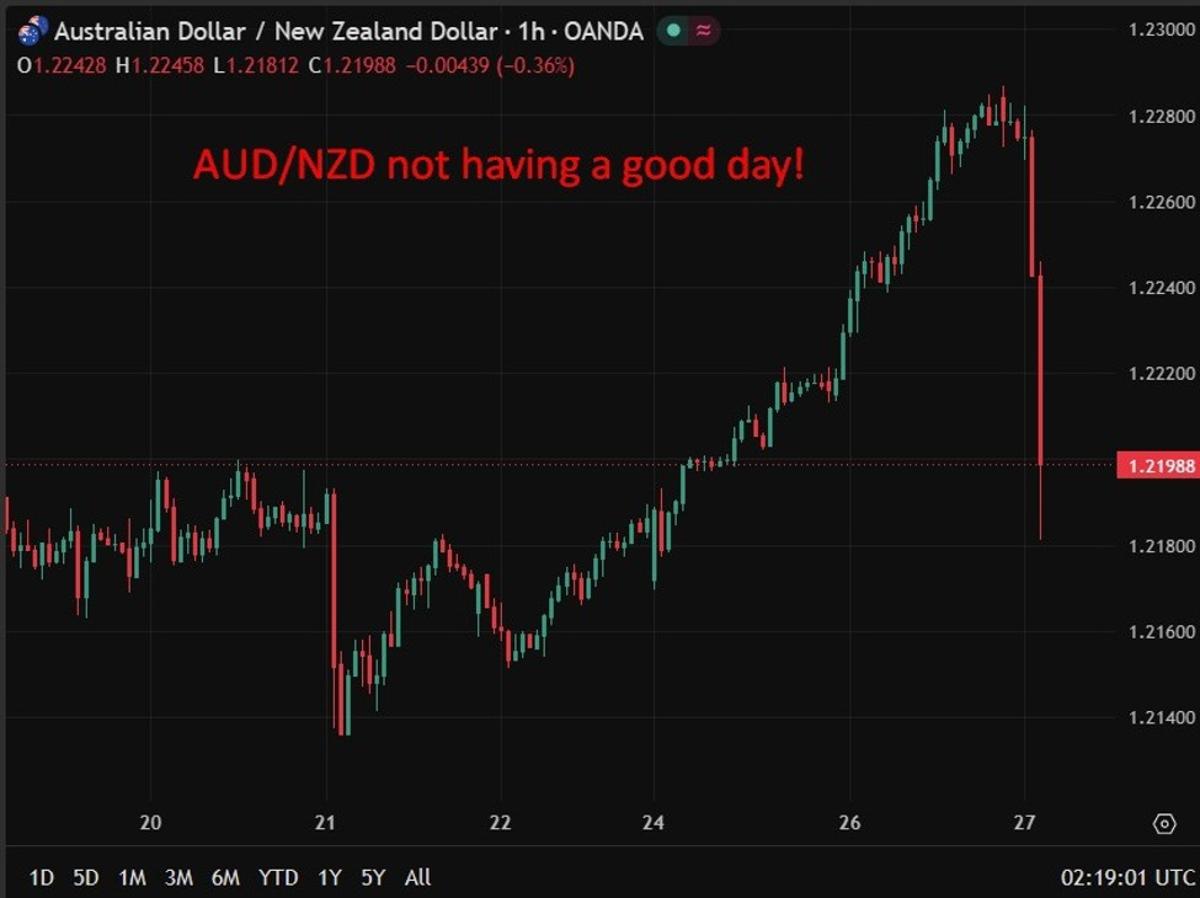
Australia's April CPI eases to 4.2% as core inflation hits 2024 high
Australia’s consumer price index slipped to a 4.2% annual rise in April, missing the 4.4% consensus as a temporary fuel excise cut trimmed transport costs. At the same time, the trimmed‑mean core inflation gauge rose to 3.4% year‑over‑year, the highest level since late‑2024, keeping pressure on the Reserve Bank of Australia’s inflation target.

Global Downgrades Unwind India’s Premium, Cap Market Upside
Global brokerages including Goldman Sachs, Nomura, Citi and Bernstein have downgraded India from overweight to neutral, trimming Nifty targets by 10‑15% as earnings recovery stalls. The revisions reflect heightened energy costs, supply disruptions and a reassessment of India’s risk‑reward profile versus other Asian markets. Foreign portfolio investors have withdrawn roughly $22.8 billion this year, with $5.9 billion sold in April alone, pressuring the market’s upside for the next two to three quarters. Analysts see selective buying chances in defence, capex‑linked and financial stocks, but warn that continued outflows could dent GDP growth.

Stocks Are The ‘Vigilantes’ Now
The article argues that equities have taken over the role once played by bonds as the market’s watchdog, pressuring the Federal Reserve and policymakers. With the Fed’s policy rate stuck at 3.75% and inflation expectations near 4.8%, traditional monetary easing...

Trump Administration’s Temporary Reprieve on Russian Oil Expires
The Treasury Department’s one‑month sanctions waiver that let Russia sell oil at sea expired on April 13, ending a temporary lifeline that helped keep global crude prices in check. The waiver, introduced amid a Middle‑East conflict that pushed oil above...
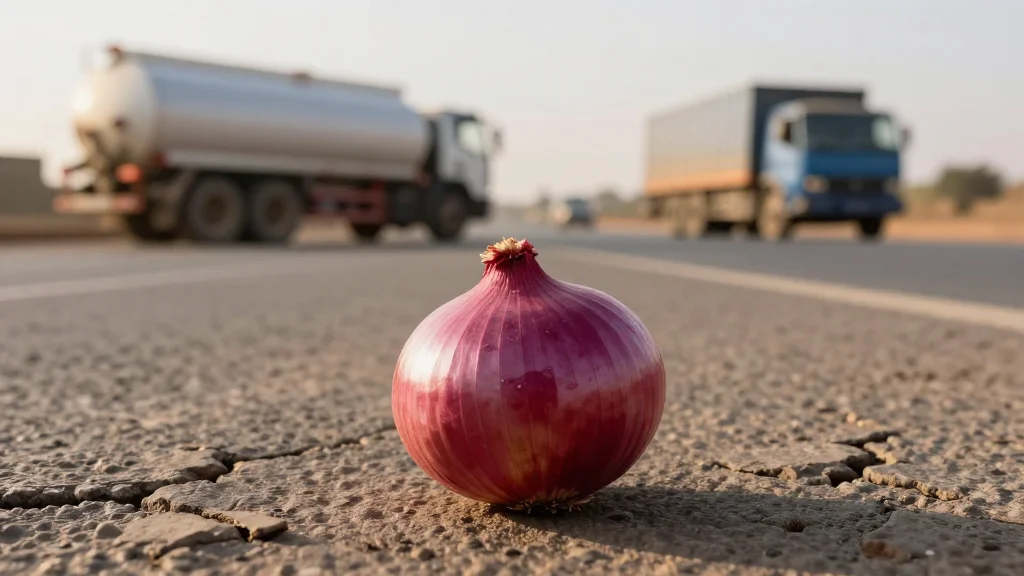
Fuel-Linked Price Rises Hit Ethiopia Ahead of Orthodox Easter
Ethiopia’s grocery market is feeling a sharp price shock as fuel shortages tied to Middle‑East conflict raise transport costs dramatically. Freight charges have surged from 70,000 birr ($450) to over 250,000 birr ($1,600), delaying shipments and spoiling perishable produce. Onion...

How Different Will Magyar Be From Orbán? We Analyse His Views on EU, Russia, Ukraine, and Trump
Péter Magyar, leader of the Tisza party, won a parliamentary majority and pledged to dismantle Viktor Orbán’s political system "brick by brick." While promising domestic reforms and a pro‑European trajectory, he signaled continuity in foreign policy, keeping Russian energy ties...

Iran War Tests BRICS — And Reveals Its Limits
More than two months after the U.S. and Israel launched attacks on Iran, the conflict is edging toward a fragile cease‑fire, but the closure of the Strait of Hormuz has sent global fuel and food prices soaring. BRICS – Brazil,...
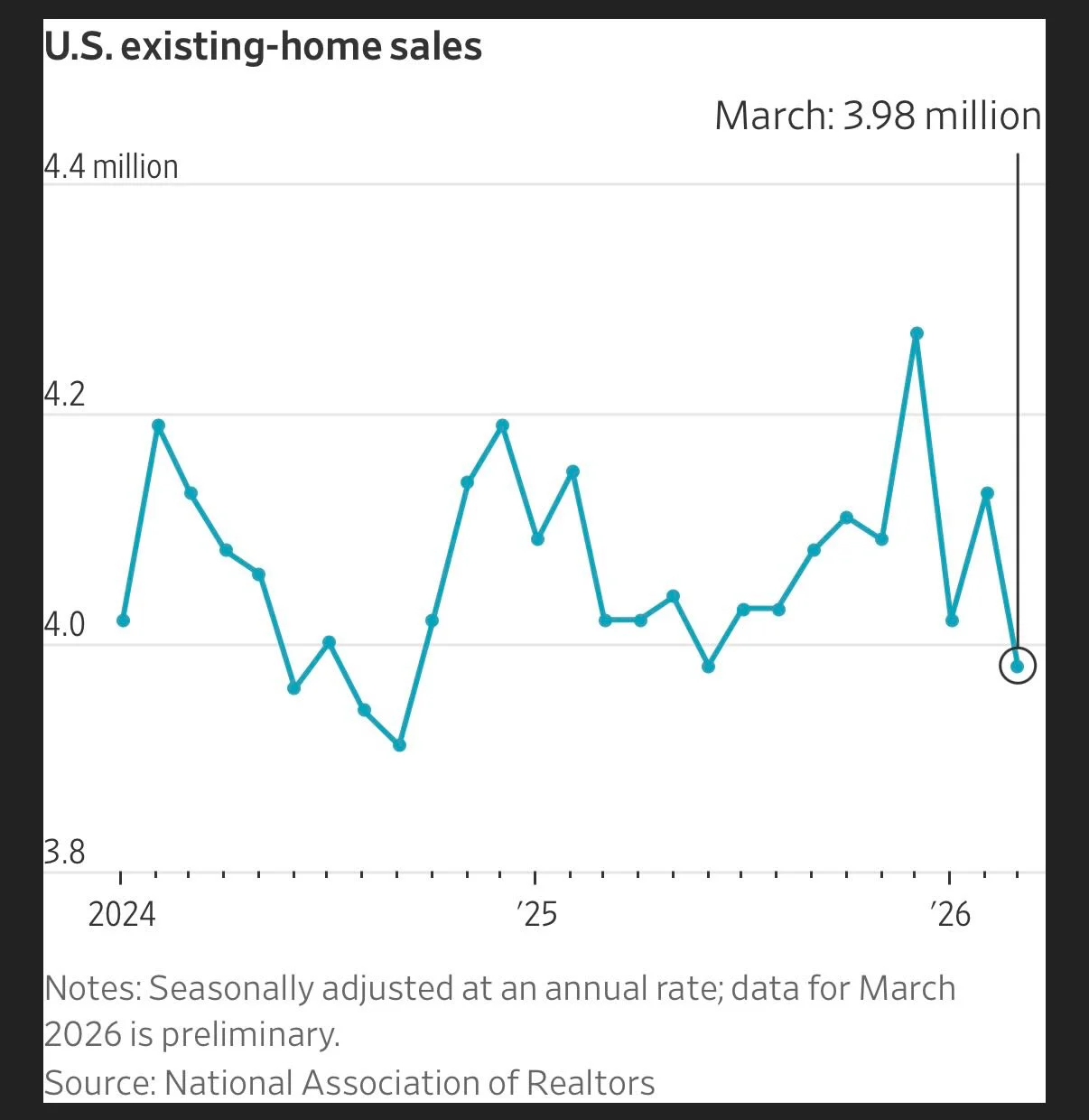
US March Home Sales Drop 3.6%, Exceed Forecast
The @wsj on the US housing market: "Home sales declined 3.6% in March, getting the crucial spring selling season off to a poor start as the high cost of housing and economic uncertainty held buyers back.... The 3.6% month over month decline...

American Compass’s “Tariff Tally” Doesn’t Add Up
American Compass’s "Tariff Tally" claims that Trump‑era tariffs modestly raise prices, boost manufacturing demand, spur investment, and lift growth. Independent research shows tariffs largely passed through to import prices (86‑95%), added about 0.76 percentage points to headline inflation, and produced mixed...

The Global Week Ahead
The United States has imposed a naval blockade of the Strait of Hormuz, pushing crude oil above $103 a barrel and raising the risk of direct conflict with Iran. Simultaneously, the IMF and World Bank are convening in Washington, where...

UK 'Not Supporting' U.S. Iran Blockade as France's Macron Confirms 'Multinational' Talks on the Strait of Hormuz
The United Kingdom announced it will not support the United States’ planned blockade of Iranian ports, rejecting any involvement in what Prime Minister Keir Starmer called a "war of choice." President Donald Trump has ordered the blockade to begin at...
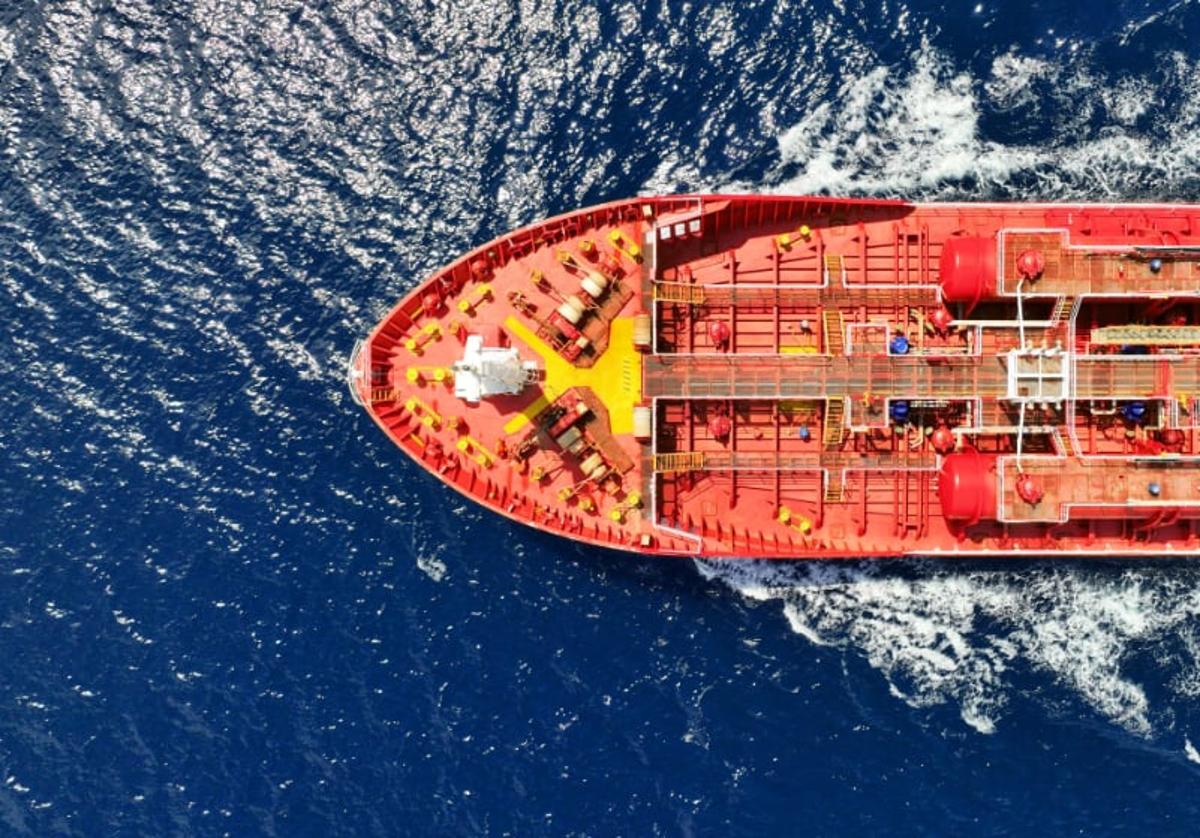
Gulf Blockade Piles Pressure on Textile Chemicals
The ongoing Gulf blockade is tightening the supply chain for textile chemicals, as the Strait of Hormuz—responsible for about 20% of global oil—faces operational disruptions. Senior executives from major suppliers, including Transfar and Tanatex, say the crisis has moved from...
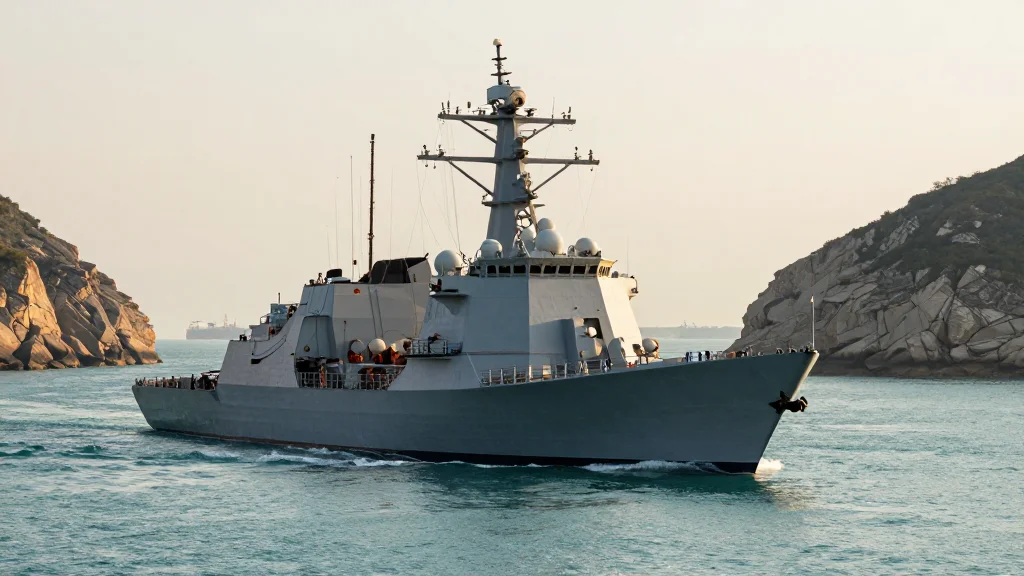
Daily Memo: Developments in the Middle East
President Donald Trump announced that the United States will commence a blockade of the Strait of Hormuz on April 13. The operation will prohibit all vessels entering or leaving Iranian ports while allowing traffic to non‑Iranian ports to pass unimpeded....
![[COPY] China and the UAE: A Reading List](/cdn-cgi/image/width=1200,quality=75,format=auto,fit=cover/https://substackcdn.com/image/fetch/$s_!ElWS!,w_256,c_limit,f_auto,q_auto:good,fl_progressive:steep/https%3A%2F%2Fsubstack-post-media.s3.amazonaws.com%2Fpublic%2Fimages%2F6166292c-b943-4437-8bd4-2efca7a3183f_304x304.png)
[COPY] China and the UAE: A Reading List
The author reposts a curated reading list on China‑UAE relations, compiled in December 2024 and refreshed amid Crown Prince Sheikh Khaled bin Mohammed bin Zayed Al Nahyan’s inaugural Beijing visit. The list spans monographs, peer‑reviewed journal articles, and think‑tank analyses that trace...
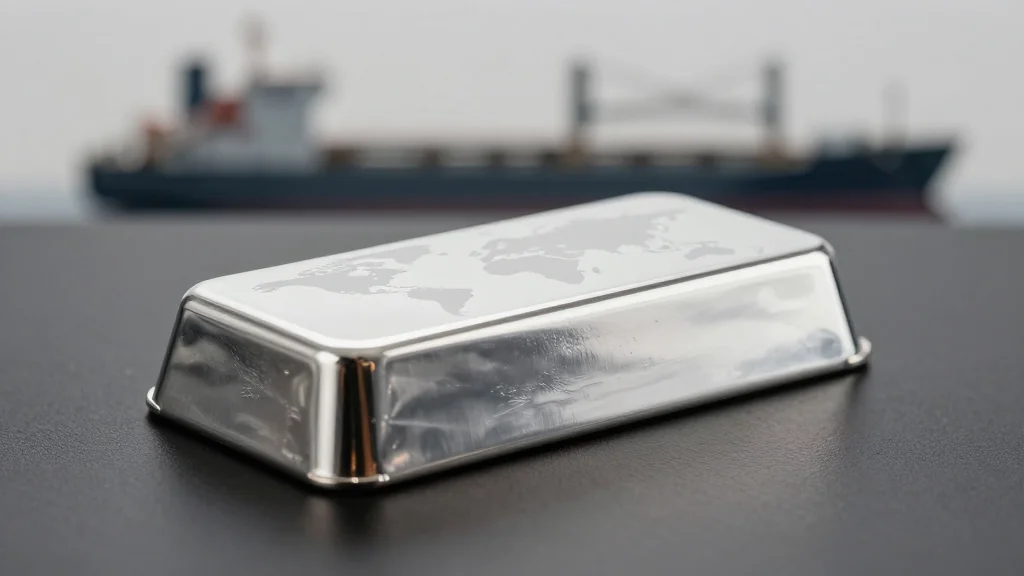
Aluminum Hits 4-Year High on Trump’s Blockade of Hormuz
Aluminum prices surged to a four‑year peak on the London Metal Exchange, reaching $3,570 a ton after President Donald Trump announced a blockade of Iranian ports. The spot‑cash spread widened to $95.50 a ton, the strongest backwardation since 2007, reflecting...

Investors ‘Back to the Drawing Board’ as Iran Deal Stalls. This Is What Advisors Should Know
Investors are re‑evaluating stock valuations as U.S.–Iran negotiations stall, sending Brent crude above $100 a barrel and West Texas Intermediate past $101. The market reacted with the Dow down 0.5% and the S&P 500 flat, underscoring heightened geopolitical risk. Meanwhile, Goldman...

Cordoba's Sheikh: The Market's 'Dislocated Areas' Are Its Best Opportunities Now
In this episode, chief investment officer Abe Shaikh of Cordoba Advisory Partners discusses how the current oil market’s “dislocated areas” – such as supply constraints from the Red Sea and potential Hormuz closures – create lucrative opportunities as prices are...

Oil Price Tops $100 a Barrel as US Prepares Strait of Hormuz Blockade; Goldman Sachs Posts Rise in Profits –...
Oil prices surged past $100 a barrel, with Brent trading at $102.31 as the United States prepared a naval blockade in the Gulf of Oman amid the Iran‑Israel conflict. Goldman Sachs reported a 48% jump in investment‑banking fees, posting Q1...

US Stocks Turn Positive as US Naval Blockade of Iran Goes Into Force
U.S. equity markets rose as the U.S. naval blockade of the Strait of Hormuz took effect at 10 a.m. ET. Traders view the move as a diplomatic signal rather than an escalation, keeping the S&P 500 within 200 points of pre‑war levels....
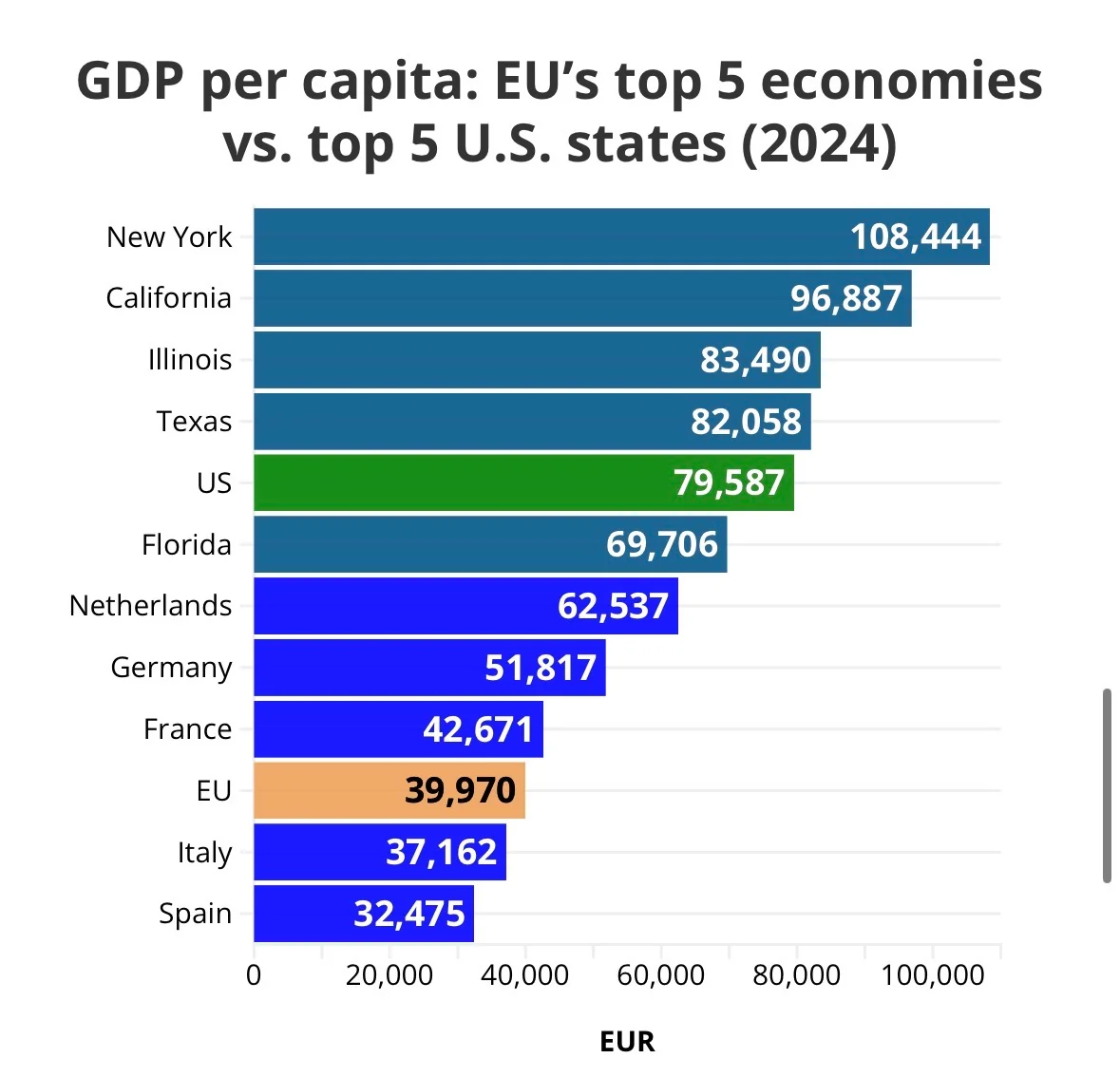
US GDP per Capita Inflated by Healthcare Accounting Differences
On the face of it, US GDP per capita is higher than Europe‘s. However keep in mind 🔑 differences An example: US healthcare is incorporated into numbers via market values. European healthcare numbers are on cost of production. US spending...
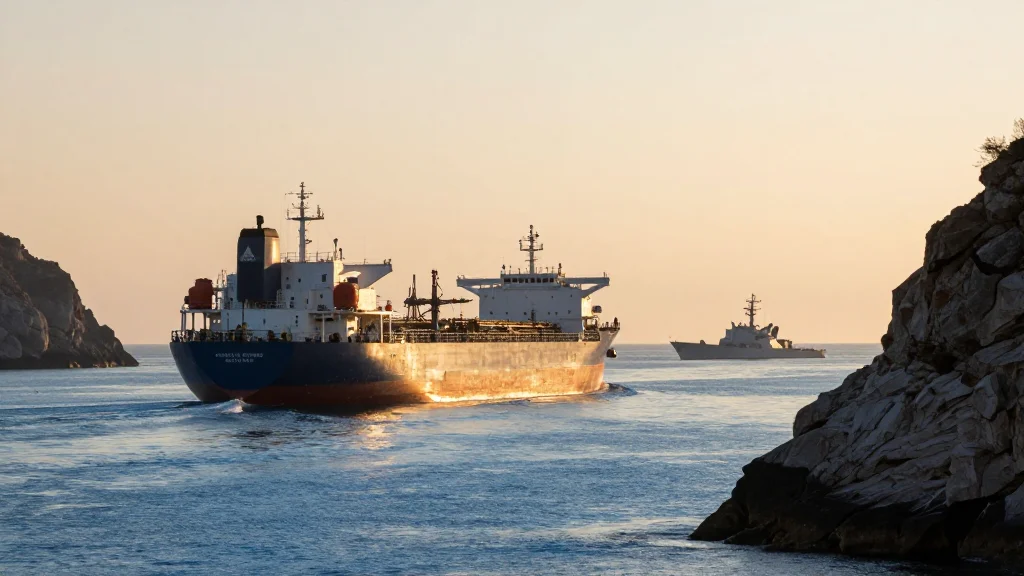
Pre-Markets Down as U.S. Sets Blockade at Hormuz
U.S. forces announced a blockade of the Strait of Hormuz, sending oil prices sharply higher and casting a geopolitical shadow over the opening bell. WTI crude rose to $104 a barrel and Brent to $102, while major equity indexes opened...

India Rises as China Slows in Mineral Demand Shift
Vale is accelerating iron ore shipments to India as the country’s steel production is projected to double by 2030, signaling a pivot away from China’s once‑dominant demand base. Chinese steel output has plateaued around 1 billion tonnes, while India’s broader industrial...

Berne Financial Services Agreement: What the UK-Swiss Deal Means in Practice
The Berne Financial Services Agreement (BFSA) took effect on 1 January 2026, creating a mutual‑recognition framework between the UK’s FCA and Switzerland’s FINMA. Under the pact, firms regulated in one jurisdiction can operate in the other without seeking additional licences, covering banking,...
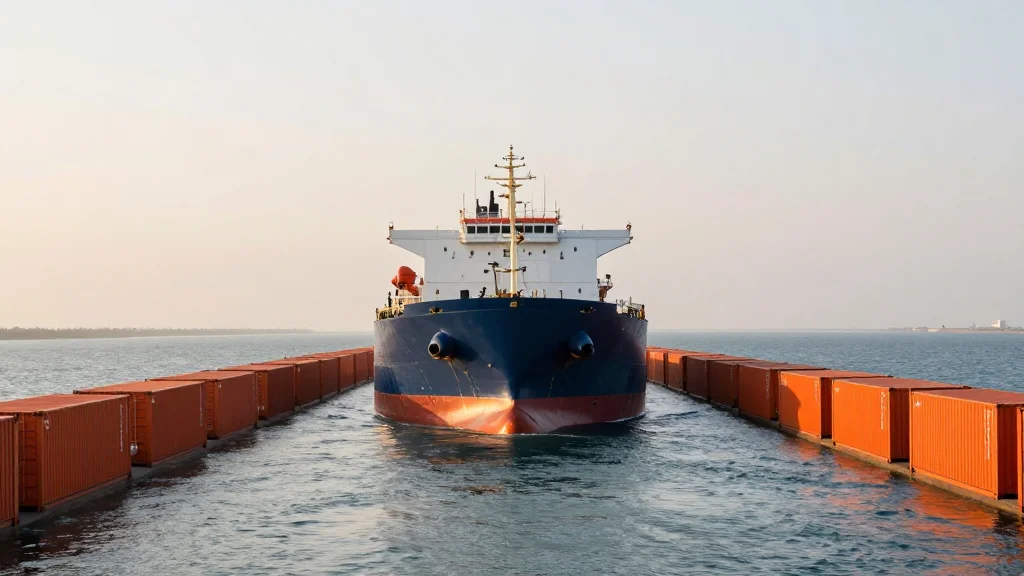
Hormuz Crisis Triggers Localized, Bumpy Demand Destruction
Normally I talk about the two main types of demand destruction: Price elasticity (i.e., gasoline is really expensive so I'll drive less or buy an EV) vs Income elasticity (high oil prompted a financial crisis and I lost my job) But given how...

Japan Is America’s Indispensable Ally
Japan continues to cement its role as the United States’ most reliable ally, even as President Donald Trump’s rhetoric remains volatile. Tokyo has turned trade tensions into leverage, securing reciprocal concessions on automobiles and agriculture while launching an investment strategy...

The U.S. Blockade of the Strait of Hormuz Begins
On April 13, the United States launched a naval blockade of the Strait of Hormuz, deploying more than 15 warships to enforce a cordon around Iranian ports and coastal waters. The operation, coordinated by U.S. Central Command, applies only to...
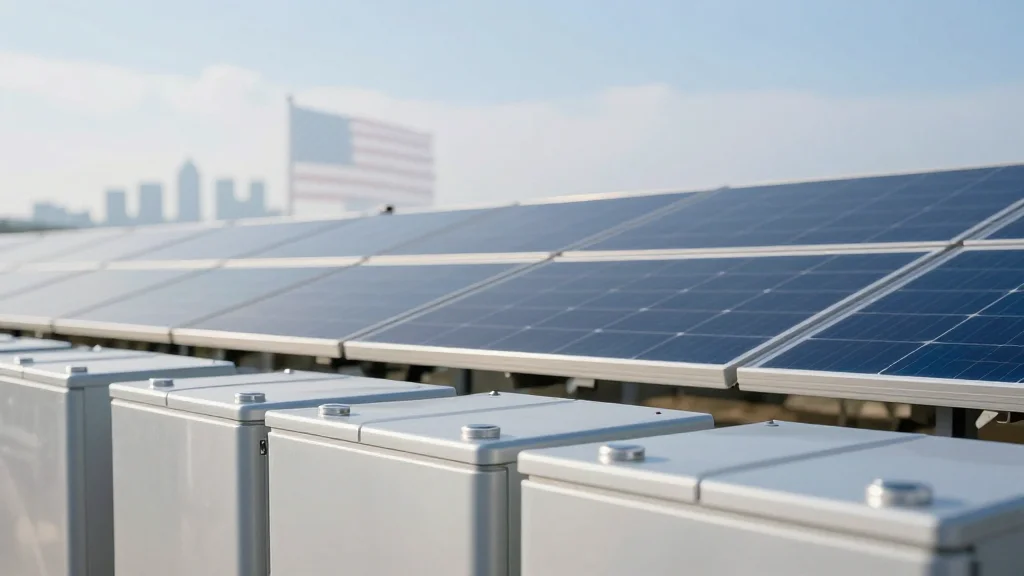
U.S. Sabotages Green Tech, China Set to Dominate
The US is turning it's back on green technology while creating the market for it. This combination is next level sabotage. If the point is to take us out of the next economy, it's working. China’s Electrostate Is Poised to Win...

New Analysis Refutes AmeriCompass Tariff Claims
My colleague @ericadyork and I have a new piece out responding to many claims @AmerCompass makes about tariffs. https://t.co/VmntNSkuni

Why Markets Fear Uncertainty: The US–Iran Conflict and Its Impact on Global Markets
The escalating US‑Iran conflict is injecting unprecedented geopolitical uncertainty into global financial markets. Heightened risk expectations are driving oil prices up, inflating consumer costs and compressing corporate profit margins. The Federal Reserve now faces a policy dilemma, balancing inflationary pressure...

Call for Constitutional Convention to Insert Debt Reset
The USA is engaged in fiscal foolishness. It’s time to call a Constitutional Convention and insert a debt break into the US Constitution
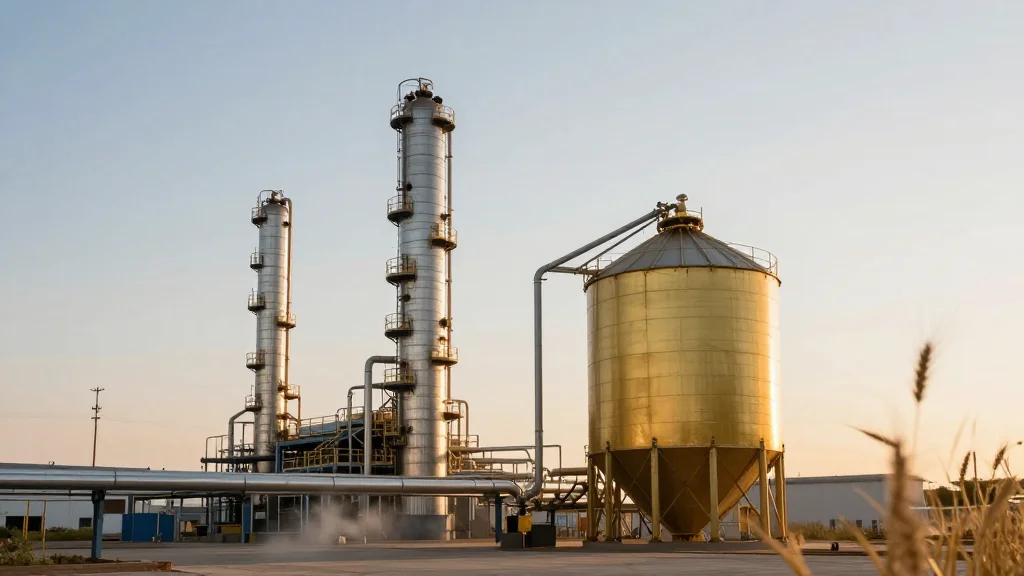
US Blockade Heightens Energy and Fertilizer Market Risks
U.S. Blockade Escalates Risks for Energy & Fertilizer, with implications for the commodity markets. #oatt #oott https://t.co/aGAVP1GhAe

Inside the IMF-World Bank Spring Meetings as Leaders Grapple with War and Supply Shocks
The IMF and World Bank opened their 2026 Spring Meetings in Washington under the shadow of the Iran‑Israel war and the closure of the Strait of Hormuz, which have spiked oil by more than 20% and European gas by over...

U.S. Blockade Hits Hormuz; China, Russia May Intervene
All Eyes on Hormuz as U.S. Maritime Blockade on Iran Enters Enforcement Phase. What happens when Chinese and Russian ships show up? https://t.co/orWD3pBD3c
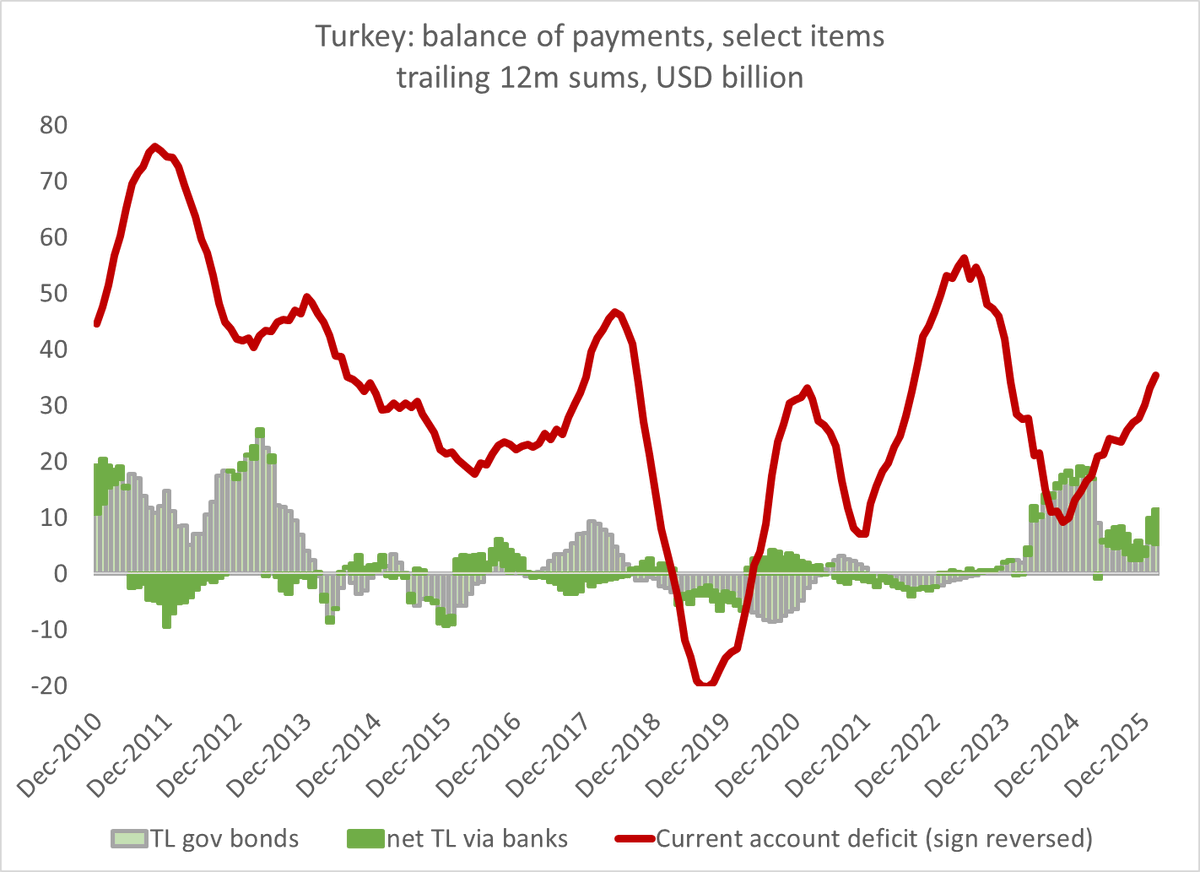
Turkey's Currency Intervention Masks Pre‑Existing Current‑Account Deficit
Turkey obviously intervened heavily to limit depreciation pressure (and an inflationary shock) in March (and I guess bought a bit of fx back last week). But Turkey's real problem is that its current account deficit was widening even before the oil...

Poland’s External Current Account Deteriorated in February Amid Rising Flows From China
Poland's external current account turned from a €1.05 billion surplus in January to a €990 million deficit in February, roughly $1.07 billion. The deficit was driven by a €1.025 billion goods trade shortfall, offset by a robust €3.029 billion services surplus (about $3.27 billion). Imports surged...
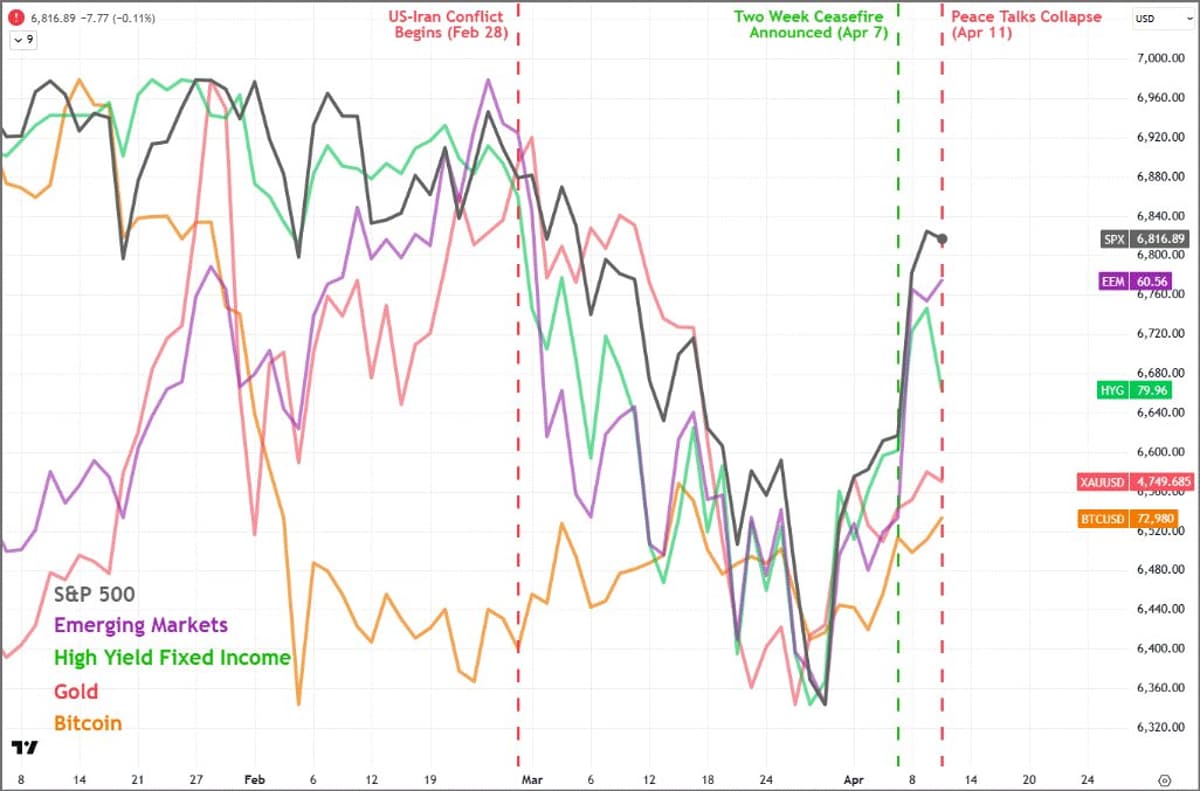
Risk Assets Hold Steady After Iran Ceasefire, Not Collapse
Risk assets are not as put out by the collapse of US-Iran peace talks as they were heartened by the announced ceasefire. Wonder how long this lasts... Markets: SPX, EEM, HYG, Gold and Bitcoin https://t.co/FwSi3lcMY7
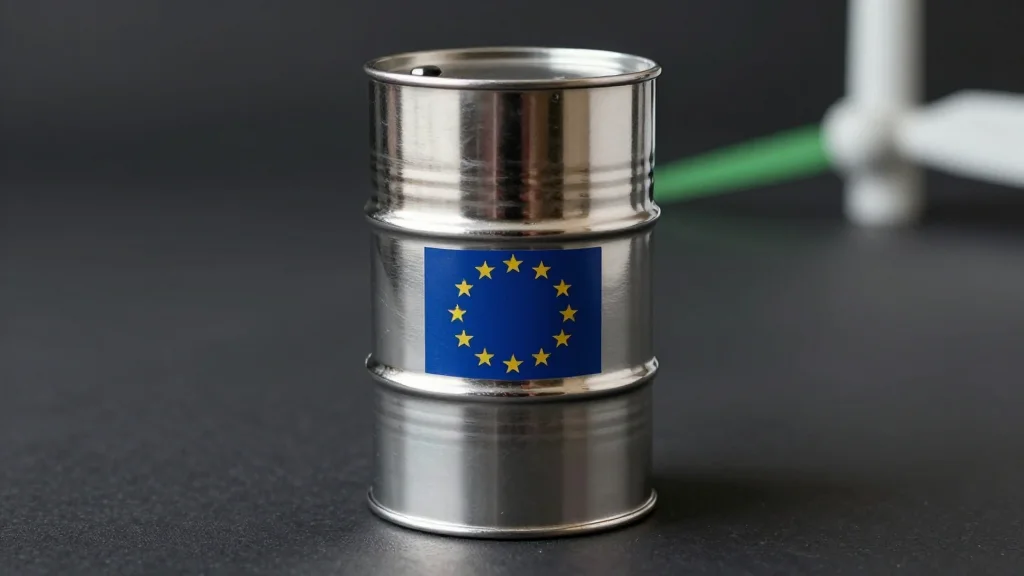
EU Fossil Fuel Costs Soar €22 Billion Amid Conflict
Since the start of the Middle East conflict, the EU’s bill for fossil fuel imports has increased by over **€22 billion**, said Ursula von der Leyen 💰💰💰 https://t.co/driqaI4fOe

Event – Towards Greater Coherence Between Fiscal and Monetary Policy
On April 13, 2026, the Centre for Economic Policy Research hosted a high‑level event titled “Towards Greater Coherence Between Fiscal and Monetary Policy.” Leading economists, central bankers, and finance ministers discussed the growing need for coordinated policy frameworks amid persistent...
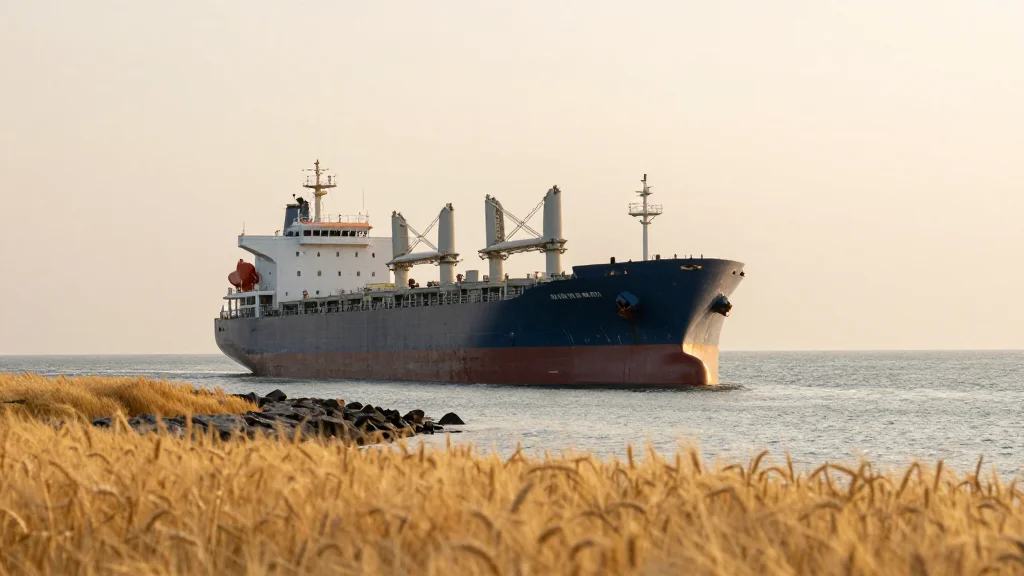
Hormuz Blockage Fuels Fertilizer Crisis; Policy Aid Needed
Ships still aren’t moving through the Strait of Hormuz. Fertilizer delays are forcing farmers to pay more or cut use. They need timebound, targeted help. With right policy and diplomacy, nations can still avert a global food crisis. Watch our...

Inflation Expectations Become a Self‑fulfilling Macroeconomics Feedback Loop
Inflation expectations are the group chat of macroeconomics: once everyone thinks prices are going up, everyone starts acting like prices are going up, and then... surprise... prices go up. https://t.co/eXVIDDjJ4V

U.S. Pushes America‑First Trade Policy to Bolster Chemical Supply Chains
The American Chemistry Council is urging the Biden administration to adopt an America‑first trade framework for chemicals, highlighting a $156 bn export surplus and 545,000 direct jobs. The push aims to shield the sector from unfair foreign competition, especially as China...
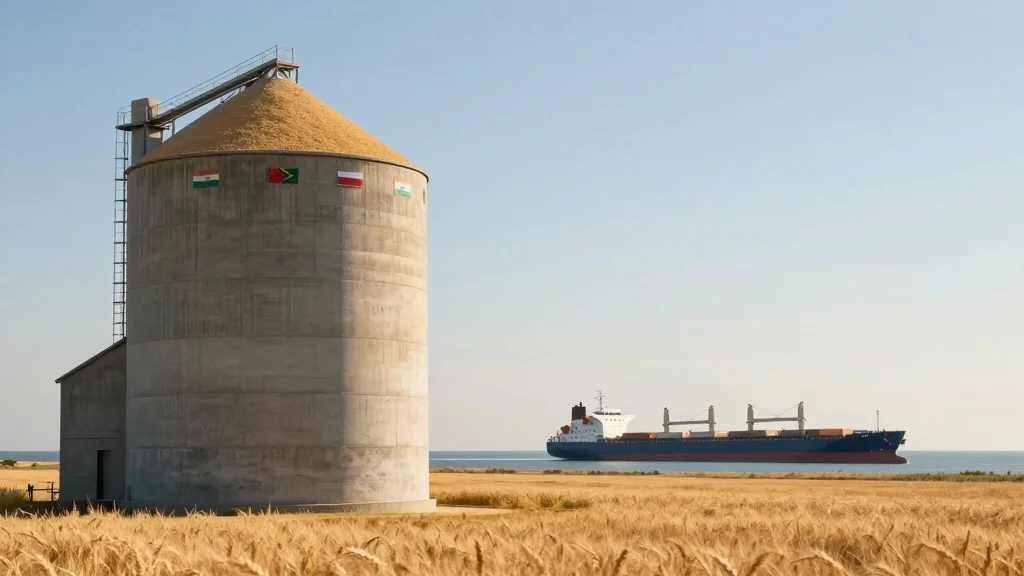
Russia Urges BRICS Food Reserves to Offset Middle East Crisis
Russia calls for joint food reserves with BRICS to counter Middle East crisis risks https://t.co/g3JsxUHPEN
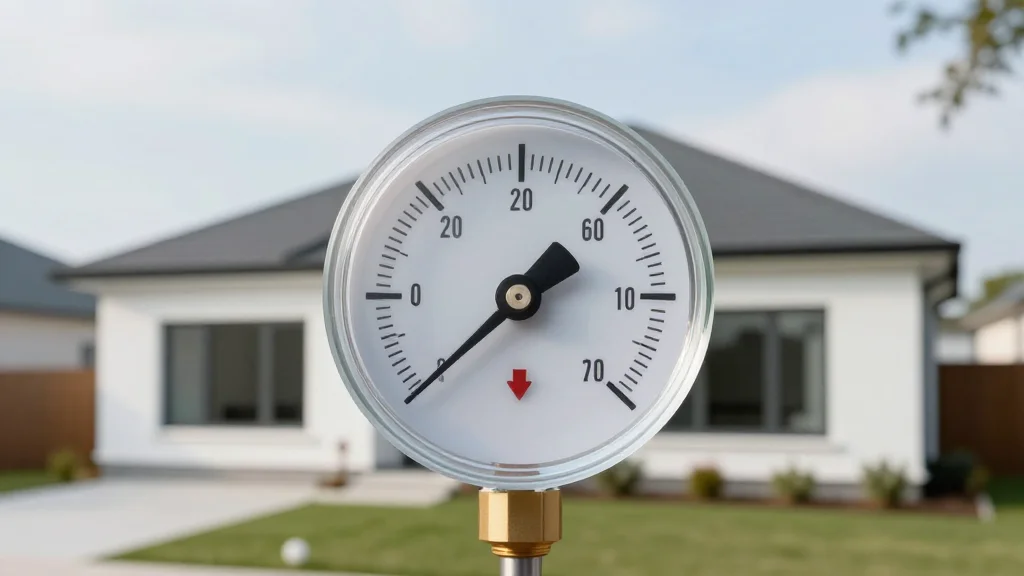
Lower Rates Could Reverse Expected Home Price Decline
My forecast of negative -0.62% national home price growth is at risk if rates go lower

Iran War Fuels Energy Surge, Disrupts Global Mining Supply Chains
The 2026 US‑Israel war with Iran is driving up energy prices and creating logistics bottlenecks that jeopardize mining operations worldwide. Analysts say the conflict is exposing a structural weakness in the sector, from power‑intensive smelters to fragile transport routes, and...

Oil Demand Collapse in SW & SE Asia Underestimated
We are probably underestimating the amount of oil demand destruction already ongoing in South-West and South-East Asia.

US‑Australia Invest $
Australia and US boost support for critical minerals with $3.5 billion Not clear where processing will be done, or where mine to magnet chain happens.... https://t.co/OpCtNNHYup

Nigeria’s Economy Shocked by Middle East Conflict, IMF Flags $50B Aid Need
Nigeria’s finance minister Wale Edun declared the economy in shock as the Middle East war drives fuel prices up 50% and fuels capital outflows. The IMF warned that up to $50 bn in emergency financing may be required for balance‑of‑payments crises,...
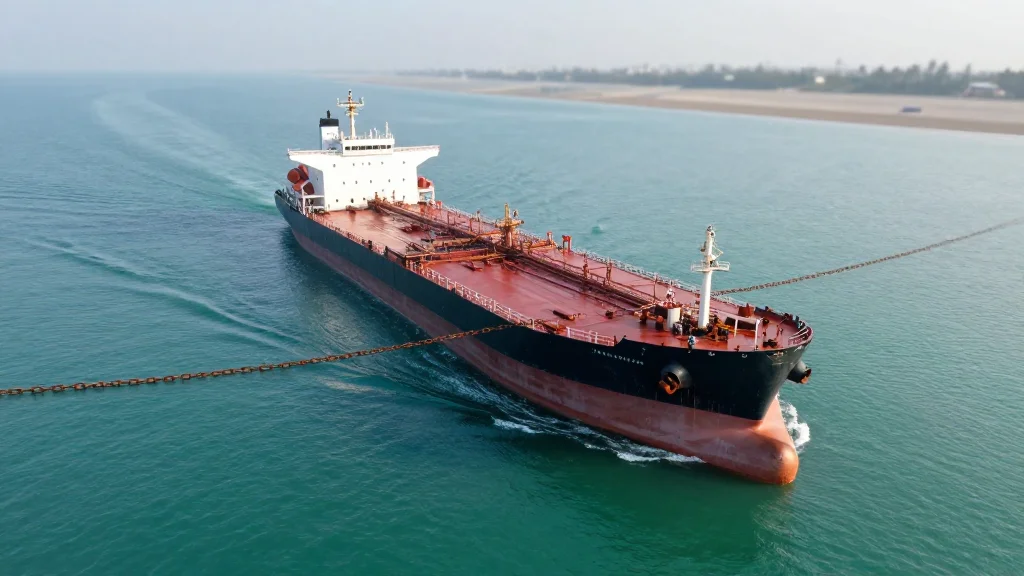
US Failed to Block Iran Oil After First Attack
It actually makes perfect sense. What makes no sense is why the US allowed Iran to continue to sell oil in contravention of sanctions throughout this war. This embargo/blockade should have been in place as soon as Iran fired on...
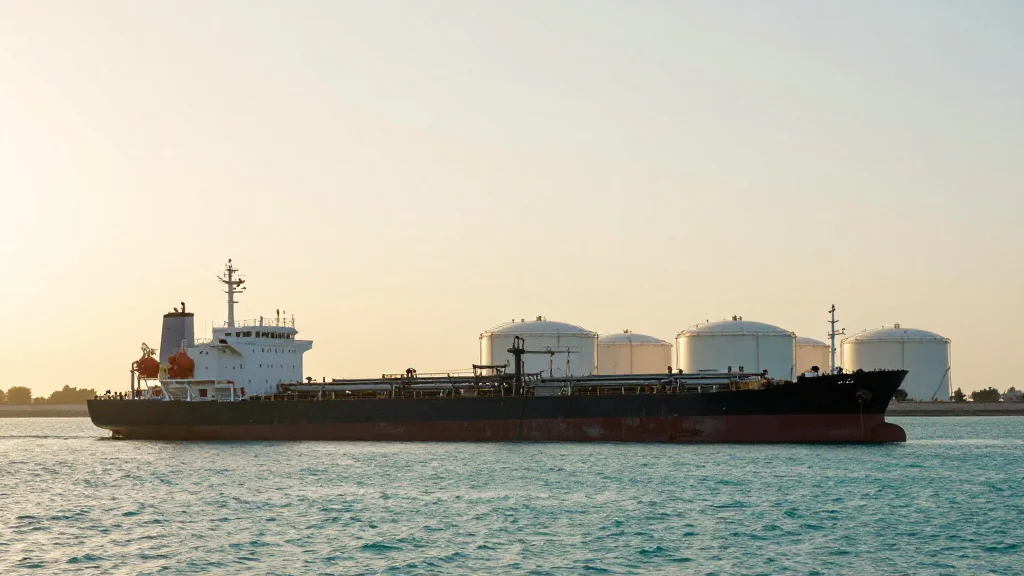
Iran Faces Imminent Well Shutdowns, Negotiations Uncertain
Looking at the limited empty oil tankers inside the Persian Gulf, plus Tehran’s onshore storage, Iran will need to shut in wells in 10-15 days (the same process its neighbours faced 5-6 weeks ago). Would that prompt Iran to change...

ECB Remains Noncommittal on Stablecoins Boosting Bond Demand
In today’s Daily Peg (my stablecoin dedicated newsletter) the ECB offers non committal perspectives about whether or not stablecoins create net new demand for sovereign bonds. https://t.co/41t2azueoh

OPEC Projects 2026‑27 Production Growth in Key Nations
🔹OPEC's view of production growth in selected countries in 2026 and 2027. 🔹What do you think? What do you agree with and what you do not? Why? https://t.co/QAin921hCr https://t.co/WK2gAcAKWe