Today's Global Economy Pulse

Fed's Kashkari warns inflation remains far too high
Minneapolis Fed President Neel Kashkari told CNBC that headline CPI was 3.8% in April and core CPI rose 2.8% year‑over‑year. He said the persistent price pressure could unanchor consumer expectations and may force the Federal Reserve to act more aggressively.

Daily Energy Report
OPEC left its global oil supply and demand forecasts unchanged despite the Iran war’s disruptive impact. The organization projects crude demand to reach 106.53 million barrels per day (mb/d) in 2026 and 107.87 mb/d in 2027, with a softer second‑quarter offset by stronger later‑year consumption. Meanwhile, OPEC+ output fell sharply in March across Gulf producers, and non‑OPEC supply growth is expected to remain modest, raising the risk of a global supply deficit.
Canadian Job Market Booms In West, Slumps In East, Gap To Widen: BMO
BMO Capital Markets’ Labour Market Performance Ranking shows Canada’s job market splitting sharply between a booming West and a faltering East. Cities in Alberta and Saskatchewan dominate the top ranks, driven by strong employment growth and rising real GDP, while...
IEA Prepared for Follow-Up Oil Release: Birol
The International Energy Agency (IEA) says it stands ready to coordinate another strategic oil release if market conditions demand, following a record emergency release that grew to 426 million barrels after the Israel‑Iran conflict began. IEA members hold about 1.25 billion barrels...
Wars, Price Shocks, and Inventories
Confluence Investment Management warns that the US‑Israeli war against Iran will prompt firms to rebuild inventory buffers, reversing the just‑in‑time model that has dominated since the early 1980s. Historical data show inventory ratios surge after major supply shocks, and the...

Trump Says Iran Wants to Make a Deal, Confirms Naval Blockade of Strait of Hormuz
President Donald Trump announced a U.S. naval blockade of ships departing Iranian ports as Iran signals willingness to negotiate, but insists it will not acquire a nuclear weapon. The move comes amid Iran’s shutdown of the Strait of Hormuz, a...

Everyday Prices Jump
AIER’s proprietary Everyday Price Index (EPI) surged 2.5% in March 2026, reaching 307.4 – the second‑largest monthly gain since January 2020. Fourteen of the 24 component categories rose, led by motor fuel, housing fuels, utilities and food away from home,...

Euro Continues to Climb as the Market Senses an End to the Iran War
The euro has recovered to its pre‑conflict level as traders price an end to the Iran‑Israel war and the reopening of oil shipments through the Strait of Hormuz. Europe’s heavy reliance on Hormuz‑bound crude makes the currency especially sensitive to...
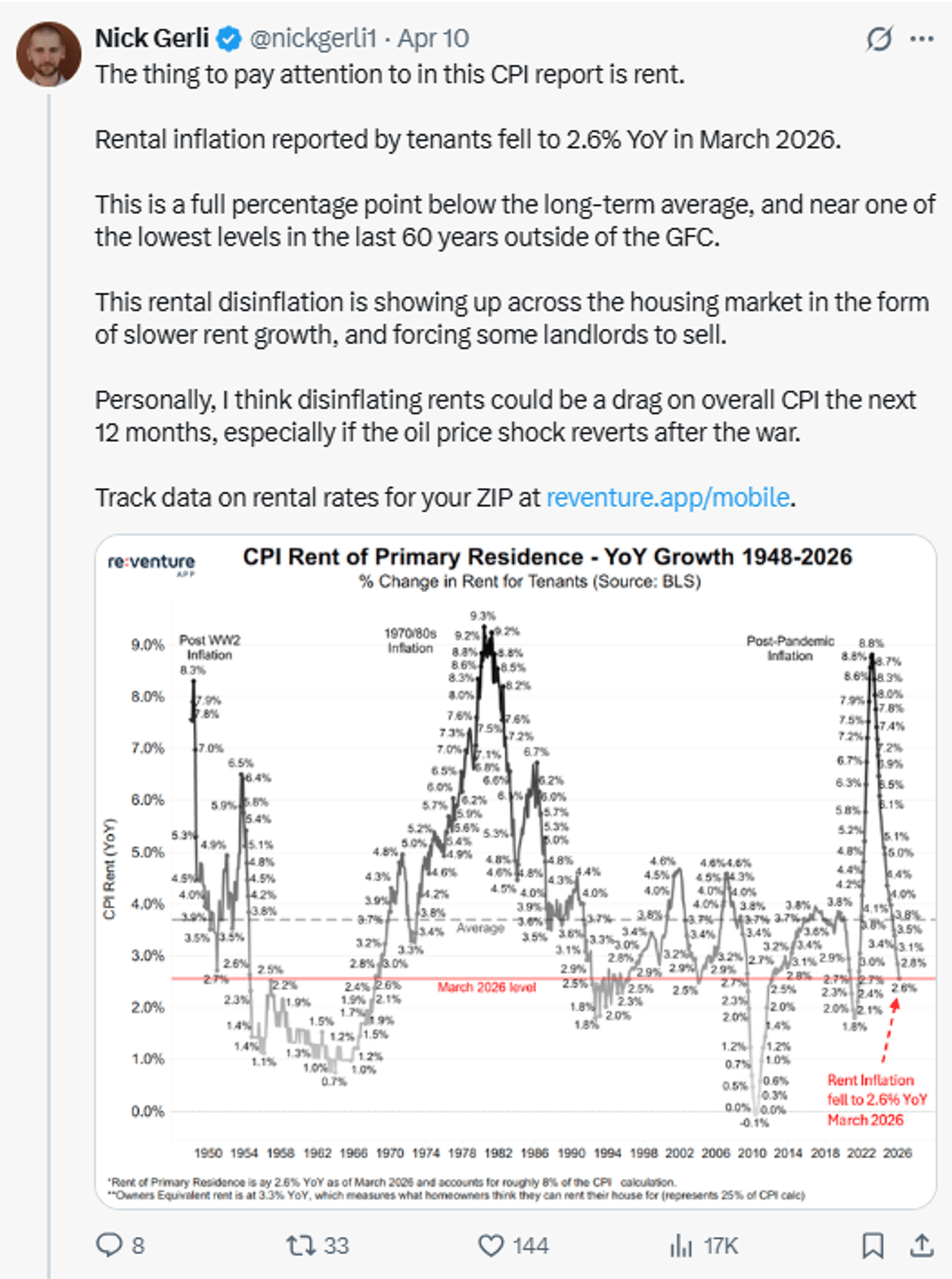
Housing Bust May Fuel Fed’s Push for Productivity Boom
One interesting cross-current in the mkt is watching the top of the housing market and the commensurate generational drag it could have on inflation. This bust could be the political capital the Fed needs to easy into a productivity boom. Notice...
Hungary Ousts Orbán, Rejecting Corruption and Stagnation
orbán out after 16 years. not about left vs right. voters rejected corruption and stagnation. a very important signal for europe and for trump’s allies. @gzeromedia

MacroPass™: Lacy Hunt On The Economic Ramifications of the Global Oil Price Shock
Economist Lacy Hunt’s latest MacroPass report warns that the current global oil price shock will ignite fresh inflationary pressure and could trigger a misguided Federal Reserve response that worsens the downturn. Hunt draws on a century of oil‑shock data, emphasizing...
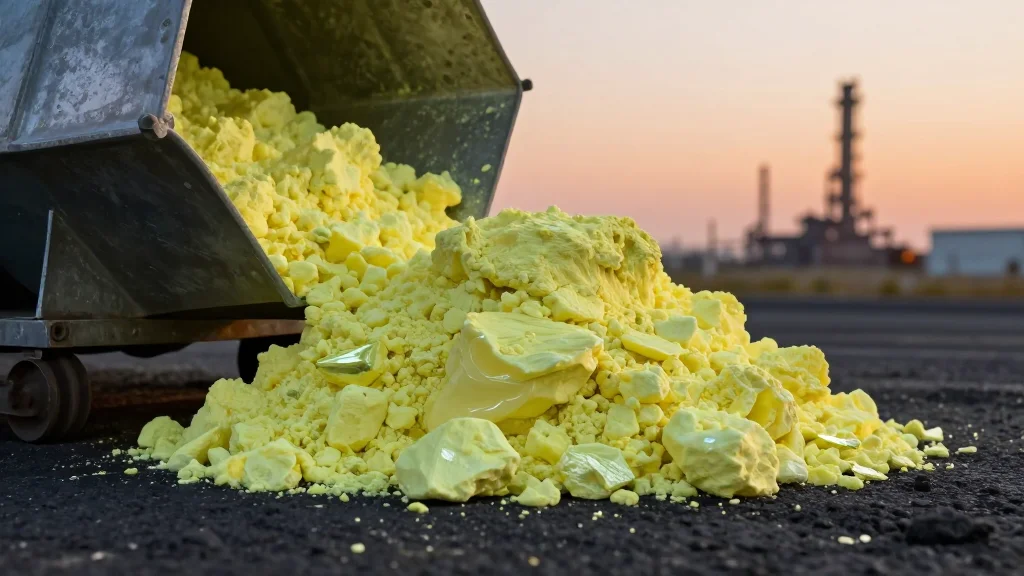
“Rotten Eggs”: The Hidden Role of Sulfur in the Global Economy – by Amanda Van Dyke (Substack – April 13,...
Sulfur, the element behind the smell of rotten eggs, underpins food production, metal refining, battery manufacturing, and data‑center cooling. Most elemental sulfur today is recovered as a by‑product of sour oil and gas refining through the Claus process, feeding the...

OPEC+ Data Deck (April 2026)
The latest OPEC+ Data Deck reveals a March production drop of 7,587 kbpd, bringing quota‑participating output to 28,312 kbpd – the second‑largest monthly decline on record and the lowest level for the expanded group since the 1990 Desert Storm period. The fall...
Inflation and Iran Tensions Threaten Mortgage Rate Stability
Today we discussed the recent #inflation data and the complications of the Iran conflict for rates if labor stabilizes. @housingwire @sarahteresa6 #oil #mortgagerates #chartdaddy

Global Physical Oil Supply Picture Is Dire - And Getting Worse
Physical oil is now trading at $149 per barrel for North Sea Forties, a stark contrast to futures contracts. The Iran‑Israel conflict and a U.S. blockade have pushed crude loss to 15 million barrels per day, pulling global stockpiles down by...
Bonds Are In 2026 What Stocks Were In 2008
Investors are eyeing bonds as aggressively as they chased stocks in 2008, driven by Treasury yields approaching 5% and 2‑year CD rates near 4%. The author notes that a sustained 5‑5.5% yield on 10‑20‑year insured municipal bonds would be compelling...

Redfin Economists’ Weekly Take: Mortgage Rates Hold Steady, but Iran Ceasefire Talks Keep Risk of Sudden Swings on the Table
Mortgage rates have held steady over the past few weeks, but markets remain vulnerable to sudden moves as negotiations over an Iran ceasefire progress. Bond‑market volatility has receded to levels seen in late February, yet any breakthrough—or setback—in the Strait...

Taiwan’s Helium Imports Shift to the U.S. as Geopolitical Risk Reshapes Semiconductor Supply Chains
Taiwan is rapidly shifting its helium imports from Qatar to the United States, a move evident in 2026 trade data. Helium, a critical gas for semiconductor fabrication, cannot be easily substituted, making supply security paramount. Imports from Qatar have plunged...
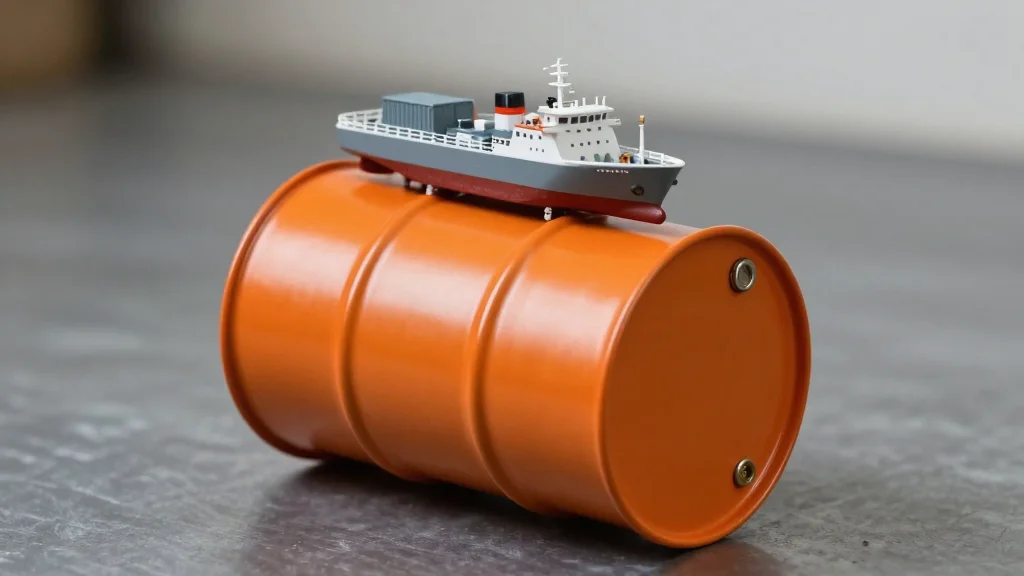
War-Driven Fuel Costs Add New Twist to Trans-Pacific Service Contract Talks
The war in Iran has caused bunker fuel prices to double across key global hubs, prompting container lines to shift refueling operations to Europe as Singapore’s supply tightens. This surge in fuel costs is being passed to shippers through higher...

Why Did Wang Yi Go to North Korea? China’s 3 Strategic Calculations
China’s foreign minister Wang Yi made an unannounced two‑day trip to Pyongyang on April 9‑10, meeting both Kim Jong Un and North Korean Foreign Minister Choe Son Hui. The visit was timed to temper Pyongyang’s recent missile tests and to smooth the diplomatic environment ahead of...

FSB Chair’s Letter to G20 Finance Ministers and Central Bank Governors: April 2026
In a letter to G20 finance leaders, FSB Chair Andrew Bailey warned that the Middle‑East conflict has delivered a sharp shock to the global economy, driving up energy prices and government bond yields. He said the turmoil adds to existing...
FSB Chair Warns of Rising Financial Risks Stemming From Middle East Conflict
Financial Stability Board Chair Andrew Bailey warned G20 ministers that the Middle East conflict is amplifying existing financial vulnerabilities. He highlighted the risk of a "double or triple whammy" as stretched asset valuations, concentrated non‑bank leverage and liquidity mismatches converge...
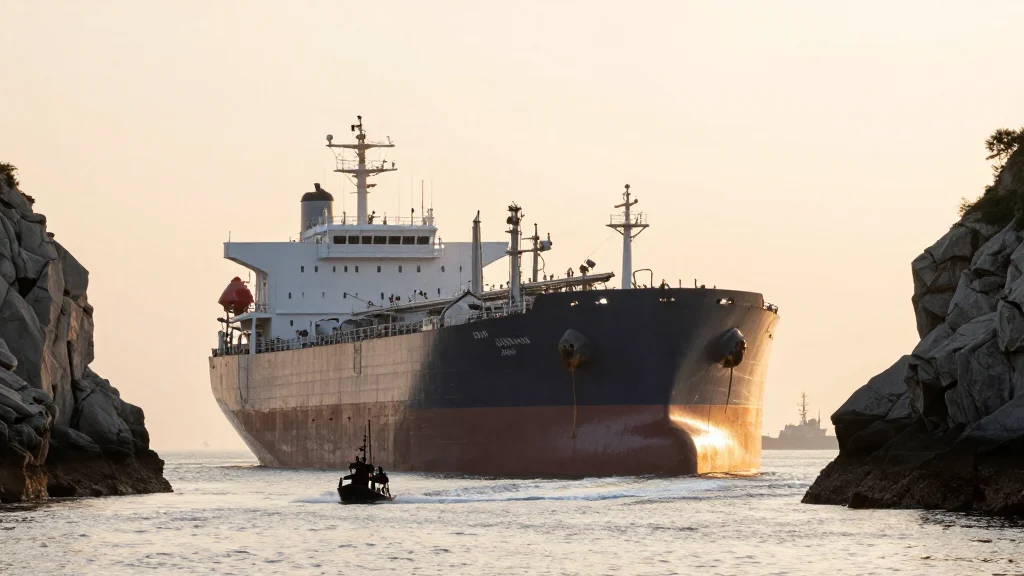
Kroenig Interviewed on NPR on Iran’s State-Sponsored Piracy
On April 11, Atlantic Council vice‑president and Scowcroft Center senior director Matthew Kroenig appeared on NPR to discuss Iran’s state‑sponsored piracy in the Strait of Hormuz. He warned that Tehran finances pirate networks that target commercial vessels, heightening risks for...

US Importers Challenge New Tariffs as Economists Warn Section 122 Is ‘Wrong Tool’
Importers and a coalition of U.S. states have filed a new lawsuit in the Court of International Trade challenging the administration's use of Section 122 emergency tariffs. Economists supporting the case argue the statute, crafted for balance‑of‑payments crises under fixed exchange...

China's Passenger Vehicle Export Overview (Jan.-Feb. 2026): Russia Leads Overall丨Gasgoo Automotive Research Institute
China’s passenger vehicle exports surged in the Jan‑Feb 2026 window, with traditional internal‑combustion models dominated by Russia, the UAE and Brazil, while new‑energy vehicle (NEV) shipments spread across Europe and emerging markets. ICE exports grew on price advantage and expanding...
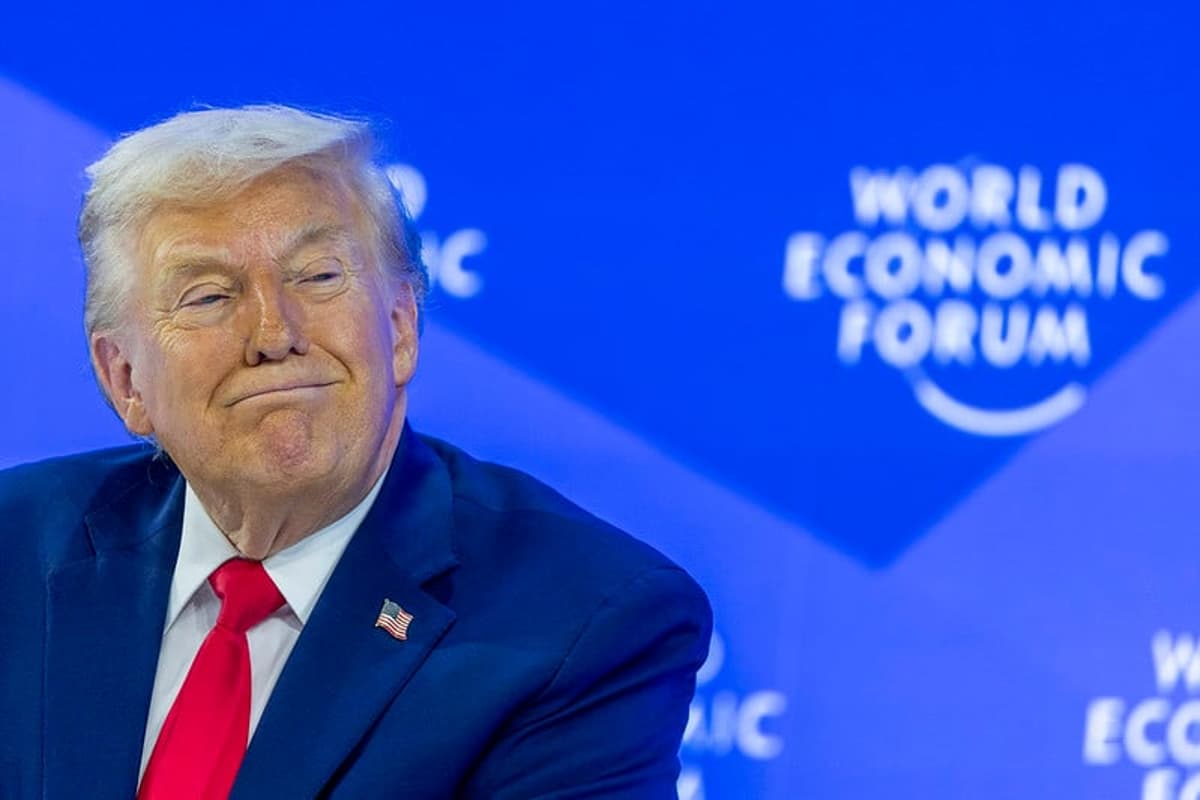
Orbán’s Far-Right Allies Fall Silent, or Reach Out to Magyar
Viktor Orbán’s defeat in Hungary’s April 13 election prompted a mixed response from his international far‑right backers. While figures such as Donald Trump, JD Vance, Benjamin Netanyahu and Javier Milei stayed silent, others like Marine Le Pen, Santiago Abascal and Vladimir Putin’s envoy voiced alarm....

Metal Movers: Copper’s Volatile New Landscape | Argus Media
The episode dissects copper’s recent volatility, tracing a 2025‑2026 price surge to a mix of tight physical supply, looming U.S. tariffs, and a wave of financial speculation that pushed LME prices above $14,000 per tonne. Experts explain how lower ore...
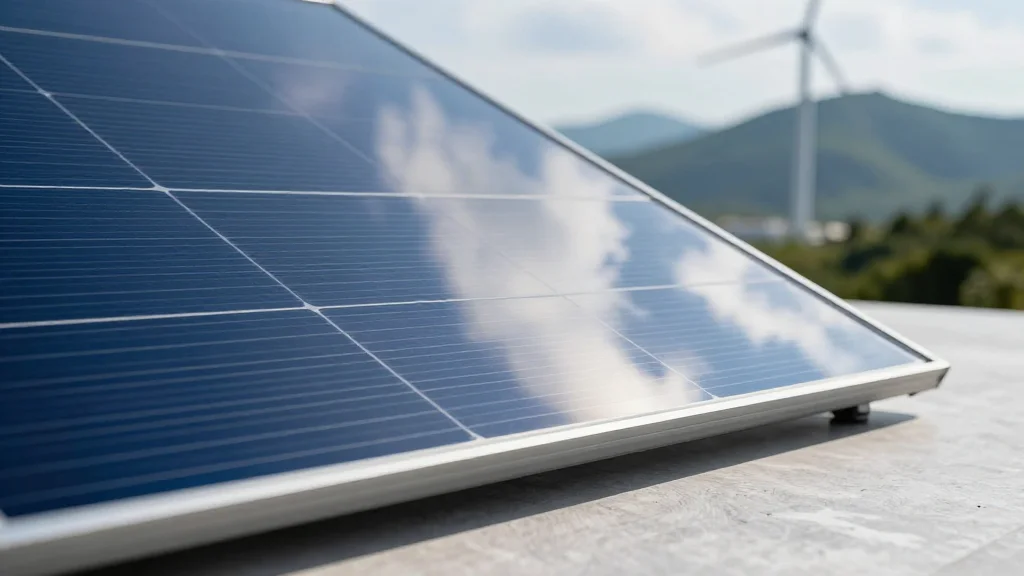
Cambodia Leverages 60% Renewable Power and ASEAN Grid Links to Hedge Against Global Shocks
The Asian Development Bank highlighted that more than 60% of Cambodia’s electricity now comes from renewable sources and its expanding role in the ASEAN power grid will act as a buffer against external economic shocks. The outlook underscores a model...

NATO Allies Refuse to Join U.S. Hormuz Blockade, Deepening Rift With Trump
NATO allies publicly declined President Donald Trump's proposal to block maritime traffic in the Strait of Hormuz, insisting they will only act after hostilities with Iran cease. The United States scheduled the blockade for 1400 GMT, targeting vessels bound for Iranian...

Iran Thought They Were Close to an Agreement on Sunday Morning - Report
According to an Axios report, Iran thought a nuclear agreement was imminent on Sunday morning, but the sudden departure of U.S. Senator JD Vance from talks in Pakistan derailed expectations. The negotiations are stalled over whether Tehran will cease all...

Energy Shock Hits Europe: Prometeia
Prometeia’s latest brief warns that a sharp rise in energy prices—sparked by shipping disruptions in the Strait of Hormuz and heightened Iran tensions—has pushed Italy’s 2026 GDP growth forecast down to 0.4% and inflation up to 2.9%. The energy shock...
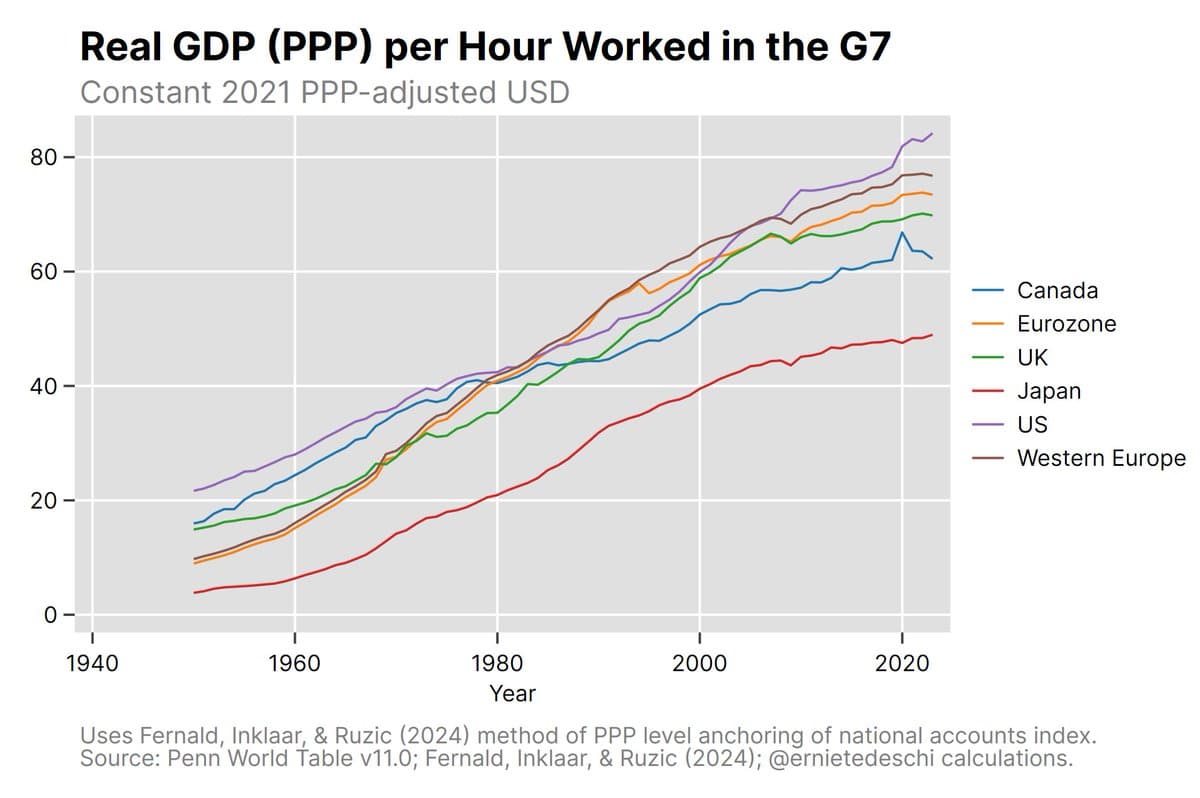
Europe’s Wealth Misunderstood: Methodology Skews US‑EU GDP Debate
We're probably well-past the point of diminishing returns of this debate on social media. There's just a host of methodological issues and choices that change the answer: 1. Europe v. EU v. Eurozone v. Western Europe (and by extension: what's the...

Brazil’s Fintech Boom: Pix Handles 80 B Transactions, Nubank Hits 131 M Users
Brazil’s fintech sector, valued at $5.5 bn in 2025, is being driven by the Central Bank’s Pix system, which processed 79.8 bn transactions last year, and digital‑bank leader Nubank, now serving 131 m customers. The rapid adoption is displacing credit cards, expanding internationally,...
China Bond Yields Drop as Reflation Narrative Faces Investor Skepticism
Investors betting on a China reflation trade saw sovereign bond yields slide, with the one-year benchmark down 5.5 basis points over three weeks and the 10-year down 1.6 bps. The move underscores lingering doubts about demand recovery even as producer...

Will the IMF Ever Learn?
The International Monetary Fund is under intense scrutiny as its Spring Meetings coincide with a decennial Review of program design. Critics argue the IMF continues to impose austerity and regressive tax measures despite internal research showing these policies harm growth...

Money Equals Debt; Currency Valuation Drives Economic Reality
Money is debt, and debt is money. It confuses a lot of people when I say that, but the mechanics are fairly straightforward. A debt instrument is just a promise to deliver money in the future. What that money is worth...
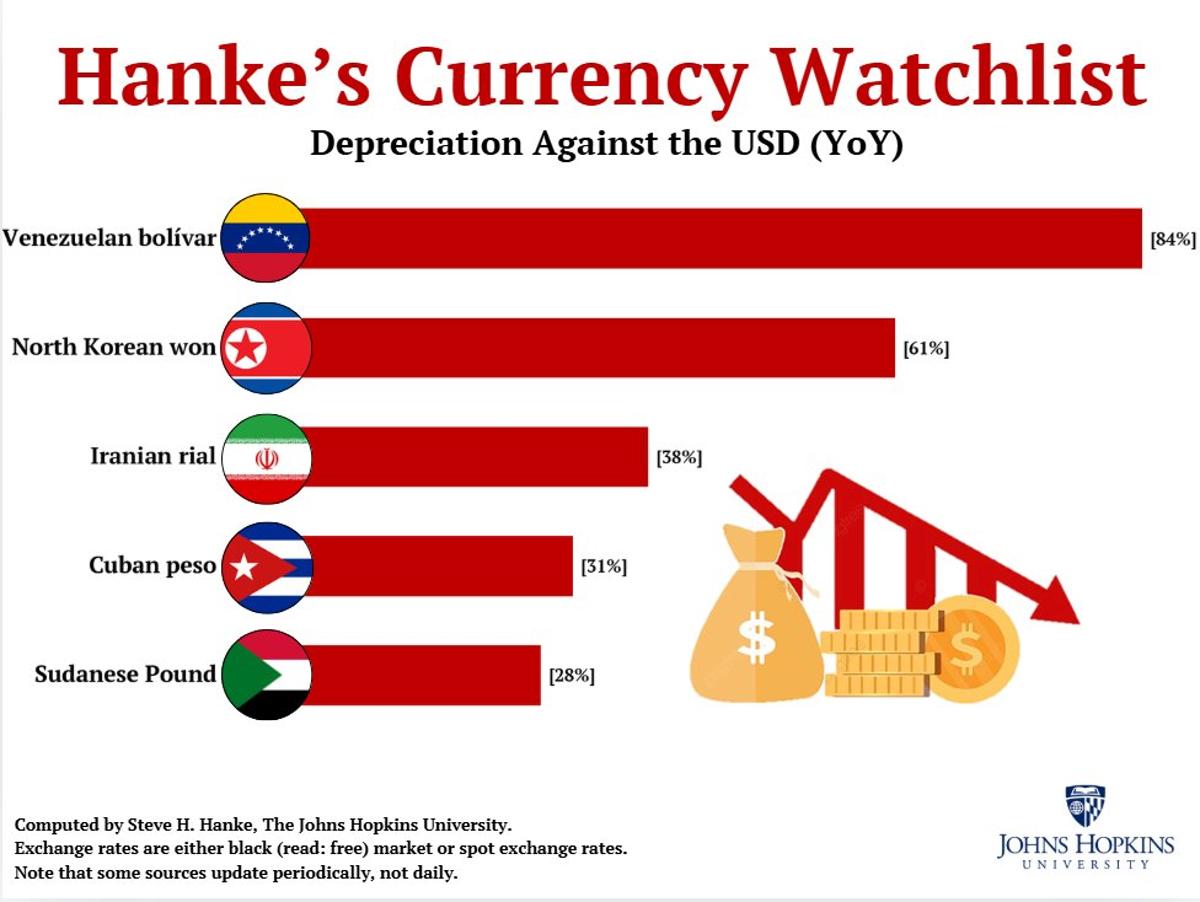
Venezuela's Bolivar Plummets 84%, Calls for Dollarization
On this week's Hanke's #CurrencyWatchlist, the Venezuelan bolivar ranks as the WORLD'S WORST currency. The bolivar has depreciated by 84% against the USD over the past year. VENEZUELA’S TOP PRIORITY = OFFICIAL DOLLARIZATION. https://t.co/gLHWv0eqUW

Suppliers Warn of Textile Price Hikes Amid Middle East Conflict
Textile suppliers report 10‑15% price hikes since the US‑Israeli strikes on Iran began on Feb. 28, with polyester—accounting for about 60% of global fibre production—hit hardest. The surge mirrors oil prices, which climbed over 7% to roughly $100 per barrel and...

Iran's
@ResourceTalks I mention what most people miss: that I am the only reliable source of inflation measurements in Iran. "Since the war started, the Iranian rial has appreciated about 9-11% against the dollar, and inflation is down from over 80%/yr to...
Congo Miners Slash Chemicals Amid Iran War Supply Disruption
Exclusive: Congo copper and cobalt miners cut chemical use as Iran war disrupts supplies, sources say - https://t.co/5DDE1vPMdu

Panama Canal Shows Cold War Playing Out in Slow Motion
The Panama Canal, which carries roughly five percent of global maritime trade, saw its two terminal concessions—long held by CK Hutchison, a Hong Kong conglomerate linked to Beijing—terminated after Panama’s Supreme Court declared the arrangement unconstitutional and seized the assets....

Geopolitical Tensions Offer Buying Opportunities, Says Yardeni
Ed Yardeni tells CNBC that geopolitical events are buying opportunities, even as Trump announces plans to blockade the Strait of Hormuz. https://t.co/L0aaO4wMJK
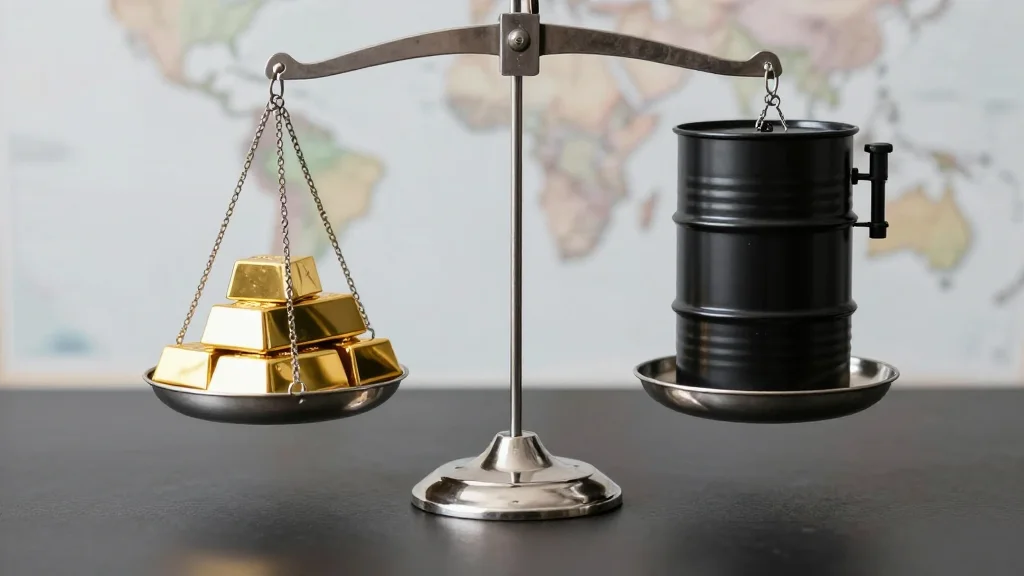
Dollar Resists Petrodollar Collapse, Fueled by U.S. Counterattack
The “petrodollar collapse” story gets it backwards. China was eroding it slowly. The Iran war just forced the U.S. back into the game. Control flows, control currency. The storm is real. The dollar isn’t dying—it’s fighting back. https://t.co/7oWpaZUa7T

NYT Proposes Conditional Entry for Chinese Automakers
.@NYTimes opinion piece: “We could allow Chinese automakers to enter the U.S. market provided their cars are manufactured in the U.S., their costs aren’t subsidized by the Chinese government and Chinese automakers satisfy U.S. government security concerns with regard to...
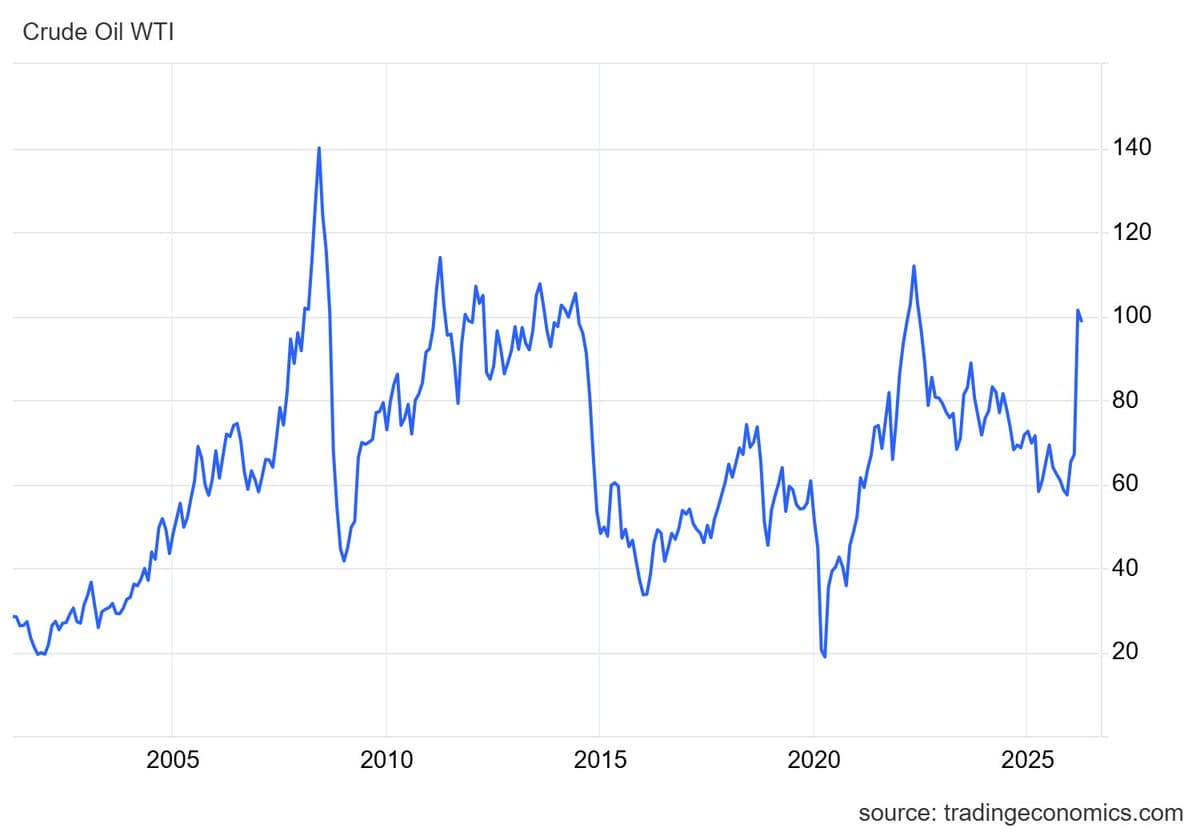
Higher Oil Prices Need Weak Labor Market to Spare Inflation
We have had elevated oil prices before without much impact on core inflation, but back in 2011-2014, the labor market was softer, and wage growth was much lower with lower nominal growth https://t.co/sgut5B2XBG
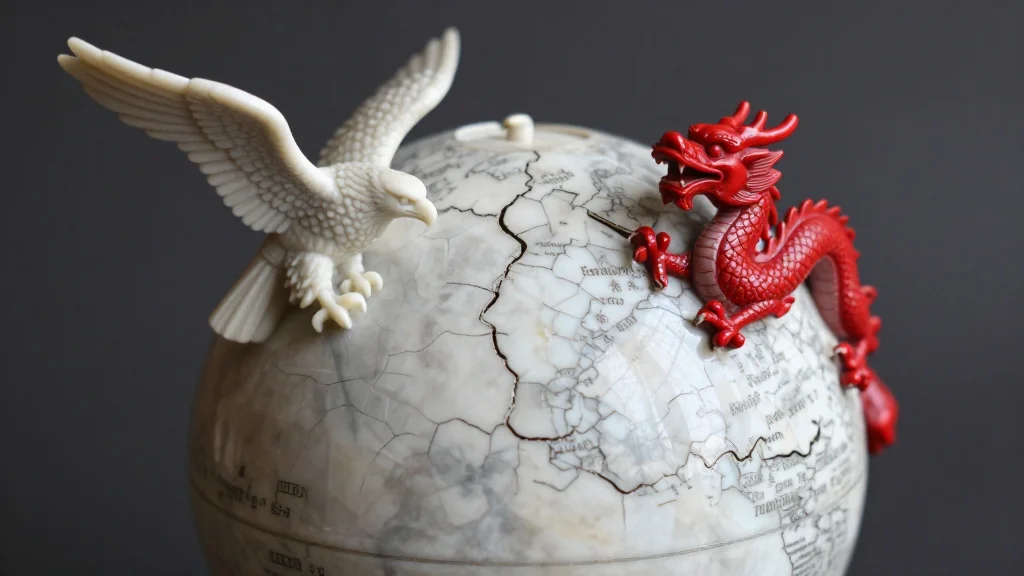
US Global Police Era Ends; China Rises, Europe Resists
Fact is that the past 40 years in an abnormality caused by the dominante of the USA enabling USA to police the world. With the rise of China that dominance is over and the world is back to normal. Europa...

American Compass’s Tariff Tally Flawed and Misleading
"American Compass’s 'Tariff Tally' Doesn’t Add Up" via @ericadyork @alex_durante_ "The piece presents a flawed, inconsistent framework for how tariffs affect the economy... The analysis also relies on selective and asymmetric presentations of economic indicators" 😱 https://t.co/BCyEOZJa1o

Questioning the Accuracy of 34 Hormuz Ship Claims
If *34 ships did in fact go through Hormuz, how many of them were linked to Iran? *I personally think this number is not accurate
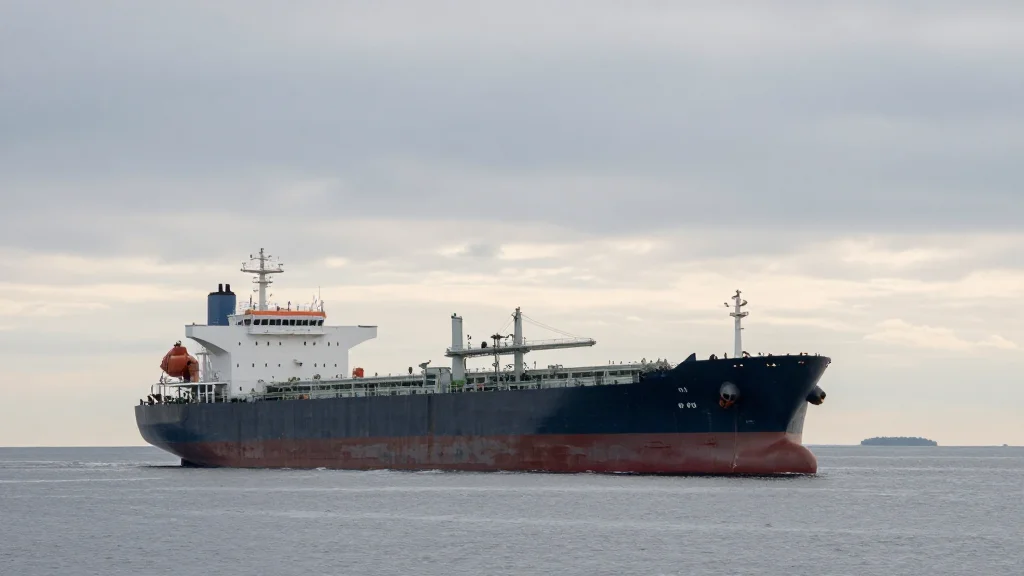
Hundreds of Tankers Rush to US Amid Iran War
More than 100 empty oil tankers are heading to the U.S. to fill up as the war in Iran forces the industry to find new sources of oil according to Fox News. 🤔 https://t.co/mGL1u3xP7X
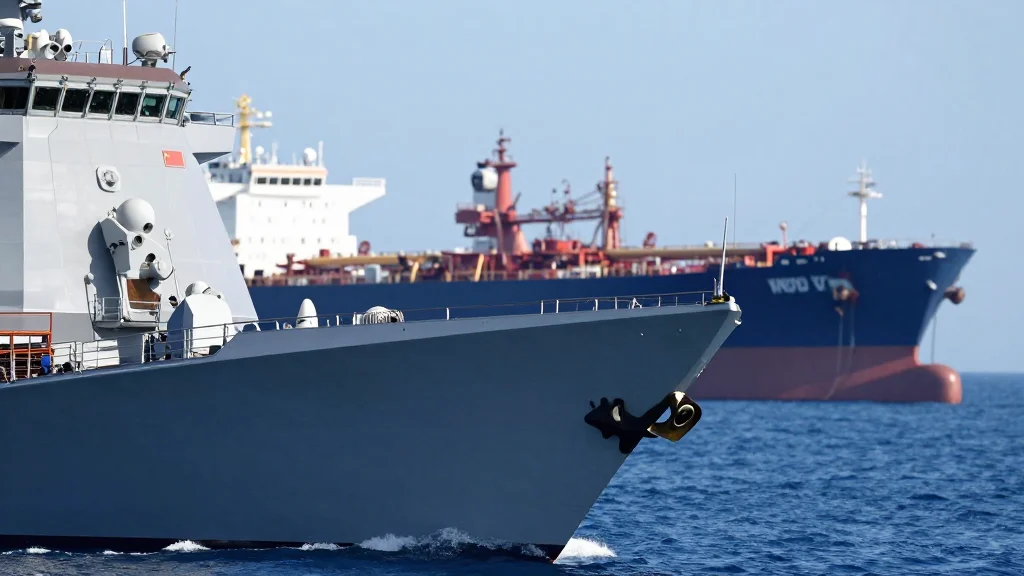
US Blocks Iran Oil to China, Marking Escalation
The US is now effectively blockading China’s oil supplies from Iran. This is a nontrivial escalation.

US Deficit and China’s Stalled Consumption Fuel Imbalances
If not the dollar, what are the main major drivers of current account imbalances today? - Unsustainable US federal budget outlook - China's failure to shift its economy further toward a non-deflationary, consumption-driven growth model by Maury Obstfeld https://t.co/jaLG9xmKuP