Today's Global Economy Pulse
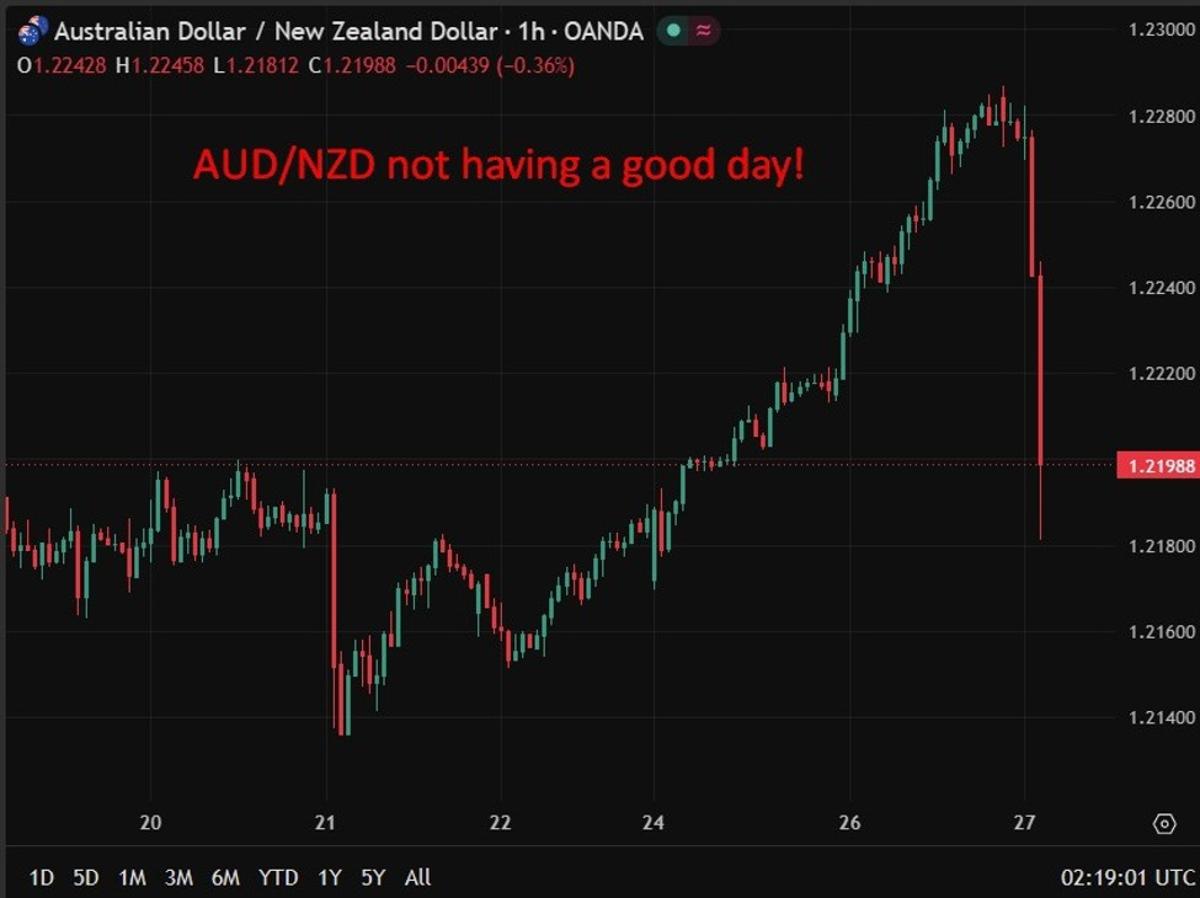
Australia's April CPI eases to 4.2% as core inflation hits 2024 high
Australia’s consumer price index slipped to a 4.2% annual rise in April, missing the 4.4% consensus as a temporary fuel excise cut trimmed transport costs. At the same time, the trimmed‑mean core inflation gauge rose to 3.4% year‑over‑year, the highest level since late‑2024, keeping pressure on the Reserve Bank of Australia’s inflation target.

Oil Prices Have Higher to Go, IEA Warns
The International Energy Agency warned that current oil prices do not yet reflect the depth of the supply shock caused by the Iran‑Israel war, which has taken roughly 13 million barrels per day offline and damaged over 80 facilities. Brent and WTI are trading just under $100 a barrel, but the IEA says the disruption is the largest in history and could take up to two years to recover. A U.S. naval blockade of Iranian shipping adds further geopolitical risk, raising the likelihood of higher prices. Analysts expect the market to price in the full impact soon, tightening global energy markets.

Global Shocks Are Back: Emerging Markets Holding Up
The latest U.S. Federal Reserve tightening in 2022‑23, despite raising rates over five percentage points, did not trigger the financial crises that historically followed such moves in emerging markets. Researchers attribute this resilience to two structural improvements: higher monetary‑policy credibility,...

US Blockade of Strait of Hormuz Begins As New Talks Weighed
The United States has initiated a naval blockade of the Strait of Hormuz, aiming to halt tanker traffic as a pressure tactic against Iran. Washington and Tehran are scrambling to negotiate a new cease‑fire before the current one lapses next...
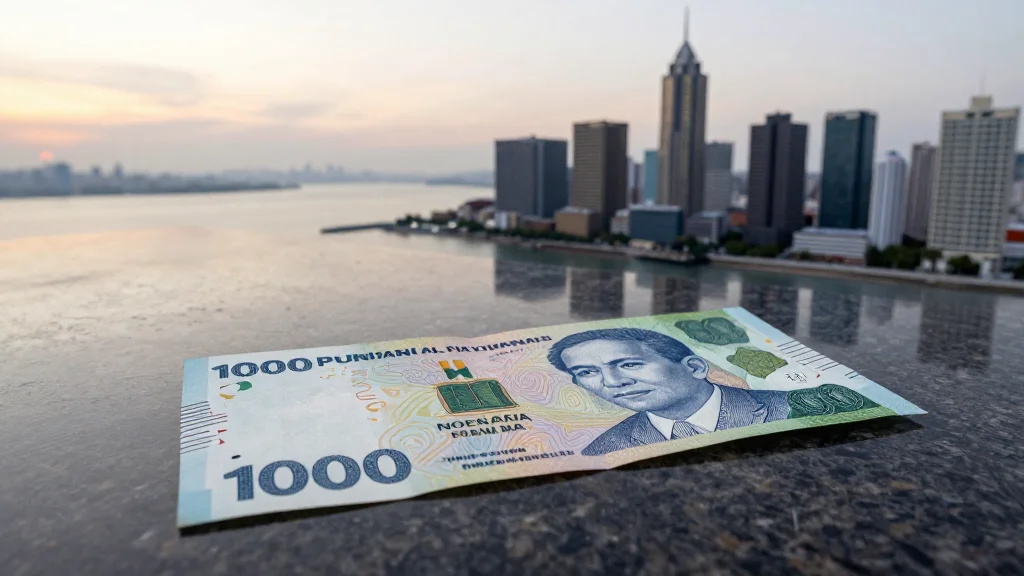
Amro: Philippines’ Debt Burden to Ease in 2026
Amro projects the Philippines’ debt‑to‑GDP ratio to fall to 62.8% in 2026, down from 63.2% in 2025, but it will stay above the 60% benchmark. Outstanding debt reached a record P18.16 trillion (about $325 billion) in February, highlighting the fiscal strain. Revenue...

Nomura Sees 60% Chance of BSP Rate Hikes
Nomura estimates a 60% chance that the Bangko Sentral ng Pilipinas will raise its benchmark rate this year, potentially adding 0.5 percentage points. The first quarter‑point hike could be announced at the April 23 Monetary Board meeting, with a second increase...

IEA Chief Warns of Tougher Month for Energy Markets
IEA Executive Director Fatih Birol warned that April will be tougher for global energy markets as the Middle East war continues to choke supply. No oil cargoes have been loaded from the region this month, and more than 80 energy facilities...

US Hormuz Blockade, Tariffs Jolt China
China called on the United States and Iran to resume negotiations after Washington launched a naval operation to close the Strait of Hormuz and threatened a 50% tariff on China for allegedly supplying air‑defence systems to Tehran. The U.S. also...

Wall Street Is the Biggest Winner of the Iran War—And the S&P 500 Just Turned Positive for the Year
Wall Street rallied on Monday as the S&P 500 jumped 1.02% to 6,886, wiping out every loss incurred since the Iran war began on Feb. 28. A brief X post by a New York Post reporter about tentative nuclear‑deal talks...
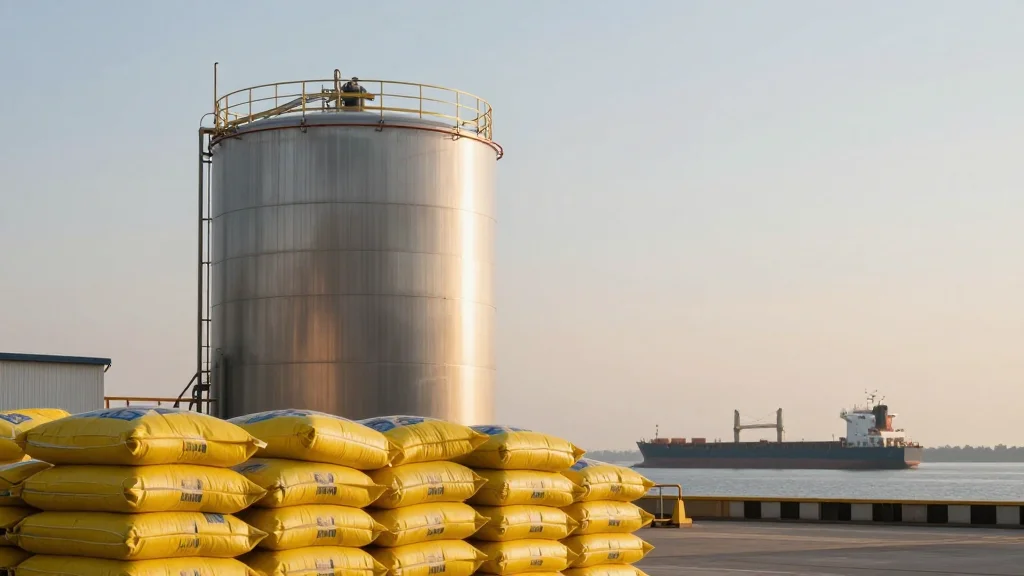
US Fertilizer Market Faces Increasing Scrutiny
U.S. phosphate exports surged in Q1 2024, tightening domestic supplies as global fertilizer trade is disrupted by the closure of the Strait of Hormuz. Prices have climbed to the highest levels since 2022, prompting criticism from President Donald Trump and...

PETER’S ASIAN BUSINESS & FINANCE BRIEFING – Tuesday 14 April 2026, 06:00 Hong Kong
Oil prices surged above $99 a barrel after the United States announced a naval blockade of the Strait of Hormuz, sending Brent up 4.4% and WTI up 2.6%. Saudi Arabia responded by halving its crude shipments to China in May,...

Oil Drops as US and Iran Weigh More Talks With Blockade in Place
Oil prices slipped on Tuesday as Brent hovered around $97 a barrel and WTI near $95, after Washington announced a naval blockade of the Strait of Hormuz. The move follows a China‑linked tanker that briefly entered the strait, tested the...

Fed Study Shows Tariffs Boosted Goods Inflation by a Cumulative 3.1 Percent
The Federal Reserve’s latest research quantifies the inflationary impact of the 2025 U.S. tariffs, finding a cumulative 3.1 percent rise in core goods personal consumption expenditures (PCE) through February 2026. The analysis shows that tariff costs are fully passed through to consumer...

Port of Los Angeles Posts Strong March as Trade and Energy Risks Build
The Port of Los Angeles handled 752,520 TEUs in March, with imports slipping 1% year‑over‑year while exports rose 7%. First‑quarter volume reached 2.39 million TEUs, about 5% below last year but matching the five‑year average. Empty container counts dropped 11%, and...

TMTB EOD Wrap
The Nasdaq‑100 tracking QQQ rose 1.05% as investors digested calmer rhetoric from Trump and Iran and a continuing ceasefire, lifting risk appetite. Oil jumped 1.5% on the same optimism, while Treasury yields slipped 3‑4 basis points, nudging Fed expectations toward...

S&P Warns of Rising Corporate Credit Stress
S&P Global warns that Thailand could become one of the hardest‑hit economies if the Iran conflict drags on, as higher input costs and supply disruptions tighten corporate finances. Highly leveraged firms carry roughly 6 trillion baht (about $162 billion) in debt, representing 17%...
Data‑Driven Reassurance Helps Clients Navigate Headline Uncertainty
2026 faces a familiar but challenging dynamic: a surge in headline-driven uncertainty prompting clients to question whether they should take action with their portfolios. 1. After a remarkable run in 2025, which included 39 record closing highs for the S&P 500,...

SILVER IS THE TRIPLE-IDENTITY ASSET: China's $48T M2 Explosion, Countries Hoarding Silver, the Export Ban, the Structural Deficit, & Why...
China’s broad money supply (M2) has surged past $48 trillion, dwarfing the combined US and EU totals, and is expected to add $4.5 trillion in 2025 alone. The expansion is prompting both the state and citizens to hoard hard assets, especially silver,...
CHINA TO BAN SULFURIC ACID EXPORTS: Copper and Uranium Mining Impacted, Bullish and Bearish Catalyst, Who Loses, & This Mining...
China announced it will halt exports of byproduct sulfuric acid starting in May 2026. The acid is a core reagent for heap‑leaching copper and uranium ores, so the ban threatens to raise input costs and curb output in mining hubs...
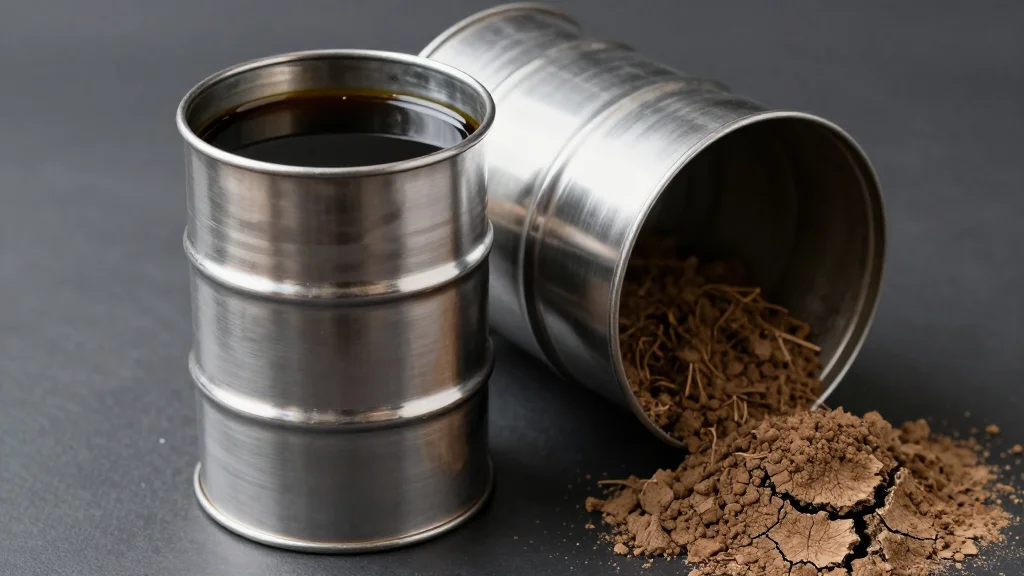
Why Oil Can Be Both Surplus and Shortage
Oil Surplus Meets Oil Shortage: What the Heck is Going On? How can the world have too much oil—and not enough at the same time? Energy economist Ed Hirs explains. #oilandgas #iranwar #uspoli #cdnpoli https://youtu.be/u24Q9ESql1A

Trump Needs A-10s to Go After Iranian Speedboats and Patrol Ships
The Trump administration has imposed a naval blockade of Iran’s ports, allowing only non‑Iranian vessels to transit the Strait of Hormuz. To counter Iran’s 3,000‑4,000 missile‑armed speedboats and 133 patrol ships, officials argue the A‑10 Thunderbolt II is the most suitable...
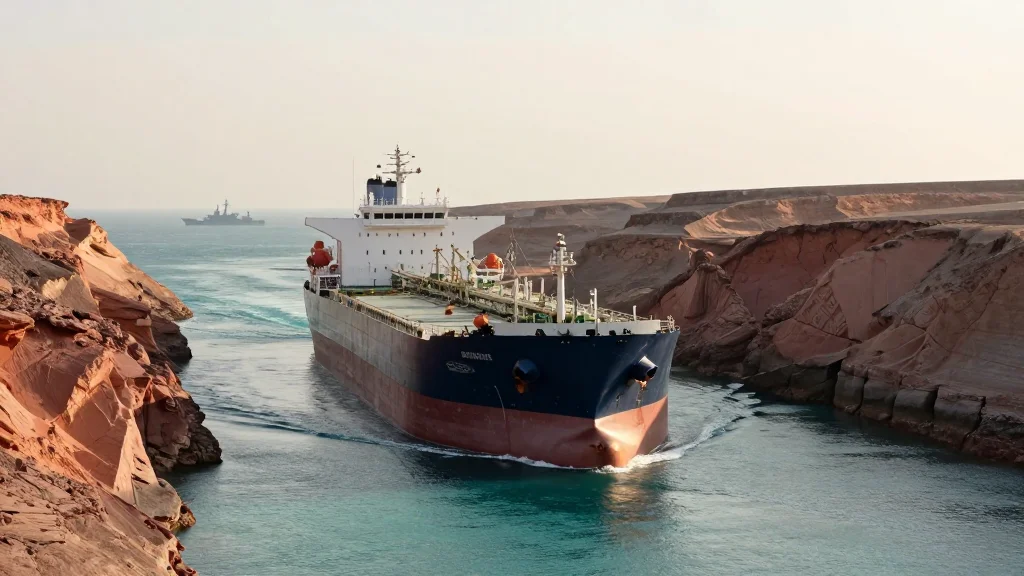
Iran Threatens Bab Al‑Mandeb If U.S. Blocks Hormuz, Escalating Red Sea Shipping Risk
Iran warned on Sunday that it will expand attacks to the Bab al‑Mandeb strait if Washington proceeds with a naval blockade of the Strait of Hormuz. The threat, issued amid a fragile cease‑fire and U.S. red‑line demands on Iran’s nuclear...

BRICS Payment System – What Does It Mean for the Nordics?
The article examines the BRICS countries’ effort to build a cross‑border payment system that could be operational by 2029‑2030, offering an alternative to Western‑controlled settlement rails. It notes the New Development Bank’s role, having approved over $42.9 billion in loans and...
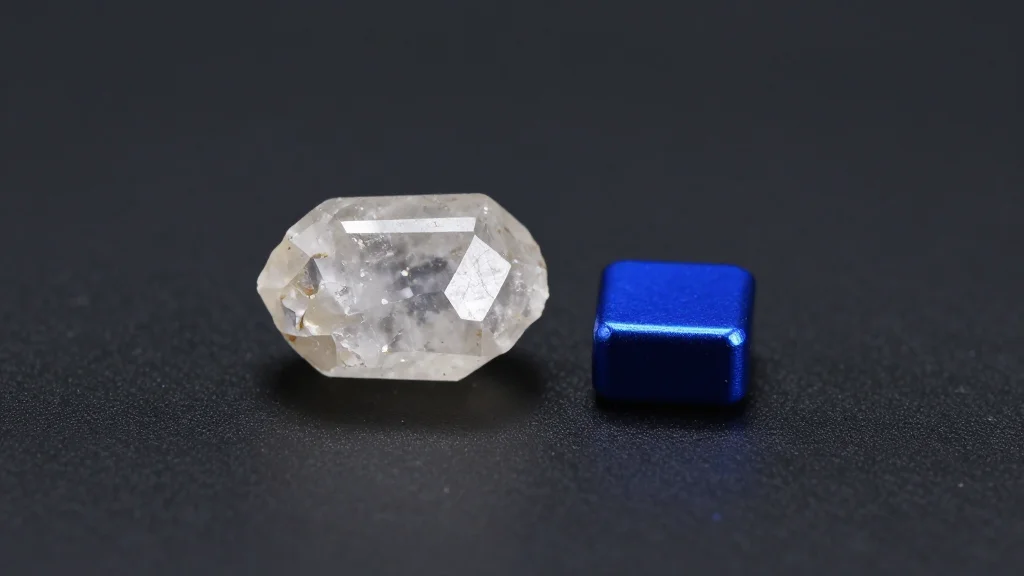
U.S. and Australia Commit $5 B to Fast‑Track Critical‑Minerals Projects
The United States and Australia have sealed a $5 billion financing agreement to fund Australian critical‑minerals projects, aiming to boost production of lithium, rare earths and other materials vital for the energy transition. The deal is expected to strengthen supply chains...
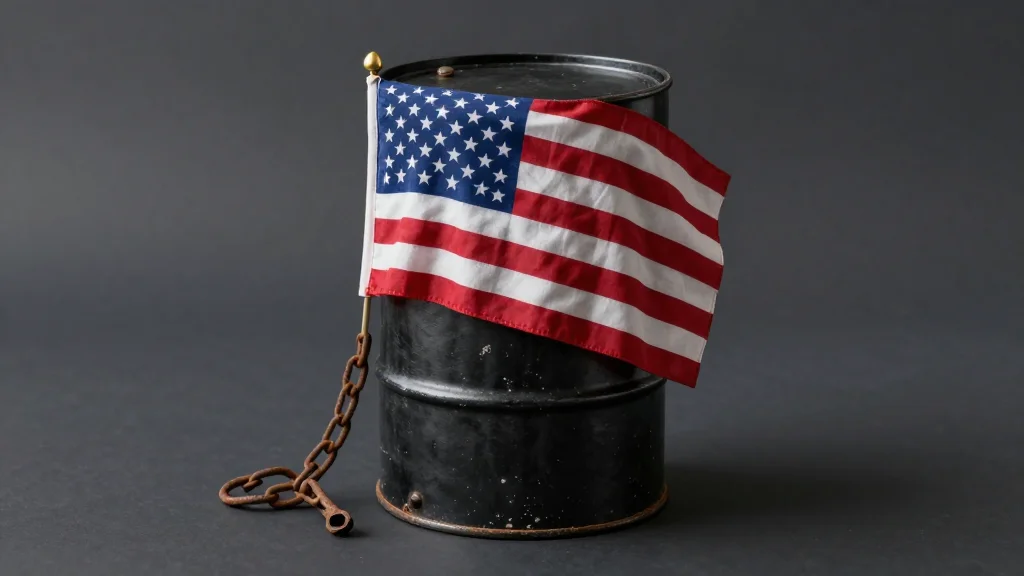
The Return of Russia Oil Sanctions
The U.S. Treasury let its general‑license waiver on Russian oil expire this weekend, re‑imposing the October sanctions on Rosneft and Lukoil. Senate Democrats claim the waiver let Russia earn more than $4 billion, while Treasury officials argue the impact is modest...
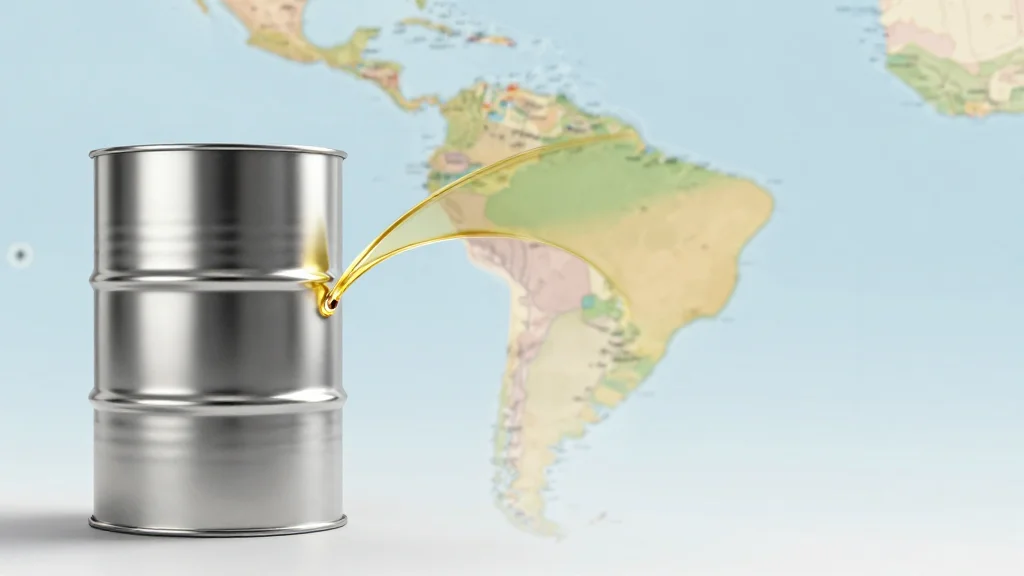
Oil Breaches $100 a Barrel, Sending Latin American Currencies Tumbling
Crude oil surged past $100 a barrel after U.S.–Iran talks collapsed, lifting prices about 6% and prompting a sharp sell‑off in Brazil’s real and Mexico’s peso. Colombia’s peso held steadier, and Peru’s sol edged higher, underscoring how oil spikes create...

European ADRs Hold Steady as Markets Await US‑Iran Talks Outcome
European ADRs opened flat on Monday as investors kept a close eye on the outcome of US‑Iran talks. The calm on the Euro‑stock front contrasted with a sharp drop in US equities after President Trump ordered a blockade of the...

Fatih Birol: The IEA Is ‘Ready to Act’ with Additional Releases of Reserves if Needed
Dr. Fatih Birol told an Atlantic Council audience that the International Energy Agency has already released a historic 400 million barrels from its emergency reserves and stands ready to deploy additional stock if the Middle‑East crisis deepens. He warned that the current...
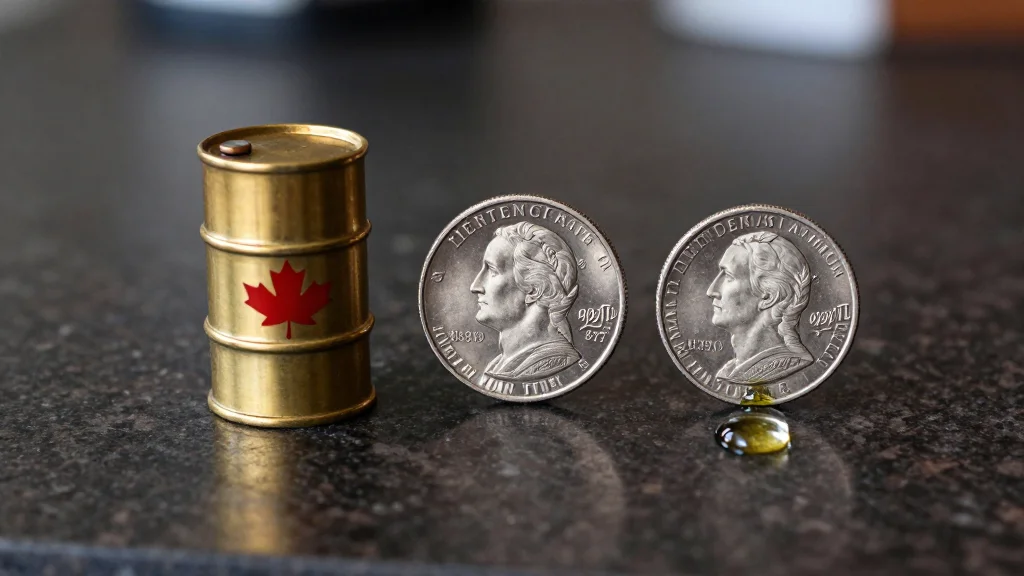
USD/CAD Stalls Near 1.3840 as Oil Spikes and Fed Hawkishness Offset Each Other
USD/CAD traded around 1.3840 on Monday, caught between a near‑7% jump in WTI crude that supports the Canadian dollar and persistent expectations of a more hawkish Federal Reserve that buoy the U.S. dollar. The tug‑of‑war left the pair essentially flat...

BlackRock Ups U.S. Stock Outlook to Overweight, Citing War Containment and Earnings Surge
Asset manager BlackRock upgraded its U.S. equity view from neutral to overweight, driven by signs of a cease‑fire in the Iran war and strong corporate earnings forecasts. The shift could steer trillions of dollars of client assets toward domestic stocks.

OPEC Says Middle East Oil Output Plummets 27% in March Amid Iran Conflict
OPEC announced that Middle East crude production fell 27% in March, dropping from 28.7 million to 20.8 million barrels per day. The plunge, driven by Iraq, Saudi Arabia, the UAE and Kuwait, follows U.S. and Israeli strikes that effectively shut the Strait...
Economy Likely Faces Just Temporary Setback From Iran War: Survey
A Wolters Kluwer survey of corporate economists finds 59% expect the inflation surge from the Iran war to be short‑lived, projecting 2.2% U.S. GDP growth this year. Yet the conflict has nudged recession odds to 35% for the next 12 months...

The Fed Treads on XRP’s Core Payments Use Case with New FedNow Banking System Upgrade
On April 8 the Federal Reserve proposed letting U.S. banks and credit unions route the domestic leg of international transfers through the FedNow Service, effectively authorising intermediaries for cross‑border payments. The change directly targets the speed and cost advantages that Ripple...

Hormuz Crisis Slashes OPEC Output, Sparks Global Energy Turmoil
🎡The Hormuz Crisis Reduces OPEC Production by 7.9 mb/d 🎡Kazakhstan's Crude Production Recovers 🎡EU Dependence on Russian Gas to Increase 🎡Iran War, Hormuz & Petrodollar 🎡US Blockade of the Blockade 🎡Panic and Oil Hoarding 🎡Saudi Oil to China: Watch Chinese Inventories 🎡India to Get Iranian Oil, But...
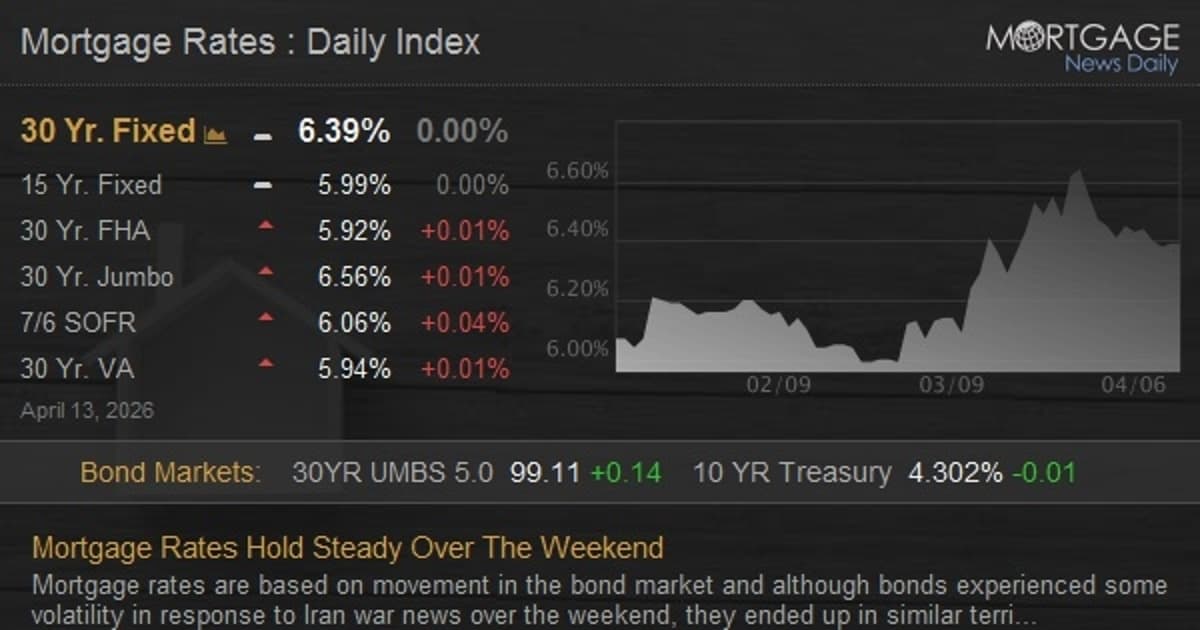
Mortgage Rates Hold Steady Over The Weekend
Mortgage rates held steady near 6.40% for the third consecutive day, despite bond market swings triggered by weekend news of the Iran conflict. The average top‑tier 30‑year fixed rate edged 0.02 % higher than Friday before modest mid‑day declines brought it...
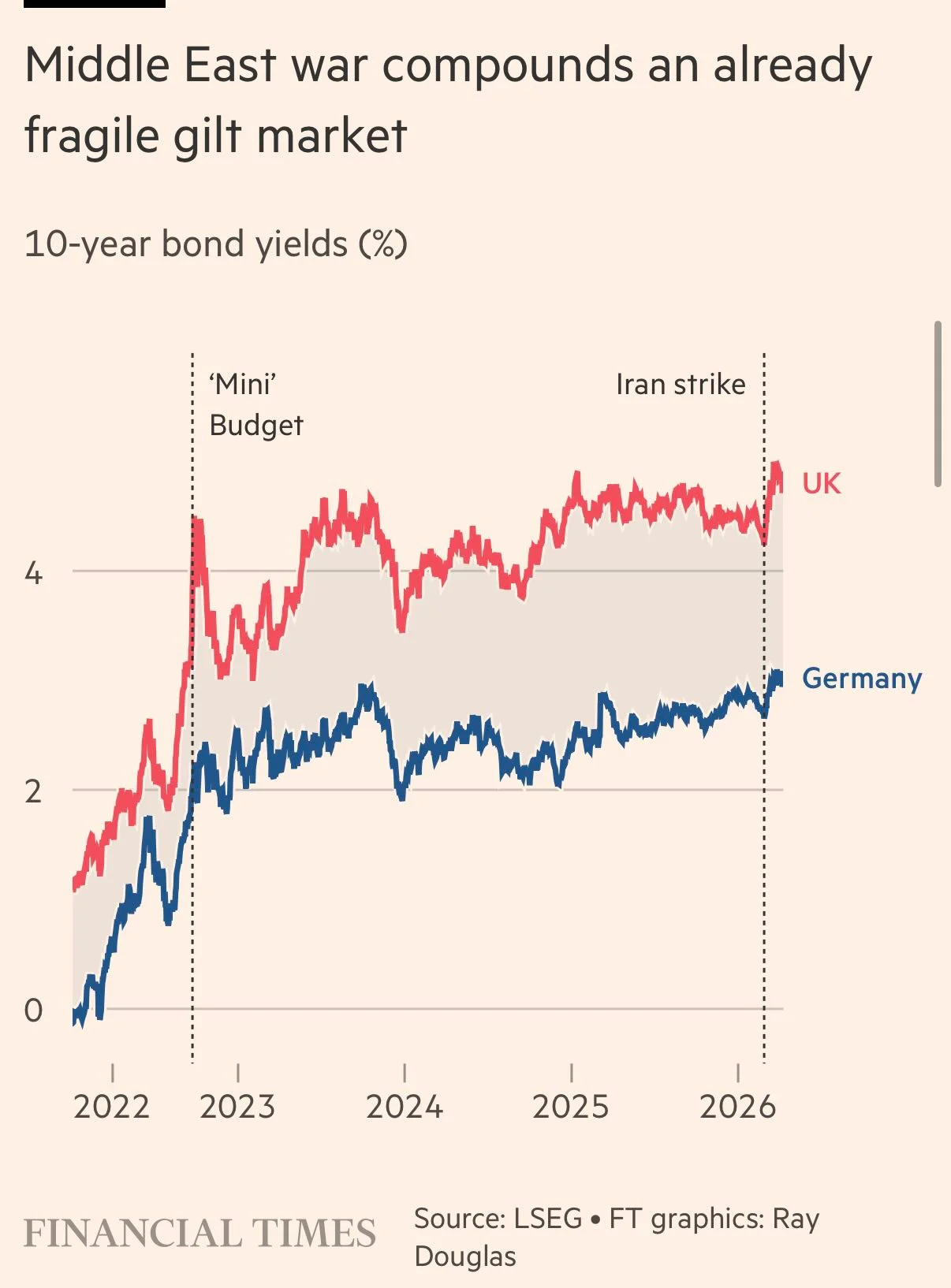
UK Bond Market Losers Identified, Risks Explained, Solutions Offered
Posted earlier today: FYI, here’s the link to my column on who lost the UK bond market—the what, why, and so what... and also what to do about it: https://www.ft.com/content/4b258818-4935-4507-b554-bccc5fd05b66 #economy #markets #bonds #uk @financialtimes

Iran's Hormuz Chokehold Gives It Geopolitical Leverage
Geopolitics expert Alexander Mercouris on why Iran holds MOST OF THE CARDS: “[Iran] has this chokehold [Strait of Hormuz] over the global economy… and they intend to retain control of it indefinitely.” https://t.co/iRoLyxzVKl

Daily Energy Report
OPEC left its global oil supply and demand forecasts unchanged despite the Iran war’s disruptive impact. The organization projects crude demand to reach 106.53 million barrels per day (mb/d) in 2026 and 107.87 mb/d in 2027, with a softer second‑quarter offset by...

Social Media Sentiment Index Turns Negative After Year‑Long Rise
GS Social Media Economic Sentiment Index slipped negative for the first time in a year https://t.co/BS27wk0I2g

Suez Canal Traffic Plummets as Houthi Attacks Intensify
The Suez Canal connects the Red Sea to the Mediterranean. It carries about 12%-15% of global trade. Since 2023, vessel traffic has COLLAPSED. CONTRARY TO WESTERN PROPOGANDA, THE HOUTHIS CALL THE SHOTS IN THE RED SEA. https://t.co/3ti8ThWrDE
Canadian Job Market Booms In West, Slumps In East, Gap To Widen: BMO
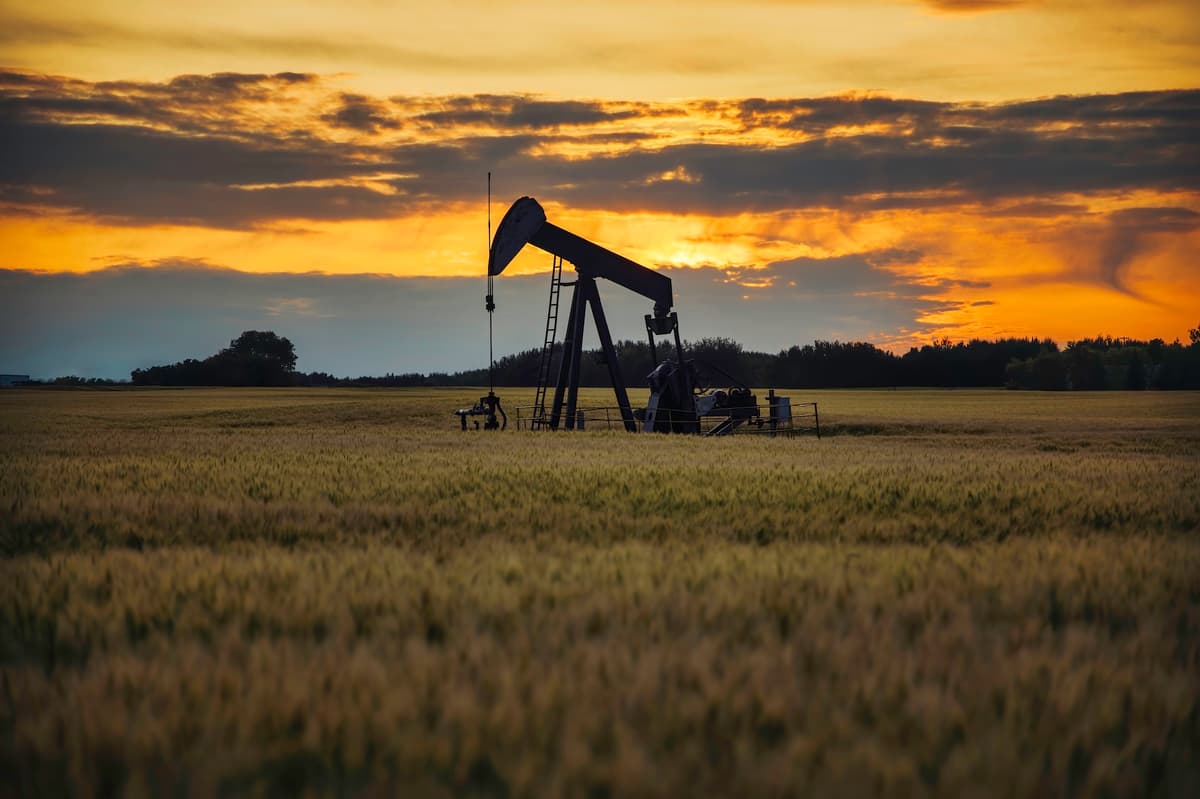
BMO Capital Markets’ Labour Market Performance Ranking shows Canada’s job market splitting sharply between a booming West and a faltering East. Cities in Alberta and Saskatchewan dominate the top ranks, driven by strong employment growth and rising real GDP, while...
Customs Launches Refunds for Trump's Illegal Global Tariffs
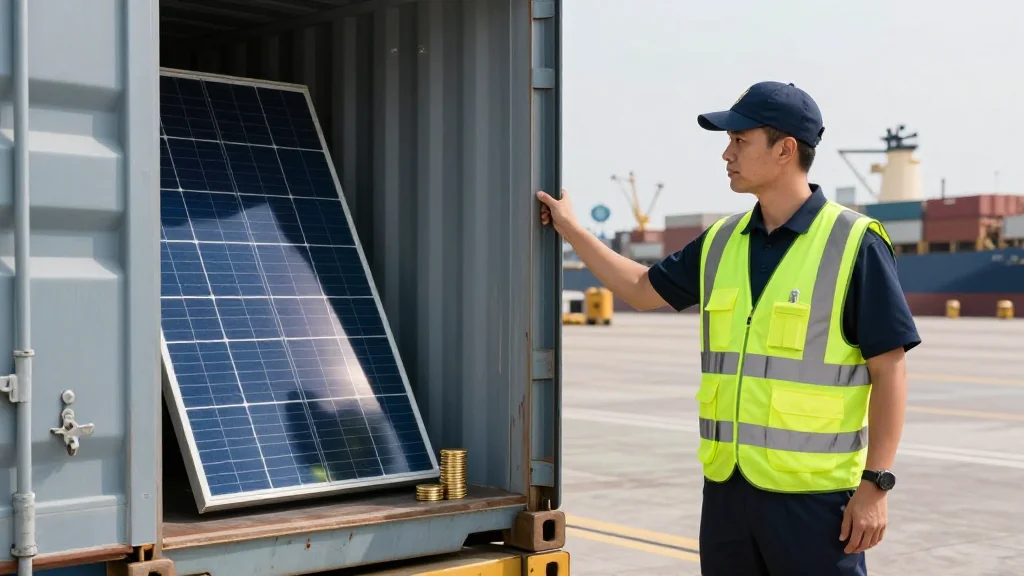
Customs sets up refund process for Trump’s unlawful global tariffs #energysky -- via Solar Power World: https://t.co/SGmgl7OuvN
Inflation, Not Deflation, Threatens Sovereign Fiscal Stability
Basic Econ 101: Countries don’t spend themselves into bankruptcy in a deflationary environment. They run into trouble when inflation is rising and central banks lose control of the long end of the curve.

Alcohol Drinks Count in CPI Core, Not PCE Core
Today I learned that alcholic beverages are part of "commodities less food and energy commodities" in the CPI but not in "PCE goods excluding food and energy"
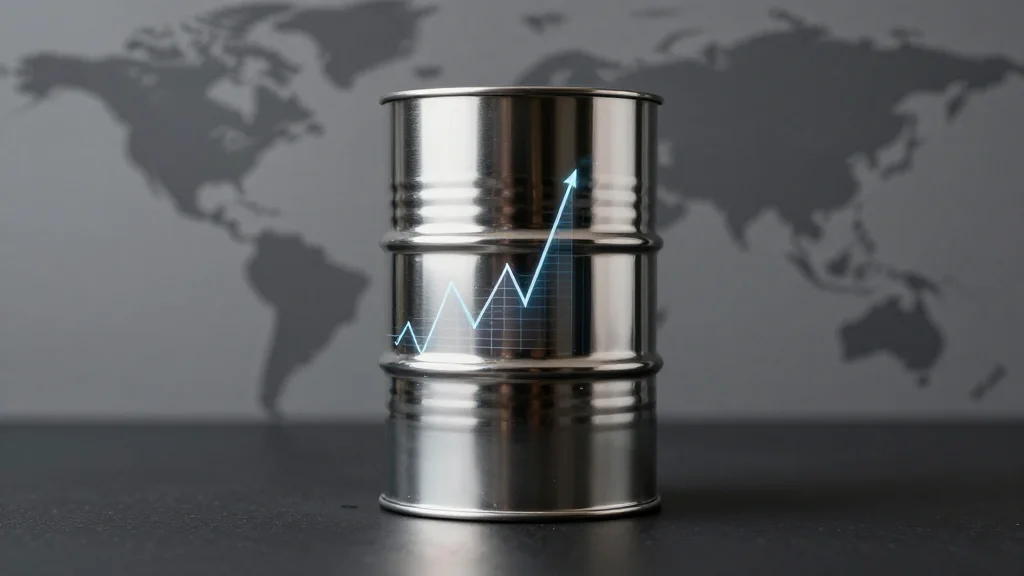
Physical Asian Oil Surge Forces Paper Prices Higher
My take @Fortune on oil prices: "Physical oil in Asian markets spiked past $150 a barrel; the paper market never climbed that high… The paper price will be forced to converge with the physical - and it has nowhere to go...

History Reveals What Truly Anchors Price Levels
From bimetallism to the gold standard to fiat money, what really anchors the price level? Is it the monetary standard, the fiscal backing, politics, or all the above? Monetary historian Kris Mitchner joins the podcast this week to help us...
Global Energy Shock Still Unreflected in Prices
I agree with my friend and renowned oil expert Javier Blas. The GLOBAL ENERGY SHOCK has yet to be priced in. https://t.co/jGrLu4xyby

Tucker Carlson Blames Israeli Pressure for US Iran War
.@TuckerCarlson on the REAL cause for the US to engage in a war on Iran: “You would have to be either not very bright or under immense pressure from another country to start a war like this... We did this because...

Trump Announces U.S. Blockade of Hormuz Strait
President Trump made one of the most significant moves of the past year when he announced that the U.S. would blockade the Strait of Hormuz. Full analysis available exclusively on Patreon ➡️ https://t.co/9Jtz6Cei8b #iranwar #geopolitics https://t.co/pQIrU6zGT9
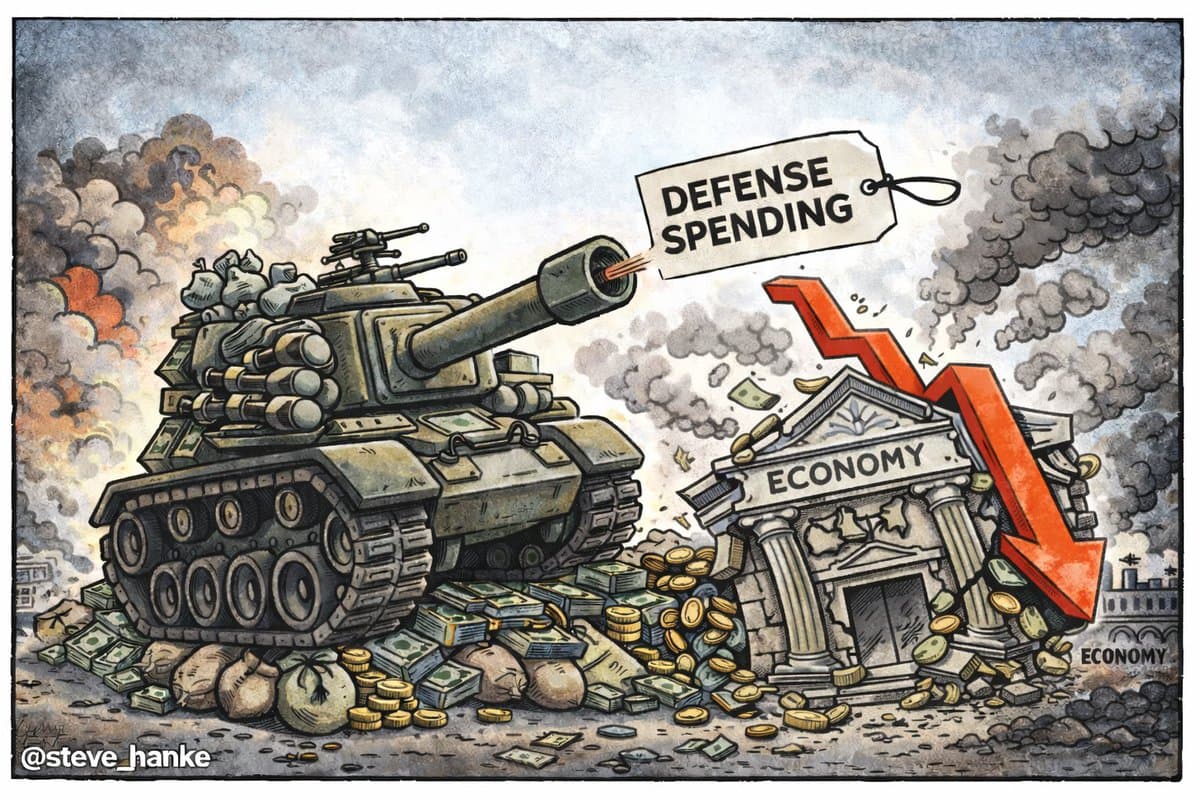
Higher Defense Spending Increases Deficits and Debt, IMF Finds
According to the IMF’s research of 164 countries, higher defense spending worsened gov’t deficits by ~2.6% of GDP and raised public debt by 7 percentage points within 3 years. DEFENSE SPENDING = BAD ECONOMIC NEWS. https://t.co/XJxs1VYPUV
Panel Tackles Growing Global Current Account Imbalances
I'm looking forward to moderating this panel Wednesday on widening current account imbalances, with IMF MD Kristalina Georgieva, BOE Gov Andrew Bailey, Kristin Forbes, Adam Posen and Helene Rey.