
India’s Weak Currency Reflects Deeper Problems than the Iran War
The IMF’s April update shows India’s rupee lost roughly 10% against the dollar in the fiscal year ending March, pushing the country to sixth place in global GDP rankings, behind the United Kingdom. The currency slide reflects not just external shocks like the Iran‑Israel conflict but chronic structural weaknesses, including a widening current‑account deficit and dwindling foreign‑direct investment. Persistent policy uncertainty and fiscal imbalances have further eroded investor confidence. Analysts warn that without decisive reforms, the rupee’s decline could accelerate and hamper growth.

How Kalshi Can Help the Federal Reserve
Kalshi and Polymarket saw trading volumes surge to $50 bn in 2025, up from $16 bn the year before, as they expand beyond sports betting into macroeconomic wagers. Economic contracts—covering GDP, payrolls and inflation—now make up about 1‑2% of activity, attracting the...
Yannis Stournaras: On the Contribution of the Economic and Financial Committee to the Development of the Euro Area and Future...
Greek Central Bank Governor Yannis Stournaras highlighted the Economic and Financial Committee’s pivotal role in shaping the euro area, from laying the groundwork for the single currency to steering Greece through its sovereign‑debt crisis. He recounted how the crisis spurred...
Christina Papaconstantinou: Central Banks and Independence - a Test for Democracy
Central bank independence, enshrined in EU law, shields monetary policy from short‑term political pressure while mandating price stability. The European Central Bank (ECB) and national banks operate under the Treaty on the Functioning of the EU, granting them a high...

Oil Surge on Trump Blockade Warning Tests Stocks’ Resilience
Crude oil prices leapt to a four‑year peak after President Donald Trump suggested a US naval blockade of the Strait of Hormuz could endure for months. Brent crude surged as much as 7.3%, breaking the $126 per barrel mark. The...
Burkhard Balz: Foundations of Resilience - the Role of Cash and the Digital Euro
Burkhard Balz highlighted that payment system resilience relies on both cash and a forthcoming digital euro. He explained cash’s proven role as a risk‑free, offline anchor, especially during crises, and outlined how the digital euro is being designed with offline...

World Bank Resurrects Industrial Policy: Ball Is in Southeast Asia’s Court
The World Bank has reversed its long‑standing opposition to industrial policy, declaring it a core component of national development strategies in its 2026 report. It cites three transformative trends—global value chains, green industrial policies, and AI—that require countries to upgrade...
Erik Thedéen: Monetary Policy Challenges in War Related Supply Shocks
Erik Thedéen, a BIS executive board member, warned that recent geopolitical events—U.S. tariffs introduced in early 2025, the war in Iran and prolonged supply‑chain disruptions—are testing the resilience of the global economy. He suggested that the post‑World‑War II "Pax Americana" stability may...

This Oil Shock Will Hit Asia Harder than the 1970s
The recent oil shock stemming from the Iran‑Strait of Hormuz crisis is reverberating across Asia more intensely than the 1970s oil crises. Jet fuel in Singapore has doubled, prompting airlines to trim May schedules by 10‑15%, while Japan’s subsidies only...
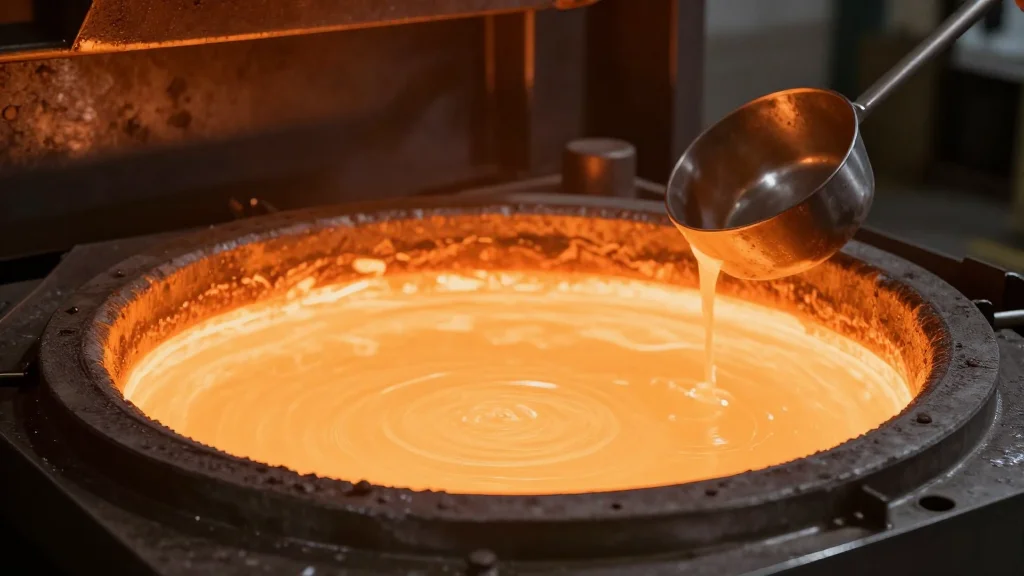
America’s Big New Aluminum Smelter Is Still Waiting on a Power Deal
The United Arab Emirates‑based Emirates Global Aluminium and Century Aluminum are moving ahead with a $4 billion, 750,000‑metric‑ton annual aluminum smelter in Oklahoma, the first new U.S. primary smelter since 1980. The plant would more than double domestic capacity but hinges...

Why a Budget and Rate Rise Could Make May Retail’s Crunch Month
May will be a make-or-break month for Australian retailers as the Reserve Bank of Australia is expected to raise interest rates and the federal budget is slated for May 12. Inflation remains at 4.6% and consumer confidence has fallen to its...

Why Is Britain’s Economy so Stuck? It’s the Tension Between What Voters Want and What the Bond Markets Allow |...
UK politics is fragmenting as five parties vie for power, intensifying pressure to address a cost‑of‑living crisis. At the same time, bond market investors are demanding higher yields, with gilt yields above 5%—the highest since the 2008 financial crisis. The...

Scaling up a Tech Startup in Europe Is Hard — ‘EU Inc.’ Aims to Help
Europe churns out dozens of unicorns each year, yet most founders struggle to scale beyond national borders because of 27 distinct legal regimes. The European Commission’s new “EU Inc.” framework proposes a single, digital‑by‑default company structure that can be incorporated...

Ouch. The U.S. 30-Year Treasury Yield Just Hit 5% and Bitcoin May Pay the Price
U.S. 30‑year Treasury yields surged to 5%—the highest level since July 2025—after hawkish dissent within the Federal Reserve and a rally in oil prices. The spike makes long‑term bonds a near‑risk‑free alternative, prompting investors to shift capital away from risk assets...

Suez Canal to Benefit From Hormuz Chaos
CMA CGM has introduced the Ocean Rise Express (OCR) service, averaging 9,334 TEU, with its inaugural 8,488‑TEU vessel departing Shanghai in early February and now transiting the Suez Canal. Soaring bunker fuel costs and soft freight rates are prompting carriers...

The EU-Mercosur Trade Agreement Is Finally Happening
After more than two decades of negotiations, the EU and Mercosur bloc reached a provisional interim trade agreement that took effect on May 1. The pact creates a trade zone encompassing roughly 700 million consumers, lowering tariffs on a range of goods...

How to Win a Trade War: Book Launch and Discussion with Bown and Keynes
The Peterson Institute for International Economics is hosting an online launch for the new book *How to Win a Trade War* by trade experts Chad P. Bown and Soumaya Keynes. The event will feature a discussion with WSJ chief economics commentator Greg Ip, exploring...

Israel’s Economy and Financial Markets Are Booming — Even as Conflict Rages in the Middle East
Israel’s economy is expanding despite three years of conflict, with the Bank of Israel projecting 3.8% GDP growth in 2026 after a 1.4‑point downgrade. The IMF expects a 3.5% increase this year, outpacing the United States and the EU, and...
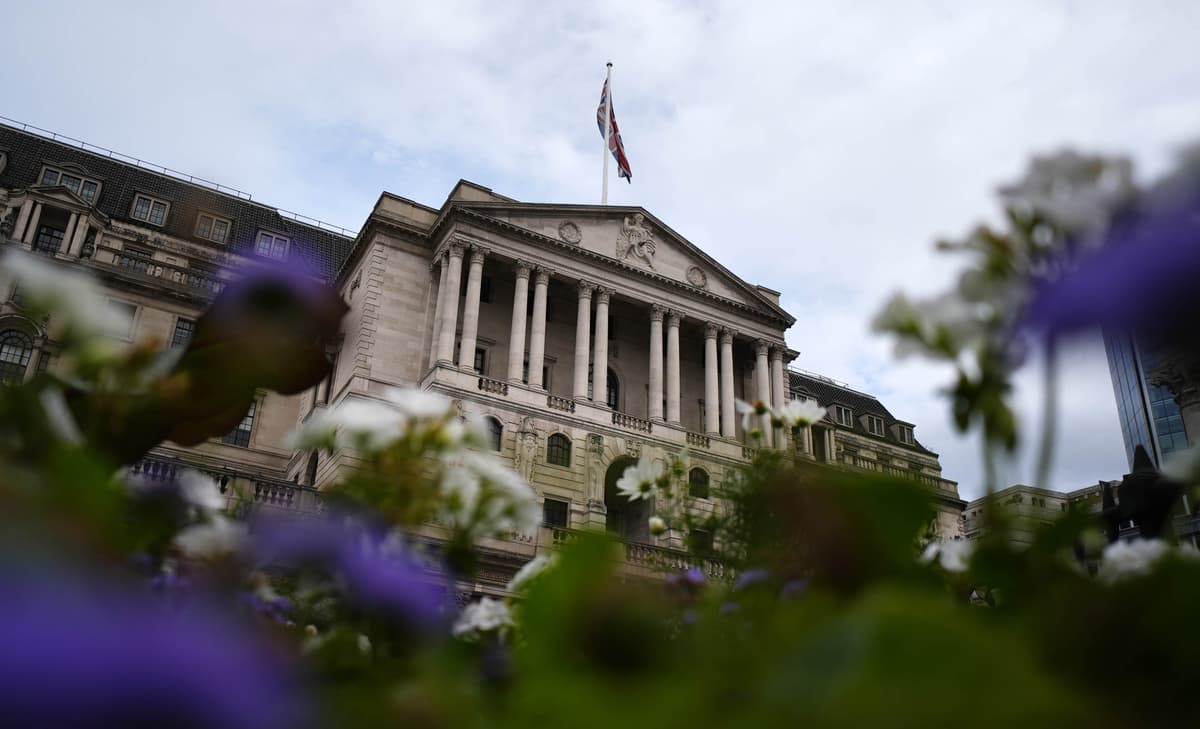
Bank of England Live: Interest Rates Tipped to Be Held as Oil Hits 2022 High
The Bank of England’s Monetary Policy Committee met at 12 pm to decide on the Bank Rate, with most analysts betting the 3.75 % rate would be held despite hints of dissent. Inflation in the UK rose to 3.3 % in March, up...

Taiwan Accuses China of Vegetable Laundering via Vietnam
Taiwan has accused Chinese exporters of circumventing its ban on over 1,000 agricultural and fishery products by routing vegetables such as Napa cabbage and shiitake mushrooms through Vietnam. The practice, described by Taipei officials as “origin washing,” seeks to disguise...

Bank Expected to Hold Bank Rate Today
The Bank of England is expected to keep its base rate at 3.75% as it releases its latest decision. Inflation remains at 3.3%, still above the 2% target, and the ongoing Middle East conflict is adding pressure through higher energy...

Explainer: Fashion’s New Tariff Threat
The U.S. Supreme Court struck down the controversial ‘Liberation Day’ tariffs, allowing fashion brands to claim refunds for duties already paid. At the same time, a pending forced‑labour investigation threatens a new wave of tariffs and import bans, forcing companies...

Why Is China’s Factory Activity Rising Despite Global Risks?
China’s official manufacturing PMI rose to 50.3 in April, marking a second month of expansion as manufacturers accelerated production to meet a surge in export orders—the strongest in two years—while stockpiling ahead of potential price hikes from the Middle East...

The Conference Board Leading Economic Index® (LEI) for the US Declined in March After Increasing in February
The Conference Board’s Leading Economic Index (LEI) slipped 0.6% in March 2026 to 97.3, erasing the modest 0.3% gain recorded in February. The drop was anchored by weaker building permits, declining consumer expectations, and a fall in S&P 500 prices. The...

The New Resource Curse
Recent oil price spikes illustrate how geopolitical shocks can drive commodity volatility, but the emerging critical‑minerals sector poses even greater risks. Demand for lithium, cobalt, nickel and rare earths is surging—IEA reports a 30% jump in lithium demand this year...

International LNG Prices Rise Amid Strait of Hormuz Closure
The February 28 closure of the Strait of Hormuz halted roughly 10 billion cubic feet per day of LNG shipments, representing about 20% of global trade. European TTF futures jumped 35% to $14.80/MMBtu and Asian JKM futures surged 51% to $16.02/MMBtu, while...

Crypto Plunges, Big Tech Earnings Are Strong. So Why Are Markets Nervous?
US equity futures rose on strong after‑hours earnings from Alphabet and Amazon, but markets remain jittery as Brent crude surged to $120.30 a barrel, the highest level since mid‑2022. The Federal Reserve left its policy rate unchanged at 3.5‑3.75% amid...

Japan’s Record Sales of Euro Bonds Show Historic Funding Shift
Japanese issuers sold a record €18.5 billion (≈ $21.6 billion) of euro‑denominated bonds in 2026, more than five times the amount sold a year earlier. Dollar issuance grew modestly to about $45 billion, while yen‑denominated funding slipped 3.6% to roughly $45.7 billion. The shift reflects...

Where Do Thailand-China Relations Stand in 2026?
Thailand’s ties with China deepened in 2026 as high‑level visits, booming Chinese consumer brands and joint infrastructure ambitions reinforced a pragmatic partnership. The Bangkok International Motor Show saw BYD outpace Toyota, while Thailand’s “land bridge” rail project looks to Chinese...
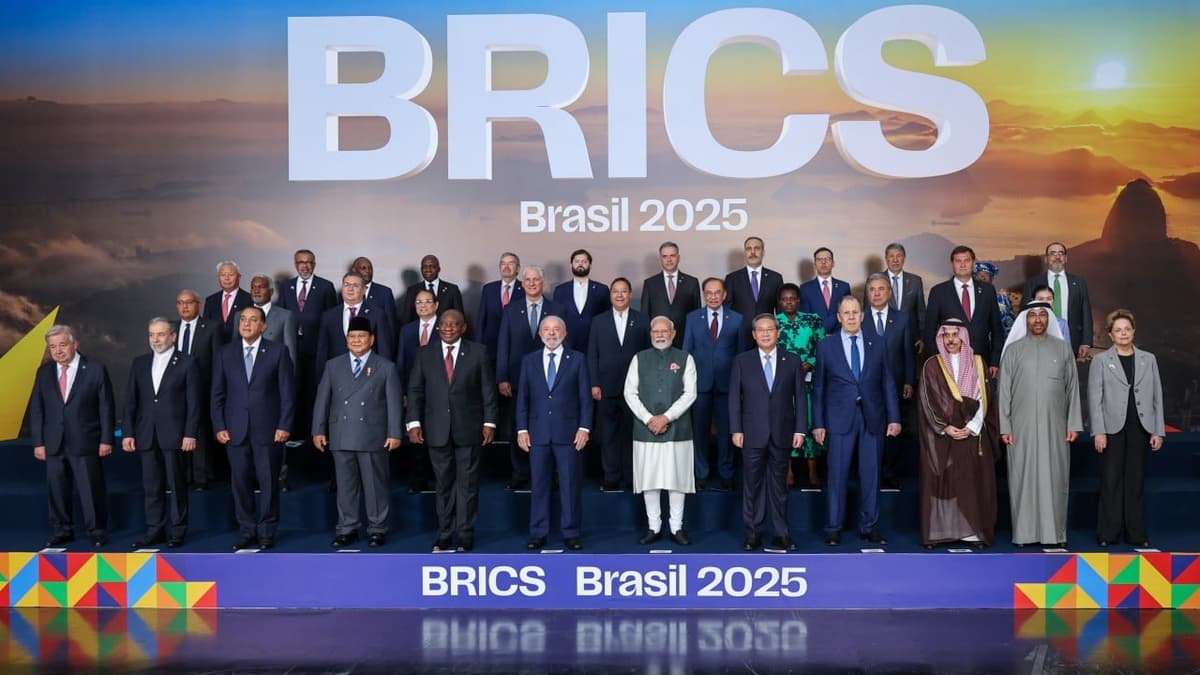
Brics to Push for Intra-Currency Payments as ‘Immunity’ Against Western Clout
BRICS is evaluating a digital payments framework that would settle cross‑border transactions in member currencies, aiming to reduce reliance on the US‑dollar‑centric SWIFT system and mitigate sanctions risk. The proposal, spearheaded by India’s central bank, will be discussed at a...

Base Rate Held AGAIN at 3.75% – Here's What It Means for You and when It Might Change
The Bank of England’s Monetary Policy Committee voted 8‑1 to keep the base rate unchanged at 3.75% on 30 April, despite CPI inflation rising to 3.3% in the year to March. One member pushed for a 0.25‑point hike to 4%, but...
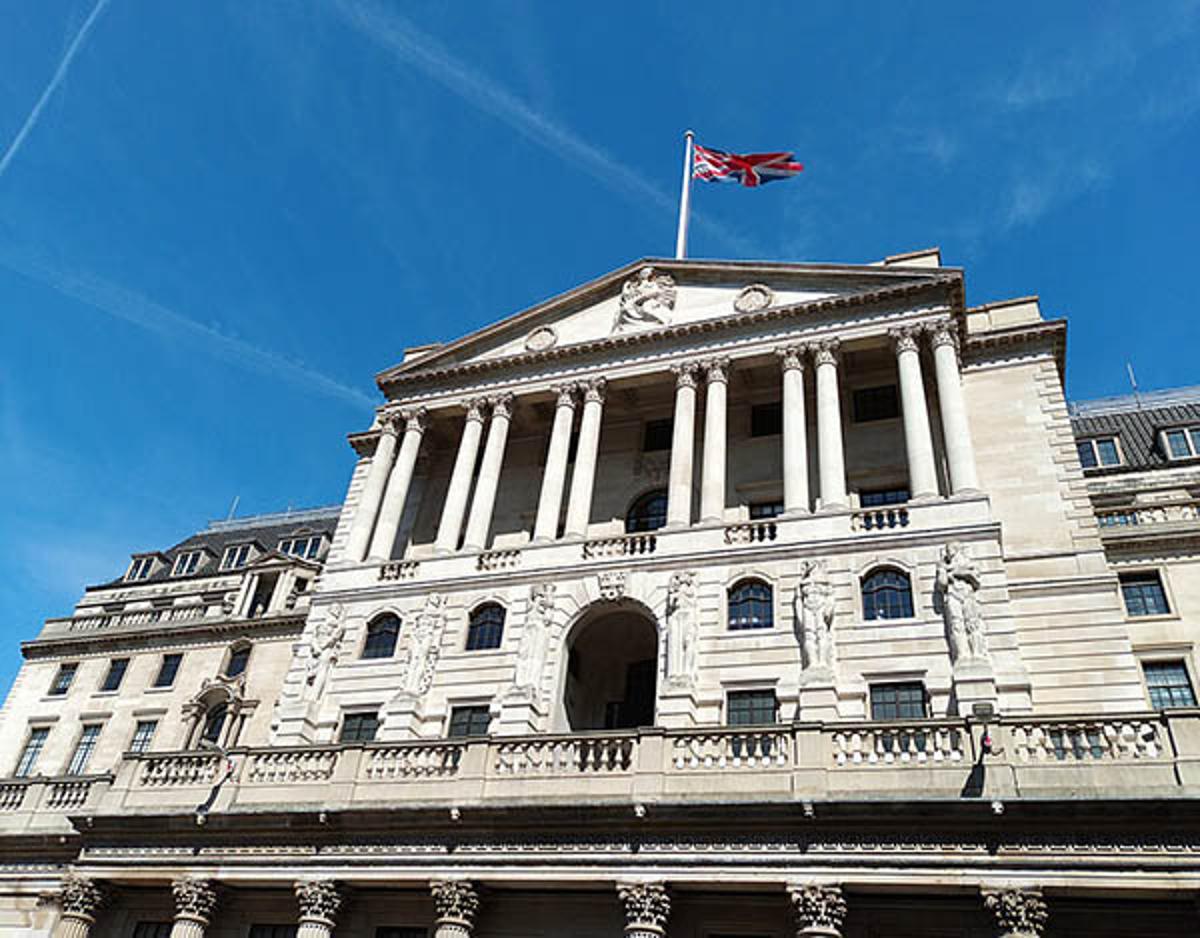
Will the Bank of England Raise Interest Rates Today Amid Inflation Concerns?
The Bank of England is set to decide today whether to raise its base rate amid renewed inflation pressure from higher energy costs tied to the Iran war. After holding the rate at 3.75% in the March meeting, Governor Andrew...

Empty Tankers Are Extending Iran's Ability to Wait Out the U.S. Blockade
Iran is using empty ballast tankers as floating storage to stretch its crude‑export capacity despite the U.S. Navy’s Red Sea blockade. TankerTrackers.com estimates the loitering tonnage could keep shipments flowing until mid‑June, far longer than other analysts who projected late...

Interest Rates Expected to Be Held as Uncertainty over Iran War Continues
The Bank of England is expected to keep its benchmark rate at 3.75% as the Monetary Policy Committee weighs the lingering fallout from the Iran conflict. Inflation remains stubborn at 3.3%, still above the 2% target, prompting a cautious stance....
Reconfiguring Europe in a Fractured Global Economy: The Florence Report
The Florence Report, the flagship study of the EMU Lab at the European University Institute, warns that Europe’s long‑standing “reduced responsibility model” – reliance on U.S. security, markets and global institutions – has become dysfunctional in a fractured, multipolar world....

Apple Earnings, March PCE, Q1 GDP, Mortgage Rates: What to Watch
Apple reported fiscal Q2 results that topped analyst expectations, buoyed by stronger iPhone sales in China, double‑digit growth in services, and a surprise uptick in Mac shipments. The company also disclosed that CEO Tim Cook will step down in September,...
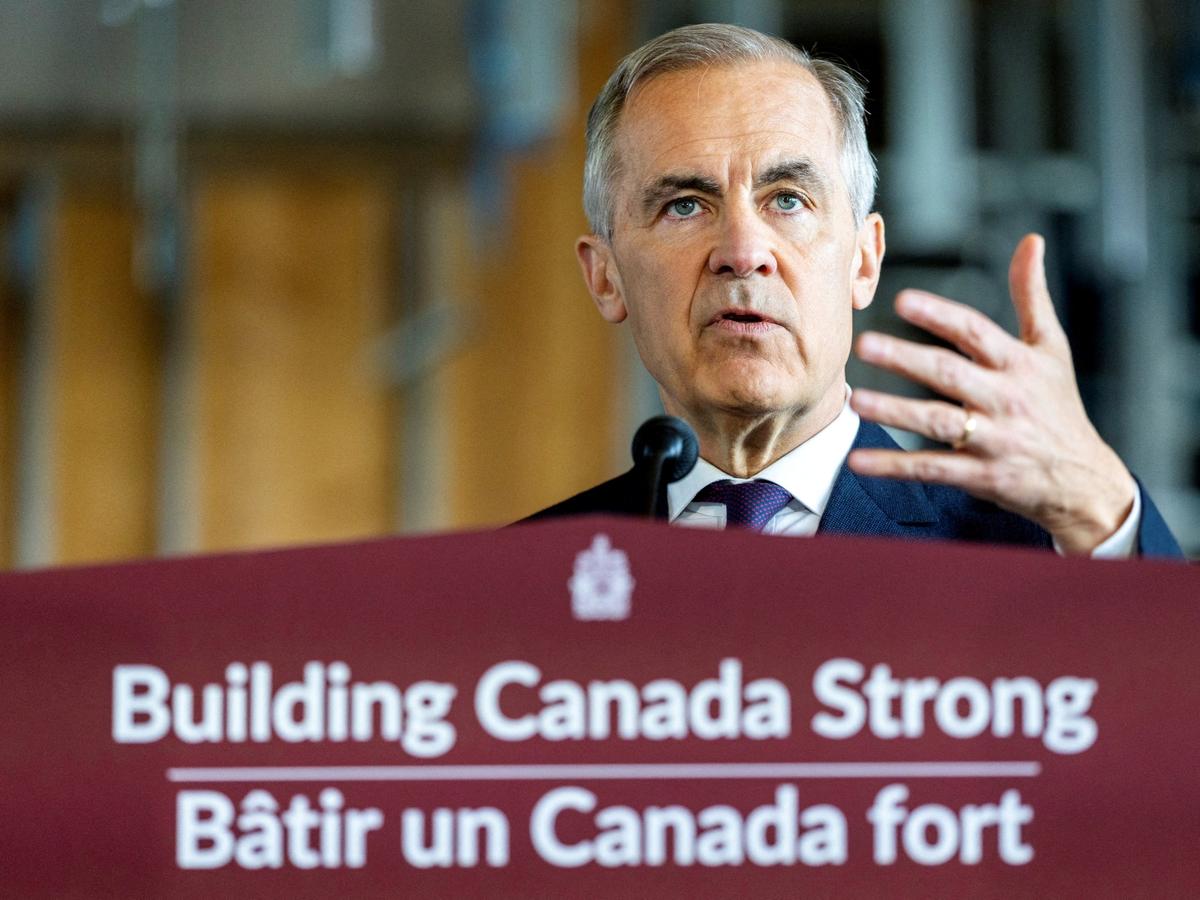
Carney ‘Strong’ in Year One, Now Must Deliver on Promises in Canada
Canadian Prime Minister Mark Carney’s first year was defined by a confrontational U.S. trade environment under President Donald Trump, prompting Carney to resist a rushed US‑Canada trade pact and maintain policy independence. He leveraged the tension to reset relations with...

Brazil's Cuts Rate by 25bp to 14.50% but Flags Deanchored Inflation and Middle East Risks
Brazil's monetary policy committee (Copom) unanimously cut the Selic benchmark rate by 25 basis points to 14.50%, matching the majority of economists' expectations. For the second meeting in a row, the board offered no forward guidance, tying any further moves...

AfCFTA Shifts From Treaty Architecture to Operational Trade System Amid Persistent Frictions
The African Continental Free Trade Area (AfCFTA) is shifting from a treaty framework to an operational trade system as most member states have ratified the agreement. All 55 AU members except Eritrea have signed, with 49 ratifying, and the pact...
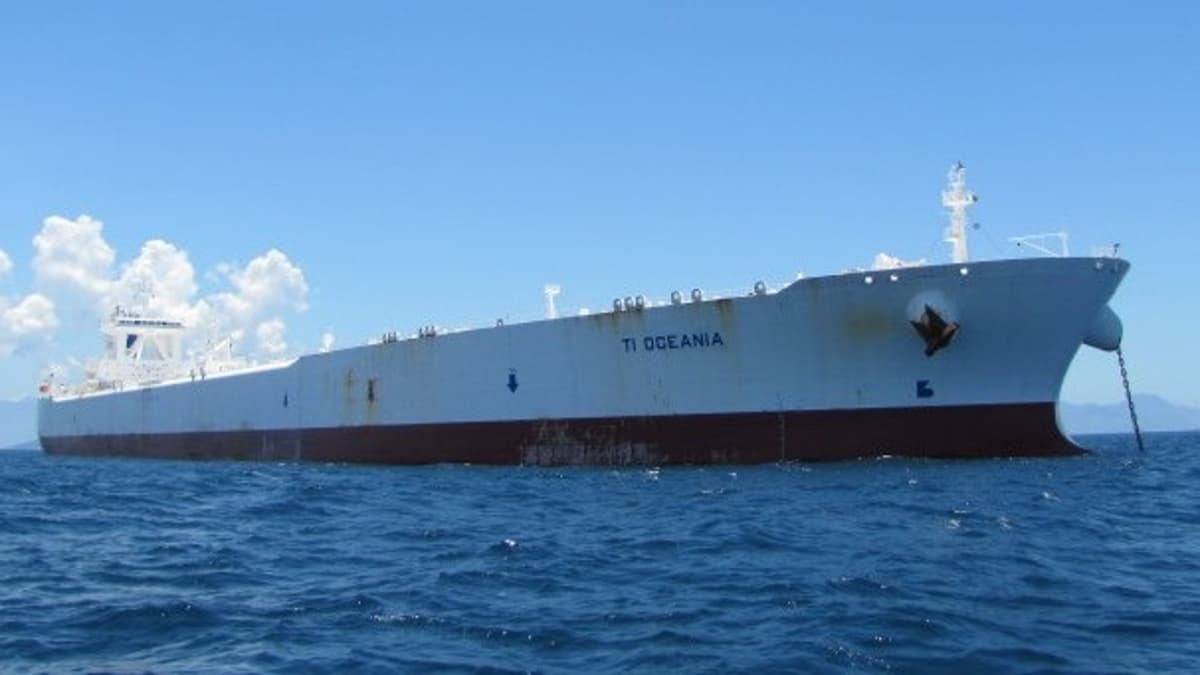
Oil Rallies Toward $120 As Middle East Supply Risks Spiral
Oil prices surged on Wednesday as Brent crude for June delivery rose 6.45% to $118.40 a barrel and WTI jumped 7.20% to $107.10, driven by a tightening U.S. blockade on Iranian ports and the UAE’s announcement that it will leave...
Powell’s Parting Gift: How One Chair’s Dissents Could Constrain the Next
Jerome Powell, in his final 18 months as Fed chair, deliberately tolerated dissent within the Federal Open Market Committee, shifting decision‑making from a chair‑centric model to a more independent committee. By allowing members to voice opposition, Powell reduced the informal...

April FOMC: Hawks Push Back As Inflation Risks Rise
The Federal Reserve left its policy range unchanged at 3.50%‑3.75% during the April 2026 FOMC meeting, but three regional presidents formally dissented, flagging concerns over persistent inflation and volatile energy prices. Chair Jerome Powell stressed Fed independence and signaled a...

Fed Holds Interest Rates Steady: Here's What that Means for Credit Cards, Mortgages, Car Loans and Savings Rates
The Federal Reserve left its benchmark rate unchanged in the 3.5%‑3.75% target range, a decision likely made by Chair Jerome Powell in his final meeting. The hold reflects persistent inflation pressures tied to the Iran conflict and limited policy space...

Stock Investors Fared Very Well Under Powell. Bond Investors, Not so Much
Federal Reserve Chair Jerome Powell is set to depart after eight years, leaving a market record that favors equities. The Dow Jones rose about 9% per year and the S&P 500 surged 14.7% annually, the third‑best performance for a Fed chair...
Fertilizer Prices Have Doubled Since the Strait Closed
The closure of the Strait of Hormuz on Feb. 28 halted half of the world’s fertilizer feedstock shipments, causing fertilizer prices to more than double. Experts say even a cease‑fire won’t quickly restore natural‑gas supplies, so relief could take months or...

Economic and Event Calendar in Asia 30 April 2026, China PMIs
The Asian economic calendar for April 30 2026 highlights China’s purchasing‑manager indices. Official PMI data are forecast to decline in April, suggesting a slowdown in overall activity. In contrast, the private manufacturing PMI from Rating Dog is expected to rise, indicating resilience in...

Where Is Pakistan Again?
The World Bank reclassified Pakistan from its traditional South‑Asia grouping to a new MENAAP (Middle East, North Africa, Afghanistan, Pakistan) region in July 2025. This shift places Pakistan alongside economies facing war‑related slowdowns, dropping its growth outlook from the South...

Takeaways From Powell’s Final News Conference as Fed Chair.
Jerome Powell concluded his tenure as Federal Reserve chair on May 15, 2026, and announced he will remain on the Board as a governor through January 2028. He pledged a low‑profile presence to facilitate a smooth handoff to incoming chair Kevin M....
ANALYSIS: Fed Hold Keeps Markets Anchored as Rate-Cut Timeline Slips
The Federal Reserve left its policy range unchanged at 3.5%‑3.75%, cementing a "higher for longer" stance despite inflation still above target and heightened geopolitical risk from the Iran conflict. The vote revealed four dissenting governors—the most opposition since 1992—signaling deep...
Markets Are Mixed Amid Fed Uncertainty: Stock Market Today
The Fed’s FOMC voted 8‑4 to keep the federal funds rate at 3.5‑3.75%, citing elevated inflation driven by higher global energy prices. Stocks slipped, with the Dow down 0.6% and the S&P 500 flat, while the Nasdaq edged higher as...