
Iranian Economic Collapse May Come Too Late for Trump
Iran’s economy is under severe strain after weeks of conflict and a U.S. blockade that has choked oil exports, yet the country remains functional thanks to abundant internal supplies and robust land trade with neighboring states. Analysts expect a double‑digit GDP contraction in 2026 and note that the rial has fallen 70% over the past year, with a further 15% drop recently. Oil shipments are limited to roughly 300,000 barrels per day, enough for about two months, while gold reserves and a better wheat harvest cushion food‑import needs. The pressure on Tehran could intensify unless sanctions relief is secured, a scenario that may test President Donald Trump’s diplomatic leverage ahead of U.S. mid‑term elections.

Japan’s Mimura Declines to Comment on Yen Intervention Talk
Japan’s vice finance minister for international affairs, Atsushi Mimura, declined to comment on any direct yen intervention but reiterated that Tokyo remains prepared to act in the crude‑oil futures market. He said authorities are “always ready to act regarding crude...
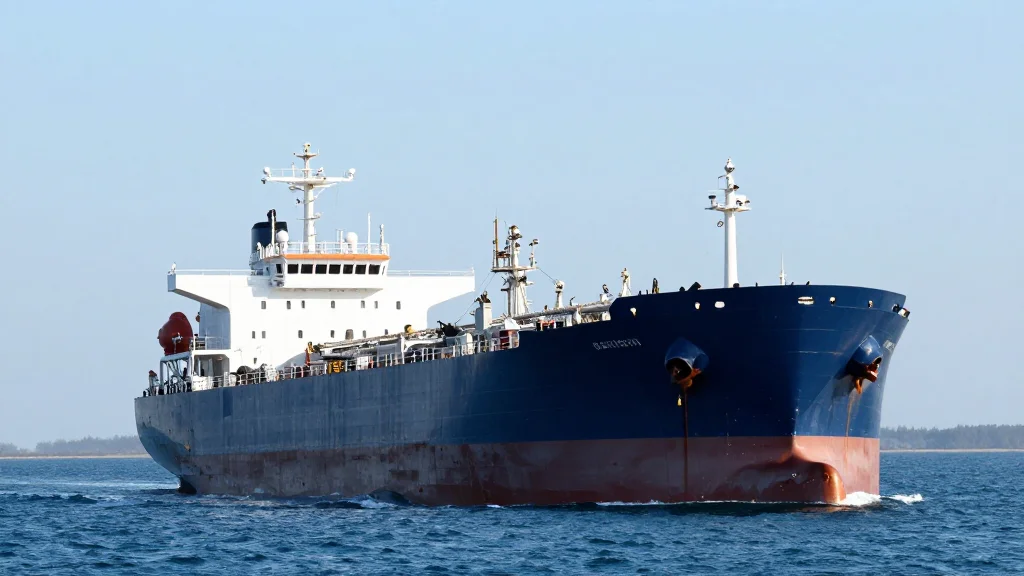
Trump Bets on Quick Iran Oil Crunch. Experts See Prolonged Pain and Rising Costs.
The Trump administration is pressing its naval blockade of the Strait of Hormuz, claiming Iran’s oil storage is on the verge of collapse within days. White House officials argue the pressure will force Tehran to meet U.S. demands as gasoline...

It's Not Just Oil: Iran War Also Threatens Asia's Food Security
War between the United States, Israel and Iran has shut the Strait of Hormuz, cutting off roughly a third of global fertiliser shipments. At the same time China imposed a 50‑80% ban on fertiliser exports to safeguard domestic supplies. The...

Morningstar DBRS Confirms Mexico at BBB, Stable Trend
Morningstar DBRS confirmed Mexico’s long‑term sovereign rating at BBB and short‑term rating at R‑2, both with a Stable trend. The agency highlighted the Sheinbaum administration’s fiscal consolidation, noting the public‑sector borrowing requirement fell to 4.9% of GDP in 2025 and...

US Proposes New Coalition to Restart Traffic in Hormuz
The United States is mobilizing an international coalition called the Maritime Freedom Construct to reopen commercial shipping through the Strait of Hormuz, where talks with Tehran have stalled. The plan designates the State Department as a diplomatic hub and U.S....

China Policy Sparks Dilemma
China's State Council unveiled regulations on industrial and supply‑chain security, compelling foreign investors to adopt a dual‑track supply‑chain and IT framework. The rules place firms in a dilemma: complying with U.S. sanctions could breach Chinese law, while ignoring U.S. restrictions...
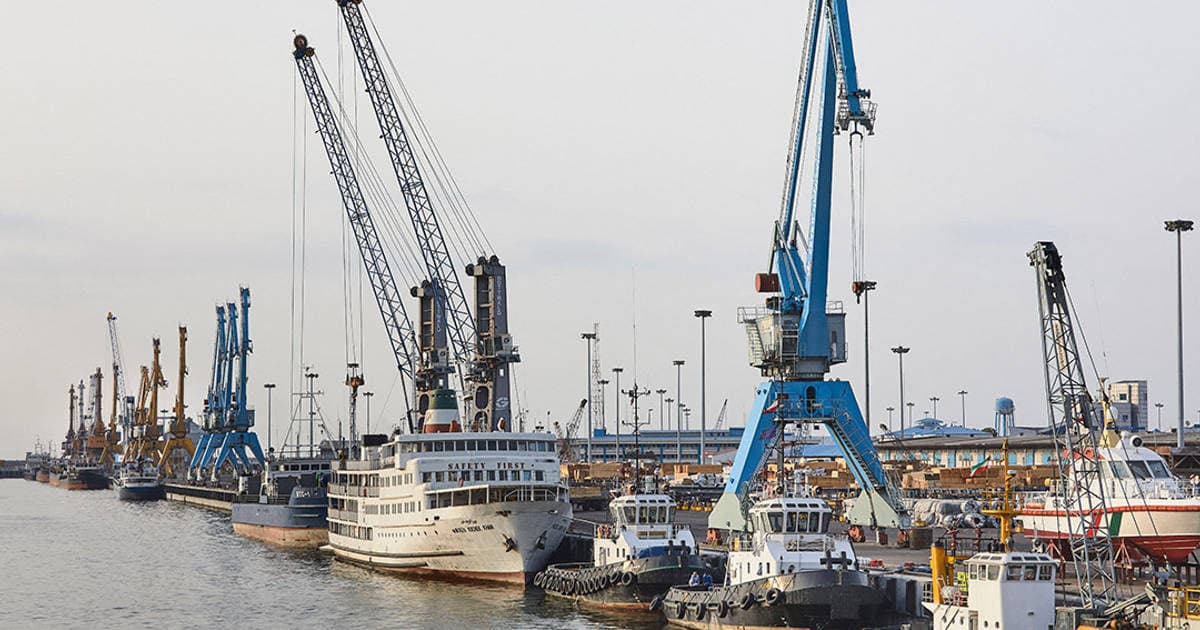
The Iran-Israel War Presents a Problem for Russia’s Military Supply Chains
An Israeli Air Force strike in March 2026 hit the Russia‑Iran trade hub on the Caspian Sea, exposing a critical weakness in Moscow’s long‑distance logistics. The route is a cornerstone of the International North‑South Transport Corridor (INSTC), a project Russia...
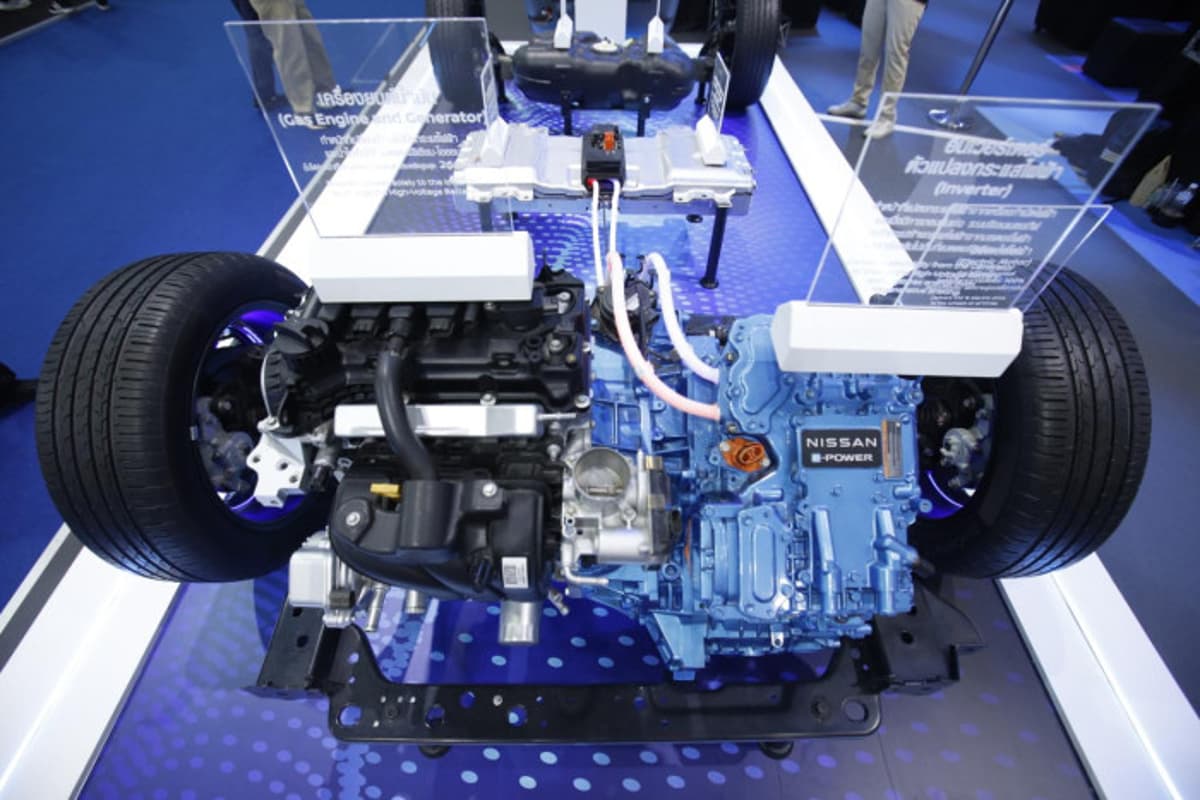
External Risks Linger as Index Increases
Thailand’s Manufacturing Production Index rose 0.75% year‑on‑year to 108.69 points in March, buoyed by a surge in automotive and petroleum output. The Bangkok International Motor Show drove a 71.8% jump in vehicle bookings, reaching 132,951 units, while the government’s EV3.5...
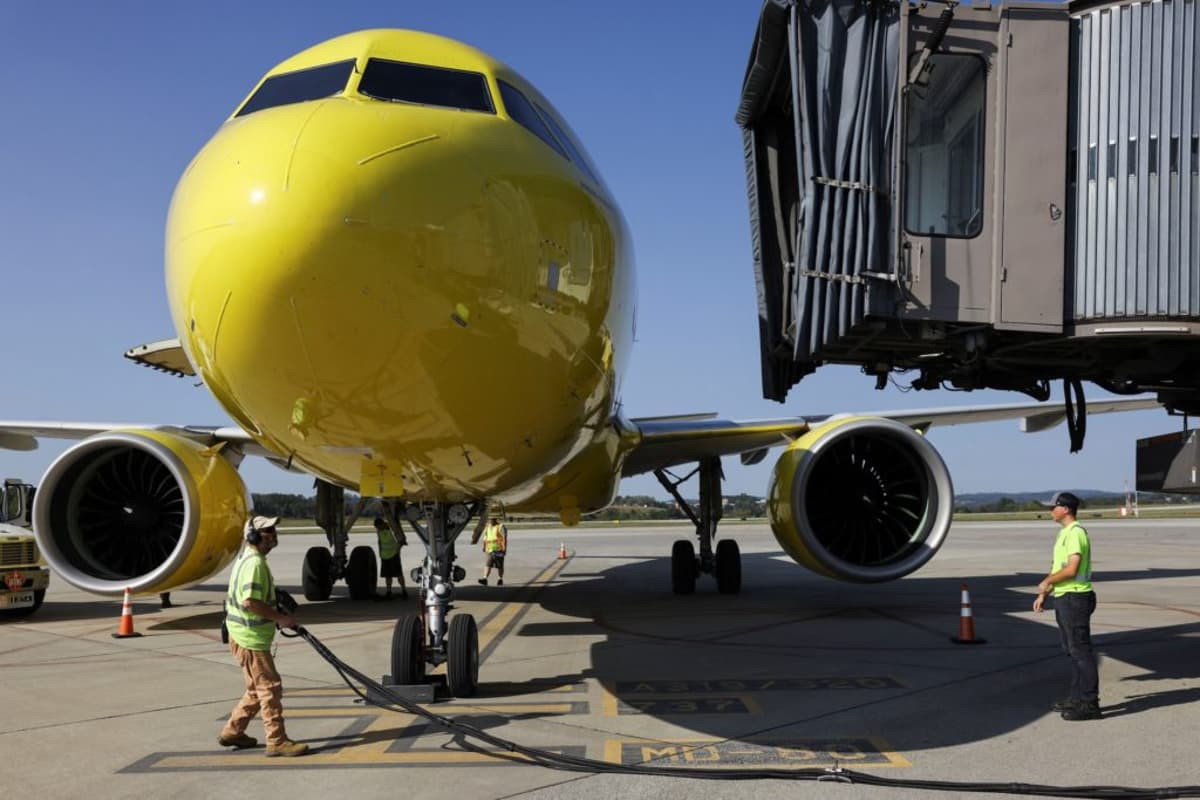
Rising Fuel Costs Put Budget Airlines Under Pressure as Spirit Faces Bankruptcy
Rising jet fuel prices driven by the Iran war have forced U.S. low‑cost carriers to seek a $2.5 billion federal bailout, with Spirit Airlines separately requesting $500 million to avoid liquidation. The airlines argue that fuel cost spikes have doubled, eroding thin...
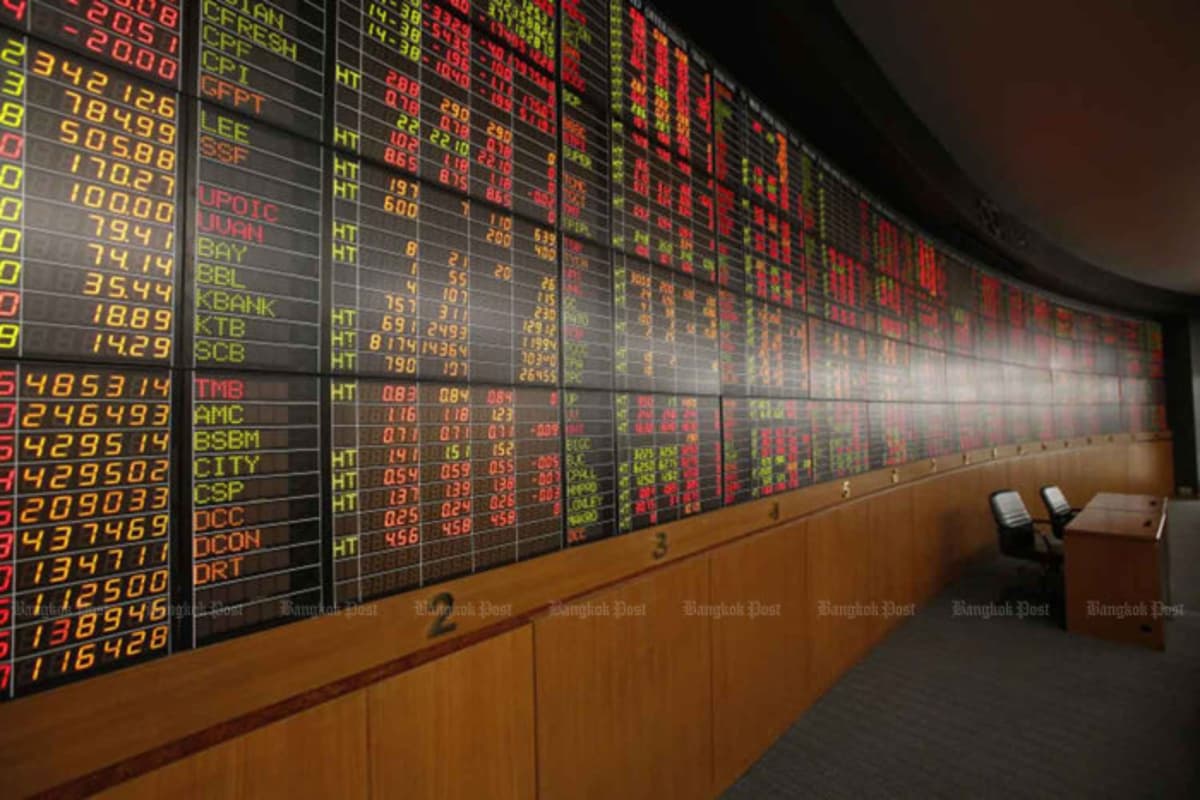
Stocks Fall in Asia After Fed Holds Interest Rate Steady
Asian equities slipped Thursday as the U.S. Federal Reserve kept its policy rate unchanged at 3.5‑3.75%, marking a third pause this year and reinforcing a higher‑for‑longer outlook. An 8‑4 vote revealed deep divisions within the Fed, the sharpest dissent in...
Mexico’s Economy Stagnates in 1Q
Mexico’s economy barely grew 0.1% in the first quarter of 2026, a sharp slowdown from the 1.8% annualized gain recorded in the fourth quarter of 2025. The modest expansion was driven by a 0.7% rise in services, while industrial output...
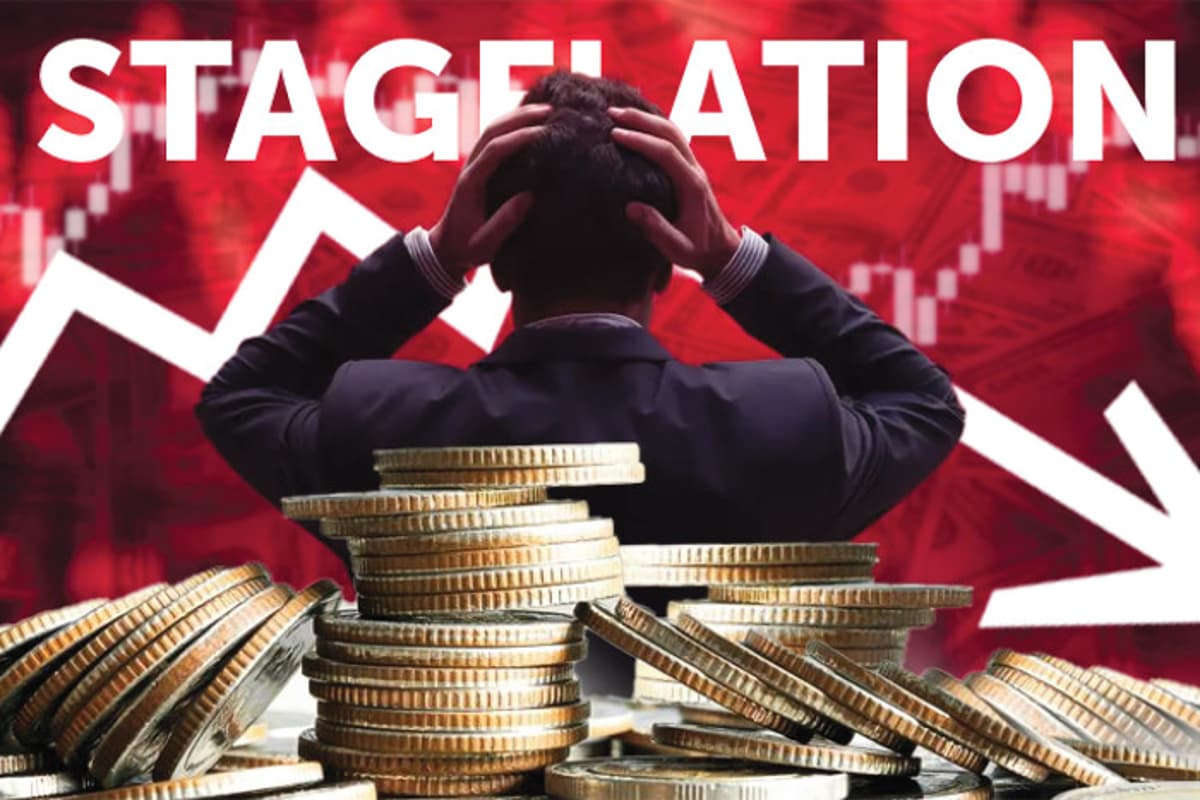
BoT Chief Dismisses Worries on Stagflation
Bank of Thailand Governor Vitai Ratanakorn said Thailand is not heading toward stagflation, noting that inflation has not stayed persistently high. The Monetary Policy Committee projects headline inflation at 2.9% in 2026, easing to 1.5% in 2027, while GDP growth...

Commentary: Washington Courts Manila, but the Rest of Southeast Asia Is Watching
Washington is quietly deepening economic ties with the Philippines despite a broader focus on the Iran war and rising oil prices. A $60 million aid package fuels the Luzon Economic Corridor, including a 4,000‑acre high‑tech hub in New Clark City and...

The Economy Is Growing – but Soaring Energy Prices Could Put a Damper on That
U.S. GDP showed a 2% annualized gain in Q1, buoyed by big‑tech AI spending and data‑center construction. At the same time, soaring gasoline prices—now $4.30 a gallon after the Iran conflict—are eroding household budgets. Consumer spending grew in March, but...

Gold Posts Its Biggest 2-Month Drop Ever. How Its Price Could Still Doubl...
Gold futures recorded their steepest two‑month slide on record, marking the metal's biggest short‑term decline in history. The drop coincided with a strong U.S. dollar and higher real yields, which have pressured safe‑haven assets. Deutsche Bank, however, projects that gold...
:max_bytes(150000):strip_icc():format(jpeg)/Trade-liberalization_final-c8140896a8d3420dab3ebfd549b979c2.png)
Trade Liberalization: Definition, How It Works, and Example
Trade liberalization is the policy of reducing or eliminating tariffs, quotas, and other barriers to facilitate freer cross‑border commerce. The article outlines its advantages—lower consumer prices, increased efficiency—and its downsides, such as job losses in vulnerable sectors. It uses NAFTA...

Vietnam, the Go-To Sneaker Production Hub, Faces IP Scrutiny
Vietnam has been added to the U.S. Trade Representative’s 2026 Special 301 Priority Foreign Country list, marking the first such addition in 13 years. The designation triggers a 30‑day window for the USTR to consider a Section 301 investigation into Vietnam’s intellectual‑property...
EIA Report Shows Expanding US-Venezuela Oil Trade
U.S. imports of Venezuelan crude have risen sharply, reaching the highest weekly volumes since late 2018, according to the Energy Information Administration. The surge reflects a modest easing of sanctions that now permits limited PDVSA shipments to U.S. refineries. Imports...

Inside Wealth: Markets Are Underpricing the Risk of Middle East Pullback in AI, Says Tech Investor Jack Selby
Tech investor Jack Selby warns that Middle East sovereign‑wealth funds, which account for roughly a quarter of global AI spending over the next five years, could pull back if the Iran war drags on. A potential retreat could withdraw hundreds...

Iranian Supreme Leader Says the only Place Americans Belong in the Gulf Is ‘at the Bottom of Its Waters’
Iran’s supreme leader Ayatollah Mojtaba Khamenei warned that the only place for Americans in the Persian Gulf is "at the bottom of its waters," underscoring Tehran’s resolve to protect its nuclear and missile programs. The statement came as Iran’s oil...
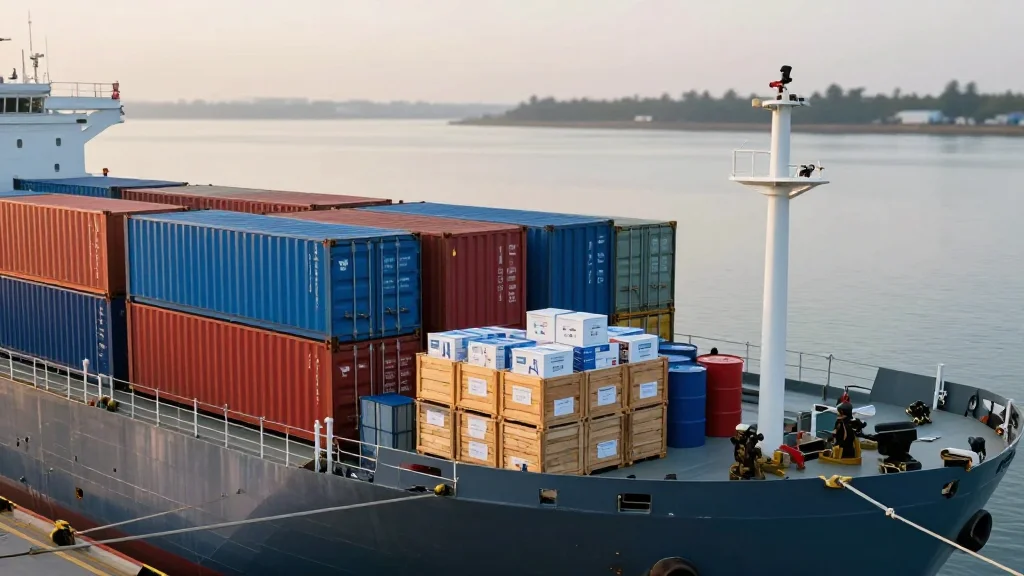
CEPR Sanctions Watch April 2026
The Center for Economic and Policy Research (CEPR) published its April 2026 edition of Sanctions Watch, continuing a monthly series that tracks global sanctions trends. The report highlights Cuba’s worsening economic crisis, marked by severe shortages of food, medicine and fuel,...

Trump Removes Tariffs on Scottish Whisky After King Charles Visit
President Donald Trump announced the removal of the 10% tariff on Scotch whisky, framing it as a tribute to King Charles III and Queen Camilla’s recent U.S. visit. The decision follows months of lobbying by the Scotch Whisky Association and...

How the Trump Administration Can Get Even More Out of Its Diplomacy with Lukashenka
The Trump administration, led by Special Envoy John Coale, has leveraged diplomatic talks with Belarusian President Aleksandr Lukashenko to secure the release of roughly 500 political prisoners, including Polish journalists. In return, Washington has offered limited sanctions relief and a...
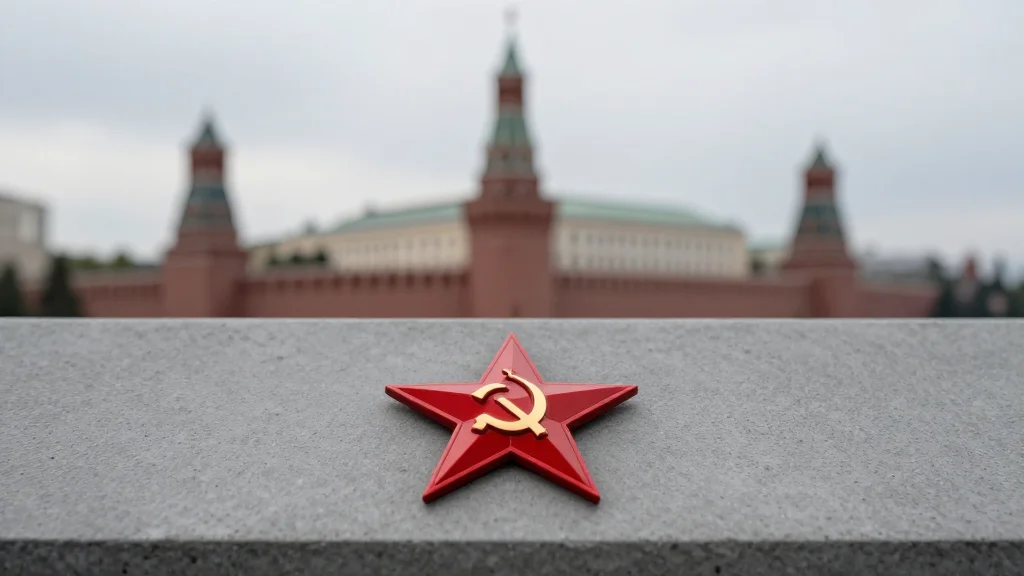
Putin’s Parade Once Projected Power. Now It Reveals Russia’s Weakness.
Russian President Vladimir Putin faces growing doubts over his Victory Day parade as Ukraine’s deep‑strike attacks threaten Moscow’s security. The Kremlin announced the 2024 parade will be stripped of tanks and heavy equipment, marking a stark downgrade from previous years....
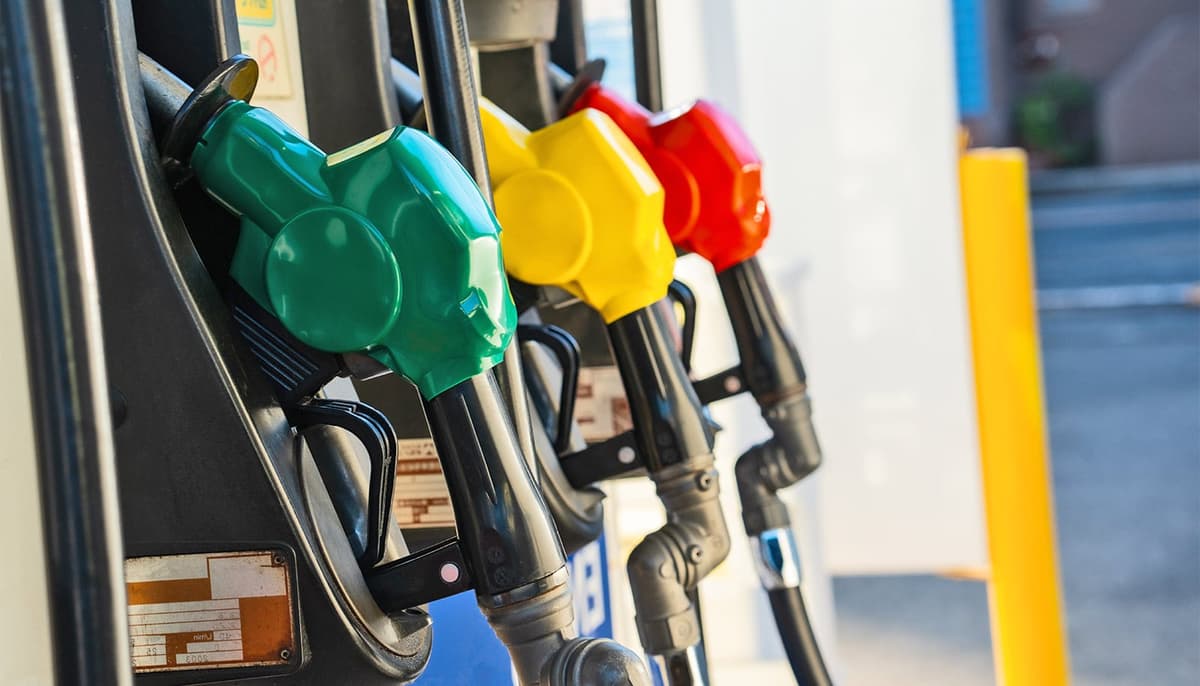
Strait of Hormuz Disruptions Will Affect More than Gas Prices
The closure of the Strait of Hormuz, which moves about 20% of global oil and LNG, has sparked immediate spikes in gasoline and jet fuel prices. Experts warn that higher energy costs will cascade through supply chains, inflating prices of...

SONAR Sitrep: US Industrials, Freight Unexpected Winners in Iran War
The Iran conflict is unexpectedly boosting U.S. industrial competitiveness by flooding pipelines with associated natural gas, driving Henry Hub prices down while global benchmarks rise. Lower energy costs are giving American manufacturers a structural advantage in chemicals, metals, plastics and...

$6 Gas in California Signals New Phase of the Global Energy Crunch
California’s average gasoline price has surged past $6 a gallon, the highest level since October 2023, while diesel now averages $7.48 per gallon. Nationally, gasoline hovers around $4.30 per gallon, keeping the politically sensitive $4 threshold in focus. Crude oil...
CBP’s Tariff Refund Portal Is Performing Better than Expected
U.S. Customs and Border Protection (CBP) will start issuing refunds for invalidated Trump‑era tariffs as early as May 11, after launching the Consolidated Administration and Processing of Entries (CAPE) portal on April 20. In its first week, the system accepted roughly 21%...

Ethan Harris: Core Concerns, Fed Follies
The Loadstar premium piece aggregates recent Federal Reserve developments, noting a series of modest rate hikes, a criminal investigation into Chairman Jerome Powell, and mixed inflation signals that keep markets uneasy. Minutes from the last policy meeting reveal that a...

China Dominates the World’s Lithium Supply. The U.S. Just Found 328 Years’ Worth in Its Own Backyard
The US Geological Survey estimates the Appalachian region contains about 2.3 million metric tons of lithium oxide, enough to replace 328 years of U.S. lithium imports at 2023 levels. Roughly 1.43 million tons are concentrated in the Carolinas, with another 900,000 tons in...
The Iran War’s Ramifications Have Only Just Begun
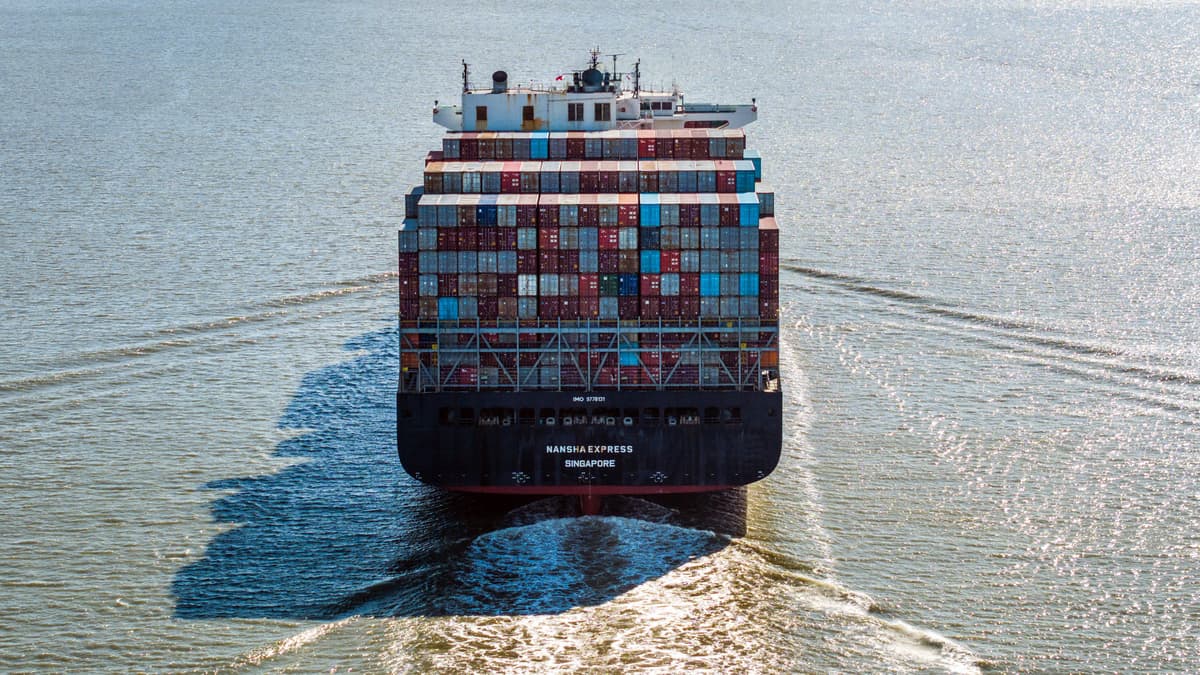
The eight‑week Iran war has left Tehran with practical control of the Strait of Hormuz, a chokepoint that moves roughly 20% of global oil and LNG. Although a cease‑fire is in place, negotiations are stalled and the strait remains effectively...
IMO Carbon Plan for Shipping Faces Growing Revolt as U.S. Courts ‘Silent Majority’
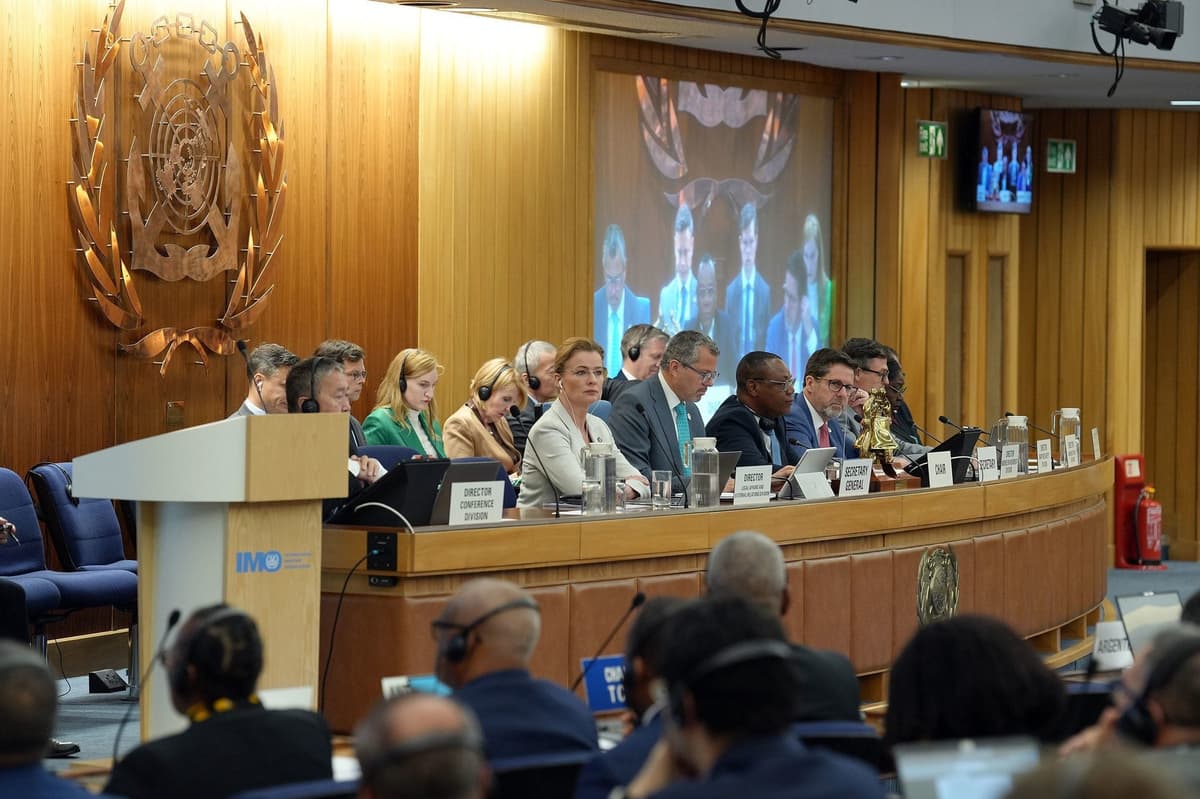
The United States, led by Federal Maritime Commission Chair Laura DiBella, is urging IMO member states to consider alternatives to the stalled Net Zero Framework (NZF), a global carbon‑pricing scheme backed by the EU. DiBella warned that the NZF could...
Container Rates Slip for Third Week as Oversupply Weighs on Market
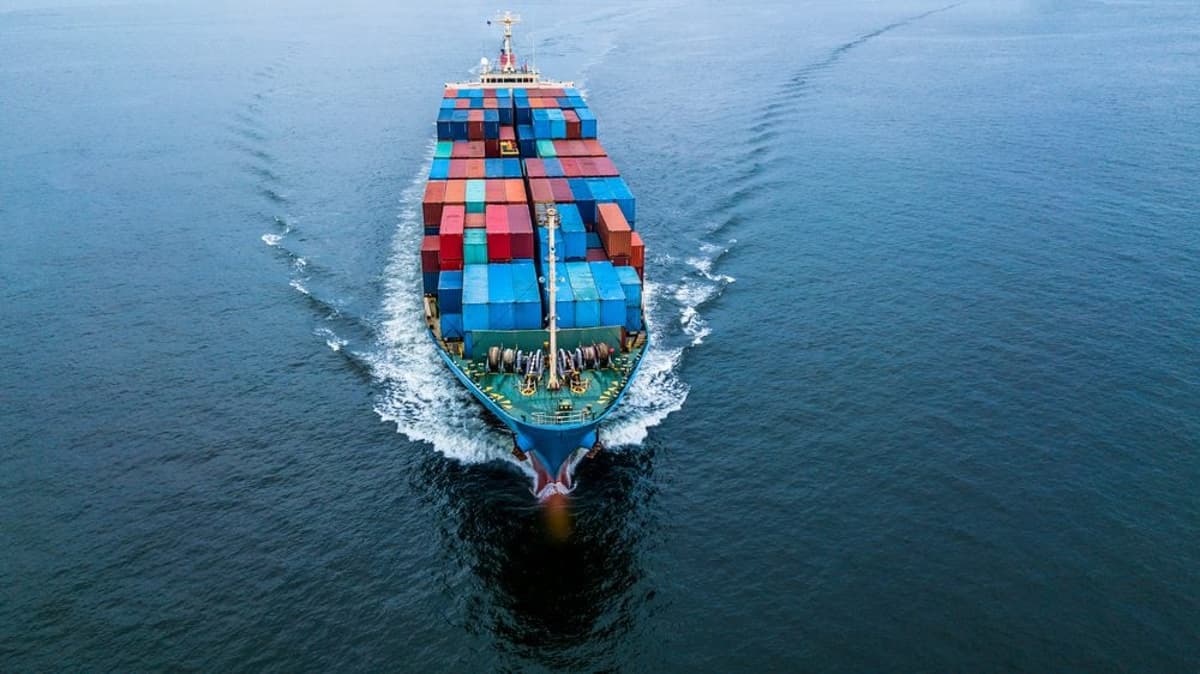
Spot container rates fell for a third consecutive week, with Drewry's World Container Index dropping 1% to $2,216 per 40‑foot container on April 30. The decline reflects excess vessel capacity and weak demand outweighing geopolitical risk premiums from the Strait of...

US Economy Grows by 2pc in First Quarter
The Bureau of Economic Analysis reported that U.S. gross domestic product grew at a 2% annualized rate in the first quarter, driven primarily by a rebound in government spending and a sharp rise in artificial‑intelligence‑related investment. Private investment jumped 8.7%,...
Indonesian Exports to China Rise, Cushioning the Blow of Disrupted Middle East Shipments
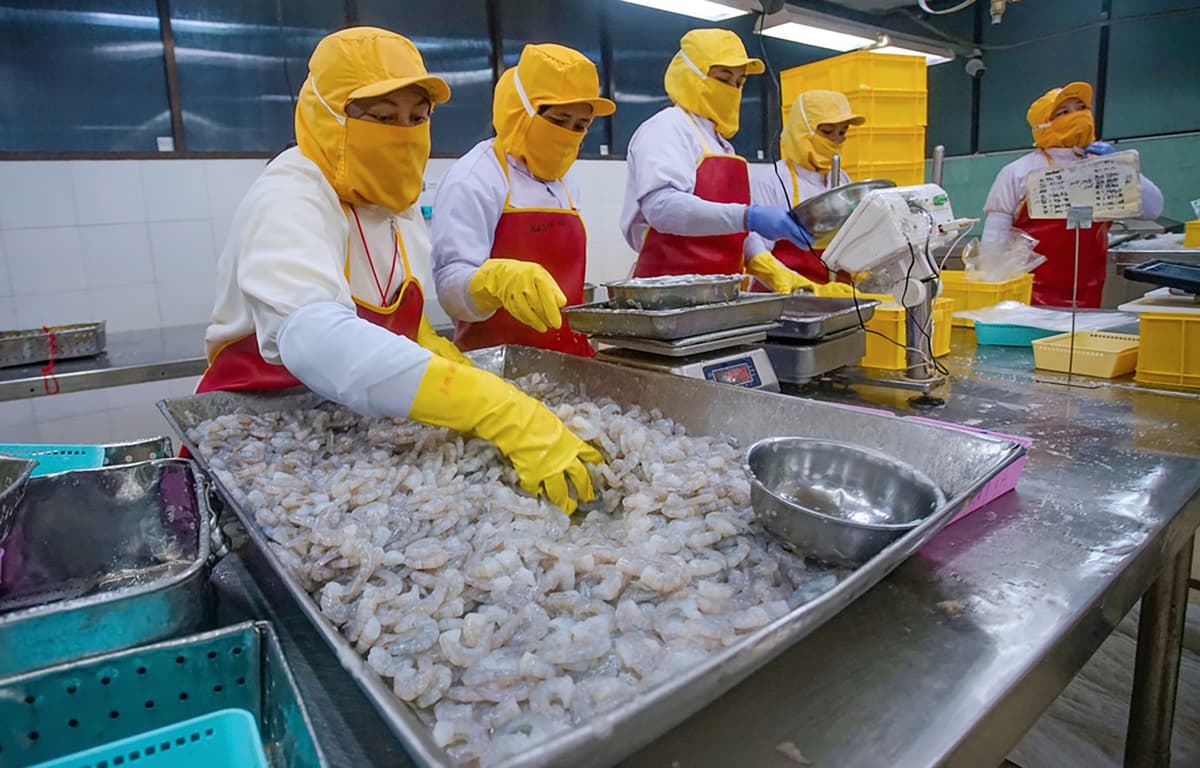
Indonesian seafood exporters are turning to China as shipments to the Middle East stall amid the Iran‑Israel conflict. Chinese demand for high‑value species such as grouper, snapper and shrimp remains strong, keeping export volumes robust. Indonesia’s seafood trade to China...

Carmakers Bank on $2.3B in Future Tariff Refunds
Automakers are booking anticipated tariff refunds after a February Supreme Court decision invalidated portions of the Trump administration’s import duties. Ford, GM, Mercedes‑Benz and Stellantis collectively recorded about $2.3 billion in expected reimbursements, lifting first‑quarter earnings but not yet cash flow....

Mortgages, Bills and Jobs: Five Takeaways From the Bank of England
The Bank of England warned that the Middle‑East conflict could push interest rates higher, with a worst‑case scenario taking the base rate to 5.5% if oil stays above $120 a barrel. Energy bills are expected to rise to about $2,400...

Rates Spark: A Cacophony of Mad Stuff
Volatility eased as the CBOE VIX slipped to 17, well under its 19‑year average, while the S&P 500 surged to a fresh all‑time high. Brent crude fell from $125 to $115 per barrel, prompting a dovish move in U.S. Treasury yields...

Faisal Islam: The Wide Field of Uncertainties Facing the UK
The Bank of England signalled that rate cuts are off the table and a hike above 5% is likely if oil prices stay near the recent $125‑per‑barrel peak. Governor Andrew Bailey warned that volatile energy costs are pushing inflation higher...

Bloomberg Surveillance TV: April 30th, 2026 (Podcast)
Bloomberg Surveillance TV aired its April 30, 2026 episode featuring Sharmin Mossavar‑Rahmani, chief investment officer for wealth management at Goldman Sachs, National Economic Council Director Kevin Hassett, and Heritage Foundation vice‑president Victoria Coates. The trio dissected current macroeconomic data, monetary‑policy...

California Gas Prices Hit $6 per Gallon as Fuel Costs Jump Nearly 30 Cents in a Week Across the U.S.
California gasoline prices surged to $6.01 per gallon, the highest level since October 2023 and a 30% jump since the U.S. and Israel entered the war against Iran in late February. Nationwide, the average pump price rose to $4.30 per gallon,...
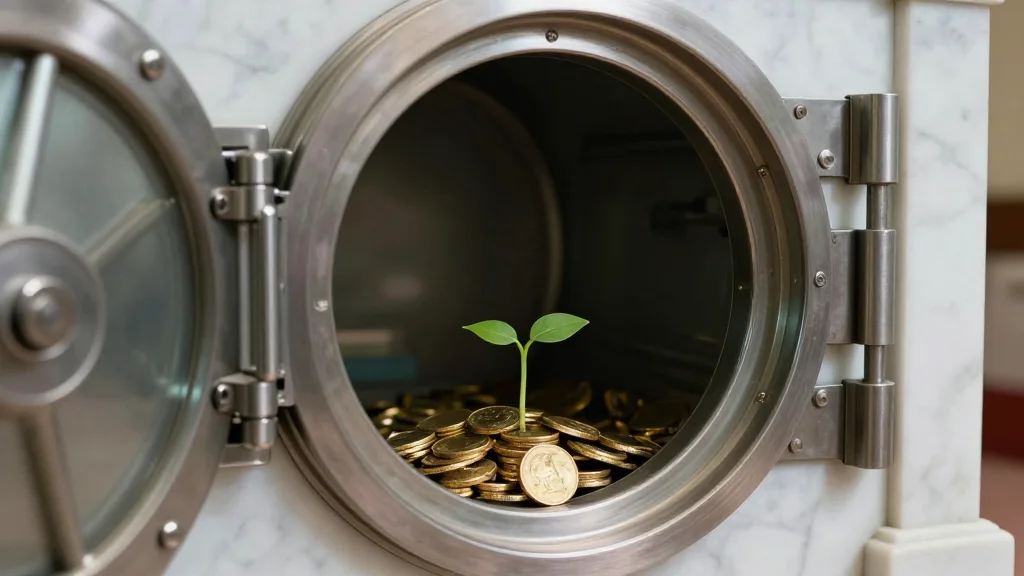
ECB Stuck Between a Rock (Inflation) and a Hard Place (Low Growth)
The European Central Bank’s April 30 decision to keep policy rates unchanged highlights the dilemma between lingering inflation and weak growth. Headline CPI rose to 3 percent in April, up from 1.9 percent in February, driven largely by a 10.9 percent jump in energy...

Bloomberg Talks: Andrew Bailey (Podcast)
Bank of England Governor Andrew Bailey appeared on Bloomberg Talks to explain the central bank’s post‑rate‑decision stance. He confirmed that the BoE kept its policy rate at 5.25% while assessing inflation trends and labour market data. Bailey hinted that a...

Geopolitical Environment Could Make India’s Growth Targets Harder to Achieve: CEA Nageswaran
India’s Chief Economic Advisor V. Anantha Nageswaran warned that the country’s $7‑8 trillion GDP goal for 2032 and $30 trillion target for 2047 will be far tougher to hit amid a hostile geopolitical climate. He emphasized that growth must be technology‑led, citing India’s sub‑1%...

Air Cargo Carriers Add Fuel Surcharges Driven by Iran War
Air cargo carriers are rolling out new fuel surcharges as the Iran‑related conflict drives jet‑fuel prices to near‑double historic levels. Spot U.S. Gulf Coast kerosene hit $4.03 per gallon on April 27, prompting carriers such as United, Air Canada, Cathay, ANA...
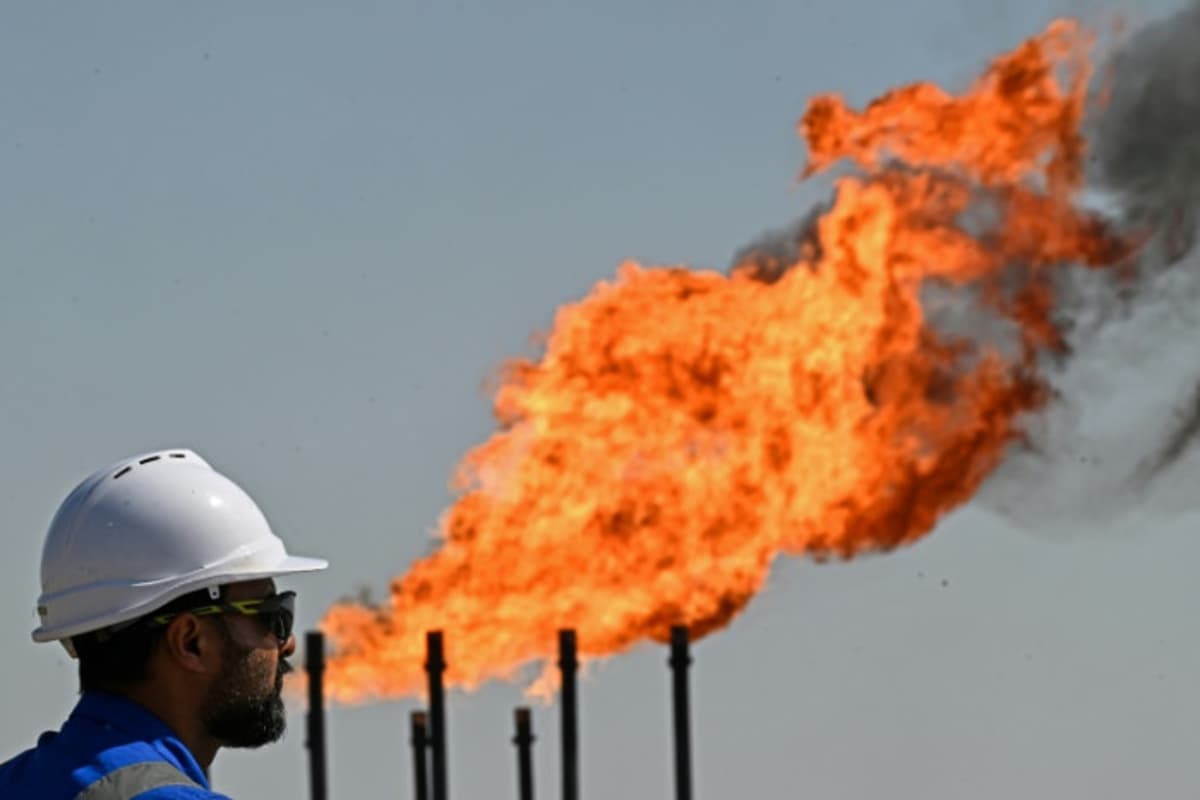
Oil Strikes 4-Year Peak, Stocks Rise
Oil prices surged to a four‑year high, with Brent crude briefly touching $126 a barrel as geopolitical tension over Iran escalated. President Donald Trump warned that a U.S. blockade of Iranian ports could extend for months, fueling fears of a...

Kevin Warsh Wanted a Family Fight at the Fed. Oil Has Provided the Spark
Kevin Warsh, the incoming Federal Reserve chair, has signaled a desire for a more contentious, "family fight" style of policy discussion. Four of the Fed's 12 voting members dissented from the latest statement, the largest split since 1992, as oil...
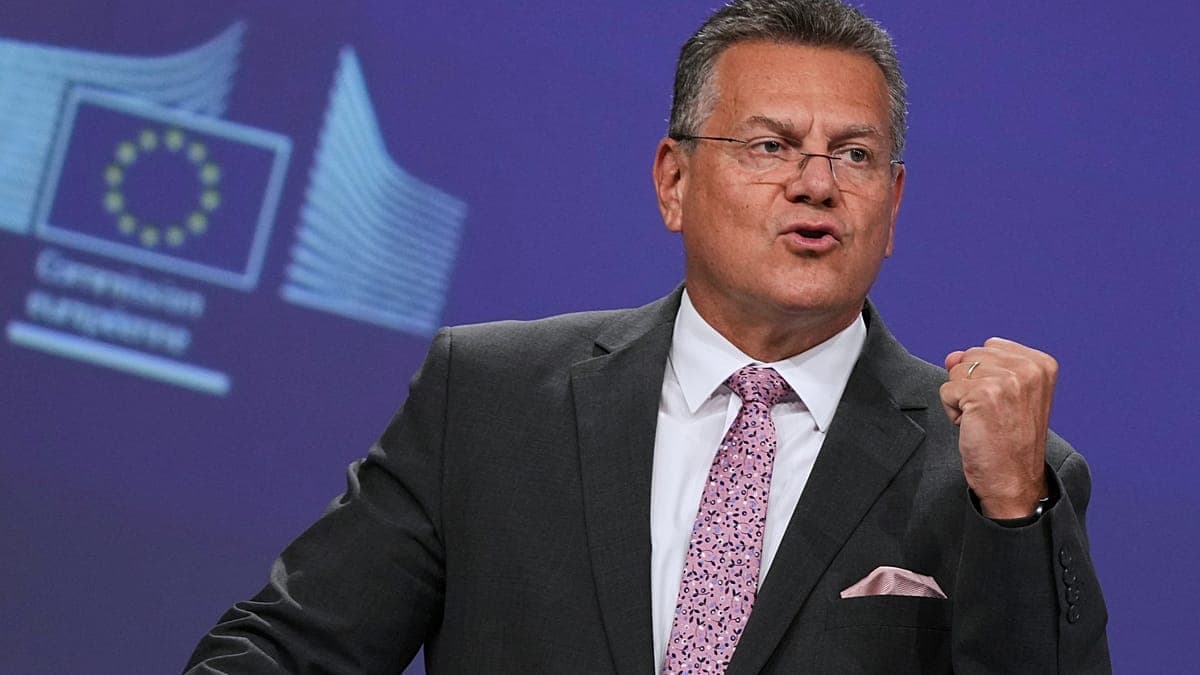
Exclusive: EU Vows to Fight ‘Tooth and Nail’ for European Industry as China Threatens Retaliation
EU Trade Commissioner Maroš Šefčovič told Euronews the bloc will defend its new “Made in Europe” industrial strategy and cybersecurity rules despite Beijing’s threat of retaliation. He highlighted a soaring trade deficit of €359.3 billion (about $392 billion) with China, calling it...
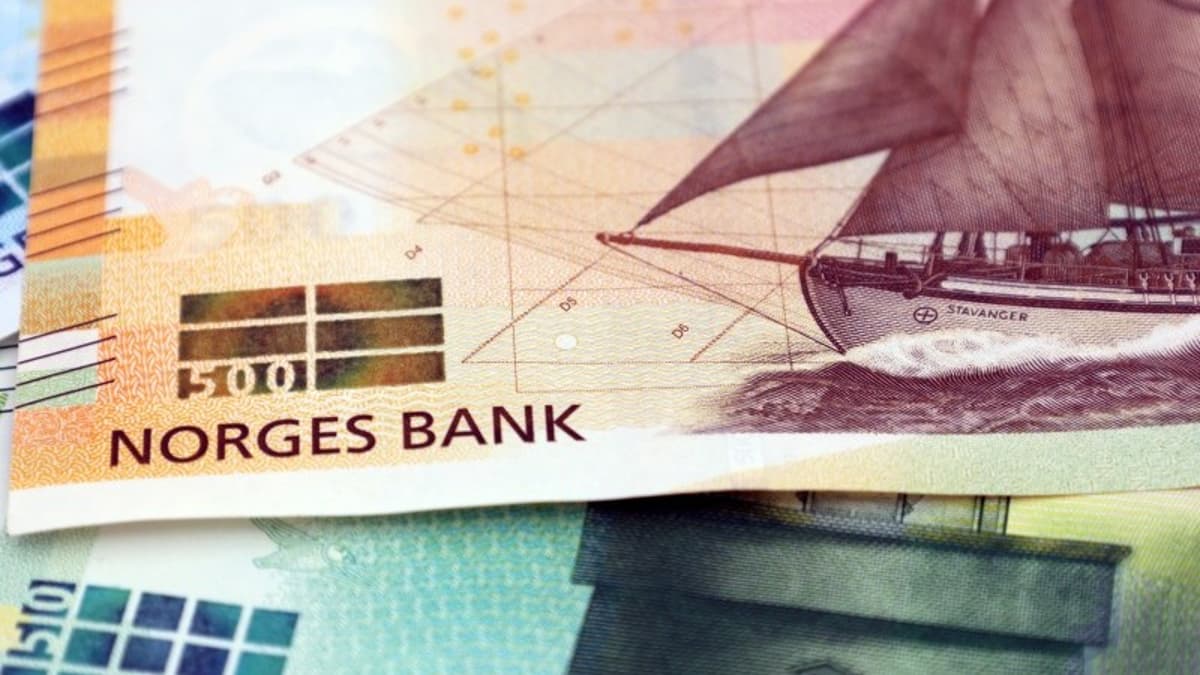
Norges Bank to Hike in May and Keep the Door Open for More
ING expects Norges Bank to break consensus with a 25‑basis‑point rate hike to 4.25% on 7 May, driven by rising headline inflation and a rebound in oil prices. Markets currently price a roughly 55% chance of the move, while a hold...