
Iran’s Undersea Cable Attack Could Cripple Global Internet and $10 Trillion Daily Flows After Hormuz Blockade
Iran is threatening to weaponize its position in the Strait of Hormuz by targeting the undersea fiber‑optic cables that carry the bulk of global internet traffic. The cables support over 99 % of international digital communications and transmit roughly $10 trillion in daily financial transactions. Recent sabotage incidents in the Red Sea and past cuts attributed to Houthi rebels illustrate how vulnerable these routes are to state‑backed disruption. Ongoing Gulf‑to‑Africa cable projects worth hundreds of millions of dollars are now at risk, while no global framework exists to protect the seabed infrastructure.
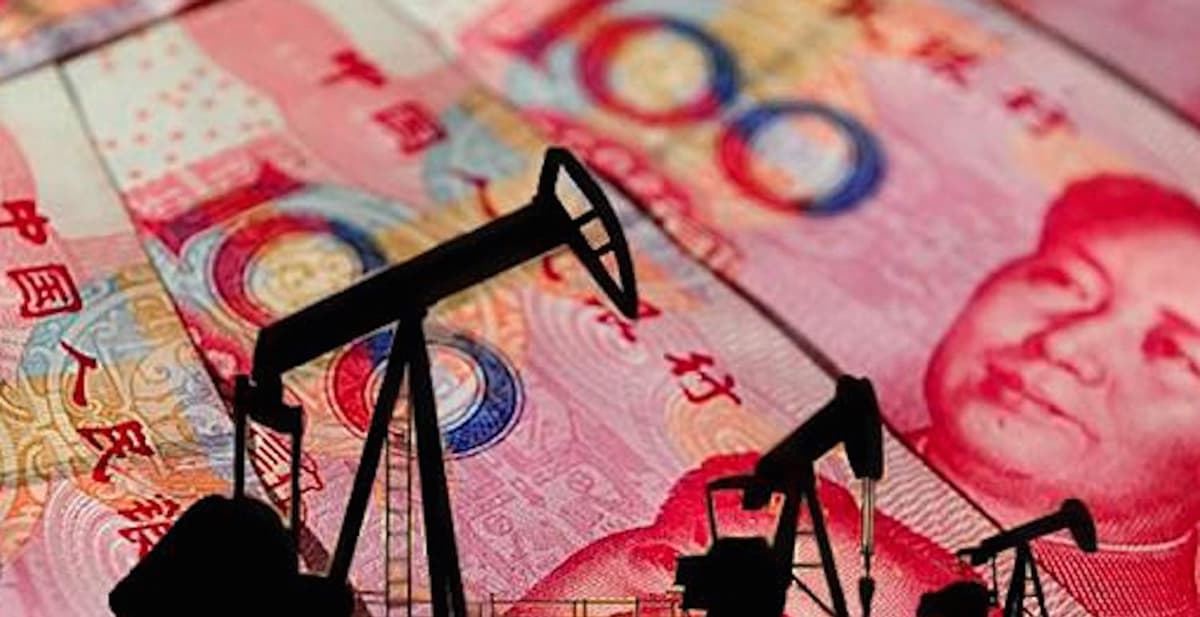
UAE’s OPEC Exit Hands Asia a Petroyuan Moment
On May 1, 2026 the United Arab Emirates formally quit OPEC after nearly six decades, ending its participation in the cartel that underpins the petrodollar system. The departure frees Murban crude from the organization’s dollar‑only pricing rules, allowing contracts to...

Port Snared in US-China Dispute, Says Panama President
Panama President Jose Raul Mulino said the country maintains a positive relationship with China even as it faces a dispute over port concessions formerly held by Hong Kong‑based CK Hutchison. A Panama Supreme Court ruling—widely viewed as influenced by U.S. pressure—revoked...

Iran-Linked Shock’s Impact on Emerging Europe Seen Milder than 2022 Crisis, Says Wiiw Economist
Emerging Europe is feeling a new geopolitical shock tied to Iran, but Vienna Institute for International Economic Studies (wiiw) says the impact will be far less severe than the 2022 crisis sparked by Russia’s invasion of Ukraine. Oil prices have...

Gold Loses Its Shimmer in Asia over Rising Oil Prices, Hawkish Fed Stance
Gold prices in Asia slipped 12% to $4,620 per ounce, retreating from a February peak of $5,248. The decline is driven by soaring oil prices amid the Iran‑U.S. conflict, which have reignited inflation concerns and pushed central banks toward a...
NatWest Faces £140m Hit From Iran War as UK Growth Slows and Inflation Rises
NatWest posted a 12% rise in operating profit to $2.54 billion in Q1, beating consensus, but warned that the Iran‑Israel conflict will cost the bank about $178 million and trigger a $360 million impairment. The lender cut its base‑case UK GDP growth forecast...
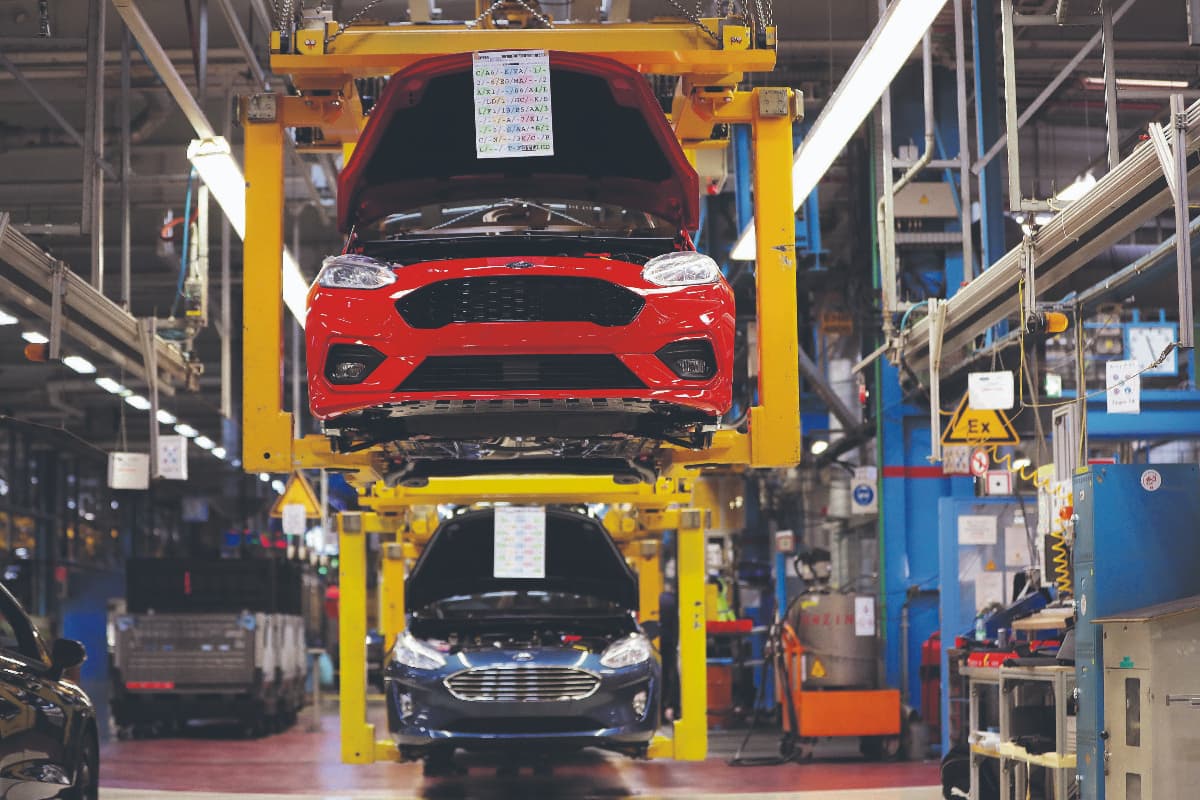
UK Manufacturing at Four-Year High but Costs Rise at Pandemic Pace
The UK manufacturing sector posted a four‑year high in April, with the S&P Global Purchasing Managers Index climbing to 53.7 – its strongest reading since May 2022 and the sixth month above the growth threshold. Staffing levels rose for the...

Engine Trouble Ahead? How the Strait of Hormuz Standoff Threatens Luxury Auto Giants
A prolonged standoff in the Strait of Hormuz is choking the flow of Group III and Group IV base oils, the key feedstocks for high‑performance lubricants. Prices for these base oils have surged nearly 100% in northern Europe since the Iran‑U.S. conflict...

India, UAE Trade Pact Helps Boost Bilateral Trade to Cross $100 Billion: Goyal
India’s free‑trade pact with the United Arab Emirates, in force since May 2022, has pushed bilateral commerce past the $100 billion mark. Trade reached $101.25 billion in FY 2025‑26, up from $100.03 billion the prior year, driven by stronger merchandise flows and expanding services. Exports...

The Kremlin Has Stopped Hiding It. Russia’s Economy in Crisis
Russia’s economy has entered a openly acknowledged crisis as sanctions and the four‑year war in Ukraine take their toll. Deputy chief of staff Maxim Oreshkin told state media the economy faces severe resource and labor shortages, sluggish structural reforms, and...
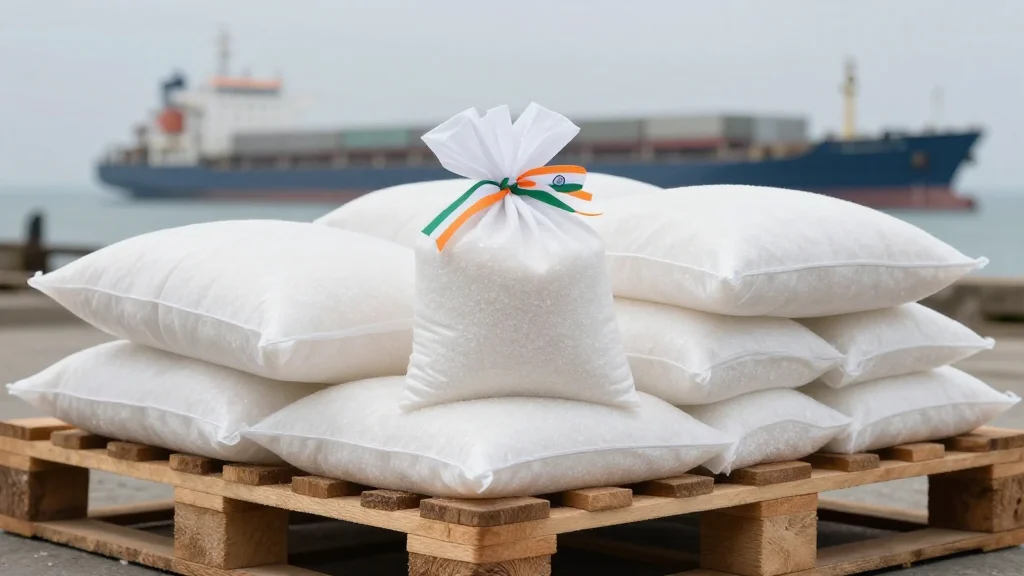
India's Sugar Exports to Be 7.5-8 Lakh Tonnes in 2025-26 Season on Weak Global Prices: Official
India’s sugar export outlook for the 2025‑26 marketing season has been trimmed to roughly 7.5‑8 lakh tonnes, down from the 2 million‑tonne ceiling initially set by the Food Ministry. The reduction reflects weak global price parity, which makes overseas shipments uneconomical....

What Alternatives Do Gulf States Have to the Strait of Hormuz?
The Strait of Hormuz, which moves roughly 20 million barrels of oil and a fifth of global LNG each day, remains largely closed two months into the Iran‑UAE conflict. Saudi Arabia's East‑West Petroline and the UAE's Adcop together supply only 3.5‑5.5 million...

The World’s Central Banks Are Wrestling With a Gigantic Problem
The Federal Reserve, Bank of Japan, Bank of England and European Central Bank all chose to keep short‑term interest rates unchanged this week. Policymakers cite surging inflation, slowing growth and heightened uncertainty from the Iran‑driven energy shock. In Washington, the...

Global Markets Mixed Amid May Day Closures, Oil Steady at $111 per Barrel
Global equity markets posted mixed results on May 1 as many exchanges observed May Day holidays, while U.S. futures edged higher. Brent crude hovered around $111 per barrel, a modest rise despite heightened tension over Iran’s war and the prospect of reopening...
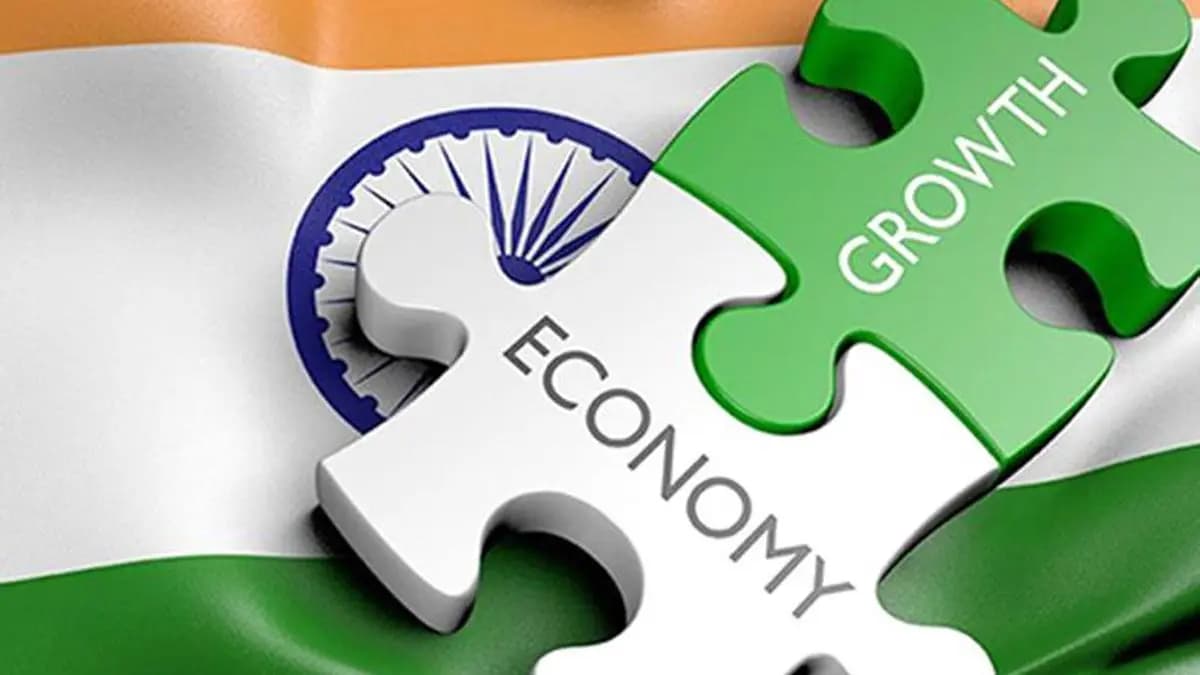
West Asia Conflict May Trigger $800 Billion Capex Boost for India, but Oil and Fertiliser Risks Remain: Morgan Stanley
Morgan Stanley says the West Asia conflict could spark an $800 billion surge in Indian capital expenditure over the next five years. The brokerage lifted its investment‑rate forecast to 37.5% of GDP by 2030, with roughly 60% of the new spend...

Mexico’s Rail Freight Booming, yet USMCA Review Could Slam the Brakes
Mexican rail freight is experiencing a surge, with 13,310 carloads in the week ending April 18—a 47.3% year‑over‑year increase—and 14,644 intermodal units moving through the network. The growth reflects the nearshoring wave that is shifting U.S. manufacturing supply chains south...

Renewables Met 100% of Global Electricity Demand Growth in 2025 that Will Speed America's Decline
For the first time, renewables supplied all new global electricity demand in 2025, with solar accounting for three‑quarters of that growth. China drove the surge, adding 336 TWh of solar power—over half of the world’s increase—while the United States contributed 85 TWh,...

THINK Ahead: The Big June Gamble
The European Central Bank signaled a likely rate hike in June, moving away from its previous stance as inflation climbs toward 4%. Christine Lagarde emphasized that the council will have more data on how the energy shock feeds into price...

UAE Strikes Back at Turkey in Fight to Become Global Investor Haven
The United Arab Emirates is countering Turkey’s bid to become the region’s premier offshore investment hub by loosening Dubai’s property‑linked residency rules and rolling out a new R&D tax‑credit programme. The visa reform eliminates the AED 750,000 ($202,500) minimum for sole...

Govt to Continue with Budgeted Capex Despite Fiscal Stress Due to Global Uncertainties: Official
The Indian government has reaffirmed its commitment to spend the budgeted Rs 12.22 lakh crore (approximately $147 billion) on capital expenditure this fiscal year, despite mounting fiscal pressure from the West Asia crisis. Expenditure Secretary V Vualnam emphasized that infrastructure projects in highways, railways, shipping,...

India’s Softer Tone on Bangladesh Hits a Hard Note in Assam
Assam Chief Minister Himanta Biswa Sarma publicly said he hopes India‑Bangladesh relations worsen, prompting Bangladesh to summon India’s acting High Commissioner on April 30. The remarks expose a clash between Assam’s anti‑migration rhetoric and New Delhi’s broader push to reset ties...
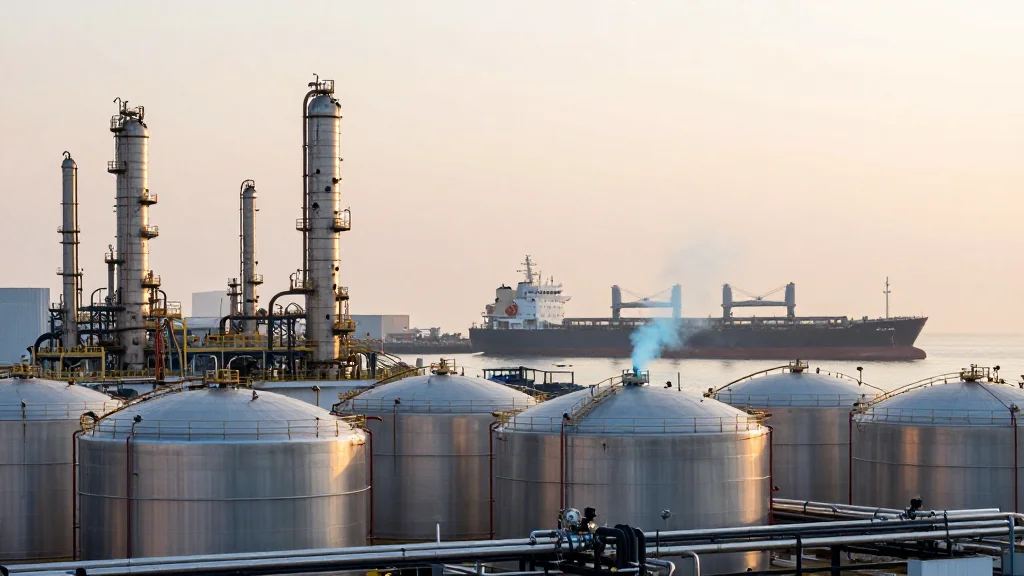
Japan’s Petchem Supplies to Last Into Next Year: PM
Japan’s prime minister announced that naphtha‑derived chemical supplies will extend beyond year‑end, thanks to a surge in imports and continued domestic production. Naphtha imports from non‑Middle‑East sources will triple in May, reaching about 1.35 million kilolitres. Stockpiles of intermediates such as...
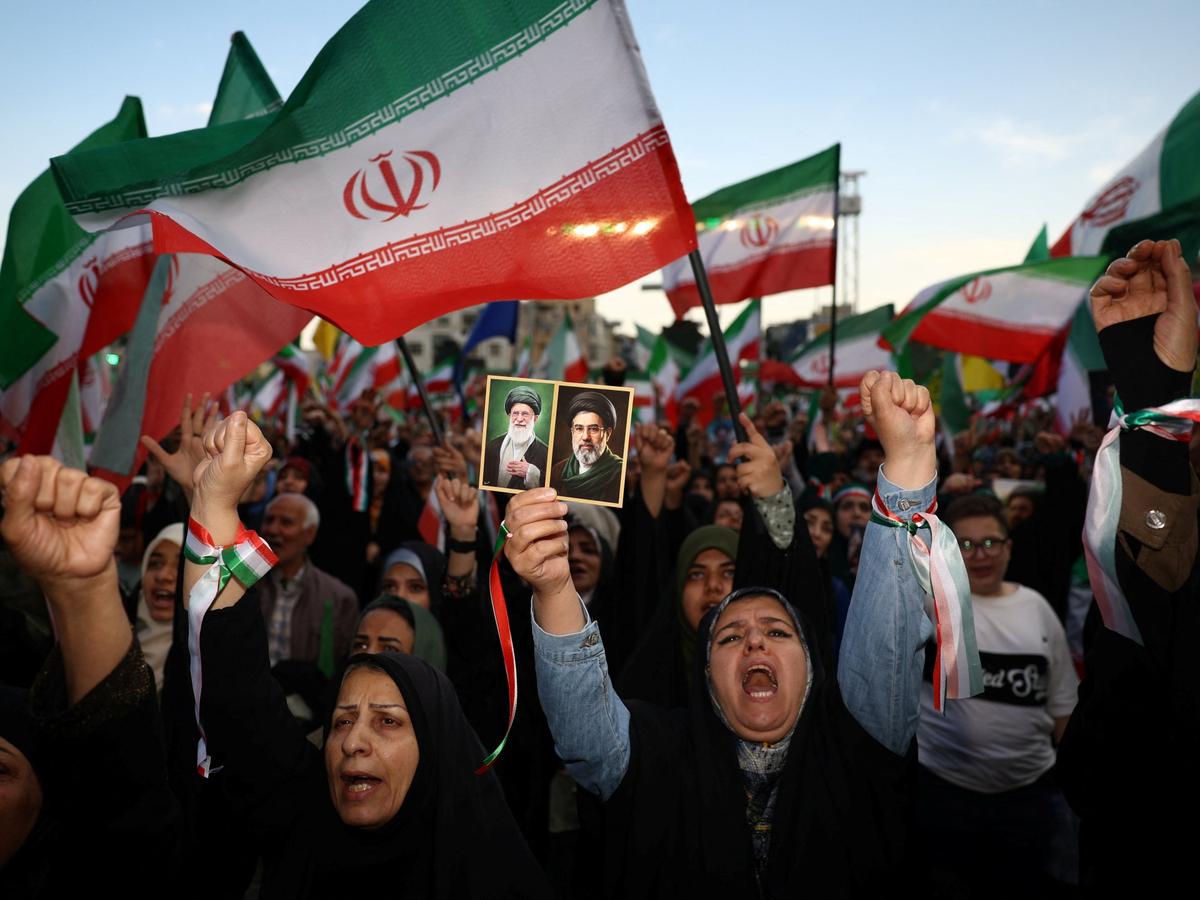
Iran Vows ‘Long, Painful’ Response if US Renews Attacks
Iran warned it will launch “long, painful” strikes on U.S. positions across the Gulf if Washington resumes attacks, reaffirming its claim over the Strait of Hormuz. The strait remains blocked, choking roughly 20% of global oil and gas flow and...

ECB Policymaker Nagel Says More Appropriate to Respond in June if Outlook Does Not Improve
ECB Governing Council member Peter Nagel indicated that a June policy response would be appropriate if the economic outlook does not improve markedly. He reiterated that the baseline scenario already assumes a more restrictive stance, hinting at at least one rate...

Gold Digger: Is US$8000 REALLY on the Cards?
Deutsche Bank analysts project gold could climb to $8,000 per ounce within five years if emerging‑market central banks allocate 40% of their reserves to the metal. The forecast follows a record‑breaking first quarter of 2026, where the World Gold Council...
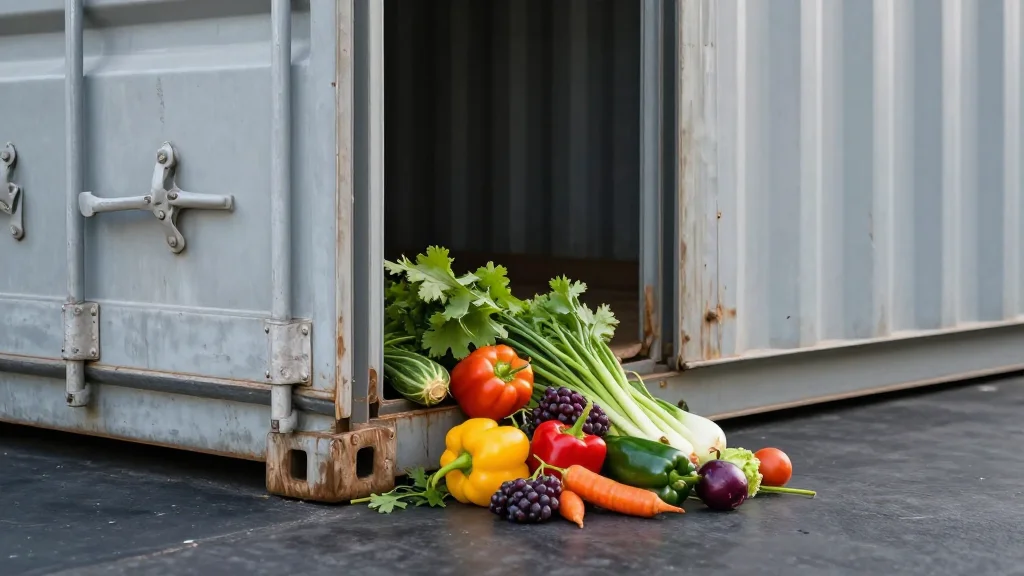
Dubai Chefs Shrink Menus as Iran War Makes Tomatillos, Scallops Harder to Source
Dubai’s restaurant scene is feeling the strain of the two‑month Iran‑UAE war, which has effectively shut the Strait of Hormuz and driven air‑freight costs up by as much as 70%. Chefs like Shaw Lash and Kelvin Cheung are trimming menus,...
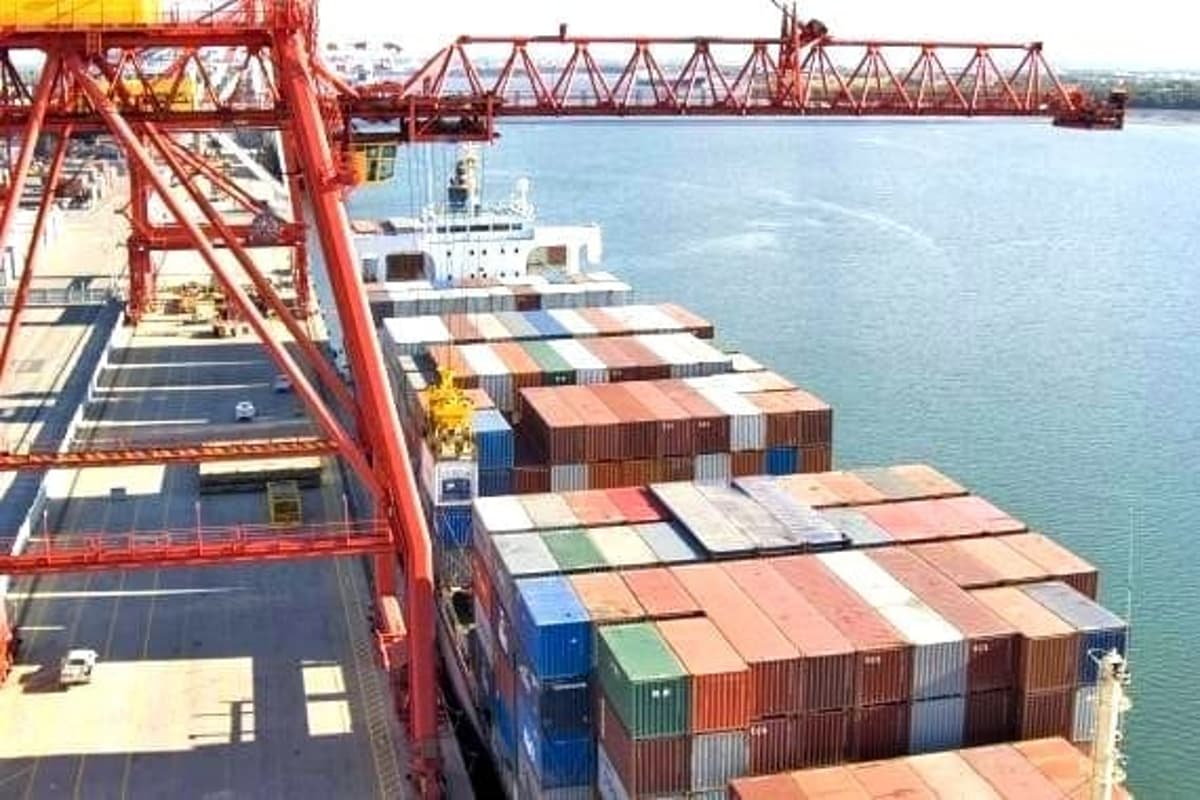
New Market Access to Indonesia for Five Export Meat Plants
The Australian government announced approval for five additional export beef plants to ship boxed beef to Indonesia, with one facility also cleared for sheep and goat meat. The plants, located in Queensland, Tasmania and Victoria, expand the halal red‑meat supply...

India’s Gross GST Collections Hit Record Rs 2.42 Lakh Crore in April, up 8.7%
India’s Goods and Services Tax (GST) collections reached a record Rs 2.42 lakh crore (≈ $29 billion) in April 2026, an 8.7% year‑on‑year rise. Net GST revenue climbed to Rs 2.11 lakh crore ($25 billion), while refunds grew 19.3% to Rs 31,793 crore ($3.8 billion). The surge was driven largely by a...

Reminder: European Markets Will Be Closed Today
European equity and bond markets are closed today in observance of Labor Day, shutting down the ECB's payment and securities settlement systems and curbing cross‑border liquidity. London remains operational, providing the only European trading venue. Meanwhile, market focus has shifted...

China Urges US to Preserve ‘Stability’ in Ties, Warns Taiwan Is ‘Risk Point’
Chinese Foreign Minister Wang Yi urged the United States to preserve the "hard‑won stability" in China‑U.S. relations during a call with Secretary of State Marco Rubio, warning that Taiwan remains the biggest risk point. The conversation also touched on the...

USD/JPY Bounces Back After Supposed Intervention Effort by Tokyo Yesterday
The Japanese Ministry of Finance appears to have stepped into the foreign‑exchange market, driving USD/JPY down roughly 400 pips from a high of 160.50 to a low near 155.55 before the pair recovered to above 157. The move followed a warning...

Europe Moves to Break Visa and Mastercard's Grip — but Not Everyone Agrees
Europe is racing to launch a state‑backed digital euro, with legislation aimed for approval by the end of 2026 and a retail rollout as early as 2029. The initiative seeks to curb the dominance of U.S. card networks, which process...

Title Update Review Page>
The U.S. economy expanded at a 2% annualized rate in Q1 2026, rebounding from a weak finish to 2025. Growth was supported by consumer spending, manufacturing recovery, and services gains. Meanwhile, inflation is rising as oil prices spike due to Middle...

Iran War May Cause Food Shortages in Africa, World’s Largest Fertiliser Firm Says
Yara International CEO Svein Tore Holsether warned that the war in Iran is driving urea prices up 60‑70% and tightening supplies of ammonia, the key feedstock for nitrogen fertilizers. With 35% of the world’s urea sourced from Gulf states, Africa—already a...

Oil Companies’ Huge Profits Revive Calls for Temporary Windfall Taxes
Oil and gas majors are enjoying record earnings as geopolitical tensions drive energy prices higher. BP said its first‑quarter profit more than doubled year‑over‑year, while France’s TotalEnergies reported a $5.4 billion net profit, prompting larger dividends and share buybacks. The surge...

Tariffs Drive Chaotic Year for Imports at U.S. Ports in 2025
U.S. imports remained essentially flat in 2025, declining only 0.03% year‑over‑year, but monthly volumes swung dramatically due to a series of tariff announcements. Importers rushed shipments ahead of new duties in April, May and August, creating sharp peaks and valleys...
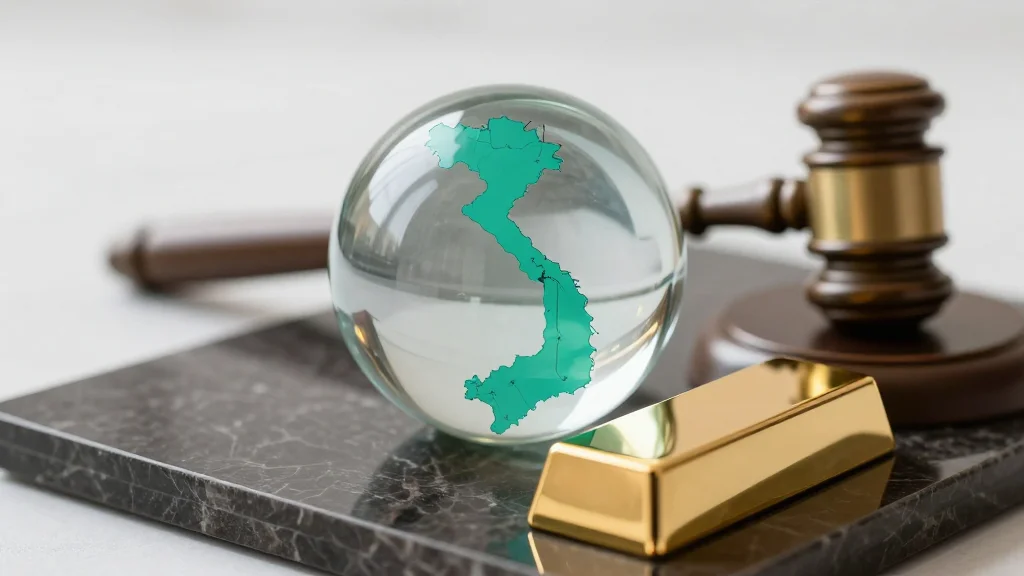
USTR Retains India on Priority Watch List on IPR; Vietnam Faces Toughest Scrutiny
The U.S. Trade Representative’s 2026 Special 301 Report kept India on the priority watch list for intellectual‑property protection and, for the first time in 13 years, placed Vietnam in the Priority Foreign Country category. The priority watch list now includes China,...

InvestingLive Asia-Pacific FX News Wrap: Japan Warns of More Intervention if Needed
Japan’s finance ministry signaled readiness to intervene in the yen market during Golden Week, pushing USD/JPY back above 157.0 after a brief dip. Tokyo’s April CPI came in below expectations, with core inflation remaining under the Bank of Japan’s 2%...
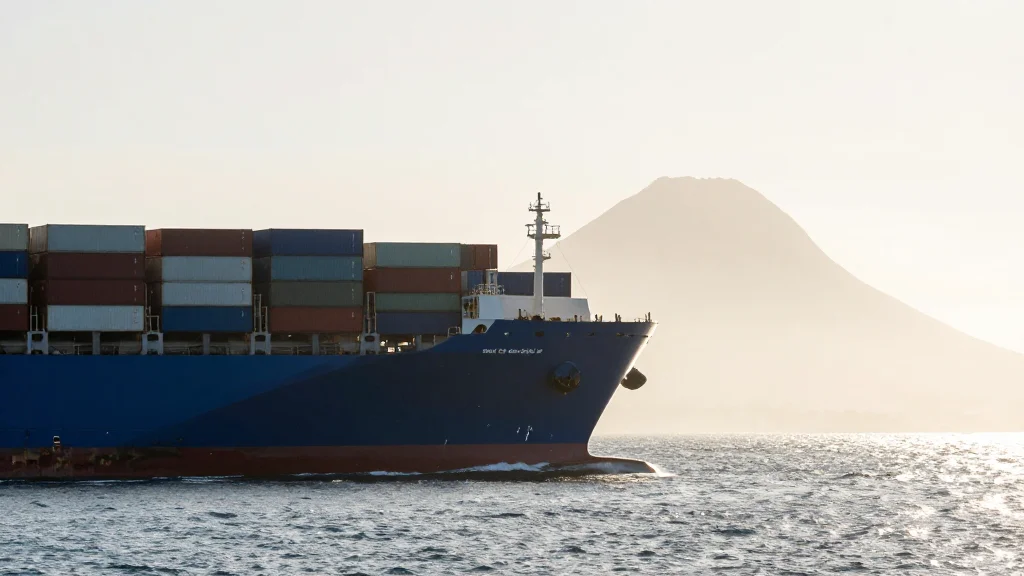
Iran War Redraws Sea Routes with Africa as the Pivot
The Iran‑related war and the closure of the Strait of Hormuz have forced global container traffic to bypass the Red Sea, turning Africa’s eastern coast into the main conduit between Asia and Europe. Major carriers now unload in Jeddah and...

Iran’s Supreme Leader Vows to Protect Nuclear and Missile Capabilities
Iran's supreme leader Ayatollah Mojtaba Khamenei pledged to safeguard the nation’s nuclear and missile programs, rejecting U.S. attempts to curb them. The statement coincided with a U.S. naval blockade that has turned back 44 commercial vessels and pushed Brent crude...

Japan Intervenes to Defend Yen and Warns of Further Action over Golden Week
Japan confirmed a foreign‑exchange intervention on Thursday, its first in almost two years, after the yen slipped past the 160 per dollar line. The move pushed the currency up roughly 3% to a low of 155.5 before settling near 157....
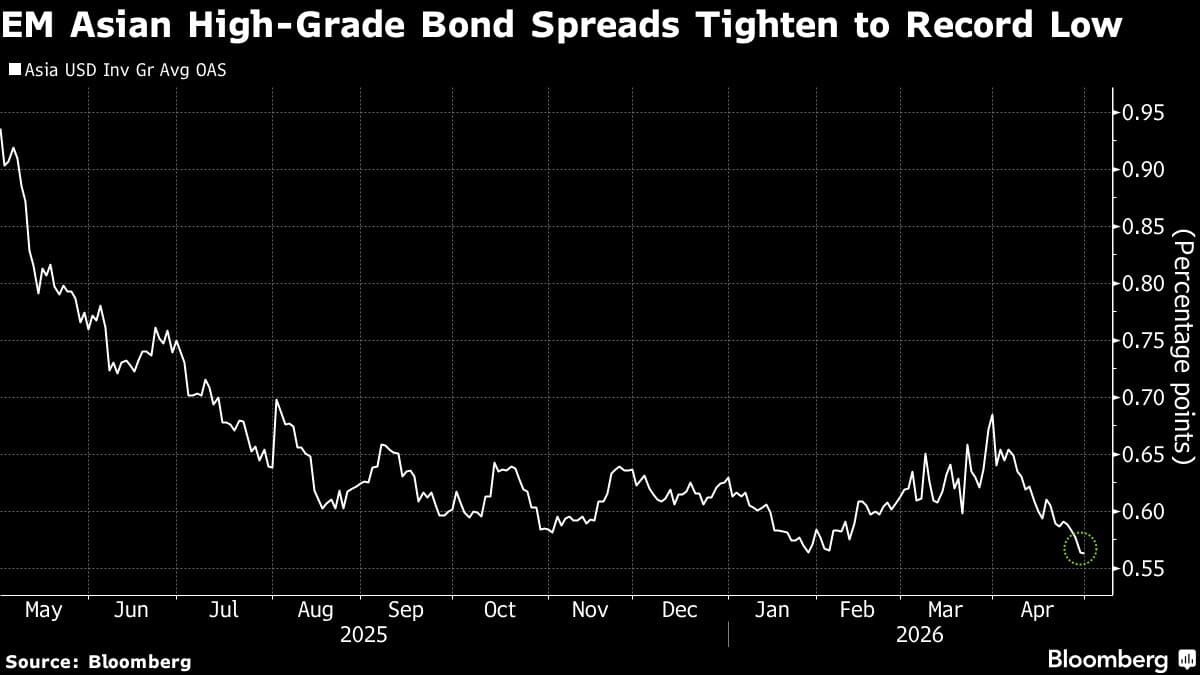
Record-Low Spreads on EM Asia High-Grade Debt Show Resilience
Emerging‑market Asian investment‑grade dollar bonds posted a record‑low spread of about 56 basis points on Thursday, the tightest level recorded since Bloomberg began tracking the index in 2009. The compression reflects a sharp drop in new issuance across the region...

No Change in Domestic ATF Prices, International Aviation Fuel Rates Revised Upward
State‑owned oil marketing companies kept Aviation Turbine Fuel (ATF) prices steady for scheduled domestic airlines in Delhi, Kolkata, Mumbai and Chennai, while raising rates for international operations in the May 1, 2026 revision. Domestic rates sit at roughly $1,280‑$1,340 per kilolitre after...

Trump Administration Claims Iran War Ended Under Ceasefire, Avoids Congress Approval Route
The Trump administration says the Iran war ended with the April 7 cease‑fire, allowing it to bypass the War Powers Resolution’s 60‑day congressional approval requirement. Defense Secretary Pete Hegseth testified that the cease‑fire pauses the clock, while legal scholars argue...
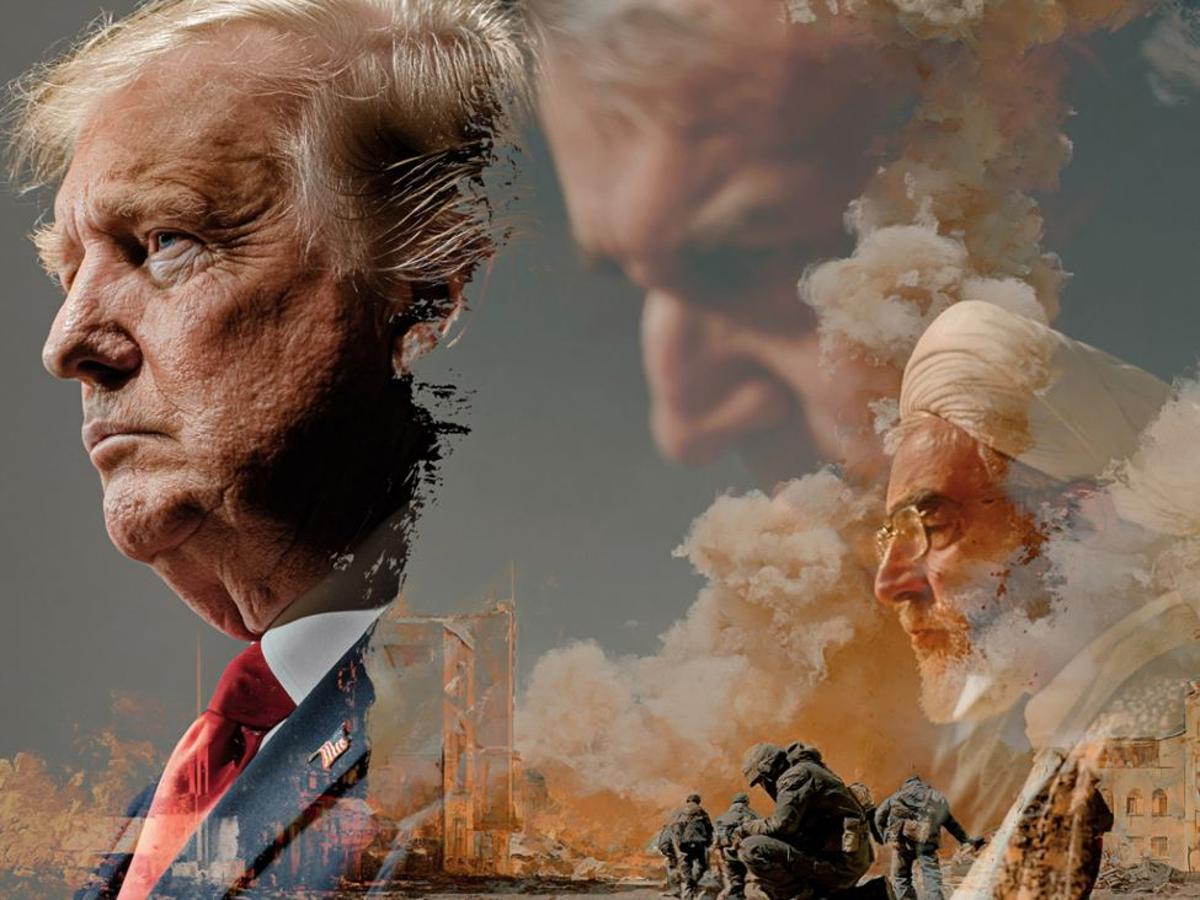
ASEAN Ministers Warn Middle East War Threatens Energy Security and Regional Growth
ASEAN economic ministers issued a joint communique warning that the war in the Middle East threatens global energy security and could markedly slow growth in the region. They highlighted that the Strait of Hormuz transports roughly one‑quarter of the world’s...

Where Does the K-Shaped Economy Stand in 2026?
The K‑shaped economy, first spotlighted in 2020, remains the dominant narrative in 2026 as wage growth splits between high‑ and low‑income households. CFOs report a bifurcated consumer: the top 20% enjoy accelerating earnings while the bottom 80% tread water, with...
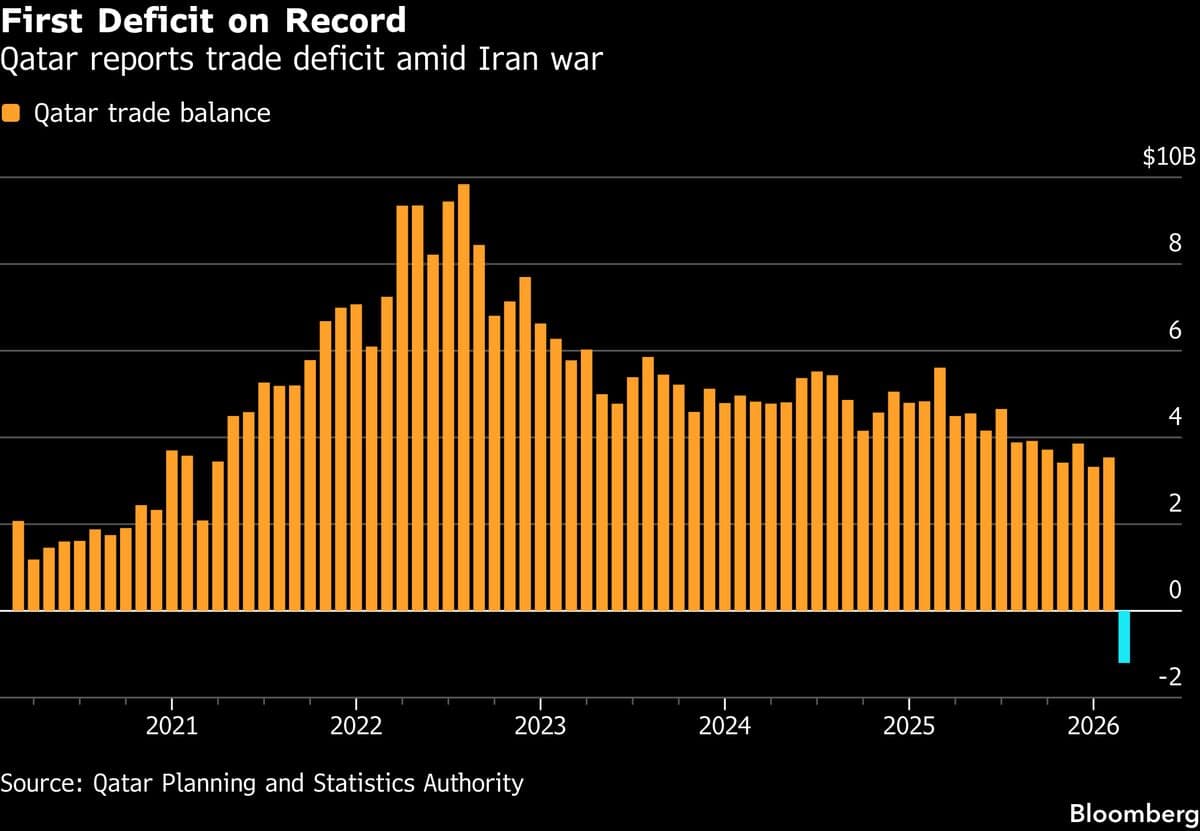
Economic Crosscurrents Go Global as Energy Shock Meets AI Wave
Bloomberg AI reports that the global economy is being pulled in opposite directions by two powerful forces. An AI investment boom is accelerating trade, investment and consumer spending in many advanced markets. At the same time, the energy shock triggered...

From Surplus to Strain: Iran War and El Nino Threaten Global Rice Supply
Global rice supply faces new pressure as the Iran‑U.S. conflict chokes fuel and fertilizer shipments through the Strait of Hormuz, while an emerging El Nino threatens hotter, drier conditions across Southeast Asia. Farmers in Thailand, Vietnam and other top exporters are...

Iranian Economic Collapse May Come Too Late for Trump
Iran’s economy is under severe strain after weeks of conflict and a U.S. blockade that has choked oil exports, yet the country remains functional thanks to abundant internal supplies and robust land trade with neighboring states. Analysts expect a double‑digit...

Japan’s Mimura Declines to Comment on Yen Intervention Talk
Japan’s vice finance minister for international affairs, Atsushi Mimura, declined to comment on any direct yen intervention but reiterated that Tokyo remains prepared to act in the crude‑oil futures market. He said authorities are “always ready to act regarding crude...