TFLO: Cash Is King In A Fragile Geopolitical Moment
The iShares Treasury Floating Rate Bond ETF (TFLO) functions as a near‑zero‑duration, floating‑rate cash equivalent, offering investors a safe alternative to equities and long‑duration bonds. Amid rising oil prices, a tenuous cease‑fire in key regions, and persistent inflation, cash‑like assets are increasingly attractive. Equity valuations, especially in US technology, remain stretched with high price‑to‑earnings multiples, heightening sensitivity to cost‑of‑capital shocks. While the slightly riskier iShares Floating Rate Treasury Bond ETF (FLOT) yields 4.25% versus TFLO’s 3.8%, both serve as tactical cash plays providing optionality in a frothy market.
LEI for China Declined in March
The Conference Board reported that China’s Leading Economic Index (LEI) slipped 0.2% in March 2026 to 144.8, marking a 1.3% decline over the September‑March six‑month span. Meanwhile, the Coincident Economic Index (CEI) rose 0.8% to 158.2, indicating current activity remains...
The Company that Defied Trump’s Tariff War
The requested article content was not provided; the excerpt contains only navigation and paywall prompts without any substantive text about the company or its exposure to Trump's tariff war.

“Spot Up, 'VIX' Up” As Investors Hedge Record Highs in US Equities
Investors are hedging even as U.S. equities hit record highs, pushing the Cboe VIX Index up 1.25 points to 18.7. The rise stems from higher fixed‑strike volatilities and aggressive risk‑reversal selling, steepening the volatility skew to the 60th percentile. Strong...
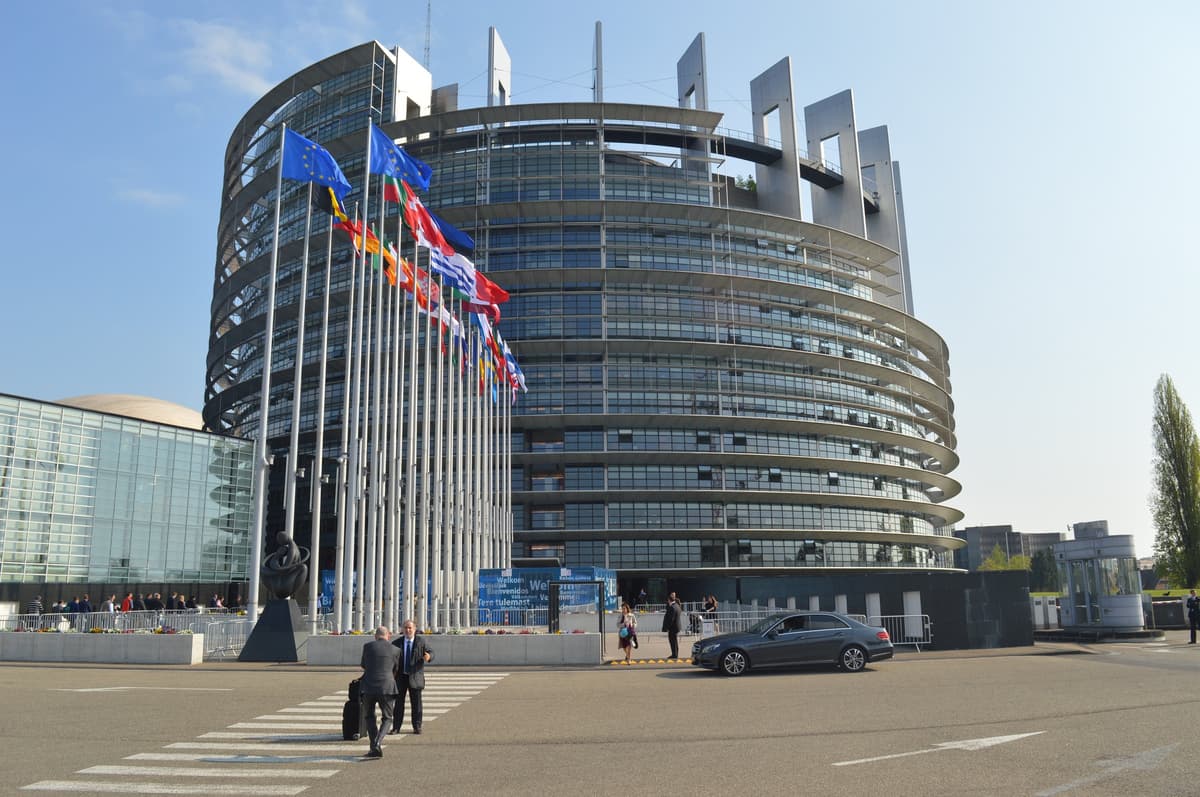
This WEEK: MEPs Decide on Next EU Budget, as ECB Responds to Iran War
The European Parliament will vote on Tuesday, 28 April, on the EU’s next Multiannual Financial Framework (MFF) for 2028‑2034. MEPs have agreed to set the long‑term budget at 1.27% of the bloc’s gross national income (GNI), with Covid‑19 recovery fund interest...

The Iran War’s Threat to Turkey
Turkey is striving to stay neutral in the escalating Iran‑U.S./Israel war, drawing on its World War II balancing act as a diplomatic model. Despite this stance, Ankara faces security gaps after its Russian S‑400 purchase left it excluded from key NATO...
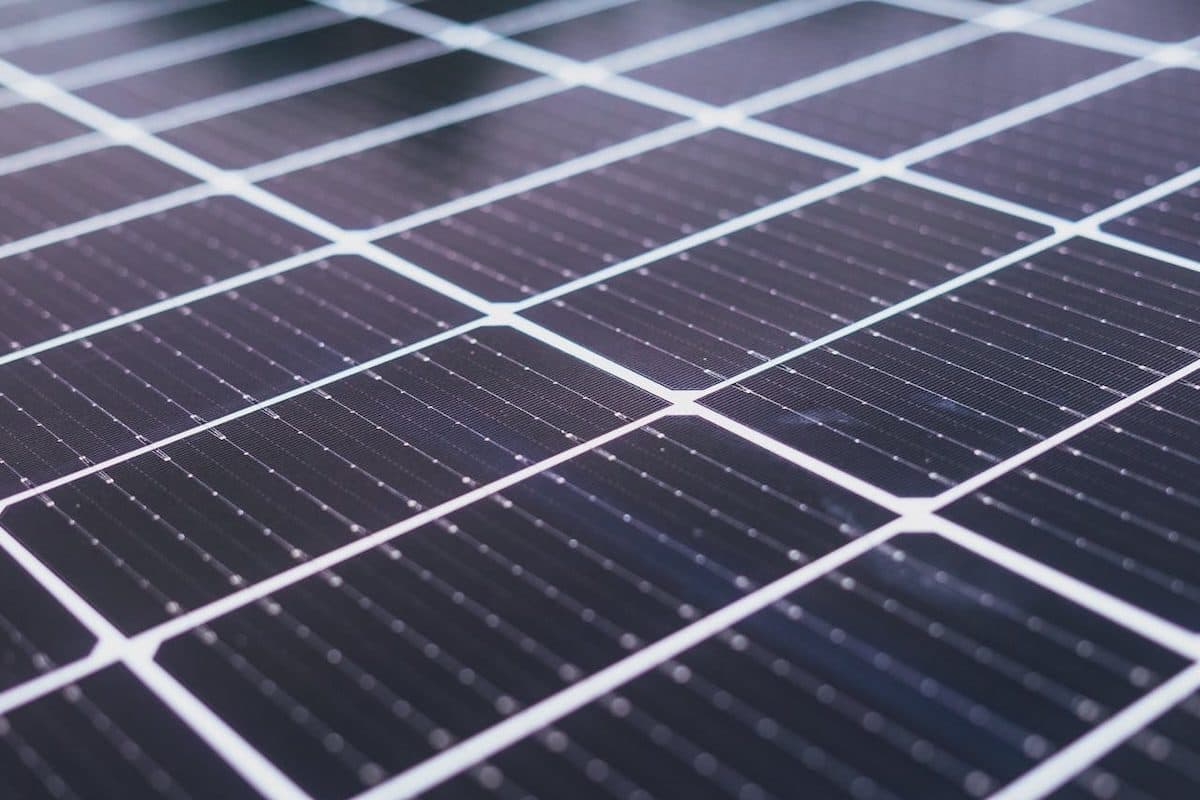
Amid Energy Crisis, Chinese Solar Exports Double
China's solar equipment exports doubled in March, reaching 68 GW—a volume comparable to Spain's total solar capacity. The surge follows the Iran‑Hormuz oil disruption, prompting Asian and African nations to replace fossil‑fuel imports with Chinese panels. A temporary rise in export...
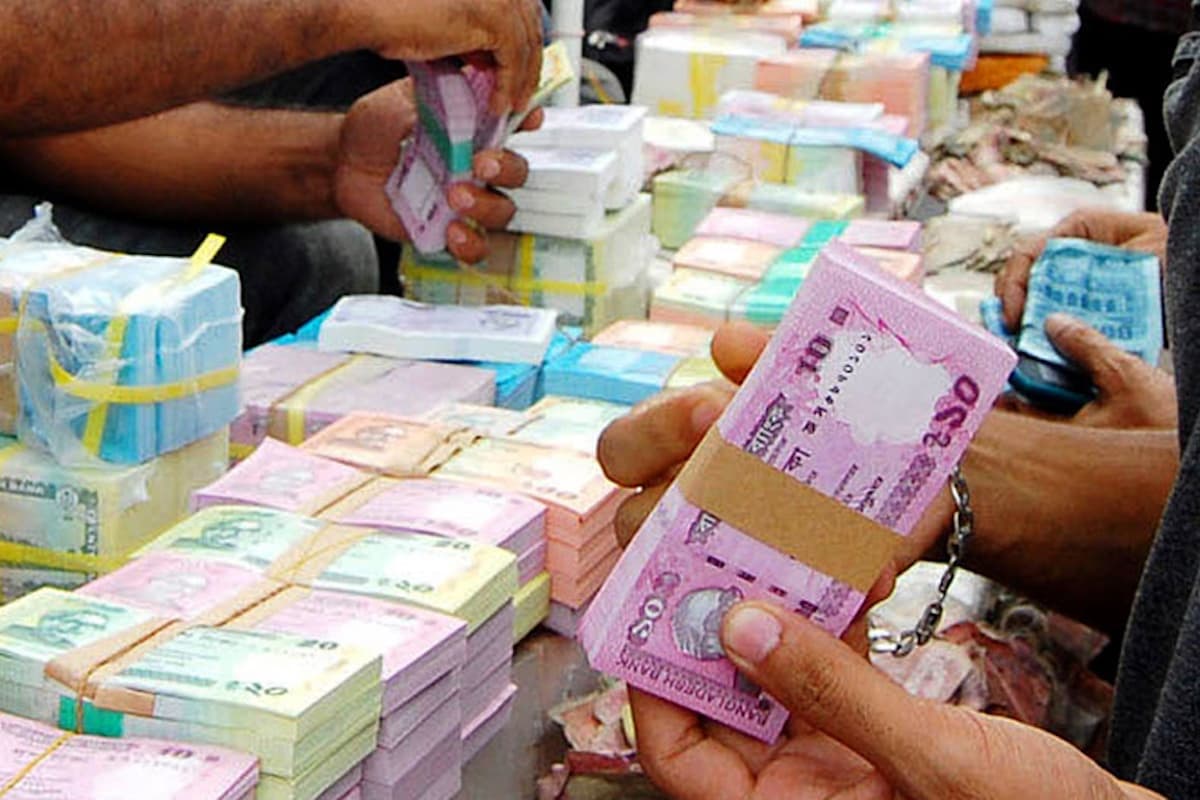
Bangladesh Risks New Inflation Surge by Printing Money
Bangladesh’s central bank injected roughly US$1.65 billion of high‑powered money in February, pushing reserve‑money growth to 13.35% year‑on‑year—more than double the pace a year earlier. The expansion comes as the new government seeks to fund welfare programmes amid a weak fiscal...

Temu and Shein ‘Hollowing Out’ German Retail
A new report finds Chinese ultra‑fast‑fashion platforms Temu and Shein are draining Germany’s retail economy. The study quantifies an annual net value‑added loss of €2.4 billion (about $2.6 billion). While EU retailers shoulder costly compliance with the Packaging Act, GDPR and product‑safety...
ET Awards: Sitharaman Flags AI Threat and Global Risks, Says Reforms on the Way to Support India Inc Growth
Finance Minister Nirmala Sitharaman announced a new reform package aimed at reducing regulatory compliance burdens for Indian businesses, citing the need to cushion the impact of the West Asia conflict and rising commodity prices. She highlighted India’s strong domestic consumption as a...
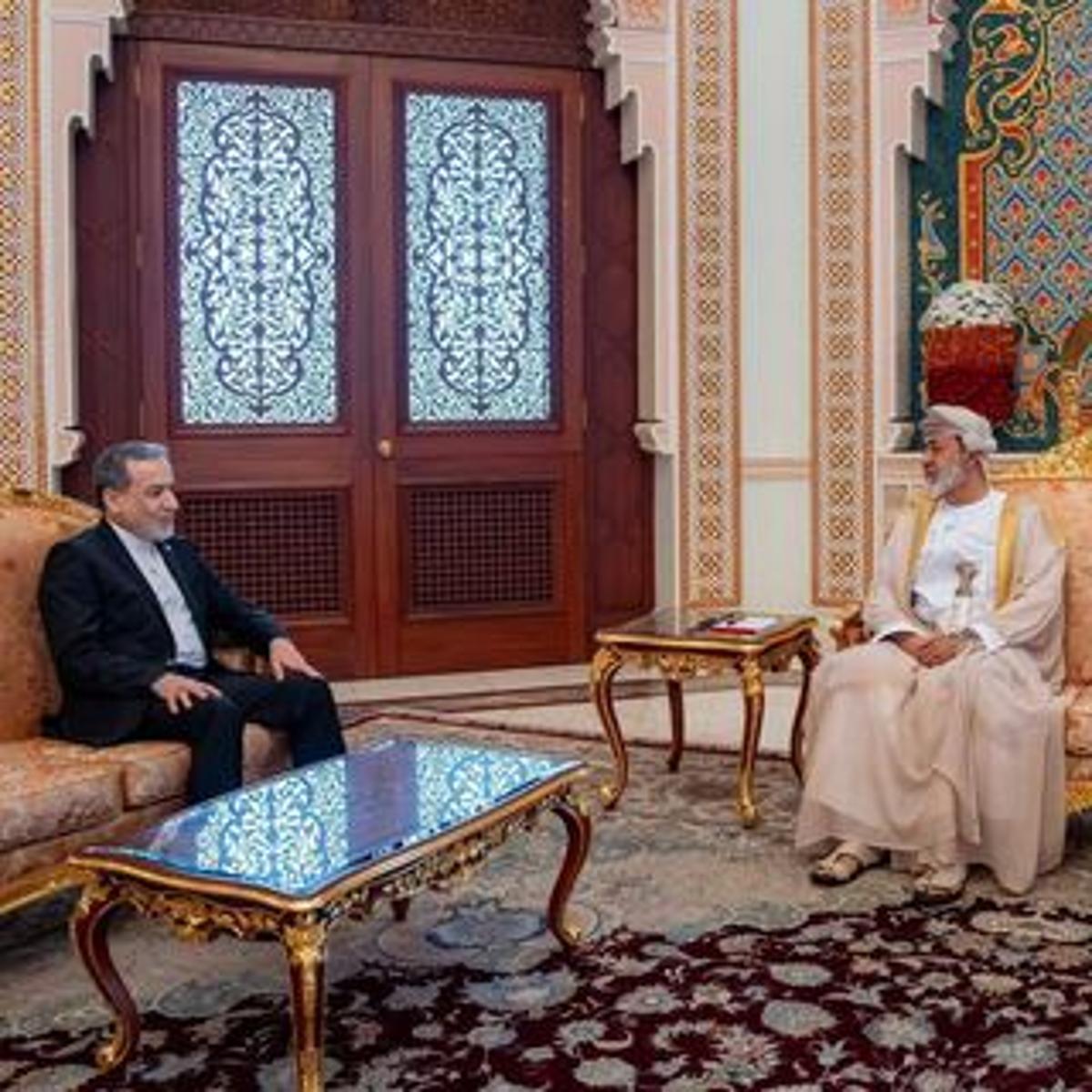
Iran Offers U.S. Deal to Reopen Strait but Postpone Nuclear Talks
Iran’s foreign minister Abbas Araghchi offered the United States a deal to immediately reopen the Strait of Hormuz and extend the cease‑fire, while postponing nuclear negotiations to a later stage. The proposal was delivered through Pakistani mediators amid a stalemate...

Analysis-Under Cover of Trade Truce with Trump, China Expands Economic Pressure Toolkit
In October 2025 President Donald Trump and Xi Jinping signed a trade truce that promised to lift Chinese rare‑earth export controls and end retaliation against U.S. firms. Since then Beijing has quietly built a broader economic‑pressure toolkit, enacting laws that...
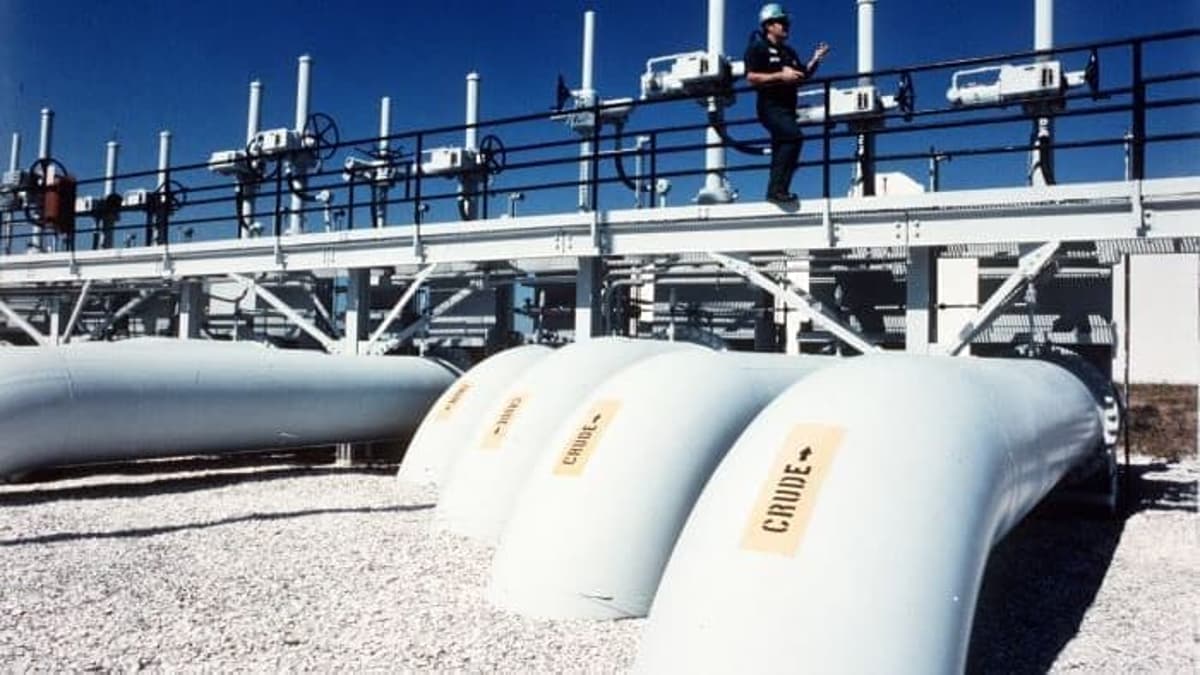
Europe Emerges As Key Buyer Of U.S. Strategic Petroleum Reserve Oil
The U.S. Department of Energy has released roughly 80 million barrels from the Strategic Petroleum Reserve, with Europe emerging as the primary buyer. European refiners, led by the UK’s Vortexa, have taken about 50 million barrels at a $5‑per‑barrel discount to Brent,...

Structural Gas Demand Destruction Threatens Global LNG Market
The ongoing Middle East conflict is sharply curtailing LNG imports in Asia, with April volumes falling to 19.03 million tonnes, the lowest in six years. U.S. LNG is stepping in to replace Qatari shipments, while African producers remain under‑utilized, leaving a...
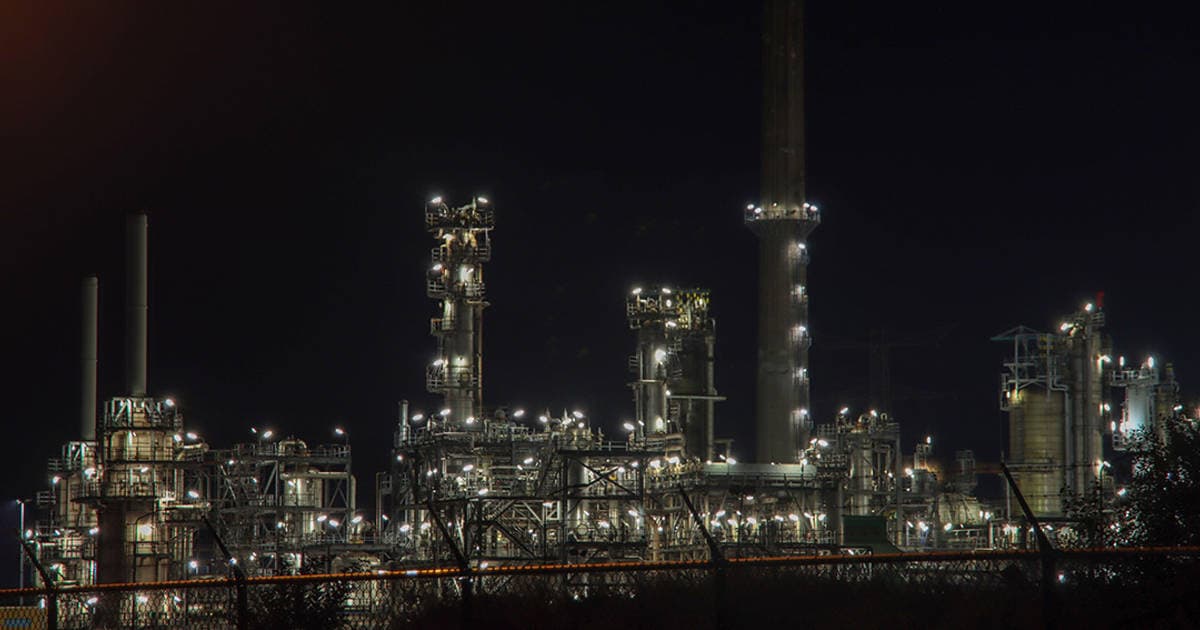
Back to Square One: The EU's Endless Energy Dependency Trap
Iran’s de‑facto closure of the Strait of Hormuz has halted roughly 20% of global oil and LNG shipments, sending European gas prices up more than a third within days. While strategic oil reserves soften immediate supply shocks, the natural‑gas market...
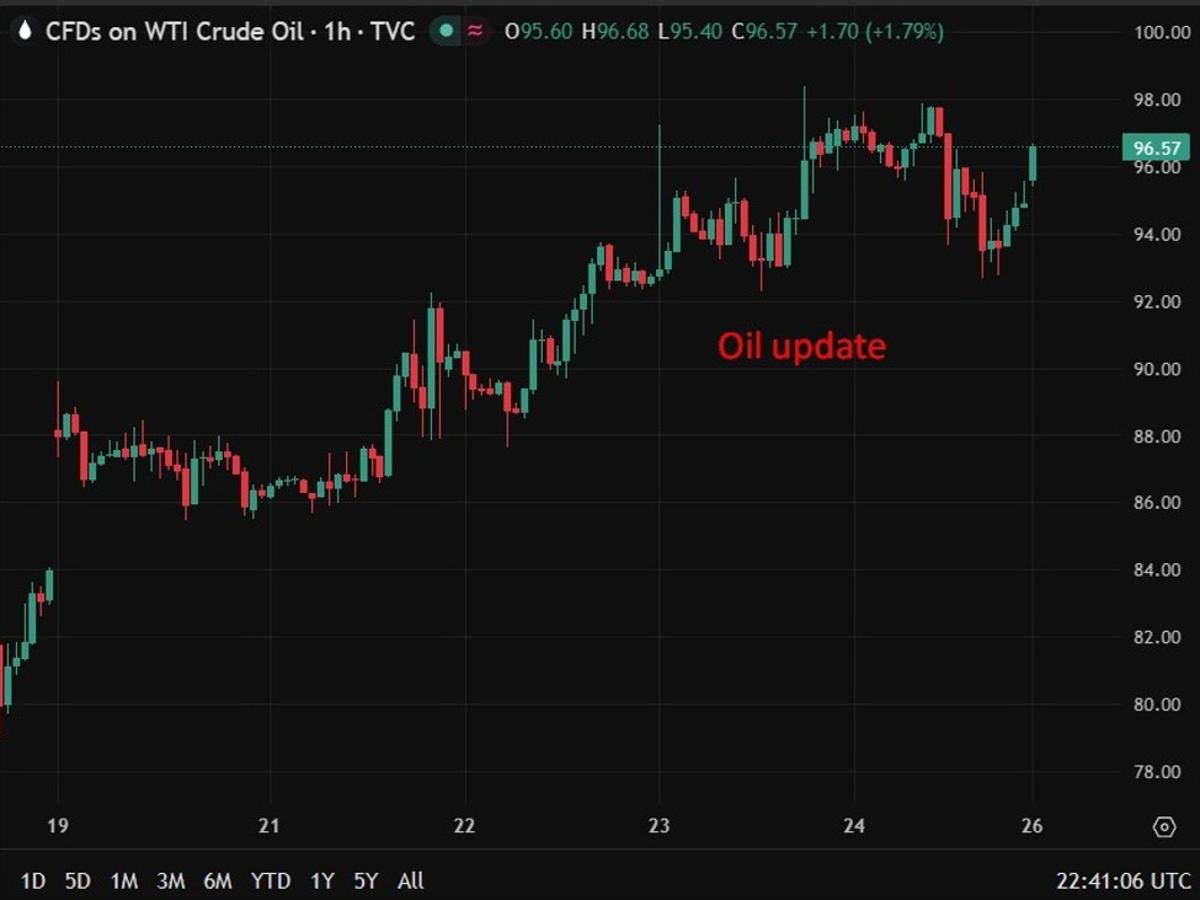
Goldman Sachs Raises Q4 2026 Oil Forecasts. Mid East Output Loss Drive Big Inventory Draw
Goldman Sachs lifted its fourth‑quarter 2026 oil price outlook, raising Brent to $90 a barrel and WTI to $83, up from $80 and $75 respectively. The revision reflects an estimated 14.5 million barrels‑per‑day loss of Middle East crude output, which is...

International Equities Regain Momentum as Investors Reassess Global Balance, Says Grogan
International equities have regained momentum in 2026, outpacing US stocks as a weaker dollar, sentiment reversal and European fiscal stimulus boost performance. CIO Kevin Grogan of Focus Partners attributes the shift to both cyclical factors and structural issues, noting that...
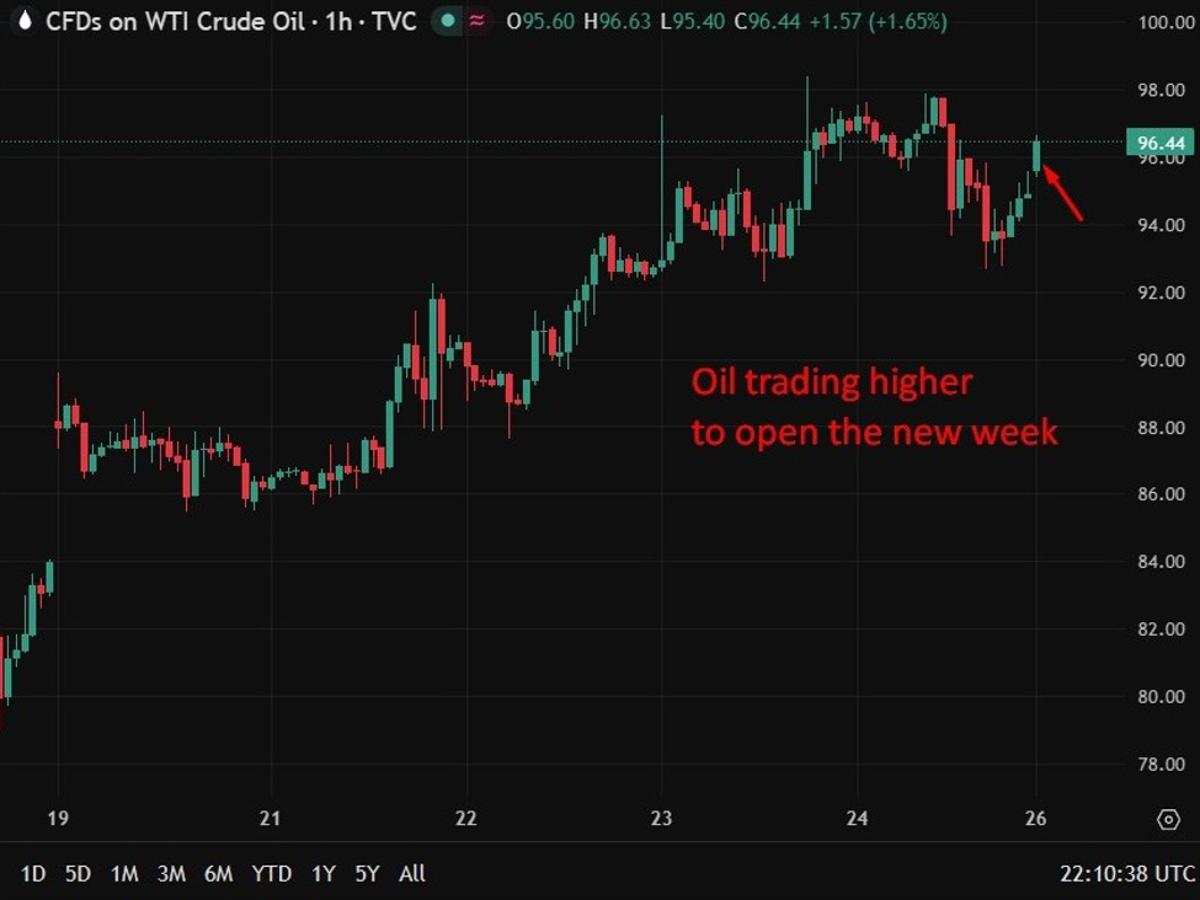
US Futures (Globex) Are Open. Oil up, Stocks Down on US-Iran Talks Stalling
U.S. futures opened lower on the Globex exchange as investors digested stalled talks between Washington and Tehran, while oil prices climbed on heightened geopolitical risk. No substantive progress was reported in the diplomatic channel, and a cargo ship attack in...
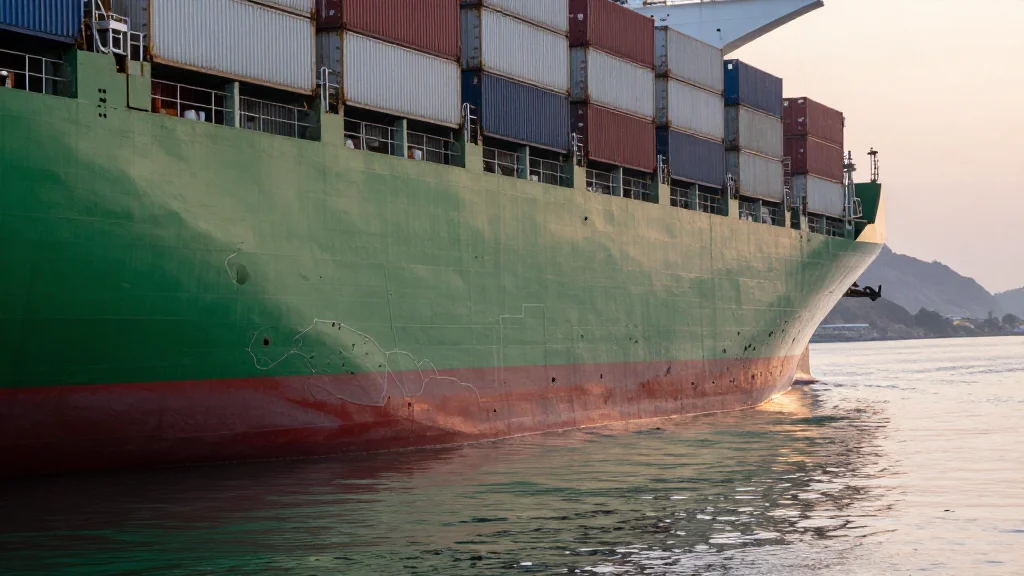
Iran’s FM Said Had Discussion with Oman on Ways to Ensure Safe Transit in Hormuz Strait
Iran’s foreign minister met with his Omani counterpart to discuss mechanisms for securing safe navigation through the Strait of Hormuz. Both officials emphasized the need for coordinated measures that protect commercial vessels while reducing the risk of accidental incidents. The...
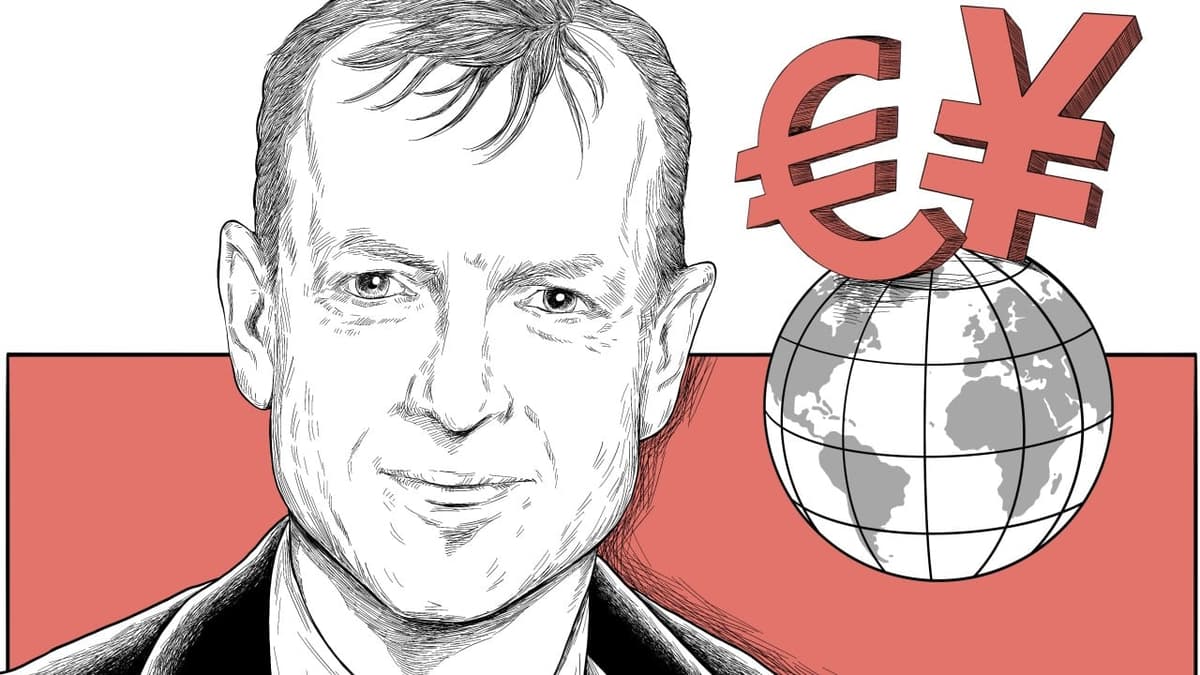
Daniel Gros on What China Can Learn From the Euro as It Works Towards a Global Yuan
Daniel Gros, director at Bocconi’s Institute for European Policymaking, argues that the euro’s modest international role highlights the United States dollar’s unrivaled advantage: a deep, open financial market and a powerful lock‑in effect. He notes that the yuan’s push for...
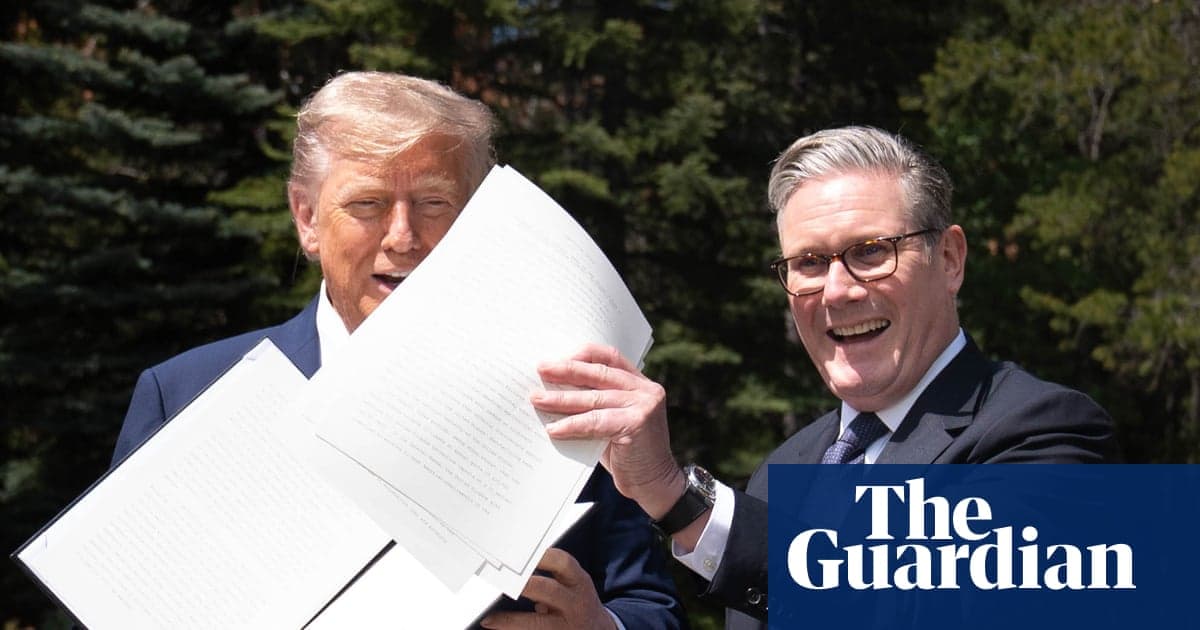
UK Urged to Deploy EU-Style ‘Trade Bazooka’ Against Trump’s Tariffs
The British Chambers of Commerce (BCC) is urging the UK government to adopt an EU‑style anti‑coercion "trade bazooka" to counter President Donald Trump’s threat of tariffs over the UK’s digital services tax. The BCC argues that inadequate economic security is...
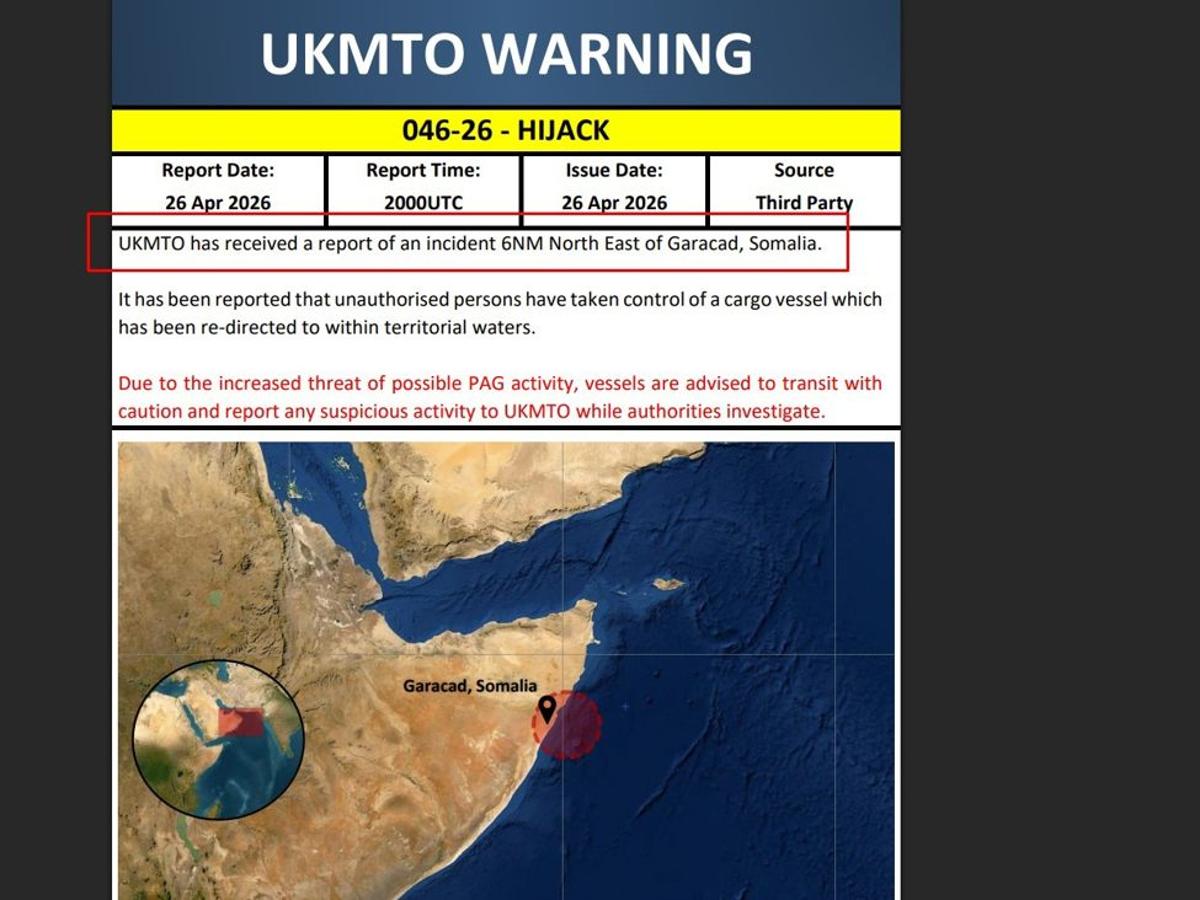
Reports a Cargo Ship Has Been Attacked South of Bab Al-Mandab Strait. Second Front Opening
Somali pirates hijacked a cargo vessel south of the Bab al‑Mandab Strait, marking the second large commercial ship seized in a week. The Bab al‑Mandab is a critical maritime corridor linking the Red Sea to the Gulf of Aden, and...

Record-Setting Momentum Rally Is Drawing Doubters
April’s risk‑asset rally has surged to near‑record levels, with the S&P 500 climbing almost 10% since the end of March—its strongest monthly gain since late 2020. The rally persisted despite stalled US‑Iran peace talks, lingering inflation signals, and a central‑bank succession drama...
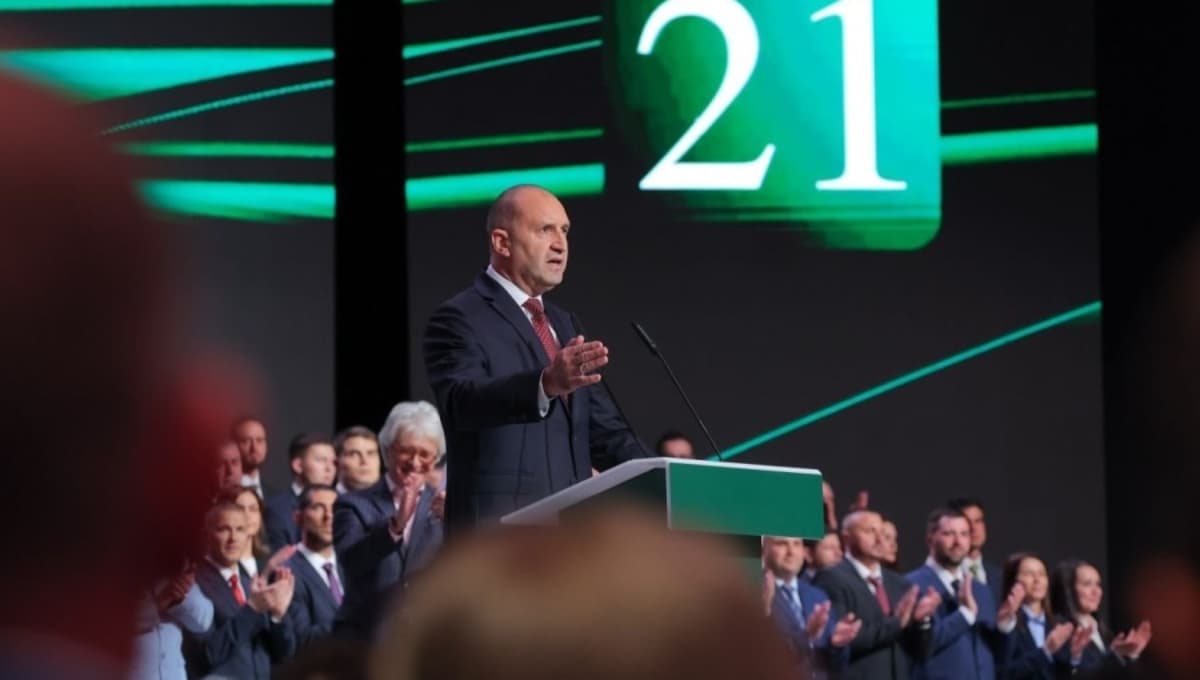
Radev’s Victory in Bulgaria Offers No Relief for North Macedonia’s EU Progress
Rumen Radev’s re‑election in Bulgaria signals a tougher stance toward North Macedonia’s EU accession, reinforcing the bilateral conditions that have stalled talks since 2020. The core dispute – a constitutional amendment to recognise Bulgarians as a minority – remains unresolved,...
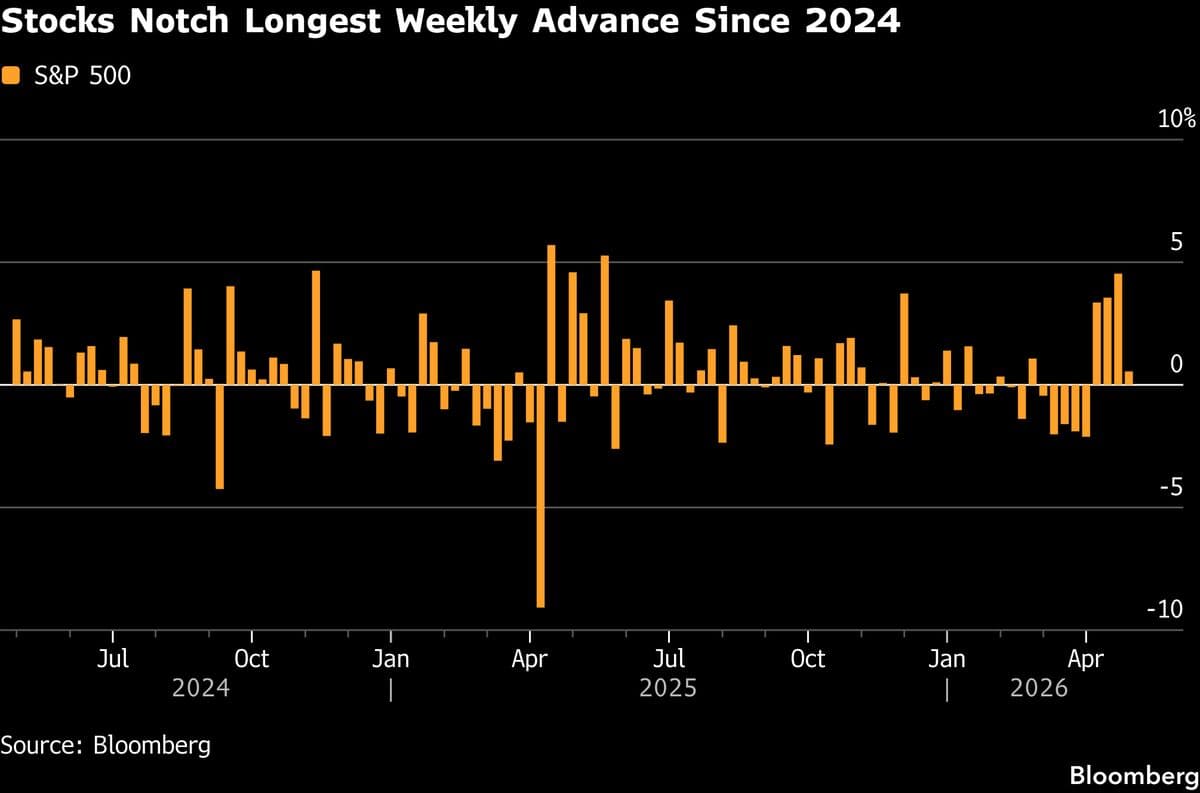
Record-Setting Momentum Rally Is Drawing Doubters
April’s equity rally has surged, with the S&P 500 up roughly 10 percent since late March, positioning it for the strongest monthly gain since 2020. Treasury yields fell after the Justice Department closed its probe of Fed Chair Jerome Powell, clearing the...
Has Iran Exposed the Limits of What US Can Achieve by Force?
Political scientist Vali Nasr argues that recent U.S. and Israeli military pressure on Iran has failed to achieve decisive results. He contends that force alone cannot compel Tehran to surrender, highlighting Iran's ability to endure and signal that war would...
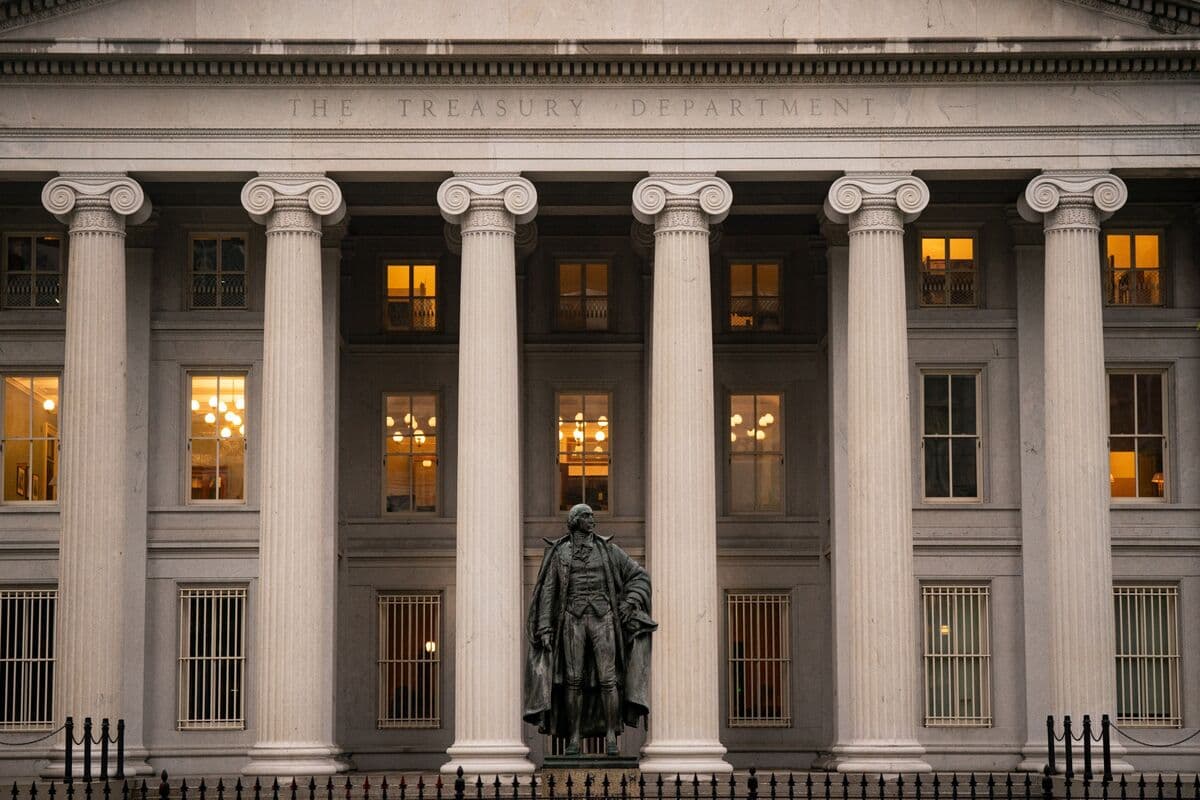
Bond Traders Await Powell Update, Slate of US Treasury Auctions
U.S. Treasury traders are zeroing in on this week’s Federal Reserve meeting to assess inflation pressures as Middle‑East tensions keep oil prices elevated. The consensus is that the Fed will hold rates steady on Wednesday, but market participants are increasingly...
India Must Identify Key Chokepoints, Mitigate Both Supply & Price Risks: EAC-PM Chairman S Mahendra Dev
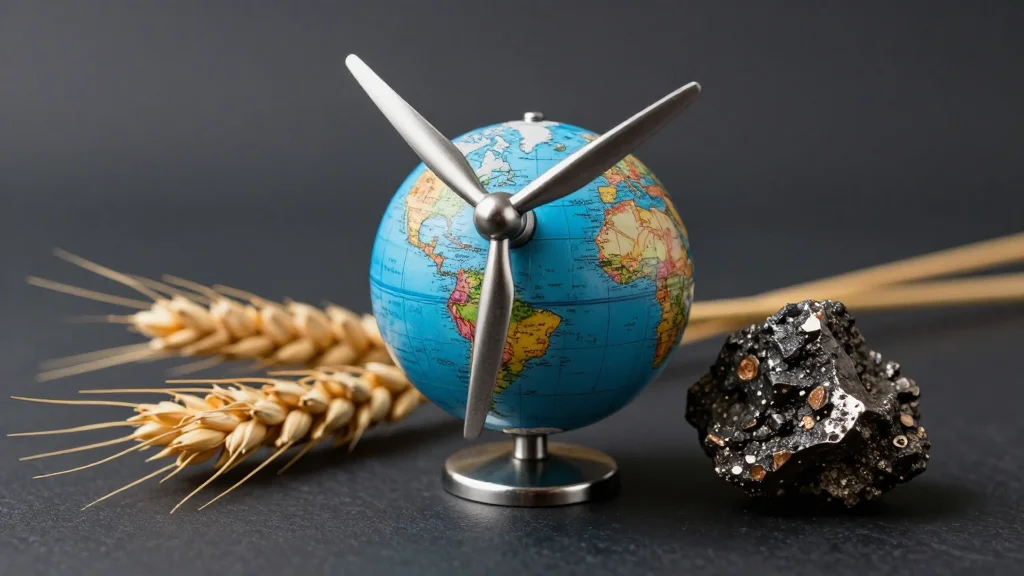
India’s Economic Advisory Council chair S Mahendra Dev warned that the West Asia war exposes critical supply‑chain vulnerabilities across energy, food, fertilizers, metals and minerals. He urged the government to map these chokepoints, expand strategic petroleum reserves and commodity stockpiles, and diversify...
:max_bytes(150000):strip_icc():format(jpeg)/environmental-tariff.asp_Final-db183fa4034042e48aed19677831f430.png)
Environmental Tariff: Meaning, Alternatives, Example
Environmental tariffs, also called eco‑tariffs, impose taxes on imports from countries with lax environmental regulations. The EU’s carbon border adjustment mechanism (CBAM) is the most notable implementation, targeting high‑carbon products such as cement. While intended to level the playing field...
Churn in Horn of Africa Political Alliances
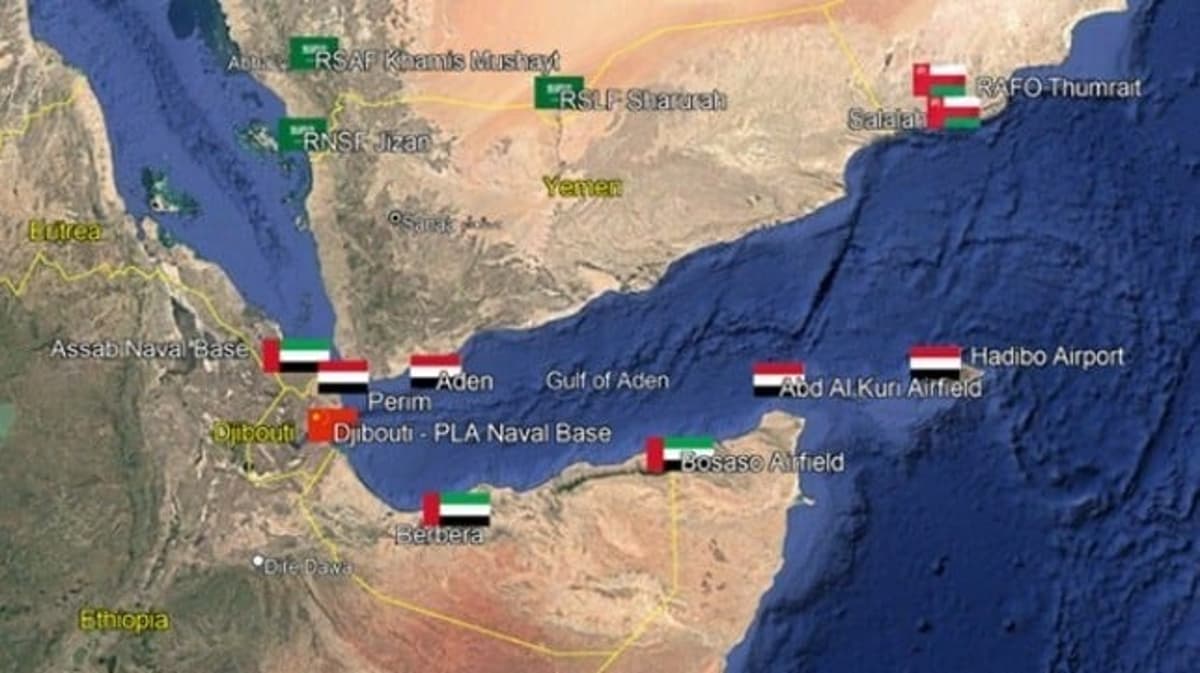
The Horn of Africa’s political turbulence is reshaping the Bab el‑Mandeb corridor, now handling over half of Saudi oil after the Strait of Hormuz blockage. The United Arab Emirates’ pullout has shuttered several Red Sea bases, eroding maritime surveillance. Meanwhile, Washington...
Mega-Cap Earnings, FOMC and Other Key Things to Watch This Week
President Trump abruptly canceled a diplomatic mission to Pakistan, heightening U.S.-Iran tensions and adding uncertainty to oil markets. The Federal Reserve meets on Wednesday, confronting a stagflation scenario where weak growth collides with energy‑driven inflation. A rare earnings convergence sees...
Canada Just Opened North America's First Battery-Grade Lithium Refinery
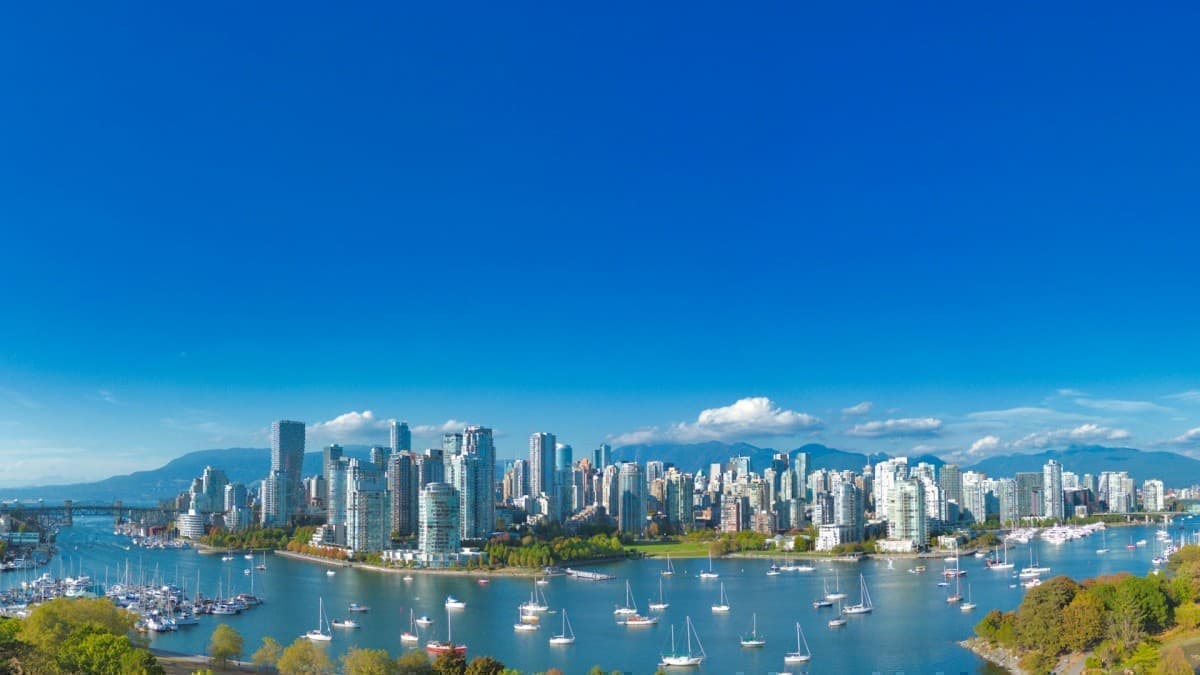
Mangrove Lithium opened North America’s first commercial electrochemical lithium refinery in Delta, British Columbia, with a 1,000‑tonne annual capacity of battery‑grade lithium—enough for roughly 25,000 electric vehicles. The plant is a direct response to China’s control of about half the...
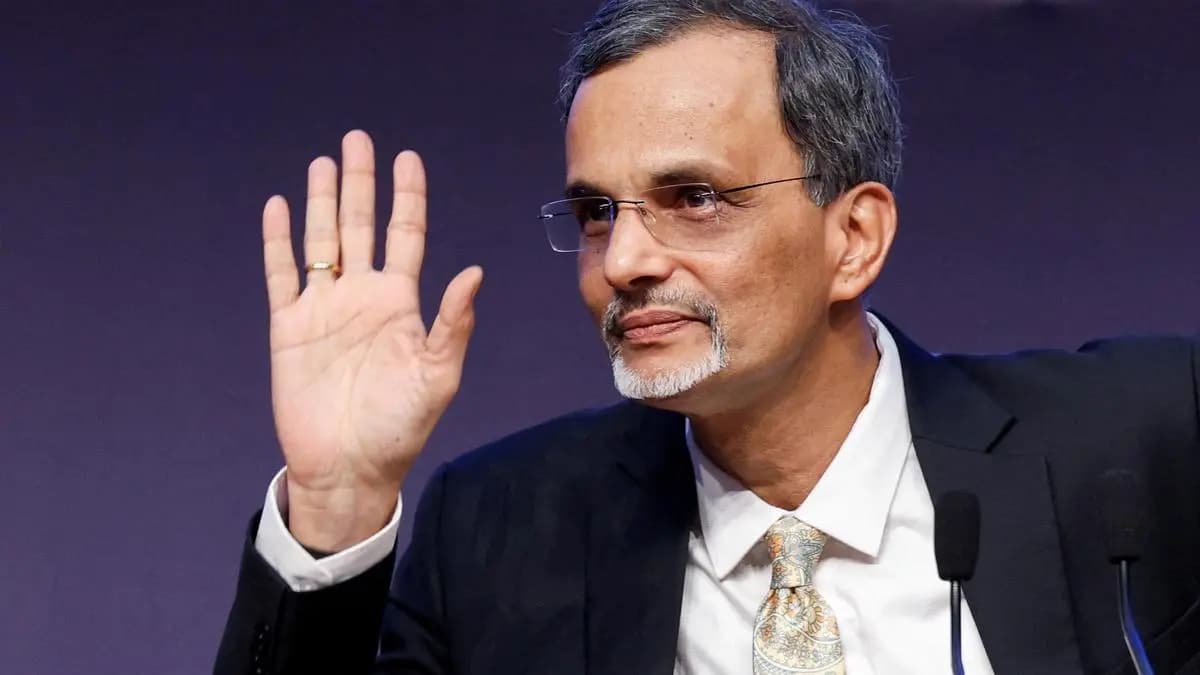
India Likely to Close FY26 with Gross FDI of More than $90 Billion, Says CEA Nageswaran
India’s Chief Economic Adviser V. Anantha Nageswaran projects gross foreign direct investment (FDI) to top $90 billion in FY 2025‑26, roughly 2% of the country’s GDP. The April‑February period already recorded $88.3 billion in gross inflows, an 18.1% jump year‑over‑year, and net FDI rose to...
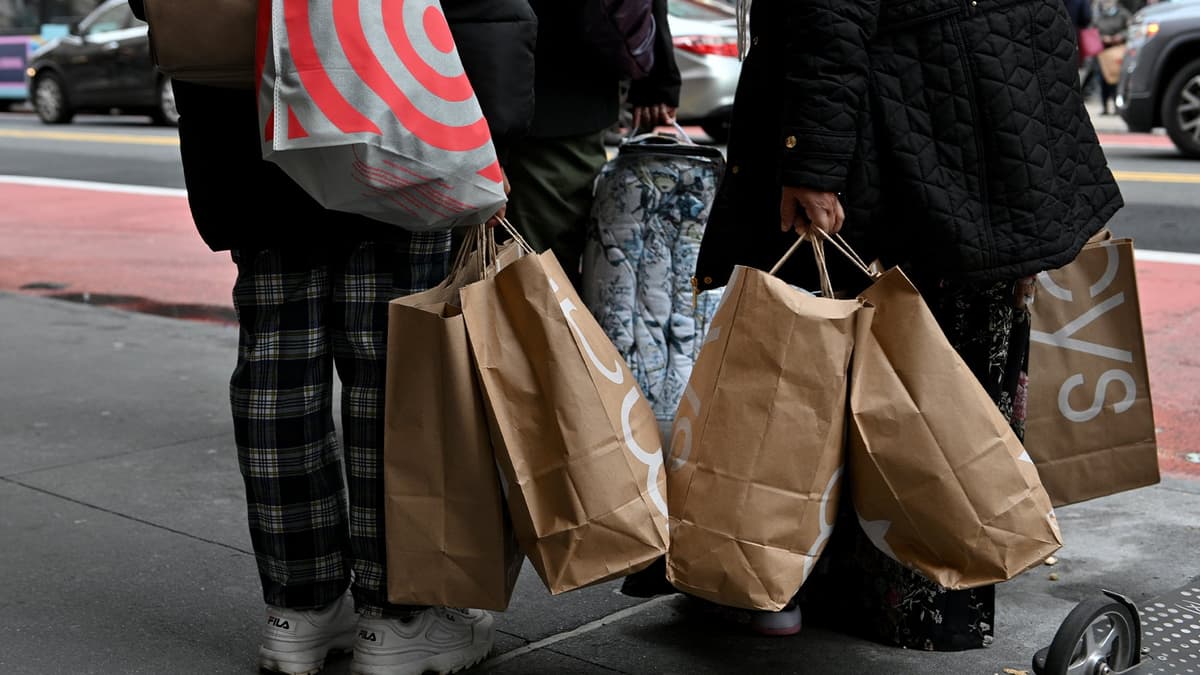
US Consumer Sentiment Drops to Record Low in April
The University of Michigan’s Consumer Sentiment Index fell to a record low of 49.8 in April, edging up slightly from an early‑month trough of 47.6 but still well below March’s 53.3 and Reuters’ 48.0 forecast. The decline was driven by...

Trump Tells Fox News Iran Can Call US if It Wants to Negotiate
President Donald Trump told Fox News’ “The Sunday Briefing” that Iran may call the United States if it wishes to negotiate an end to the ongoing conflict between the two nations. The remark came amid a series of recent escalations...
Euro Zone Price Spike Seen Surging Higher in Second Month of War
Euro‑zone inflation is expected to hit 3 percent in April, the highest level in two‑and‑a‑half years, as the Iran‑Israel conflict disrupts energy supplies through the Strait of Hormuz. The reading would sit a full percentage point above the European Central Bank’s...

UK's Starmer and Trump Discuss 'Urgent Need' To Restore Shipping in Strait of Hormuz
British Prime Minister Keir Starmer and U.S. President Donald Trump discussed the urgent need to resume commercial traffic through the Strait of Hormuz during a call on April 26. The conversation highlighted a joint initiative with French President Emmanuel Macron to safeguard...

Will Kevin Warsh Trumpify the Federal Reserve?
Kevin Warsh, a former Federal Reserve governor and close Trump ally, is poised to join the Fed board as the new chair seeks a more aggressive stance on interest rates. Warsh has publicly echoed President Trump’s criticism of high rates...
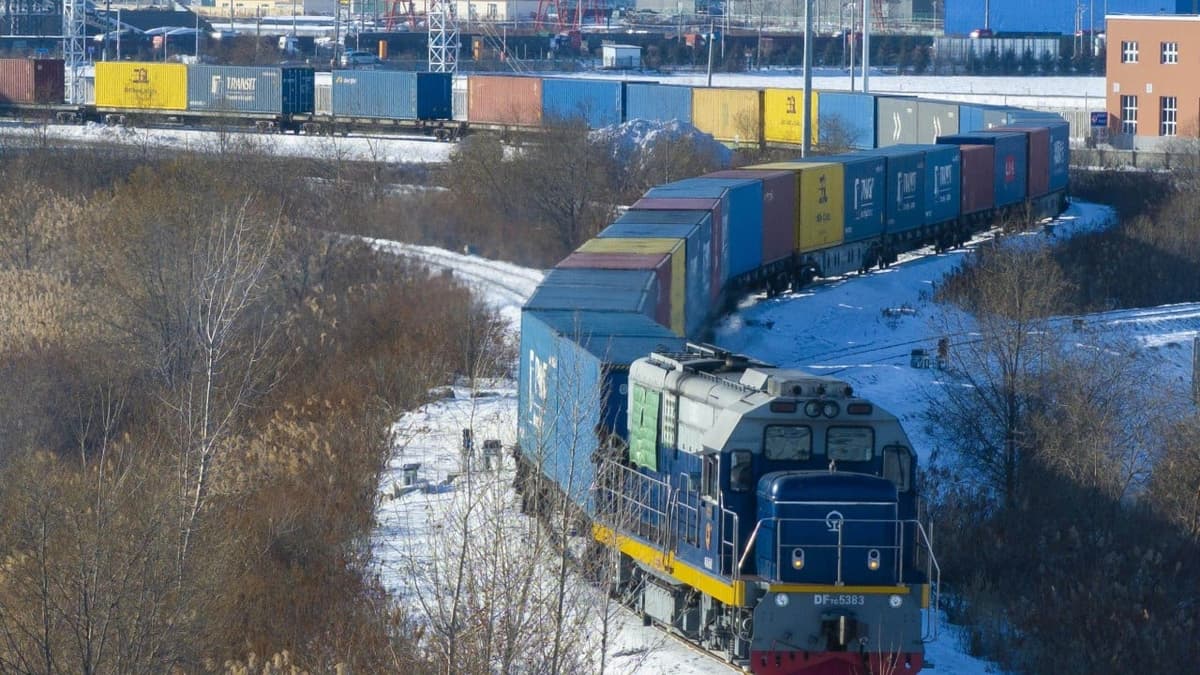
Middle East Shipping Crisis Elevates China-Europe Railway’s Profile
The China‑Europe railway network has transformed from a niche experiment into a commercial freight alternative, linking 235 cities across 26 European nations with more than 120 Chinese hubs. Driven by pandemic‑induced air‑freight shortages and maritime congestion, annual train trips doubled...
Investors Dive Back Into Frontier Markets After April Rally
Frontier market assets rebounded strongly in April, with the MSCI Frontier Markets Index climbing about 10% in dollar terms, its best monthly gain since 2009. Bond issuances saw heightened demand, highlighted by Congo’s debut sale attracting bids four times its...
China Warns EU to Remove Firms and Citizens From Russian Sanctions List
China’s Ministry of Commerce demanded the EU drop 27 Chinese firms and individuals from its latest sanctions list tied to Russia’s war in Ukraine, warning that the bloc would bear the consequences of non‑compliance. The EU justified the measures, accusing...
Beijing Lashes Out at EU After Chinese Firms Included in Latest Russia Sanctions
The European Union approved its 20th sanctions package against Russia, extending restrictions to Chinese companies accused of facilitating Moscow's war economy. Beijing’s commerce ministry issued a strongly worded protest, labeling the move “brazen” and warning the EU of consequences if...
Economy Could Suffer for Eight Months After Iran War Ends, Minister Says
Chief Secretary Darren Jones warned that the fallout from the Iran‑Israel‑US conflict will keep UK energy, food and airline prices elevated for at least eight months after the Strait of Hormuz reopens. The blockage of this key shipping lane has...

Hungary's Magyar to Meet EU's Von Der Leyen for Talks on EU Funds This Week
Hungary’s newly elected prime minister Peter Magyar will travel to Brussels on Wednesday for informal talks with European Commission President Ursula von der Leyen. The meeting aims to unlock roughly €10 billion (US$11.7 billion) of pandemic‑recovery funds frozen under Viktor Orban’s rule. Magyar’s centre‑right Tisza...
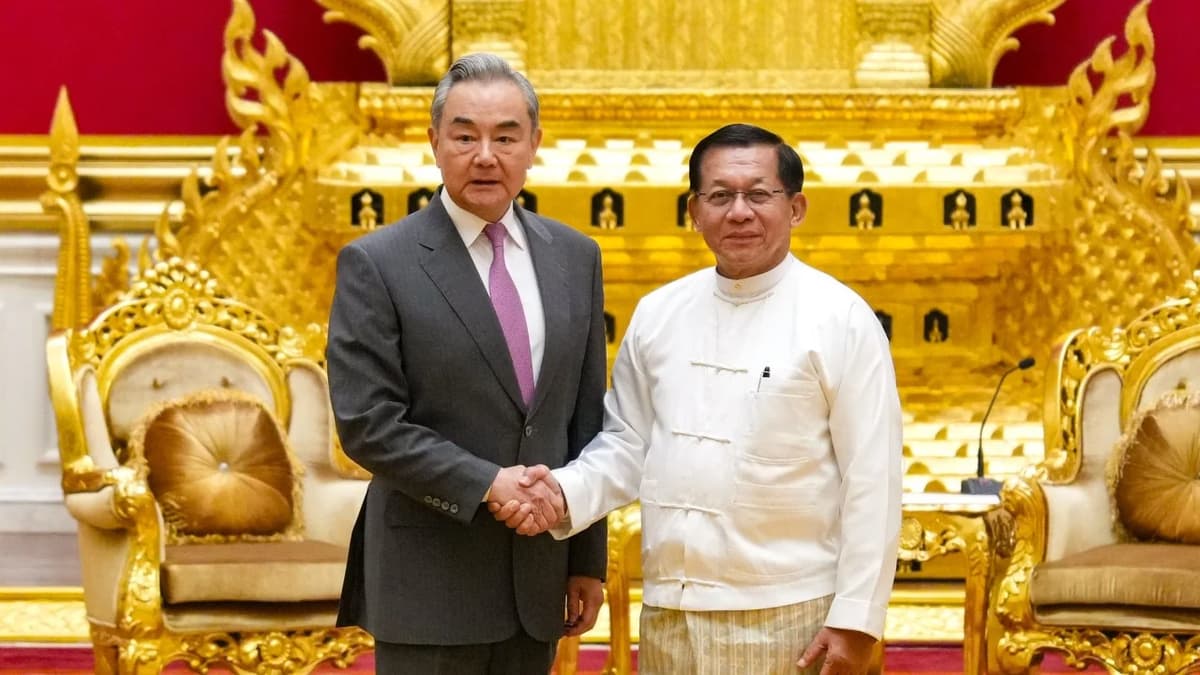
China Backs Myanmar’s Push to Ease Diplomatic Isolation, Stamp Out Telecoms Scams
China’s foreign minister Wang Yi pledged diplomatic backing for Myanmar’s newly installed junta, promising to help the country re‑engage with ASEAN and other multilateral platforms. The talks also included a commitment to eradicate telecom‑fraud and online gambling networks that have...

New Zealand to Sign FTA with India Tomorrow; Luxon Calls It ‘Once-in-a-Generation Deal’
New Zealand will sign a free‑trade agreement with India on Monday, a deal Prime Minister Christopher Luxon called “once‑in‑a‑generation.” The pact opens New Zealand exporters to India’s 1.4 billion‑person market, the world’s third‑largest economy. Luxon highlighted gains for key sectors such as kiwifruit,...
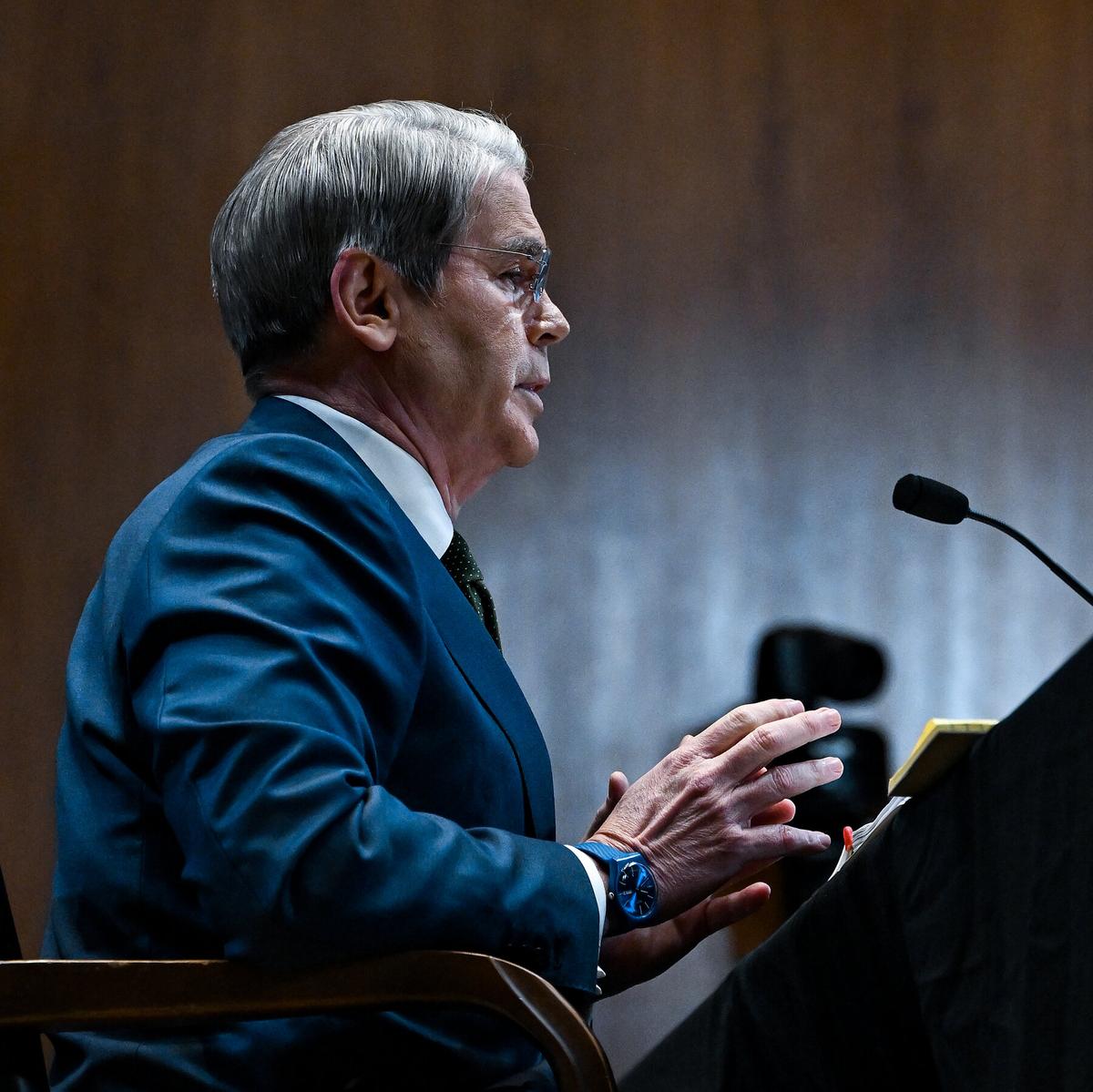
U.S. Sanctions Zigzag in New World of Economic Warfare
Treasury Secretary Scott Bessent announced the United States would not extend the waiver permitting sales of Russian oil, with the existing exemption set to expire on May 16. After a brief 30‑day reprieve, the Treasury confirmed the waiver will not be...
Kenyan Banks Project Surge in Bad Loans on Impact of Geopolitical Tensions
Kenyan banks warn that non‑performing loans (NPLs) could climb above 16% of gross loans this year as fuel price spikes and Middle‑East tensions strain the economy. The Kenya Bankers Association notes NPLs have already edged up to 15.6% in March...
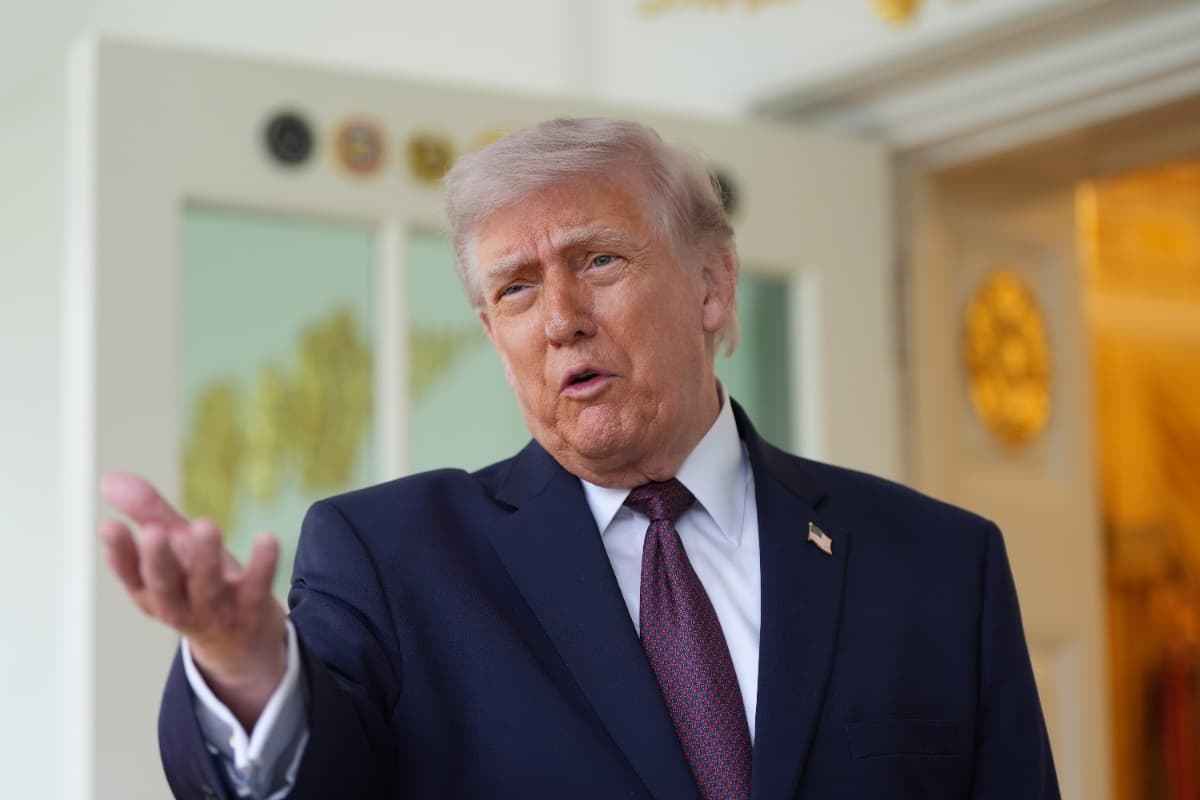
‘Waste of Time’: Trump Cancels Envoys’ Trips to Pakistan for Iran Talks
President Donald Trump abruptly cancelled a planned trip by special envoy Steve Witkoff and son‑in‑law Jared Kushner to Pakistan, where Iranian delegates were set to meet for peace talks. Trump argued the mission would waste time amid what he described...
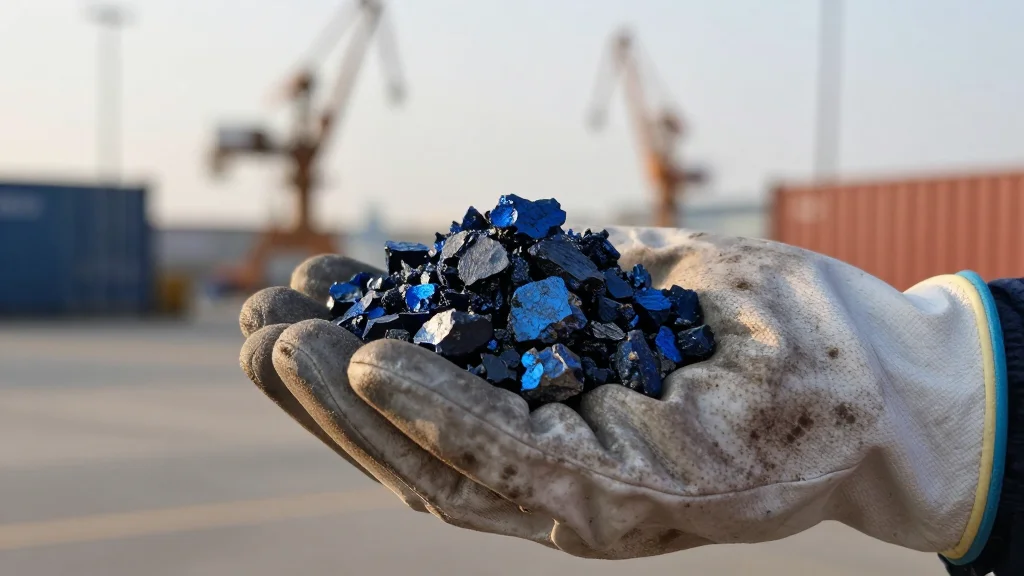
Sovereign Wealth Funds Are Africa’s Most Quiet Revolution
At the 39th African Union summit, leaders pledged to build a New African Financial Architecture that would channel mineral wealth into sovereign wealth funds. Africa controls roughly 30% of the world’s known critical mineral reserves, yet extraction profits, processing, and...