Flash Data Shows War’s Growing Economic Toll - Weekly Roundup: 28 April
Flash PMI data show the eurozone slipping into contraction as the Middle‑East war pushes up prices, lengthens supply‑chain delays and fuels precautionary inventory builds, while the UK and US remain in expansion but with weaker underlying demand. Britain unveiled a sweeping fintech payments overhaul aimed at stablecoins, AI‑driven transactions and open‑banking powers, and the EU’s new Verification‑of‑Payee rule went live via ION’s treasury suite. In the Nordics, AI usage in production rose to 31% of firms but a quarter still lack formal KPIs, highlighting a value‑capture gap. Goldman Sachs warns that AI‑related earnings uncertainty could keep equity volatility elevated even as markets rally, and a UK Lords committee urged larger fiscal buffers to protect against policy‑driven shocks.

Finance Ministry Cuts 2026 Growth Forecast to 1.6% Due to Middle East War
Thailand’s Ministry of Finance cut its 2026 GDP growth forecast to 1.6% from 2.0% after the Middle East war raised energy costs and disrupted trade. The ministry lifted its export growth outlook to 6.2% for the year, up from a...
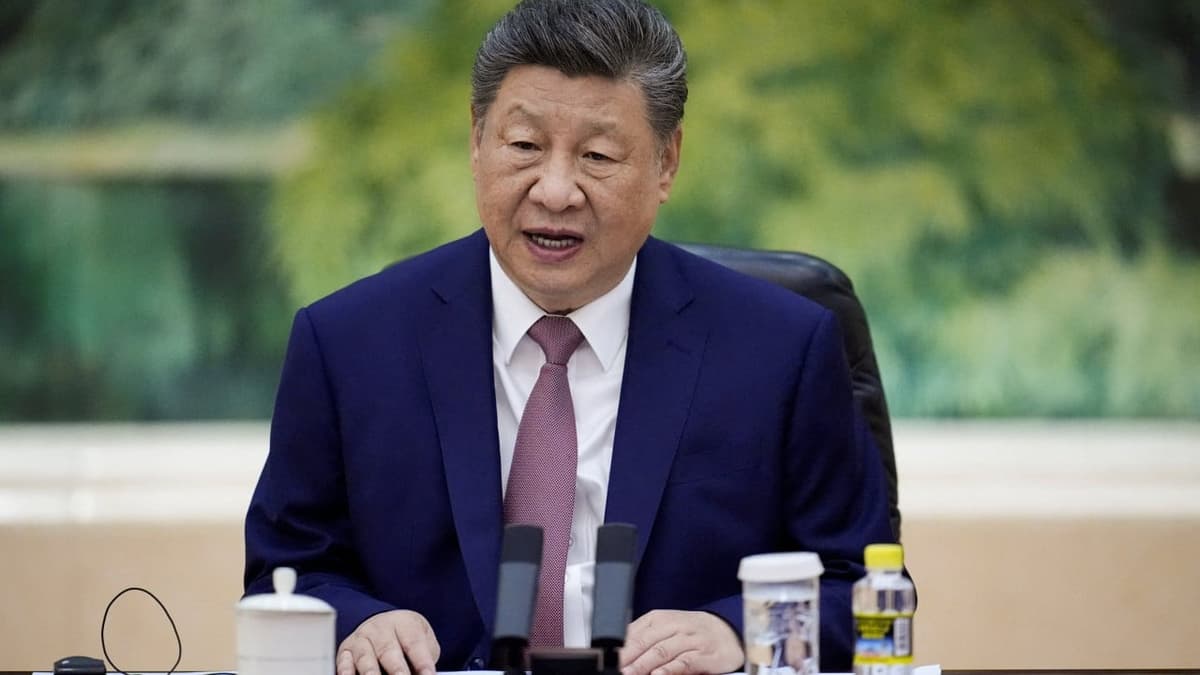
China’s Politburo Steps up Policy Response as Iran War Shakes Global Economy
China’s Politburo announced a sweeping policy push to cushion the economy from the fallout of the US‑Israel conflict over Iran. The leadership pledged to accelerate infrastructure projects, deepen technology self‑reliance, and tighten energy‑security measures. Officials framed the response as a...

The €1.8 Trillion Standoff
The European Parliament is set to approve a €1.8 trillion (about US$2 trillion) long‑term EU budget, a move that could strain fiscally conservative member states. Lawmakers are pushing for a larger cash pot, while the College of Commissioners meets to streamline legislation...

Giorgia Meloni Clung to Her Relationship with Trump – Now It’s Starting to Look Like a Liability | Riccardo Alcaro
Giorgia Meloni’s once‑valuable rapport with Donald Trump has turned into a political liability after the U.S. president publicly rebuked her refusal to back American strikes on Iran. The episode exposed a broader rift, highlighted by the failed Italian proposal to replace...

Rachel Reeves’s Fiscal Rules Buffer Should Be ‘Significantly Larger’, Say Peers
The House of Lords economic affairs committee says Chancellor Rachel Reeves should expand the fiscal‑rules buffer well beyond the £22 bn ($28 bn) she created after last year’s tax hike. The peers note the current buffer is still below the £30 bn ($38 bn)...

Mideast Urea Output Slumps with Lack of Fertilizer Ships to Load
The Iran‑Israel conflict has effectively shut the Strait of Hormuz, halting 55‑60% of urea output in the Middle East. With roughly 45% of global urea trade sourced from Gulf facilities, the blockage has left 44 fertilizer vessels stranded and created...
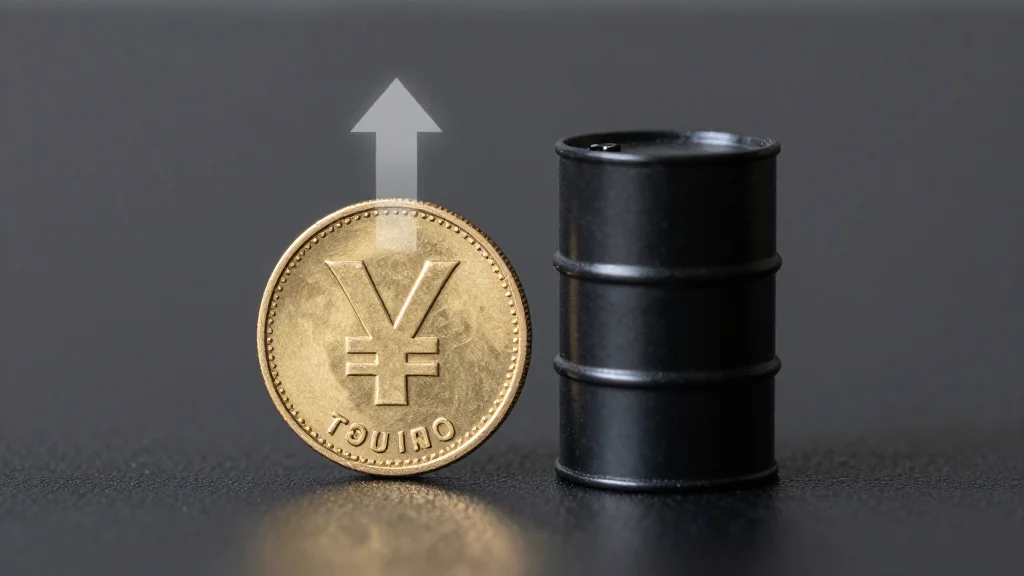
BOJ Holds Interest Rates; Flags More Hikes Amid M.East Inflation Risks
The Bank of Japan kept its overnight call rate at 0.75% on Tuesday, but signaled that additional hikes are likely as inflation pressures mount from higher oil prices linked to the Middle East conflict. Inflation forecasts for fiscal 2026 were...
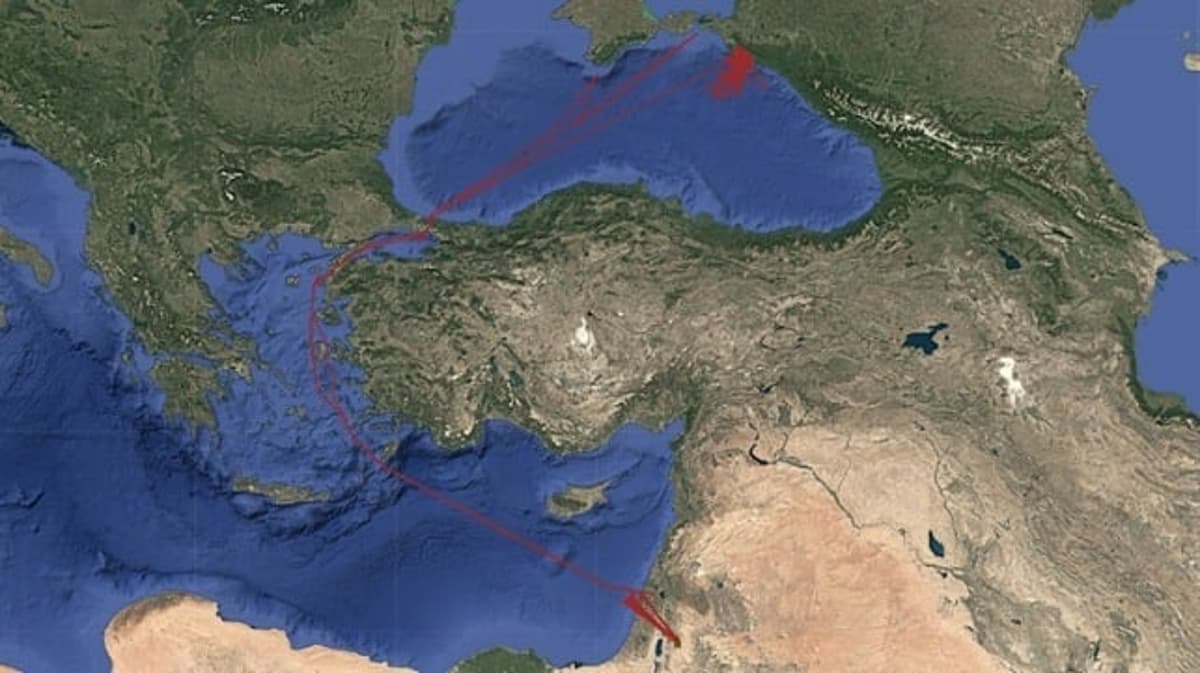
Ukraine Summons Israel's Ambassador Over Second Shipload of Stolen Grain
Ukraine’s foreign ministry summoned Israel’s ambassador on Monday, demanding an explanation for a second shipment of grain it says was stolen from Russian‑occupied Ukrainian fields and off‑loaded at Haifa. The vessel, identified as the Greek‑owned bulk carrier Panormitis, is alleged...
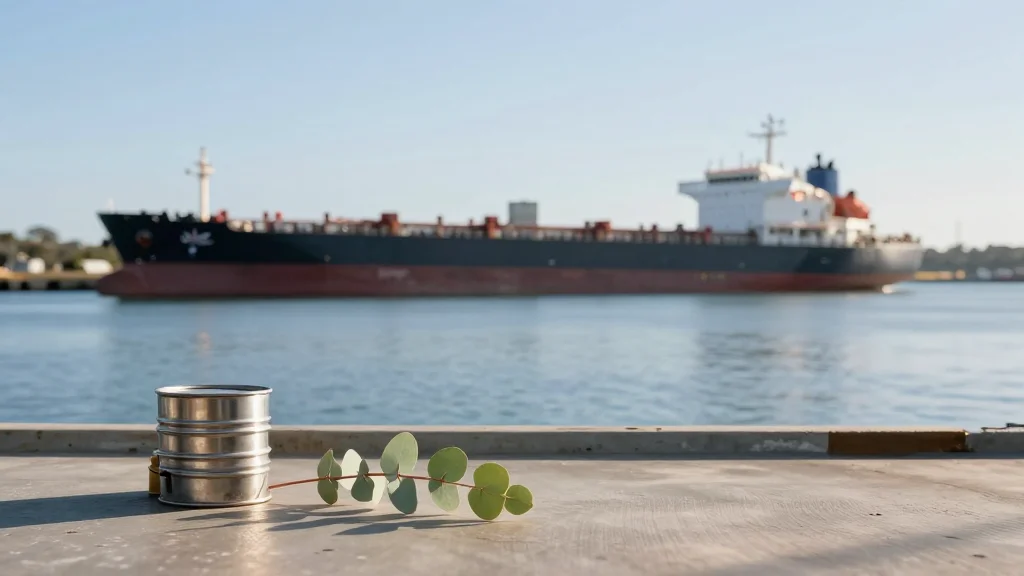
Stop Ignoring the Obvious: Energy Efficiency Is Australia’s Best Diesel Insurance Policy
Australia imports roughly 6.5‑10% of global seaborne diesel, making it the world’s largest diesel importer in 2025. With only 13% of its diesel produced domestically, the nation is vulnerable to supply shocks, especially as Gulf‑origin crude—key to Asian refineries—faces disruption...

King Charles to Argue for Strong US-UK Partnership in Address to Congress
King Charles III will address a joint session of the U.S. House and Senate on Tuesday, using a roughly 20‑minute speech to mend the strained "special relationship" between Britain and America. The monarch will cite shared security interests—NATO, the Middle...
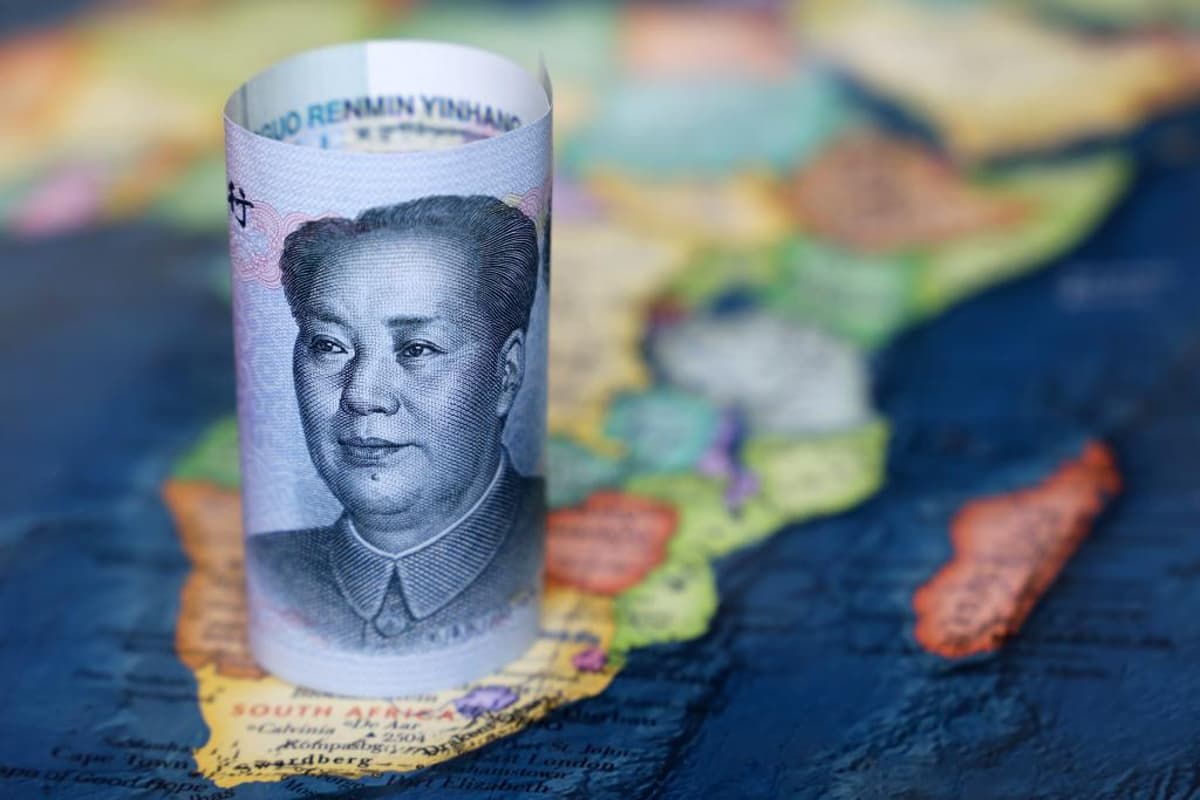
Why Are Chinese Banks Investing in Airports in Africa and Who Are They?
Chinese state-owned banks are increasingly providing loan financing for African airport projects, using the deals to extend Beijing’s soft power and secure access to critical minerals. Over 60 Chinese‑financed airport contracts have been signed in the past 20 years, with...
Investors Revert Back to 'Risk-On' Mode
Investors are moving back into a “risk‑on” stance, shifting focus from US‑Iran tensions to macroeconomic signals and policy direction. Oil‑price volatility has eased and derivatives data point to medium‑term crude softening despite recent spikes. Central banks in the West are...
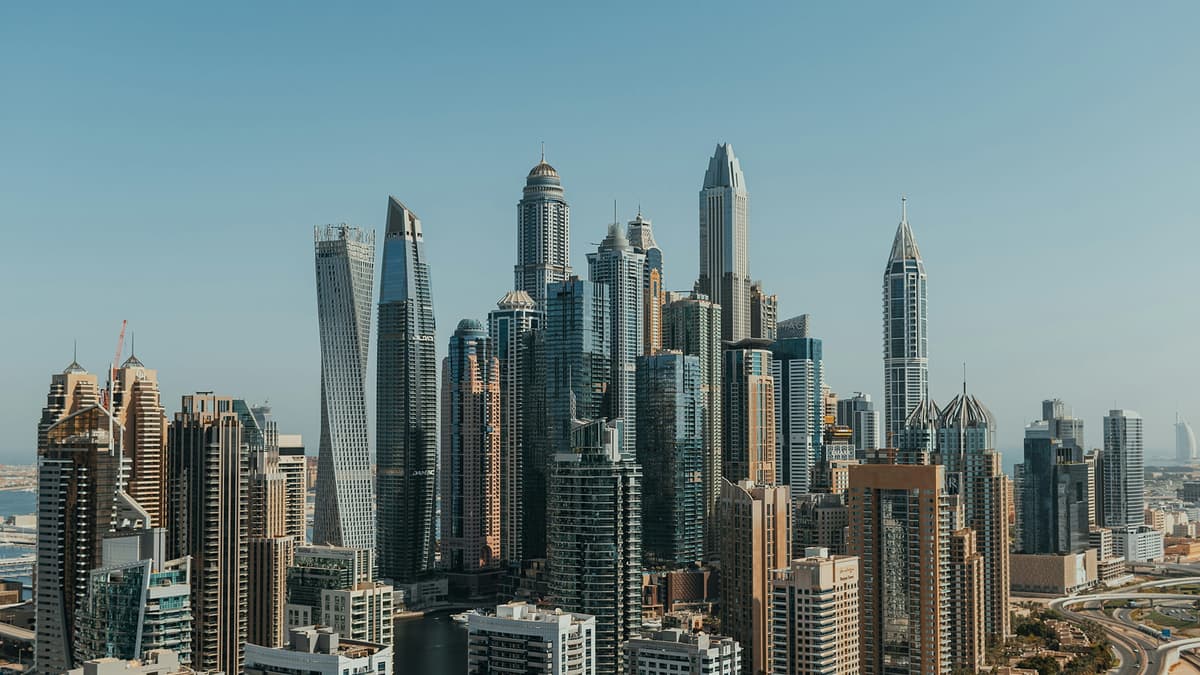
Dubai Open for Business, as Economic Head Cites Oman “Green Corridor”
Dubai’s economic chief Hadi Badri reassured investors that the emirate remains a safe haven despite escalating Iran‑U.S. tensions, highlighting a new “green corridor” with Oman that streamlines customs for air and road shipments. On April 1 the government unveiled a AED 1 billion...
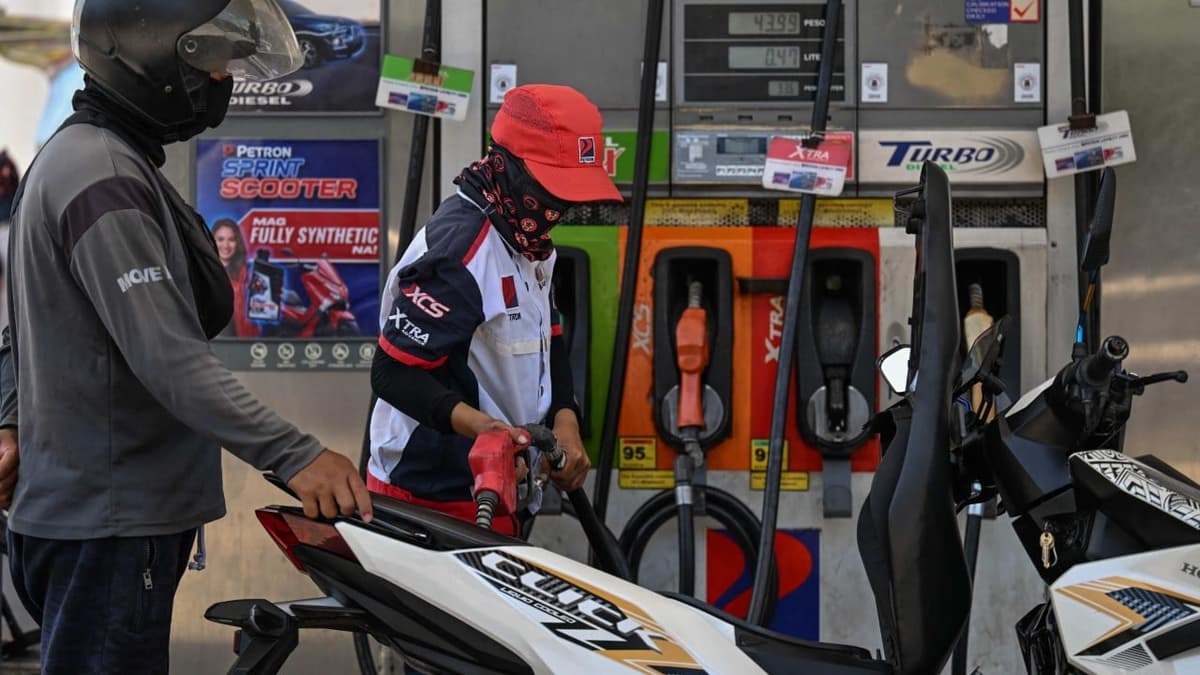
Will Asean’s Scramble for Russian Oil Fuel Shift in Regional Alliances?
Southeast Asian nations are turning to Russian oil to fill shortages caused by the Strait of Hormuz blockage. Countries including Vietnam, Indonesia, Malaysia, the Philippines and Myanmar have secured U.S. sanctions waivers and signed energy deals with Moscow. The move...

China Faces a France-Sized Demographic Loss that Threatens Coastal Growth: Analysts
China is projected to lose about 60 million people over the next decade, a decline roughly equal to France’s entire population. The shrinkage will hit the affluent coastal provinces that have driven most of China’s growth, reducing labor productivity and household...

Holiday Booking Disrupted Due to Conflict in the Middle East? Full Help with Cancellations, Jet Fuel Surcharges and More
The U.S. and Israel’s strike on Iran has triggered widespread flight cancellations and travel advisories across the Middle East. The UK Foreign Office now advises against all travel to Israel, Iran and Iraq, and only essential travel to the UAE,...

Clear Street Initiates Buy Rating on REalloys as Rare Earth Crunch Intensifies
Clear Street initiated coverage on REalloys (NASDAQ: ALOY) with a Buy rating and a $35 price target, highlighting the company’s "mine‑to‑magnet" strategy that keeps rare‑earth processing entirely in North America. A U.S. defense ban on Chinese‑origin NdFeB magnets slated for...
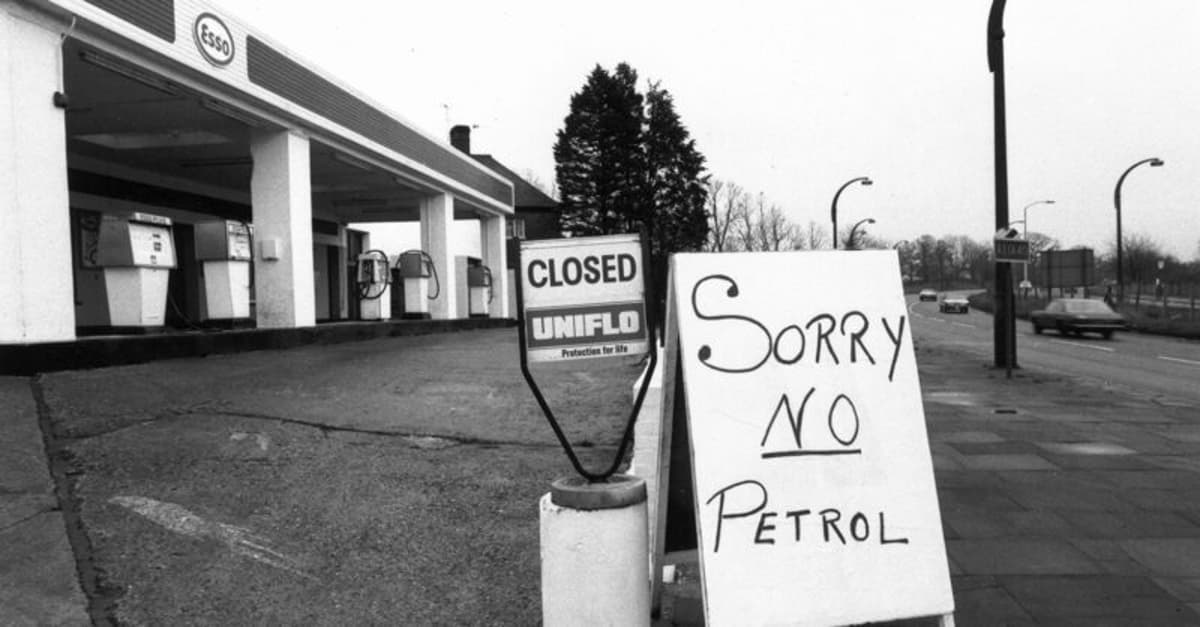
Why Britain Is so Poor – and Will Get Poorer
The article warns that Britain’s balance of payments deficit is set to widen dramatically, with the IMF forecasting a shortfall of about £115 billion (roughly $146 billion) in 2026. It draws a parallel to the 1976 sterling crisis, noting that today’s deficit...
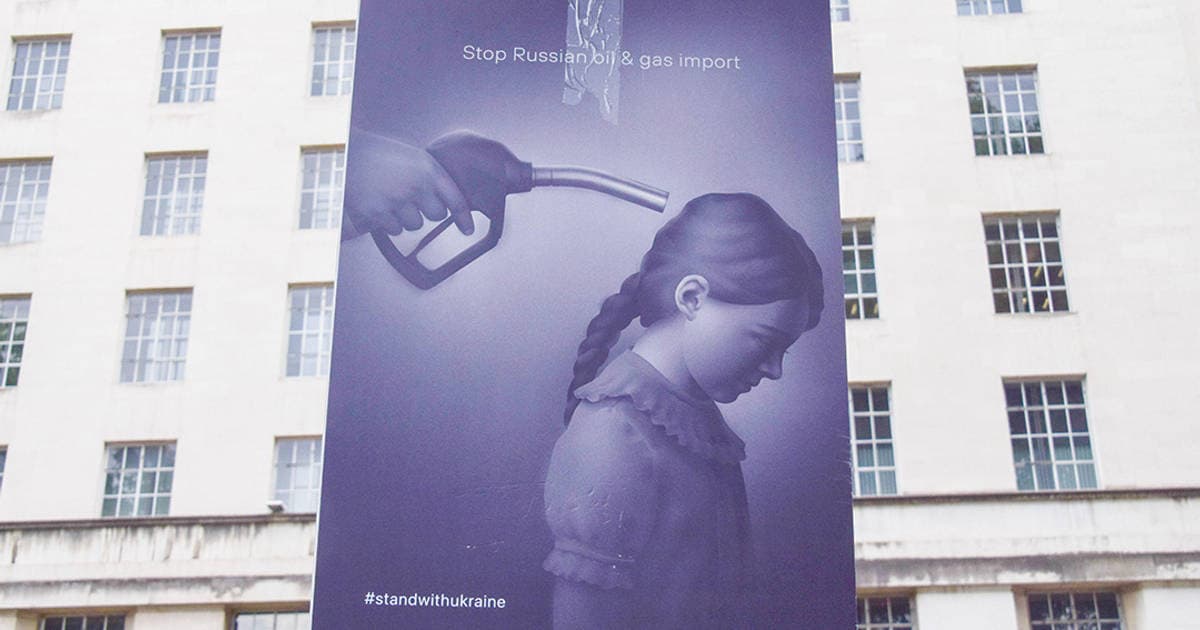
Escrow and Russian Oil Super-Profits: Revisiting an Old Sanctions Tool
Russia is raking in super‑profits as oil prices hover around $100 per barrel, far above the $44.10 price‑cap intended to curb its war financing. Recent designations of Lukoil and Rosneft have done little to stop Moscow’s earnings, and European attempts...
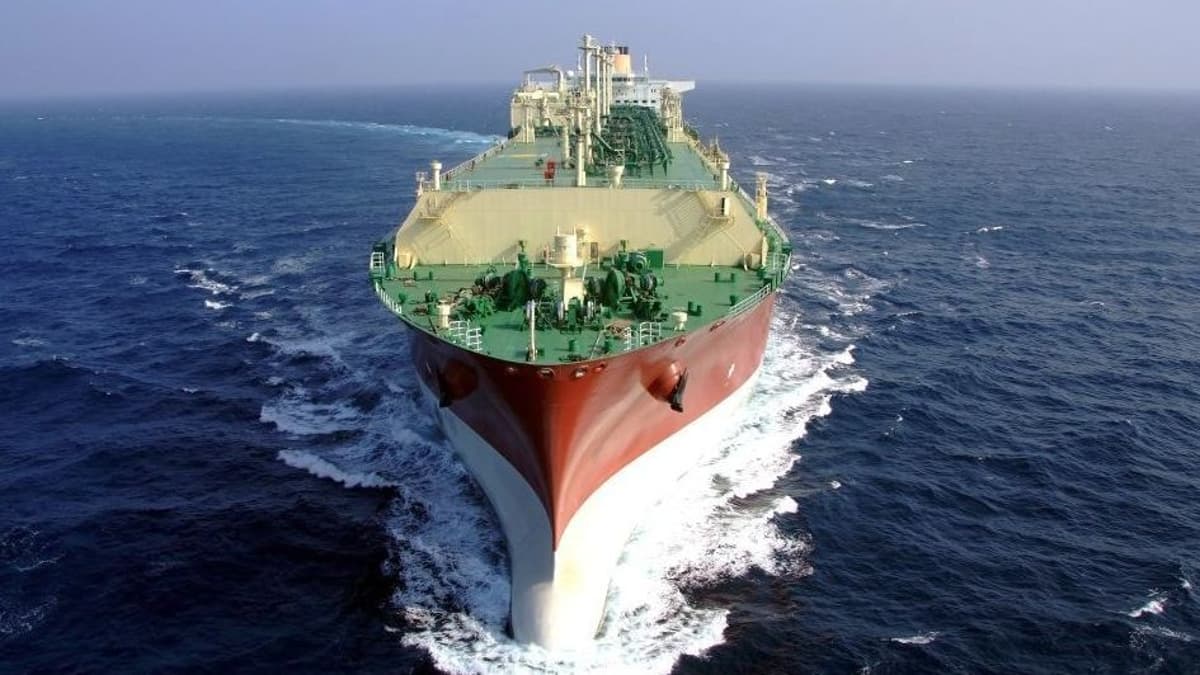
U.S. LNG Faces Limits Replacing Lost Qatari Supply
U.S. LNG exporters have temporarily filled the gap left by Qatar’s shutdown, pushing U.S. shipments up 28% year‑over‑year to a record 32.15 million tonnes between January and April. Despite this surge, U.S. plants face maintenance schedules and the upcoming hurricane season,...
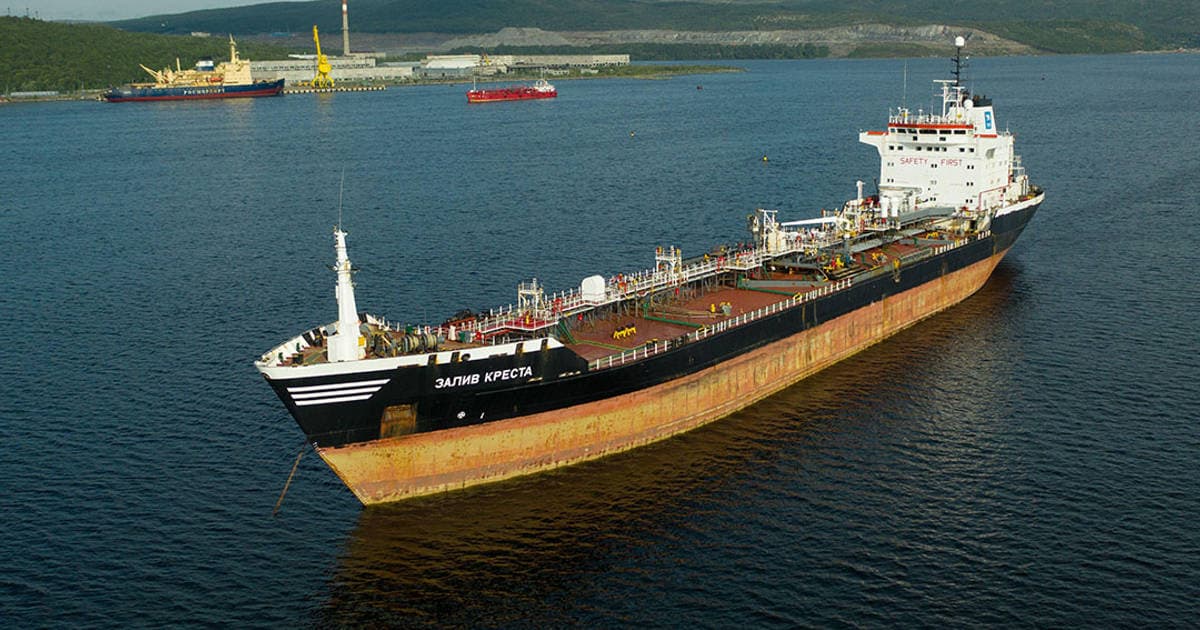
Is the Shadow Fleet Rallying ‘Round the Russian Flag?
Russia’s shadow fleet, responsible for moving roughly 70% of its seaborne crude and generating about $85 bn a year, remains a critical revenue source amid Western sanctions. After intense U.S. and EU boardings, a notable portion of the fleet re‑registered under...
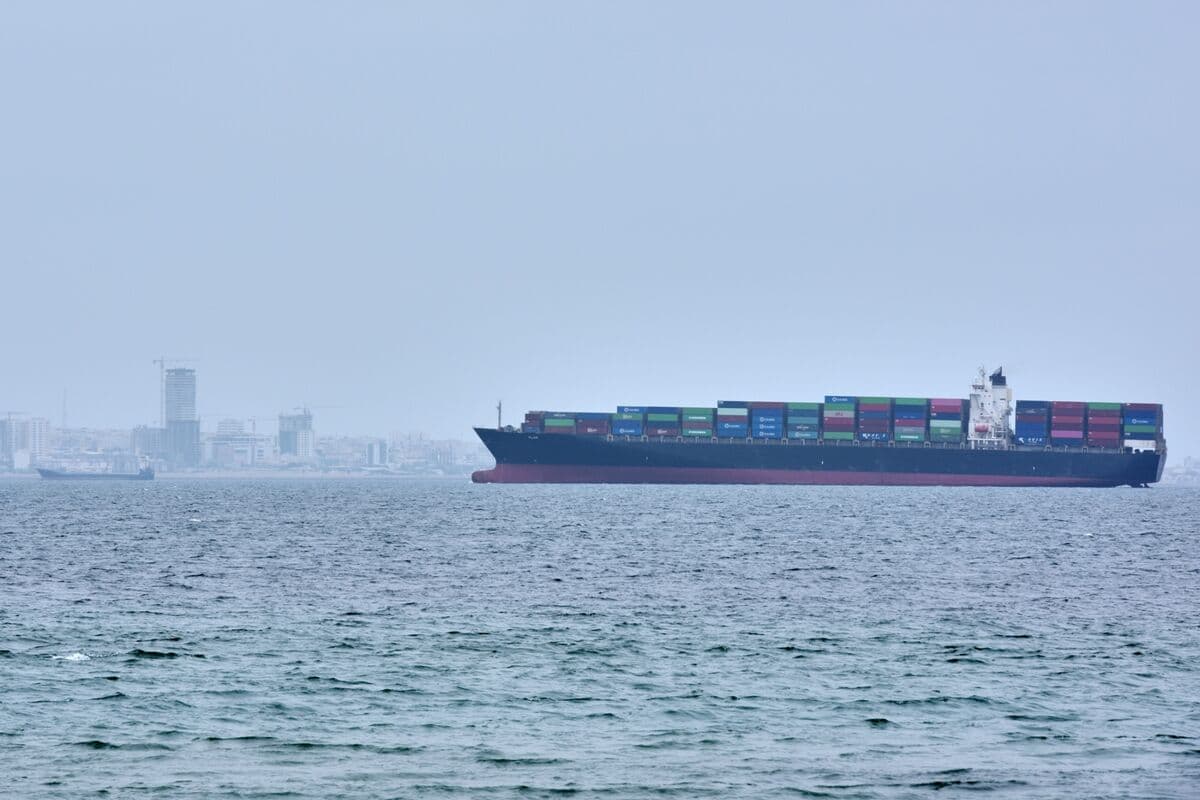
Oil Keeps Rising as Iran War Standoff Continues
Oil prices kept climbing on Monday, with Brent crude settling above $108 a barrel for the sixth straight session as the Iran‑U.S. standoff deepened. Tehran signaled it would cease obstructing the Strait of Hormuz if Washington lifts its naval blockade,...

How Asia-Pacific Is Fighting a Fuel Shock that Could Get Worse
Asian economies are scrambling to blunt a fuel shock triggered by the ongoing Middle East conflict that has largely shut the Strait of Hormuz. Governments have deployed subsidies, export curbs and work‑from‑home mandates while hunting alternative oil and gas sources,...
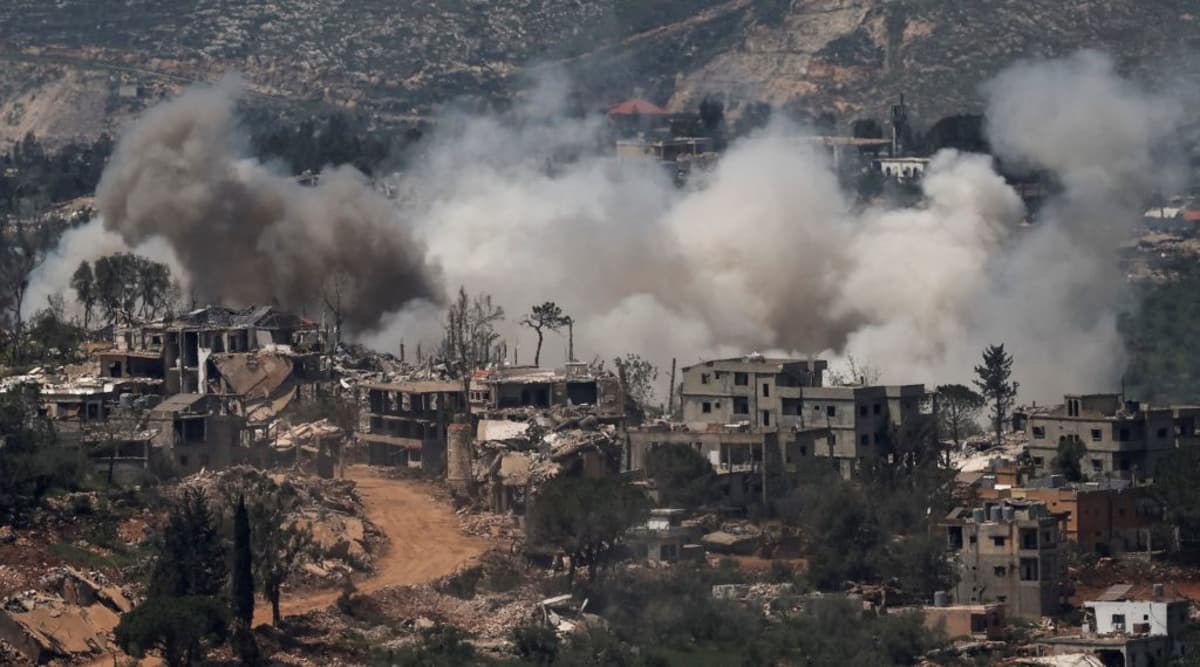
U.S.-Iran Talks at Impasse over Nuclear Program and Strait of Hormuz
The United States and Iran have reached an impasse as Tehran proposes to reopen the Strait of Hormuz in exchange for lifting sanctions, unfreezing assets, and pausing nuclear talks. Washington, however, demands a permanent dismantlement of Iran’s nuclear program and...

Taking the Three Seas Initiative to the Next Level
The Three Seas Initiative, now a 13‑nation coalition covering the Baltic, Black and Adriatic seas, has built an investment fund that posts roughly 15% annual returns but still operates without a permanent bureaucracy. With a combined GDP of over $3 trillion...
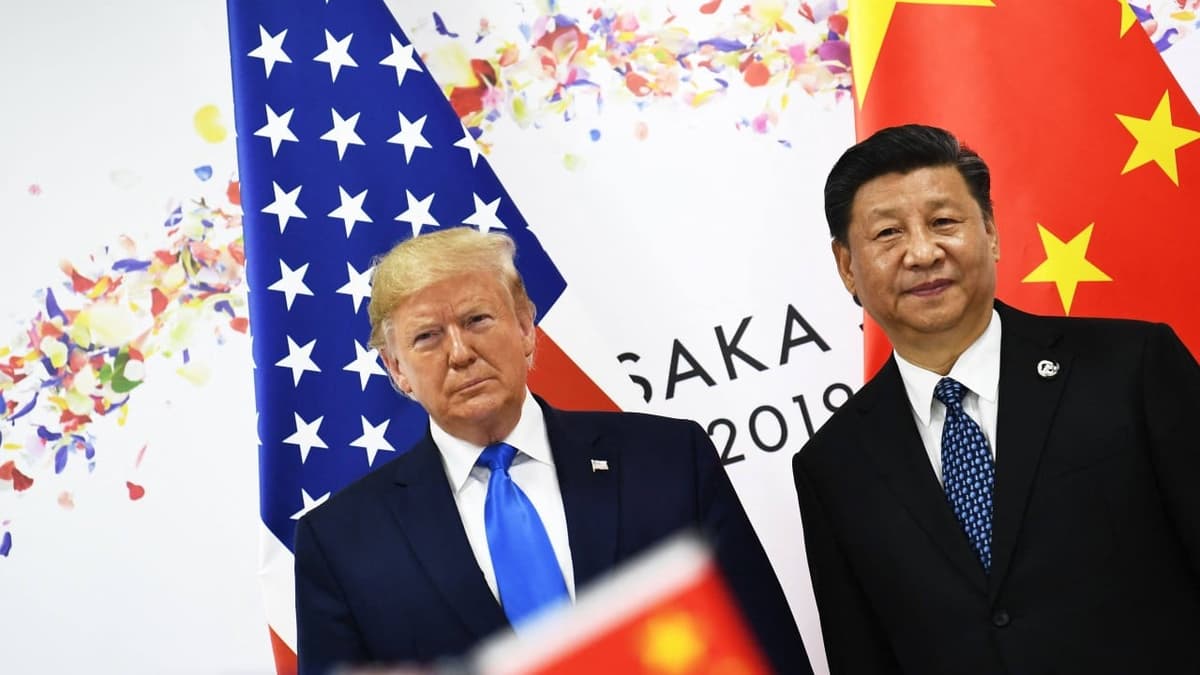
Why Experts Say Trade Wins Aren’t Enough for Xi-Trump Summit in May
The Xi‑Trump summit slated for mid‑May is positioned as a chance to steady U.S.–China ties through trade, yet former diplomats and business leaders stress the need to move beyond commerce. They call for dialogue on healthcare, climate change, AI governance...
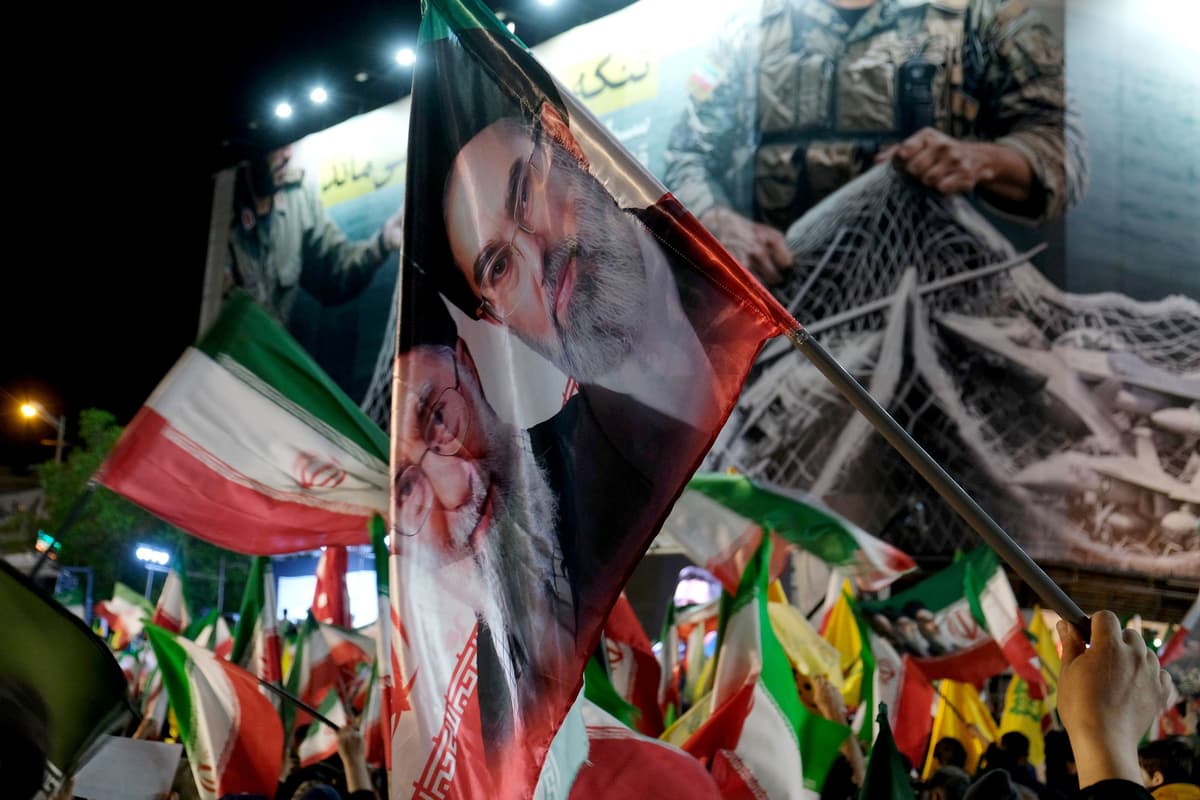
Donald Trump’s Lose-Lose Negotiations with Iran
President Donald Trump scrapped a planned Islamabad delegation, leaving U.S. and Iranian negotiators stuck in a deadlock over the Iran‑U.S. war. Tehran’s oil sales to China give it a two‑to‑three‑month cushion, but the U.S. blockade and a fragile cease‑fire keep...
Mexico Trade Balance Swings to $6bn Surplus in March
Mexico’s trade balance swung to a $5.93 bn surplus in March, reversing a $463 mn deficit in February and far outpacing the $1.03 bn forecast. The surge was driven by a jump in non‑oil exports to $8.32 bn, while manufacturing shipments rose 25% to...
Facing Risks, Stocks Have Stayed Resilient. Too Resilient?
Global equity markets have remained surprisingly steady despite the Iran war, heightened US tariffs, and broader geopolitical turbulence. Strong corporate earnings and bullish AI revenue forecasts have provided a cushion that keeps investors optimistic. The resilience is evident across major...

Big Take: The Stock Market’s ‘Curious Exuberance’ (Podcast)
Despite the ongoing Iran‑Israel conflict and renewed US tariff measures, global equity markets have shown unexpected resilience. Strong corporate earnings, especially from AI‑enabled firms, have driven investor optimism and kept major indices near record highs. Bloomberg’s Big Take podcast features...
Crude Futures Rise as Banks Price In Longer Disruptions
Crude futures climbed on Monday as traders priced in a longer‑than‑expected near‑closure of the Strait of Hormuz. The market shift reflects stalled US‑Iran negotiations that keep the strategic waterway’s status uncertain. Futures rose roughly 2% across benchmark contracts, signaling heightened...
Billion-Barrel Hormuz Oil Shock Threatens Demand as Supply Losses Mount
Prolonged blockage of the Strait of Hormuz has erased roughly one billion barrels of oil, equivalent to about 10% of global Gulf‑origin shipments. The loss now exceeds the emergency inventories released earlier in the crisis, forcing markets to curb consumption rather...

Iran Crisis: Pakistan’s Prominence and India’s Strategic Silence
The U.S.–Iran cease‑fire has been extended indefinitely, yet the Strait of Hormuz remains shut, keeping global oil shipments constrained. On The Diplomat’s Asia Geopolitics podcast, hosts highlighted Pakistan’s unexpected emergence as the primary mediator between Tehran and Washington. In contrast,...

Private-Sector Assets in the IIP: A Blind Spot in Surveillance and an Opportunity for Cooperation
A CEPR event on April 27, 2026 highlighted that private‑sector holdings are largely missing from the International Investment Position (IIP) data used by the IMF and other surveillance bodies. Participants argued that this blind spot hampers the detection of capital...

Oil Rises as Iran Talks Stall
Oil prices jumped as stalled Iran‑US peace talks left the Strait of Hormuz virtually impassable, tightening global supply. West Texas Intermediate settled at $96.37 a barrel, up 2.1%, while Brent closed at $108.23, up 2.8%. The cease‑fire remains fragile, and...

The Mexican Government Publishes an Increase to the General Import Duty Applicable to Certain Goods Originating in Countries with Which...
On April 23, 2026 Mexico’s President office issued a decree raising the general import (MFN) duty for 185 tariff classifications, with rates now ranging from 5% to 35%. The increase targets chemicals, cosmetics, paper, textiles, steel, aluminum, auto parts, electrical...
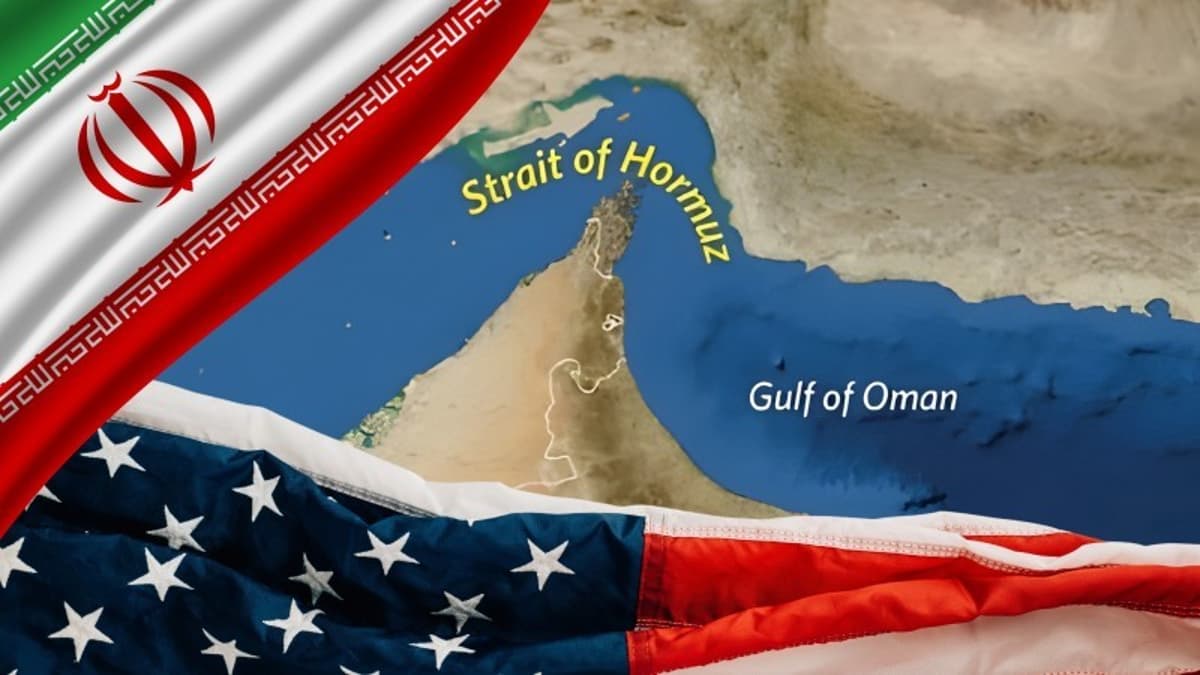
Rates Spark: Snail’s Pace, but Getting There
The US 10‑year breakeven inflation rate has risen to 2.45%, edging toward the critical 2.5% level as oil prices climb amid the ongoing virtual closure of the Strait of Hormuz. Short‑term breakevens are outpacing longer tenors, reflecting heightened near‑term inflation...

Former President of Costa Rica on De-Risking Fertilizer Shocks: How $700 Billion in Subsidies Can Do More
In 2022 the Ukraine war sent fertilizer prices soaring, and renewed Middle‑East conflicts have again pushed natural‑gas‑linked nitrogen fertilizer costs up about 40%, threatening food security. Governments worldwide spend roughly $700 billion each year on agricultural subsidies, yet only 35 cents of...

Three Scenarios for the USMCA’s Review—And Why Auto Manufacturers Should Prepare Now
The United States‑Mexico‑Canada Agreement (USMCA) faces its mandatory review this July, forcing auto makers to anticipate possible changes to tariff and content rules. The deal currently mandates 75% regional content, a 40‑45% labor‑value threshold and a $16‑per‑hour wage floor, but...
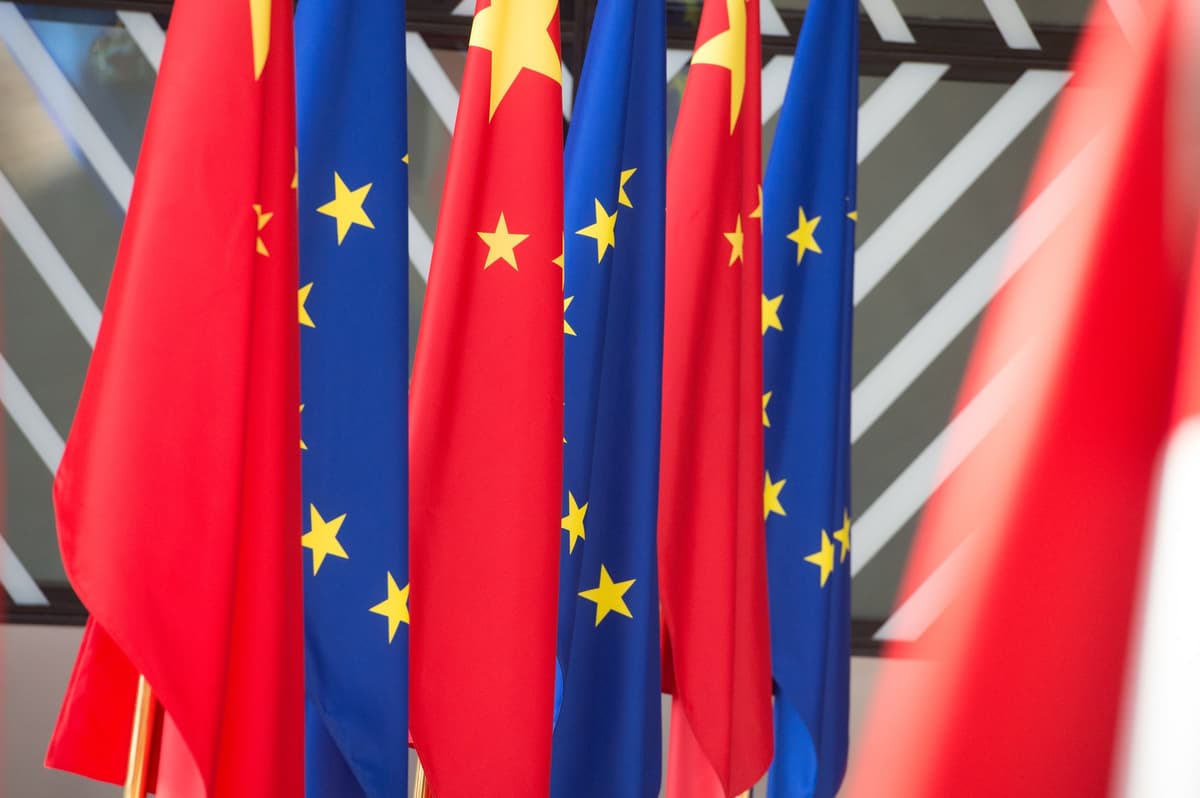
A Trade Row ‘Made in Europe’
The EU Commission’s Industrial Accelerator Act introduces a “Made in Europe” rule that ties public funding in strategic sectors to a minimum share of European‑origin parts. The provision, aimed at reducing reliance on foreign suppliers, effectively forces Chinese electric‑vehicle and...

Gold Slumps As U.S.-Iran Standoff Continues, Strait Of Hormuz Remains Closed
Gold prices plunged on Monday, with front‑month June Comex gold sliding $54.10 to $4,686.80 an ounce, while silver fell 1.74% to $75.35. The decline follows a stalled U.S.–Iran peace process and the continued closure of the Strait of Hormuz, which...

Live Updates: Oil Prices Rise
Iran has signaled willingness to reopen the Strait of Hormuz for commercial shipping if the United States ends its military blockade of Iranian ports and vessels. The proposal offers no concessions on Tehran’s nuclear program, which President Trump insists must...
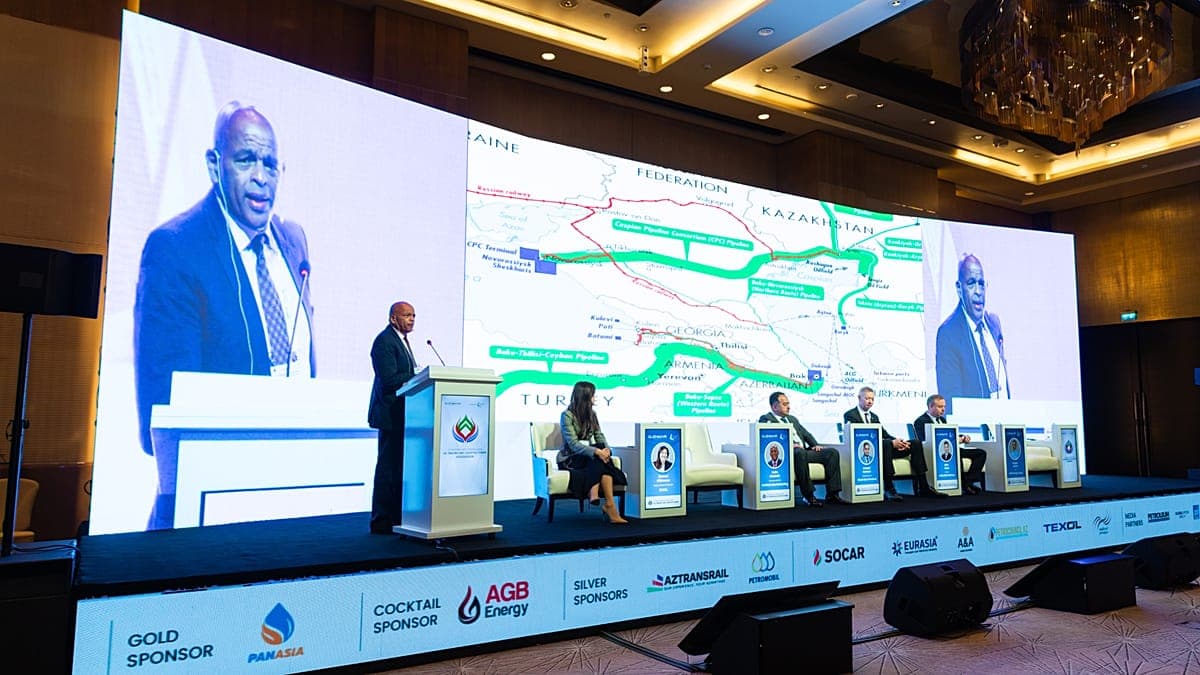
Caspian and Central Asian Oil Markets Recalibrate Amid Trade Shifts
At the second Caspian and Central Asia Oil Trading and Logistics Forum in Baku, producers and traders highlighted a pivot toward flexible, short‑term trading as Asian refiners dominate demand. Long‑standing pipeline routes remain vital, but participants are exploring alternative corridors,...

Daybreak April 27: Greer Recuses Self From Phosphate Decision
USTR Ambassador Jamieson Greer has formally recused himself from any deliberations on countervailing duties targeting Russian and Moroccan phosphate fertilizers, citing conflict‑of‑interest rules. The move comes as the USDA and USTR are at odds over whether to maintain those duties...
Why Chinese Steel Imports Threaten Mexican Manufacturing Jobs
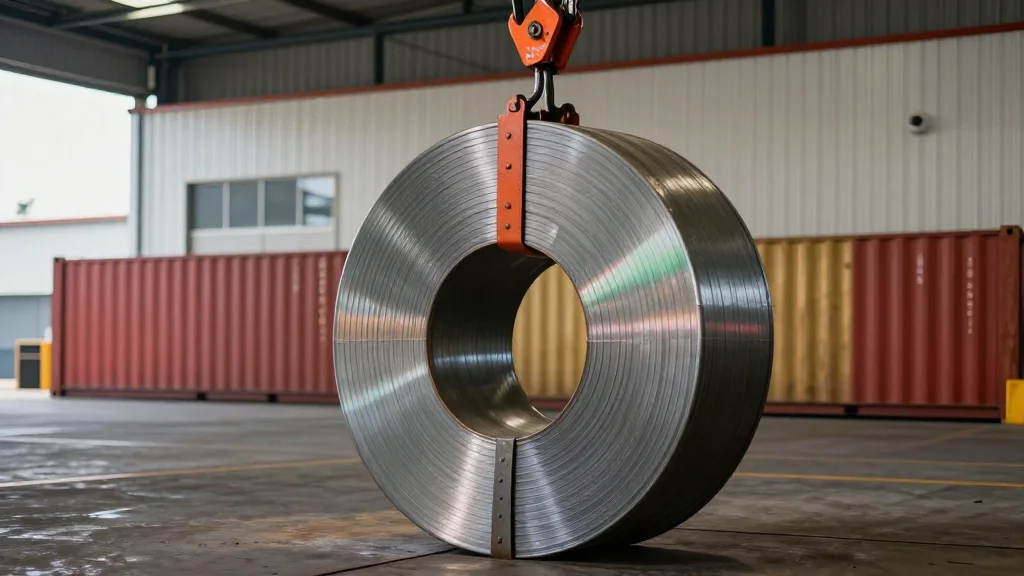
China’s steel sector is awash with excess capacity after a construction slowdown, prompting a flood of low‑priced steel into global markets. In 2025 China produced roughly 960 million tonnes of crude steel, dwarfing Latin America’s 55.5 million tonnes. Mexican officials warn that...
Nations Meet to Discuss Fossil Fuel Exit as Iran War Drives up Prices
Around 60 governments met in Santa Marta, Colombia to discuss practical steps for phasing out fossil fuels as the Iran war drives up energy prices. The summit, co‑organized by the Netherlands and Colombia, will focus on financial instruments, regulatory incentives,...

EU Faces ‘China Shock’ as EV Imports Drive Beijing’s Record Surplus with Bloc
The EU recorded a record $83 bn trade surplus with China in Q1 2026, driven by a surge in Chinese electric‑vehicle imports that doubled to $20.6 bn. Chinese EVs now account for about one‑third of China’s vehicle exports and represent 42% of...

Thailand Revives Landbridge Project
Thailand’s government is fast‑tracking a Baht 1 trillion ($31 bn) rail landbridge linking new deep‑water ports in Ranong and Chumphon. The 90‑km line aims to provide a shortcut between the Pacific and Indian Oceans, shaving roughly four days off container voyages and cutting...

India's Fertilizer Subsidy May Jump 20% as Hormuz Crisis Spikes Prices
India’s fertilizer subsidy bill is projected to jump about 20%, reaching roughly $22 billion in FY26, as the Hormuz Strait blockade pushes global nutrient prices higher. The government says retail fertilizer prices will stay unchanged despite urea costs nearly doubling. To...