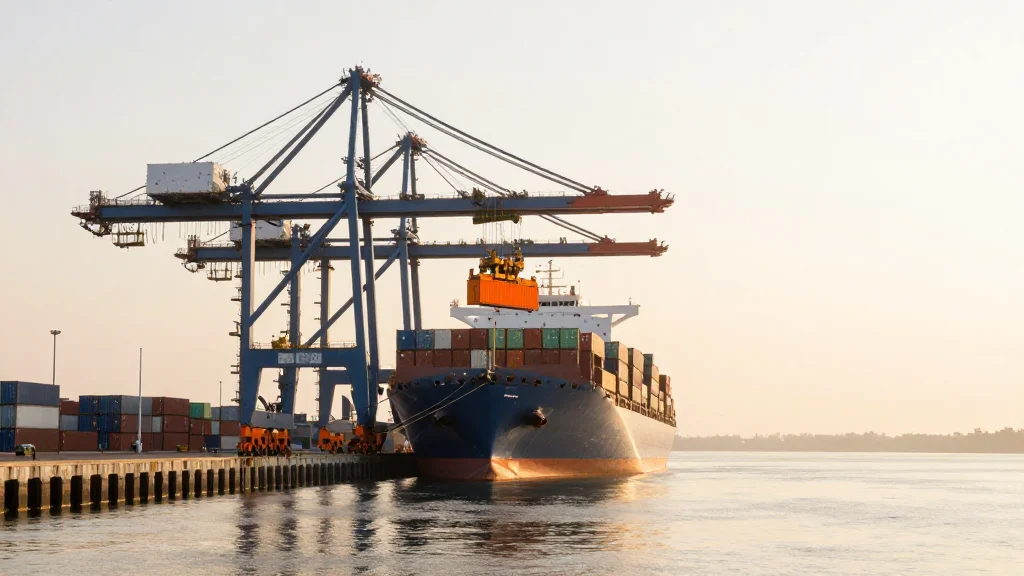
U.S. Seaport Activity Stabilizes at Elevated Levels, States New Report From Colliers
Colliers’ 2026 U.S. Seaports Outlook reports that container volumes across major gateways have settled at historically elevated levels after pandemic volatility. Growth is concentrated in East and Gulf Coast ports, driven by proximity to population centers, rail links and ongoing channel deepening. The firm notes aggressive infrastructure spending—berth expansions, on‑dock rail, and terminal upgrades—while industrial vacancy rates stabilize as new supply eases. Geopolitical risks such as the Iran‑Hormuz conflict could create short‑term leasing uncertainty, but long‑term demand for port‑adjacent logistics space remains strong.

Welcome to Cryptostan: Kyrgyzstan and the Emerging Crypto Corridor
In October 2025 Kyrgyz President Sadyr Japarov, advised by Binance founder CZ, launched the national stablecoin KGST, recognized a digital som CBDC, and announced a state crypto reserve. Crypto transactions in Kyrgyzstan surged to an estimated $20‑32 billion in 2025, dwarfing...

UBS Has Alarming News About Oil if the Strait of Hormuz Closes
UBS commodity analyst Giovanni Staunovo warned that a shutdown of the Strait of Hormuz could remove roughly 10 million barrels of crude per day from global markets, adding to an already 90% reduction in flow. The chokepoint normally carries about 20 million...

Market Valuation, Inflation and Treasury Yields - March 2026
The latest Advisor Perspectives update shows the P/E10 ratio soaring to 37.1, well above its 17.7 historical average, while inflation runs at 2.66%—inside the 1.4‑3.0% “sweet spot” that historically supports higher valuations. Simultaneously, the 10‑year Treasury yield has risen to...

Hormuz Deadline Looms as IMF Warns Oil Shock Drives All Roads to Stagflation
The IMF warned that the looming Hormuz deadline and a potential oil shock could thrust the global economy into stagflation, with oil prices above $120 a barrel signalling a structural supply loss. Markets are in a state of "calculated dread,"...

Oil Prices Rise as Hormuz Stays Shut Ahead of Trump Deadline, Strikes on Iran Intensify
Oil prices jumped as the Strait of Hormuz remained closed, with Brent at $111.16 a barrel and U.S. WTI nearing $116, creating a rare WTI premium over Brent. President Trump gave Iran until midnight GMT to reopen the strait, threatening...

In the Face of Tariffs, FDA-Approved Drug Manufacturing Deals Are Shifting to Europe
US contract‑manufacturing (CM) deals for FDA‑approved drugs fell sharply last year, marking the biggest decline in five years. Despite a 15% import tariff on European pharmaceuticals, biopharma firms are increasingly outsourcing US‑bound production to European facilities, especially in Germany. By...

War in Iran Drives Russian Oil Prices to a 13-Year High
Russian Urals crude surged to $116.05 a barrel on April 2, the highest level in over 13 years, as the Iran‑linked oil rally lifts global prices. The price far exceeds the $59 per barrel budget assumption, delivering a windfall that eases Kremlin...

Fault Lines And Flashpoints: Navigating Credit Markets Through A Geopolitical Shock
Calamos Fixed Income managers expect Middle‑East tensions to ease within months, allowing energy prices to fall and the Federal Reserve to restart rate cuts in the latter half of 2026. Their defensive credit positioning, built in prior quarters, shielded the...
The Cycle Persists Through Geopolitical Disruption
Calamos Growth and Income Fund maintains a positive yet cautious stance amid the Iran war, viewing it as a mid‑cycle disruption rather than a recession catalyst. The fund’s base case assumes the Strait of Hormuz normalizes by early May and...
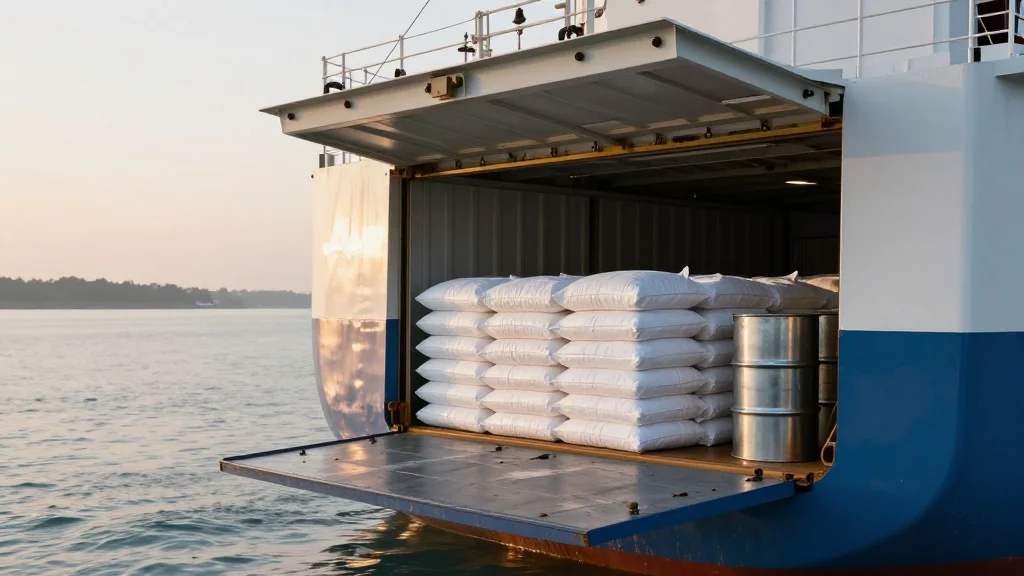
Agronometrics in Charts: Strait of Hormuz Disruption Sends Fertilizer Prices Skyrocketing 30 Percent
The closure of the Strait of Hormuz has halted roughly half of global urea exports, driving fertilizer prices up about 30 percent in just weeks. The disruption also curtails sulfur shipments, tightening supplies for phosphate fertilizers and compounding the shortage....

Will the Iran Crisis Lead to Another Round of Food Price Spikes?
The closure of the Strait of Hormuz has driven a sharp rise in fertilizer and energy costs, with urea prices up about 40 percent, while grain markets remain largely stable, showing only modest increases in wheat, maize and soybeans. Unlike...

OCR on Hold at 2.25%
The Reserve Bank of New Zealand’s Monetary Policy Committee kept the Official Cash Rate at 2.25 percent as the Middle‑East conflict pushed global oil prices higher and disrupted supply chains. Near‑term headline inflation is projected at 3.0 percent in the March 2026 quarter and...
Continuing Consequences From the US-Iran Conflict
The US‑Iran conflict has forced the closure of the Strait of Hormuz, driving crude oil prices up 83% to over $110 a barrel and pushing U.S. gasoline to $4.79 per gallon. Higher energy costs are feeding persistent inflation, complicating the...

Why Gold’s Liquidity Crunch Could Be a Buying Opportunity
Gold’s price plunged from a January high of just under $5,600 to around $4,400 by late March, driven primarily by a liquidity squeeze rather than a shift in fundamentals. Investors and central banks sold gold to raise cash, while Iran‑Hormuz...

Iran ‘Does Not Forget Its Friends’ as Malaysia Ships Pass Hormuz Amid Selective Access
Iran allowed Malaysia‑linked tankers to transit the Strait of Hormuz after Prime Minister Anwar Ibrahim’s direct appeal to President Masoud Pezeshkian, freeing seven vessels that had been stranded. The decision signals Tehran’s shift toward a selective‑access model, where passage is...

Markets on Edge as Trump’s Iran Ultimatum Looms
President Donald Trump issued an ultimatum demanding Iran lift its blockade of the Strait of Hormuz by 8 p.m. Eastern, threatening to “decimate” Tehran’s infrastructure if it fails. The warning sent oil prices soaring, with Brent crude around $111 a barrel...
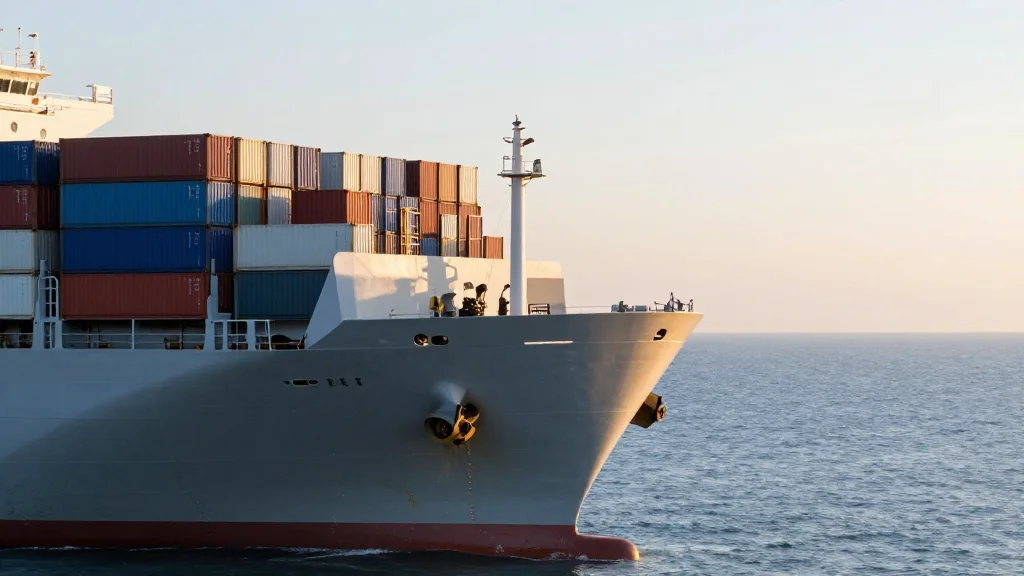
Container Fleet Growth Cools, but Charter Market Remains Hot
Global container fleet growth slowed in Q1 2026, with net capacity increasing only 0.8% and total TEU up 6.1% year‑on‑year. While deliveries eased, orders surged to 150 vessels, pushing the orderbook to 39% of the existing fleet and shifting focus...

ICAP Rolls Out Dry FFA Desk
ICAP has launched a global dry forward freight agreement (FFA) desk spanning London, Copenhagen, Dubai and Singapore, providing 24‑hour coverage of the main freight trading hubs. The desk will handle capesize, panamax, supramax and handysize routes as well as time‑charter...
The Iran War Shock Is About Half the Size of Covid-19
The Financial Times estimates that the economic shock from the Iran‑Israel conflict will be roughly half as severe as the Covid‑19 pandemic. IMF and World Bank models suggest a 1‑1.5% dip in global GDP, compared with the 3‑4% contraction seen...

Steel Tariffs: Saving One Key Industry Need Not Cause Pain for Another
The UK government has introduced steel import tariffs of up to 50%, coupled with a £70 million trade deal with Nigeria and a pledge to prioritize domestic steel in AI, energy and shipbuilding projects. These measures aim to revive a steel...
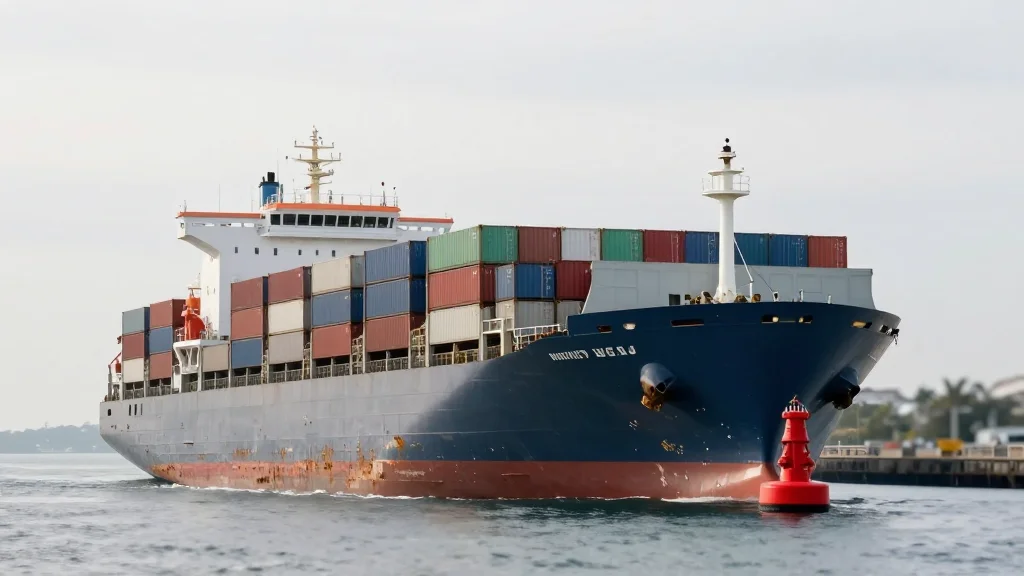
SeaLead Cuts Back as Iran Conflict and US Charges Hit Operations
SeaLead Shipping’s operational capacity has collapsed from a peak of 208,000 TEU in May 2025 to just 62,521 TEU across 14 vessels after the Strait of Hormuz was closed and U.S. authorities filed a sanctions‑related lawsuit. The Department of Justice...

This Time It's Personal: The Rise of Dynamic, Personalised Pricing and What It Means for Inflation
Dynamic and personalised pricing, powered by AI and big‑data, is spreading beyond travel and hospitality into most consumer‑facing sectors. UK firms report that 21% already use market‑responsive algorithms, with plans to reach 31% within a year, while personalised discounts are...
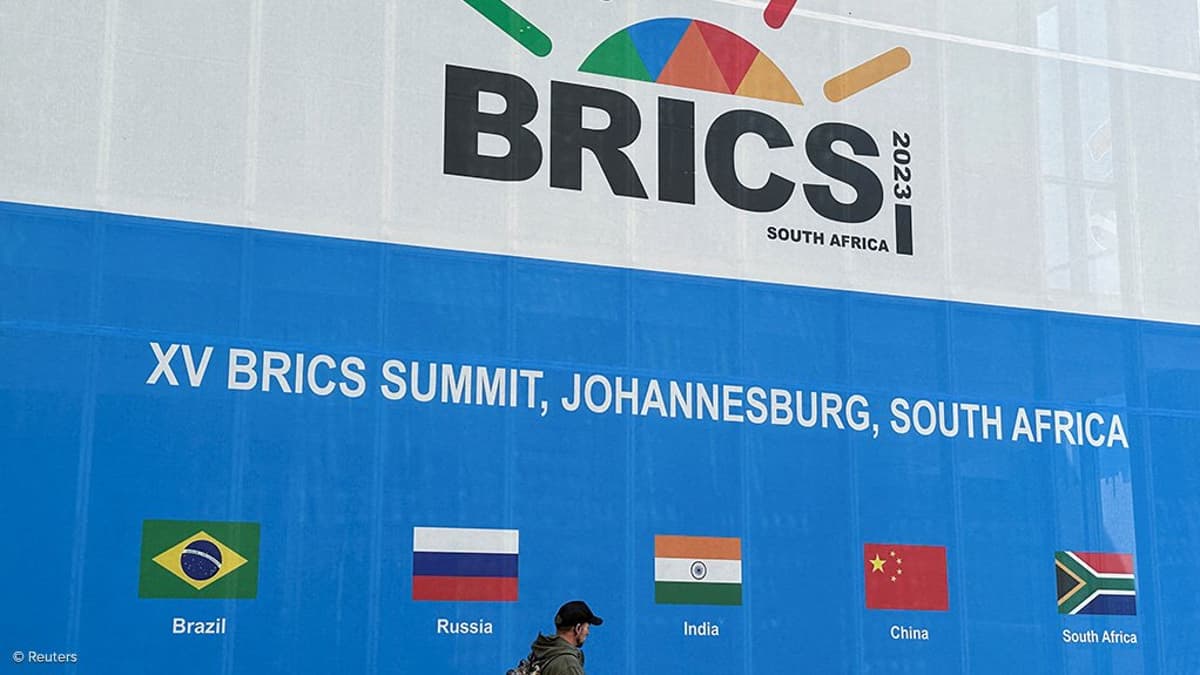
BRICS Plus Countries Increase Gold Reserves to More than 6 000 T
BRICS Plus nations now hold over 6,000 t of gold, representing roughly 17.4% of global central‑bank reserves, up from 11.2% in 2019. Russia (2,336 t) and China (2,298 t) together account for about 74% of the bloc’s holdings, while India adds 880 t. In the...

Afreximbank Launches $10bn Crisis Support for Africa, Caribbean
Afreximbank has approved a $10 billion Gulf Crisis Response Programme to cushion African and Caribbean economies from the fallout of the Middle‑East conflict. The fund will supply short‑term foreign‑exchange and liquidity to keep essential imports such as fuel, food and pharmaceuticals...

Trump’s Tariffs Backfire: Why US Businesses Are Paying the Price
The Trump‑era tariffs on steel, aluminum and copper were intended to shield U.S. manufacturers, but they primarily hit raw material imports, inflating input costs for domestic producers. Finished goods imported from abroad largely escape these duties, keeping them price‑competitive on...
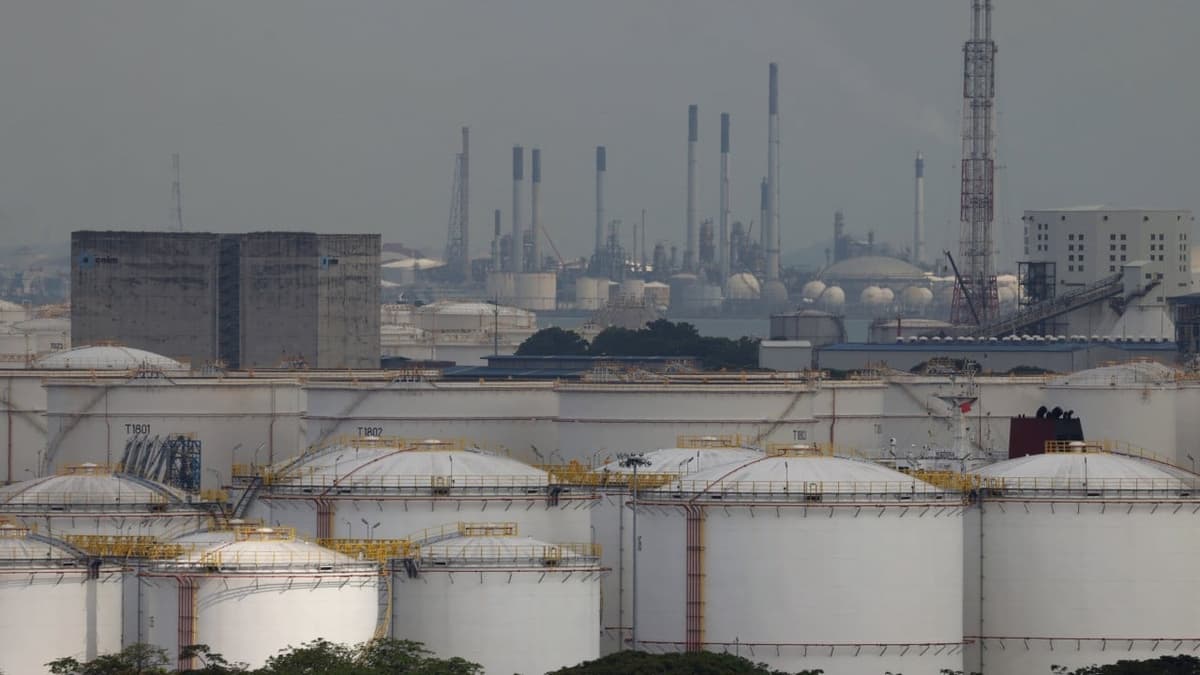
Singapore Set to Be Hit by Global Energy Crisis as It Unveils Countermeasures
The Middle East conflict is driving an Asia‑wide energy crunch that will hit Singapore’s economy, though the city‑state is better positioned than many neighbours. In parliament, ministers announced a S$200 boost to the cost‑of‑living cash payment and accelerated S$500 food...

Modest Growth Projected for 2026 as Uncertainty From Iran War, Trade Linger: Deloitte
Deloitte’s spring outlook projects Canada’s GDP expanding by just 1.2% in 2026, a slowdown from 1.7% the prior year, as the Iran‑related war and lingering trade uncertainty weigh on the economy. Energy price volatility and a softening labour market keep...

Industry Perspectives Op-Ed: Is Canada Prepared for a Global Energy Shock?
Canada faces a looming energy shock as the Strait of Hormuz closure curtails roughly one‑fifth of global oil flow, prompting the United States to draw down 172 million barrels from its strategic reserve at a $20 billion cost. The op‑ed warns that...

Beyond Russian Oil, China Also Increases Appetite for Ukrainian Wheat Flour
China’s ambassador to Ukraine signed a protocol establishing inspection, quarantine and sanitary standards for Ukrainian wheat‑flour imports, expanding China’s agricultural trade with Kyiv. The agreement highlights the complementary nature of the two economies and signals a shift from raw‑grain shipments...

Beer Cans, Helium Balloons and Mortgages: An Unexpected Mix of Things Affected by War
The Iran‑War’s disruption of the Strait of Hormuz is rippling far beyond oil, driving up prices for aluminum, helium, fertilizer, sulfur and petrochemicals. Aluminum cans for beer and soda, helium for balloons and MRI machines, and key agricultural inputs are...

Seoul to Budapest: Asiana’s New Route Signals a Shift in Europe–Asia Travel
Asiana Airlines launched a twice‑weekly direct Seoul‑Budapest service on April 3, marking its ninth European destination and creating daily non‑stop connectivity alongside Korean Air. The route caters to both growing Korean tourism to Hungary and a solid base of business travel...
Geopolitics and Markets: Could Tensions Trigger Another Black Monday?
Professor Radu Tunaru examines how the Iran‑U.S. confrontation of 1987 sparked the Black Monday crash, highlighting that external geopolitical shocks, not just program trading, can trigger market meltdowns. He draws parallels to today’s Iran conflict, noting its impact on oil,...

Dollar Stablecoins versus a Retail Digital Euro? They Are Different – Not Rivals
The U.S. Congress enacted the GENIUS Act, requiring stablecoin issuers to back each token with short‑dated Treasury securities, effectively tying the burgeoning stablecoin market to U.S. sovereign debt. This framework mirrors the EU’s MiCA rules for electronic money tokens, but...

How the US–Iran War Is Disrupting LPG Supply in Meghalaya and Tripura
The US‑Iran conflict has choked the Strait of Hormuz, the conduit for roughly 90% of India’s imported LPG, creating a supply shock. In the Northeast, Tripura and Meghalaya are seeing long queues as hospitals receive full quotas while commercial users...
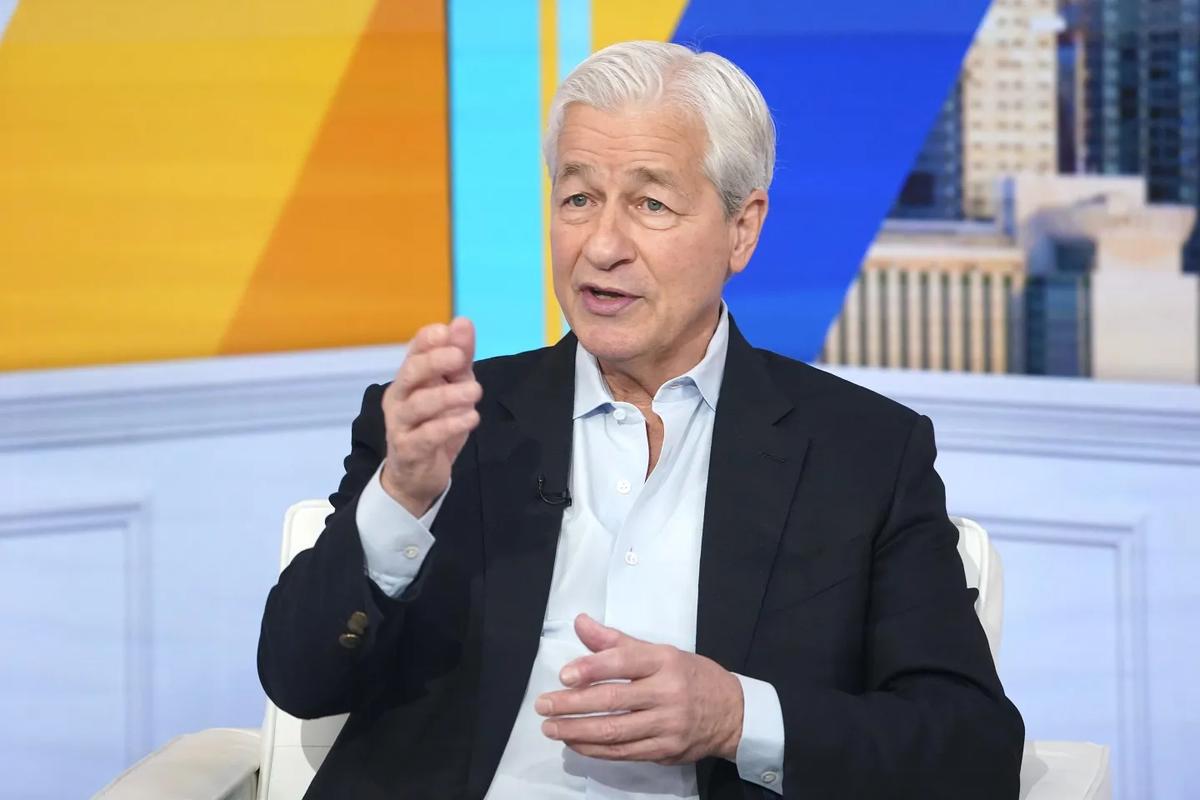
Jamie Dimon Warns Iran War Could Keep Rates Higher for Longer — Why It Hits Your Money
JPMorgan CEO Jamie Dimon warned that a renewed conflict involving Iran could disrupt global energy markets, pushing oil prices higher and reigniting U.S. inflation. He explained that supply‑side shocks make inflation “sticky,” forcing the Federal Reserve to keep policy rates...
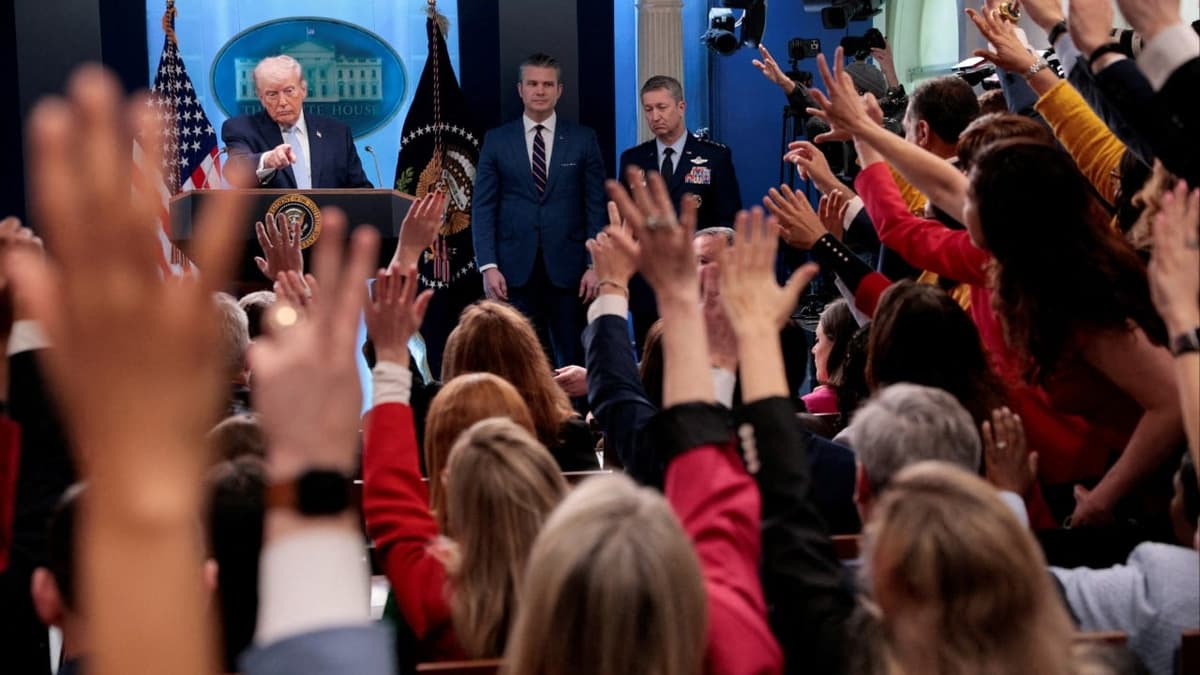
Trump Steps up Iran Threats as Deadline Approaches
President Donald Trump has escalated rhetoric toward Iran as a critical deadline looms on the nuclear agreement’s compliance schedule. In recent remarks, he warned Tehran of “serious consequences” if it fails to meet the stipulated benchmarks. The administration has simultaneously...

Profit in the Chaos: How Smarter Procurement Shields Companies in Turbulent Times
The article argues that rising geopolitical volatility has turned procurement into a strategic, risk‑management function rather than a back‑office cost‑center. Companies still rely on fragmented ERP, contract files, and spreadsheets, which leaves them vulnerable to sudden supplier disruptions, price spikes,...

India, Vietnam, Cambodia Rise as Apparel Hubs Amid Trade Protectionism
TradeBeyond’s 2026 Retail Sourcing report flags rising trade protectionism, especially U.S. tariffs, as a key driver reshaping global apparel supply chains. Manufacturers in India, Vietnam and Cambodia are gaining market share as brands seek alternatives to China. India posted a...

How Trump’s Iran Threat Is Hitting Oil, Inflation and Markets
President Donald Trump’s threat to eliminate Iran in a single night sparked an immediate surge in oil prices, pushing crude above $110 per barrel. Traders quickly priced in the heightened risk to the Strait of Hormuz, prompting equity markets to...

Tiger Global, Viking, Maverick Hit by March Market Turmoil
Several high‑profile hedge funds, including Tiger Global, Viking and Maverick, suffered steep losses in March as market volatility surged. The turmoil triggered the sector’s heaviest monthly drawdown in over four years, echoing broader Q1 challenges for equity‑heavy strategies. While some...

West Asia Conflict May Trigger Layered Stress on Margins, Liquidity in India's Financial Sector: EY
EY warns that the West Asia conflict will cascade through India’s financial services sector, creating layered stress on margins, liquidity, and asset quality. Early signs include longer supply chains, higher freight and insurance costs, and tighter working‑capital cycles. Second‑order effects...
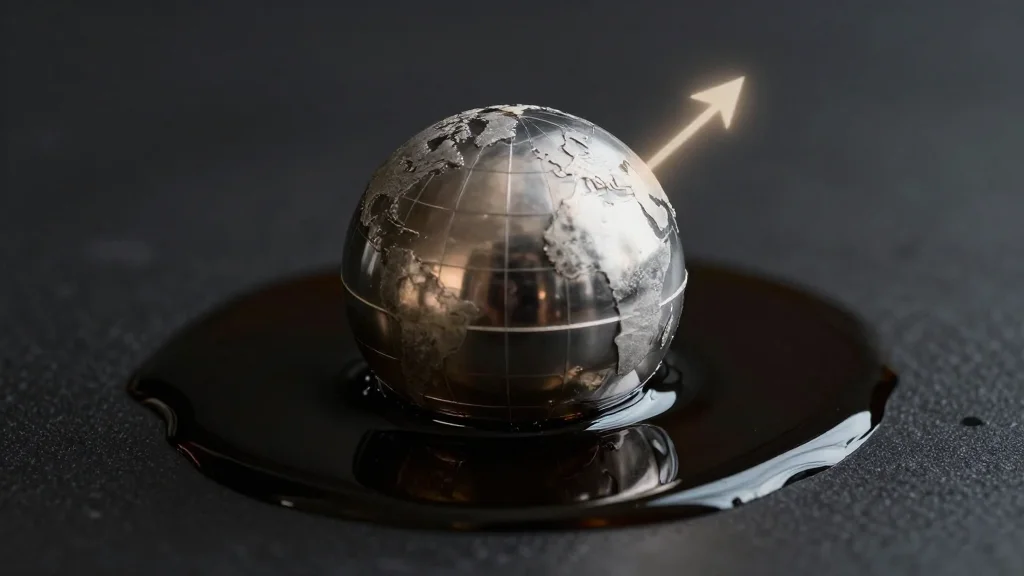
Jamie Dimon Warns of “Significant Challenges”
J.P. Morgan CEO Jamie Dimon warned in his annual shareholder letter that the war in Iran could trigger oil and commodity price shocks, keeping inflation sticky and pushing interest rates above market expectations. He highlighted broader geopolitical risks, including Ukraine,...

Friction to Fracture: Iran War Breaks Indonesia-Iran Ties
Iran detained two Indonesian oil tankers, the VLCC Pertamina Pride and the PIS Gamsunoro, in the Strait of Hormuz, prompting a diplomatic showdown. The seizure was linked to lingering grievances over Indonesia’s 2023 confiscation and upcoming auction of the Iranian‑flagged...

For Gulf States, Geography Is Both a Generous and Treacherous Patron
The article argues that the Gulf’s strategic location, which once turned deserts into petro‑states and global aviation hubs, is now a double‑edged sword as Iran’s strikes and the Strait of Hormuz blockage threaten energy exports and critical infrastructure. UAE and...

Eurozone April Sentix Investor Confidence -19.2 vs -9.0 Expected
Eurozone investor confidence plunged to -19.2 in April, far below the -9.0 forecast and the weakest reading since April 2025. The Sentix expectations index tumbled to -15.5 from +3.5 in March, while the current situation index slid to -22.8 from...

Research: UK Official Holdings of International Reserves: March 2026
The UK’s March 2026 statistical release shows official international reserves totaling £115.5 billion (approximately $148 billion), a 1.2% increase from the previous month. Gold holdings rose to 310 tonnes, valued at roughly $5.5 billion, while foreign‑currency assets grew on the back of higher US‑dollar positions....
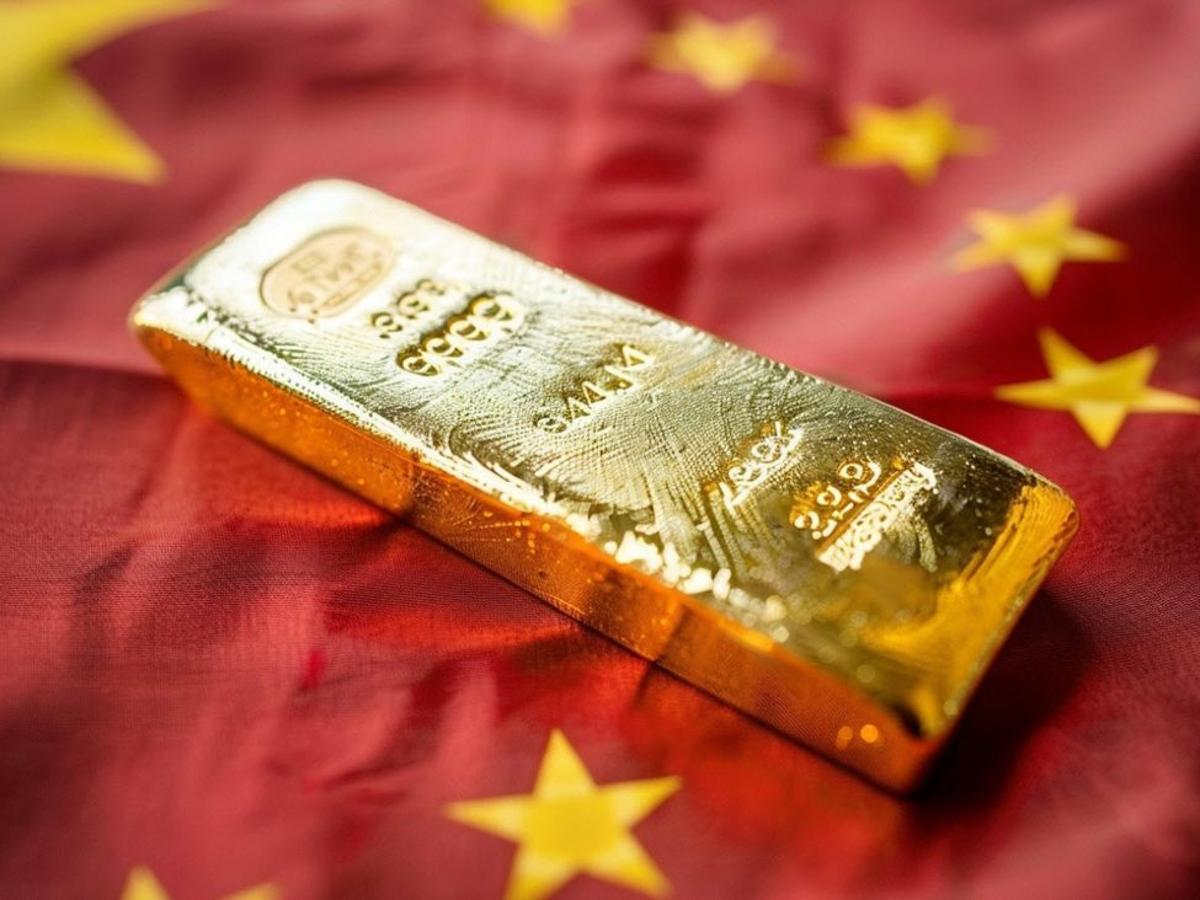
China Continues to Pile Into Gold as Reserves Climb for a 17th Straight Month
China’s gold reserves rose to 74.38 million troy ounces in March, marking the 17th consecutive month of net purchases and bringing the total to roughly 2,300 metric tonnes. Although the ounce count increased, the reported value fell to $342.76 billion from...
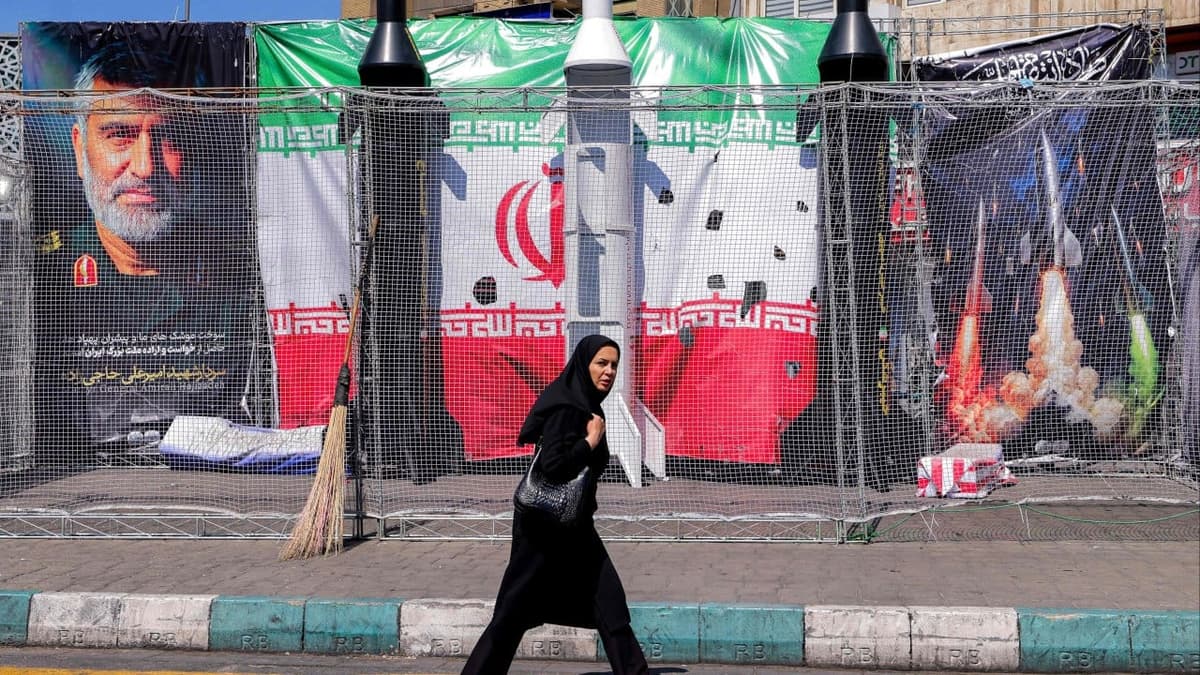
Iran Calls for ‘Human Chains’ Around Its Power Plants Before US Deadline
President Donald Trump set an 8 pm EDT deadline for Iran to fully reopen the Strait of Hormuz, threatening to bomb the country’s power plants and bridges if the demand is not met. Iran responded by urging 14 million citizens to volunteer and...

What Is Driving the Houthis’ Decision-Making on Joining the Iran War
The Houthis are navigating an internal split between a cautious camp that wants to limit engagement and a more activist faction eager to cement their role in Iran’s emerging "axis of resistance." Their hesitation stems from costly lessons learned during...