
U.S. Troops Search Containership Suspected of Violating Iran Blockade
U.S. Central Command confirmed that Marines from the 31st Marine Expeditionary Unit fast‑roped onto the 4,259‑dwt containership Blue Star 3 in the Arabian Sea, suspecting it of breaching the U.S.‑ordered blockade of Iranian ports. The vessel, listed as stateless after multiple flag changes, was traced to Port Qasim, Pakistan, but CENTCOM verified it would not sail to Iran and released it. The operation marks the latest in a series of interdictions that have redirected 39 ships this week, up from 34 previously reported. The incident underscores Washington’s continued enforcement of the Trump‑era blockade amid heightened regional tensions.
US Says 15% of Tariff Refund Entries Denied So Far
U.S. importers seeking refunds of $166 billion in tariffs overturned by the Supreme Court are encountering obstacles with a new CBP online portal. Since its launch on April 20, 13.3 million entries have passed an initial review, but about 15 % were denied for...

Why Rate Cuts Might Be Easier Said than Done for the Next Fed Chair
Kevin Warsh, a longtime inflation hawk, has been nominated by President Donald Trump to become the next Federal Reserve chair, raising expectations that he might finally deliver the rate cuts the administration wants. However, a CNBC Fed Survey shows that...

Govt Mulls Customs Duty Relief on Cotton Import to Support Textile Industry
India is weighing a reduction or full removal of the 5% customs duty on raw cotton imports to ease soaring input costs triggered by the West Asia conflict. The proposal also includes a review of the 2.5% duty on rayon‑grade...

A Global Fight over Banking Rules Is Just Getting Started
Eighteen years after the 2008 crisis, the BIS’s liquidity‑risk principles gave rise to Basel III, which imposed stricter capital buffers on banks worldwide. Today, a nascent battle is emerging as the United States, Europe and emerging economies push divergent revisions to...
How to Incorporate Rising Political Risk Into Investment Management
The article outlines how investment managers can systematically embed rising political risk into portfolio construction and oversight. It highlights the shift from ad‑hoc news monitoring to quantitative scenario modeling, stressing the need for granular country‑level exposure data. The piece also...
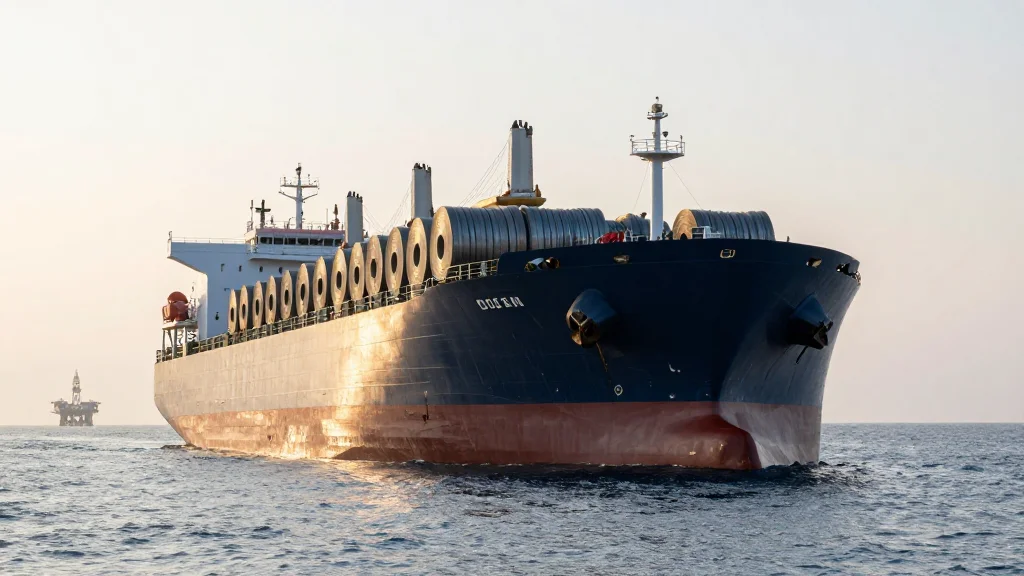
Oilfield Services Majors Bank on Flood of Oil, Gas Projects Linked to Middle East War
Oilfield‑services giants Baker Hughes, Halliburton and SLB say a wave of new oil and gas projects is likely as the U.S.-Israeli war with Iran tightens global energy demand. Their latest quarterly earnings highlight expectations for a surge in upstream contracts...

Gov’t Handling Crisis Well
The Philippine government swiftly declared a national energy emergency amid the Middle East conflict, unlocking powers to procure fuel and curb hoarding. It released roughly $357 million from the Malampaya gas fund, secured a 400,000‑barrel crude shipment that provides about 50...
Faisal Islam: Why the UAE's Exit From Opec Is a Big Deal
The United Arab Emirates announced an abrupt exit from OPEC, ending its 3‑3.5 million barrel‑per‑day production quota. As the OPEC member with the second‑largest spare capacity, the UAE could boost output to roughly 5 million barrels daily and ship oil through new...

In the Shadow of Capital Flight: Summary Statistics and Policy Implications
The Center for Economic and Policy Research released a data‑driven briefing on capital flight, revealing that emerging‑market outflows surged to roughly $1.2 trillion in 2025—about twice the 2024 total. The report attributes the spike to heightened political risk, currency depreciation, and...

Canada’s New Auto Lobby Sets USMCA Review as Its Initial Focus
The Pacific Manufacturing Association of Canada (PMAC) was launched to represent Toyota and Honda, which together assemble 77% of Canada‑built vehicles. Led by former Trillium Network director Brendan Sweeney, the group’s first priority is influencing the upcoming USMCA review before...
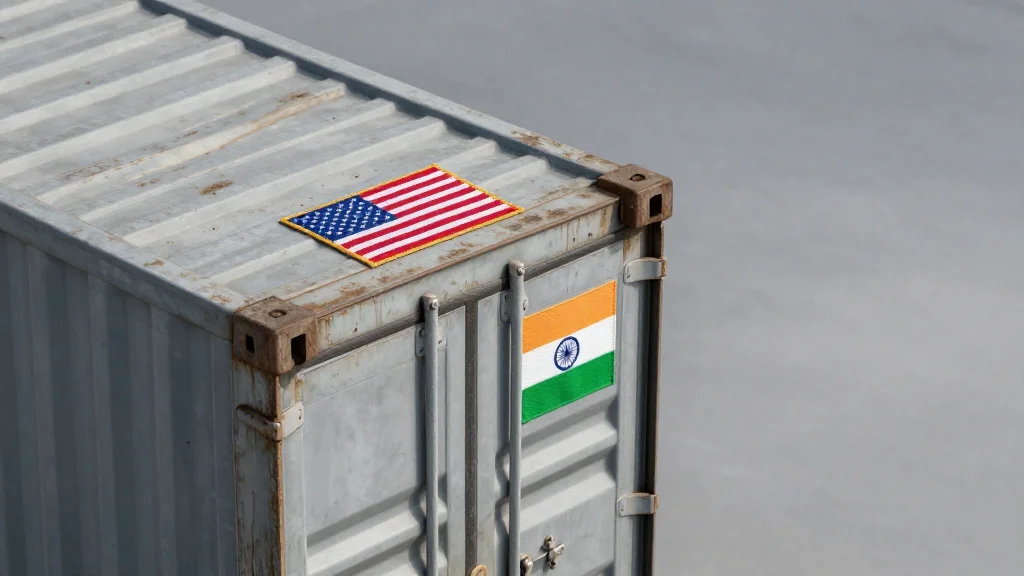
India to Challenge US Section 301 Probes in Public Hearings over Two Weeks
The Indian government and industry representatives from textiles, auto parts, plastics and solar are testifying in Washington to contest USTR Section 301 investigations. Hearings on forced‑labour allegations are set for April 28‑29, followed by overcapacity hearings May 5‑8. India argues the probes mischaracterize...
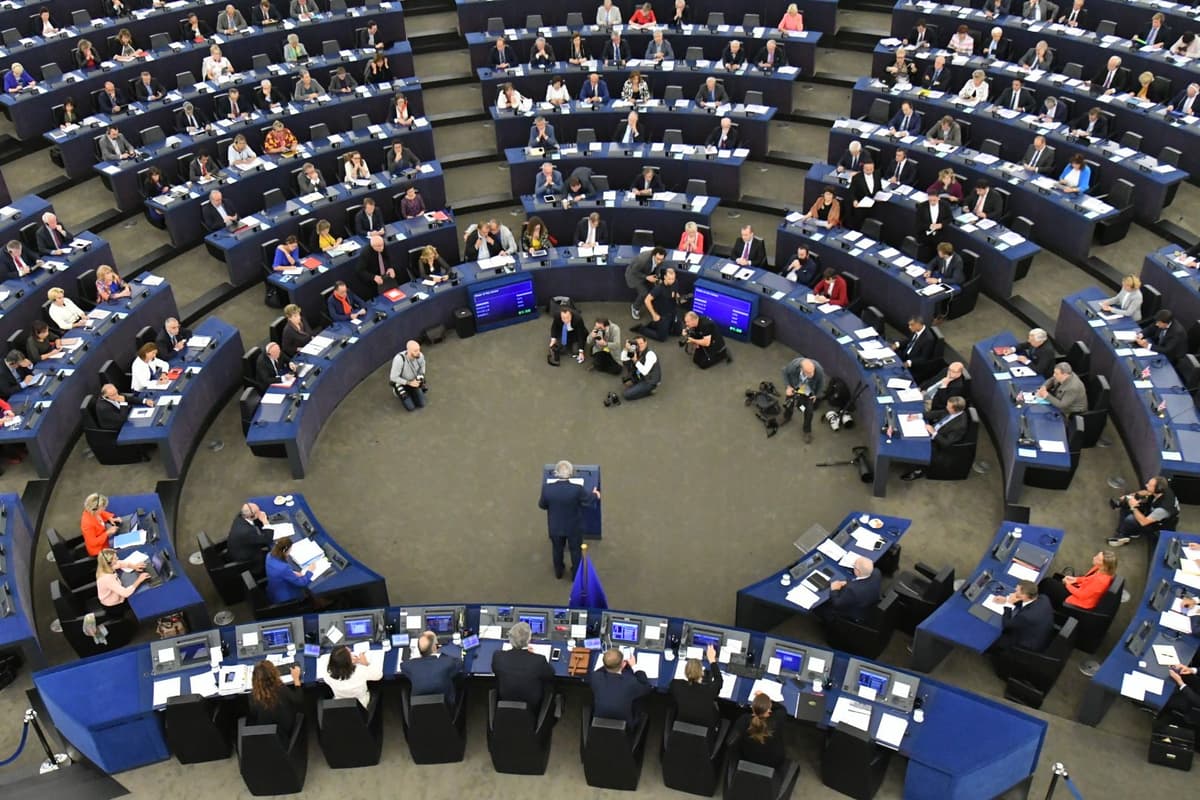
MEPs Vote to Slap Tariffs on Countries that Refuse to Take Back Migrants
The European Parliament approved a rule tying the EU’s Generalised Scheme of Preferences (GSP) to migrant readmission. Countries that refuse to take back failed asylum seekers will lose tariff‑free access, with a one‑year negotiation period before measures apply and a...
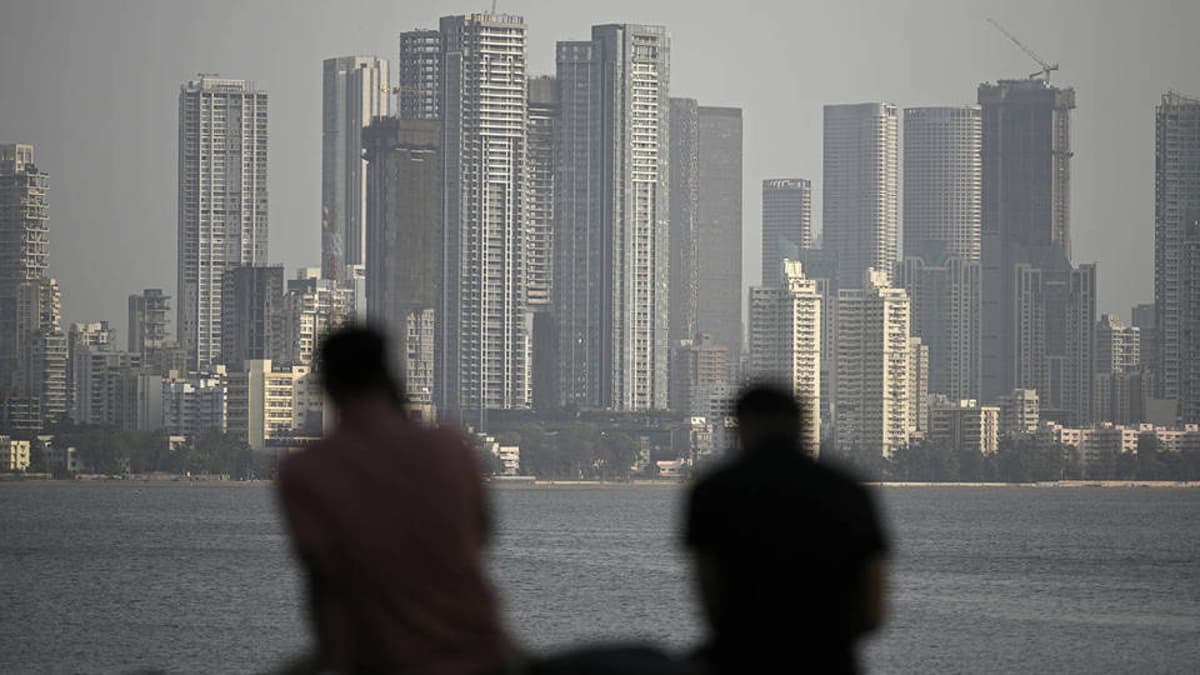
Asia’s Economic Diplomacy for Tumultuous Times
Asia’s leading economies—China, India, Japan, South Korea and Vietnam—are reshaping economic diplomacy by pairing strategic international engagement with robust domestic capacity‑building. The article argues that this hybrid model, rooted in pragmatic bargaining and institutional learning, offers a playbook for middle...
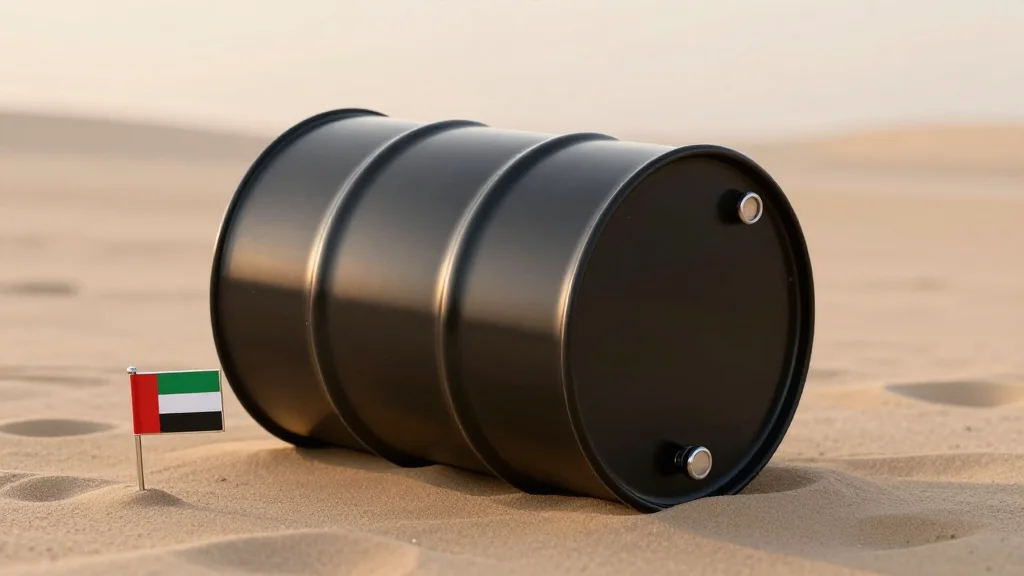
U.A.E. Quits OPEC: Here’s What It Means for Oil Prices and the Economy
On May 1, 2026 the United Arab Emirates will withdraw from OPEC and its OPEC+ alliance, citing a strategic decision to expand its own energy output. The move follows heightened geopolitical tension from the Iran‑Israel conflict, which has already driven down global...

Egypt on the Frontline of Iran War's Economic Disruption
Egypt is feeling the brunt of the Iran‑Israel‑US conflict as oil prices surged to around $100 a barrel, inflating its petroleum import bill and widening the current‑account gap. The Atlantic Council estimates the deficit could swell from $15 billion to $24 billion,...

Magyar Promises Austerity to Get Into Eurozone by 2030
Hungary’s new Tisza party, led by Peter Magyar, has pledged euro‑zone membership by 2030, launching the accession process within weeks. Finance‑minister nominee András Kármán says the government will meet Maastricht criteria, despite current deficits of 4.7% of GDP and public...
Piyush Goyal Assures Exporters of Sustained Support to Enter New Markets
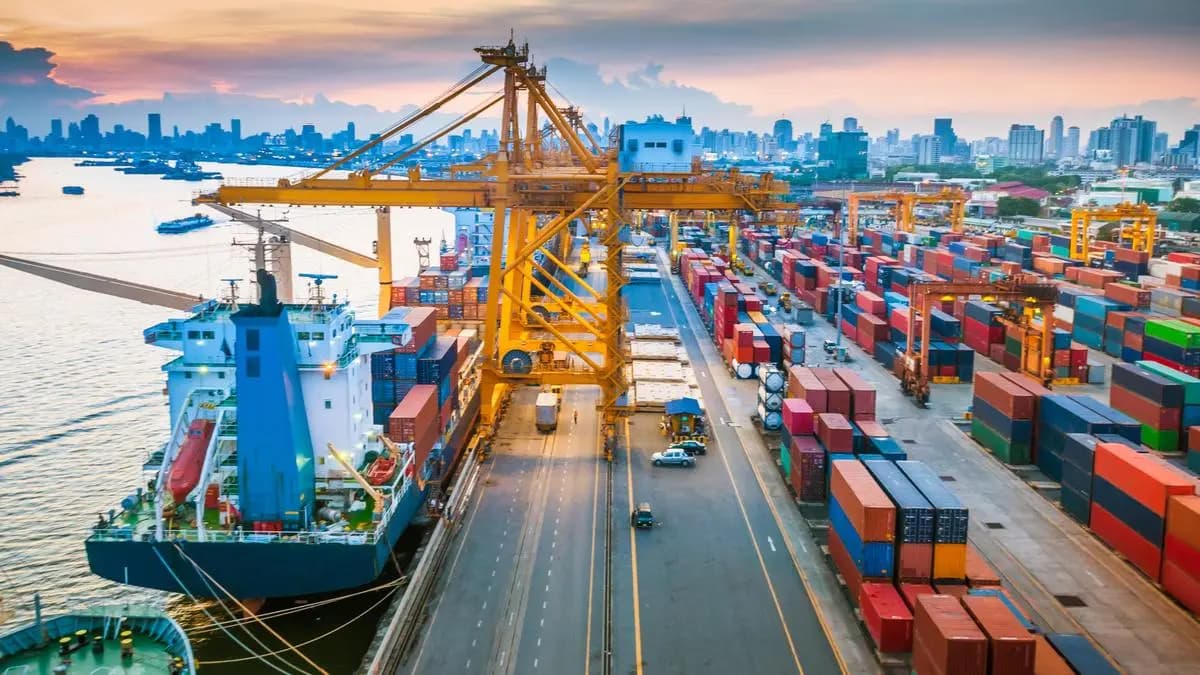
Commerce Minister Piyush Goyal reaffirmed the Indian government’s commitment to bolster exporters, especially small and medium enterprises, through ongoing schemes and targeted interventions. He addressed industry concerns over high compliance costs, stringent testing, and rising shipping expenses tied to the...

Impact of Investor Sentiment and Geopolitical Events Hurt Booking Holdings (BKNG) in Q1
Booking Holdings reported a 17% rise in earnings per share and 16% revenue growth in Q1 2026, showing strong travel demand. Despite solid fundamentals, the stock fell as investors labeled it an “AI loser” and reacted to the Middle East...

Pre-Markets Down on Oil Prices, Q1 Earnings Results
Pre‑market trading on Tuesday shows a mixed picture: the Dow nudges higher while the Nasdaq, S&P 500 and Russell 2000 slip as oil prices climb amid the continued closure of the Strait of Hormuz. The Iran‑related shipping disruption fuels a 36% earnings...
Iran War Price Shock: Why Coca-Cola, Pampers and Kleenex Could Cost More
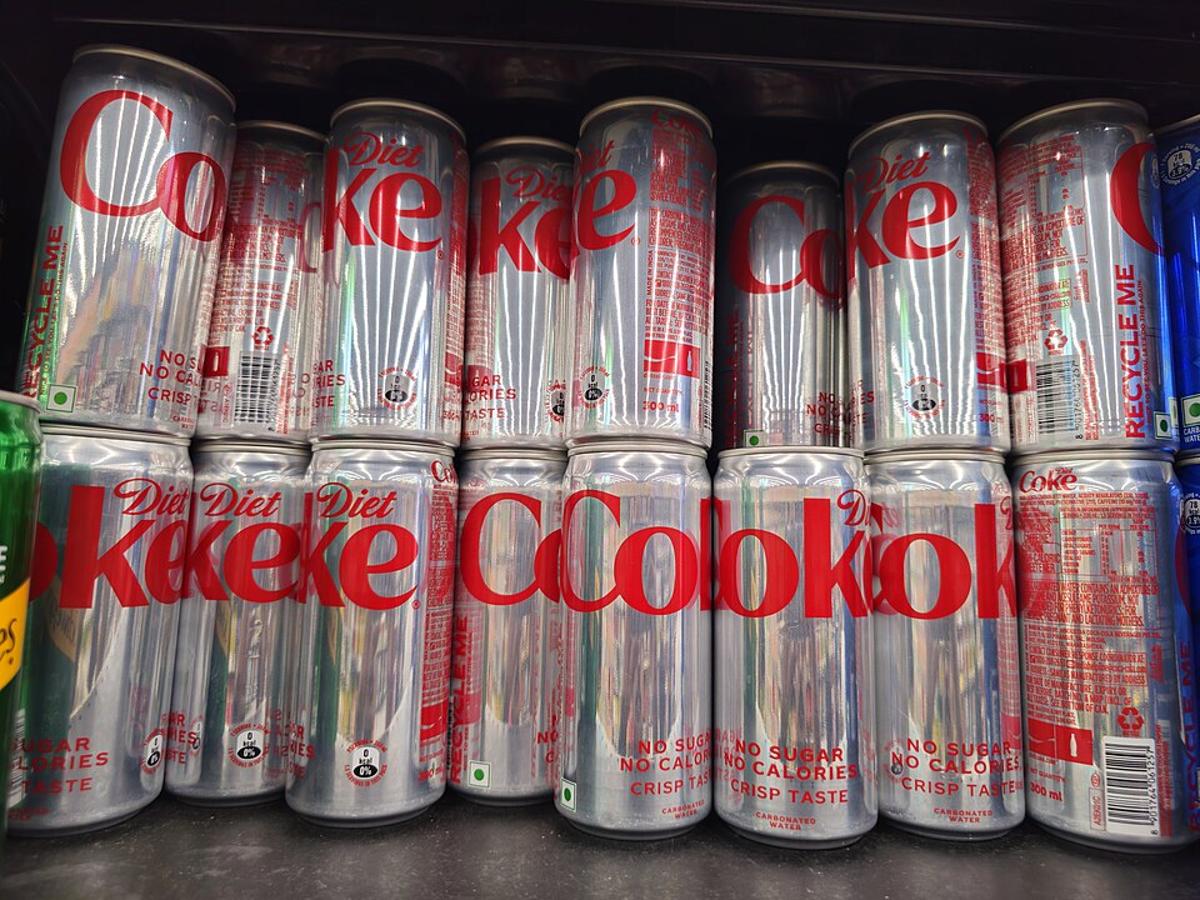
The Iran‑related oil and shipping surge is filtering through supply chains, inflating costs for packaging, freight and energy‑intensive production. Brands such as Coca‑Cola, Procter & Gamble and Kimberly‑Clark have flagged profit hits ranging from $150 million to $1 billion as raw‑material prices...

Iran War Hobbles Global Circuit Board Supply Chain
The ongoing Iran‑Israel conflict has disrupted the flow of raw materials and finished printed circuit boards (PCBs) that originate from or transit through Iran, forcing manufacturers to seek alternative sources. Industry surveys indicate a 12‑15% reduction in PCB availability and...
The United Arab Emirates Is Quitting OPEC Oil Cartel After Nearly 60 Years
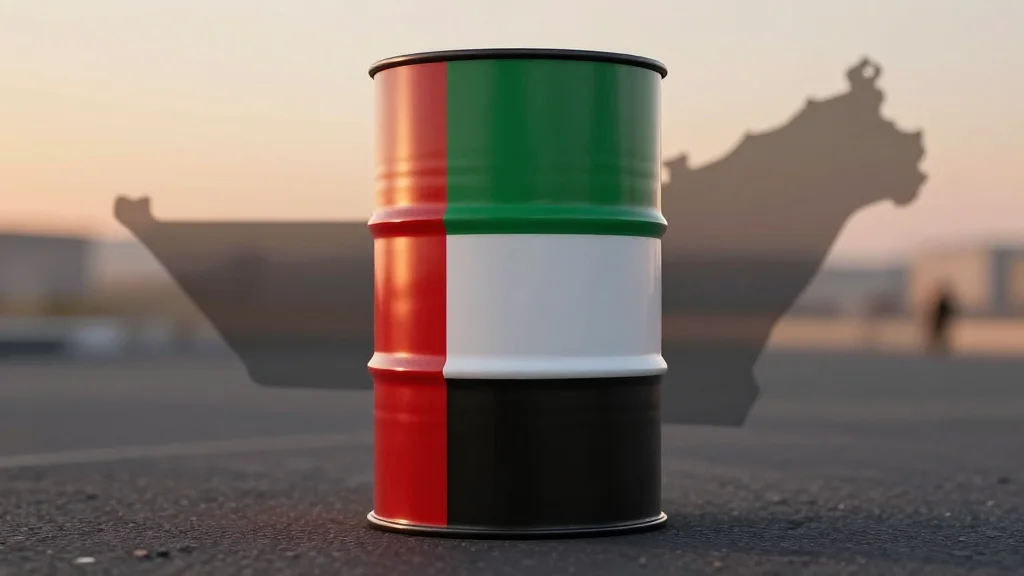
The United Arab Emirates announced it will leave OPEC on May 1, ending almost 60 years of membership. The exit is presented as part of a long‑term strategic vision that lets the emirate tap its large spare‑capacity and raise output once export...

High Fuel Prices Making Outlook for Logistics Demand Uncertain
Industry analysts warn that sustained high oil prices—projected to end 2026 over 30% above FY2025 levels—are clouding the demand outlook for freight forwarding and logistics services. Shippers are pushing back against fuel surcharges, while rising inflation and weaker consumer purchasing...

Canada’s Push to Rebuild Ties with China Hits a Snag: A Lack of Direct Flights
Canada announced it will increase direct passenger flights to China and allow up to 20 weekly cargo services, aiming to revive tourism after a surge in Chinese bookings following visa‑free entry. Travel demand from China to Canada has more than...

Oil and Gas Execs Don’t Expect Hormuz Traffic to Normalize Until August
American oil and gas executives surveyed by the Dallas Fed expect Strait of Hormuz traffic to remain disrupted until at least August, with 79% forecasting no normalization before then. Only 39% anticipate a return to normal by August, while 26%...

The Consensus Builder
Jerome Powell will leave the Federal Reserve chair on May 15 after eight years marked by unprecedented crises—from the 2019 repo turmoil and COVID‑19 pandemic to the Ukraine war, SVB collapse, and the Iran conflict. Despite these shocks, Powell secured near‑unanimous...

Japan: Passive Anchor Turned Capital Powerhouse
Japan is shedding its image as a passive anchor of ultra‑low rates, with monetary normalization driving yields on Japanese Government Bonds higher. A narrowing interest‑rate gap with the United States is prompting global investors to rebalance allocations toward Japan. Simultaneously,...
China Hawks Are Gaining Ground in the Commission. Will EU Countries Follow?
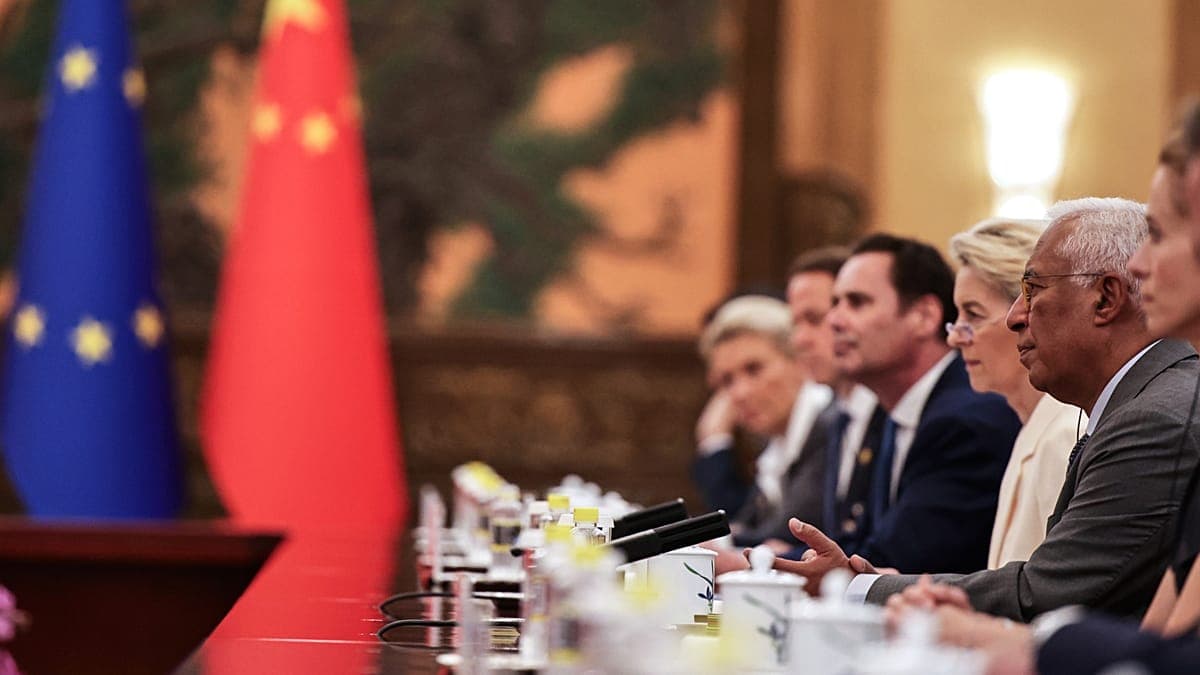
The European Commission is preparing tougher trade tools against China, notably the rarely used Anti‑Coercion Instrument, as Beijing’s economic pressure intensifies. A record German trade deficit with China of €87 bn (about $94 bn) has shifted the policy tone, prompting a debate...

Nigeria Targets SME Export Growth as TikTok, ICC Roll Out Digital Labs
Nigeria is teaming with TikTok and the International Chamber of Commerce to launch Digital Commerce Labs, a program that moves small businesses beyond social‑media buzz toward genuine export opportunities. Backed by the National Information Technology Development Agency and Lagos State...

‘Unprecedented Crisis’: Quebec Furniture Maker Shuts Down Operations
South Shore Furniture, a Quebec family‑owned maker founded in 1940, announced the shutdown of its Sainte‑Croix plant and two other facilities, eliminating 126 jobs after sales plunged 77 percent. The company blames U.S. tariffs and a flood of cheap Asian...

GDP Preview: What to Expect in the First Quarter 2026 Report
Economists expect the United States’ first‑quarter 2026 gross domestic product to grow at roughly a 2% annualized rate. The modest expansion is largely powered by heightened government outlays and a rebound in private investment. However, consumer spending remains tepid, and...

Jerome Powell Ends His Career as Fed Chair
Jerome Powell concluded his eight‑year tenure as Federal Reserve Chair in April 2026, ending a period marked by aggressive rate hikes and a focus on full employment. Under his leadership, inflation was brought down to near the 2% target while...

What’s in Iran’s Latest Proposal – and How Has the US Responded?
The United States is weighing Iran’s new proposal to reopen the Strait of Hormuz in exchange for lifting the U.S. naval blockade, while postponing any immediate nuclear‑program concessions. Tehran’s offer seeks to de‑escalate the Gulf conflict that began after the...

U.S. Oil Hits $100 As Iran Stalemate Keeps Hormuz Shut; S&P 500 Falls
U.S. crude oil futures surged past $100 a barrel, the first breach in three weeks, as a stalemate with Iran raised the risk of a prolonged closure of the Strait of Hormuz. The supply‑shock fears lifted Brent to $111 and...
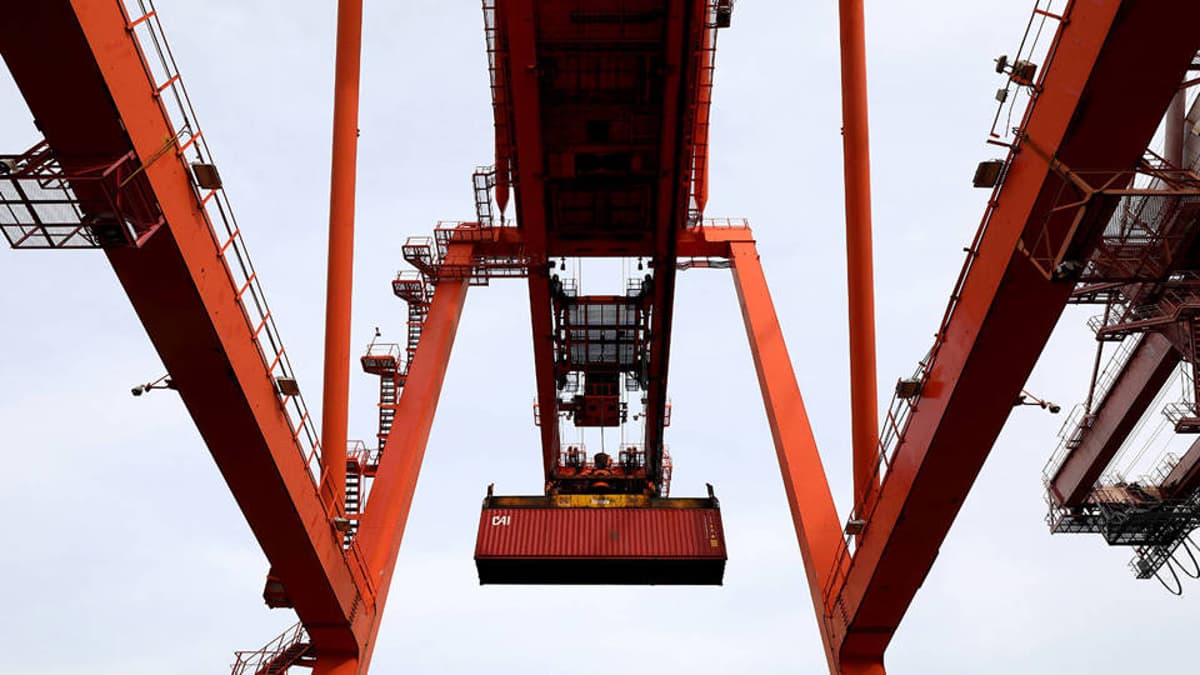
South Korea’s Precarious Balancing Act
South Korea faces a precarious balancing act as it navigates an unpredictable U.S. administration under President Donald Trump and a rapidly assertive China. The export‑driven economy, long protected by the U.S. security umbrella, now confronts heightened geopolitical risk and volatile...
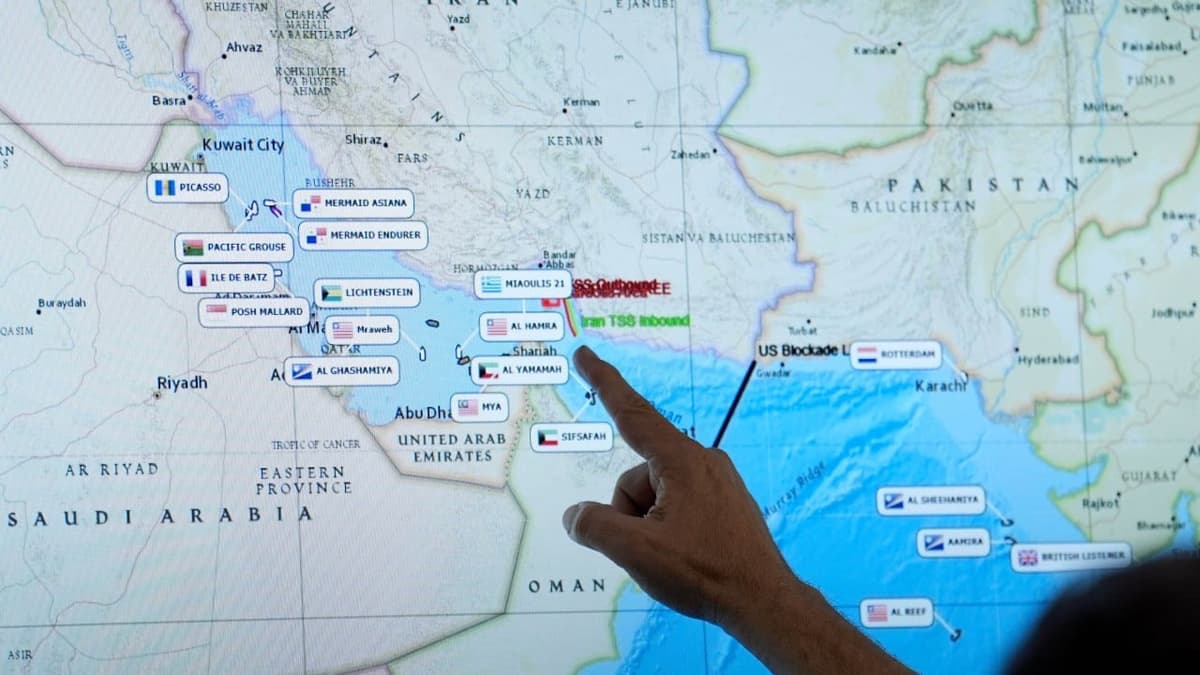
China Orders Maritime Security Research as Strait of Hormuz Crisis Exposes Trade Risks
China’s State‑owned Assets Supervision and Administration Commission (Sasac) unveiled a 30‑project research agenda, with four studies dedicated to energy security and maritime chokepoints after the Iran‑Israel war effectively shut the Strait of Hormuz, which carries roughly 20% of global oil...
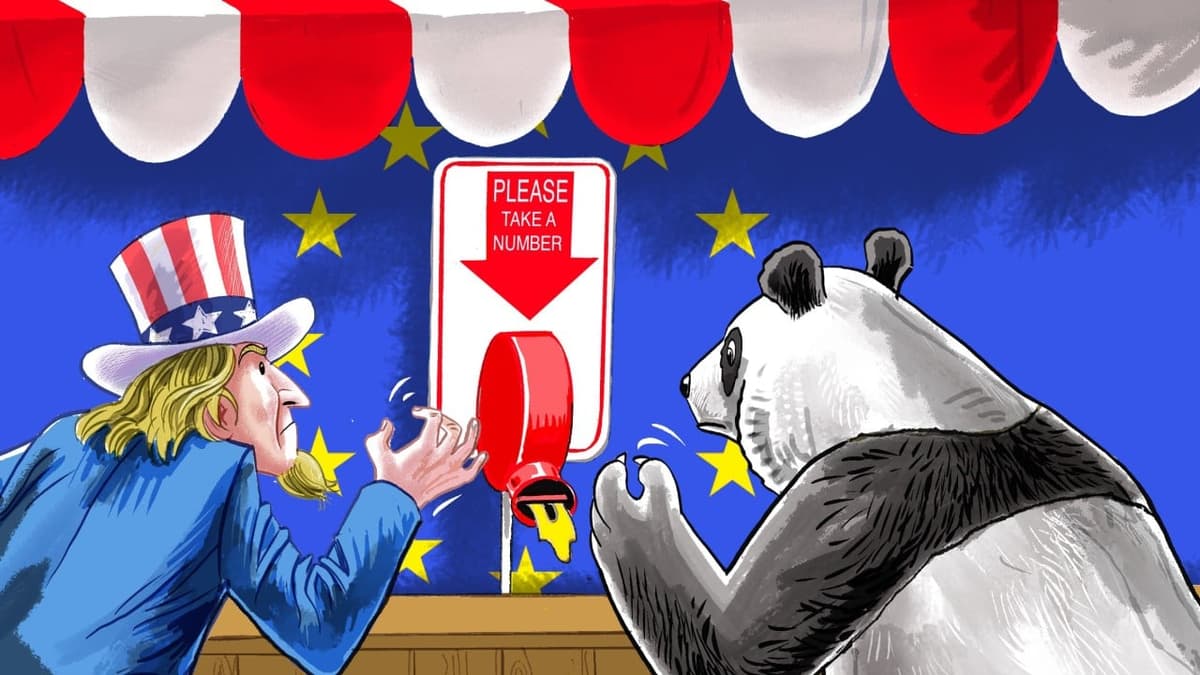
Facing US and Chinese Pressure, the EU Must Forge Its Own Strategy
The EU faces a widening trade deficit with China—about €360 billion (≈$425 billion) in 2023—while U.S. tariffs have forced Europe into a reactive, rather than coordinated, stance. This drift has left the bloc economically tethered to Beijing yet pressured to align with...

Iran Standoff Keeps Crude Near US$100 and Puts Strait Risk in Focus
Oil prices surged over 2.5% as the Strait of Hormuz remained effectively closed, keeping crude near the $100 per barrel threshold. Iran offered to reopen the waterway if the U.S. lifts its naval blockade, but President Trump rejected the proposal...
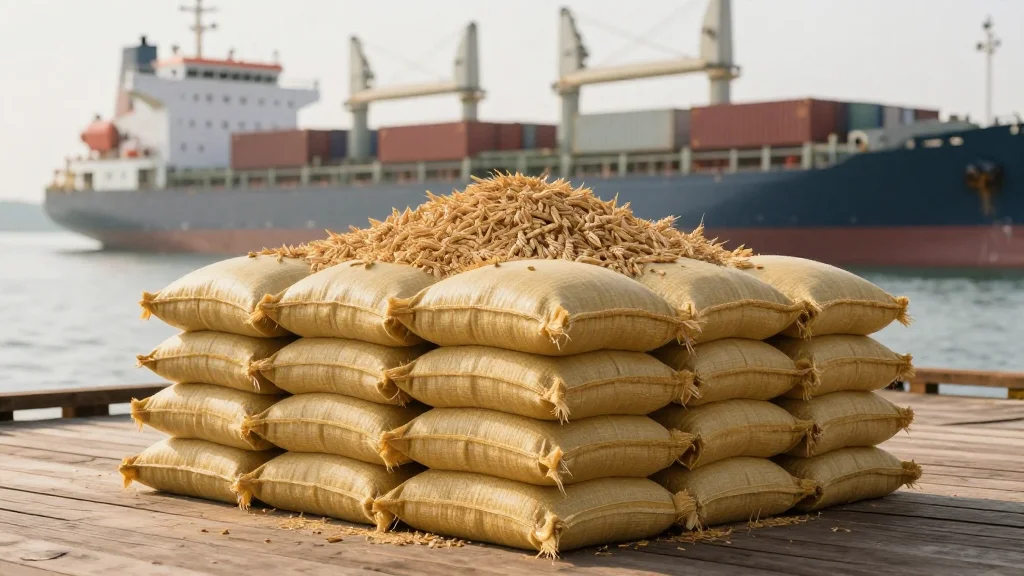
India Allows 25 Lakh Tonnes Additional Wheat Exports, Total Reaches 50 Lakh Tonnes
India's Directorate General of Foreign Trade approved an additional 2.5 million tonnes of wheat for export, raising the total permissible wheat export quota to 5 million tonnes for the 2025‑26 marketing year. The decision also expands wheat‑product exports by 1 million tonnes, bringing...
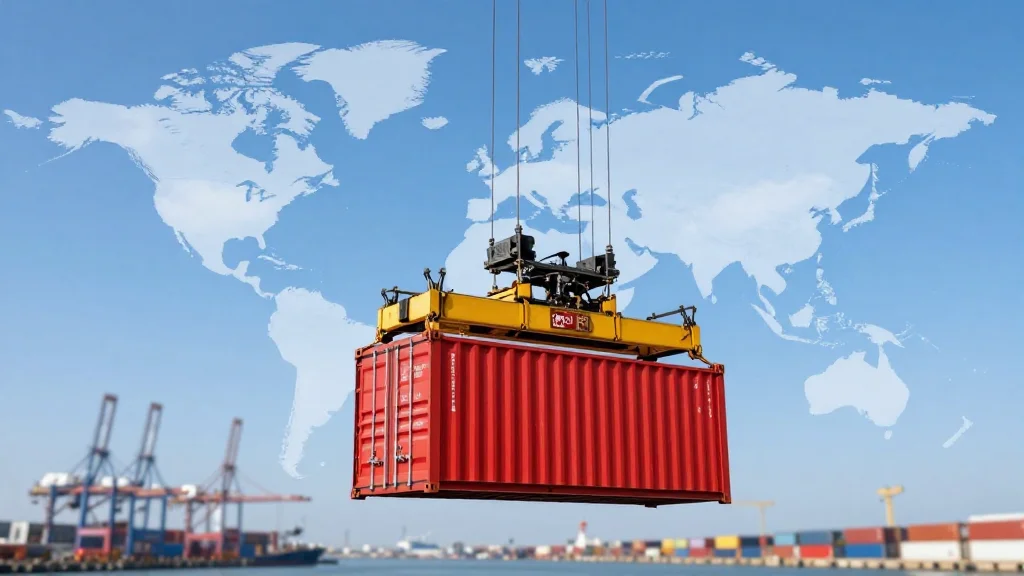
Trump Pursues Durable Tariffs After Supreme Court Rebuff
After the Supreme Court invalidated President Donald Trump’s broad IEEPA tariffs in February, the administration has turned to Section 301 investigations to install more durable import taxes. Hearings beginning this week will examine forced‑labor practices across 60 economies and alleged overproduction...
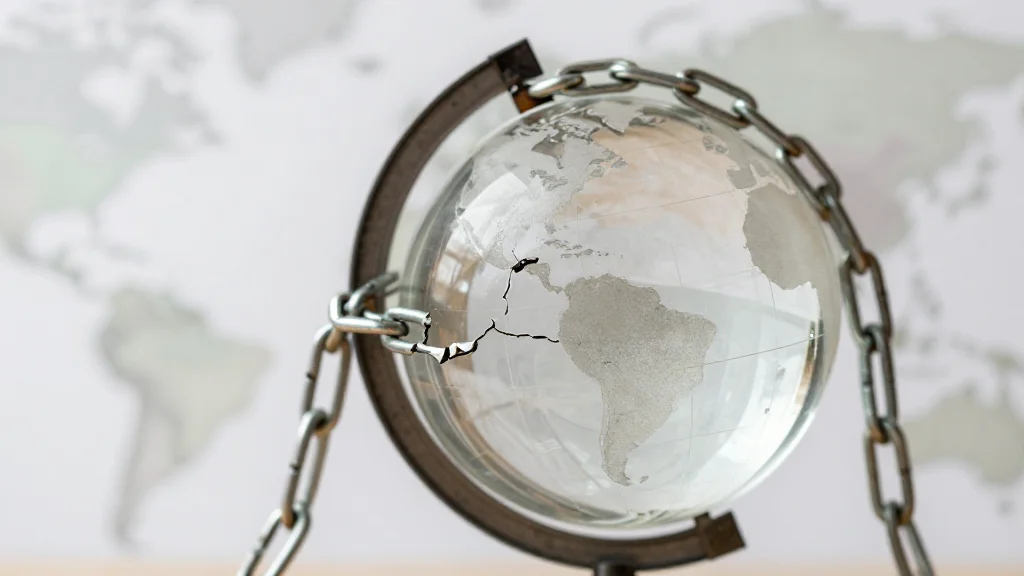
Why More Companies Are Hitting Pause on Global Expansion
A new Avalara report shows 83% of firms find cross‑border operations more complex, and 39% have delayed market entry due to regulatory uncertainty. Compliance now eats about 10% of cross‑border revenue, with tariffs cited by 52% as the biggest operational...

Stock Market Shrugs Off War
After a sharp dip when the US‑Iran war erupted in late March, the S&P 500 rebounded by mid‑April, regaining all March losses and climbing to 7,137.9 points—a 13% rise from the March 30 low. The rally was fueled by strong corporate earnings,...

Russia’s War Boom Masks an Economic Implosion
Russia reports a record‑low 2.1% unemployment rate, but the labour market is collapsing under a shortage of roughly 2 million workers in 2025, projected to top 10 million by 2030. The defence industry, buoyed by state subsidies and draft deferments, pays wages...
Goods Moved From SEZs to Domestic Markets Treated as Imports; Duty Drawback Applicable on Re-Exports
The Central Board of Indirect Taxes and Customs (CBIC) issued a clarification that goods moved from Special Economic Zone (SEZ) units into the Domestic Tariff Area (DTA) after duty payment will be treated as imports if they are later re‑exported....

INTERVIEW: Kazakhstan Bets on Reliability, Digitisation to Capture Shifting Global Supply Chains
Kazakhstan is leveraging reliability and digitalisation to turn its land‑locked position into a logistics hub, centring on the Middle Corridor that links Asia and Europe. Recent infrastructure upgrades—including a second Dostyk‑Moyntau railway line that quintupled capacity and expanded Caspian ports—have...
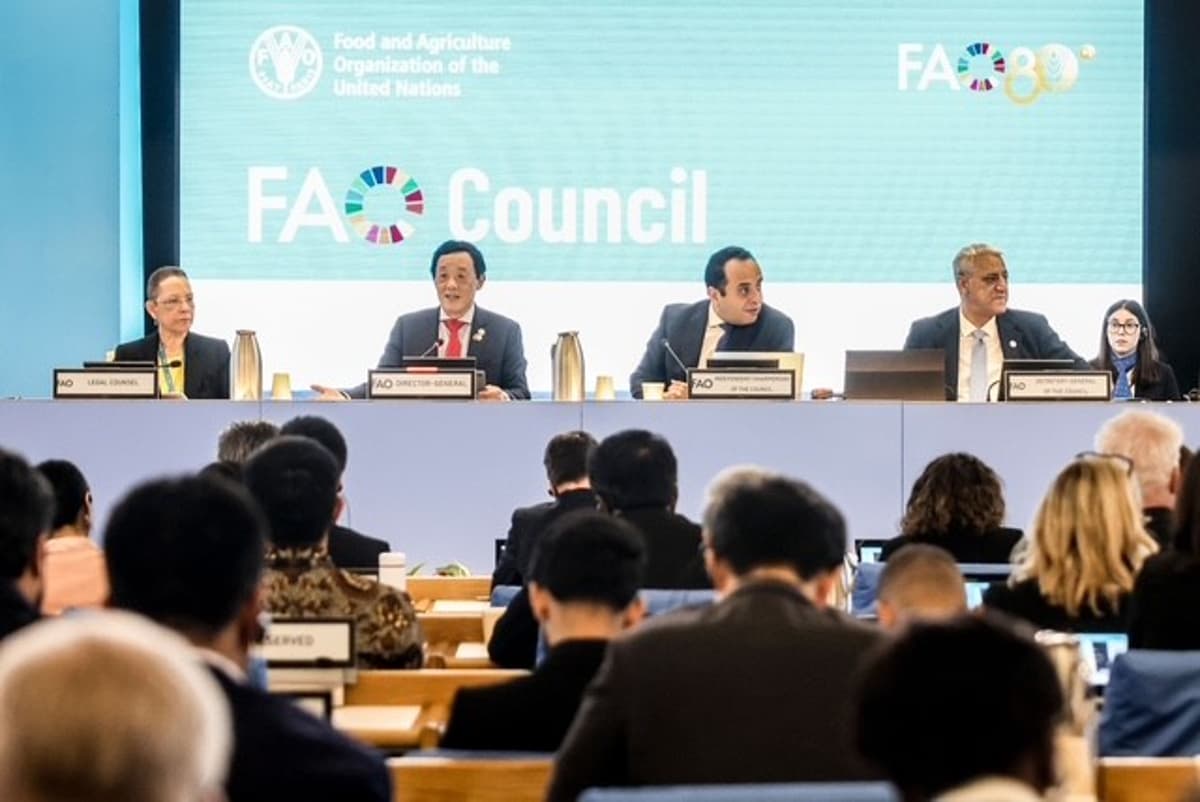
Strait of Hormuz Crisis: FAO Director-General Outlines Risks, Actions and Policy Responses
FAO Director‑General QU Dongyu warned that the near‑total closure of the Strait of Hormuz is destabilising global agrifood systems. Tanker traffic fell over 90%, choking oil, gas and fertilizer flows and pushing Middle Eastern urea prices up 20% in a...

RBNZ Governor Engages Waikato Community on Economic Outlook
Reserve Bank Governor Adrian Breman addressed a Waikato Young Professionals panel, translating global economic headwinds into local implications. He warned that the Middle East conflict is inflating oil and fertilizer prices, contributing to a 3.1% annual CPI reading in the...

Hormuz Deadlock Spurs Landbridge Developments
The Hormuz blockade is prompting Saudi Arabia and Egypt to build a landbridge logistics corridor that bypasses the Strait of Hormuz, linking Gulf ports to the Mediterranean via rail and sea. The route will run across Saudi to Red Sea...
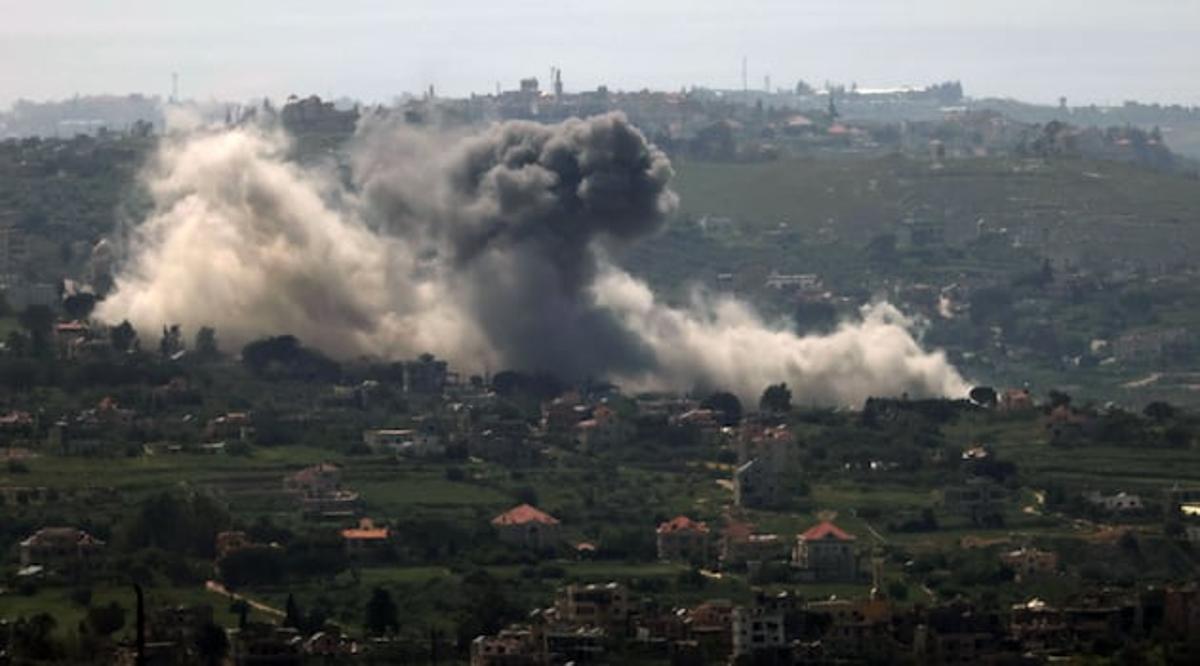
Oil Price Climbs Above $110 for First Time in Three Weeks as US-Iran Peace Efforts Falter
Oil prices rose above $110 per barrel for the first time in three weeks as US‑Iran peace talks stalled, leaving the Strait of Hormuz largely shut. The lack of diplomatic progress revived fears that higher energy costs will force central...