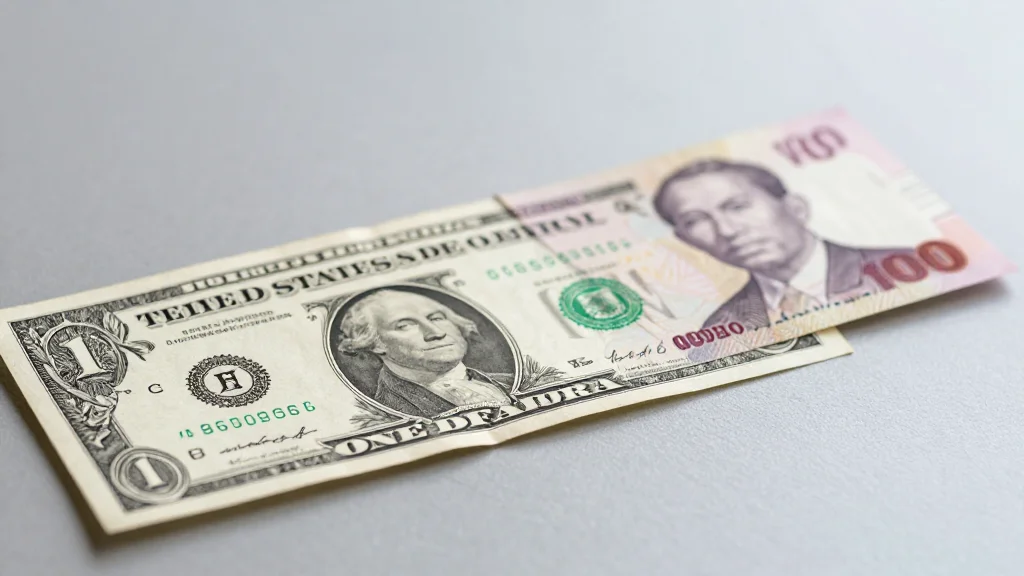
Dollar Slips Against Dong
The U.S. dollar slipped against the Vietnamese dong on April 15, with Vietcombank selling at VND 26,358 (≈$1) and the black‑market rate slipping to VND 26,728 (≈$1.02). The State Bank of Vietnam lowered its reference rate to VND 25,103 (≈$0.96). Globally, the dollar index hovered near six‑week lows at 98.109 as optimism over renewed U.S.–Iran talks lifted risk appetite. Major currencies such as the euro and sterling rose, while the yen and Australian dollar stayed flat.

Market Calm Endures Ahead of Possible US-Iran Talks
Investors are holding their breath as a possible second round of US‑Iran cease‑fire talks keeps markets unusually calm. Oil prices and major currencies are flat, while S&P 500 futures remain steady and Asian equities post modest gains after Wall Street’s overnight...

Official Statistics: Forecasts for the UK Economy: April 2026
On 15 April 2026 HM Treasury released its monthly “Forecasts for the UK economy” report, a side‑by‑side comparison of independent forecasters’ projections. The 19‑page PDF presents short‑term outlooks for 2026‑27 and medium‑term scenarios through 2030, covering both calendar and financial‑year horizons. The...

Tariffs by Another Name: How Discriminatory Taxes on Cross-Border Services Threaten America’s Export Edge
Cross‑border services are increasingly subject to discriminatory taxes that function like tariffs, undermining the United States’ export advantage. The paper highlights three case studies—the UN’s proposed withholding tax framework, European digital services taxes, and the U.S. base erosion and anti‑abuse...

Energy Supply Disruptions From Middle East War to Persist, IEA and IMF Warn
The International Energy Agency, International Monetary Fund and World Bank warned that the ongoing Middle East conflict will keep global oil and gas markets disrupted, even if shipping through the Strait of Hormuz normalizes. The shock is described as substantial,...
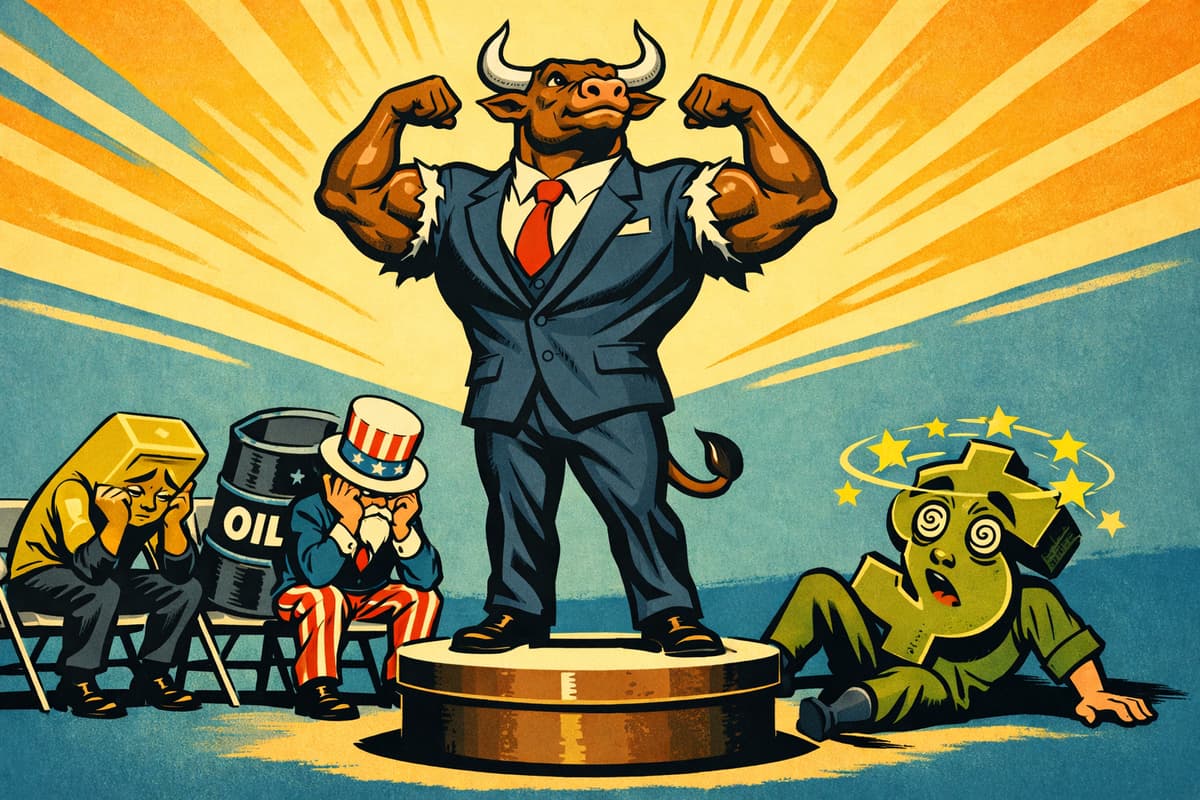
Is the Stock Market Wrong About the Iran War?
U.S. equities have surged, with the S&P 500 gaining about 10.4% since late‑March lows, as investors bet a two‑week cease‑fire will end the US‑Iran conflict. Meanwhile, the producer‑price index showed a modest 0.5% monthly rise, but energy components spiked 8.5%, highlighting...

Japan to Launch $10B Fund to Help Asia Secure Oil
Japan announced a $10 billion financial framework, administered by state‑backed lenders JBIC and NEXI, to help Asian nations secure oil amid heightened Middle East tensions. The fund is equivalent to roughly 1.2 billion barrels, or about one year of crude imports for...

Iran War Pushes Global Food Markets Toward Crisis Mode
The Iran‑Israel conflict is tightening the Strait of Hormuz, choking a key route for oil and agricultural inputs. The IMF and OECD warn that the resulting energy shock could push global inflation above 7% and shrink growth to around 2%,...

FSB Chair Warns of Rising Strains in the Financial System
Financial Stability Board Chair and Bank of England Governor Andrew Bailey warned that the war in Iran is amplifying financing costs and could deliver a "double or triple hit" to the global financial system. He highlighted that tighter credit conditions...
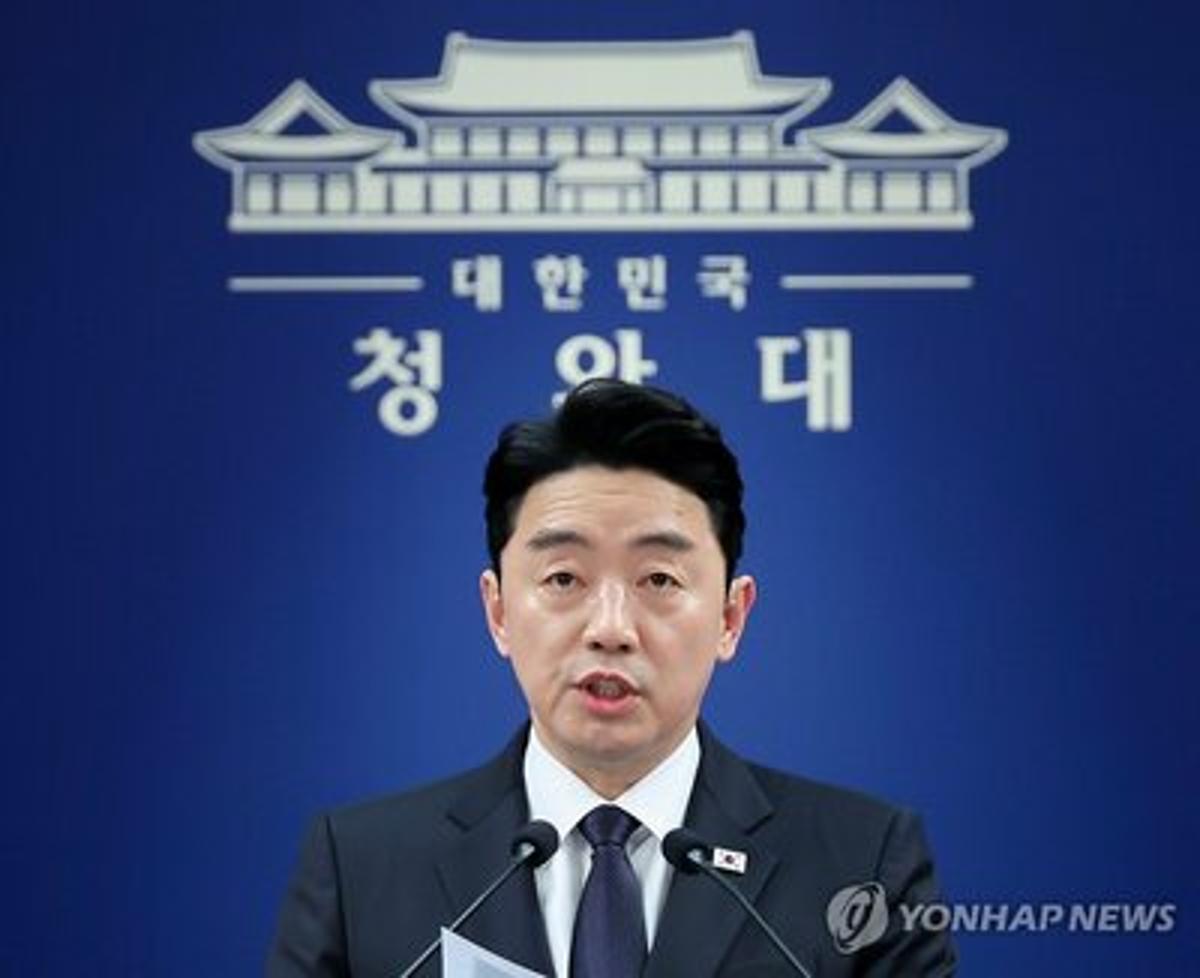
S. Korea Secures 273 Mil. Barrels of Crude Oil, 2.1 Mil. Tons of Naphtha by Year-End: Presidential Aide
South Korea secured 273 million barrels of crude oil and 2.1 million tons of naphtha for delivery by year‑end after a diplomatic tour of Oman, Saudi Arabia, Qatar and Kazakhstan. The volume covers roughly three months of oil consumption and one month...

IMF Says Africa Faces Growth Downgrade Amid Middle East War
The IMF has downgraded Africa's growth outlook for 2026‑27 by 0.4 percentage points, citing the fallout from the US‑Israel‑Iran war. The conflict has pushed oil and gas prices higher, raising inflation expectations to about 5% in Sub‑Saharan Africa and tightening...

Rates Spark: Hard to Make High Conviction Central Bank Calls
Predicting central‑bank moves has become increasingly fraught as oil price swings directly tilt rate‑hike expectations. The ECB appears set to pause in April, yet markets still price a 25‑bp hike by June and another by year‑end, while the Fed and...

India’s Wholesale Inflation Rises to 3.88% in March, Highest in over 3 Years on Fuel, Metal Costs
India’s wholesale price index (WPI) jumped to 3.88% in March, the strongest reading in over three years, driven by sharp increases in crude petroleum, natural gas, and basic metals. Primary‑article inflation surged to 6.36%, while manufactured‑goods inflation rose to 3.39%,...
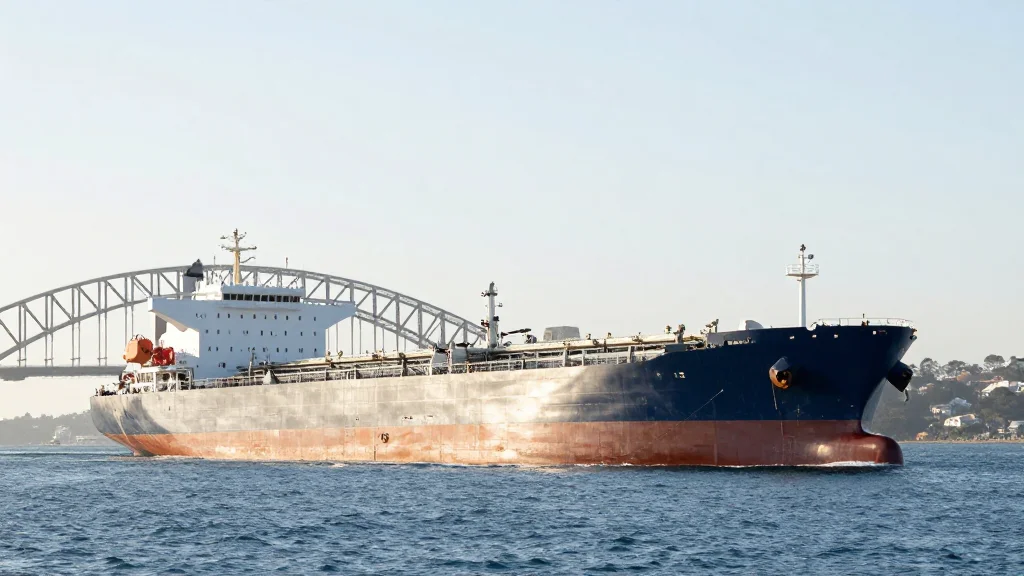
Australia to Import 1.6mn Bl Gasoline From Europe
Australia is arranging to import roughly 1.6 million barrels of non‑oxy gasoline from Europe to shore up its dwindling fuel reserves. A price premium of over $34 per barrel in Singapore relative to Europe opened a lucrative arbitrage window, prompting shipments...

Luxury Brands Book Sales Drop as Mideast War Takes Toll on Airport Shopping
Luxury duty‑free operators are feeling the strain as the Middle East conflict forces airport closures and curtails travel to the region. The disruption, now in its sixth week, has shaved roughly 1% off LVMH’s quarterly sales and cut Kering’s Q1...

FX Daily: Pushing Forward Into De-Escalation Trades
The U.S. dollar slipped to just 0.5% above pre‑war levels as optimism grows around a Middle‑East de‑escalation, aided by a softer‑than‑expected March PPI (0.5% MoM) and modest Fed easing expectations. The Fed’s upcoming Beige Book and the April 21 Senate...
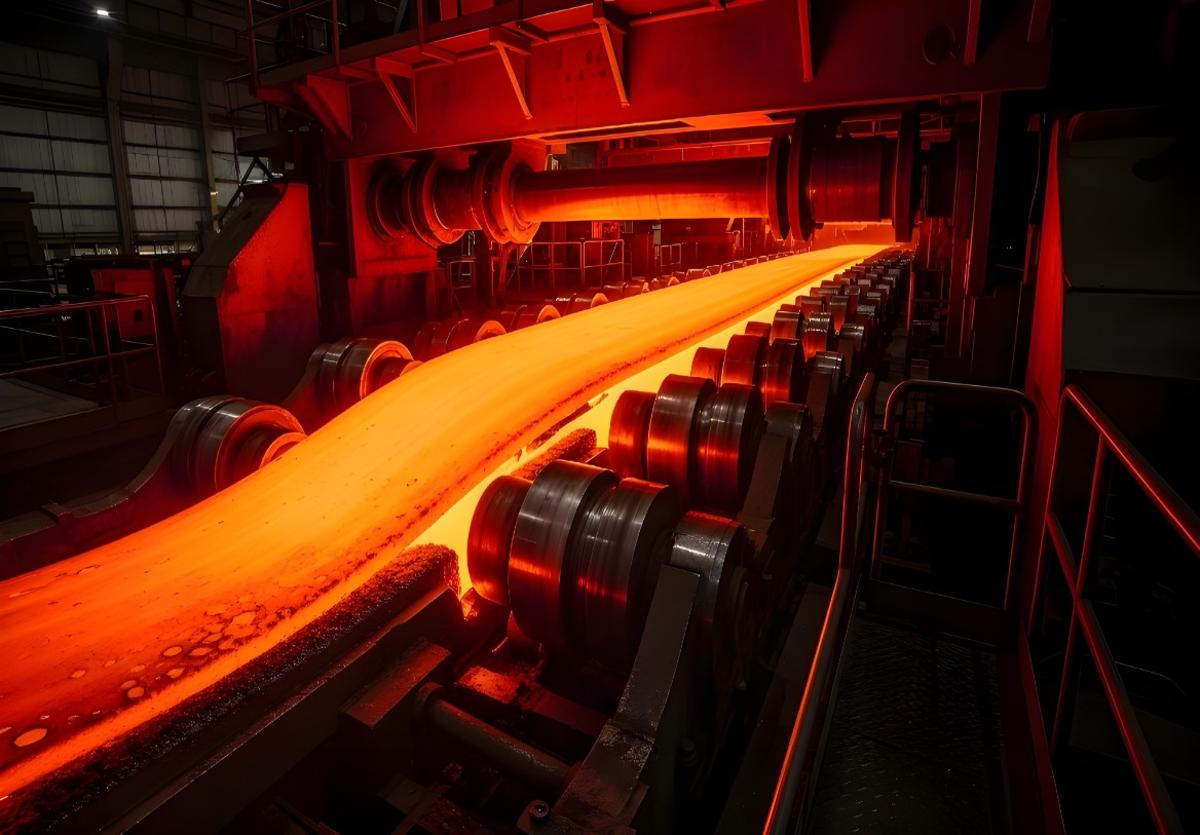
War in Iran Dampens NZ Manufacturing Optimism Despite Continued Growth
New Zealand’s manufacturing PMI slipped to 53.2 in March, down from 54.8 in February but still above the 50‑point expansion threshold. The decline coincided with a sharp rise in negative sentiment, as 62% of firms cited the war in Iran...

Chris Mason: Iran War Means Government's Vicious Circles Tighten and Darken
The UK government is grappling with the economic fallout of the Iran war, which compounds already weak growth and forces a debate over rising defence spending. Chancellor Rachel Reeves expressed frustration over the conflict’s lack of a clear exit strategy,...
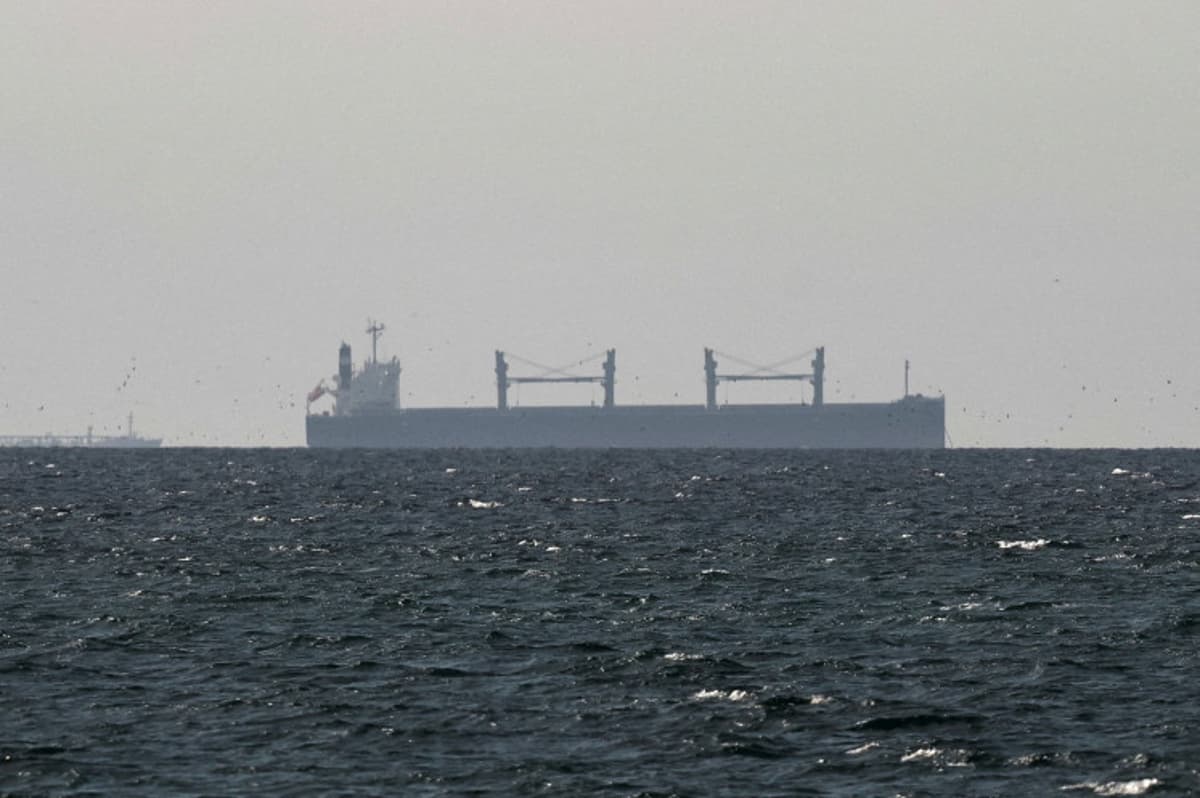
Lose and Lose in the Strait of Hormuz
The Strait of Hormuz, the narrow chokepoint linking the Persian Gulf to the Arabian Sea, handles roughly 20% of daily global oil shipments and is a critical conduit for trade to Asia, Europe and the Americas. Historical episodes—from the Iran‑Iraq...

LEI for Brazil Declined in March
Brazil’s Conference Board Leading Economic Index slipped 1.2% in March 2026 to 123.5, marking the first monthly decline since August 2025. Despite the dip, the index has risen 2.9% over the September‑March six‑month span, reversing a prior contraction. The Coincident...

Economic Forecast for the Euro Area Economy (April 2026)
The Conference Board now sees Euro‑area growth slipping to just 1.0% in 2026 as higher oil and gas prices—still near $100 per barrel and about $55 per MWh—push headline inflation to 2.5% in March. Business sentiment and the composite PMI...

Why Did China Buy Up the World’s Ports?
China’s state‑run agencies and SOEs have financed 363 port projects worth roughly $24 billion across 168 ports in 90 countries since 2000, creating a global maritime network that blends commercial returns with strategic leverage. The AidData report shows that about 35%...

The Mix of Chaotic Politics and a Resilient Economy Can’t Last
Amid escalating political turbulence, the United States economy has shown surprising resilience, posting solid growth and low unemployment. Analysts warn that the mix of partisan gridlock, rising fiscal deficits, and external shocks cannot be sustained indefinitely. Inflation pressures and looming...
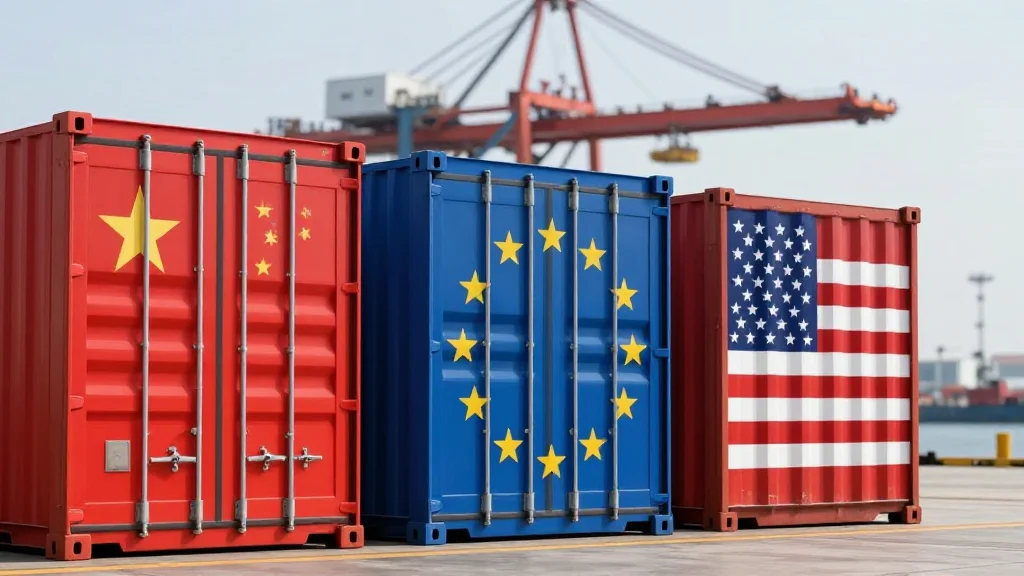
The China Shock 2.0
China’s economy generated a record $1.2 trillion trade surplus last year, intensifying fears that its flood of imports could swamp industries worldwide. European policymakers are drafting rules that would require Chinese firms opening factories in the EU to transfer technology and...
IMF Says Strait of Hormuz Closure Raises Prospect of ‘Major Energy Crisis’ – Video
The IMF warned that a shutdown of the Strait of Hormuz would spark a major energy crisis, pushing oil prices sharply higher. Chief economist Pierre‑Olivier Gourinchas outlined an adverse scenario with rising inflation and tighter financial conditions, and a severe...
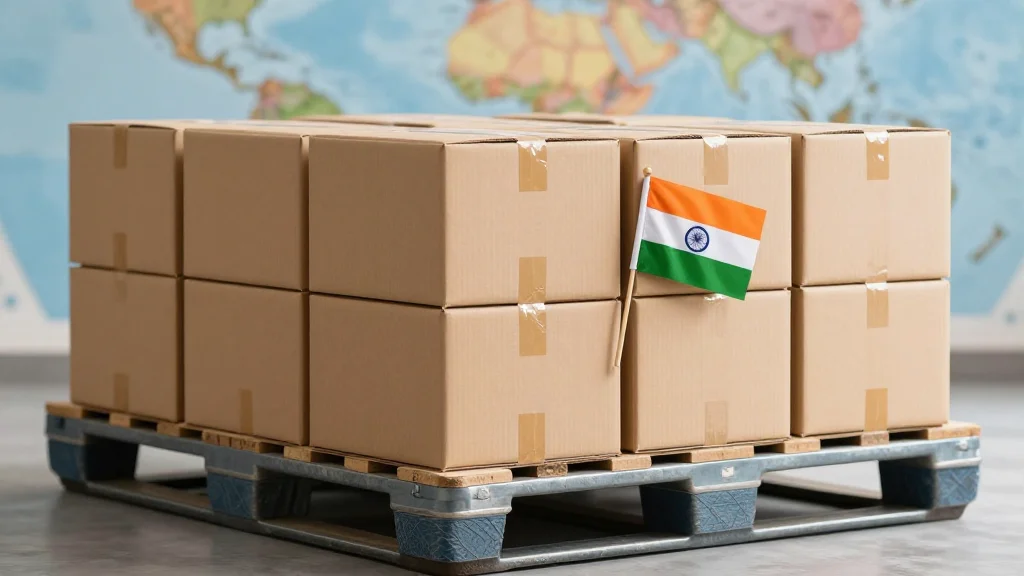
For FDI, E-Comm Exports Must Be in Separate Cart
The Central Board of Indirect Taxes and Customs has rolled out reforms to streamline e‑commerce exports, including lifting the Rs 10 lakh (≈ $12,000) value cap per courier shipment. The government is evaluating allowing foreign direct investment in inventory‑based e‑commerce solely for overseas...

US Set to Start Refunding $127 Billion in Tariffs
The U.S. Treasury will begin processing refunds on April 20 for $127 billion in tariffs that the Supreme Court struck down earlier this year. The Court of International Trade ordered the government to file a progress report by April 28. A new...
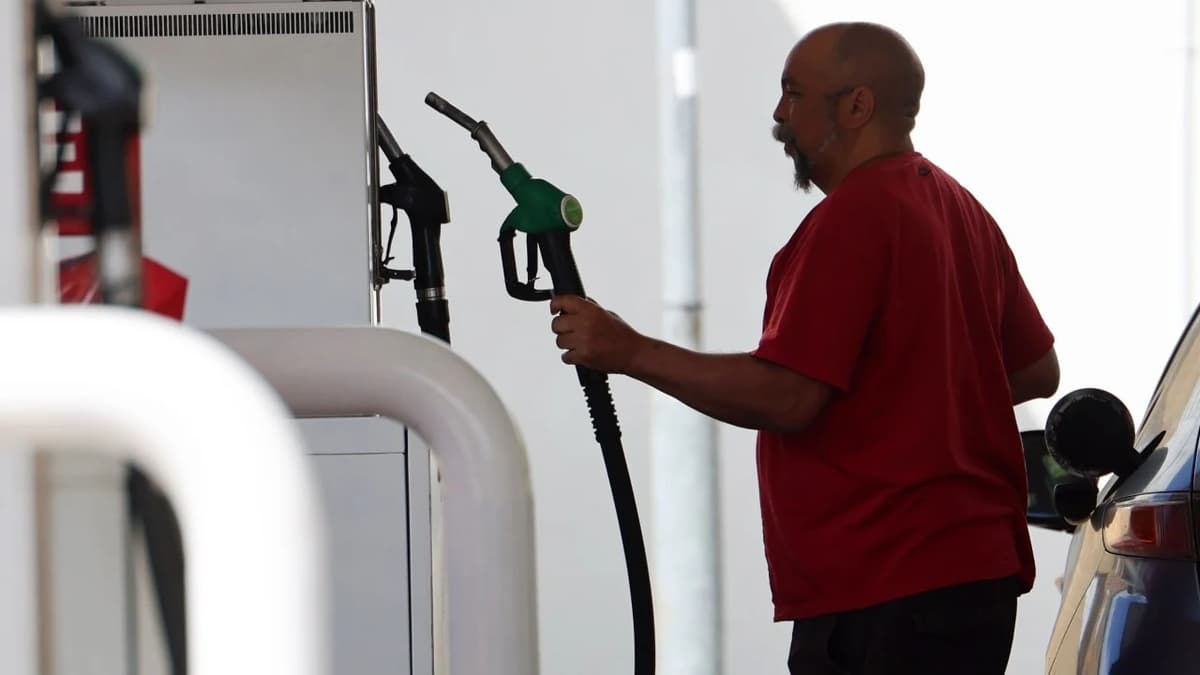
Which Countries Are Most Vulnerable as US Imposes Its Own Blockade in Persian Gulf?
The United States has begun a unilateral blockade of the Strait of Hormuz, raising concerns about energy‑supply disruptions. Nomura’s analysis flags Asian importers such as Thailand, India, Indonesia and the Philippines, as well as European economies like Germany, Italy and...
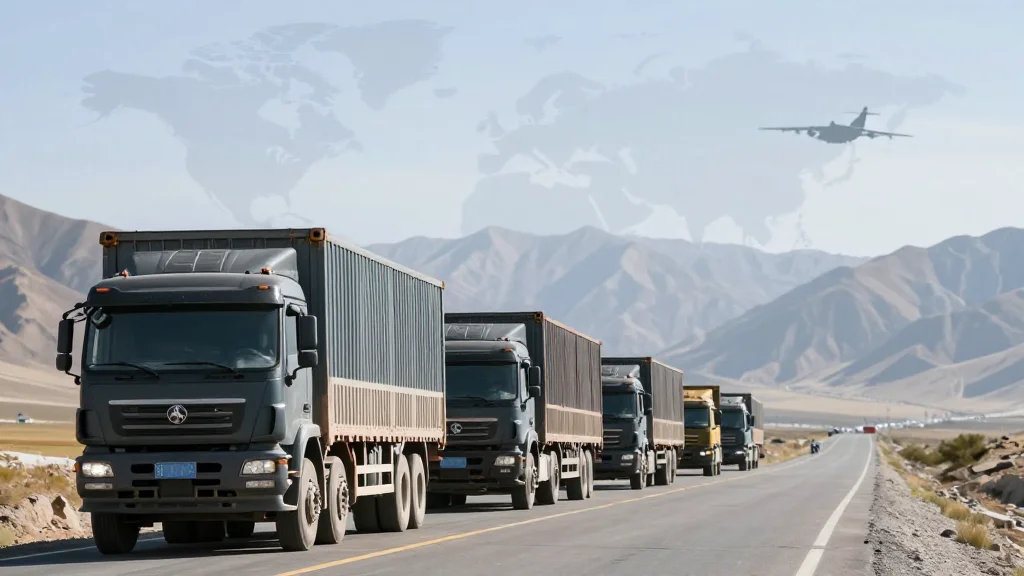
Iran’s Trade with Tajikistan Experiences Q1 Spike
Bilateral trade between Iran and Tajikistan jumped 50% in Q1 2026, reaching about $120 million, despite the outbreak of the US‑Israeli‑Iran war. Tajik exports accounted for roughly $24 million of that total, while a massive convoy of 110 trucks delivered over 3,600 tons...

Russians Looking to Increase Exports to Thai Market
Russia’s Deputy Prime Minister Dmitry Patrushev announced a drive to boost Russian agricultural exports to Thailand after meeting Thai Agriculture Minister Suriya Juangroongruangkit. Bilateral trade in food and farm products grew over 15% last year, and Thailand is negotiating up...
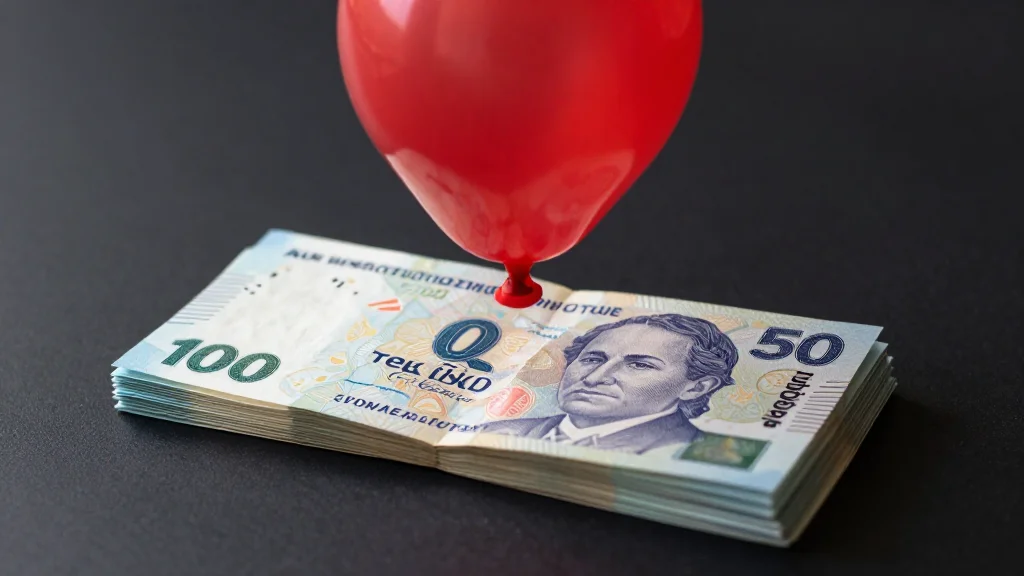
Argentina Inflation Eases to 32.6pc in March
Argentina’s inflation eased to 32.6% year‑over‑year in March, down from 33.1% in February, yet it remains far above the government’s 10.1% target. The slowdown follows a historic peak of 292% in April 2024 after a sharp peso devaluation and aggressive...

Op-Ed: Mideast Conflict Provides a Test of Economic Resilience
The escalation of the Middle‑East conflict has sharply disrupted oil and LNG flows through the Strait of Hormuz, pushing Brent crude above $100 a barrel and threatening to reach $200 if hostilities persist. The OECD still projects 2026 global growth...

Stocks Surge Toward Records on US-Iran Hopes, Corporate Earnings
U.S. equities surged on Tuesday, with the S&P 500 gaining about 1.2% and the Nasdaq rising nearly 2%, putting both indexes within striking distance of record highs. The rally was fueled by renewed diplomatic talks that eased U.S.-Iran tensions and by...

IMF Cuts Growth Outlook and Warns World Drifting Toward 'Adverse Scenario'
The IMF lowered its 2026 global growth forecast to 2.9% amid Middle East war‑driven oil price spikes, while warning the world is drifting toward an adverse scenario that could cut growth to 2.5%. The reference scenario assumes oil averaging $82...
US Will Not Renew Iran Crude Sanctions Waiver
The U.S. Treasury announced it will let the temporary waiver permitting purchases of seaborne Iranian crude lapse on April 19, ending the short‑term relief granted on March 20. The waiver was originally meant to cushion Gulf oil supplies amid the U.S.–Iran conflict....
15 Charts that Explain Why the Strait of Hormuz Shutdown Matters for the Global Economy
The United States announced a blockade of the Strait of Hormuz on April 12, effectively shutting down one of the world’s most vital commodity corridors. The closure halts exports of crude oil, LNG, jet fuel, diesel, ammonia, sulfur, helium and...

Global Finance and Energy Leaders Warn of Potentially Dire Impacts From Iran War
The International Monetary Fund and International Energy Agency warned Tuesday that the ongoing Iran war could push the global economy into recession and spur higher inflation. The conflict has cut oil output by roughly 10 million barrels per day, triggering the...
Sourcing Without Borders, But Not Without Barriers
Global sourcing is shifting from pure cost optimization to resilience and flexibility as tariffs, geopolitical tensions, and supply‑chain volatility force retailers and brands to redesign their networks. Companies are increasingly adopting regional nearshoring and multi‑hub models, expanding manufacturing in Mexico,...
Charai for The Jerusalem Strategic Tribune: Lebanon and Israel Have Opened a Historic Door. Washington Must Not Let Iran Shut...
The article content was not provided, so I cannot generate a summary.

On Iran, China Softens Its Approach
China has softened its diplomatic tone amid the Strait of Hormuz crisis, opting for measured calls for stability rather than the confrontational wolf‑warrior rhetoric of recent years. The shift coincides with an extensive purge of senior PLA officers, removing roughly...

Event – Private-Sector Assets in the IIP: A Blind Spot in Surveillance and an Opportunity for Cooperation
The Center for Economic and Policy Research hosted an event on April 14, 2026 to highlight a persistent blind spot in the International Investment Position (IIP): the limited surveillance of private‑sector assets. Speakers argued that current IIP statistics focus on...

Dow Gains 318, Nasdaq Climbs 455, S&P 500 Rises 81
U.S. equities surged on Tuesday, with the Dow up 317 points, the Nasdaq climbing 455 points and the S&P 500 gaining 81 points as investors cheered renewed diplomatic hopes between the United States and Iran. Brent crude fell 4.6% to...

Food Prices Are Already High in Canada. Will the Iran War Make Them Worse?
Canada’s food prices are already 30% higher than a decade ago and have been outpacing overall inflation. The ongoing war in Iran threatens to push oil prices above $100 per barrel, which could raise transportation costs, particularly for fresh fruits...

Fed's Barr Says Tariffs, Geopolitics Weigh on Rural Areas
Federal Reserve Governor Michael Barr warned that recent tariff shifts and the Iran‑related conflict are creating short‑term cost pressures for rural America, especially in agriculture. He highlighted a 38% drop in U.S. soybean shipments to China, a 55% surge in...

'Bit of Pain' Worth Long-Term Security From Iran, Bessent Tells BBC
U.S. Treasury Secretary Scott Bessent told the BBC that a "small bit of economic pain" from the US‑Israel war with Iran is justified to eliminate the long‑term threat of Iranian nuclear strikes on Western capitals. The IMF warned the conflict...

How to Navigate a Rogue America
Harvard professor Stephen M. Walt argues that the Trump administration has turned the United States into a predatory, rogue‑like power, abandoning soft‑power diplomacy for zero‑sum tactics such as tariffs, defense‑burden demands, and unilateral territorial ambitions. He contends this behavior erodes...

View From the EDGE® April 2026: A Two-Week Ceasefire, but Uncertainty Remains
Chief Investment Strategist Fritz Folts and Deputy CIO Eric Biegeleisen discuss 3EDGE's latest market outlook following a two‑week cease‑fire in the Iran conflict. They assess how the pause in hostilities could temper immediate volatility but leave underlying geopolitical risk intact....

Babies Beget Babies. That’s Both a Problem and a Policy Lesson.
The new NBER paper finds that exposure to babies increases the desire for children, creating a self‑reinforcing loop that may explain about 13% of the recent fertility decline. Economists argue that policies such as child subsidies, affordable housing, and better...
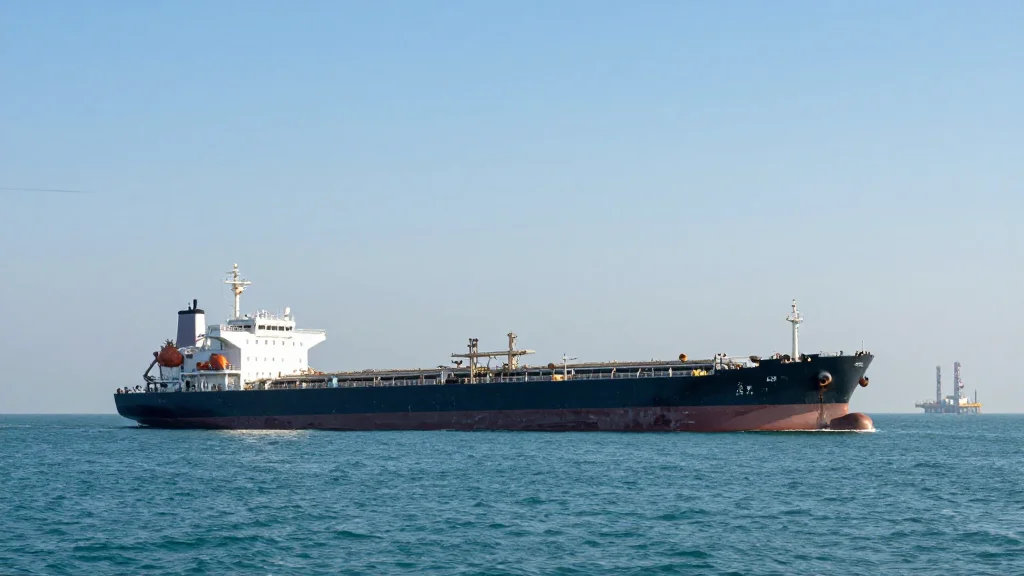
Report: Saudi Arabia Pushes U.S. to Lift Blockade on Iranian Traffic
Saudi officials are urging the White House to lift its newly imposed blockade on Iranian shipping, warning that the restriction could spark a fresh escalation and further curtail oil exports from the Arabian Gulf. Iran’s recent missile and drone strikes...

'We Should Not Let Them Into Our Country': Ford CEO On Chinese EVs
Ford CEO Jim Farley warned that allowing Chinese electric vehicles into the United States would devastate domestic manufacturing and erode U.S. auto jobs. He highlighted that more than 100 Chinese EV makers can produce cheaper, feature‑rich cars at a scale...